25 Best Orzo Recipes for Easy Weeknight Dinners
Ingredients
Scale
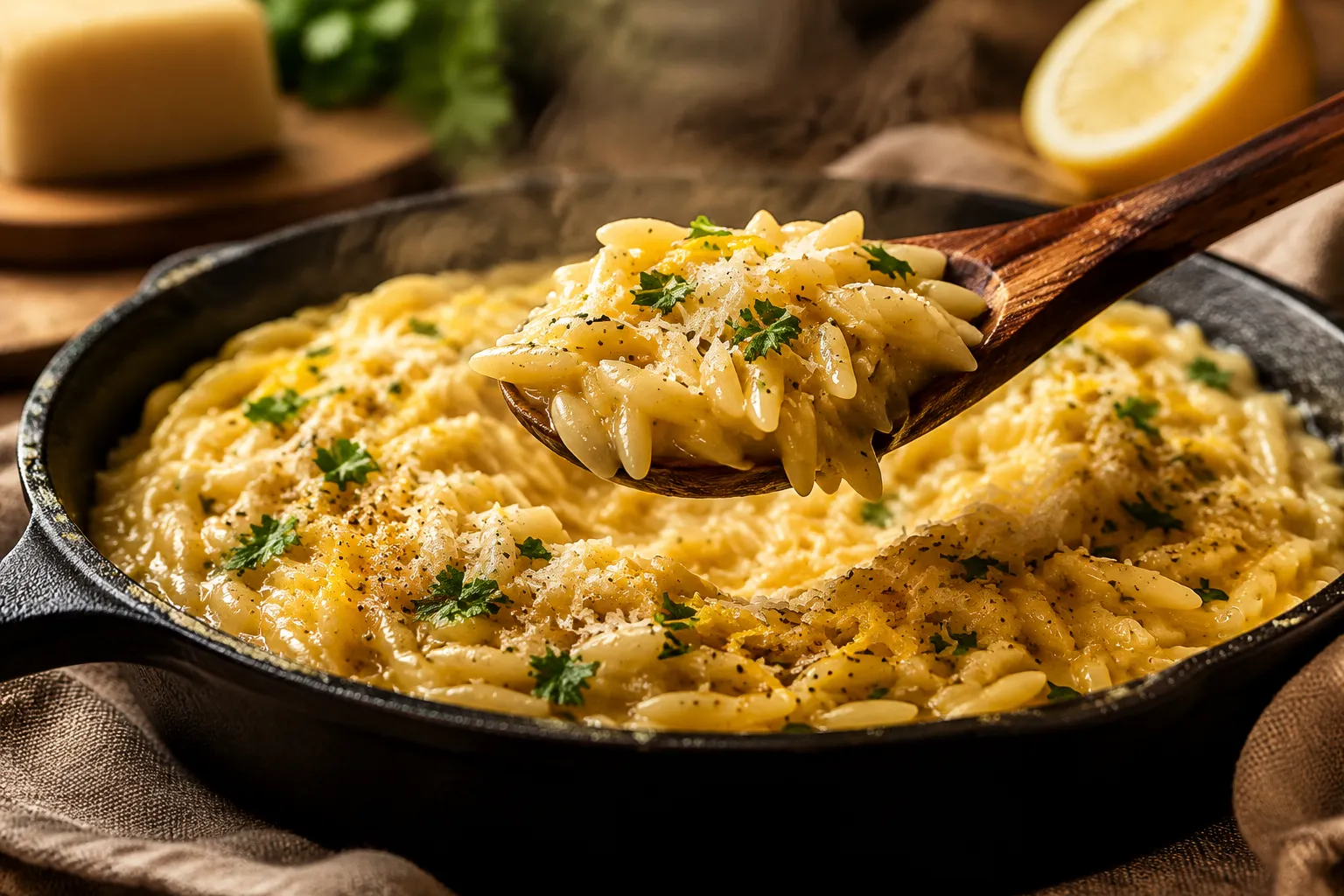
These easy orzo recipes prove the tiny rice-shaped pasta is a weeknight hero. From creamy one-pot dinners to bright lemon orzo salads, there's something for every craving.
These 25 best orzo recipes are about to become the most-bookmarked page in your weeknight rotation, and for good reason. The tiny rice-shaped pasta cooks in under 10 minutes, soaks up flavor like a dream, and slides effortlessly between cozy creamy dinners, bright summer salads, and brothy, restorative soups. Whether you're feeding picky kids, meal-prepping lunches for the week, or trying to throw together something a little more special on a Tuesday, orzo shows up every single time.
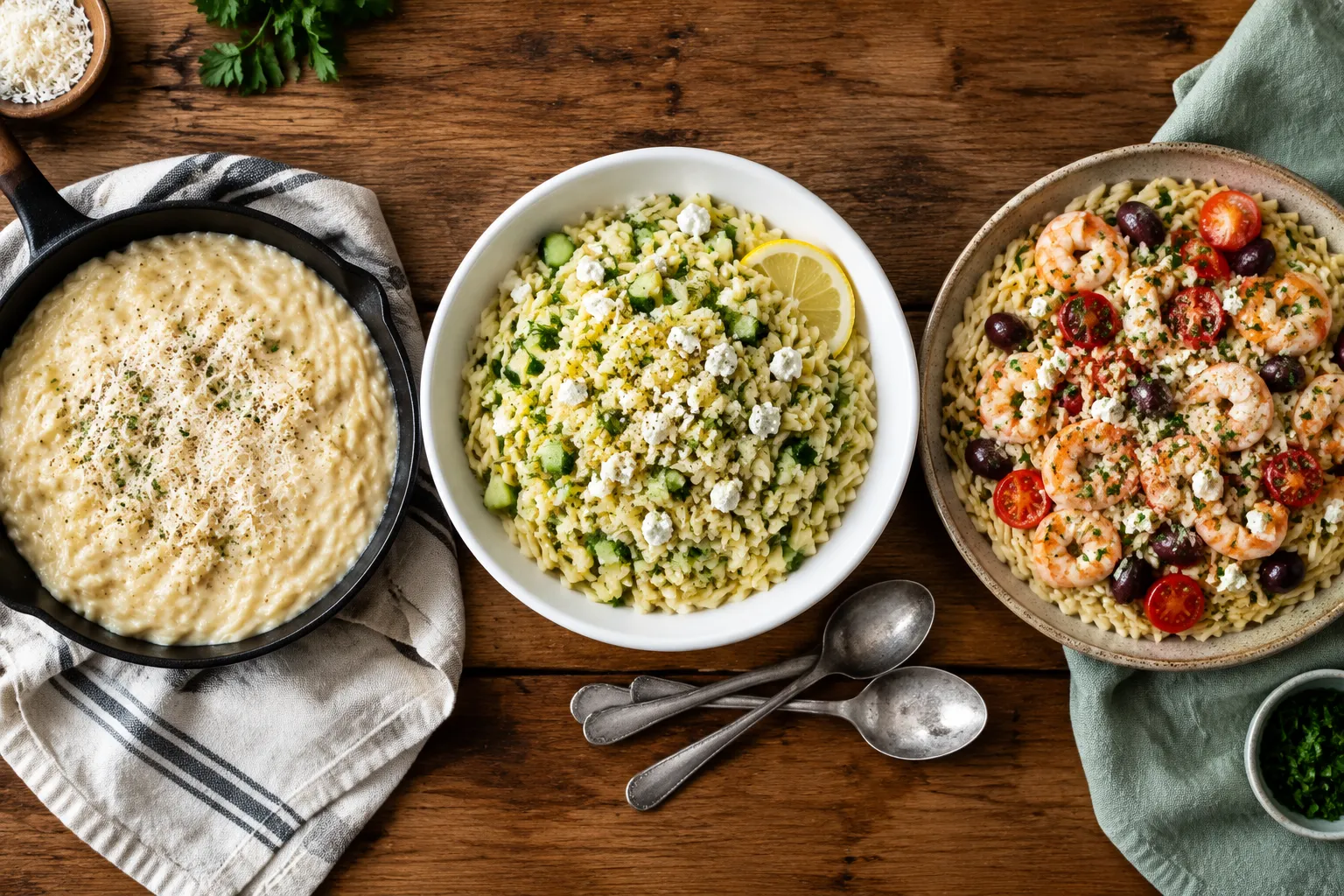
I keep at least two boxes in my pantry at all times, right next to the rice and the spaghetti, because orzo bridges both worlds. You can simmer it risotto-style for the silkiest creamy parmesan orzo, toss it cold with cucumbers and feta for a Greek-inspired side, or stir it into chicken broth with lemon and dill for the kind of soup that quietly fixes a bad day. This roundup organizes all 25 ideas by category, so you can zero in on exactly what you're craving.
Down below you'll also find a full recipe card for the creamy Parmesan garlic version pictured above, which is the gateway dish I recommend if you've never made an orzo recipe from scratch before. Bookmark this page, save the recipe card, and let's dig in.
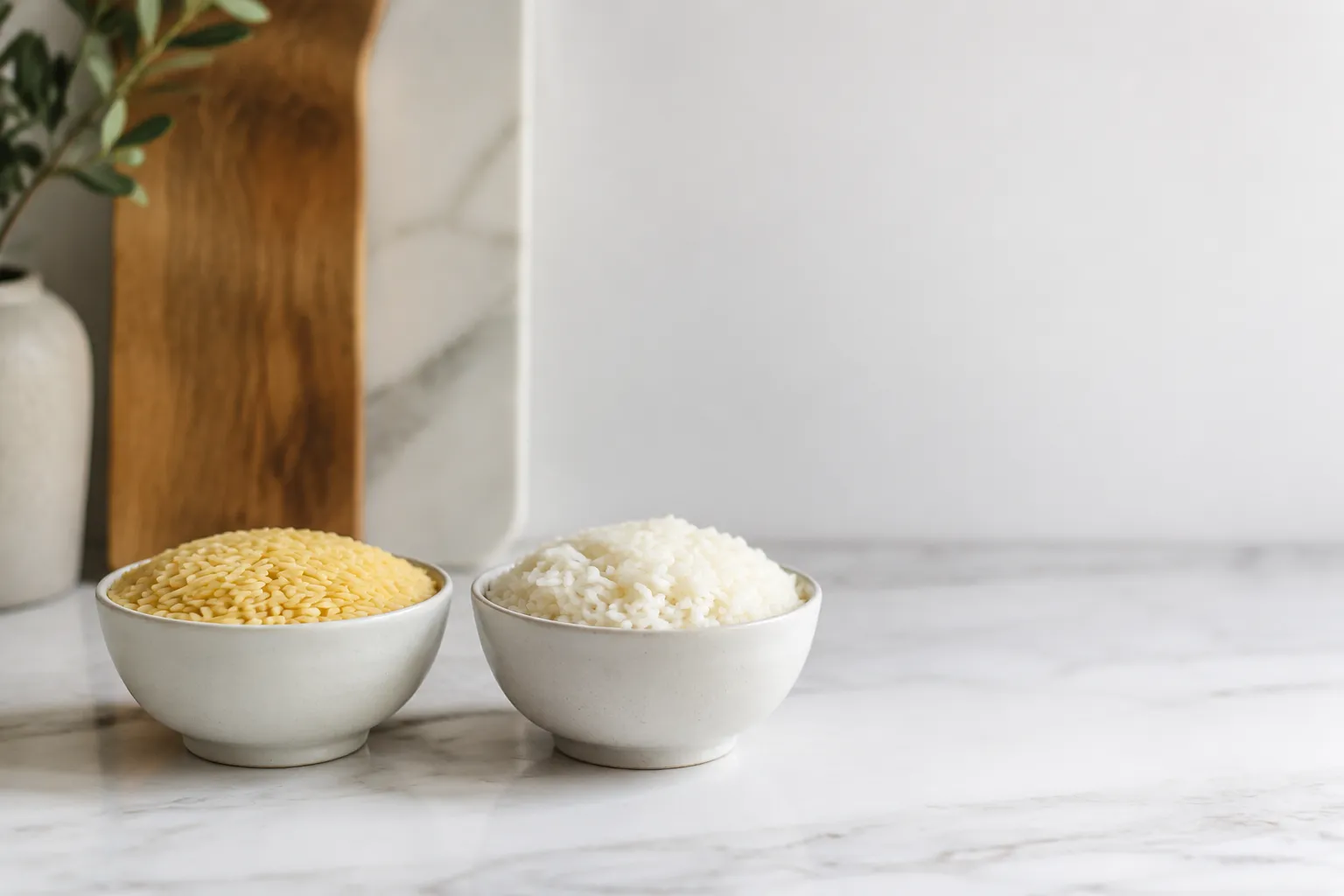
If you've ever stood in the pasta aisle squinting at a box of what looks like overgrown rice grains and wondered what is orzo, you're in very good company. Orzo is a small, rice-shaped pasta made from semolina wheat — the same flour used for spaghetti, penne, and most other dried Italian shapes. It originated in Italy (where it's often called risoni, meaning "big rice"), but it's a fixture across Mediterranean and Middle Eastern cooking too, where it shows up in pilafs, soups, and chilled grain salads.
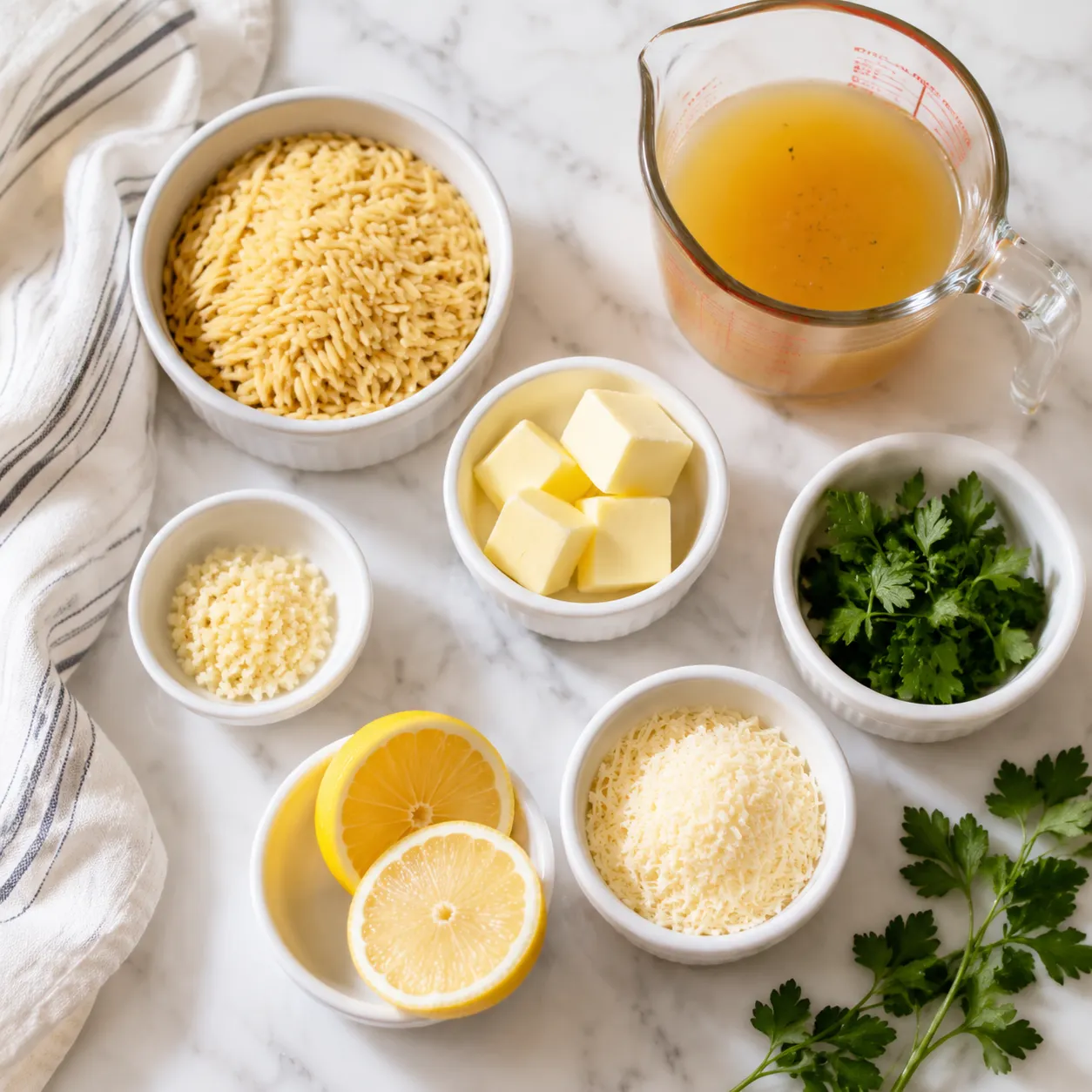
Despite the look, orzo cooks like pasta — boil it in salted water for 8 to 9 minutes and you've got al dente grains ready to soak up dressing or sauce. The confusion is so common that orzo rice has become a real search term, but rest assured, you're cooking pasta. Most major brands (Barilla, De Cecco, DeLallo) sell standard semolina orzo in the dried pasta aisle, whole-wheat versions are easy to find, and gluten-free orzo made from brown rice or chickpea flour shows up in most natural-food stores.
If you're out of orzo, the closest swaps are acini di pepe, ditalini, or pearl couscous — anything tiny and quick-cooking will work in a pinch. Long-grain rice can stand in for baked or pilaf-style dishes, but expect a longer cook time and a different texture. The reason home cooks fall for it and never look back is that it gives you the comfort of pasta with the versatility of a grain, which is exactly why this collection of orzo pasta recipes is worth saving.
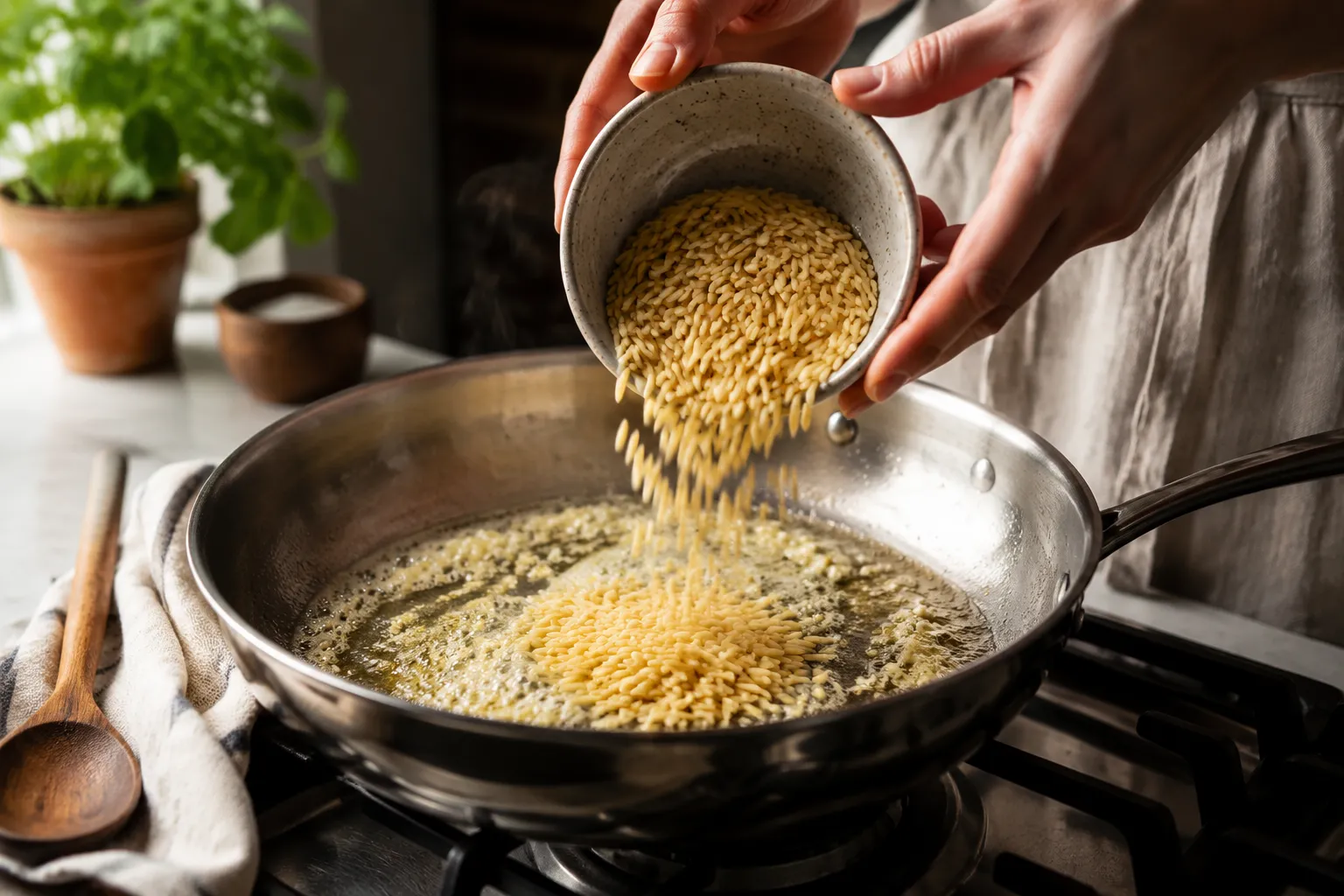
Mastering one or two cooking methods is the difference between a great orzo recipe and a sad, gummy one. The three main approaches are boiled (best for salads and sides where you want distinct grains), pilaf-style (toast in butter or oil, then simmer in measured broth like rice), and risotto-style (stir while broth absorbs gradually, for the creamiest finish).
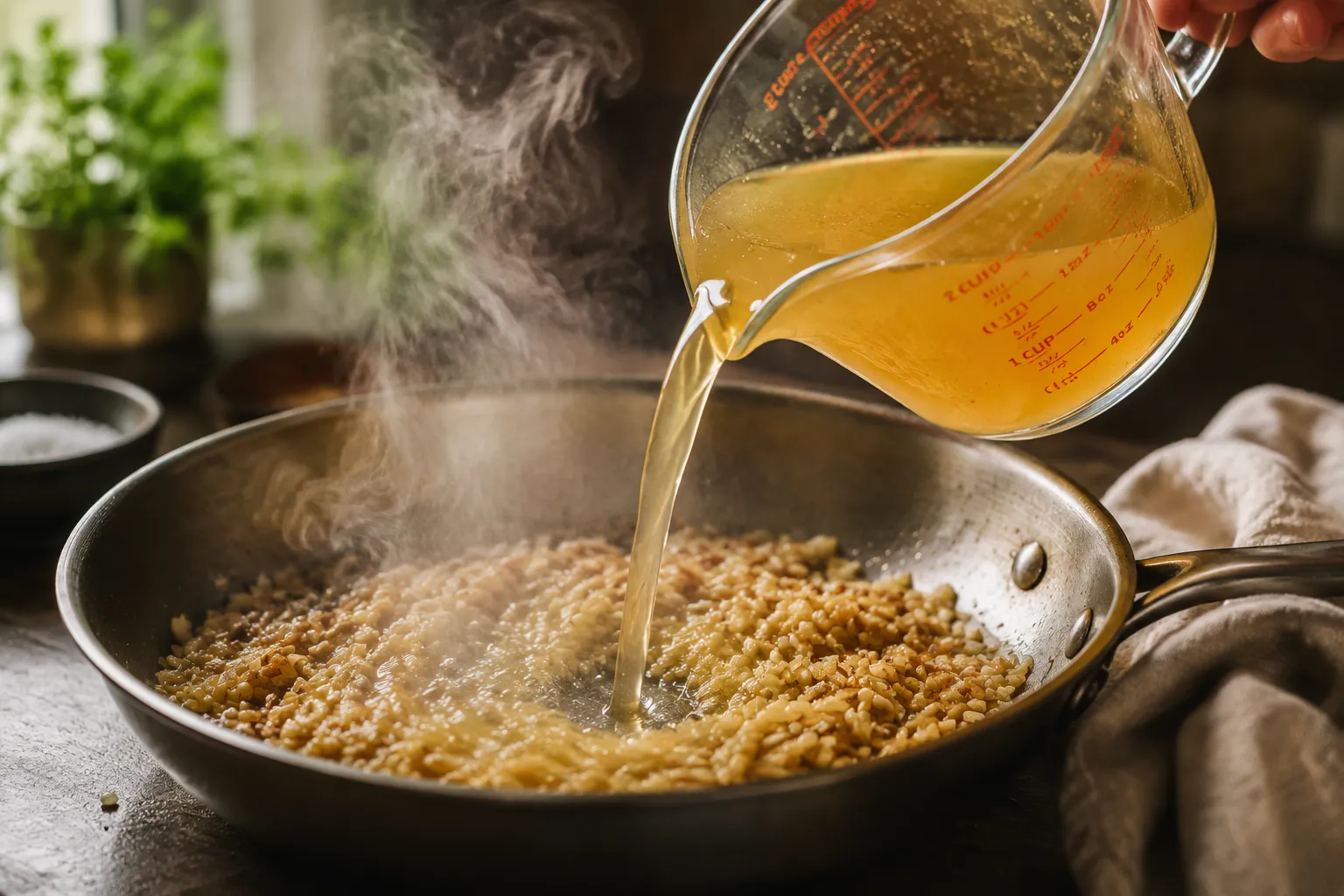
Toasting is the secret most home cooks skip. Two minutes in foamy butter or olive oil before the liquid hits gives you nutty, deeper flavor and helps the grains hold their shape during longer simmers. It's the same trick that makes a good rice pilaf taste restaurant-quality, and it's worth the extra step every time you cook.
Common pitfalls: overcooking by even a minute (it goes from al dente to mush fast), skipping the stir (pilaf and risotto methods both need a wooden spoon close by), and rinsing after draining for hot dishes — that washes off the starch you want for sauce-clinging. Rinse only when you're building a cold salad and want the grains separate.
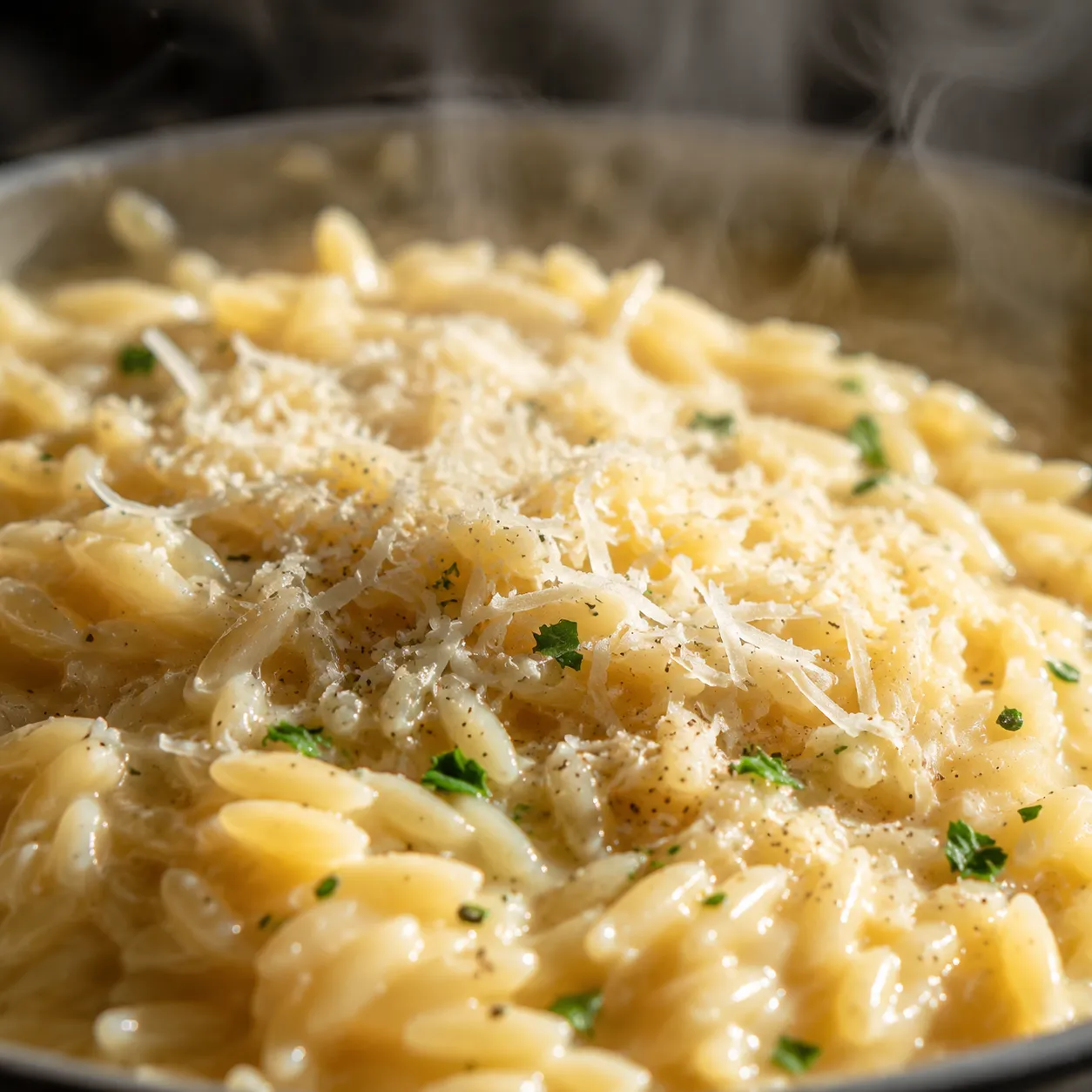
This is where orzo earns its weeknight-hero status. Because the grains are small and starchy, they release just enough body to create a velvety sauce without a roux, heavy cream, or any real fuss. A great creamy orzo dish comes together in about the time it takes to set the table, and it always tastes like you tried harder than you actually did.
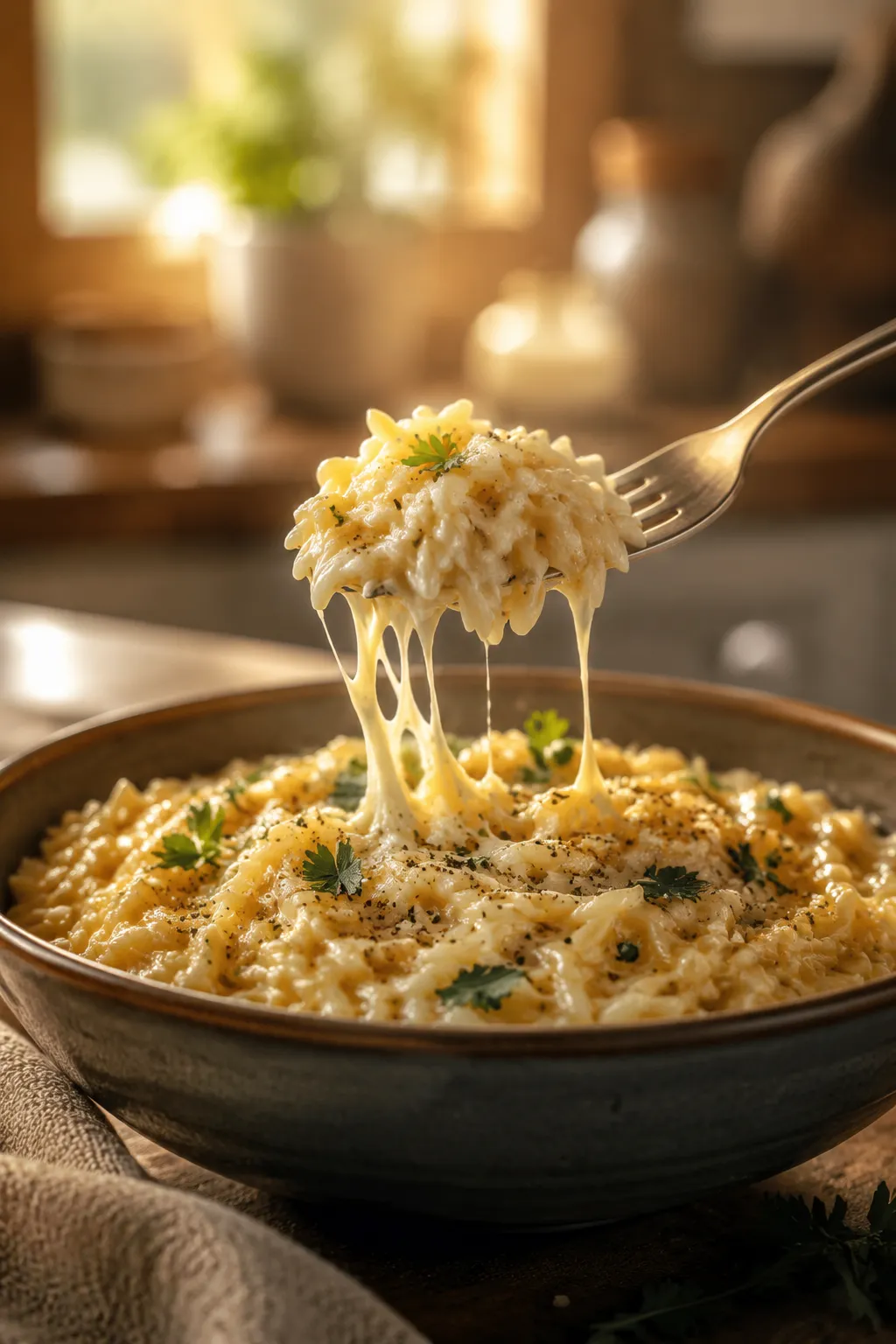
The headliner of this category is creamy parmesan orzo, made risotto-style with butter, garlic, broth, and a generous handful of finely grated Parm stirred in at the very end. Add a squeeze of lemon and you've got the dish on the recipe card below. From there, the variations are endless — wilt in baby spinach and a swirl of cream for a silky lemon butter version, or brown Italian sausage and stir in tomato paste for a pink, weeknight-cozy creamy tomato orzo.
These creamy orzo recipes also love a little reinvention. Try adding Boursin cheese and roasted cherry tomatoes (the viral combination that refuses to die, for good reason), or stir in mascarpone with peas and prosciutto for something that feels distinctly springy. A handful of garlic bread on the side never hurts.
One-pot cooking is where this little pasta truly shines, because orzo is small enough to cook through evenly in the same liquid as your protein and veggies. That means fewer dishes, more flavor (everything seasons everything), and dinner from raw to plated in about half an hour. When it comes to orzo recipes that earn permanent rotation status, the one-pot category wins every time.
A one-pot chicken orzo skillet with sun-dried tomatoes, baby spinach, and a Parmesan-cream finish is my most-requested weeknight dinner. Bone-in thighs sear in the pan, then the orzo simmers right in the rendered fat and broth until the chicken is cooked through and the pasta is glossy. A Greek shrimp version with crumbled feta, oregano, and lemon hits the table even faster — shrimp only need a few minutes, so the orzo does most of the heavy lifting.
For a fully vegetarian option, a Mediterranean orzo skillet with chickpeas, kalamata olives, artichoke hearts, and big crumbles of feta is brothy, bright, and just as filling. Toss in a handful of arugula off the heat for a peppery finish, and you've got a complete dinner with nothing but a green salad alongside.
Other one-pot ideas worth saving: cheesy taco orzo with seasoned ground beef and a sour cream drizzle; creamy mushroom and thyme orzo with a splash of white wine; harissa shrimp orzo with crispy chickpeas; and a quick lemon-garlic salmon orzo bake that finishes under the broiler. Any of these works as a full meal with minimal cleanup.
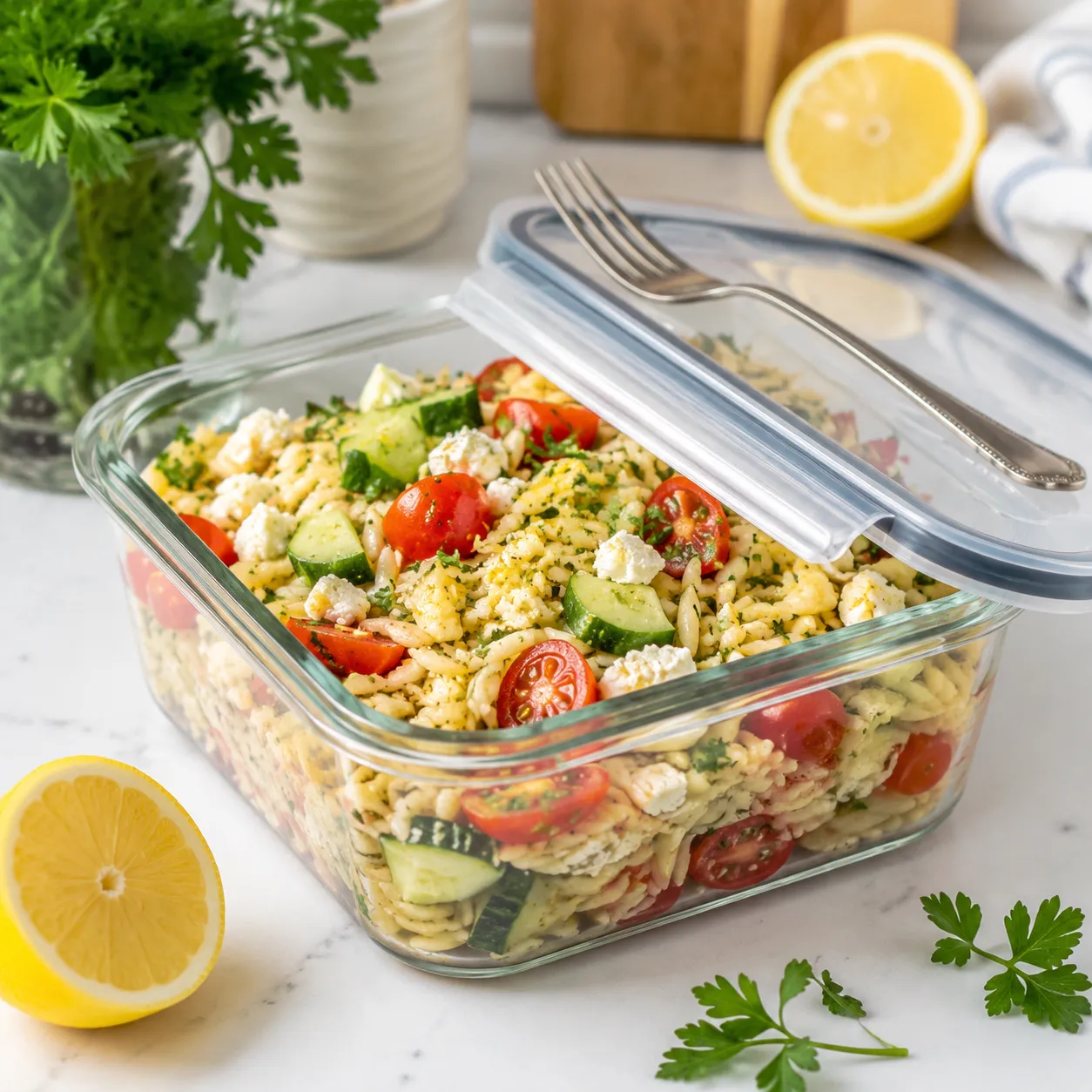
Cold or room-temperature orzo salads are summer's secret weapon — they hold up at picnics, travel beautifully in lunchboxes, and only get better as they sit and absorb dressing. The base technique is the same every time: boil the orzo in salted water until just al dente, drain, rinse briefly under cool water to stop the cooking, then toss while still slightly warm so the dressing soaks in.
A bright lemon orzo salad with parsley, dill, scallions, and a sharp lemon-olive-oil vinaigrette is the version I make on repeat from May through September. Add toasted pine nuts and crumbled feta and you have a proper Greek orzo salad — pile it next to grilled chicken or lamb skewers and call it dinner. For a meatier main-course version, fold in shredded rotisserie chicken, halved cherry tomatoes, and ribbons of cucumber.
A roasted vegetable variation (zucchini, red onion, bell peppers, and tomatoes roasted hard until charred at the edges) tossed with warm orzo, lots of basil, and a balsamic drizzle is the side dish I bring to every cookout. It plays nicely with grilled steak, salmon, or a simple roast chicken, and it's just as good cold the next day. Round out the table with crusty bread or garlic bread for soaking up the dressing.
When the weather turns, orzo soup becomes my entire personality. The pasta cooks directly in the broth, picking up flavor and giving the bowl gentle body, and the result lands somewhere between brothy and stewy in the best possible way. These are also the orzo recipes I freeze in batches and pull out on the worst weeknights of January.
The classic is lemon chicken orzo soup — shredded rotisserie chicken, carrots, celery, lots of dill and parsley, and enough fresh lemon juice to make it sing. It's the dish I make every time someone in the house starts coughing. Italian wedding soup with tiny meatballs, escarole, and orzo standing in for the traditional acini di pepe is another winner; the meatballs can be made ahead and dropped in straight from frozen.
For a vegetarian option, a tomato basil version blended lightly for body, finished with a swirl of cream and a shower of Parmesan, drinks like the grown-up version of childhood tomato soup. Other cozy ideas: lemony Greek avgolemono with orzo and shredded chicken; a smoky white bean and kale stew; minestrone with orzo subbed for the small shells; and a creamy mushroom-orzo soup that tastes like risotto in a bowl.
Whichever direction you go, the 25 ideas in this collection prove that a single box of pasta can carry you from January's coldest soup night to August's brightest backyard salad. That's exactly why orzo recipes deserve a permanent spot in your weeknight rotation, and why I always have a backup box stashed behind the spaghetti.
Once you've nailed the basic creamy Parmesan version, the rest of these orzo dishes are just an ingredient swap away. Use the master recipe below as your starting point and riff with whatever protein, vegetable, or cheese is hanging out in the fridge.
Cooked orzo keeps well in an airtight container in the fridge for up to 4 days. Creamy versions thicken considerably as they chill, so when reheating, add a splash of broth, milk, or water and warm gently on the stovetop or in 30-second microwave bursts, stirring between, until silky again. Cold orzo salads actually improve overnight as the dressing soaks in — just give them a quick toss and a fresh squeeze of lemon before serving.
For freezing, orzo soups freeze best when the pasta is cooked separately and added to bowls at serving time; the grains will continue to soak up liquid and turn soft if frozen directly in broth. Creamy orzo dishes can be frozen up to 2 months in flat freezer bags, then thawed overnight and revived with extra broth and a fresh hit of Parmesan when reheated.