Boneless Pork Chop Recipes: 15 Juicy Ways to Cook Them
Ingredients
Scale
Tender, juicy boneless pork chop recipes for every weeknight. Pan-seared, baked, air-fried, and skillet favorites that come together in 30 minutes or less.
Boneless pork chop recipes are the weeknight dinner heroes I reach for when I want something fast, cozy, and genuinely satisfying without babysitting a roast or thawing a whole chicken. A good pork chop cooks quickly, takes beautifully to bold seasonings, and can go from skillet to table with nothing more than garlic butter, a handful of herbs, and a simple side.
The one catch, of course, is that boneless chops are lean—so they can go from juicy pork chops to dry and forgettable in just a few extra minutes. This guide gives you a reliable master method, plus 15 easy dinner directions for stovetop, oven, air fryer, skillet sauce, and slow cooker nights. Think of it as your choose-your-own-adventure map for pork chops that are golden outside, tender inside, and never boring.
Boneless chops are cut from the loin, which means they are mild, lean, and quick-cooking. They do especially well with high-heat methods like searing, roasting, and air frying because those techniques build color before the center overcooks. For the most consistent results, look for chops that are about 1 inch thick; thinner chops cook so quickly that it is harder to develop a crust.
These cuts also take on flavor easily, which is why boneless pork chop recipes can swing from smoky-sweet to creamy, herby, spicy, or bright and citrusy. A simple dry rub can carry dinner, but a quick pan sauce makes the whole meal feel restaurant-worthy. If you keep olive oil, butter, garlic, paprika, and a few herbs on hand, you are already most of the way there.
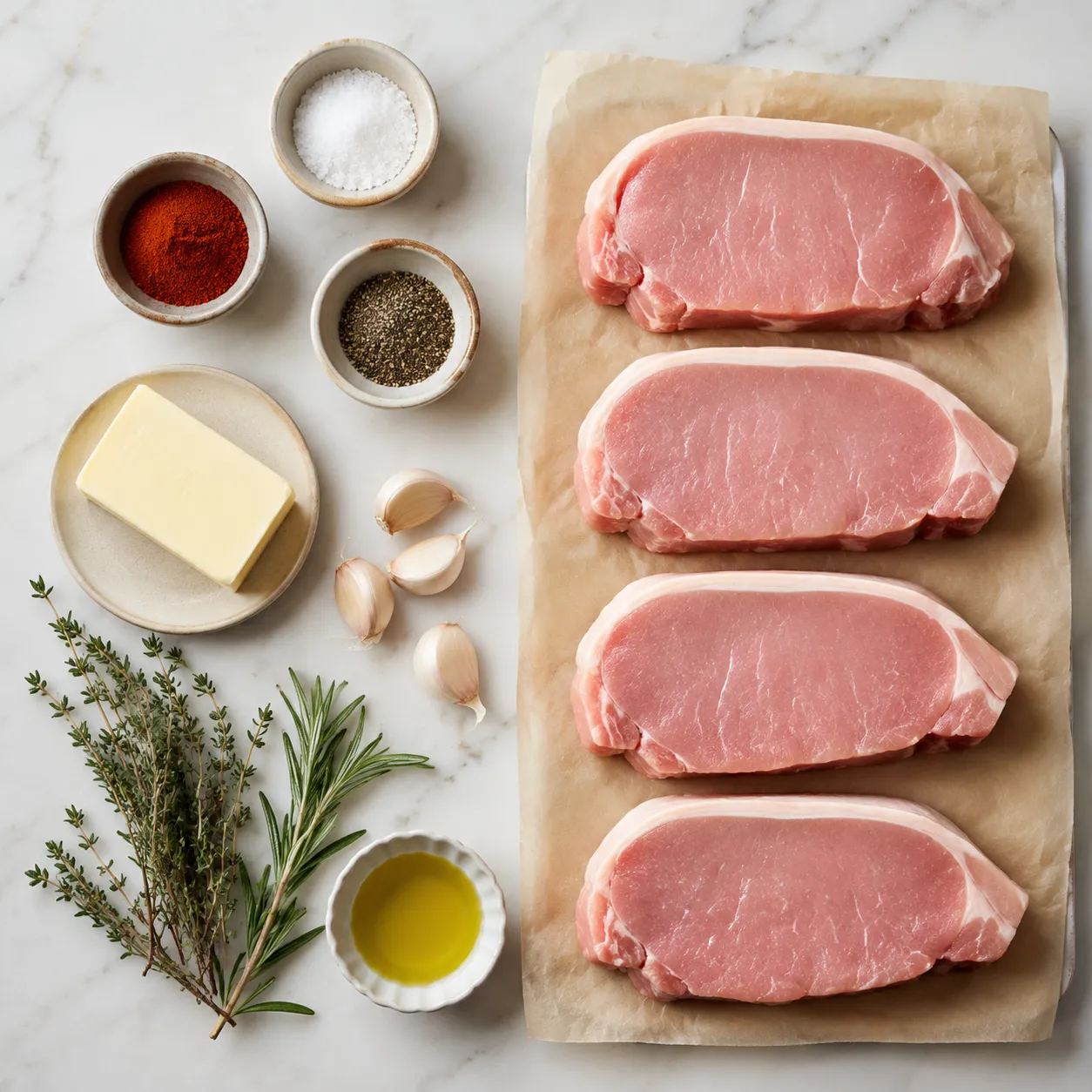
Boneless chops are ideal when speed and ease matter most. They are tidy on the plate, easy to slice for kids, and simple to tuck into meal-prep bowls, sandwiches, or salads the next day. Because there is no bone insulating one side, they cook evenly and quickly, which makes them perfect for 30-minute dinners.
That said, bone in pork chop recipes deserve a place in your rotation too. Bone in pork chops tend to stay juicy a little longer, and the bone adds flavor while slowing down the cooking near the center. If you grew up hearing people call them boned pork chops, that usually refers to the same idea: chops with the bone left in for extra richness and structure.
You can often swap bone-in for boneless, but the timing changes. A 1-inch boneless chop may be done in 8 to 10 minutes on the stovetop, while a similarly thick bone-in chop may need a few extra minutes. The safest guide is always temperature, not the clock, because chop thickness, pan heat, and starting temperature all matter.
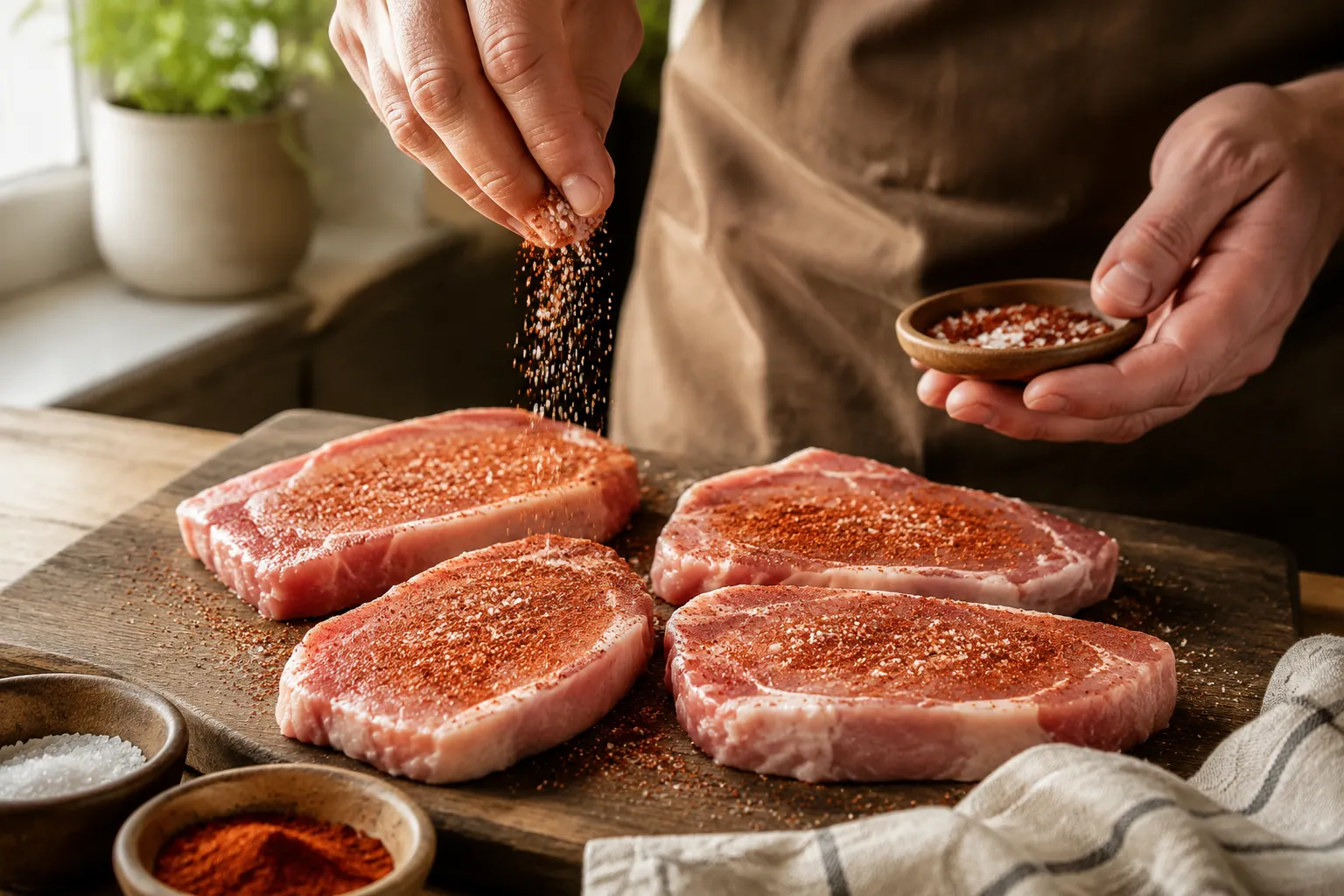
The most reliable base for boneless pork chop recipes is a short dry brine followed by a hot sear and a buttery finish. A dry brine simply means seasoning the meat with salt ahead of time, then letting it rest so the salt can draw out a little moisture and reabsorb it deeper into the chop. Even 30 minutes makes a difference, and it helps the surface brown beautifully instead of steaming.
For a basic pork chop brine, use about 3/4 teaspoon kosher salt per pound of meat, then add black pepper and smoked paprika for color and warmth. If you have more time, season the chops and refrigerate them uncovered for up to 8 hours. Before cooking, pat them dry so the skillet can do its best work.
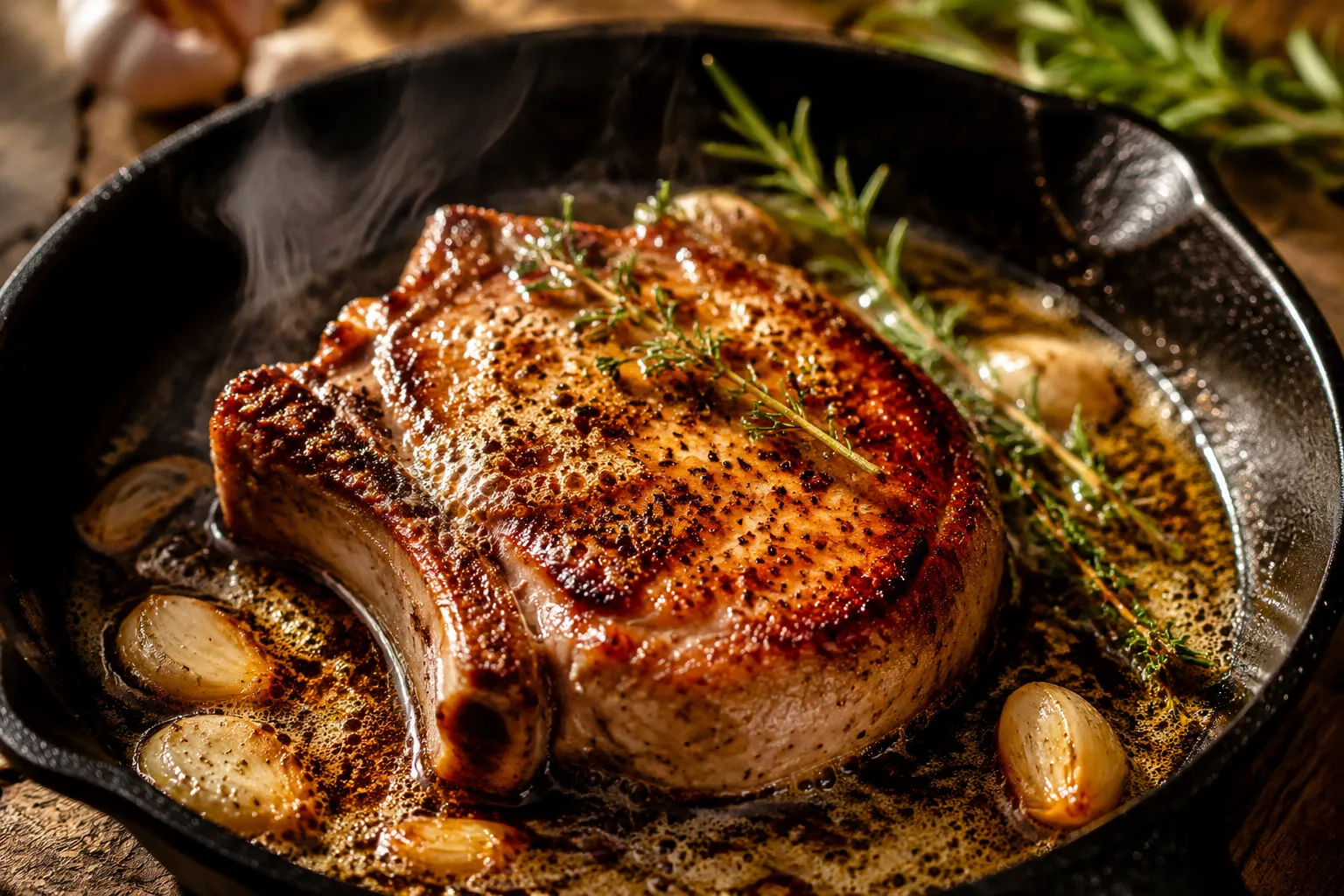
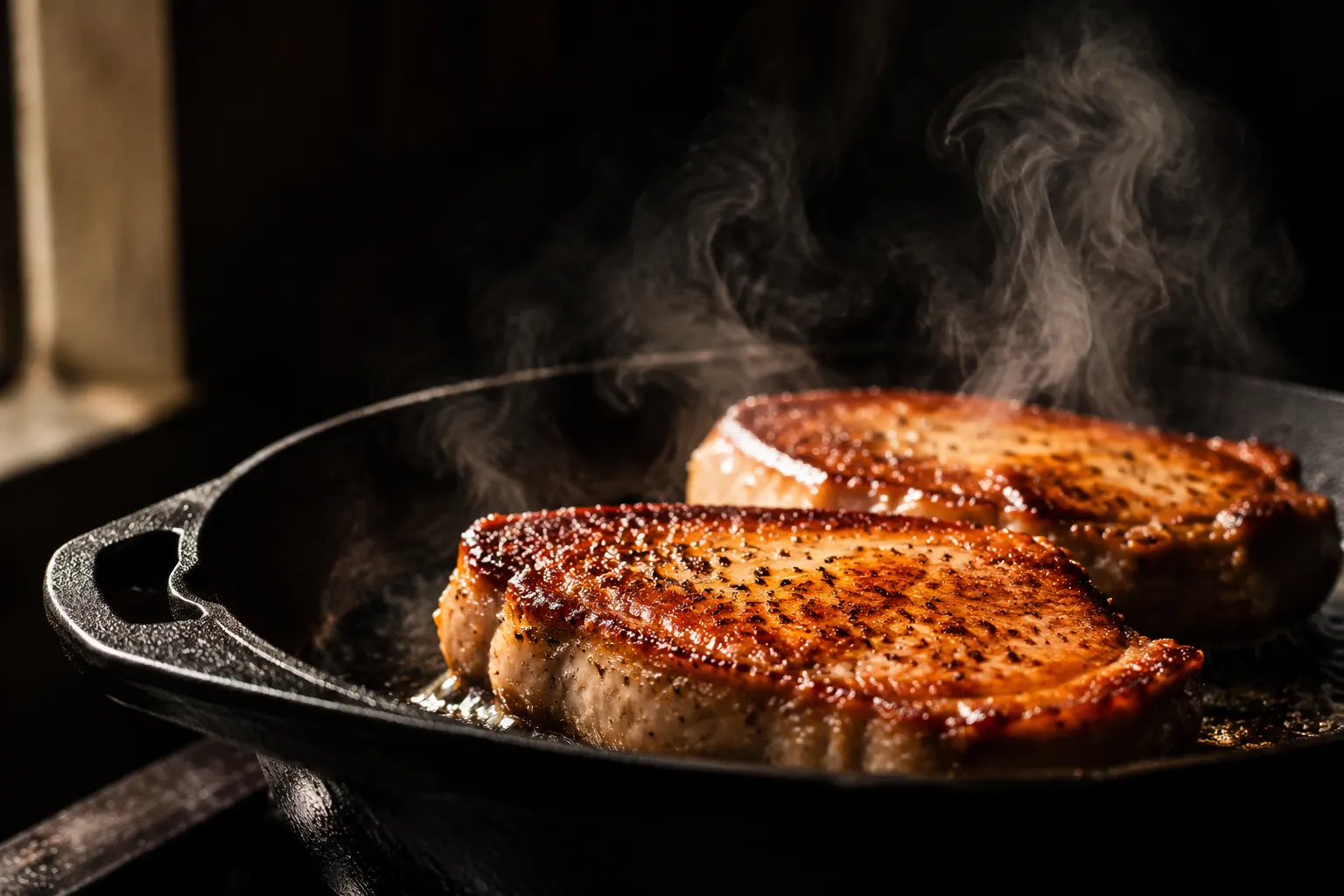
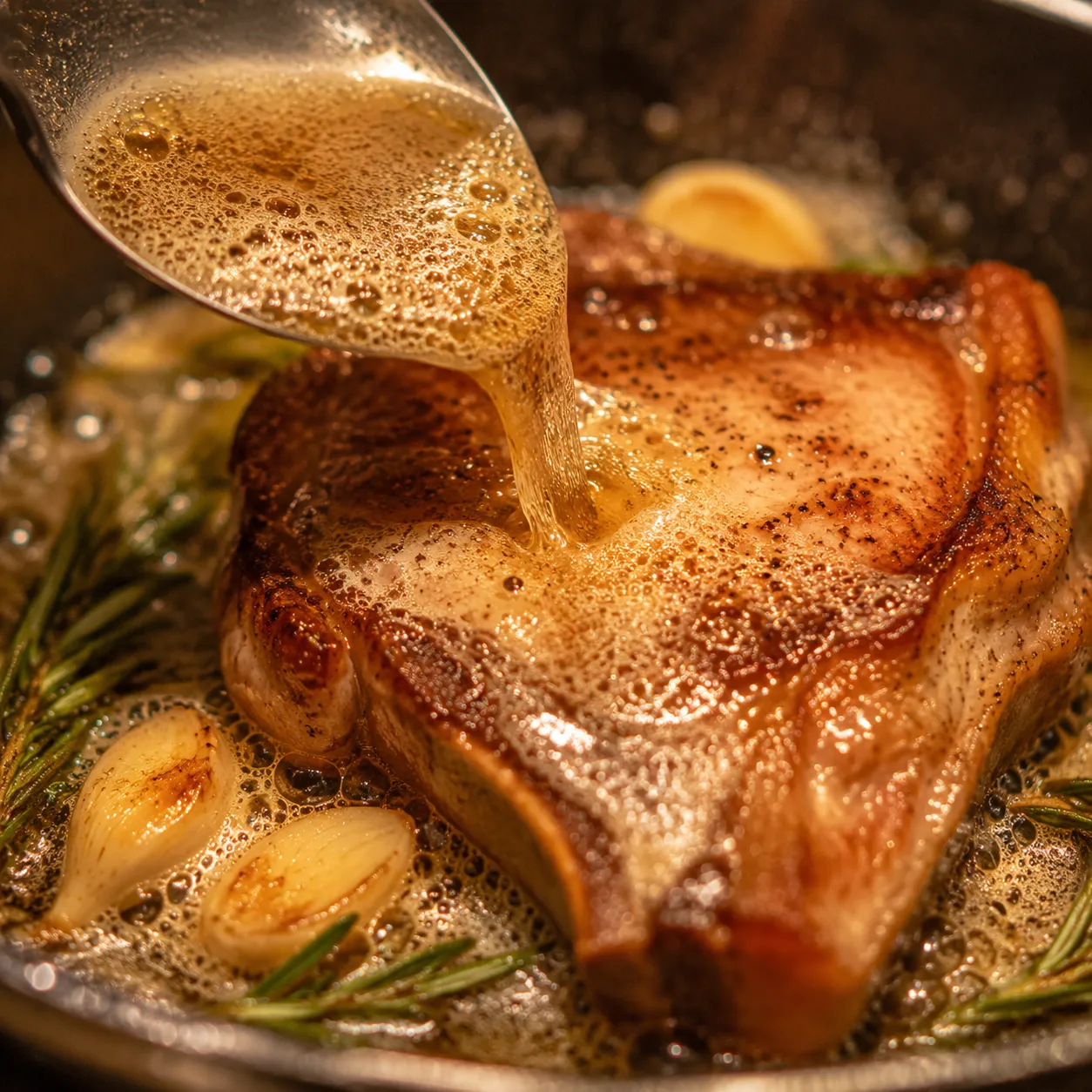
Once the chops are seasoned, heat a heavy skillet until the oil shimmers. Cast iron is wonderful here because it holds heat and gives pan-seared pork chops that deep golden crust. After the first side is browned, flip the chops, reduce the heat slightly, and add butter, smashed garlic, thyme, and rosemary.
Spoon the foamy butter over the chops as they finish cooking. This butter-basting step adds richness, keeps the surface glossy, and perfumes the meat with garlic and herbs. It is simple, but it turns a basic pork chop into something that tastes like you planned dinner days in advance.
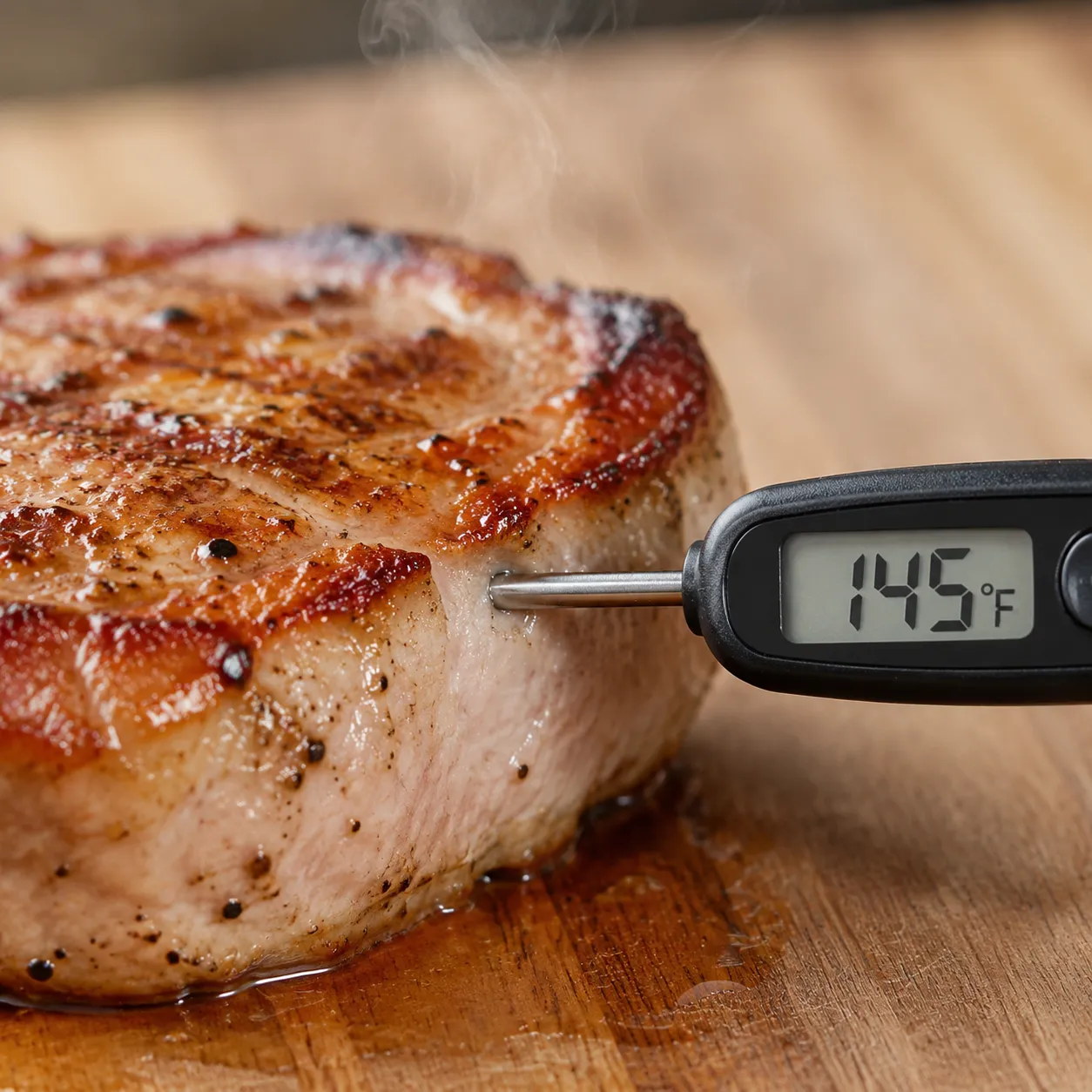
The biggest secret to pork chops that stay tender is not a complicated sauce—it is knowing when to stop cooking. Pork is safe and delicious at an internal temperature 145°F, followed by a short rest. At that point, the center may have the faintest blush of pink, which is exactly what keeps it moist.
An instant-read thermometer is your best friend, especially if you cook chops of different thicknesses. Insert the probe horizontally into the side of the chop so the tip lands in the center rather than near the hot pan surface. If the temperature is climbing quickly, take the pan off the heat and let carryover finish the job.
Resting matters because the juices are still moving right after cooking. If you slice immediately, the cutting board gets the reward instead of your dinner plate. Give the chops 5 minutes under a loose tent of foil, then slice across the grain or serve whole with pan juices spooned over the top.
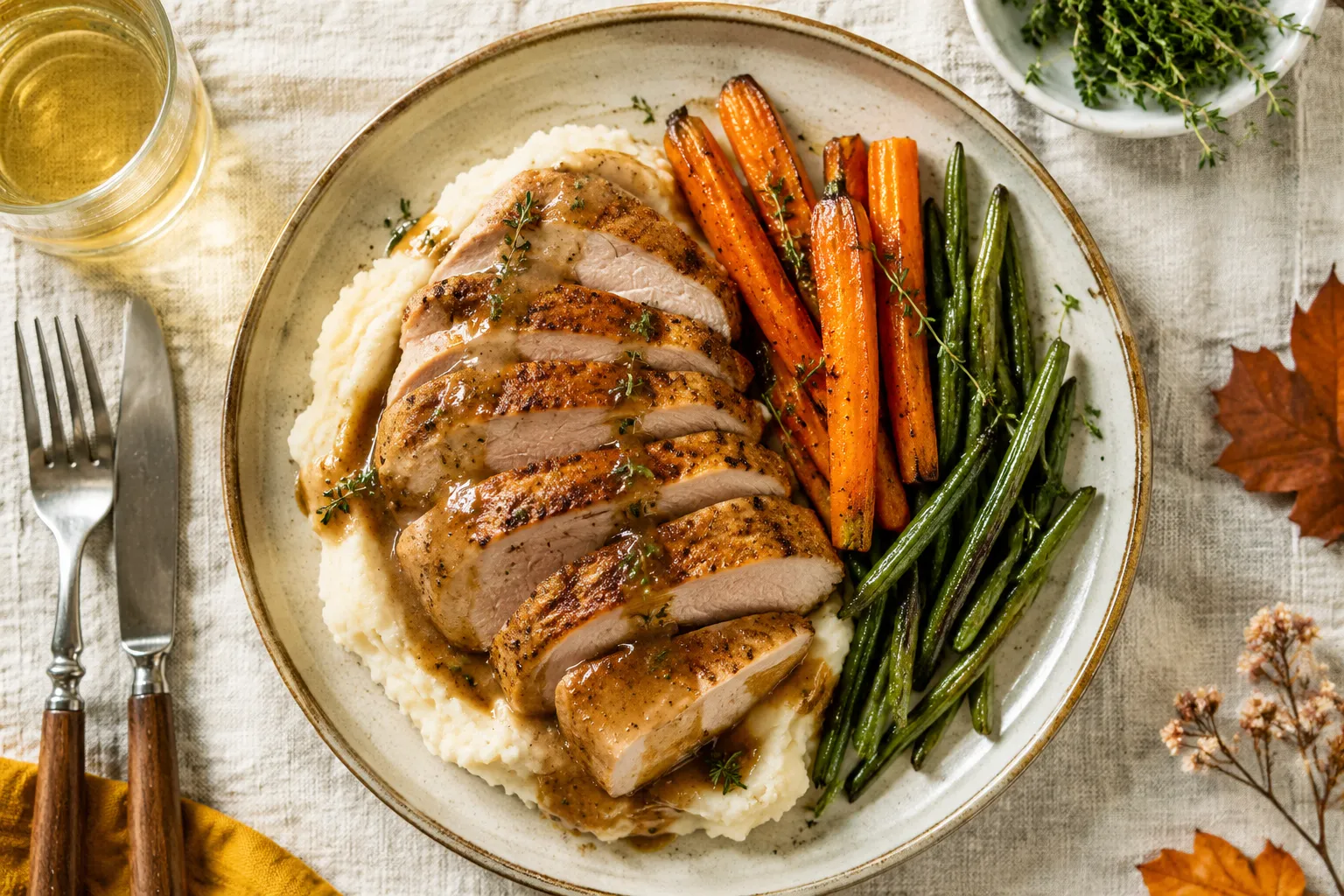
Once you have the master method down, you can use it as a launchpad for countless boneless pork chop recipes. Start with Pan-Seared Garlic Butter Pork Chops, the recipe card version below, where the crust, butter, garlic, and herbs do most of the talking. It is the one I make when the fridge is uninspiring but I still want dinner to feel special.
Baked Boneless Pork Chops with Brown Sugar Rub are perfect when you want the oven to handle the work. Rub the chops with brown sugar, smoked paprika, garlic powder, salt, and pepper, then bake hot until just cooked through. This is the place to use your favorite baked pork chops method, especially if you are making a sheet pan dinner with sweet potatoes or Brussels sprouts.
Air Fryer Pork Chops are fast, crisp-edged, and especially good for smaller households. A light coating of oil and seasoning helps the outside brown while the circulating heat cooks the center quickly. If you already love air fryer pork chops, try adding a pinch of cornstarch to the rub for an even more savory crust.
Honey Garlic Skillet Pork Chops are sweet, sticky, and family-friendly. After searing, simmer the chops briefly in honey, soy sauce, garlic, and a splash of vinegar until the sauce turns glossy. This style has all the appeal of honey garlic pork chops without needing a long ingredient list.
Smothered Pork Chops with Onion Gravy are pure comfort food. Brown the chops, soften onions in the same skillet, then build a quick gravy with broth and a little cream or milk. Serve smothered pork chops over mashed potatoes and you have the kind of dinner that makes a Tuesday feel like Sunday supper.
Creamy Tuscan Pork Chops lean rich and cozy with garlic, sun-dried tomatoes, spinach, Parmesan, and cream. The sauce clings to the chops and makes a lovely partner for pasta, rice, or crusty bread. Keep the heat gentle once the dairy goes in so the sauce stays silky.
Apple Cider Glazed Pork Chops bring a bright, fall-inspired sweetness. Reduce apple cider with Dijon mustard and a splash of vinegar, then spoon it over seared chops until lacquered and fragrant. Add sautéed apples or shallots if you want the dish to feel a little more dinner-party polished.
Slow Cooker Ranch Pork Chops are for the days when you want dinner waiting at the finish line. Use thicker chops, ranch seasoning, a little broth, and cream cheese or Greek yogurt stirred in near the end. Because boneless chops are lean, cook them just until tender rather than letting them go all day.
Lemon Herb Pork Chops are bright and simple with lemon zest, parsley, oregano, garlic, and olive oil. Parmesan-Crusted Pork Chops add crunch with breadcrumbs and cheese, while Maple Dijon Pork Chops balance sweetness and tang beautifully. Cajun Skillet Pork Chops bring heat, Mushroom Cream Pork Chops add earthy depth, BBQ Glazed Pork Chops deliver cookout flavor indoors, and Pineapple Teriyaki Pork Chops make an easy sweet-savory rice bowl.
A great seasoning blend is the fastest way to make boneless pork chop recipes feel new. For a sweet and smoky dry rub, combine smoked paprika, brown sugar, garlic powder, onion powder, kosher salt, black pepper, and a pinch of cayenne. It caramelizes nicely in a skillet and works just as well for oven-baked or grilled chops.
For a soy-ginger pork chop marinade, whisk together soy sauce, grated ginger, garlic, brown sugar, rice vinegar, and a little sesame oil. Marinate the chops for 30 minutes to 2 hours, then pat them dry before searing so they brown instead of steam. Finish with sliced scallions and sesame seeds for a quick takeout-style dinner at home.
A lemon herb marinade keeps things fresh and light. Use olive oil, lemon juice and zest, minced garlic, chopped rosemary or thyme, parsley, salt, and pepper. Because citrus is acidic, avoid marinating too long; 30 to 60 minutes is plenty for flavor without changing the texture of the meat.
Pork chops love creamy, starchy sides because pan juices and sauces need somewhere to land. Mashed potatoes are the classic choice, especially with garlic butter chops or onion gravy. Rice, buttered noodles, polenta, and roasted baby potatoes all work beautifully too.
For vegetables, think about contrast. Roasted green beans, Brussels sprouts, carrots, broccoli, asparagus, or a crisp cabbage slaw balance the richness of the meat. In warmer months, a tomato cucumber salad or grilled corn keeps the plate colorful and fresh.
Fruit is another natural partner for pork. Applesauce is traditional for a reason, but apple slaw, pear chutney, cranberry relish, or pineapple salsa can completely change the mood of the meal. If you are serving a sweet glaze, add something tangy or crunchy on the side so the plate does not feel one-note.
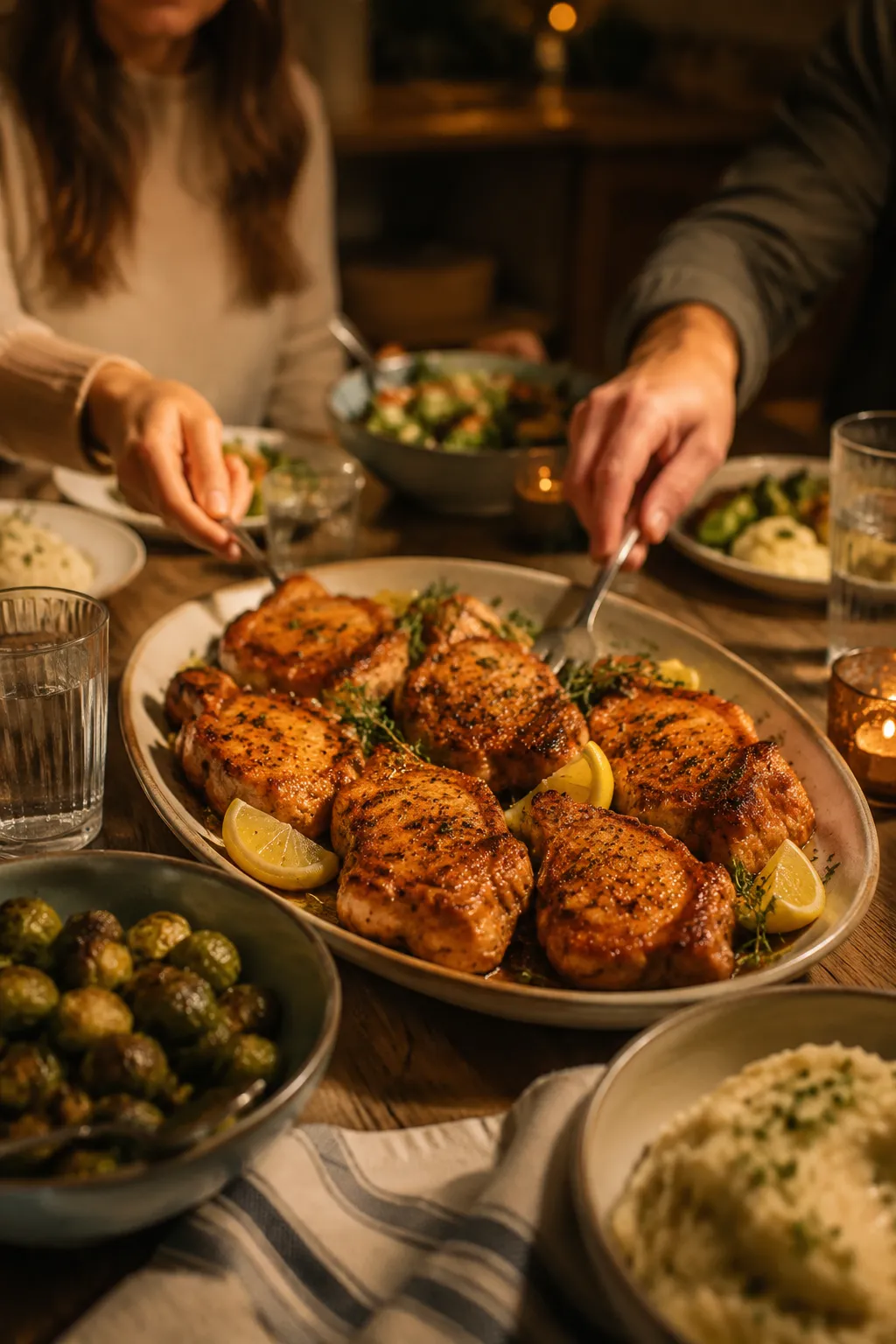
When serving pork chops for a crowd, slice them after resting and arrange them on a platter instead of giving everyone a whole chop. This makes the meal feel abundant and lets guests take exactly what they want. Spoon the skillet butter, pan sauce, or glaze over the sliced meat right before serving so every piece catches a little shine.
A family-style platter is also a smart way to mix cuts if needed. You can cook boneless chops for quick serving and add a couple of bone in pork chops for anyone who loves that extra-rich bite. Just monitor each piece separately with a thermometer, since size and bone structure affect timing.
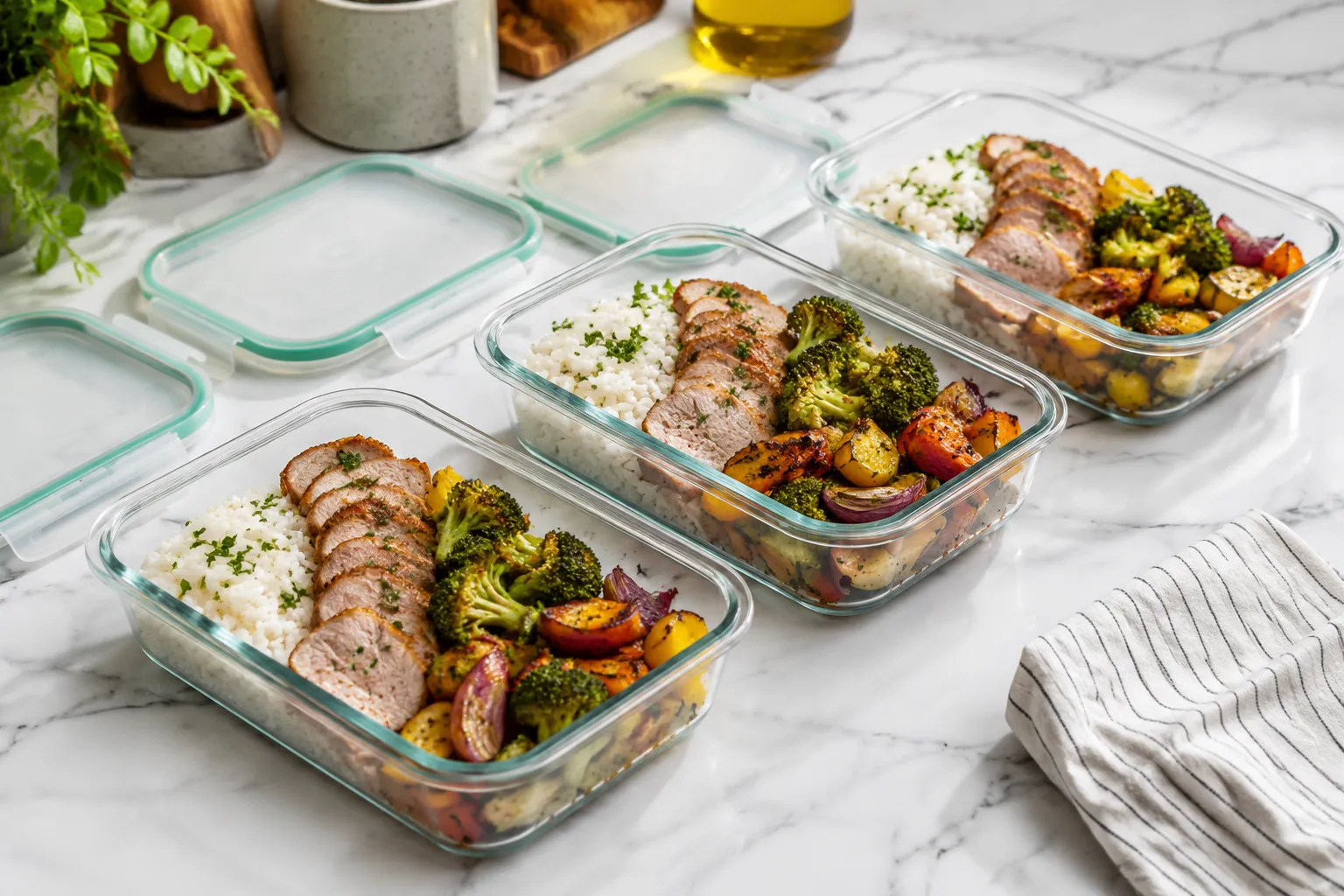
Cooked pork chops are excellent for next-day lunches when handled gently. Slice them thin and tuck into rice bowls with roasted vegetables, pile onto a salad with apples and sharp cheddar, or layer into a sandwich with mustard and pickles. A little sauce or dressing helps bring back moisture and makes leftovers feel intentional.
If you are cooking specifically for meal prep, keep the seasoning versatile. Garlic, paprika, salt, pepper, and herbs can go in almost any direction later, from grain bowls to tacos to noodle bowls. This is one more reason boneless pork chop recipes are so useful for busy weeks: one quick cook can become several completely different meals.
For best texture, avoid reheating sliced pork over high heat. Gentle warmth with a splash of broth, water, or sauce keeps the meat from tightening up. When in doubt, warm leftovers just until heated through and let the side dishes carry the extra heat.
A juicy pork chop is not about luck; it is about thickness, seasoning, heat, temperature, and rest. Once you understand that rhythm, you can riff endlessly with glazes, gravies, marinades, rubs, and sauces. Keep a pack of 1-inch chops in the fridge or freezer, and you will always have a fast, flexible dinner ready to go.
Store leftover pork chops in an airtight container in the refrigerator for 3 to 4 days. For longer storage, wrap cooled chops tightly and freeze for up to 2 months; thaw overnight in the refrigerator before reheating.
To reheat without drying them out, warm gently in a covered skillet with a splash of broth, water, or pan sauce over low heat. You can also microwave at 50% power in short bursts, but avoid blasting them on high, which can make lean pork tough.