What Is a Pescatarian? Diet Guide + Easy Recipe
Ingredients
Scale
Pescatarian eating is the simplest way to get the heart-healthy perks of plant-based meals without giving up seafood. Here's exactly how it works.
A pescatarian is someone who skips meat and poultry but still eats fish and seafood, usually alongside plenty of vegetables, fruits, grains, beans, nuts, eggs, and dairy. If you have been wanting to eat more plant-based meals without giving up the quick-cooking magic of salmon, shrimp, tuna, or scallops, this style of eating can feel wonderfully doable.
Think of it as a flexible middle path: colorful, produce-forward, often Mediterranean in spirit, and practical for weeknights. You get the comfort of hearty bowls, pastas, soups, salads, and skillet dinners, plus the satisfying protein and omega-3 benefits that come from seafood. To make it extra useful, we are pairing the guide with an easy salmon recipe you can cook tonight.
The word comes from the Italian word pesce, meaning fish, paired with “vegetarian.” In everyday language, it describes a mostly vegetarian way of eating that includes fish and seafood but avoids meat from land animals. That means no beef, pork, chicken, turkey, lamb, venison, or other game meats, but yes to foods like salmon, shrimp, cod, tuna, mussels, eggs, yogurt, beans, lentils, vegetables, and whole grains.
A pescatarian diet can look different from one kitchen to the next. Some people eat seafood several times a week, while others use it occasionally and rely more heavily on tofu, beans, eggs, and dairy. Many home cooks choose this approach because it makes the transition away from meat feel less restrictive and more flavorful. Dinner might be a roasted vegetable grain bowl one night, shrimp tacos the next, and a cozy tomato-lentil soup after that.
The heart of this eating pattern is simple: plants first, seafood as a protein option, and lots of everyday foods you already know how to cook. A balanced plate might include roasted broccoli, brown rice, avocado, and a piece of lemony fish, or a chickpea salad with feta and sardines. Fish and seafood can include salmon, trout, cod, halibut, tuna, shrimp, scallops, crab, lobster, clams, mussels, and oysters. Eggs and dairy are commonly included, though individual choices vary.
The foods usually skipped are land-animal meats: beef, pork, poultry, and game. Some gray-area ingredients are worth checking if you are being strict. Bone broth is made from animal bones, gelatin is often made from beef or pork collagen, and Worcestershire sauce may contain anchovies, which is fine for seafood eaters but not for all vegetarians. Fish sauce is seafood-based, so it fits for many people, but it is always smart to read labels and decide how closely you want to follow the pattern.
One of the biggest nutrition advantages is omega-3 fat, especially from oily fish like salmon, sardines, trout, and mackerel. These fats are associated with heart and brain health, and they are one reason the Mediterranean diet is so often recommended by health professionals. When seafood replaces processed meats or heavy red meat meals, it can naturally shift the plate toward leaner protein and more unsaturated fats. Add olive oil, beans, greens, nuts, and whole grains, and the whole meal starts working harder for you.
There is also a fiber boost that comes from leaning into plant-based staples. Beans, lentils, oats, quinoa, berries, leafy greens, sweet potatoes, and cruciferous vegetables all bring texture, color, and staying power. That fiber supports digestion and helps meals feel satisfying without needing meat at the center. For many people, it is easier to stick with than a fully vegetarian or vegan plan because seafood adds familiar flavor, quick cooking, and restaurant flexibility.
If you are sorting through labels, the easiest way to compare them is by what is included. A vegetarian diet avoids meat, poultry, and seafood, though many versions include eggs and dairy. A vegan diet avoids all animal products, including eggs, dairy, honey, meat, poultry, and seafood. A flexitarian diet is mostly plant-forward but occasionally includes meat or poultry, while vegetarian vs pescatarian mainly comes down to whether fish and shellfish are part of the plan.
Here is a quick chart for choosing what fits your goals:
| Eating Style | Includes Seafood? | Includes Meat or Poultry? | Best For |
|---|---|---|---|
| Vegetarian | No | No | People who want a fully meatless pattern |
| Vegan | No | No | People avoiding all animal products |
| Flexitarian | Sometimes | Sometimes | People who want flexibility without strict rules |
| Seafood-forward | Yes | No | People who want plant-focused meals with fish protein |
The right choice is the one you can enjoy consistently. If you love vegetables but need a fast protein that cooks in 10 minutes, seafood can make the plan feel realistic. If your primary goal is animal welfare, budget, sustainability, or health, your version may be more selective. The beauty is that you can start gently: swap one meat-based dinner for healthy seafood dinners each week, then build from there.
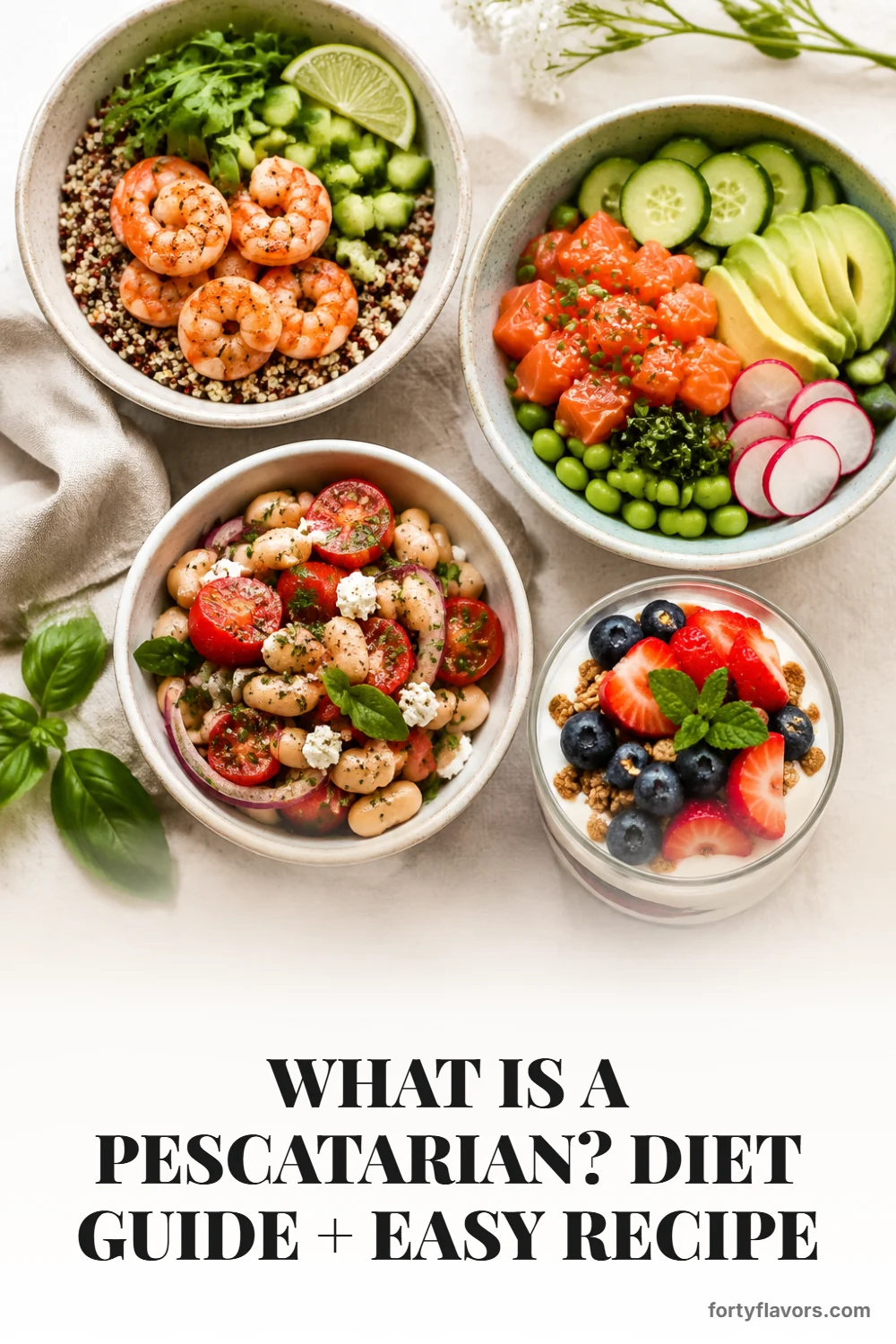
A good pescatarian meal plan should feel generous, not punishing. Breakfast can be as simple as Greek yogurt with berries and walnuts, avocado toast with a soft egg, oatmeal with chia and banana, or a smoothie with spinach, peanut butter, and milk. Lunches should be packable and satisfying: tuna-white bean salad, chickpea cucumber bowls, leftover salmon over greens, lentil soup, or a hummus wrap with crunchy vegetables. Keep sauces and dressings bright with lemon, herbs, tahini, olive oil, or yogurt.
For dinners, aim for meals that are fast enough to repeat. Try Monday lemon garlic salmon with asparagus, Tuesday black bean tacos with slaw, Wednesday shrimp fried rice, Thursday tomato soup with grilled cheese, Friday veggie pasta with sardines or white beans, Saturday sushi bowls with edamame, and Sunday coconut curry with cod. This keeps the week varied while leaning on pantry staples. If you are brand new, plan just three dinners at first and let leftovers cover lunch.
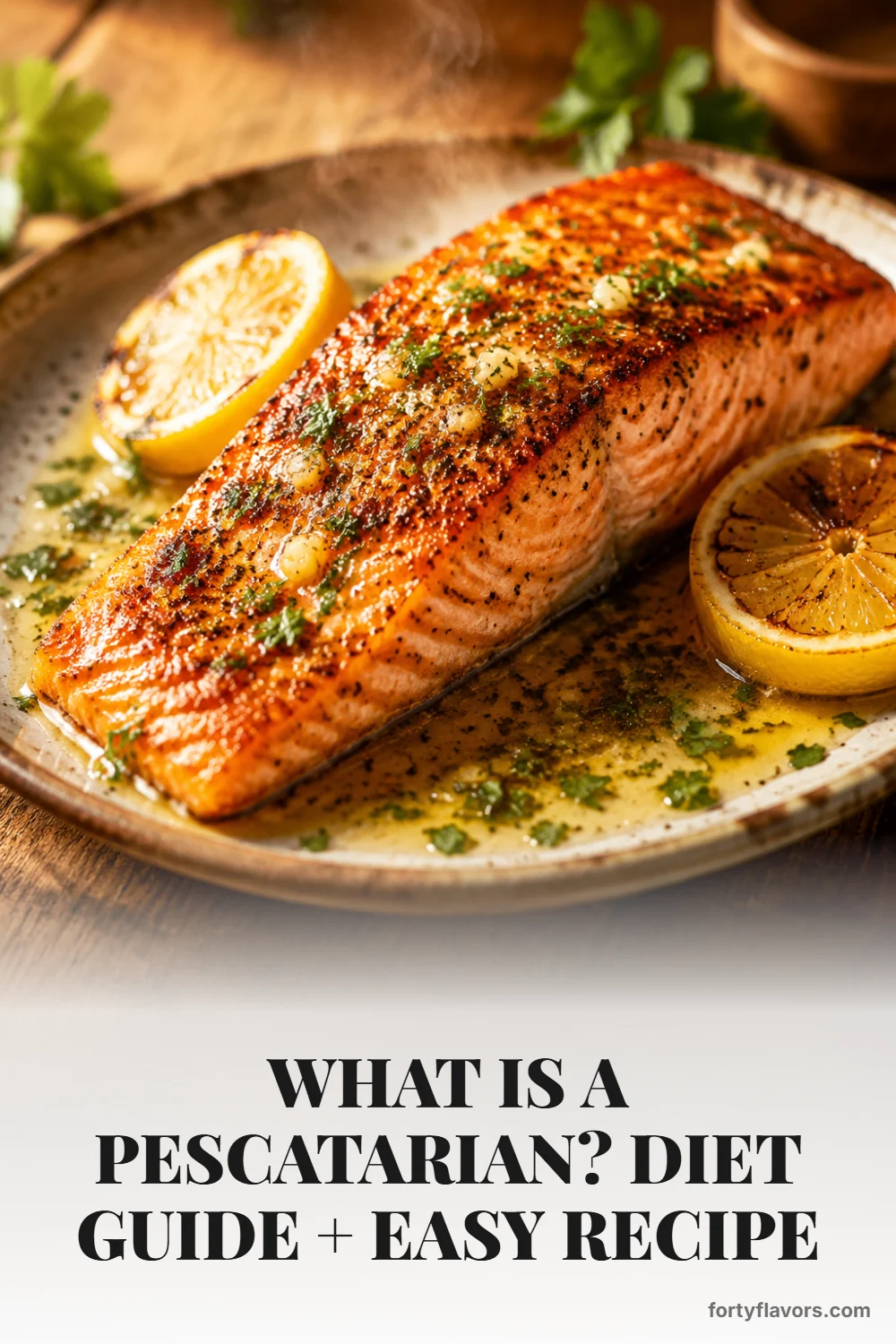
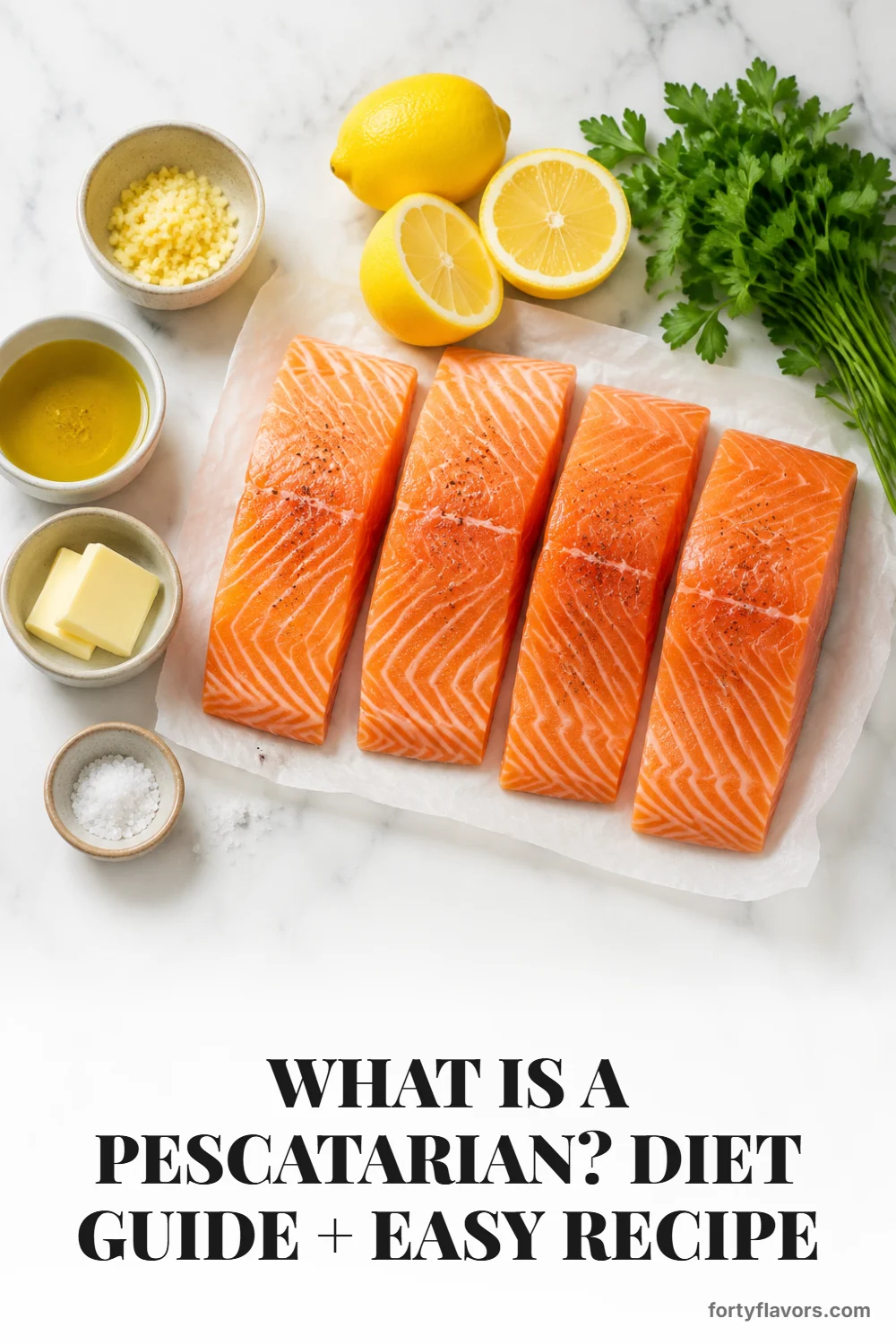
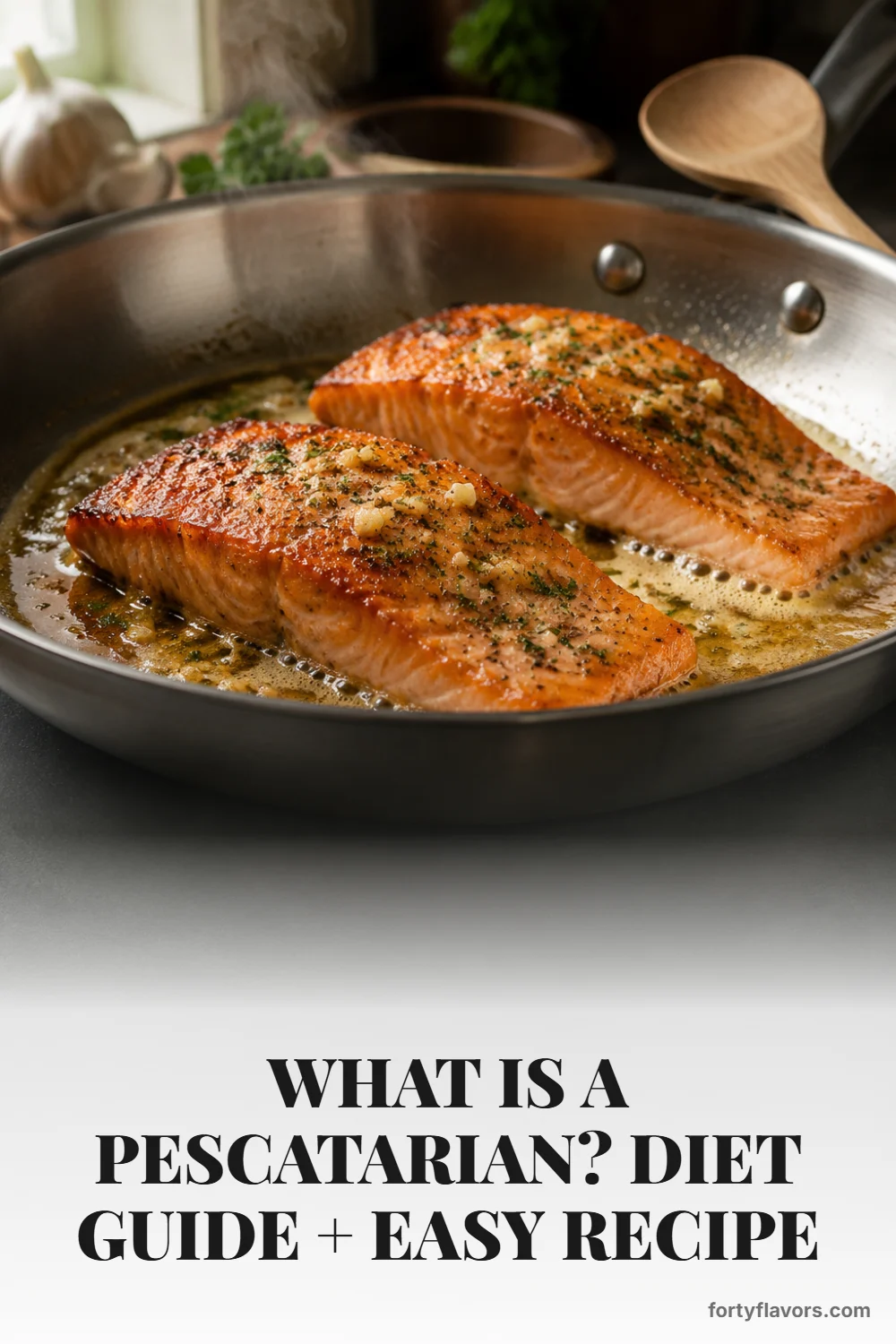
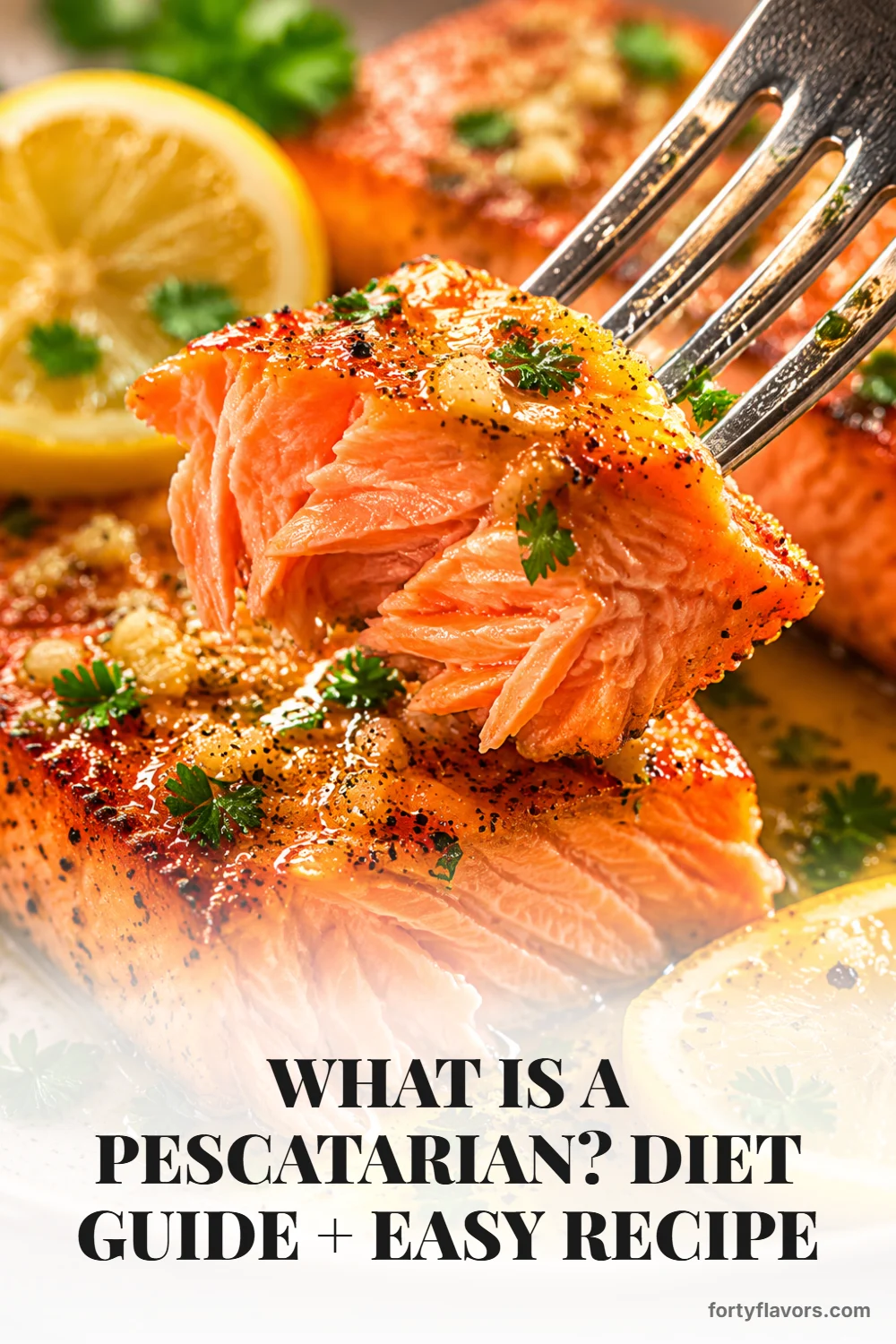
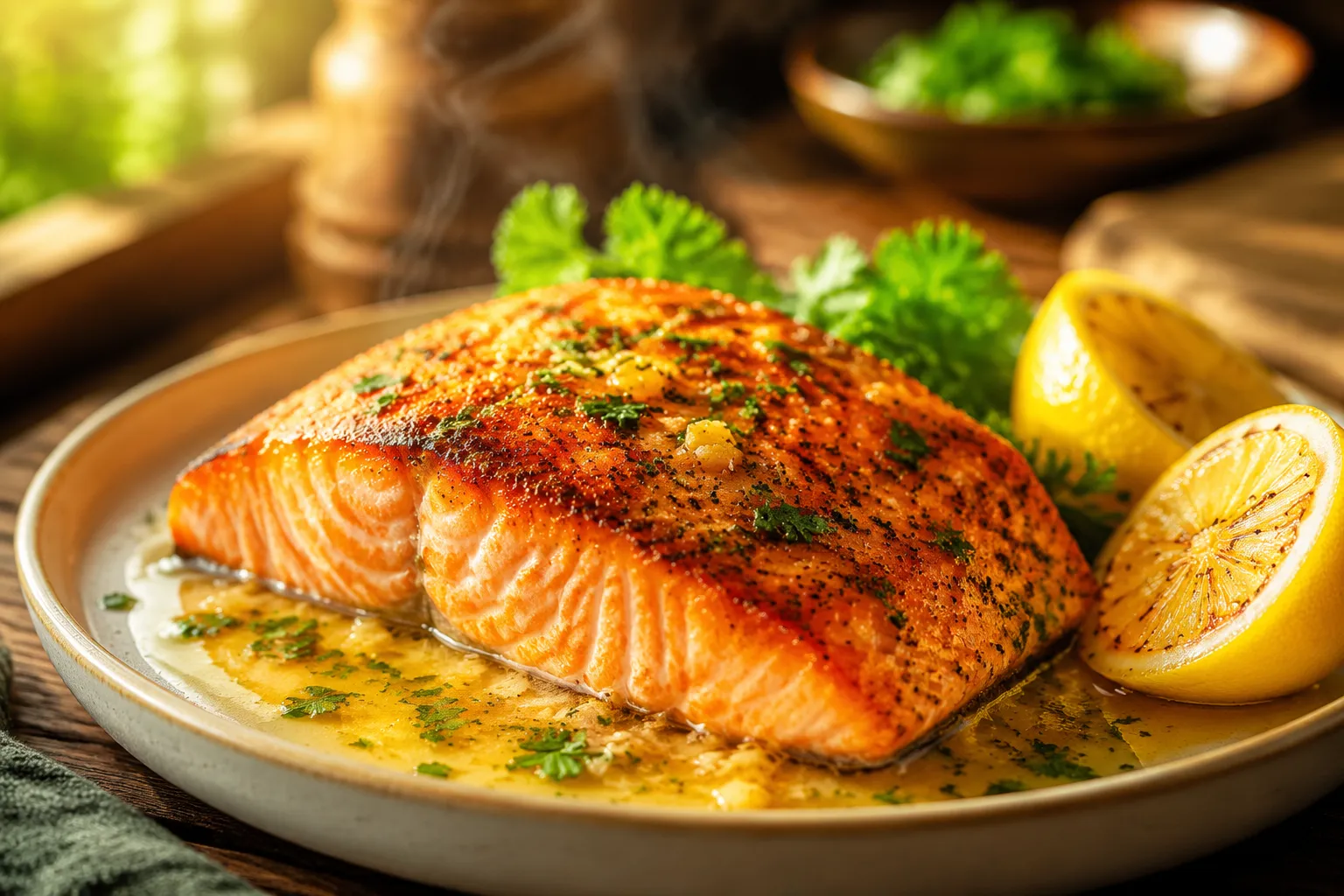
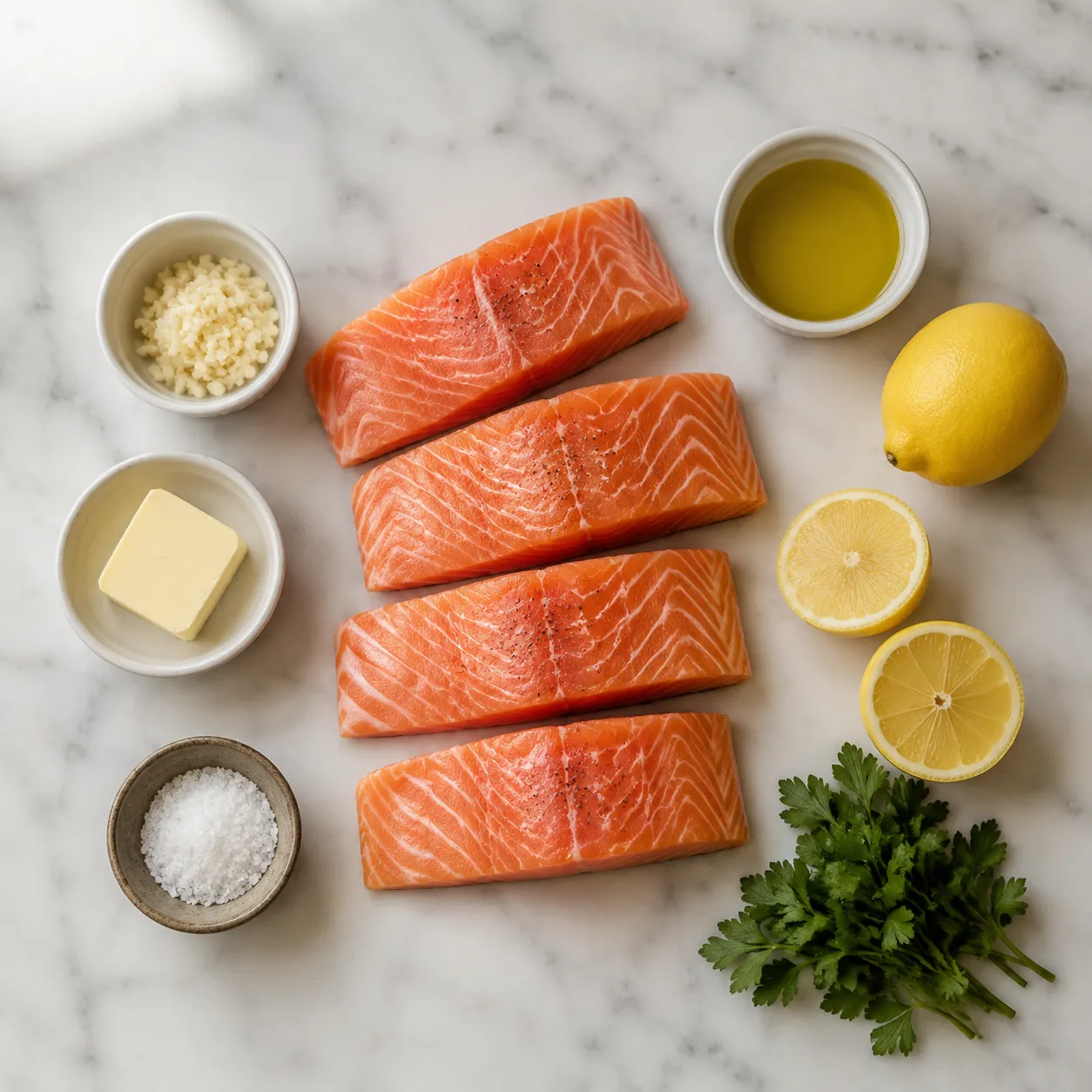
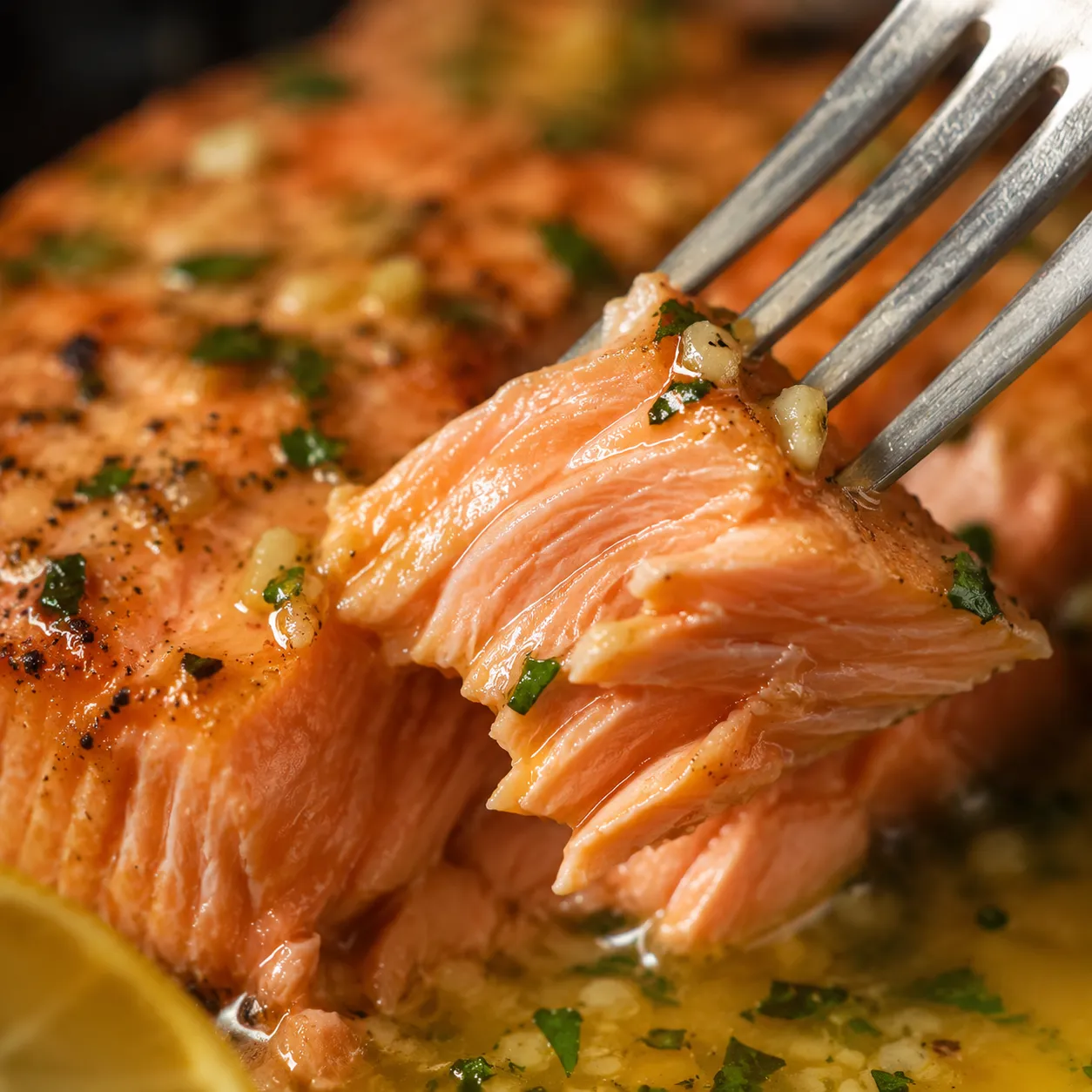
This skillet salmon is the kind of recipe that makes a new routine click. The ingredient list is short—salmon fillets, olive oil, butter, garlic, lemon, parsley, salt, and pepper—but the flavor feels restaurant-level. You get a crisp golden edge, a tender center, and a glossy lemon-garlic butter sauce that spoons beautifully over rice, potatoes, or greens. It is also a weeknight hero because the whole pan comes together in about 20 minutes.
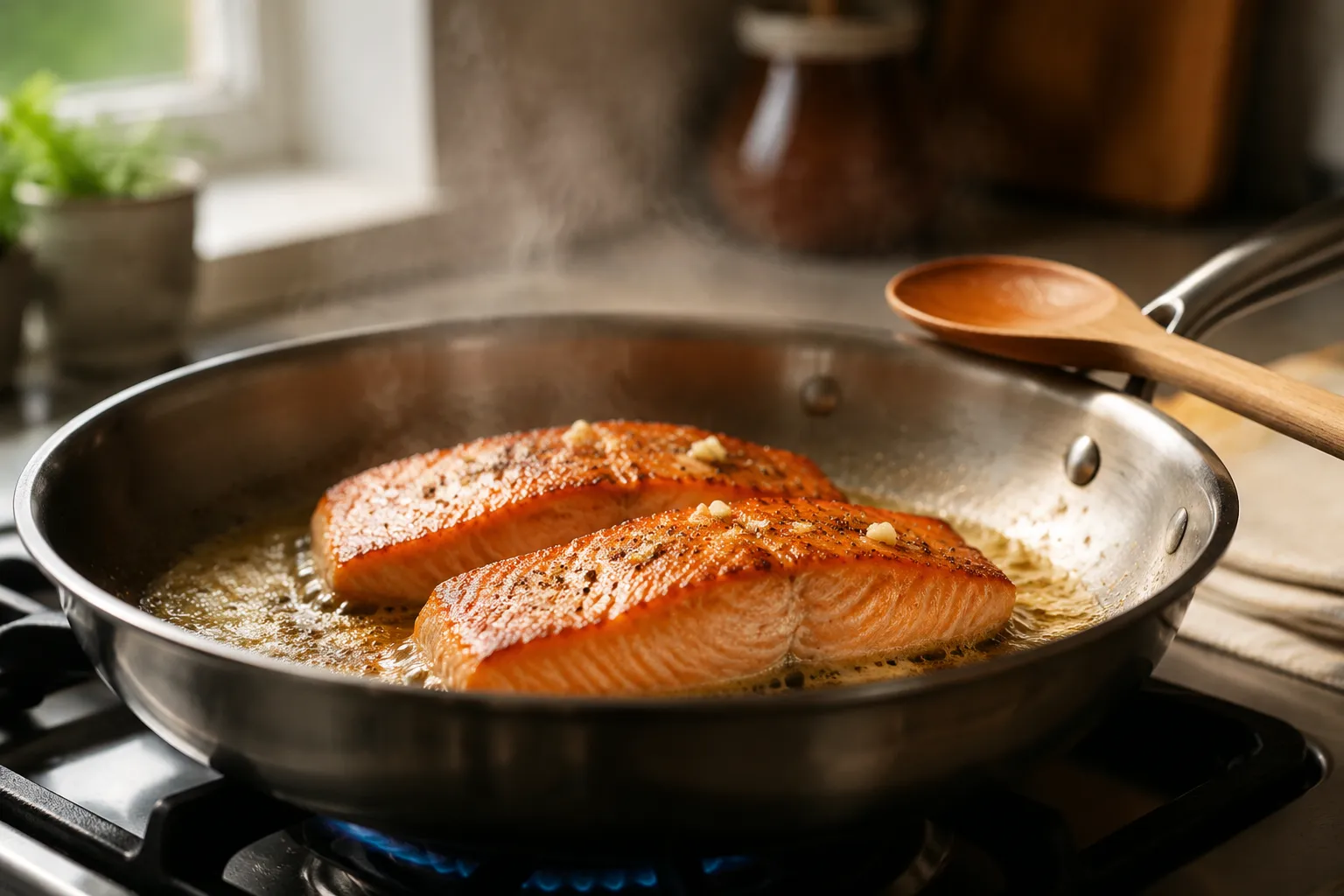
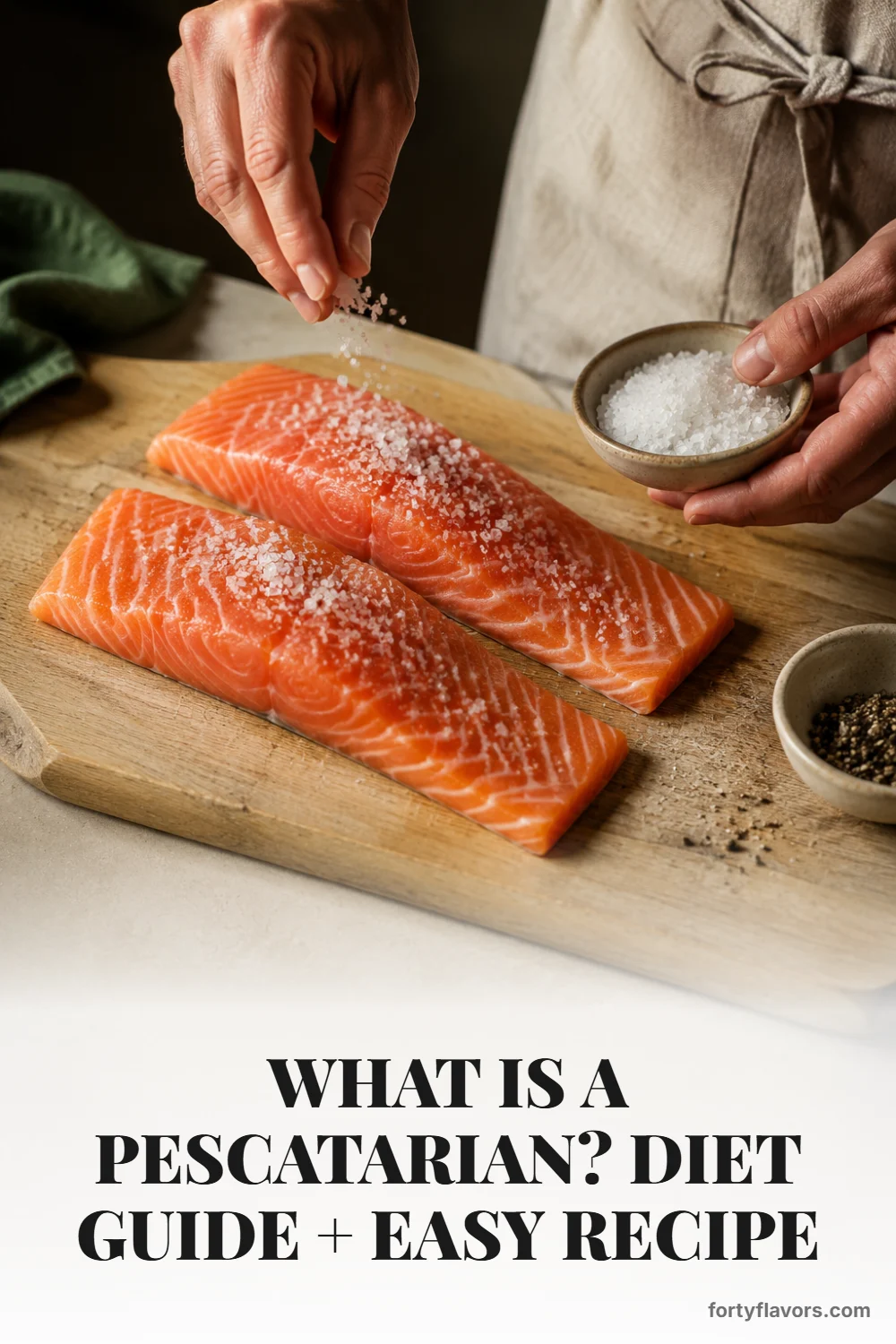
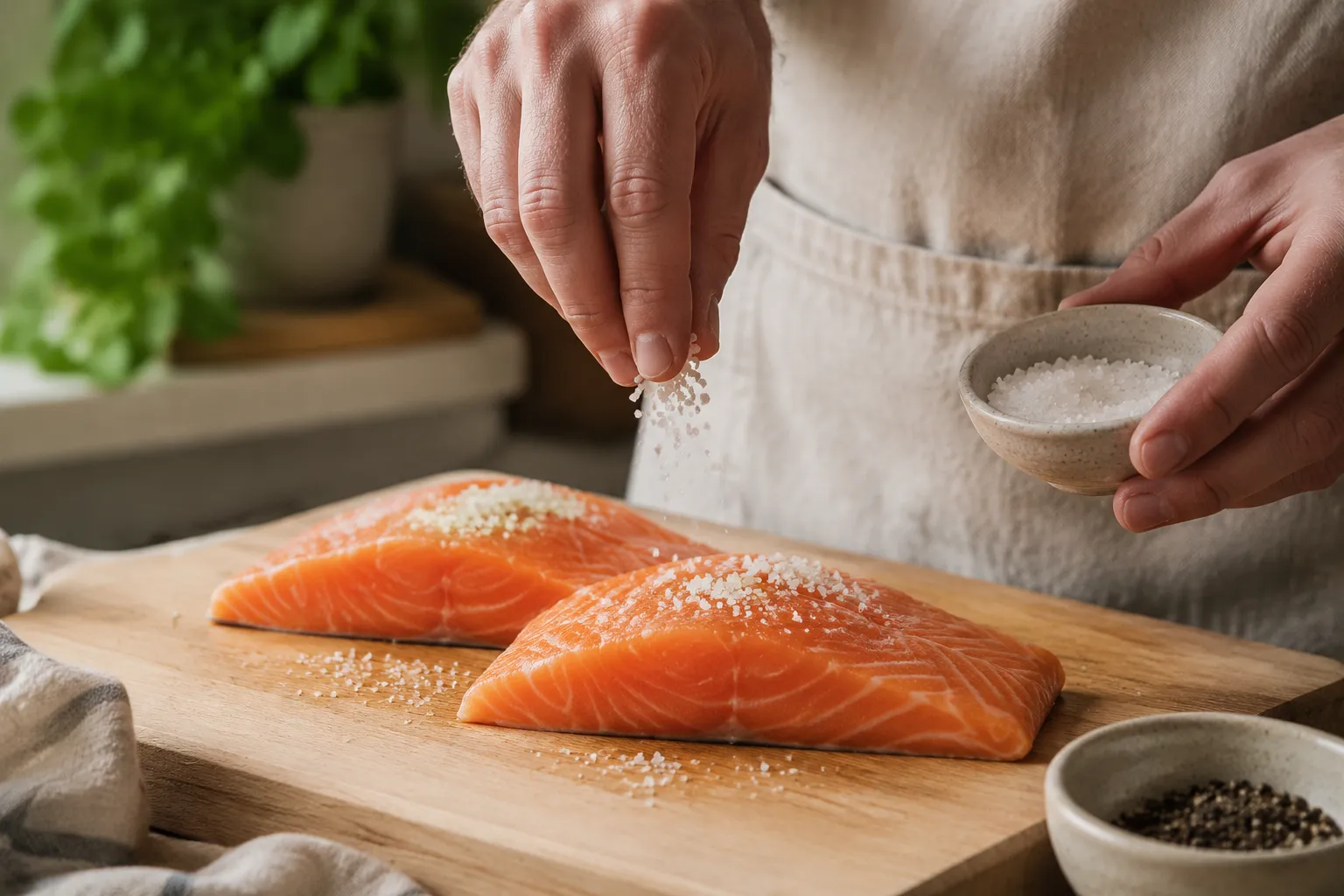
For the best texture, pat the fillets dry before seasoning and let the pan get properly hot before the fish goes in. A stainless steel or cast-iron skillet gives the deepest sear, but a nonstick pan works well if you are still building confidence. The butter and garlic go in after the first sear so the garlic turns fragrant instead of bitter. Finish with lemon zest, lemon juice, and parsley for that clean, bright lift.
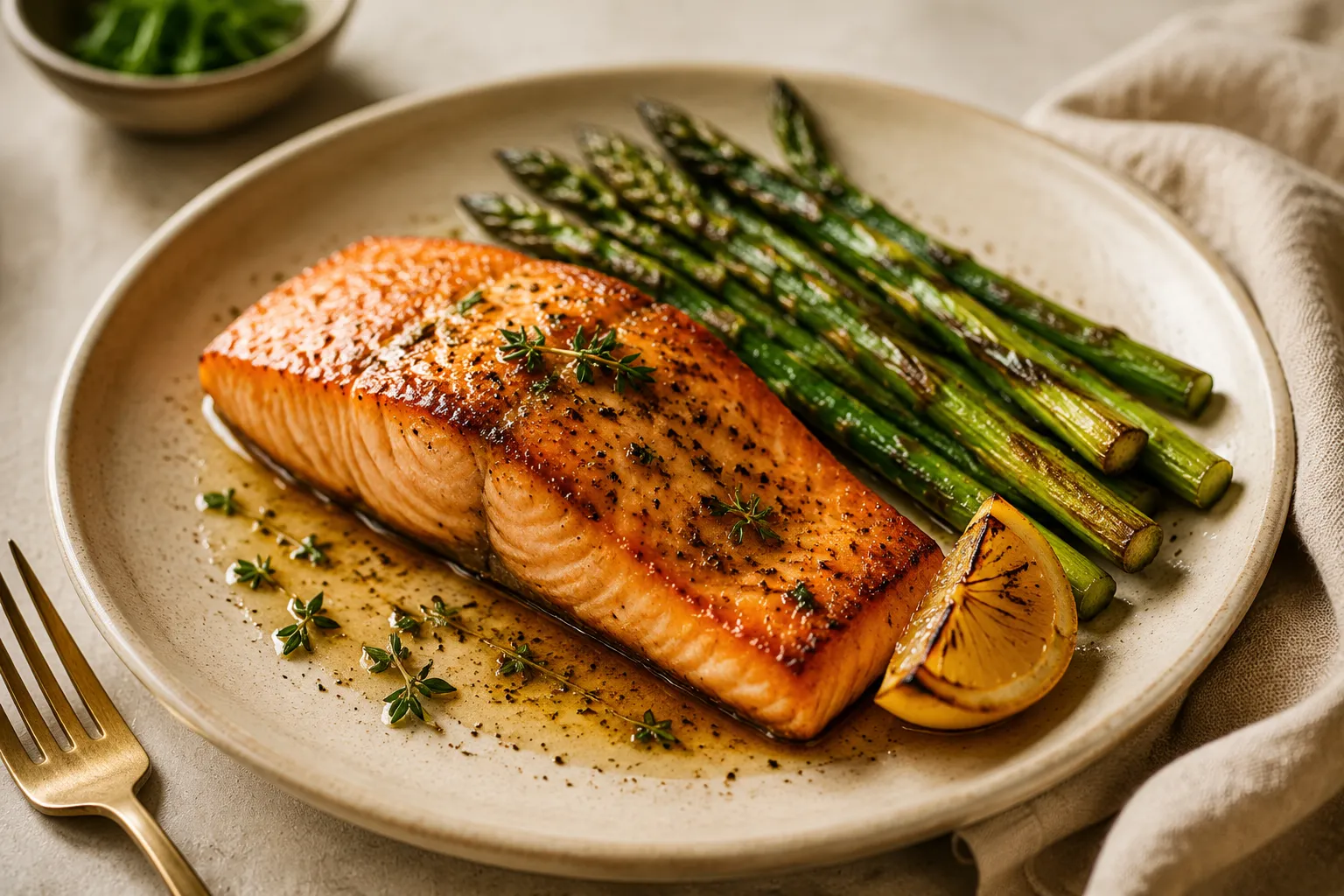
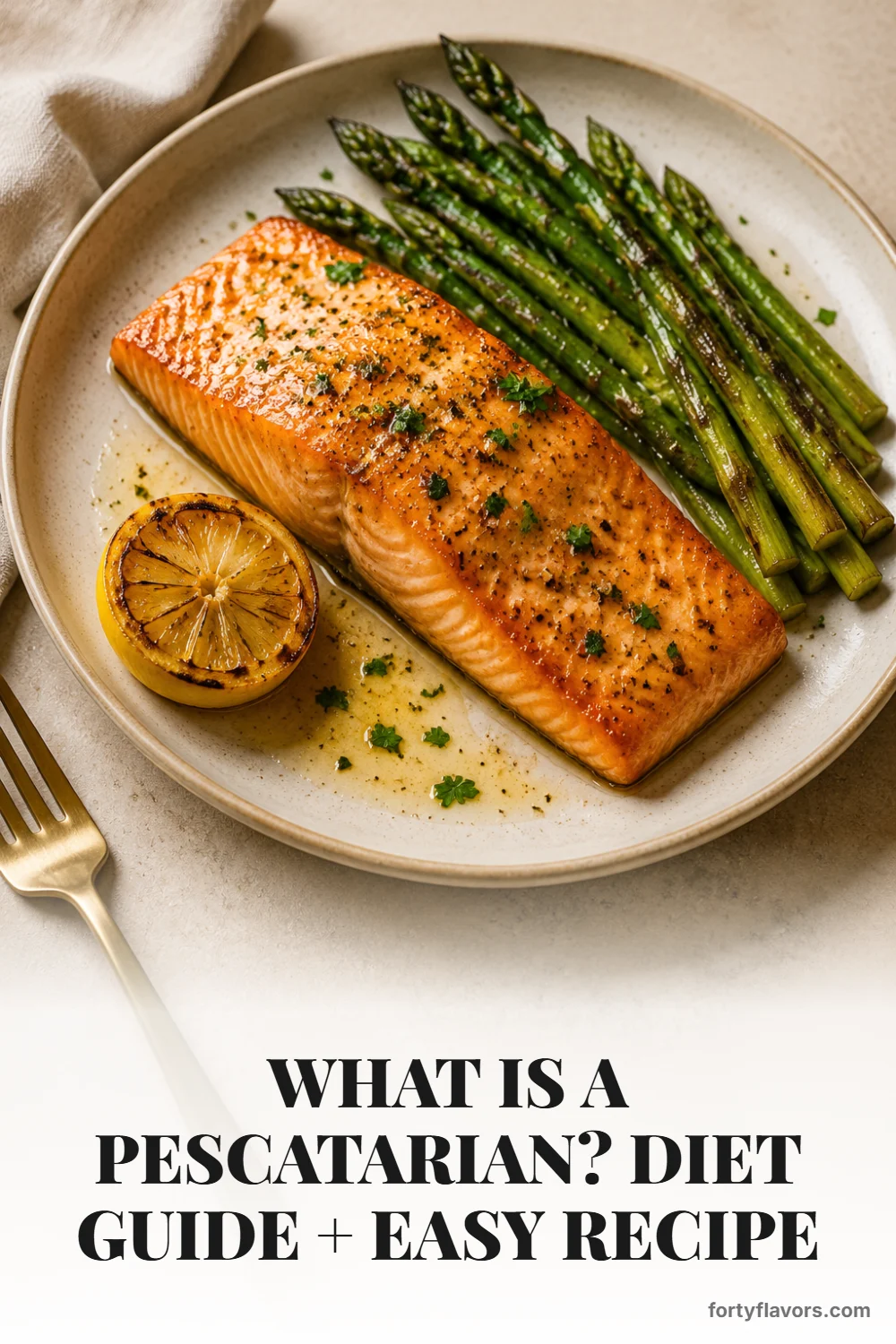
Serve it with roasted asparagus, green beans, a crisp cucumber salad, or a big pile of arugula dressed with olive oil and lemon. For something heartier, add couscous, quinoa, farro, rice pilaf, or roasted baby potatoes. A slice of crusty bread is never a bad idea because that lemony butter sauce deserves to be swiped from the plate. This is the kind of easy salmon recipe that can become your anchor meal whenever you want something nourishing without overthinking dinner.
Once you know the basics, the key is to make seafood feel as easy as any other protein. Keep a few freezer-friendly options on hand, such as shrimp, cod fillets, wild salmon portions, or scallops, and thaw them overnight in the refrigerator. Canned tuna, salmon, sardines, anchovies, and smoked trout are also powerful pantry shortcuts for salads, pastas, toast, and grain bowls. They make it easier to cook at home even when the fridge looks uninspiring.
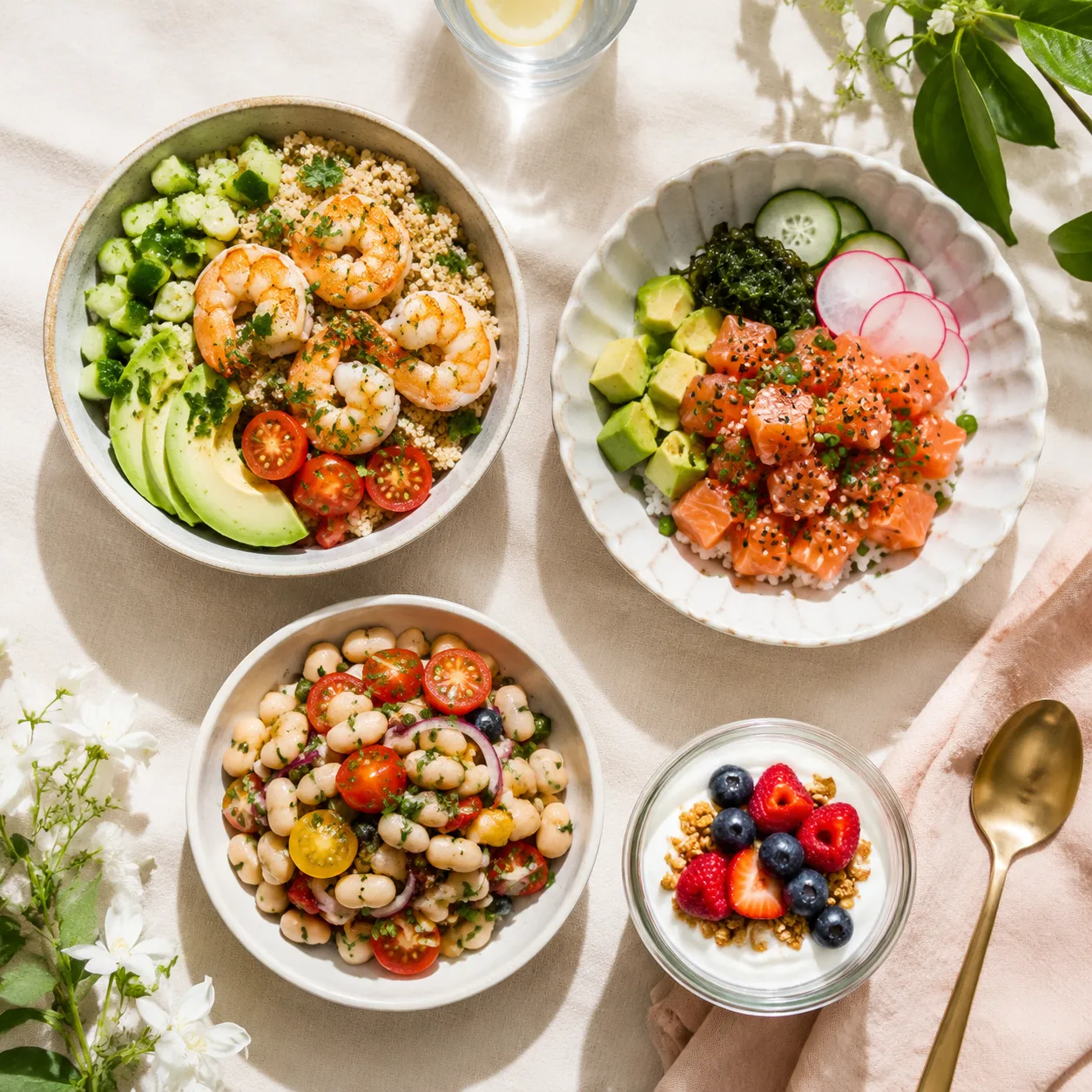
Sustainability can feel complicated, but you do not need to memorize the entire seafood counter. Look for labels and sourcing notes, ask the fishmonger what is fresh and responsibly caught, and vary the species you buy instead of relying on only one type of fish. Smaller oily fish like sardines and mackerel are often budget-friendly and rich in omega-3 fats. Frozen seafood is not a compromise; it is often flash-frozen at peak quality and can be more affordable than fresh.
When eating out, scan menus for grilled fish, shrimp bowls, veggie sushi, seafood pasta, salads with salmon, or tacos with grilled mahi. If a dish is cooked in chicken broth or topped with bacon, simply ask for a swap or omission. Most restaurants can accommodate this style of eating because it is specific but not overly restrictive. That flexibility is one reason the approach works so well for families, date nights, travel, and busy weeks.
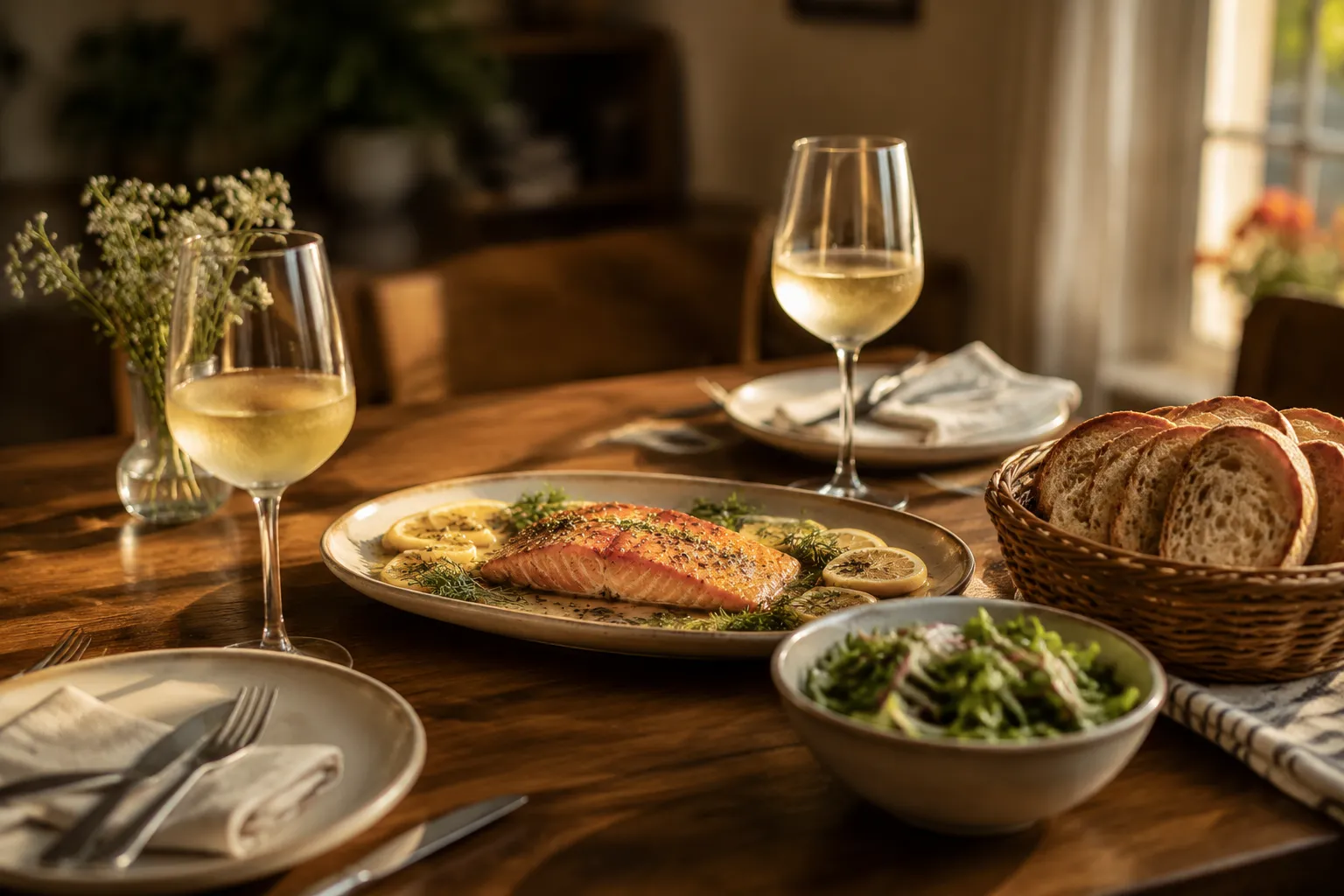
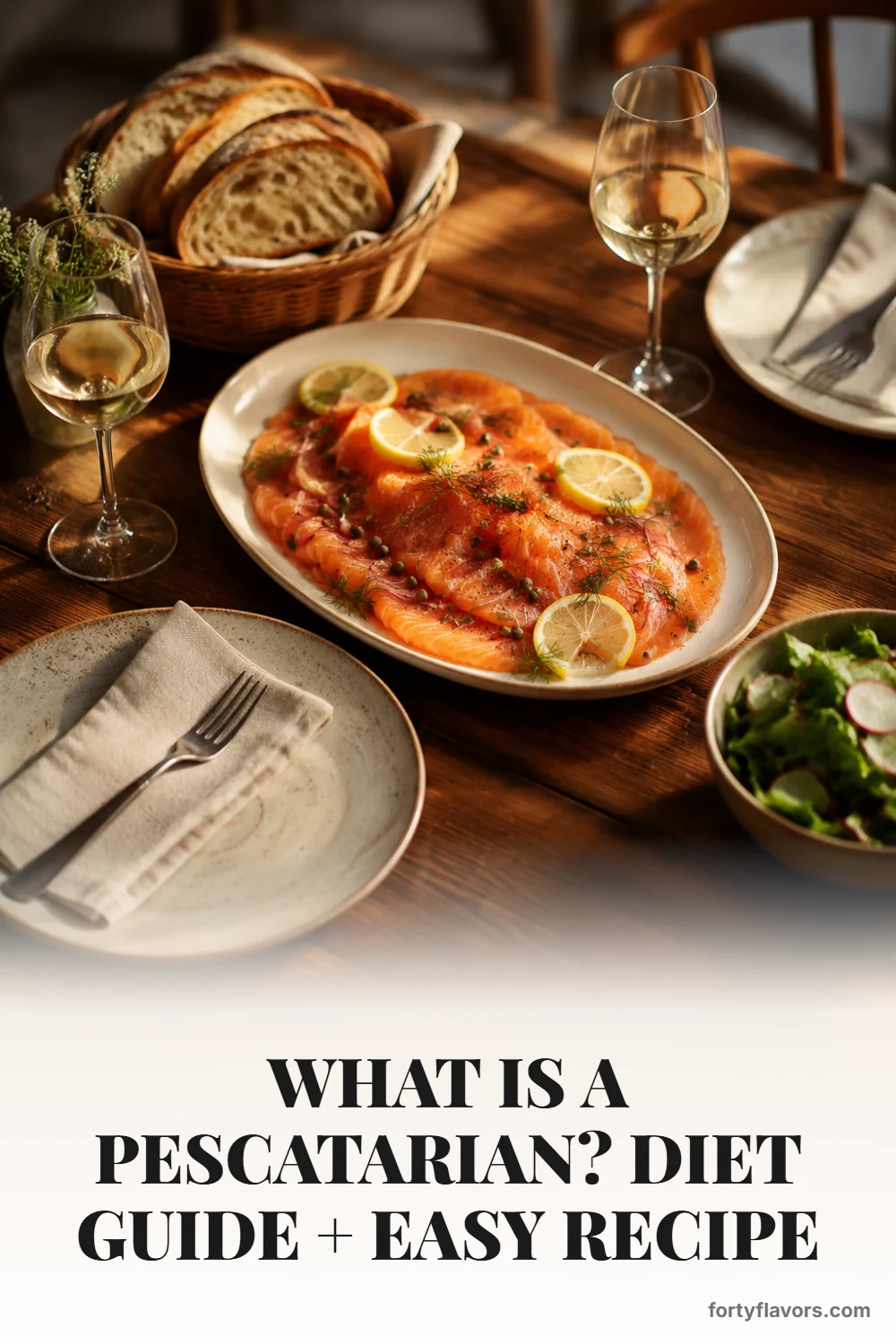
It is easy to read about a new eating style and still wonder what to put in your cart. Start with one seafood dinner, two plant-based meals, and a few familiar breakfasts and lunches. From there, repeat what works and slowly add variety: smoked salmon toast, shrimp and avocado salad, chickpea pasta, miso cod, or veggie-loaded fried rice with egg. Small, delicious wins are more useful than a dramatic overhaul that lasts three days.

Most of all, let the food be joyful. Build plates with color, acid, crunch, herbs, and a sauce you actually want to eat. Whether your goal is heart health, less meat, more vegetables, or just a wider dinner rotation, this way of cooking can be bright, satisfying, and deeply practical. Start with the salmon, pour the lemon butter over everything, and let the next meal be just a little easier.
Store leftover cooked salmon in an airtight container in the refrigerator for up to 3 days. Reheat gently in a covered skillet over low heat or in a 300°F oven until just warmed through; high heat can dry it out quickly.
Leftovers are also excellent cold or room temperature over salads, grain bowls, or toast with a yogurt-dill sauce. If you want to meal prep, cook the grains and vegetables ahead, then make the salmon fresh for the best texture.
Hover any image and hit “Pin it” to save it to your Pinterest boards.