Cocoa Powder vs Cacao: Differences, Uses & Best Picks
Ingredients
Scale
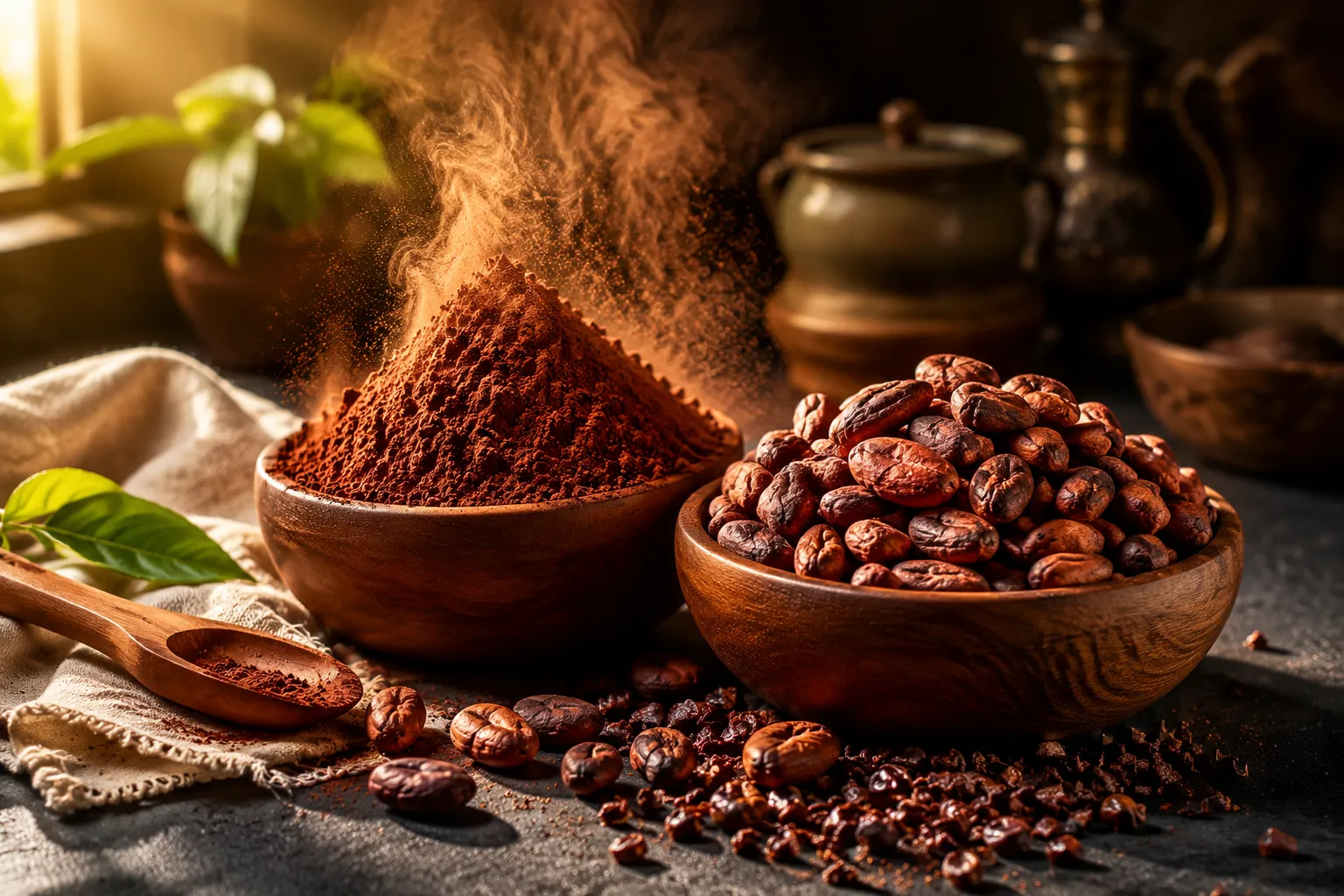
Cocoa powder and cacao look identical in the bag but behave very differently in your bowl. Here's exactly when to reach for each, and how to swap them without ruining your recipe.
If you've ever stood in the baking aisle staring at bags of cocoa powder cacao, wondering if they are just two names for the exact same thing, you are not alone. To the naked eye, these two deeply pigmented, fragrant powders look almost identical in the bag. They both promise to deliver that rich, comforting chocolate flavor we all crave, but they actually behave very differently once they hit your mixing bowl. Understanding the subtle nuances and critical scientific differences between these two chocolate powerhouses is the absolute secret to elevating your home baking from simply good to truly bakery-worthy.
Whether you are whipping up a batch of fudgy, crackly-topped brownies, blending a nutrient-dense morning smoothie, or simmering a cozy, warming mug of chocolate on the stove, choosing the right ingredient matters immensely. Using the wrong powder can result in flat cakes, overly bitter beverages, or a texture that just feels slightly off. We are going to dive deep into what sets them apart, how they are made from the very beginning, and exactly when to reach for each one in your kitchen.
By the end of this comprehensive guide, you will be navigating the chocolate aisle with total confidence. You'll know exactly how to tweak your favorite recipes, how to balance your leaveners, and how to harness the unique flavor profiles of both roasted and raw chocolate. Let's get ready to whisk, sift, and taste our way through the wonderful world of chocolate powders.
At their core, both of these beloved pantry staples start their journey in the exact same place: the vibrant, football-shaped pod of the Theobroma cacao tree. Inside these thick, colorful pods are nestled the precious cacao beans, which are carefully harvested, fermented under banana leaves, and dried in the hot sun to develop that signature chocolate flavor we all know and love. This shared, ancient origin is precisely why they look so similar on the shelf and why they both deliver such a rich, undeniably chocolatey punch to your recipes.
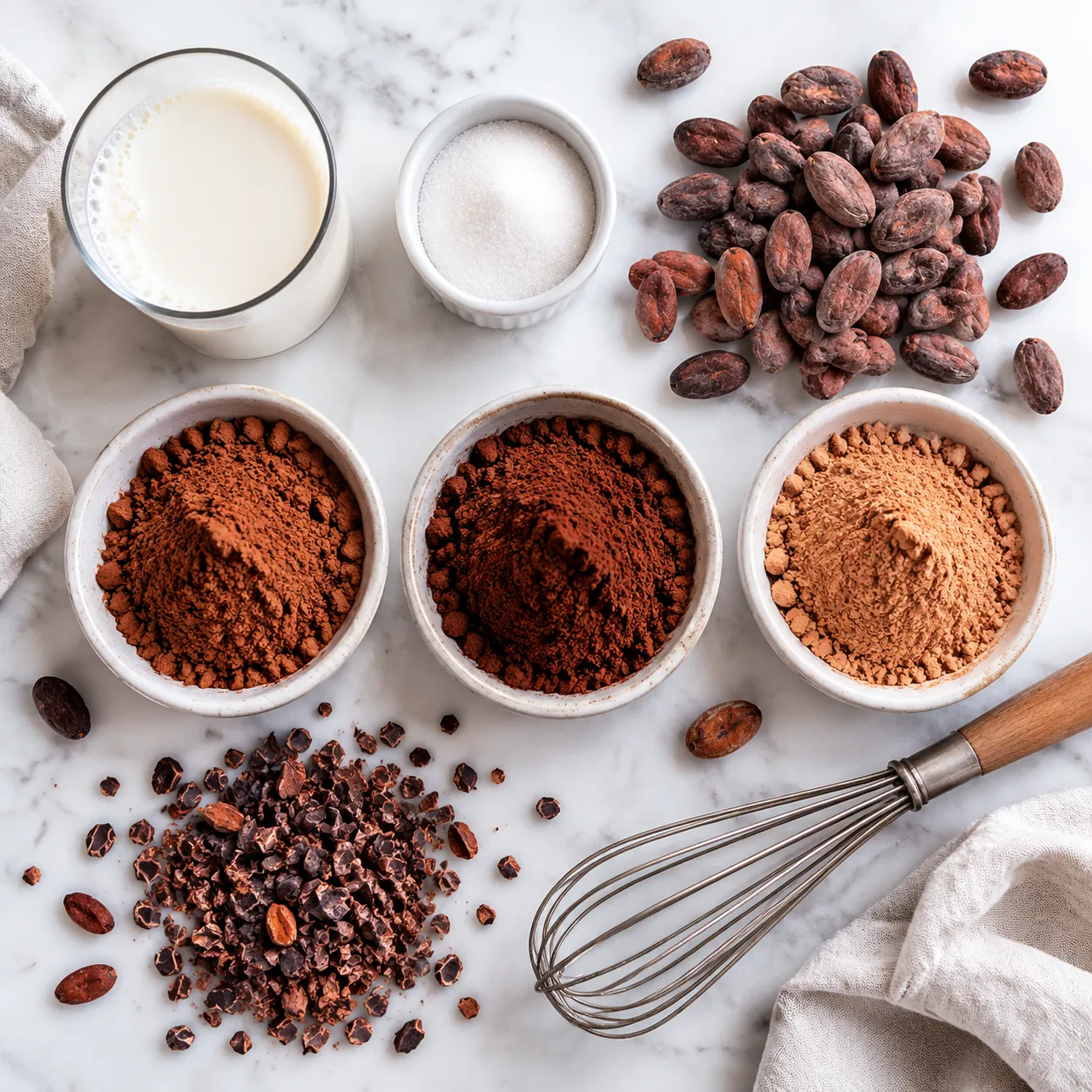
However, the journey they take after that initial sun-drying phase is where their paths diverge dramatically. When evaluating cocoa powder cacao, the primary difference comes down entirely to heat and processing. Raw cacao is processed at very low, carefully monitored temperatures, keeping the final product in a much more natural, nutrient-dense state. Traditional cocoa, on the other hand, is roasted at much higher temperatures to mellow its natural bitterness and make it more soluble for everyday baking.
Think of cacao as the raw, unfiltered, slightly wild version of chocolate, while cocoa is the toasted, refined, and deeply comforting classic you probably grew up with. If you are looking to master your desserts, having a solid chocolate baking guide in your mental toolkit is essential for knowing which of these two paths to walk down when preheating your oven.
Let's talk about the undisputed darling of the modern health food world. To make true raw cacao powder, unroasted, fermented cacao beans are cold-pressed in specialized machinery to gently squeeze out the rich, luxurious fat known as cacao butter. The remaining dry, fibrous material is then carefully milled into a remarkably fine powder. Because it never undergoes a high-heat roasting process, the cellular structure remains largely intact, allowing it to retain a massive amount of its natural nutritional profile.
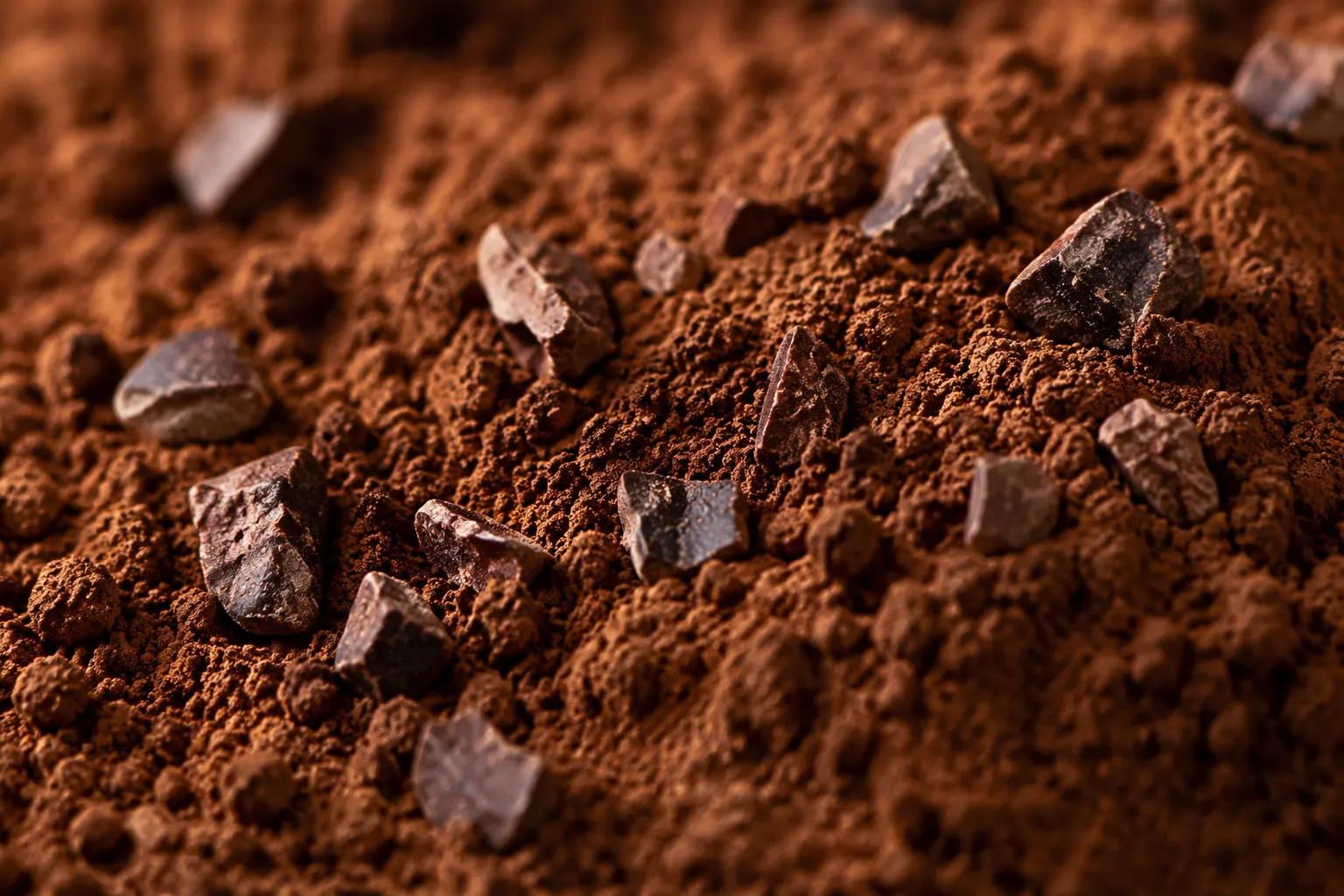
When you open a fresh bag of raw cacao, you will immediately notice its vibrant, slightly reddish-brown color and intensely earthy, almost fruity aroma. The flavor is exceptionally sharp, pleasantly bitter, and deeply complex—much like snapping off a square of a very dark, high-percentage artisan chocolate bar. It doesn't have that classic, mellow "hot chocolate" smell that immediately makes you think of marshmallows; instead, it smells wonderfully raw, alive, and slightly acidic.
Because of its robust nutritional profile, which is absolutely packed with beneficial antioxidants, magnesium, and iron, raw cacao is a superstar in no-bake applications. It is my absolute favorite addition to morning smoothies, date-sweetened energy bites, and decadent raw vegan desserts. Heating it to high temperatures in the oven can actually destroy some of those precious, heat-sensitive antioxidants, so keeping it raw or only gently warmed is the best way to let its nutritional benefits and complex flavor truly shine.
If cacao is the edgy, raw cousin, cocoa is the comforting, nostalgic classic that feels like a warm hug. To produce it, the dried beans are roasted at high temperatures before they are pressed and ground into a fine dust. This intense roasting process triggers the Maillard reaction, which dramatically changes the chemical structure of the bean. It mellows the sharp bitterness and brings forward that quintessential, deeply toasted chocolate flavor we immediately associate with classic birthday cakes, crinkle cookies, and fudgy brownies.
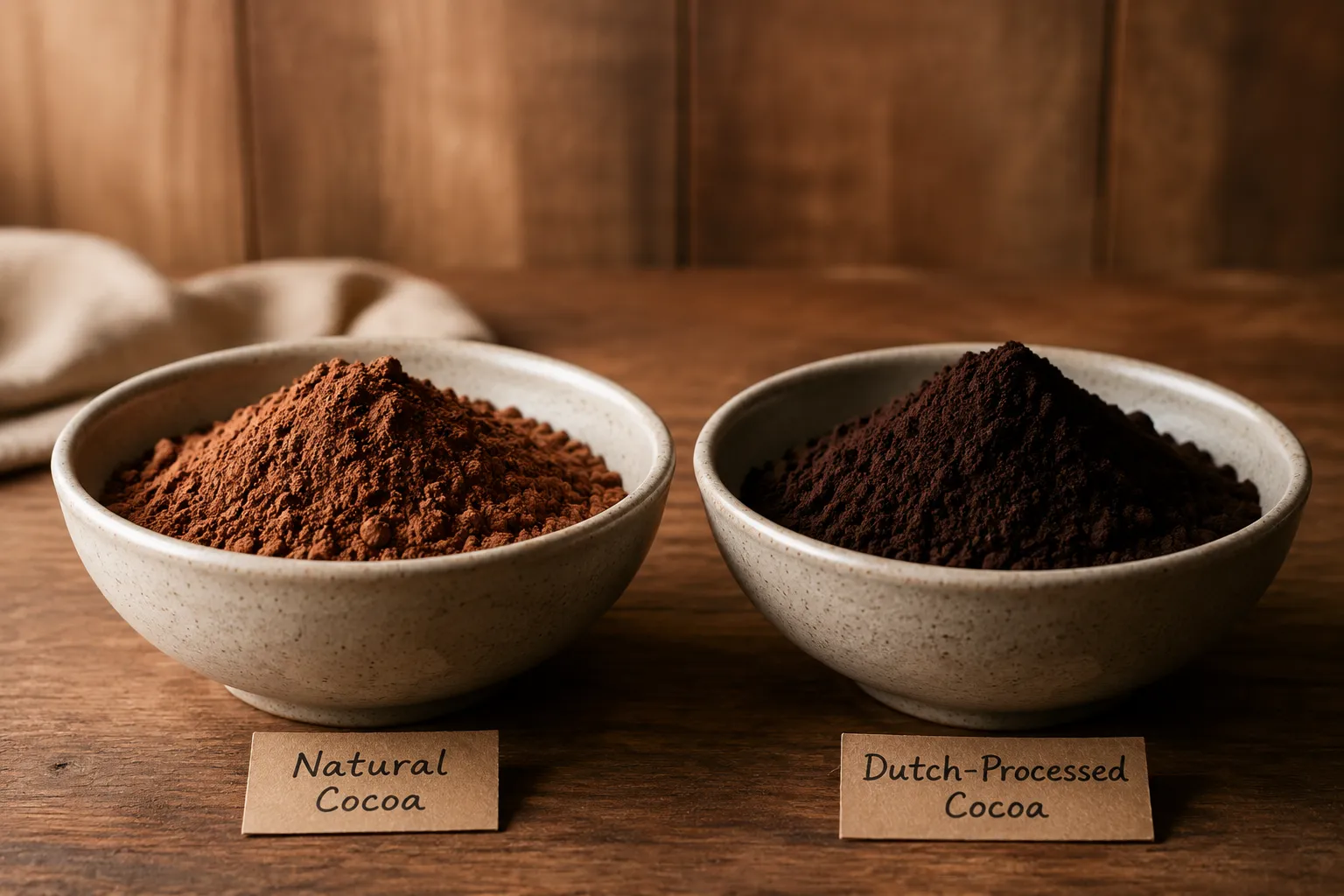
Within this roasted category, you will generally find two main types on grocery store shelves. The first is natural cocoa powder, which is simply roasted and ground without any further chemical intervention. It is naturally quite acidic (sitting at a pH of around 5.3 to 5.8), giving it a sharp, almost citrusy fruitiness that pairs brilliantly with alkaline baking soda in recipes. It is the absolute powerhouse behind traditional American chocolate cakes, giving them their reddish hue and tender crumb.
The second type is dutch-processed cocoa, which has been washed with an alkaline solution (like potassium carbonate) to neutralize its natural acidity. This fascinating process darkens the color significantly—sometimes to a rich, almost blackish-brown—and creates a remarkably smooth, mellow, and earthy flavor profile. Because the acid has been entirely neutralized, Dutch-processed cocoa relies strictly on baking powder for leavening. You might also spot "black cocoa" on specialty baking shelves, which is an ultra-Dutched variation responsible for the intense, coal-black color and distinct flavor of Oreo cookies.
When you put cocoa powder cacao side-by-side on your kitchen counter, the sensory differences become starkly apparent. In terms of taste and aroma, the roasted version is round, familiar, and deeply comforting, while the raw version is punchy, acidic, and wonderfully complex. If you were to taste a tiny pinch of both straight from the jar, the raw powder would make you pucker slightly with its bitter, wine-like fruitiness, whereas the roasted powder would taste exactly like the essence of a bustling neighborhood bakery.
The pH level is another major, non-negotiable differentiator that impacts how you use them. Raw cacao and natural cocoa are both highly acidic by nature. This acidity isn't just about how it tastes on your tongue; it's a crucial chemical component that reacts violently with alkaline leaveners to create the carbon dioxide bubbles that help your baked goods rise to fluffy perfection. Dutch-processed cocoa sits comfortably at a neutral pH (around 7.0), meaning it won't react with baking soda at all, leaving your cakes dense and flat if you mix them up.
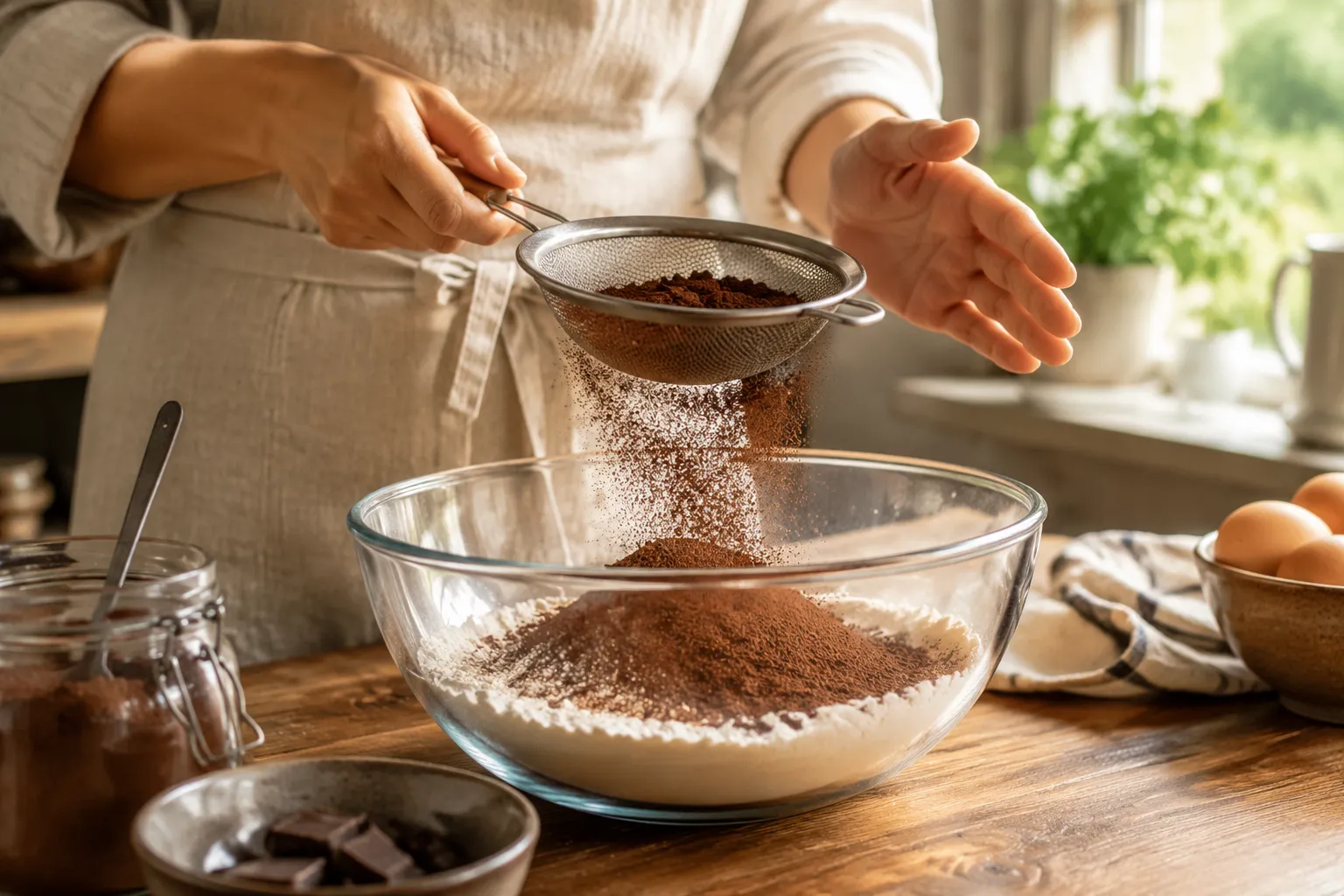
Finally, there's the practical matter of price and everyday availability. You can find unsweetened cocoa in nearly any corner grocery store or supermarket for just a few dollars, making it an incredibly accessible, everyday pantry staple. Raw cacao, due to its specialized cold-pressing techniques, lower yields, and premium health-food status, almost always comes with a higher price tag. It might require a special trip to a natural foods store or an online order to secure a good quality bag.
Choosing between cocoa powder cacao for a specific recipe isn't just about picking your favorite flavor; it's about respecting fundamental food science. For traditional, oven-baked goods like chewy, crinkly brownies, towering layer cakes, and classic chocolate chip cookies, traditional roasted cocoa is almost always your best bet. It provides that classic, universally recognizable chocolate flavor that holds up beautifully to the intense, prolonged heat of the oven without turning overly bitter or astringent.
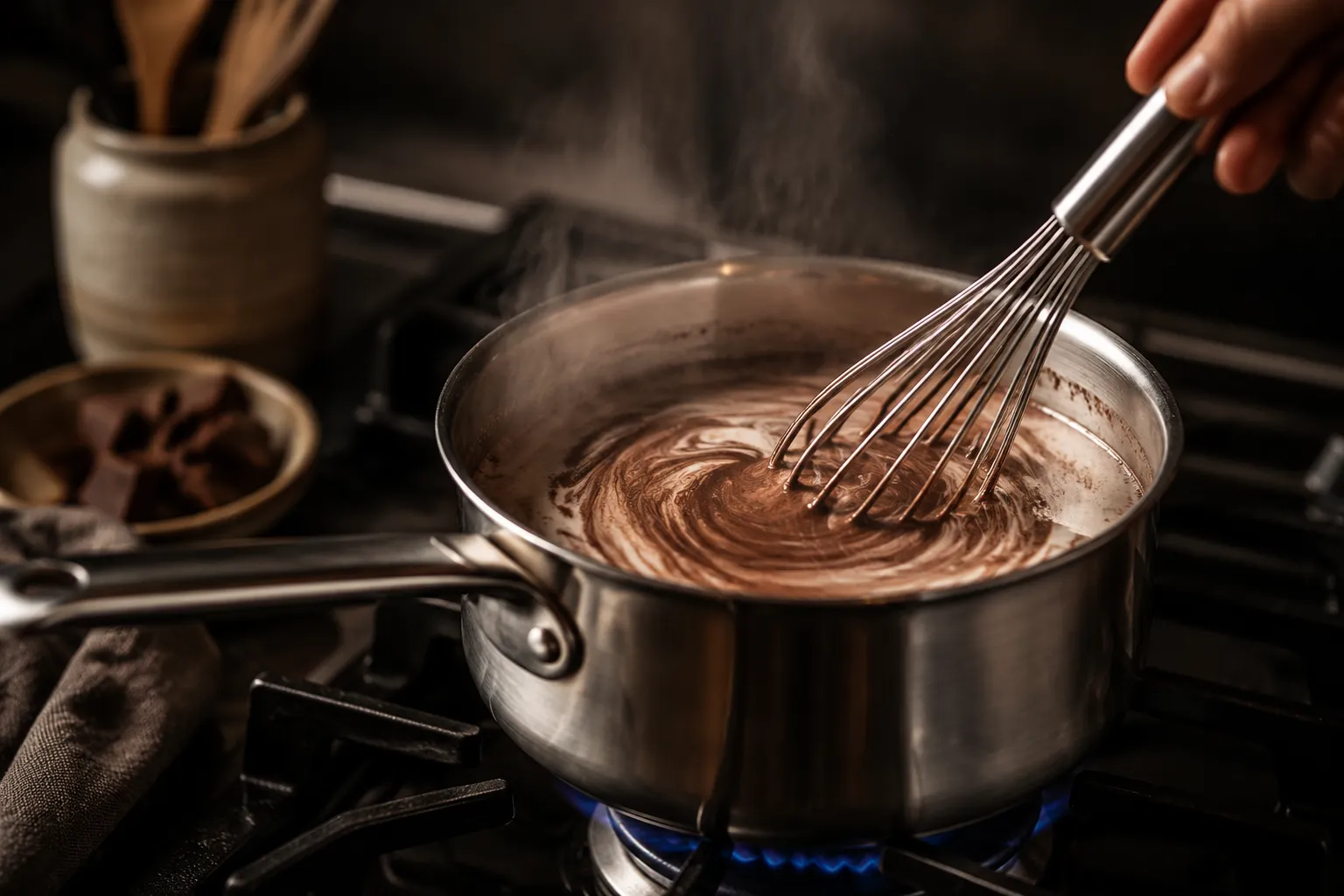
If you are making no-bake treats—think raw cashew truffles, creamy avocado chocolate mousse, or a thick, nutrient-packed smoothie bowl—this is exactly where raw cacao truly shines. You get all the robust, earthy flavor and the absolute maximum benefit of those incredible antioxidants without baking them away. It's a brilliant, delicious way to add incredible depth to wholesome recipes that don't rely on chemical leaveners to achieve their final texture.
When it comes to cozy, comforting beverages, the choice depends entirely on your personal palate. For a nostalgic, creamy cup of homemade hot cocoa, Dutch-processed or natural cocoa will give you that smooth, sweet-shop vibe that pairs perfectly with a mountain of whipped cream. If you prefer a darker, more intense, slightly bitter drinking chocolate that feels almost medicinal in its rich, earthy complexity, whisking raw cacao into warm milk with a touch of maple syrup is an absolute revelation.
We have all been there: you are halfway through a baking project, your hands are covered in flour, you open the pantry, and you realize you only have the "wrong" kind of chocolate powder. The good news is that you can very often swap them in a pinch, but you absolutely need to know a few golden rules of chocolate substitutes to avoid a baking disaster.
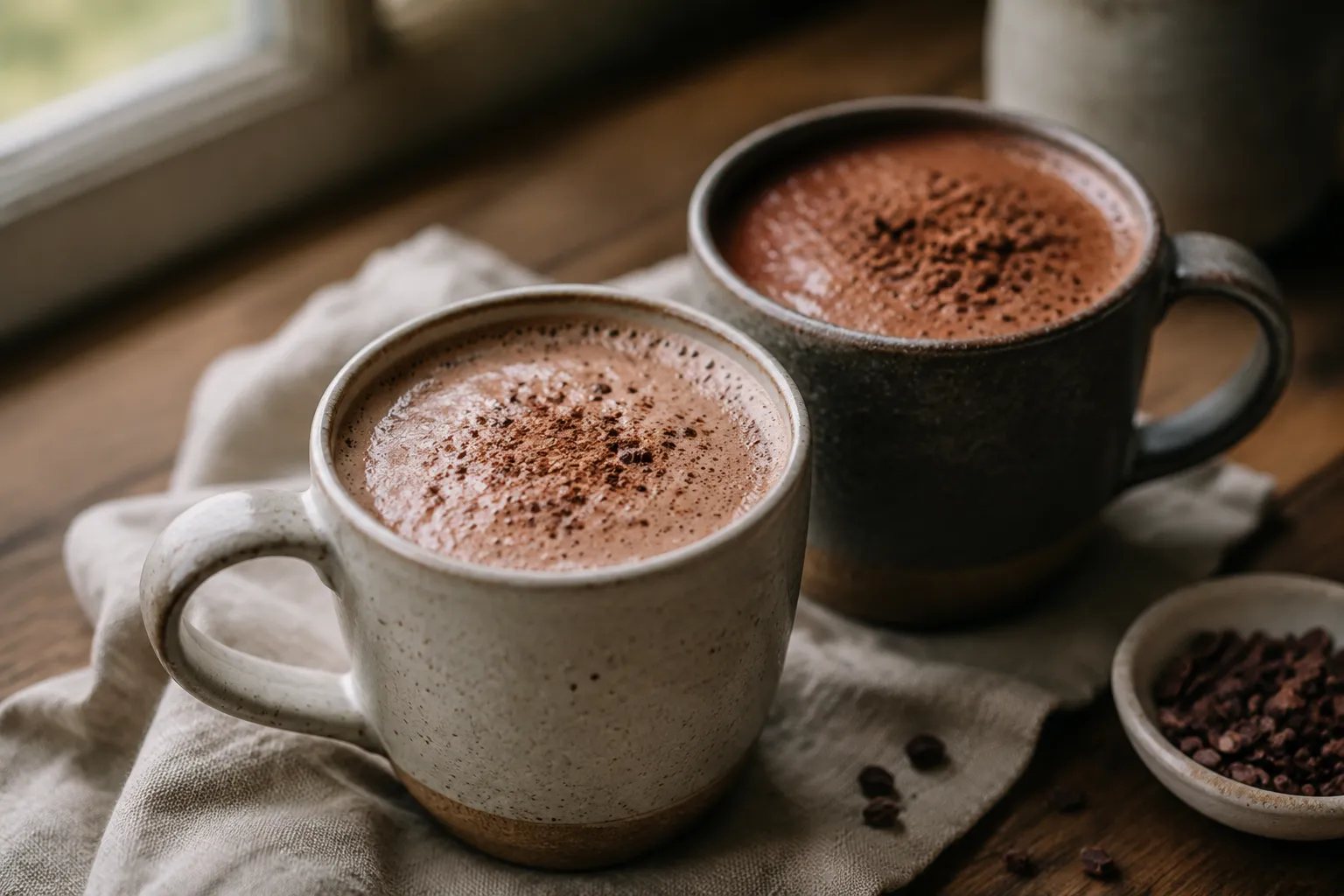
As a general, overarching rule, you can substitute raw cacao for natural cocoa in a 1:1 ratio, but you need to be mentally prepared for a slightly more bitter, intense result. Because raw cacao is generally more absorbent and slightly less soluble than its roasted counterpart, you might find your batter feels a tiny bit drier than usual. I often add an extra splash of liquid (like milk or coffee) or a teaspoon of fat (like melted butter or neutral oil) to compensate when making this swap in cakes or muffins.
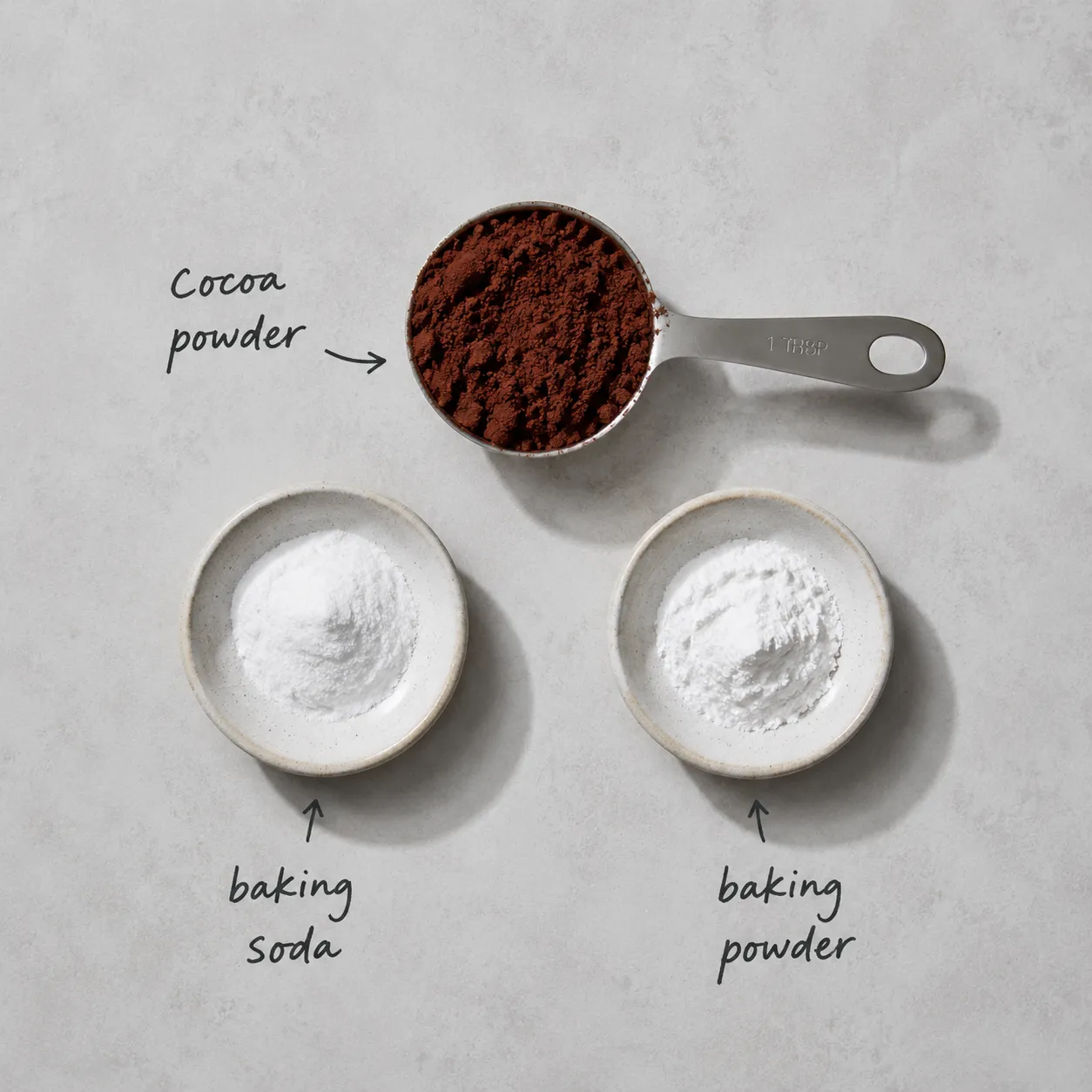
The most critical factor to consider is your leavener. If a recipe specifically calls for Dutch-processed cocoa and baking powder, you cannot simply swap in raw cacao or natural cocoa without adjusting the underlying chemistry. The acidic powders desperately need baking soda to activate properly. If you absolutely must use an acidic powder in a Dutch-cocoa recipe, a good rule of thumb is to add 1/8 teaspoon of baking soda for every 3 tablespoons of acidic powder used to help neutralize the batter.
When you are finally ready to restock your baking pantry, taking the time to read the labels carefully is key to bringing home a quality product. Always look for unsweetened cocoa with a single, solitary ingredient on the label. Avoid anything labeled "hot cocoa mix" or "drinking chocolate" if you plan to bake with it, as these are heavily loaded with refined sugar, powdered milk, and artificial stabilizers that will completely ruin your delicate cake batters and throw off your dry-to-wet ingredient ratios.
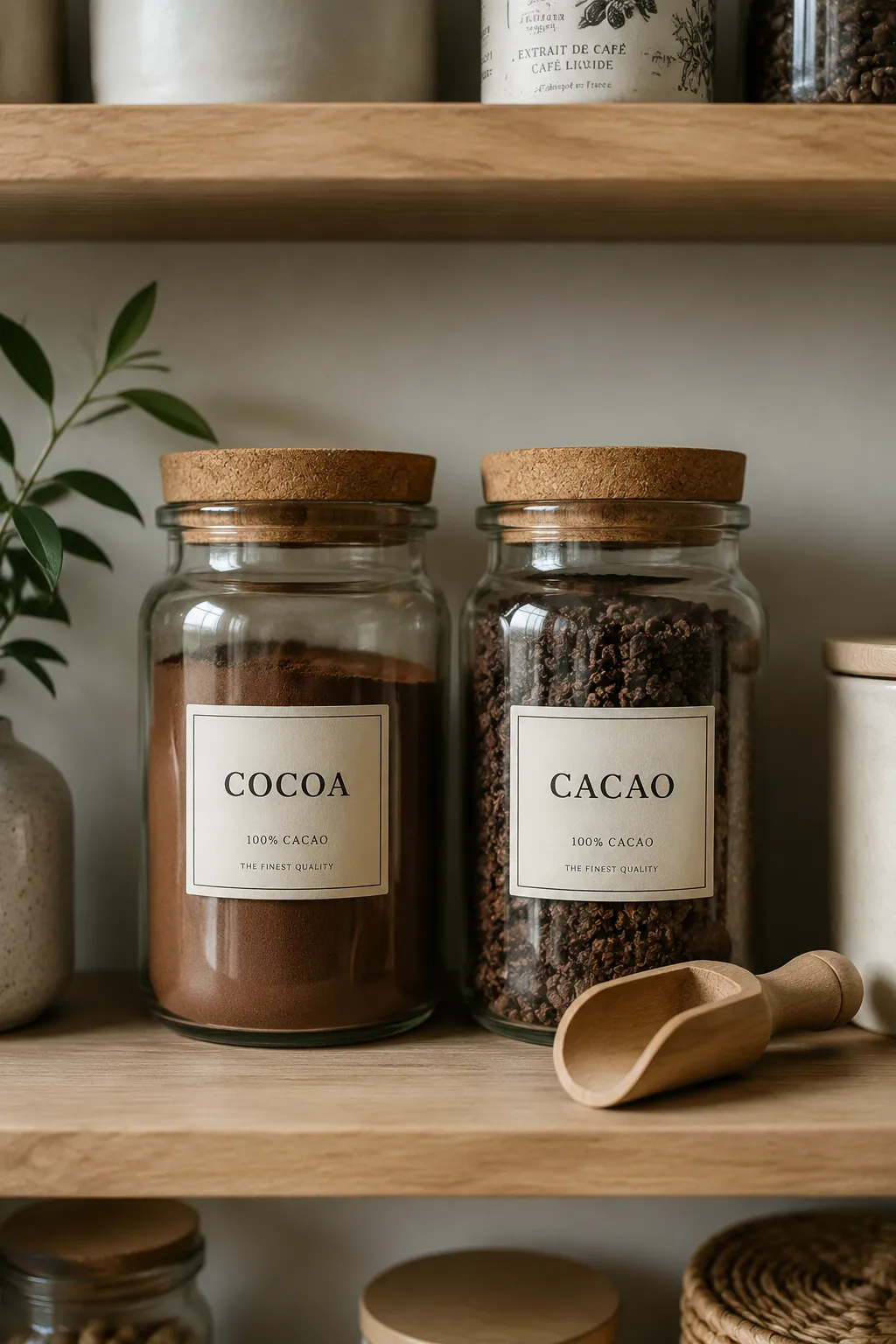
For the absolute best cocoa powder cacao experience, try to source fair-trade, single-origin, or ethically harvested brands whenever your budget allows. The global chocolate industry has a very complex, often troubling history, and supporting brands that prioritize farmer welfare, fair wages, and sustainable harvesting practices makes your baked goods taste that much sweeter. Whether you are buying a robust, fruity raw powder for your morning smoothies or a velvety, dark Dutch-processed blend for your holiday baking, investing in a high-quality product will yield exponentially better, more delicious results in your kitchen.
Once you understand the basic differences, you can start experimenting with blending them to create your own custom chocolate flavor profiles. Here are a few ways to play with your powders:
Proper storage is essential for keeping your chocolate powders fresh, flavorful, and free of clumps. Both types should be stored in an airtight container in a cool, dark, and dry place—like a dedicated pantry shelf or a dark cupboard away from the stove. Heat, light, and moisture are the enemies of ground chocolate, as they can cause the residual cocoa butter to go rancid or the powder to bloom and lose its vibrant flavor.
Never store your powders in the refrigerator or freezer. The fluctuating temperatures and ambient humidity in the fridge can introduce condensation into the jar, leading to mold growth or rock-hard clumps. When stored properly in a tightly sealed glass jar or heavy-duty plastic container, both varieties will maintain their peak flavor for up to two years, though they are perfectly safe to consume well beyond that date.