Classic Pound Cake Recipe: Buttery, Tender, Foolproof
Ingredients
Scale
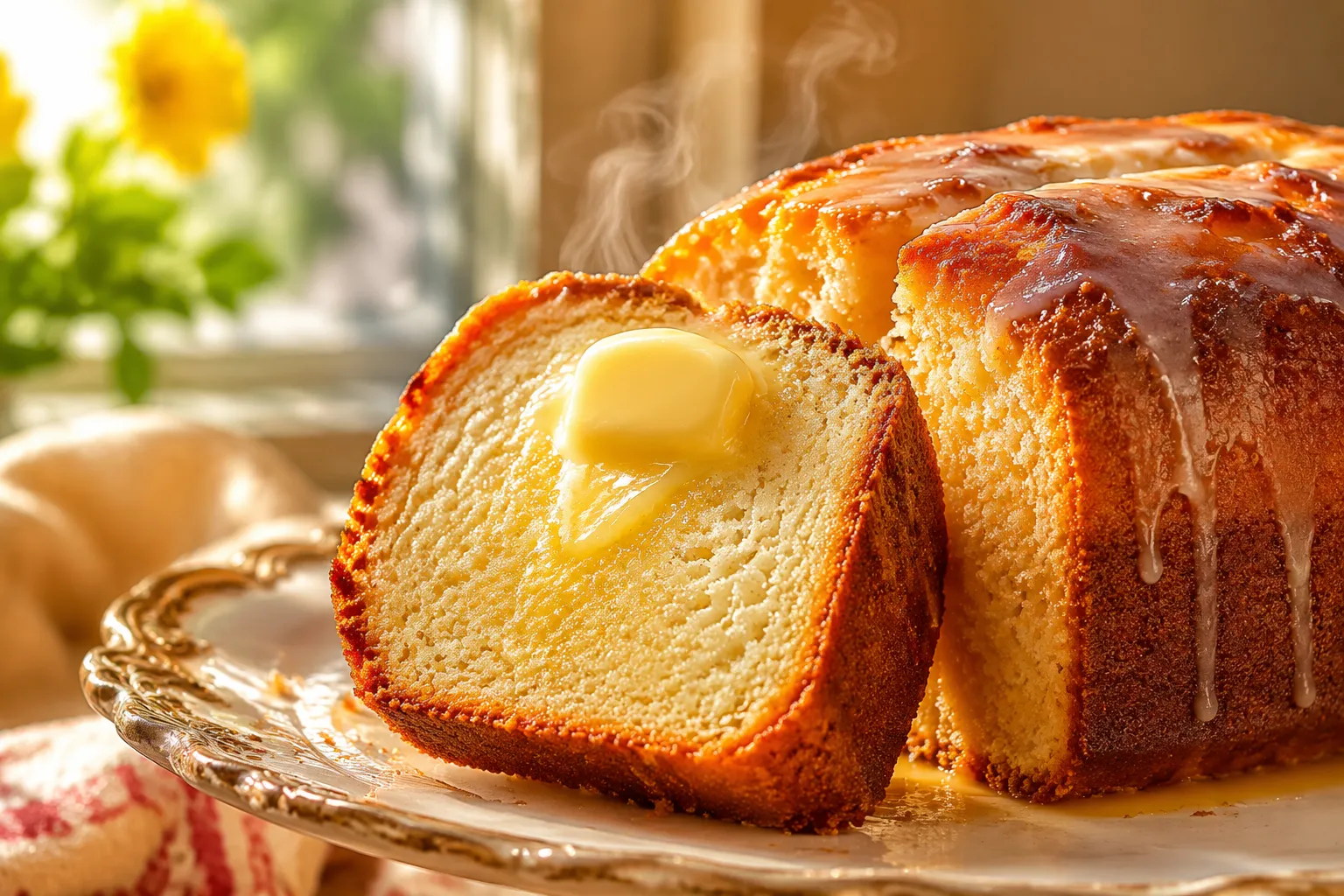
A buttery, fine-crumbed pound cake with a golden crust and tender center, made the old-fashioned way with simple pantry staples.
This pound cake recipe is the one I reach for when I want something simple, golden, buttery, and completely dependable. It has that old-fashioned charm you expect from a classic pound cake: a deeply bronzed crust, a soft vanilla-scented center, and slices sturdy enough for berries, whipped cream, or a swipe of jam. The ingredient list is humble, but the result feels special in the way only a really good homemade pound cake can.
Traditional pound cake was famously made with a pound each of butter, sugar, eggs, and flour, which is wonderfully memorable but a little oversized for most modern kitchens. This version keeps the spirit of that ratio while scaling it for a standard loaf pan and adding sour cream for extra moisture. The crumb is fine and plush rather than dry, with just enough structure to slice cleanly for lunchbox treats, brunch boards, or a late-night forkful by the counter.
What I love most is how unfussy it is. You do not need specialty flour, complicated folding, or a bakery degree—just properly softened butter, room-temperature eggs, and a little patience while the cake bakes low and steady. If you have ever wondered why some pound cakes turn out dense while others have that dreamy tender crumb, this guide walks you through the small details that make a big difference.
A great all-butter pound cake is all about balance. Butter brings flavor and richness, sugar helps aerate the batter and creates that lightly crisp crust, eggs provide structure, and flour gives the cake its signature sliceable body. In this recipe, a small amount of baking powder gives a gentle lift without turning the loaf into a fluffy layer cake. Sour cream adds moisture and subtle tang, keeping the center soft even a day or two after baking.
The mixing method matters just as much as the ingredients. Creaming the butter and sugar until pale and fluffy traps tiny air pockets that expand in the oven, helping the cake rise evenly. Adding eggs one at a time keeps the emulsion smooth, while alternating the dry ingredients with sour cream prevents overworking the flour. If you want a deeper dive into the basics, how to cream butter and sugar is one of those baking skills that pays off in almost every cake, cookie, and quick bread you make.
This is also a flexible base. Keep it pure vanilla with homemade vanilla extract, dress it up with a simple glaze, or use the chocolate option below when you want something richer. The same dependable batter can become a brunch cake, a holiday dessert, or the kind of everyday sweet that disappears slice by slice from the kitchen counter.
The beauty of this pound cake recipe is that the main ingredients are probably already in your kitchen. Unsalted butter is the backbone, so use a brand you enjoy and let it soften until it gives slightly when pressed. Granulated sugar sweetens the cake and helps form the fine crumb; do not rush the creaming step here. Large eggs should be at room temperature so they blend in smoothly instead of making the batter look curdled.
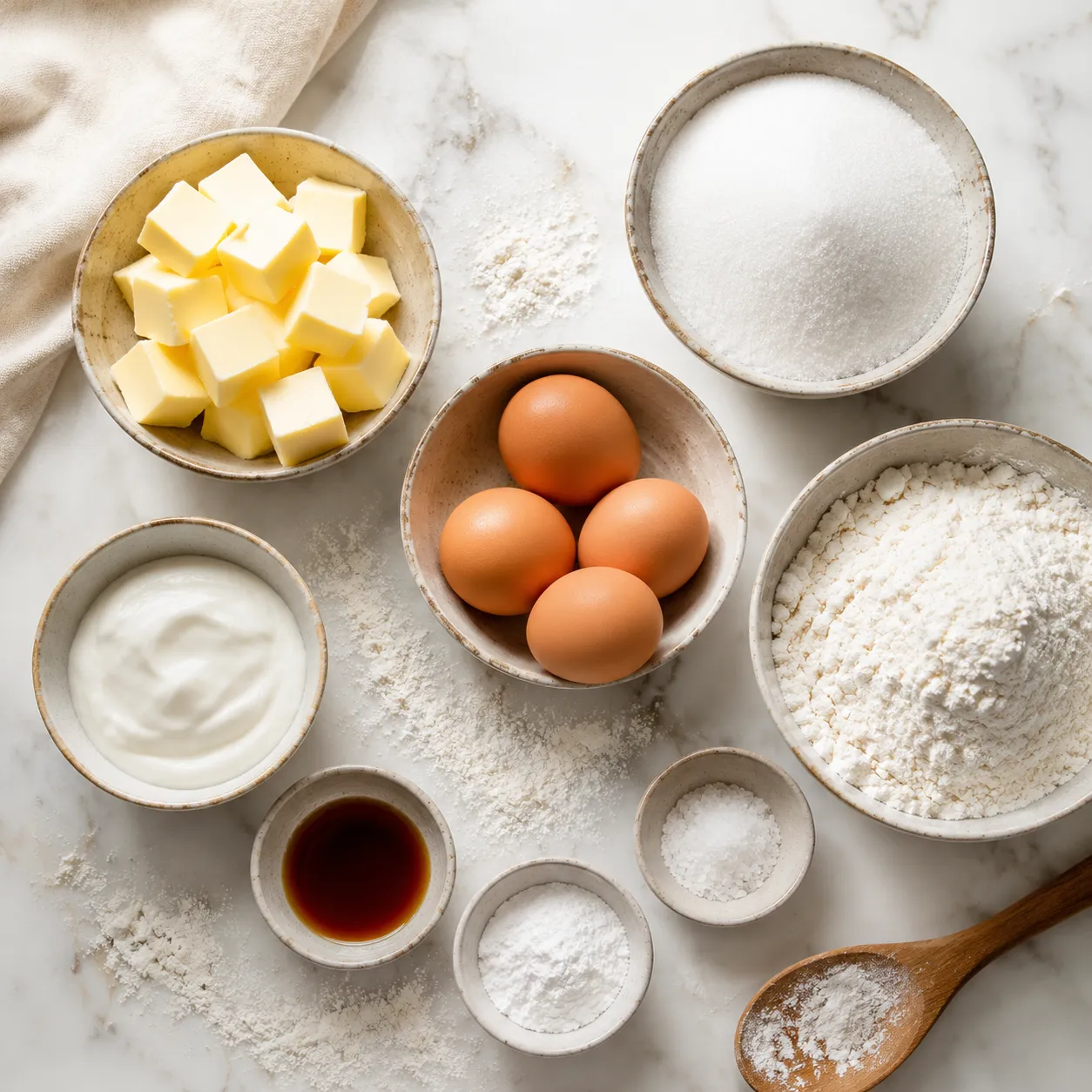
All-purpose flour keeps the texture classic and accessible. A little baking powder adds insurance, while fine sea salt sharpens the butter and vanilla flavors so the cake tastes full rather than flat. Sour cream is the modern upgrade that makes this loaf especially tender, adding moisture without thinning the batter too much. Pure vanilla extract rounds everything out with that warm bakery aroma; if you keep homemade vanilla extract in your pantry, this is exactly where it shines.
If you need to make a few swaps, you have options. Full-fat Greek yogurt can stand in for sour cream, though the crumb may be slightly tangier. Salted butter works in a pinch—just reduce the added salt to a small pinch. For a more fragrant loaf, scrape in half a vanilla bean and turn the base into something close to a vanilla bean pound cake, with tiny specks running through every slice.
Start with butter that is softened but not greasy. If it is too cold, it will not aerate properly; if it is melty, it can make the batter heavy and oily. Beat the butter first until smooth, then add the sugar and continue mixing until the color lightens and the texture looks fluffy. This is where the structure of the cake begins, so give it a full few minutes rather than stopping as soon as the ingredients combine.
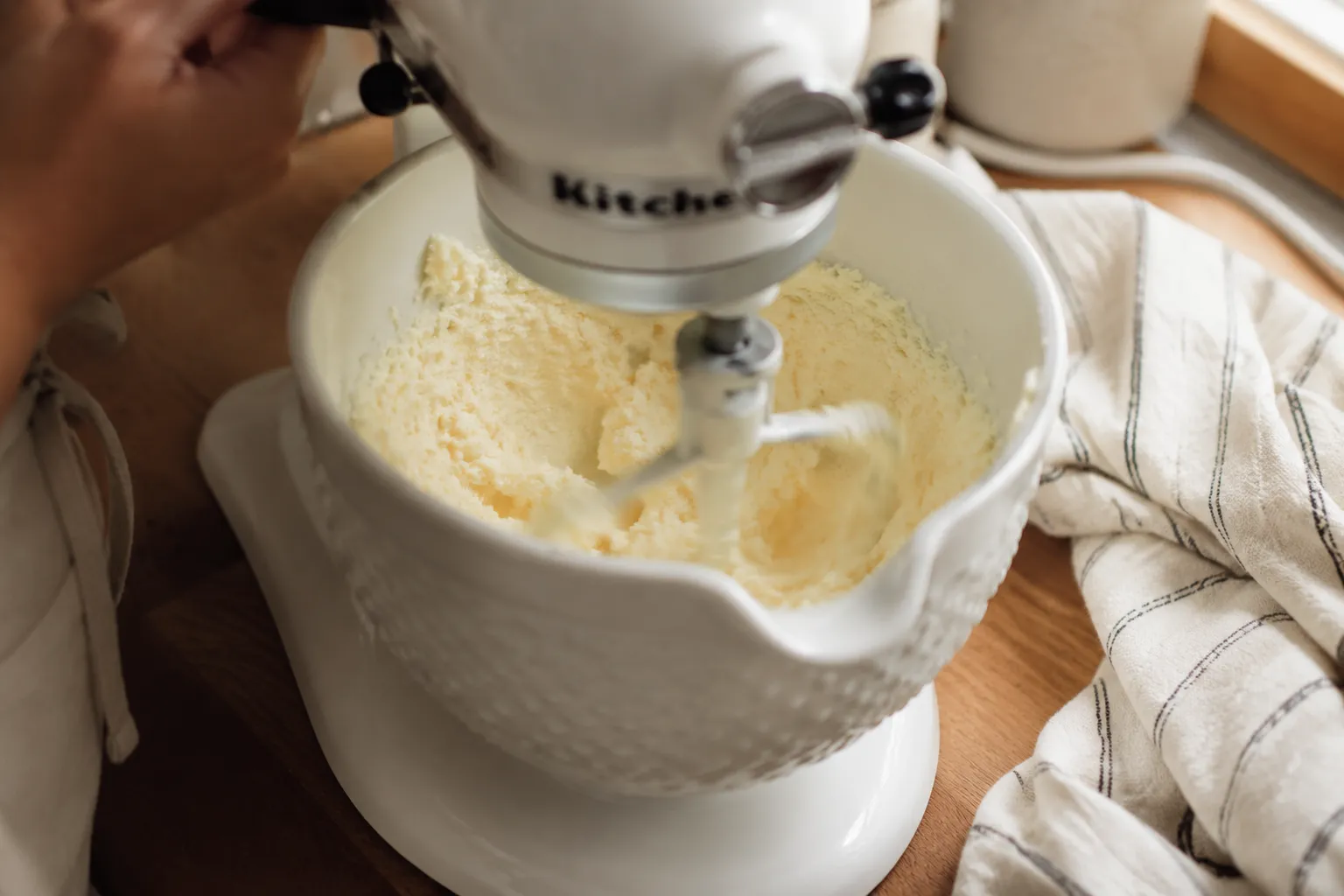
Next come the eggs, one at a time. Each egg should disappear into the batter before the next goes in, which helps keep the mixture creamy and stable. Scrape the bowl often, especially around the bottom where streaks of butter like to hide. If the batter looks slightly separated after the last egg, do not panic; it usually comes back together once the dry ingredients are added.
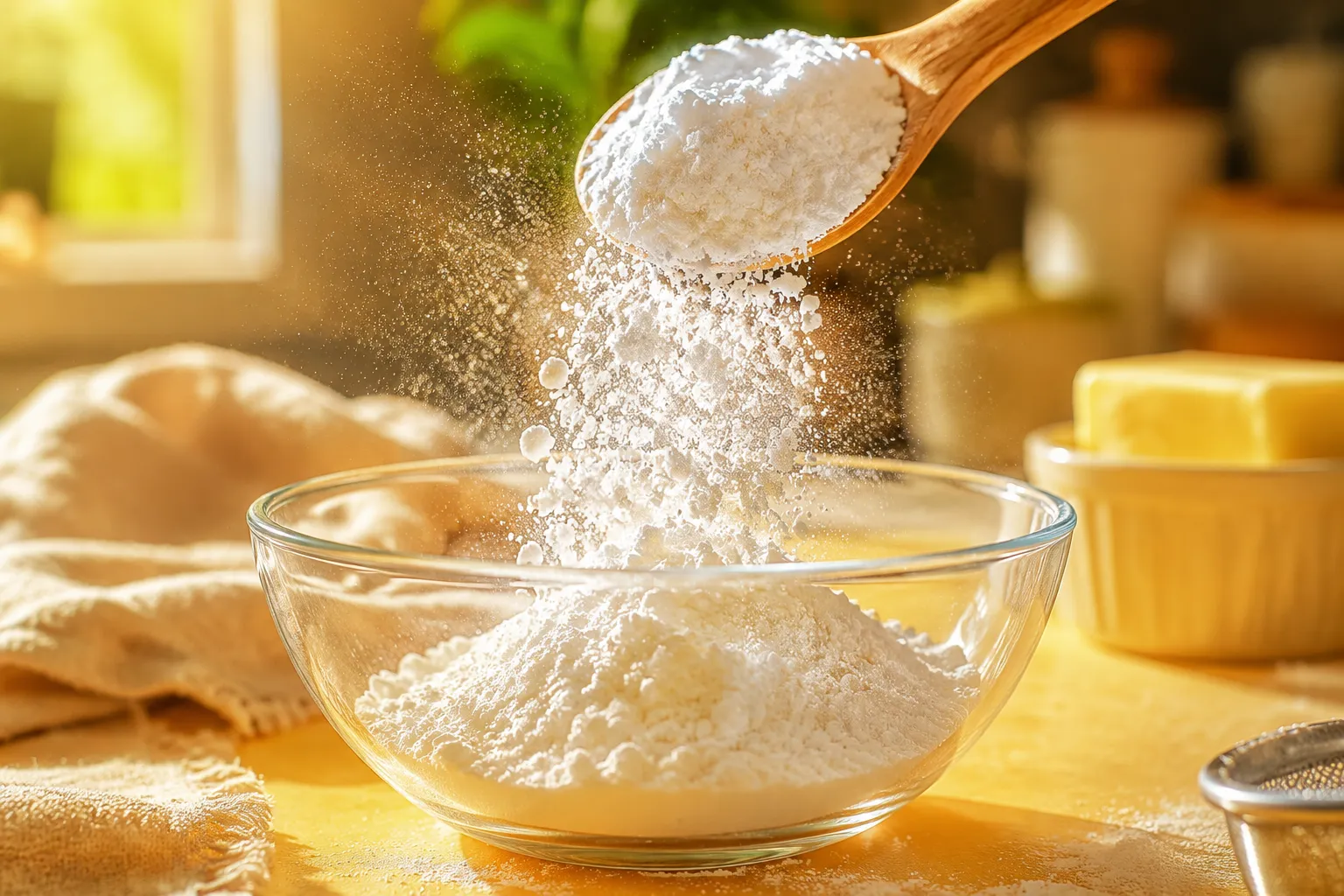
Whisk the flour, baking powder, and salt separately so the leavening is evenly distributed. Add the dry mixture in parts, alternating with the sour cream, and mix on low speed just until no dry streaks remain. This slower finish protects the tender crumb by limiting gluten development. The batter should be thick, satiny, and scoopable, almost like a very soft buttercream.
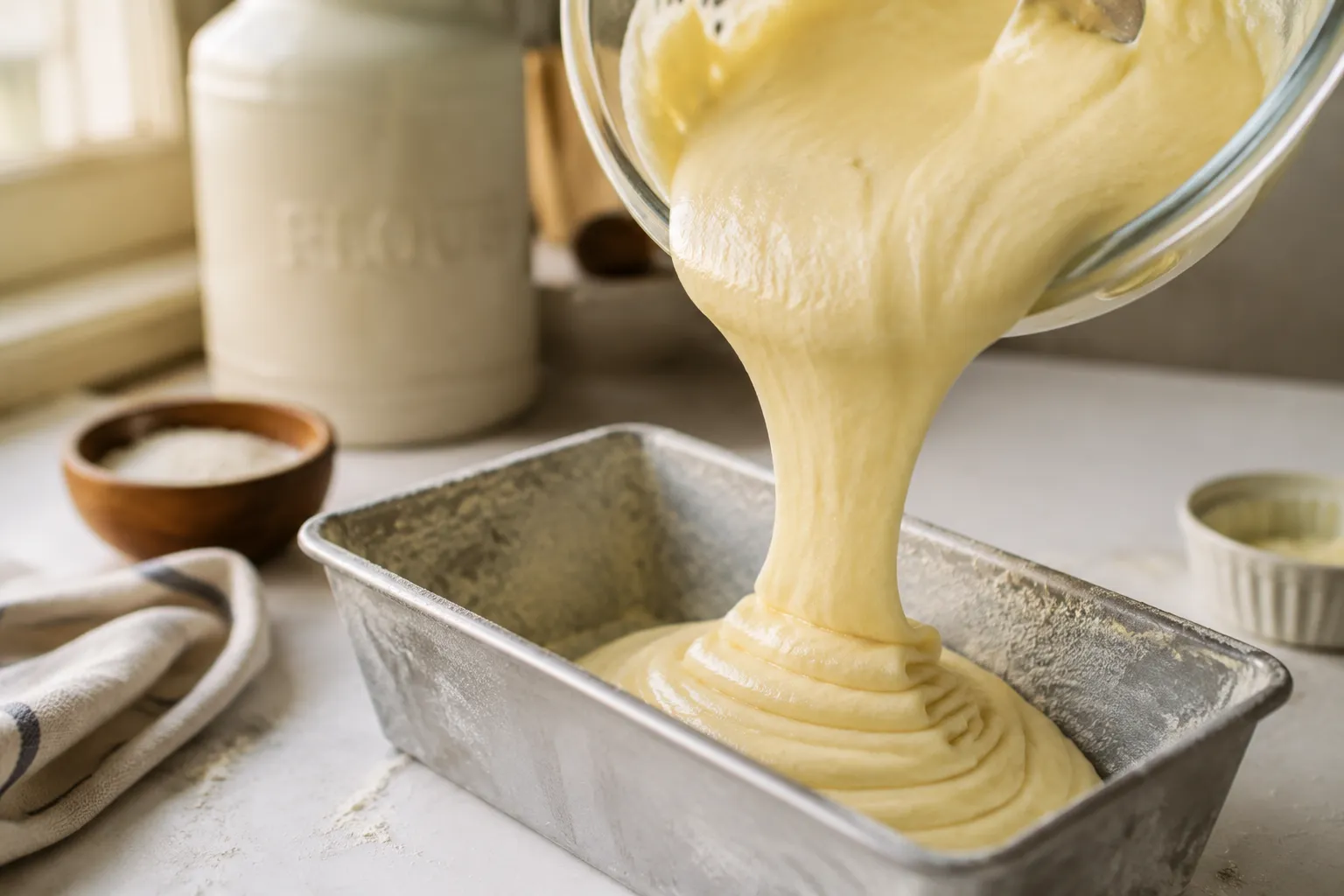
Once the batter goes into the prepared pan, smooth the top with a spatula and tap the pan lightly on the counter to settle any large air pockets. I like to run a thin line down the center of the batter with the spatula, which encourages that classic split along the top as it bakes. It is a small touch, but it gives the finished loaf a beautiful bakery-style crown.
This pound cake recipe bakes at a moderate temperature so the center has time to cook through before the crust gets too dark. Pound cake is dense by design, so it needs a longer bake than a typical quick bread. The top should rise into a golden dome with a natural crack, and the kitchen should smell like warm butter and vanilla. If the loaf is browning too quickly toward the end, loosely tent it with foil.
The best doneness cue is a toothpick or thin skewer inserted into the center. You want moist crumbs clinging to it, not wet batter. The top should spring back lightly when touched, and the edges may begin to pull just slightly from the sides of the pan. Because loaf pans vary in color and material, start checking around the one-hour mark but expect the full bake to take closer to 75 minutes.
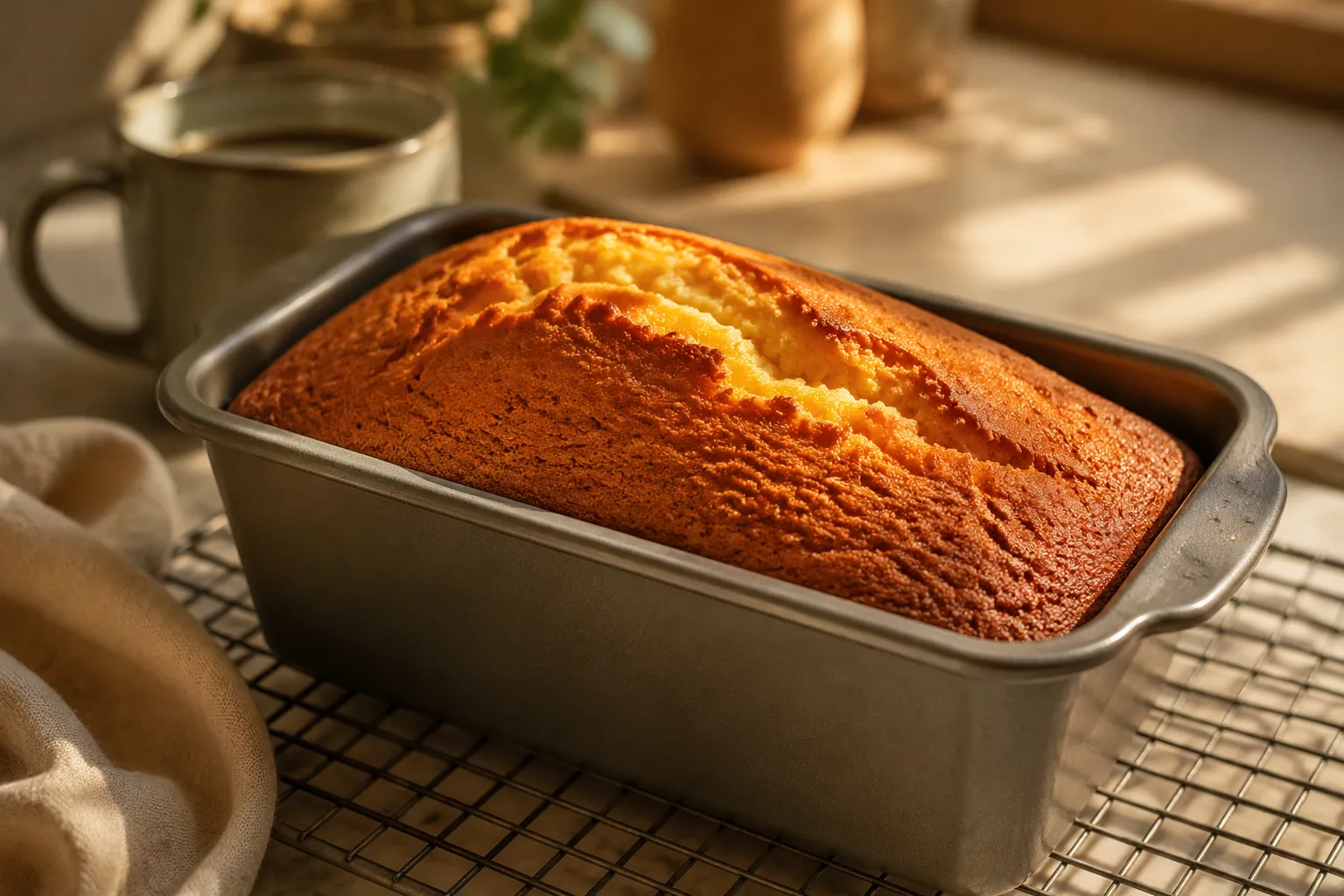
Cooling is part of the recipe, not an afterthought. Let the cake rest in the pan for about 15 minutes so it can firm up enough to release cleanly. Then transfer it to a wire rack and cool completely before slicing, even though the warm buttery smell will test your patience. Cutting too soon can compress the interior and make the crumb seem gummy.
If you are craving a richer loaf, this batter transforms beautifully into a cocoa-forward chocolate version. Replace 1/2 cup of the all-purpose flour with 1/2 cup unsweetened cocoa powder, whisking it thoroughly with the remaining flour, baking powder, and salt. A teaspoon of espresso powder is optional, but it deepens the chocolate flavor without making the cake taste like coffee. This approach gives you the ease of one master batter with the payoff of a chocolate pound cake recipe built right in.
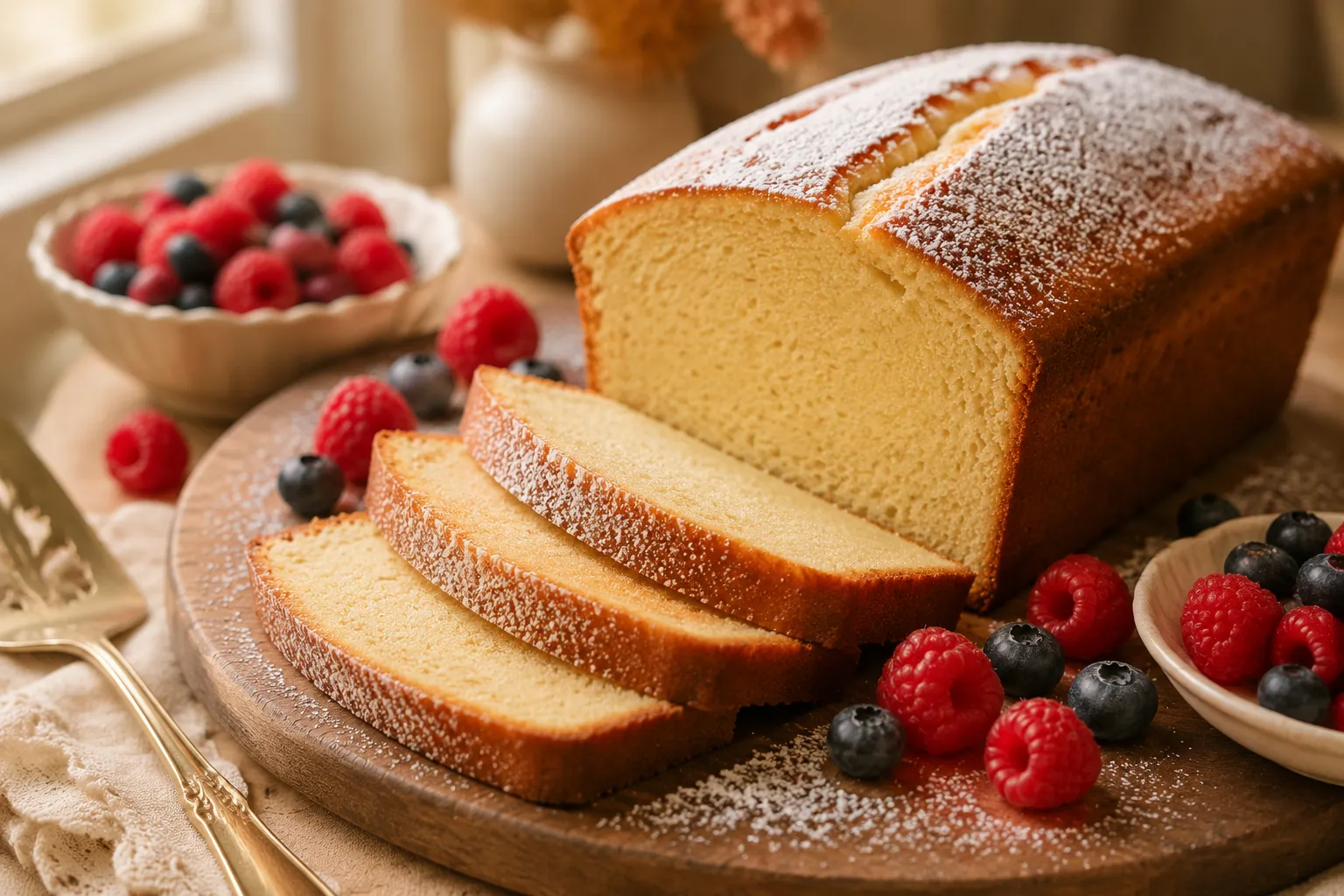
For a little extra decadence, fold in 1/2 cup mini chocolate chips after the batter is mixed. Mini chips distribute more evenly than regular chips and are less likely to sink in a dense loaf. You can finish the cooled cake with a glossy chocolate glaze, a dusting of cocoa powder, or a simple vanilla drizzle for contrast. If you already love testing chocolate pound cake recipe ideas, this version is wonderfully reliable because it keeps the moisture and structure of the original.
The same doneness rules apply, but chocolate cakes can be trickier to judge by color. Look for a set top, a slight pull from the pan, and a skewer that comes out with fudgy crumbs rather than batter. Let the cake cool fully before glazing so the topping sets in a smooth layer instead of soaking straight into the loaf.
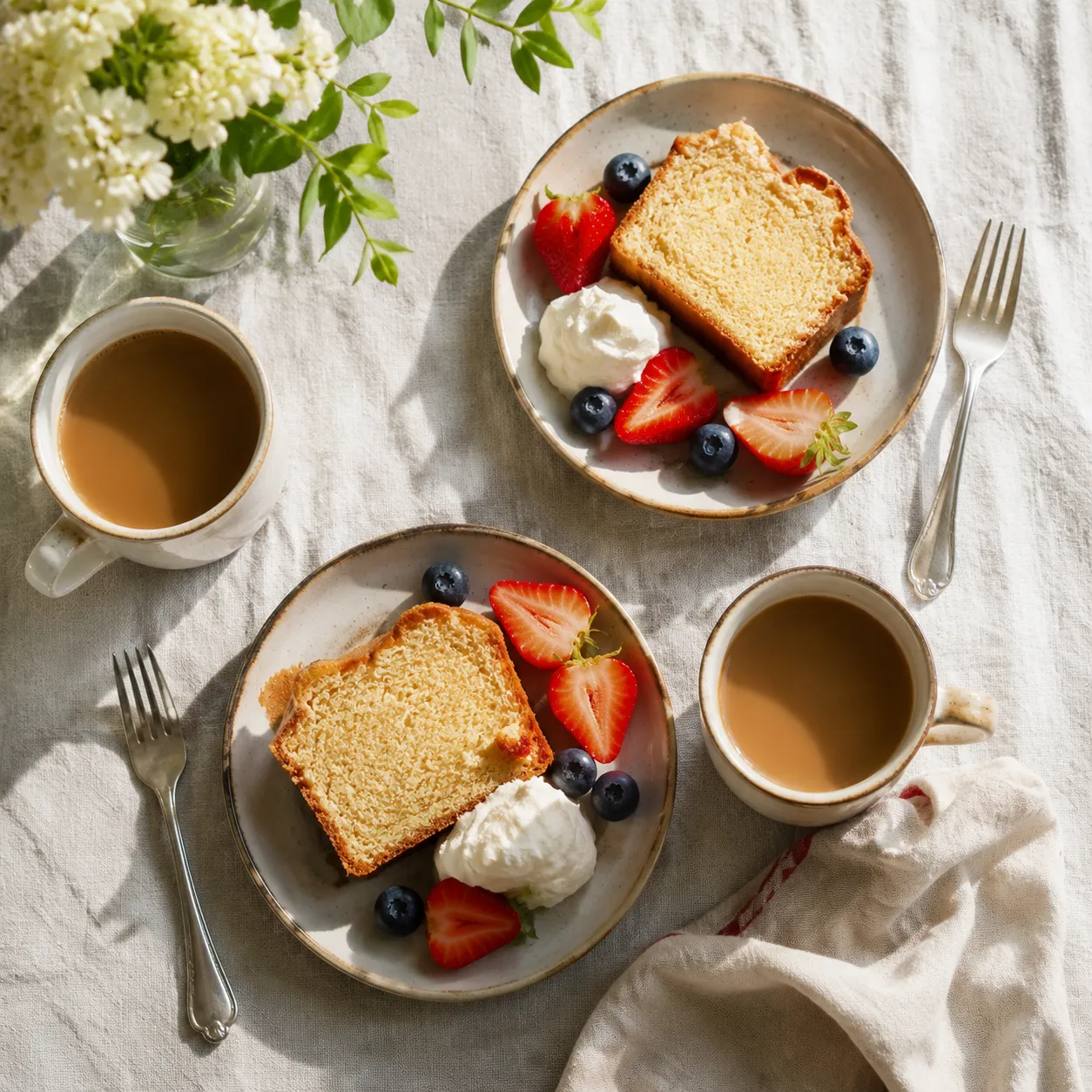
A plain slice of buttery pound cake is lovely with coffee, but it also welcomes toppings better than almost any dessert. Fresh strawberries, blueberries, or raspberries add brightness, while whipped cream turns it into a simple shortcake-style plate. For brunch, I like thick slices fanned on a board with berries, jam, and a bowl of lightly sweetened cream. The cake is sturdy enough to toast gently in a skillet, which caramelizes the edges and makes it taste almost like a buttery breakfast pastry.
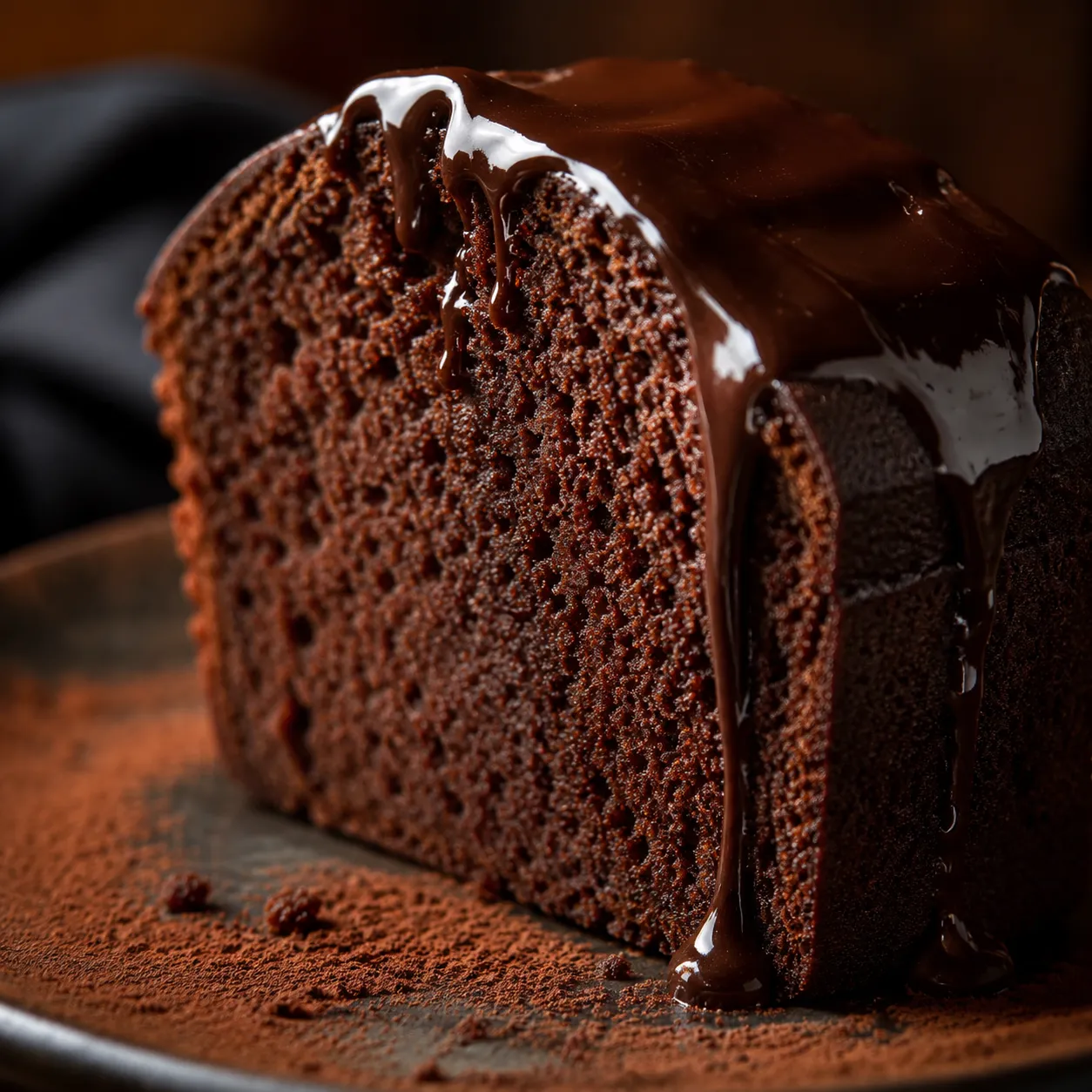
Glazes are another easy way to change the mood. A thin vanilla glaze keeps the cake classic, while lemon glaze for pound cake adds a sunny, tangy finish that cuts through the richness. For a dinner-party dessert, spoon macerated berries over each slice and add a cloud of whipped cream. You can also cube leftover slices for trifles, layer them with custard, or serve them alongside ice cream.
If you prefer a more formal presentation, this batter can inspire other shapes and occasions. A loaf is practical and cozy, but a well-greased bundt pan turns the same buttery flavor into a centerpiece. Fans of bundt cake recipes will appreciate how the ridges catch glaze and powdered sugar, making the cake look polished with almost no extra decorating. Just keep an eye on bake time, since a ring-shaped pan often finishes sooner than a deep loaf.
This pound cake recipe is a wonderful make-ahead dessert because the flavor actually improves as it rests. After a night wrapped tightly, the butter and vanilla settle into the crumb and the slices become even cleaner. That makes it ideal for holidays, bake sales, Sunday dinners, or any time you want dessert finished before guests arrive. Bake it the day before, cool it completely, and keep it well covered until serving.
If you plan to glaze the cake, wait until the day you serve it for the prettiest finish. The loaf itself can be baked ahead, but glaze stays shinier and fresher when added after the cake has rested. For slicing, use a serrated knife and a gentle sawing motion to preserve the edges. If you want extra-neat pieces for a dessert platter, chill the wrapped loaf briefly before cutting, then let the slices return to room temperature.
The best baking recipes are the ones you can memorize over time, and this one has that kind of quiet dependability. It starts with the familiar pound-cake rhythm of butter, sugar, eggs, and flour, then adds just enough sour cream to keep each slice moist and tender. Whether you bake it as a vanilla loaf, try the cocoa variation, or serve it with berries and cream, the result feels both nostalgic and fresh.
Once you master the base, you can make it your own without losing the classic character. Add citrus zest, swap in almond extract, drizzle on glaze, or bake it in a decorative pan for a celebration. This pound cake recipe is simple enough for a weekday and special enough for the dessert table, which is exactly why it deserves a permanent place in your baking notebook.
Once you have the base recipe down, you can take this buttery loaf in several delicious directions without changing the method too much. Keep the measurements balanced, add concentrated flavorings, and avoid overloading the batter with heavy mix-ins.
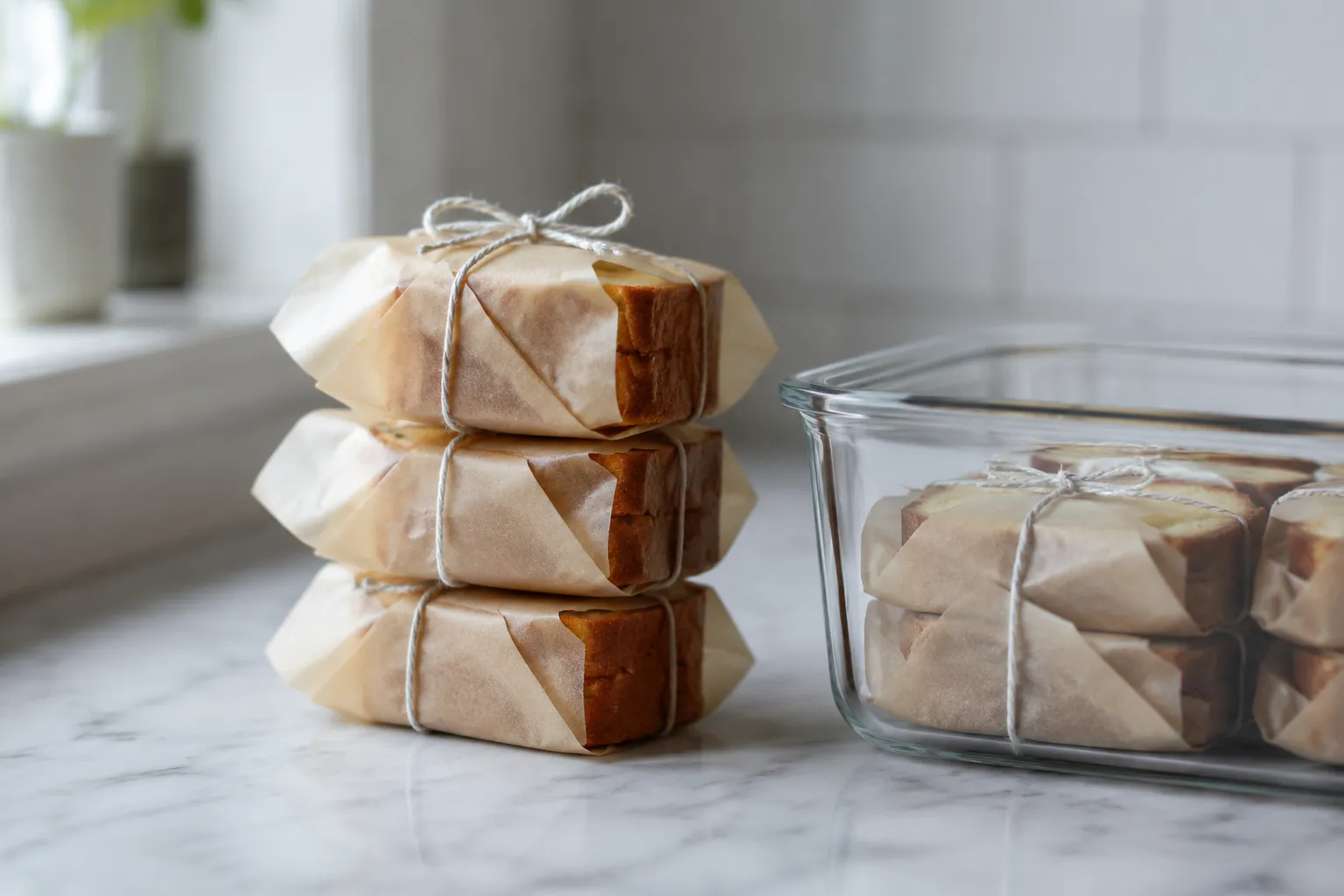
Wrap cooled pound cake tightly in plastic wrap or store it in an airtight container at room temperature for 3 to 4 days. For longer freshness, refrigerate it for up to 1 week, but bring slices to room temperature before serving so the butter softens and the crumb tastes tender again.
To freeze, wrap the whole loaf or individual slices in plastic wrap, then place in a freezer bag or airtight container. Freeze for up to 3 months. Thaw wrapped at room temperature to prevent condensation from drying the cake’s surface.