How to Make Butter at Home in 10 Minutes (Easy)
Ingredients
Scale
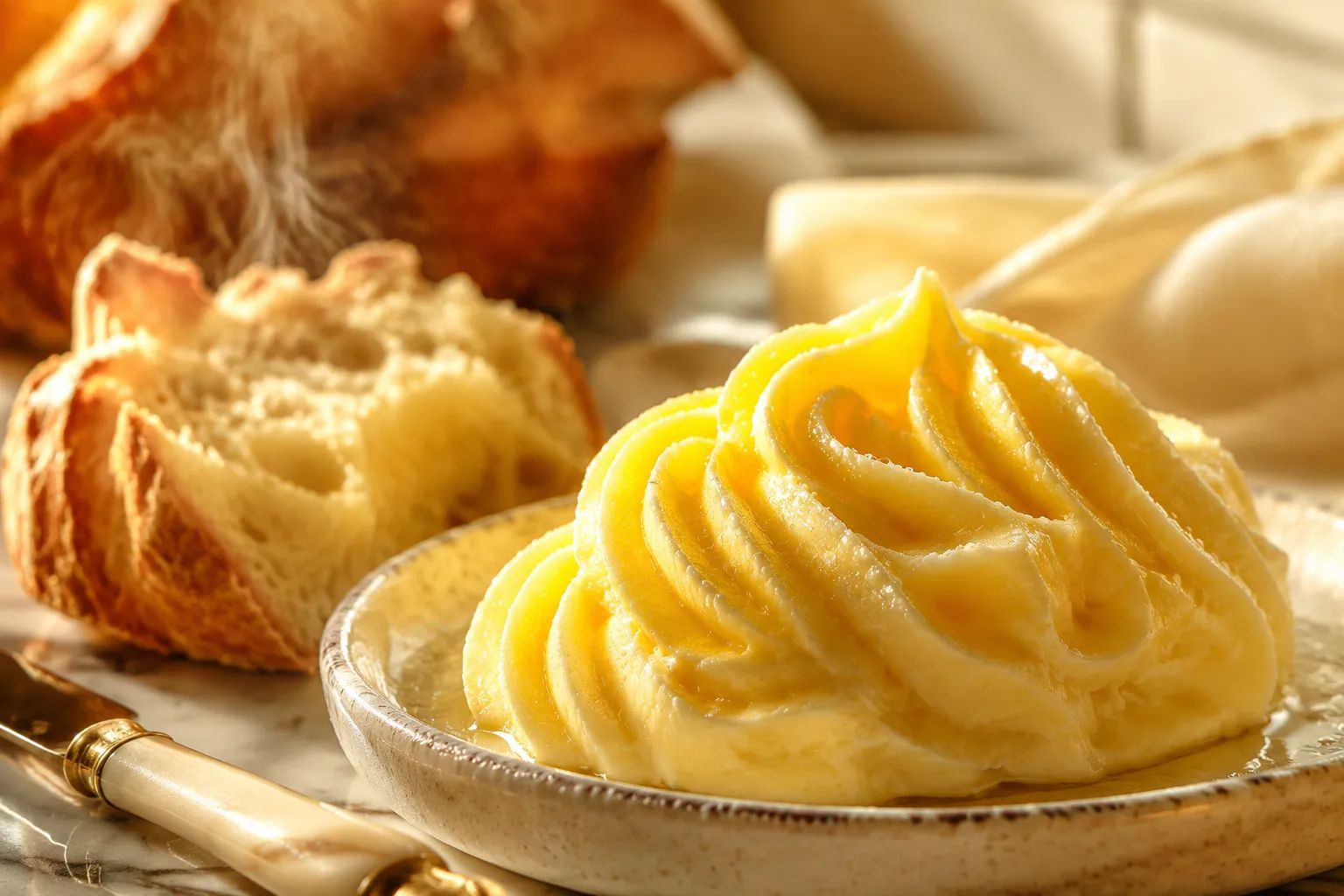
Turn one ingredient into the creamiest, freshest spread you've ever tasted. Here's how to make butter at home in about 10 minutes, no special equipment needed.
How to make butter at home is one of those little kitchen projects that feels almost magical, because one carton of cream turns into something rich, golden, and ridiculously fresh. The first time you watch it happen, you will probably keep peeking into the bowl just to make sure it is really happening. And yes, it really is that simple.
There is something deeply satisfying about turning heavy cream into a spread that tastes cleaner and more luxurious than anything from the supermarket. If you have ever made fresh whipped cream, you are already halfway there, because butter begins with the same gentle whip and then keeps going until the fat and liquid separate. That is also why this recipe is such a great one to keep in your back pocket when you have extra cream to use up.
Once you have a batch of homemade butter, you can keep it plain and salty, or use it as the base for compound butter, herb butter, or a sweet breakfast spread. It is wonderful on toast, perfect beside vegetables, and honestly hard to beat on warm homemade bread.
Heavy cream is the only ingredient that truly matters here, and it needs to be cold with a fat content of at least 36 percent so it can break cleanly into butter. If you are aiming for a richer flavor, look for heavy whipping cream rather than lighter cream, and avoid low-fat substitutes because they will not churn the same way. A little fine salt is optional, but it is what turns the finished batch into salted butter instead of a neutral unsalted butter. 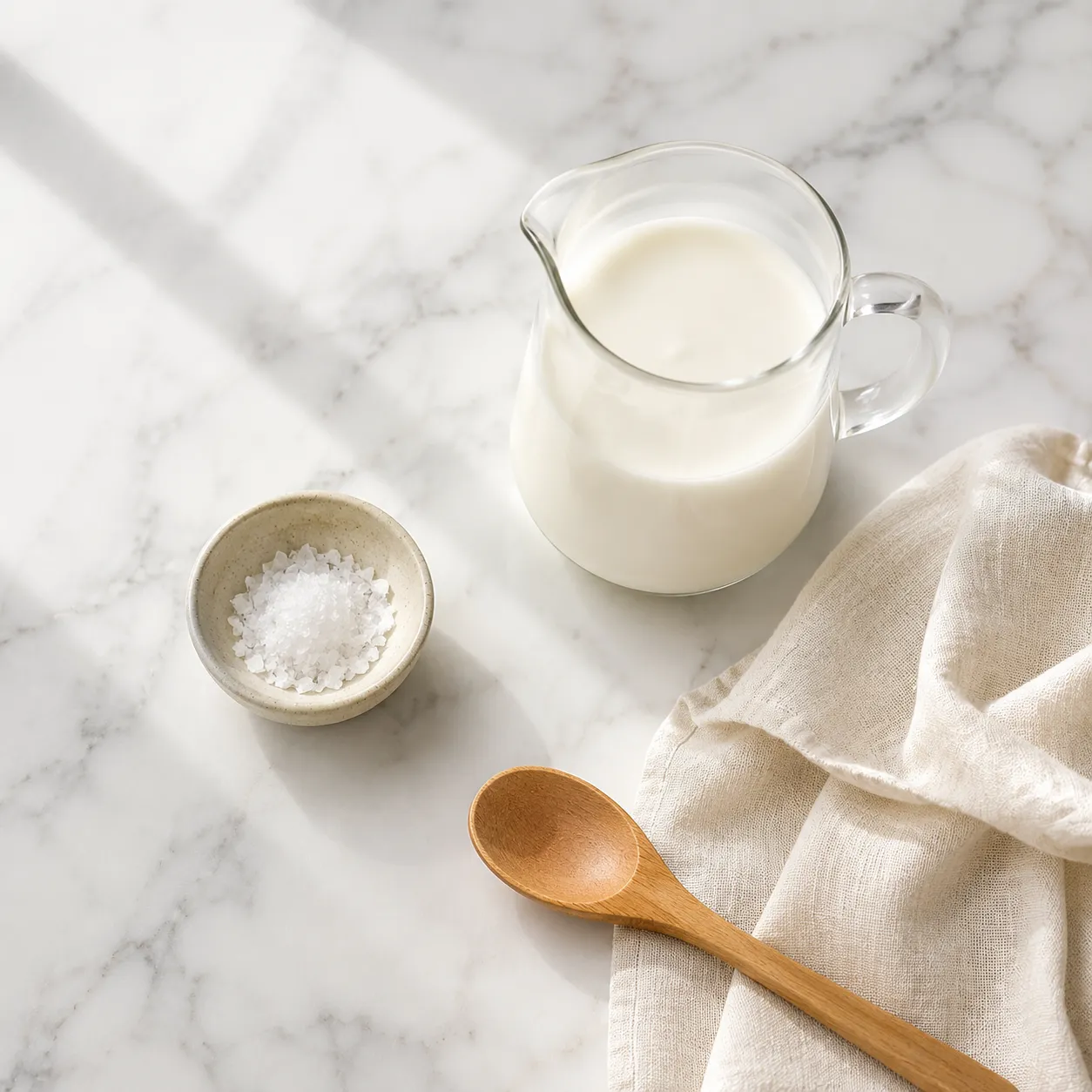
You can also add flavor later, which keeps the base recipe wonderfully flexible. A spoonful of honey, a few chopped herbs, or a little garlic can all become a beautiful finishing touch once the butter is formed. The equipment is just as forgiving: a stand mixer is fastest, a food processor is easy, and a mason jar works when you want a low-tech project. If you are looking for a simple pantry-to-table recipe, this one fits the bill.
Start by pouring the cold heavy cream into your mixer bowl, food processor, or jar, depending on the method you plan to use. The goal is to give the cream enough room to move while keeping the temperature low, because cold cream separates more reliably than cream that has sat out too long. This is the point where how to make butter stops looking like whipped cream and starts looking like a small kitchen science experiment.
Mix on medium speed until the cream passes the soft peak stage and becomes thick, billowy, and cloudlike. At first it will look just like dessert topping, but keep going and the texture will turn grainy and then suddenly grainier still. 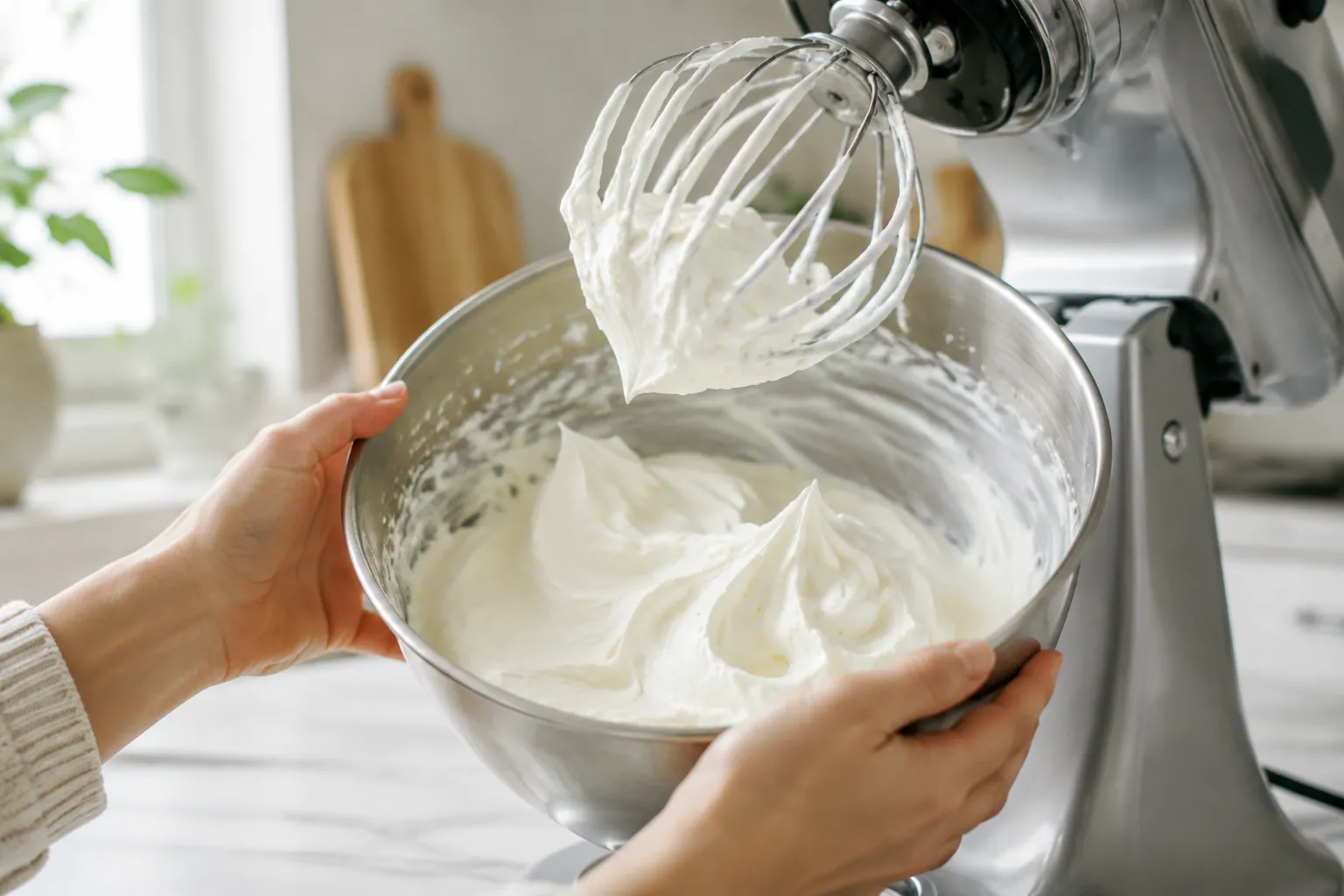
After another minute or two, the butter solids will begin clumping together and the liquid buttermilk will splash around the bowl. That separation can happen quickly, so do not walk away once the cream looks close. 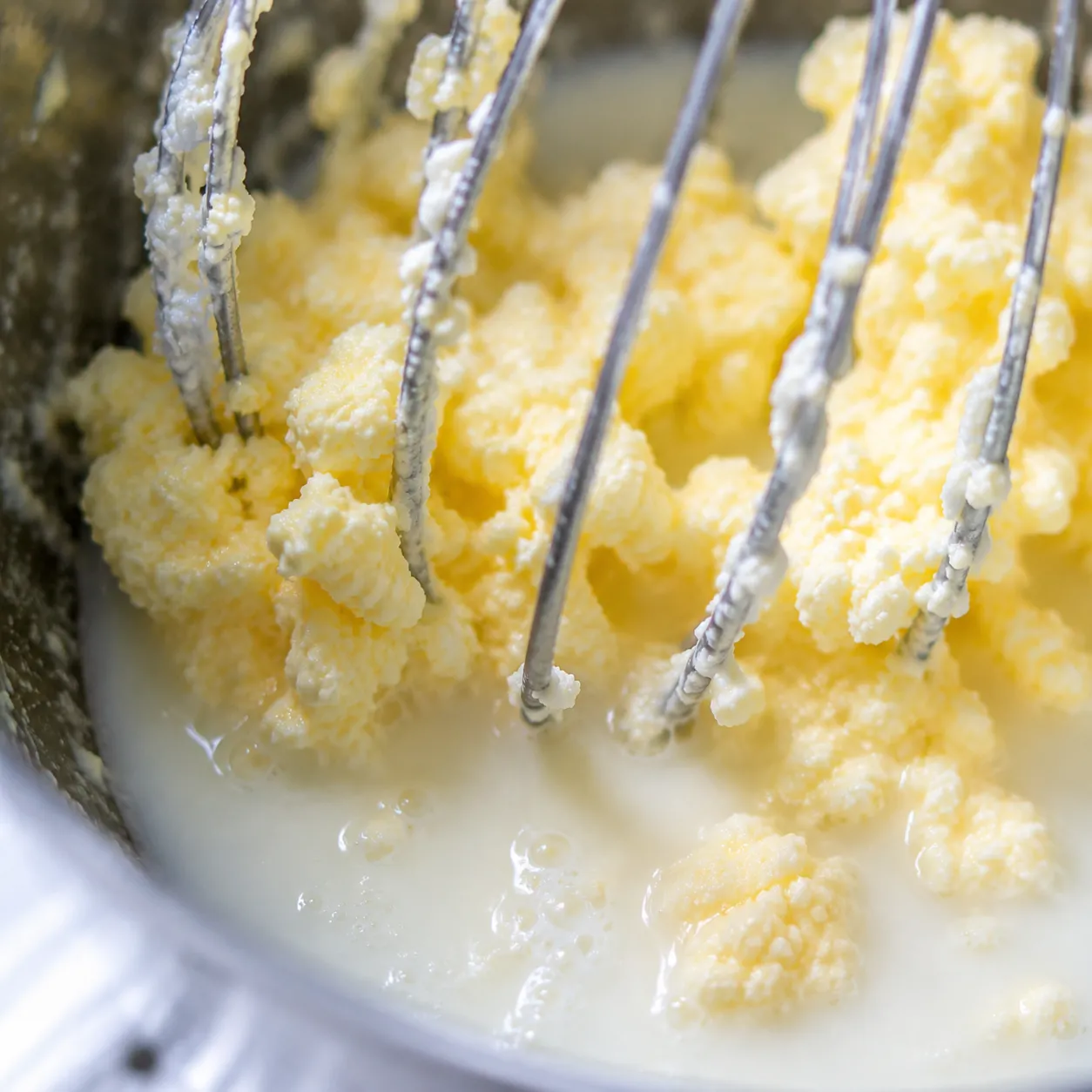
As soon as the butter has gathered into one mass, pour off the liquid and save it if you like baking with homemade buttermilk. Then add ice water, press the butter against the side of the bowl, and knead it gently until the water runs mostly clear. This rinse step is easy to skip, but it removes leftover milk solids and helps the butter taste cleaner and last longer. 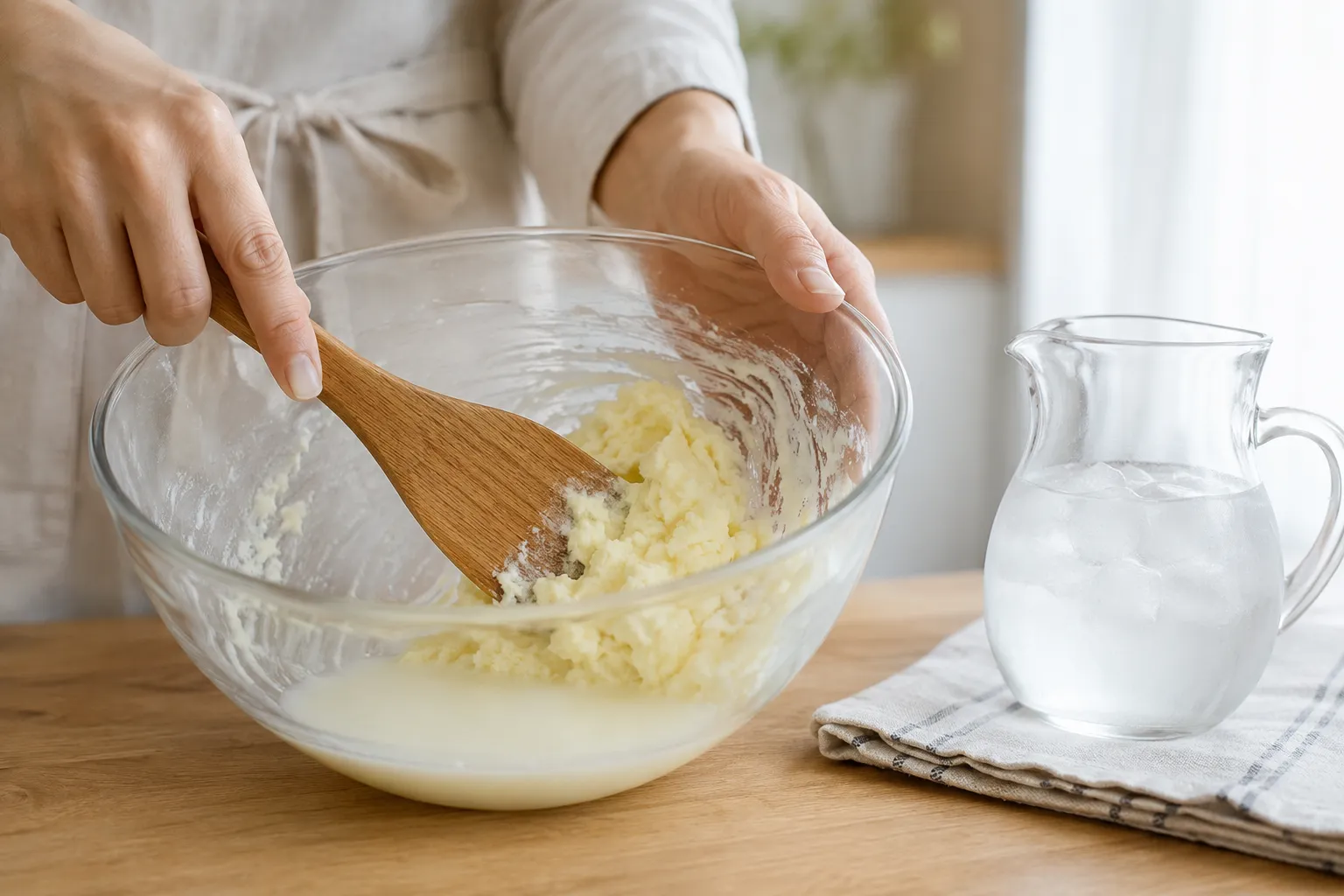
Once the rinse water is clear, press out as much moisture as you can and season the butter with salt to taste if you want a salted finish. Shape it into a little pat, pack it into a crock, or roll it in parchment for a tidy log. If you like, this is also the moment to mix in herbs, honey, or other flavorings for a custom batch. 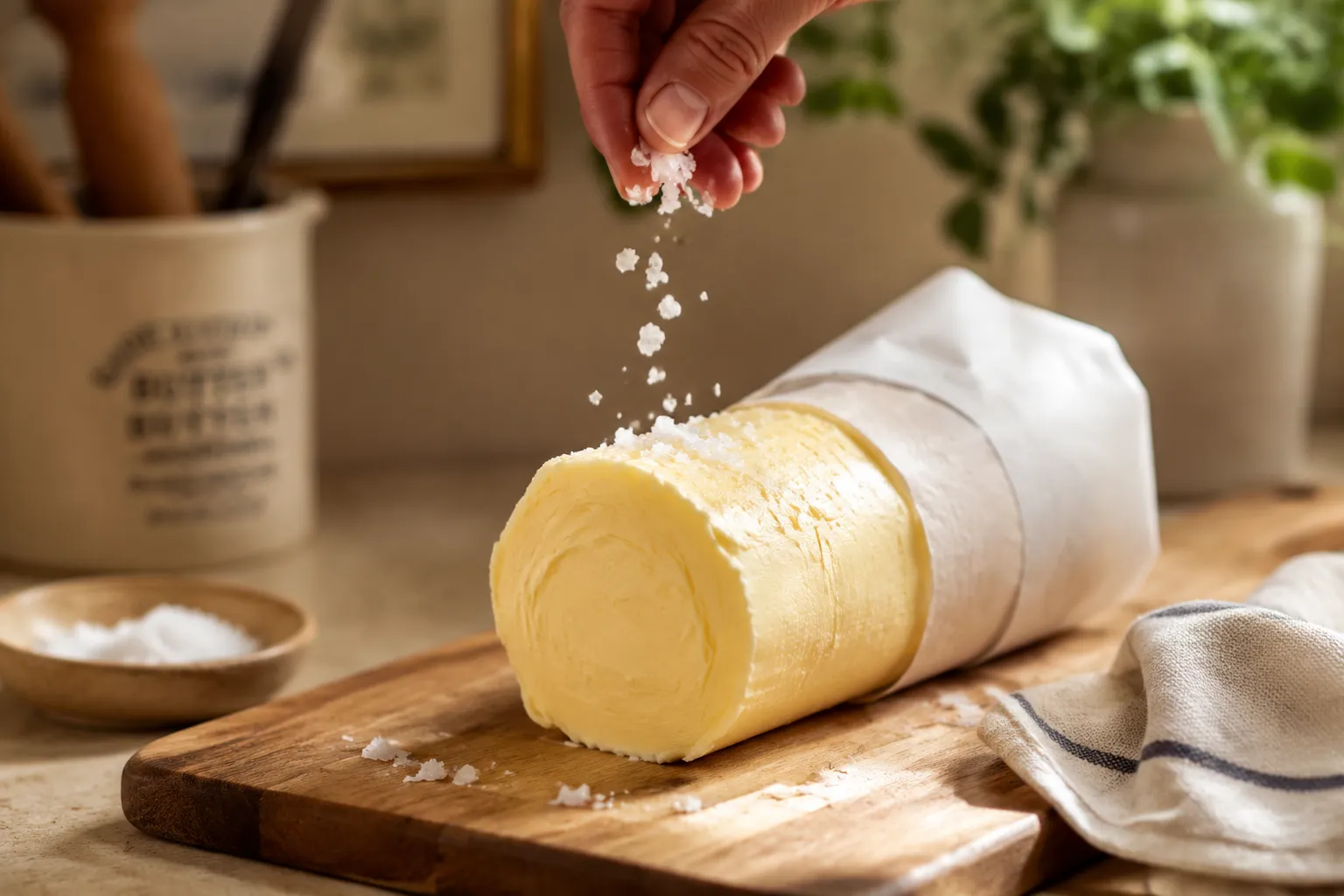
The stand mixer method is the fastest and least messy, which makes it the best choice if you want butter on the table in a hurry. Use the whisk attachment and a deep bowl, then let the machine do the work while you watch for the cream to go from glossy to fluffy to separated. It is the closest thing to an automatic churn butter moment you can get in a modern kitchen.
The food processor method is nearly as quick, though it can move through the stages even faster than a mixer. Pulse or run it steadily and keep an eye on the sides of the bowl, because once the cream starts to thicken, the transformation can happen in a flash. This method is great when you want a small batch and do not mind a little extra cleanup.
The mason jar method is the kid-friendly option and the most old-fashioned of the three. Fill the jar only halfway, seal it tightly, and shake until the cream first becomes whipped, then grainy, then finally a clump of butter floating in liquid. No matter which method you choose, how to make butter follows the same basic rhythm: whip, separate, rinse, and season.
Plain salted butter is hard to beat on a warm slice of toast, but it is just as lovely brushed onto vegetables, pancakes, or a stack of biscuits. If you prefer a softer, more neutral flavor for baking, keep some of it unsalted butter and use the rest for everyday spreading. You can also mix in garlic and herbs to make compound butter for steak night or roasted vegetables. 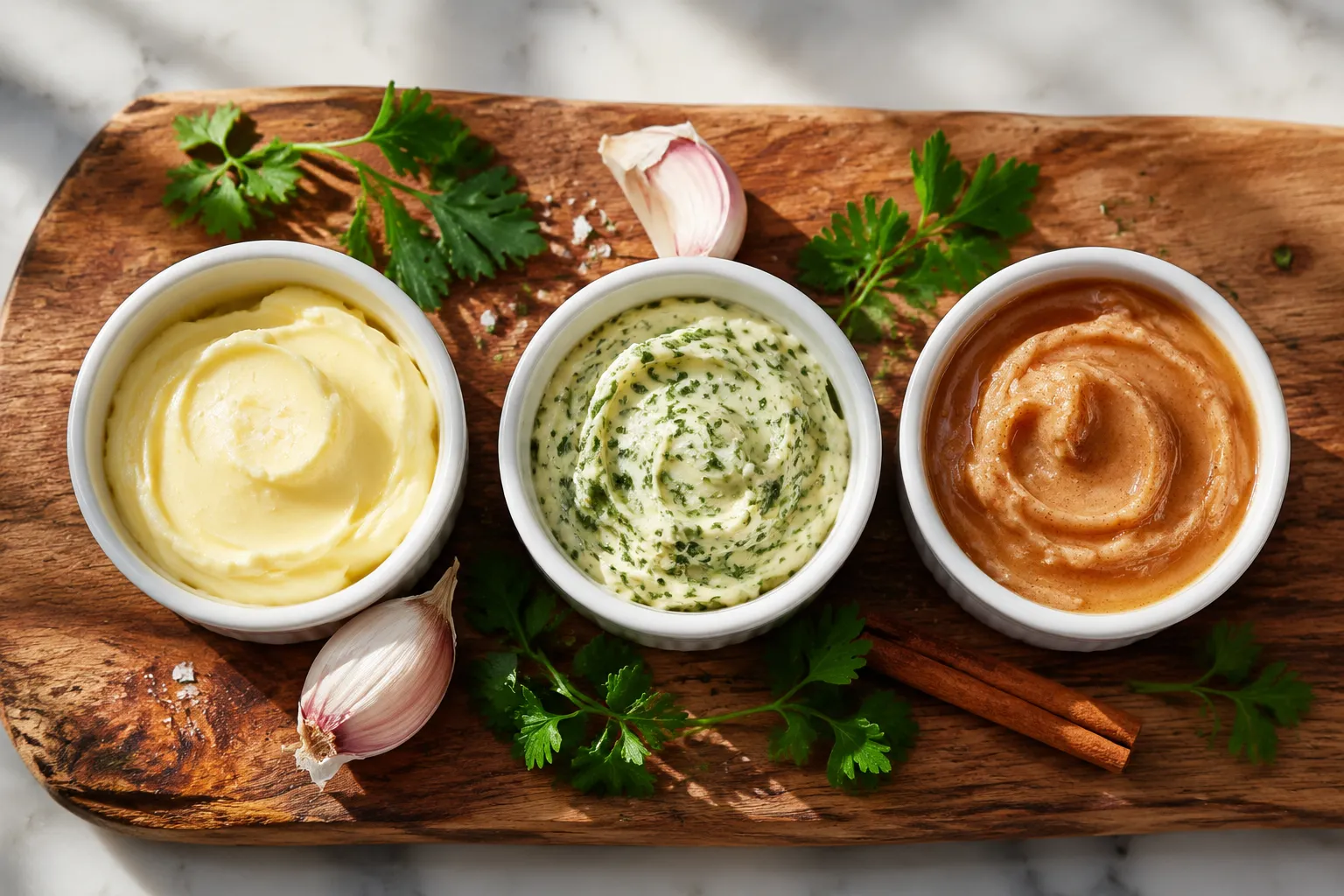
Sweet versions are just as fun, especially if you like to keep a little jar of butter near the breakfast table. A spoonful of honey or a dusting of cinnamon turns it into something you might spread over muffins, waffles, or a slice of homemade bread. That is the beauty of homemade butter: once you know the base method, the flavor possibilities open up fast. 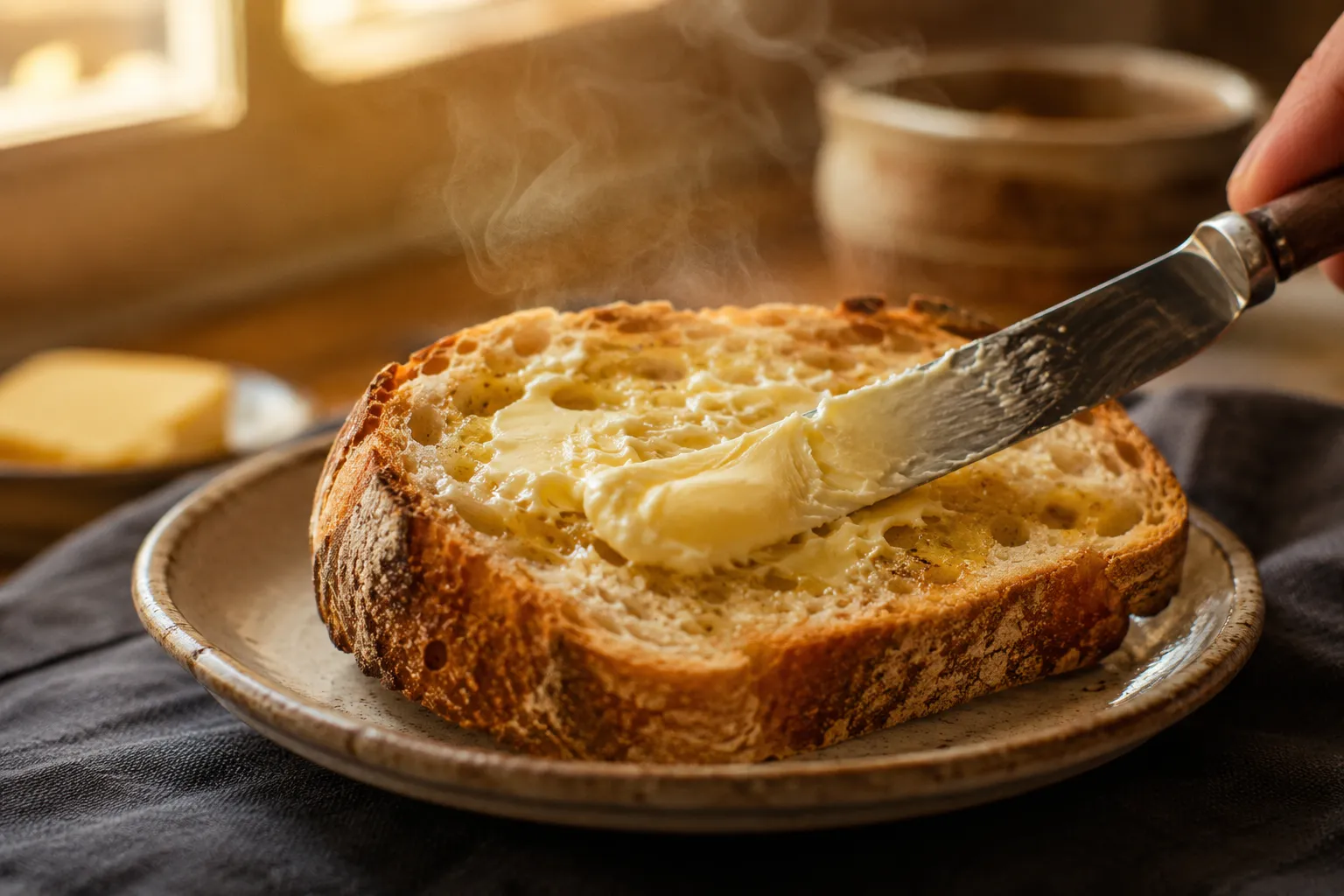
For an extra cozy touch, shape the finished butter into small logs, wrap them in parchment, and keep one ready for weekday breakfasts. A butter crock on the counter works well for short-term use, and it looks lovely beside coffee and toast. If you do make more than you need, tuck the rest away so you always have a fresh batch ready for the next loaf of bread. 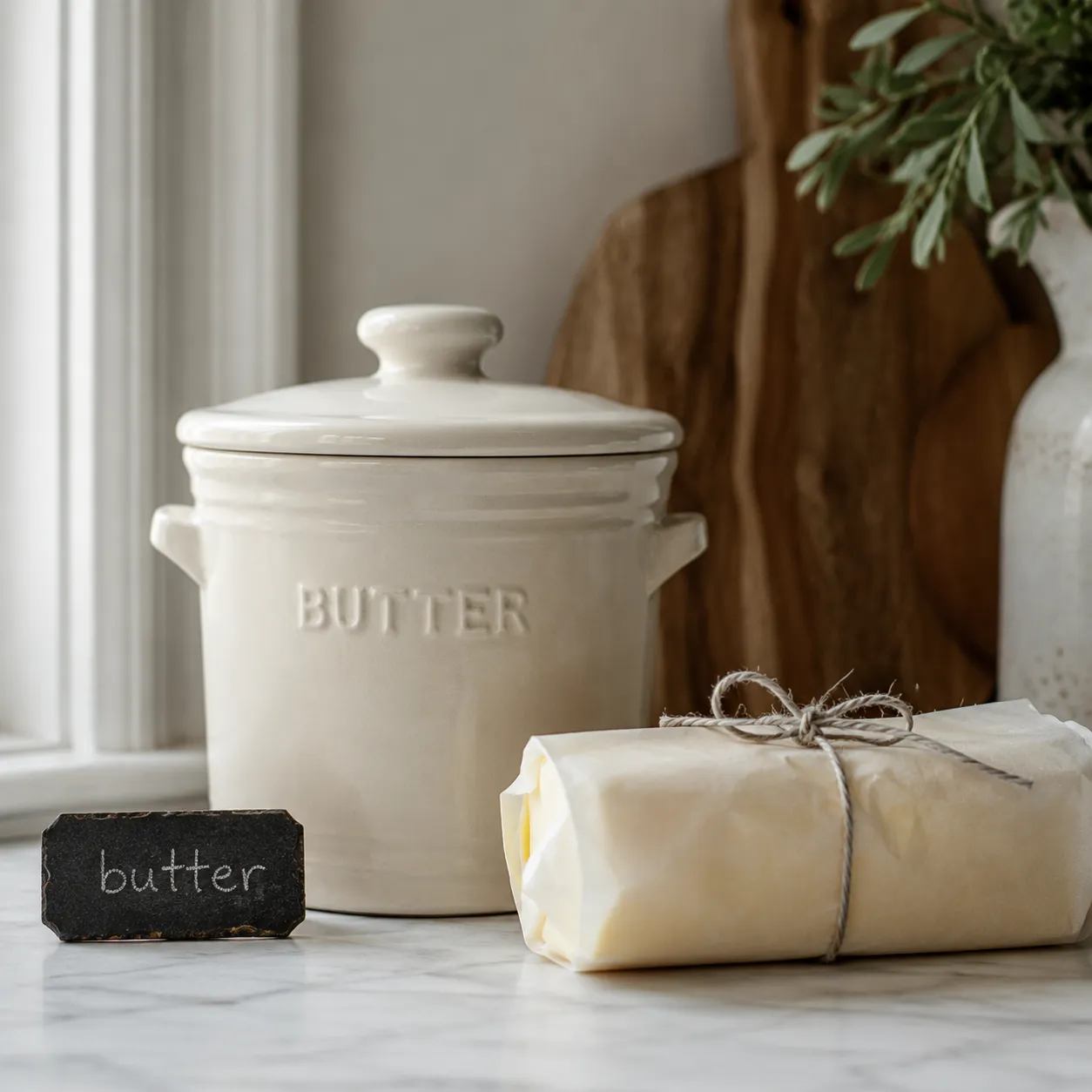
Once you make it once, you will start noticing every half-empty carton of cream in the fridge as an opportunity. It is the kind of project that feels rustic, simple, and a little bit luxurious all at the same time, which is exactly why I keep coming back to it.