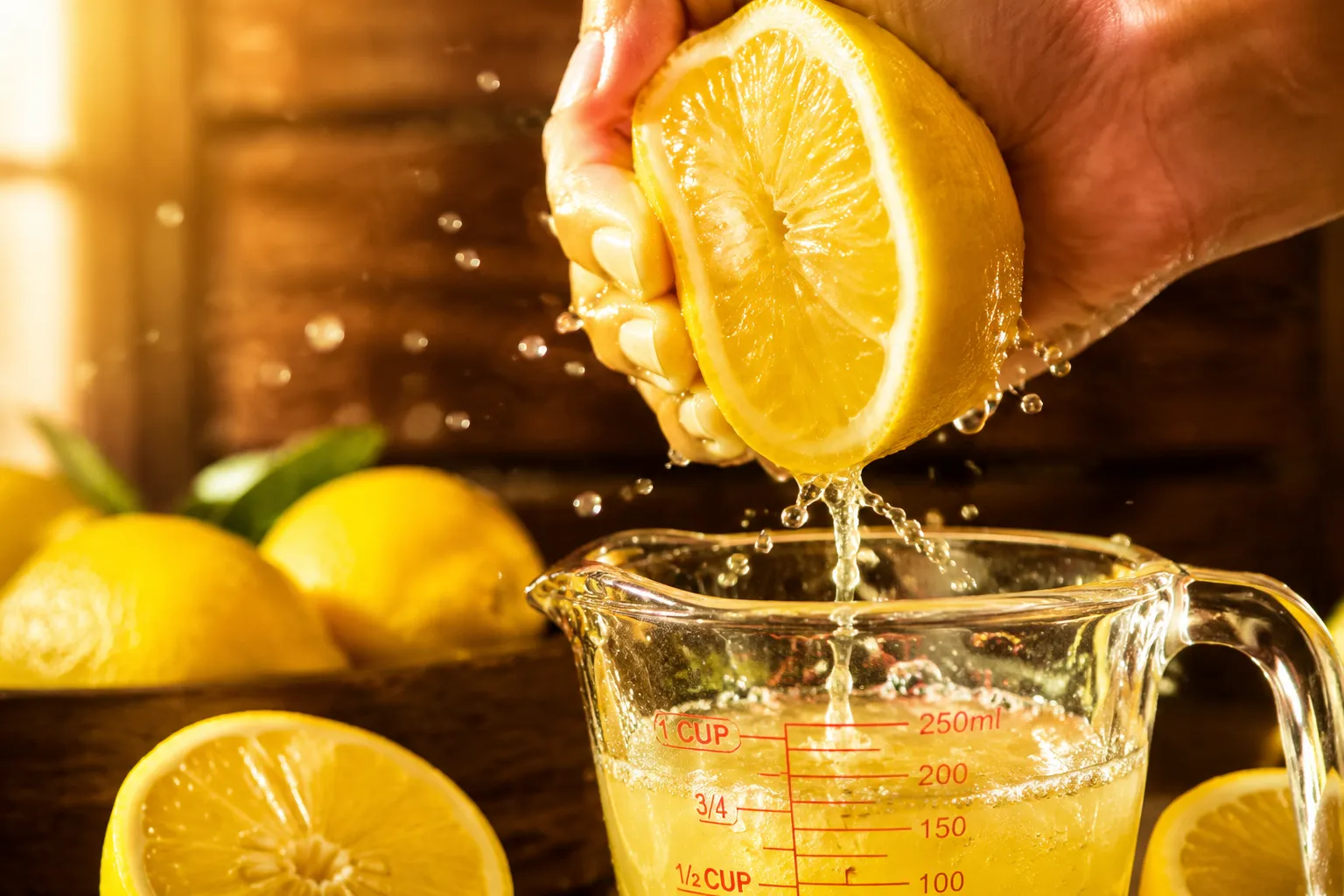
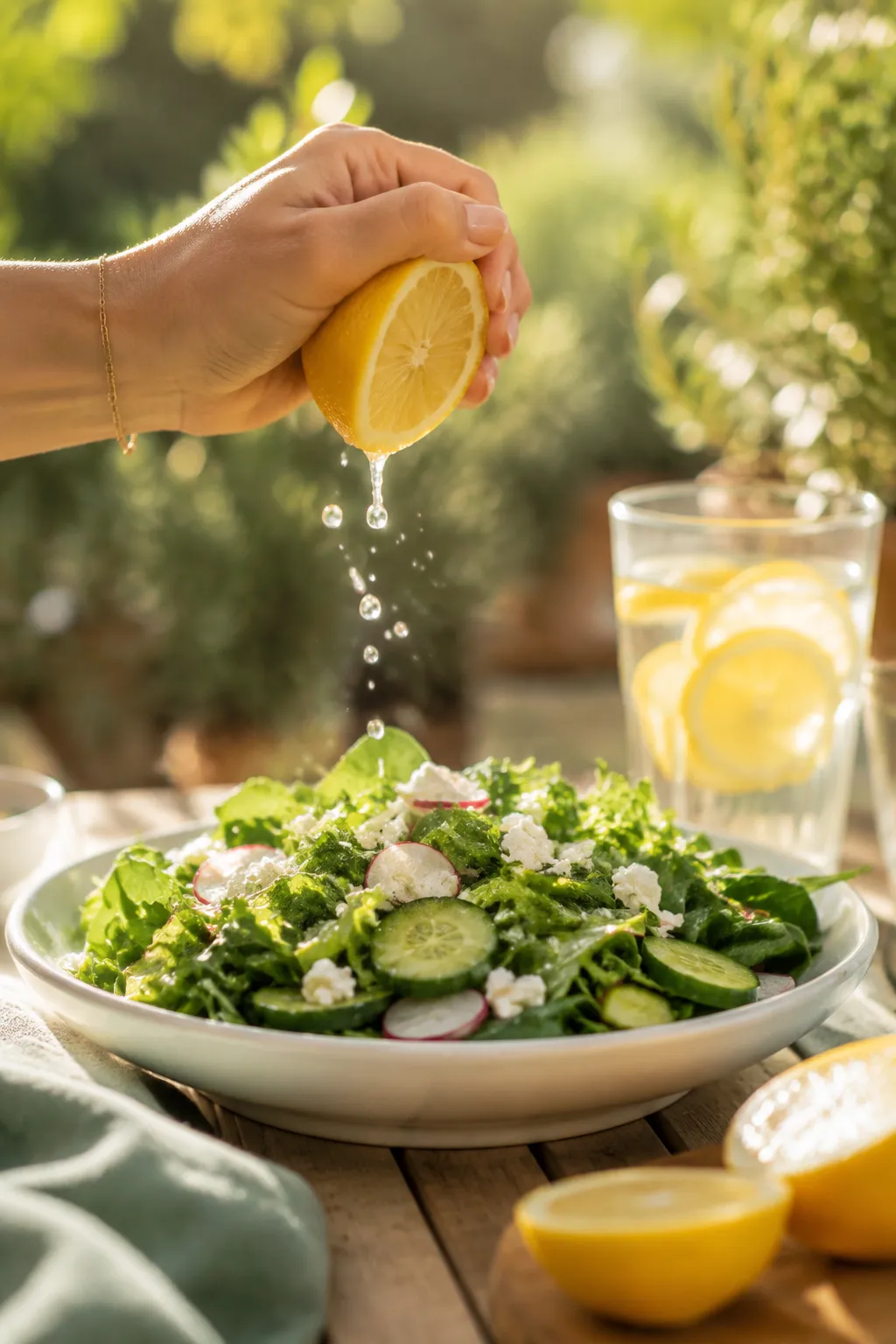
Wondering how much lemon juice is in one lemon? Here's the exact amount, plus pro tips to squeeze every last drop from every lemon.
Why You'll Love This Recipe
Eliminates Guesswork: No more wondering if you have enough lemons for your recipe; this guide gives you reliable, exact measurements.
Saves Money: By learning the tricks to extract 20-30% more juice per lemon, you'll stretch your grocery budget further.
Improves Baking Accuracy: Precise measurements mean your lemon bars will set perfectly and your cakes will have the ideal crumb.
Reduces Food Waste: Discovering how to freeze leftover juice and zest ensures you use every part of the fruit.
Quick Reference: The easy-to-read yield chart makes scaling recipes up or down an absolute breeze.
We have all been there: you are halfway through preparing a beautiful dinner or a delicate dessert, and the recipe casually calls for "the juice of one lemon" or exactly "two tablespoons of lemon juice." Instantly, you find yourself staring at your fruit bowl, wondering exactly how much lemon juice in one lemon you can actually expect to get. It is a classic, everyday kitchen conundrum that can surprisingly make or break the balance of a dish. Whether you are baking a bright spring cake, whisking together a quick weeknight salad dressing, or finishing a rich pan sauce, knowing the exact yield of your citrus is essential for flavor consistency.
Citrus fruits are notoriously unpredictable, varying wildly depending on the season, the variety, and even how long they have been sitting on the grocery store shelf. However, establishing a reliable baseline measurement will give you the confidence to adapt any recipe on the fly. In this comprehensive guide, we will break down everything you need to know about lemon yields, from the exact tablespoons you can expect from different sizes of fruit to the smartest culinary tricks for getting every last drop.
The Quick Answer: How Much Juice Is in One Lemon
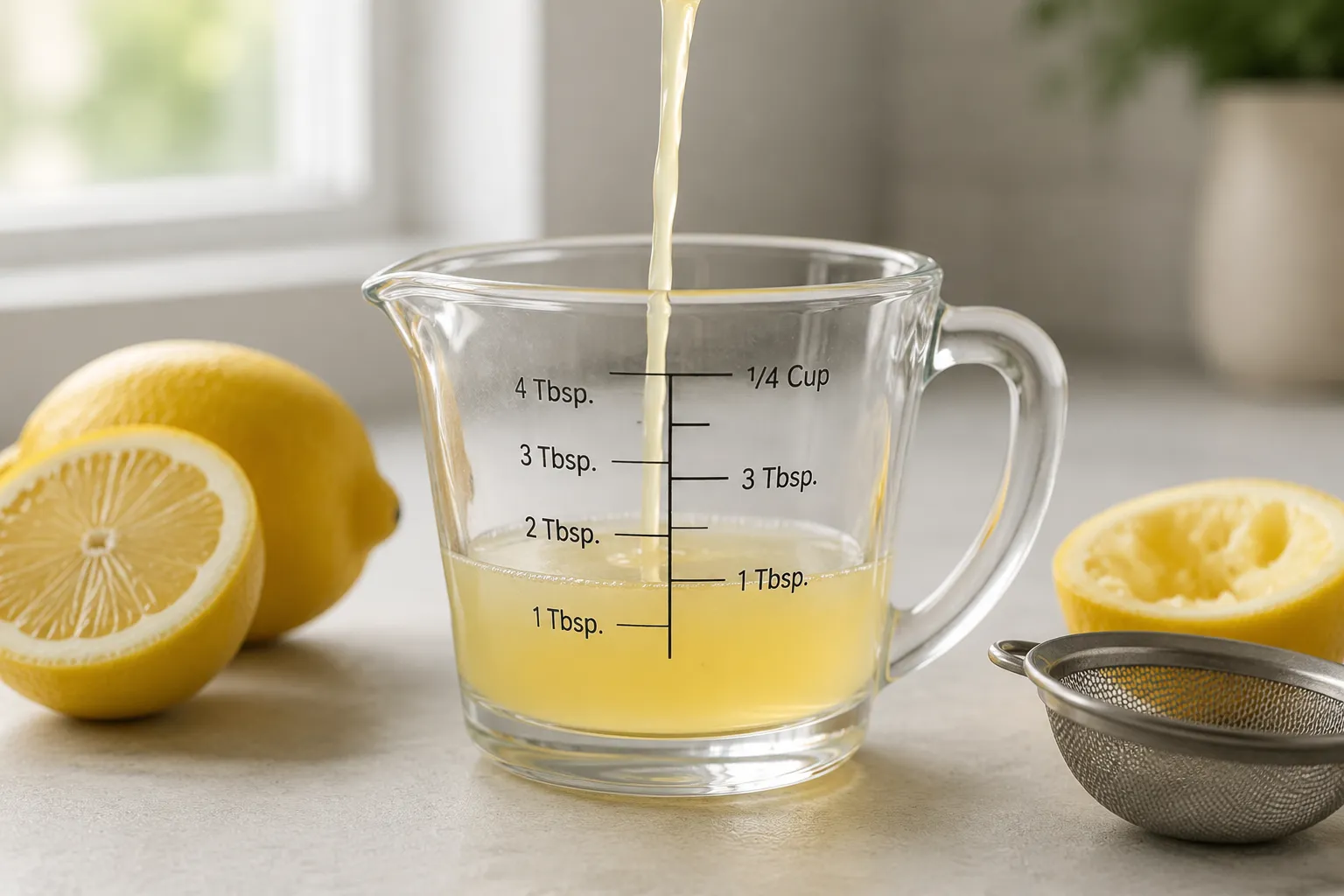
If you are standing in the kitchen right now and looking for the fastest rule of thumb, here is the golden rule: on average, a standard medium lemon yields about 2 to 3 tablespoons of juice. This translates to roughly 1 to 1.5 fluid ounces of liquid. When a recipe simply asks for "the juice of one lemon" without specifying a volume, you can safely assume the recipe developer is expecting you to add about two tablespoons of acidic liquid to your dish.
Of course, nature is not perfectly standardized, and the exact amount of juice in one lemon will naturally vary based on the size, ripeness, and even the thickness of the rind. Some lemons have thick, pithy skins with very little flesh inside, while others have paper-thin skins bursting with juice. However, relying on the 2-tablespoon baseline is the safest bet for most savory and sweet recipes.
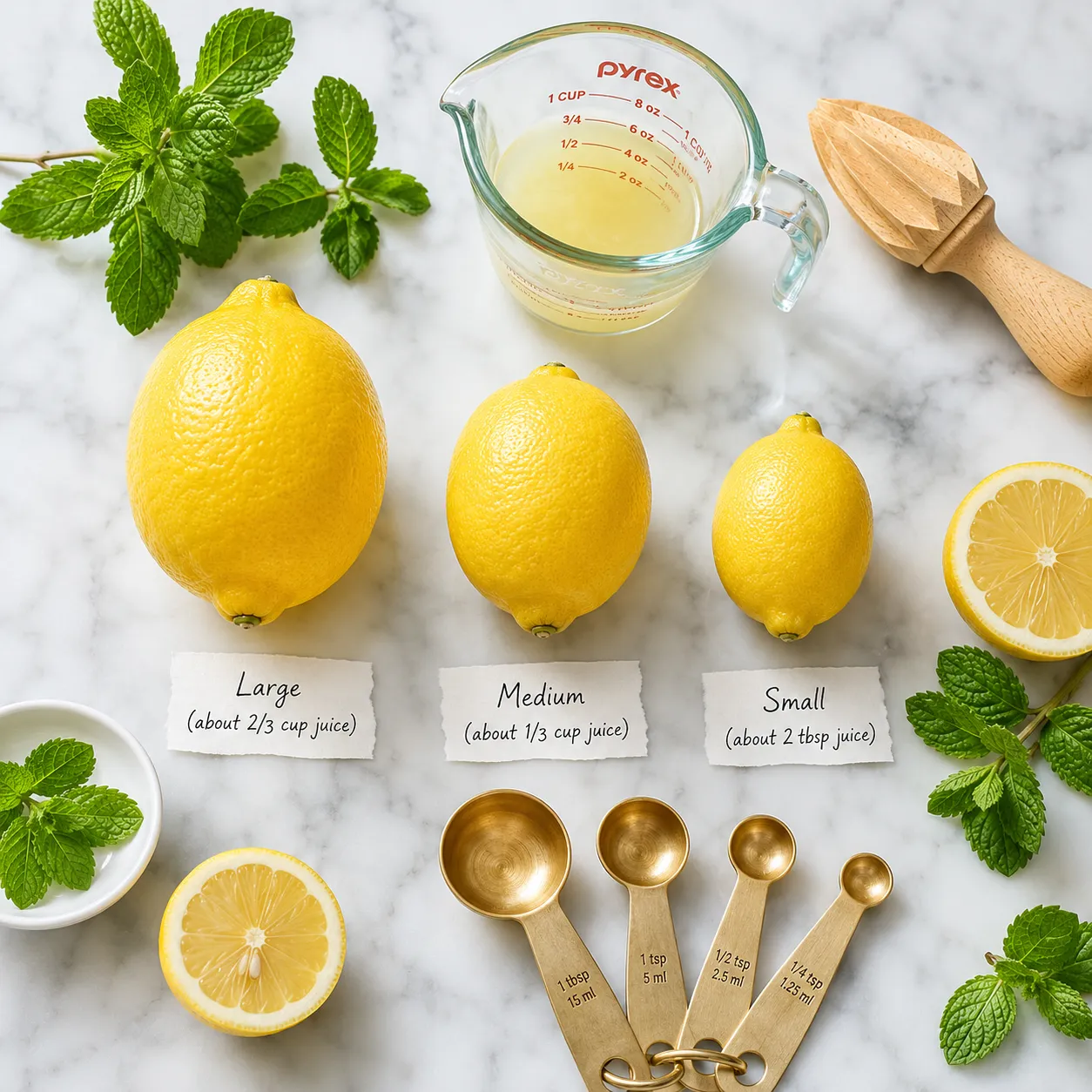
Lemon Juice Yield Chart (Small, Medium, Large)
Not all lemons are created equal, and a quick stroll through the produce aisle will show you that this sunny citrus comes in a wide variety of shapes and weights. To help you plan your grocery list and avoid mid-recipe panic, here is a detailed breakdown of what you can expect based on the size of the fruit.
A small lemon, which typically weighs around 3 ounces, will give you about 1 to 1.5 tablespoons of juice. These are often the smaller, slightly firmer lemons sold in bulk mesh bags at the supermarket. A medium lemon, weighing roughly 4 ounces, is the standard size most recipes refer to. You can count on getting 2 to 3 tablespoons of juice from one of these.
If you've ever asked yourself how much lemon juice in one lemon you need for a recipe, keeping these averages in mind will save you a massive headache. A large lemon, weighing 5 ounces or more, can be incredibly generous. These beautiful, plump fruits often yield 3 to 4 tablespoons, or about a quarter cup of liquid. When you are shopping for a recipe that requires a heavy lemon flavor, taking a moment to weigh your fruit or simply pick the heaviest lemons for their size will guarantee you have enough liquid to work with.
How Many Lemons for 1/4 Cup, 1/2 Cup, and 1 Cup of Juice
Baking recipes and large-batch cocktails often call for volume measurements rather than just a number of lemons. If you are wondering how many lemons to buy for your favorite lemon bars or a pitcher of fresh lemonade, here is a reliable conversion guide for your grocery run.
For 1/4 cup of juice, which equals exactly 4 tablespoons, you will need to purchase 2 medium lemons. For 1/2 cup of juice (8 tablespoons), plan to buy 4 medium lemons. For a full 1 cup of juice (16 tablespoons), you should purchase 5 to 6 large lemons, or up to 8 medium ones just to be safe.
It is incredibly frustrating to fall a few tablespoons short when you are in the middle of cooking, so I always recommend buying one or two extra lemons just in case your batch happens to be particularly dry. You can always use the leftovers to make a quick fresh lemon juice substitute for vinegar in a homemade vinaigrette, or simply slice them up for your afternoon ice water. Having extra citrus on hand is never a bad thing in a busy kitchen.
How to Get the Most Juice Out of a Lemon
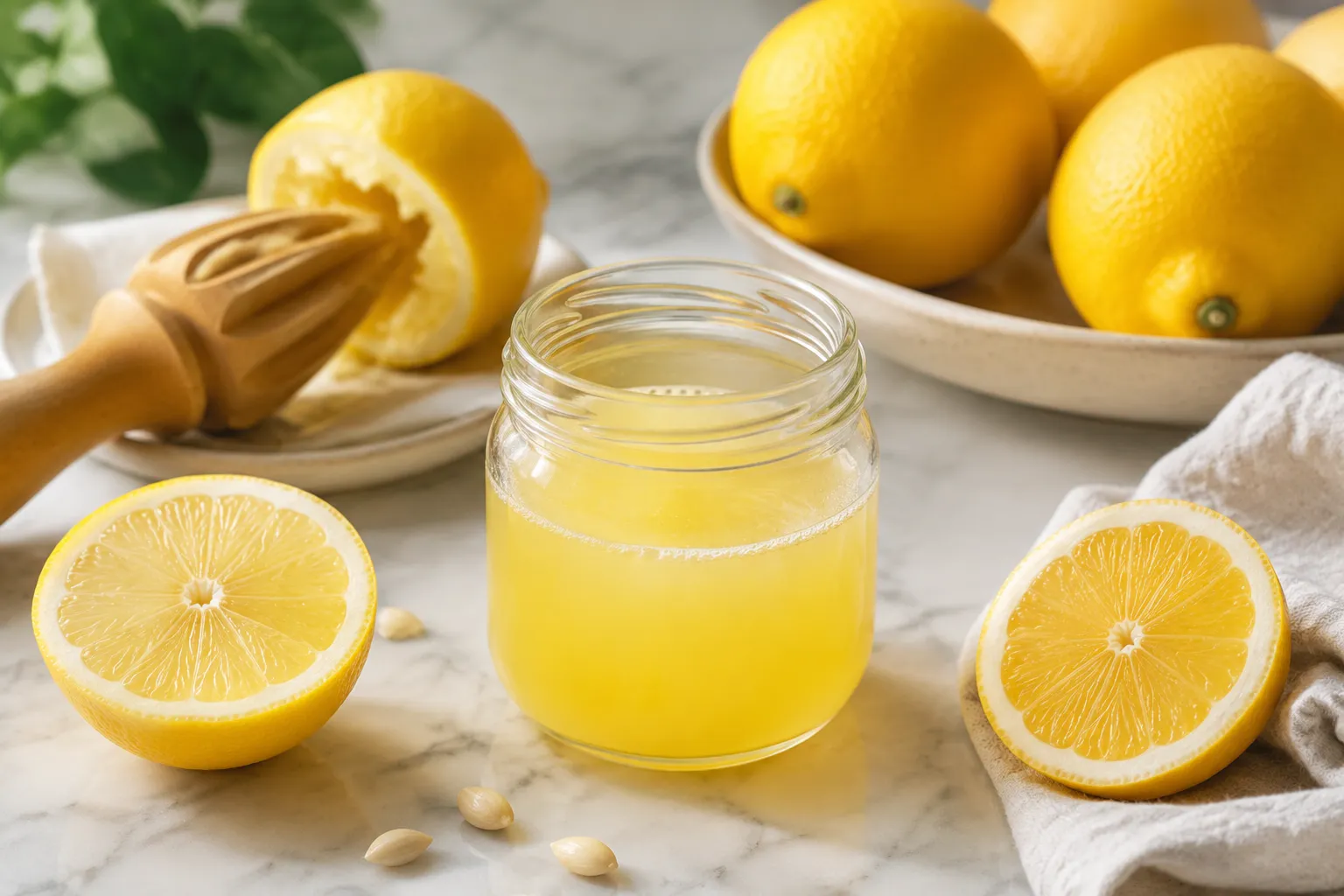
Now that we know how much lemon juice in one lemon is standard, let's talk about maximizing that yield. To accurately answer how much lemon juice in one lemon you'll get, you have to consider the juicing method. The way you prep and squeeze your citrus makes a massive difference in the final volume. First, never try to juice a cold lemon. Citrus yields significantly more liquid when it is at room temperature because the juice vesicles inside the fruit are more relaxed. If you keep yours in the fridge, let them sit on the counter for at least an hour before you begin.
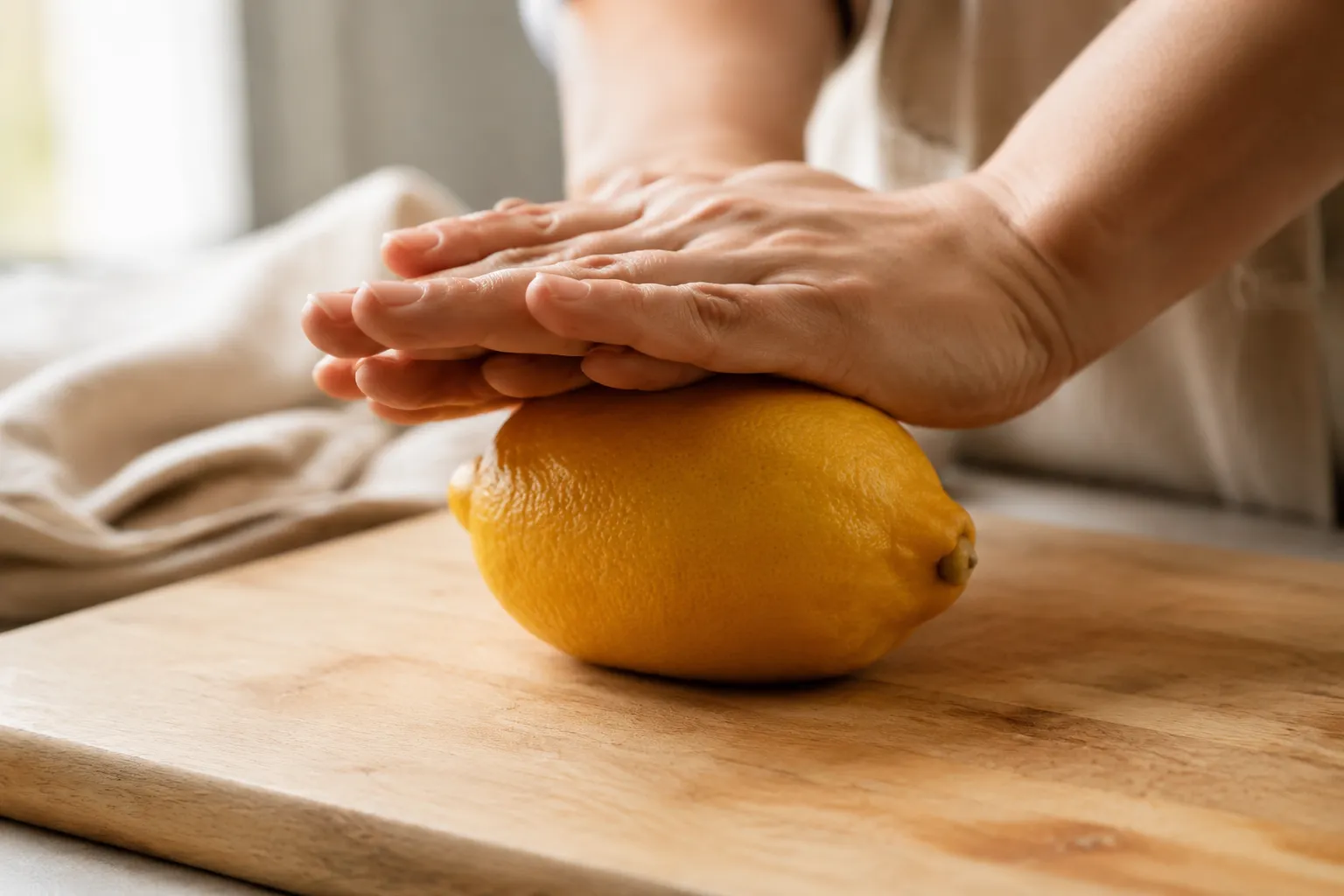
Next, employ the classic roll-and-press trick. Place the whole fruit on your cutting board, press down firmly with the palm of your hand, and roll it back and forth a few times. You will literally feel the flesh softening inside as the internal membranes burst, which releases the liquid before you even cut into it. If your lemons are particularly hard or you forgot to take them out of the fridge, try a quick microwave hack: zap the whole lemon for 10 to 15 seconds. The gentle heat loosens up the fibers beautifully.
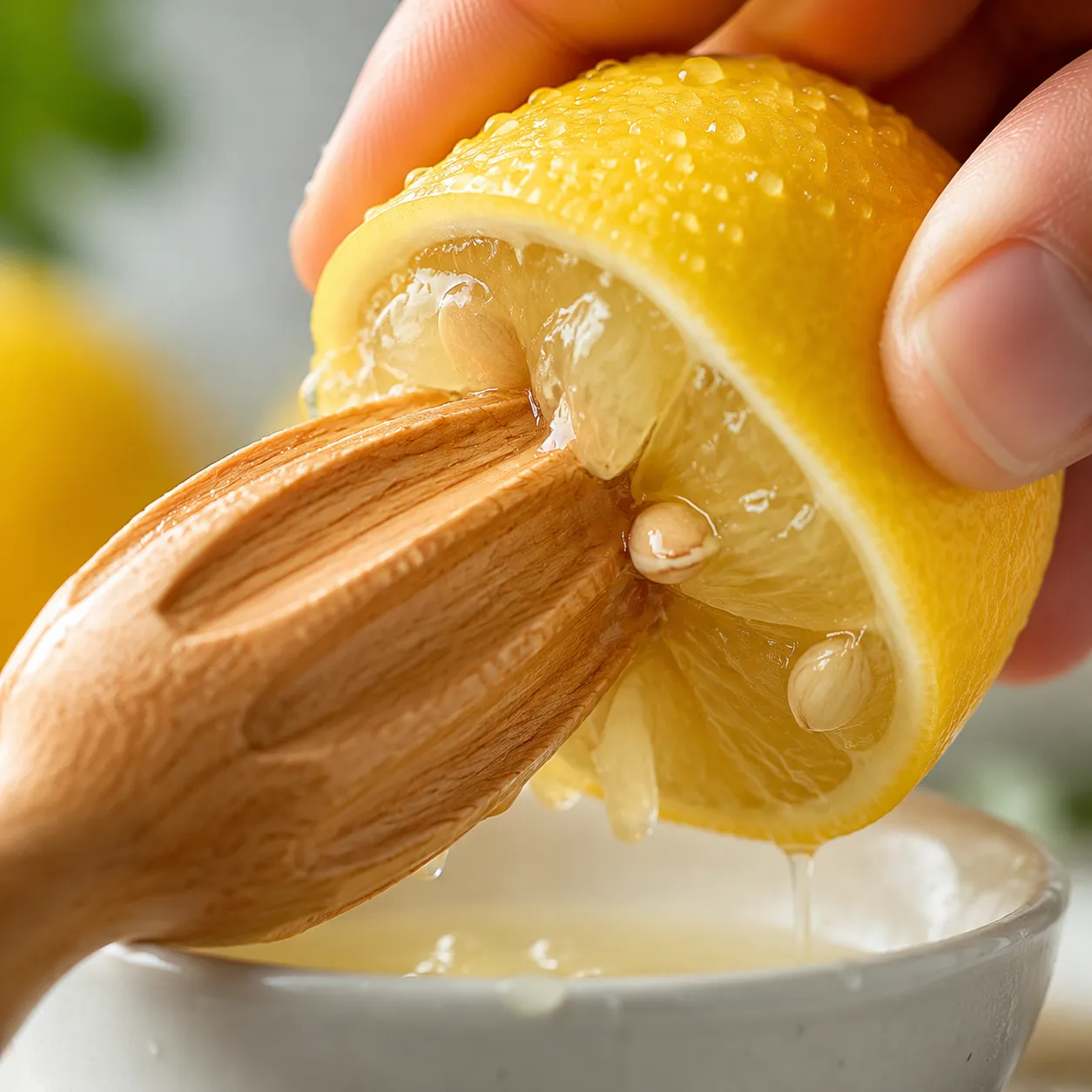
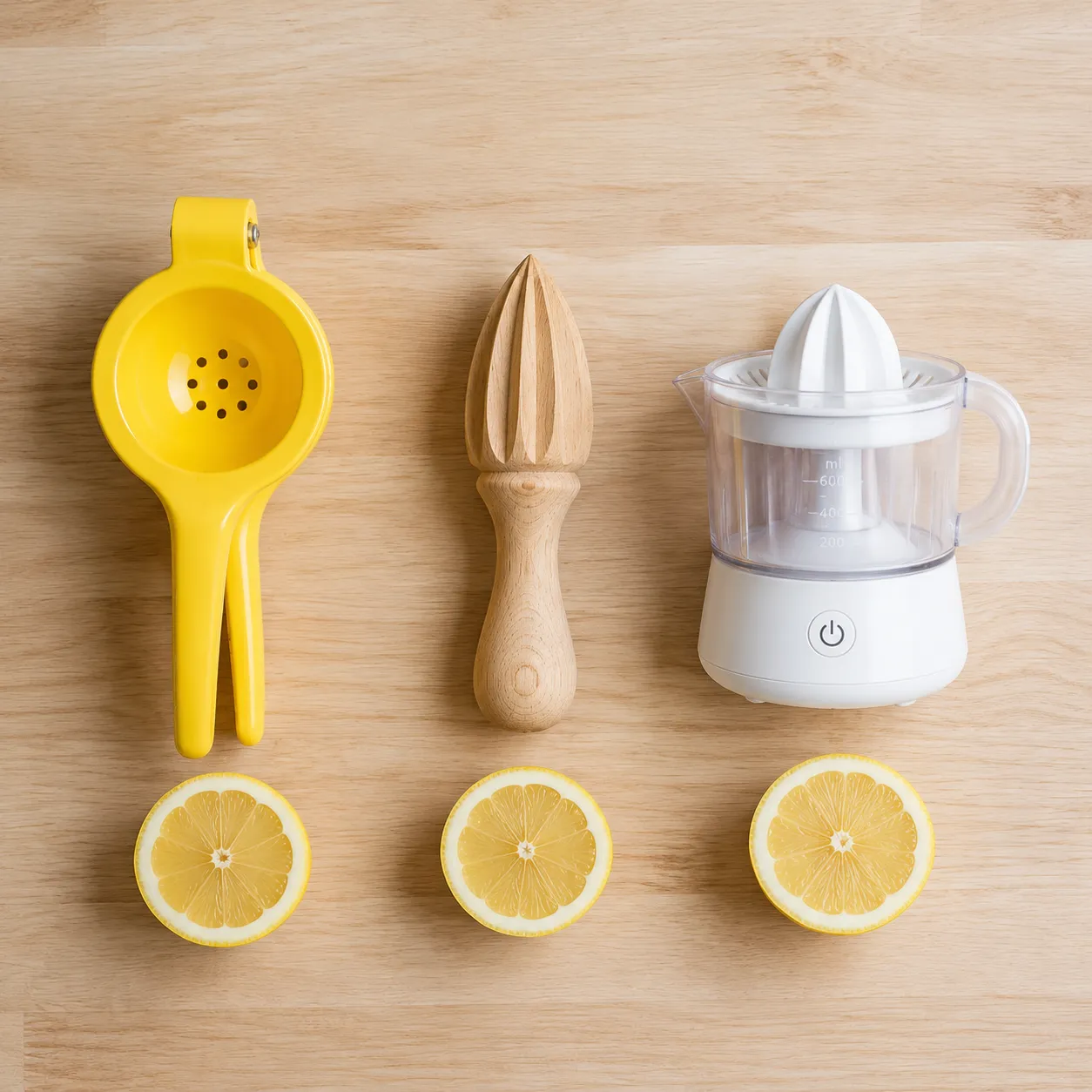
Finally, consider your kitchen tools. While squeezing by hand works in a pinch, learning how to juice a lemon properly with a wooden reamer or a handheld hinge-style citrus press will easily extract an extra 20 to 30 percent more liquid than manual squeezing alone. A good juicer applies even pressure to the rind, ensuring that you extract the juice without expressing the bitter oils from the pith.
Fresh vs. Bottled Lemon Juice: When to Swap
We all have that little plastic lemon-shaped bottle sitting in the refrigerator door, but is it really a fair trade for the real thing? When comparing bottled vs fresh lemon juice, the biggest difference lies in the flavor profile and the acidity levels. Freshly squeezed juice has a bright, vibrant, and complex floral note that simply cannot be replicated by a factory process. Bottled juice is almost always pasteurized and contains preservatives like sulfites, which can give it a slightly muted, bitter, or flat taste.
If you are making a recipe where lemon is the absolute star of the show—like a tangy lemon curd, a delicate buttercream frosting, or a raw salad dressing—you absolutely must use fresh lemon juice. The artificial notes in the bottled version will be incredibly obvious and can ruin the dish.
However, if you are in a pinch and need a splash of acidity for a heavy meat marinade, a slow-simmered soup, or a baked good where the citrus takes a back seat to other bold flavors, bottled juice can absolutely work. The conversion ratio is a simple 1:1 swap. Just remember, when you are wondering how much lemon juice in one lemon to substitute, use 2 tablespoons of the bottled stuff for every whole medium lemon called for in the recipe.
Lemon Zest Bonus: How Much Per Lemon
You simply cannot talk about juicing without also talking about zesting! The bright yellow outer skin of the fruit, known as the flavedo, is packed with essential oils that deliver an intense, concentrated citrus flavor without adding any extra liquid or tartness to your dish. A common question among bakers is the lemon zest to juice ratio. Generally speaking, one medium lemon will yield about 1 tablespoon of tightly packed zest alongside its 2 to 3 tablespoons of juice.
The golden rule of citrus preparation is to always, always zest before you juice. Trying to grate the skin off a floppy, squeezed-out lemon half is an exercise in pure frustration and often results in scraped knuckles. Use a sharp microplane grater to gently remove only the bright yellow layer, making sure to avoid the bitter white pith underneath.
You can easily learn how to store lemon juice and zest for future use. Simply freeze the zest in a small airtight container, and you will have an instant flavor booster ready for your next batch of muffins, pasta dish, or morning smoothie.
💡 Expert Tips
Pick the heavy ones: When shopping, hold a few lemons of the same size. The heavier ones have thinner skins and contain significantly more juice.
Look for smooth skin: Lemons with finely textured, smooth skin tend to be juicier than those with thick, heavily dimpled rinds.
Roll before you cut: Always roll your lemon firmly on the counter with the palm of your hand to burst the internal juice vesicles before slicing.
Warm them up: Microwaving a cold lemon for 10-15 seconds relaxes the membranes and makes juicing much easier.
Zest first, always: Never try to zest a lemon after you've cut and squeezed it. Remove the zest while the fruit is whole and firm.
🔄 Variations & Substitutions
While the standard grocery store Eureka or Lisbon lemons are the most common, you might occasionally encounter different varieties that yield slightly different results.
Meyer Lemons: These are a cross between a lemon and a mandarin orange. They are slightly smaller, have very thin skins, and are incredibly juicy. Their juice is sweeter and less acidic, making it perfect for desserts.
Seedless Lemons: A newer variety found in many supermarkets, these lemons offer the same yield and flavor profile as standard lemons but save you the hassle of straining out seeds.
Ponderosa Lemons: These massive, bumpy lemons are mostly grown in home gardens. A single Ponderosa can yield up to half a cup of juice, but their thick rinds make them harder to squeeze.
🧊 Storage & Leftovers
If you plan to use your lemons within a week, storing them loose on the countertop at room temperature is perfectly fine and actually makes them easier to juice. However, if you want them to last longer, place whole lemons in a sealed zip-top bag in the crisper drawer of your refrigerator. They will stay fresh and firm for up to a month this way.
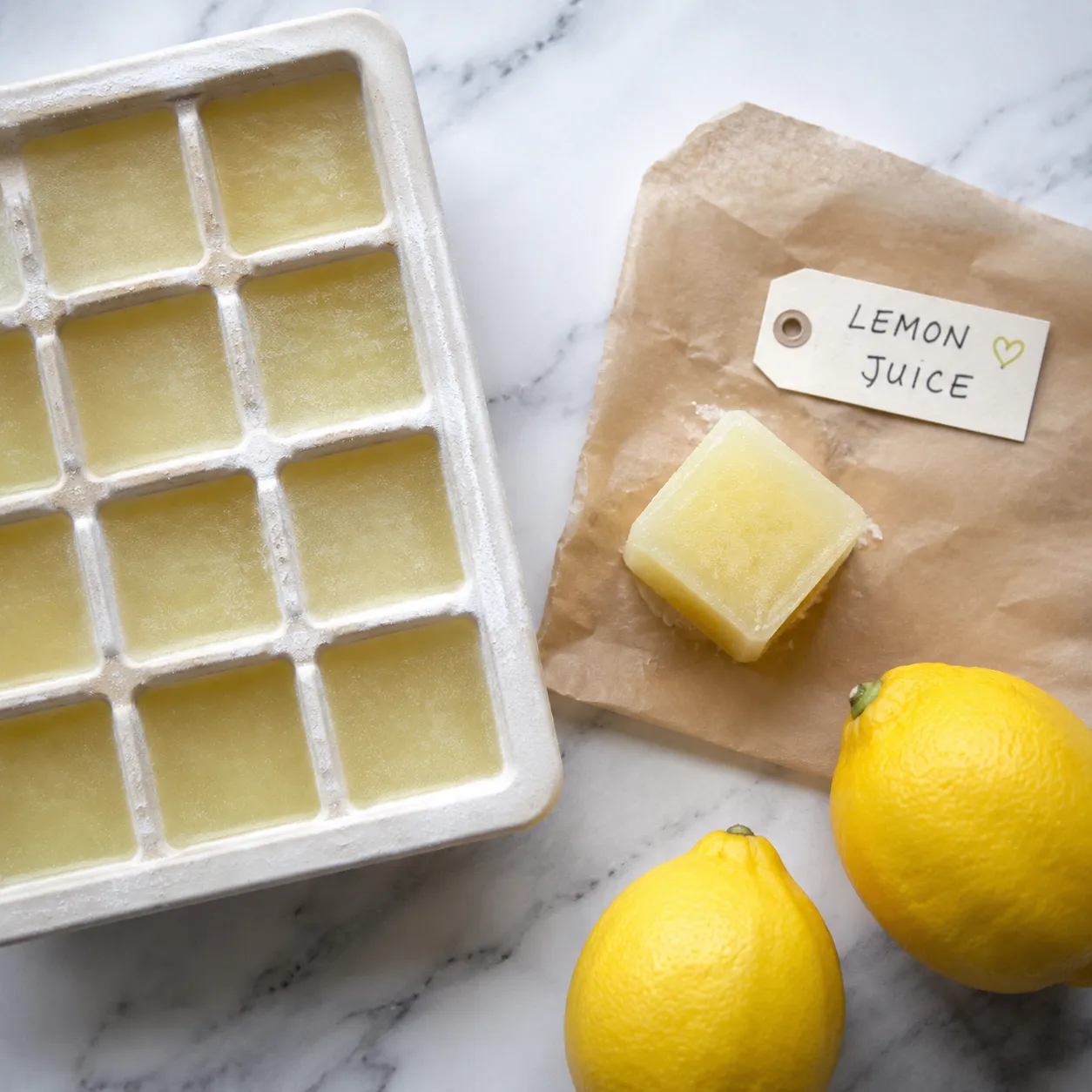
If you have already juiced your lemons and have leftovers, fresh lemon juice will keep in an airtight jar in the fridge for about 3 to 4 days before it starts to lose its bright flavor. For long-term storage, pour the fresh juice into silicone ice cube trays. Once frozen solid, pop the cubes into a freezer bag. Most standard ice cube compartments hold exactly 2 tablespoons—the perfect equivalent of one medium lemon!
Frequently Asked Questions
How much juice is in one lemon?
An average medium lemon yields about 2 to 3 tablespoons of juice, which is roughly 1 to 1.5 fluid ounces. This amount can vary slightly depending on the size of the lemon, how fresh it is, and the thickness of its rind. However, using 2 tablespoons as a baseline is the safest and most accurate measurement for standard cooking and baking recipes.
How many lemons do I need for 1/4 cup of juice?
You will need about 2 medium lemons to get 1/4 cup of fresh lemon juice. Since 1/4 cup is equal to 4 tablespoons, and a standard medium lemon provides roughly 2 tablespoons, two lemons should give you the exact amount you need. It is always a good idea to buy one extra lemon just in case yours are slightly dry.
How many lemons make 1 cup of juice?
Plan on purchasing 5 to 6 large lemons, or about 7 to 8 medium lemons, to yield 1 full cup of fresh lemon juice. One cup equals 16 tablespoons. Because yields can vary based on the juiciness of the fruit and the squeezing method you use, having an extra lemon on hand ensures you won't fall short for your recipe.
Can I substitute bottled lemon juice for fresh?
Yes, you can substitute bottled lemon juice for fresh juice using a simple 1:1 ratio. However, keep in mind that bottled juice is pasteurized, which gives it a flatter, slightly muted flavor. Fresh lemon juice is highly recommended for recipes where the citrus flavor is prominent, like dressings and desserts. Bottled juice works perfectly fine for baked goods, heavy marinades, and soups.
How do I get more juice out of a lemon?
To get the maximum yield, start by bringing your lemons to room temperature. Roll the whole lemon firmly on the kitchen counter with the palm of your hand to burst the internal membranes. For an extra boost, microwave the lemon for 10 to 15 seconds before slicing. Finally, using a handheld citrus press or a wooden reamer will extract significantly more juice than squeezing by hand.