Dairy Free Alfredo Sauce (Creamy 20-Minute Recipe)
Ingredients
Scale
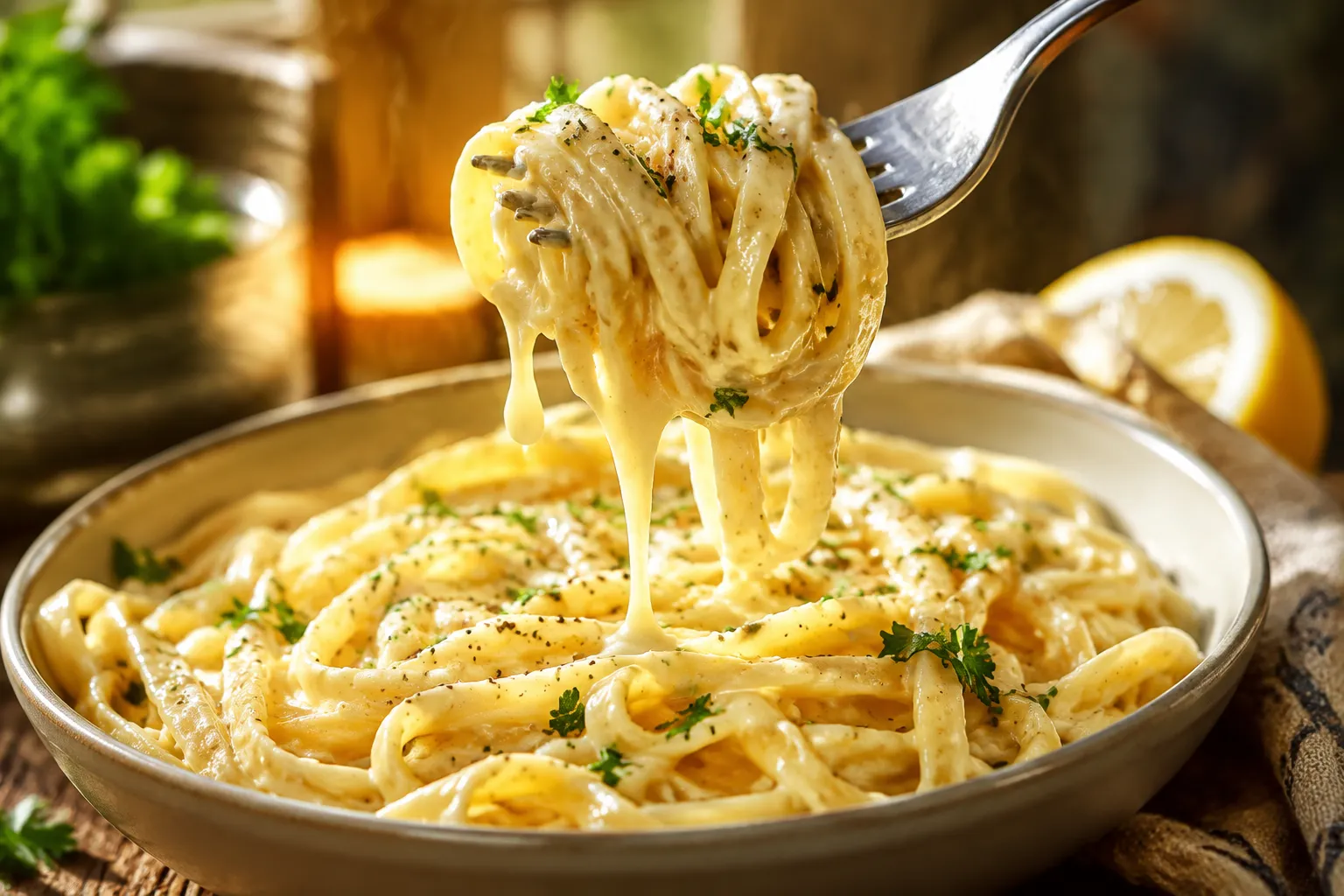
Silky, garlicky, and unbelievably creamy, this dairy free alfredo sauce comes together in 20 minutes with pantry staples and zero soaking required.
This dairy free alfredo sauce is the recipe I make when I want something fast, indulgent, and so silky no one at the table believes there isn't a drop of cream involved. It comes together in 20 minutes, uses pantry staples, and skips the overnight soak that derails most cashew-based pasta recipes. One quick blitz in the blender and you have a glossy, garlicky, restaurant-style sauce ready for fettuccine.
I've made every kind of vegan alfredo over the years — coconut-heavy ones that taste like dessert, watery cauliflower blends, and chalky tofu purees that needed rescuing with extra everything. This one earned its keep because it tastes like classic alfredo: rich, savory, peppery, with just enough lemon to wake the whole bowl up. The cashews give it body, sautéed garlic adds depth, and a measured pour of nutritional yeast handles the cheesy backbone without that aggressive yellow funk so many plant-based versions can't shake.
Whether you're cooking for a dairy-free family member, leaning plant-based for the week, or just out of butter and milk on a Tuesday night, this sauce has you covered. Pour it over pasta, drizzle it on roasted broccoli, or use it as the base of a creamy weeknight gratin.
The beauty of this sauce is how few ingredients it actually asks for. Most are likely already living in your pantry, and the fresh items — garlic, lemon, parsley — earn their keep ten times over. There's no obscure shopping list, no specialty vegan cheese hunt, and no ingredient you'll buy once and forget about. Here's a quick walk-through of what goes into the sauce, plus a few notes on what you can swap if you're missing something. I'll go deeper on each component below, but the short version is: cashews for body, garlic for flavor, lemon for balance, and nutritional yeast for that subtle cheesy edge.
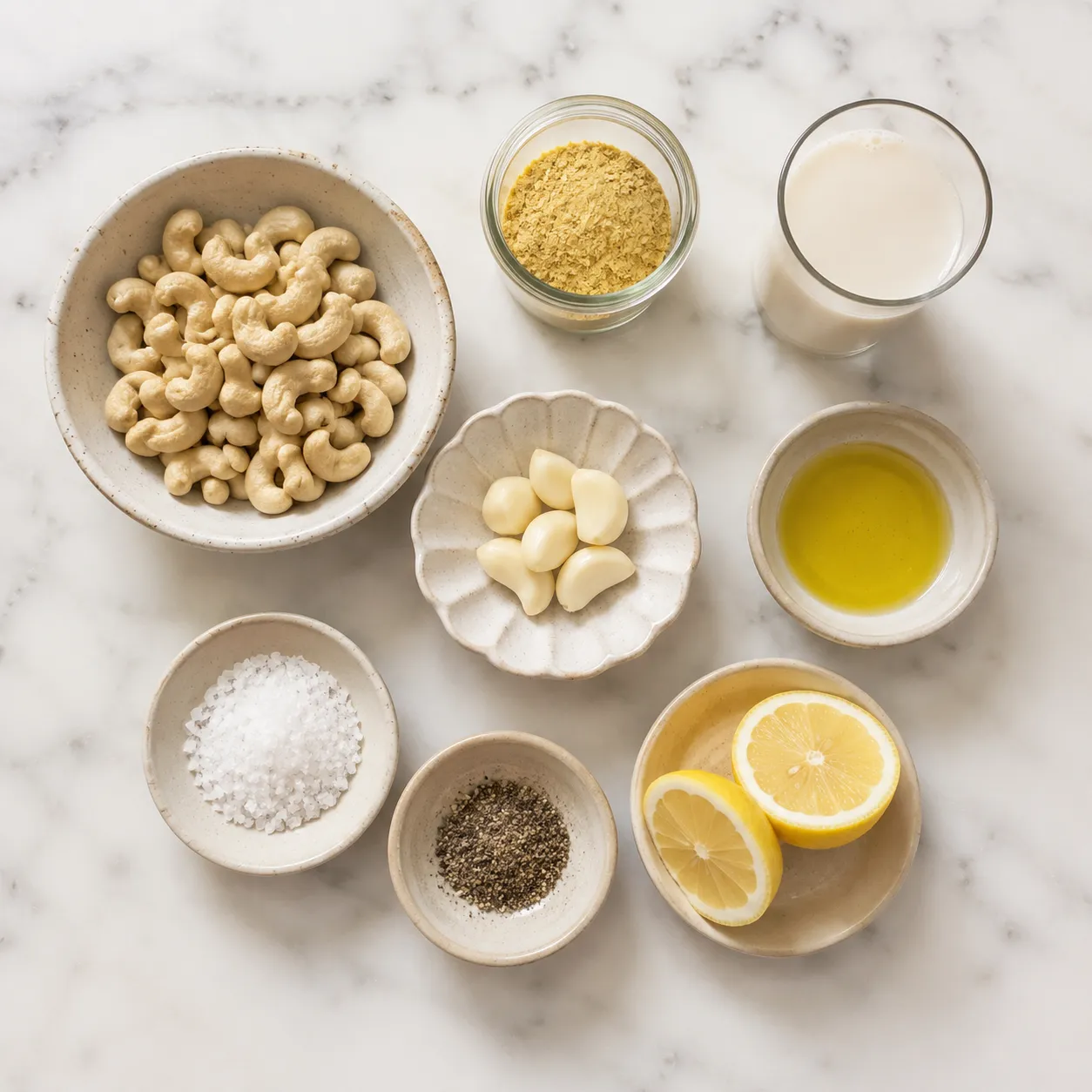
Cashews are the workhorse here. Raw, unsalted cashews blend into a thick, neutral homemade cashew cream that mimics the body of heavy cream almost perfectly. Use raw — roasted ones taste, well, roasted, and will skew the sauce nutty and a shade darker. If your only option is roasted unsalted, the recipe will still work; just expect a deeper, more savory finish.
On the plant milk side, unsweetened almond and oat milk are my favorites for their neutral, faintly sweet flavor. Avoid anything labeled vanilla or sweetened, which throws off the savory balance fast. Soy milk works too and adds an extra hit of protein and creaminess if you have it on hand.
Three cloves of garlic, sautéed in olive oil or vegan butter until fragrant and barely golden, build that deep, restaurant-style backbone you can't get from raw garlic alone. Fresh lemon juice cuts through the richness so the sauce tastes bright instead of heavy, and a pinch of nutmeg is the not-so-secret ingredient that pushes things from "nice plant-based dinner" to "wait, is this really dairy-free?" Sea salt and freshly cracked black pepper finish it off — both go in the blender, and both get a final tweak after a quick simmer.
Nutritional yeast brings savory depth and a faint cheesy quality — three tablespoons is the sweet spot, since more starts to taste sharp and a little chalky. A handful of plant-based parmesan stirred in at the end takes things over the top, and a teaspoon of white miso adds umami if you want extra restaurant flair without anything overtly cheesy. A splash of dry white wine simmered down with the garlic also takes the flavor up several notches.
This vegan alfredo recipe relies on technique more than fancy gear. The order matters: soak first, sauté while the cashews soften, then blend hot and finish on the stove. Hot ingredients lead to silkier sauce, every single time, and they help the nutritional yeast and salt dissolve into the base instead of sitting in pockets. The whole process is forgiving — even a slightly grainy first try will smooth out with another minute in the blender — but a high-speed blender and patience with the soak make a noticeable difference. Read through all four steps before starting so the timing feels easy.
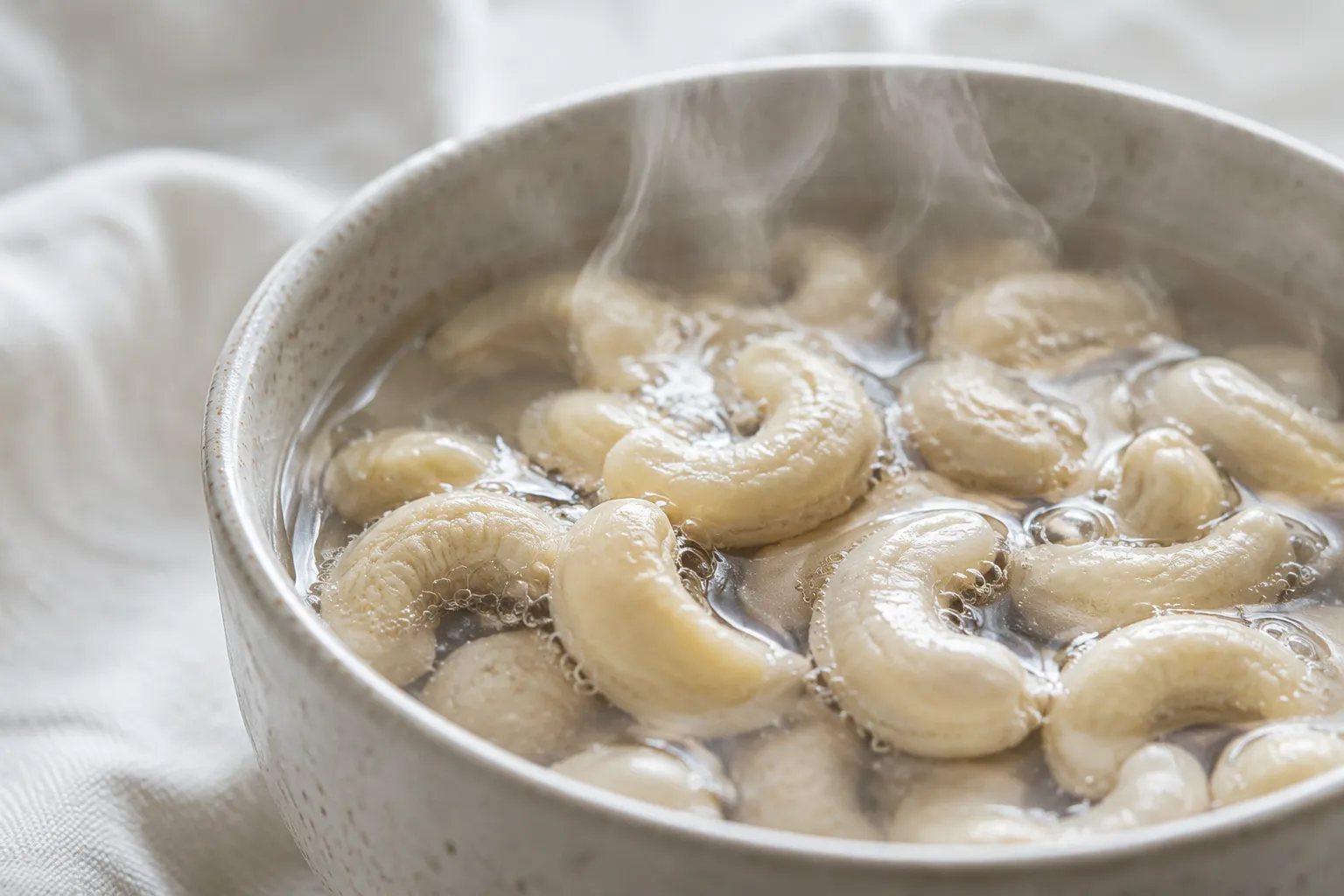
Place 1 cup of raw cashews in a heatproof bowl and cover with just-boiled water. Let them sit for 15 minutes — that's it, no overnight planning required. While they soak, prep your remaining ingredients and bring a pot of salted water to a boil for pasta. By the time the noodles are done, your sauce will be too. Cool cashews never blend as smooth as warm ones, no matter how powerful your blender is, so resist the urge to skip the soak.
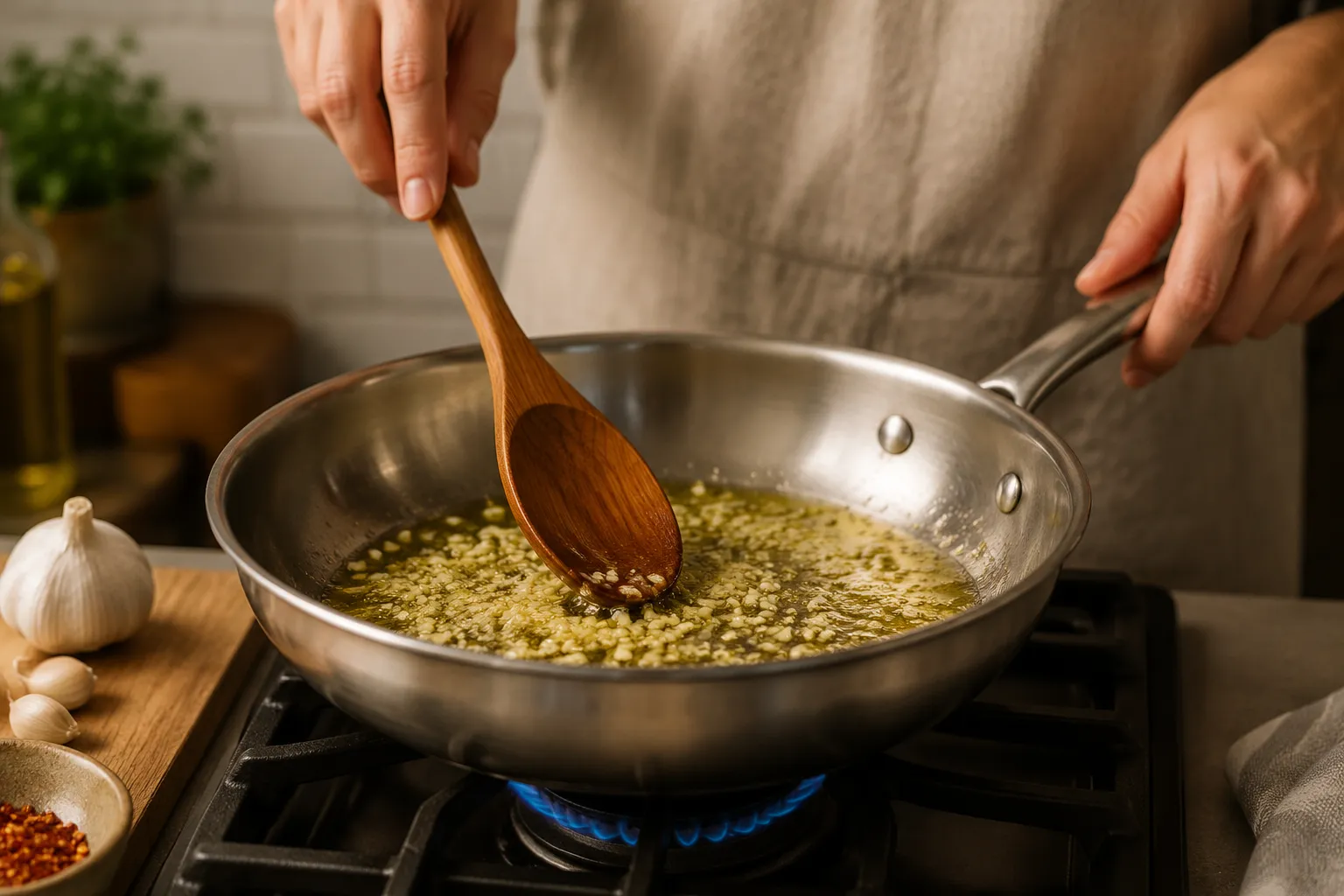
While the cashews soften, warm 2 tablespoons of olive oil or vegan butter in a small skillet over medium-low heat. Add 3 cloves of minced garlic and cook for 1 to 2 minutes, stirring constantly, until fragrant and just barely golden. Don't let it brown — bitter, scorched garlic ruins the whole sauce, and there's no walking it back. You're looking for the lightest gold color and a strong garlic aroma; that's your signal to pull the pan off the heat.
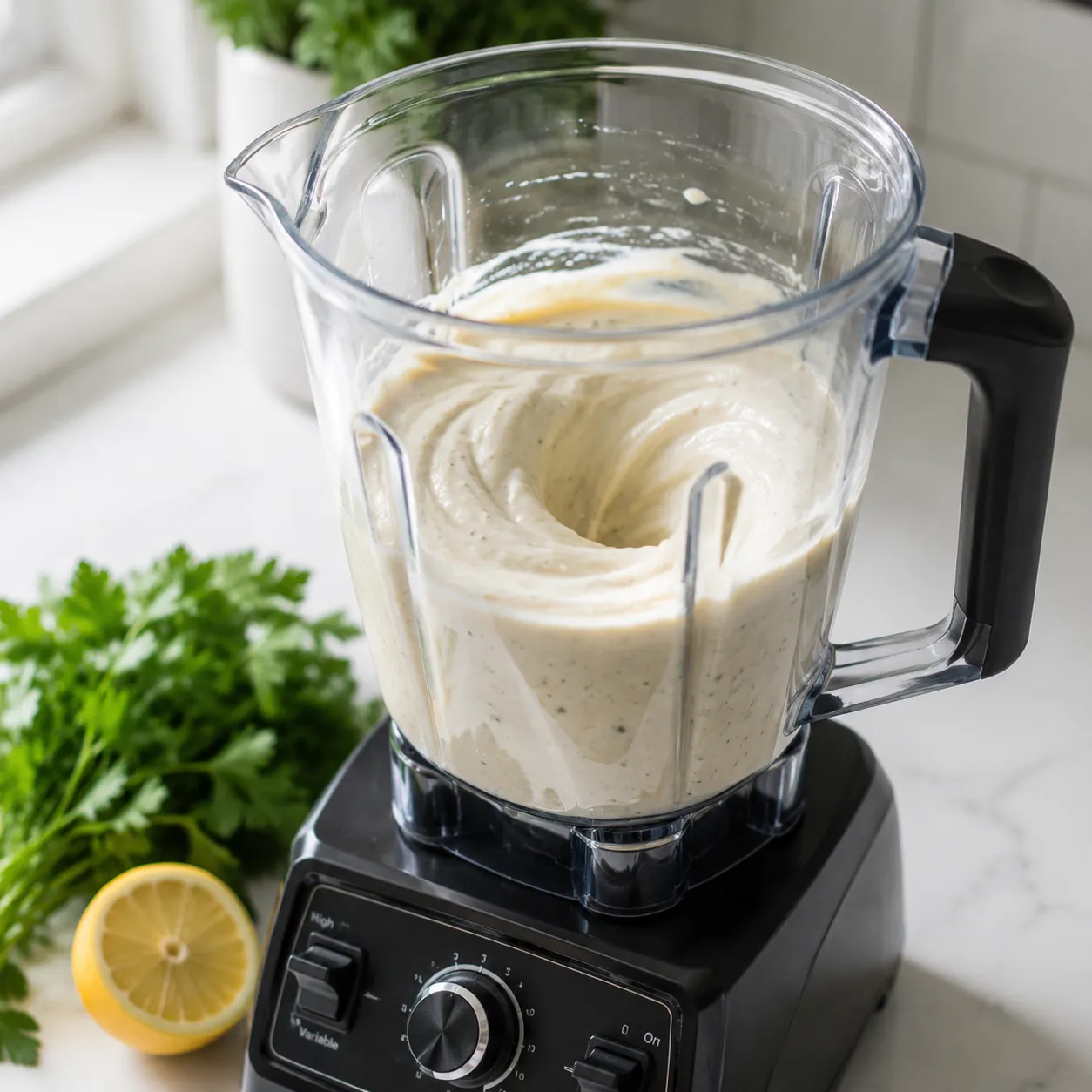
Drain the cashews and add them to a high-speed blender along with 1 1/4 cups unsweetened plant milk, the sautéed garlic and its oil, 3 tablespoons nutritional yeast, 1 tablespoon lemon juice, 1 teaspoon sea salt, 1/2 teaspoon black pepper, and a pinch of nutmeg. Blend on high for 60 to 90 seconds, scraping down the sides once, until completely smooth — you shouldn't see any flecks of cashew left in the mix. The finished blend should look glossy, ivory, and pourable, similar in body to a thick cream of tomato soup.
Pour the blended sauce back into the skillet you used for the garlic and warm over medium-low heat for 3 to 5 minutes, whisking gently as it thickens. This brief simmer transforms the sauce from "blender mix" to "actual alfredo" — the cashew starches finish hydrating, the salt melts in, and any raw edge softens completely. Taste and adjust: more salt for savoriness, another squeeze of lemon for brightness, more plant milk to thin. Toss immediately with hot pasta — fettuccine is the classic move, but this cashew alfredo is incredible on penne, rigatoni, or gluten-free pasta.
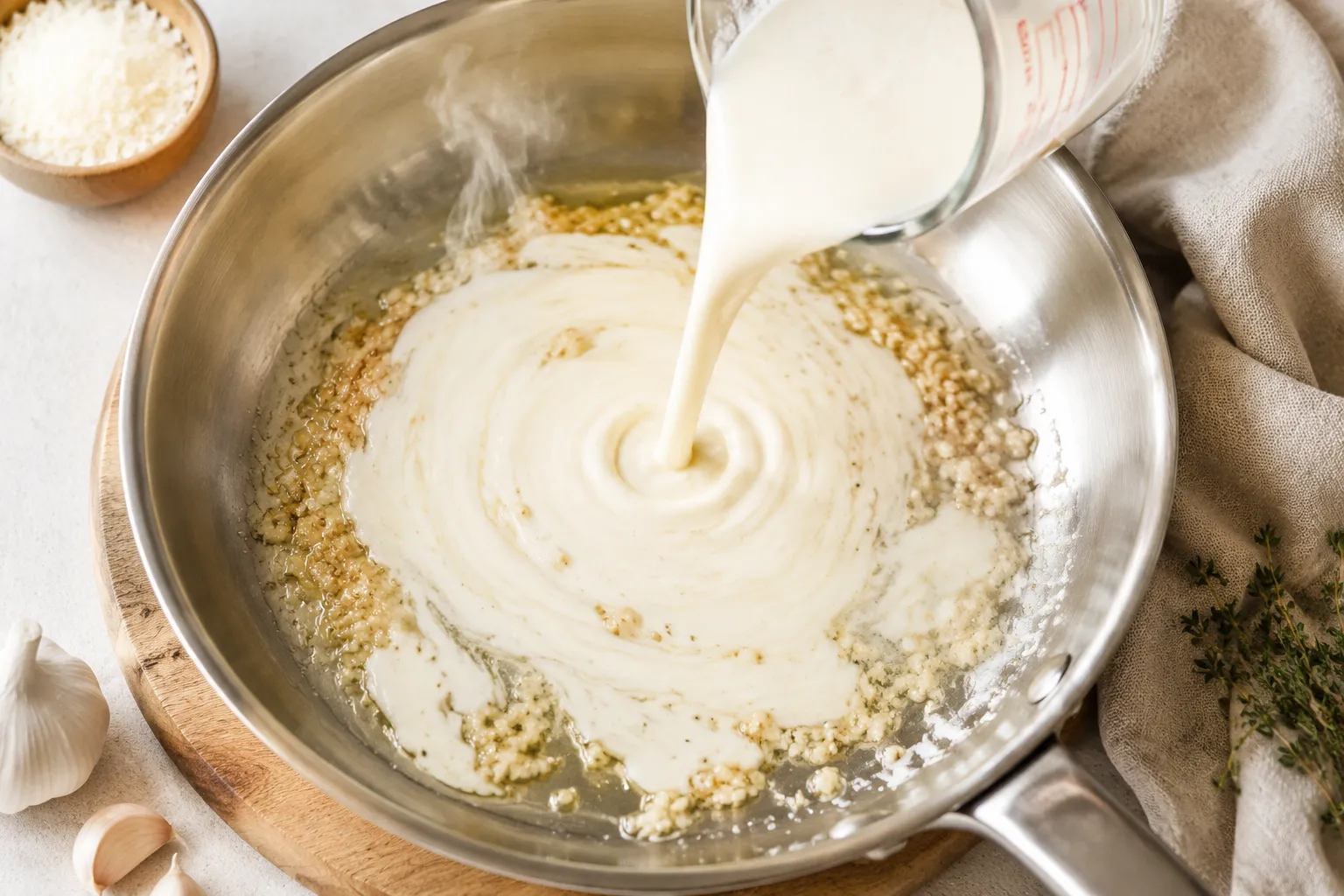
From dry cashews to a finished dairy free pasta sauce in under 25 minutes — and most of that is hands-off soaking time. Once you've made it once, you'll have it memorized.
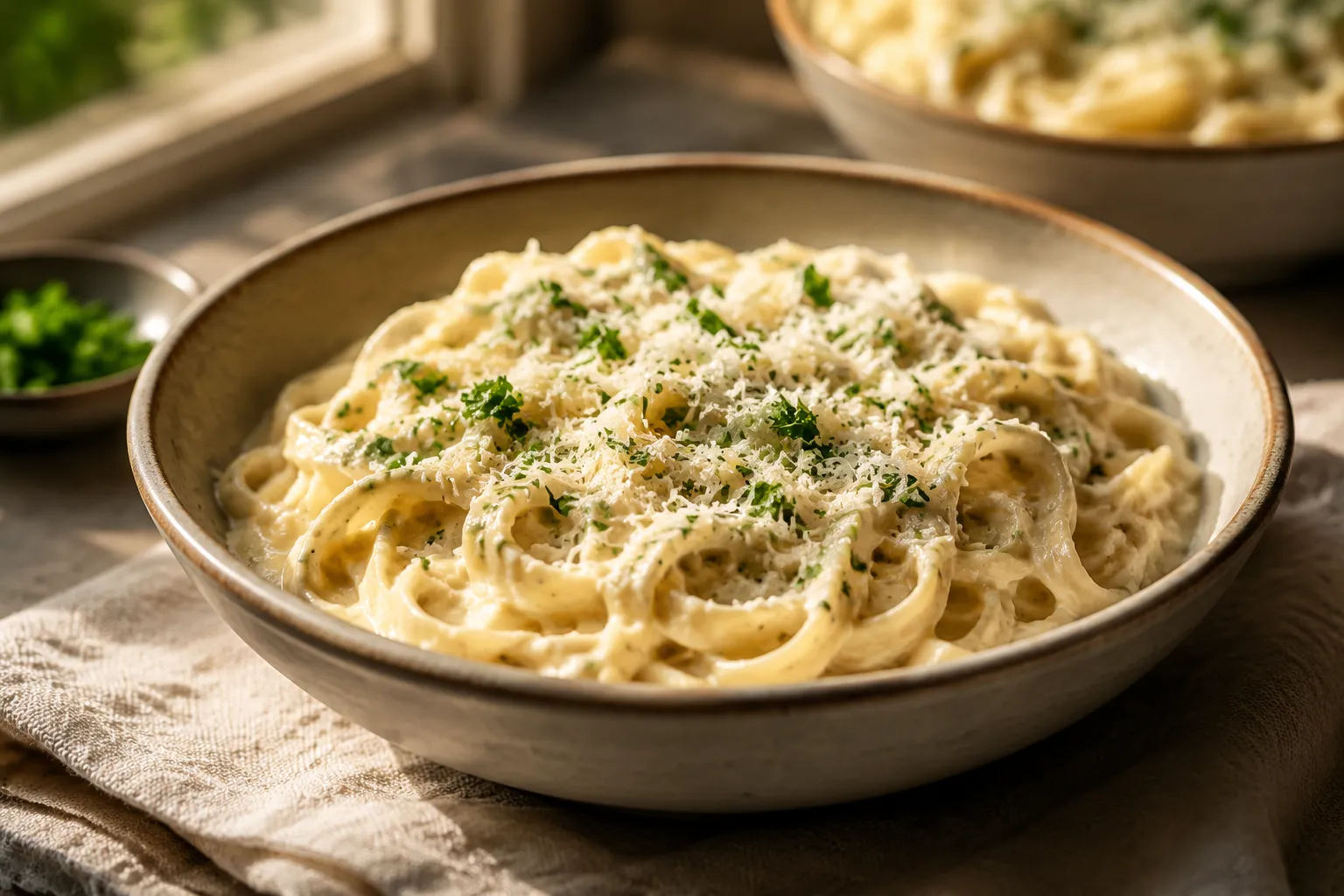
A great sauce deserves a great supporting cast. Here's how I round out the plate when this creamy pasta sauce is the main event, whether I'm pulling together a Tuesday night plate or hosting friends. The general rule: pair something rich with something bright, something soft with something crisp. The sauce itself is so creamy that you'll want at least one element with crunch, char, or acid to keep every bite interesting all the way to the last twirl.
Long, twirl-friendly noodles are the obvious pick — fettuccine, linguine, or pappardelle hold sauce in every ribbon. But shapes with ridges and cups are sneakily great here too: rigatoni catches sauce inside the tubes, and shells trap glossy little pools of it. For anyone keeping things wheat-free, a sturdy brown rice or chickpea gluten-free pasta soaks up this vegan alfredo sauce beautifully without going mushy. Cook your pasta a minute under package directions, then finish it in the sauce so the noodles drink up every drop.
I almost always add something charred and a little crispy for contrast. Roasted broccoli, blistered cherry tomatoes, garlicky asparagus, or wedges of caramelized cauliflower turn a quick weeknight pasta into a real dinner. For protein, crispy chickpeas, pan-seared tofu, or a handful of white beans tossed in at the end keep things filling without weighing the dish down. Sautéed mushrooms with thyme are another favorite — their earthiness pairs perfectly with the cashew base.
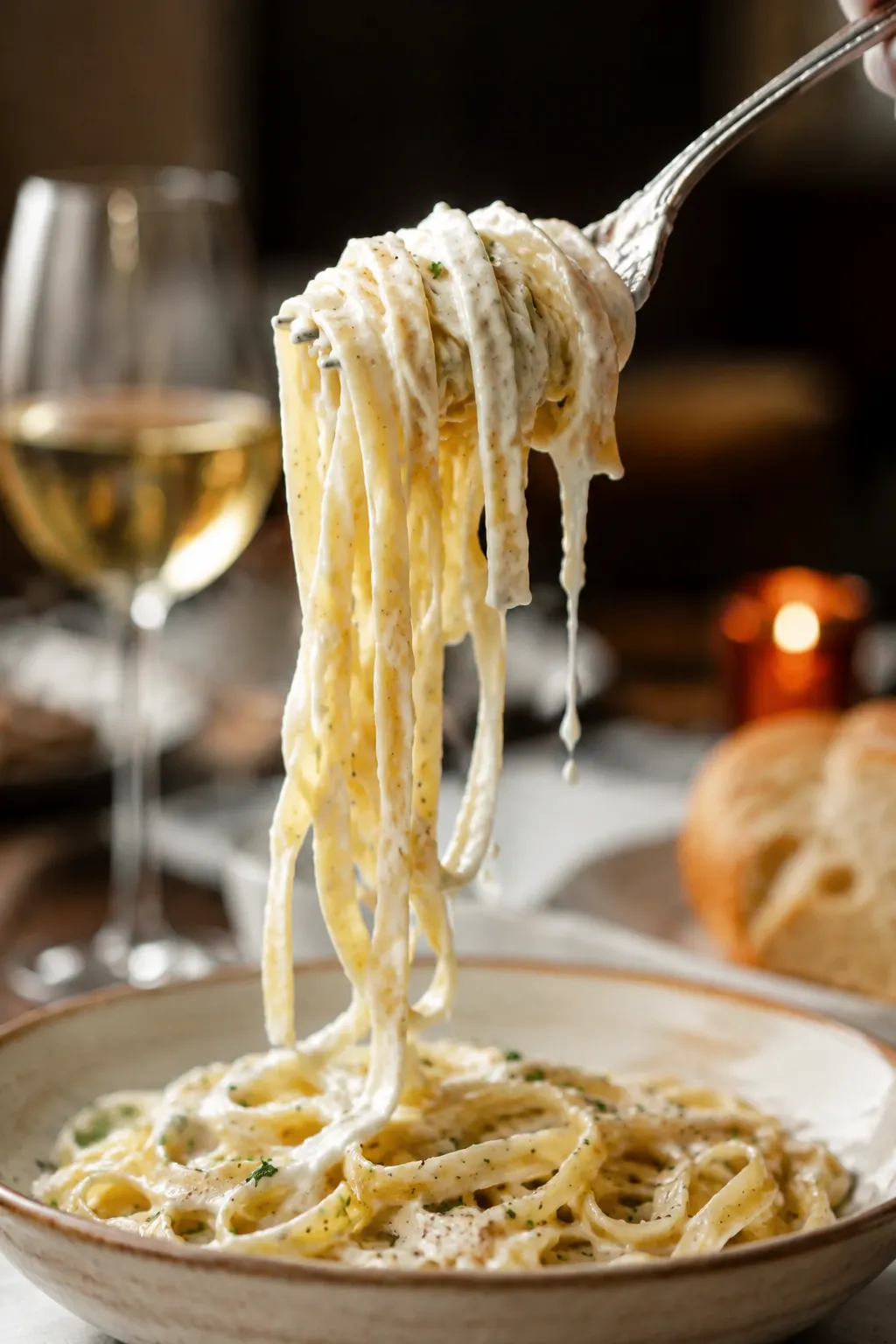
A sharp arugula salad with lemon vinaigrette is the classic counter to anything creamy, and a slice of warm garlic bread is non-negotiable in my kitchen. A simple shaved fennel and citrus salad works beautifully too if you want something a touch more elegant. A glass of crisp white wine, a generous sprinkle of dairy free parmesan over the top, and dinner is officially handled — no one is missing the dairy.
Once you've made this dairy free alfredo sauce a single time, it becomes the kind of recipe you keep on rotation without thinking. The base is endlessly adaptable: thin it with extra plant milk to dress steamed veggies, thicken it with more cashews for a lasagna filling, or stir in roasted red peppers and basil for a creamy rosé. Some weeks I make a double batch and use half on Sunday pasta, then the rest later in the week to bake into stuffed shells or layer between sheets of zucchini for a quick gratin. It's the multipurpose vegan alfredo sauce that earned a permanent spot on my fridge shelf, and I have a feeling it'll do the same on yours.
If you make this vegan alfredo sauce recipe, snap a photo and tag me — I love seeing your bowls.
This dairy-free base is endlessly adaptable. A few variations I keep in regular rotation:
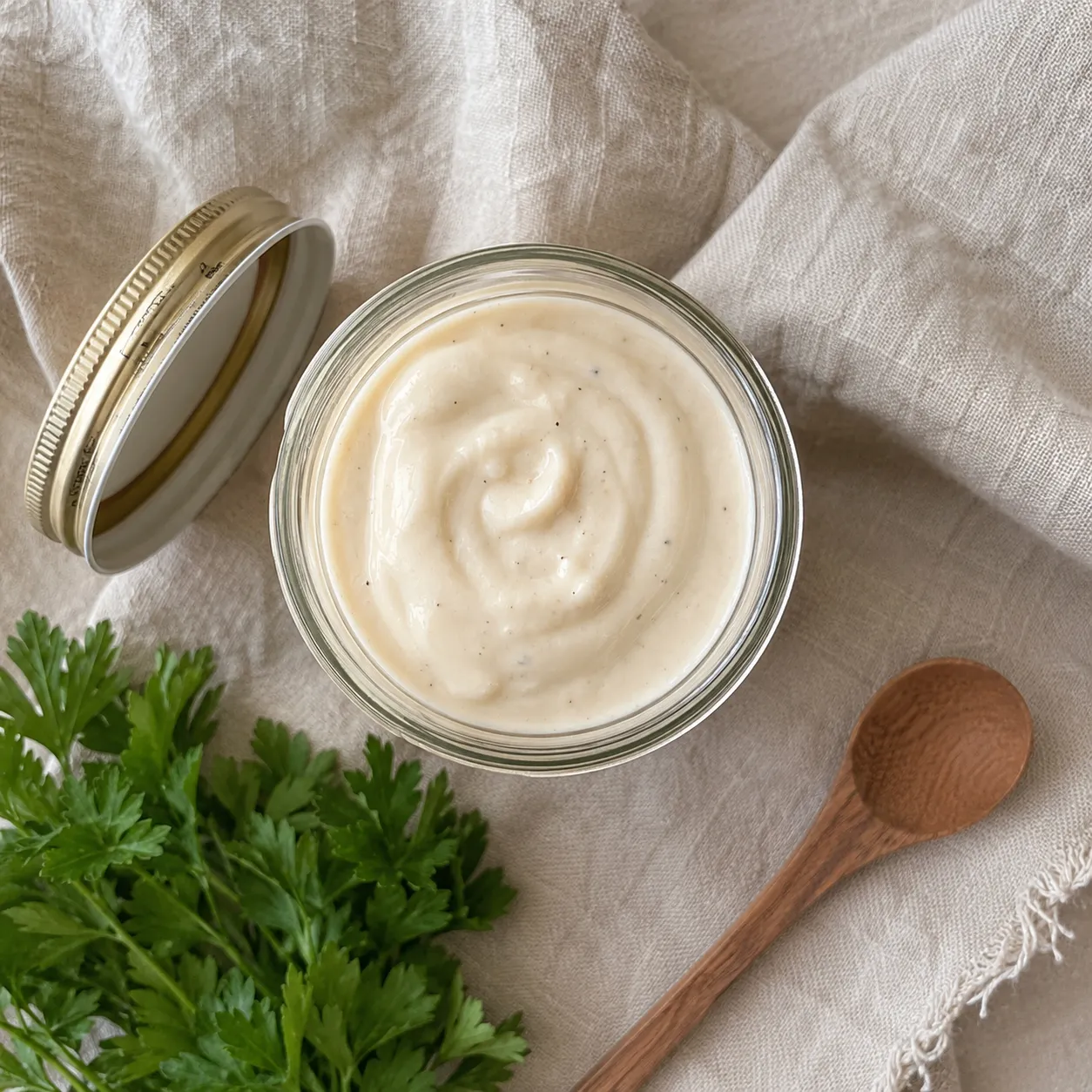
Cool the sauce completely before storing. Transfer to an airtight glass jar and refrigerate up to 5 days, or freeze flat in a zip-top bag up to 2 months. The sauce thickens significantly as it chills — that's the cashews setting up — so don't worry if it looks like a thick spread when cold.
To reheat, warm gently in a small saucepan over low heat with a splash of plant milk or reserved pasta water, whisking constantly until silky again. Avoid microwaving on high power, which can split the emulsion. If the sauce ever breaks, a quick re-blend in your blender brings it right back together.