Double Cream: What It Is & How to Use It in Recipes
Ingredients
Scale
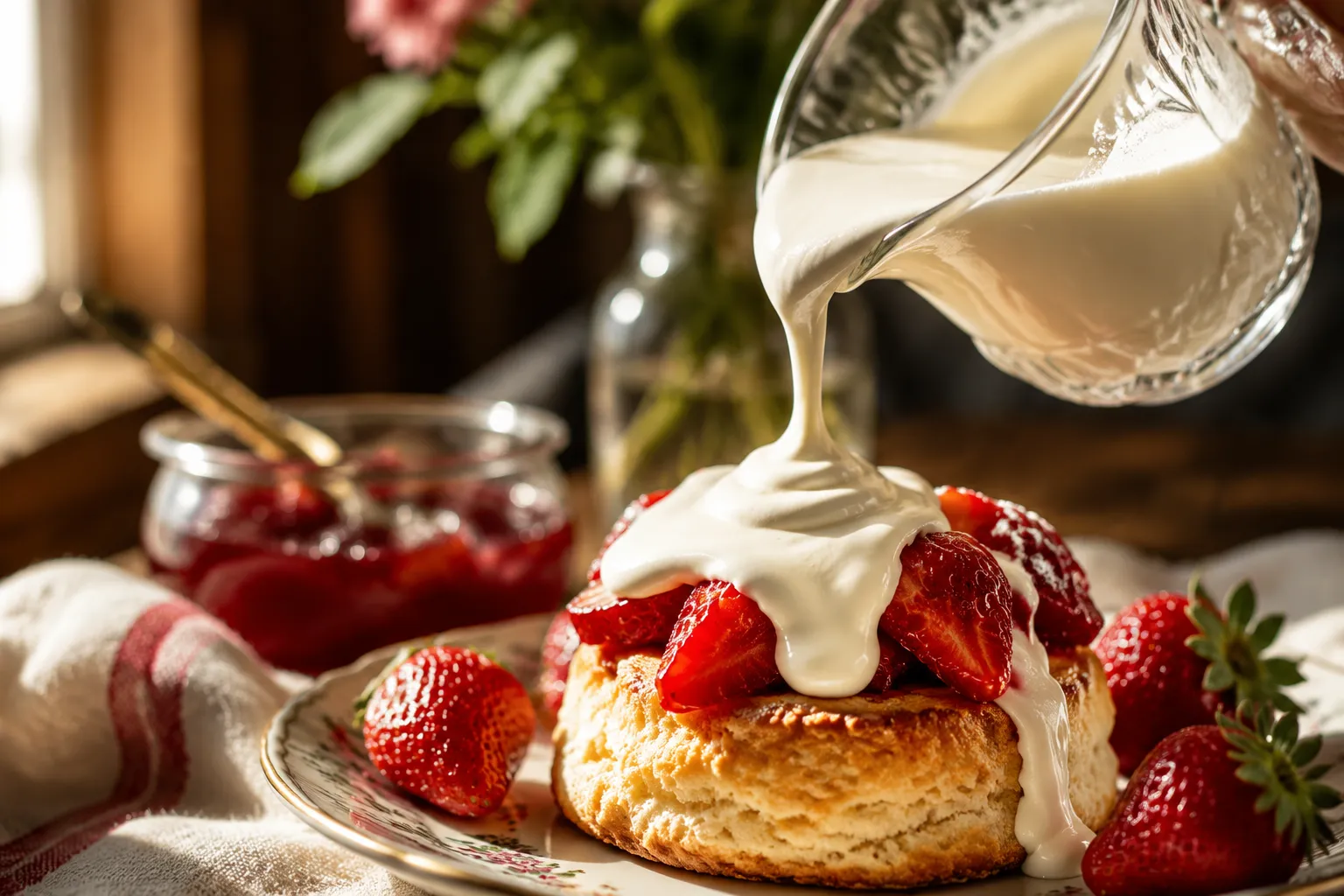
Double cream is the richest pourable cream you can buy, with a luxurious 48% fat. Here is everything you need to know plus easy ways to use it.
If you have been eyeing a British scone recipe, a posh trifle, or a ganache that promises rich double cream cream sauces glossy enough to mirror your kitchen window, you may have already hit a small wall. Double cream is one of the richest pourable dairy products on the planet, and it is mostly invisible on US grocery shelves. With around 48% milk fat, it pours like satin, whips in seconds, and refuses to split when boiled in a sauce. American heavy cream is closer to 36%, which means it behaves differently in almost every way that matters when you are following a recipe written across the pond.
The good news: you do not need to fly to London to cook with it. With one extra ingredient already in your fridge, you can fake double cream convincingly at home, and the result holds up beautifully in everything from panna cotta to a silky pan sauce. This guide walks through exactly what double cream is, how it stacks up against the creams you can buy locally, a tested two-ingredient substitute, and the best ways to actually use it in desserts and savory cooking.
Whether you are chasing a classic British recipes vibe or just want a thicker pour for your morning berries, you will leave this post knowing how to handle the stuff like a pro. Let's get into the science, the swap, and the recipes that show it off.
Double cream is a British dairy product made by separating the heaviest, fattiest portion of cow's milk and pasteurizing it for the table. By UK regulation, it must contain a minimum of 48% milk fat, which is what gives it that almost spoonable consistency right out of the bottle. For comparison, single cream sits around 18%, whipping cream lands near 35%, and clotted cream tops the chart at 55% or more. That high fat percentage is not just a number on a label — it changes texture, melt, mouthfeel, and how the cream behaves when heated, whipped, or poured.
The flavor is pure, sweet, and quietly grassy depending on what the cows have been eating. There is no added sugar, no stabilizers, and no thickening gums in a traditional bottle. When you pour it from a glass jug, it falls in slow, glossy ribbons that drape over warm pudding or fresh fruit and stay put rather than soaking in. Cooks reach for it because it is nearly impossible to break, even at a hard simmer, and because a small splash transforms a thin sauce into something you would proudly serve to company.
The single biggest source of confusion for US cooks is the word "cream" itself, because every country labels it differently. Here is a quick reference that holds up in most American grocery stores:
The 12-percentage-point gap between US heavy cream and the British version sounds small, but it changes how cream behaves under heat and air. Heavy cream can tip into broken or grainy when boiled in an acidic sauce, while double cream cream sauces stay velvety even when reduced hard. Heavy cream also takes longer to whip and holds peaks for less time. For things like pouring over a crumble or stirring into coffee, the two are interchangeable. For ganache, panna cotta, and reduction sauces — the recipes where the cream is the star — the difference is real, and that is when a true substitute is worth the extra five minutes.
If you cannot find the bottled version at your local market (and most US shoppers cannot), the cleanest workaround is to boost the fat content of regular heavy cream with melted butter. This is not a marketing trick — it is basic dairy math. Heavy cream sits at 36% fat, butter is roughly 80% fat, and combining them in the right ratio lands you very close to that 48% target. The result behaves almost identically to the bottled British version in cooked applications, and reasonably well for pouring and folding into desserts.
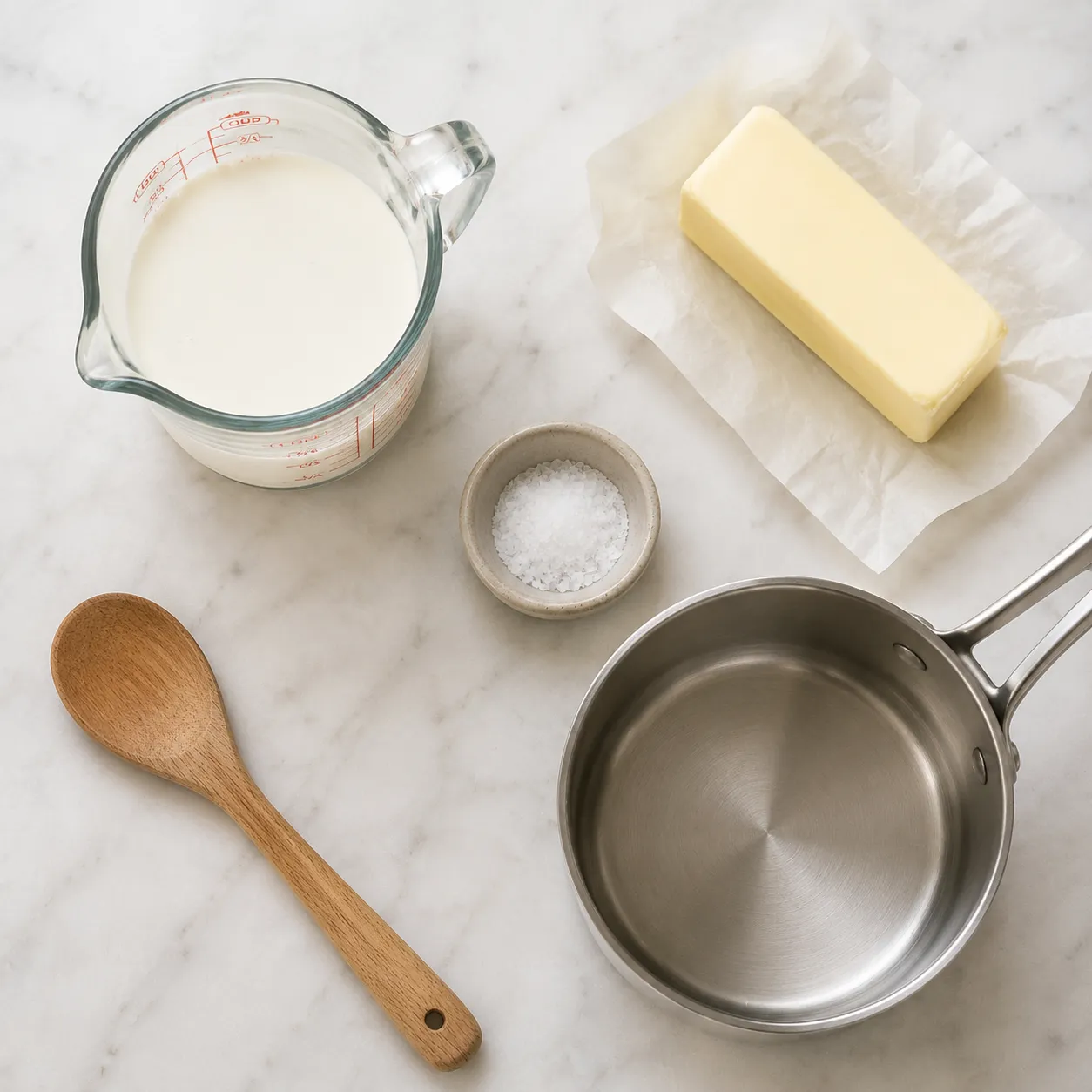
The ingredient list is short: 1 cup of cold heavy cream (the higher the fat percentage, the better), 1/3 cup of unsalted butter, and a tiny pinch of fine sea salt to balance flavor. You will need a small saucepan, a whisk, and a heatproof container for chilling. This is one of the most useful heavy cream substitutes a home baker can keep in their back pocket, and it costs less than two dollars to put together.
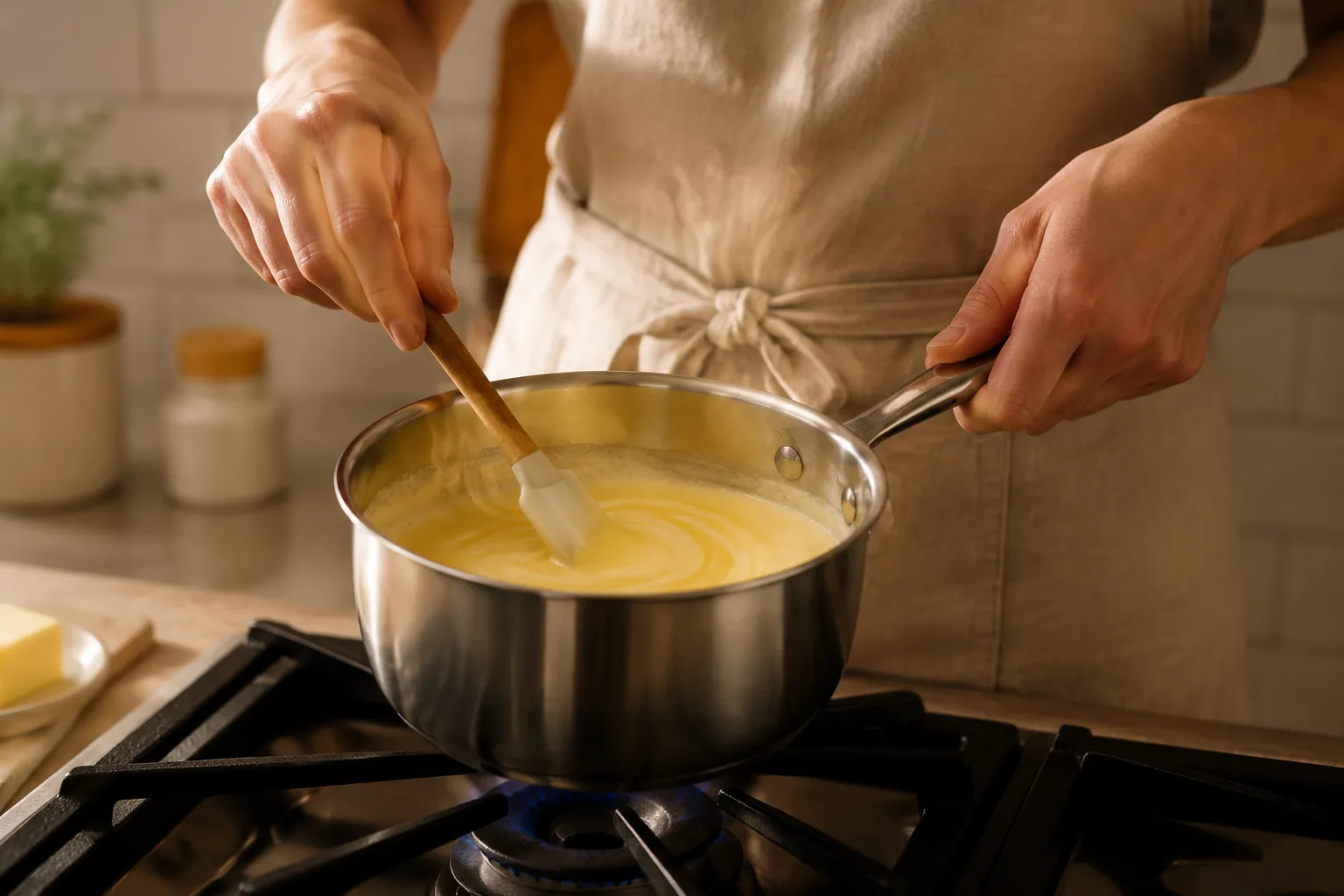
To make it, warm the heavy cream in a small saucepan over low heat. You want it hot to the touch, not simmering — bubbles will damage the proteins. Cube the butter and add it gradually, whisking until each piece melts before adding the next. Once the mixture is smooth, glossy, and uniform, pull it off the heat and whisk in the salt. Pour it into a glass jar or bowl, cover, and refrigerate for at least four hours, or overnight for the best texture.
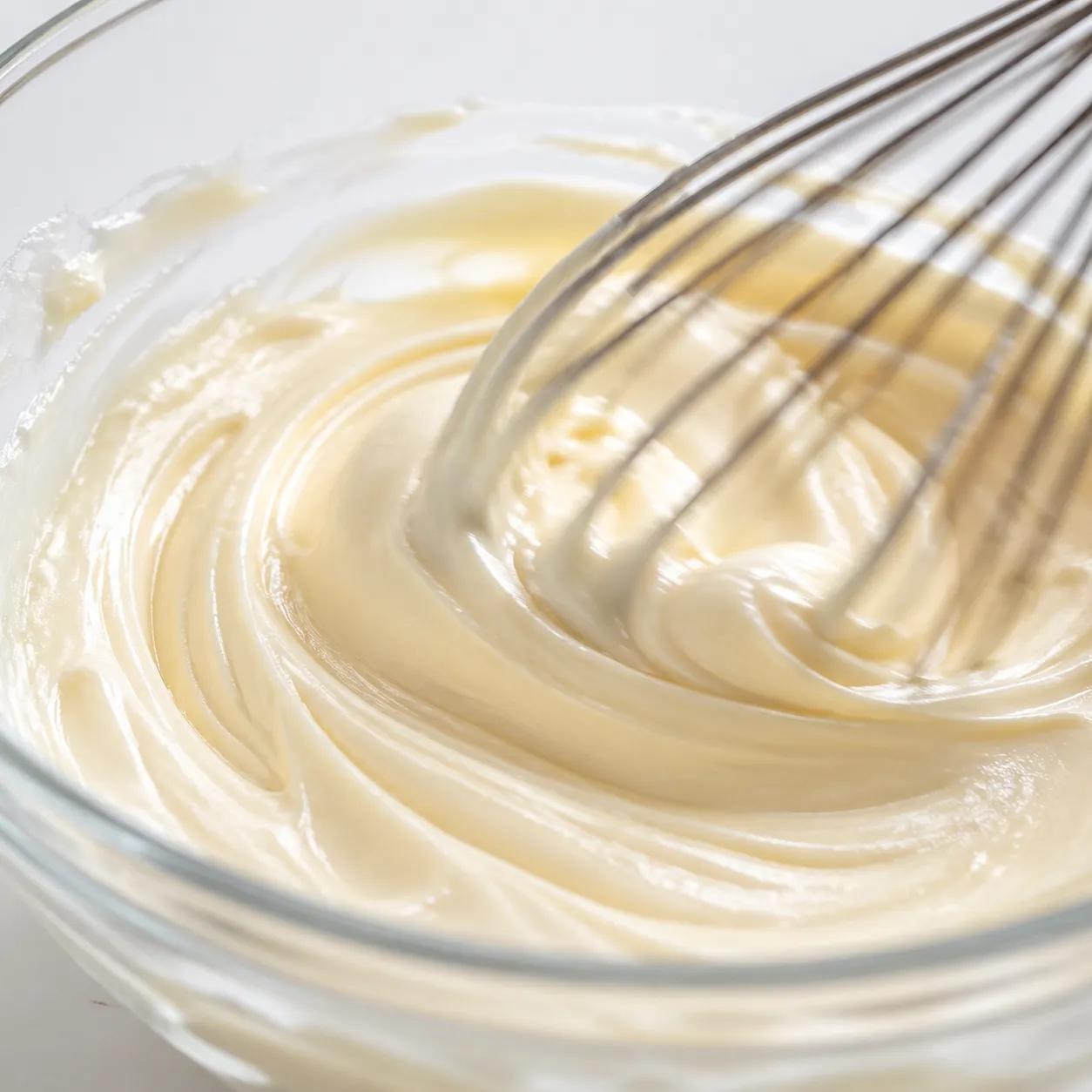
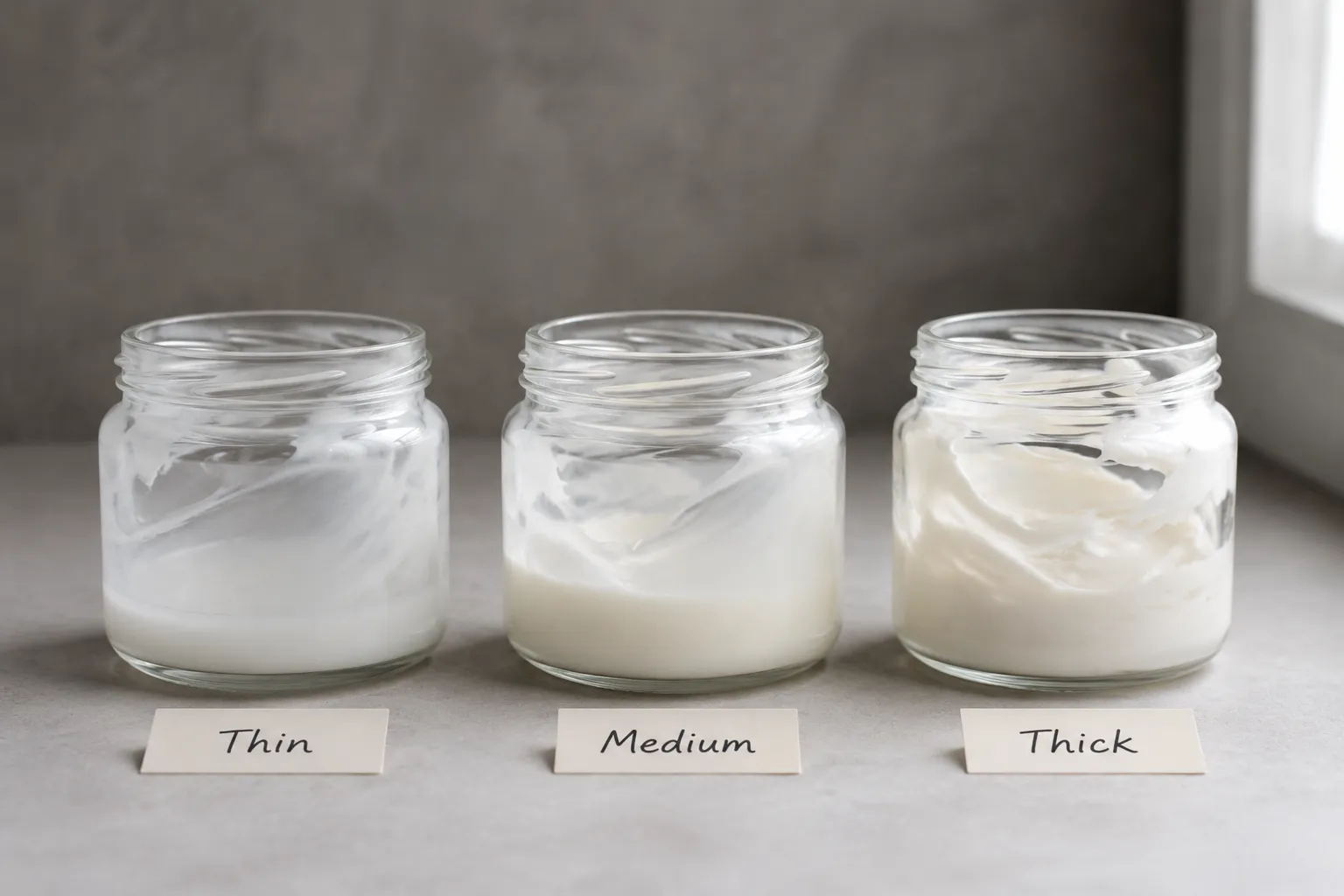
The cream will thicken substantially as it chills, and a thin yellow butter layer may rise to the top. That is normal. Just whisk it back together for ten seconds before using and it will behave the way real double cream cream does in the recipe. This substitute is best for cooked applications — sauces, ganache, baked goods, panna cotta — and works well as a pourable cream over fruit. For whipping, the bottled stuff still has a slight edge, but well-chilled substitute cream whips into respectable peaks.
Whipping this cream is fast, satisfying, and very easy to overshoot. Because the fat content is so high, it goes from soft peaks to grainy butter in about ten seconds of extra mixing. The first rule is to chill everything — bowl, whisk, and cream — for at least 20 minutes before you start. A cold metal bowl in particular helps the fat stay solid enough to trap air without collapsing into greasy globs.
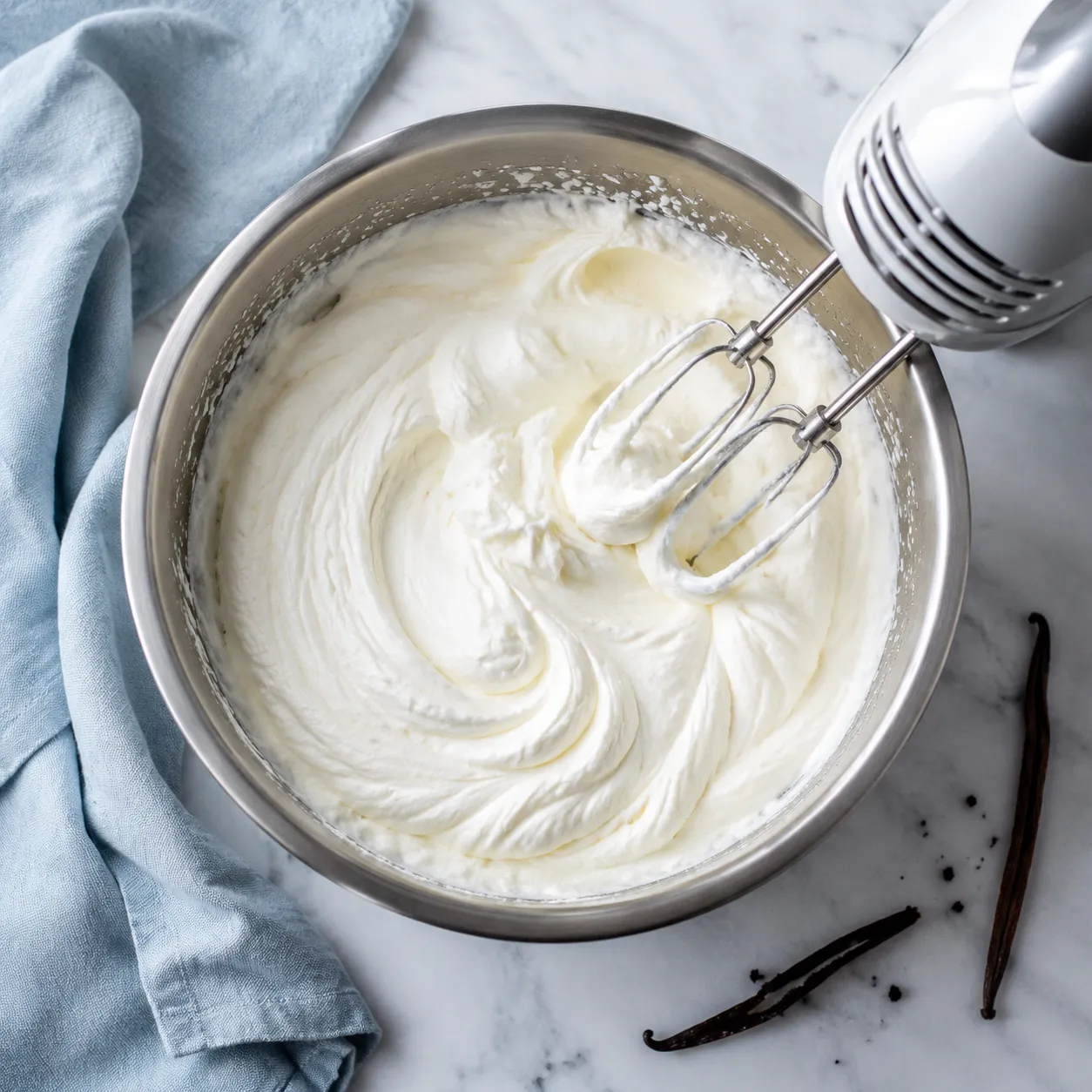
Start your mixer on medium speed rather than high. You want a slow, even build of structure, not a frantic blur. As soon as the whisk leaves visible ribbons that hold their shape for a second, stop. Lift the whisk: if a soft peak forms and gently flops over, you have nailed it. If the peak stands stiff and dry, you are a beat away from butter. The high milk fat in double cream cream means the margin between perfect and broken is genuinely thinner than what you are used to with regular whipping cream.
If you do over-whip, all is not lost. Drizzle in a tablespoon of cold unwhipped cream and fold gently with a spatula — usually that is enough to bring it back to a smooth, spreadable texture. For a no-fuss homemade whipped cream that uses this same technique with ordinary American cream, the principle is identical: stop earlier than you think you should, and add the sugar at the very end so the granules do not weigh the foam down.
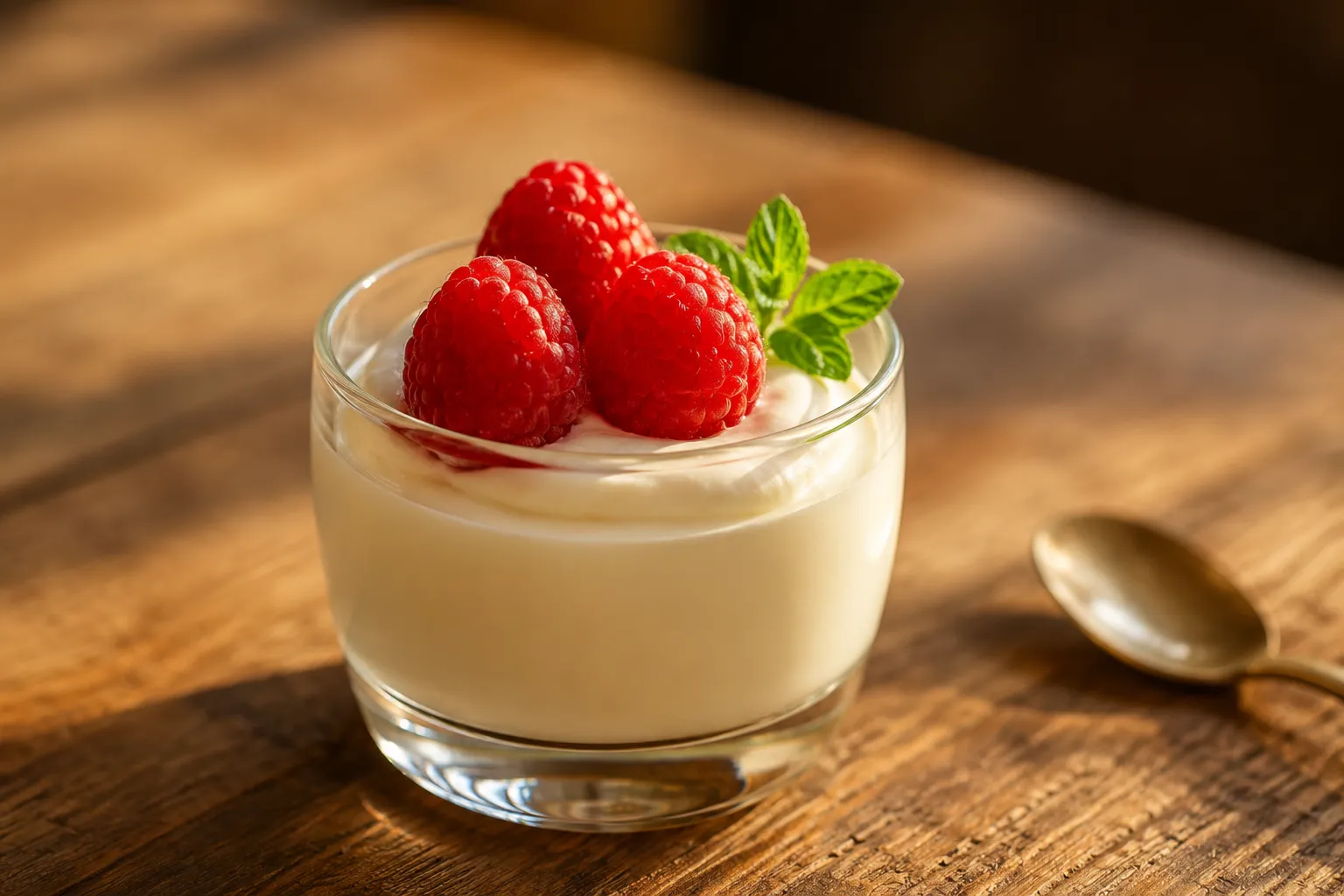
This is where the fun starts. Once you have a jar of real or substitute double cream in the fridge, your options run from "five-minute fancy dessert" to "weeknight pasta that tastes like a restaurant." For desserts, it is the gold standard for a silky panna cotta recipe, where it sets into a wobbly, barely-firm custard that releases cleanly from the ramekin. It is also the right call for ganache (a 1:1 ratio with dark chocolate makes a glossy truffle filling), trifle layers, and any double cream cream-based filling where you want richness without graininess.
On the savory side, it is a quiet hero in any creamy pasta sauce — think carbonara variations, mushroom and tarragon pan sauces, or a quick vodka sauce that needs body. Stir a few tablespoons in at the end of cooking, off the heat, and the sauce gains weight and shine without splitting. The same trick works for pureed soups: a swirl right before serving turns butternut squash or tomato bisque into something restaurant-worthy. It is also brilliant whisked into pan drippings to build a five-minute steak sauce.
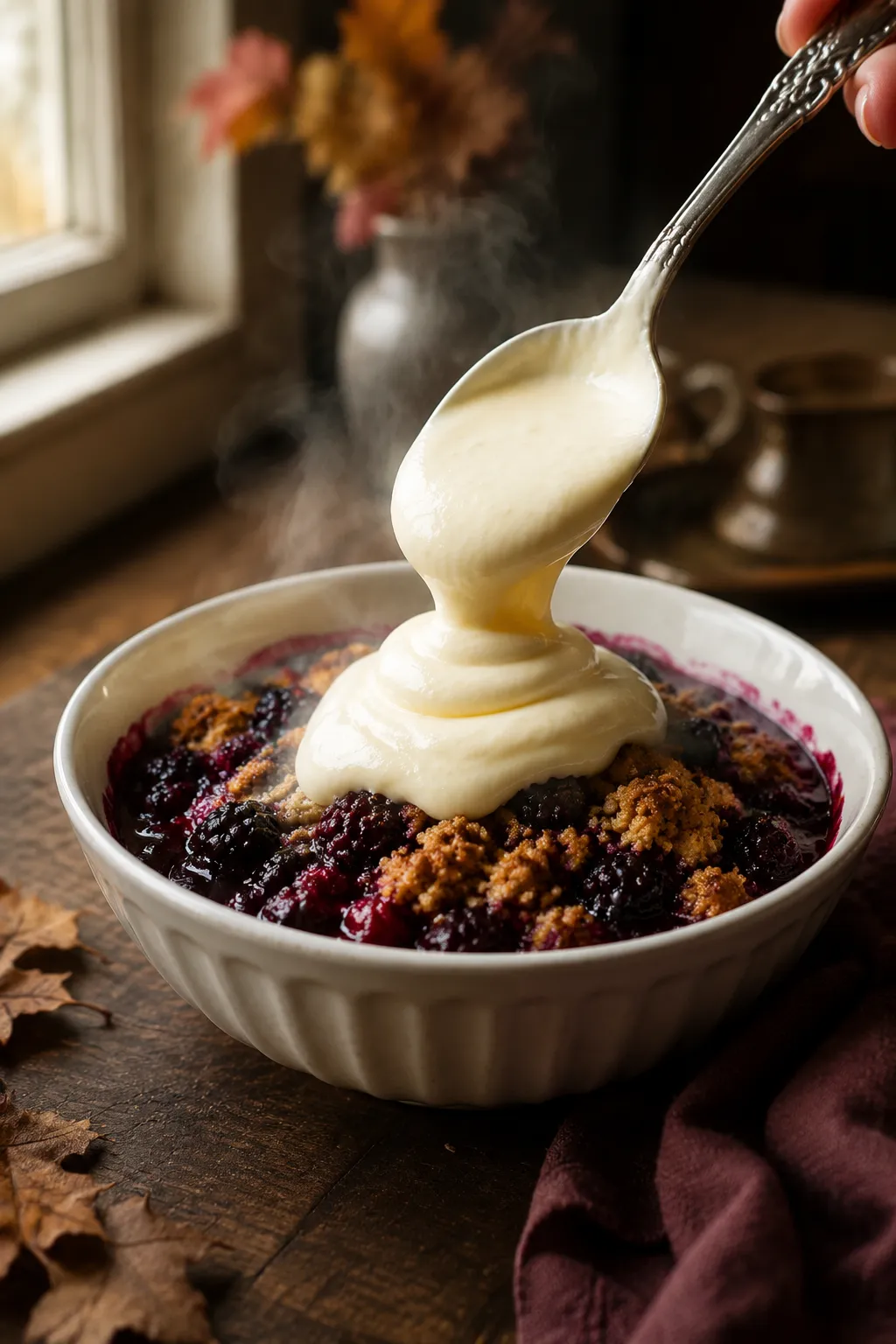
The simplest use is also the most British: pour it cold and unwhipped over warm desserts. Apple crumble, sticky toffee pudding, fresh strawberries, baked plums, or a still-warm slice of fruit pie all benefit from the contrast of hot and cold, sweet and barely-sweet. If you have ever served a clotted cream recipe alongside scones, this is the same energy in a more pourable form. Keep a small jar of cultured cream from your favorite creme fraiche guide nearby and you will have the full British dairy lineup covered for everything from breakfast through dessert.
Once you have a feel for double cream, it stops being a mystery ingredient and becomes a regular tool. The substitute method makes it accessible, and a few smart habits — chilled bowls for whipping, off-heat additions for sauces, a light hand with sweetener — keep it behaving the way you want every time. The notes below cover storage, expert handling, and the questions American cooks ask most when they meet this very British cream for the first time.
The basic recipe is endlessly tweakable depending on what you are using it for. A few favorites from the test kitchen:
Store the finished cream in a clean glass jar with a tight lid in the coldest part of your refrigerator (usually the back of the bottom shelf, not the door). It keeps well for 4 to 5 days. A thin yellow butter layer on top is normal as it chills — just whisk for ten seconds before each use to bring it back together. If it smells sour, looks lumpy, or has any visible mold, throw it out.
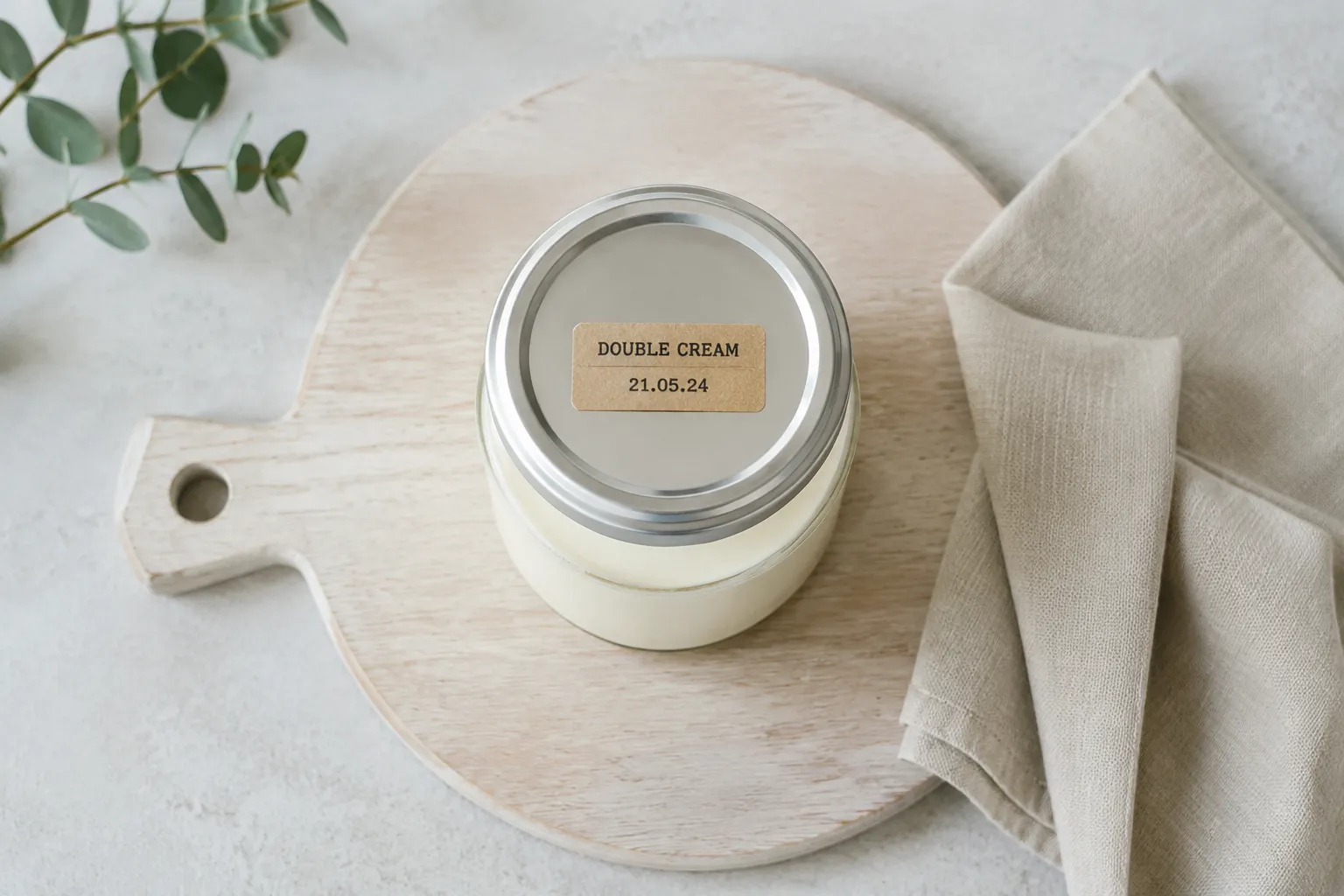
You can freeze the cream in an airtight container for up to 3 months. Leave 1 inch of headspace for expansion, and label the lid with the date. Thaw overnight in the refrigerator before using, and plan to use thawed cream in cooked dishes (sauces, ganache, baked goods) rather than for whipping — freezing breaks some of the structure that holds peaks. A quick whisk after thawing helps recombine any separation.