Demerara Sugar: What It Is, How to Use It & Best Substitutes
Ingredients
Scale
Demerara sugar is the large-crystal, caramel-kissed sugar that turns ordinary scones, lattes, and crème brûlée into something special. Here's everything you need to know.
demerara sugar is the golden, crunchy, caramel-kissed sweetener that makes a humble muffin top sparkle, a latte taste cozier, and a cocktail feel instantly more polished. If you have ever noticed a bag of large amber crystals in the baking aisle and wondered whether it belongs in cookies, coffee, or your next old fashioned, you are in exactly the right place.
This guide is written for the home baker, coffee drinker, and curious pantry person who wants to use specialty sugars with confidence. We’ll walk through where Demerara comes from, how it compares to turbinado sugar, muscovado sugar, and brown sugar, when it works beautifully in baking, and how to turn it into a warm, amber syrup you’ll want in every iced coffee.
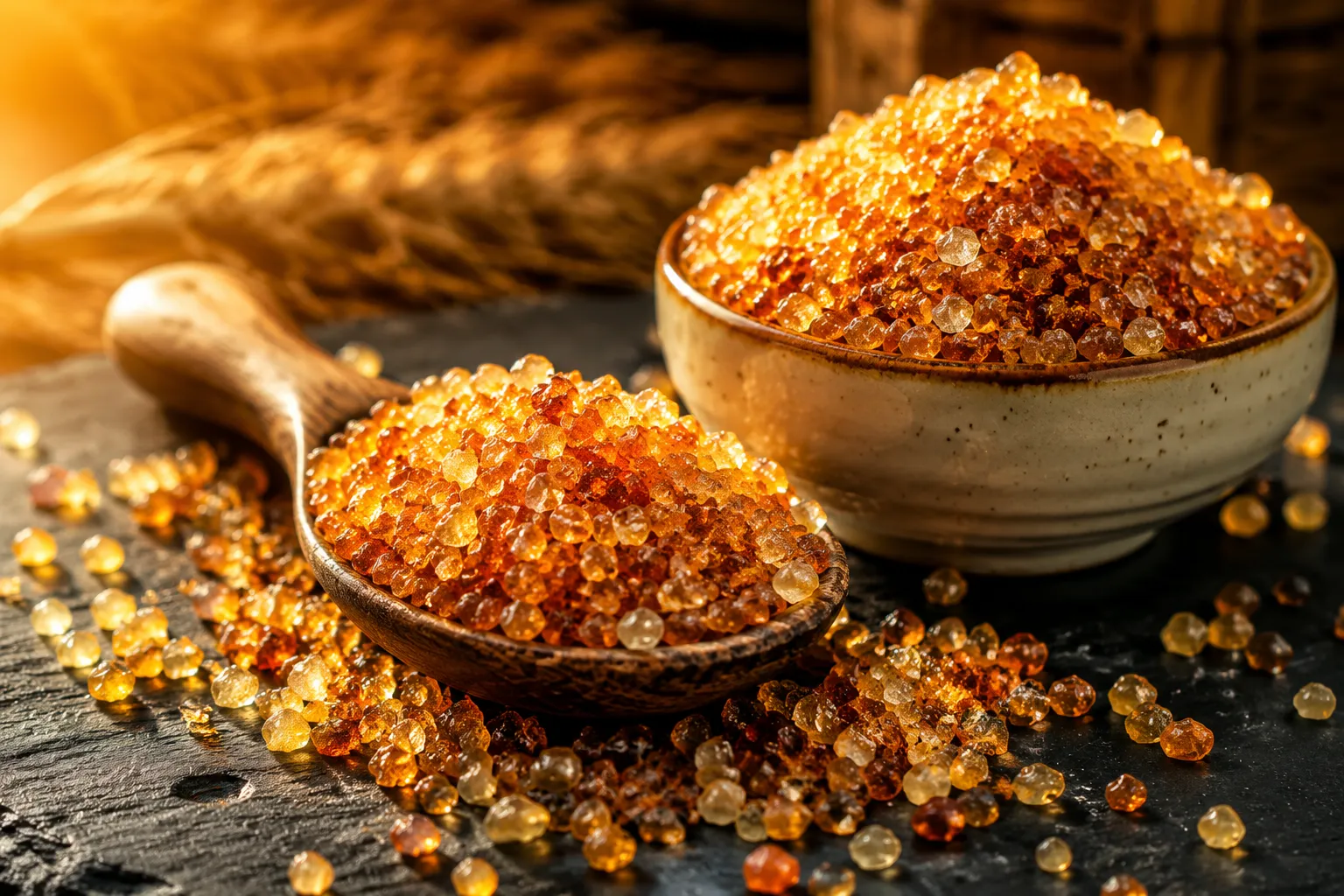
Demerara is a minimally processed cane sugar known for its large, dry, irregular sugar crystals and pale golden-brown color. It is made from sugarcane juice that has been extracted, clarified, concentrated, and crystallized, leaving behind a thin coating of natural molasses on each crystal. That molasses is what gives it a subtle caramel flavor, not as dark or sticky as muscovado, but noticeably warmer than plain white granulated sugar.
The name comes from the Demerara region of Guyana, a historic sugar-producing area along the Demerara River. Today, sugar labeled Demerara may be produced in several places, but the name still refers to the style: large golden crystals made from cane sugar with a light molasses note. In US grocery stores, you may see it near raw cane sugar, sanding sugar, or other specialty baking sugars. It has a slightly old-world feel, but it is wonderfully practical in modern kitchens.
Demerara begins with freshly pressed sugarcane juice, which is evaporated until it becomes a thick syrup. The syrup is crystallized, and the crystals are separated from much of the liquid molasses without being refined all the way to bright white sugar. Because it is not fully stripped and reprocessed, it is often described as an unrefined sugar, though “less refined” is the more precise everyday description. The result is dry, free-flowing crystals that retain color, aroma, and a little rustic character.
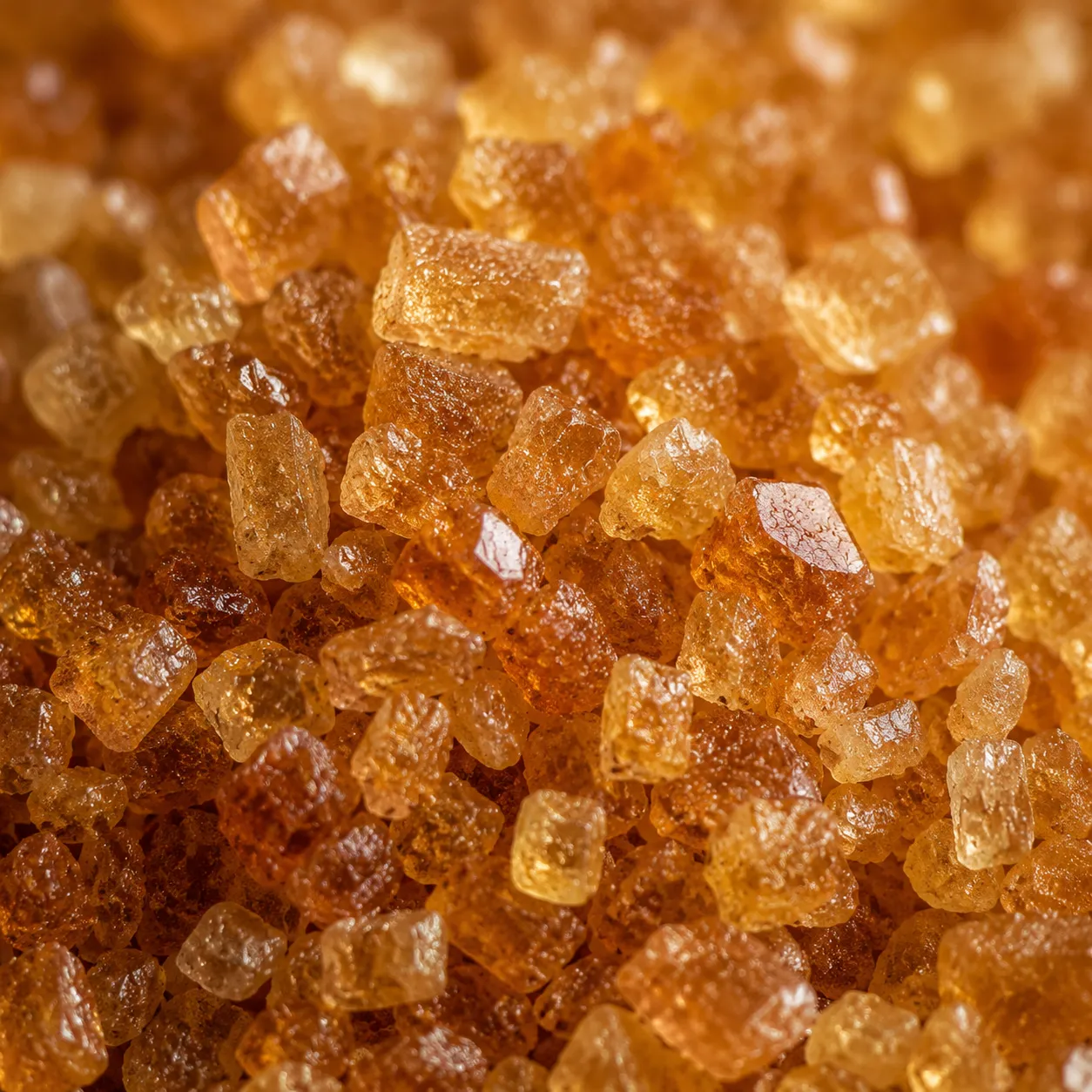
Look closely and you’ll see that Demerara crystals are not tiny and uniform like white sugar. They are coarse, angular, and translucent, ranging from honey-gold to light amber. On the tongue, they have a clean sweetness first, followed by a gentle toffee note and a faint mineral edge from molasses. That texture is the big draw: it gives scones, quick breads, crumbles, brûléed desserts, and oatmeal a crisp finish that regular sugar simply cannot match.
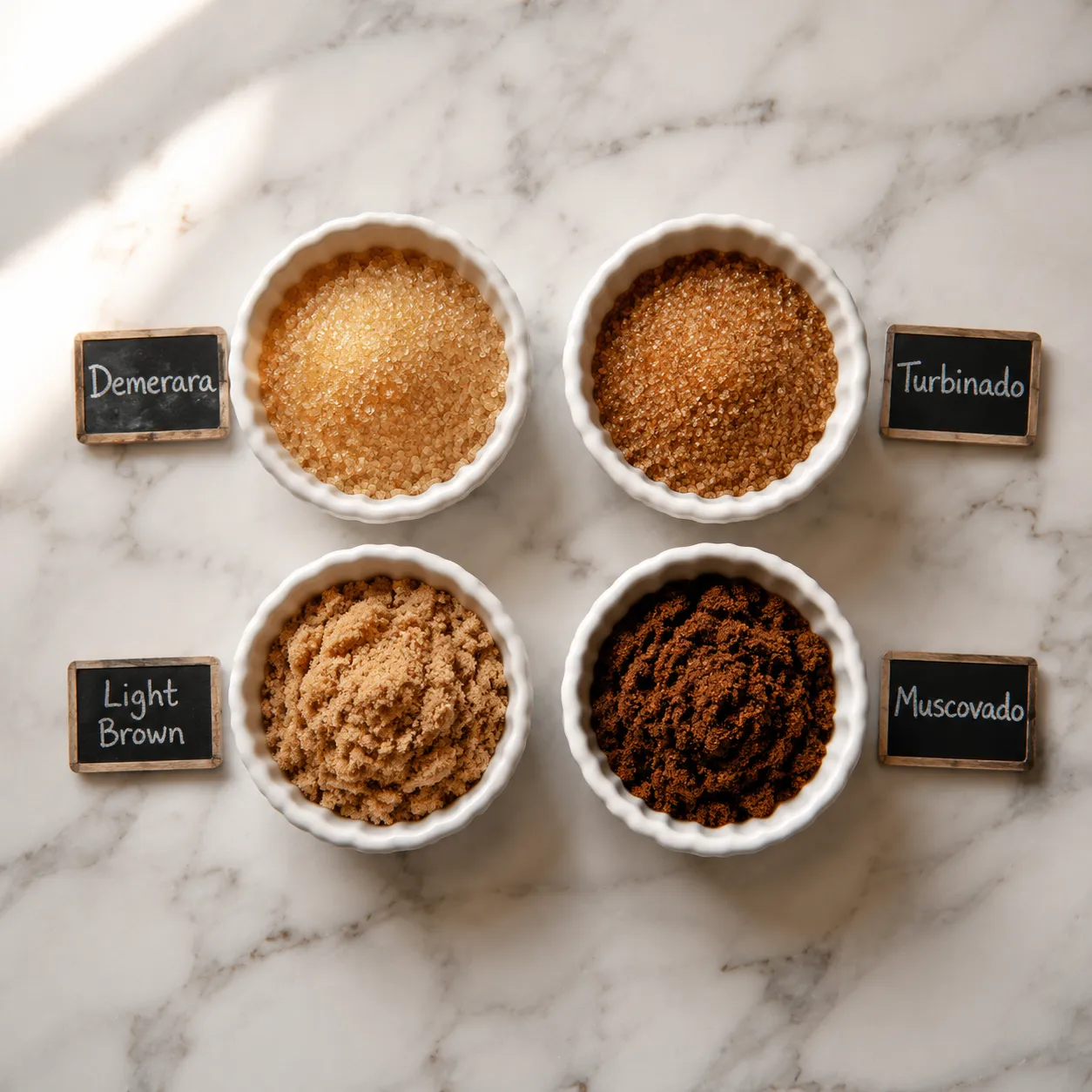
Specialty sugars can feel confusing because many of them are tan, cane-based, and marketed with words like raw, natural, or unrefined. The easiest way to understand them is to think about crystal size, moisture, and molasses intensity. Demerara is large-crystal and dry; turbinado is usually a bit finer and lighter; muscovado is moist, dark, and sticky; and conventional brown sugar is refined white sugar blended with molasses. Once you know those differences, choosing the right one becomes much simpler.
turbinado sugar is probably the closest everyday swap. It is also a raw-style cane sugar with a pale amber color, but the crystals are generally smaller and the flavor is a little milder. If Demerara is crunchy toffee, turbinado is light caramel. You can use either one to finish muffins, sweeten coffee, or make syrups, though Demerara tends to give a more dramatic sparkle and deeper flavor.
muscovado sugar is much darker, wetter, and more intense. It contains more molasses, so it packs into a measuring cup like damp sand and brings deep notes of licorice, treacle, and burnt caramel. It is beautiful in gingerbread, barbecue sauce, sticky puddings, and rich chocolate desserts, but it is not the same textural experience. Where Demerara adds crunch and sparkle, muscovado melts into a recipe and changes its moisture level.
light brown sugar and dark brown sugar are made by adding molasses back to refined white sugar, which creates a soft, scoopable ingredient that dissolves easily. Brown sugar is the better choice when you need tenderness, chew, and moisture, especially in cookies and cakes. Demerara, by contrast, is drier and coarser, so it may not cream into butter as smoothly or dissolve completely in a delicate batter. If you substitute it, expect more crunch and slightly less moisture.
Demerara: large crystals, dry texture, light molasses, crunchy finish. Turbinado: medium crystals, dry texture, mild caramel, easy 1:1 topping swap. Muscovado: fine crystals, moist texture, bold molasses, best for deeply flavored bakes. Brown sugar: soft texture, added molasses, great moisture, ideal for chewy cookies and tender cakes. Keep this in mind and you’ll always know whether you are choosing for crunch, flavor, moisture, or all three.
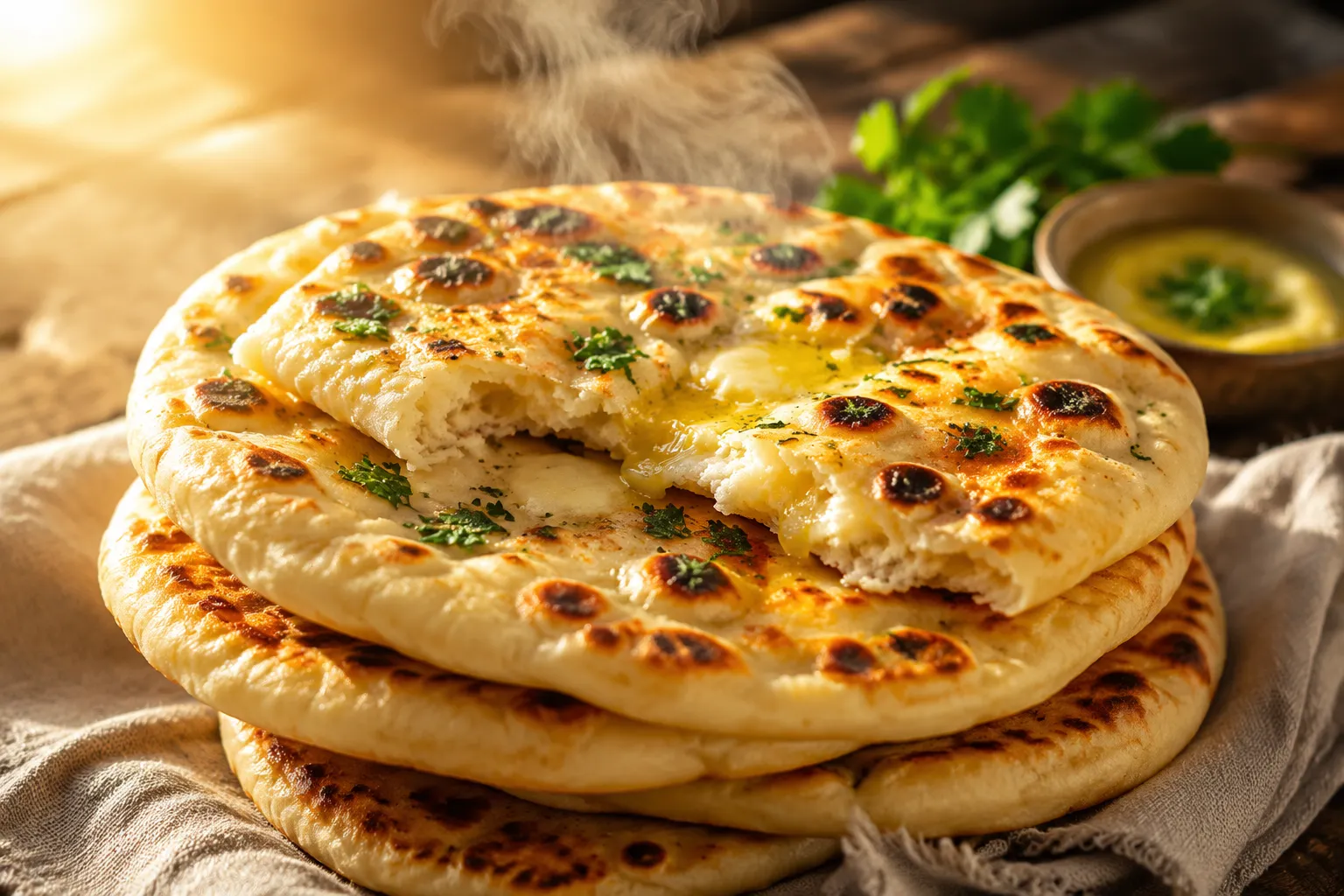
The most joyful use for Demerara is as a finishing sugar. Sprinkle it over unbaked muffins, blueberry scones, banana bread, pie crust, galettes, shortbread, or sugar cookies just before baking. The large crystals hold their shape in the oven, creating a bakery-style crunch and a glossy, lightly caramelized top. It is one of those tiny finishing touches that makes home baking look and taste special with almost no extra effort.
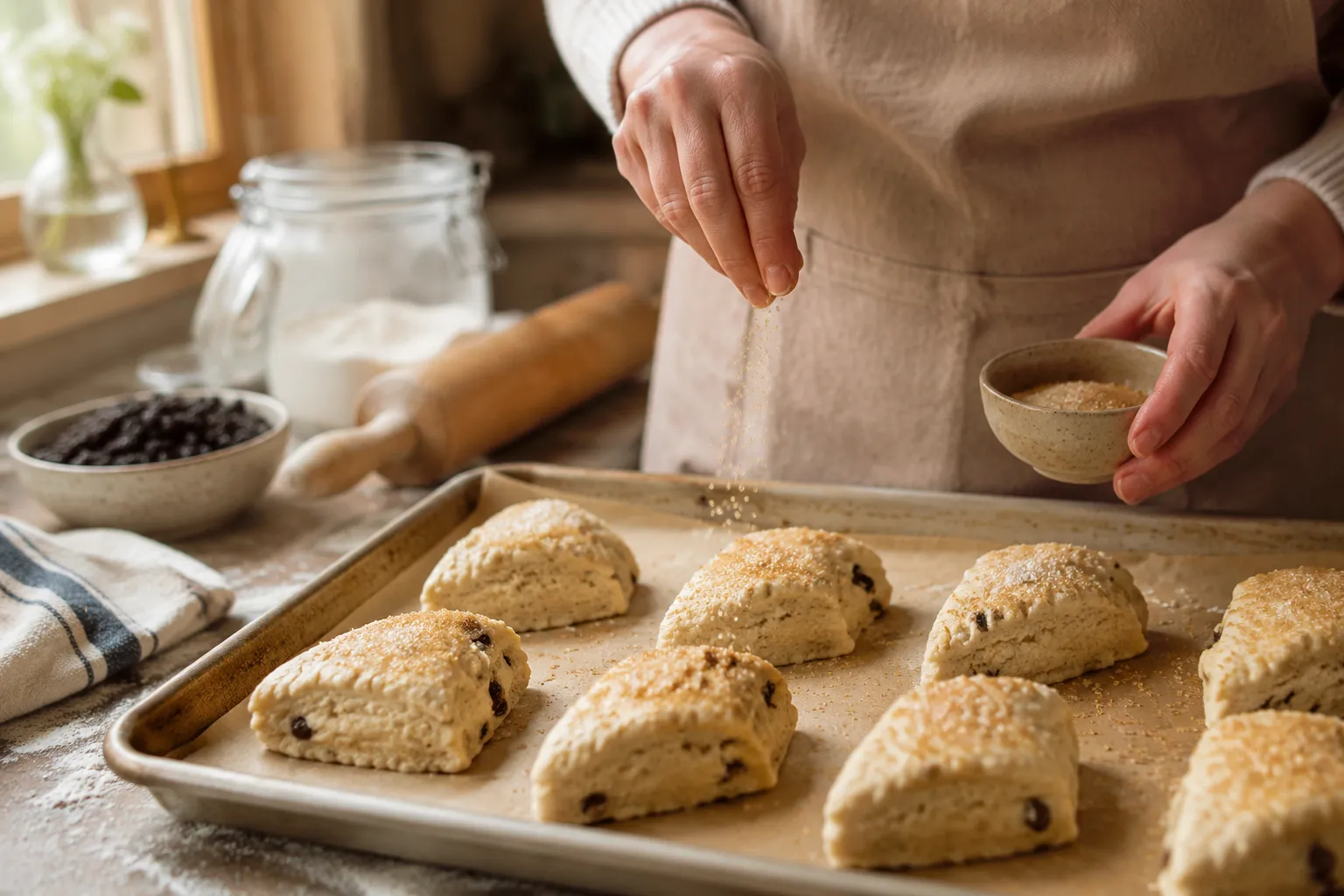
For baked goods, think of Demerara like edible sparkle with flavor. A teaspoon or two scattered over each muffin pan or a generous shower over cream scones gives you that irresistible crackle when you bite in. It also works well on fruit crisps, where the crystals mingle with oats and butter for a craggy, caramelized topping. If the surface of the dough is dry, brush it lightly with milk, cream, or egg wash first so the crystals cling.
Demerara dissolves more slowly than granulated sugar because the crystals are larger, but that is part of its charm in hot drinks. Stir a small spoonful into black coffee, chai, strong breakfast tea, or a café au lait, and you’ll get a rounder, warmer sweetness. For cold drinks, turn it into syrup first so it blends smoothly into iced tea, cold brew, lemonade, whiskey sours, or rum cocktails. If you already love homemade simple syrup, the Demerara version tastes deeper and more café-worthy.
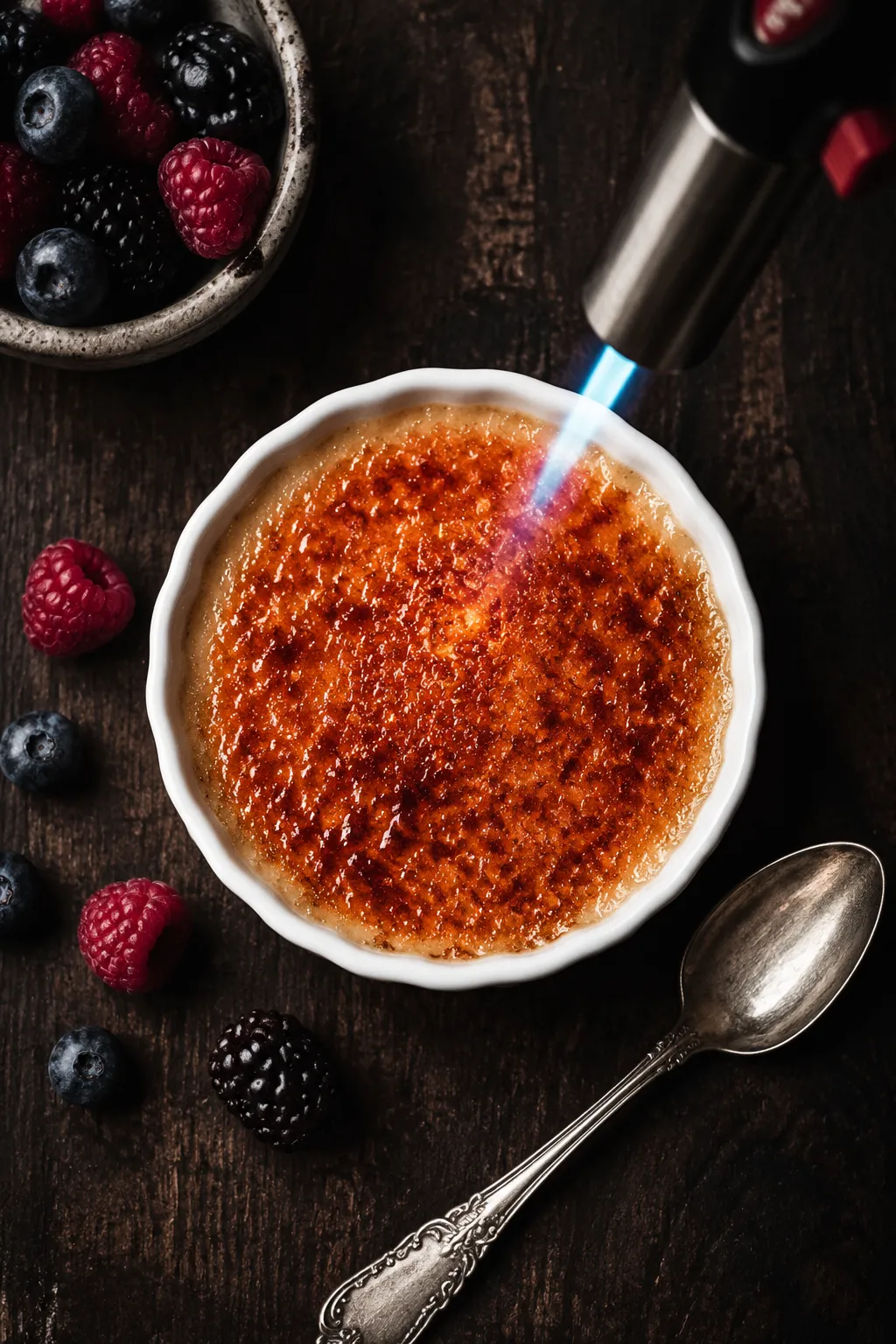
This sugar is excellent anywhere you want a thin, crisp top layer. Sprinkle it over crème brûlée before torching, over broiled grapefruit, or over a bowl of creamy oatmeal before hitting it with a kitchen torch for a brûléed breakfast moment. It caramelizes into a glassy crust with more flavor than white sugar, especially when paired with vanilla, citrus, cinnamon, or espresso. The result is dramatic but still easy enough for a Tuesday morning.
Demerara is not just for sweet recipes. Its warm caramel note works beautifully in spice rubs for pork, chicken, salmon, and roasted sweet potatoes. Stir it into soy sauce, mustard, cider vinegar, or citrus juice for a quick glaze, where the crystals dissolve and help the sauce become glossy. It is also lovely in barbecue-style marinades, especially when you want sweetness without the extra moisture of soft brown sugar.
Yes, you can bake with Demerara, but it helps to understand when it is acting as a topping and when it is acting as a structural ingredient. As a topping, it is nearly foolproof. In a batter or dough, it behaves differently from fine white sugar because it dissolves more slowly and brings a slightly coarser texture. That can be wonderful in rustic bakes but less ideal in delicate cakes.
Use a 1:1 swap in recipes where a little texture and caramel flavor are welcome. Think oatmeal cookies, crumbles, granola, fruit bars, quick breads, spice muffins, and hearty loaf cakes. In these recipes, the larger crystals add character without ruining the crumb. You can also use it in pie fillings, where the sugar has time to dissolve into fruit juices as the filling bakes.
Skip the full swap in recipes where sugar needs to dissolve completely or create a very fine texture. Angel food cake, meringue, delicate sponge cake, Swiss buttercream, and silky custards are usually happier with superfine or granulated sugar. Demerara can leave tiny crunchy pockets in batters that do not bake long enough or contain enough moisture. In those cases, save it for the top rather than the inside.
If you want to use it inside a dough, give the mixture time to hydrate. Let cookie dough rest for 20 to 30 minutes before baking, or pulse the sugar briefly in a food processor if you want a finer texture while keeping the flavor. For creaming butter and sugar, expect the mixture to look a bit grainier than usual. That is normal, but it is also a cue to use this sugar intentionally rather than automatically.
If your recipe calls for Demerara and your pantry says otherwise, you still have options. The best substitute depends on whether you need crunch, color, moisture, or molasses flavor. For topping baked goods, choose another coarse dry sugar; for baking into dough, choose based on moisture and sweetness. If you are trying to replace the flavor of molasses itself, a dedicated molasses substitute may be more helpful than switching sugars.
Turbinado is the closest and easiest replacement. Use it 1:1 for sprinkling on muffins, sweetening hot drinks, making syrup, or adding a little texture to cookies. The crystals may be slightly smaller and the flavor a touch lighter, but most people will not notice unless the sugars are side by side. If a coffee shop-style raw sugar packet is what you have, it will usually work.
Use light brown sugar when you need sweetness and a hint of molasses but do not care about crunch. It is softer and moister, so it will make cookies and cakes slightly more tender and chewy. For toppings, it will melt more quickly and will not create the same sparkling crust. Pack it when measuring if the recipe specifically calls for packed brown sugar; otherwise, use a gentle 1:1 swap by volume.
raw cane sugar, including brands often labeled Sugar in the Raw, is another good everyday option. Depending on the brand, it may be similar to turbinado, with light golden crystals and mild caramel notes. It is especially useful for coffee, tea, oatmeal, fruit crisps, and simple syrups. If the crystals look smaller than Demerara, you may get a slightly less crunchy finish, but the flavor will still land in the same neighborhood.
Choose muscovado only when you want a darker, richer result. It brings far more molasses intensity and moisture, so it can change the texture of cookies, cakes, and sauces. In spice-heavy recipes, that deeper flavor can be a gift; in delicate recipes, it can overwhelm. If you use it as a swap, loosen clumps with your fingers and measure carefully so you do not accidentally add too much.
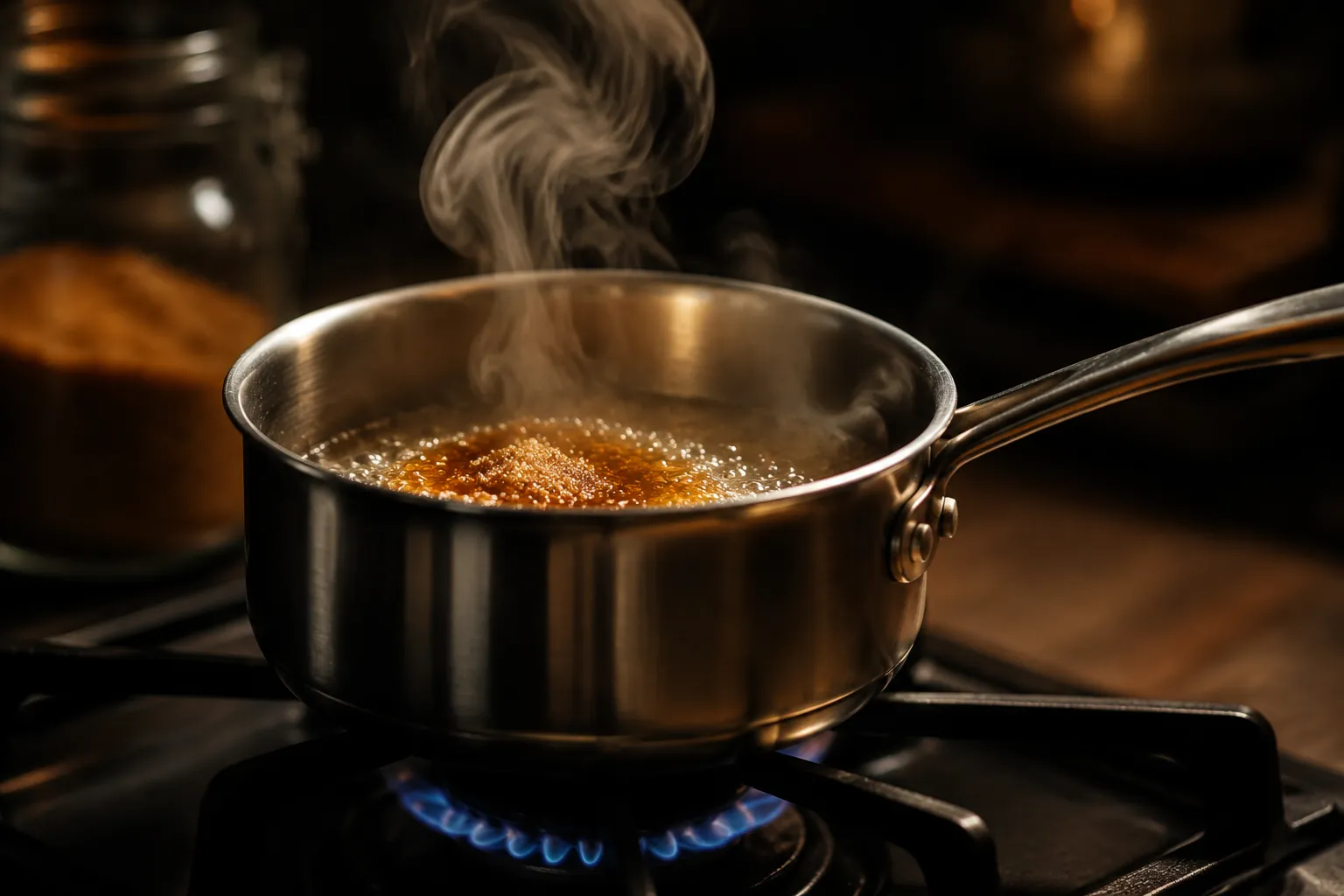
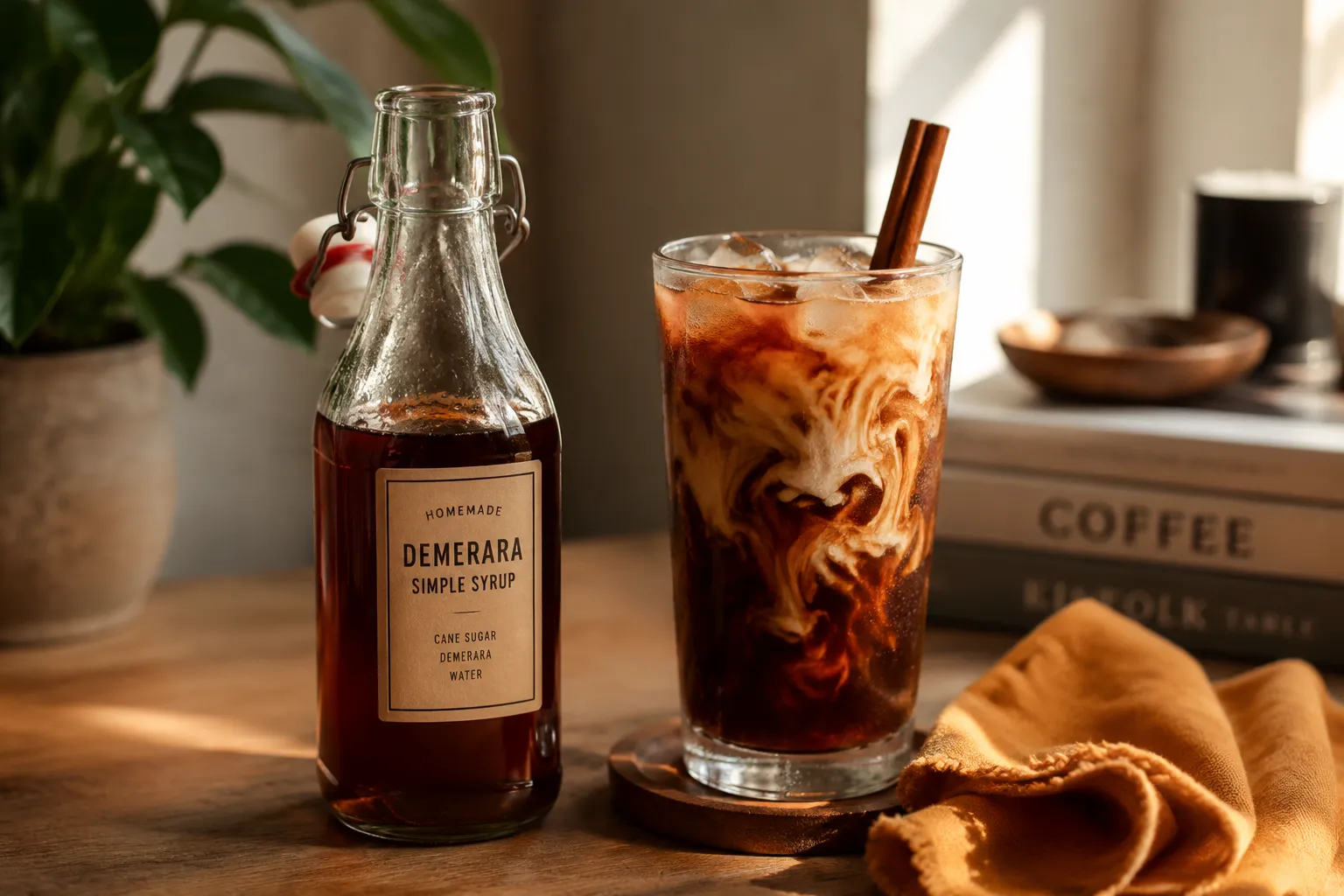
The simplest, most useful way to get to know this sugar is to make a syrup. Equal parts sugar and water melt into a clear amber liquid with the soft aroma of caramel, vanilla, and toasted cane. It takes about 10 minutes, keeps well in the refrigerator, and instantly upgrades iced coffee, hot coffee, black tea, lemonade, old fashioneds, daiquiris, and sparkling mocktails. Add vanilla or a cinnamon stick if you want a syrup that leans cozy and dessert-like.
You need 1 cup of Demerara, 1 cup of water, and a small saucepan. A heatproof spatula or spoon is helpful for stirring, and a clean glass jar or bottle makes storage easy. Vanilla extract is optional, but it rounds out the caramel flavor beautifully. A cinnamon stick is also lovely if you plan to use the syrup in coffee, chai, bourbon drinks, or fall baking projects.
Combine the sugar and water in the saucepan and warm them gently over medium heat. Stir until the crystals dissolve completely and the liquid looks clear and amber, then remove it from the heat rather than boiling it aggressively. If you are adding cinnamon, let it steep while the syrup cools; if you are adding vanilla, stir it in off the heat. Once cool, transfer the syrup to a clean jar and chill.
Use the syrup anywhere you want sweetness that blends instantly. Stir a tablespoon into iced coffee, drizzle a little over Greek yogurt, shake it into cocktails, or brush it over warm cake layers to keep them moist. It is also wonderful in whipped cream, where it gives a subtle caramel edge without grittiness. For a coffee-bar moment at home, keep a small bottle in the fridge next to your cold brew.

Demerara is one of those pantry ingredients that feels fancy but earns its shelf space quickly. Once you start sprinkling it on scones, stirring it into coffee, or turning it into syrup, you’ll see how much difference a little texture and flavor can make. It is not meant to replace every sugar in your kitchen, but it is perfect when you want crunch, sparkle, and a warm cane-sugar finish. Keep a jar handy, and ordinary breakfasts and bakes suddenly feel a little more intentional.