Pumpkin Pie Spice Recipe: Easy Homemade Blend in 5 Minutes
Ingredients
Scale
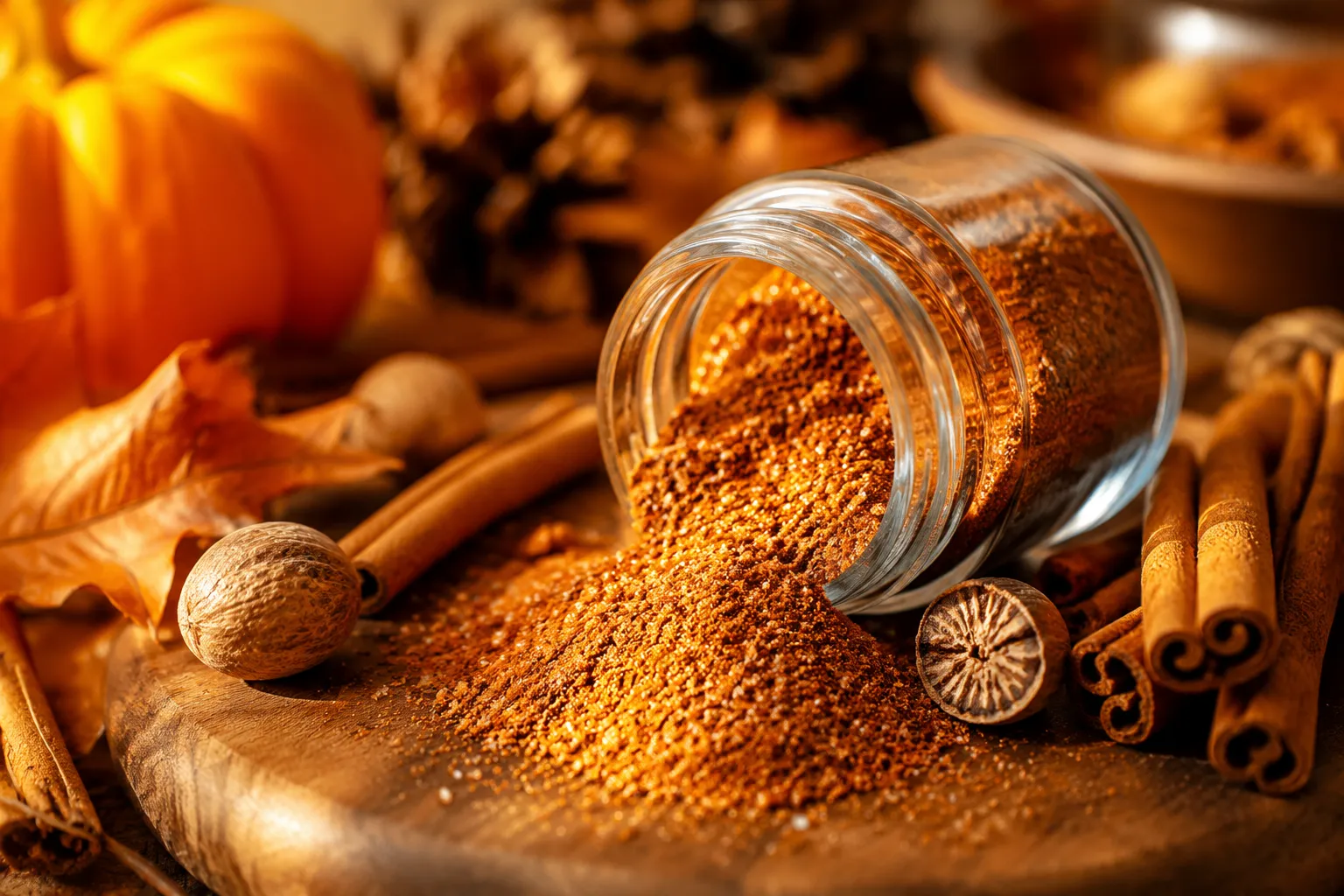
Skip the overpriced jar. This homemade pumpkin pie spice recipe whisks together in 5 minutes using warm pantry staples you already have on hand.
This pumpkin pie spice recipe whisks together five warm pantry staples in about five minutes flat, and once you make it from scratch you'll never spend seven dollars on a tiny jar again. Most store-bought blends are fine in a pinch, but the cinnamon dulls quickly in those little tins, and the commercial versions tend to lean heavy on cloves to mask older spices. A homemade version lets you tilt the ratio toward your own taste, more ginger if you like a little bite, lighter on the nutmeg if you find it overwhelming, a touch more cinnamon if you're a cozy-bake devotee.
I started mixing my own a few years back when I realized I was buying pumpkin pie spice every October, using two teaspoons in November, then watching it lose all its perfume by the following fall. Now I whisk up a small batch every September with whatever's freshest in the cabinet, and it goes into everything from Monday morning oatmeal to a Sunday-afternoon homemade pumpkin pie. It's the kind of tiny kitchen project that pays for itself the first time you use it, and it makes the whole pantry smell like a bakery for a solid hour afterward.
The blend below is my house ratio, cinnamon-forward, generously gingered, balanced with just enough clove to feel like fall without overpowering anything you stir it into. Whisk it once, store it right, and you've got the backbone of every fall baking session from Labor Day through New Year's.
Five ground spices, that's it. The pumpkin spice ingredients here are pantry classics: ground cinnamon, ground ginger, ground nutmeg, ground allspice, and ground cloves. Cinnamon does most of the heavy lifting, ginger adds warmth and a little sharpness, nutmeg brings creamy nutty roundness, allspice fills the middle with peppery sweetness, and cloves anchor everything with depth. Skip any one and the blend tastes flat, these five are the canon for a reason.
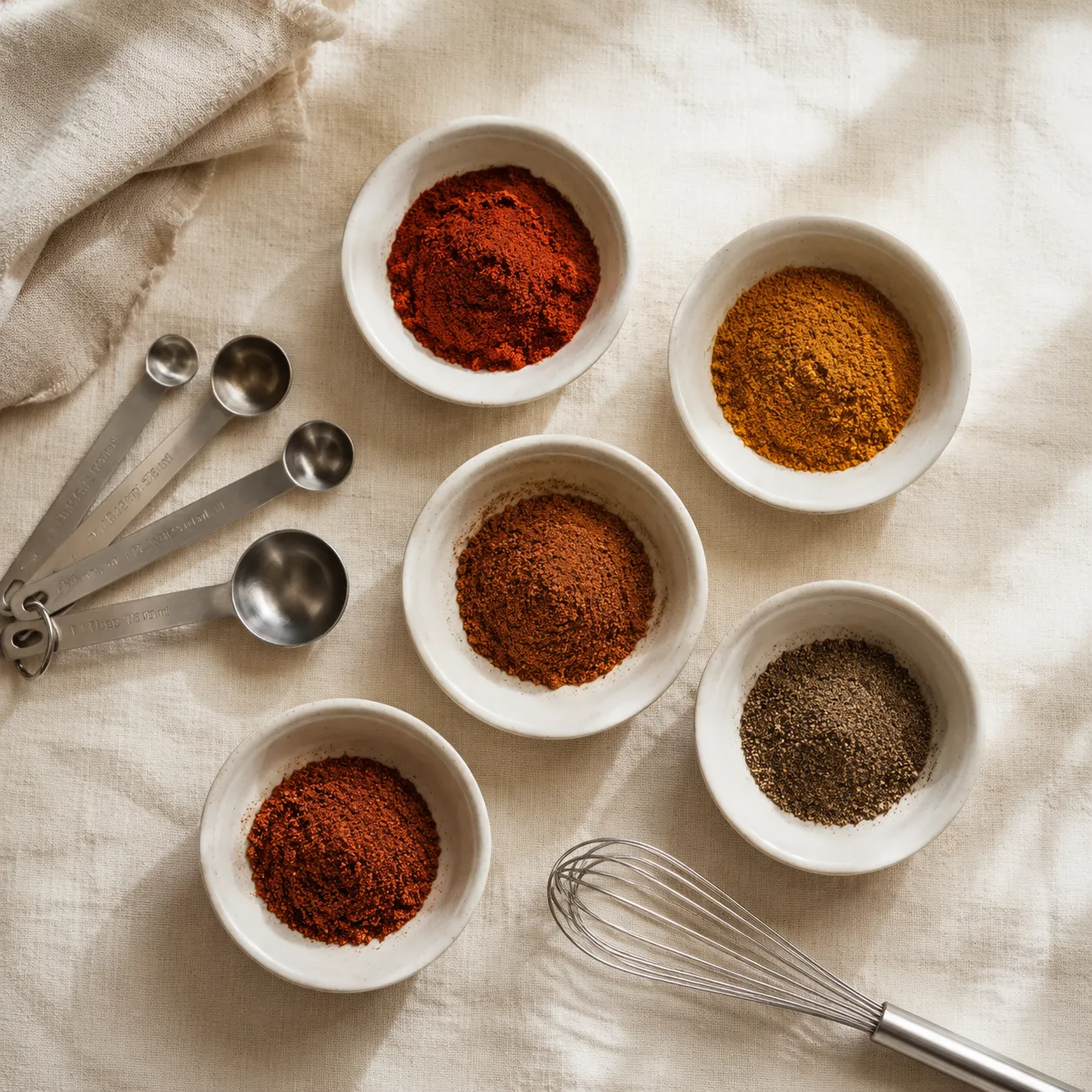
If you want to push the flavor further, a pinch of ground cardamom or a single fresh grating of nutmeg adds dimension without throwing the balance off. Some bakers also fold in a tiny crack of black pepper for a chai spice blend vibe that plays beautifully in lattes and morning buns. Whatever you add, keep it under a quarter teaspoon per batch so the core profile stays recognizably pumpkin pie spice and not something else entirely.
Spice freshness matters more than most people realize. Ground spices keep their full punch for about six months, after that, they fade fast and your pies pay the price. Open each jar before you measure: cinnamon should smell sweet and almost hot, ginger should bite the back of your nose, cloves should make your eyes water just a little. If anything smells like dusty cardboard, replace it before you mix this pumpkin pie spice recipe, there's no rescuing a blend made with tired spices.
Most blends online give you a basic 4-spice version (cinnamon, ginger, nutmeg, cloves) and call it a day. The problem is that without allspice, the middle of the flavor profile is hollow, you taste the bright top notes of cinnamon and ginger, then the dark bottom note of clove, with nothing connecting them. Allspice acts like glue, pulling the whole thing together with a peppery, slightly sweet warmth that's its own thing entirely (despite the name, it isn't a premixed combination of other spices).
The 3:2:2:1.5:1.5 ratio gives cinnamon roughly half the blend by volume, which keeps the flavor familiar and friendly to anyone who grew up on grandma's pie. Ginger and nutmeg share second billing because they each bring a different kind of warmth, one sharp, one round, and you want both. Allspice and cloves are the smallest amounts because they're the most assertive; a little goes a long way. Tweak from this baseline once you've used it a few times, but if it's your first batch, mix it as written and see what you think.
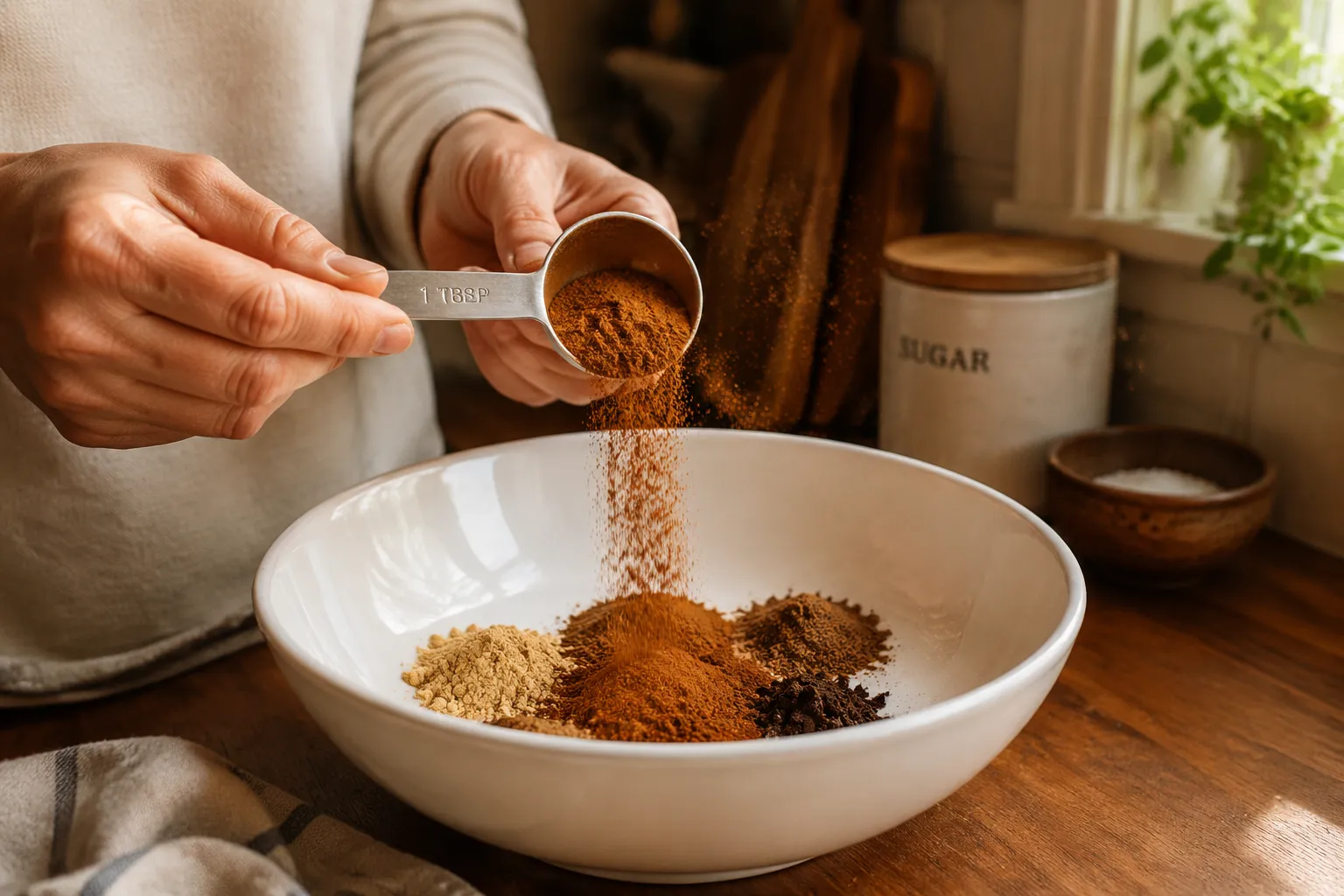
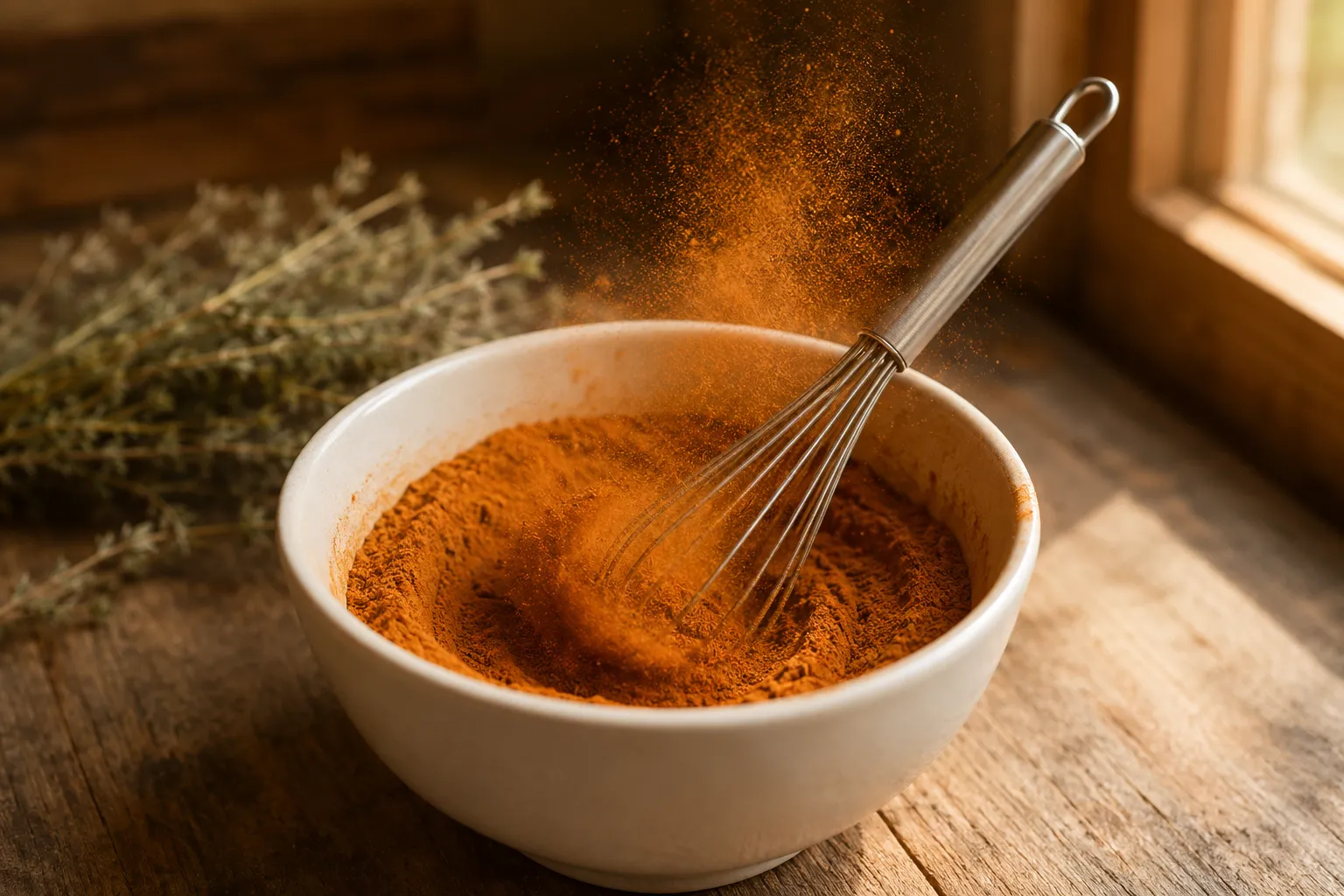
The method is almost embarrassingly simple, but a few small moves make a real difference between a flat mix and one that smells alive every time you crack the jar. Start with a clean, dry mixing bowl, any moisture will clump the powders and shorten the shelf life. Measure each spice level (not heaping), pour them all into the bowl, and whisk for a full thirty seconds until the color is uniform deep amber with no streaks of lighter ginger or darker clove peeking through.
If you want to take this from "good" to genuinely transcendent, toast whole spices before grinding. Lightly toast a few cinnamon sticks, whole cloves, and allspice berries in a dry skillet for two minutes until fragrant, then grind them in a spice mill or a clean coffee grinder. The aromatic oils wake up and the finished blend smells the way an old-school bakery does on the morning of Thanksgiving.
Use the recipe card below for exact measurements: 3 tablespoons cinnamon, 2 teaspoons each ginger and nutmeg, 1½ teaspoons each allspice and cloves. That ratio yields just under 3 tablespoons of finished spice, which sounds tiny but is enough for two pies, a batch of muffins, and a few rounds of pumpkin spice latte without running out before Thanksgiving rolls around.
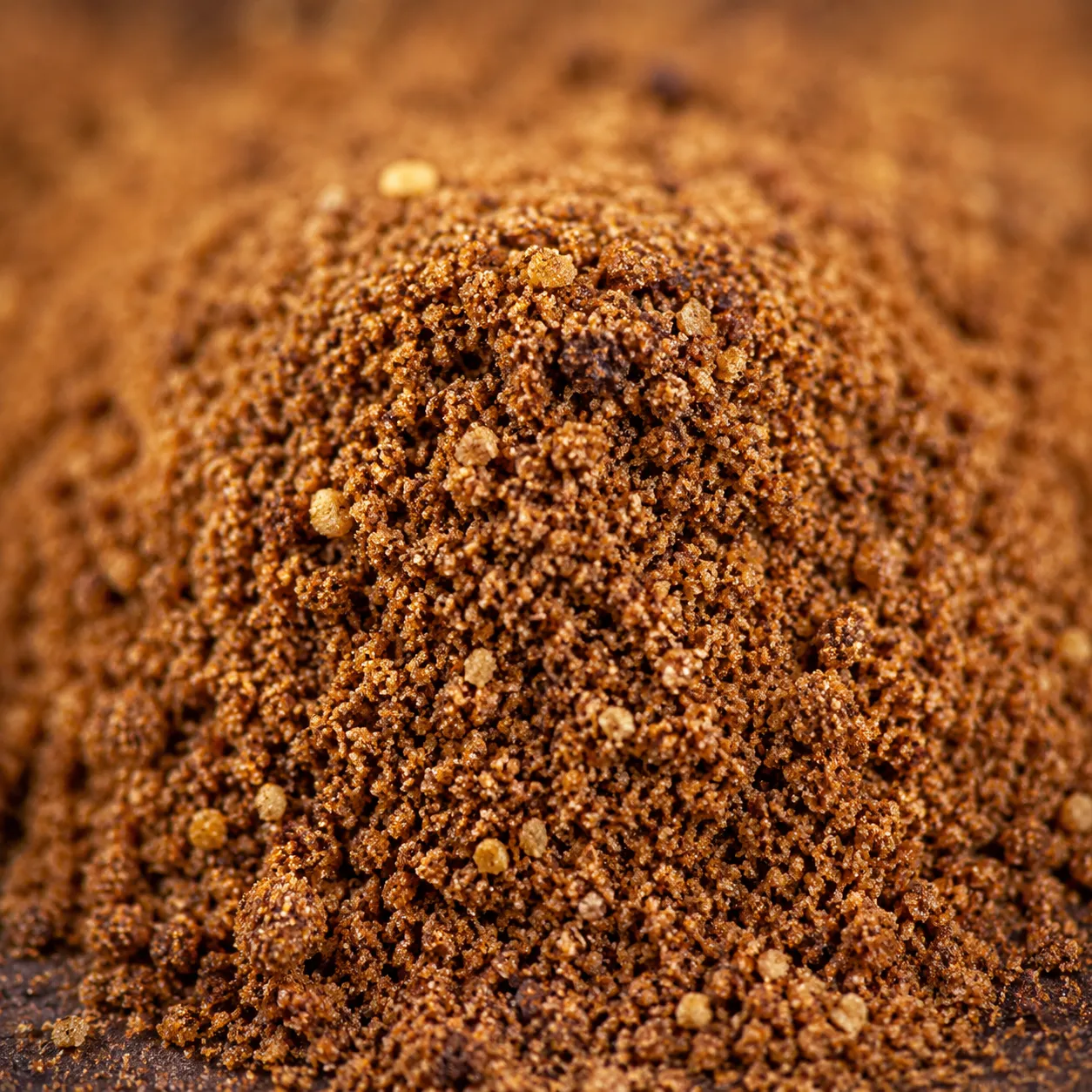
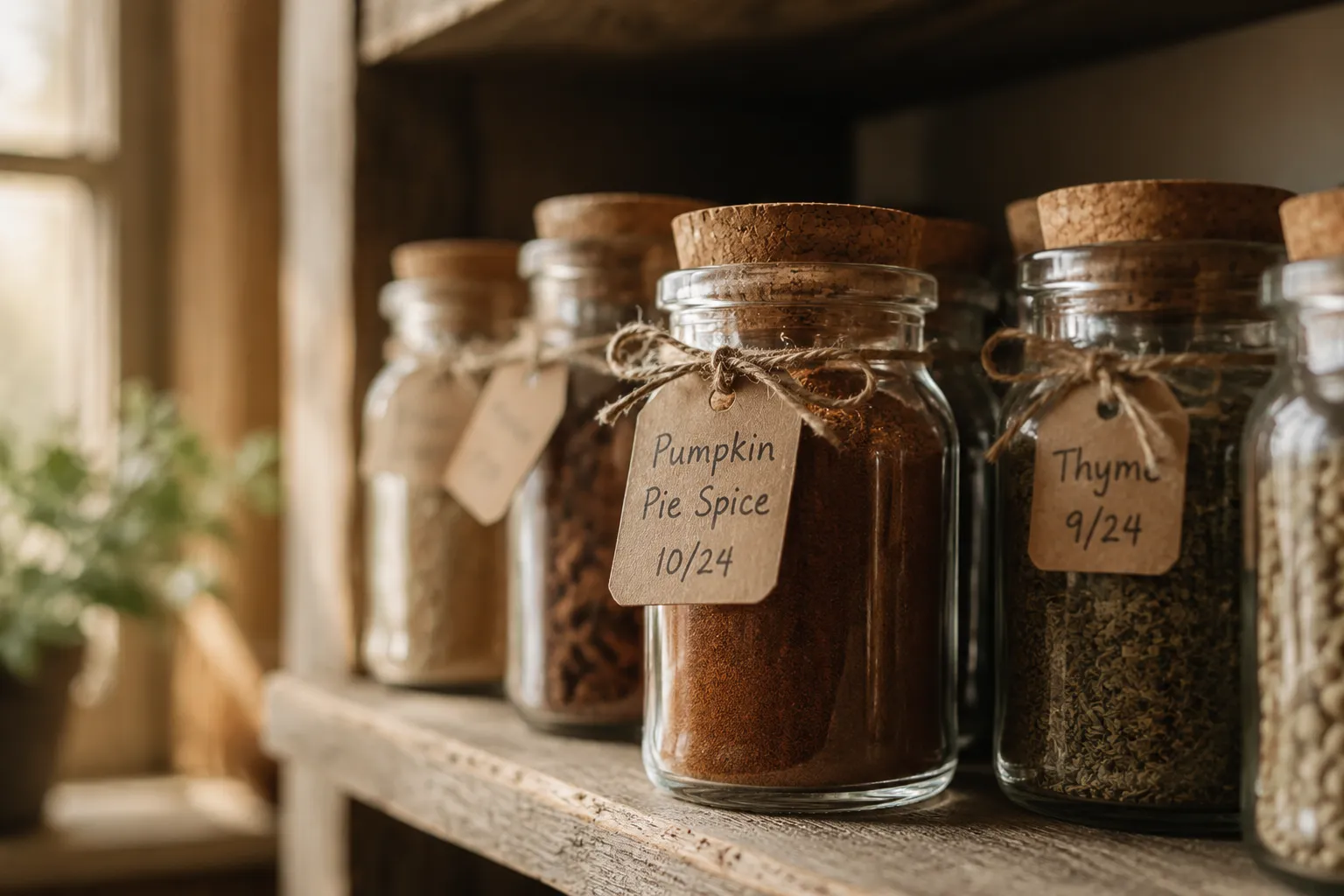
Once it's whisked uniform, transfer the blend to a small airtight glass jar, a 4-ounce mason jar with a tight lid is perfect. Label it with the date so you know when to retire the jar, and tuck it in a dark cabinet away from the stove where the temperature stays even.
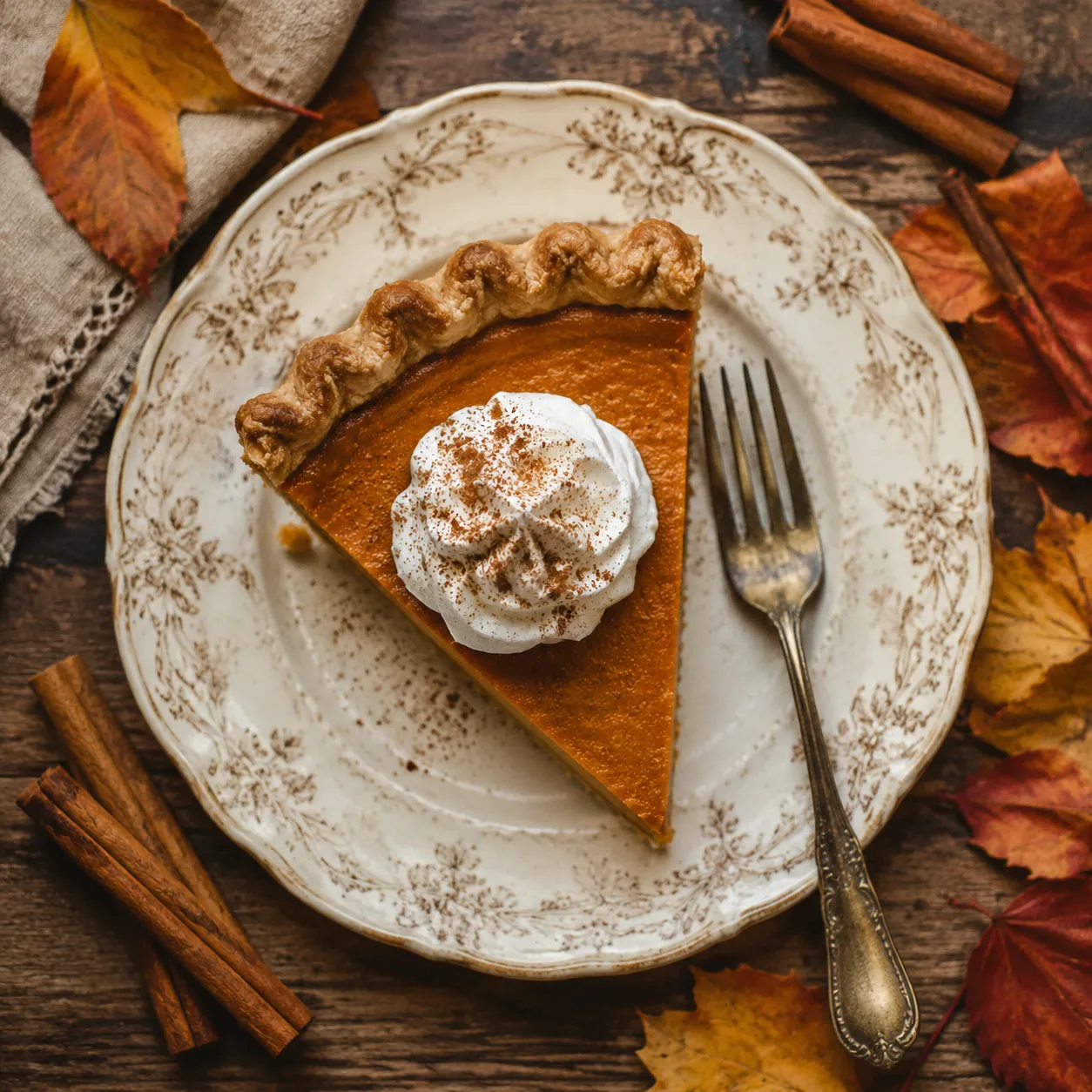
Once you have a fresh jar, the question becomes where to start. The obvious answer is a pumpkin pie recipe with fresh pumpkin, 2 to 3 teaspoons per 9-inch pie is the sweet spot, with the higher end being right when you're working with fresh pumpkin puree from a sugar pumpkin instead of canned. Fresh pumpkin tends to be milder and a touch more watery than canned, so the spice has more room to assert itself, and the finished pie tastes deeper and more layered than anything from a can.
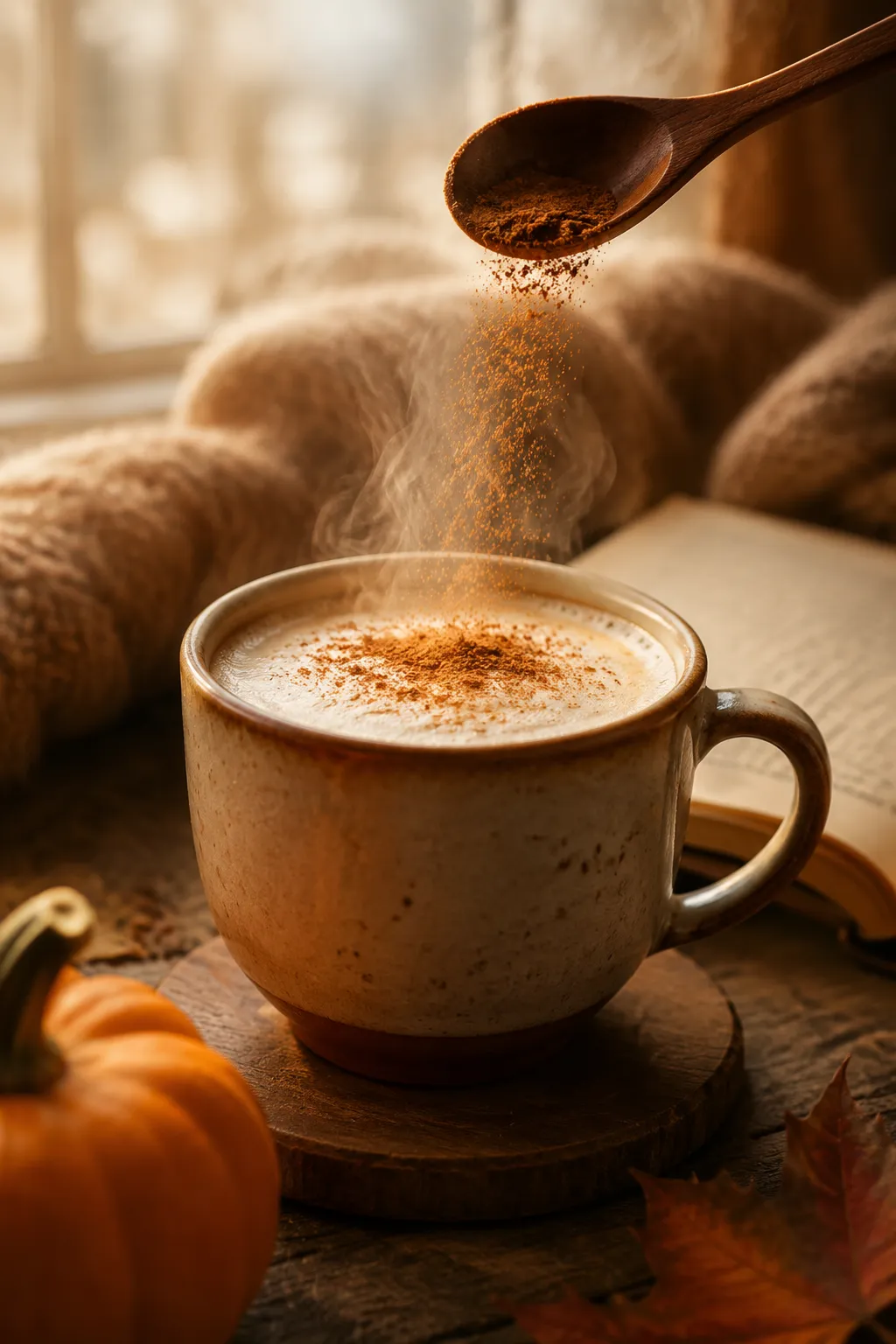
Beyond pie, this is the blend that turns a regular cup of coffee into a real pumpkin spice latte at home. Stir half a teaspoon into strong coffee with steamed milk and a little maple syrup, that's it, no flavored syrup pump or seasonal markup required. Sprinkle a pinch over hot cocoa or a warm oat milk drink and you've got a quick fall riff without buying yet another jar of something you'll forget about by spring.
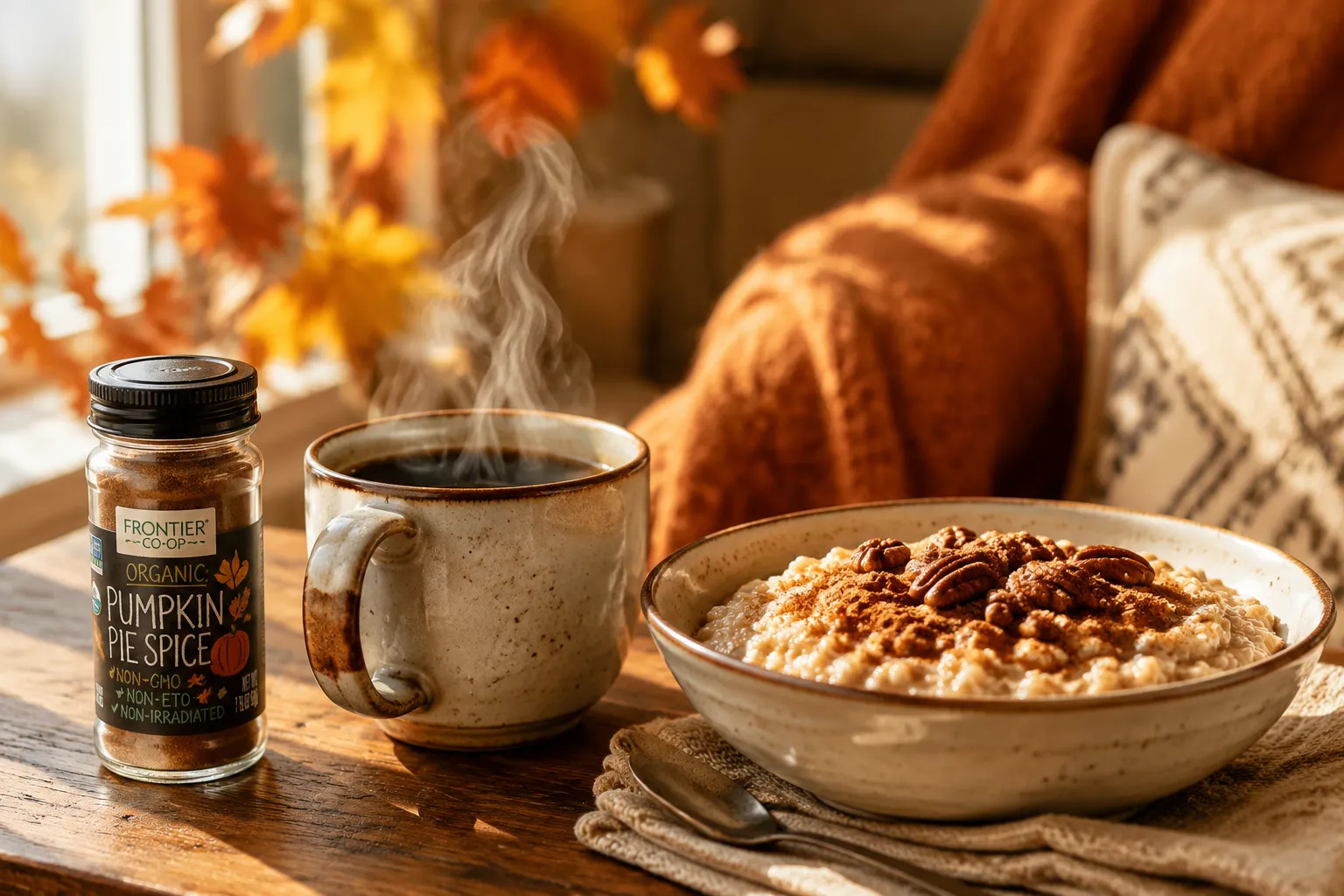
In the morning, dust this pumpkin pie spice recipe over oatmeal with toasted pecans and maple syrup, fold a teaspoon into pancake or waffle batter, or stir it into Greek yogurt with honey and a handful of granola. It belongs in banana bread, baked apples, crumb toppings, and quick breads, basically anywhere you'd reach for plain cinnamon, this gives you a deeper, more interesting answer. It's earned its place among my fall baking essentials right next to vanilla extract and good unsalted butter.
For the savory side of things, sprinkle the blend on roasted butternut squash, sweet potatoes, or carrots before they go in the oven, a teaspoon tossed with olive oil, salt, and a drizzle of maple syrup turns a sheet-pan side dish into something that tastes intentional. It's also surprisingly fantastic stirred into a pot of chili with a touch of cocoa powder, and it makes a great rub for pork tenderloin alongside a little brown sugar. If you happen to have a jar of apple pie spice on the shelf already, you can blend the two in equal parts for a deeper fall fruit crisp that splits the difference between the two seasons.
The pumpkin pie spice recipe above is my baseline, but the whole point of mixing your own is making it taste exactly the way you want. If you grew up on a clove-heavy version, bump the cloves to 2 teaspoons. If you love a gingery cookie, push the ginger to a full tablespoon. The first batch is a starting point, taste a tiny pinch on the tip of a spoon, adjust, and write your final ratio inside the cabinet door. By the time you get to your third batch, you'll have a personal pumpkin pie spice recipe that's better than anything in the baking aisle, and your kitchen will smell exactly like fall every single time you open the jar.
This blend is endlessly tweakable, so consider the recipe above a starting point rather than a strict rule. Once you've made it once, play with the ratio to match the kinds of recipes you actually bake most.
Store your finished blend in a small airtight glass jar, a 4-ounce mason jar or a recycled spice container both work well. Keep it in a cool, dark cabinet away from the stove and any direct sunlight, since heat and light degrade the essential oils that give ground spices their punch. A pantry shelf or a dedicated spice drawer is ideal; the cabinet directly above the range is the worst spot you can pick.
For best flavor, use the blend within 6 months. After that it's still safe, but the cinnamon will fade noticeably and the ginger will lose its bite. To check freshness, open the jar and take a deep sniff, if it smells sweet, warm, and immediately makes you think of pie, it's still good. If it smells faintly like cardboard or sawdust, mix a fresh batch. You can also freeze the jar for slightly longer storage (up to a year), which slows the volatile oils from breaking down, though the convenience of mixing a small batch every fall usually makes that step unnecessary.