Spaghetti Marrow Recipes: 7 Easy Ways to Cook It Right
Ingredients
Scale
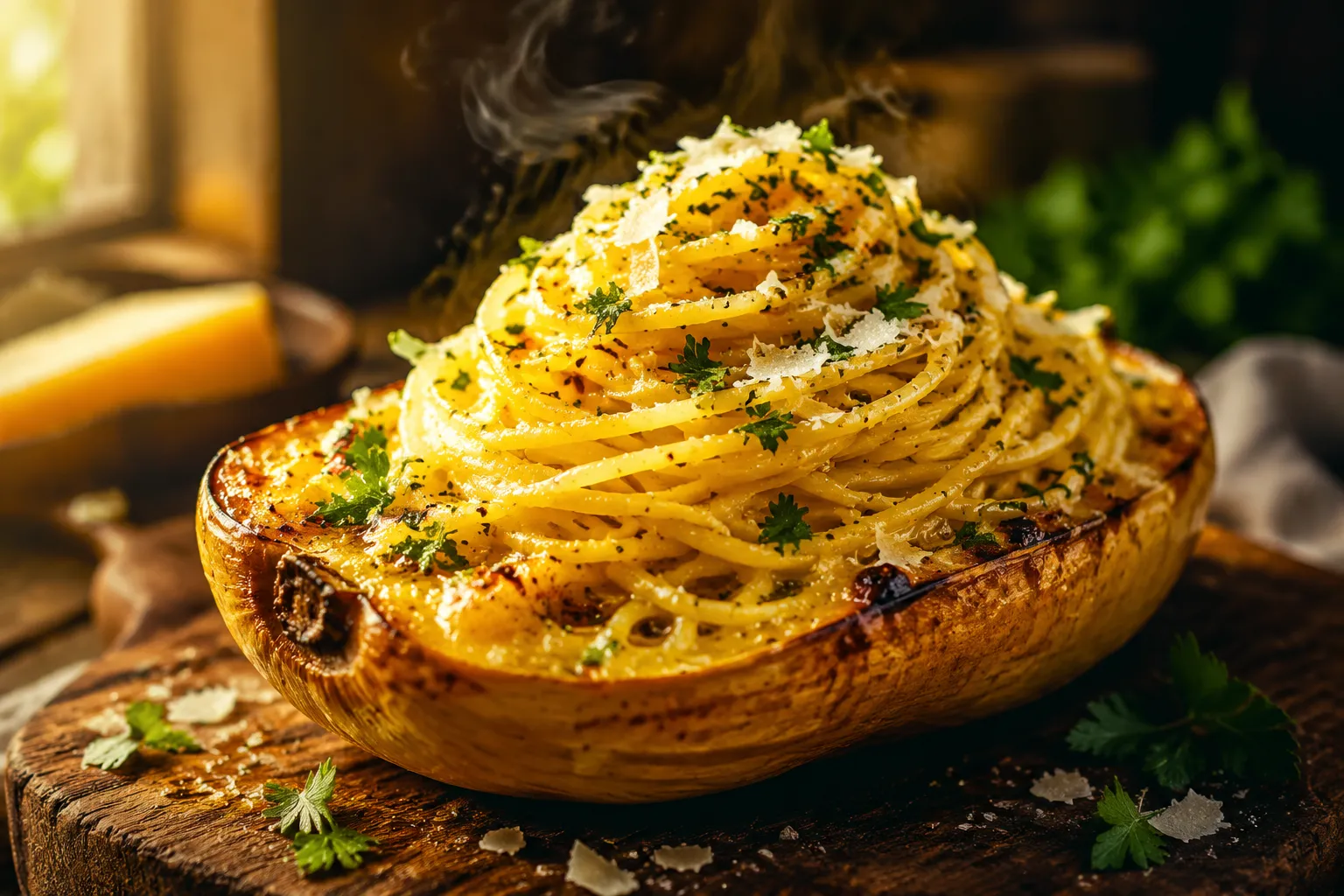
Spaghetti marrow, known stateside as spaghetti squash, twirls into tender, noodle-like strands when roasted. Here are the easiest, tastiest ways to cook it.
When the crisp autumn air rolls in and the craving for hearty, comforting meals hits, there is nothing quite as magical as a warm bowl of pasta. But if you are leaning into a lighter, veggie-forward lifestyle, finding the right spaghetti marrow recipes can completely transform your weeknight dinner routine. Known stateside as spaghetti squash, this brilliant yellow winter squash holds a delightful secret inside its tough exterior. Once cooked, its flesh pulls apart into tender, noodle-like strands that twirl beautifully on a fork.
It is the ultimate low-carb pasta alternative, offering a mild, slightly sweet flavor that acts as the perfect canvas for your favorite sauces. Whether you are an experienced home cook or someone just dipping their toes into the world of squash, mastering this ingredient is a game-changer. It bridges the gap between indulgent comfort food and nourishing, gluten-free meals.
We are going to walk through exactly how to pick, prep, and cook this versatile vegetable, along with a collection of easy vegetarian dinners and hearty meat-based options that the whole family will adore. Grab your favorite chef's knife and a sturdy cutting board, because we are about to dive into the ultimate winter squash guide.
If you have ever found yourself browsing a British food blog or watching a UK-based cooking show, you might have heard the term "spaghetti marrow" tossed around. Don't let the name confuse you! Spaghetti marrow is simply the British moniker for what we in the United States call spaghetti squash. They are the exact same oblong, bright yellow winter squash. The term "marrow" in the UK is often used to describe large, mature squashes (like overgrown zucchini), and since this particular squash yields long, stringy flesh, the name "spaghetti marrow" was born. No matter what you call it, this remarkable vegetable is a must-have in your culinary repertoire.
Unlike butternut or acorn squash, which turn creamy and mashable when roasted, spaghetti marrow has a unique structural makeup. When exposed to heat, the flesh naturally separates into long, noodle-like strands. Texturally, it retains a slight al dente bite, much like angel hair pasta, provided it isn't overcooked. Flavor-wise, it is incredibly mild with just a whisper of earthy sweetness. This neutrality is its greatest strength. Because it doesn't have a deeply overpowering squash flavor, it eagerly absorbs the savory, salty, and rich notes of whatever sauce or seasoning you pair it with. From a robust homemade marinara sauce to a delicate garlic and olive oil toss, it plays the role of pasta brilliantly.
For health-conscious eaters, swapping traditional wheat noodles for roasted spaghetti marrow is a nutritional victory. A one-cup serving contains only about 40 calories and roughly 10 grams of carbohydrates, making it a staple for anyone seeking low-carb pasta alternatives. It is naturally gluten-free and packed with essential vitamins and minerals, including vitamin C, vitamin B6, beta-carotene, and dietary fiber. This fiber content is particularly beneficial, as it promotes healthy digestion and keeps you feeling full and satisfied long after the meal is over. It is a fantastic way to sneak an extra serving of vegetables onto your plate without sacrificing the comforting experience of a big bowl of "noodles."
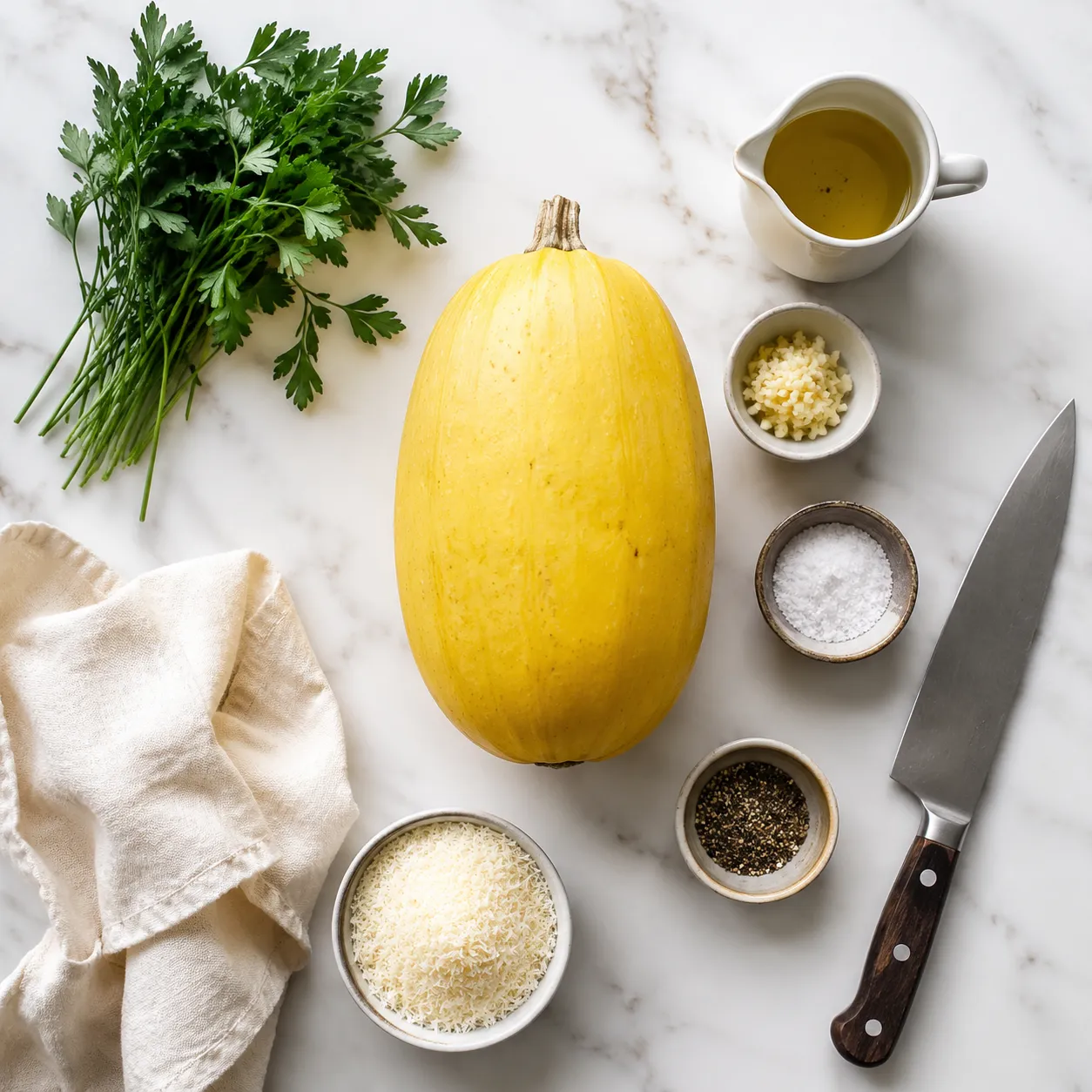
The journey to incredible meals begins right in the produce aisle. When selecting your squash, look for one that feels heavy for its size, which indicates that it is fresh and retains plenty of moisture. The rind should be a firm, solid pale to bright yellow color. Avoid any squash that has soft spots, deep blemishes, or a greenish tint, as green indicates it was picked before fully ripening. A dull, matte finish on the skin is actually a good sign of maturity, whereas a super glossy skin might mean it was harvested too early. The stem should be intact, dry, and firm.
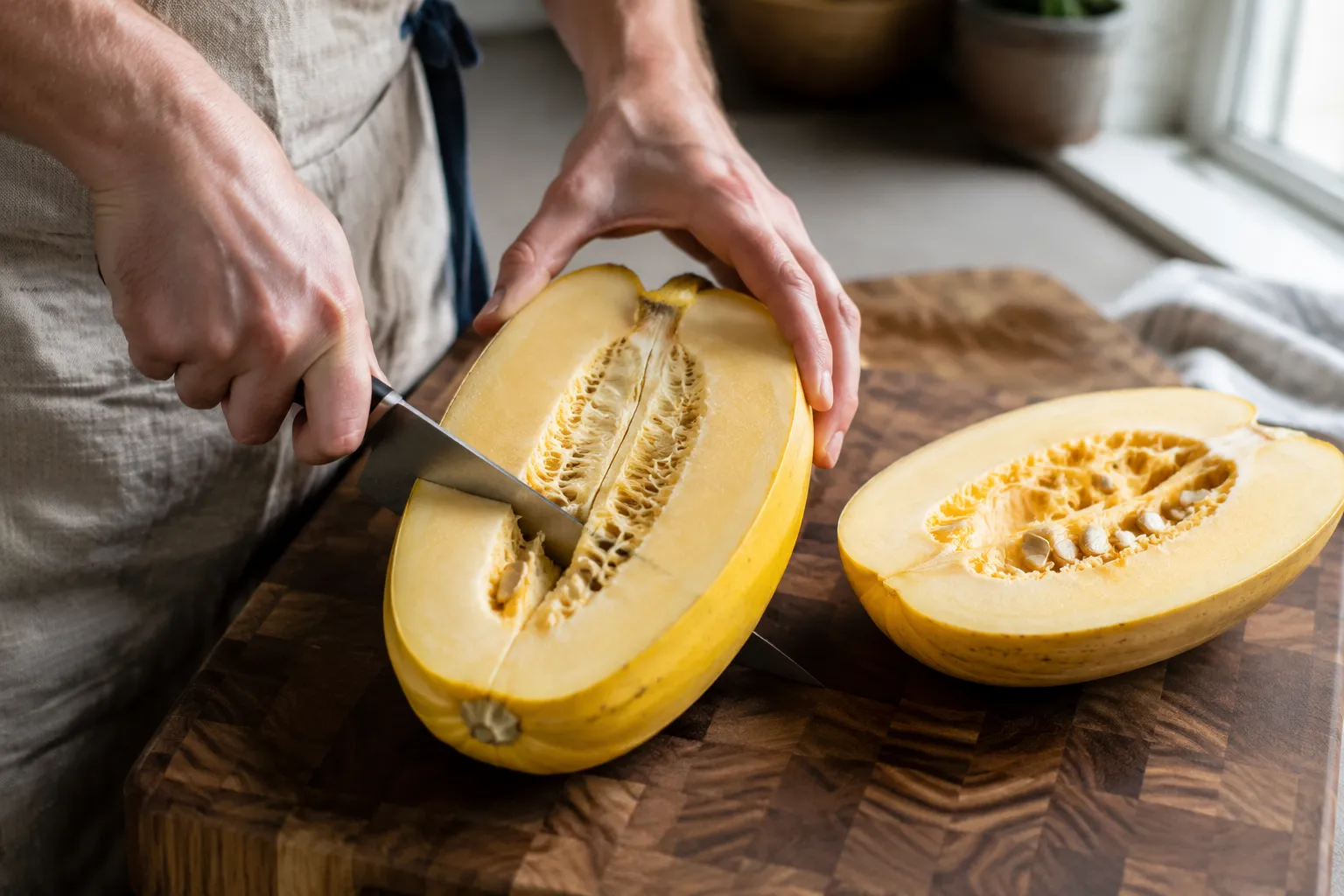
Let's address the elephant in the kitchen: cutting into a raw, hard winter squash can be intimidating. The skin is tough, and the cylindrical shape makes it prone to rolling. To safely halve your squash, start by placing it on a damp kitchen towel on top of your cutting board to prevent slipping. Using a sharp, heavy chef's knife, slice off the stem and the very bottom to create flat, stable surfaces. Stand the squash upright on one of the flat ends and carefully slice straight down the middle to create two even halves.
Once you have successfully halved your squash, you will notice a cavity filled with seeds and stringy pulp, very similar to a pumpkin. Use a sturdy metal spoon or a melon baller to scrape out the seeds and the wet, darker yellow pulp surrounding them. You want to leave behind the lighter, solid flesh. You can discard the seeds, or, if you are feeling resourceful, clean and roast them just like pumpkin seeds for a crunchy snack! After seeding, generously brush the exposed flesh with a high-quality olive oil. Season liberally with kosher salt and freshly cracked black pepper. The salt not only enhances the flavor but also helps draw out excess moisture during the cooking process.
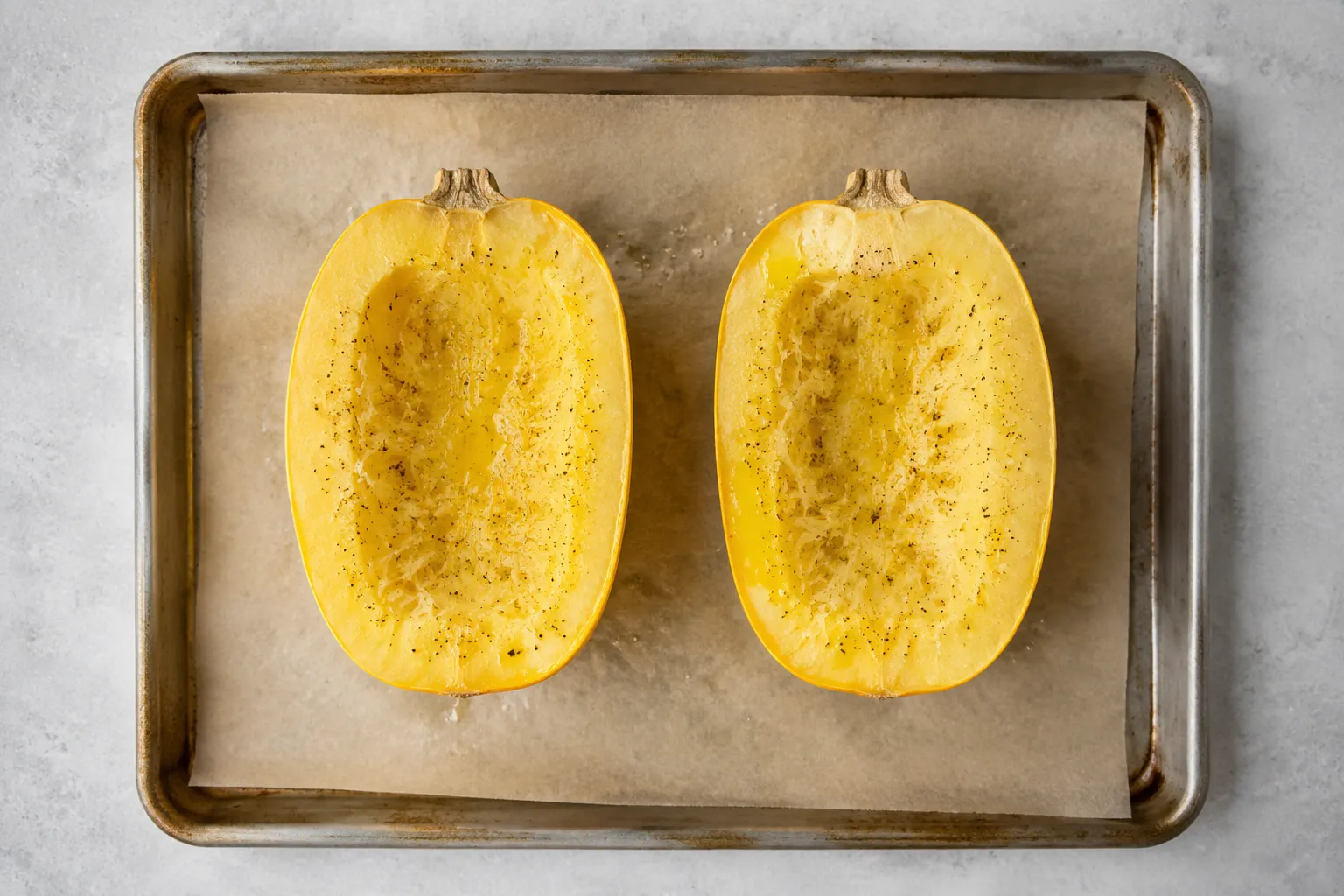
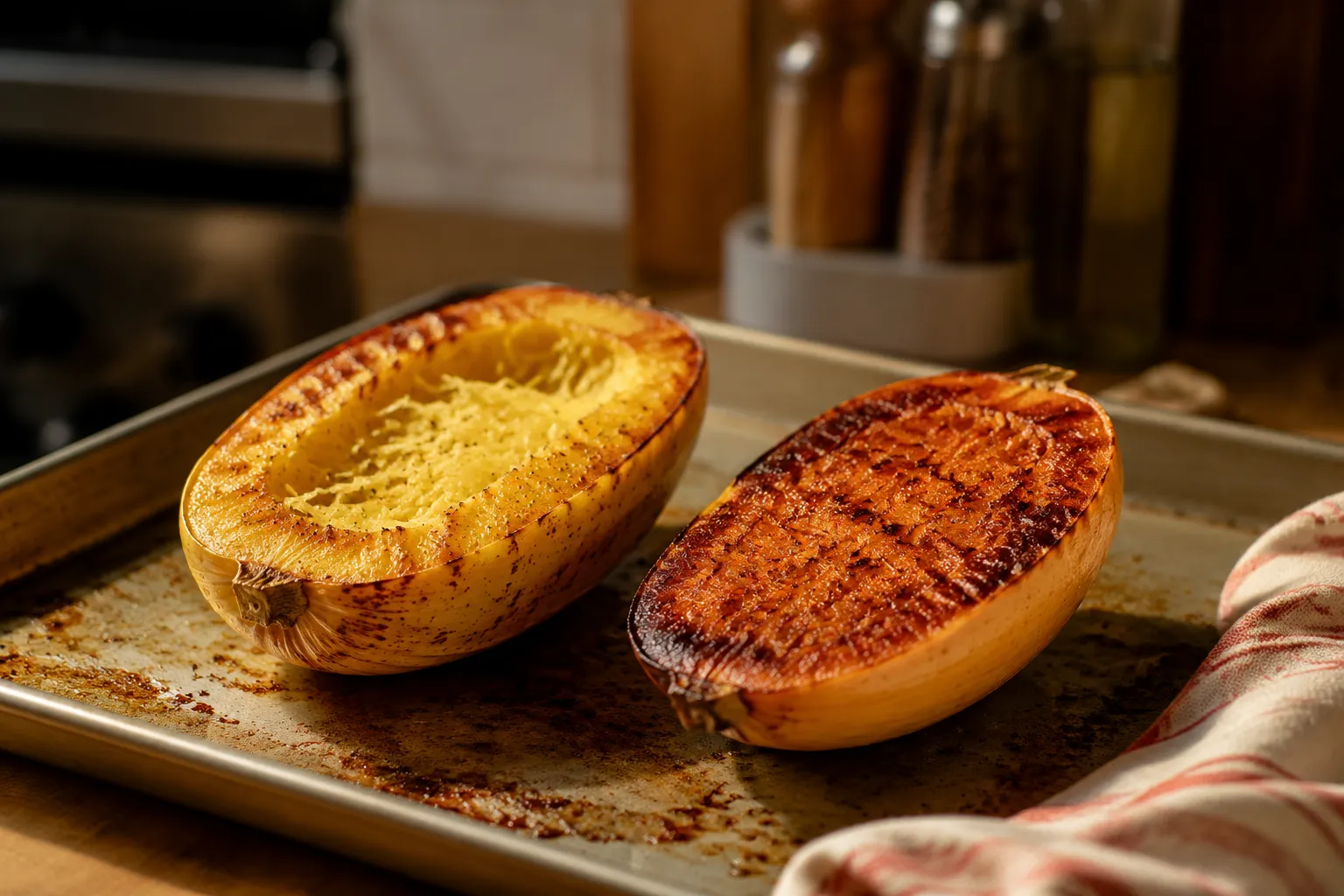
If you are wondering how to roast spaghetti squash perfectly every single time, the oven is your absolute best friend. Roasting concentrates the natural sugars, creating a depth of flavor that other methods simply cannot match. Preheat your oven to 400°F (200°C). Place your seasoned squash halves cut-side down on a parchment-lined baking sheet. Roasting cut-side down traps the steam, helping the flesh cook evenly, while the edges touching the pan get beautifully caramelized. Bake for 35 to 45 minutes, depending on the size of your squash. You will know it is done when the skin yields slightly to a firm poke, and the interior flesh easily pulls away from the skin.
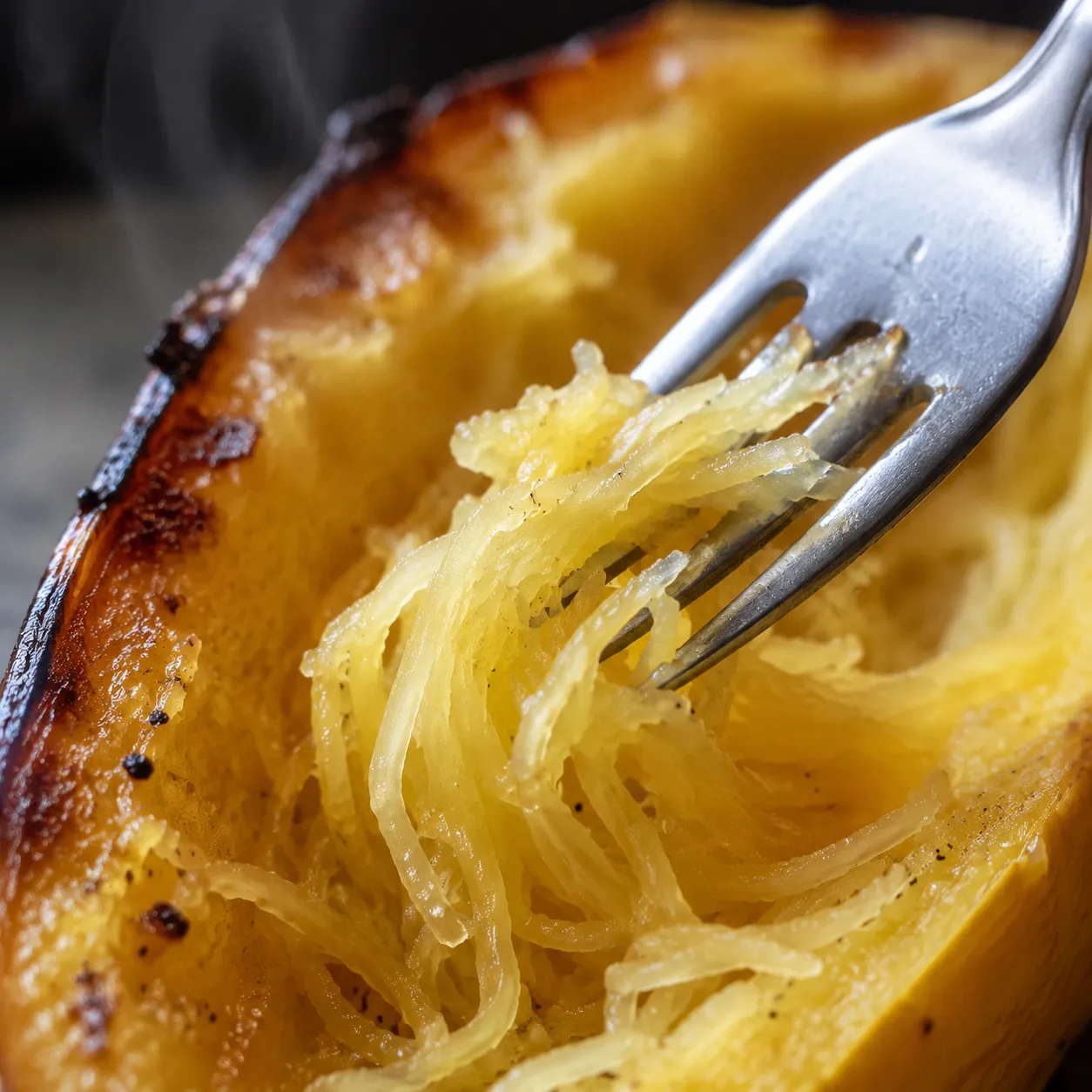
For those busy weeknights when you need dinner on the table immediately, the microwave is a lifesaver. While you won't get the caramelized, roasted flavor, it is an incredibly efficient way to cook the squash. Place your seeded halves cut-side down in a microwave-safe baking dish. Add about an inch of water to the bottom of the dish to create a steaming effect. Cover the dish loosely with microwave-safe plastic wrap or a silicone lid, leaving a small vent for steam to escape. Microwave on high for 10 to 12 minutes. Let it rest for a few minutes before handling, as the steam will be extremely hot.
The air fryer is a fantastic middle ground between the speed of the microwave and the texture of the oven. If you have a large enough basket to accommodate the halves (or if you cut them into thick rings), this method is stellar. Brush the flesh with olive oil and season well. Place the halves cut-side up in the air fryer basket. Cook at 370°F for about 25 to 30 minutes. The circulating hot air creates a wonderfully roasted, slightly crispy top layer while keeping the interior strands tender and moist. It is a brilliant technique for smaller squashes.
Pressure cooking is another excellent, hands-off approach. Place the metal trivet into your Instant Pot and add one cup of water to the bottom. Arrange your prepared squash halves on the trivet. Secure the lid, set the valve to sealing, and cook on manual high pressure for 7 minutes. Once the cooking cycle is complete, perform a quick release to prevent the squash from overcooking and turning mushy. The strands will be perfectly tender and ready to be tossed with your favorite ingredients.
Once you have a batch of freshly cooked, noodle-like strands, the culinary possibilities are endless. These seven spaghetti marrow recipes are designed to be simple, flavorful, and incredibly satisfying.
Sometimes, the simplest preparations are the most profoundly delicious. This variation relies on high-quality basics to let the subtle sweetness of the squash shine. While the strands are still piping hot, toss them with melted unsalted butter, a generous splash of extra virgin olive oil, and three cloves of freshly minced garlic. Fold in a half cup of freshly grated Parmesan cheese and a handful of chopped flat-leaf parsley. The residual heat melts the cheese into a light, savory coating that clings to every strand. It is the ultimate side dish for roasted chicken or grilled steak.
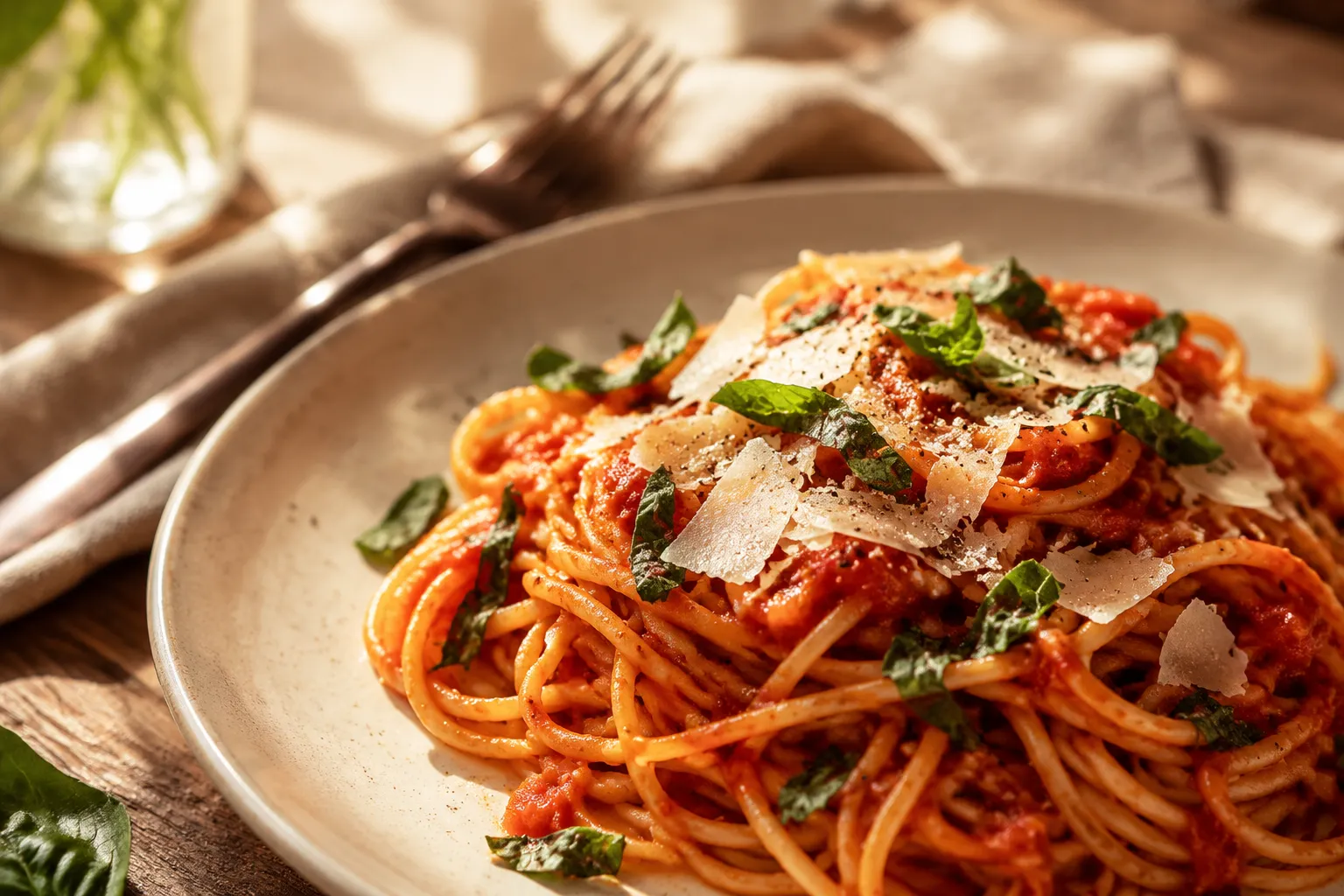
For a hearty, stick-to-your-ribs meal that remains wonderfully light, a rich meat sauce is the answer. Prepare a robust Bolognese using ground beef, Italian sausage, or a plant-based crumble, simmering it slowly with crushed tomatoes, onions, carrots, and celery. Spoon the thick, savory sauce directly into the roasted squash boats or over a large bowl of the scraped strands. Top with a dollop of ricotta cheese and a sprinkle of fresh basil. It delivers all the nostalgic comfort of a Sunday pasta dinner without the heavy carbohydrate crash afterward.
Transport your tastebuds to Italy with this decadent, creamy variation. Sauté bite-sized pieces of chicken breast with sun-dried tomatoes, fresh spinach, and garlic. Create a quick cream sauce using heavy cream (or a dairy-free alternative like cashew cream) and chicken broth, letting it reduce until thick and luscious. Mix the chicken and sauce with your cooked strands, then stuff the mixture back into the empty squash shells. Top with mozzarella cheese and broil for three minutes until the top is bubbly and golden brown.
Bright, herbaceous, and incredibly quick to assemble, this pesto version is perfect for warmer months or whenever you crave a burst of fresh flavor. Toss the warm strands with a generous amount of basil pesto—either store-bought or homemade. Fold in halved cherry tomatoes, mini mozzarella pearls (bocconcini), and a handful of toasted pine nuts for crunch. The heat of the squash slightly softens the tomatoes and warms the pesto, creating a fragrant, vibrant dish that works beautifully as a light lunch or a vegetarian dinner.
Who says this versatile vegetable is limited to Italian flavor profiles? You can easily create Asian-inspired spaghetti marrow recipes that rival your favorite takeout. Sauté the strands in a large wok or skillet with a splash of sesame oil, minced ginger, and garlic. Whisk together a quick Pad Thai sauce using tamarind paste, fish sauce (or soy sauce for vegetarians), a touch of brown sugar, and lime juice. Toss the squash in the sauce along with scrambled eggs, bean sprouts, and scallions. Garnish generously with crushed roasted peanuts and fresh cilantro for a phenomenal noodle bowl.
If you are feeding a crowd or looking for excellent leftovers, a baked casserole is the way to go. Mix your roasted strands with a cup of ricotta cheese, a beaten egg, and a blend of mozzarella and provolone. Layer this mixture in a greased 9x13 baking dish, alternating with a rich tomato sauce and perhaps some sautéed mushrooms or spinach. Top with an extra layer of cheese and bake at 375°F until the edges are bubbling and the center is set. It slices beautifully and mimics the comforting layers of a traditional baked ziti or lasagna.
Classic carbonara relies on starchy pasta water to create a silky sauce, but you can achieve a similar effect with roasted spaghetti marrow. Crisp up some diced pancetta or bacon in a large skillet. In a separate bowl, whisk together two eggs, a cup of grated Pecorino Romano, and plenty of black pepper. Remove the skillet from the heat, add the hot squash strands, and quickly toss in the egg mixture. The residual heat gently cooks the eggs into a creamy, luxurious sauce without scrambling them. It is a rich, indulgent-tasting dish that remains surprisingly light.
While many of these dishes stand proudly on their own, pairing them with the right protein turns them into a complete, balanced meal. Grilled or pan-seared chicken breast seasoned with Italian herbs is a natural fit for the garlic and Parmesan variations. For a faster option, garlic butter shrimp can be cooked in under five minutes and spooned directly over the noodles. If you are serving a tomato-based sauce, classic beef and pork meatballs (or hearty lentil meatballs for a vegetarian twist) are absolutely essential. The strands are sturdy enough to hold up to heavy proteins without turning to mush.
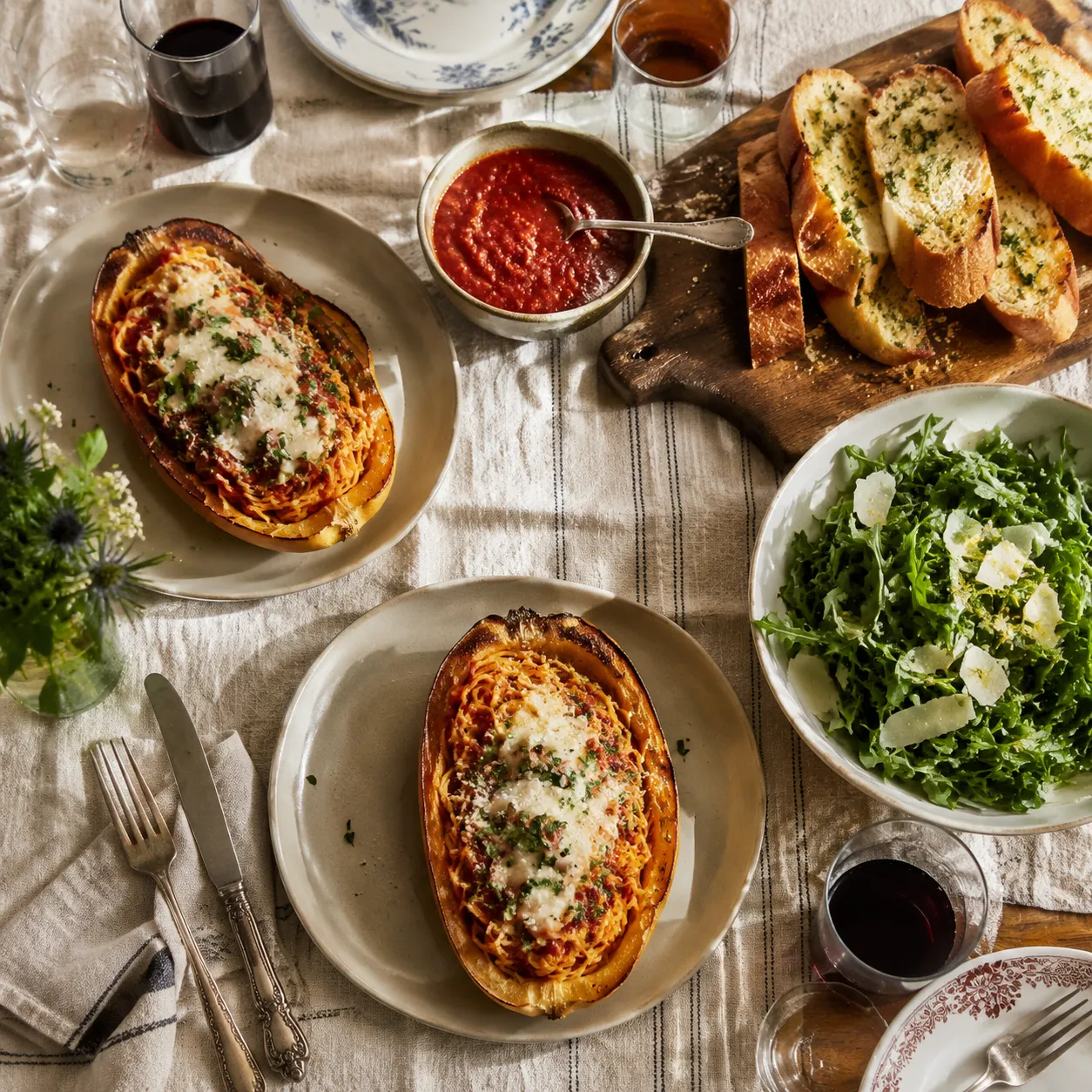
Because spaghetti marrow is inherently soft and tender, contrasting it with a crisp, crunchy side salad elevates the entire dining experience. A simple arugula salad dressed with lemon juice, olive oil, and shaved Parmesan cuts through the richness of creamier squash dishes. A classic Caesar salad with homemade croutons is another fantastic option, especially when paired with the Tuscan chicken or Bolognese boats. The acidity and crunch of fresh greens provide a necessary palate cleanser between bites of savory, roasted squash.
No pasta-inspired meal is truly complete without something to mop up the extra sauce. A warm, crusty baguette or a slice of garlic toast is perfect for dipping. If you are strictly adhering to gluten-free pasta recipes, opt for a high-quality gluten-free artisan loaf. As for wine, the pairings depend largely on your sauce. A bright, acidic Sauvignon Blanc beautifully complements pesto or garlic butter variations, while a medium-bodied Chianti or Pinot Noir is the ideal match for tomato-heavy or meaty sauces.
Whether you are meal-prepping for the week ahead or hosting a cozy dinner party, adding these versatile spaghetti marrow recipes to your rotation ensures you will always have a healthy, delicious trick up your sleeve.
Once you master the basic garlic butter and Parmesan recipe, you can easily customize the flavor profile to match whatever you have in the pantry. Think of the roasted strands as a blank canvas for your favorite proteins, cheeses, and herbs.
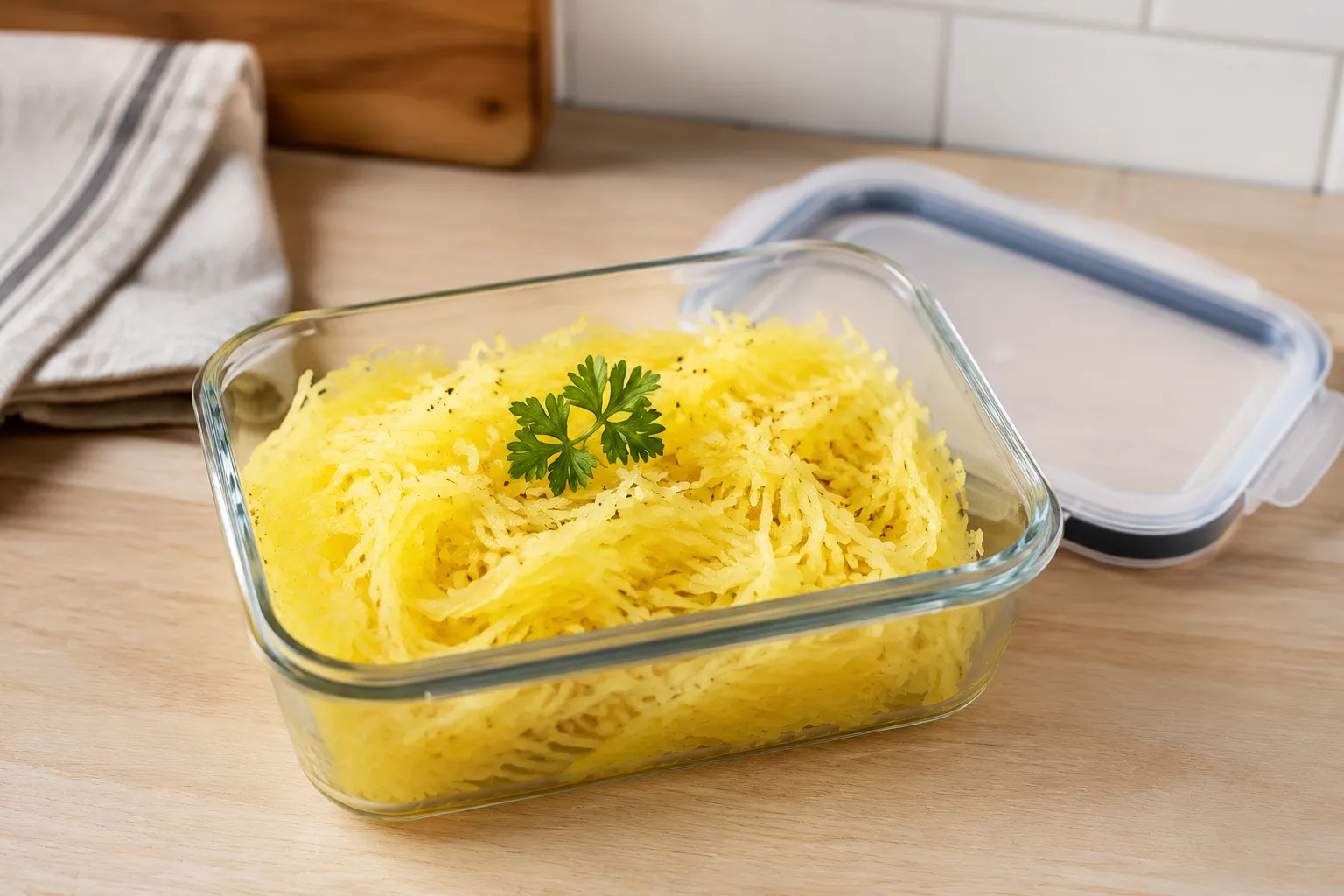
To store cooked spaghetti marrow, allow the strands to cool completely to room temperature. Transfer them to an airtight glass container and store in the refrigerator for 4 to 5 days. Keeping the sauce separate from the noodles until you are ready to eat will help prevent the squash from becoming overly soggy.
While you can technically freeze cooked spaghetti marrow, the texture will change significantly upon thawing, becoming much softer and slightly mushy. If you do freeze it, squeeze out as much excess water as possible first. The best way to reheat refrigerated strands is to toss them in a hot skillet with a little olive oil for 3 to 4 minutes. This drives off extra moisture and revives that perfect al dente bite, whereas microwaving can make them watery.