How to Make Baked Potatoes (Crispy Skin, Fluffy Inside)
Ingredients
Scale
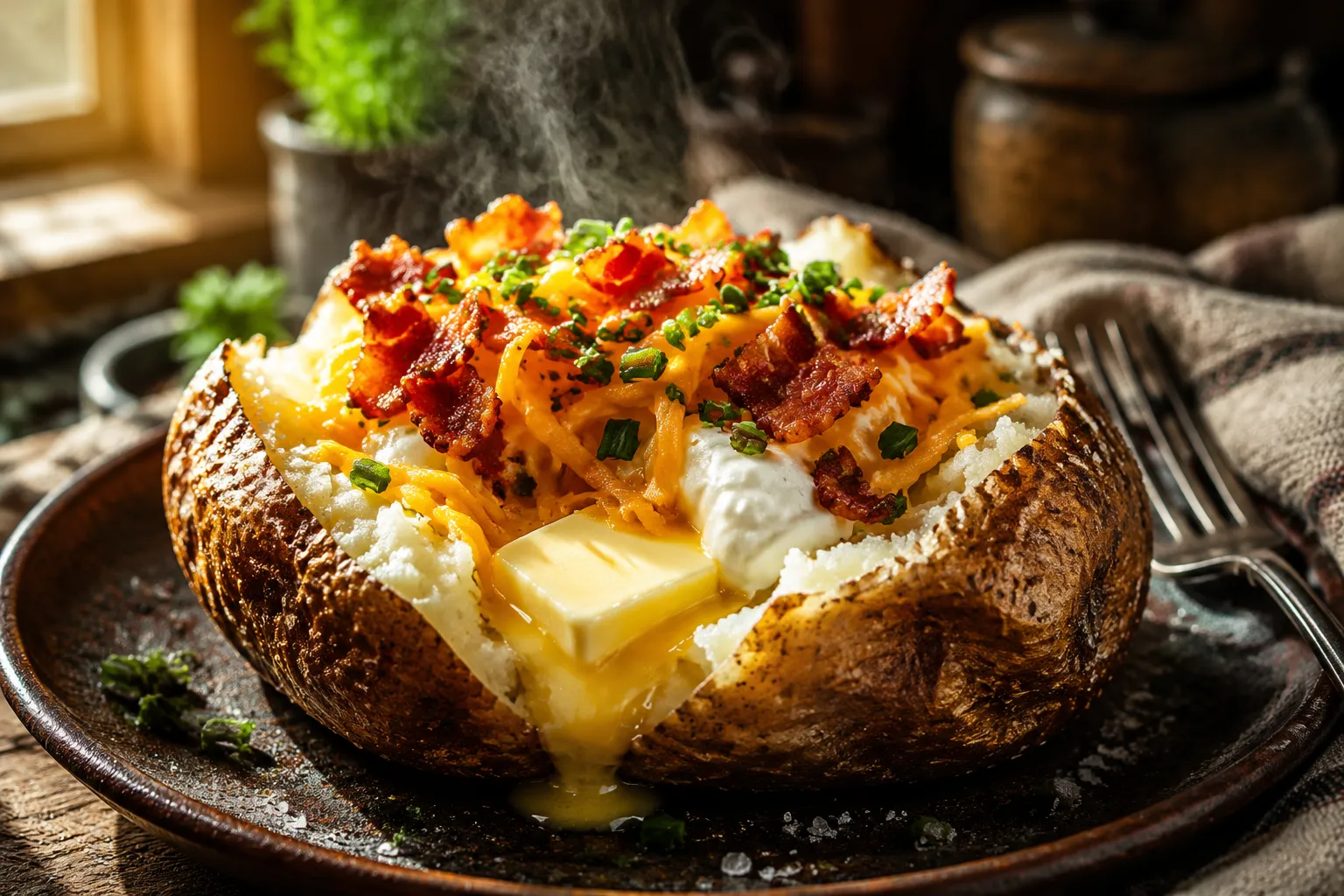
The classic steakhouse-style baked potato, made at home: crackly salted skin, fluffy snow-white inside, and a fork-tender bite every single time.
If you’ve ever wondered how to make baked potatoes that taste like they came from a steakhouse, this is the simple oven method to keep forever: deeply savory, salt-flecked skin with a fluffy inside that practically begs for butter. No foil, no microwave shortcut, no complicated prep—just good potatoes, oil, kosher salt, and steady oven heat.
The secret is baking large russet potatoes directly on the oven rack at 425°F, where hot air can circulate all the way around the skins. The outside turns crisp and crackly while the inside steams itself tender, giving you that classic split-open potato with snowy, soft centers and a fork-tender bite.
This guide walks through how to bake a potato in oven with exact timing, doneness cues, and topping ideas for everything from a weeknight side dish to a fully loaded dinner. Once you learn the feel of a perfectly baked potato, you can turn it into a simple side for steak, roast chicken, chili, or a cozy baked potato bar.
A truly great baked potato is all about contrast: crisp, salty skin on the outside and a dry, light, fluffy interior inside. Russets are ideal because they are high in starch and low in moisture compared with waxy potatoes, which means they bake up soft and airy instead of dense. The oil helps conduct heat and encourages browning, while the kosher salt clings to the skin and creates that savory crunch you actually want to eat.
The other big difference is skipping foil. Foil traps steam against the skin, which is useful for keeping food warm but not for making crispy skin. Baking uncovered lets moisture escape and allows the potato skin to dry, tighten, and crackle in the oven. Think of it less like steaming a potato and more like roasting it until the outside becomes its own salty jacket.
You only need a handful of ingredients, so each one matters. Choose firm, evenly sized russet potatoes with rough brown skins and no green patches, sprouts, or soft spots. Potatoes around 8 to 12 ounces each are a sweet spot for dinner portions, though larger ones work beautifully if you give them a little extra time.
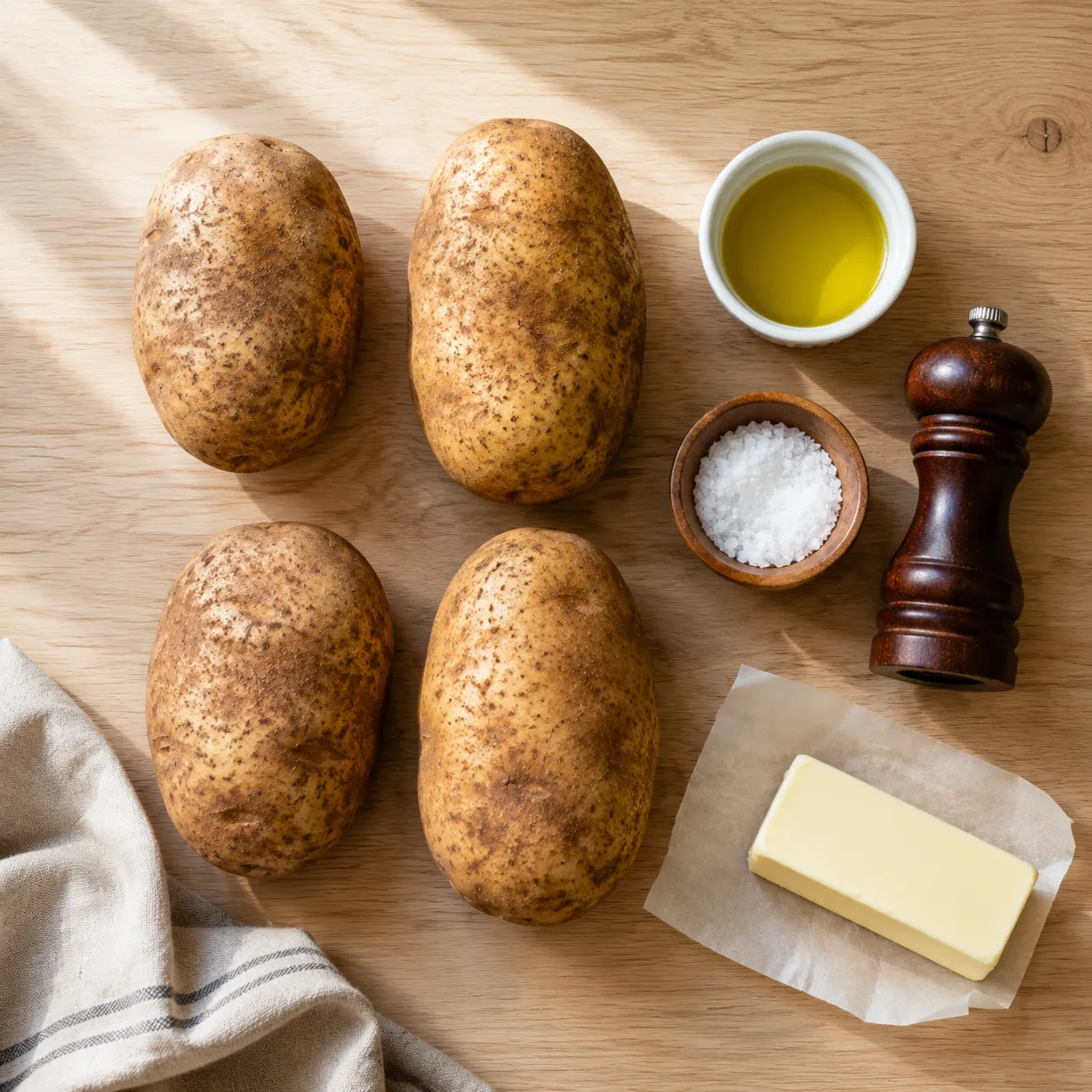
Olive oil is my go-to for coating the skins because it spreads easily, browns nicely, and helps the salt stick. Melted butter is delicious for serving, but it contains milk solids that can brown quickly in the oven, so I prefer to save it for the hot, split-open potato. A generous sprinkle of kosher salt is the finishing touch before baking; its coarse texture gives the skin that classic restaurant-style crunch.
For serving, keep it simple with butter, black pepper, sour cream, and chives, or go big with shredded cheddar and bacon. If you like making sides from scratch, homemade sour cream and garlic herb butter both melt into the potato beautifully and make the whole plate feel a little more special. These potatoes are also a perfect foundation for loaded baked potato toppings when dinner needs to feel fun but still easy.
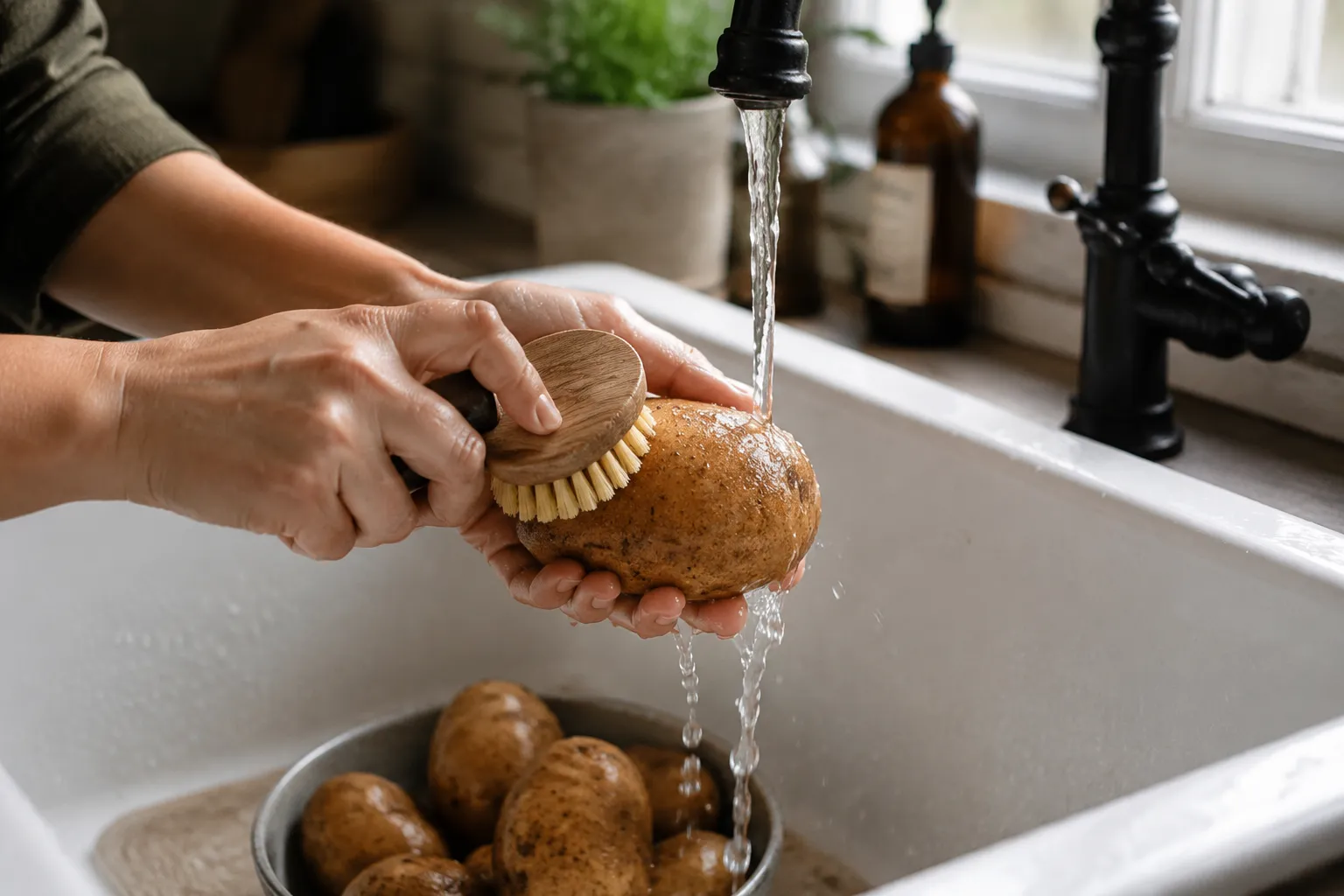
Here’s the big-picture method for how to make baked potatoes without overthinking it. Start by scrubbing the potatoes well under running water, since the skin is meant to be eaten. Dry them thoroughly with a clean towel; water left on the surface can slow down crisping and make the oil slide right off.
Next, prick each potato a few times with a fork. The holes allow steam to escape as the potato bakes, which helps it cook evenly and prevents pressure from building inside. You do not need to stab them dramatically—just a few shallow pokes around each potato will do the job.
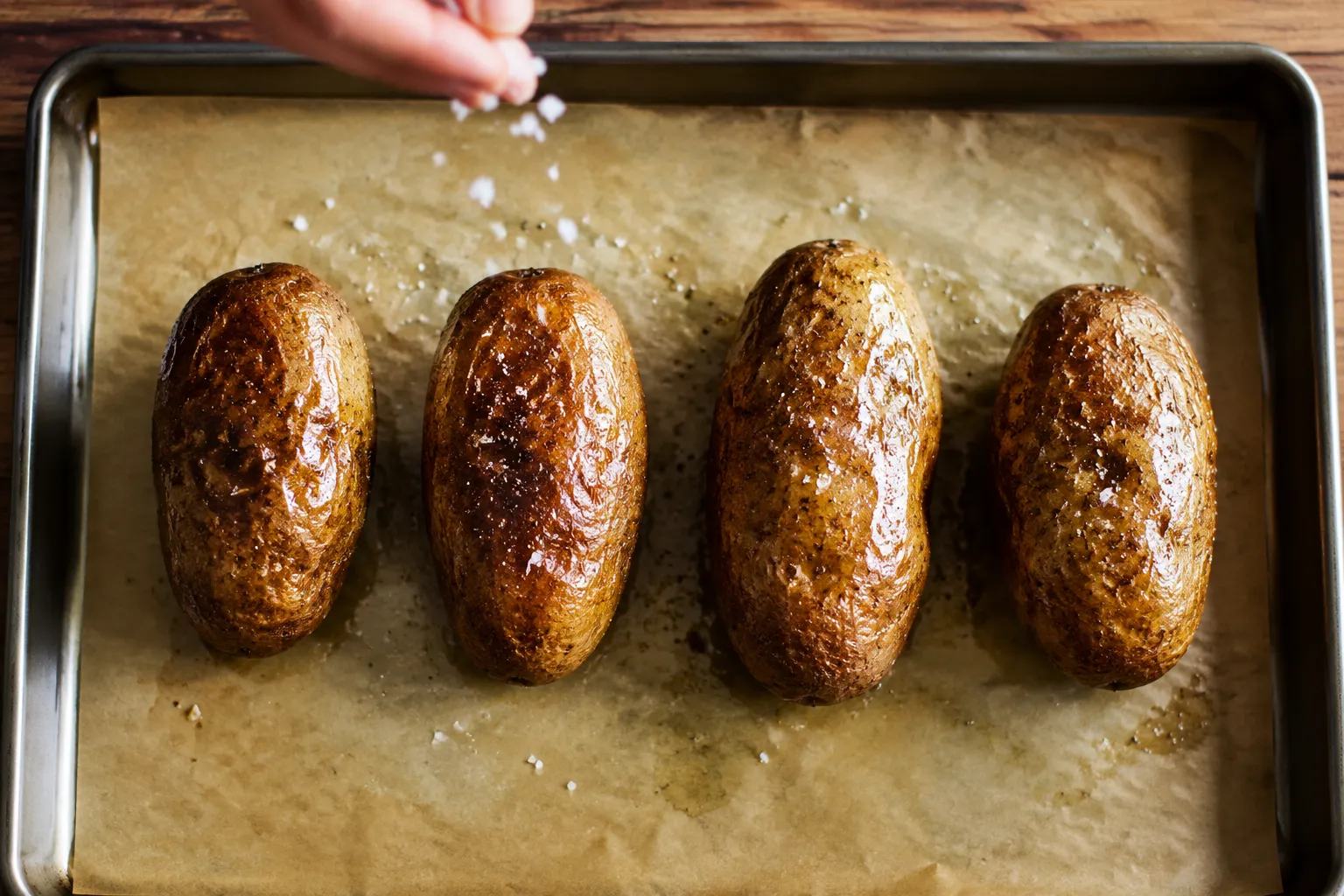
Rub the dried potatoes all over with olive oil, then season generously with kosher salt and a little freshly ground black pepper if you like. Place the potatoes directly on the middle oven rack, not wrapped in foil and not crowded on a pan. I like to slide a rimmed baking sheet onto the rack below to catch any salt or oil drips, but the potatoes themselves bake best with air moving around them.
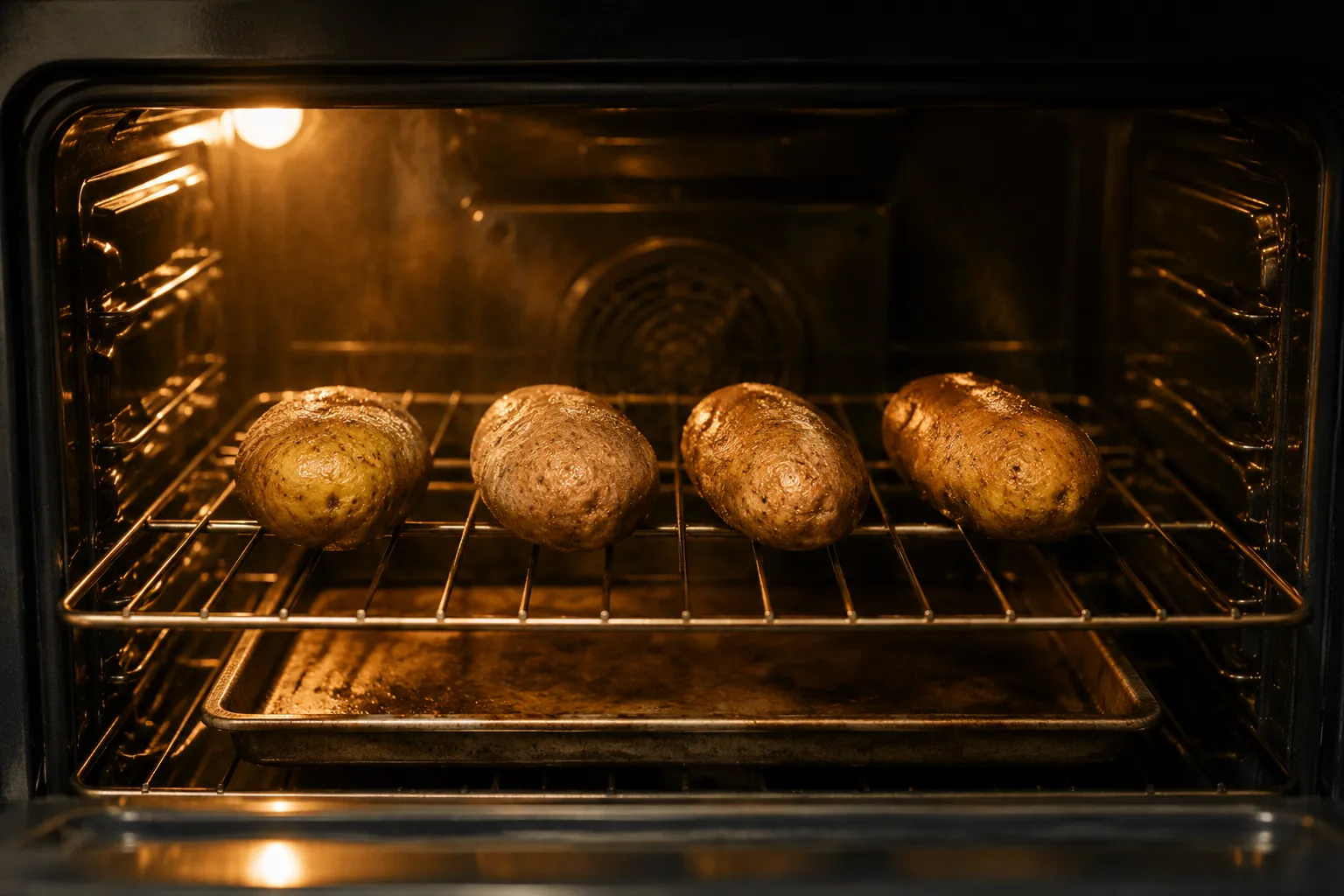
Bake at 425°F until the skins are crisp and the centers are completely tender. For most large potatoes, that takes about 50 to 65 minutes, depending on size and your oven. When they are done, split them open right away with a knife, gently press the ends to bloom the center, and fluff with a fork so steam can escape and the interior stays light rather than gummy.
If you are wondering how long to bake potatoes, size matters more than anything else. A smaller russet may be perfect in under an hour, while an extra-large steakhouse potato can need closer to 75 minutes. Oven temperature also changes the texture of the skin: lower heat gives you a softer finish, while hotter heat creates more crackle.
At 400°F, a medium russet potato usually takes 60 to 75 minutes and develops a gently crisp skin. At 425°F, the same potato often takes 50 to 60 minutes and has a better balance of tender center and crackly outside. At 450°F, you can bake many medium potatoes in 45 to 55 minutes, though very large ones may brown too aggressively before the centers are fully fluffy.
Use this simple timing guide as a starting point: small russets, about 5 to 7 ounces, take 40 to 50 minutes at 425°F; medium russets, about 8 to 10 ounces, take 50 to 60 minutes; large russets, about 11 to 14 ounces, take 60 to 70 minutes. If your potatoes vary in size, pull the smaller ones first and let the larger potatoes finish. The best test is not the clock, but the feel of the center.
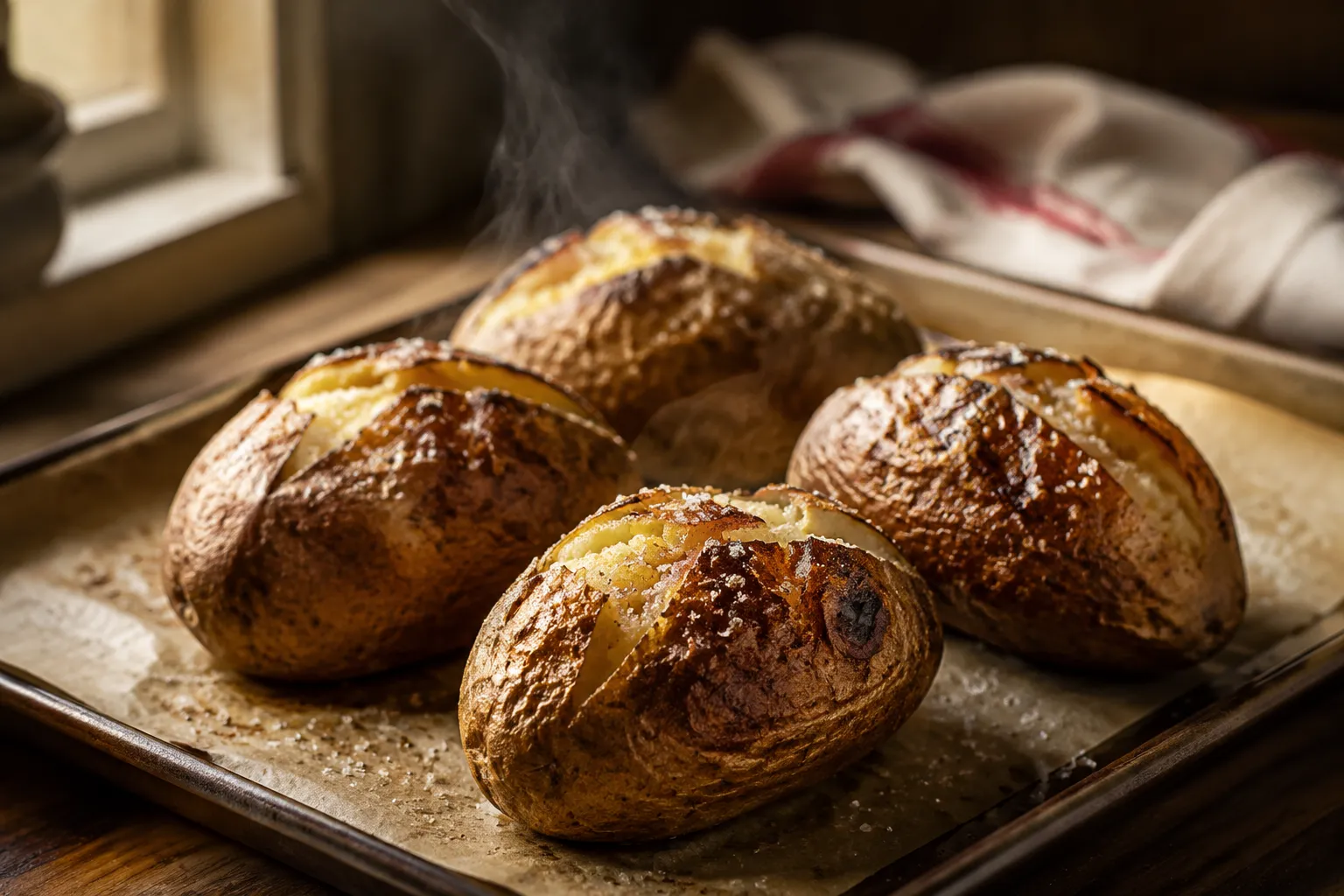
A finished baked potato should yield easily when squeezed gently with an oven mitt, and a paring knife or skewer should slide into the center with no resistance. For the most precise doneness cue, check the internal temperature: a perfectly fluffy baked potato is usually between 205°F and 210°F in the center. That range tells you the starches have fully softened, which is what creates the light texture you want.
Once the potatoes come out of the oven, don’t let them sit unopened for too long. The trapped steam can settle back into the flesh and make the interior heavier. Slice each potato lengthwise, then gently press the two ends toward the center so the potato opens up like a little baked cloud.
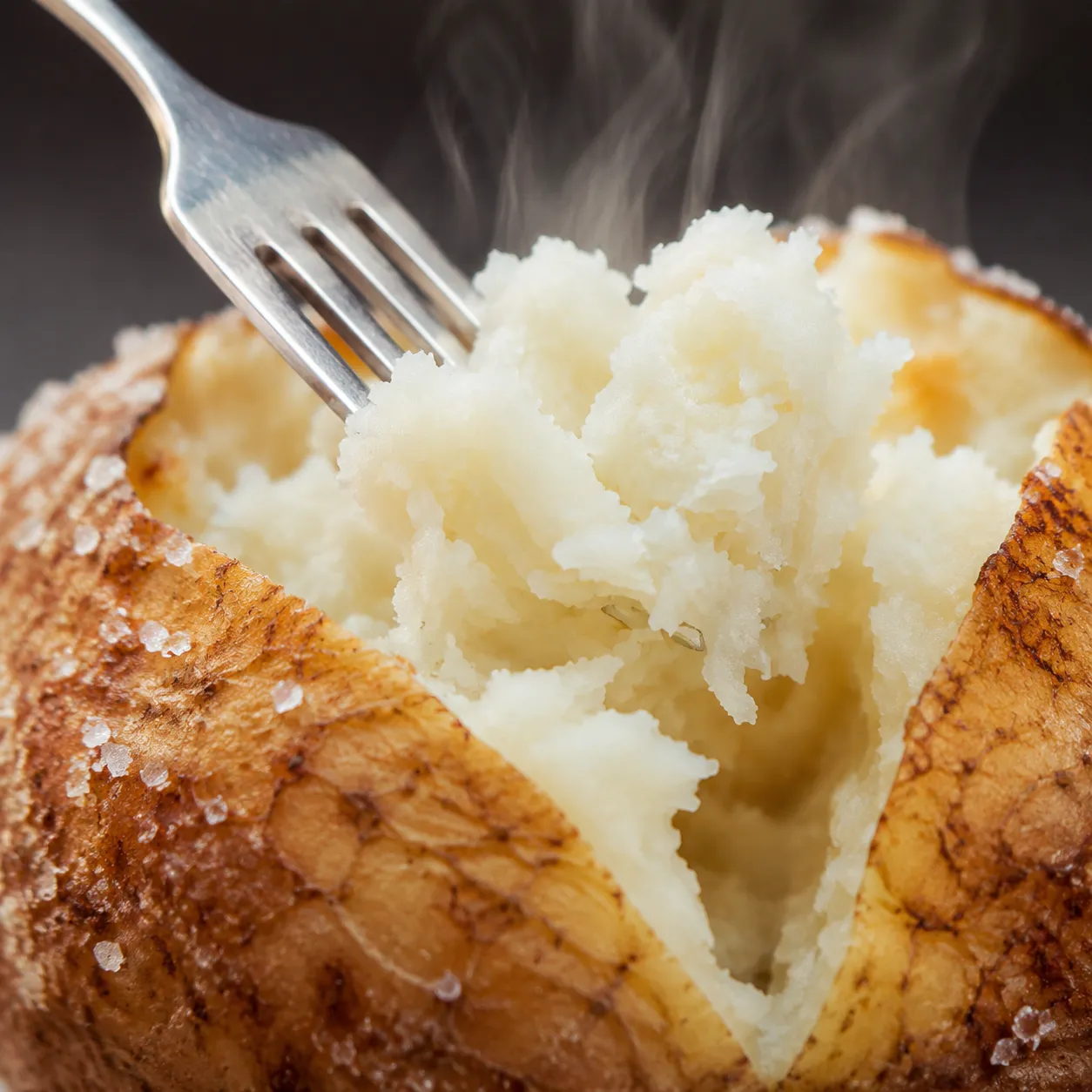
Use a fork to loosen the center, then add butter while the potato is still piping hot. This is the moment when the butter melts into every little fluffy ridge, and a pinch of salt and black pepper wakes up the whole thing. If you’re serving them as a side, a little chive and sour cream are all you need; if they are dinner, pile them high and call it a meal.
This is also where the method for how to make baked potatoes pays off: the skin stays sturdy enough to hold toppings, while the center stays soft enough to absorb butter, cheese, chili, or sauce. That combination makes baked potatoes one of the most flexible comfort foods you can keep in your weeknight rotation.
A classic loaded baked potato starts with butter, sour cream, shredded sharp cheddar, crisp bacon, and chives. I like to add the butter first so it melts into the potato, then follow with cheese so the heat softens it slightly before the cool sour cream goes on top. Finish with bacon and chives for salty crunch and fresh color.
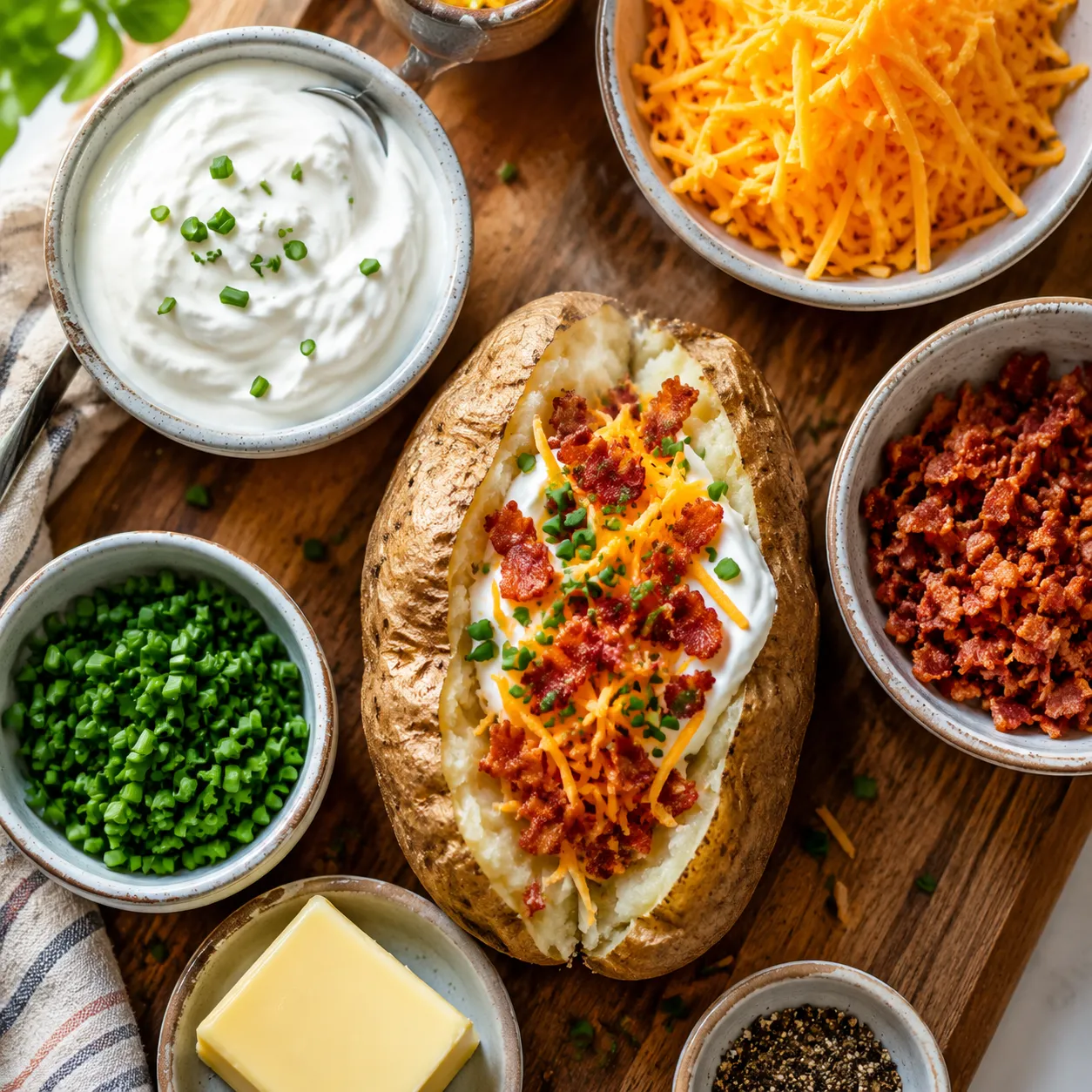
For a cozy vegetarian dinner, try broccoli cheddar potatoes with steamed broccoli, cheese sauce, and plenty of black pepper. Chili-cheese potatoes are another favorite, especially when you have leftover beef chili, turkey chili, or bean chili in the fridge. You can also set out bowls of loaded baked potato toppings and let everyone build their own, which is great for game day, casual company, or picky eaters.
As a side dish, these potatoes are right at home next to steak, pork chops, roast chicken, salmon, or a big green salad. If you’re planning a steakhouse-style dinner, a split potato with garlic herb butter is hard to beat. And if you love potato recipes in every form, save a few leftovers for twice baked potatoes later in the week.
Want a different appliance option? Air fryer baked potatoes are wonderful when you are cooking one or two potatoes and do not want to heat the whole oven. The oven method is still my favorite for a batch because the rack setup gives every potato plenty of space and produces reliably crisp skins.
One baked potato can be a side, but two good toppings can turn it into dinner. Add chili and cheddar for a hearty bowl-meets-potato situation, or top with sautéed mushrooms, caramelized onions, and a dollop of sour cream for something cozy and meatless. Leftover pulled pork, shredded chicken, taco meat, roasted vegetables, and even scrambled eggs all work surprisingly well.
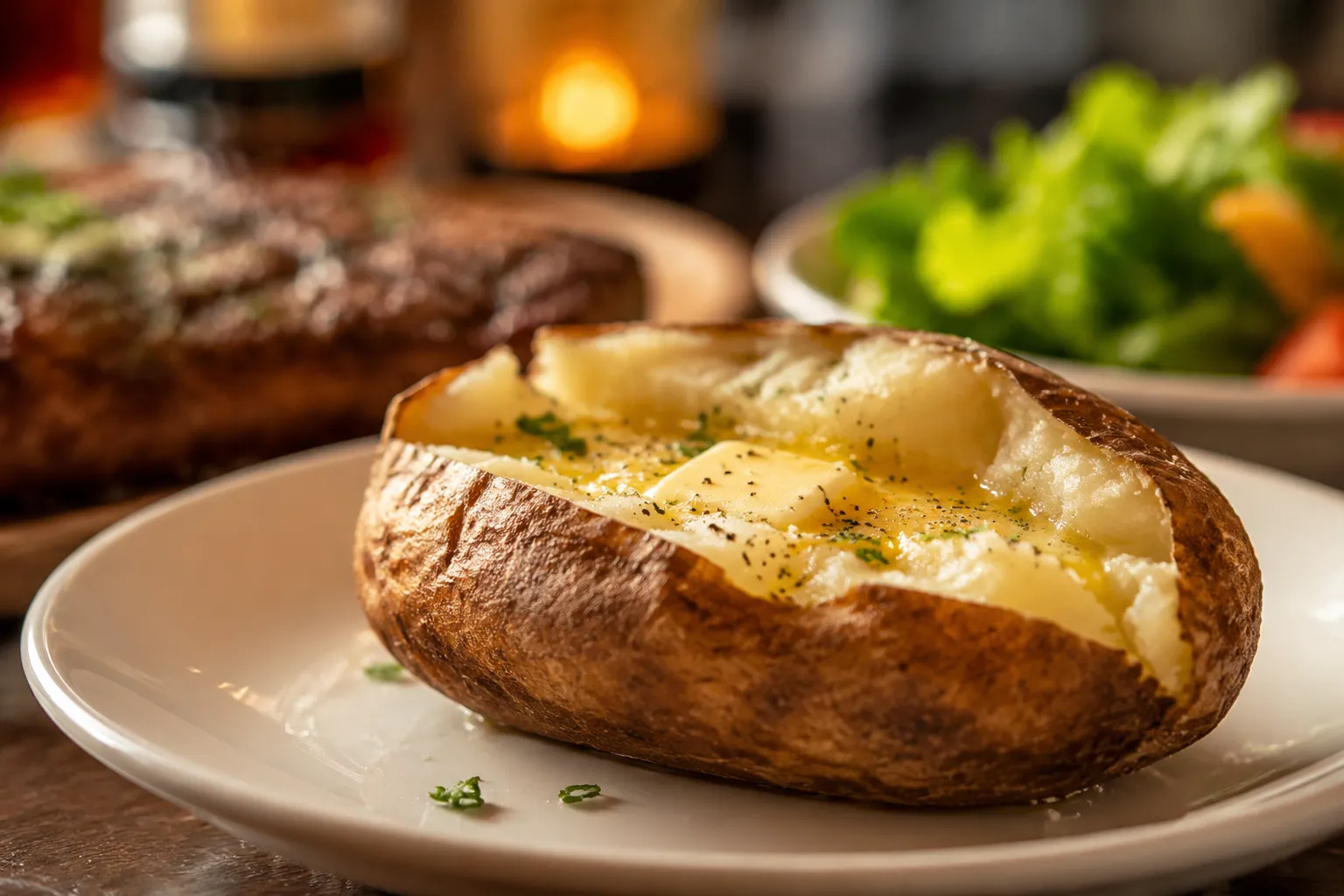
If you are feeding a family, bake a tray of potatoes and put out toppings in small bowls so everyone can customize their own. It is low-effort, budget-friendly, and still feels generous at the table. Once you know how to make baked potatoes with crisp skins and tender centers, you will find a dozen reasons to put them on the menu.
The beauty of this method is that it is both simple and specific. Scrub well, dry thoroughly, oil and salt generously, bake directly on the rack at 425°F, and use tenderness plus internal temperature to confirm doneness. Those small details are what separate an okay potato from one with a truly fluffy inside and a skin worth eating.
Whether you keep yours classic with butter and chives or build a full loaded baked potato for dinner, this is the kind of foundational recipe every home cook should have in their back pocket. The next time someone asks how to make baked potatoes that come out right every time, you’ll know exactly what to do.
Once the basic baked potato method is in your kitchen routine, it is easy to change the flavor based on what you are serving.
Let baked potatoes cool completely, then refrigerate them in an airtight container for up to 4 days. For food safety, do not leave baked potatoes sitting at room temperature for more than 2 hours, especially if they were wrapped or topped with dairy.
To reheat, place the potatoes in a 375°F oven for 15 to 20 minutes, or until hot in the center and crisp again on the outside. You can also microwave them for speed, but the skin will be softer; a few minutes in the oven or air fryer afterward helps bring back texture.