Salads & SidesMay 19, 2026

Cornbread Casserole: Creamy, Buttery Southern Side Dish

4.8 from 12 reviews
0SHARES

Now Playing

Cornbread Casserole: Creamy, Buttery Southern Side Dish

0:00
0:00
Cornbread Casserole: Creamy, Buttery Southern Side Dish

Soft, custardy, and golden on top, this cornbread casserole turns a box of cornbread mix into the most-requested side on the table.

Why You'll Love This Recipe
  • One bowl, six staples, no mixer required. Assembly takes under 10 minutes and there's nothing to clean but a whisk and a spatula.
  • Custardy in the middle, buttery and golden on top. Two kinds of corn plus sour cream guarantee that signature soft-but-sliceable texture every time.
  • Built almost entirely from pantry and fridge staples like a box of Jiffy mix, two cans of corn, butter, eggs, and sour cream — no special shopping trip required.
  • Make-ahead and freezer-friendly, which makes it a dream for Thanksgiving morning, potlucks, church suppers, and any night you need to think two steps ahead.
  • Genuinely crowd-pleasing. Even picky eaters and self-proclaimed corn skeptics come back for seconds — it's that comforting.
  • Doubles easily in a larger pan when you're feeding a hungry crowd or want guaranteed leftovers for the week.

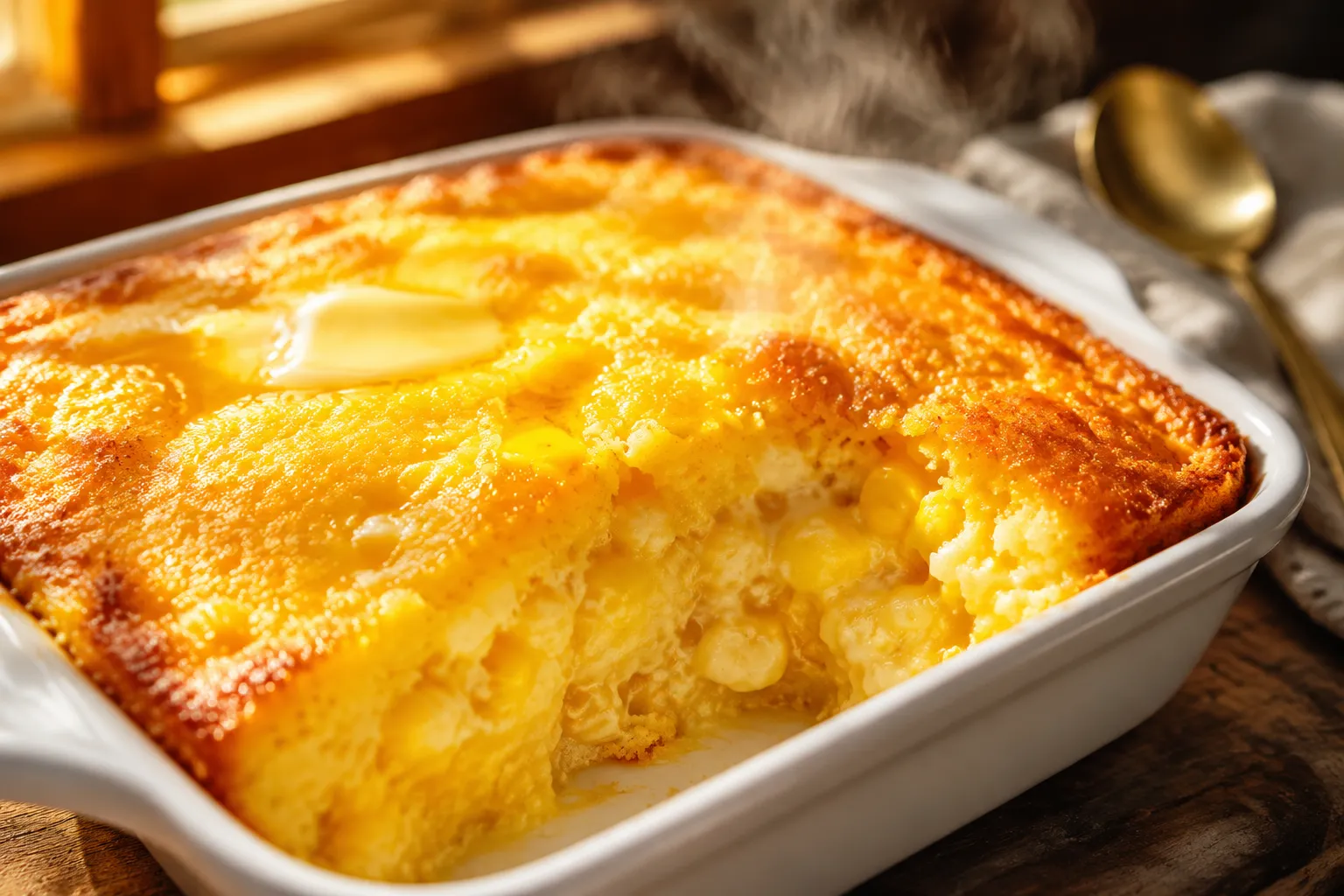
This cornbread casserole is the kind of side dish that quietly steals the show on a crowded holiday table. Soft and custardy in the center, golden and buttery on top, it lands somewhere between cornbread, spoonbread, and a pan of pure Southern comfort food. One bowl, six pantry staples, and forty-five minutes in the oven is all it takes — no mixer, no fuss, no fancy technique to master.

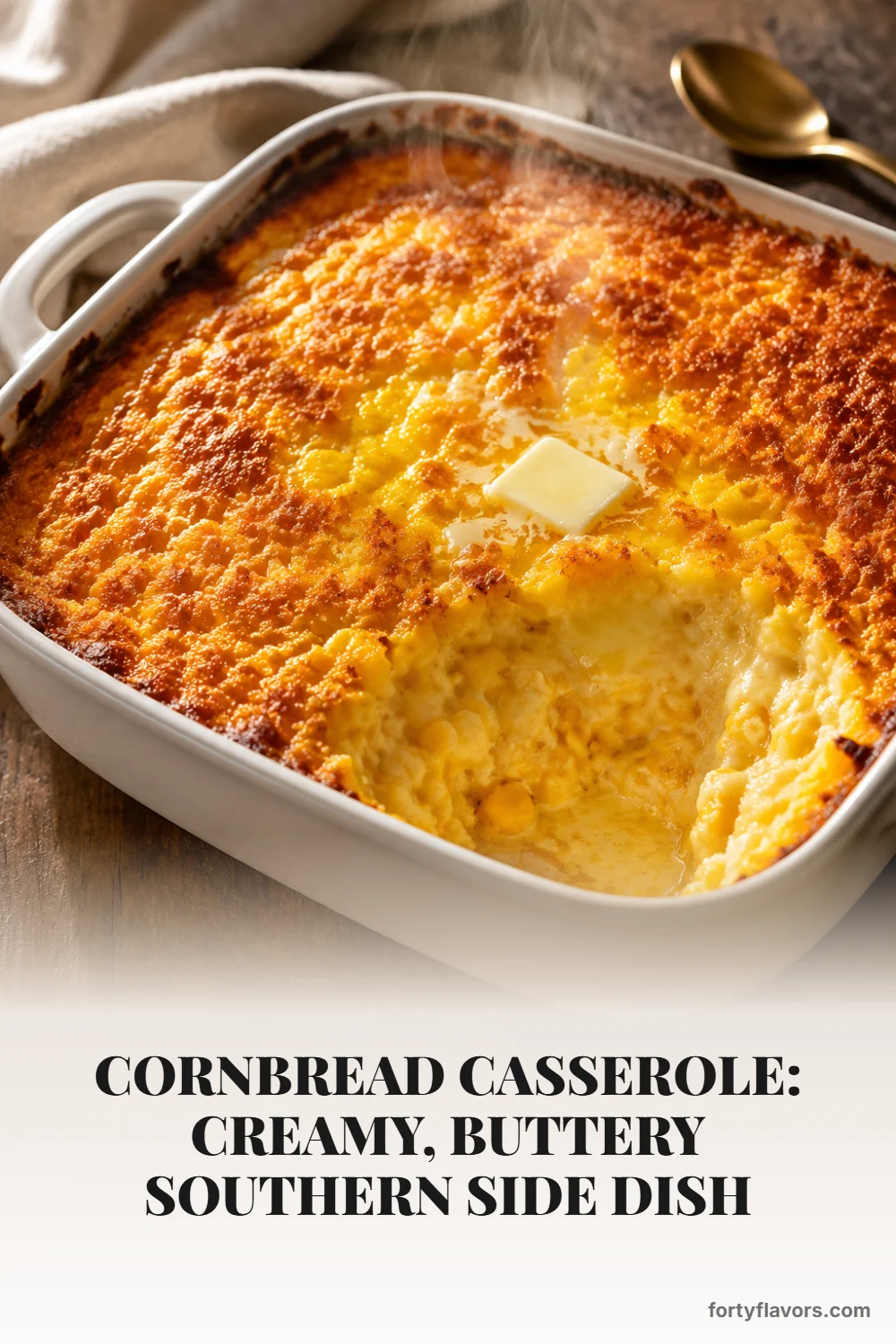
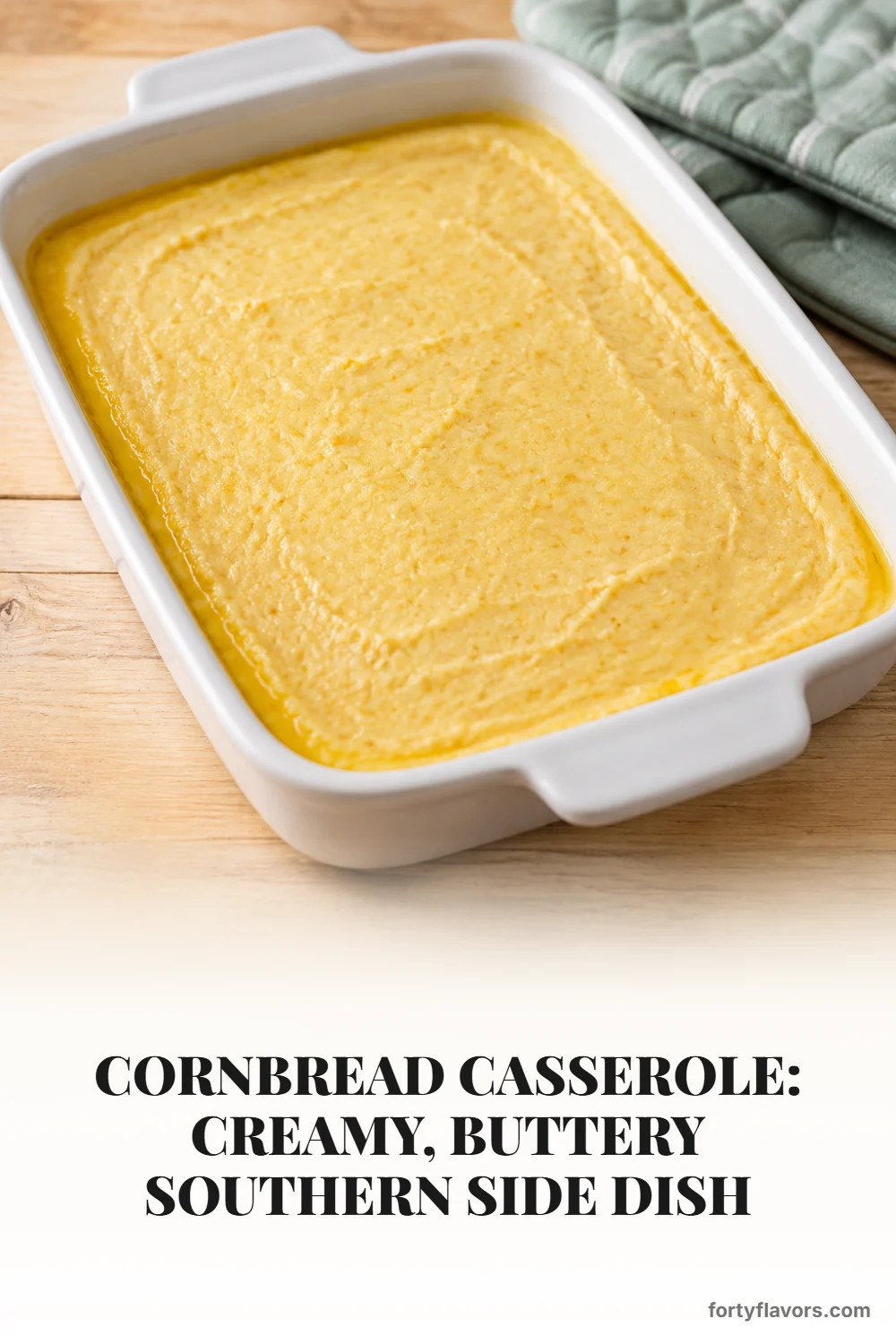
Cornbread casserole recipe fresh from the oven with golden buttery top and creamy interior

I grew up watching my grandmother make a version of this for every gathering and most weeknights in between. She used a box of Jiffy cornbread mix, a couple of cans of corn, and whatever sour cream was left in the fridge door. The result was always the same: a glistening pan that disappeared before the turkey even made it to the table, with everyone pretending they hadn't already gone back for seconds.

If you've ever needed a foolproof Southern side dish that travels well, doubles easily, and pleases picky eaters and tough-to-impress grandmothers alike, this is the one. It's the answer to "what should I bring?" and "what's missing from this meal?" — and it earns its spot among the most useful easy casseroles in any home cook's rotation.

What Makes This Cornbread Casserole So Special

A traditional pan of cornbread is dense and crumbly. A pan of spoonbread is so soft you serve it with a ladle. This casserole splits the difference, with a tender custard core protected by a craggy golden crust. The texture comes from layering two kinds of corn — whole kernels for bite, creamed corn for that silky, almost pudding-like middle — plus a generous scoop of sour cream that keeps every forkful moist long after it leaves the oven.

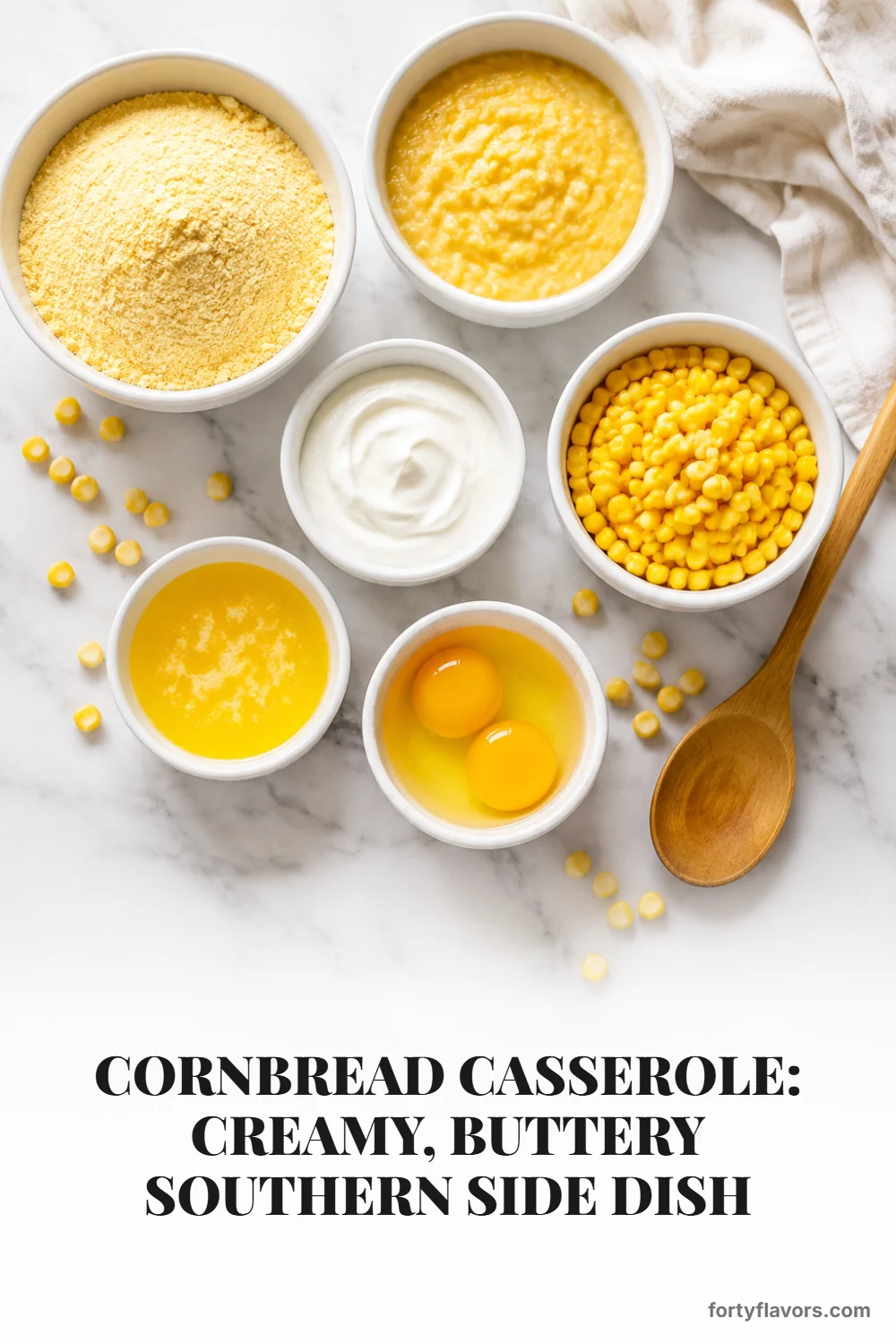
Cornbread casserole ingredients including cornbread mix, creamed corn, and sour cream

It's also genuinely fast. There's no creaming butter, no proofing yeast, no fussy folding of egg whites. You whisk, you stir, you pour, you bake. If you can scramble eggs, you can pull this off, which is exactly why it has a permanent spot on my list of Thanksgiving sides right next to the cornbread dressing and the green bean casserole.

Ingredients You'll Need

The beauty of this recipe is how much flavor it pulls from so little. Six core ingredients, all of them inexpensive, all of them shelf-stable enough to keep on hand for spontaneous gatherings or "I forgot a side dish" emergencies. Quantities are in the recipe card below — what follows is the why behind each one.

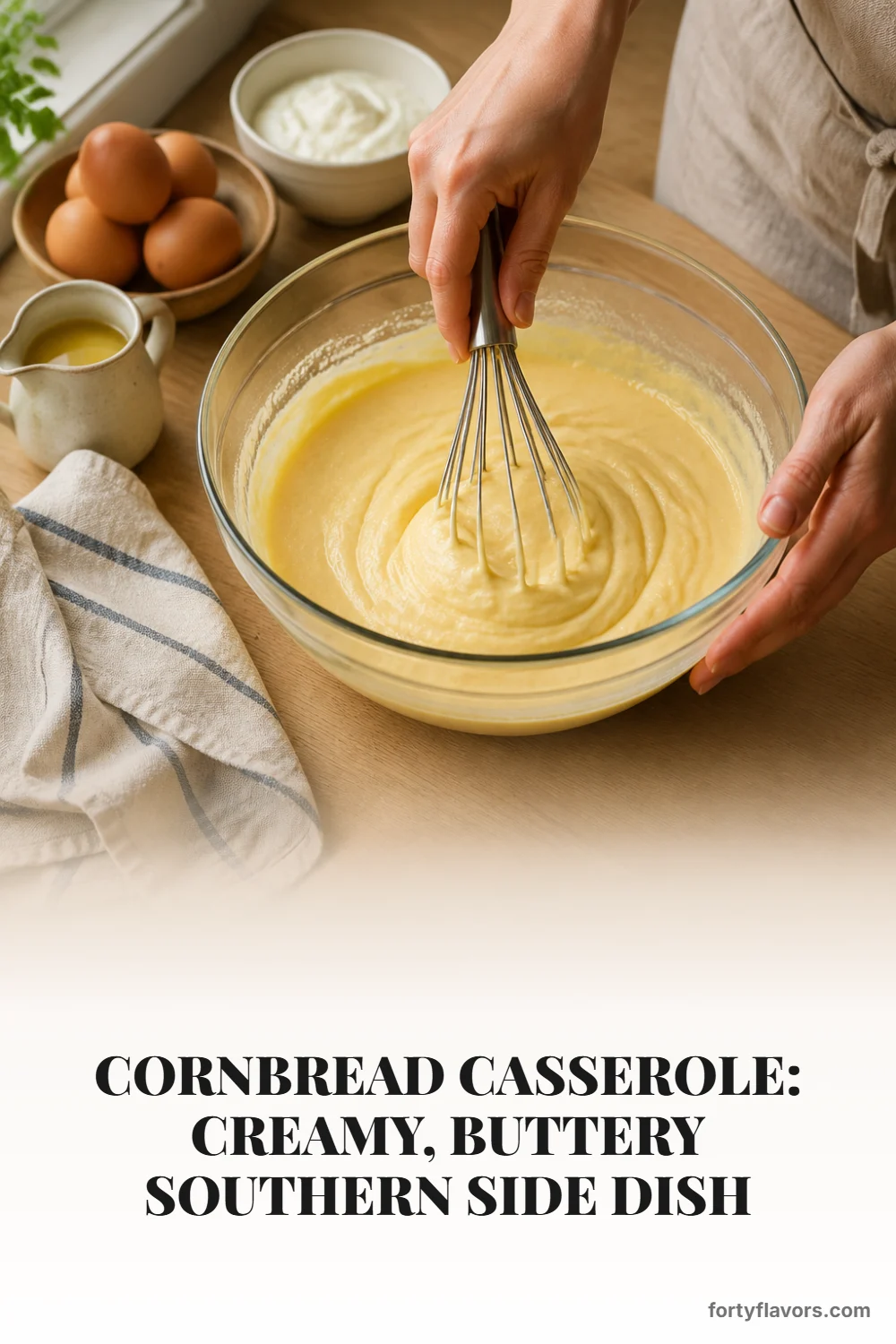
Whisking wet ingredients for cornbread casserole in a glass bowl

The Best Cornbread Mix to Use

Jiffy cornbread is the classic pick for a reason — the 8.5 ounce blue and white box has just the right balance of cornmeal, flour, and sugar to give your casserole a faintly sweet, tender crumb. Any comparable cornbread mix will work, including Krusteaz, Trader Joe's, or a from-scratch dry blend, but stick with an 8.5-ounce equivalent so the wet-to-dry ratio stays balanced. If you prefer a savory style, look for a mix without added sugar or whisk a tablespoon of honey into your batter to compensate. Avoid jumbo "Mexican-style" mixes that already include corn, peppers, or cheese — they throw off both the moisture levels and the bake time.

Whole Kernel vs. Creamed Corn

You need both, and they each do a different job. Whole kernel corn (drained well — wet corn turns the batter watery) gives the finished dish little bursts of texture so it doesn't read as one-note pudding. Creamed corn melts into the batter as it bakes, creating that signature custardy interior. If you only have one or the other on hand, this isn't quite the dish to make. The combination is what separates a great creamed corn recipe like this from a so-so one.

Optional Add-Ins

Sour cream is non-negotiable in my kitchen — it's what gives the casserole its tang and tenderness, and full-fat performs noticeably better than light. Beyond that, the recipe welcomes a half cup of shredded sharp cheddar, a handful of chopped chives, a few cracks of black pepper, or a diced jalapeño for heat. A pinch of smoked paprika is an underrated upgrade. Just keep additions to about a cup total so the custard structure still holds together.

How to Make Cornbread Casserole

The exact measurements and step order live in the recipe card below, but here's a walk-through with the why behind each move so you understand what's happening in the bowl as you go.

Step 1: Mix the Wet Ingredients

Crack your eggs into a large mixing bowl, then add the sour cream and the melted (but not hot) butter. Whisk until the mixture is smooth and pale yellow, with no streaks of butter floating on top. The temperature of the butter matters more than people realize — if it's too hot it'll start cooking the eggs and give you a curdled batter, so let it cool for a minute or two after melting before pouring it in.

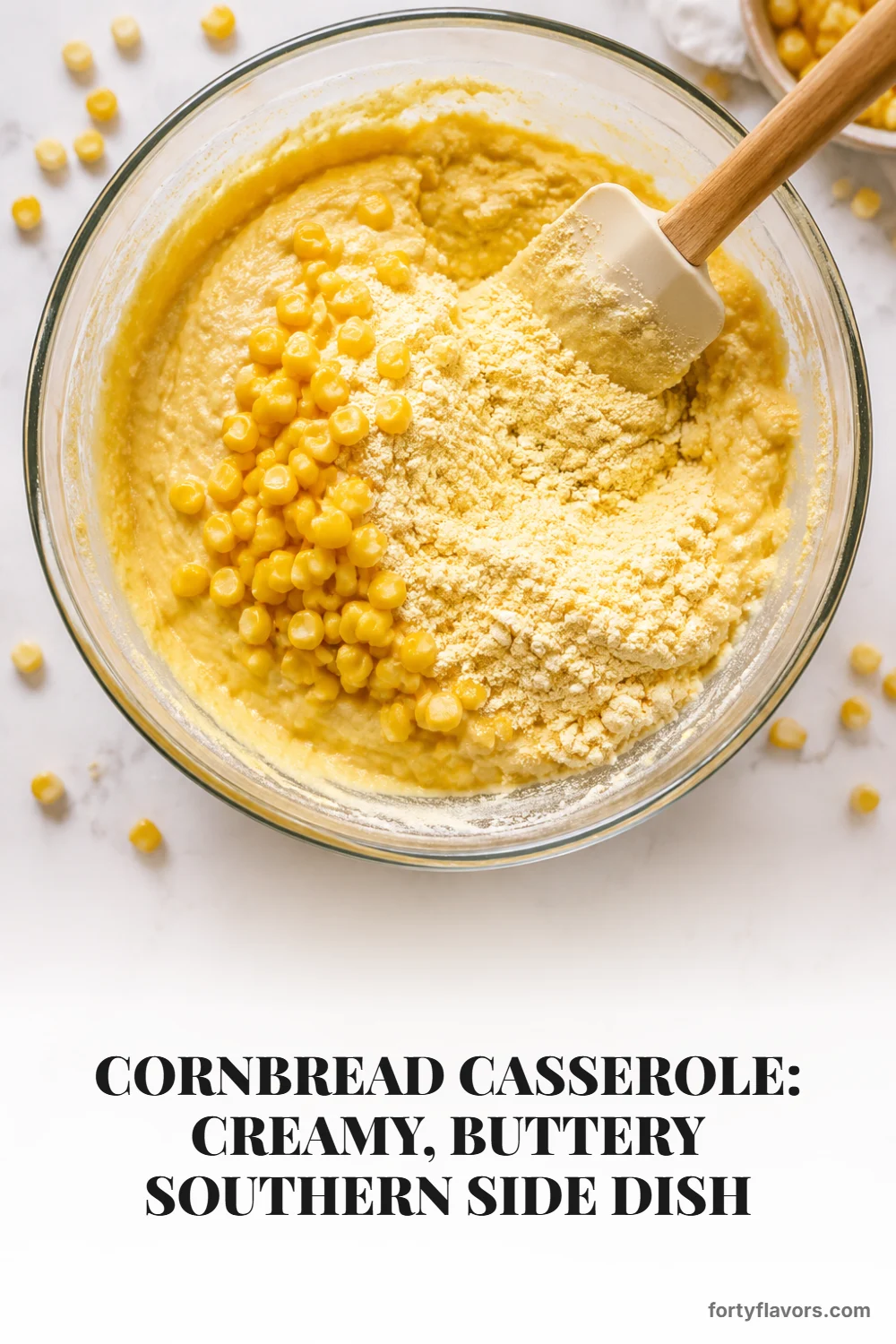
Folding cornbread mix and corn into batter for cornbread casserole

Step 2: Fold in Cornbread Mix

Add both cans of corn and the dry cornbread mix straight to the bowl with the wet ingredients. Use a silicone spatula to fold gently until you don't see any pockets of dry mix, but stop the second the batter looks uniform. Overmixing develops gluten in the flour portion of the cornbread mix and turns a tender casserole into a rubbery one — this is the single most common rookie mistake.

Cornbread casserole batter in a baking dish ready to bake

Step 3: Bake Until Golden

Pour the batter into a buttered 9x13 baking dish and smooth the top with your spatula. Slide it onto the middle rack of a 350°F oven and bake for 45 to 50 minutes, until the edges are deeply golden, the center is set, and a toothpick inserted in the middle comes out with just a few moist crumbs. The casserole will rise and slightly dome as it cooks, then settle gracefully as it cools.

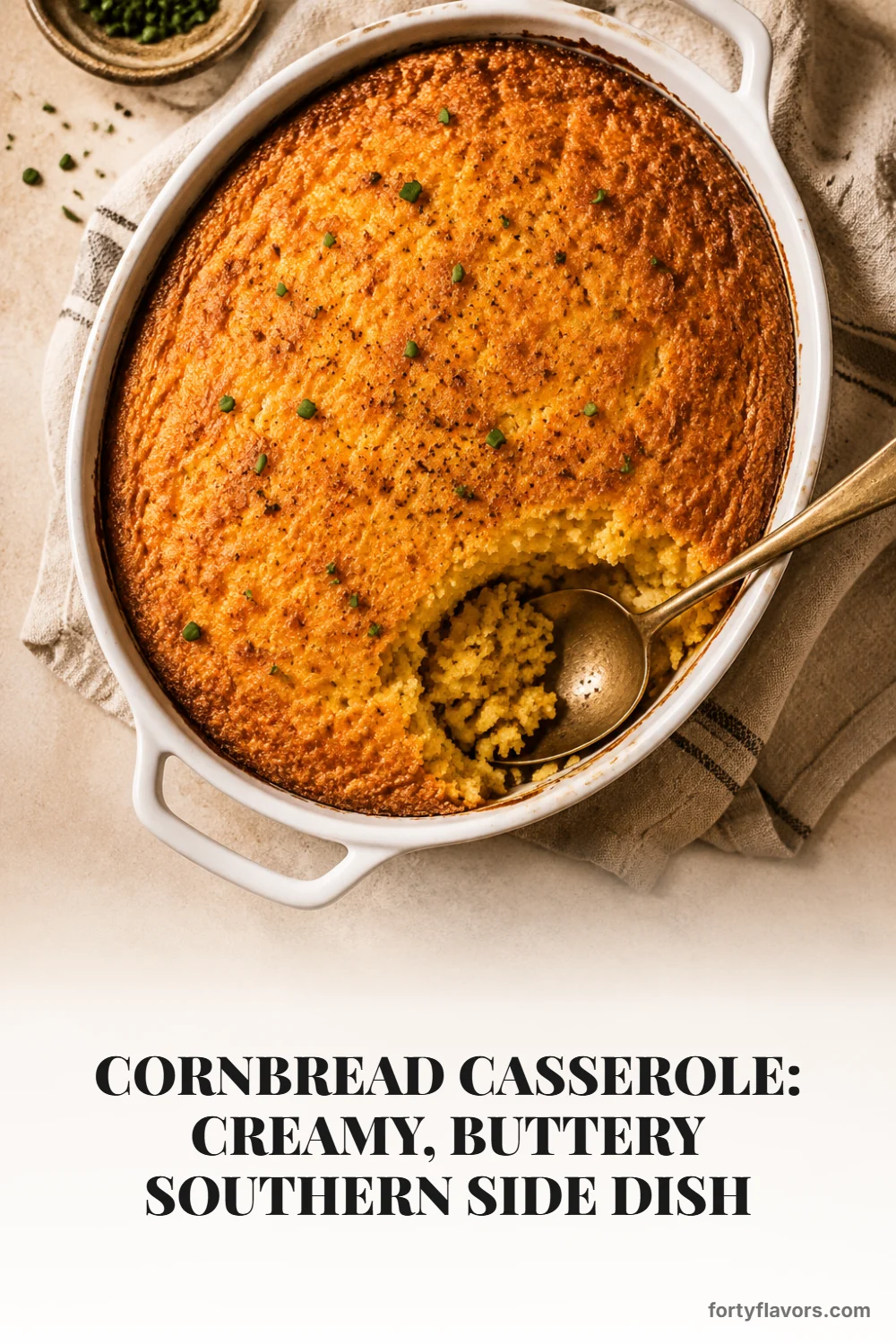
Baked cornbread casserole with golden crust in a white baking dish
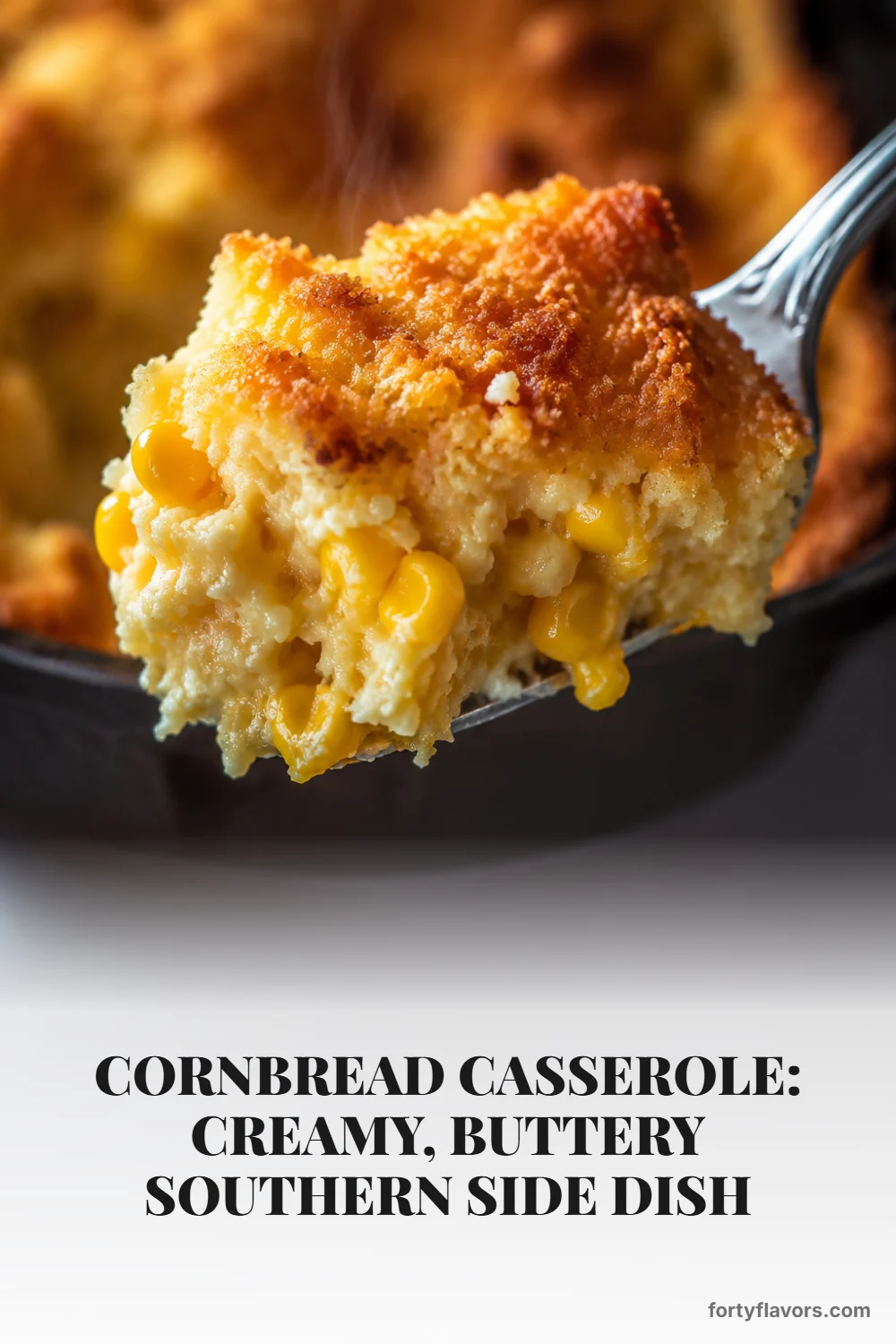
Close-up of creamy cornbread casserole texture on a fork

What to Serve With Cornbread Casserole

This is one of the most versatile Southern side dishes in the book — it pairs with practically anything that comes out of an oven, a smoker, or a Dutch oven. Below are the pairings that come up on repeat in my kitchen.

Holiday Mains

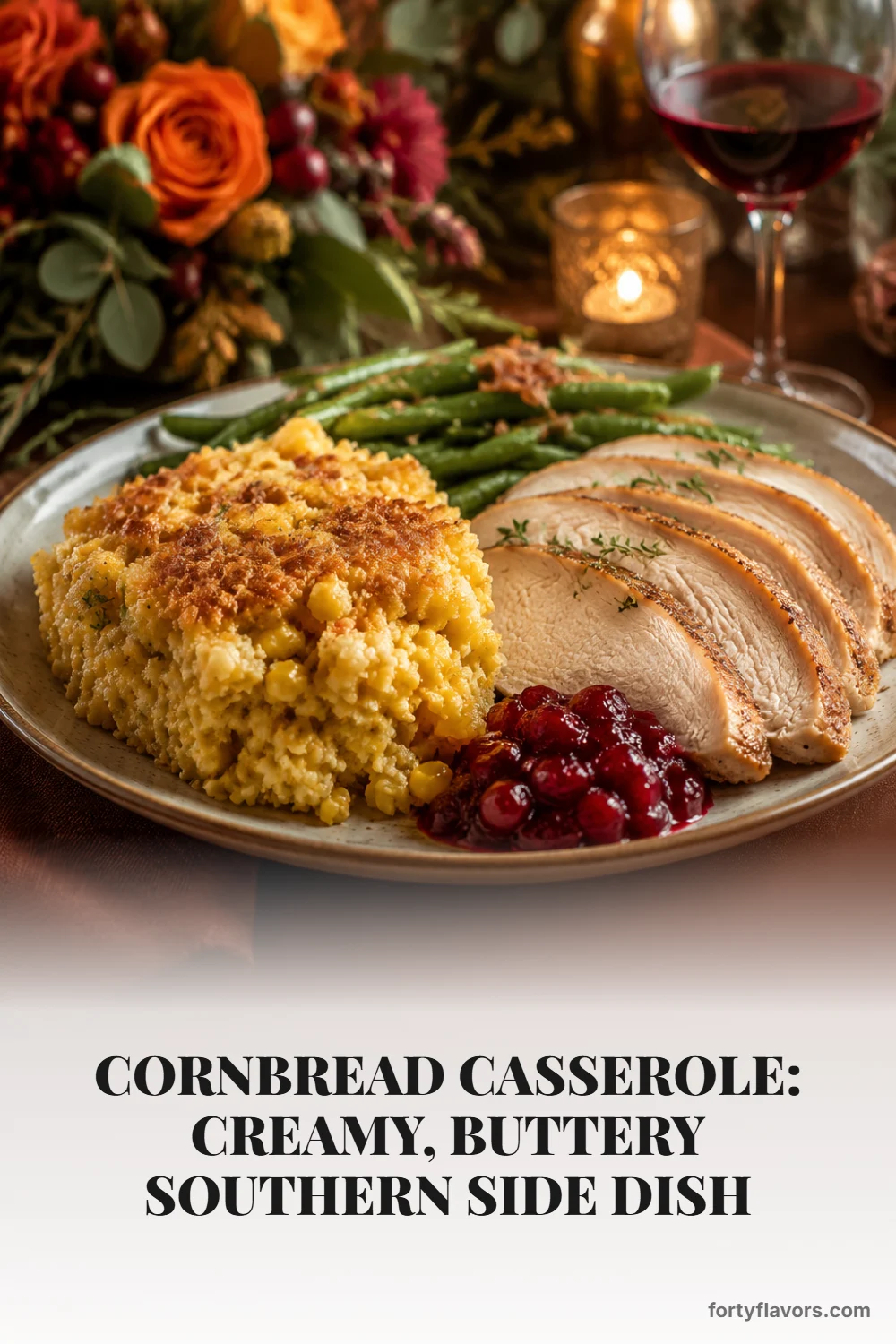
For Thanksgiving and Christmas, this dish earns its keep next to roast turkey, glazed ham, herbed prime rib, or a slow-roasted pork shoulder. The slight sweetness of the cornbread mix balances salty cured meats and gravy-rich proteins beautifully. I tuck it into the menu alongside a pot of collards, a basket of buttered rolls, and a tart cranberry relish for color and contrast.

Cornbread casserole served as a holiday side dish with turkey

BBQ and Chili Pairings

Year-round, this is the side I reach for with smoked brisket, pulled pork, baby back ribs, or a big pot of chili. It catches sauce and pot likker the way good cornbread should, while staying soft enough to scoop with a fork. Set it next to coleslaw and pickles for a cookout plate that hits every note. It's also a quiet hero with chicken and dumplings, beef stew, and weeknight rotisserie chicken from the grocery store.

Make-Ahead Notes for Busy Hosts

When you're juggling four dishes for a holiday spread, anything you can prep in advance is a gift. You can stir the entire cornbread casserole batter up to 24 hours ahead, pour it into your buttered baking dish, cover tightly with plastic wrap, and refrigerate until you're ready to bake. Pull it out about 20 minutes before it goes in the oven to take the worst of the chill off, then bake as directed, adding 5 to 10 extra minutes to the cook time to compensate for the cold start.

Leftover cornbread casserole stored in a glass container for the fridge

Leftovers are nearly as good as the original — full freezer and reheating instructions live in the storage notes just below. This casserole has a happy second life on a brunch plate next to scrambled eggs and crispy bacon, which is reason enough to make a double batch any time the oven is already on.

After fifteen years of Sunday dinners and holiday tables, I can promise this cornbread casserole recipe is the version friends will text you about the next morning. Soft, golden, comforting, and almost embarrassingly easy — exactly what a great holiday side should be.

💡 Expert Tips

  • Drain the whole kernel corn really well. Excess canning liquid is the number one reason a casserole turns out soggy or dense in the middle, so press gently in a fine-mesh strainer.
  • Cool the melted butter for 2 to 3 minutes before whisking it with the eggs. Hot butter scrambles raw eggs into curdled threads and ruins the smooth, velvety batter you're after.
  • Don't overmix once the dry mix goes in. Stir just until you can't see any dry pockets — extra mixing develops gluten in the flour and creates a tough, rubbery texture instead of a tender one.
  • Test for doneness in the very center, not the edges. The edges set fast but the middle needs the full 45 to 50 minutes; a toothpick should come out with a few moist crumbs and no wet batter.
  • Let the casserole rest at least 10 minutes after baking. The custard finishes setting as it cools, and scooping too early gives you sloppy portions instead of clean, tidy squares.

🔄 Variations & Substitutions

The base recipe is delicious as written, but it's also a blank canvas for whatever flavors you love most. Stir add-ins into the batter just before pouring it into the baking dish, and don't exceed about a cup of extras total so the structure stays intact and the bake time doesn't shift dramatically.

  • Cheesy Jalapeño: Fold in 1 cup shredded sharp cheddar and 1 to 2 finely diced jalapeños (seeded for milder heat). Top with another small handful of cheese for the last 10 minutes of baking for a crackly, golden crown.
  • Bacon and Chive: Stir in ½ cup chopped cooked bacon and 3 tablespoons sliced fresh chives. Sprinkle a little extra crumbled bacon over the top before serving so the smoky flavor reads in every bite.
  • Sweet Honey Butter: Whisk 2 tablespoons honey into the wet ingredients and brush the warm baked casserole with melted honey butter the moment it leaves the oven. Brilliant alongside ham, fried chicken, or a Sunday brunch spread.

🧊 Storage & Leftovers

Cool leftovers completely, then transfer to an airtight container and refrigerate for up to 4 days. To freeze, wrap individual portions tightly in plastic wrap and then foil, or freeze the entire pan once cooled (covered with foil and a layer of plastic wrap). It keeps in the freezer for up to 2 months. Always thaw overnight in the refrigerator before reheating for the best texture.

To reheat, cover with foil and warm at 325°F for 15 to 20 minutes for individual portions, or 25 to 30 minutes for a full pan, until heated through. A quick blast in the microwave works in a pinch — about 60 to 90 seconds for a single serving — though the texture is noticeably better straight from the oven. A small pat of butter on top while it reheats brings the buttery flavor right back.

Frequently Asked Questions

What's the best cornbread mix for cornbread casserole?
Jiffy cornbread mix is the classic pick for this recipe and it's what most Southern cooks reach for. The 8.5-ounce blue and white box has the right ratio of cornmeal, flour, and just a touch of sugar that gives the casserole its faintly sweet, tender crumb. That said, any 8.5-ounce equivalent will work — Krusteaz, Trader Joe's cornbread mix, or even a homemade dry blend with the same proportions. Avoid larger "Mexican-style" mixes or anything already loaded with corn or peppers, since the moisture content and seasoning will throw the recipe noticeably off balance.
Can I make cornbread casserole ahead of time?
Absolutely, and it's one of the reasons this dish is such a holiday favorite. Mix the batter up to 24 hours in advance, pour it into your buttered baking dish, cover tightly with plastic wrap, and store it in the refrigerator until you're ready to bake. Pull the dish out about 20 minutes before it goes in the oven so the cold takes the edge off, then bake as directed and add 5 to 10 minutes to the total cook time to compensate for the chilled start. Always check doneness with a toothpick before pulling it out of the oven.
Why is my cornbread casserole soggy in the middle?
A soggy or wet center almost always comes down to underbaking or excess liquid in the batter. First, make sure you drained the whole kernel corn thoroughly — even a few extra tablespoons of canning liquid can throw off the moisture balance. Second, give the casserole the full 45 to 50 minutes and check the very center with a toothpick, not just the edges. The toothpick should come out with a few moist crumbs but no wet batter. If it's still soft, return it to the oven in 5-minute increments until set, and always let it rest 10 minutes before scooping.
Can I freeze cornbread casserole?
Yes, and it freezes beautifully. Cool the baked casserole completely first — this is important, because warm casserole creates condensation and ice crystals that ruin the texture. Wrap individual portions or the entire pan tightly in a double layer of plastic wrap and foil, and freeze for up to 2 months. To reheat, thaw overnight in the refrigerator, then bake covered with foil at 325°F for about 25 to 30 minutes for a full pan or 15 to 20 minutes for portions, until warmed through. Avoid freezing unbaked batter — the texture suffers significantly when reheated from raw.
Is cornbread casserole the same as spoonbread?
They're close cousins from the same Southern family, but not identical. Both are custardy, corn-based oven dishes with cornmeal at their heart. Spoonbread is much softer and traditionally served with a literal spoon — the texture is closer to a savory pudding or soufflé, often made with separated eggs whose whites are folded in for lift. Cornbread casserole, by contrast, holds its shape when scooped, with a clearly defined golden crust and a moist but sliceable interior. Think of spoonbread as the elegant, refined cousin and casserole as the easygoing one everyone reaches for first at the table.

Cornbread Casserole: Creamy, Buttery Southern Side Dish

Pin Recipe
  • Prep Time10 min
  • Cook Time45 min
  • Total Time55 min
  • Yield8 servings

Ingredients

Scale

Instructions