Salads & SidesMay 19, 2026

Squash Casserole: Creamy Southern Comfort in One Dish

4.8 from 12 reviews
0SHARES

Now Playing

Squash Casserole: Creamy Southern Comfort in One Dish

0:00
0:00
Squash Casserole: Creamy Southern Comfort in One Dish

A creamy, cheesy squash casserole with a buttery Ritz cracker topping. The Southern side dish that disappears first at every potluck and Sunday supper.

Why You'll Love This Recipe
  • A true Southern classic: Tender yellow squash, sharp cheddar, sour cream, and buttery crackers make this the kind of side dish that feels instantly familiar.
  • Rich, not watery: Salting and sautéing the squash first helps release extra moisture before baking, so the filling stays creamy.
  • Potluck and holiday friendly: It travels well, serves a crowd, and fits right in with Sunday dinners, Easter, Thanksgiving, and casual cookouts.
  • Simple pantry ingredients: No canned soup required—just fresh squash, onion, dairy, cheese, eggs, butter, and crackers.
  • Make-ahead flexible: Assemble the filling in advance, then add the cracker topping right before baking for the best crunch.

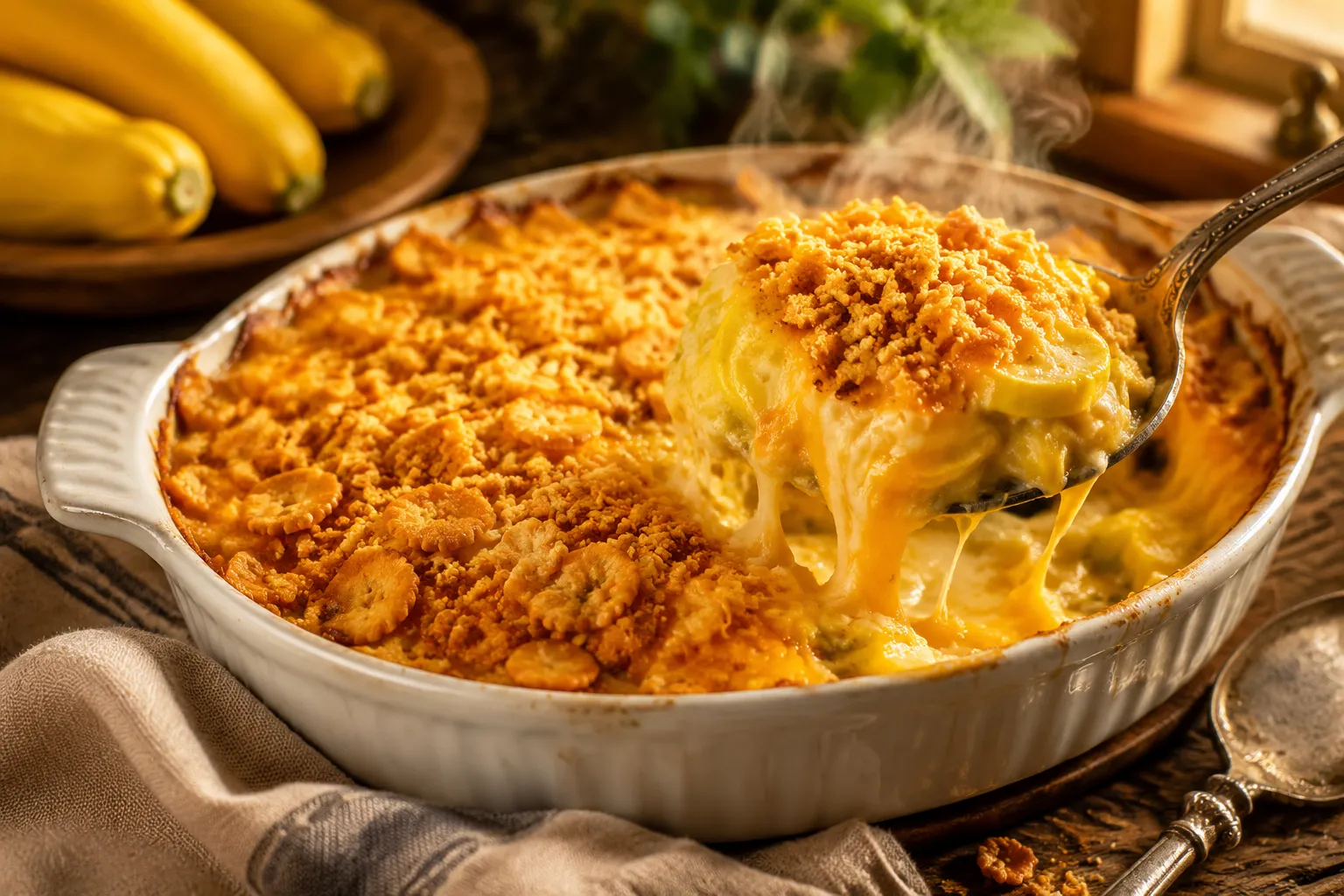
Squash casserole is the kind of creamy, buttery Southern comfort food that makes a simple dinner feel like Sunday supper. It starts with tender yellow squash and sweet onion, folds them into a rich sour cream and sharp cheddar filling, then finishes everything with a golden Ritz cracker topping that shatters just enough when you scoop into it.

This version leans classic but not fussy: familiar pantry ingredients, a straightforward method, and one smart technique that keeps the filling creamy instead of watery. If you’ve ever loved yellow squash recipes in the summer or needed dependable Southern side dishes for a holiday table, this is the casserole dish to keep in your back pocket.

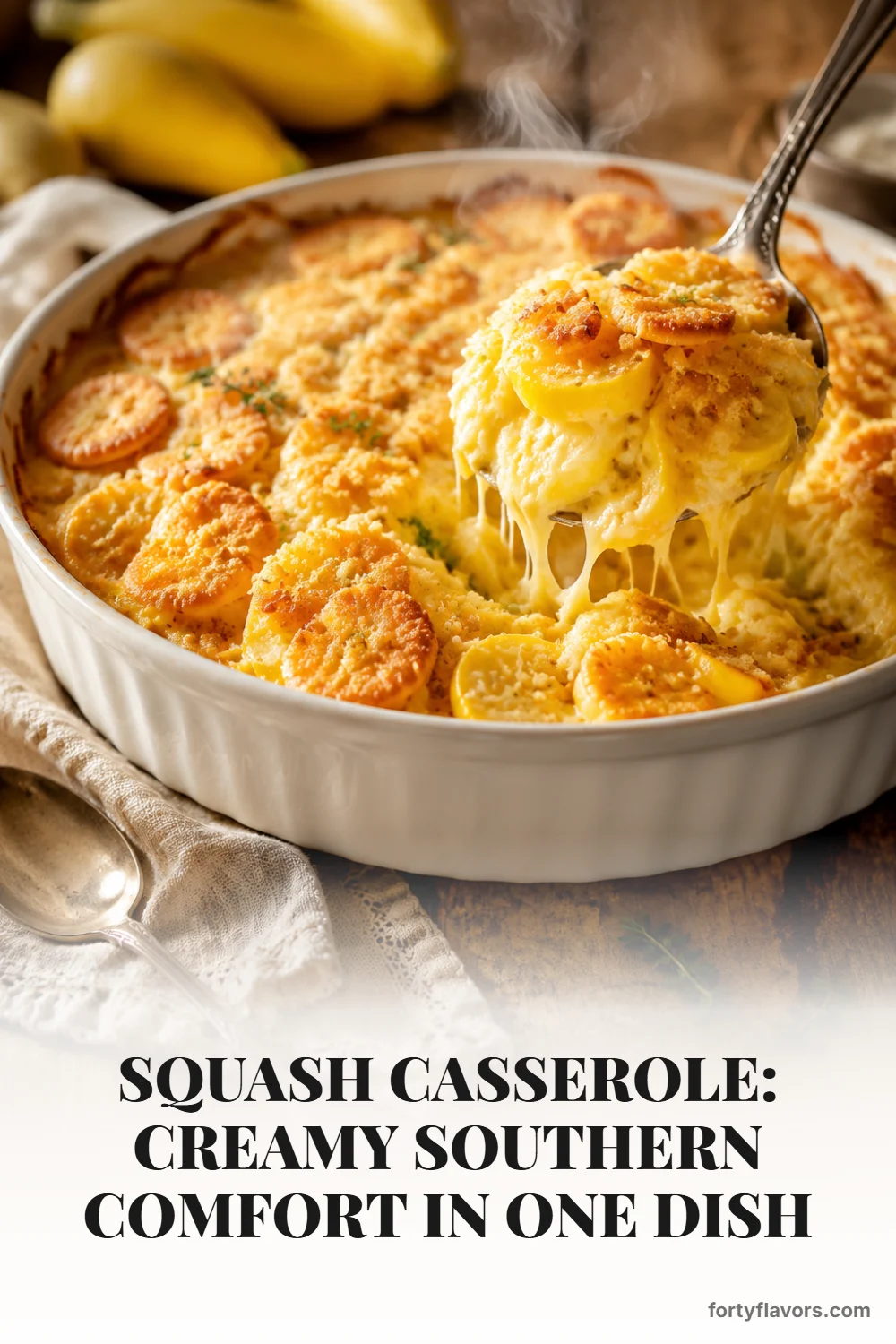
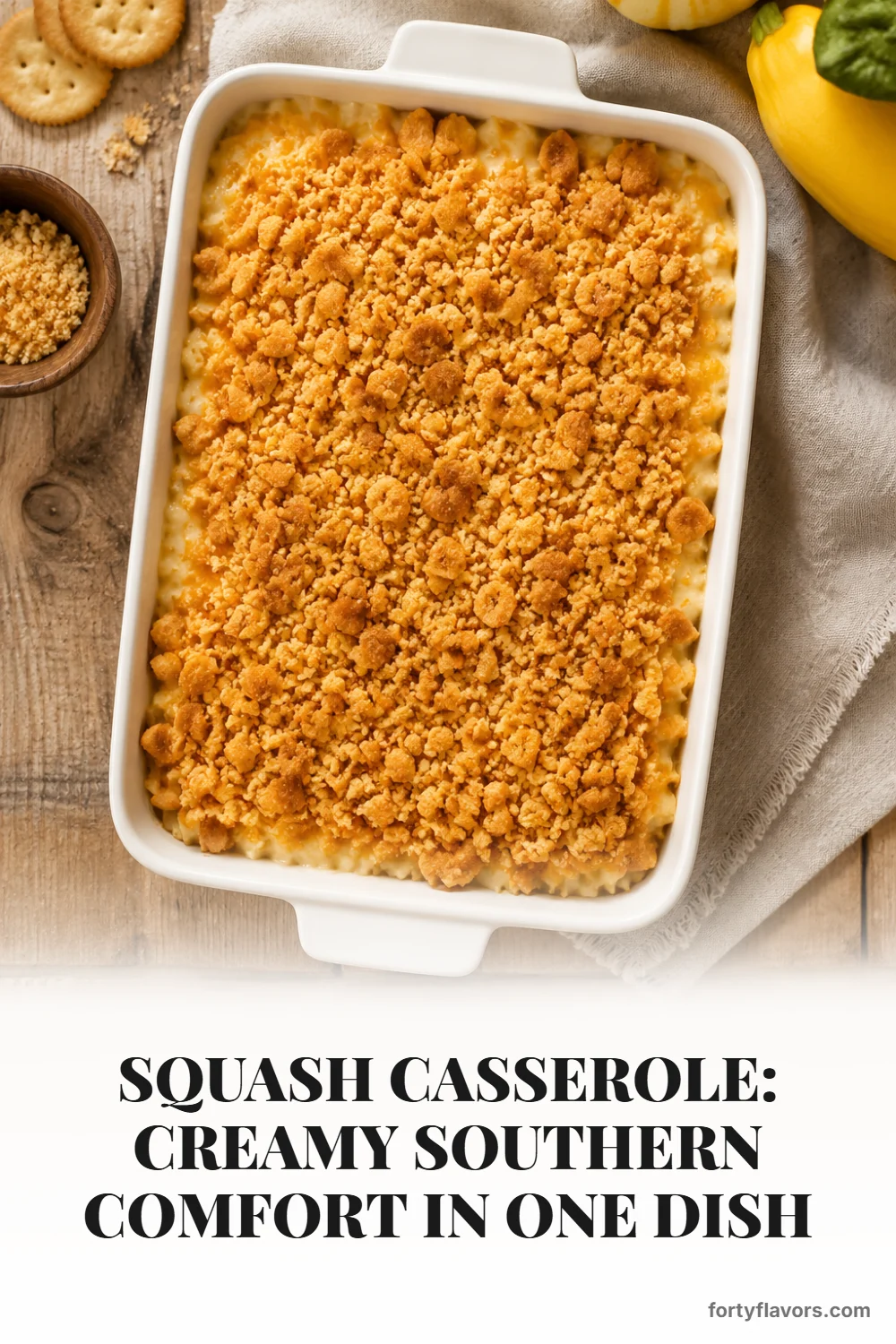
Squash casserole recipe with golden Ritz topping and melted cheddar in a white baking dish

Serve it warm from the oven with roast chicken, baked ham, grilled pork chops, or a big platter of green beans. It’s equally at home beside Thanksgiving sides as it is tucked into a weeknight dinner, and it has that happy potluck quality where people ask who brought “the squash thing” before going back for seconds.

What Makes This Southern Bake So Special

The magic of this squash casserole recipe is the balance of soft, sweet vegetables and a savory, creamy cheese base. Yellow squash has a delicate flavor that can disappear if it’s buried under too much sauce, so the filling is rich without being heavy. Sour cream adds tang, eggs help the mixture set, and sharp cheddar brings that unmistakable salty bite you want in a Southern side dish.

The buttery cracker topping is just as important as the filling underneath. Ritz crackers bring a toasted, slightly sweet crunch that breadcrumbs can’t quite copy, especially when they’re tossed with melted butter before baking. As the casserole bubbles, the top turns craggy and golden while the edges get a little cheesy and browned.

Another reason this dish works so well is texture. The squash is salted and cooked before it ever meets the dairy, which means it releases excess moisture early instead of flooding the casserole dish in the oven. That small step makes the difference between a spoonable, creamy bake and one that feels thin around the edges.

Ingredients for a Creamy Yellow Squash Casserole

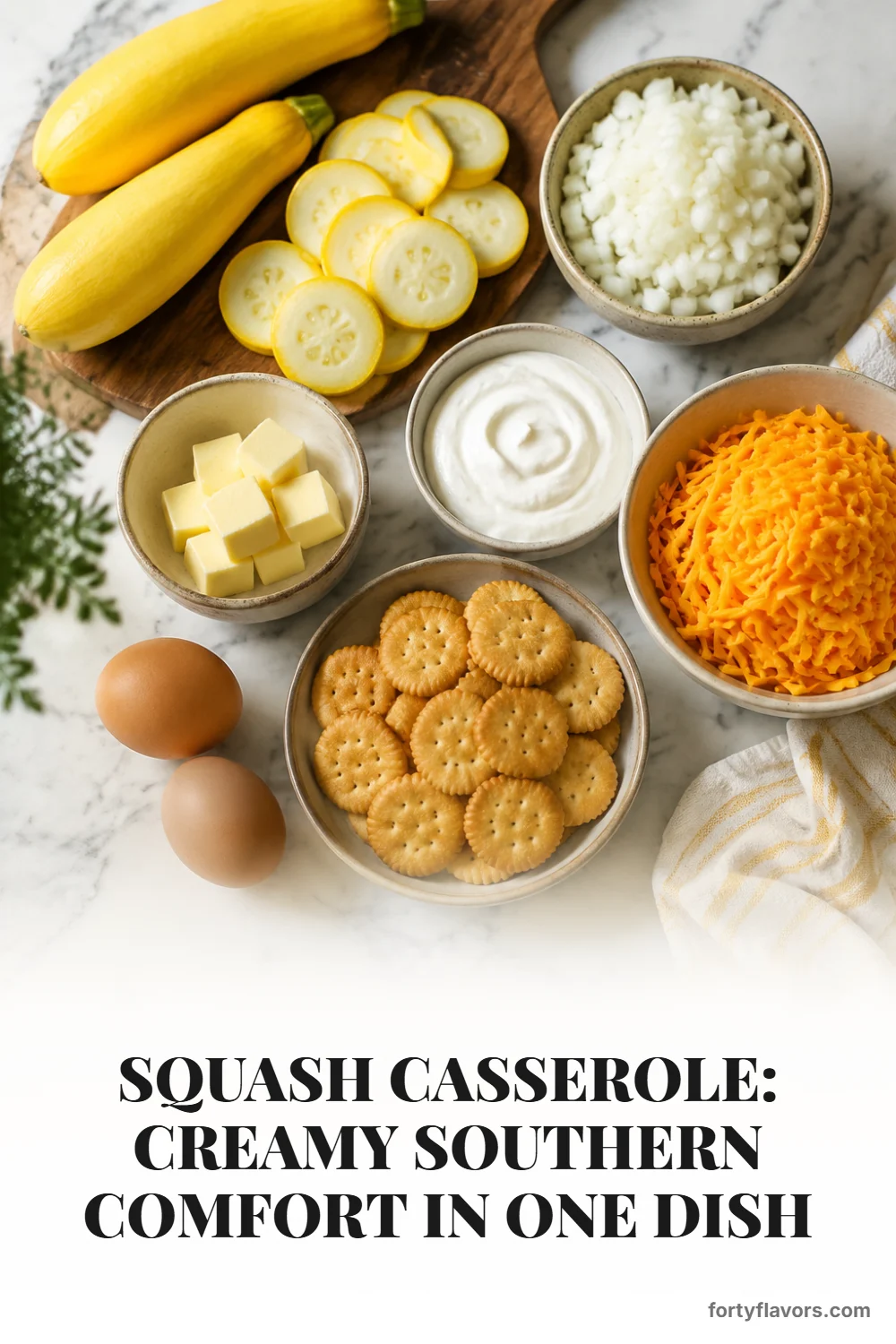
Squash casserole ingredients flatlay with yellow squash, cheddar, sour cream, and Ritz crackers

You don’t need anything fancy here, which is part of the charm. Start with 2 1/2 pounds of yellow squash, sliced into even 1/4-inch rounds so they soften at the same pace. Small to medium squash are best because they tend to have tender skins, smaller seeds, and less water than oversized late-season squash.

A diced yellow onion gives the casserole sweetness and depth, especially once it softens in butter. You’ll use butter in two places: first to sauté the vegetables, then again to coat the crushed crackers for that glossy, golden finish. Kosher salt, black pepper, and a little garlic powder keep the seasoning classic and familiar.

The creamy base is a simple blend of sour cream, lightly beaten eggs, and shredded sharp cheddar. Full-fat sour cream gives the best body and tang, while sharp cheddar makes the flavor bold enough to stand up to the mellow summer squash. If you can, shred the cheese yourself; it melts more smoothly and gives the filling a better texture than many bagged blends.

For the top, one sleeve of crackers is just right for a generous Ritz cracker topping. Crush them into coarse crumbs rather than dust, because those uneven pieces create the most satisfying crunchy layer. This is one of those potluck recipes where the top is the first thing people notice, so don’t be shy with the buttery crumbs.

How to Prep the Squash for the Best Texture

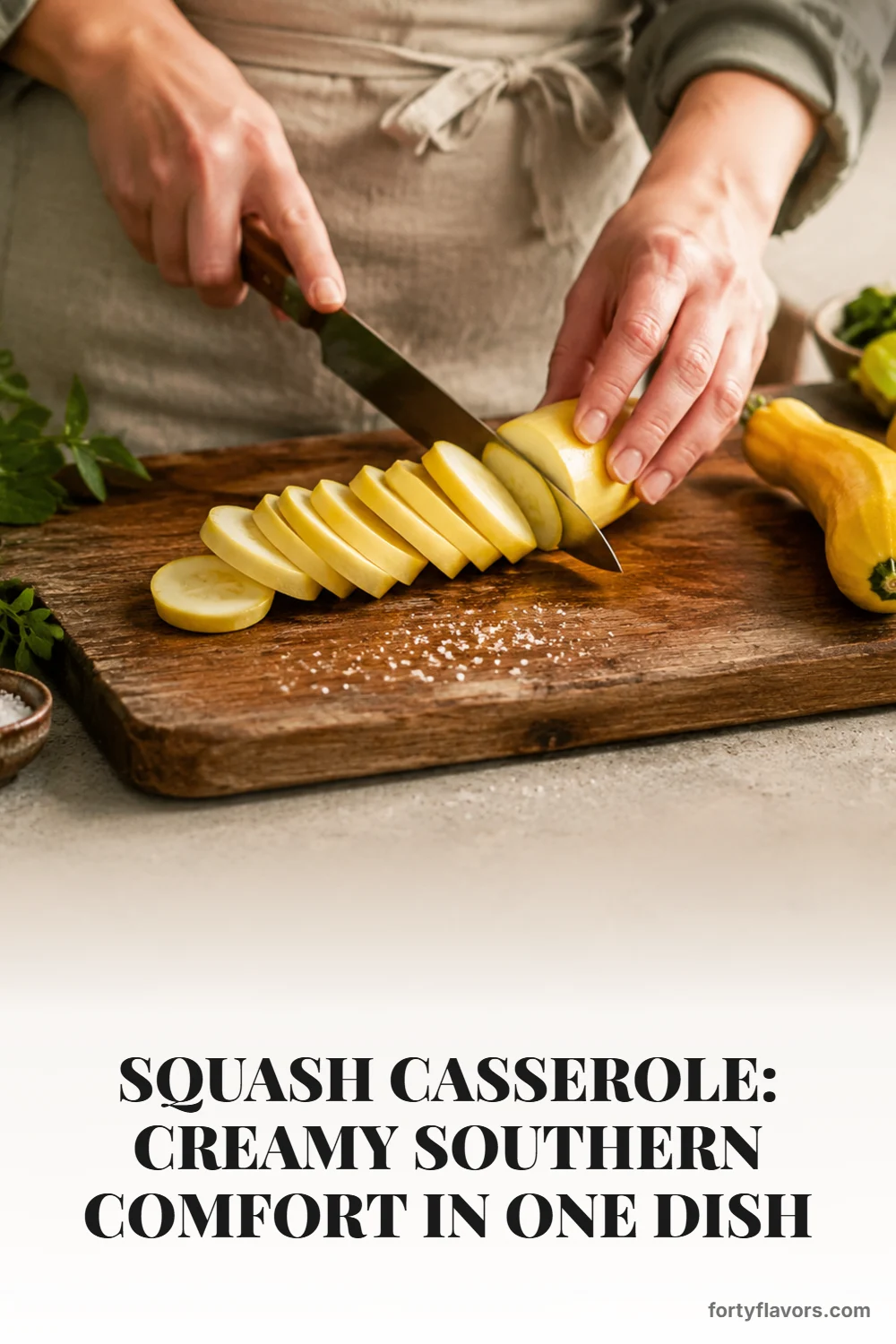
Slicing fresh yellow squash for a Southern squash casserole recipe

The most important prep step is slicing the squash evenly. Thin rounds cook quickly and nestle together nicely in the filling, while thicker chunks can stay firm in the center. Aim for about 1/4 inch thick; a sharp chef’s knife works perfectly, but a mandoline can help if you want extra-uniform slices.

Once sliced, sprinkle the squash lightly with kosher salt and let it sit for about 15 minutes. You’ll see moisture bead up on the cut surfaces, which is exactly what you want. Pat the rounds dry with a clean kitchen towel or paper towels before cooking so the butter can coat them instead of sliding off.

This prep also helps the finished casserole taste more concentrated. Instead of watery squash diluting the cheese and sour cream, you get mellow vegetable sweetness wrapped in a creamy, savory filling. It’s the same practical thinking that makes a good zucchini casserole work, but with the sunny flavor and color of yellow squash.

How to Make the Creamy Squash Bake

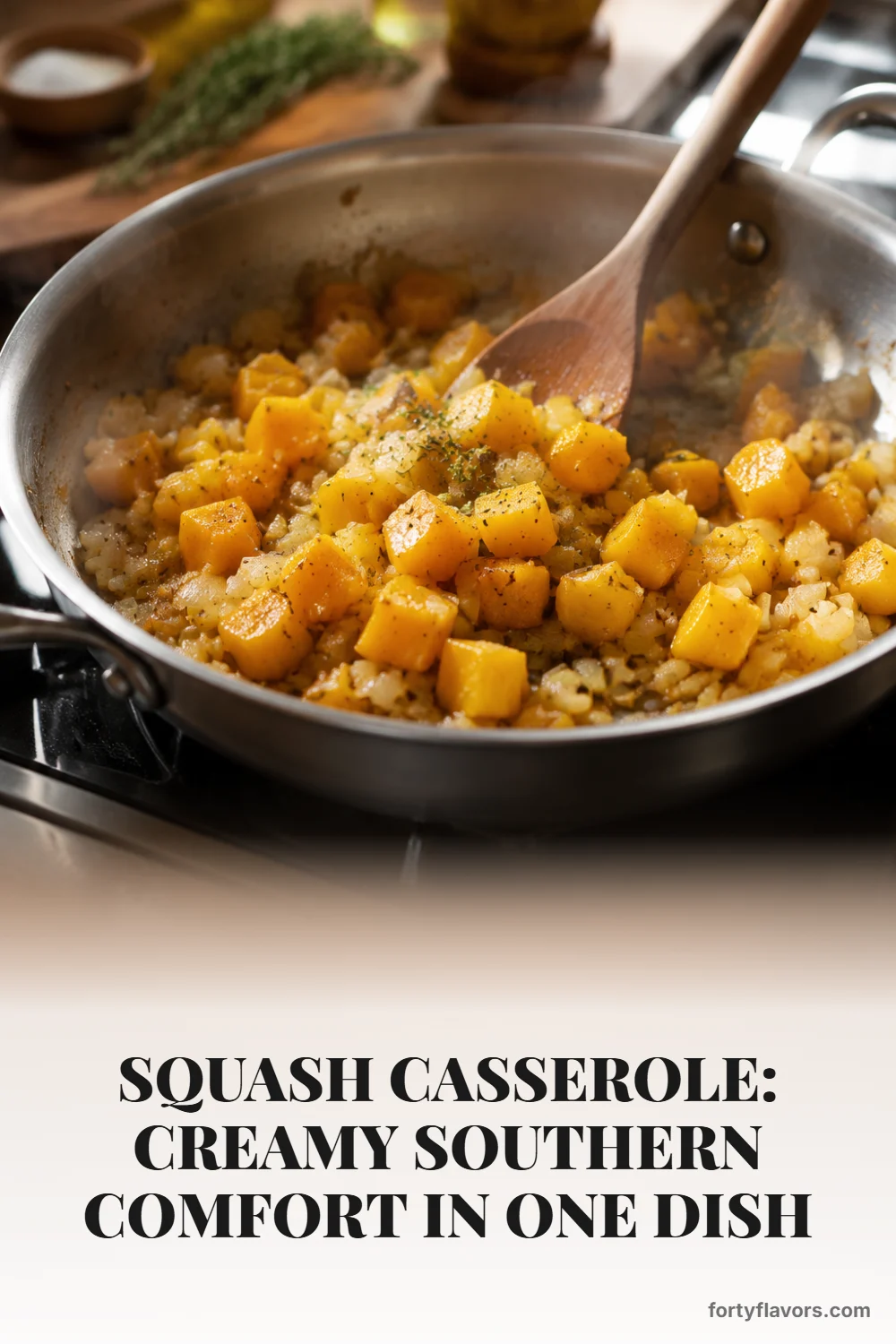
Sautéing yellow squash and onion in butter for squash casserole

Begin on the stovetop by melting butter in a large skillet and adding the diced onion with the prepared squash. Cook until the onion turns translucent and the squash is just tender, stirring often so the pieces soften evenly. You’re not trying to brown everything deeply; a little color at the edges is lovely, but the goal is to drive off moisture and build flavor.

After sautéing, let the vegetables cool for a few minutes. This pause matters because hot squash can scramble the eggs or loosen the sour cream too quickly. While the mixture cools, whisk together the sour cream, beaten eggs, garlic powder, black pepper, and part of the sharp cheddar in a large bowl.

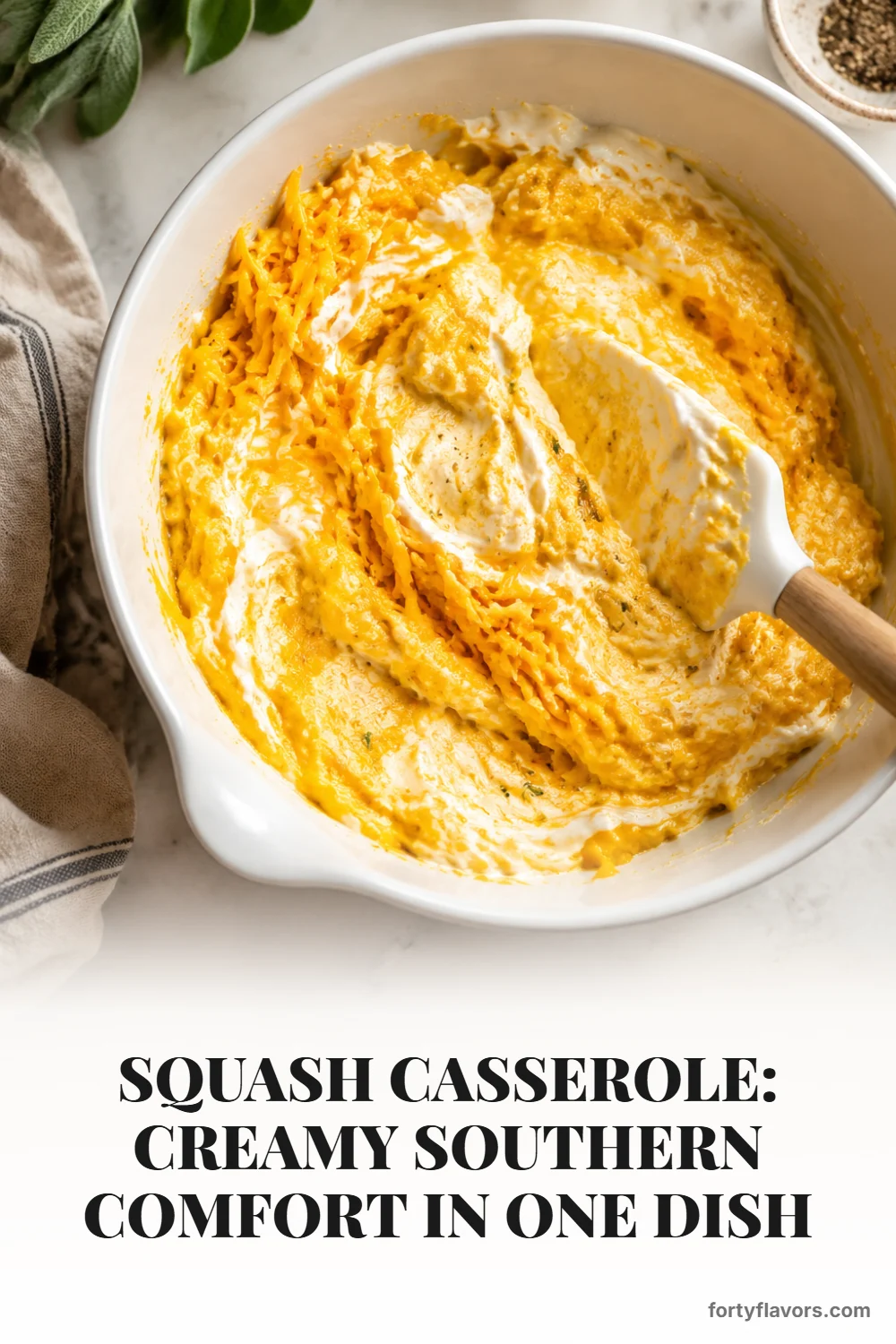
Folding cheddar and sour cream into squash casserole filling

Fold the warm squash and onion into the creamy mixture with a spatula, being gentle enough to keep some of the squash slices intact. The filling should look glossy, cheesy, and thick, with the vegetables well coated but not crushed. Taste the mixture for seasoning before it goes into the baking dish; squash can handle a generous pinch of salt, but the crackers and cheese add saltiness too.

Spread the filling into a buttered casserole dish, smoothing the top so the topping bakes evenly. Toss the crushed crackers with melted butter and sprinkle them over the surface from edge to edge. A little extra cheddar under or over the crumbs is never a bad idea if you like a cheesier crust.

Assembled squash casserole topped with buttered Ritz cracker crumbs before baking

Bake until the center is hot, the edges are bubbling, and the top is deeply golden. The aroma will tell you you’re close: buttery crackers, melted cheese, and sweet onion all warming together. Let the casserole rest for about 10 minutes before serving so the filling settles and scoops cleanly.

The Secret to a Rich Filling Instead of a Watery One

If there is one place to slow down, it is the moisture control. Summer squash can look innocent on the cutting board and still release a surprising amount of liquid once it meets heat. Salting, patting dry, and sautéing work together to concentrate the flavor and protect the creamy filling.

The sauté step also changes the flavor of the vegetables. Raw squash tastes mild and fresh, but cooked squash becomes sweeter and more savory, especially with onion and butter in the pan. This is why the finished dish tastes layered rather than simply creamy.

The eggs are another quiet helper. They bind the sour cream and cheese around the squash, giving the casserole enough structure to hold together on the plate without feeling stiff. After baking, that short rest on the counter allows the dairy and eggs to settle into a tender, spoonable custard.

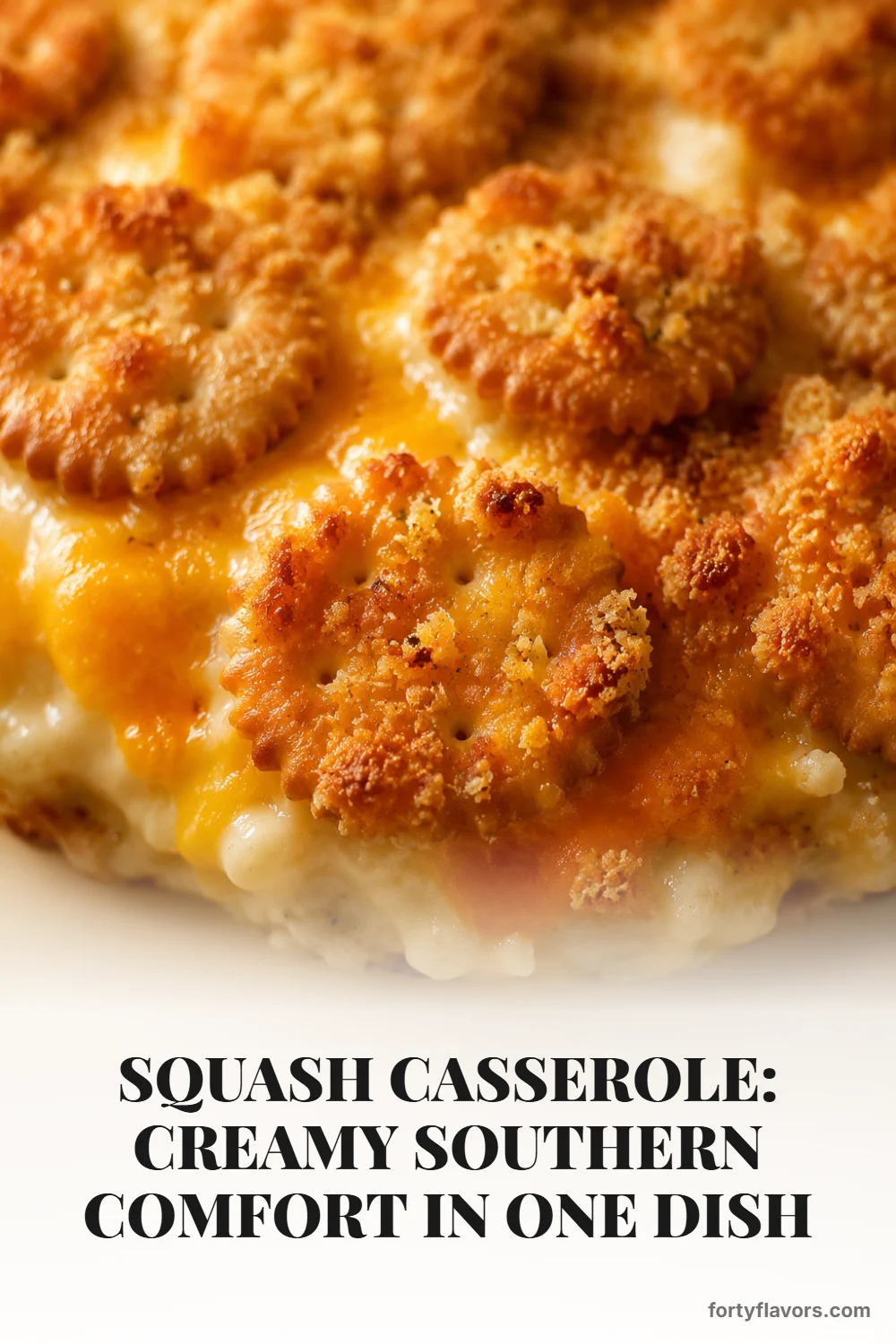
Close-up of golden Ritz cracker topping on baked squash casserole

Serving Suggestions for Sunday Supper and Holidays

This creamy vegetable bake is a natural with roasted and grilled meats. A scoop next to sliced roast chicken, glazed ham, or turkey feels cozy and complete, especially with something green on the plate. It also works beautifully with pork tenderloin, barbecue chicken, or a simple skillet of sausages when you want dinner to feel a little more generous.

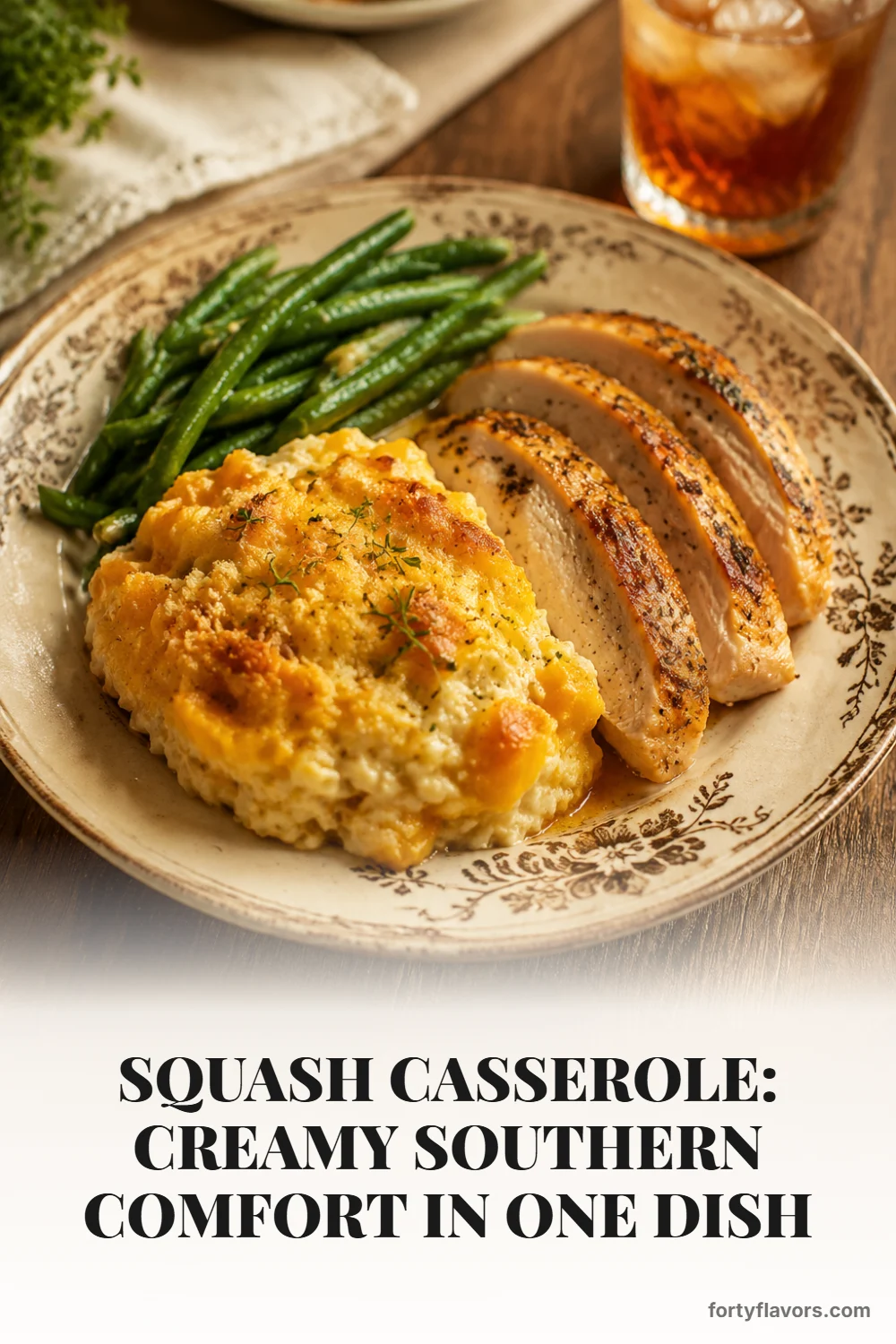
Squash casserole served with roast chicken and green beans on a Southern dinner plate

For a full Southern-inspired spread, pair it with collard greens, green beans, cornbread, sliced tomatoes, or a crisp cucumber salad. The richness of the cheese and sour cream loves something bright and fresh alongside it. If you’re building a holiday menu, the golden top and sunny squash color make it a welcome addition beside mashed potatoes, dressing, and cranberry sauce.

Because it travels well, this is also a smart dish for potlucks and church suppers. Bake it just before leaving if you can, then loosely cover it so the topping stays crisp. If it needs to sit for a little while, it will still be delicious warm rather than piping hot, which is one reason this dish has earned its place among classic summer squash favorites.

Make-Ahead Notes for Busy Cooks

This can be a make-ahead casserole with one simple adjustment: keep the cracker topping separate until just before baking. Assemble the creamy squash filling in the baking dish, cover it tightly, and refrigerate it for up to a day. When you’re ready to bake, add the buttered crumbs so they stay crisp and golden instead of softening in the refrigerator.

If the dish goes into the oven cold, plan on adding a little extra baking time. The center needs to heat through fully so the eggs set and the cheese melts into the sour cream. For holiday cooking, this is especially helpful because you can do the chopping, sautéing, and mixing the day before, then finish the dish while the turkey or ham rests.

Storing leftover squash casserole in a glass container for make-ahead meals

Leftovers are excellent tucked beside a quick lunch salad or reheated with grilled chicken for dinner the next night. The topping softens slightly after chilling, but a few minutes in the oven or toaster oven brings back some of that buttery crunch. It’s humble, practical comfort food—the kind of recipe that makes the most of seasonal squash and still tastes like something special.

💡 Expert Tips

  • Salt and drain the squash: Let the sliced squash sit with kosher salt for 15 minutes, then pat it dry. This draws out excess water before it can thin the casserole.
  • Do not skip the sauté: Cooking the squash and onion in butter deepens the flavor and evaporates more moisture than baking alone.
  • Use freshly shredded cheese: Block sharp cheddar melts more smoothly than pre-shredded cheese and gives the filling a creamier texture.
  • Keep the topping coarse: Crush the Ritz crackers into uneven crumbs, not powder, so the top bakes up craggy and crisp.
  • Rest before serving: Give the baked casserole 10 minutes on the counter so the filling can set and scoop cleanly.

🔄 Variations & Substitutions

This recipe is easy to adapt while keeping the same creamy, cheesy Southern spirit. Keep the ratios similar, control the moisture, and choose toppings or add-ins that complement the mild sweetness of the squash.
  • Zucchini and yellow squash: Use half zucchini and half yellow squash for more color and a slightly earthier flavor.
  • Gluten-free topping: Swap in gluten-free buttery crackers or gluten-free panko tossed with melted butter.
  • Lighter version: Replace half or all of the sour cream with plain Greek yogurt for extra tang and protein.
  • Bacon or ham: Fold in cooked crumbled bacon or finely diced ham for a smoky, savory upgrade.
  • Herby or spicy: Add chopped parsley, chives, thyme, or a finely diced jalapeño for freshness or heat.

🧊 Storage & Leftovers

Store leftover casserole in an airtight container in the refrigerator for up to 4 days. Reheat individual portions in the microwave, or warm larger portions in a 325°F oven until heated through; the oven does the best job of reviving the cracker topping.

To freeze, wrap the unbaked casserole tightly without the cracker topping and freeze for up to 2 months. Thaw overnight in the refrigerator, add the buttered cracker crumbs just before baking, and allow extra oven time if the dish is still very cold in the center.

Frequently Asked Questions

How do you keep squash casserole from being watery?
The best way to keep squash casserole from being watery is to manage moisture before the dish goes into the oven. Slice the squash, salt it lightly, and let it sit for about 15 minutes so it releases liquid. Pat it dry, then sauté it with onion in butter to cook off even more moisture and concentrate the flavor. After baking, let the casserole rest for 10 minutes so the creamy filling has time to set before serving.
Can I make squash casserole ahead of time?
Yes, this is a great make-ahead casserole. Assemble the squash, onion, sour cream, cheese, and egg filling in the baking dish, then cover and refrigerate it for up to 24 hours. Keep the crushed cracker topping separate so it does not absorb moisture and turn soft. When you are ready to bake, sprinkle the buttered crumbs over the top and add about 10 extra minutes to the baking time if the casserole is going into the oven cold.
Can I freeze squash casserole?
You can freeze squash casserole, though the texture is best when it is freshly baked. For freezing, assemble the filling without the cracker topping, wrap the dish tightly in plastic wrap and foil, and freeze for up to 2 months. Thaw it overnight in the refrigerator, add the buttered cracker crumbs right before baking, and bake until hot, bubbly, and golden. Because squash contains water, the filling may be a little softer after freezing.
What kind of squash is best for casserole?
Yellow summer squash is the traditional choice for Southern squash casserole because it has a tender texture, mild sweetness, and beautiful golden color. Choose small to medium squash with firm skin and minimal blemishes; very large squash tend to have more seeds and more water. Zucchini also works, or you can use a 50/50 mix of zucchini and yellow squash for a colorful version with a slightly different flavor.
What can I use instead of Ritz crackers on top?
If you do not have Ritz crackers, use crushed saltines, panko breadcrumbs, cornbread crumbs, or another buttery cracker. For the best texture, toss your topping with melted butter before sprinkling it over the casserole so it bakes up crisp and golden. Gluten-free crackers or gluten-free panko also work well. The key is choosing something that adds crunch and a little salt to balance the creamy squash filling.

Squash Casserole: Creamy Southern Comfort in One Dish

Pin Recipe
  • Prep Time15 min
  • Cook Time45 min
  • Total Time1h
  • Yield8 servings

Ingredients

Scale

Instructions