Classic Cottage Pie Recipe (Cozy British Comfort Food)
Ingredients
Scale
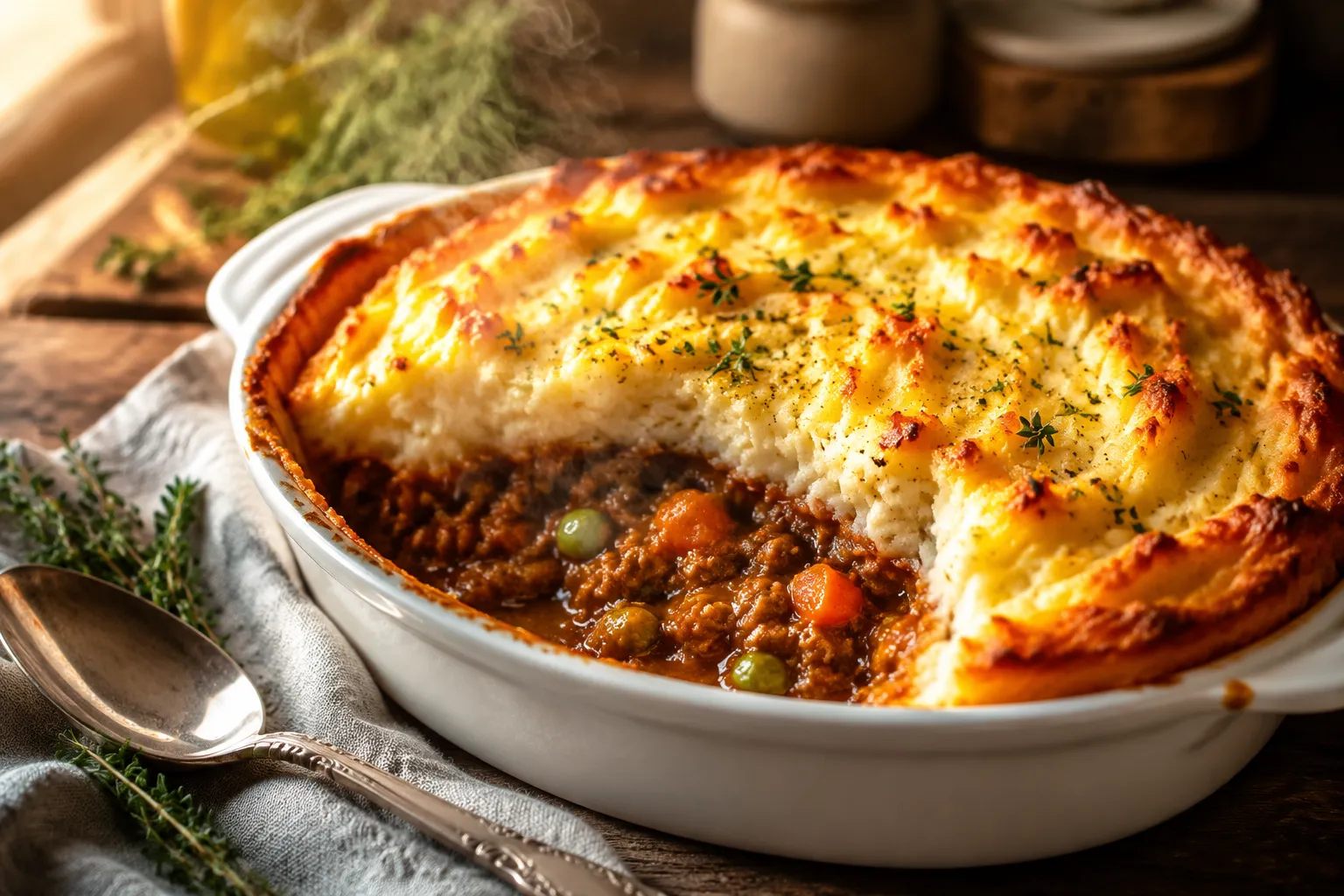
A cozy, golden-topped cottage pie recipe with rich beef gravy and creamy mashed potatoes. Pure British comfort food the whole family will request on repeat.
This classic cottage pie recipe is the kind of dinner that turns a chilly evening into something deeply, almost ridiculously cozy. Picture seasoned ground beef simmered in a glossy thyme-scented gravy, blanketed under buttery Yukon gold mash that bakes into golden, crackling peaks. It is unapologetic British comfort food, the kind of meal you serve to people you love and watch them go quiet at the table.
I learned to make cottage pie the way most home cooks across the UK do: by feel, by smell, and by the way the gravy clings to the back of a wooden spoon. What I love about this version is that it builds real depth without anything fancy, just a careful sear, a spoonful of tomato paste cooked into a savory fond, and a generous splash of Worcestershire sauce that ties the whole thing together. If you have ever wanted to nail homemade beef gravy without tearing open a powdered packet, this is your project.
It also happens to be one of the friendliest weeknight casseroles around. You can build it ahead, pop it in the fridge, and bake it straight from cold after work, or stash an extra one in the freezer for the kind of evening when you simply cannot. Tuck it onto your short list of Sunday dinner ideas and you will not be sorry, especially when the leftovers somehow taste even better the next day.
If you have ever stood in front of a recipe page debating which name to use, here is the short version: cottage pie is made with ground beef, and shepherd's pie is traditionally made with ground lamb. Both dishes share the same architecture, a savory meat filling tucked under a fluffy mashed potato topping, but the proteins are not interchangeable in name even if they often are in practice. Mixing the two up is one of the easiest ways to get politely corrected by a British relative at the dinner table.
The word "shepherd" in shepherd's pie is the giveaway. Shepherds tend sheep, so their pie is made with lamb. Cottage pie is actually the older of the two names, dating back to the late 1700s when potatoes became affordable enough for cottage-dwelling families to use as a thrifty topping over leftover roasted beef. Today, cottage pie is the answer when you want the rich, beefy flavor that pairs so beautifully with sharp cheddar, fresh thyme, and a generous slug of Worcestershire sauce.
A lot of American versions label any meat-and-mash bake as a shepherd's pie recipe, beef included. It is an easy mix-up, and totally fine in casual conversation, but if you are searching for the real-deal British version with beef, you want cottage pie. The distinction matters most at the grocery store: ground lamb has a richer, slightly gamy profile, while ground beef gives you that familiar comforting flavor that anchors so many classic ground beef recipes. Cook the one you love, but call it by its right name.
The beauty of this dish is how unfussy the shopping list is. Most of what you need is already in your pantry or fridge, and the rest is one quick stop. Here is what each component brings to the party and why I think these ratios are worth following the first time around.
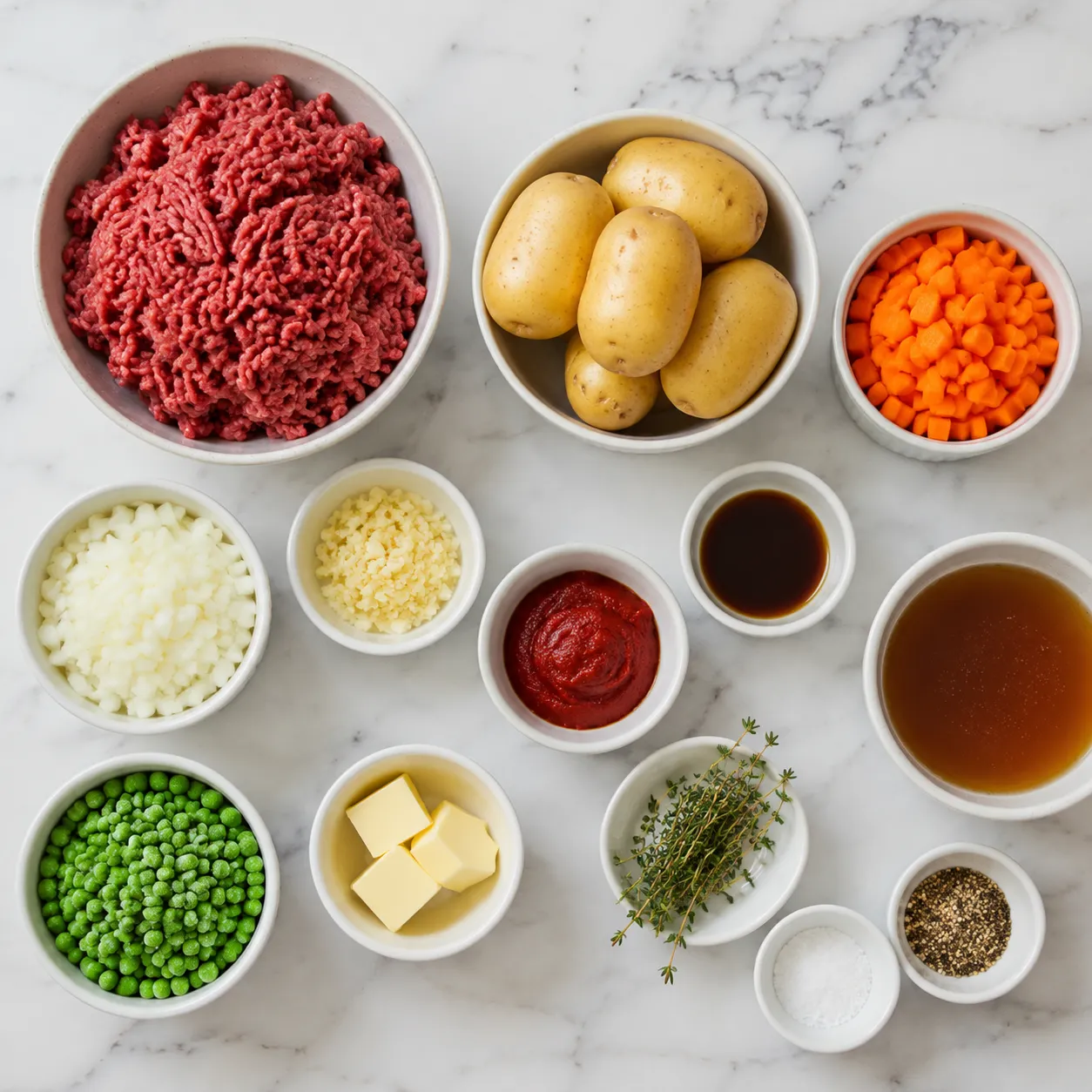
Reach for 85/15 ground beef. Leaner beef will leave the gravy thin and one-note, while the small amount of fat in 85/15 melts into the sauce and carries flavor through every bite. You also need a yellow onion, a couple of carrots for sweetness and color, fresh garlic, tomato paste, a tablespoon of all-purpose flour to thicken, beef broth, fresh thyme, and the holy trinity of British savor: Worcestershire sauce. Frozen peas go in at the very end for a pop of color and a hint of sweetness against the deeply savory gravy.
Yukon gold potatoes are my pick for the mashed potato topping. They land somewhere between starchy and waxy, which means a creamy mash that holds its shape when you pipe or fork it into peaks. Butter and whole milk are the only dairy you really need to make it sing. A handful of shredded sharp cheddar is optional but glorious, melting into a salty, golden crust on top that is genuinely hard to argue with once it hits the table.
No Yukon golds in the house? Russets work too, just whip them gently to avoid gluiness. Out of beef broth? A good mushroom stock cube dissolved in water makes a surprisingly deep stand-in. Vegetarians can swap the beef for brown lentils or a plant-based ground, and the technique still sings. If you need a quick refresher on building the perfect topping, my fluffy mashed potatoes recipe walks through the basics and translates beautifully to this casserole.
The full numbered method lives in the recipe card below, but here is the technique-level walk-through so you understand why each move matters. This is where a thoughtful cottage pie recipe pulls ahead of an average one, and most of the wins are about patience and a little browning discipline.
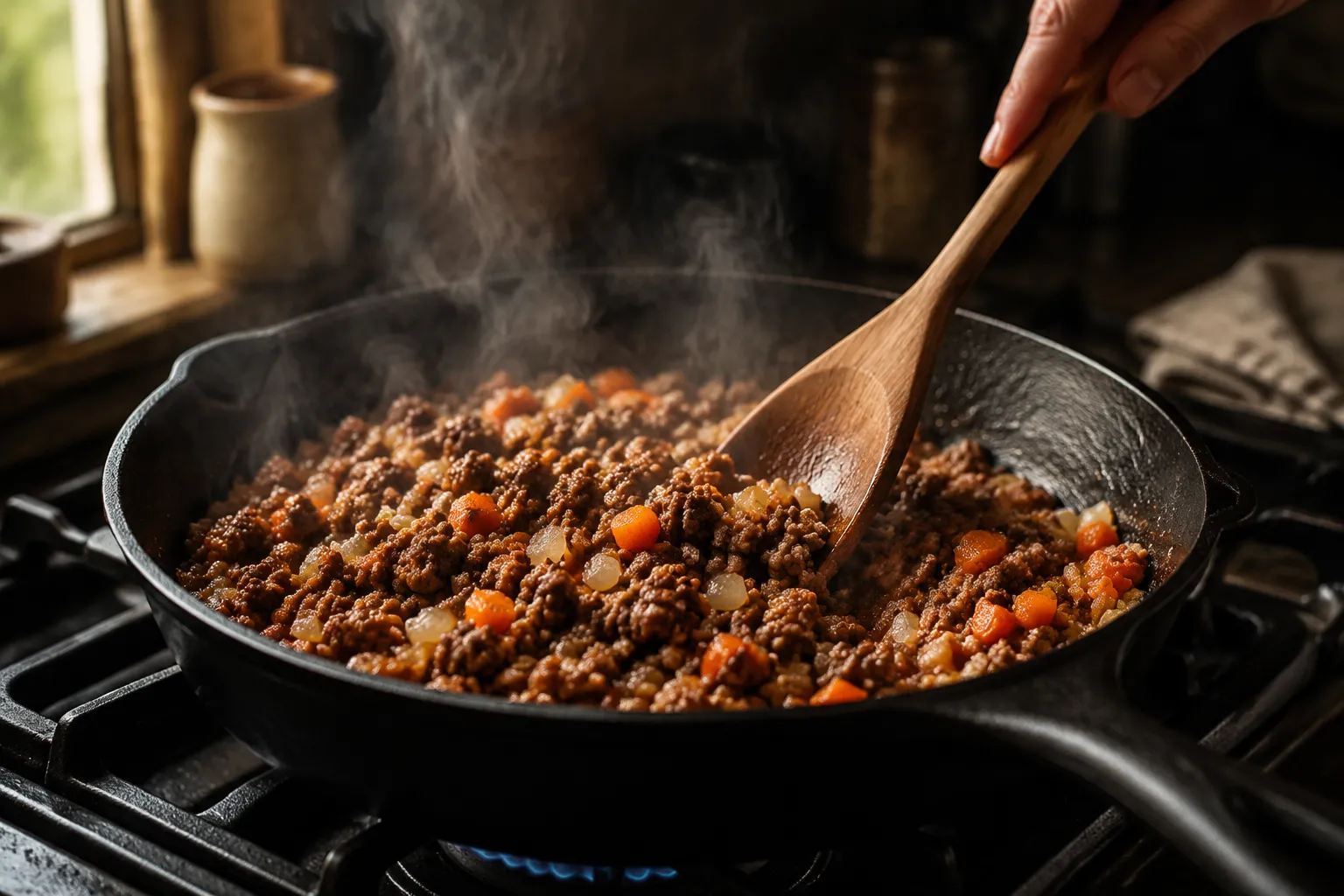
Start by getting a real sear on the beef. Spread the meat across a hot, dry skillet (I love a 12-inch cast iron for this) and let it sit, undisturbed, for two full minutes before stirring. You want crusty brown bits, not gray, simmered meat. Push the beef to the side, add a splash of oil if needed, and soften the onions and carrots until they are glossy and just beginning to caramelize at the edges. Garlic goes in last so it does not scorch.
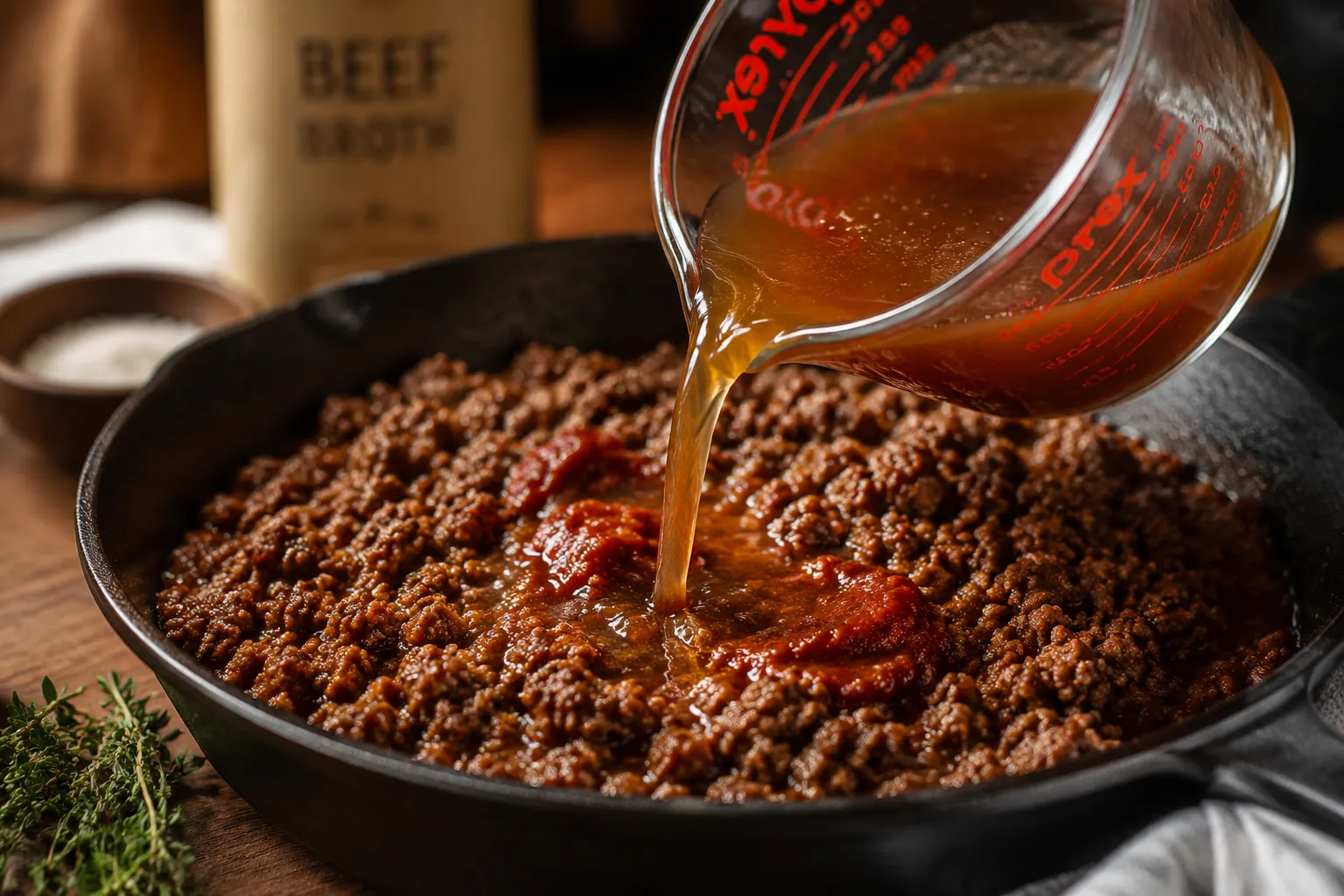
Next, build the gravy. Spoon in the tomato paste and let it cook against the pan for a full minute until it darkens and turns almost brick-red. That color is concentrated flavor and it is the foundation of the whole dish. Sprinkle the flour over everything and stir for thirty seconds to cook out the raw starch. Then deglaze with the beef broth, scraping up every brown bit stuck to the bottom of the pan. This is the moment a real homemade beef gravy is born. Add the Worcestershire, thyme, salt, and plenty of black pepper, then simmer until the sauce coats the back of a spoon.
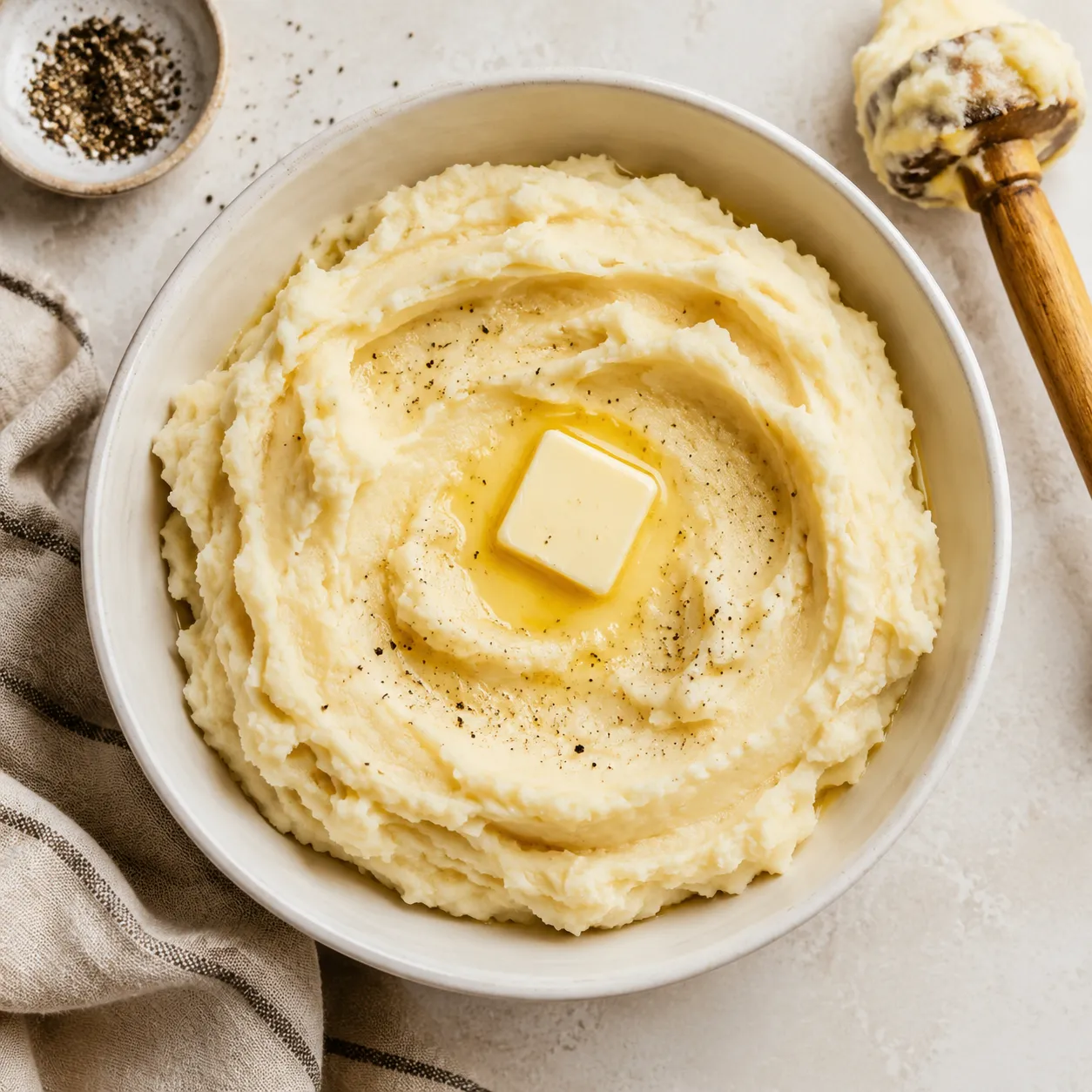
While the filling reduces, work on the topping. Boil peeled, chunked potatoes in well-salted water until a knife slides through with zero resistance. Drain them and return them to the hot pot for thirty seconds over low heat to steam off any extra moisture, that single trick is the difference between fluffy mash and soggy mash. Add cubed butter and warm milk and whip with a hand mixer, or work it through with a ricer for the silkiest result. Season aggressively with salt and pepper.
Now for the fun part: assembly. Stir the frozen peas into the filling off the heat so they keep their bright color, then transfer everything to a buttered casserole dish. Dollop the mash over the top and use a fork to drag textured peaks across the surface, or pipe it through a star tip for a restaurant-style finish. Those peaks are not just pretty. They catch the heat and brown into crisp, golden tips that contrast beautifully with the soft mash underneath.
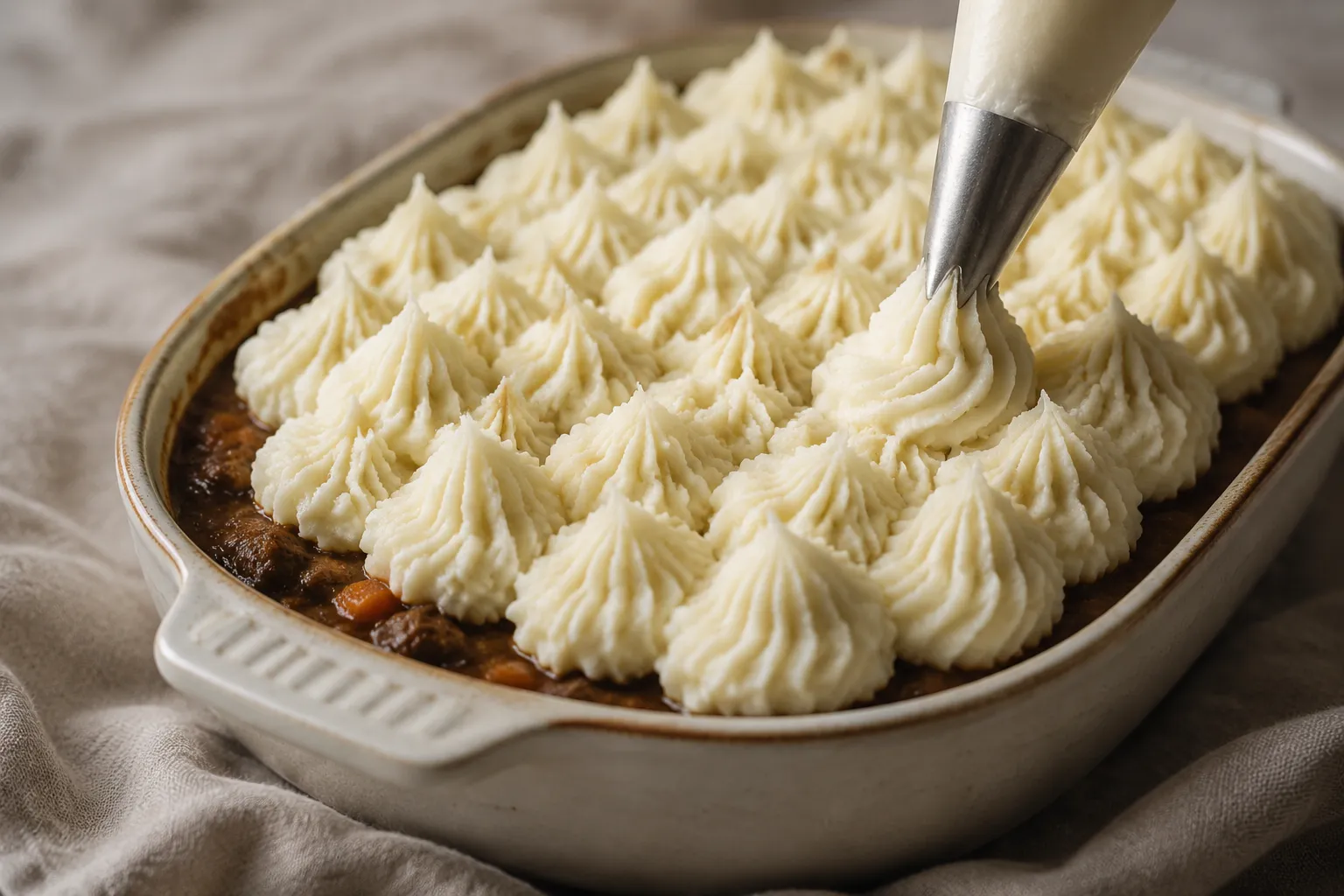
Bake until the gravy bubbles up thickly around the edges and the potato peaks are deeply golden, about thirty to thirty-five minutes at 400°F. If you want extra color, slide the dish under the broiler for the final two minutes. Watch it like a hawk, broilers do not forgive distraction. Let the pie rest on the counter for ten full minutes before serving so the gravy has time to settle and you get clean, layered scoops instead of a delicious landslide.
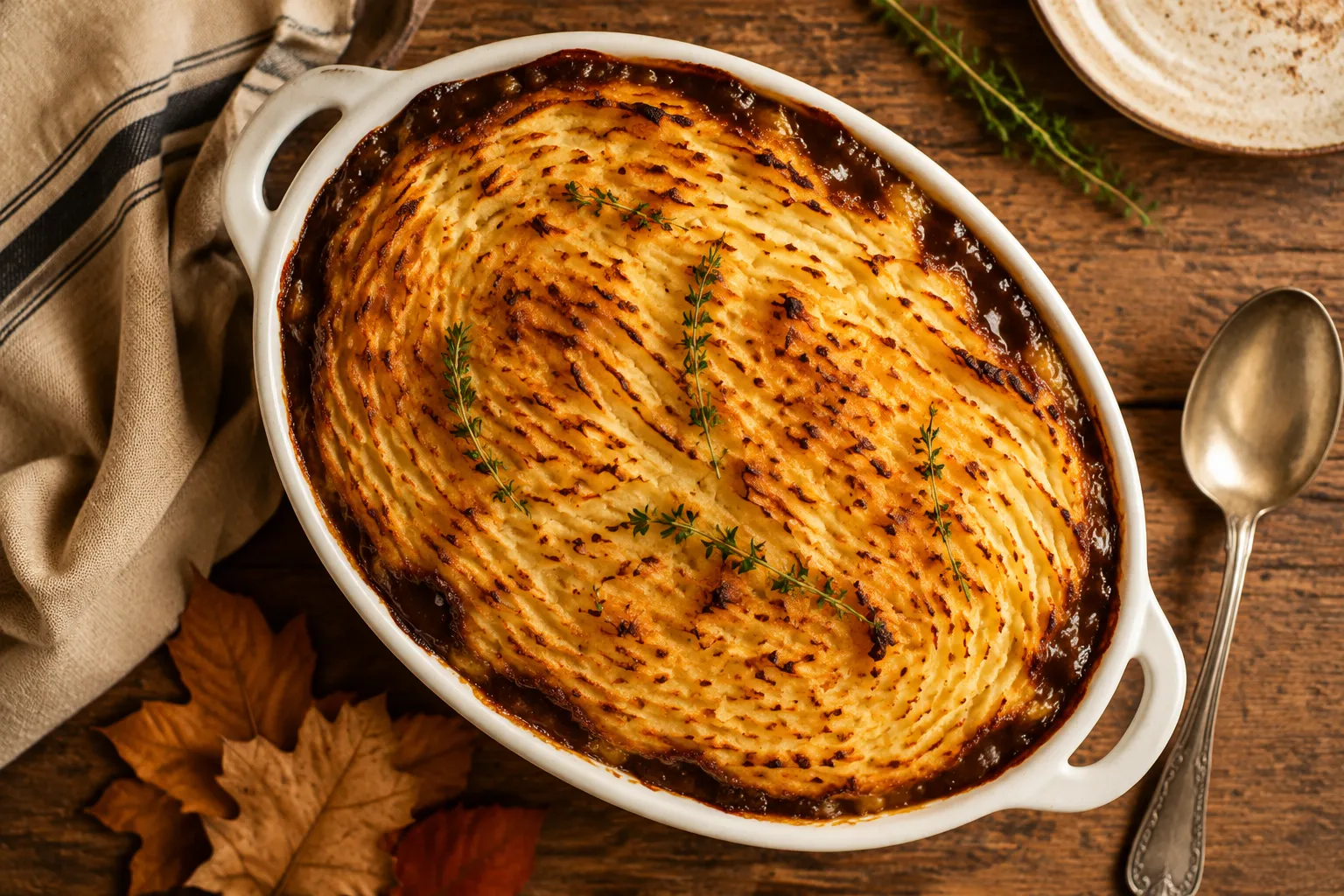
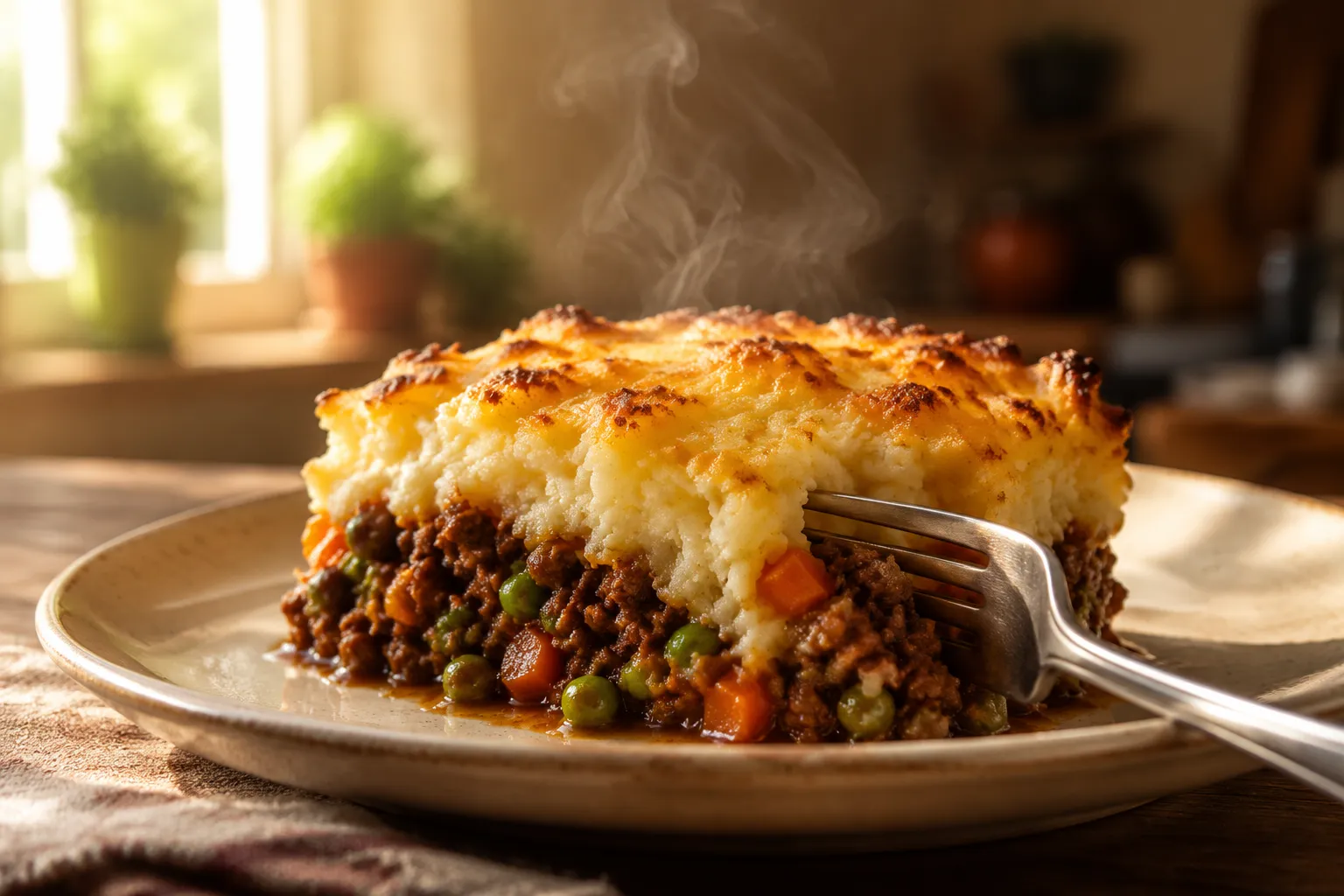
Cottage pie is essentially a complete meal in one dish, but a thoughtful side or two turns it into a proper Sunday supper. The key is to keep accompaniments simple and bright, since the pie itself is rich and deeply savory. You want contrast: something green, something acidic, maybe something pickled.
Buttered peas, braised red cabbage, or a heap of malt-vinegar-spiked roasted parsnips all feel right at home next to a slab of cottage pie. Pickled red onions or a spoonful of sharp piccalilli cuts the richness beautifully and adds a sunny color contrast to the plate. And honestly, a chunk of warm crusty bread to mop up any stray gravy is never a bad call, especially if you have an extra glug of Worcestershire to drag it through.
On weeknights, I lean lighter. A crunchy green salad with lemon vinaigrette, blistered green beans with garlic and lemon zest, or a heap of steamed broccoli all balance the plate without competing for attention. A glass of dry red wine, like a young Côtes du Rhône or a soft Pinot Noir, takes the whole meal somewhere genuinely special. For a kid-friendly table, a small bowl of applesauce on the side is a quiet little hit you might not have expected.
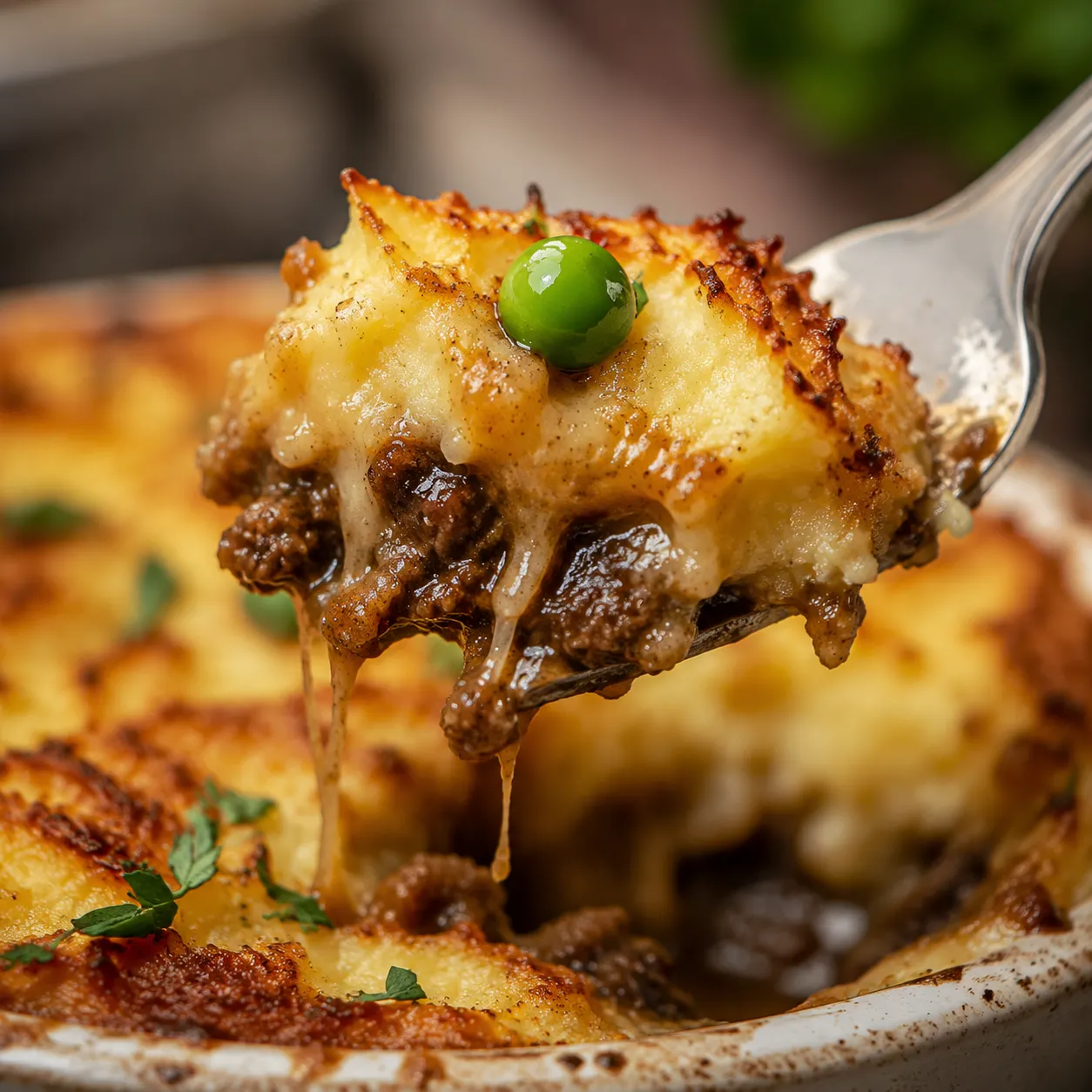
This is the kind of dinner that becomes a quiet ritual: the smell of beef and thyme drifting through the kitchen, the satisfying drag of a fork through golden potato peaks, the knowing sigh from whoever lifts the first bite. Once you have made it a single time, you will start tucking it into your regular rotation right alongside lasagna, baked ziti, and other freezer-friendly casseroles you can lean on when the week goes sideways. Make it on a slow Sunday, double the batch, and thank yourself a week from now. Comfort food, in my opinion, has very few responsibilities, but this one nails them all.
Once the basic technique clicks, this casserole becomes a delicious blank canvas. The gravy welcomes whatever you have around, and the topping can flex to fit dietary needs without losing the soul of the dish.
Refrigerator: Cool the pie completely, cover the dish tightly with foil or transfer leftovers to an airtight container, and refrigerate for up to 4 days. Reheat individual portions in the microwave for 2 to 3 minutes, or warm the whole dish covered with foil at 350°F for about 20 minutes until bubbling at the edges.
Freezer: You can freeze cottage pie either before or after baking. To freeze unbaked, assemble the pie in a freezer-safe dish, cool the filling completely first, wrap tightly in plastic and foil, and freeze for up to 3 months. Thaw overnight in the fridge before baking at 400°F for 35 to 45 minutes. To freeze baked, slice into portions and freeze in airtight containers for up to 2 months. Reheat from frozen at 375°F, covered, for 30 to 40 minutes, removing the cover for the last 10 minutes to crisp the top back up.