Main DishesJune 28, 2026

Pork Steak Recipes: 15 Juicy Ways to Cook Pork Steaks

4.8 from 12 reviews
0SHARES

Now Playing

Pork Steak Recipes: 15 Juicy Ways to Cook Pork Steaks

0:00
0:00
Pork Steak Recipes: 15 Juicy Ways to Cook Pork Steaks

From quick skillet sears to fall-apart braises, these pork steak recipes turn an affordable cut into the juiciest, most flavorful dinner on your weekly menu.

Why You'll Love This Recipe
  • Budget-friendly cut, big flavor — Pork shoulder steaks usually run half the price of pork chops or beef steaks while delivering deeper, more marbled flavor.
  • Faster than pork shoulder, juicier than pork chops — You get the rich, well-marbled taste of slow-cooked shoulder in under 30 minutes, without the dryness pork loin can leave you with.
  • Endlessly customizable — One master skillet method scales to grill, oven, slow cooker, or stew pot with the same reliable results.
  • Family-friendly — Kids love the crispy crust, adults love the pan sauce, and there's no special equipment required beyond a cast iron skillet.
  • Foolproof technique — Once you nail the sear-rest-slice rhythm, dinner becomes muscle memory.

Pork steak recipes turn one of the most underrated cuts at the meat counter into the kind of dinner that has everyone leaning over their plates with that quiet, contented hum. We're talking deeply caramelized crust, juicy pink-blush interior, and a five-minute pan sauce that pools around the edges and begs for mashed potatoes. If you've been stuck in a chicken-and-pork-chop rotation, this guide is your detour.

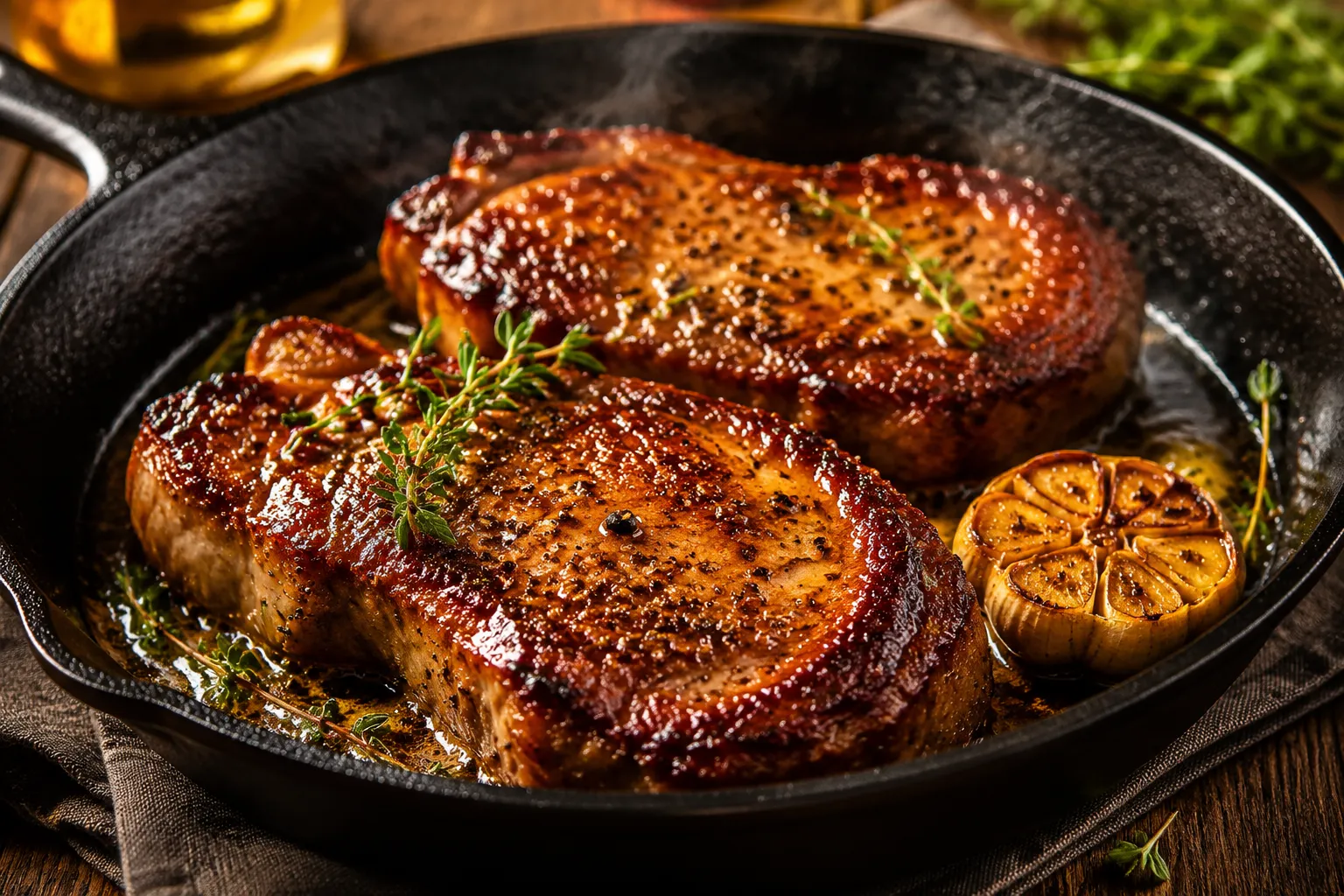
Pork steak recipes featured image: juicy seared pork steaks in cast iron skillet with pan sauce

I came to pork steaks the way a lot of home cooks do — sticker shock at the grocery store sent me one shelf over, where a tray of bone-in pork shoulder steaks was selling for half the price of pork chops. One sear in a cast iron skillet later, and I was a convert. The shoulder's marbling means it's almost impossible to dry out, the bone keeps everything juicy, and the whole thing cooks faster than a pot roast but tastes just as soulful.

Below, you'll find the master skillet method I use on repeat, plus 15 variations that take the same basic technique and run it from Sunday-supper smothered pork to weeknight-friendly soy ginger glaze. Whether you're after fast pork sirloin recipes for busy nights or hearty pork stew recipes for the weekend, there's a route here for every appetite.

What Is a Pork Steak? (And How It Differs from Pork Chops)

A pork steak is a cross-section cut from the pork shoulder — sometimes labeled Boston butt — the same well-marbled cut that becomes pulled pork when you cook it low and slow. Sliced thin, that shoulder turns into a steak you can sear, grill, or braise in a fraction of the time. Pork chops, by contrast, come from the loin: leaner, milder, and far less forgiving if you overshoot the timer by even a minute. Most pork steak recipes lean on shoulder cuts for exactly this reason — built-in fat insurance against an overcooked dinner.
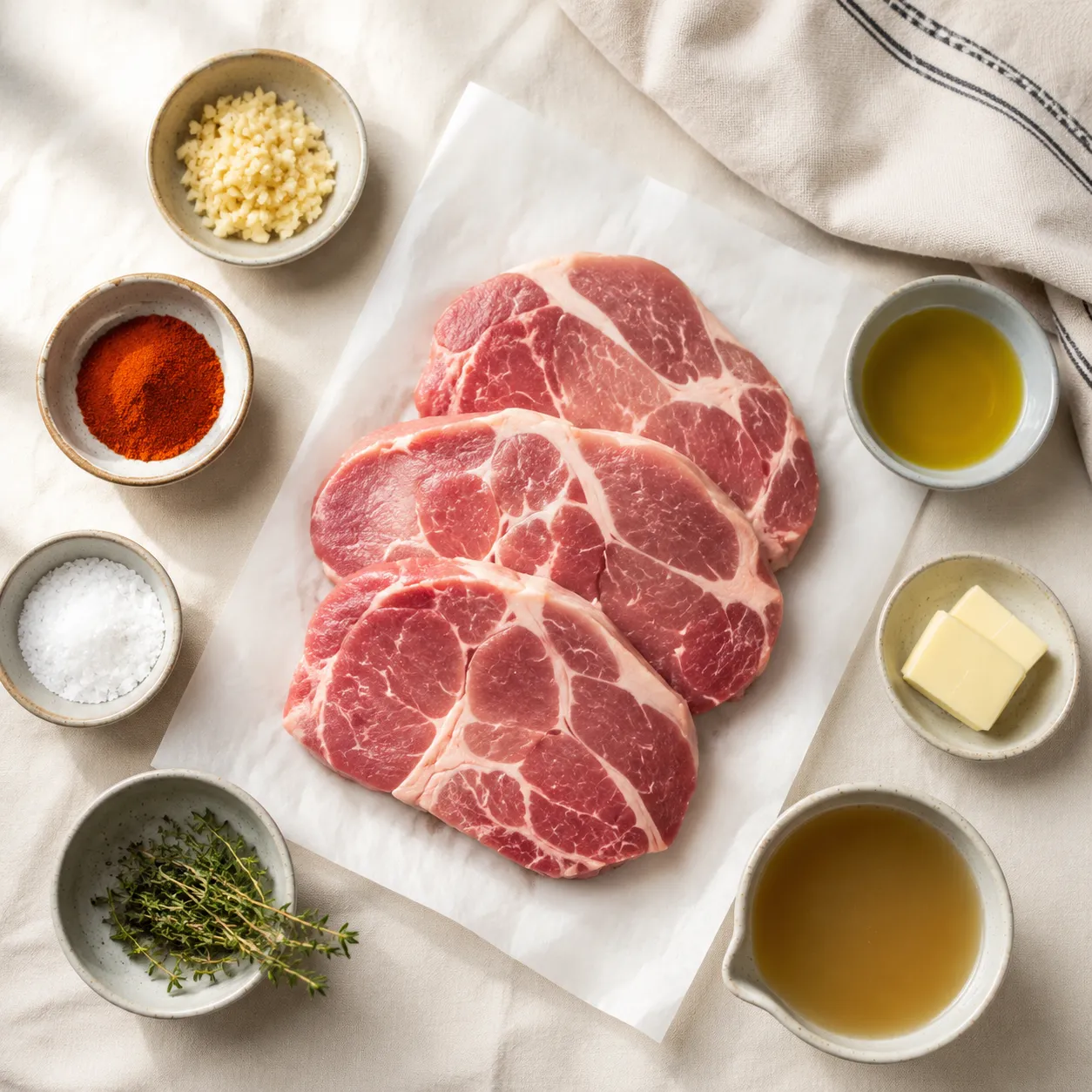
Ingredients flatlay for easy pork steak recipes including pork shoulder, garlic, and thyme

Pork shoulder steaks have ribbons of intramuscular fat that baste the meat as it cooks, giving you that signature richness. Pork sirloin steaks come from closer to the hip — they're leaner, slightly chewier, and benefit from a quick brine or marinade. Both work in nearly every recipe in this roundup; the shoulder is more forgiving for new cooks, while the sirloin is your friend if you're watching calories.

When you're shopping, look for steaks that are 3/4-inch to 1-inch thick with visible white marbling and a fresh pink color. Anything thinner cooks too fast to develop a proper crust; anything much thicker really wants an oven finish. If your store labels them "pork blade steaks" or "pork butt steaks," you're in the right place. Ask the butcher to cut them to thickness if the pre-packaged options look uneven — most will do it for free.

Ingredients & Easy Pantry Marinade

The beauty of this cut is that you don't need much to make it sing. Olive oil, garlic, fresh thyme, smoked paprika, kosher salt, and a knob of butter for finishing — that's the entire base. Smoked paprika is the secret player here; it adds a whisper of barbecue depth without the grill, and it plays exceptionally well with the natural sweetness of pork shoulder.
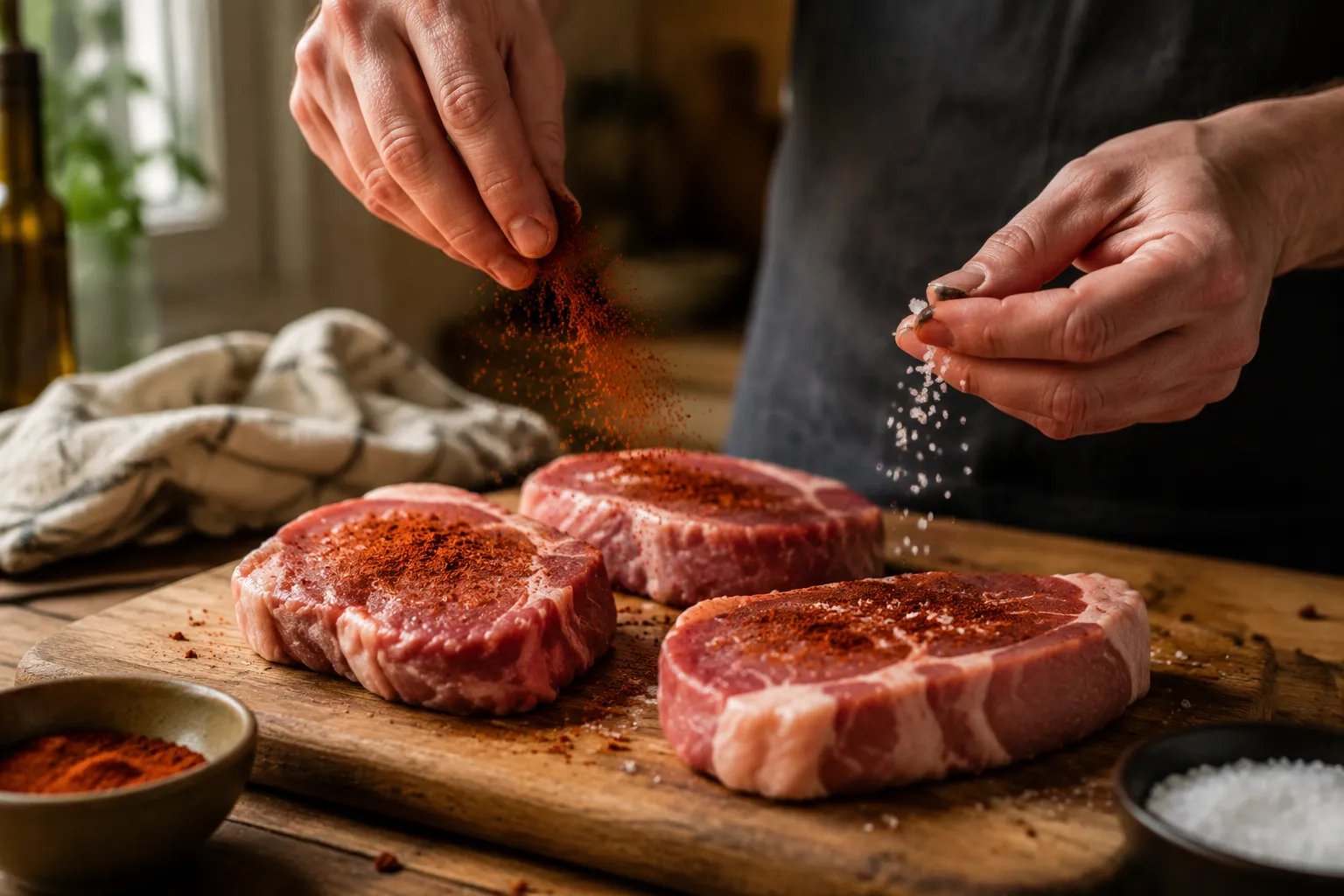
Seasoning pork steaks with paprika and salt before searing

For a quick everyday marinade — and honestly the best pork marinade I keep coming back to — whisk together 1/4 cup olive oil, 3 tablespoons soy sauce, 2 tablespoons brown sugar, 4 minced garlic cloves, and 1 tablespoon Dijon mustard. Thirty minutes on the counter is enough; overnight in the fridge is even better. The soy and sugar create a quick brine effect that locks in moisture, while the Dijon emulsifies the marinade so it actually clings to the meat.

A few smart swaps: avocado oil works beautifully if you want a higher smoke point for grilling. Tamari subs in for soy if you're keeping things gluten-free. Out of fresh thyme? Rosemary, sage, or even a pinch of dried herbs de Provence will all carry the dish. And if you're cooking for someone who can't do dairy, swap the finishing butter for a glug of olive oil and an extra squeeze of lemon at the end — the dish stays plenty rich.

How to Cook Pork Steaks: Step-by-Step

The heart of this entire guide is one technique: a hard sear in a screaming-hot cast iron skillet, a quick pan sauce built from the fond, and a five-minute rest. That's it. Here's how it comes together at a high level — the full numbered method lives in the recipe card below.
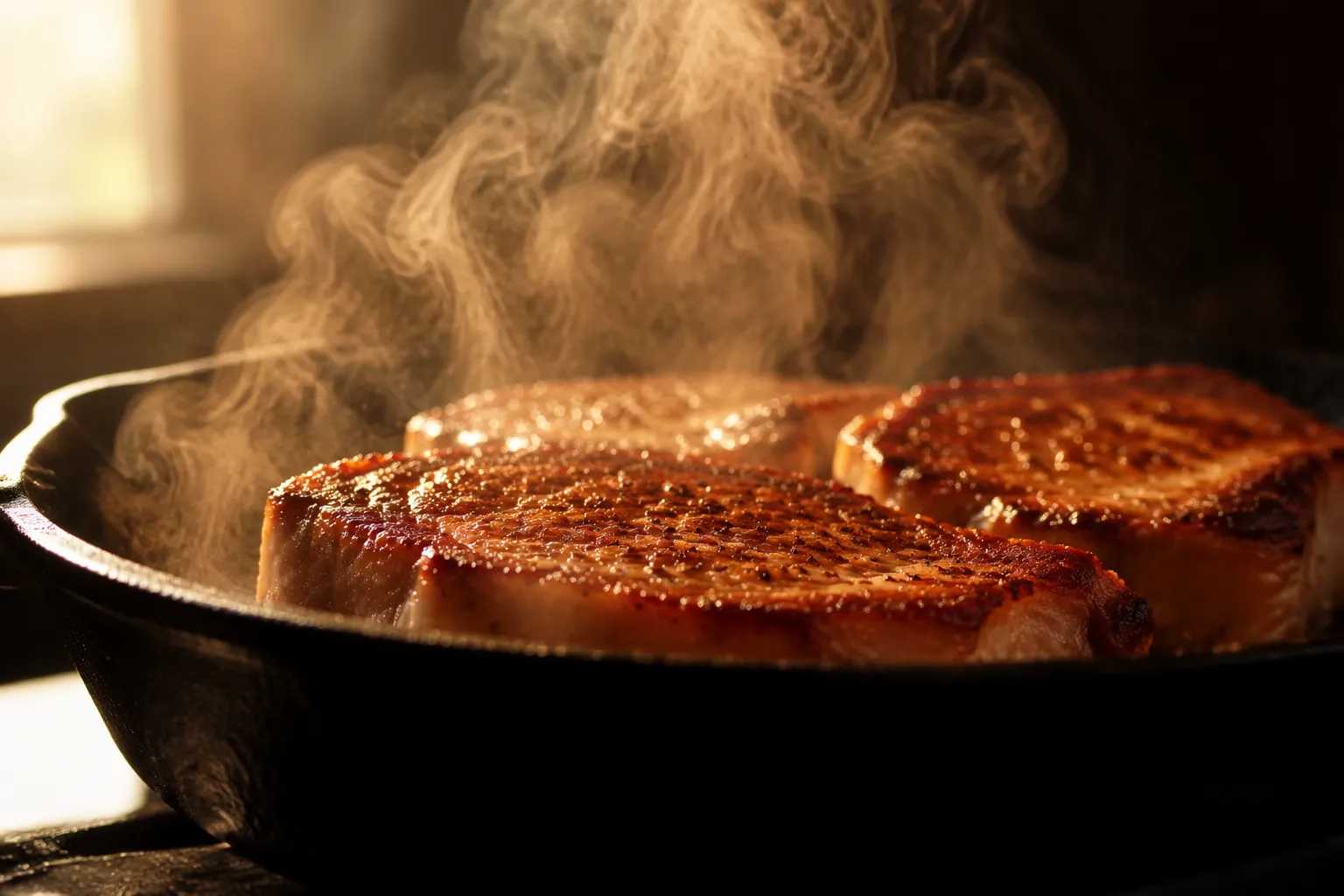
Searing pork shoulder steaks in a cast iron skillet for the perfect crust

Start by pulling your steaks out of the fridge 20 to 30 minutes before cooking. Cold meat hitting a hot pan steams before it browns, and you'll lose that golden crust we're chasing. Pat them bone-dry with paper towels (moisture is the enemy of a good sear), then season generously with the dry rub on both sides. If you're wondering exactly how to cook pork shoulder steak so it stays tender, this room-temp step is the single most important move you can make.

Heat your cast iron skillet over medium-high until a drop of water skitters across the surface. Add the oil, lay the steaks down away from you, and don't touch them for four full minutes. The crust forms when meat sits still on hot metal — every flip resets the clock. After the first side has gone deeply mahogany, flip once and cook another 3 to 4 minutes, basting with butter and garlic during the last minute.
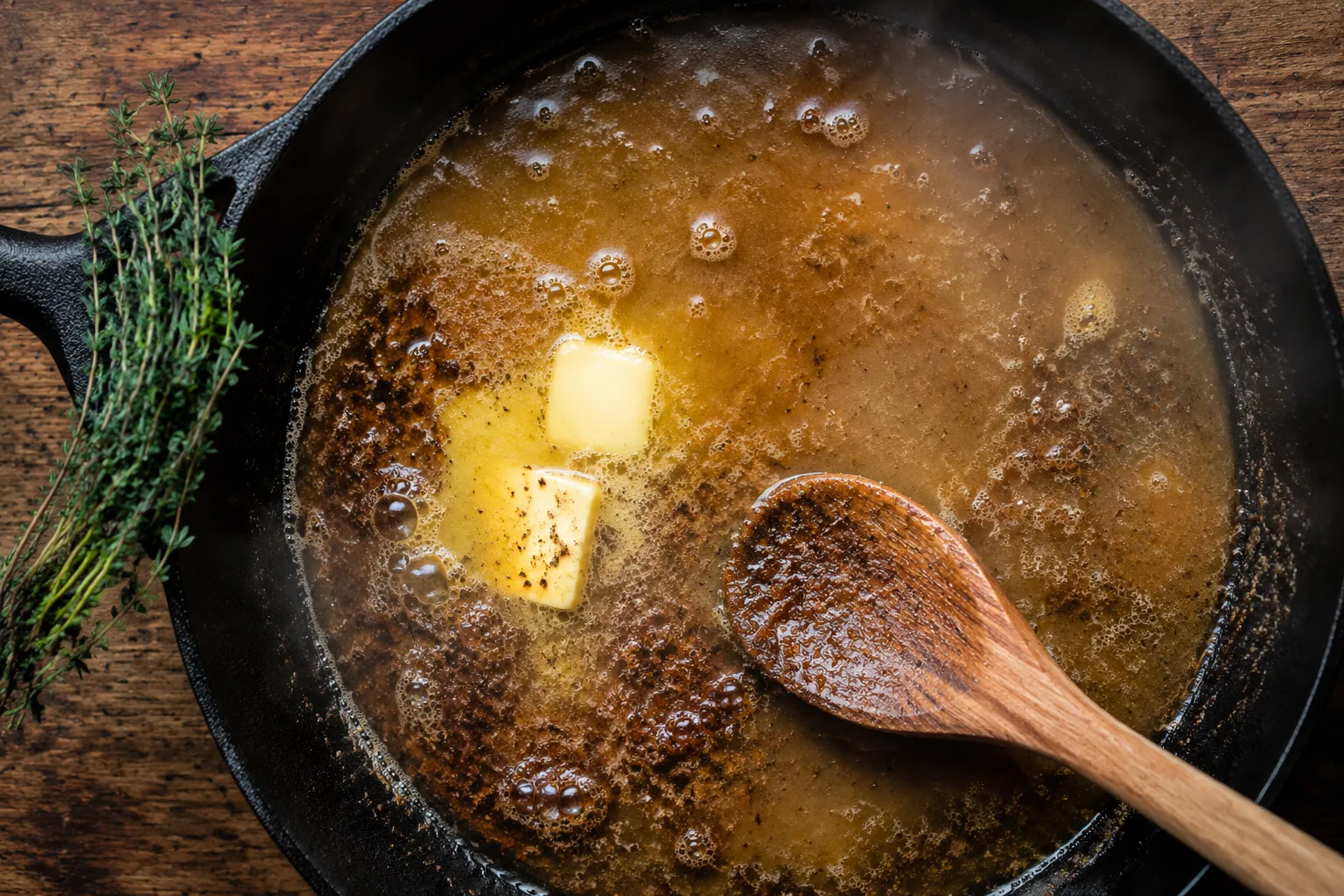
Making a quick pan sauce for pork steak recipes with butter and broth

Pull the steaks to a cutting board and tent loosely with foil. Now build the pan sauce: pour in chicken broth, scrape up the browned bits with a wooden spoon, and let it reduce by half. Swirl in the cold butter at the end for that glossy, restaurant-style finish, and check the internal temperature for pork on the steaks themselves with an instant-read thermometer — you want internal temperature 145°F at the thickest point. Slice against the grain and spoon that sauce over everything.

15 Pork Steak Recipe Variations to Try

Once you've got the master method down, the same skillet becomes a launchpad for an entire repertoire. This collection of pork steak recipes covers skillet, grill, oven, slow cooker, and stew pot — pick your weeknight, pick your cut.
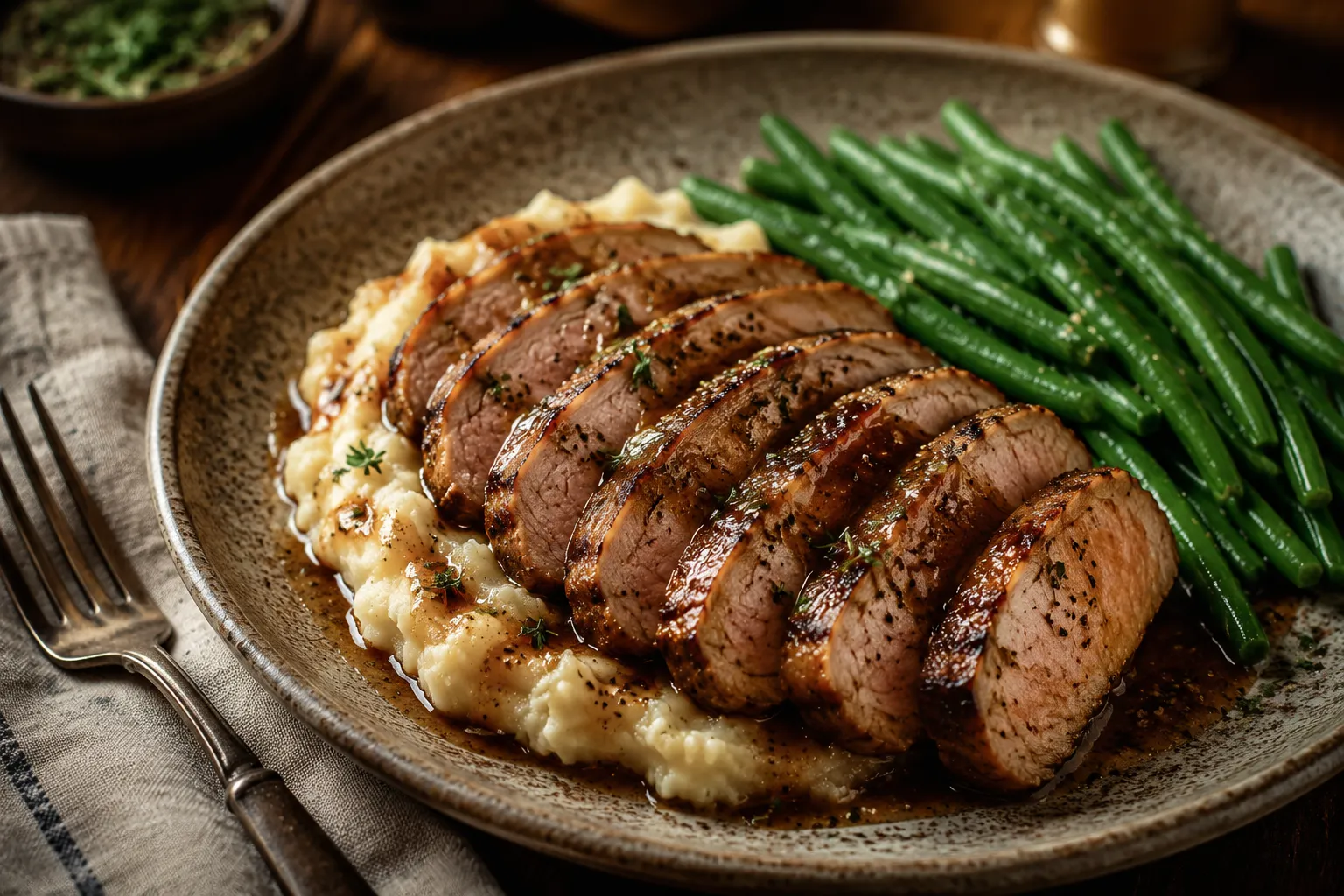
Plated pork steak recipe with mashed potatoes and pan sauce
  1. Skillet pork steaks with mushroom gravy — Sear, then build a cream sauce with sliced cremini mushrooms, shallot, and a splash of sherry.
  2. Grilled BBQ pork shoulder steaks — Marinate in your favorite barbecue sauce, grill over medium-high for 5 minutes per side, brush with extra sauce in the last minute.
  3. Slow cooker pork stew with root vegetables — One of the coziest pork stew recipes in my rotation: cube shoulder steaks, sear, then slow-cook with carrots, parsnips, and pearl onions for 6 hours.
  4. Hearty Tuscan pork stew meat recipes — White beans, kale, fire-roasted tomatoes, and rosemary turn cubed pork shoulder into a one-pot dinner that feels straight from a Tuscan kitchen.
  5. Garlic butter pork sirloin — Lean pork sirloin recipes shine here: sear quickly, then bathe in foaming garlic butter for 60 seconds.
  6. Smothered pork steaks with onions — Caramelize a mountain of yellow onions, add stock, and braise the steaks for 30 minutes until fork-tender.
  7. Asian-style soy ginger pork steaks — A 30-minute soy, ginger, and brown sugar marinade gives you a sticky, glossy glaze in the pan.
  8. Honey mustard pork steaks — Glaze with Dijon, honey, and apple cider vinegar in the last 2 minutes for a sweet-tangy finish.
  9. Cuban mojo pork steaks — Marinate in sour orange juice, garlic, and oregano for that bright Caribbean punch.
  10. Coffee-rubbed pork steaks — A spice rub with espresso, brown sugar, and chili powder builds an unbelievably deep crust.
  11. Pork steak fajitas — Slice cooked steaks thin, pile onto warm tortillas with charred peppers and onions.
  12. Apple cider braised pork — Sear, then braise in apple cider, mustard, and bay leaves for fall on a plate.
  13. Lemon herb grilled pork sirloin — Lemon, olive oil, oregano, and thyme make a cleaner grilled option for warmer months.
  14. Pork steak and gnocchi skillet — Slice cooked steak over crispy pan-seared gnocchi with brown butter and sage.
  15. Sheet pan pork steaks and vegetables — Roast at 425°F with potatoes, broccoli, and red onion for a hands-off weeknight win.
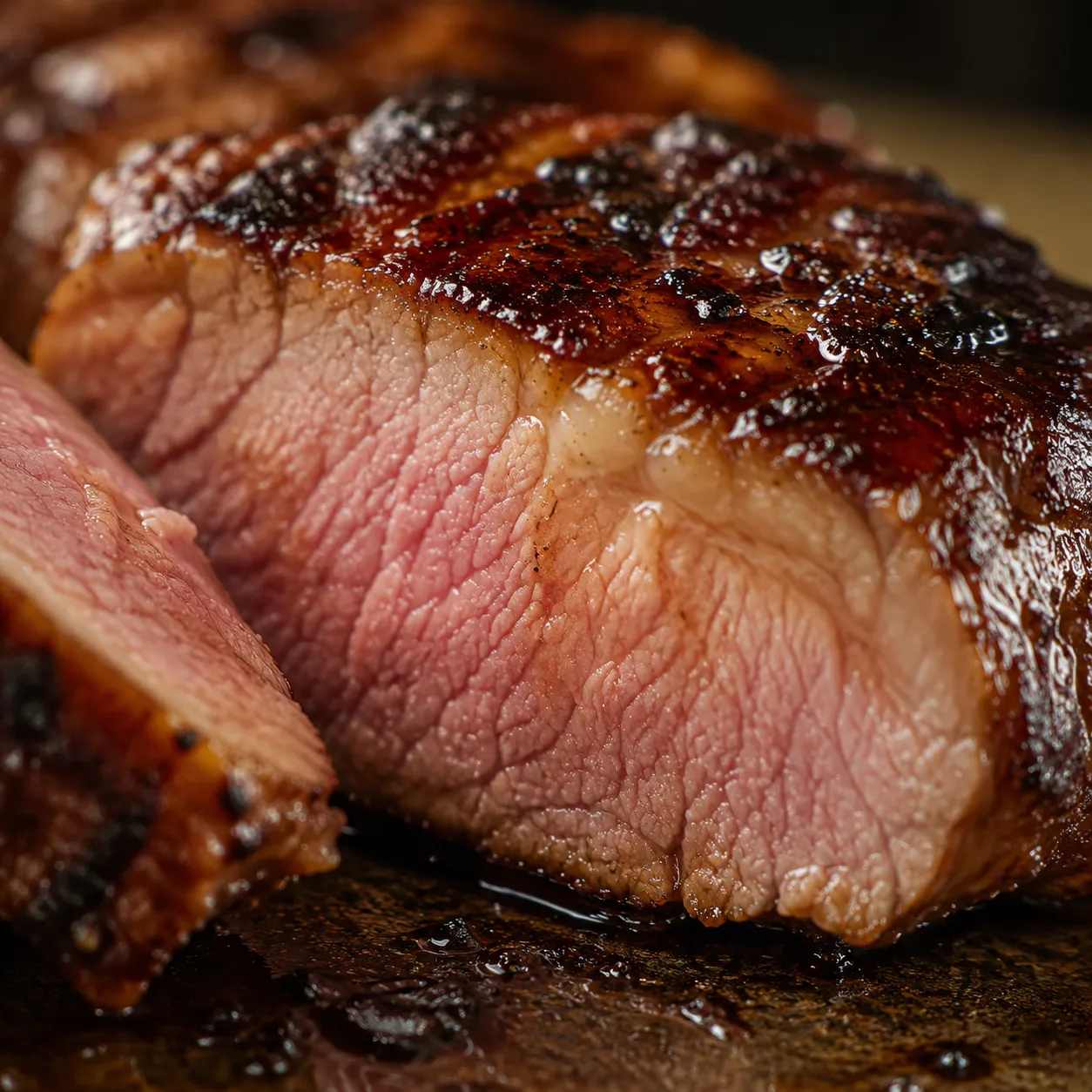
Close-up of sliced juicy pork steak showing tender interior

Across all 15, the technique stays the same: sear hard, don't overcook, rest before slicing. The marinade, sauce, and sides are where you flex.

What to Serve with Pork Steaks

The classic American move is creamy mashed potatoes and a green vegetable: buttered green beans, roasted broccoli, or sautéed spinach. The mashed potatoes do double duty, soaking up the pan sauce so nothing goes to waste. For something a little more rustic, try cheesy polenta or buttered egg noodles in place of the potatoes.
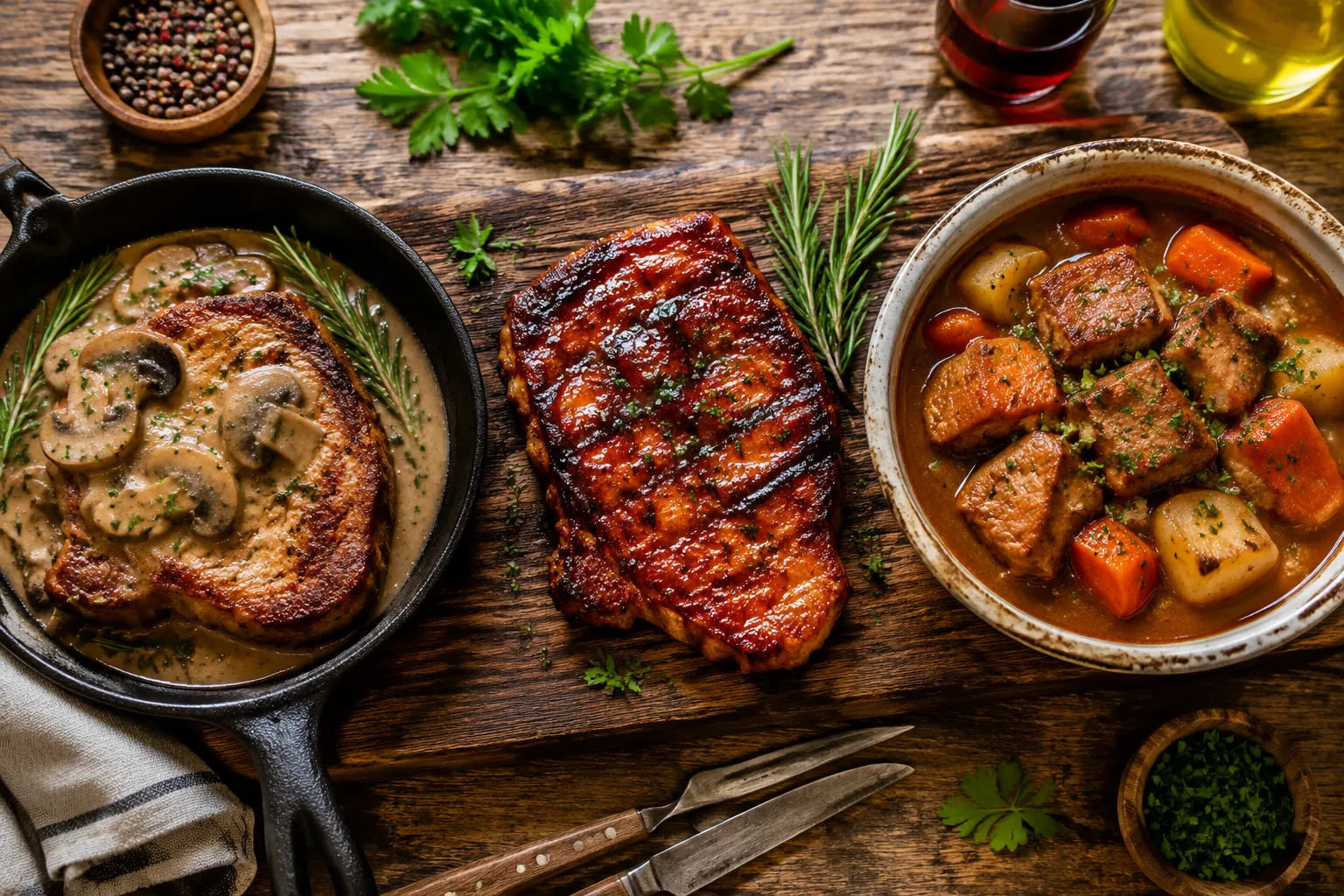
Three pork steak recipe variations: skillet, grilled BBQ, and slow cooker stew

If you're looking to lighten things up, a sharp slaw of red cabbage, apple, and lemon vinaigrette is a beautiful counterpoint to the rich pork. A simple arugula salad with shaved parmesan and a lemon-Dijon dressing also works wonders, especially with the leaner sirloin variations. In summer, grilled corn or a tomato-cucumber salad turns this into porch-dinner territory.
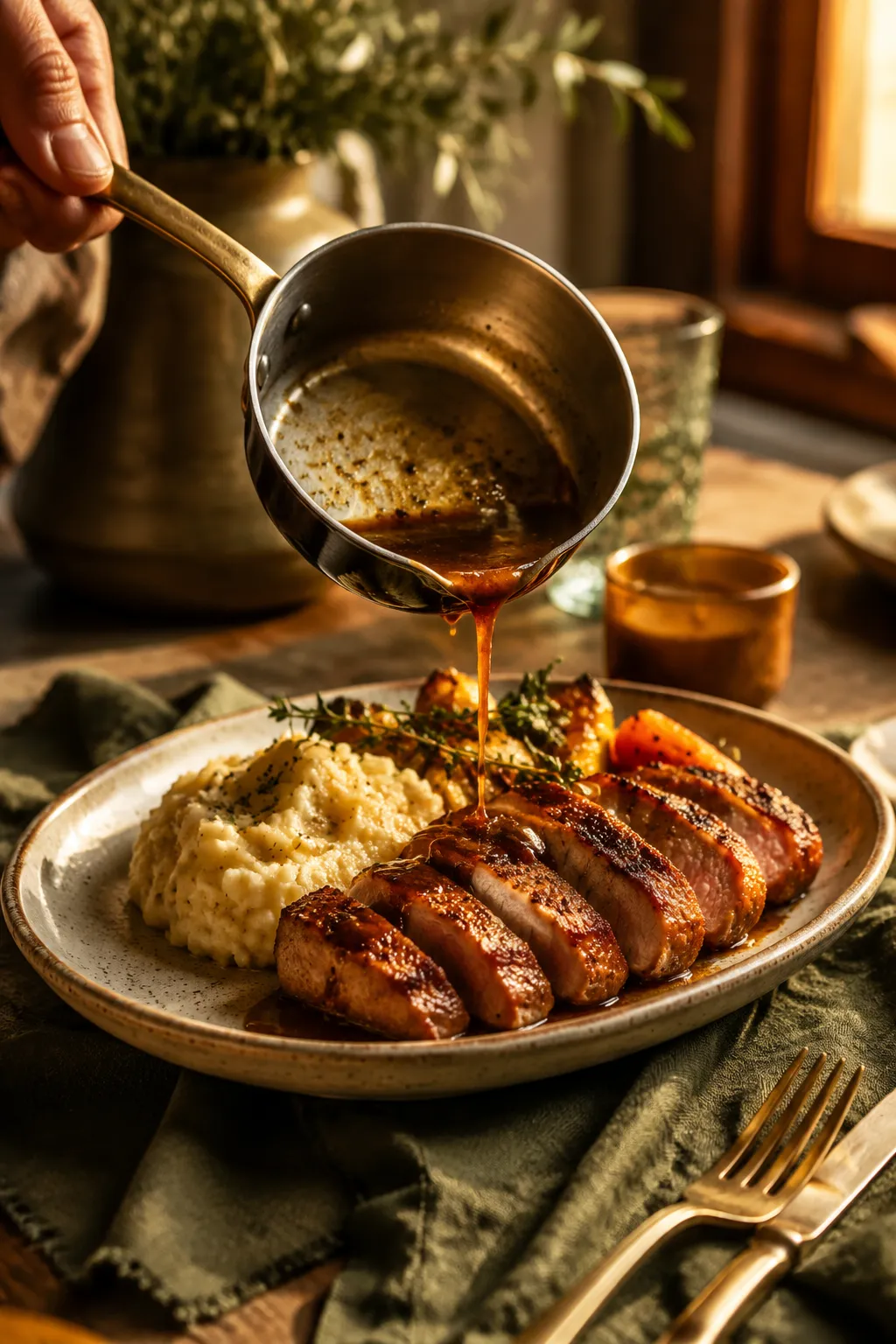
Spooning pan sauce over juicy sliced pork steak for serving

And don't sleep on the sauce. Beyond the basic pan sauce in the recipe, applesauce (homemade or jarred), a dollop of grainy mustard, chimichurri, or a quick chipotle crema all elevate this from good to memorable. A spoonful of stone-ground mustard whisked into the warm pan sauce at the very end adds a sharp little kick that cuts the richness perfectly. That's the full pork steak recipes playbook — one foolproof method, 15 ways to riff, and enough side ideas to never repeat yourself.

💡 Expert Tips

  • Hit 145°F and stop. The USDA-approved internal temperature for pork is 145°F with a 3-minute rest. Past 150°F, the lean fibers tighten and the meat goes from juicy to chewy fast.
  • Marinate strategically. Thirty minutes is enough to season the surface; 4 to 12 hours penetrates more deeply. Avoid going past 24 hours with acidic marinades — the texture turns mushy.
  • Dry the surface religiously. Pat the steaks with paper towels right before they hit the pan. Even a slight film of moisture will block browning.
  • Don't crowd the pan. Sear in batches if needed. Two steaks max in a 12-inch skillet — any more and they'll steam instead of crust.
  • Rest before slicing. Five to seven minutes under loose foil lets the juices redistribute. Cut too early and they'll all spill onto your cutting board instead of staying in the meat.

🔄 Variations & Substitutions

The master skillet method is built to flex. Once you're comfortable with the timing, swap in any of these tweaks to fit your pantry, your diet, or your mood:

  • Lean swap: Use boneless pork sirloin steaks instead of shoulder. Reduce sear time to 3 minutes per side and add a 30-minute marinade for extra moisture.
  • Stew it: Cube the shoulder steaks into 1-inch pieces, sear, then simmer with broth, carrots, and potatoes for 90 minutes for a one-pot braise.
  • Gluten-free: Swap soy sauce in any marinade for tamari or coconut aminos.
  • Dairy-free: Replace finishing butter with extra-virgin olive oil plus a squeeze of lemon for brightness.
  • Low-carb: Skip the brown sugar in marinades and sub a teaspoon of Dijon for sweetness; serve over cauliflower mash.
  • Spice rub upgrade: Add 1/2 teaspoon ground cumin and a pinch of cayenne to the dry rub for a Tex-Mex lean.

🧊 Storage & Leftovers

Cooked pork steaks keep beautifully in an airtight container in the refrigerator for up to 4 days. Store the pan sauce separately if you can — it firms up when chilled and rewarms cleaner without breaking. To reheat, slice the steaks thin, lay them in a skillet over medium-low with a splash of broth or water, cover, and warm for 3 to 4 minutes. Avoid the microwave for whole steaks; it'll dry them out and make the edges rubbery.

For longer storage, wrap cooled steaks tightly in plastic, then foil, and freeze for up to 3 months. Thaw overnight in the fridge before reheating. Leftovers also shine sliced cold over salads, tucked into sandwiches with grainy mustard, or chopped into fried rice the next morning.
Frequently Asked Questions

What is the best cut for pork steak recipes?
Pork shoulder steak is the most popular choice thanks to its generous marbling, deep flavor, and forgiveness when it comes to timing — that internal fat keeps it juicy even if you're a minute past your target temp. Pork sirloin steak is the leaner alternative, cooking faster and pairing especially well with marinades that add moisture. Both cuts work beautifully across skillet, grill, slow cooker, and stew preparations. If you're new to the cut, start with bone-in shoulder steaks 3/4-inch thick. Once you're comfortable, branch out to sirloin or boneless shoulder for variety and faster weeknight cooks.
How long do you cook pork steaks?
A 3/4-inch pork steak takes about 4 to 5 minutes per side in a hot cast iron skillet, reaching an internal temperature of 145°F at the thickest point. Thicker cuts (over 1 inch) often benefit from a brief oven finish at 400°F for 3 to 5 minutes after the initial sear, which lets the interior catch up without overcooking the crust. Always use an instant-read thermometer rather than guessing by time alone — pan temperature, steak thickness, and starting temperature all affect cook time. Pull the meat at 145°F, then rest for 5 to 7 minutes before slicing.
Can I use pork steaks for pork stew recipes?
Absolutely — pork shoulder steaks are one of the best cuts for stew because they have just the right amount of fat and connective tissue to break down into silky tenderness during a long simmer. Cube boneless shoulder steaks into 1-inch pieces, sear them in batches in a Dutch oven for color, then deglaze with broth or wine. Add aromatics, root vegetables, and herbs, then simmer covered for 1.5 to 2 hours until fork-tender. Bone-in steaks work too — just leave the bones in for extra flavor and remove them before serving. The result rivals any beef stew.
What's the difference between pork steaks and pork chops?
Pork steaks come from the shoulder (Boston butt) and contain significantly more intramuscular fat and connective tissue than pork chops, which are cut from the loin. That extra fat makes pork steaks juicier, more flavorful, and far more forgiving if you slightly overcook them. Pork chops, by contrast, are leaner and milder — closer in profile to chicken breast — and they dry out quickly past 145°F. Pork steaks are also typically less expensive per pound. Both have their place: chops are great for quick weeknight breading and pan-frying, while steaks reward you with bigger, beefier flavor.
How do I keep pork steaks from drying out?
The single biggest factor is internal temperature — pull them off the heat at 145°F and rest for 5 minutes, no exceptions. A reliable instant-read thermometer is non-negotiable. Beyond that, a 30-minute brine (1 tablespoon kosher salt per cup of water) or a quick marinade with soy sauce and brown sugar dramatically boosts moisture retention. Choose bone-in shoulder steaks when possible since the bone insulates against overcooking, and always let the meat come to room temperature for 20 to 30 minutes before searing. Finally, rest before slicing so the juices stay in the meat instead of pooling on the cutting board.

Pork Steak Recipes: 15 Juicy Ways to Cook Pork Steaks

Pin Recipe
  • Prep Time10 min
  • Cook Time20 min
  • Total Time30 min
  • Yield4 servings

Ingredients

Scale

Instructions