Pork Butt Recipes: 15 Best Ways to Cook Boston Butt
Ingredients
Scale
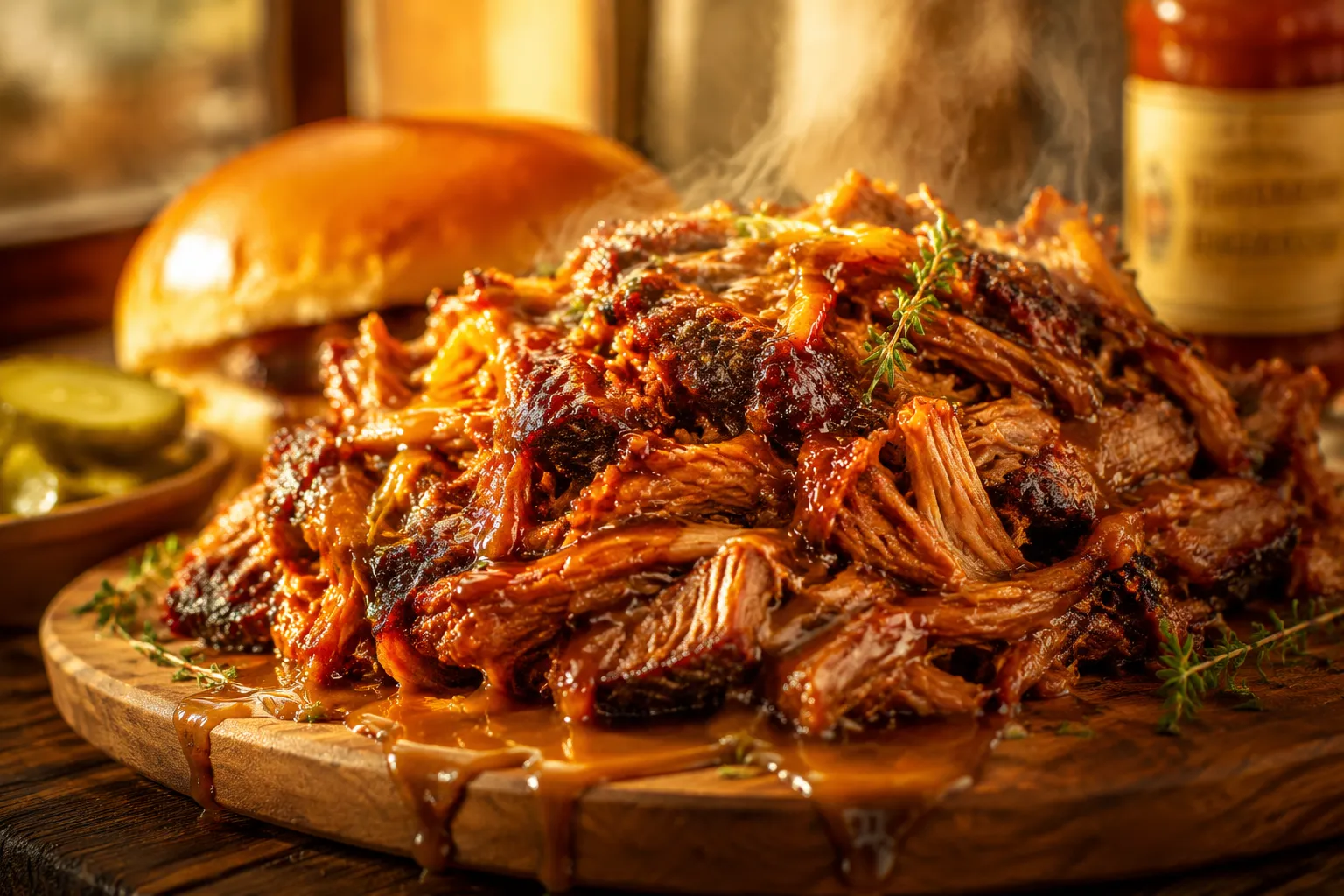
From fall-apart pulled pork to crispy carnitas, these 15 pork butt recipes turn one budget-friendly cut into a week of unforgettable meals.
Pork butt recipes are the cozy, crowd-feeding answer to almost any dinner question, from smoky weekend barbecue to easy shredded pork tucked into weeknight tacos. This humble cut turns meltingly tender when cooked low and slow, and it gives you that dreamy mix of juicy meat, savory bark, and spoonable pan juices. If you have a 4- to 5-pound Boston butt and a little patience, you have the beginning of several truly memorable meals.
What I love most is how flexible this cut can be. One pork shoulder can become classic pulled pork, citrusy Cuban mojo, crispy carnitas, rich ragu, saucy sliders, or a freezer stash for future dinners. Think of this as your complete guide to choosing, seasoning, cooking, and serving Boston butt with confidence.
Pork butt and Boston butt are two names for the same cut, which comes from the upper portion of the pig’s shoulder. Despite the name, it is not from the rear of the animal; the “butt” refers to old-fashioned barrels once used for packing and shipping pork. This cut is beautifully marbled with fat and connective tissue, which is why it becomes so tender after a long cook.
At the store, look for a pork shoulder or Boston butt that feels firm, has creamy white fat, and shows good marbling throughout the meat. A bone-in roast often has a little more flavor and helps the meat cook evenly, while boneless is easier to trim and fit into smaller slow cookers. Either works beautifully for most boston butt recipes, so choose based on what your equipment can handle and what is on sale.
If the fat cap is very thick, trim it to about 1/4 inch so the seasoning can reach the meat while still leaving enough fat to render. A 4- to 5-pound roast is ideal for home cooking because it feeds a generous group without taking all day and night. Larger roasts are wonderful for parties, tailgates, and meal prep, but they require more time and a wider margin for resting.
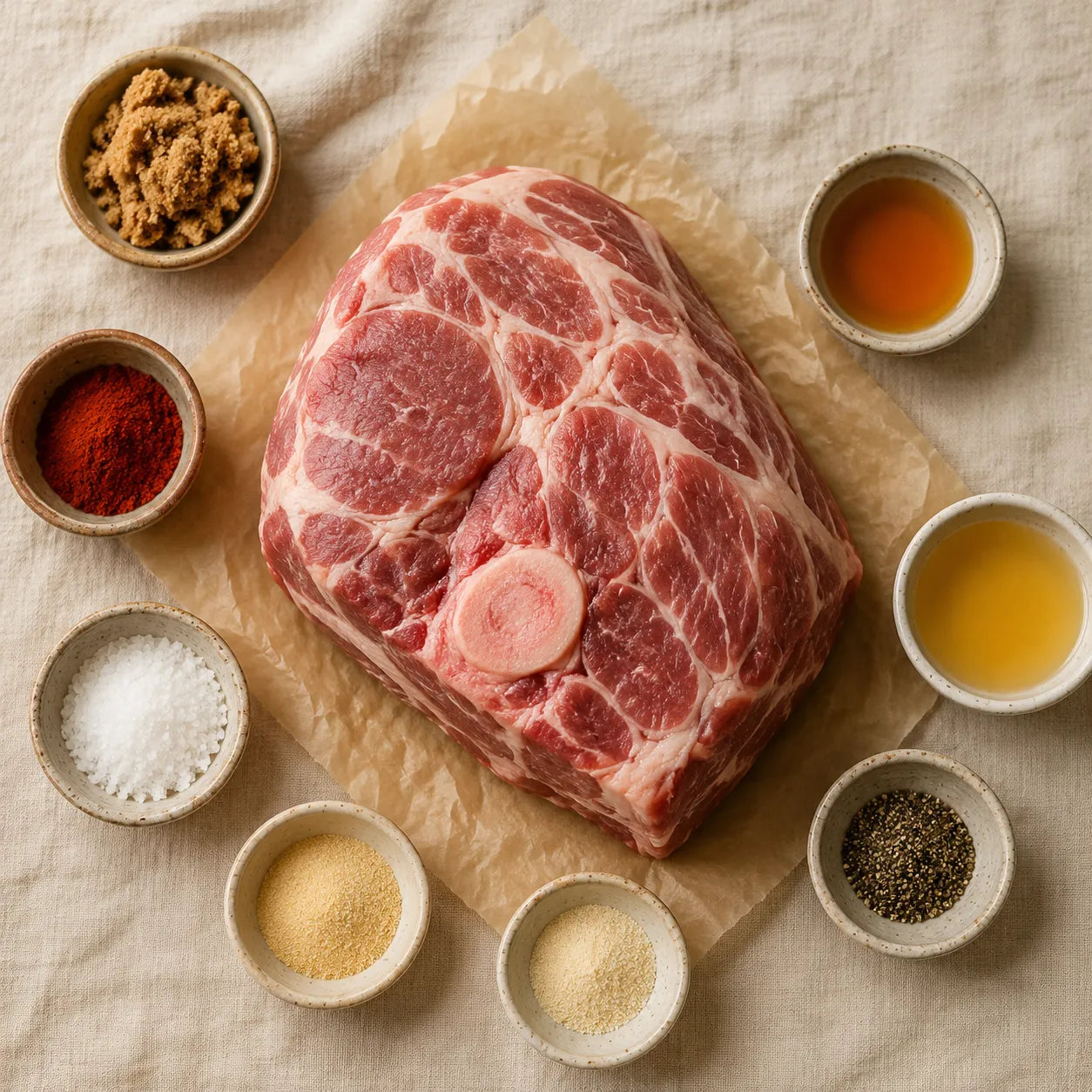
You do not need a professional smoker to make great pork at home, but a few reliable tools help. A 6-quart slow cooker, Dutch oven, roasting pan, Instant Pot, or grill with indirect heat can all turn pork shoulder into tender, pull-apart meat. The one tool I would not skip is an instant-read thermometer, because temperature tells you far more than the clock ever can.
The flavor starts with a balanced dry rub. Brown sugar encourages caramelization, smoked paprika adds a gentle barbecue-style depth, and garlic powder, onion powder, kosher salt, and black pepper make a savory backbone. If you already have a favorite pork shoulder rub, this is the place to use it, especially if you like extra cayenne, mustard powder, cumin, coriander, or chili powder.
Liquids matter, too, but you do not need to drown the roast. Chicken broth, apple cider vinegar, orange juice, beer, pineapple juice, or even a splash of cola can all create steam and pan juices while the pork cooks. The goal is a flavorful environment, not a soup; the meat will release plenty of its own juices as the fat and collagen melt.
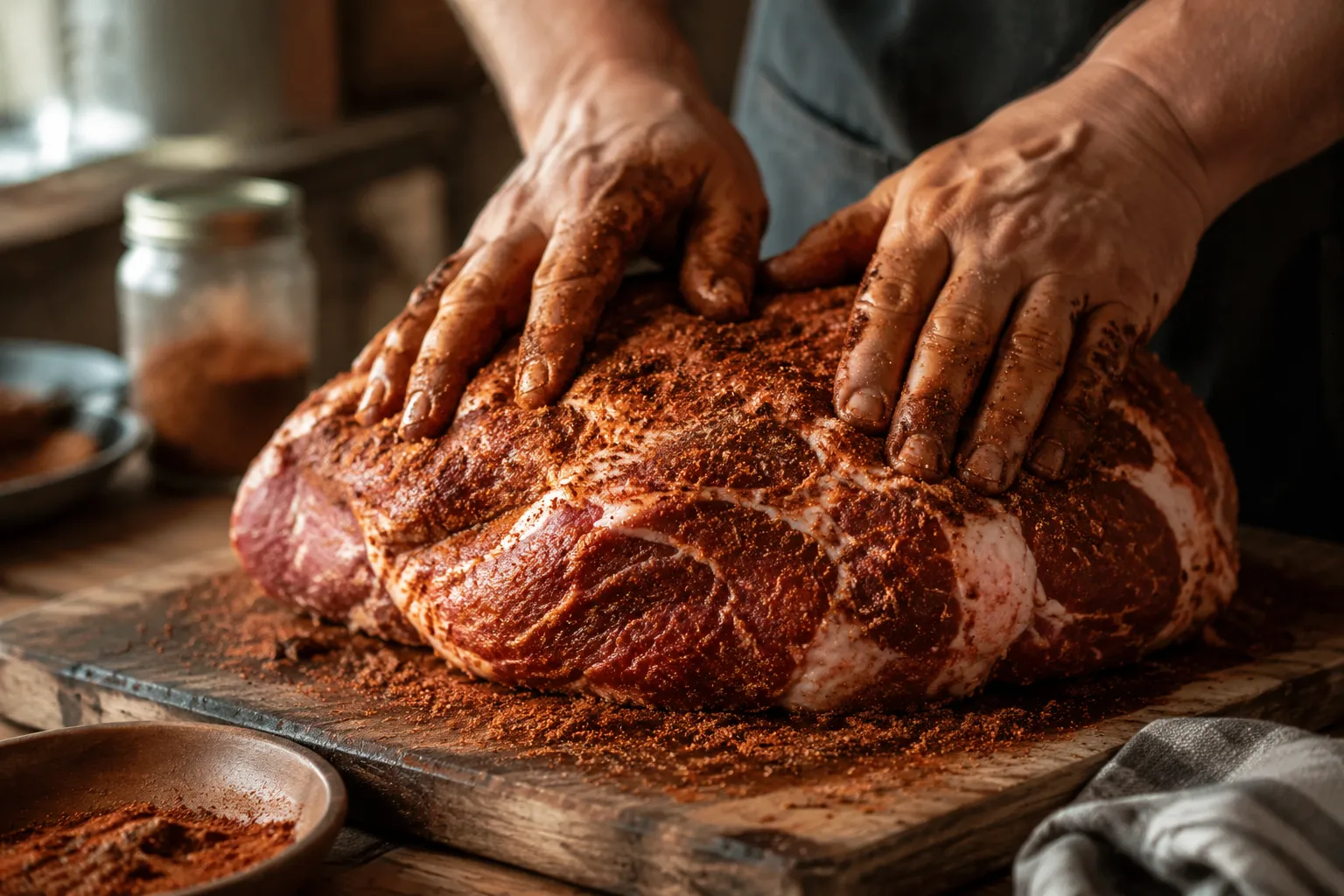
These pork butt recipes are the kind of meals that make one inexpensive roast feel like a passport. Start with classic slow cooker pulled pork: rub the meat generously, add broth and vinegar, cook until shreddable, then toss with barbecue sauce for sandwiches, bowls, baked potatoes, or nachos. It is the easiest entry point for anyone new to slow cooker pork, and it always delivers.
For deep smokehouse flavor, make a smoked boston butt with a bold bark. Season the roast the night before, smoke it at 225°F until the exterior is dark and craggy, then wrap and finish until the meat reaches that tender 195°F to 205°F range. Serve it with BBQ side dishes like slaw, beans, cornbread, pickles, and potato salad for a true backyard feast.
Crispy pork carnitas are another must. Cook the pork with orange juice, lime, cumin, oregano, garlic, and bay leaf until tender, then shred and broil the edges until crackly. Pile the meat into warm tortillas for carnitas tacos with onion, cilantro, salsa verde, and a squeeze of lime.
Cuban mojo pork leans bright and garlicky, with orange, lime, oregano, cumin, and plenty of fresh garlic. Filipino pork adobo takes a savory-tangy turn with vinegar, soy sauce, bay leaves, peppercorns, and garlic, cooking down into a glossy sauce that is perfect over rice. Korean-style braised pork brings in gochujang, soy, ginger, sesame, and brown sugar for tender meat that loves kimchi and scallions.
If you want something spoonable, try pork butt chili verde with tomatillos, roasted poblanos, jalapeños, onion, garlic, and cilantro. Pork green chile stew is similar but heartier, often built with potatoes, green chiles, and broth for a bowl that feels like a hug. Both are fantastic with tortillas, rice, or a dollop of sour cream.
For an oven-friendly dinner, roast an herb-rubbed pork shoulder with rosemary, thyme, garlic, fennel seed, and olive oil until the edges are browned and the inside is sliceable or shreddable. Instant Pot pulled pork is your weeknight shortcut, giving you tender meat in a fraction of the time when a full 8-hour cook is not in the cards. Pork ragu over pappardelle is the cozy Sunday option: tomato, wine, onion, carrot, herbs, and shredded pork folded through wide noodles.
Char siu-inspired Chinese BBQ pork brings hoisin, honey, soy sauce, five-spice, garlic, and ginger to the party. Pork butt tacos al pastor use pineapple, chiles, achiote, and vinegar for sweet-tangy heat. Hawaiian kalua pork keeps things simple with salt, a little smoke flavor, and slow cooking until the meat is juicy enough for rice bowls, cabbage, and macaroni salad.
Finally, BBQ pork sliders are the ultimate party move. Keep shredded pork warm in the slow cooker, set out buns, pickles, slaw, sauces, and cheese, and let everyone build their own. This is also one of my favorite leftover pork ideas because a little meat goes a long way when tucked into small rolls.
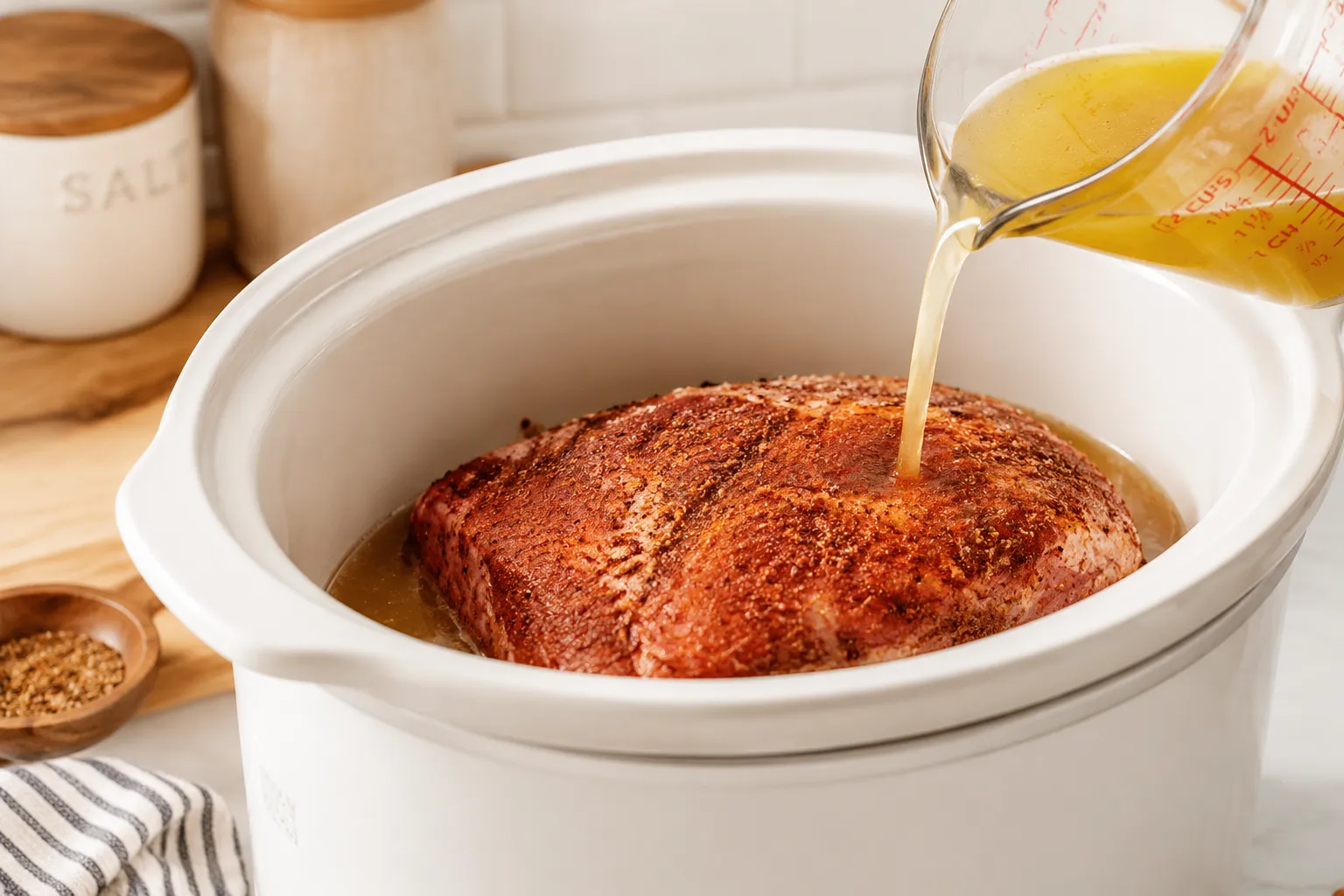
The master method is simple: season generously, add a modest amount of liquid, cook gently, rest, and shred. For a slow cooker pork butt, set the rubbed roast fat side up in the insert, pour broth and apple cider vinegar around the sides, cover, and cook on low until the meat gives way easily. You are looking for tenderness more than a perfect time stamp, because every roast has its own personality.
For the smoker or grill, keep the heat steady and indirect. A smoker set around 225°F to 250°F gives the fat time to render while the surface develops that prized bark. When the roast stalls around 150°F to 170°F, you can wrap it in butcher paper or foil to push it through without drying out the exterior.
The oven-braised method is ideal for cold days and hands-off cooking. Place the seasoned pork in a Dutch oven or covered roasting pan with broth, vinegar, onions, or citrus, then cook at a low temperature until tender. Remove the lid near the end if you want a more roasted exterior, or keep it covered for softer, saucier shredded pork.
The Instant Pot method is the fastest route, especially when the roast is cut into large chunks. Sear the pieces if you have time, add your liquid and seasonings, pressure cook until tender, then let the pressure release naturally for the juiciest texture. It will not have the same bark as a smoked roast, but a quick broil after shredding can add those irresistible crisp edges.
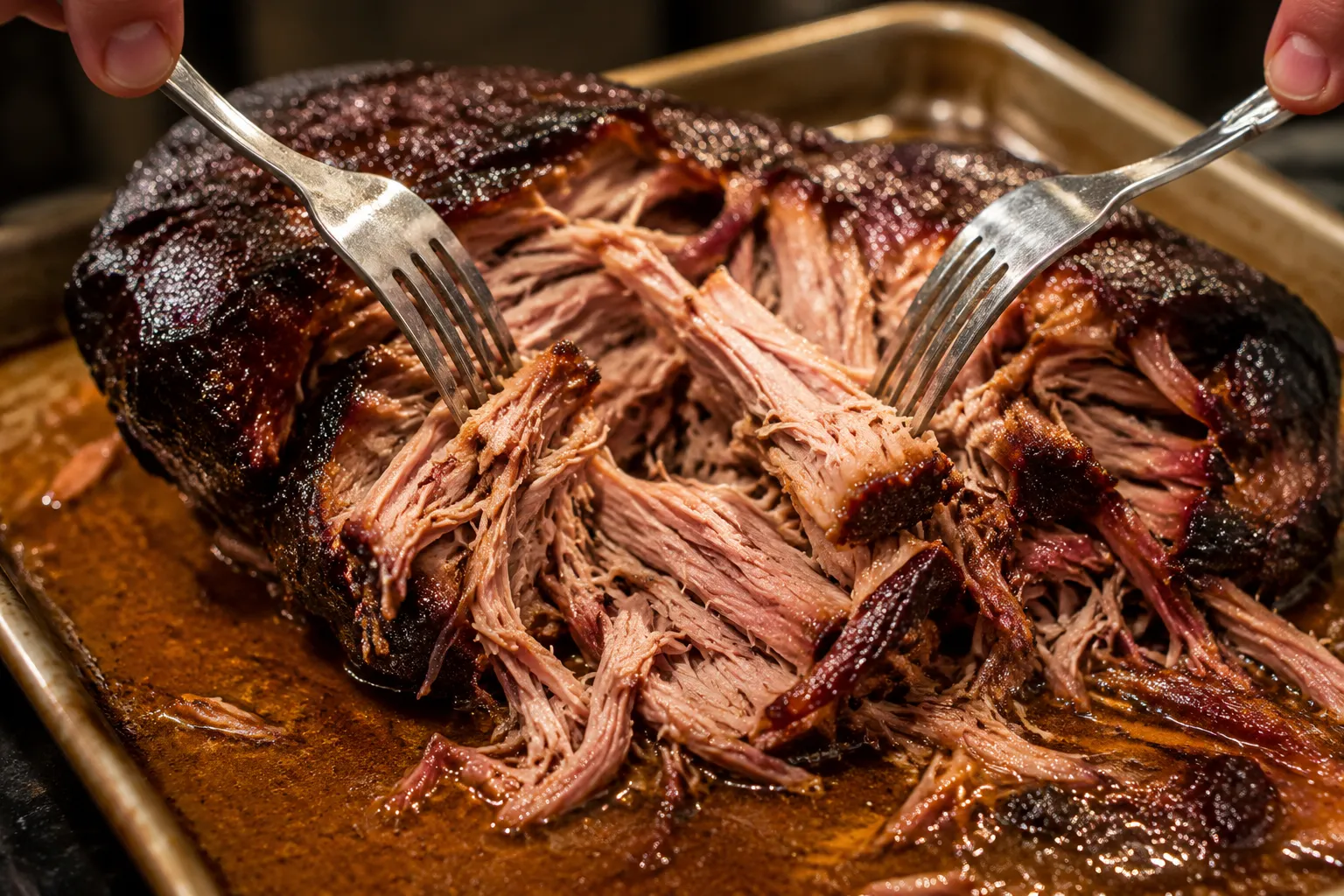
The magic of the best pork butt recipes is collagen conversion. Pork shoulder is a hardworking cut, which means it contains connective tissue that needs time and heat to break down into gelatin. That gelatin is what makes the meat feel rich, silky, and juicy instead of dry or stringy.
For slicing, some cooks pull pork closer to 180°F to 190°F, but for shredding, 195°F to 205°F is the sweet spot. A thermometer should slide in with very little resistance, almost like softened butter. If the pork is technically at temperature but still feels tight, give it more time; tenderness is the true finish line.
Resting is part of the cook, not an optional pause. Let the roast sit for at least 20 to 30 minutes before shredding so the juices redistribute through the meat. For a large smoked roast, an insulated cooler rest can hold the pork warm for hours and make it even more tender.
Once shredded, toss the meat with some of its cooking juices before adding sauce. This keeps every strand moist and lets you control the final flavor. For barbecue, add sauce lightly at first; for tacos or bowls, leave the meat more neutral so it can take on salsa, crema, herbs, or pickled vegetables.
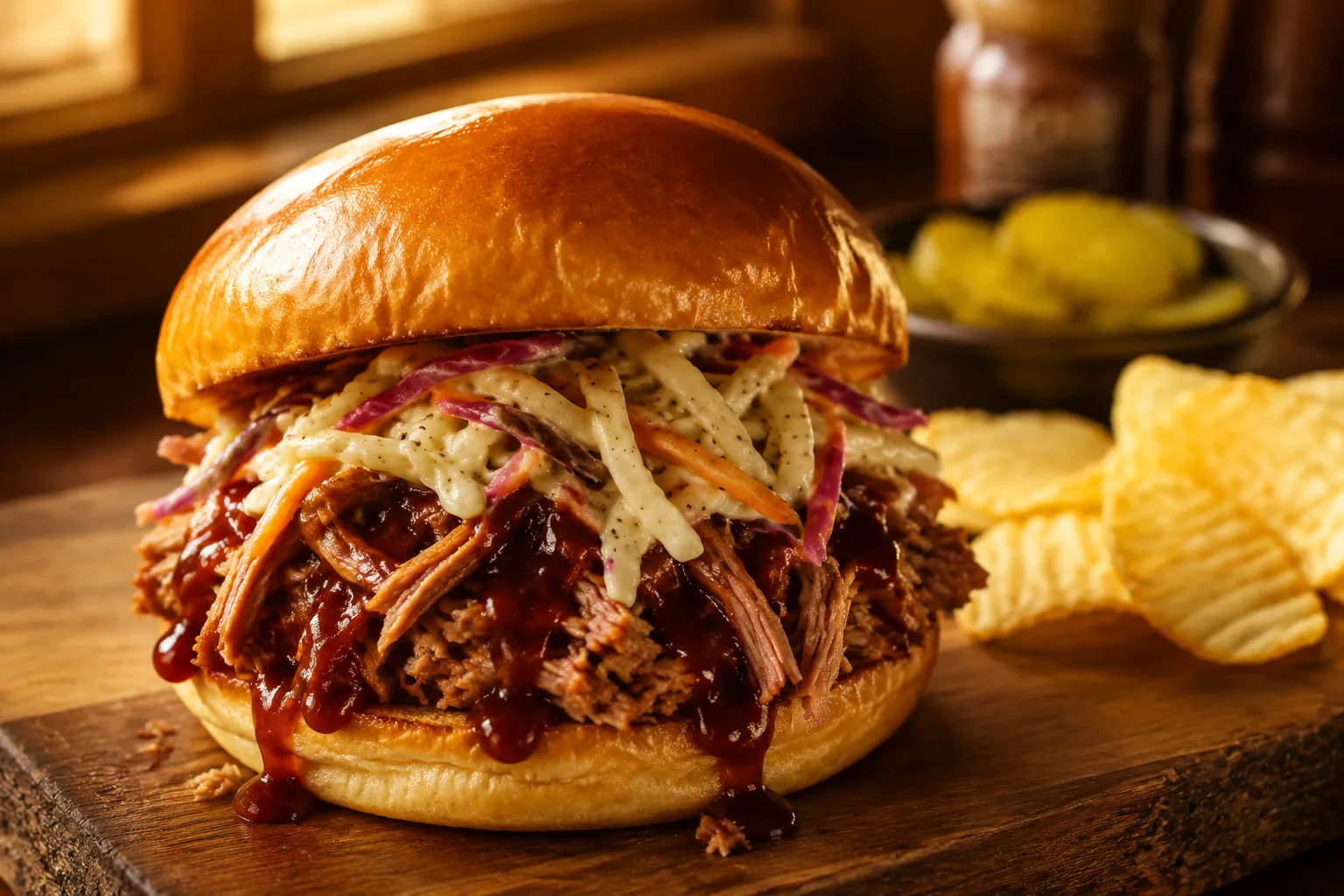
A pulled pork sandwich is the classic for a reason: soft bun, smoky meat, tangy sauce, cool slaw, and pickles all working together. Toasting the buns makes a small but mighty difference, especially if the pork is juicy. Add a little hot honey, jalapeños, or mustardy slaw if you like your sandwich with contrast.
For taco night, keep the meat simple and let the toppings shine. Warm corn tortillas, crisped pork edges, onion, cilantro, lime, salsa roja, and cotija make an easy dinner that feels special. The same meat can become burrito bowls with rice, beans, avocado, shredded lettuce, and a bright spoonful of pico de gallo.
Shredded pork also loves comfort-food formats. Layer it over baked sweet potatoes, fold it into mac and cheese, stuff it into quesadillas, stir it into chili, or scatter it across nachos with beans and melty cheese. These serving ideas are exactly why pork butt recipes are so useful for families: one roast becomes multiple dinners without tasting repetitive.
If you are serving a crowd, build a board or buffet. Put out pork, buns, tortillas, rice, sauces, slaw, pickled onions, lime wedges, chips, beans, and a few crunchy vegetables. Guests can make sandwiches, carnitas-style tacos, bowls, or sliders, and you get to enjoy the party instead of cooking short-order plates all night.
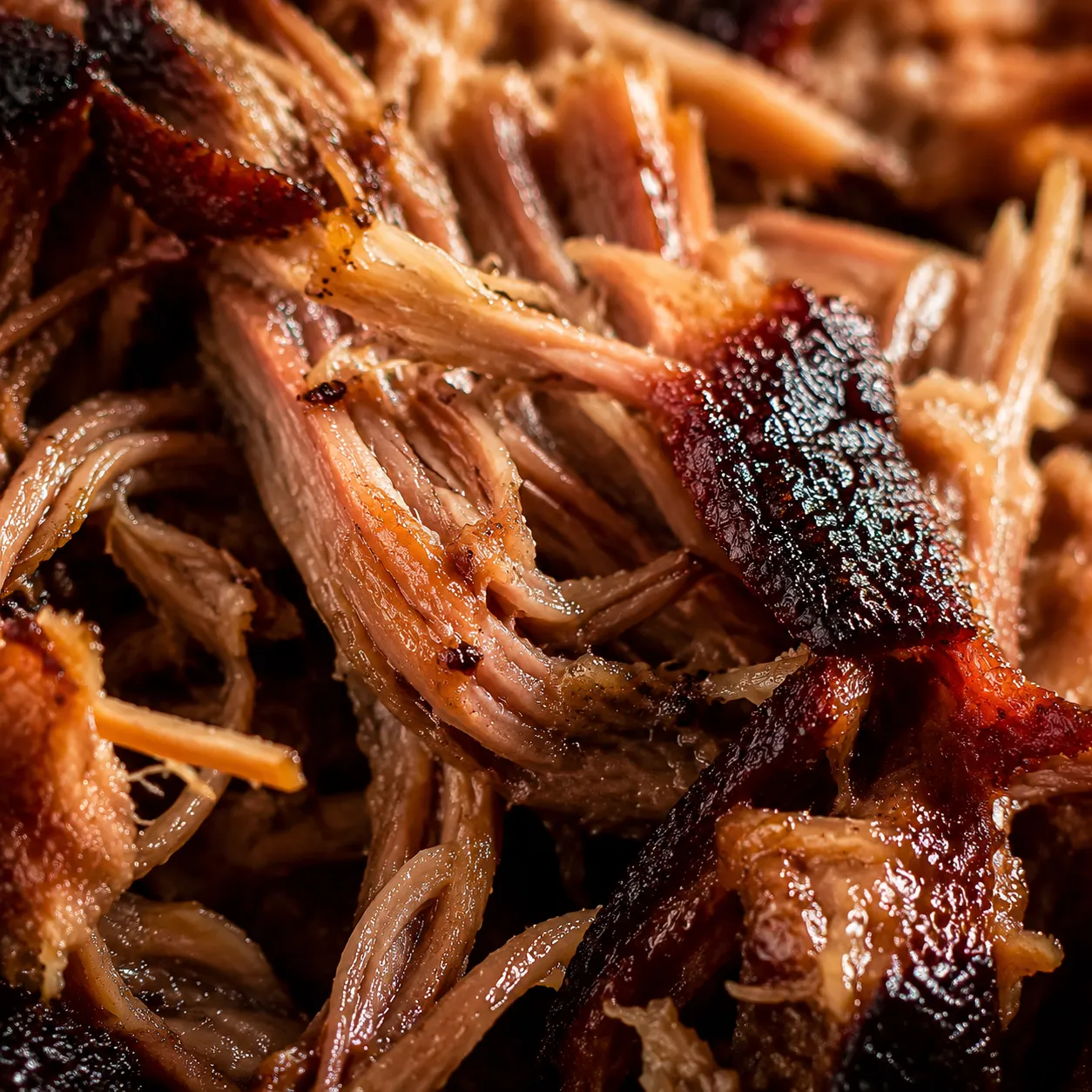
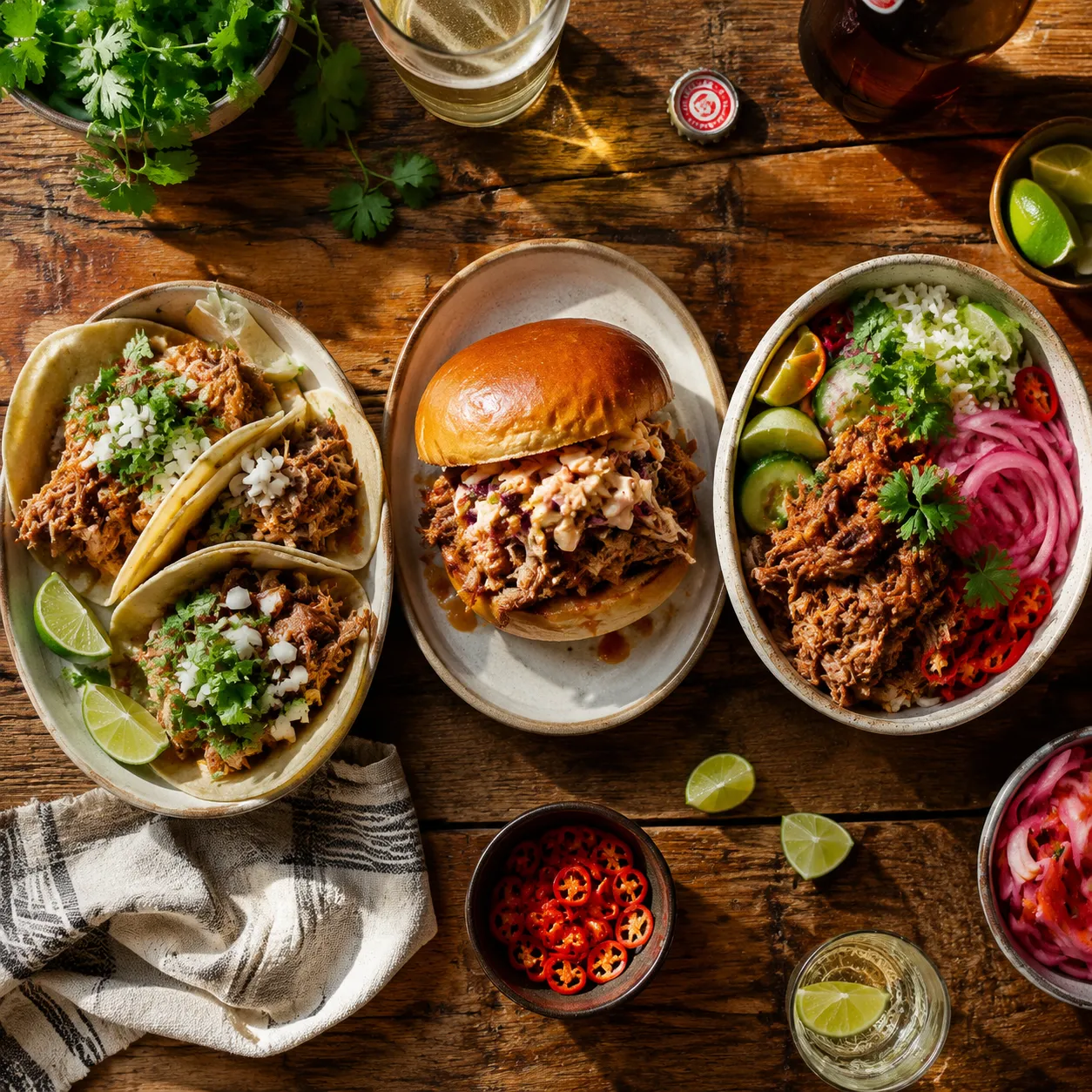
The recipe card below gives you a foolproof sweet-smoky base that works for almost any meal. It starts with brown sugar, smoked paprika, garlic powder, onion powder, salt, and pepper, then cooks slowly with broth and apple cider vinegar until tender. From there, you can sauce it for barbecue, crisp it for tacos, or keep it lightly seasoned for rice bowls and soups.
If you are cooking for a party, make the pork a day ahead. Chilled cooked pork is easy to skim, portion, and reheat, and the flavor deepens overnight. Just save the cooking juices; they are liquid gold for reheating and keeping the meat succulent.
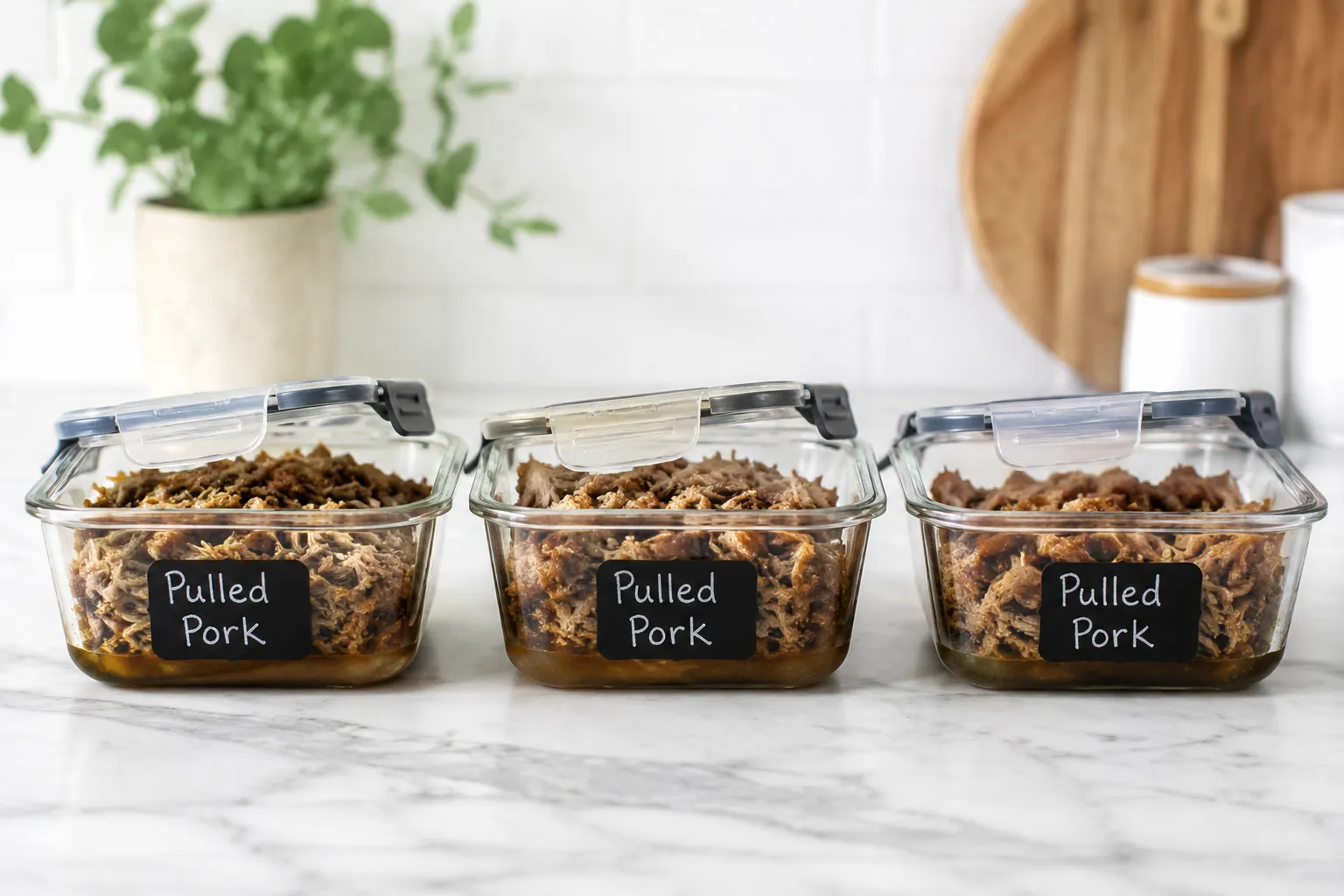
For meal prep, portion the pork into dinner-sized containers before you put it away. Label some for barbecue, some for tacos, and some plain for soups or pasta, then future-you has options ready to go. A single afternoon of cooking can become sandwiches, bowls, stews, and quick skillet dinners for the week ahead.
Once you understand the cut, the temperature range, and the low-and-slow method, pork butt recipes become wonderfully approachable. They are forgiving enough for beginners, flavorful enough for barbecue lovers, and versatile enough to carry you through busy weeks. Whether you start with classic pulled pork or branch into mojo, adobo, kalua pork, or ragu, Boston butt proves that budget-friendly cooking can still feel abundant and deeply satisfying.