Caldo de Pollo: Authentic Mexican Chicken Soup Recipe
4.8 from 12 reviews
0SHARES
Now Playing
Caldo de Pollo: Authentic Mexican Chicken Soup Recipe
0:00
0:00
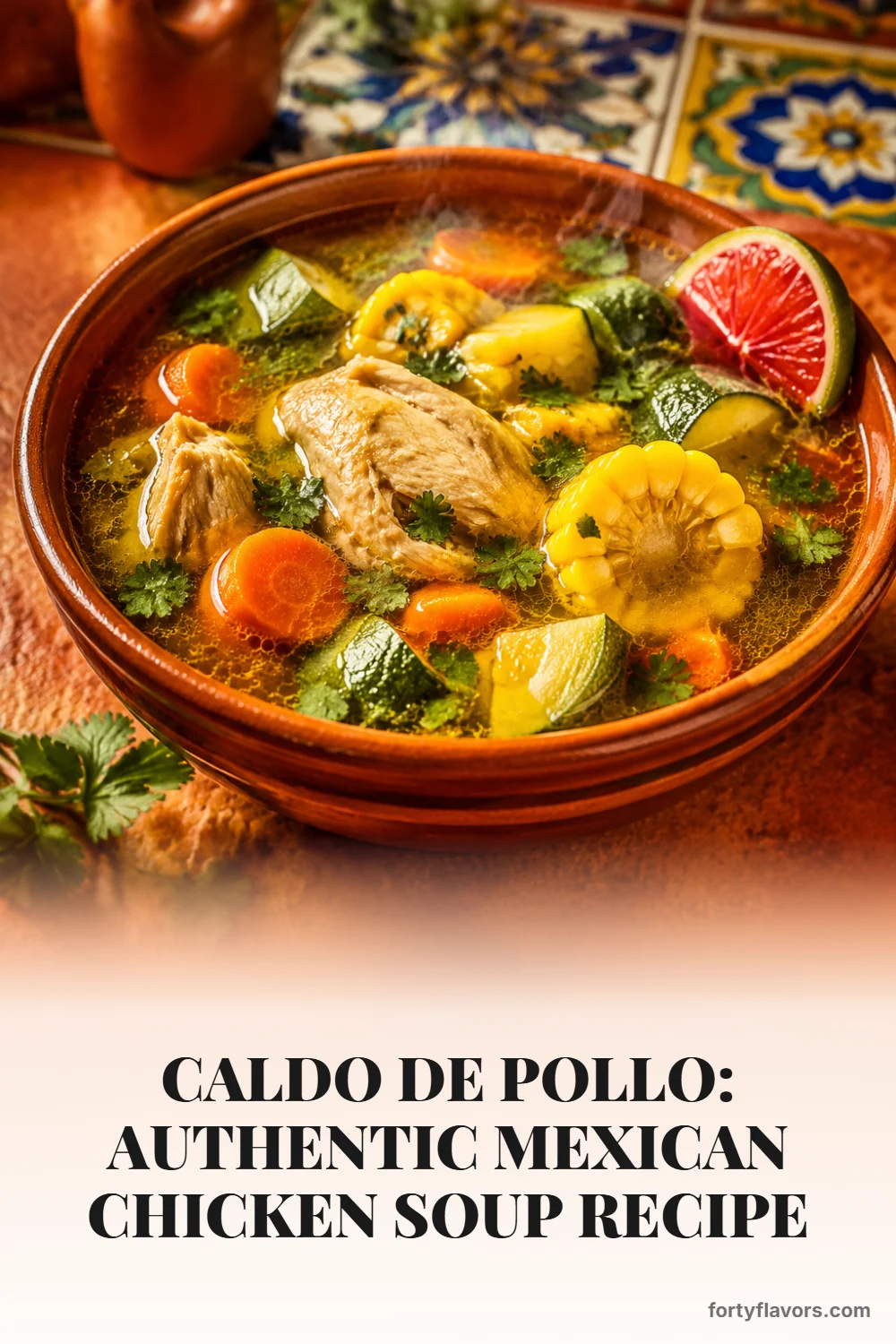
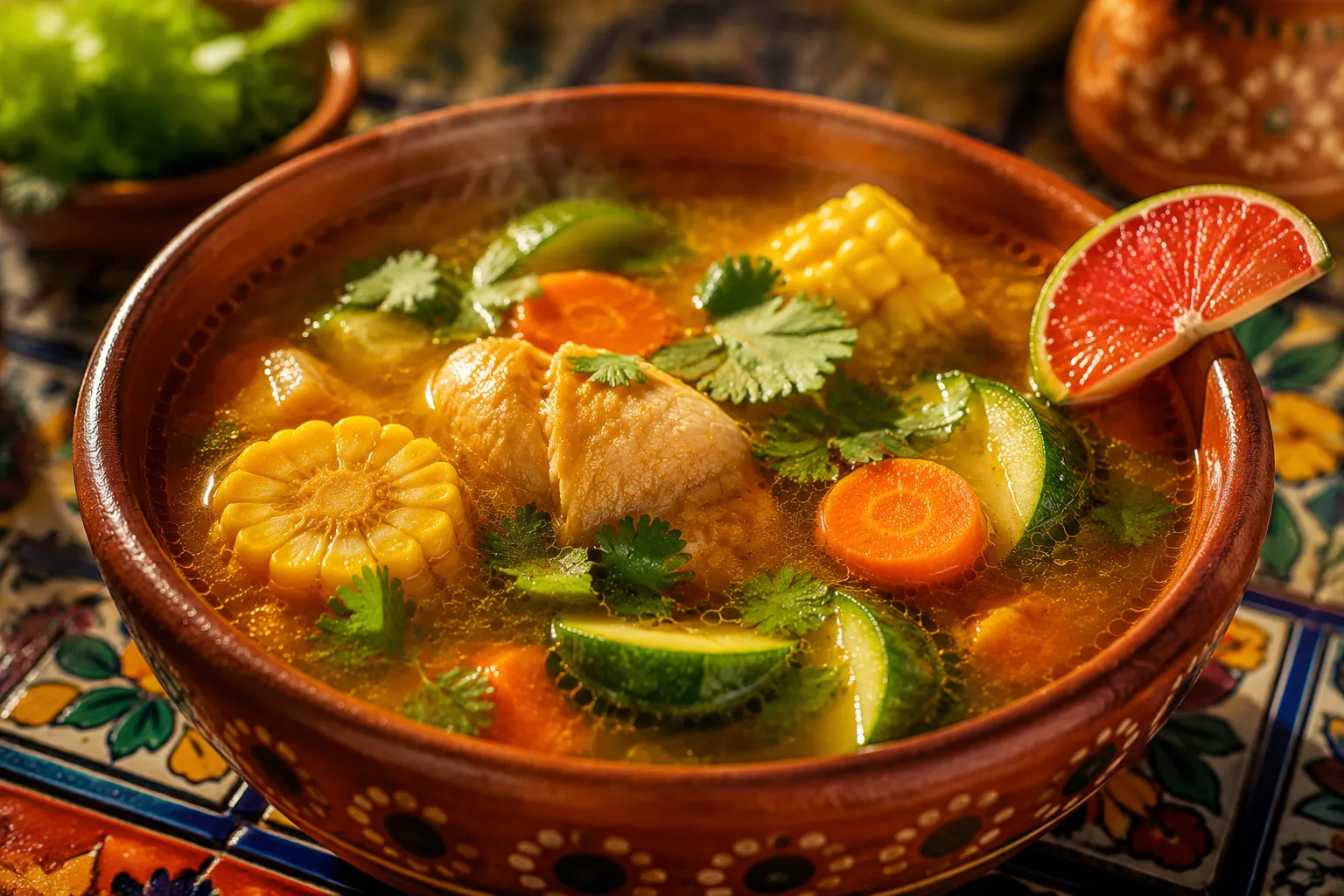
Caldo de pollo is the Mexican chicken soup my abuela made for every cold, sniffly, or homesick day, simmered with rice, garden vegetables, and a squeeze of lime.
Why You'll Love This Recipe
- One-pot comfort: Chicken, broth, rice, and vegetables all come together in one generous pot for a meal that feels cozy but not complicated.
- Authentic technique: The broth is simmered and skimmed first, then the vegetables are added in stages so the soup tastes clean and each ingredient keeps its texture.
- Family-friendly: The flavors are savory, gentle, and customizable with lime, cilantro, salsa, or tortillas at the table.
- Naturally gluten-free: This soup is made with chicken, rice, vegetables, and herbs, so it fits easily into gluten-free meals when all packaged ingredients are verified.
- Great for leftovers: The broth becomes even more flavorful after a day in the fridge, making lunch or dinner easy later in the week.
Caldo de pollo is the kind of soup that makes the whole kitchen feel cared for before the first bowl ever hits the table. It starts simply, with bone-in chicken, onion, garlic, and salt, then slowly turns into a golden broth loaded with tender vegetables, rice, cilantro, and a bright squeeze of lime. This is the soup I crave when the weather turns cold, when someone has the sniffles, or when dinner needs to feel like a hug without getting fussy.
This caldo de pollo recipe leans into the old-school, abuela-style method: simmer the chicken first, skim the broth until it is clean and clear, then add the vegetables in stages so every piece stays tender instead of falling apart. It is hearty enough to be dinner on its own, but still light and brothy in that restorative way only a true Mexican chicken soup can be.
What Is Caldo de Pollo?
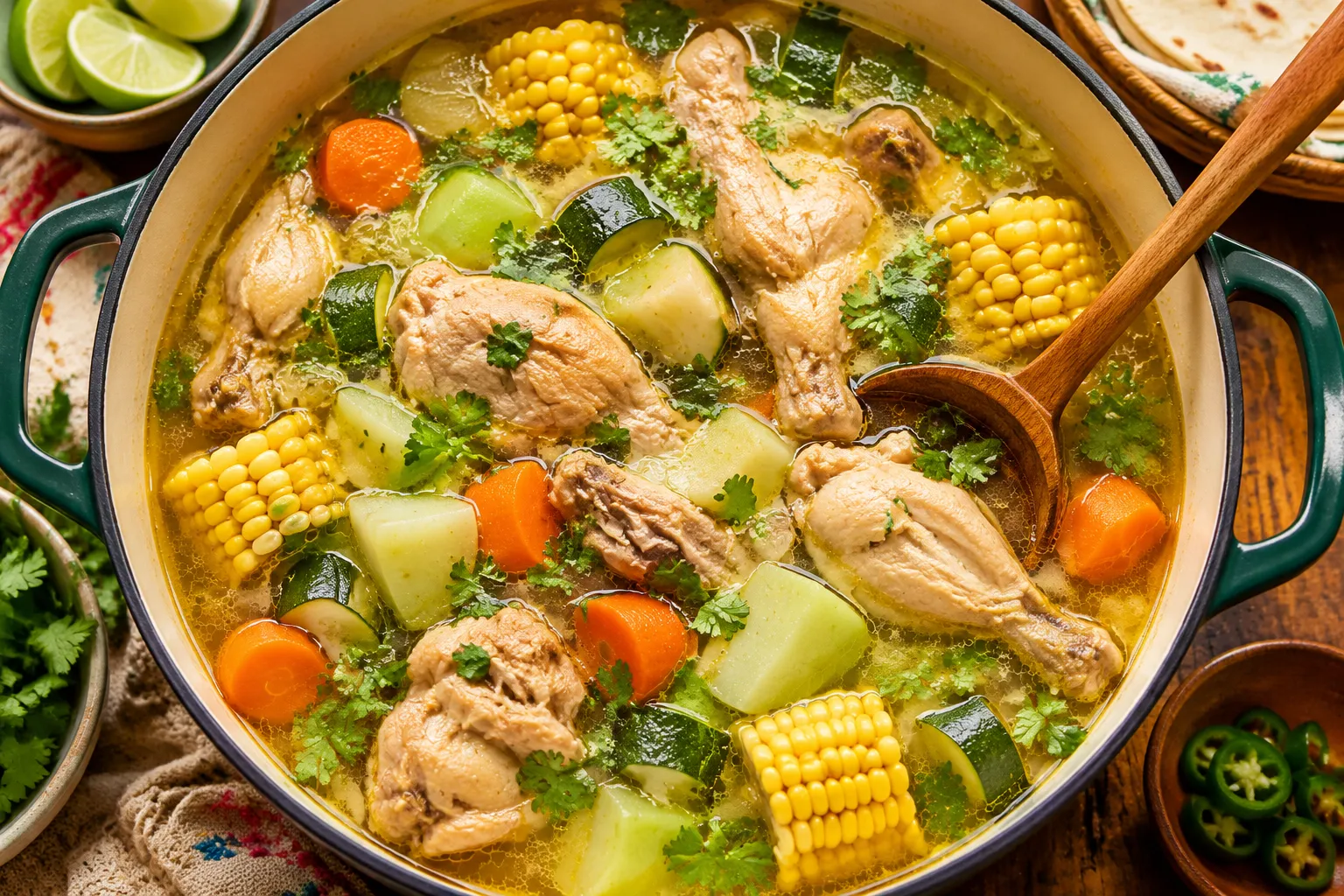
Caldo de pollo is a traditional Mexican chicken soup made with chicken, broth, rice, and chunky vegetables such as carrots, potatoes, zucchini, corn, and chayote. The word caldo means broth, and that really is the heart of the dish: a clear, savory homemade chicken broth built from bone-in chicken rather than a boxed shortcut. It is humble food, but it is also deeply intentional, with each ingredient added for comfort, nourishment, and flavor. A good pot tastes clean and rich at the same time, with the sweetness of corn, the softness of rice, and the brightness of lime balancing the chicken.
You will see versions of this soup all over Mexico, and nearly every family has its own way of making it. Some cooks add cabbage, green beans, or garbanzos; others use mint, extra cilantro, or a spoonful of bouillon for a familiar flavor. In northern kitchens, the vegetables may be cut especially large and served with warm corn tortillas on the side, while other regions keep the broth lighter and the garnishes more prominent. This version keeps the ingredient list classic and accessible for US home cooks while honoring the authentic staged simmer that makes the soup so satisfying.
Caldo de Pollo vs. Caldo de Gallina
Caldo de gallina is closely related, but it is not exactly the same soup. Gallina refers to an older stewing hen, which has firmer meat and usually needs a longer simmer to become tender. The payoff is a deeper, almost more robust broth, the kind that tastes like it has been quietly bubbling on the stove all afternoon. Caldo de pollo, made with younger chicken pieces, cooks faster and gives you tender meat in about an hour and a half, making it more practical for a weeknight or Sunday family meal.
Ingredients for an Abuela-Style Chicken Caldo
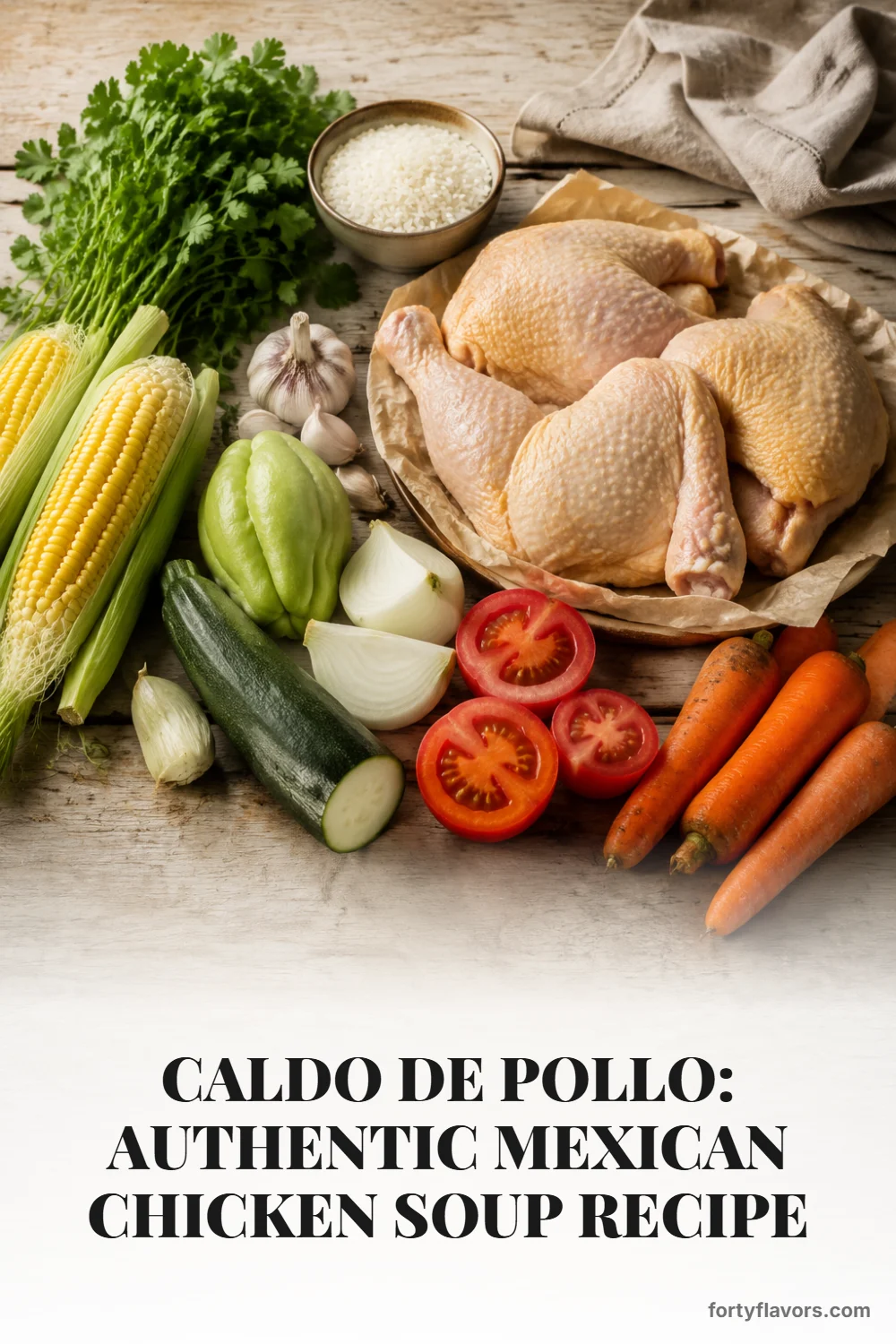
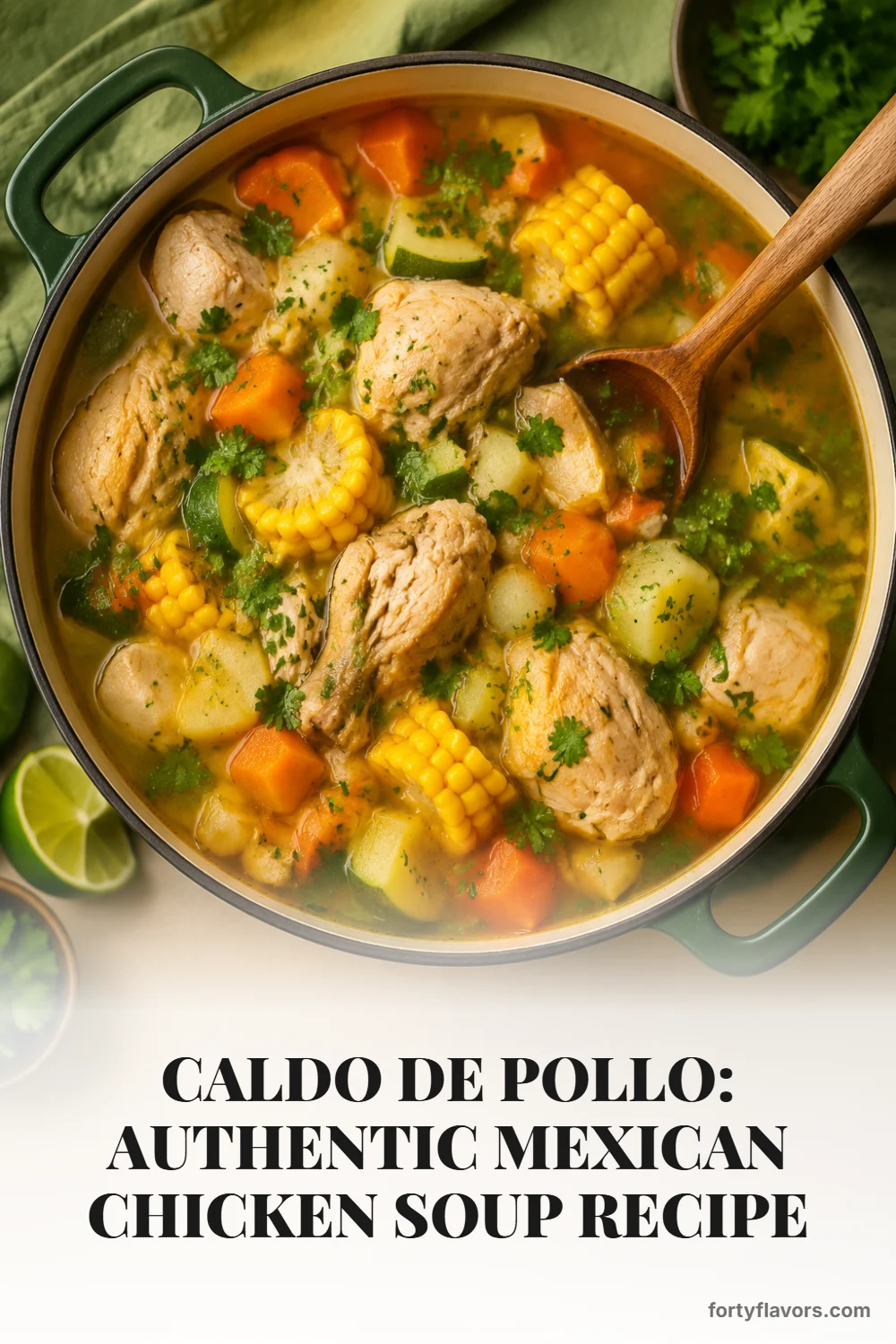
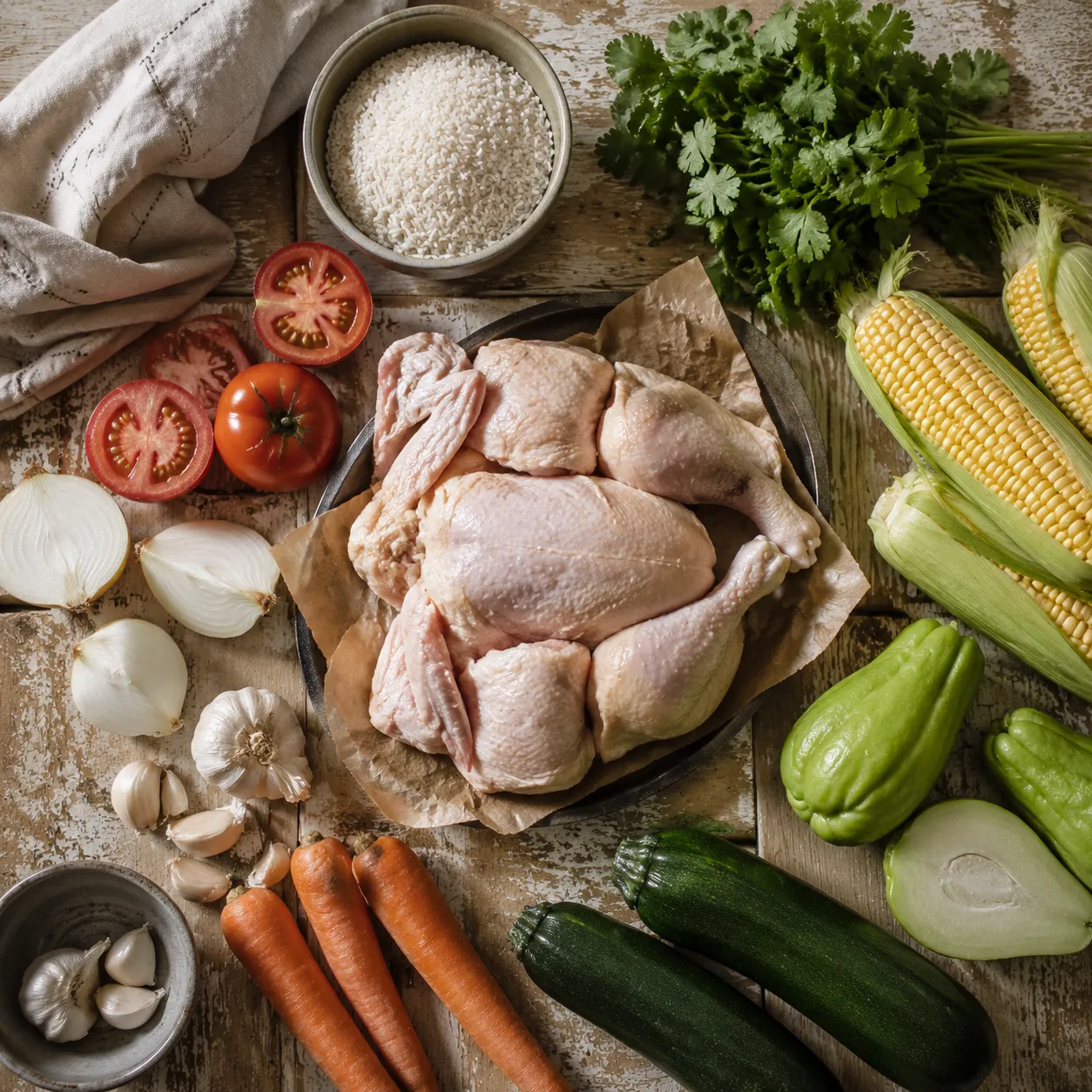
The best bowls begin with bone-in chicken, preferably a mix of thighs, drumsticks, and split breasts. The bones and skin give the broth body and flavor, while the different pieces offer a nice mix of juicy dark meat and lean white meat. You can also use a whole cut-up chicken if that is what you have, and it will make a beautiful pot. I like to keep the skin on while simmering because it enriches the broth, then remove any excess fat from the surface as needed.
The vegetables are just as important as the chicken. Carrots bring sweetness, Yukon Gold potatoes turn creamy at the edges, corn adds a sunny pop, and chayote gives the soup that gentle, squash-like freshness you find in many Mexican home kitchens. Zucchini cooks quickly, so it goes in near the end rather than at the beginning. Rice makes the bowl feel complete, but it should be added with care so it stays tender and does not cloud the whole pot.
Aromatics stay simple: onion, garlic, cilantro stems or leaves, kosher salt, and black pepper. If your family uses chicken bouillon, you can add a small spoonful, but taste first because it can be salty. The finish is where the soup wakes up. Fresh cilantro, lime wedges, diced onion, sliced jalapeño, avocado, or a spoonful of salsa verde can all turn a basic bowl into something bright, layered, and deeply personal.
How to Make Mexican Chicken Caldo
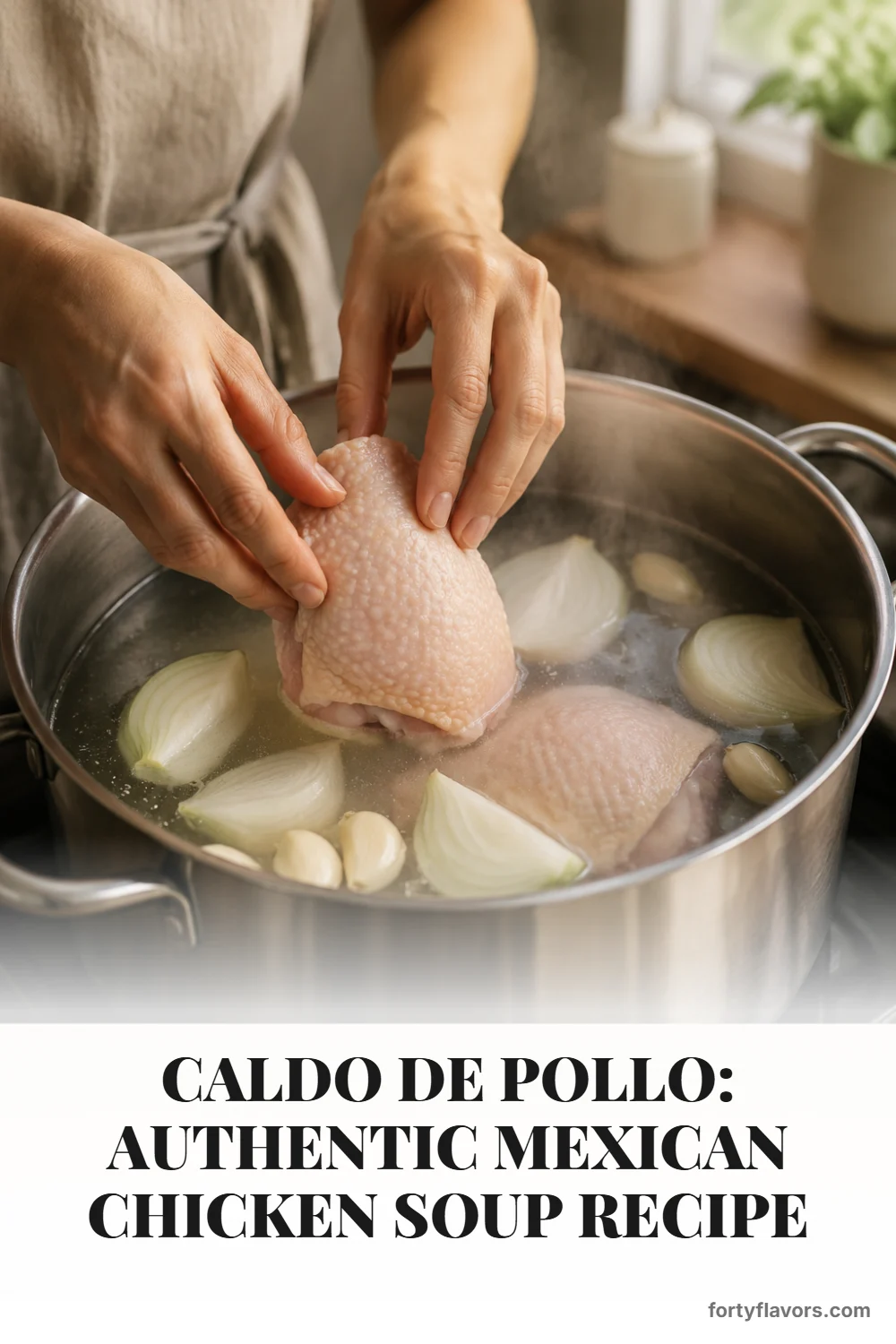
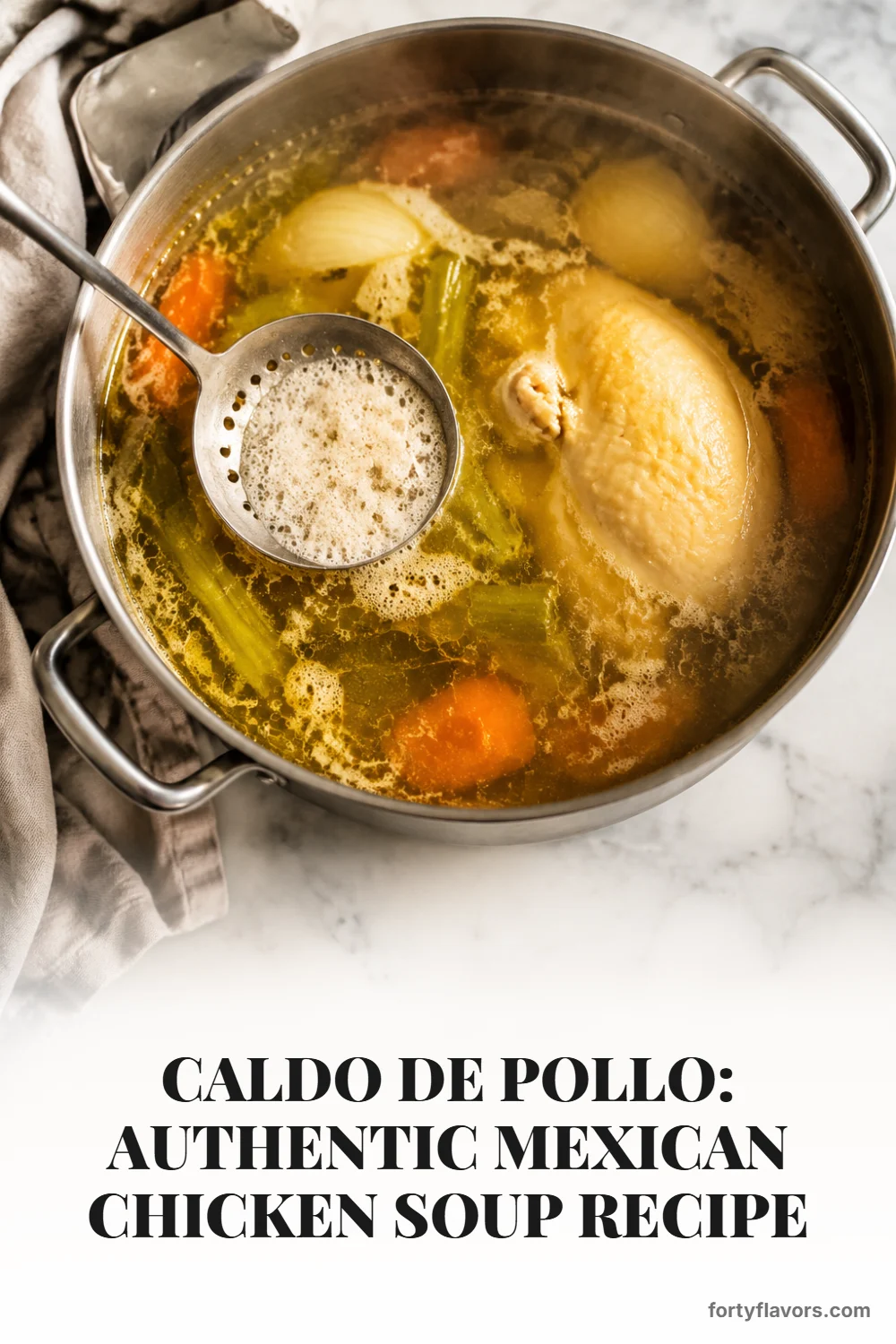
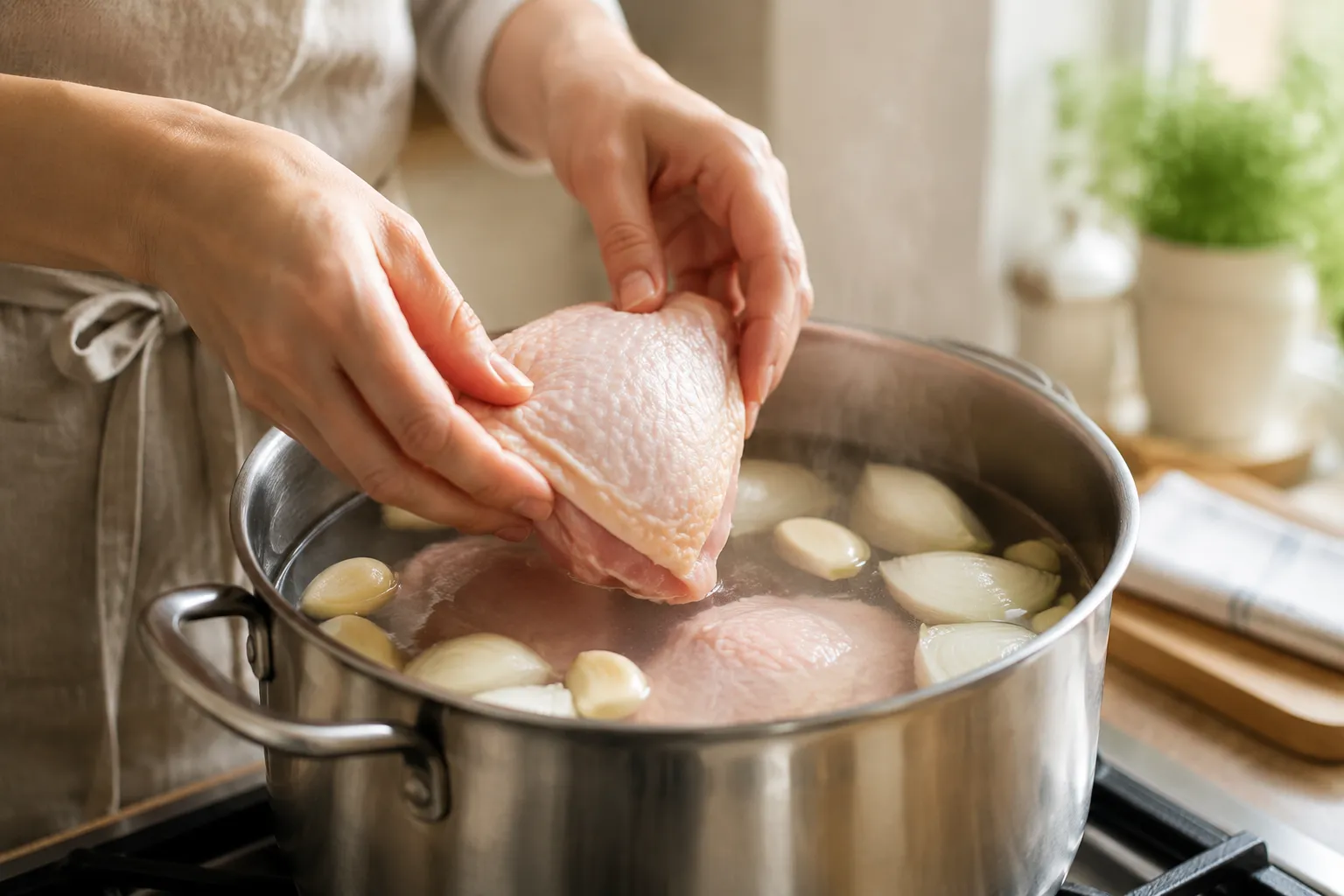
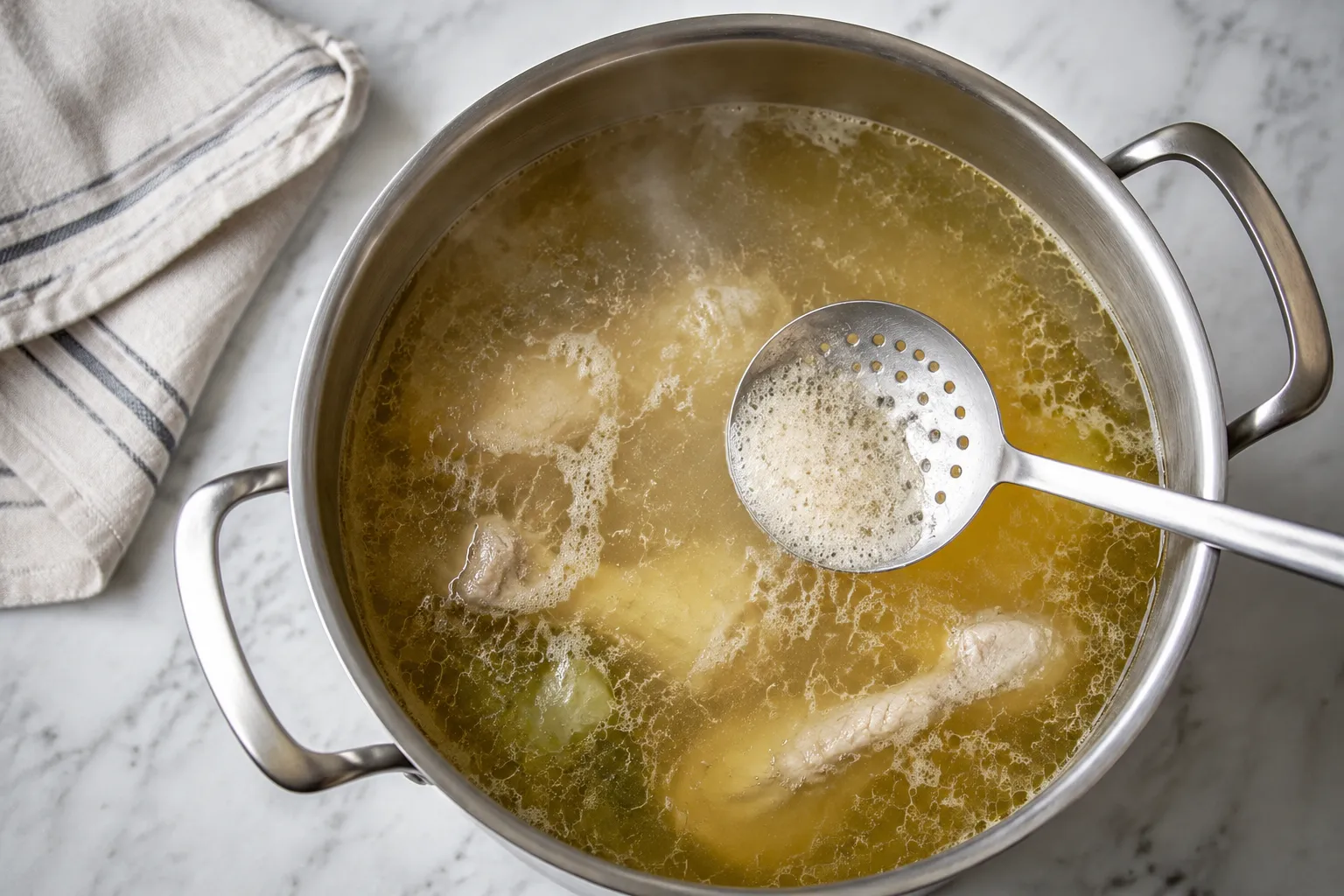
Start with cold water, not hot, so the chicken releases its flavor slowly and evenly. Add the bone-in pieces to a large pot with onion, garlic, salt, and enough water to cover everything by a couple of inches. As the water comes to a gentle simmer, foam will rise to the top; skim it away with a spoon for a broth that tastes clean and looks beautifully golden. This small step is one of the details that separates a rushed pot from a truly authentic one.
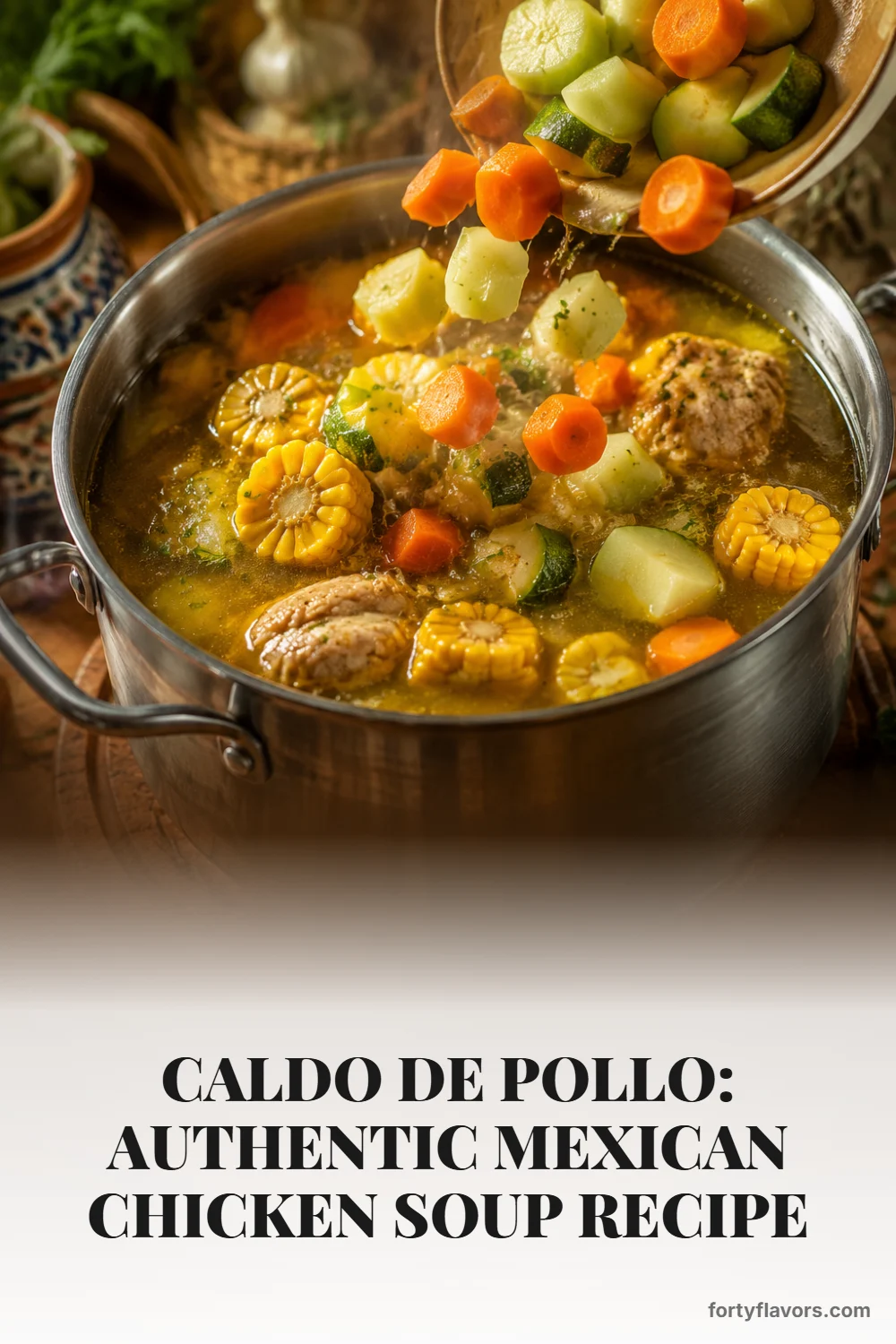
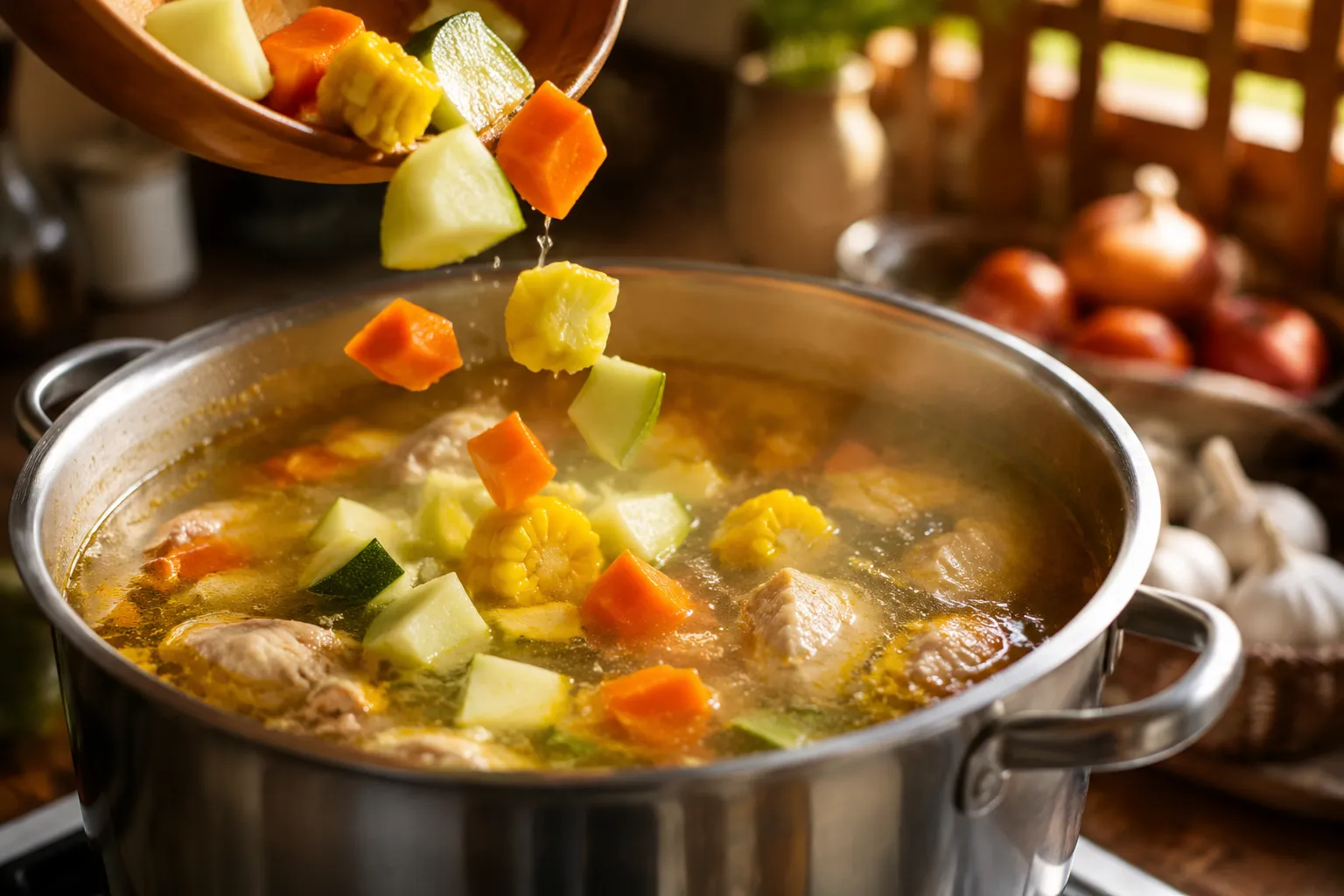
Once the broth has simmered and the chicken is nearly tender, the vegetables go in according to how long they need to cook. Potatoes, carrots, and corn can handle more time, so they go first and soak up the savory broth. Chayote joins soon after because it needs enough time to soften without disappearing into the soup. Zucchini is more delicate, so save it for the final stretch, when the pot is already fragrant and the chicken is ready to pull from the bone.
This is also when the rice needs a little attention. Some families simmer the rice directly in the pot, which gives the soup a cozy, homey texture. Others cook rice separately and spoon it into each bowl, especially if they expect leftovers. Both methods work, but for the cleanest broth and best next-day texture, I prefer cooking the rice gently in the soup only until tender, then serving soon after.
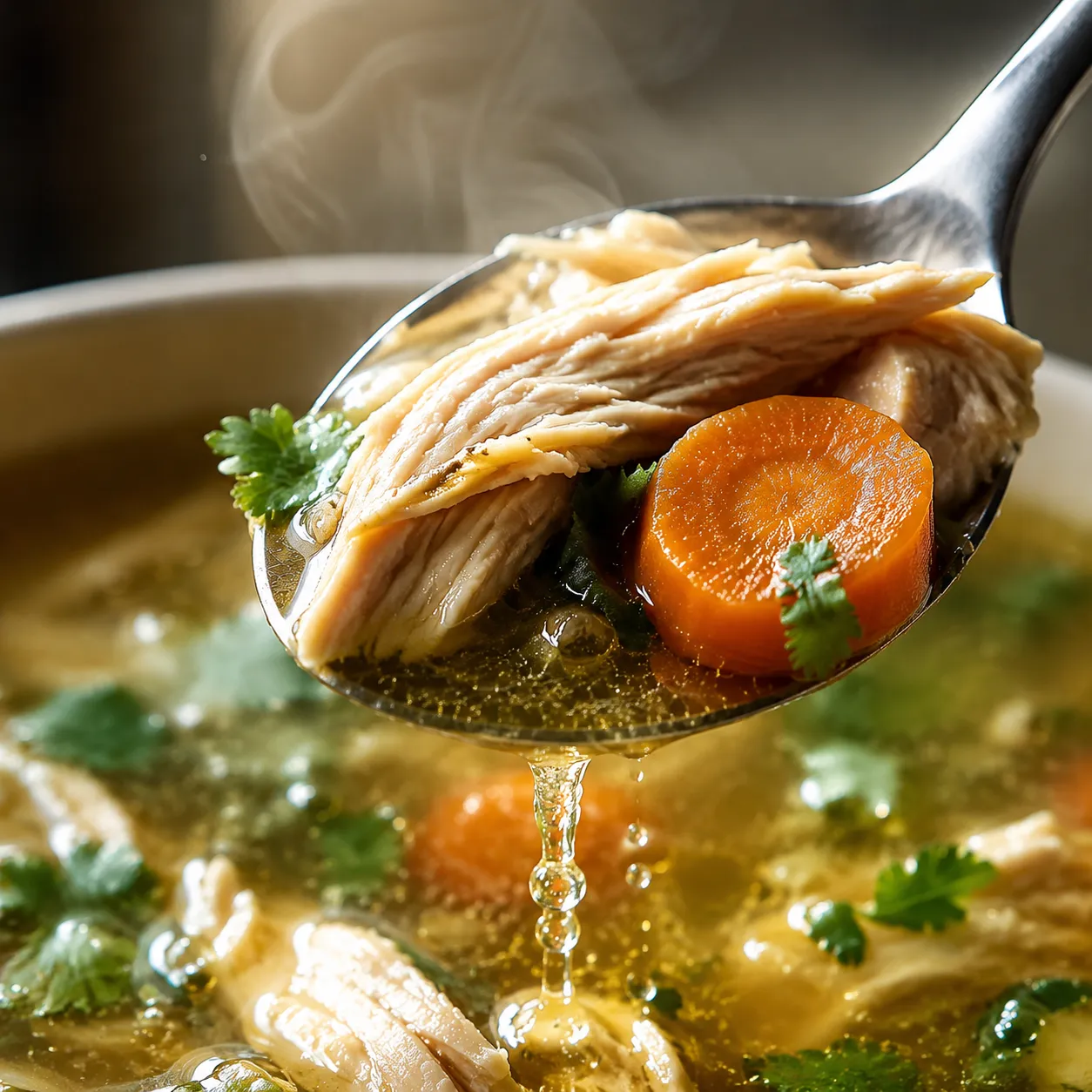
When the chicken is fully cooked, you can serve the pieces whole for a rustic presentation or remove the meat from the bones and return it to the pot. I like a middle ground: leave drumsticks whole for anyone who loves them, and shred the breast meat into generous pieces so every bowl gets some. Taste the broth at the end and adjust with more salt, pepper, and lime. A pot of caldo de pollo soup recipe goodness should taste savory first, then gently sweet from the vegetables, and finally bright from the citrus.
Building a Clear, Rich Broth
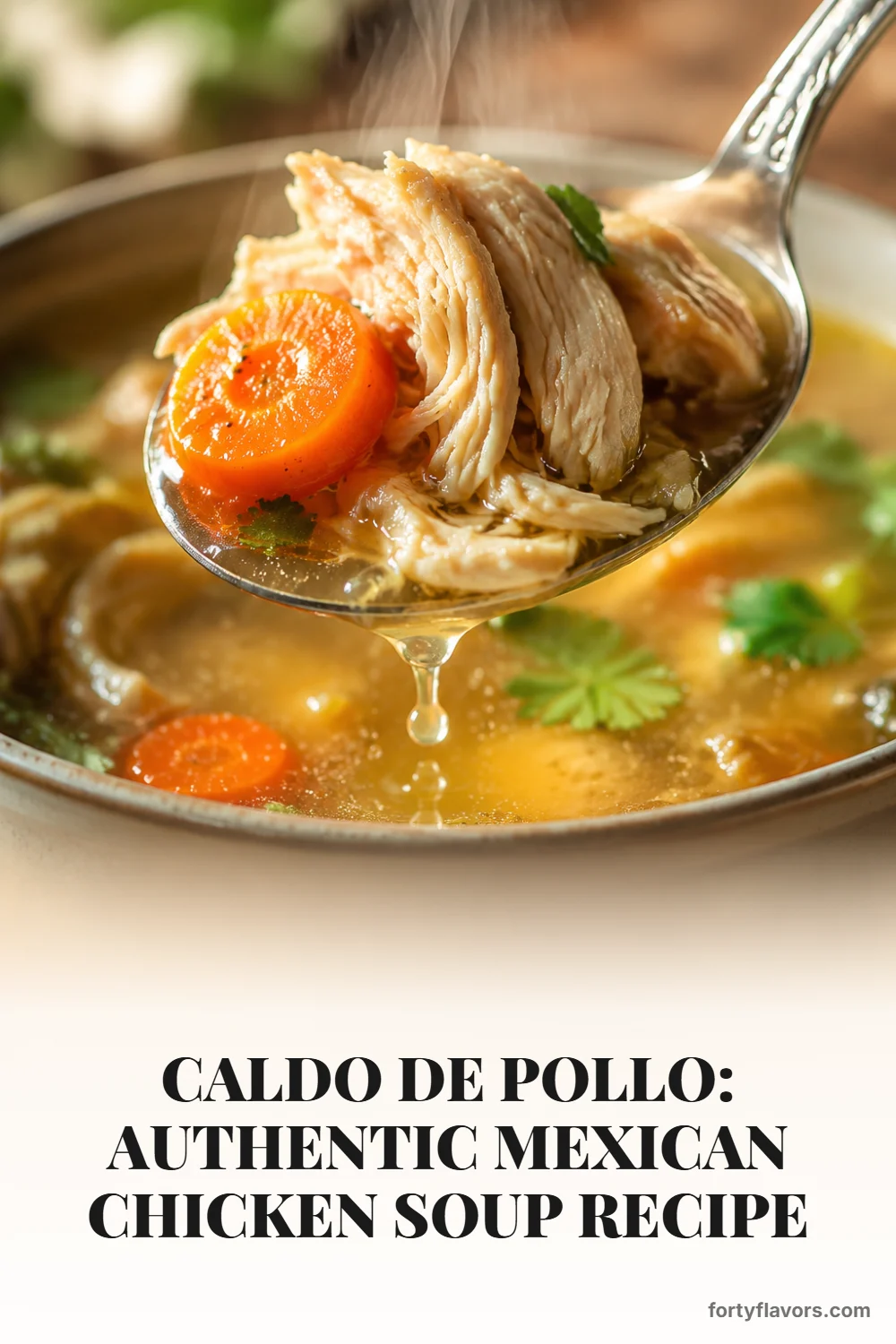
The broth is not just the cooking liquid; it is the soul of the soup. Skimming away foam during the first 15 to 20 minutes makes a visible difference, especially if you want a golden bowl that looks as good as it tastes. If a little fat gathers on top, do not panic; those golden droplets carry flavor and make the soup feel generous. For a lighter finish, skim some off with a spoon or chill leftovers and lift away the solidified fat later.
Finishing with Lime, Cilantro, and Rice
Do not underestimate the final handful of cilantro and the squeeze of lime. The soup simmers for over an hour, so it needs something fresh at the end to lift all those slow-cooked flavors. Add cilantro right before serving so it stays green and fragrant rather than dull. Lime belongs at the table too, because everyone has a different idea of the perfect amount, from a tiny squeeze to a whole wedge per bowl.
What Makes This Soup Taste Homemade
The difference between an average pot and a memorable one is patience. You are not adding many spices here, so the flavor has to come from the chicken, the vegetables, and the way the broth is handled. Bone-in chicken gives you depth, onion and garlic give the broth a savory backbone, and staged vegetables keep the texture lively. It is the same philosophy that makes pollo asado taste so good: start with honest ingredients, season them well, and let time do the work.
Another key is the size of the vegetables. This is not a tiny-dice soup; the carrots, potatoes, corn, and chayote should feel generous and spoonable. Big pieces hold their shape, look beautiful in the bowl, and make the meal feel abundant. If you grew up with soup served in wide bowls with a little plate for bones, tortillas, and lime wedges nearby, this style will feel instantly familiar.
Serving Suggestions for a Complete Mexican Meal
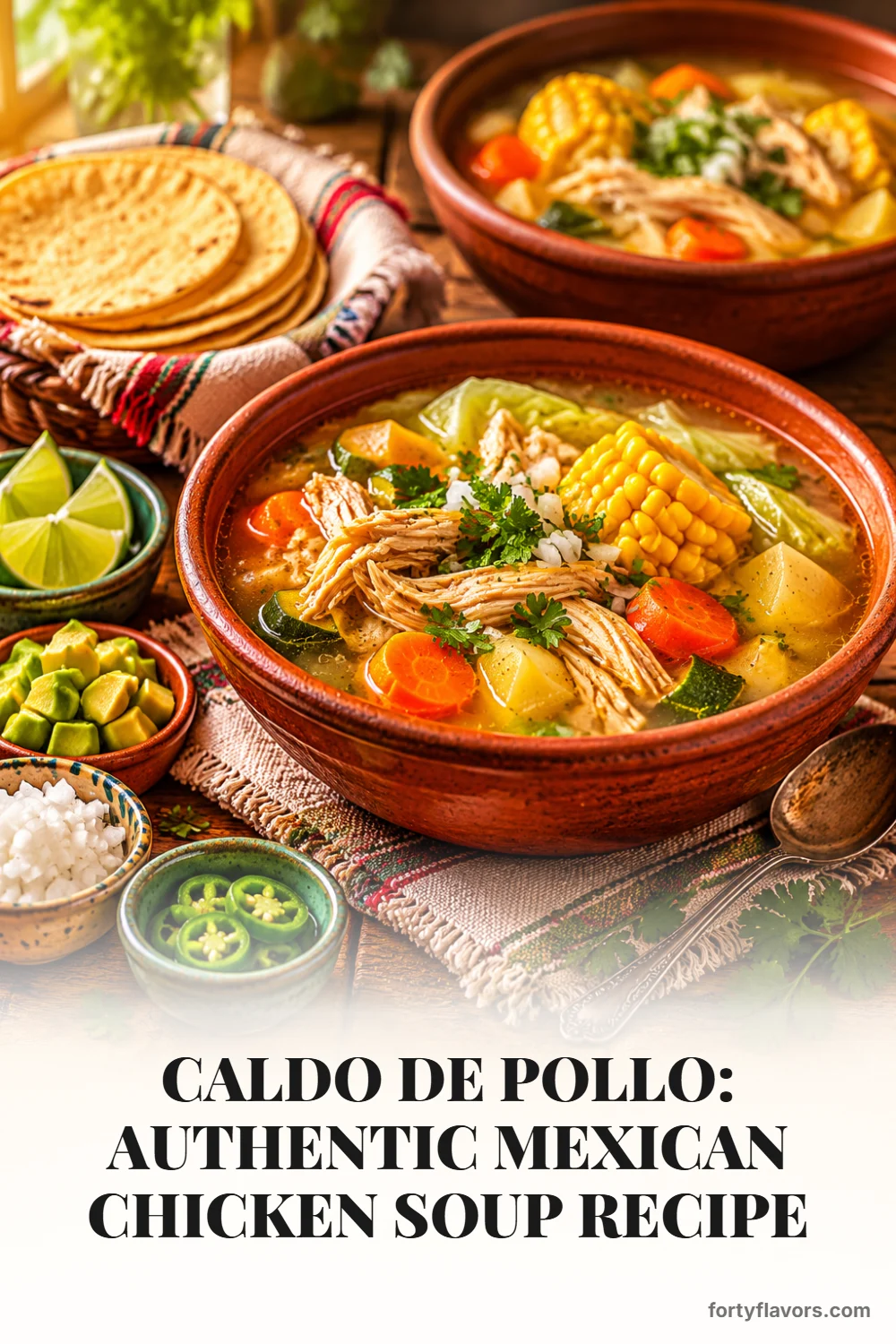
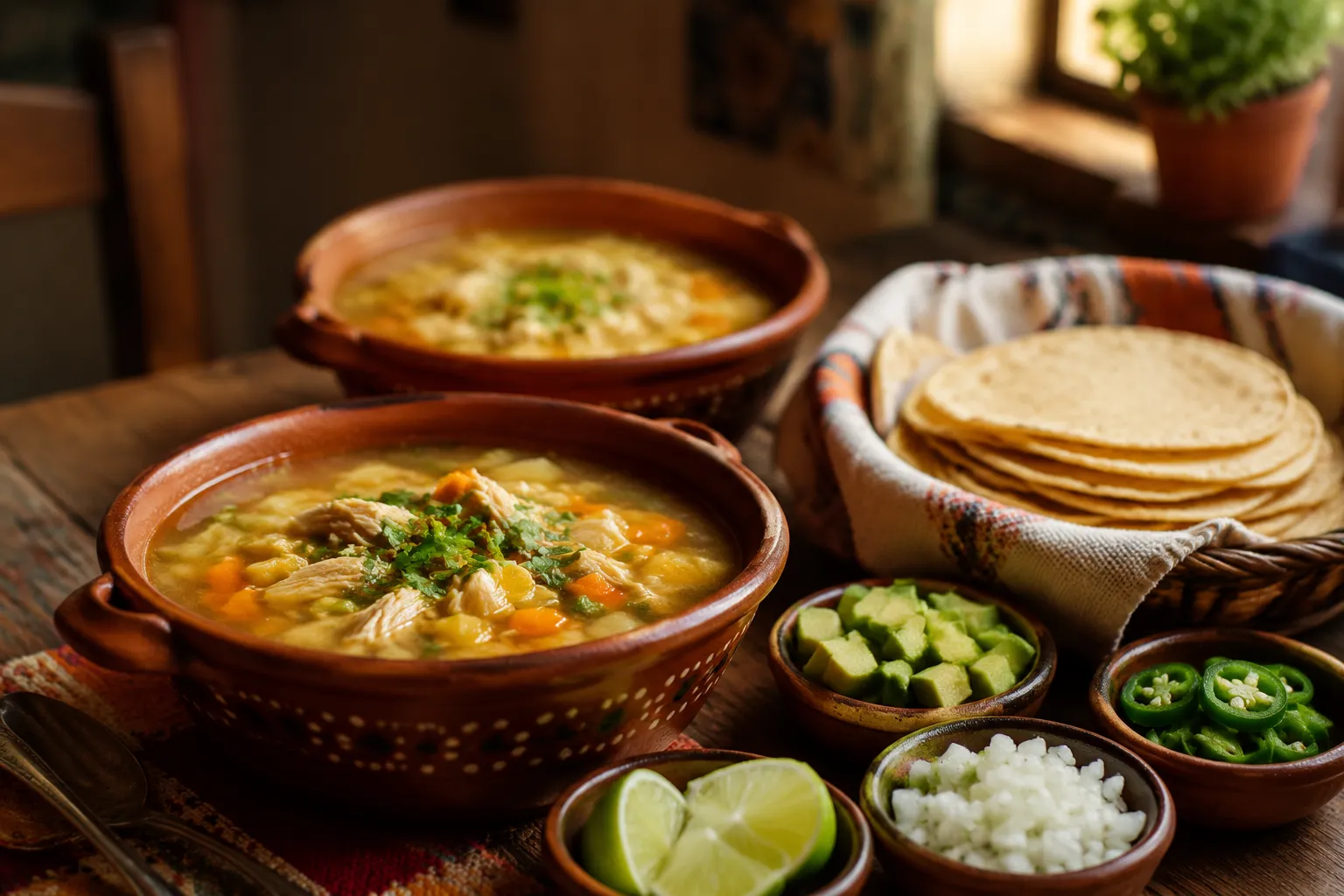
Serve this soup steaming hot in deep bowls with lime wedges, chopped cilantro, and warm corn tortillas. Tortillas are not just a side here; they are for scooping up soft vegetables, wrapping bites of chicken, and chasing the last spoonfuls of broth. A little bowl of salsa verde on the table is lovely for anyone who wants heat and tang. You can also add sliced jalapeños, diced white onion, avocado, or a spoonful of cooked rice to each bowl if you kept the rice separate.
For a larger family dinner, pair the soup with arroz rojo, a simple cabbage slaw, or beans. The rice is especially nice if you want to stretch the meal without making it heavy. If you are serving guests, set everything out family-style so each person can build the bowl they love. There is something wonderfully communal about a pot of caldo de pollo in the center of the table, surrounded by tortillas, citrus, herbs, and salsa.
Make-Ahead Notes for Busy Weeks
This soup is very weeknight-friendly if you do a little prep ahead. You can cut the carrots, potatoes, corn, and chayote in advance and keep them refrigerated in airtight containers. The chicken and broth can also be cooked a day ahead, then chilled so the fat rises to the top and is easy to remove. When you are ready to eat, bring the broth back to a simmer and add the vegetables in stages for the freshest texture.
If you expect leftovers, consider keeping the rice separate and adding it to bowls as you serve. Rice continues to absorb liquid as it sits, which can turn a brothy soup into something thicker by the next day. That is not necessarily bad, but it does change the feel of the dish. A splash of water or extra broth will loosen it right back up when reheated.
A Cozy Bowl to Return to Again and Again
This is the kind of soup that earns a permanent place in your kitchen rotation because it is both practical and deeply comforting. It uses familiar ingredients, feeds a family generously, and invites everyone to customize their bowl with herbs, lime, tortillas, and salsa. The technique is simple, but the little details matter: skim the broth, season as you go, and add the vegetables with intention. Do that, and your pot of caldo de pollo will taste like it has a story behind it.
Whether you are making it for a chilly night, a sick day, or a Sunday dinner that needs to feel grounding, this soup delivers. It is nourishing without being bland, hearty without being heavy, and flexible enough to match what you have in the fridge. Most of all, it brings people to the table quickly, usually asking for extra lime and one more tortilla. That is always the sign of a good pot.
💡 Expert Tips
- Skim early and often: During the first 15 to 20 minutes, remove the foam that rises to the surface. This keeps the broth clearer and cleaner tasting.
- Use bone-in chicken: Thighs, drumsticks, and split breasts build a much richer broth than boneless chicken breasts alone.
- Add vegetables in stages: Potatoes, carrots, and corn can simmer longer, while zucchini should go in near the end so it does not turn mushy.
- Season in layers: Salt the broth at the beginning, taste again after the vegetables cook, and finish with lime to brighten the whole pot.
- Keep the simmer gentle: A rolling boil can toughen the chicken and cloud the broth, so aim for steady, quiet bubbling.
🔄 Variations & Substitutions
Caldo is wonderfully flexible, and many Mexican families make it a little differently depending on the region, the season, and what is in the kitchen. Keep the broth method the same, then adjust the vegetables, herbs, and add-ins to suit your table.
- Add cabbage wedges or green beans for extra vegetables.
- Swap chayote for yellow squash if needed.
- Stir in cooked garbanzos for a heartier bowl.
- Use a whole cut-up chicken instead of mixed pieces.
- Serve with sliced jalapeños or hot sauce for more heat.
- Cook the rice separately if you prefer a clearer broth or plan to freeze leftovers.
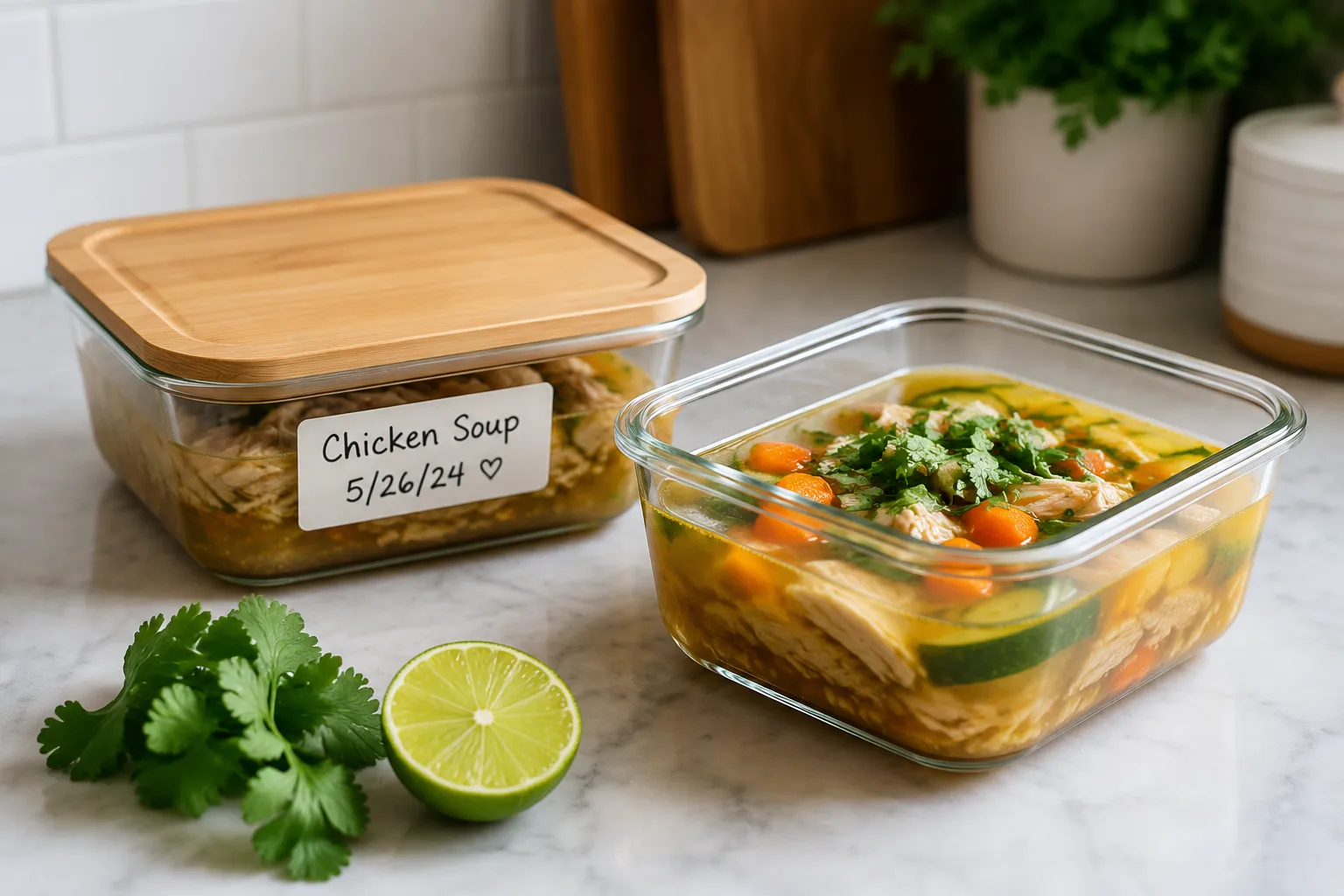
🧊 Storage & Leftovers
Let the soup cool, then transfer it to airtight containers and refrigerate for up to 4 days. For the best texture, store rice separately if possible because it will continue absorbing broth as it sits. Reheat gently on the stovetop over medium-low heat until the chicken and vegetables are hot, adding a splash of water or broth if the soup has thickened.
To freeze, portion the broth and chicken into freezer-safe containers and freeze for up to 3 months. If you know you are freezing a batch, leave out the rice and zucchini, then add freshly cooked rice and quick-cooking vegetables when you reheat.
Save This Recipe to Pinterest
Hover any image and hit “Pin it” to save it to your Pinterest boards.
What is the difference between caldo de pollo and caldo de gallina?
Caldo de pollo is made with younger chicken, so it cooks relatively quickly and gives you tender meat in about an hour and a half. Caldo de gallina uses an older stewing hen, which has firmer meat and needs a longer simmer to become tender. The benefit of gallina is a richer, deeper broth with a more pronounced chicken flavor. Both soups are traditional and comforting, but caldo de pollo is usually easier for weeknight cooking because the chicken becomes tender faster.
What cut of chicken is best for caldo de pollo?
Bone-in, skin-on chicken pieces are best because they create the most flavorful broth. A mix of thighs, drumsticks, and split breasts gives you juicy dark meat, lean white meat, and plenty of bones for body. A whole cut-up chicken also works beautifully. Boneless skinless chicken breasts can be used in a pinch, but the broth will be lighter and less rich, so you may want to add extra aromatics or a little high-quality chicken broth.
Can I make caldo de pollo in an Instant Pot or slow cooker?
Yes. For an Instant Pot version, pressure cook the chicken, onion, garlic, salt, and water for about 20 minutes, then release pressure, skim if needed, and use the sauté function to simmer the vegetables in stages until tender. For a slow cooker, cook the chicken and aromatics on low for about 6 hours, then add the vegetables toward the end according to how quickly they cook. Zucchini and rice should be added last so they do not overcook.
Is caldo de pollo gluten-free?
Yes, this recipe is naturally gluten-free because it is made with chicken, rice, vegetables, herbs, and lime. The main thing to watch is any packaged chicken bouillon or store-bought broth you choose to add, since some brands may contain gluten or be processed in shared facilities. If you are cooking for someone with celiac disease or a strict gluten sensitivity, use certified gluten-free broth or bouillon and check all labels carefully.
How do I store and freeze caldo de pollo?
Refrigerate leftover soup in airtight containers for up to 4 days. If possible, store the rice separately so it does not absorb too much broth and become overly soft. To freeze, portion the chicken and broth into freezer-safe containers and freeze for up to 3 months. For the best texture, freeze without rice and zucchini, then add freshly cooked rice and quick-cooking vegetables when reheating. Thaw overnight in the refrigerator and warm gently on the stove.
Caldo de Pollo: Authentic Mexican Chicken Soup Recipe