Cuban Recipes: 25 Authentic Dishes to Cook at Home
Ingredients
Scale
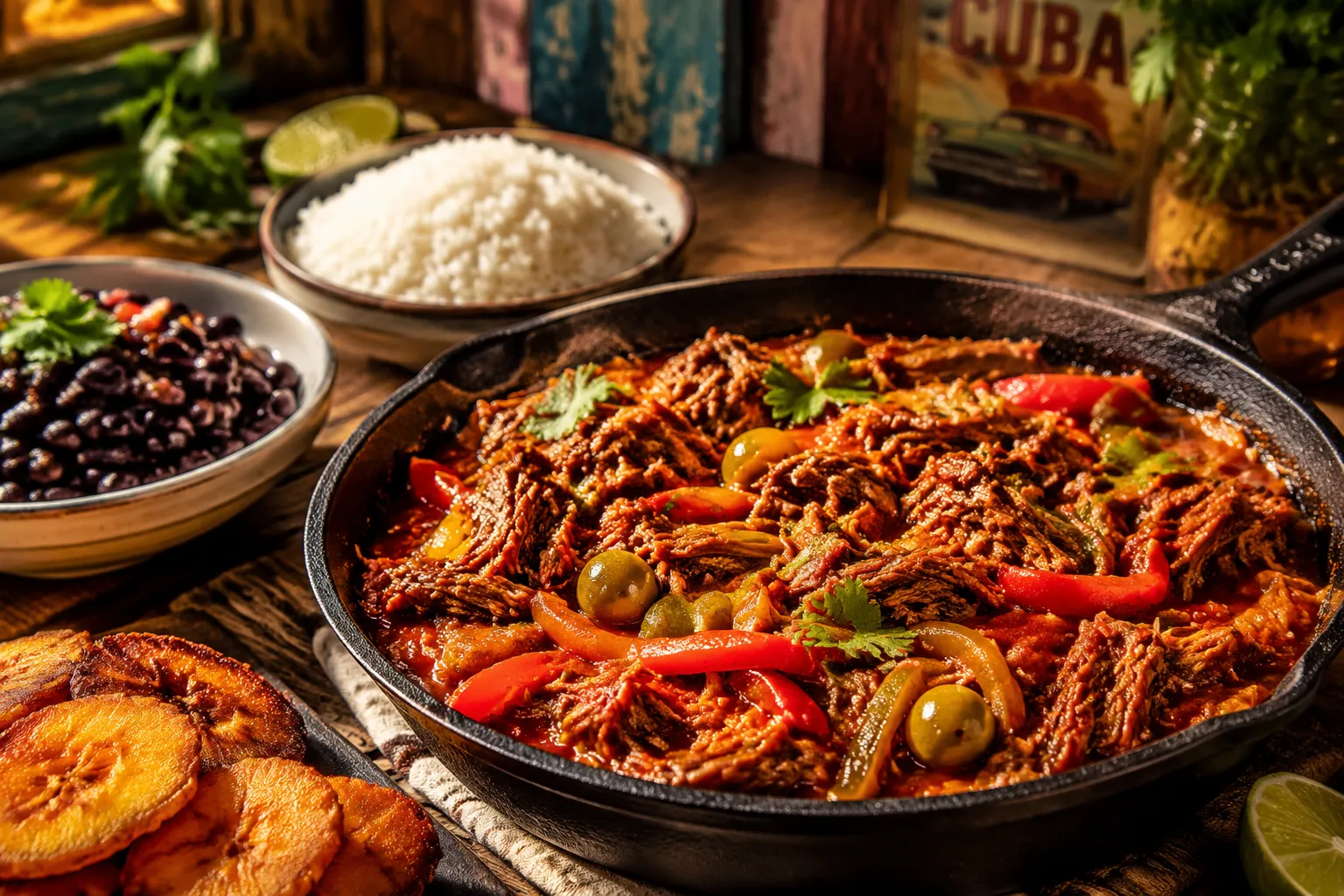
From slow-simmered ropa vieja to pressed Cuban sandwiches, these 25 authentic Cuban recipes bring the bold, citrusy, garlicky flavors of Havana straight to your kitchen.
Few cuisines deliver the immediate, soul-warming pull of Cuban recipes — bold garlic, slow-simmered citrus marinades, and that unmistakable sofrito perfume that fills your kitchen the moment onions and peppers hit the pan. Whether you grew up eating at your abuela's table in Miami or you fell in love with Cuban food after one perfect pressed Cubano on a Tuesday afternoon, the flavors land somewhere between deep comfort and full-on celebration.
This guide rounds up 25 of the most beloved Cuban recipes from across the island and the Cuban-American kitchens that keep these traditions alive. You'll find a featured ropa vieja in the recipe card below, plus classics like crisp tostones, sweet maduros, fluffy arroz con pollo, and an ice-cold Cuban mojito to wash it all down. Every dish is built around ingredients you can actually find at a US grocery store, with smart swaps for anything tricky.
If you've never cooked Cuban food at home, the techniques are surprisingly forgiving. Most dishes lean on humble pantry staples — garlic, cumin, oregano, bay leaf, citrus — and reward patience over precision. Pour yourself a cafecito and let's get cooking.
Cuban cooking sits at a delicious crossroads. Spanish colonizers brought slow-simmered stews, olive oil, and pork. Enslaved West Africans introduced plantains, root vegetables, and a deep tradition of layered braising. Indigenous Taíno techniques and Caribbean produce knit it all together into something distinctly its own. The result is food that tastes both familiar and surprising — comforting one-pot meals seasoned with brightness, garlic, and bite.
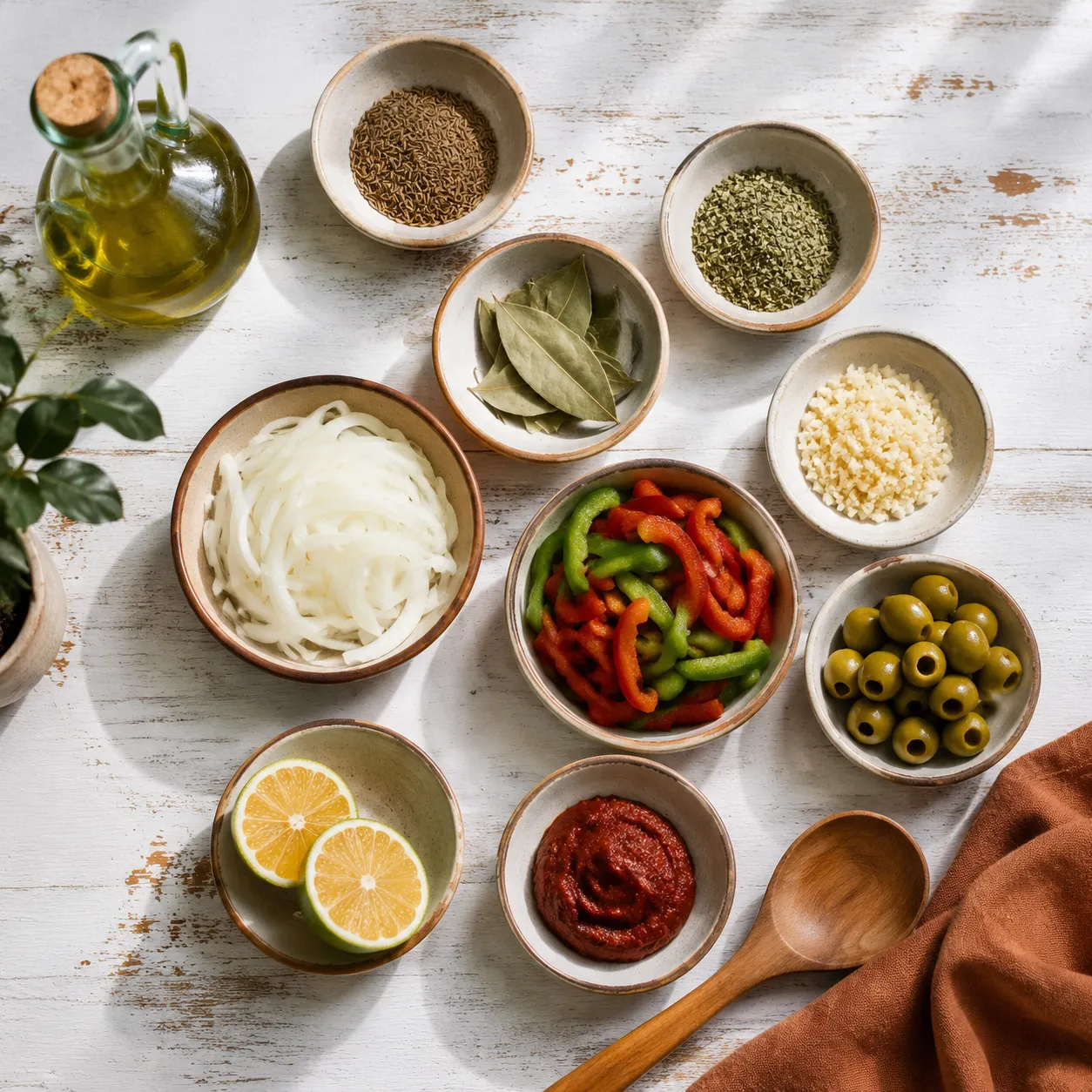
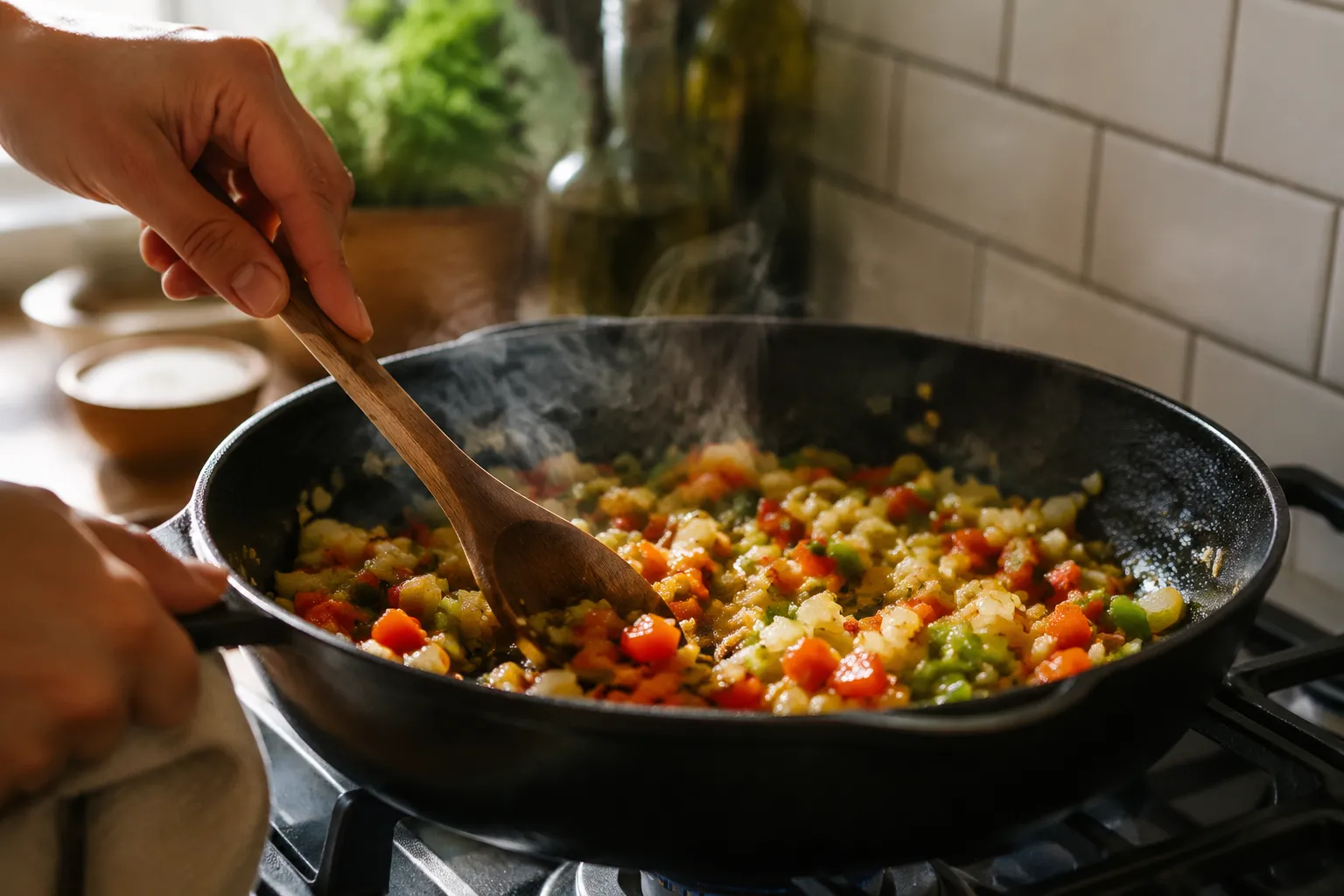
Two preparations anchor nearly every Cuban dish you'll ever cook. Sofrito — diced onion, bell pepper, and garlic slowly sautéed in olive oil — builds a savory base for stews, beans, and rice. A bright mojo marinade made of sour orange, garlic, cumin, and oregano does double duty as both a marinade and a finishing sauce for pork, yuca, and plantains. Master those two preparations and you've unlocked roughly 80% of the cuban food recipes you'll ever want to make.
You can taste each influence on the plate. The slow-braised meats and saffron-tinted rice nod to Spain. The reliance on plantains, yuca, and one-pot bean cookery comes from West African foodways. The tropical fruits, sour orange, and fresh herbs are pure Caribbean. This blend is exactly why cuban cuisine recipes feel so generous — every dish carries a little of three continents on a single fork.
Stock these and you're 90% there: yellow onions, green and red bell peppers, plenty of garlic, ground cumin, dried oregano, bay leaves, white rice, dried black beans, olive oil, white wine vinegar, and limes (or sour oranges if you can find them). Add canned crushed tomatoes, tomato paste, manzanilla olives with pimento, and a chunk of pork shoulder, and your shopping list is basically done.
When you think of Cuban recipes, the slow-braised mains are probably what come to mind first. This is where Cuban cooking flexes its muscles — long simmers, citrus marinades, and patient braising turn humble cuts into showstoppers.
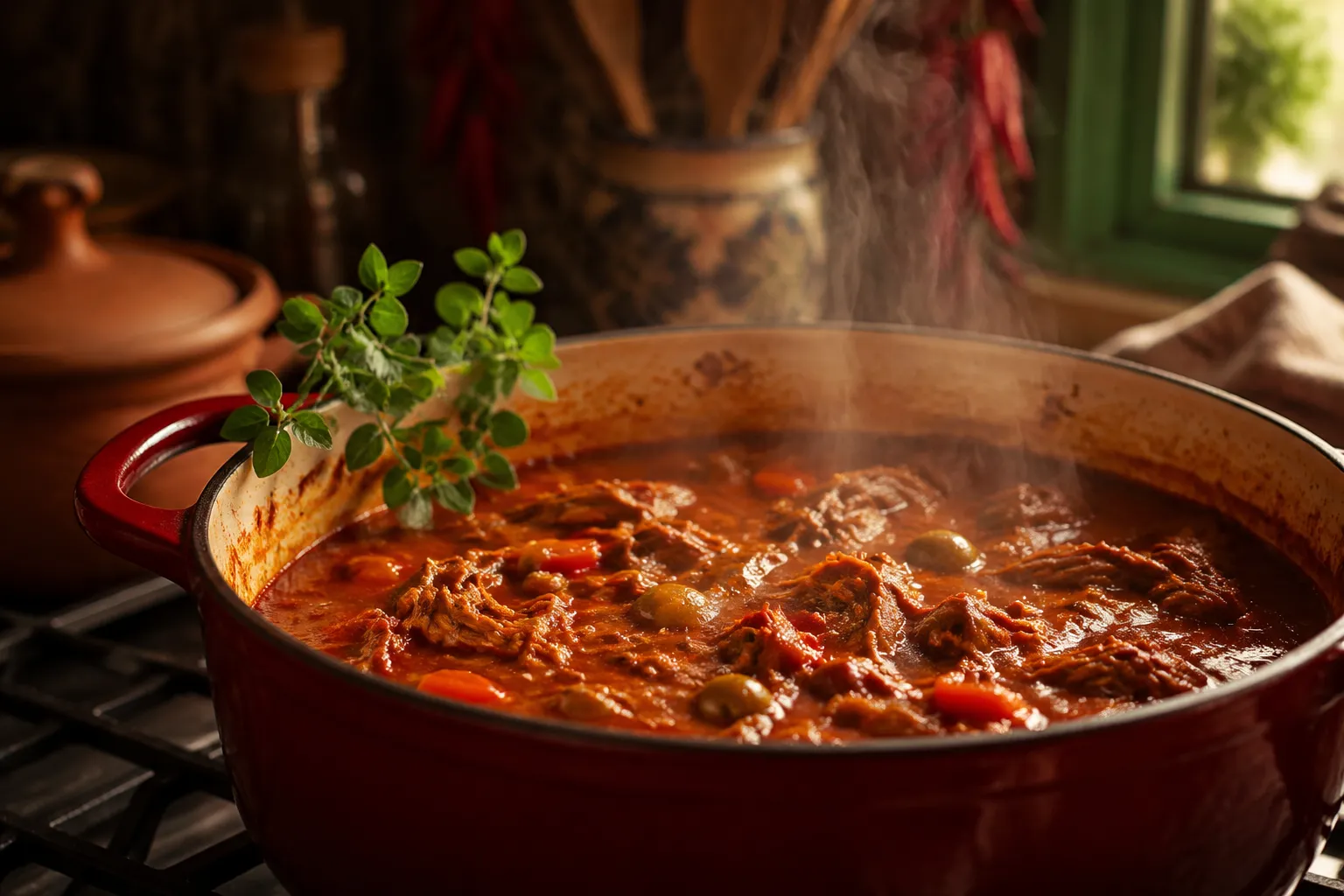
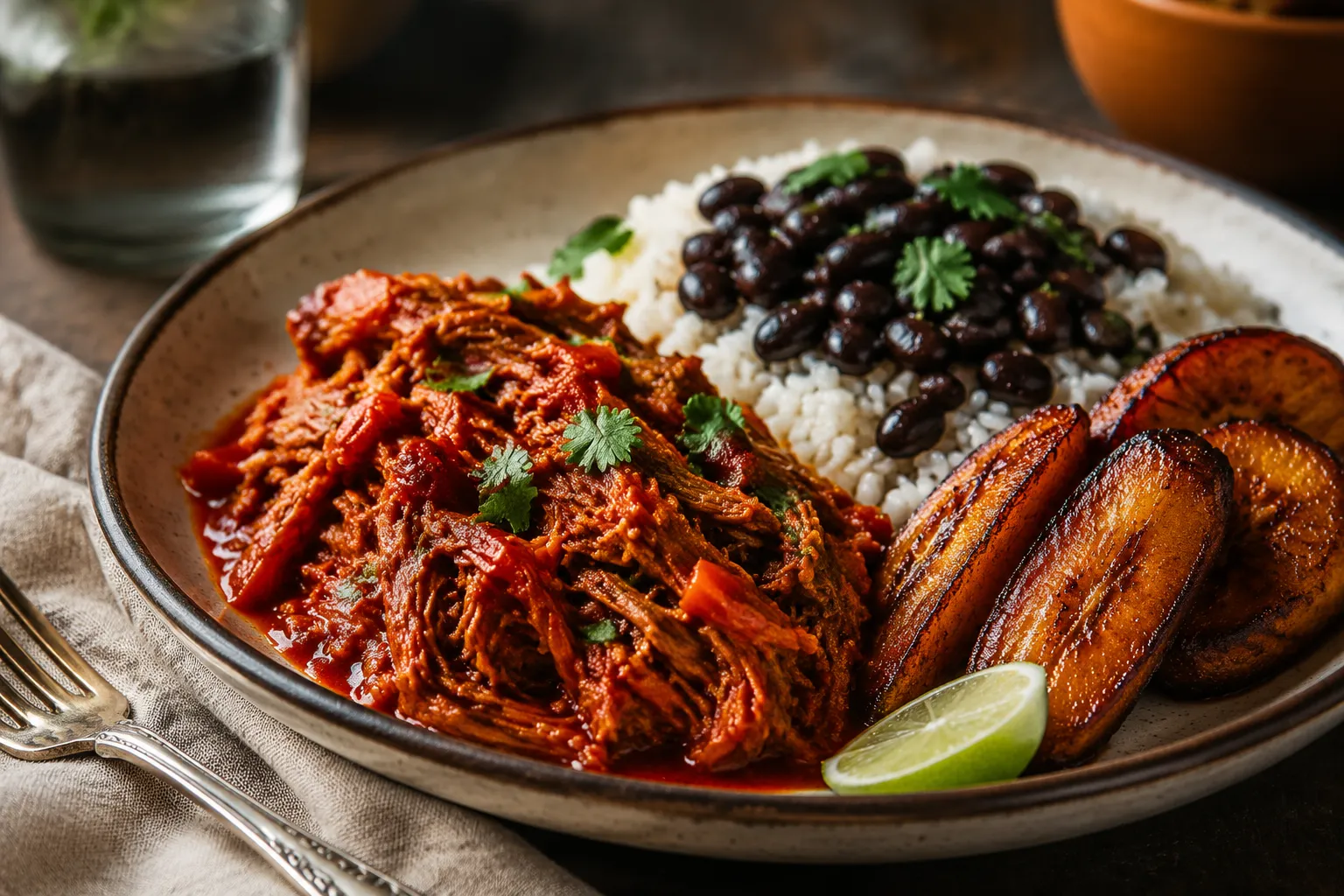
Considered Cuba's national dish, ropa vieja translates as "old clothes" — a nod to how the shredded beef looks like tattered fabric draped through a glossy tomato-pepper sauce. Flank steak is simmered until fork-tender, then pulled apart and finished in a deeply seasoned sofrito sauce with bay leaves, white wine, and briny green olives. It's the recipe in the card below, and worth every minute of the slow simmer.
This is the centerpiece of every Cuban Christmas Eve and most Sunday dinners. A bone-in pork shoulder is bathed overnight in mojo (sour orange, mountains of garlic, cumin, oregano), then roasted low and slow until the skin shatters and the meat falls off the bone. Save the drippings — they're liquid gold spooned over rice.
Picadillo is Tuesday night dinner across Havana and Hialeah alike. Ground beef simmered with sofrito, tomato sauce, raisins, olives, and capers, served over white rice with a side of fried plantains. The sweet-salty balance is what makes it addictive — and the whole pan is ready in about 30 minutes.
Bone-in chicken thighs braised with rice, peppers, peas, saffron (or annatto for color), and a splash of beer or white wine. It's a one-pot weeknight hero with leftovers that taste even better the next day.
If ropa vieja is the gentle older sibling, vaca frita is the loud, crispy younger one. The same shredded beef gets pan-fried hard until the edges crackle, then dressed with lime juice and crispy onions. Pure texture heaven on a plate.
Sandwiches and handheld bites are the soul of Cuban café culture. Crisp Cuban bread, plenty of pork, sharp pickles, and a hot plancha are the essential ingredients.
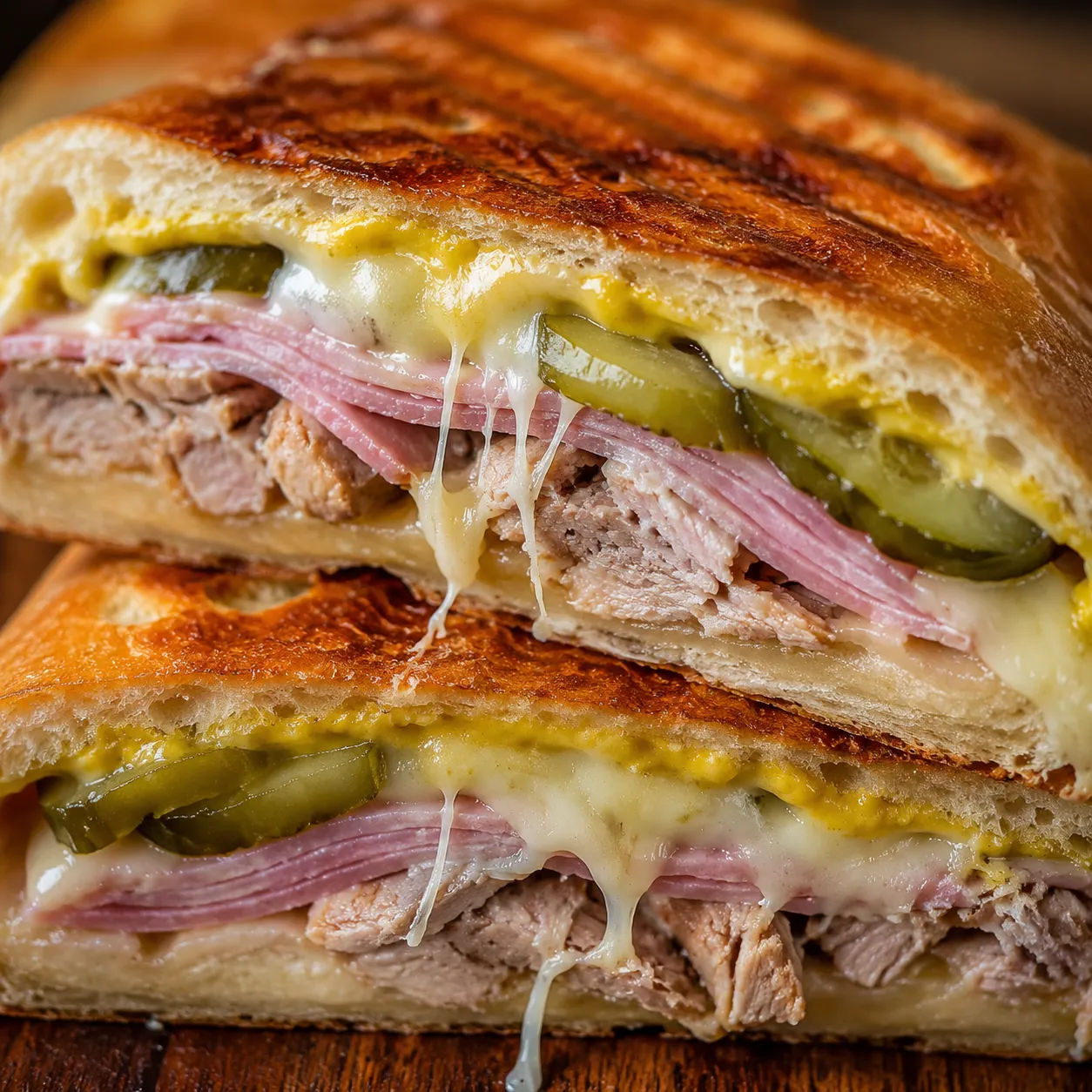
The real-deal Cuban sandwich is engineered for the plancha. Cuban bread is layered with mojo-marinated roast pork, sweet ham, Swiss cheese, dill pickles, and yellow mustard, then pressed until the cheese melts and the crust shatters. No lettuce. No tomato. No mayo. The Tampa version adds salami; the Miami version doesn't. Both are correct depending on which abuela you ask.
The "midnight" cousin of the Cubano, built on soft, slightly sweet egg bread that takes a press beautifully. Same fillings, different vibe — perfect post-dancing food, which is exactly what the name suggests.
Thin-sliced palomilla steak piled onto Cuban bread with shoestring potatoes, sautéed onions, and a smear of mayo or mojo. Crunchy, juicy, messy in the best way.
Flaky pastry pockets stuffed with picadillo, shredded chicken, or ham and cheese. A Saturday morning bakery staple alongside a tiny cup of café Cubano.
One of the under-celebrated truths about Cuban recipes is that the sides often steal the show. No Cuban plate is complete without two or three of these — and many of them deserve to be the main event.
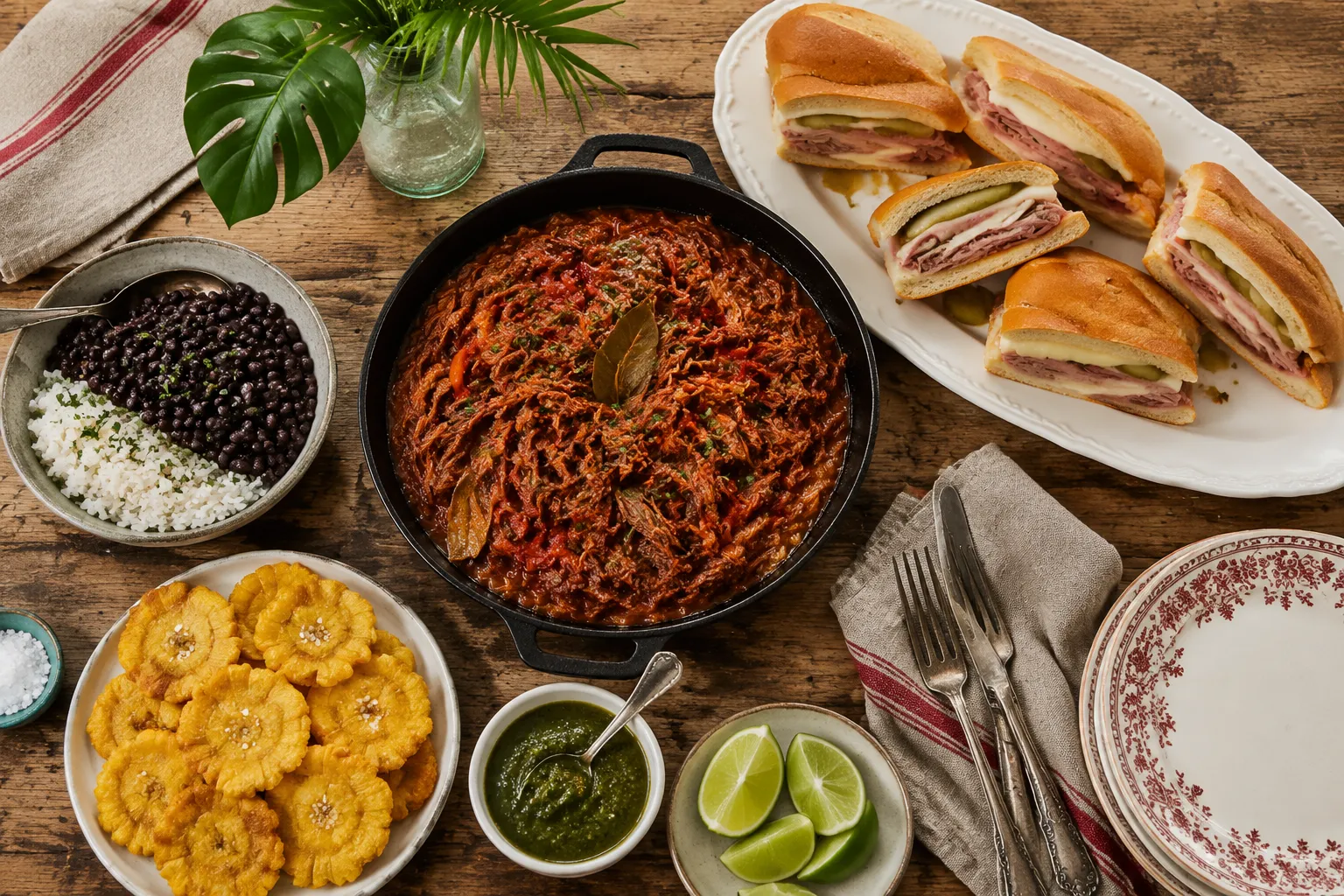
Few dishes are more iconic than Cuban black beans and rice. The beans simmer for hours with sofrito, bay leaf, and a splash of vinegar until the broth turns thick and silky, then everything cooks together with rice in one pot until each grain is tinted purple-black. It's hearty, frugal, and somehow more than the sum of its parts.
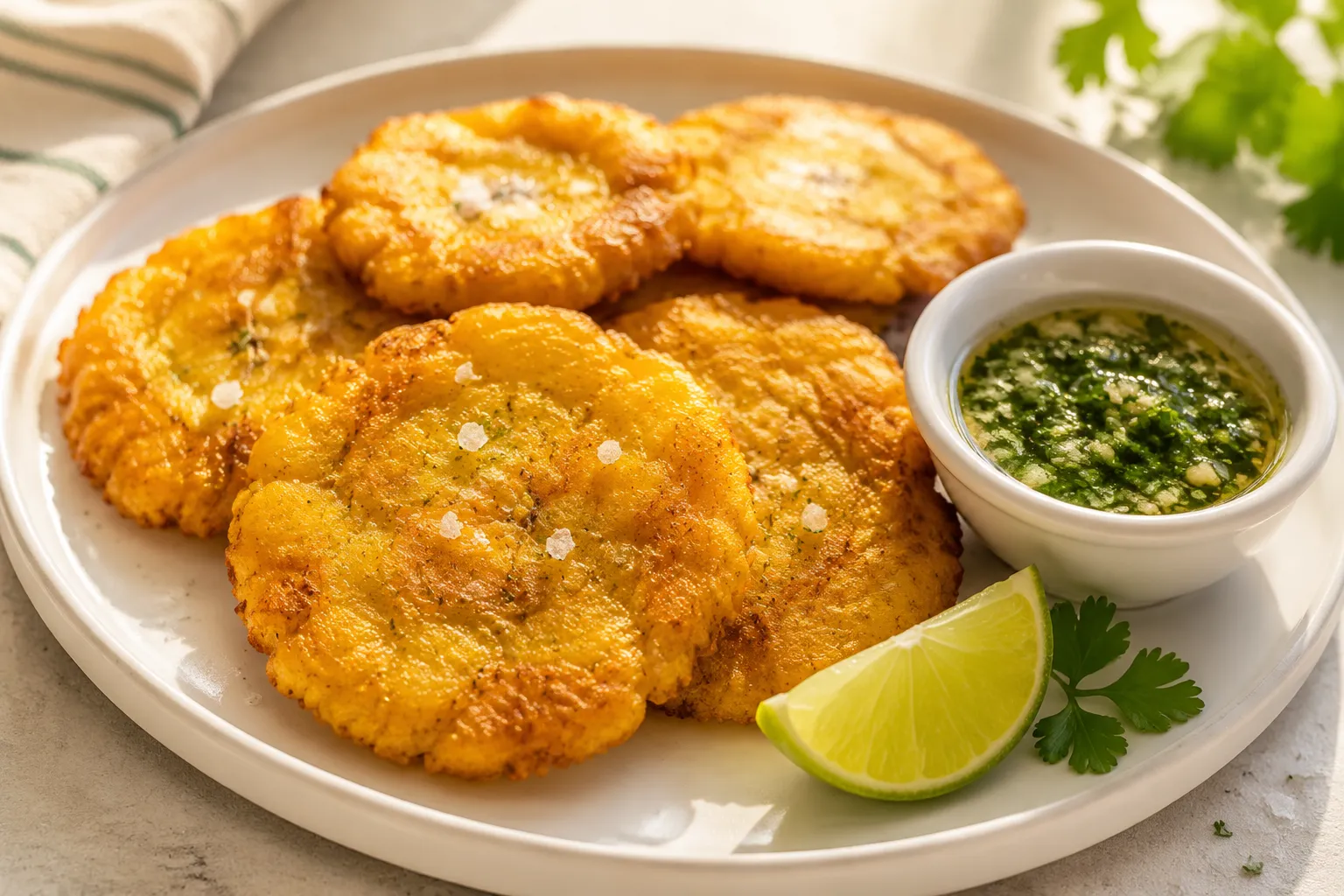
Slices of unripe plantain are fried until tender, smashed flat, then fried again until shatter-crisp. Salt them while they're hot and serve with a garlicky mojo dipping sauce. Best eaten standing up at the stove.
Black-ripe plantains caramelize in hot oil into sticky, candy-like wedges. They're the sweet contrast to a savory, garlicky plate and arguably the easiest Cuban side you can make.
Boiled yuca tossed with a hot, garlicky mojo of olive oil, sour orange, and sliced raw onion. Earthy, bright, and impossibly satisfying alongside roast pork.
Slow-simmered soups and stews are where Cuban thrift and depth meet. They stretch a few humble ingredients into a pot that feeds a crowd.
Smooth, rich, and almost impossibly savory, finished with a splash of dry sherry or olive oil and chopped raw onion at the table. Some cooks puree half the beans for an extra-velvety body.
A Spanish-Galician import that became a Cuban staple — white beans, collard or turnip greens, potatoes, chorizo, and ham hocks simmered into a soul-soothing broth. Cold-weather food, even when "cold" means 68°F in Miami.
The grandfather of all Cuban stews — a kitchen-sink mix of beef, pork, chicken, plantains, yuca, malanga, calabaza squash, and corn. Each spoonful tastes a little different, and that's the whole point.
Cuban sweets lean creamy and caramel-forward, and the drinks are built for tropical heat and long conversations.
Silky baked custard with a deep amber caramel top. The Cuban version uses sweetened condensed and evaporated milk for a denser, richer texture than its French or Mexican cousins.
A vanilla sponge soaked in three milks (whole, evaporated, sweetened condensed) until it's somewhere between cake and pudding. Topped with whipped cream and a dusting of cinnamon, it's the dessert at every Cuban birthday.
Anise-scented yuca fritters dunked in cane-syrup glaze, plus creamy cinnamon rice pudding. Holiday and Sunday-supper sweets that taste like grandma's kitchen.
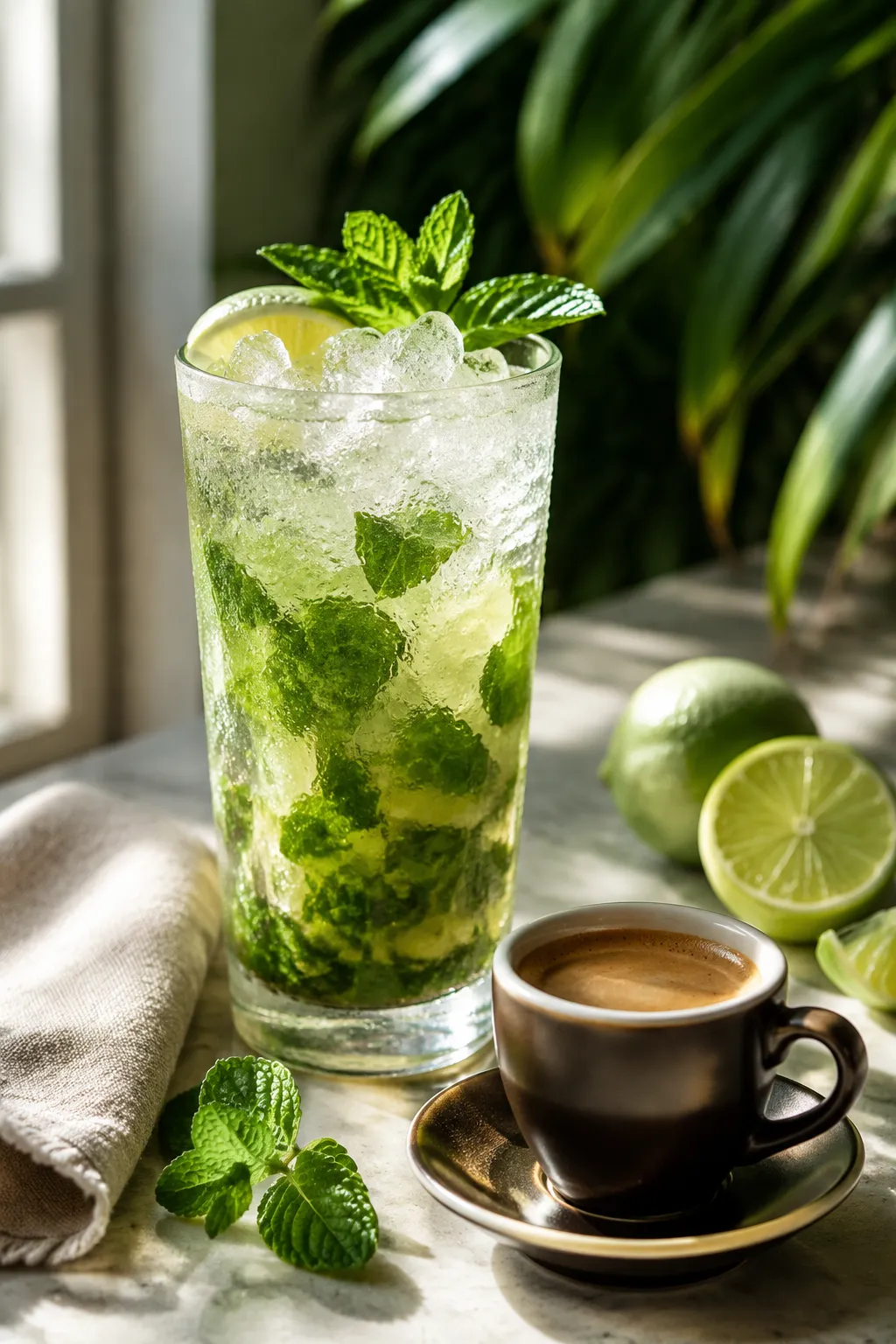
A tiny, intense espresso shot whipped with sugar to create an espuma — a creamy tan foam on top. The fuel of the Cuban diaspora, served after meals or all afternoon long with a colada to share.
The Cuban mojito is the island's most famous export — white rum, fresh mint, lime, sugar, and soda over crushed ice. The Cuba Libre is its no-fuss cousin: rum, Coke, and a generous lime squeeze. Both belong on your summer table.
Round out your repertoire with croquetas de jamón (creamy ham croquettes), frijoles negros (stovetop black beans), boliche (chorizo-stuffed eye of round), and pollo a la plancha (mojo-marinated griddled chicken). Each one is a weekday-friendly entry point into a deeper bench of cuban dishes and recipes.
A few small habits will dramatically level up your results as you cook your way through these Cuban recipes.
The single biggest upgrade you can make to your cuban cooking recipes is taking your time with sofrito. Cook the onions and peppers low and slow for at least 10 minutes before adding garlic — you want them sweet and almost jammy, not just translucent. This base gets multiplied across whatever stew or beans you're building, so a rushed sofrito means rushed flavor in everything that follows.
Sour orange (naranja agria) is the one truly Cuban ingredient that can be tough to find. Most Latin grocery stores carry bottled sour orange, but in a pinch, mix two parts orange juice with one part lime juice and a splash of lemon. For Cuban bread, look for "pan Cubano" at Latin bakeries, or substitute a soft Italian loaf or French roll. Manzanilla olives with pimento are at most major US grocery stores in the cocktail aisle.
Almost every braised Cuban dish tastes better on day two. Make ropa vieja, picadillo, or black beans a day ahead and let the flavors deepen overnight. Cooked white rice freezes beautifully in single portions. Sofrito itself can be batched and frozen in ice cube trays for instant flavor base on busy weeknights.
Cuban cooking is an invitation to slow down, layer flavors, and feed people generously. Start with the ropa vieja in the recipe card below, then work your way through the list as your confidence builds. Before long you'll be batching sofrito on Sundays, pressing your own Cubanos for lunch, and arguing with strangers online about the correct way to muddle mint. Welcome to the family.
Ropa vieja is forgiving and welcomes plenty of riffs depending on what you have on hand or how you like your flavors balanced. Try one of these spins on the base recipe:
Leftover ropa vieja keeps beautifully in an airtight container in the refrigerator for up to 4 days, and the flavor genuinely improves overnight as the sauce settles into the beef. Reheat gently on the stovetop over medium-low heat with a splash of broth or water to loosen the sauce, stirring occasionally until warmed through. Avoid high heat, which can make the shredded beef stringy.
For longer storage, freeze cooled portions in zip-top bags or freezer-safe containers for up to 3 months, pressing out as much air as possible. Thaw overnight in the fridge before reheating. Skip the microwave-from-frozen approach, which tends to dry out the beef and break the sauce. The shredded leftovers also make incredible filling for empanadas, stuffed peppers, breakfast hash, or a quick Cuban-style sandwich on toasted bread with melted Swiss.