Beef Caldereta Dish: Authentic Filipino Stew Recipe
Ingredients
Scale
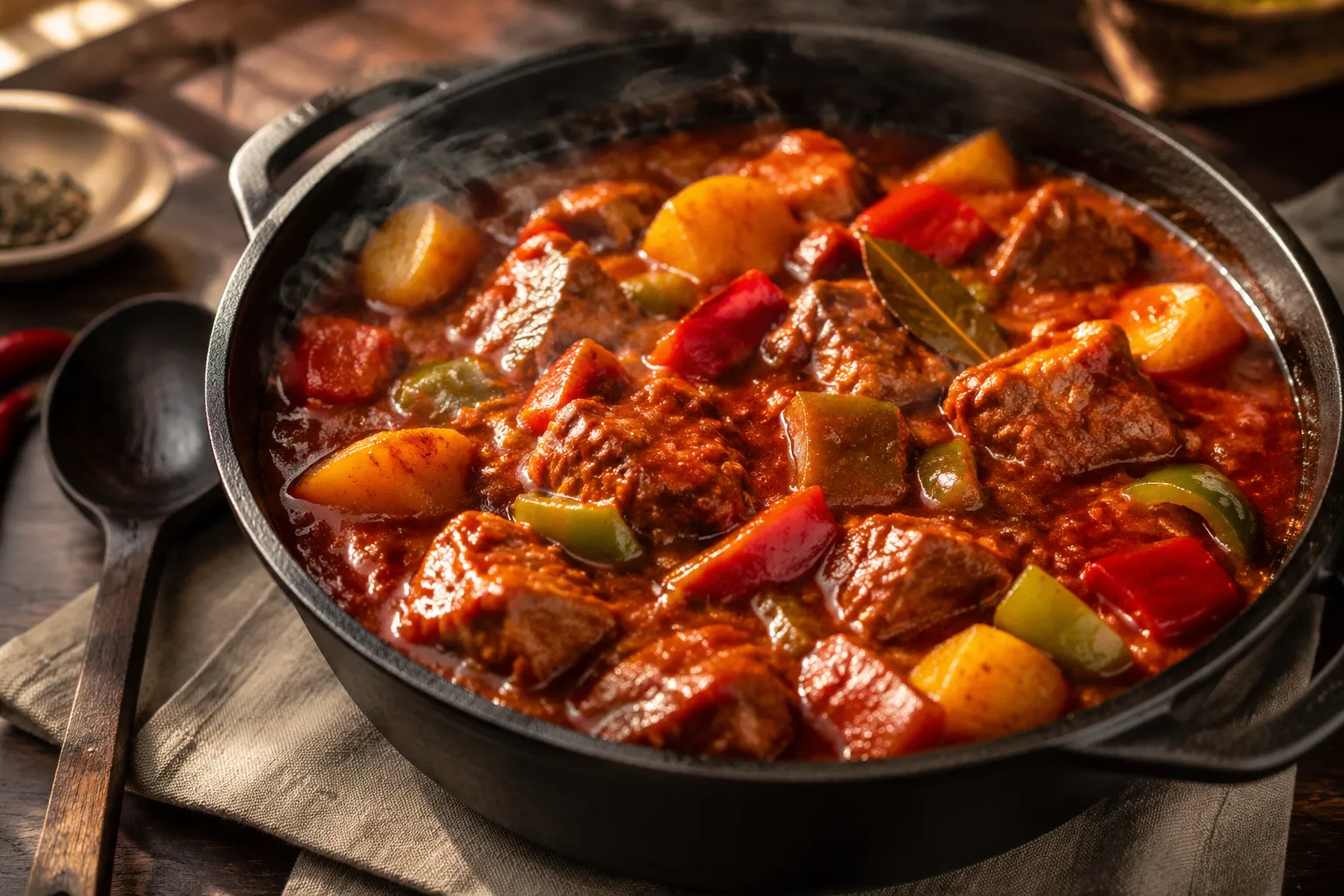
Beef caldereta is the Filipino comfort food you've been missing — fork-tender beef braised in a smoky tomato-liver sauce with bell peppers, olives, and potatoes.
This beef caldereta dish is the kind of slow-braised Filipino stew that turns a quiet Tuesday into a celebration. Big chunks of beef chuck go into a heavy pot with tomato sauce, liver spread, beef broth, peppers, olives, and a final flurry of grated cheddar, and after a long, lazy simmer, the whole thing emerges glossy, smoky, and deeply savory. It's the dish I grew up watching my titas guard like a state secret, and the one my American friends ask me to bring to every potluck.
If you're new to filipino comfort food, caldereta — sometimes spelled kaldereta — is your gateway. The flavor is layered the way a great Italian ragù or a French daube is layered: meat seared hard, aromatics bloomed, sauce built in stages. But the personality is unmistakably Filipino. Tomato sauce gives it body, liver spread gives it depth, and a handful of cheese at the end gives it that glossy, restaurant-style sheen you've been chasing without knowing how to name it. It's the kind of stew that fills a kitchen with a smell so rich it pulls people in from other rooms.
I've been cooking this beef caldereta dish for years, and the technique below is the one that finally got me consistent restaurant-quality results at home. We sear before we braise, build the sauce in stages, and finish with peppers and olives so they keep their color and snap. Pour yourself a coffee, set aside an afternoon, and let's make a pot worth bragging about.
Beef caldereta is a Filipino tomato beef stew with Spanish colonial roots, traced back to the Spanish caldereta — a stew named for the caldera, or cauldron, it was traditionally cooked in. Filipino home cooks adapted the dish over centuries, swapping in liver spread (originally European-style pâté), local bell peppers, green olives, and that surprising hit of cheese that defines the modern version. The result is a uniquely Filipino dish that nods to its European past while standing fully on its own.
If you've cooked Filipino food before, you may already know its cousins. Mechado is lighter and brighter, built on soy sauce and lemon or calamansi, with no liver and no cheese. Afritada leans even simpler: tomato, bell pepper, potato, and chicken or pork without the heavy savory backbone. Beef caldereta is the richest of the three — deeper, glossier, slightly spicy, and unapologetically meaty. Once you taste them side by side, you'll never confuse them again.
The name itself comes from that old word caldera, and in modern Tagalog kitchens you'll see both caldereta and kaldereta used interchangeably with no real difference. This filipino beef stew is most often served at celebrations — birthdays, fiestas, Noche Buena — but it's equally happy as a weekend project for a hungry household. If you've been searching for a beef kaldereta recipe that actually delivers the flavor you remember from a tita's kitchen, this is the one to bookmark and pass down.
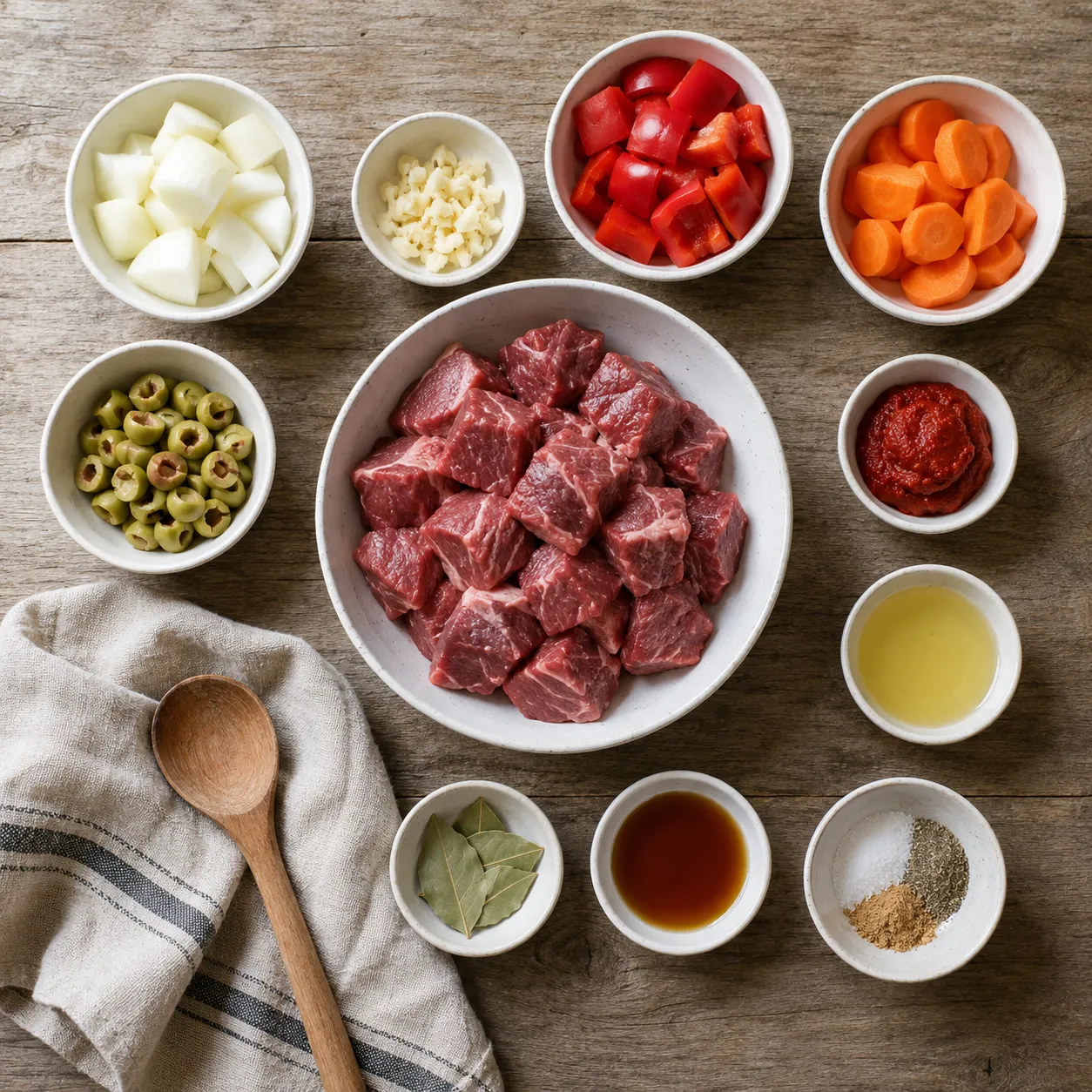
The pantry list looks long, but most of it lives in your kitchen already. Here's how the parts come together to make this filipino beef caldereta sing.
The beef. Beef chuck is the workhorse here. The marbling and connective tissue break down during the long braise into the gelatinous, fork-tender chunks caldereta is famous for. Brisket and beef shank also work — anything with collagen will reward you. Skip lean cuts like sirloin or round; they go dry and stringy before the sauce is finished, and no amount of simmering brings them back.
The sauce. Three things make caldereta sauce taste like caldereta: a small can of plain tomato sauce (not crushed tomatoes, not jarred marinara), three generous tablespoons of liver spread (Reno is the Filipino-American pantry standard, but any smooth pork or chicken liver pâté works in a pinch), and a finishing handful of grated sharp cheddar. The cheese melts into the sauce and gives it that signature glossy, slightly clingy texture. Don't substitute parmesan or mozzarella — you want the funky tang of a yellow cheddar pulling against the tomato.
The vegetables and aromatics. Russet potatoes and carrots cubed roughly the same size as the beef so they cook evenly. Red and green bell peppers sliced thick so they don't disappear into the sauce. Green olives, pitted but not stuffed. A diced yellow onion, six fat cloves of garlic, two bay leaves, a splash of soy sauce for backbone, and one Thai chili if you like a little heat. Beef broth is what carries everything together — homemade if you have it, but a good store-bought low-sodium broth is more than fine.
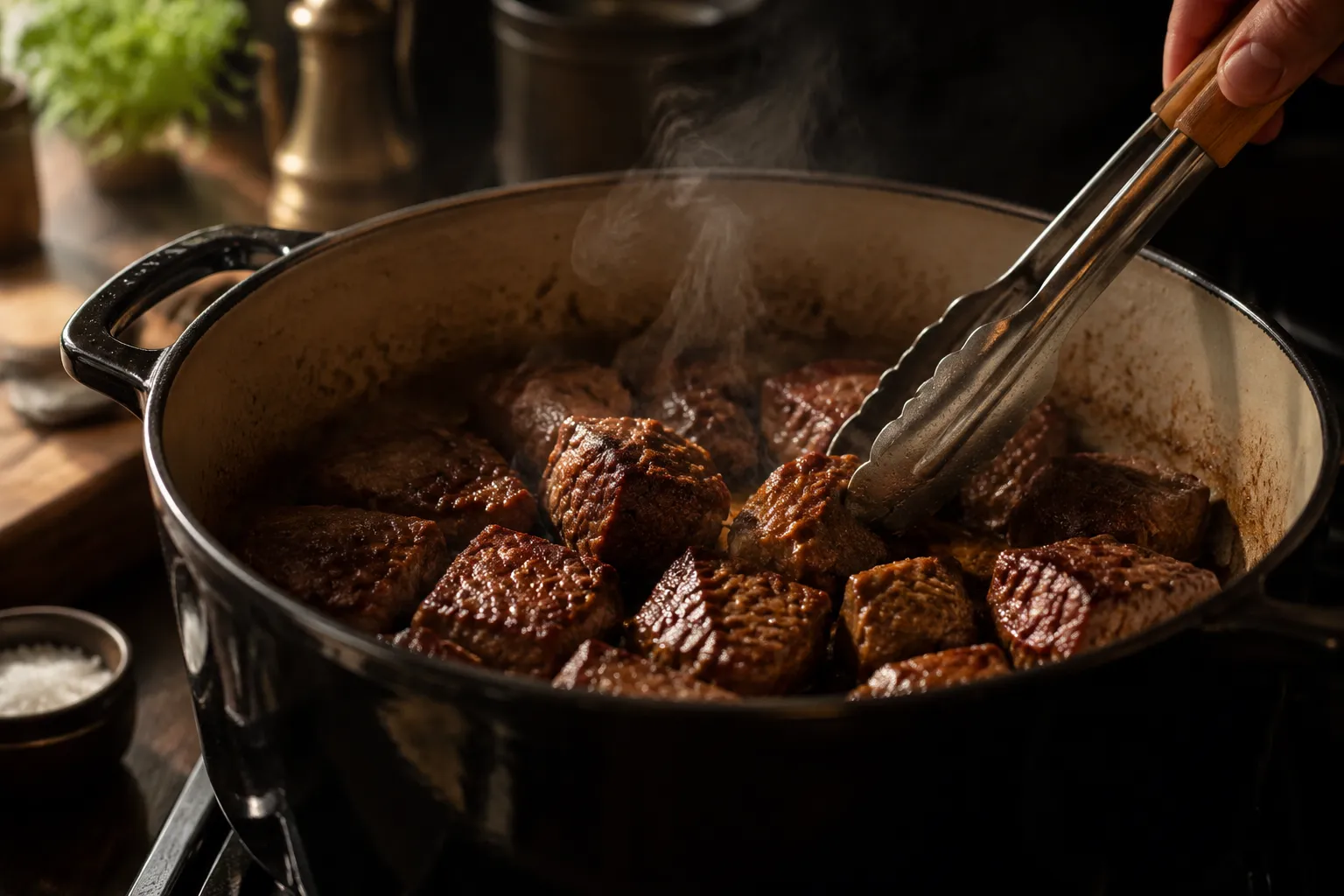
The full instructions live in the recipe card below, but here's the why behind the what — because caldereta is one of those dishes that punishes shortcuts and rewards patience. Read through once before you start so the timeline makes sense.
Sear hard, sear in batches. Pat the beef bone-dry, season it well, and get your Dutch oven smoking before the meat hits the pan. You want a deep mahogany crust on at least three sides of every cube — that crust is the foundation of the whole sauce. Crowd the pan and the beef steams instead of browns. Sear in two or three batches if you have to and resist the urge to move the cubes around once they hit the oil.
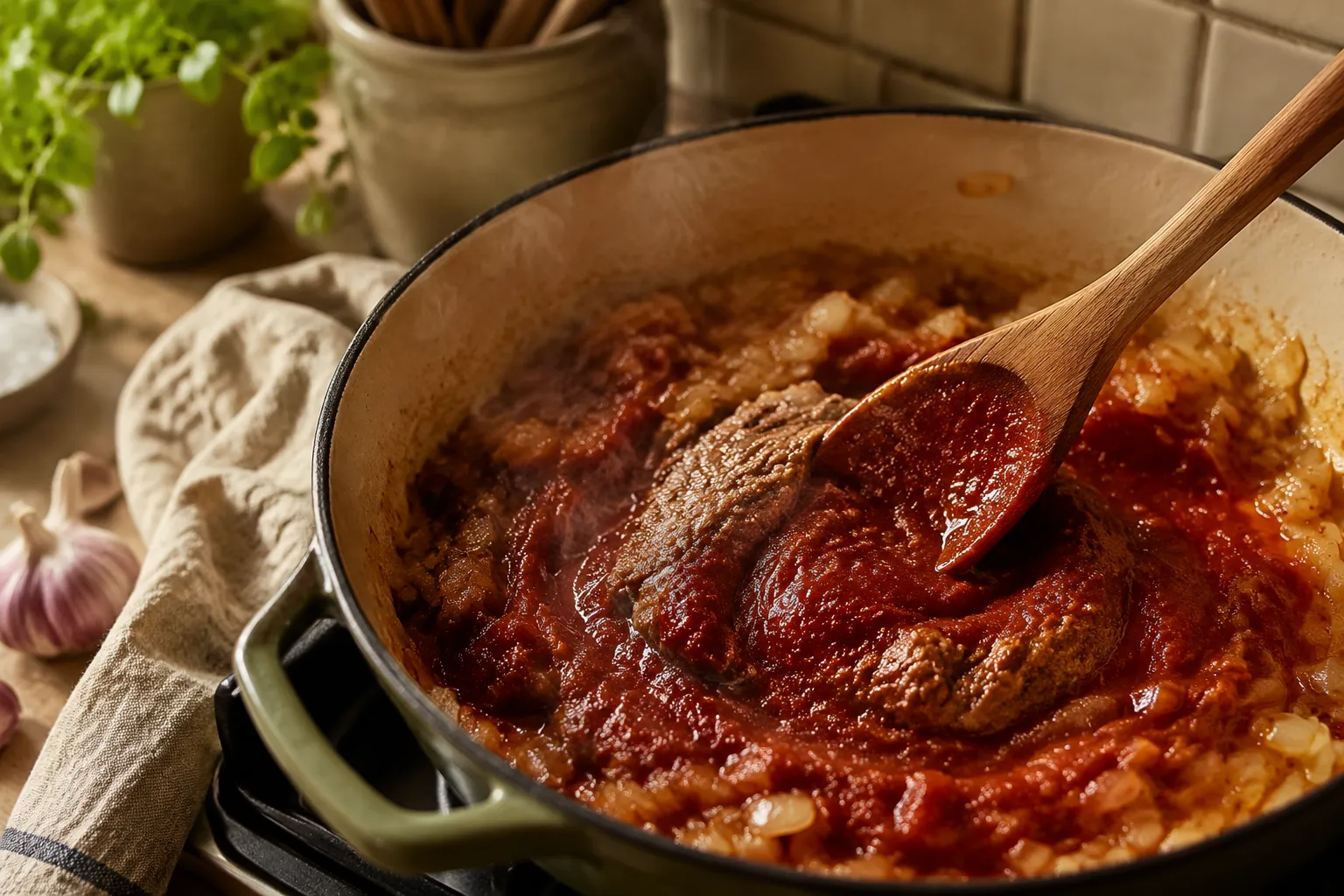
Build the sauce in layers. Sweat the onions in the rendered beef fat until they're truly soft and translucent, then add the garlic, then the tomato sauce, then the liver spread. Cook each layer for a minute or two before adding the next. The tomato sauce should darken from bright red to brick; the liver spread should melt completely into the base. This is where the depth comes from, and rushing it is the single most common reason a homemade caldereta tastes thin.
Simmer low and slow. Return the seared beef to the pot, pour in the broth and soy sauce, drop in the bay leaves, and bring everything to a bare simmer. Cover and cook for 90 minutes before you even think about adding vegetables. This is the whole game. A hard boil will tighten the beef and split the sauce, so keep the surface barely shimmering and trust the time.
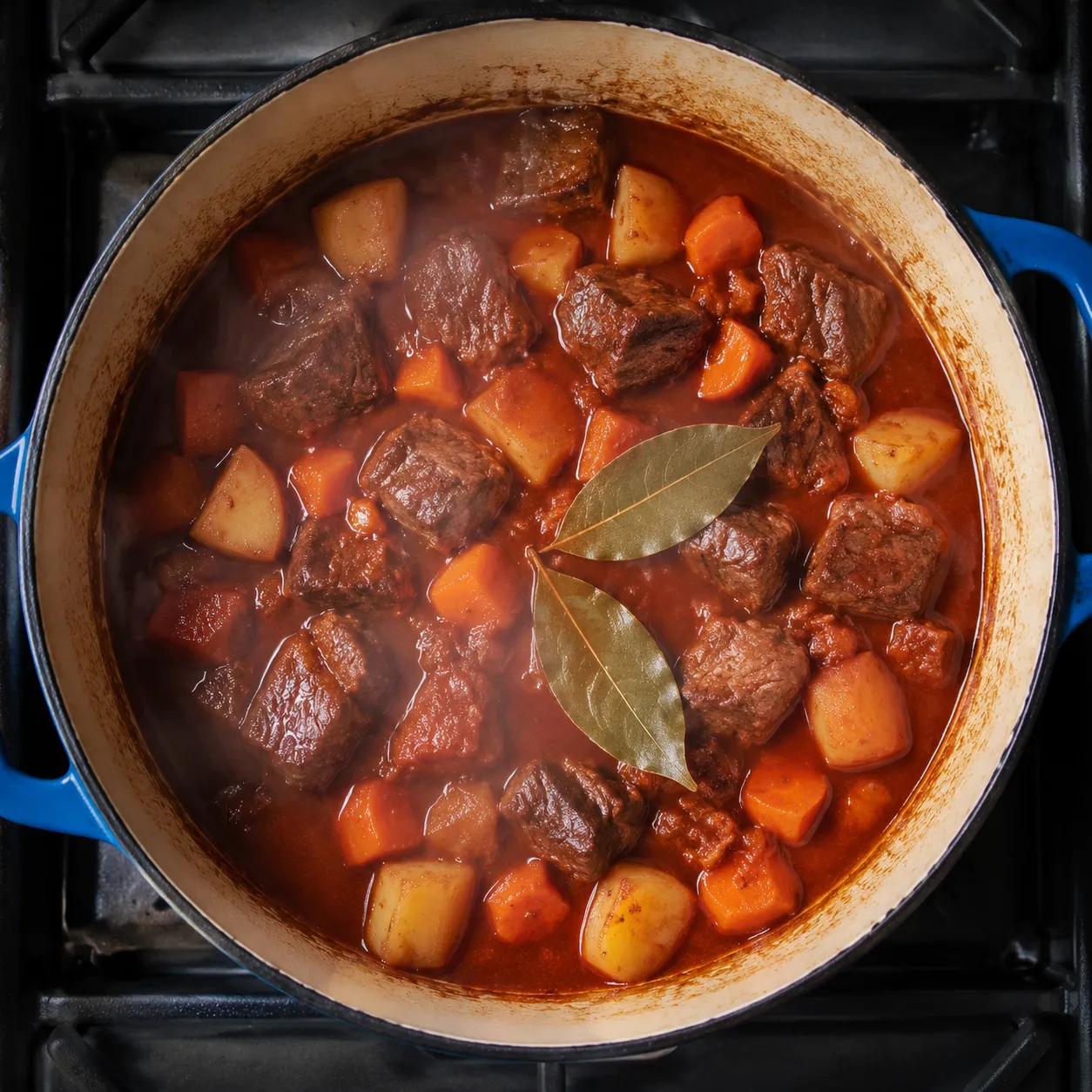
Finish with vegetables and cheese. Once the beef is tender enough to pierce easily with a fork, add the potatoes and carrots. Twenty minutes later, the bell peppers, olives, and grated cheddar go in. The peppers should still have a little bite, the olives should be warmed through, and the cheese should melt into the sauce and pull it into a glossy, clingy finish. Taste, adjust salt, and pull it off the heat. The longer it rests, the better it tastes.
Caldereta wants rice, full stop. A heaping mound of fluffy steamed jasmine rice or garlic fried rice is the only side that can absorb the sauce properly. Spoon the stew over the rice rather than next to it and pile extra peppers and olives on top so every bite has a little bit of everything.
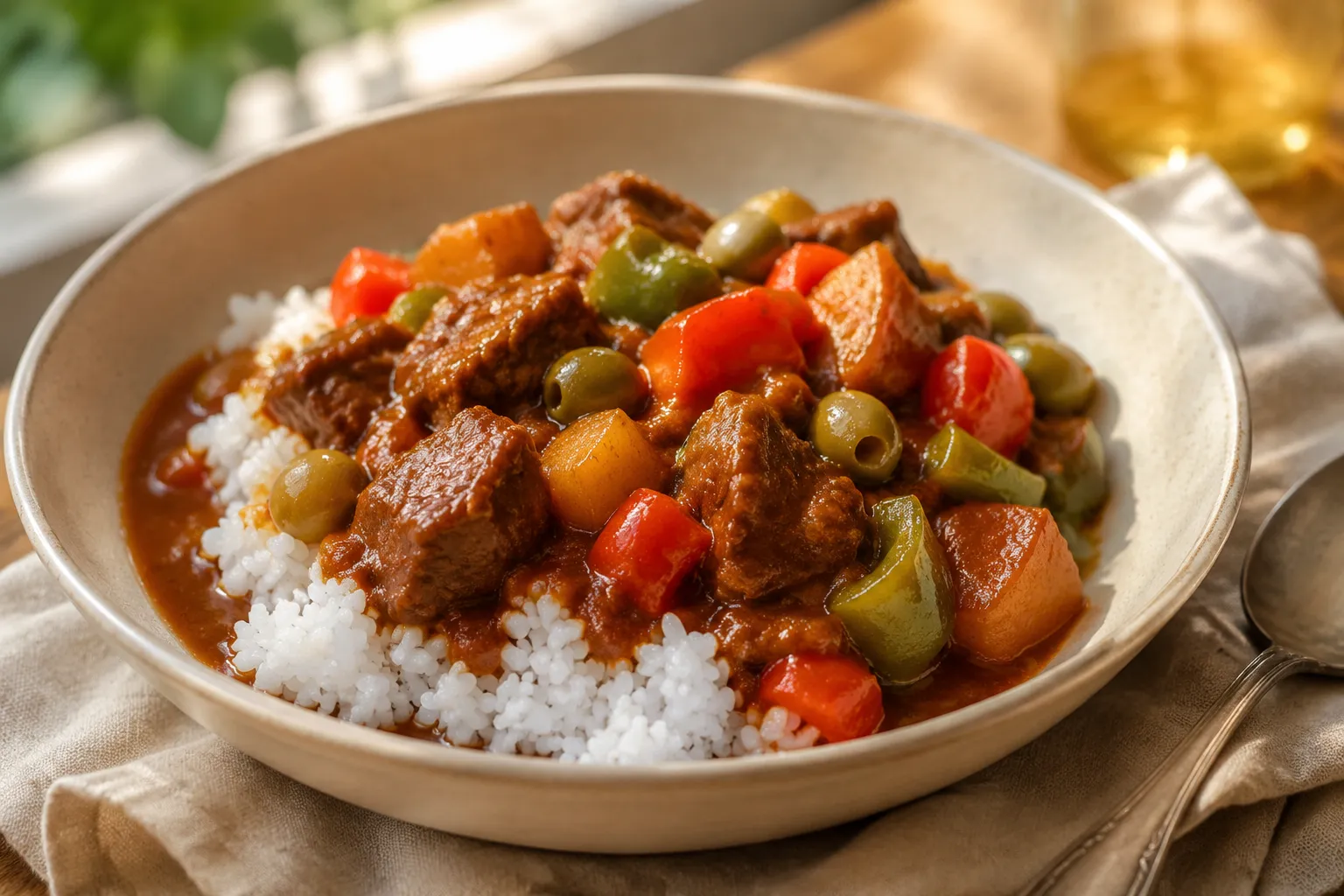
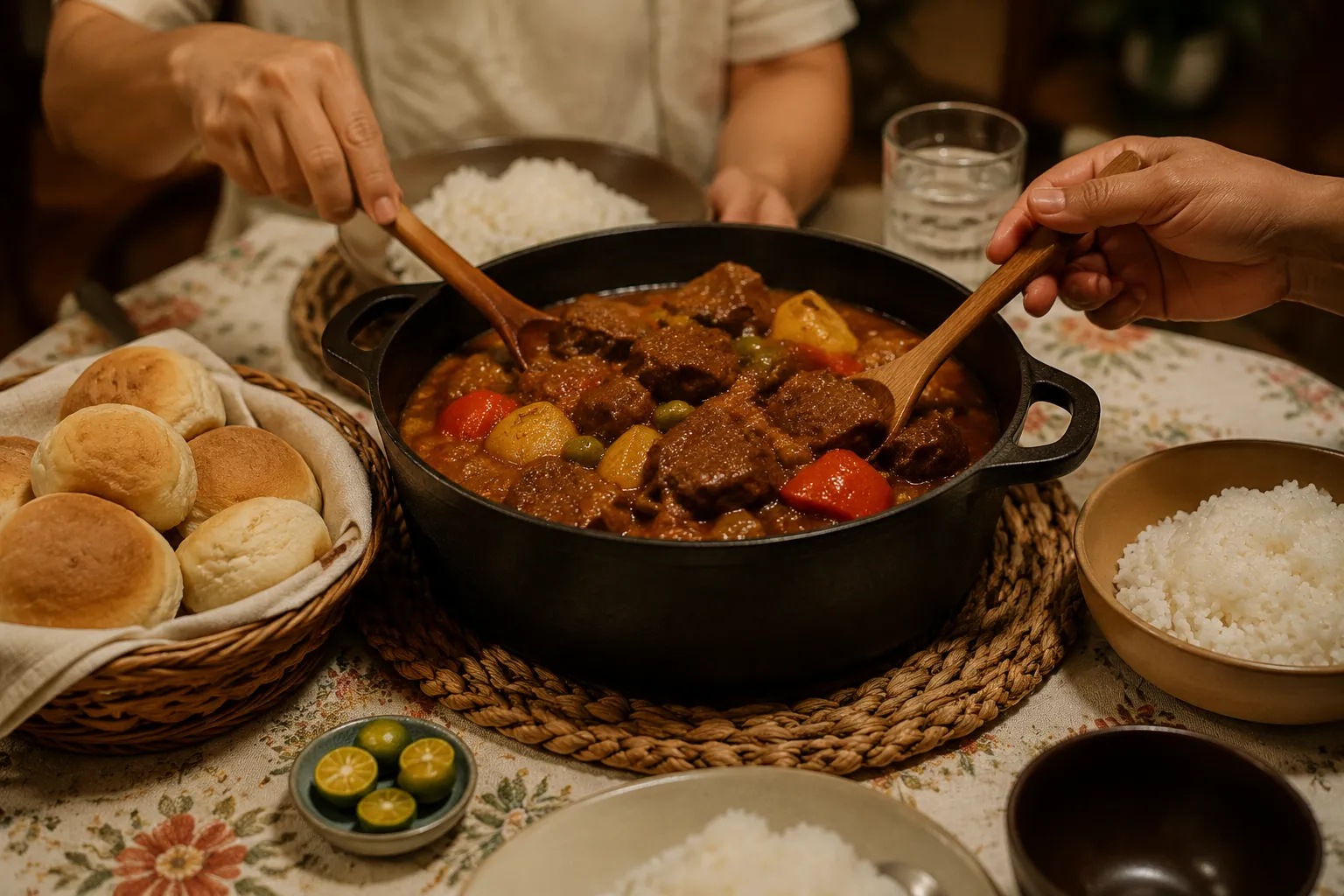
For a fuller spread, set out a basket of warm pandesal for sopping, halved calamansi or lime wedges for a final bright squeeze, and a small bowl of pickled atchara to cut through the richness. If you're feeding a crowd, this slow-braised beef pairs beautifully with simple stir-fried green beans, a sharp green salad, or grilled corn — anything fresh and acidic to balance the deep, savory pull of the sauce. A cold San Miguel or a glass of bold red wine doesn't hurt either.
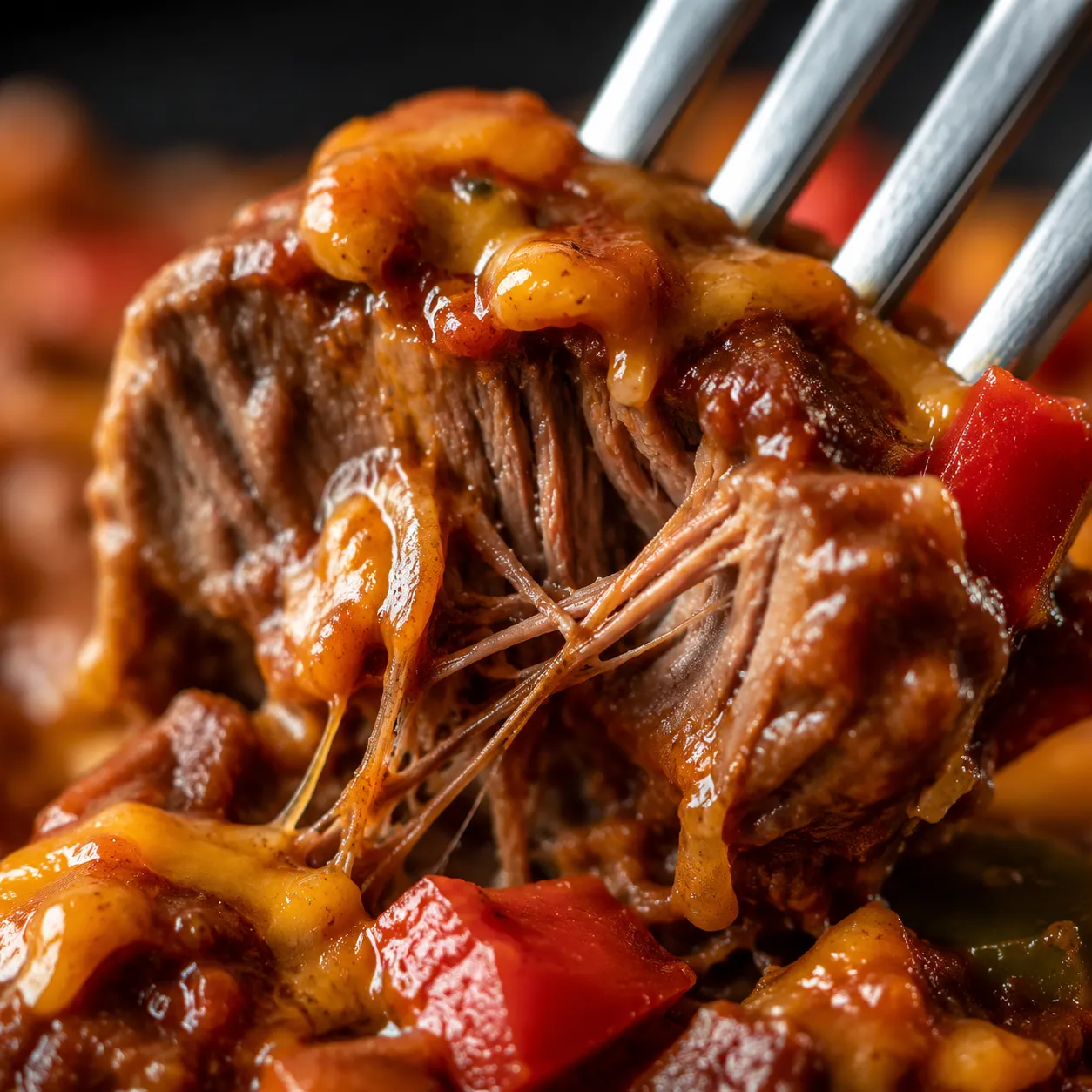
Left to sit for fifteen or twenty minutes off the heat, the sauce thickens further and the flavors deepen. Some cooks — myself included — genuinely prefer this beef caldereta dish the next day, when the beef has soaked up the sauce overnight and the whole pot has settled into something even richer. If you're hosting, make this filipino beef caldereta the day before; it's one of those rare stews that gets better with a little patience and a night in the fridge.
Once you've nailed the base technique, the dish opens up in every direction — a quick chicken caldereta on a weeknight, a goat version for fiestas, or a creamy southern-Philippine spin with coconut milk. The kaldereta recipe beef framework of sear, build, braise, finish is forgiving, and most cuts of meat that benefit from low and slow cooking will play nicely with the same sauce. Even the leftovers are part of the appeal.
Whatever route you take, you'll end up with a pot of something soulful and slightly nostalgic. That's the whole point of this beef caldereta dish, and it's why this corner of Filipino cooking has held on so stubbornly across generations and oceans. Cook it once and it earns a permanent spot in your dinner rotation — and probably your potluck repertoire too.
The base recipe is endlessly adaptable. Once you've cooked it through once, swap proteins or push the flavor in a regional direction.
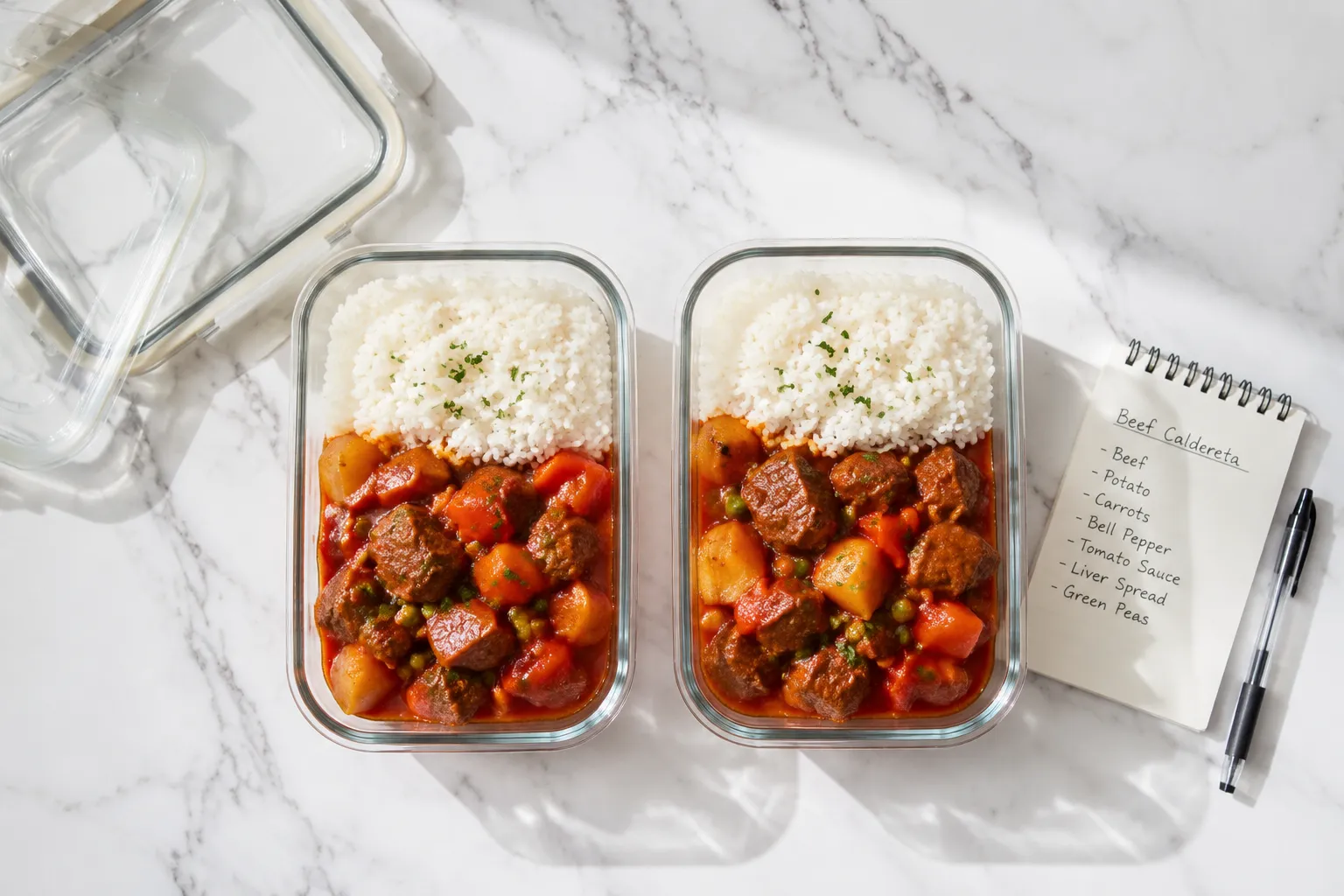
Beef caldereta keeps beautifully in the fridge for up to 4 days, stored in an airtight container once cooled to room temperature. The flavor genuinely improves overnight as the beef continues to soak up the sauce, which is why many Filipino families intentionally make it a day ahead for parties. To reheat, transfer to a saucepan with a splash of broth or water and warm gently over medium-low heat, stirring occasionally; the microwave works in a pinch but can dry out the beef.
For longer storage, freeze portions in flat-pack freezer bags or rigid containers for up to 3 months. Thaw overnight in the fridge before reheating on the stovetop. The potatoes can soften slightly after freezing — if that bothers you, freeze the stew without potatoes and add freshly cooked ones when you reheat.