Lemon Meringue Pie Recipe: Bakery-Style at Home
Ingredients
Scale
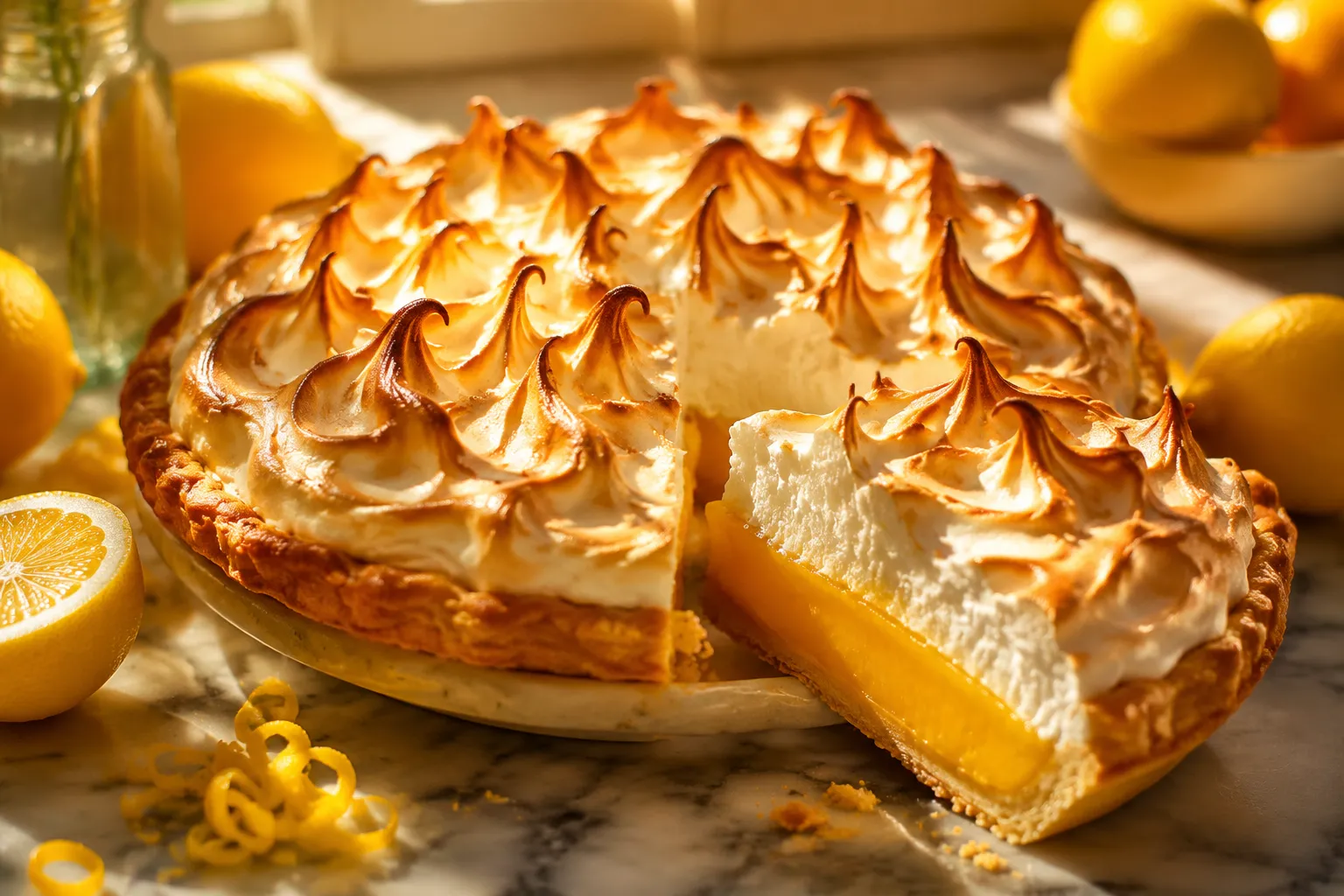
A bright, foolproof lemon meringue pie with a flaky crust, glossy lemon curd, and a sky-high toasted meringue that never weeps or shrinks.
This lemon meringue pie recipe is the one I reach for whenever I want a dessert that feels like sunshine on a plate — buttery crust, vibrant citrus curd, and a cloud of toasted meringue tall enough to make your guests gasp before they even take a bite. It's the kind of pie that earns the front-and-center spot on the Easter table, the Sunday dinner spread, or any random Tuesday that needs a little brightening up.
I've made this pie more times than I can count, and over the years I've collected a small notebook of food-science fixes that solve every classic complaint: weeping meringue, runny curd, soggy bottoms, sad shrinking peaks. The result is a bakery-worthy slice that holds its layers and cuts cleanly every single time.
If you've ever felt intimidated by meringue pies, take a breath. With a few smart techniques — most importantly, spreading hot meringue over hot filling — you'll end up with a pie that looks like it came from a glass bakery case on a sunlit corner.
Most recipes treat the three components — crust, curd, meringue — as separate projects. The magic actually happens at the seams between them. By coordinating temperature and texture across all three layers, you build a pie that resists the two cardinal sins of citrus desserts: a weepy puddle under the meringue and a soggy crust beneath the curd.
The curd here uses cornstarch alongside the egg yolks so it sets to a glossy, sliceable texture without tasting starchy. The meringue gets a touch of cornstarch slurry too — a trick borrowed from pastry kitchens that all but eliminates beading. And the crust is fully blind-baked until deeply golden, which gives it the structural backbone to handle a generous pour of filling.
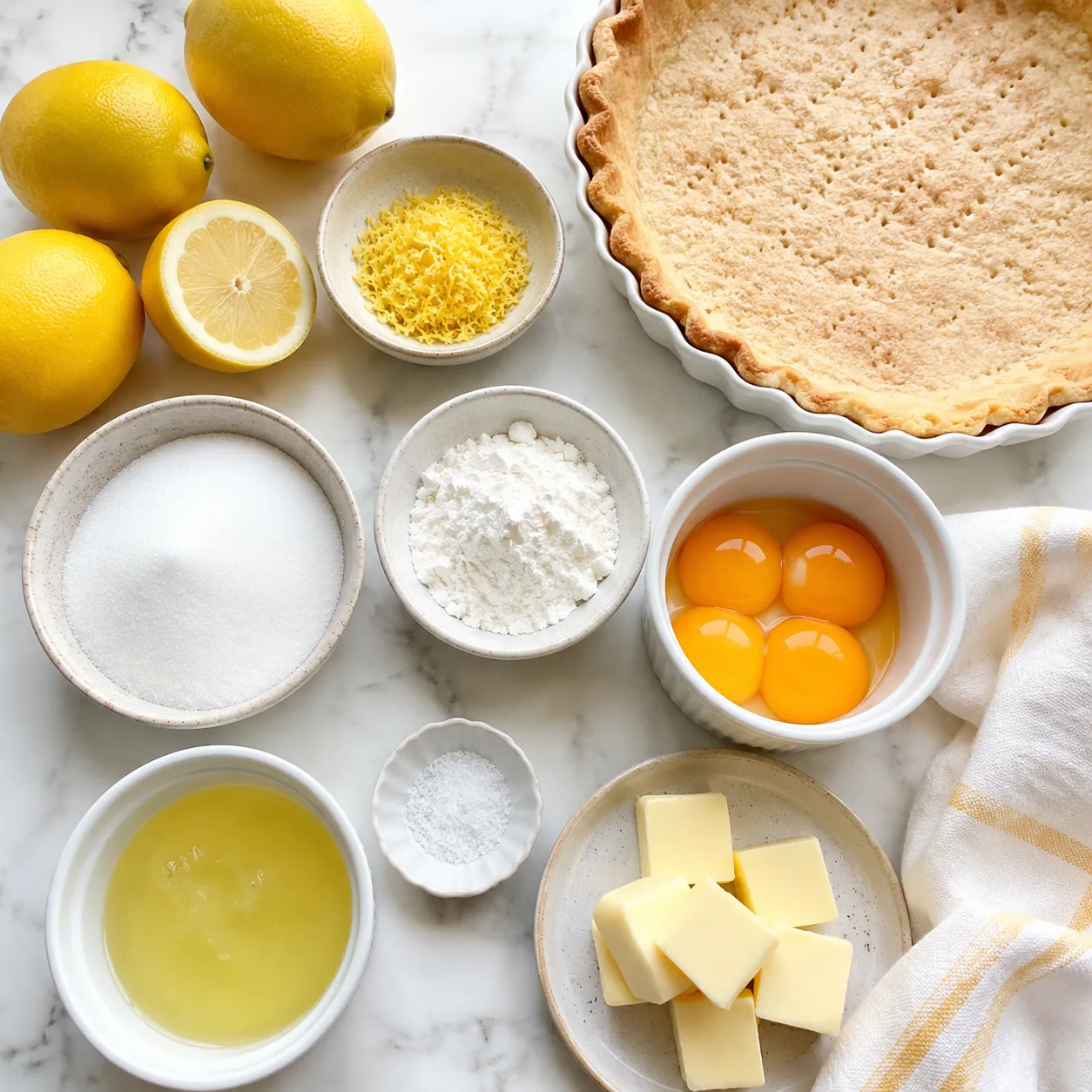
Good lemon meringue pie is a study in restraint — just a handful of pantry staples plus a few bright, fragrant lemons. Each ingredient is doing real structural work, so don't swap them casually.
You can use a homemade all-butter flaky pie crust or a quality store-bought round. What matters most is that it's fully blind baked to a deep golden color before any filling goes in. A pale crust will turn to mush under the curd.
Granulated sugar, cornstarch, salt, water, egg yolks, butter, and — most importantly — fresh lemon juice and zest from about three plump lemons. The zest is non-negotiable; it's where most of the floral citrus oils live, and it transforms a sweet filling into a vivid lemon curd filling. If you've ever made homemade lemon curd before, you already know the difference fresh juice makes.
Just four large egg whites, cream of tartar, and sugar. Cream of tartar stabilizes the whites so they whip tall and stay tall — don't skip it. While this isn't a Swiss meringue topping (we're using a French-style meringue baked on the pie), the technique borrows stability tricks from its fussier cousin.
The full quantities and timing live in the recipe card below, but here's the rhythm of the bake so you can plan your kitchen flow.

Roll your dough, fit it into a 9-inch pie plate, and crimp the edges high — the meringue is tall, so you want a sturdy rim. Chill it well, then line with parchment and pie weights and blind bake until the bottom is set. Remove the weights and continue baking until the crust is a deep, even gold. This is the foundation of every great lemon meringue pie, and blind baking pie crust properly is what separates a clean slice from a soggy one.
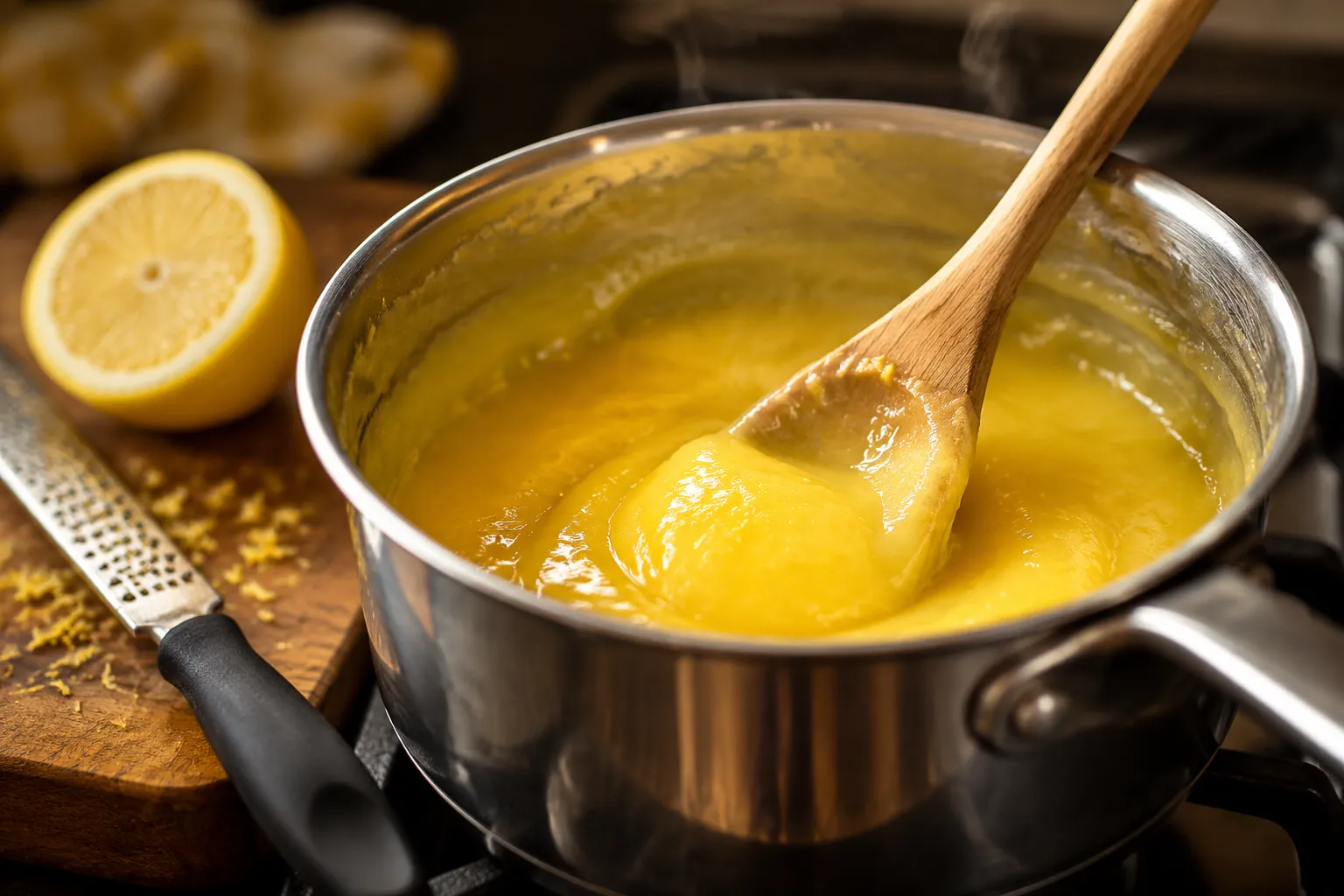
Whisk sugar, cornstarch, and salt with water in a saucepan, then cook over medium heat, whisking constantly, until thick and translucent. Temper in the egg yolks, return to a simmer for a full minute (this is what cooks out the starchy taste and sets the curd), then whisk in butter, fresh lemon juice, and lemon zest off the heat. Keep it hot — you'll pour it directly into the warm crust.
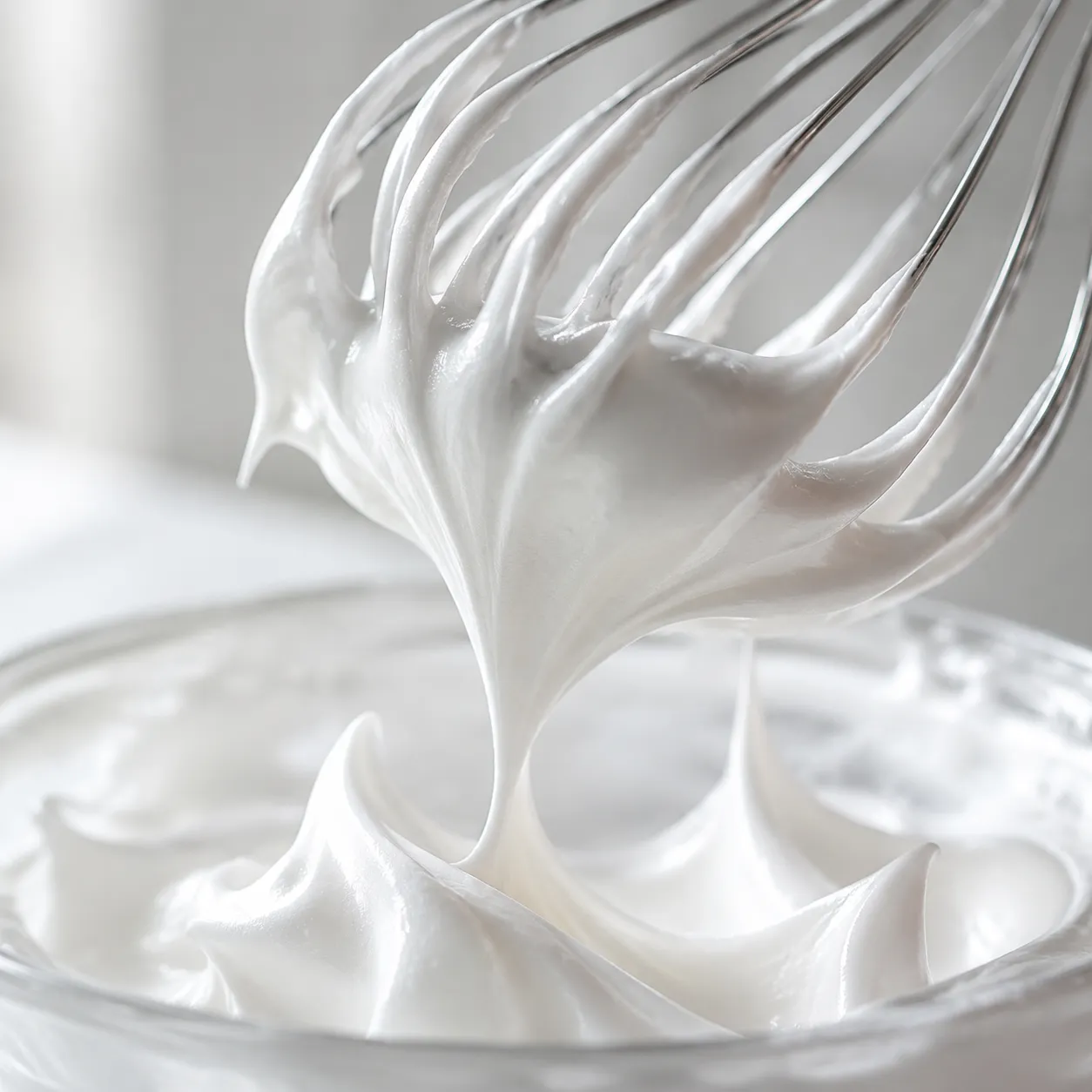
While the filling stays warm, beat the egg whites with cream of tartar to soft peaks, then rain in the sugar a spoonful at a time. Beat until the meringue is glossy, thick, and holds stiff peaks that curl just slightly at the tip. Rub a bit between your fingers — if you feel grit, keep whipping until the sugar fully dissolves.
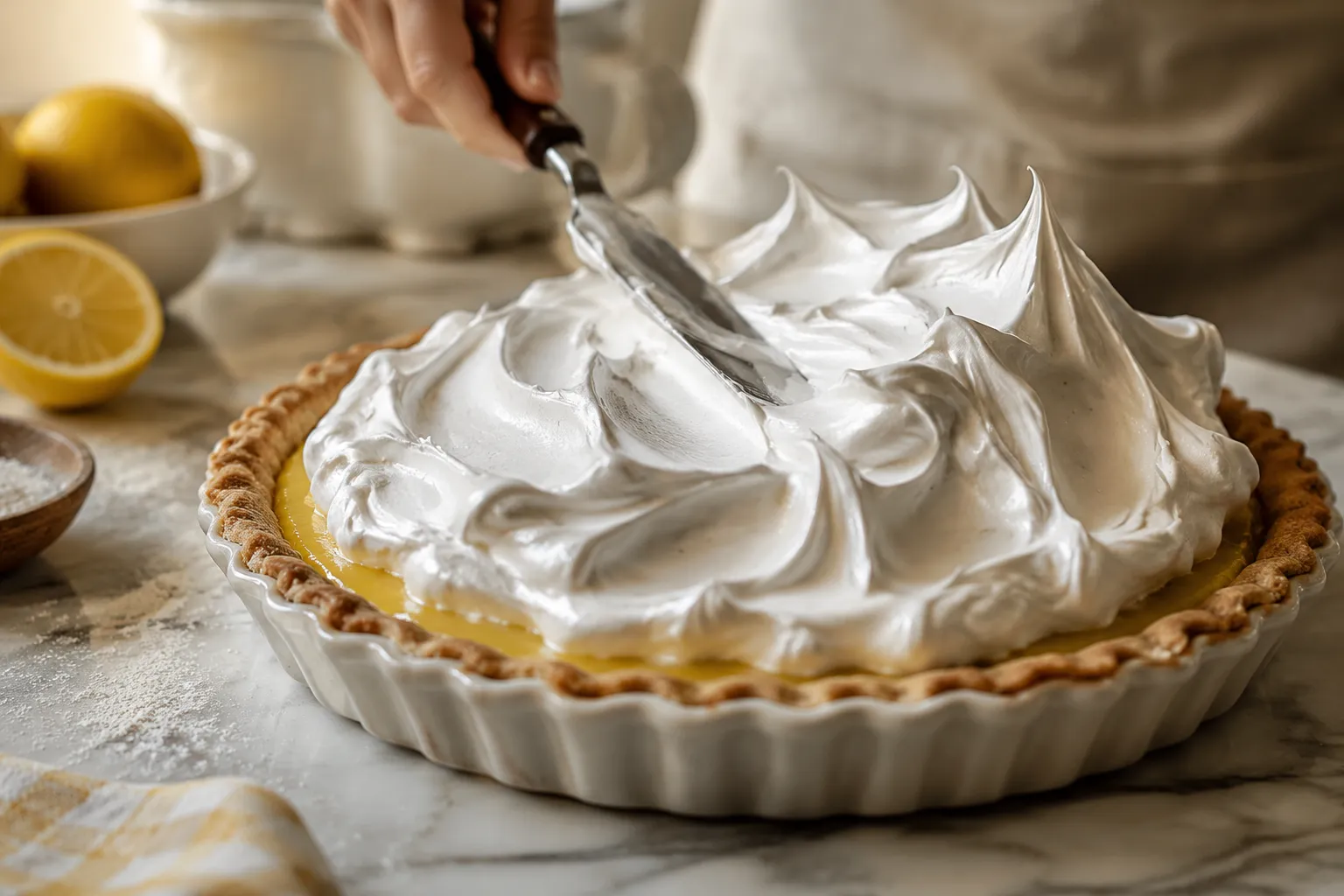
Pour the hot filling into the hot crust, then immediately dollop the meringue over the surface. Spread it all the way to the crimped edge, sealing the meringue topping to the crust on every side — this is the anchor that prevents shrinking. Swoop the back of a spoon through to make dramatic peaks. Bake until the meringue is deeply golden, then cool slowly at room temperature for at least 3 hours before slicing.
Weeping (that watery layer between curd and meringue) happens for one main reason: cold meringue meets warm filling, condensation forms, and gravity does the rest. By spreading freshly whipped, room-temperature meringue onto piping-hot filling, the underside of the meringue gently cooks and bonds to the curd instead of sweating against it.
Beading — those amber droplets on top — comes from undissolved sugar or over-baking. Whip until the sugar is fully dissolved, and pull the pie when the peaks are just deeply golden, not mahogany. A lemon meringue pie cooled in a draft-free spot at room temperature, never in the fridge directly from the oven, will set up beautifully.
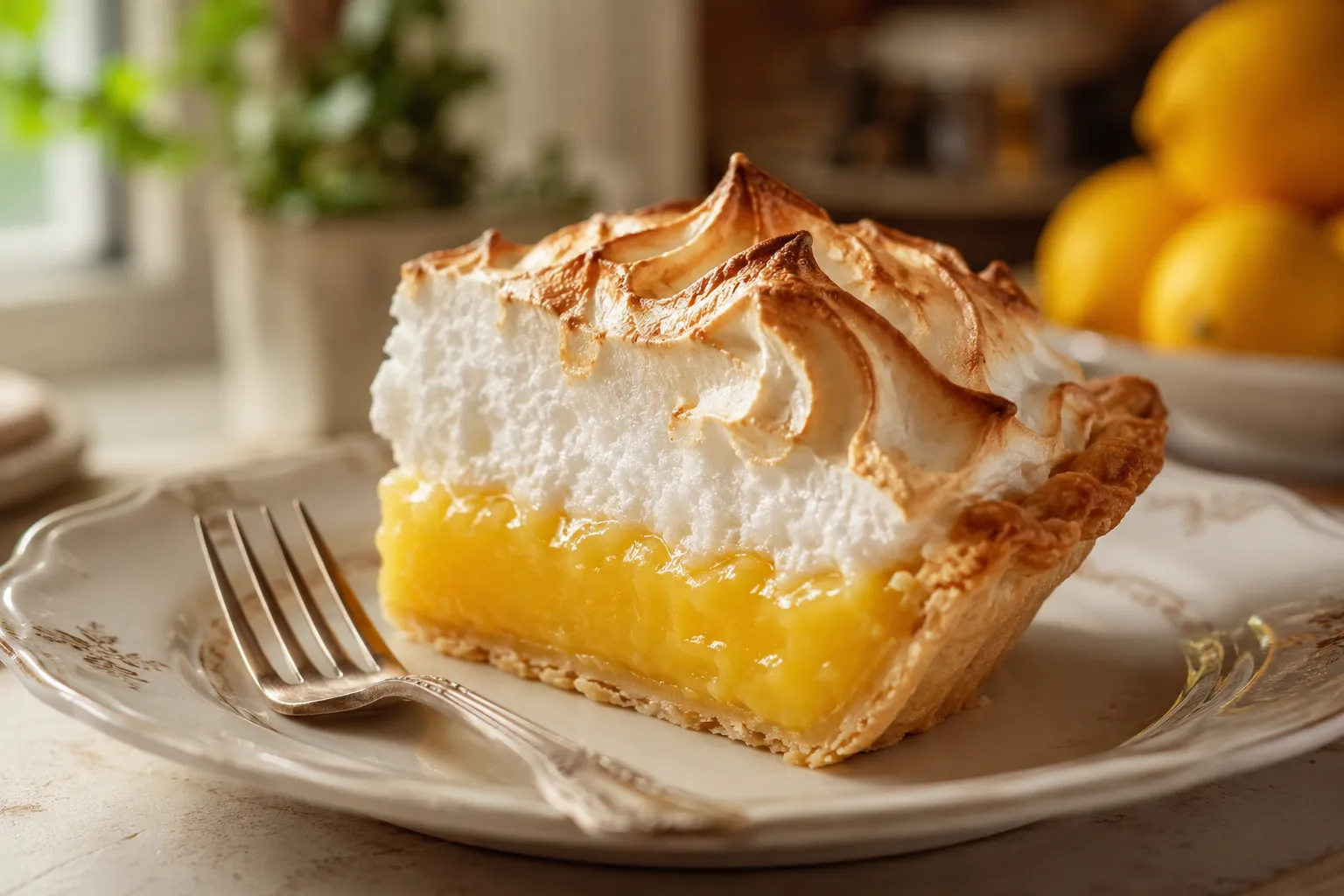
This pie is showstopping enough to anchor a holiday spread all on its own. I love it alongside other classic American pies on a buffet — a chocolate cream and a bourbon pecan make a gorgeous trio. For spring entertaining, it slots perfectly into a lineup of Easter dessert recipes next to a coconut cake and a pavlova.
For the cleanest slices, dip a sharp knife in hot water, wipe it dry, and cut. Repeat between every slice. Serve plain — this pie doesn't need whipped cream — with strong coffee or a pot of black tea.
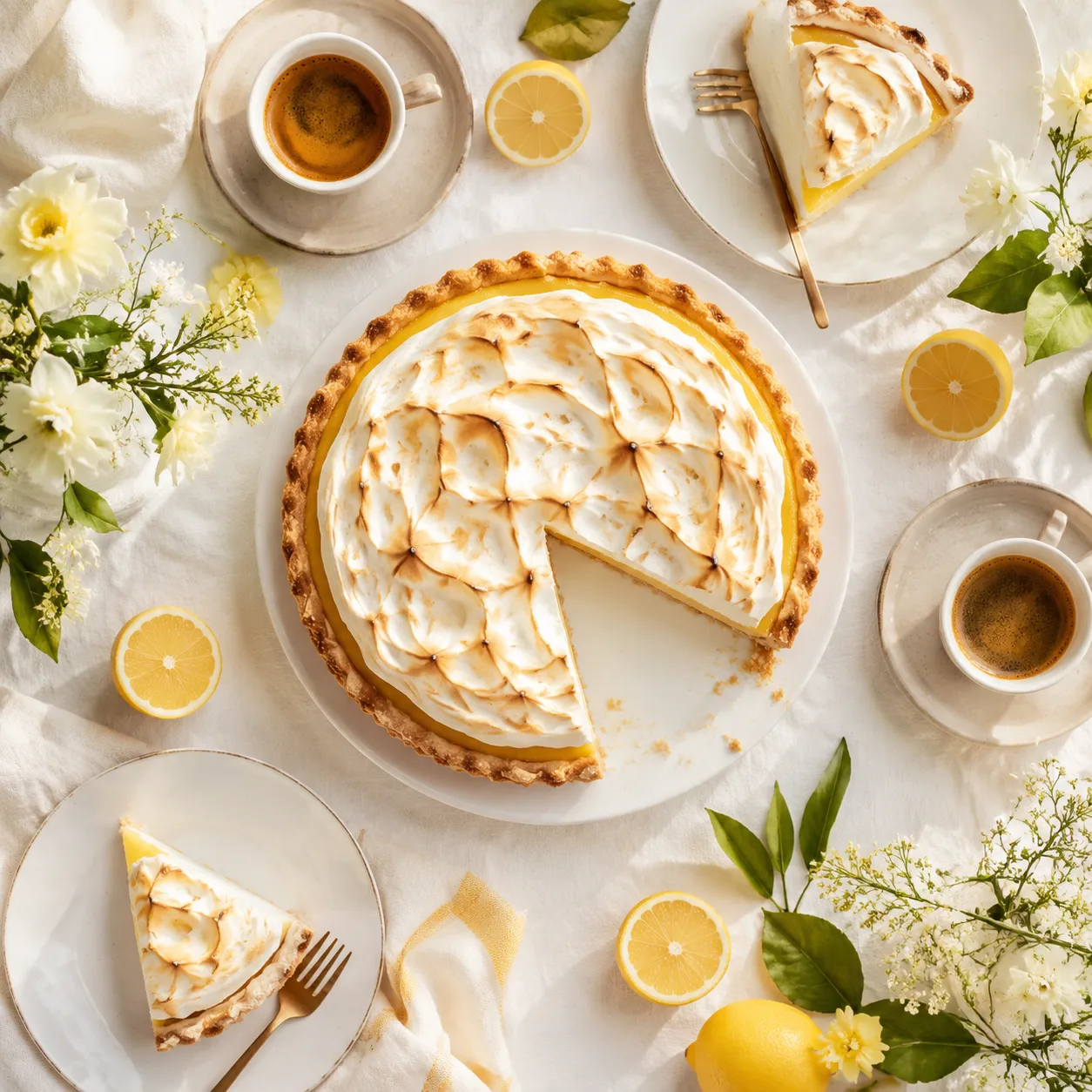
If this is your first lemon meringue pie recipe, give yourself a calm afternoon and read through the steps once before starting. The actual work is quick, but the choreography matters — hot curd into hot crust, hot meringue onto hot curd, bake, cool slowly. Get that sequence right and you'll have a tall, glossy, no-weep pie that looks like it belongs behind glass at the best bakery in town.
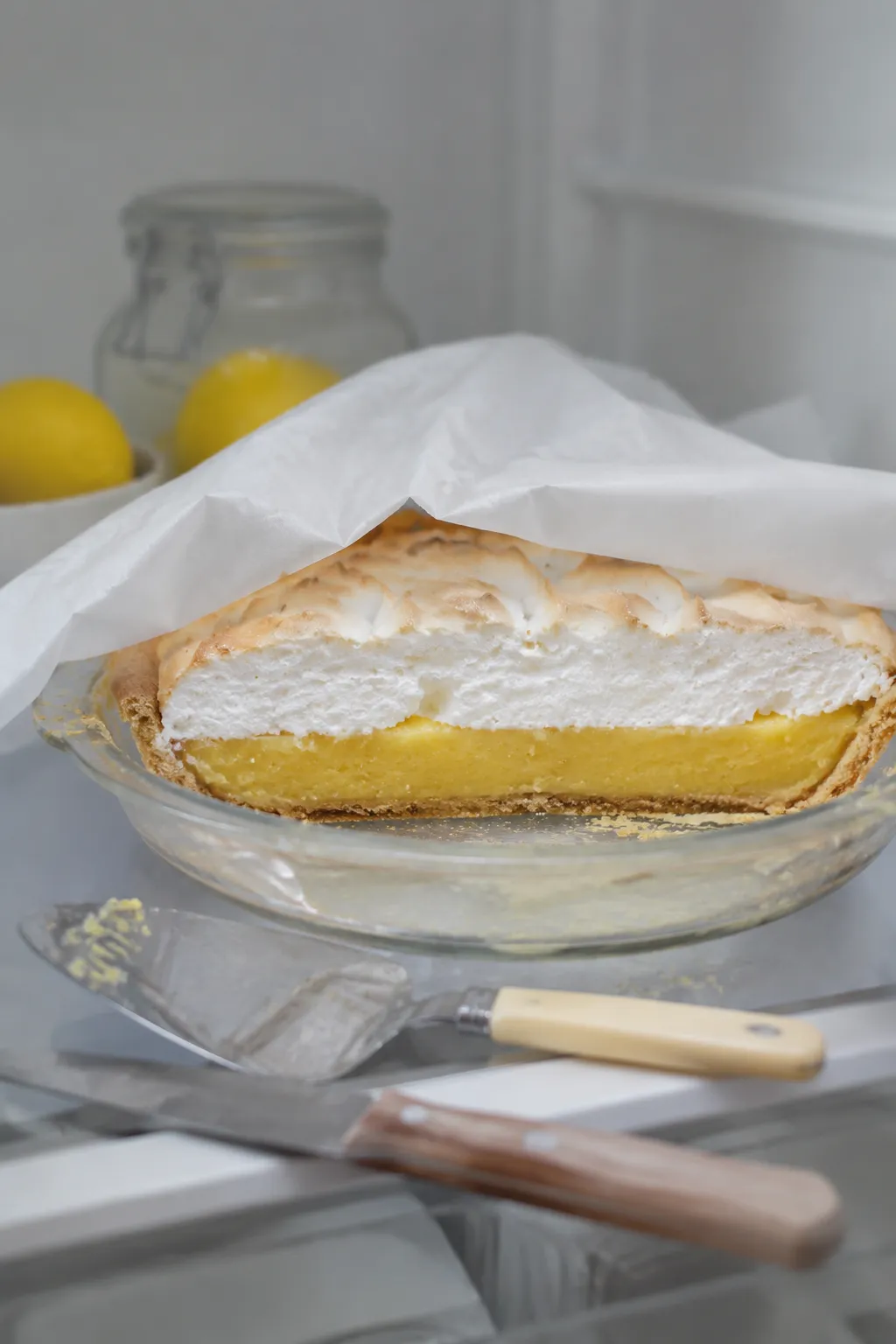
One last thing: trust the cooling time. I know it's tempting to slice in early, but the curd needs those hours to fully set. The reward is a slice with three perfect, distinct layers — and that first forkful of bright, buttery, cloud-topped lemon is absolutely worth the wait.
Once you've nailed the classic, this pie is a wonderful template for riffing. Try one of these variations on your next bake:
Lemon meringue pie is best the day it's made, but leftovers keep reasonably well. Loosely tent the pie with parchment (never plastic wrap directly against the meringue, which causes sticking) and refrigerate for up to 2 days. The meringue will gradually soften and may bead slightly, but the flavor stays delicious.
I don't recommend freezing — the curd weeps badly on thawing and the meringue collapses into a sad puddle. If you want to get ahead, blind bake the crust and make the curd up to a day in advance (store separately), then assemble and bake the meringue the morning you'll serve.