Cara Cara Oranges: What They Are & How to Use Them
Ingredients
Scale
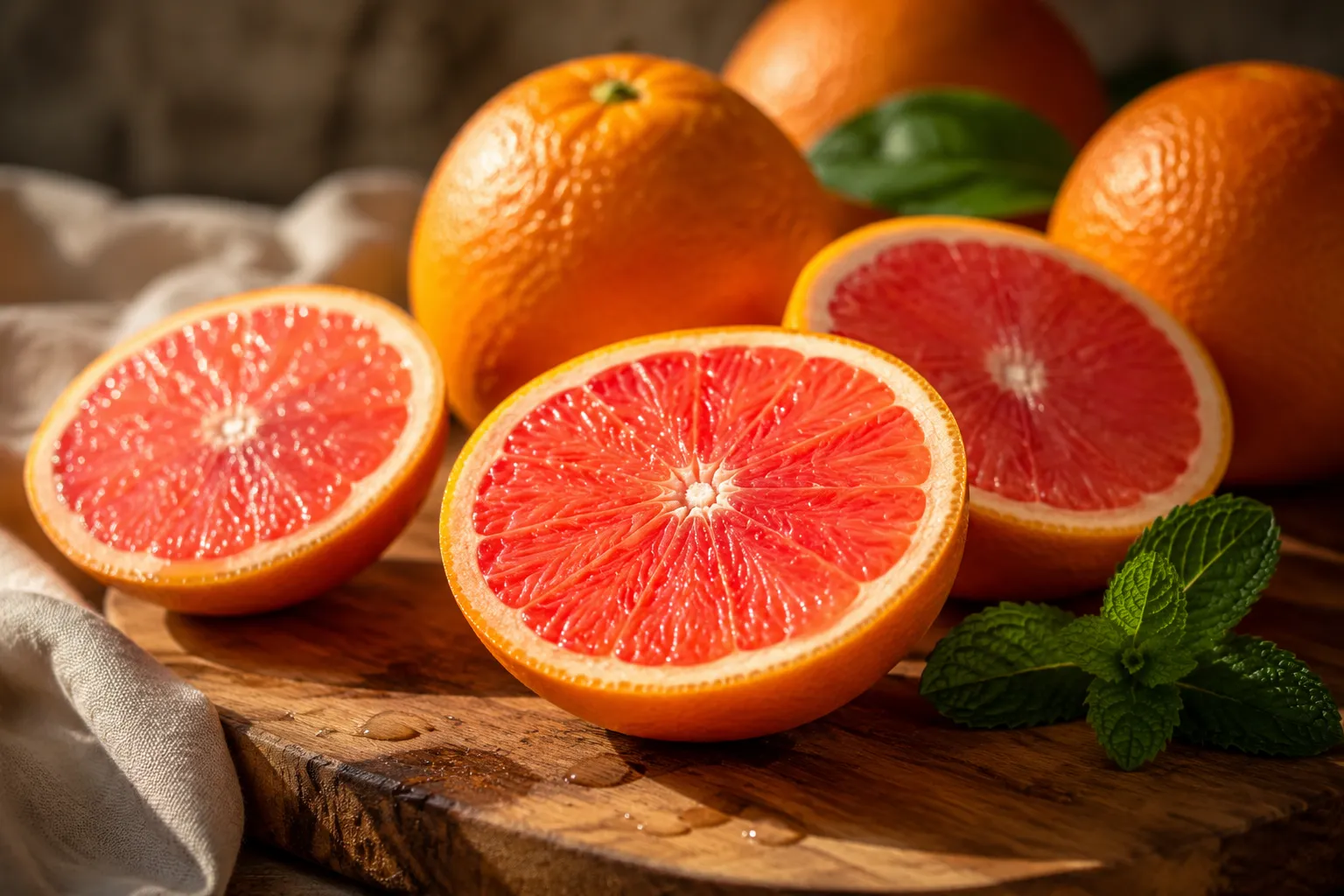
Cara cara oranges are the rosy-fleshed, berry-sweet navel oranges everyone's talking about. Here's how to pick, store, and cook with them like a pro.
The cara cara orange might be the prettiest piece of fruit in your winter produce aisle, and once you taste one, the looks are almost beside the point. Cut into the glossy peel and you'll find rosy coral flesh that drips with juice the color of pink lemonade. The flavor is a happy surprise too: classically orange, with a quiet whisper of strawberry and rose, almost no bitterness, and just enough acid to keep things bright.
If you've spotted these gems labeled pink navel orange or red navel at the grocery store and wondered whether they're worth the splurge, the answer is a resounding yes. They're sweeter and gentler than the regular navels you grew up with, and far more approachable than tart blood oranges. They're also the workhorse citrus I reach for from late December through early spring, when I want fruit that can play sweet in a salad, hold its own next to roasted chicken, or get whirled into a vinaigrette without anything else needing to sweeten it.
This guide covers everything you actually need: what a cara cara is, how it tastes, when to buy it, how to cut and store it, the best ways to cook with it, and a no-cook salad recipe that shows off the fruit at its prettiest.
A cara cara is a pink navel orange — same easy-peel skin, same cheerful round shape, same seedless interior, but with a flesh color that ranges from soft salmon to deep coral. Botanically it is Citrus sinensis, the same species as the standard Washington navel, just with a natural mutation that produces lycopene (the antioxidant that makes tomatoes red) on top of the beta-carotene that gives regular oranges their color. That tiny genetic quirk is what creates the rosy interior and the slightly different flavor profile.
The variety was first discovered in 1976 on the Hacienda Cara Cara in Valencia, Venezuela, where a single tree appeared as a spontaneous bud sport — a naturally mutated branch — on a Washington navel orange tree. Growers recognized the rosy flesh as something special, propagated cuttings, and the variety eventually made its way to California and Florida. Today, the bulk of the U.S. crop comes from California's San Joaquin Valley and from Florida's citrus belt, with the first harvests landing in stores around mid-November and continuing through spring.
If anyone tries to tell you cara caras are a hybrid, or that the color comes from grafting tangerines onto navels, they're mistaken. The pink is purely natural pigmentation, and the fruit is technically a navel through and through.
Imagine a regular navel orange with a softer voice and a small, sweet secret. Cara caras are noticeably less acidic than standard navels, which makes them taste sweeter even though their actual sugar content is similar. Underneath the orange flavor, you'll catch berry-like notes that people most often describe as strawberry, raspberry, or even a hint of rose. They are juicy without being aggressively tart, which is why kids tend to love them and why they shine in raw preparations where there's nowhere to hide.
Compared to a regular navel, a cara cara is mellower and rounder. A Washington navel hits you with a clean orange punch and a noticeable acidic edge; a cara cara is softer, sweeter, and more floral, with that whisper of berry weaving through. They behave the same way in recipes — both are seedless and easy to peel — so cara caras make excellent navel orange substitutes any time you want a touch more sweetness and less bite.
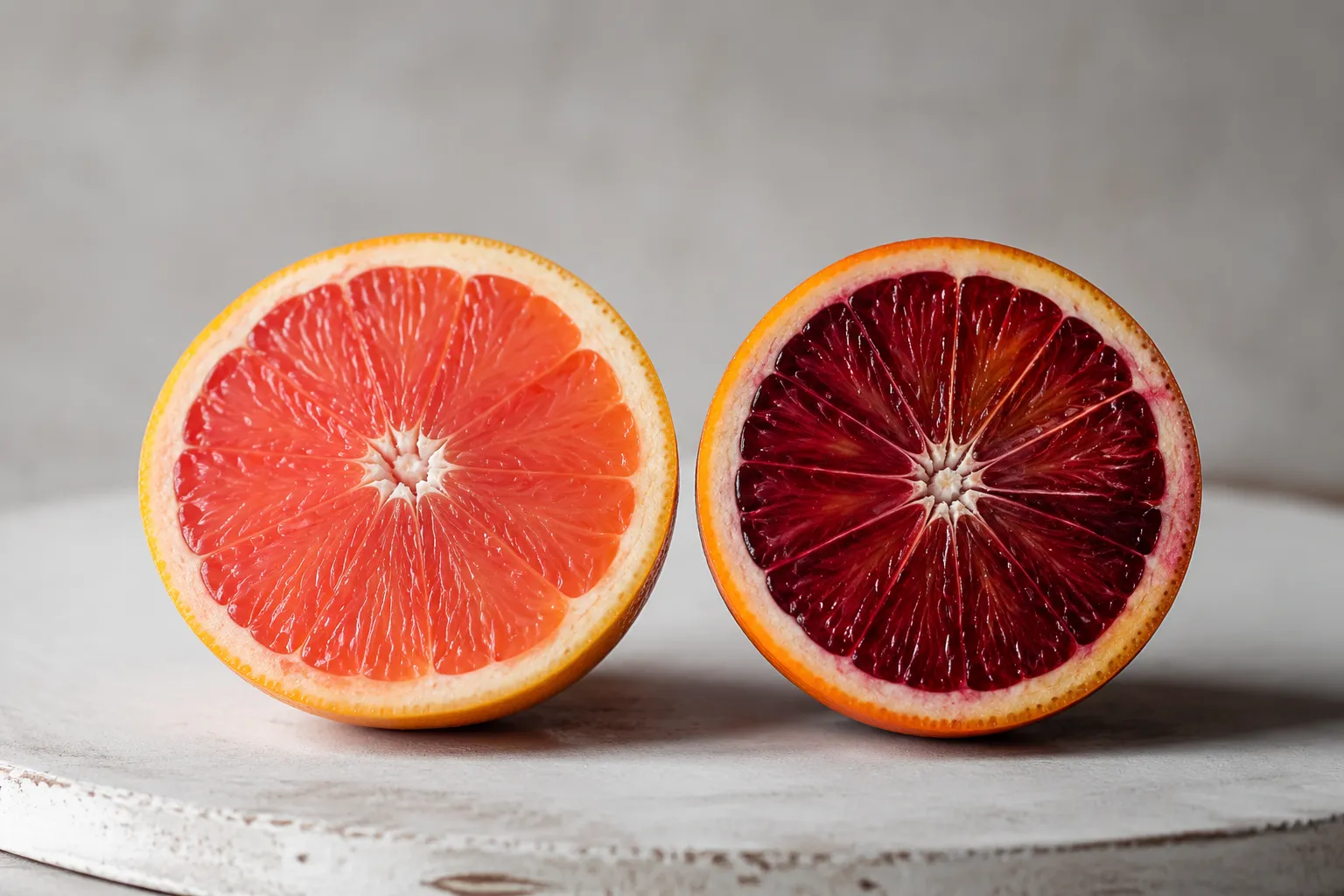
The cara cara vs blood orange question is the one I get most often, and the two could not be more different in flavor. Blood oranges are deep crimson inside, intensely fragrant, and have a pronounced raspberry-meets-cranberry tartness that feels almost wine-like in cocktails and desserts. Cara caras are pink rather than red, sweeter, and gentler, with none of that bracing edge. If you're choosing between them, reach for blood orange recipes when you want a bold, slightly bitter pop of color and flavor; choose cara cara when you want something pretty, sweet, and crowd-friendly.
Cara cara orange season runs from roughly mid-November through April in the United States, with peak supply landing in January, February, and March. They're a true winter citrus fruit, arriving in markets right when summer berries and stone fruit are a distant memory and your kitchen needs a jolt of color. California cara caras tend to dominate the early and mid-season window, while Florida fruit shows up in the later months.
You'll find them at most major supermarkets — Whole Foods, Trader Joe's, Sprouts, Wegmans, and Costco all stock them during the season — usually in clear mesh bags or loose in the citrus bin. Farmers' markets in citrus-growing regions are an even better source if you have access. If you want to plan around what's freshest each month, a good citrus season guide is worth bookmarking, because the peak window for each variety shifts slightly year to year depending on the weather.
To pick a ripe one, pretend you're choosing a grapefruit. You want fruit that feels heavy for its size, with smooth, slightly glossy skin and no soft or moldy spots. Color isn't a perfect indicator — some perfectly ripe cara caras are quite pale orange on the outside, while a few have a faint rosy blush. Heft is the real tell: a heavy fruit means lots of juice inside.
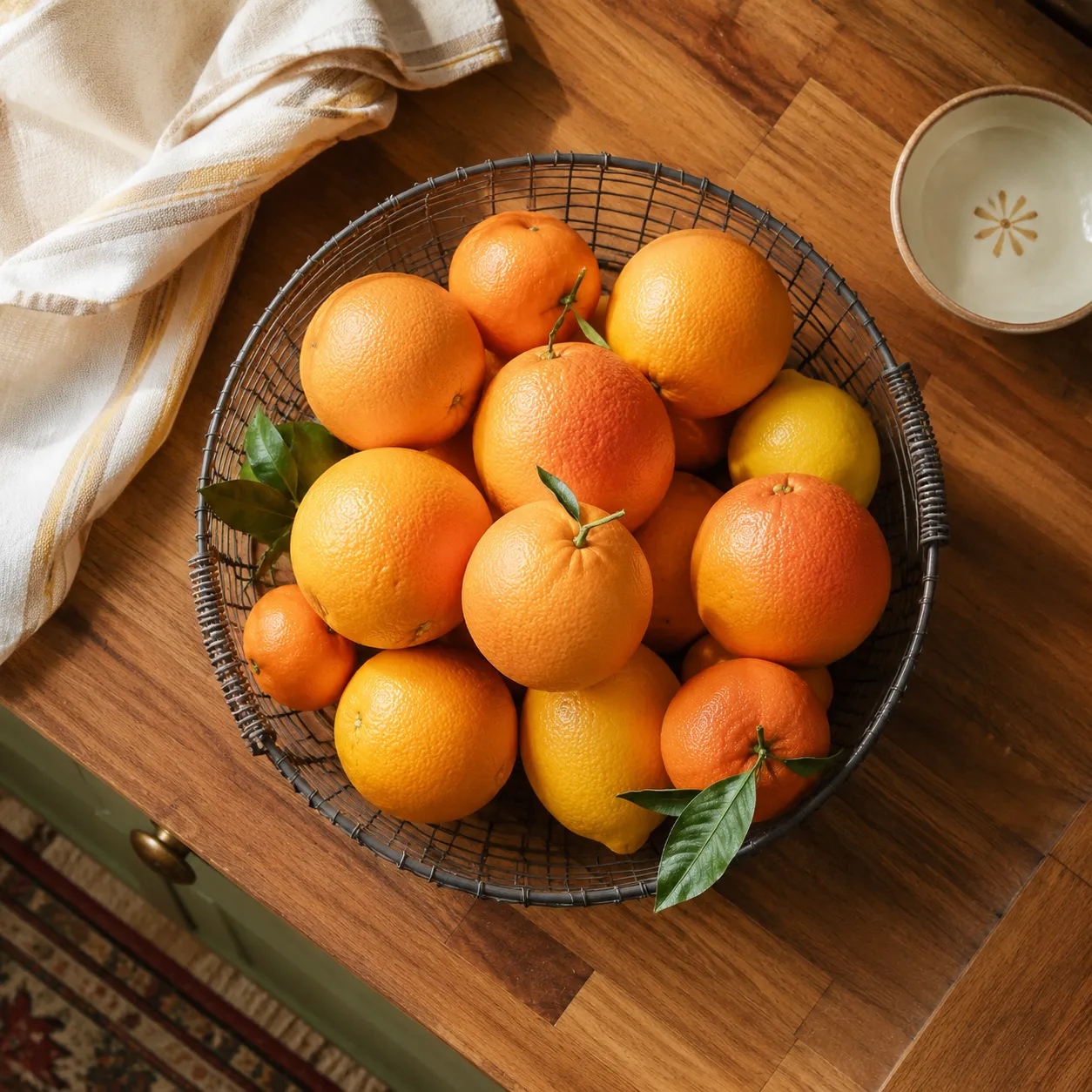
Whole cara caras keep well at room temperature for about a week if your kitchen is cool, which is honestly the prettiest way to store them — pile them in a bowl with a few lemons and mandarins and let them double as winter decor. For longer storage, move them to the crisper drawer of your refrigerator, where they'll stay juicy for up to three weeks. Once you cut into one, wrap any unused portion tightly in plastic and refrigerate; use within two to three days for the best flavor.
The juice freezes beautifully. Squeeze fresh juice into ice cube trays, freeze solid, and transfer to a labeled freezer bag — those little cubes are perfect for cocktails, smoothies, or thawing into a quick pan sauce. Whole supremed segments can also be frozen in a single layer on a sheet pan, then bagged and used straight from the freezer in smoothies or atop oatmeal.
Don't forget the zest. The peel holds an enormous amount of fragrant oil that mellows quickly once the fruit is cut, so zest oranges before you juice or peel them. Spread fresh zest on a parchment-lined plate and freeze in a thin layer; once frozen, transfer to a small jar and use it any time a recipe calls for orange zest.
For wheels — the rounds you see on top of salads and fish — slice off both ends of the orange to create flat poles, stand it upright, and run a sharp knife from top to bottom following the curve of the fruit, removing all of the peel and the bitter white pith underneath. Lay the peeled orange on its side and slice across the equator into rounds about a quarter-inch thick. You'll get those photogenic, pink-rimmed wheels in about a minute.
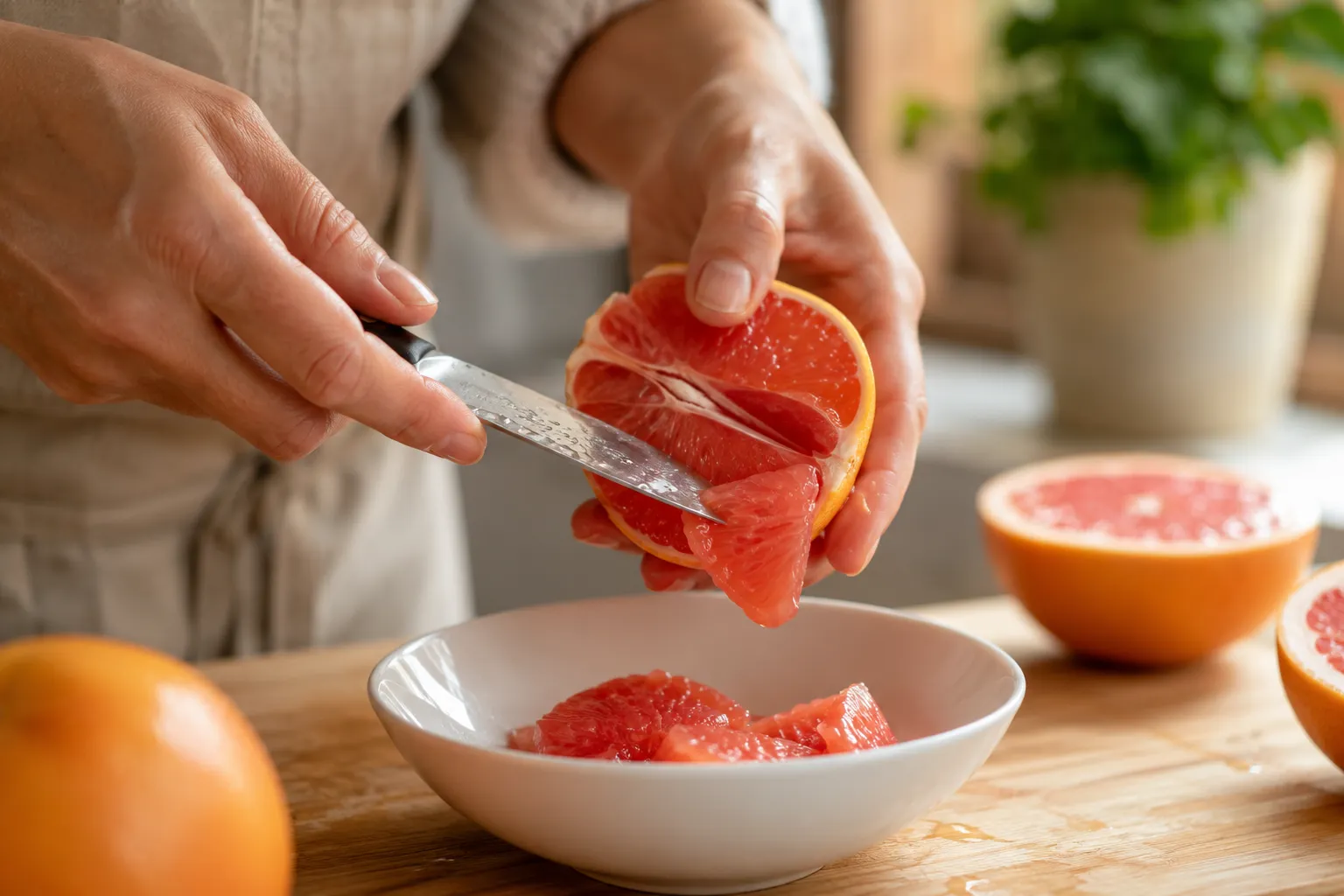
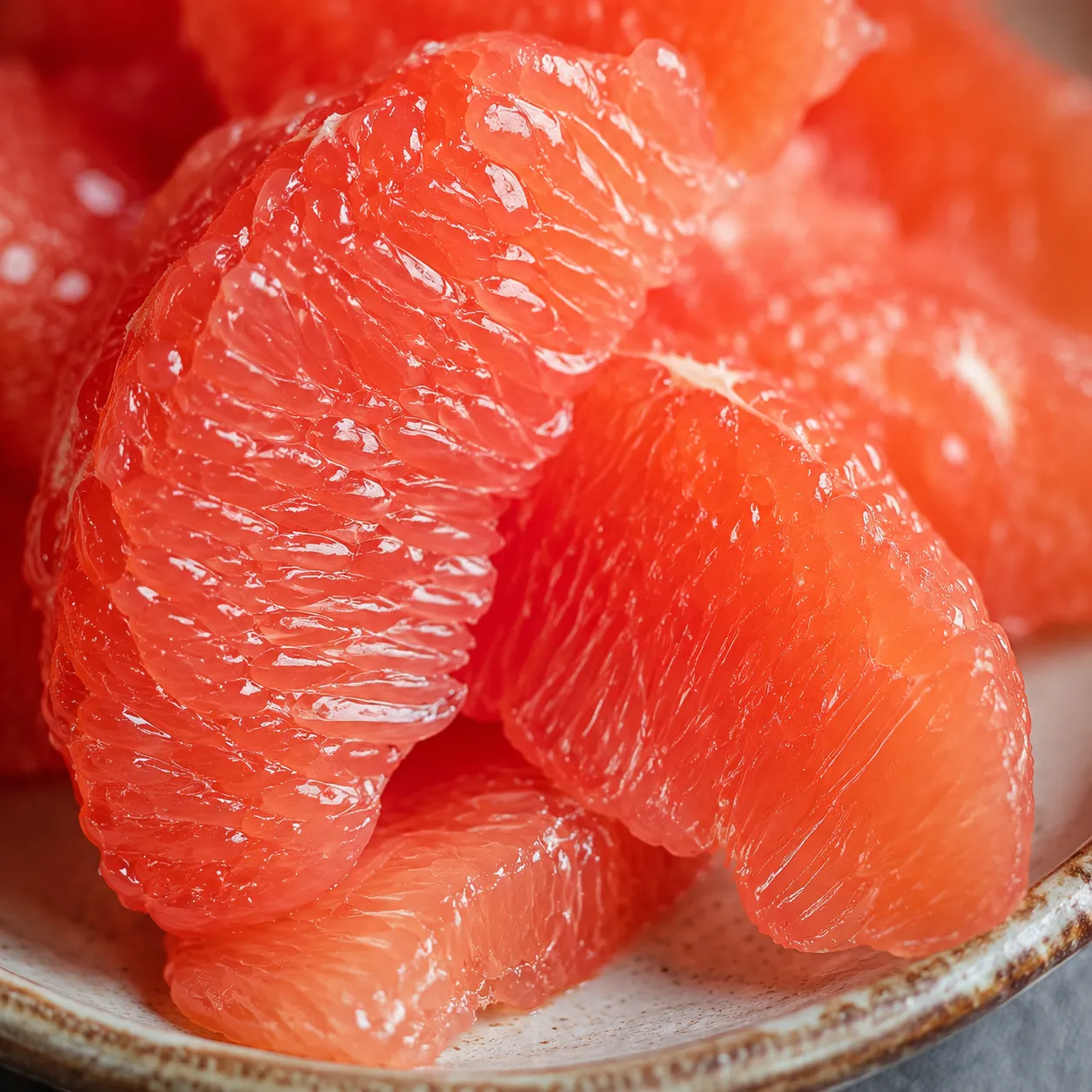
For supremes — the membrane-free segments that look like tiny pink jewels — peel the orange the same way, then hold it cupped in your hand over a bowl. Slip a paring knife along each side of the white membranes that divide the segments and let each piece drop into the bowl. When you're done, squeeze the leftover membrane skeleton over the bowl to capture every last drop of juice. That juice is liquid gold for vinaigrettes, cocktails, or a quick pan glaze.
Zesting is best done before peeling. Wash and dry the fruit, then run a Microplane firmly over just the colored part of the skin, rotating the orange as you go and stopping before you hit the white pith, which is bitter. A single cara cara yields about a tablespoon of zest.
If you've ever wondered how to use cara cara oranges beyond eating them out of hand, the short answer is: anywhere you'd use a regular orange, only the result will be sweeter and prettier. They are exceptional raw, where their color and gentle acidity get to do the heavy lifting.
Salads are the obvious starting point. Toss supremes with peppery greens, thinly sliced fennel, soft cheese, and toasted nuts for a stunning winter citrus salad. Their low acidity means you don't need to balance them with as much sugar or fat as you would a blood orange — a simple drizzle of good olive oil, a squeeze of lemon, and flaky salt will do. They also play beautifully in slaws with shaved cabbage, jicama, and lime.
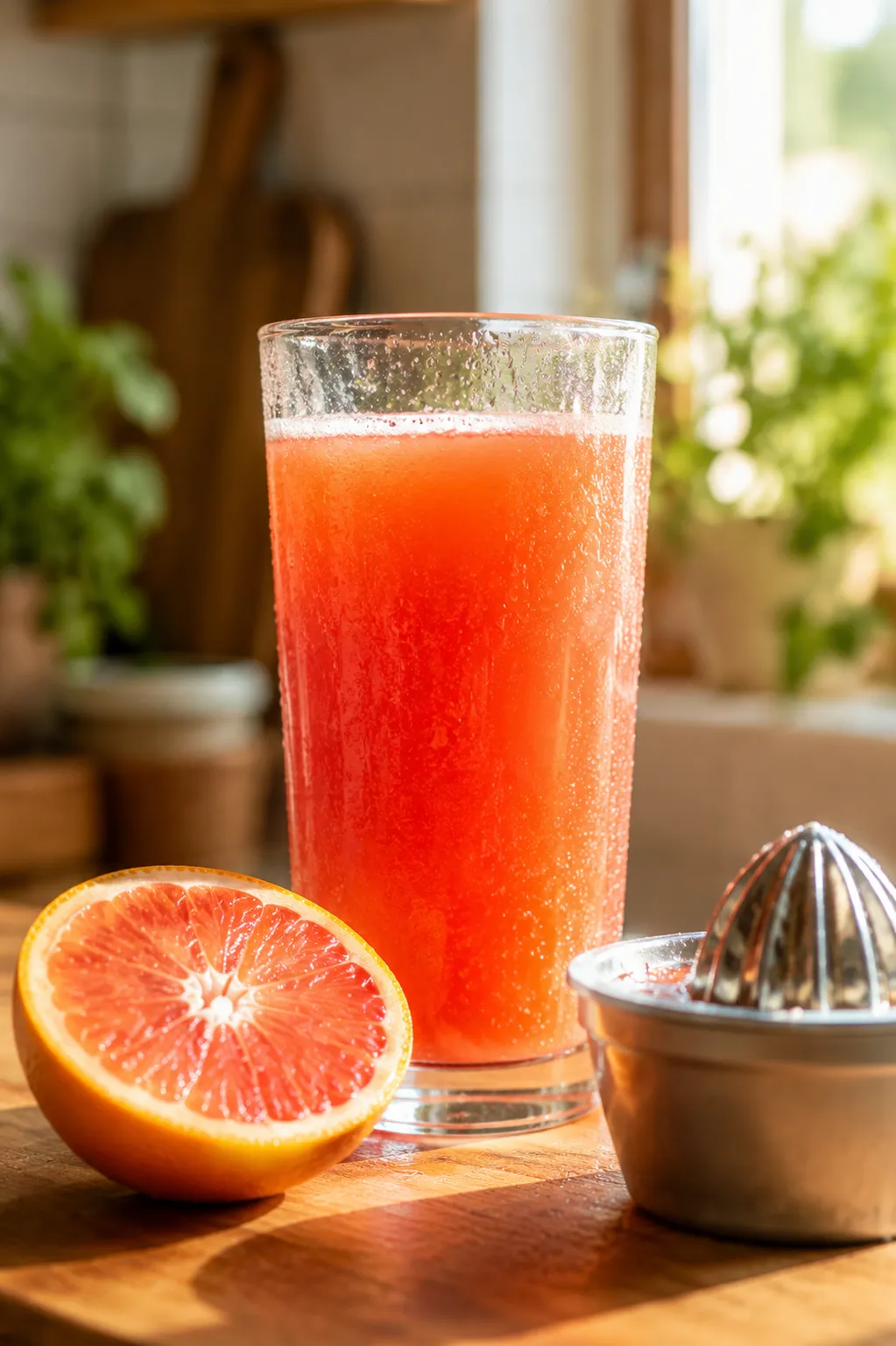
Squeezed, the juice is honestly transformative. It's sweeter than commercial OJ and has that subtle berry note that makes a glass at breakfast feel like a special occasion. Use the juice in cocktails (cara cara mimosas are a brunch revelation), spritzes, mocktails, or whirled into yogurt smoothies. The juice also makes a stellar base for a homemade orange vinaigrette — just whisk it with shallot, Dijon, olive oil, and a splash of vinegar.
For baking, cara caras shine in tender butter cakes, glazed loaves, and an absolutely glorious orange olive oil cake where the fruit's perfume saturates every crumb. You can use both the zest and the juice; the lower acidity means baked goods come out a touch sweeter and less astringent than they would with regular oranges. Roasted alongside chicken thighs or salmon fillets, sliced cara caras caramelize at the edges and release a syrupy juice that becomes its own pan sauce. Toss with olive oil, fresh thyme, and a few smashed garlic cloves before sliding into a hot oven.
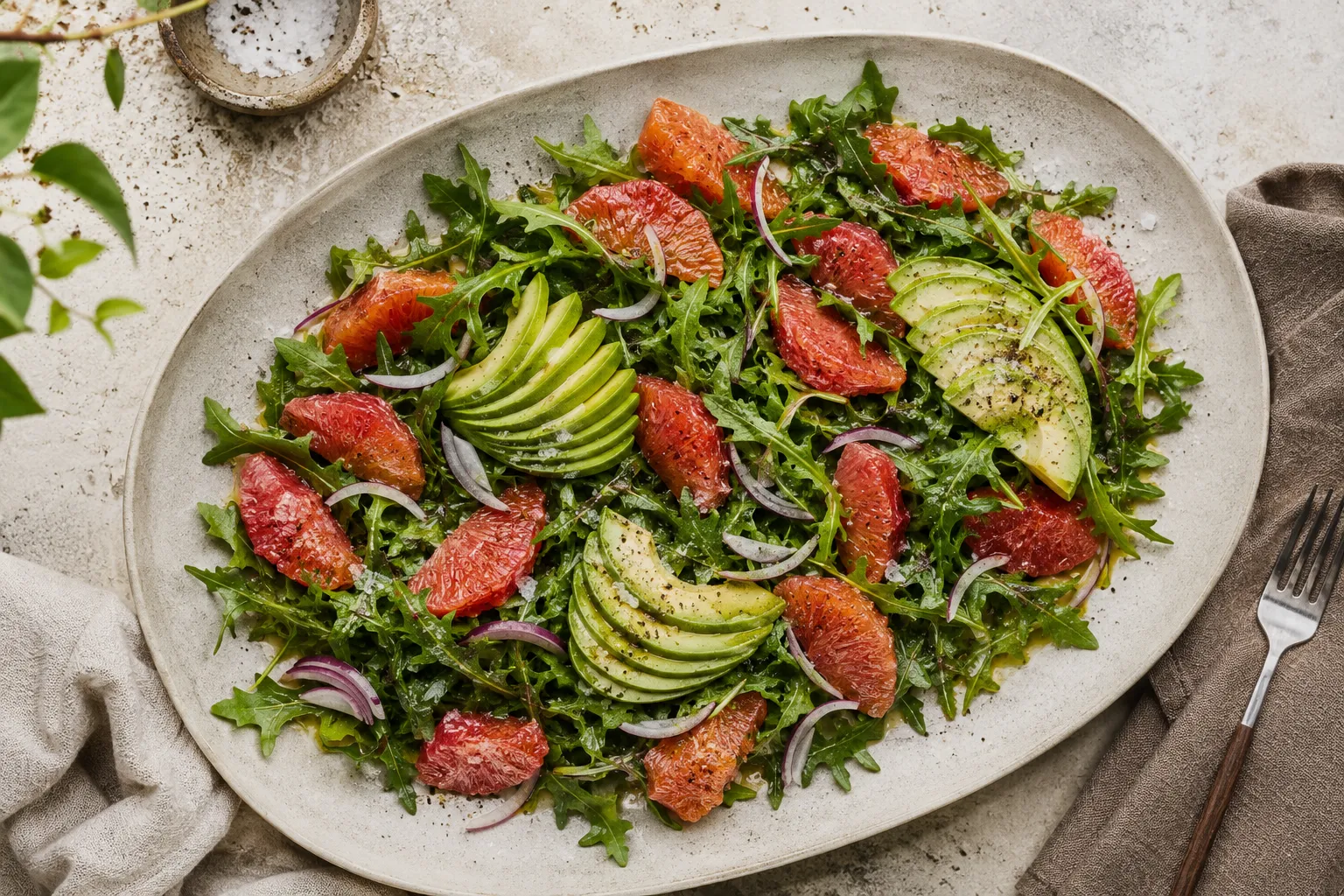
Of all the ways I cook with this fruit, this is the salad I make on repeat from January through April. Five minutes of knife work, a quick drizzle of olive oil and lemon, and you have a side dish that looks like it belongs on a magazine cover but tastes like a weeknight should — bright, easy, and a little luxurious.
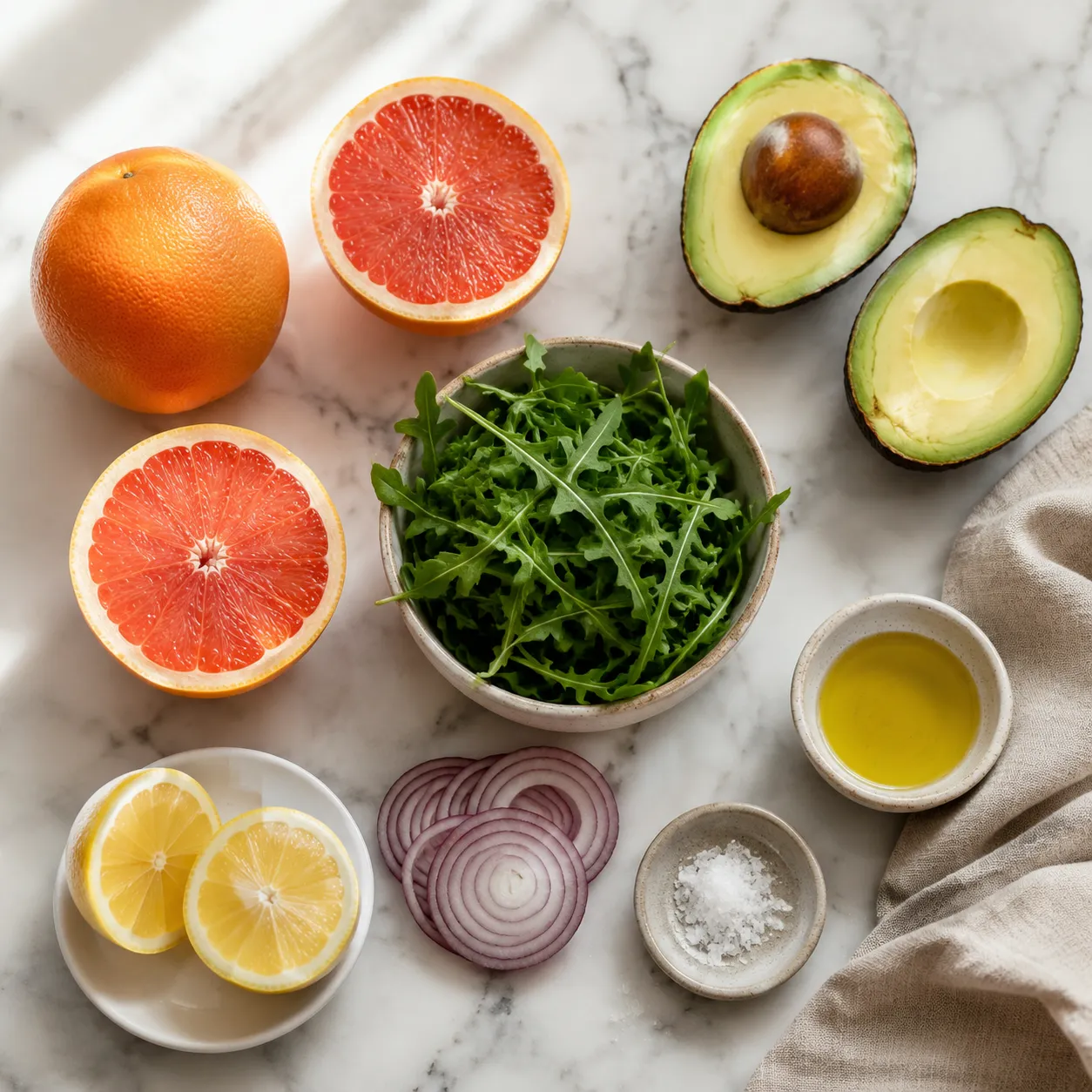
You'll need three cara caras, one ripe avocado, two big handfuls of baby arugula, a little thinly sliced red onion, your best extra virgin olive oil, a squeeze of fresh lemon juice, and flaky sea salt. That is genuinely it. The fruit does the work; you're just giving it a stage.
Start by supreming two of the oranges over a bowl, catching every drop of juice. Cut the third orange into thin wheels — those are for visual drama on top. Halve, pit, and slice the avocado into wedges. Soak the red onion in cold water for five minutes if you want to mellow its bite, then drain and pat dry.
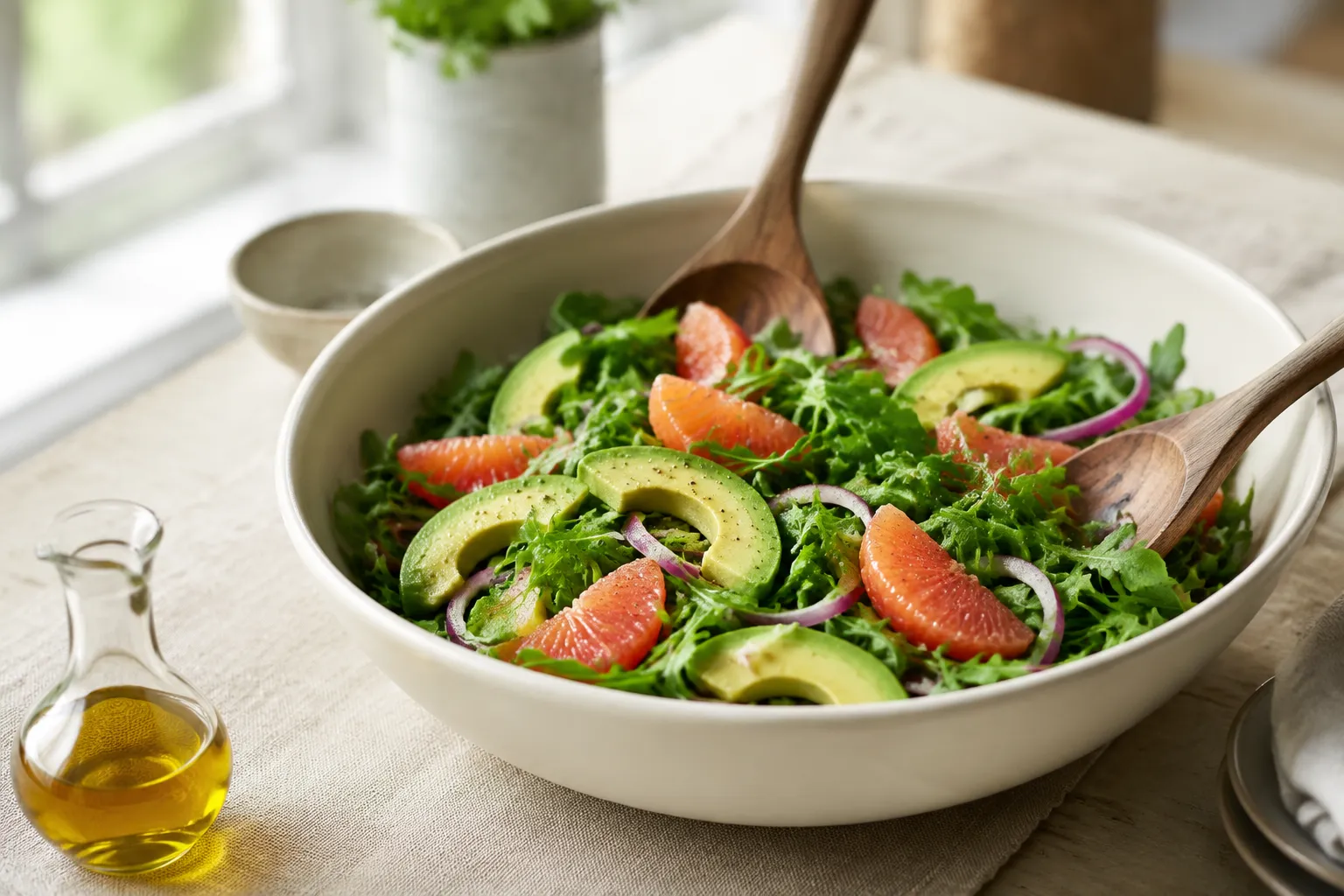
Whisk a tablespoon of the captured orange juice with the olive oil, lemon juice, and a pinch of salt. Spread the arugula across a wide platter, scatter the avocado and orange segments over the top, layer on the wheels, and finish with red onion. Drizzle the dressing across the surface, shower with flaky salt and a few cracks of black pepper, and serve immediately.
This salad is wonderful on its own as a light lunch, but it really sings beside roasted salmon, herb-crusted chicken, or a simple bowl of buttered pasta. Once you've made it once, you'll start dreaming up your own riffs — pomegranate seeds in December, shaved fennel and pistachios in February, a handful of pitted Castelvetrano olives whenever the mood strikes.
Treat this salad as a flexible template — keep the cara caras and avocado as the anchor, then swap or layer in whatever else looks beautiful at the market. A handful of new additions can take it in a totally different direction without changing the technique.
This salad is best eaten the day it's made — really, the hour it's made. Once the dressing hits the avocado and arugula, the leaves wilt and the avocado discolors quickly, so it loses both texture and looks if it sits. If you need to prep ahead, you can supreme the oranges, slice the onion, and whisk the dressing up to a day in advance, storing each component separately in airtight containers in the fridge. Wait to slice the avocado and assemble the platter until just before serving.
If you do end up with leftovers, lift the orange segments and onion off the greens and store them in a covered container for up to two days. Use them in another salad, fold them into a grain bowl, scatter them over yogurt with a drizzle of honey, or tuck them into a quesadilla with sharp cheese. Don't bother trying to revive dressed arugula or browned avocado — those go straight to the compost bin.