Caraway Seeds: Flavor, Uses, Benefits & Cooking Guide
Ingredients
Scale
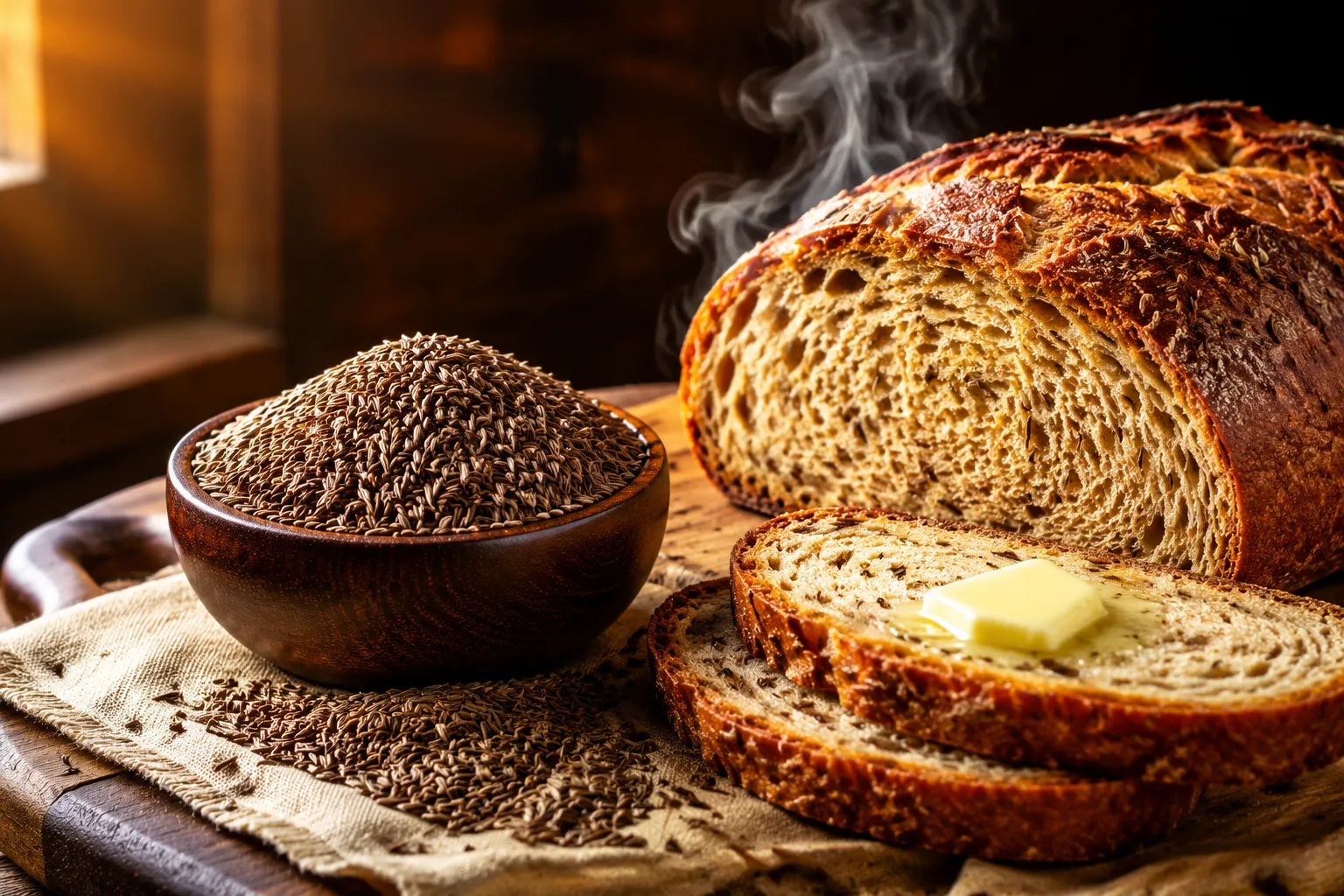
Caraway seeds bring a warm, earthy, slightly citrusy bite to rye bread, sauerkraut, and hearty stews. Here's everything you need to cook with them confidently.
Caraway seeds are one of those quiet little spices that can make a loaf of rye bread taste like a bakery, turn sautéed cabbage into dinner, and give a pot of stew a warm, old-world depth. They are earthy, peppery, faintly citrusy, and just a little sweet, with a personality that sits somewhere between fennel, cumin, and dill.
If you have ever bitten into seeded rye, spooned up tangy sauerkraut, or tasted a buttery cabbage dish that felt especially cozy, you have probably met this spice already. This guide walks through what caraway is, how it tastes, what to pair it with, how to toast and grind it, and how to use it tonight in a simple skillet cabbage recipe.
Think of this as your practical, cook-friendly map to a tiny seed with big flavor. We will compare it with look-alike spices, talk through the best caraway substitute options, and tuck in plenty of everyday uses for breads, vegetables, stews, and spice blends.
Botanically speaking, caraway comes from Carum carvi, a biennial plant in the parsley family. The “seeds” are technically dried fruits, but in the kitchen we treat them like a whole spice, using them for their aroma, texture, and warm savory bite. Whole caraway is common in Central and Eastern European cooking, especially in breads, cabbage dishes, sausages, cheeses, and pickles. It has a long history in German, Austrian, Hungarian, Scandinavian, and Irish kitchens, which is why it feels right at home beside potatoes, pork, cream, onions, and hearty grains.
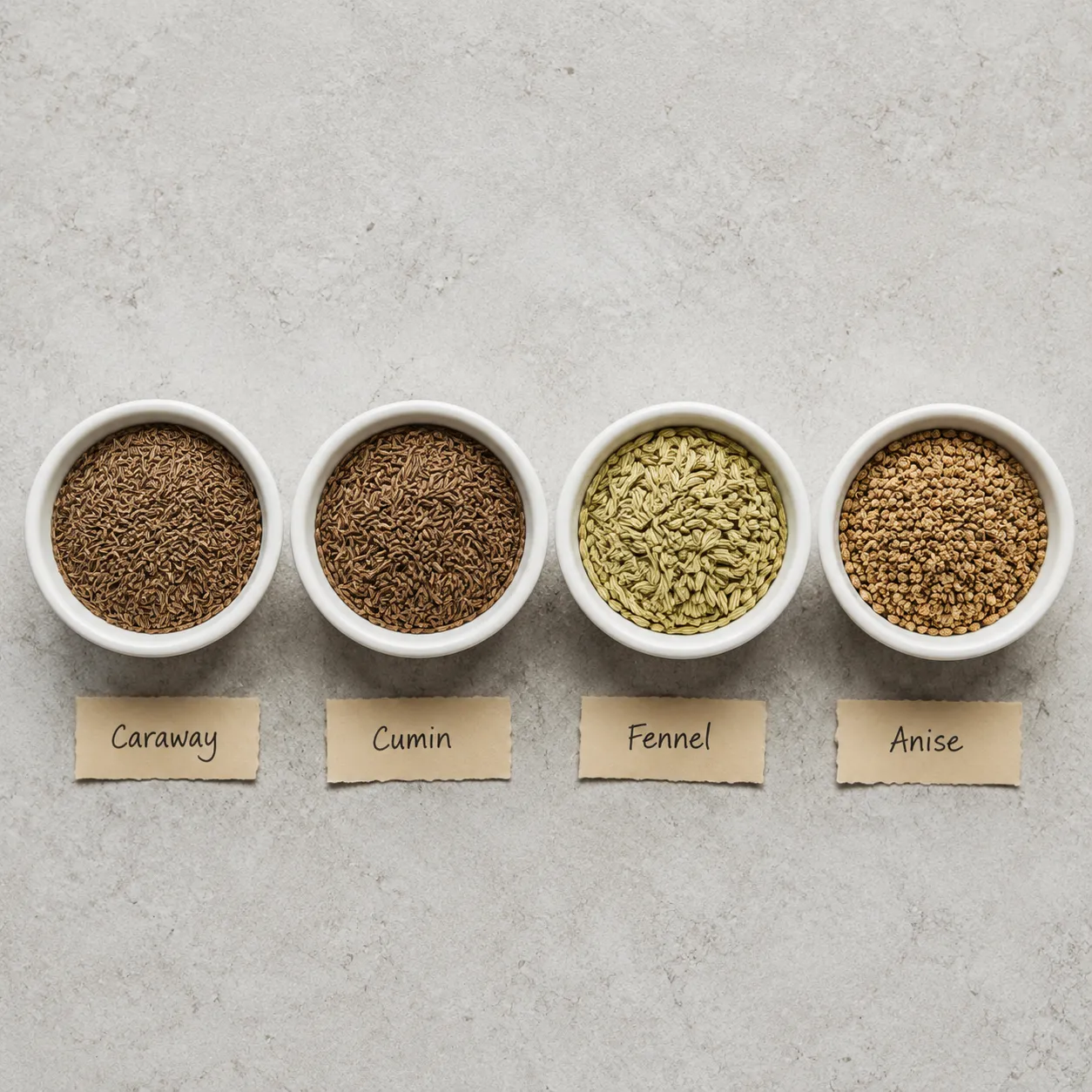
Caraway is often confused with cumin because the two are similarly small, ridged, and brown, but their flavors are quite different. Cumin is smoky, musky, and more pungent, while caraway tastes brighter, more herbal, and a touch citrusy. Fennel and anise are sweeter and more licorice-forward, though fennel can be the best fennel seeds substitute when you need something close in a pinch. If you keep a whole spice pantry guide nearby, this is one spice worth labeling clearly so it does not get mistaken for its stronger cousins.
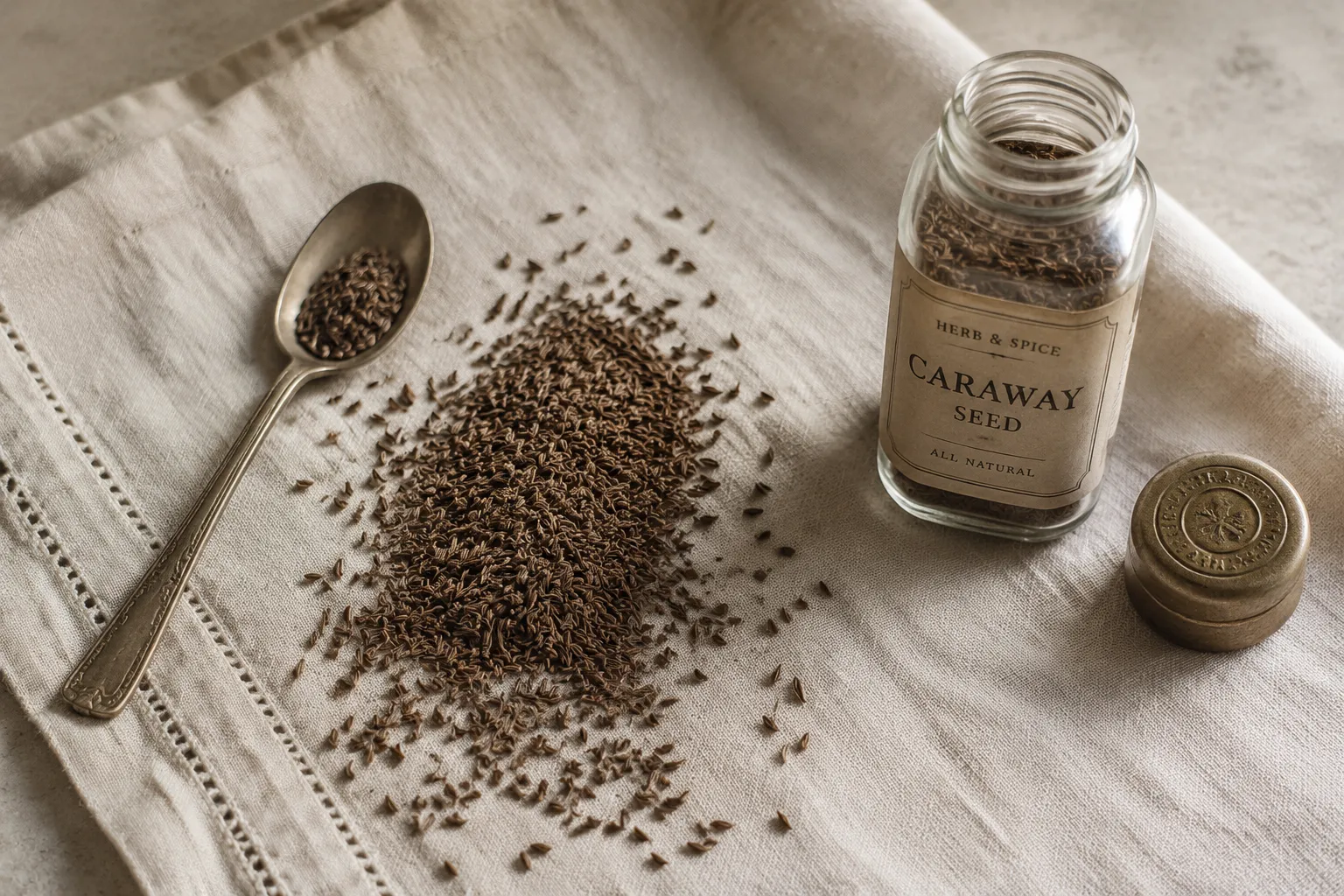
You can buy both whole seeds and ground caraway, and each has a place. Whole seeds bring texture and slow-release flavor, making them wonderful in doughs, braises, roasted vegetables, and pickled cabbage. Ground caraway blends more seamlessly into batters, spice rubs, soups, and creamy sauces, but it loses its aroma faster once the seed coat is broken. When in doubt, buy whole and grind small amounts as you need them.
The flavor is warm and earthy first, then lightly sharp, with a lemon-peel brightness that keeps it from tasting heavy. There is a faint licorice note, but it is much less sweet than anise and less candy-like than fennel. In savory food, that combination reads as rustic, aromatic, and appetite-waking, which is why the spice is so good with fatty meats, buttered vegetables, and tangy fermented foods. A spoonful can make cabbage taste rounder, bread taste more complex, and bean soups feel deeper without adding heat.
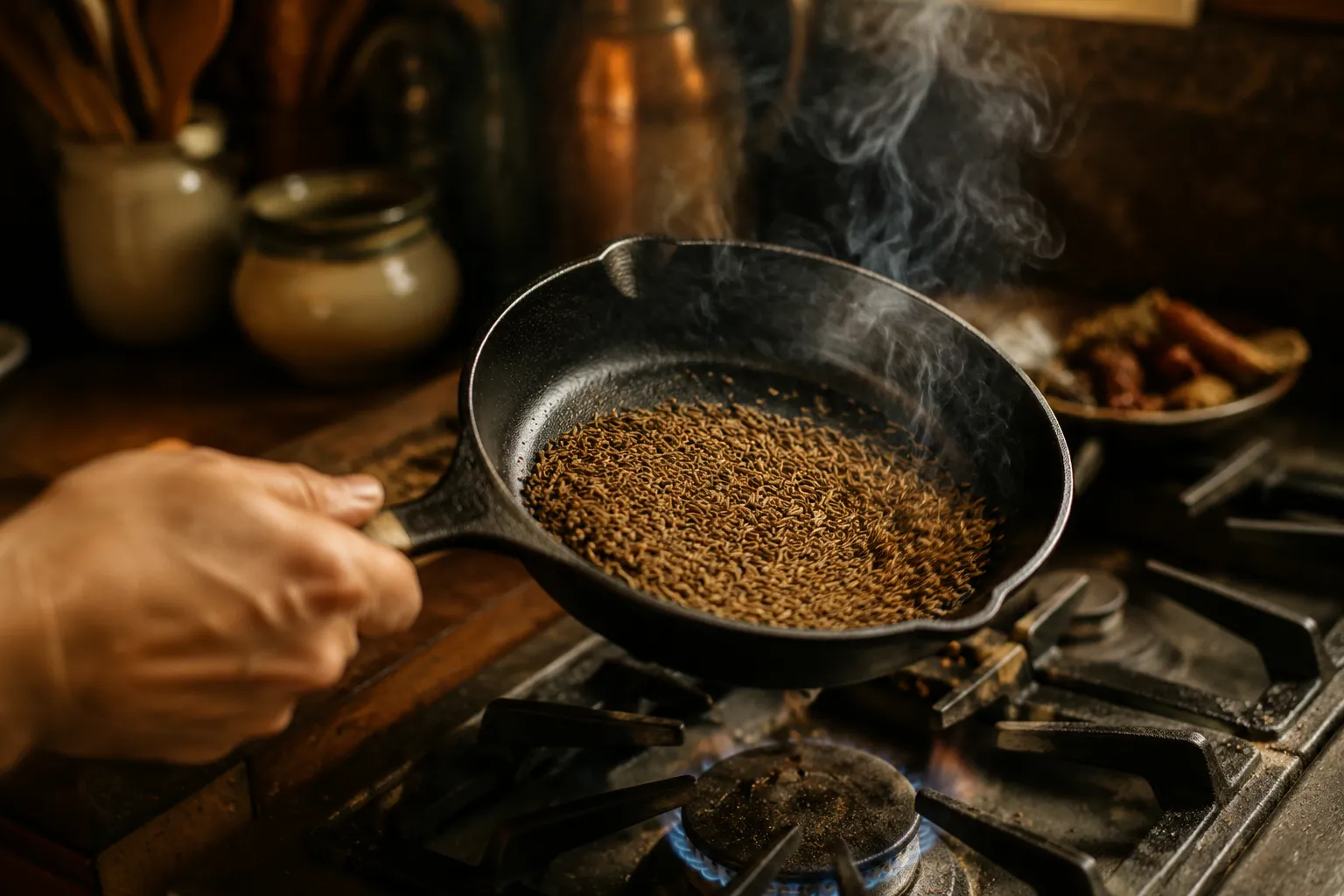
Toasting changes the whole mood of the spice. A quick minute in a dry skillet or in melted butter pulls out nutty, roasted notes and softens the sharper edges. Toasted caraway smells almost like warm rye toast, citrus zest, and toasted nuts all at once. It is a small step, but it makes the spice feel more integrated and less raw, especially in fast-cooking dishes.
If you are tasting it for the first time, try crushing a single seed between your fingers before cooking with it. The aroma will tell you almost everything: savory, herbal, slightly floral, and pleasantly bracing. That little aroma test is also a smart way to check whether the jar in the back of your cabinet is still lively enough to use.
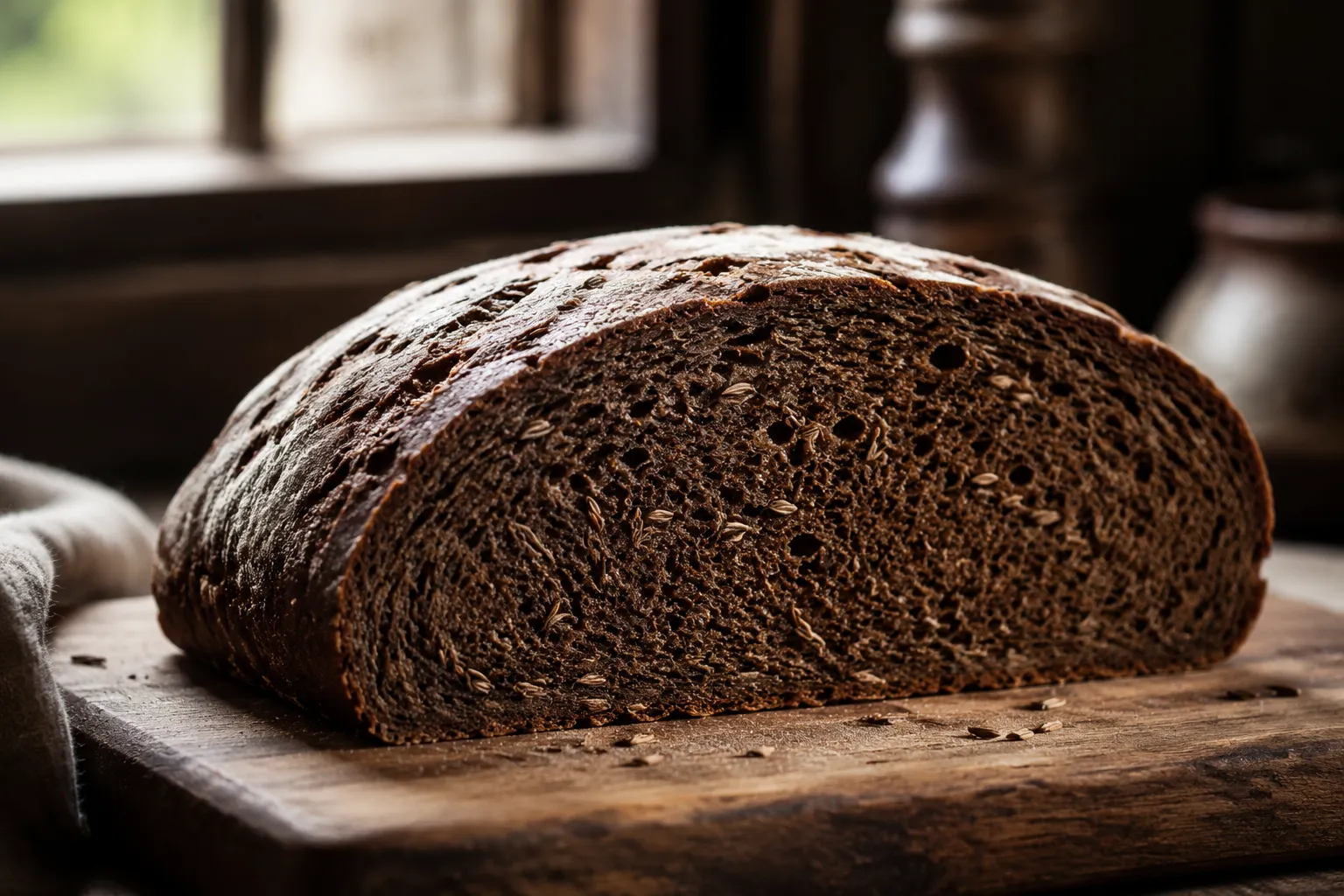
Bread is the classic place to begin. The spice is especially beloved in rye bread, where its citrusy warmth balances the grain’s malty, earthy flavor. Add it to homemade rye bread, sprinkle it into crackers, or fold a smaller amount into Irish soda bread for a savory twist that tastes wonderful with salted butter. It also works in seeded rolls, pretzels, savory scones, and crisp flatbreads.
In savory mains, caraway is lovely with beef, pork, lamb, sausages, mushrooms, lentils, and white beans. It can sit quietly in the background of a stew, giving the broth a rounder flavor without announcing itself too loudly. Try it with paprika, black pepper, bay leaves, mustard, garlic, and thyme, especially in dishes that simmer long enough for the seed to soften. A small amount can also wake up a creamy potato soup or a braised pork shoulder.
Cabbage may be its most natural partner. Use it in sauerkraut, toss it into roasted cabbage wedges, or let it bloom in butter before adding shredded cabbage and onions. The same flavor logic works beautifully in cabbage and noodles, where the spice cuts through the richness and makes a humble pan of pasta and vegetables taste deeply satisfying. If you are already making an easy sauerkraut recipe, a pinch of whole seeds in the jar gives the ferment a classic deli-style perfume.
Caraway also belongs in spice blends and rubs, though it is best used with a light hand. Crush it with coriander, mustard seed, black pepper, and a little brown sugar for pork, or combine it with dill seed and celery seed for pickles and slaws. In creamy dips, grind it finely so the flavor disperses without leaving too much crunch. The goal is not to make every bite taste strongly of caraway, but to add a warm, savory thread that ties the dish together.
To toast, place the seeds in a dry skillet over medium heat and shake the pan often. In about 45 to 90 seconds, they will darken slightly and smell fragrant, nutty, and warm. Pull them off the heat as soon as the aroma blooms; small seeds can go from toasted to bitter quickly. For the cabbage recipe below, blooming them directly in butter gives you the same effect while flavoring the fat at the same time.
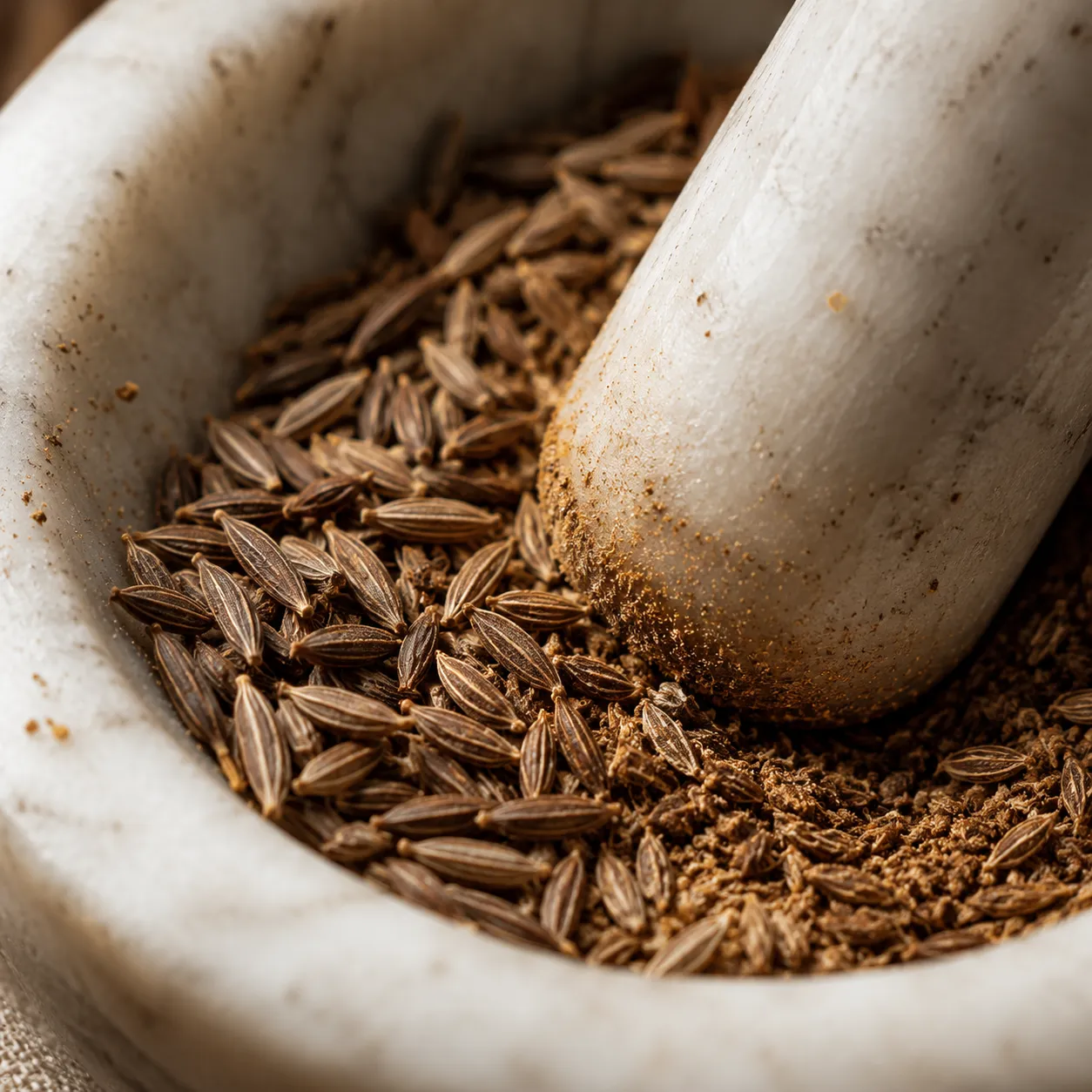
Grinding is easiest after toasting because the seeds become a bit more brittle. A mortar and pestle gives you control over texture, from lightly cracked to finely crushed, and it is my favorite tool for small amounts. A dedicated spice grinder works well for larger batches, but pulse in short bursts so the spice does not heat up too much. You can also place the cooled seeds in a zip-top bag and tap them with a rolling pin for a rough crush.
Fennel seeds are usually the closest stand-in because they share a similar shape, texture, and gentle licorice note. They are sweeter and less earthy, so start with a little less than the amount called for and taste as you go. This swap is especially good in breads, sausages, and cabbage dishes where sweetness is welcome. If the original recipe depends on caraway’s sharper savory edge, add a tiny pinch of black pepper or coriander to round it out.
Anise seeds can work, but they are more intensely sweet and licorice-like. Use them sparingly in baked goods, pickles, or dishes where that flavor makes sense. Cumin is sometimes suggested because it looks similar, but it is smokier and stronger, so it should never be treated as a one-for-one replacement. Dill seeds are another useful option for pickles, slaws, fish dishes, and anything with sour cream or yogurt.
When buying this spice, choose whole seeds whenever possible. They keep their essential oils protected longer, which means better flavor when you finally add them to dough, butter, or broth. Look for seeds that smell bright and aromatic when you open the jar, not dusty or flat. If you cook with the spice often, a small glass jar from a busy spice shop is usually better than a large bargain container that may sit around for years.
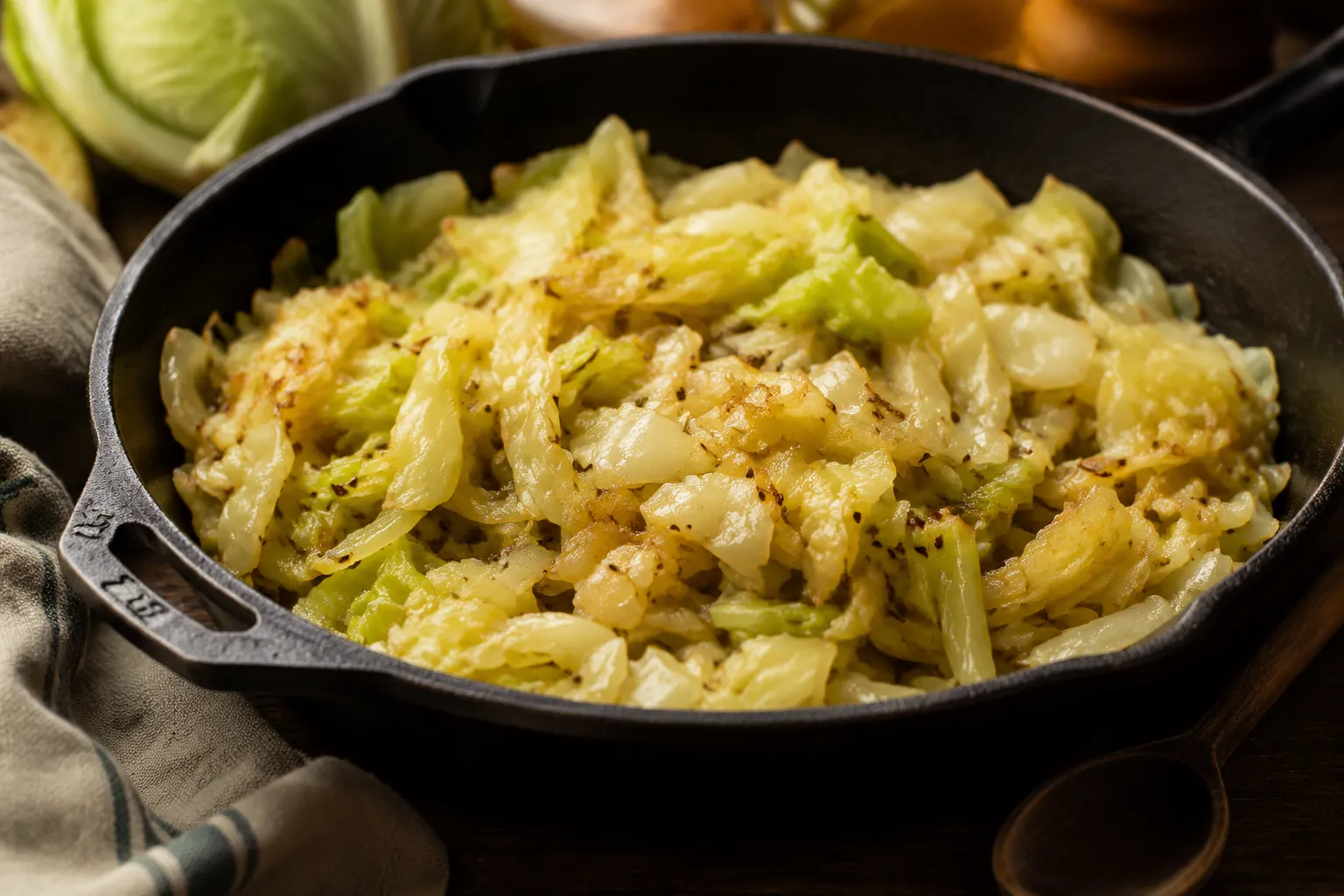
Light, heat, and air are the enemies of any dried spice, so keep the jar away from the stove and sunny windows. A cool cabinet is perfect, especially if the jar is labeled with the purchase date. Whole seeds can stay useful for quite a while, but ground spice fades faster and should be bought in smaller amounts. If the aroma is faint even after crushing a seed, it is time for a fresher jar.
This quick skillet cabbage is the kind of side dish that makes a weeknight plate feel cozy and complete. Butter melts, onions soften, the seeds bloom until fragrant, and then shredded cabbage cooks down into glossy, golden-edged ribbons. A splash of apple cider vinegar at the end brightens everything so the dish tastes rich but not heavy. It is simple enough for a Tuesday and nostalgic enough to sit beside roast pork, sausages, potatoes, or thick slices of rye.
The ingredient list is short: green cabbage, butter, onion, kosher salt, apple cider vinegar, and a measured spoonful of whole seeds. Because the spice is toasted in the pan first, its nutty aroma travels through the butter before the cabbage goes in. The finished dish has a gentle crunch from the seeds, sweetness from the onion, and a tangy finish from the vinegar. Serve it as a side, spoon it over mashed potatoes, tuck it beside sausages, or pile it onto toast for a simple lunch.
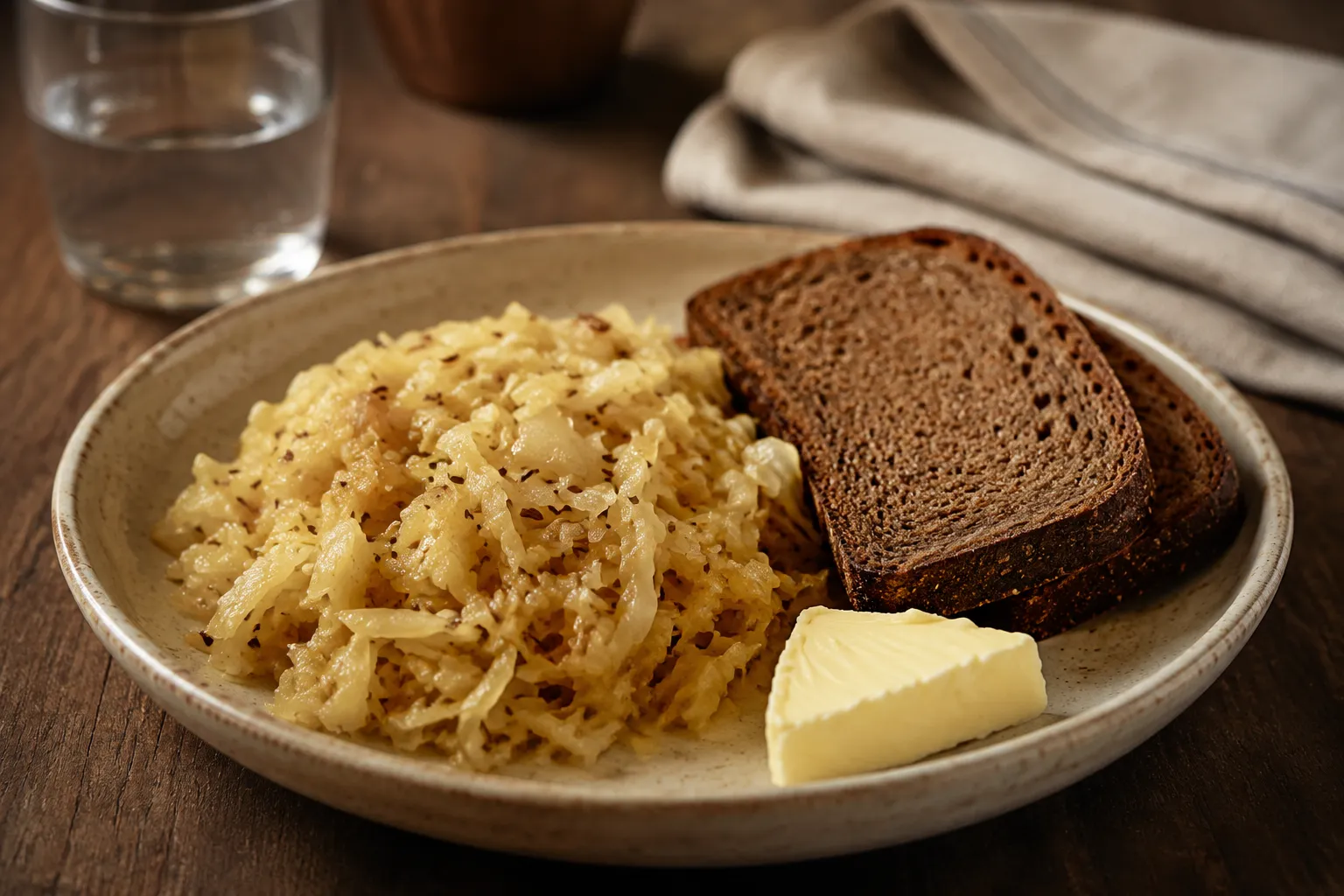
The recipe card below gives you the full step-by-step method, but the main idea is simple: bloom the spice, soften the onion, cook the cabbage until tender with a few golden spots, and finish with vinegar. Keep the heat lively enough to create a little caramelization, but not so high that the butter scorches. If the cabbage starts sticking before it softens, add a tablespoon or two of water and let it steam for a minute. That little bit of moisture helps the ribbons collapse into the silky texture you want.
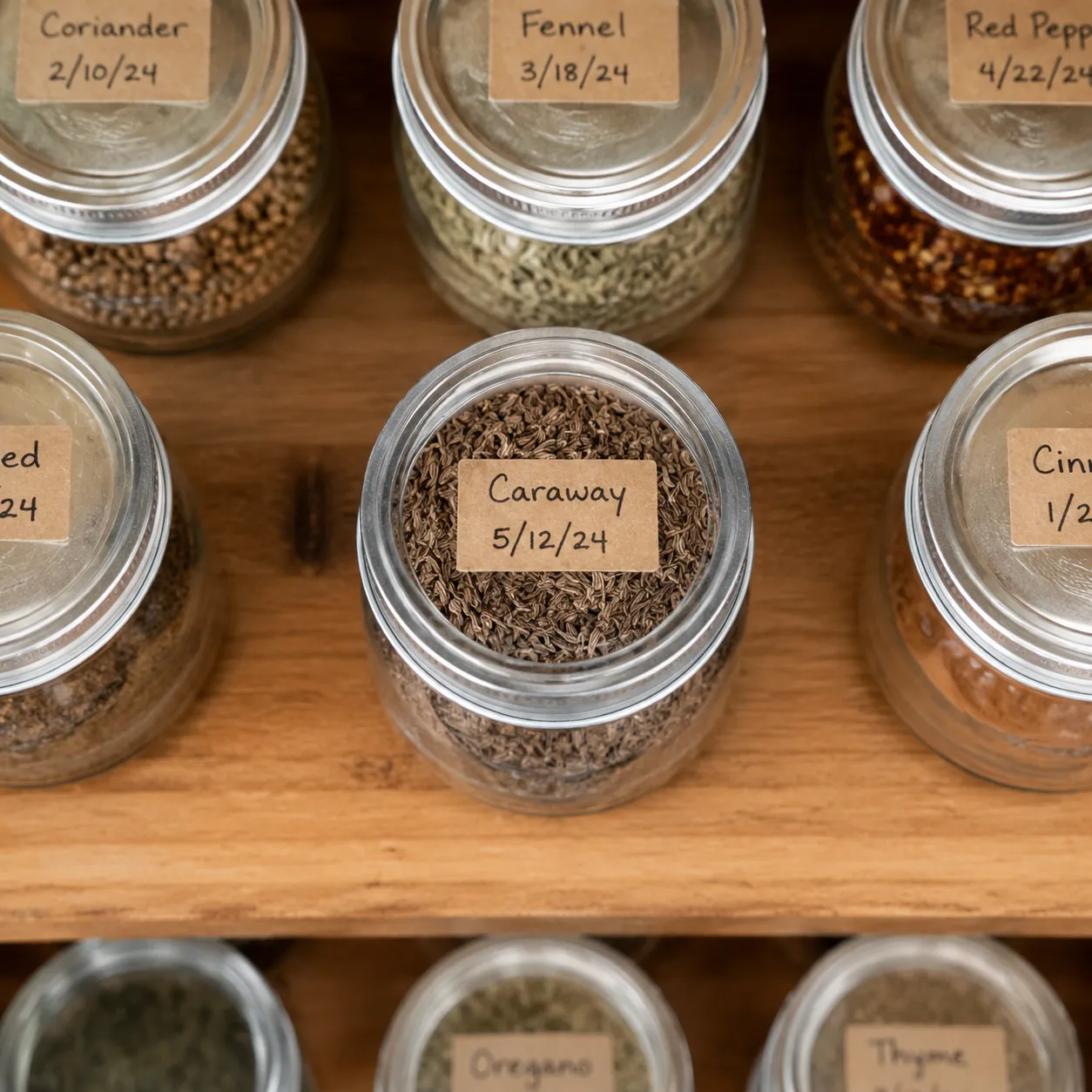
For a fuller meal, serve the cabbage with roasted chicken, pork chops, kielbasa, or pan-seared mushrooms. It is also wonderful next to buttered potatoes, boiled pierogi, or a simple bowl of beans. Add a slice of dark bread and you have the kind of humble, satisfying dinner that tastes like it took much longer than 20 minutes. Once you understand the spice in this easy recipe, you will start seeing places for it everywhere.