Bright, tangy, and barely spicy, banana peppers are the underrated yellow chile that belongs on sandwiches, pizzas, and pickle jars across America.
Why You'll Love This Recipe
- Mild, bright flavor that works for spice lovers and spice-sensitive eaters alike.
- Incredible versatility: use them raw, pickled, stuffed, grilled, sautéed, roasted, or blended into sauces.
- The quick-pickle recipe takes just 15 minutes and needs no special canning equipment.
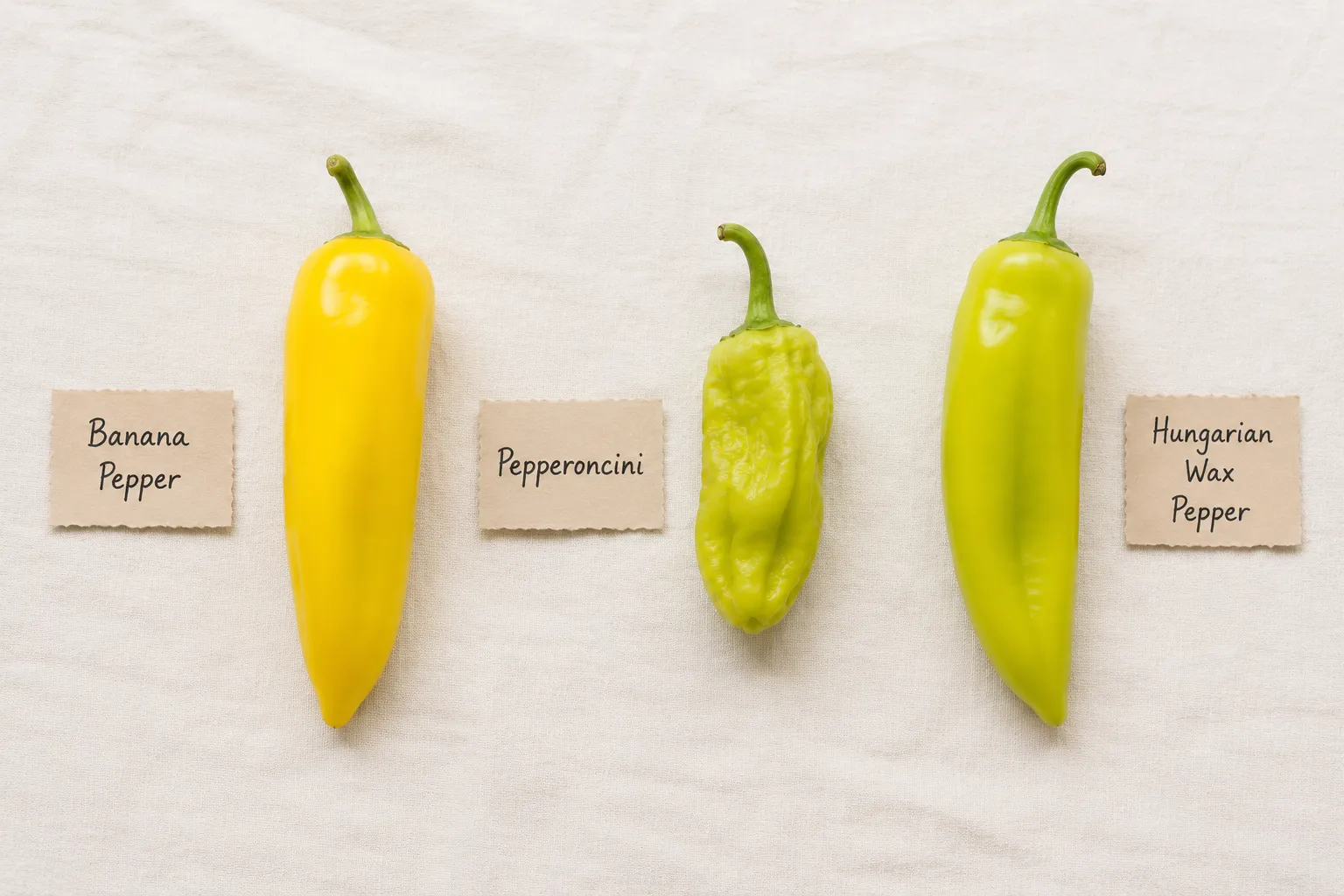
- A clear comparison helps you tell them apart from pepperoncini and Hungarian wax peppers.
- Garden-friendly plants are productive, colorful, and easy for warm-season growers.
Banana peppers are the sunny, gently tangy yellow chiles that bring crunch, color, and just enough zip to weeknight cooking. You probably know them from deli sandwiches, pizza bars, salad stations, and jars of briny rings tucked in the refrigerator door. They are easygoing peppers: bright but not bossy, sweet but not bland, and versatile enough to go from raw slices to bubbling cheese-stuffed appetizers.
Think of this as your complete kitchen and garden guide to the pepper that deserves more attention. We will cover flavor, heat, the difference between sweet and hot types, the big pepperoncini vs banana peppers question, and a simple refrigerator pickle you can make without canning equipment. If you have ever wondered how to pickle peppers at home or whether those yellow chiles in your CSA box are mild or fiery, you are in the right place.
What Are Banana Peppers?
Where the Name Comes From
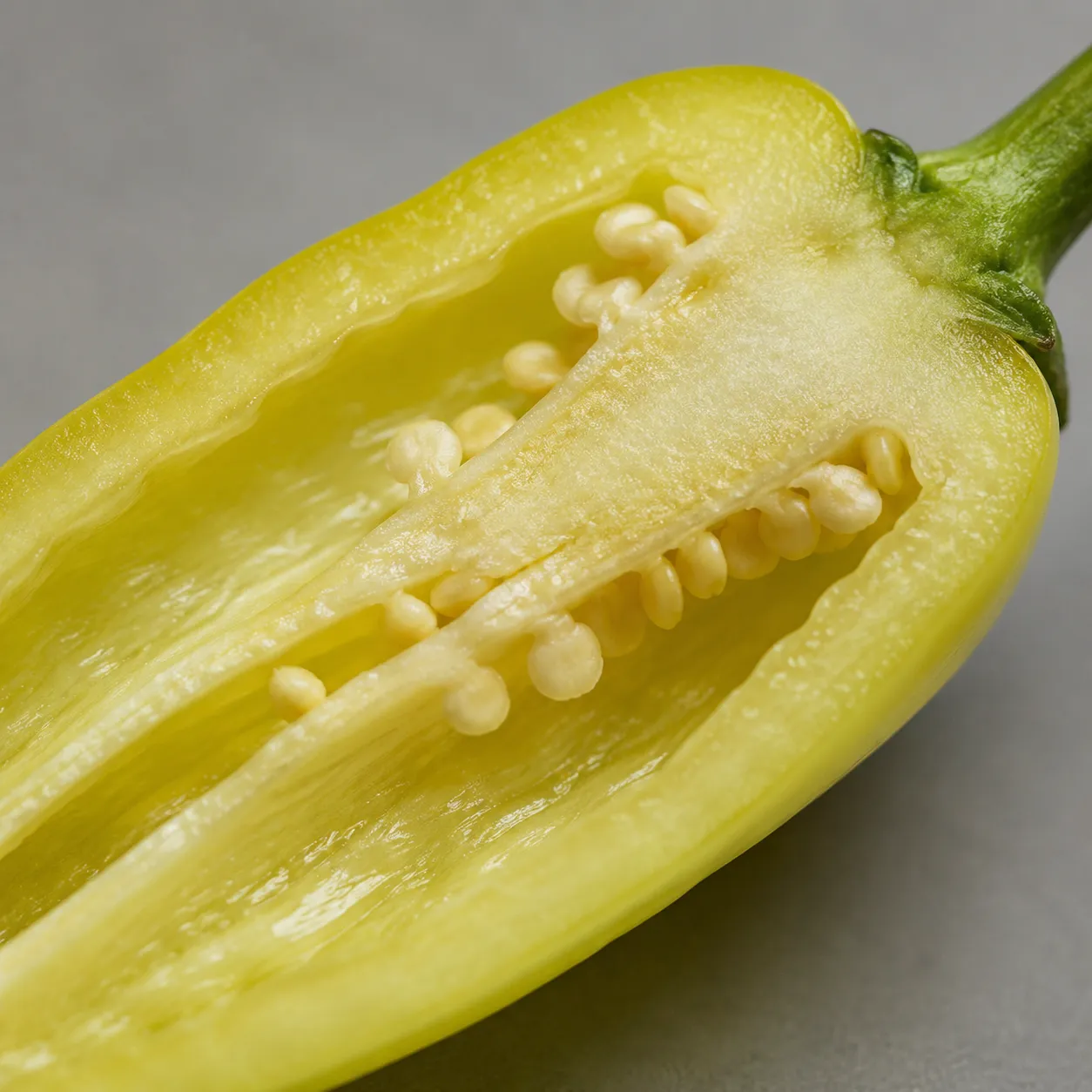
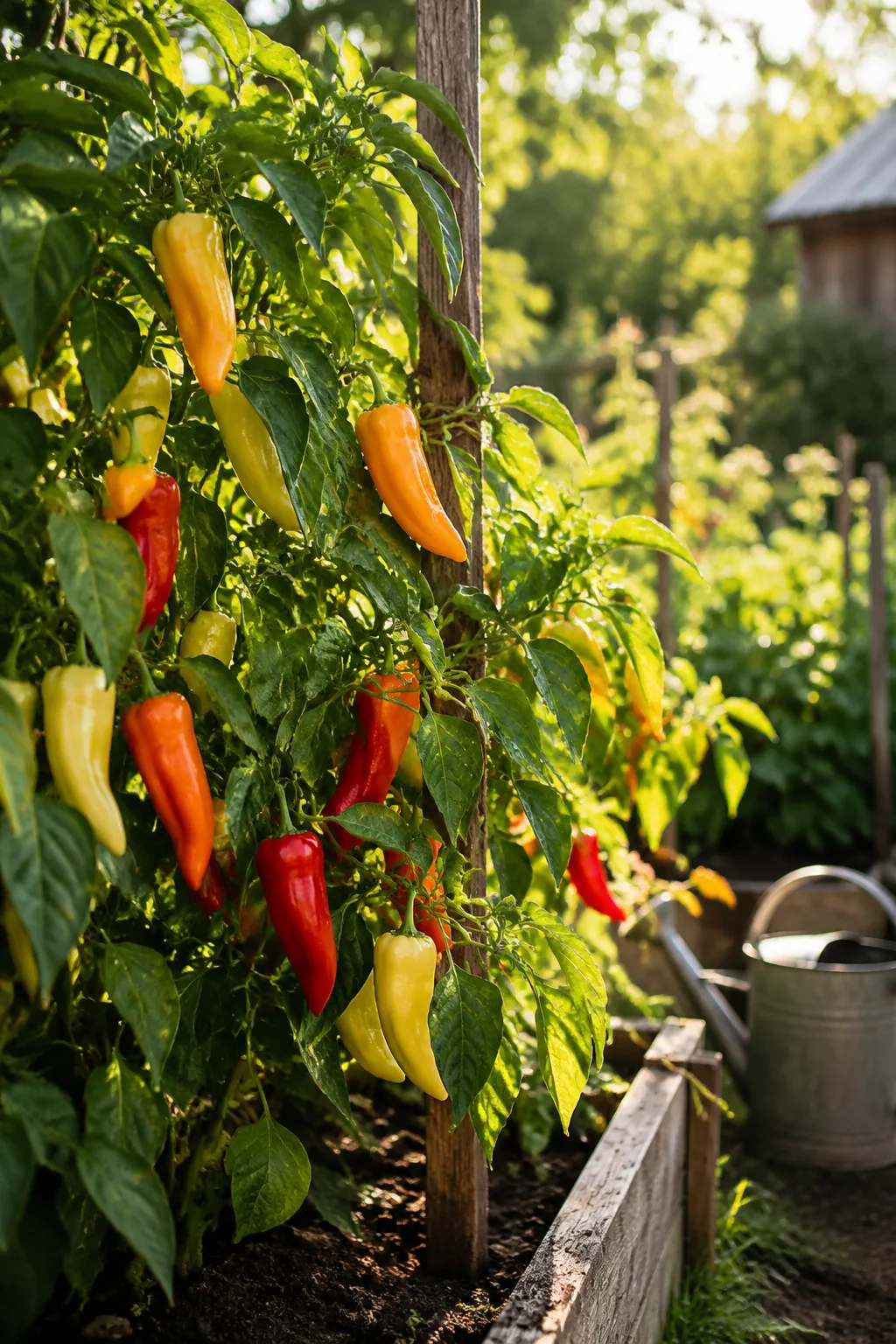
The name is wonderfully literal: these peppers are long, curved, and usually pale yellow, a little like small bananas hanging from a plant. Botanically, they belong to Capsicum annuum, the same broad species that includes bell peppers, jalapeños, cayennes, and many familiar garden chiles. Their shape can range from straight and slender to gently hooked, and most measure about 4 to 8 inches long. The skin is smooth and waxy, the walls are thinner than a bell pepper, and the inside is crisp with pale ribs and small cream-colored seeds. In American kitchens, they are especially loved as a sandwich pepper because they deliver acidity and crunch without overwhelming the rest of the bite.
How They Grow
On the plant, the peppers start green, mature to yellow, and can keep ripening into orange and red if left long enough. They grow on compact, bushy plants that thrive in warm weather, steady sun, and well-drained soil. Home gardeners like them because the plants tend to be productive, with fruit that is easy to spot among the leaves as it turns bright yellow. The peppers can be harvested at multiple stages depending on the flavor you want: young and snappy, fully yellow and balanced, or redder and sweeter. Because they are thin-walled, they are also quick to pickle, sauté, blister, or slice raw.
Sweet vs Hot Varieties
Most grocery-store peppers labeled this way are sweet banana peppers, which are mild, juicy, and pleasantly tangy. There is also a hotter strain often sold as hot banana peppers, and it can bring a noticeable but still manageable kick. Seed packets and plant tags matter here, especially if you are gardening, because the sweet and hot types can look nearly identical on the vine. If you are buying loose peppers at a farmers market, ask the grower whether they are sweet or hot before tossing a handful into a salad. The mild version is perfect for kids, sandwiches, and pickles; the hotter version is great when you want a little warmth in relishes, sauces, and stuffed appetizers.
What Do These Yellow Chiles Taste Like?
Flavor Profile
The flavor lands somewhere between a sweet bell pepper and a mild pickled chile, with grassy freshness, a faint fruitiness, and a clean tang. Raw, they are crisp and juicy with a gentle snap, which makes them a natural fit for chopped salads, tacos, hoagies, and grain bowls. Pickled, they become brighter and more savory, soaking up vinegar, salt, garlic, and spices while keeping a satisfying crunch. They do not have the deep smokiness of roasted poblanos or the sharp heat of serranos; their charm is in being fresh, perky, and easy to love. That mild personality is exactly why they work so well with rich foods like cheese, cured meats, creamy dressings, and fried chicken.
How Hot Are They? Scoville Basics
On the Scoville heat scale, sweet types usually measure around 0 to 500 Scoville heat units, which is extremely mild. For context, a jalapeño often ranges from about 2,500 to 8,000 SHU, so even the hot variety is typically gentler than many common chiles. The hotter strain can reach roughly 5,000 Scoville heat units, enough to tingle but not usually enough to dominate a dish. Heat varies by growing conditions, ripeness, and the individual pepper, so taste a tiny piece if you are unsure. The ribs and seeds do not create all the heat, but removing them does mellow the overall bite and makes the texture cleaner for pickling or stuffing.
Color Stages: Yellow, Orange, and Red
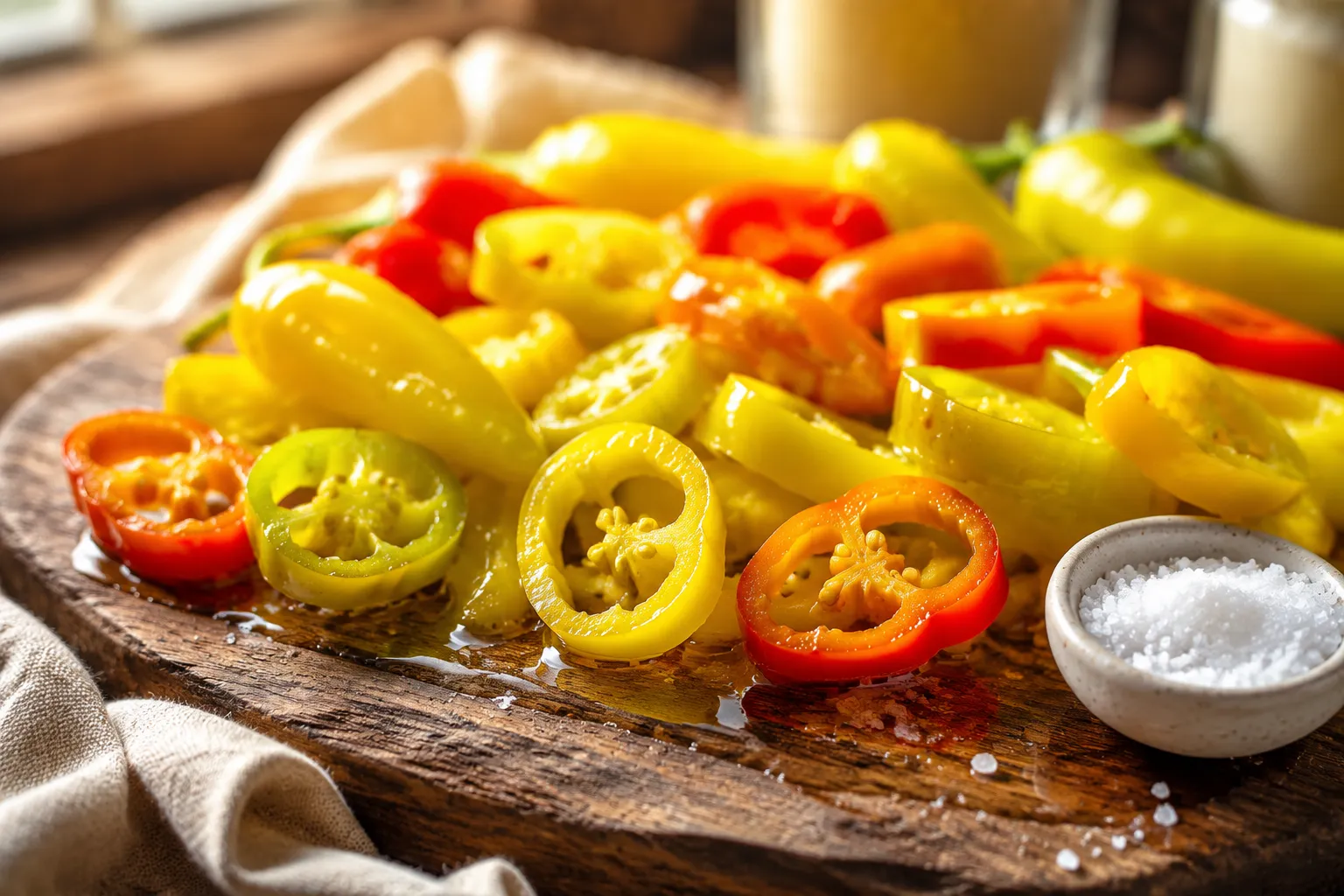
Color is more than cosmetic; it is a clue to maturity and flavor. Pale green peppers are young and more vegetal, while classic yellow peppers are crisp, balanced, and lightly sweet. Orange and red peppers are riper, softer, and often sweeter, with a slightly fuller chile flavor. If you are pickling, yellow peppers give that classic deli-jar look and firm texture. If you are roasting or making relish, mixing yellow, orange, and red fruit adds gorgeous color and a little more depth.
Banana Peppers vs Pepperoncini vs Hungarian Wax
Banana Peppers vs Pepperoncini
The pepperoncini vs banana peppers comparison comes up constantly because both are pale yellow-green, mild, and often sold pickled. Pepperoncini are usually shorter, more wrinkled, and slightly more bitter or acidic, with a softer bite once pickled. The banana type tends to be smoother, longer, and a little sweeter, especially when eaten fresh. In a sandwich, pepperoncini bring a classic Greek-Italian deli tang, while yellow banana-style rings are cleaner and crunchier. You can substitute one for the other in many recipes, but the texture and sweetness will shift a bit.
Banana Peppers vs Hungarian Wax Peppers
Hungarian wax peppers look similar at first glance, which is why they sometimes cause surprise at the dinner table. They are often thicker, waxier, and significantly hotter, ranging from moderately spicy to genuinely punchy depending on the plant. A Hungarian wax pepper can sit in jalapeño territory or beyond, so it is not a one-for-one substitute if you are cooking for mild-pepper lovers. Visually, Hungarian wax peppers may be broader at the shoulder and a little more substantial in the hand. When in doubt, label your garden rows and taste carefully before using a whole pepper in a raw dish.
Quick Comparison Table
Here is the fast kitchen version. Banana-style peppers are smooth, long, usually yellow, sweet to mildly hot, and great raw, pickled, or stuffed. Pepperoncini are shorter, wrinkled, pale green to yellow-green, tangier and slightly bitter, and best known as a pickled garnish. Hungarian wax peppers are smooth and yellow-green like their milder cousins, but they usually carry much more heat and are excellent for spicy pickles, frying, and sauces. If a recipe calls for mild yellow rings on a sub or pizza, choose the sweet version; if it calls for heat, make sure the label says hot or Hungarian wax.
How to Buy, Store, and Prep Fresh Peppers
What to Look For at the Store
Choose peppers that feel firm, glossy, and heavy for their size, with taut skin and fresh-looking stems. A few light curves or color variations are normal, but avoid soft spots, deep wrinkles, mold, or peppers that feel hollow and tired. For pickling, medium-size peppers with thin walls and even shape are easiest to slice into tidy rings. If you plan to stuff them, look for larger, straighter peppers that can be split lengthwise and filled neatly. Farmers markets are a great place to find both sweet and hot varieties, and growers can usually tell you exactly how spicy the batch is.
Slicing, Seeding, and Handling
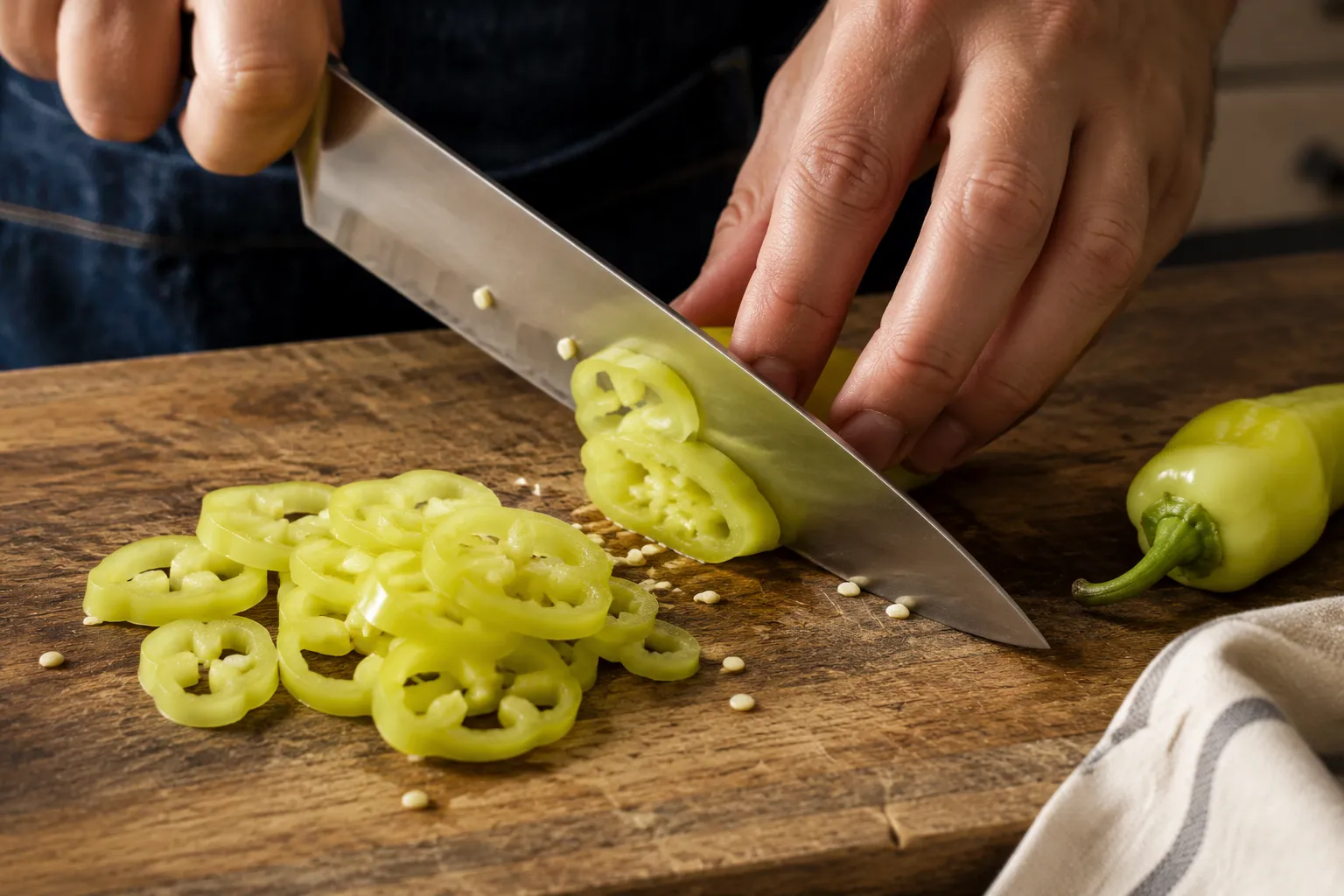
To prep, rinse the peppers well, trim off the stem end, and slice crosswise into rings or lengthwise into boats. For very mild flavor, use the tip of a paring knife or your fingers to remove the inner ribs and most of the seeds. If you are working with a confirmed hot variety, consider wearing gloves, especially if you have sensitive skin or wear contact lenses. A sharp knife makes cleaner cuts and helps the rings stay crisp rather than crushed.
Best Ways to Cook and Serve Them
On Sandwiches, Pizza, and Salads
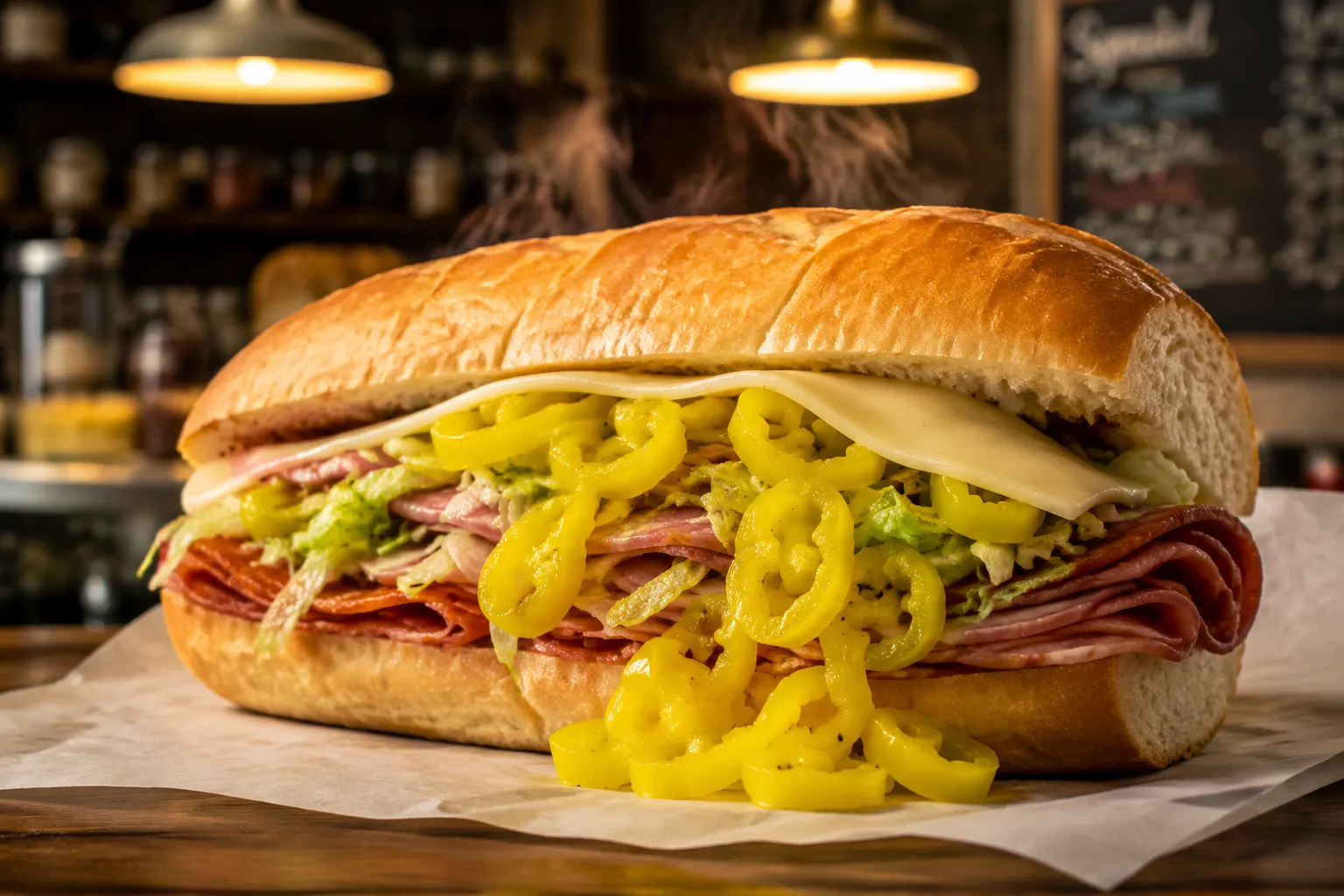
This is where pickled banana peppers shine: tucked into Italian subs, scattered over pepperoni pizza, spooned onto chopped salads, or layered into turkey wraps with provolone and mayo. Their acidity cuts through salty, fatty, creamy ingredients, which is why they are so good with deli meats and melted cheese. Try them on burgers, fried chicken sandwiches, tuna melts, nachos, or a big antipasto platter. Fresh rings can also stand in for bell pepper when you want a lighter crunch and a more lively flavor. A spoonful of the brine can even wake up vinaigrettes, pasta salad, or creamy slaw.
Stuffed, Grilled, Sautéed, and Sauced
Stuffed banana peppers are a cozy appetizer or casual dinner, especially when filled with sausage, cream cheese, ricotta, breadcrumbs, herbs, or a mix of melty cheeses. Because the pepper walls are thinner than bell peppers, they cook quickly and soften into a tender, flavorful shell. On the grill, whole peppers blister beautifully and take on smoky edges; in a skillet, sliced peppers sauté fast with onions, garlic, and olive oil. They also make excellent relish when chopped with onion, vinegar, sugar, and mustard seed. For sauces, blend roasted peppers with garlic, lemon, herbs, and olive oil for a bright spoonable condiment over chicken, fish, eggs, or grilled vegetables.
Quick-Pickling Method for Crunchy Rings
Simple Refrigerator Brine
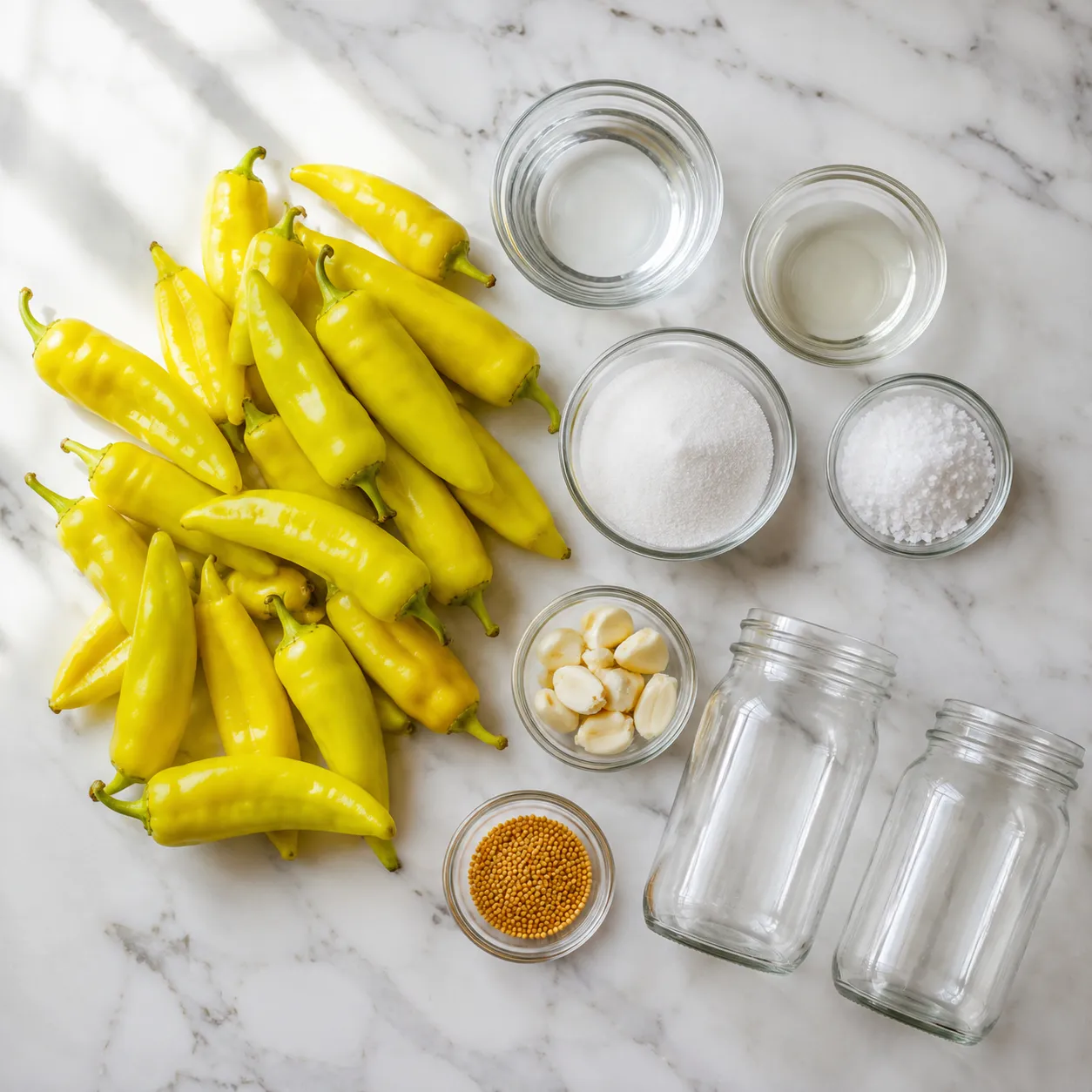
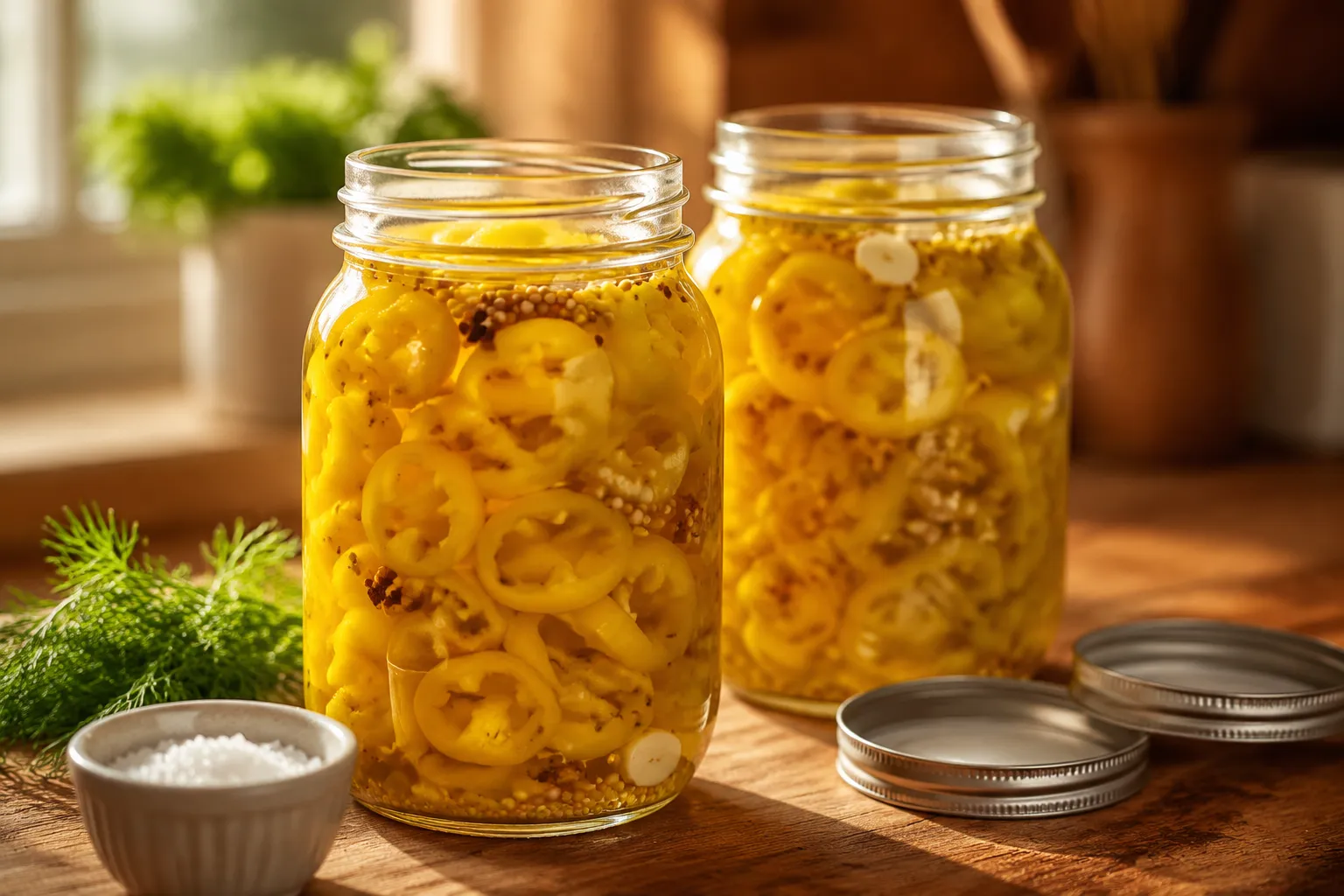
A quick pickle is the easiest way to preserve that fresh crunch without pulling out a canner. The basic brine is white vinegar, water, sugar, kosher salt, garlic, and mustard seeds, heated just long enough to dissolve the seasonings. Vinegar gives the peppers their tang, sugar rounds the edges, and salt seasons them all the way through. Garlic and mustard seeds add the classic deli-jar aroma, but the recipe is flexible enough for dill, celery seed, peppercorns, or a pinch of red pepper flakes.
Step-by-Step Overview
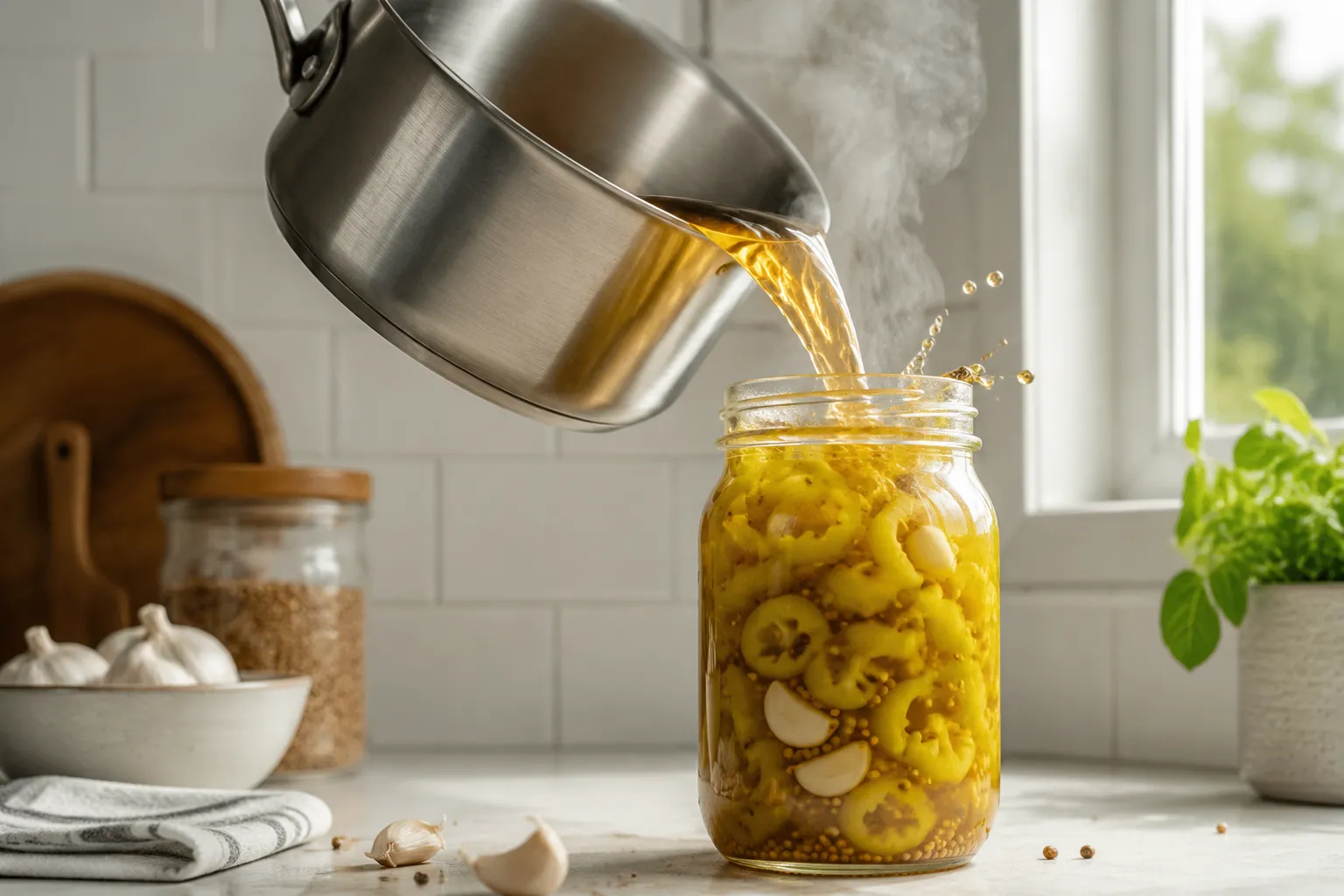
Pack the sliced rings into clean pint jars, leaving enough room for the brine to circulate. Bring the brine ingredients to a simmer, pour the hot liquid over the peppers, and tap the jars gently to release air bubbles. Let everything cool at room temperature before lidding and refrigerating. The peppers taste good within a few hours, but they are better after a full day when the garlic and mustard seed have had time to mingle. If you want a softer pickle, pour the brine over the peppers while it is very hot; for maximum crunch, let the brine cool for a minute or two before pouring.
Growing Yellow Chile Peppers in Your Garden
Planting and Sun Requirements
These peppers are warm-season plants that want full sun, fertile soil, and steady heat. Start seeds indoors 8 to 10 weeks before your last frost date, or buy sturdy transplants once nights are reliably warm. Plant them in a spot that receives at least 6 to 8 hours of sun per day, spacing plants so air can move around the leaves. Like tomatoes and other peppers, they appreciate compost-rich soil and a gradual transition outdoors before planting. If you are growing more than one type, label the plants clearly so your mild sandwich peppers do not get confused with hotter lookalikes.
Watering, Feeding, and Harvest Timing
Keep the soil evenly moist but not soggy, since irregular watering can stress the plant and affect fruit quality. A balanced vegetable fertilizer or compost boost helps support flowering and fruit production, especially in containers. Harvest when the peppers are pale yellow to bright yellow for the classic crisp, mild flavor. Leaving some fruit to turn orange or red is a fun way to taste the difference in sweetness and maturity. Use scissors or garden snips rather than tugging, which can damage the plant and slow down the next round of peppers.
A Bright Little Pepper Worth Keeping Around
Once you understand their mild heat, clean crunch, and sweet-tangy personality, these yellow chiles become a staple rather than a garnish. Keep a jar in the fridge for sandwiches and pizza, slice fresh ones into salads, or tuck larger peppers with a cheesy filling and bake until bubbling. They are simple enough for everyday lunches but flavorful enough to make a dish feel finished. Whether you buy them by the pound or grow a few plants in the backyard, they are one of the easiest ways to add sunshine, acidity, and color to American home cooking.
💡 Expert Tips
- Taste before you cook. Sweet and hot varieties can look almost identical, so sample a tiny piece before adding a whole pepper to a raw dish.
- Slice evenly for pickling. Rings around 1/4 inch thick stay crunchy while absorbing brine quickly and evenly.
- Remove ribs for a milder bite. Most of the sharper heat and texture sits around the pale inner ribs and seed cluster.
- Use clean jars for refrigerator pickles. They do not need to be sterilized for canning, but clean jars help the pickles last well in the fridge.
- Let pickles rest overnight. They are edible after cooling, but the flavor becomes rounder and more balanced after 24 hours.
🔄 Variations & Substitutions
Once you have the basic quick-pickle brine down, it is easy to nudge the flavor in different directions depending on how you like to use the peppers.
- Deli-style: Add black peppercorns, celery seed, and a bay leaf.
- Spicy: Add sliced jalapeño, crushed red pepper flakes, or a pinch of cayenne.
- Herby: Add fresh dill sprigs, oregano, or thyme to the jars.
- Sweeter: Increase the sugar by 1 to 2 tablespoons for a bread-and-butter-style pepper.
- Garlic-heavy: Double the smashed garlic cloves for a punchier sandwich topping.
🧊 Storage & Leftovers
Fresh peppers keep best unwashed in a produce bag or loosely wrapped towel in the refrigerator crisper drawer. Use them within about 1 week for the crispest texture, though very fresh garden peppers may last a little longer.
Refrigerator quick-pickled peppers should be kept covered in brine and stored chilled. For best crunch and flavor, use them within 2 months, always reaching in with a clean fork instead of fingers.
Frequently Asked Questions
Are banana peppers hot or sweet?
Most are sweet and mild, usually measuring about 0 to 500 Scoville units, which puts them far below a jalapeño. They taste lightly sweet, grassy, and tangy rather than fiery. However, a hot variety does exist and can climb to around 5,000 SHU, similar to a mild jalapeño. Because the sweet and hot types can look very similar, check the label or ask the grower if you are buying at a farmers market.
What is the difference between banana peppers and pepperoncini?
Both peppers are mild, yellow-green, and commonly sold pickled, so they are easy to confuse. Banana peppers are usually longer, smoother, and slightly sweeter, with a cleaner crunch when fresh or pickled. Pepperoncini tend to be shorter, wrinklier, and a little more bitter and acidic. In many sandwiches and salads you can swap one for the other, but pepperoncini will taste tangier and softer, while banana peppers will taste sweeter and crisper.
Can you eat banana peppers raw?
Yes, they are excellent raw. Slice them into thin rings or strips and add them to sandwiches, chopped salads, tacos, wraps, burgers, or relish trays. Raw peppers are crisp, juicy, and only mildly tangy, especially if you are using the sweet variety. If you want the gentlest possible flavor, trim away the seeds and pale inner ribs before serving. As with all peppers, taste a small piece first if you are not sure whether you have a sweet or hot type.
Do banana peppers turn red?
Yes. They usually start green, ripen to pale yellow or bright yellow, and then continue through orange to red if left on the plant. Yellow is the classic harvesting stage for crisp texture and balanced flavor. As the peppers ripen further, they become sweeter, softer, and slightly more intense in flavor. Red peppers are still edible and can be roasted, chopped into relish, blended into sauces, or mixed with yellow peppers for a colorful pickle jar.
How long do pickled banana peppers last?
Refrigerator quick-pickled peppers generally stay crisp and tangy for about 2 months when kept covered in brine and stored in the fridge. Always use clean jars and clean utensils, and discard the batch if you notice mold, off smells, cloudiness that seems unusual, or a fizzy texture. Properly water-bath canned jars, made with a tested canning recipe and correct acidity, can be shelf-stable for up to a year, but the quick-pickle method in this article is for refrigeration only.