Tobiko: What It Is, How to Use It, and Best Recipes
Ingredients
Scale
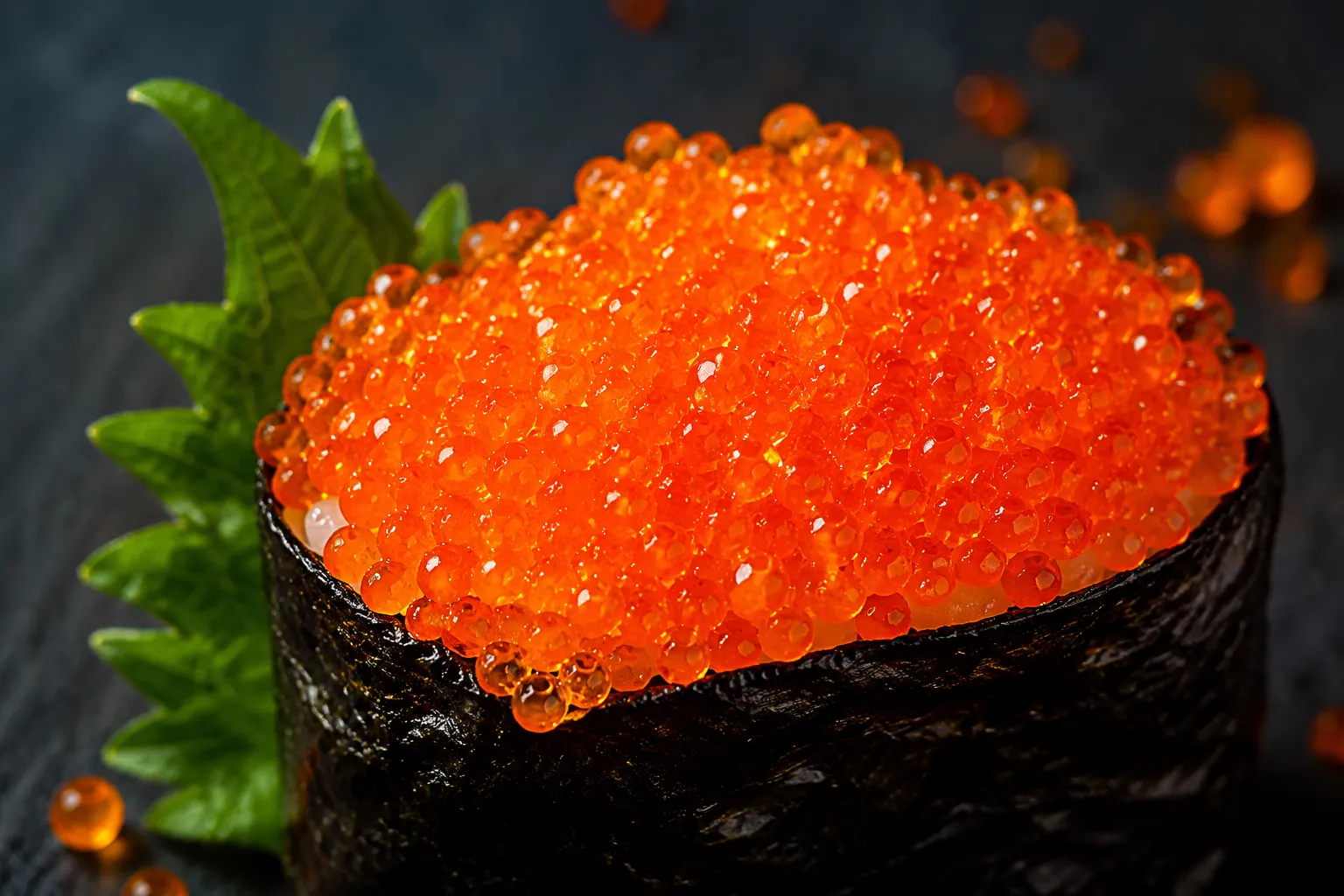
Those tiny, glistening orange pearls on top of your favorite sushi roll? That's tobiko, and it adds a salty crunch and pop of color you can recreate at home.
tobiko is one of those ingredients that instantly makes a dish feel special: tiny, jewel-like, and packed with salty crunch. If you’ve ever spotted those bright orange pearls on top of a sushi roll and wondered what they are, you’re in the right place. This guide breaks down what tobiko is, how it tastes, how it compares to other roe, and the easiest ways to bring it into your own kitchen.
In Japanese cuisine, tobiko is prized for both texture and appearance. It adds a briny pop that can wake up everything from sushi rice to creamy avocado toast, and it’s much easier to work with than you might expect. Whether you’re shopping for your first jar or planning a simple sushi bowl for dinner, a little knowledge goes a long way.
You’ll also see it used in casual home cooking alongside ingredients like soy sauce, nori, and fresh fish. If you’re already comfortable making a spicy tuna roll or assembling a poke bowl, tobiko is an easy next step. And if you’re new to sushi at home, think of this as your friendly roadmap.
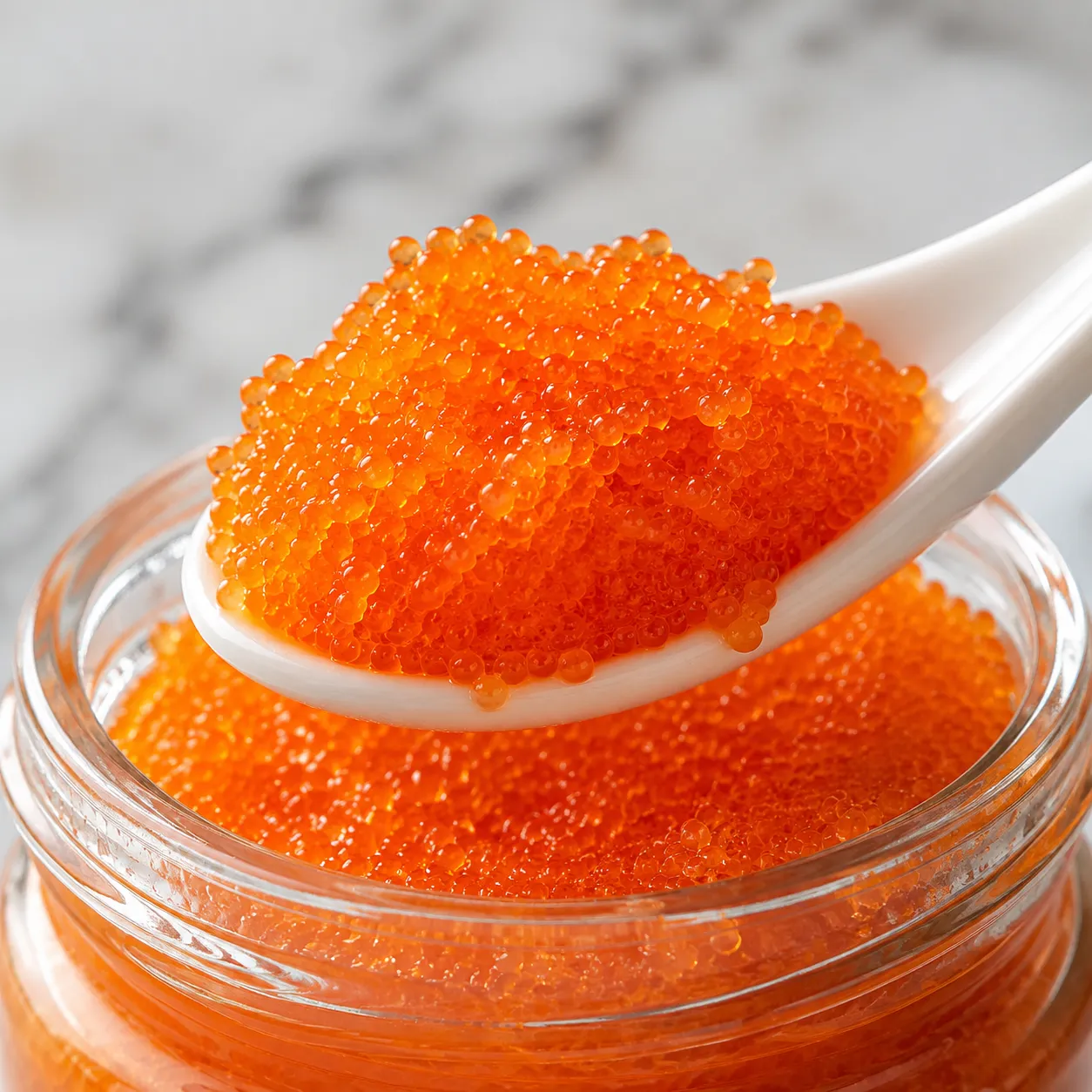
Tobiko is flying fish roe, usually cured with salt and sometimes lightly seasoned or colored. In sushi bars, it’s often used as a finishing garnish, but it’s also an ingredient with enough personality to stand on its own. The eggs are small, glossy, and pleasantly crunchy, which is why chefs love using tobiko to add contrast to soft rice, fish, and avocado.
The word tobiko refers specifically to flying fish roe, and it has a long place in Japanese cuisine. You’ll most often see it as a topping for maki, nigiri, and hand rolls, where it adds color and texture in a single spoonful. Because it feels both decorative and delicious, it has become popular well beyond sushi counters.
Fresh roe is typically collected, then salted or cured to help preserve it and develop flavor. The processing also gives tobiko its signature glossy look and firm texture. Depending on the producer, it may be left plain or flavored with ingredients like wasabi, yuzu, or squid ink.
If you’re expecting something fishy in a strong, overpowering way, tobiko may surprise you. It tastes briny, mildly smoky, and clean, with a subtle sweetness that keeps it from tasting one-note. The flavor is savory and oceanic, but the real magic is the texture, which is unlike creamy fish roe or soft caviar.
Think salty, crisp, and delicately marine, with enough richness to make a bite feel complete. The eggs stay intact when you bite into them, so the flavor arrives in little bursts rather than all at once. That makes tobiko especially good on chilled dishes where you want contrast and freshness.
The best part of tobiko is the pop. It gives sushi rolls a lively crunch that plays beautifully against sticky rice, tender fish, or cool cucumber. If you love texture in your food, this is the ingredient that turns a simple bite into something memorable.
Tobiko is often sold in a rainbow of colors, and each variety brings a slightly different flavor story. Some are naturally tinted through seasoning, while others use ingredients like squid ink, beet, chili, or yuzu for color and taste. If you’re buying for a party platter or just want to make dinner feel a little more fun, these variations are a great place to start.
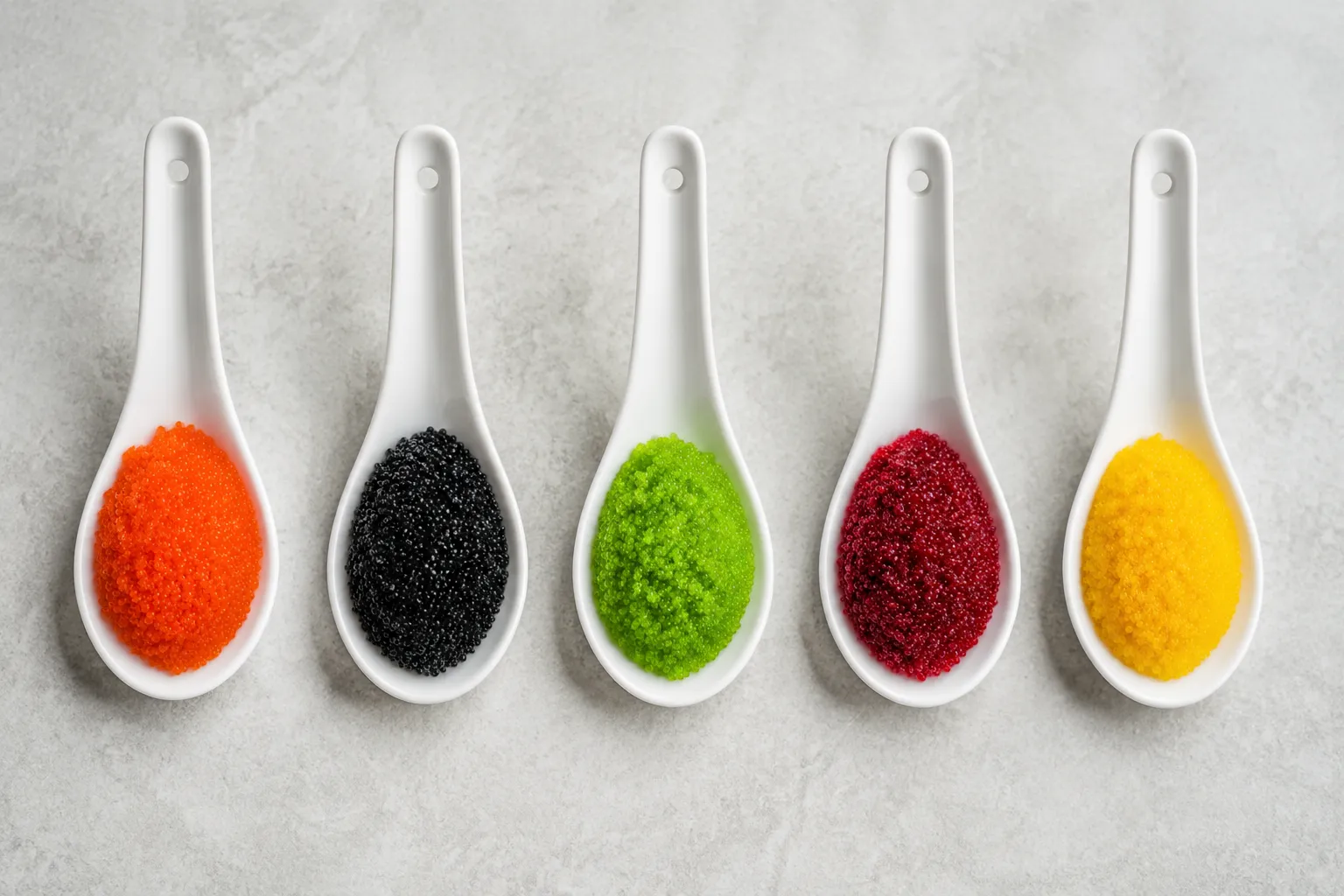
The most familiar version is bright orange tobiko, which has a clean briny flavor and the classic crunchy bite most people associate with sushi. It’s the version you’ll see on everything from a California roll recipe to a simple bowl of rice topped with fish. If you only buy one kind, this is the most versatile.
Black tobiko gets its deep color from squid ink and brings a slightly more savory, ocean-forward flavor. It looks dramatic against white rice or pale seafood, making it popular for modern plating. Use it when you want visual contrast without overpowering the dish.
Green tobiko is usually seasoned with wasabi, so it carries a gentle heat that lingers at the back of the palate. It’s a fun choice for sushi bowls and rolls when you want a little kick without adding extra sauce. If you already like a dab of wasabi with your sushi, this one will feel right at home.
Red tobiko may be colored with beet or spiced with chili, depending on the producer. The flavor can be slightly earthier or warmer than plain tobiko, though the texture stays the same. It’s a playful option for garnishing appetizers or building colorful sushi platters.
Yellow tobiko often features yuzu, which adds a citrusy lift that makes the roe taste especially bright. This version pairs well with creamy avocado, cucumber, and delicate seafood. It’s a lovely choice when you want your dish to taste fresh and lightly aromatic.
These three roe varieties often get grouped together, but they’re not interchangeable. Tobiko, masago, and ikura differ in size, texture, price, and the way they show up on the plate. Knowing the difference helps you shop more confidently and choose the right roe for the recipe you have in mind.
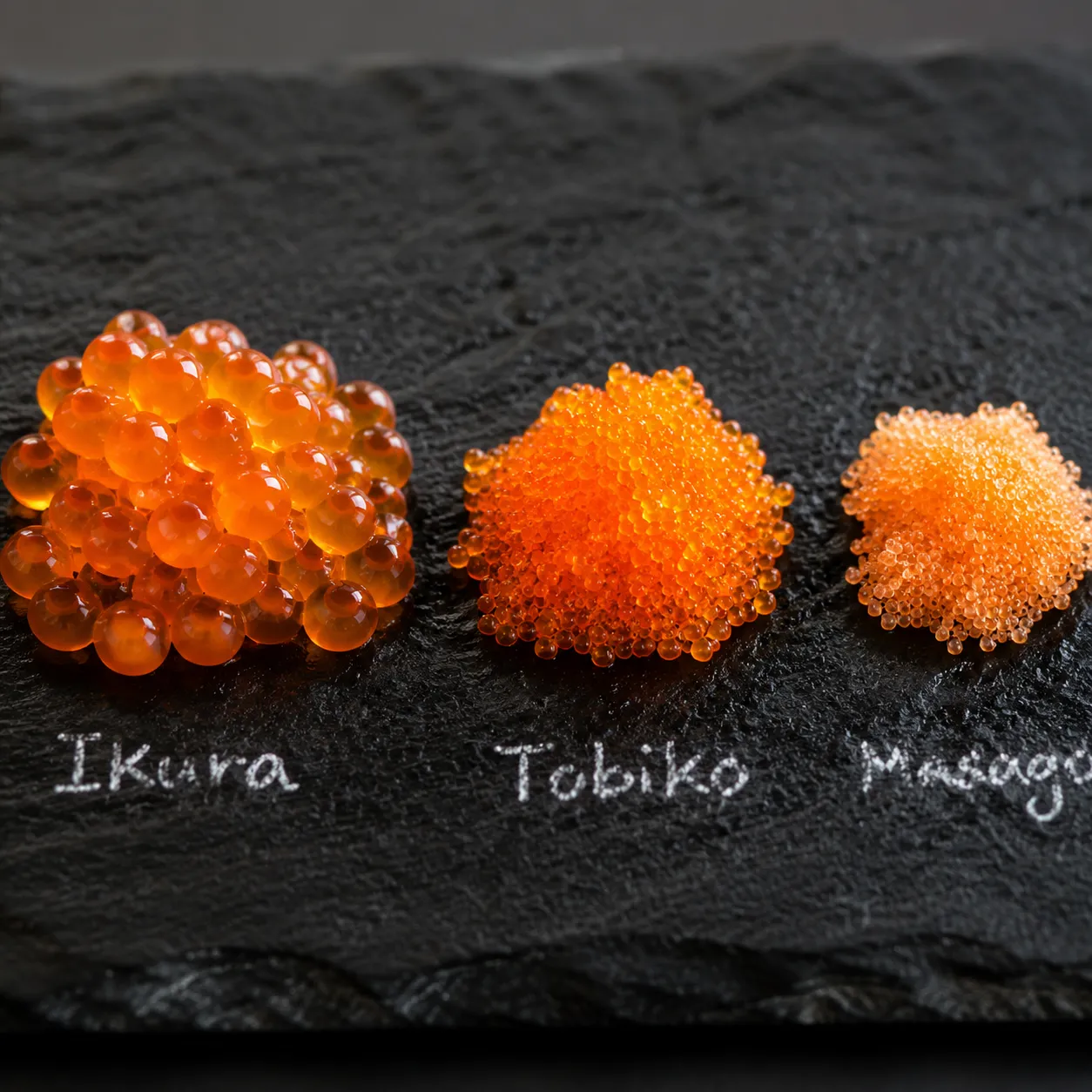
Tobiko eggs are medium-sized and noticeably crunchy, while masago is smaller and softer. Ikura is the largest of the three, with translucent orange eggs that burst more dramatically when bitten. In other words, tobiko sits right in the middle: more texture than masago, less lush than ikura.
Masago is usually the most budget-friendly and easiest to find, especially in casual sushi spots. Ikura tends to be the priciest because salmon roe is larger and more luxurious. Tobiko is often the sweet spot for home cooks: special enough to feel restaurant-worthy, but not so expensive that you’ll hesitate to use it generously.
Choose tobiko when you want a crunchy garnish that adds color without stealing the show. Reach for masago if you need something affordable for bulk sushi making, and save ikura for dishes where you want dramatic bursts of roe and a richer mouthfeel. If you’re comparing textures for the first time, the difference becomes obvious as soon as you taste them side by side.
Most shoppers will find tobiko in the freezer case or refrigerated seafood section at Japanese and Asian grocery stores. It’s also increasingly available through online specialty seafood sellers, and some well-stocked seafood counters carry it too. If you’re already using a sushi-grade fish guide to shop for sashimi at home, tobiko is a natural add-on to look for at the same store.
In the US, the best places to shop are Asian markets, Japanese grocery stores, and reputable online retailers that ship frozen seafood. Some stores sell it in small tubs or jars, while others carry larger professional packages in the freezer section. If you’re not seeing it near the sushi fish, ask the seafood counter staff; they may keep it in back or alongside other specialty items.
Fresh tobiko should look glossy, separate into distinct pearls, and smell clean and briny rather than overly strong. Avoid packages with excess liquid, freezer burn, or dull, mushy roe. Once opened, the best flavor and texture come from using it quickly, so buy a size that matches how often you plan to cook with it.
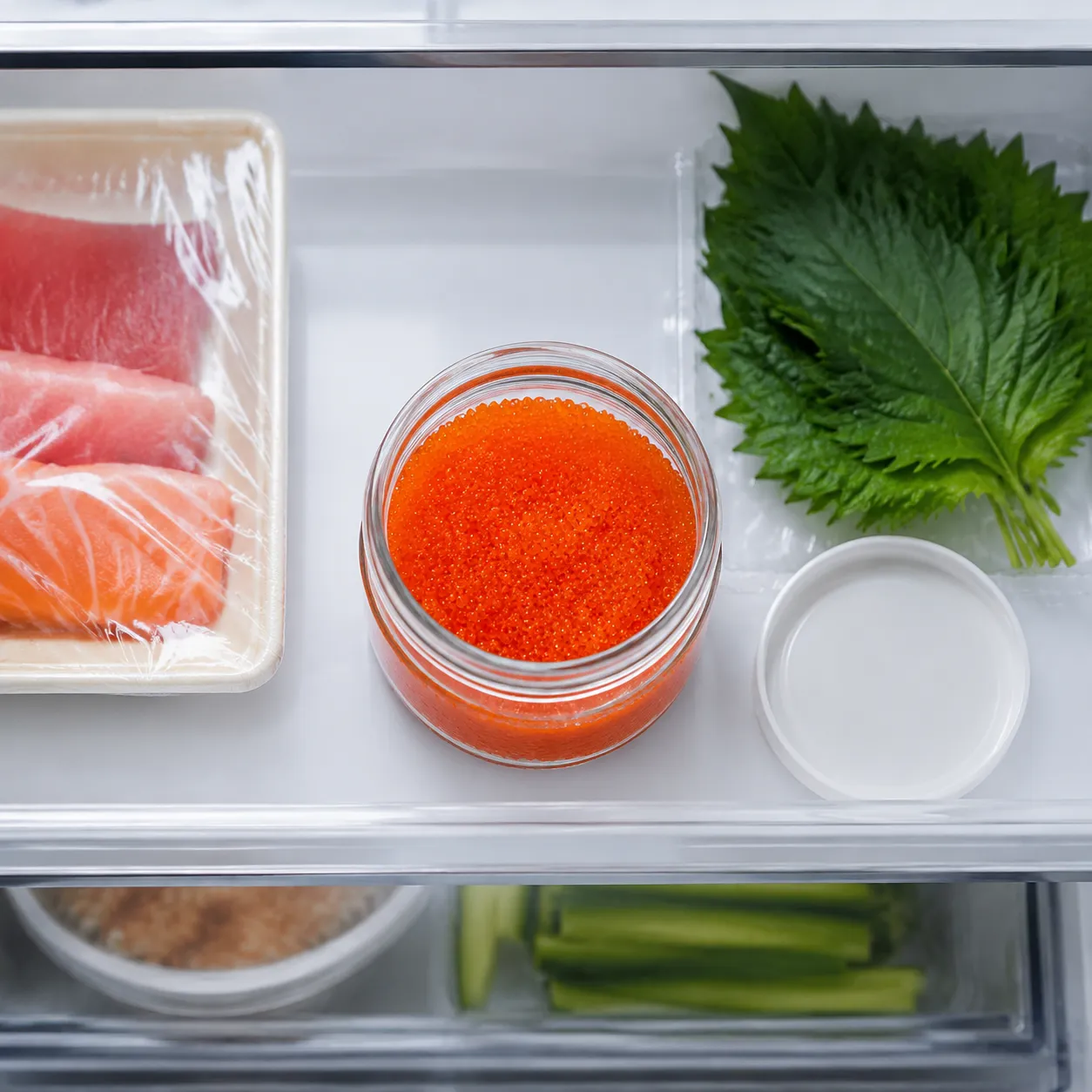
Unopened tobiko can usually live in the refrigerator close to its sell-by date, but most packages are intended for frozen storage. After opening, keep it tightly sealed and cold, then use it within a few days for the best texture. If you want to keep it longer, freezing is the safest route, and it’s a good option if you only need a spoonful at a time.
Tobiko shines when it’s used as a finishing touch rather than a cooked ingredient. Sprinkle it over rice bowls, nestle it into hand rolls, or spoon it onto creamy or crunchy foods that need a little lift. Its salty pop works especially well with mild ingredients, which is why it pairs so naturally with avocado, cucumber, and rice.
For sushi at home, tobiko is a beautiful way to finish a roll or top a hand roll just before serving. It looks especially striking on a spicy tuna roll, where the orange eggs contrast with the darker filling and nori. You can also press it lightly onto the outside of a roll for extra color and crunch.
If rolling sushi feels intimidating, a bowl is your best friend. Spoon tobiko over warm rice with fish, avocado, and cucumber, or add it to a poke bowl for a briny finishing layer. A little soy sauce goes a long way here, especially when the bowl already includes seasoned rice and rich seafood.
Tobiko isn’t limited to sushi night. It can be stirred into creamy pasta, layered over buttered toast, or used to garnish deviled eggs and small bites for entertaining. If you like a little heat, a spoonful alongside wasabi mayo sauce makes an excellent dip or drizzle for seafood and vegetables.
This simple bowl is the easiest way to enjoy tobiko without the pressure of rolling sushi. You’ll season the sushi rice, top it with fresh fish and vegetables, then finish with a generous spoonful of roe for color and crunch. It’s fast enough for a weeknight but polished enough to serve when you want dinner to feel a little celebratory.
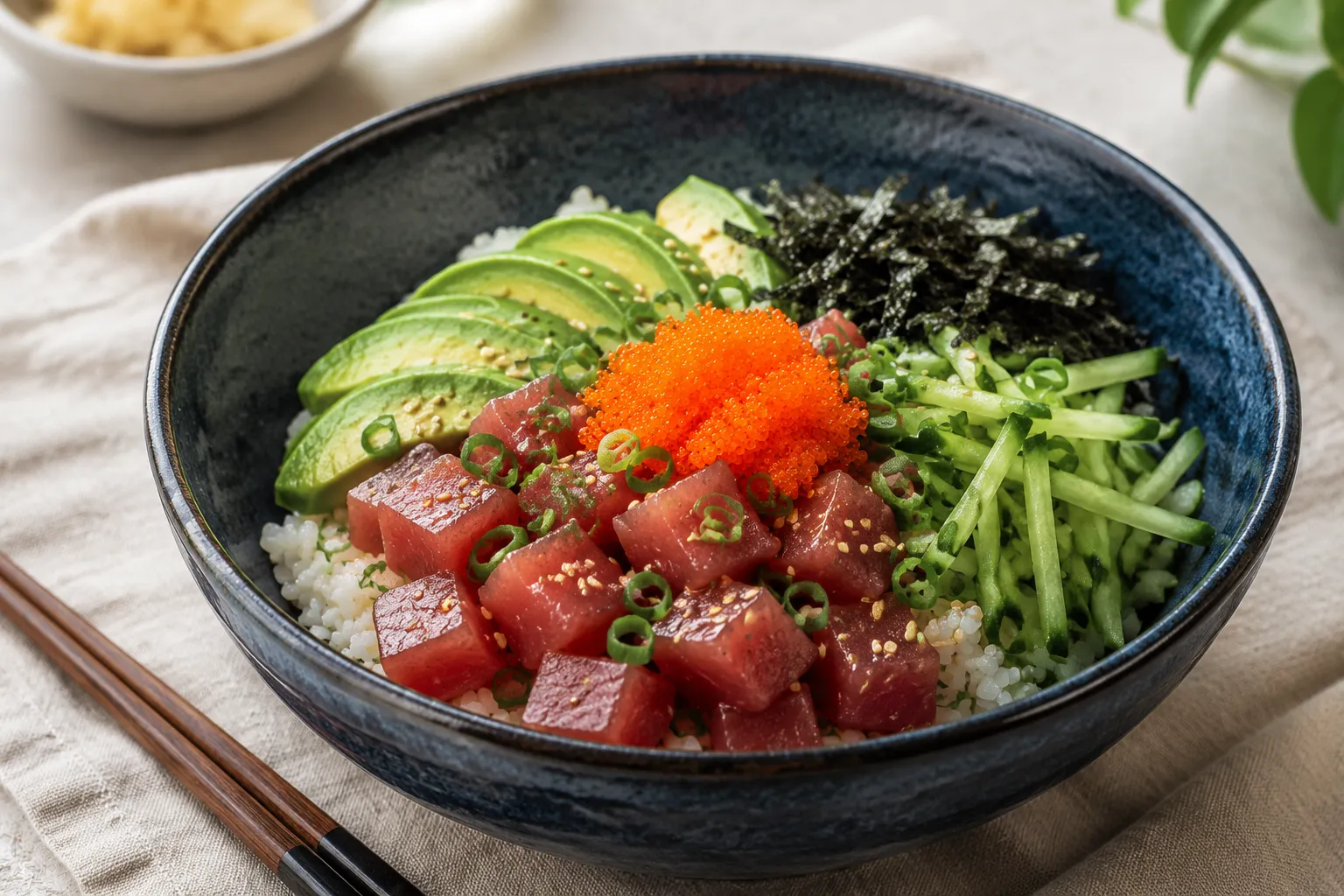
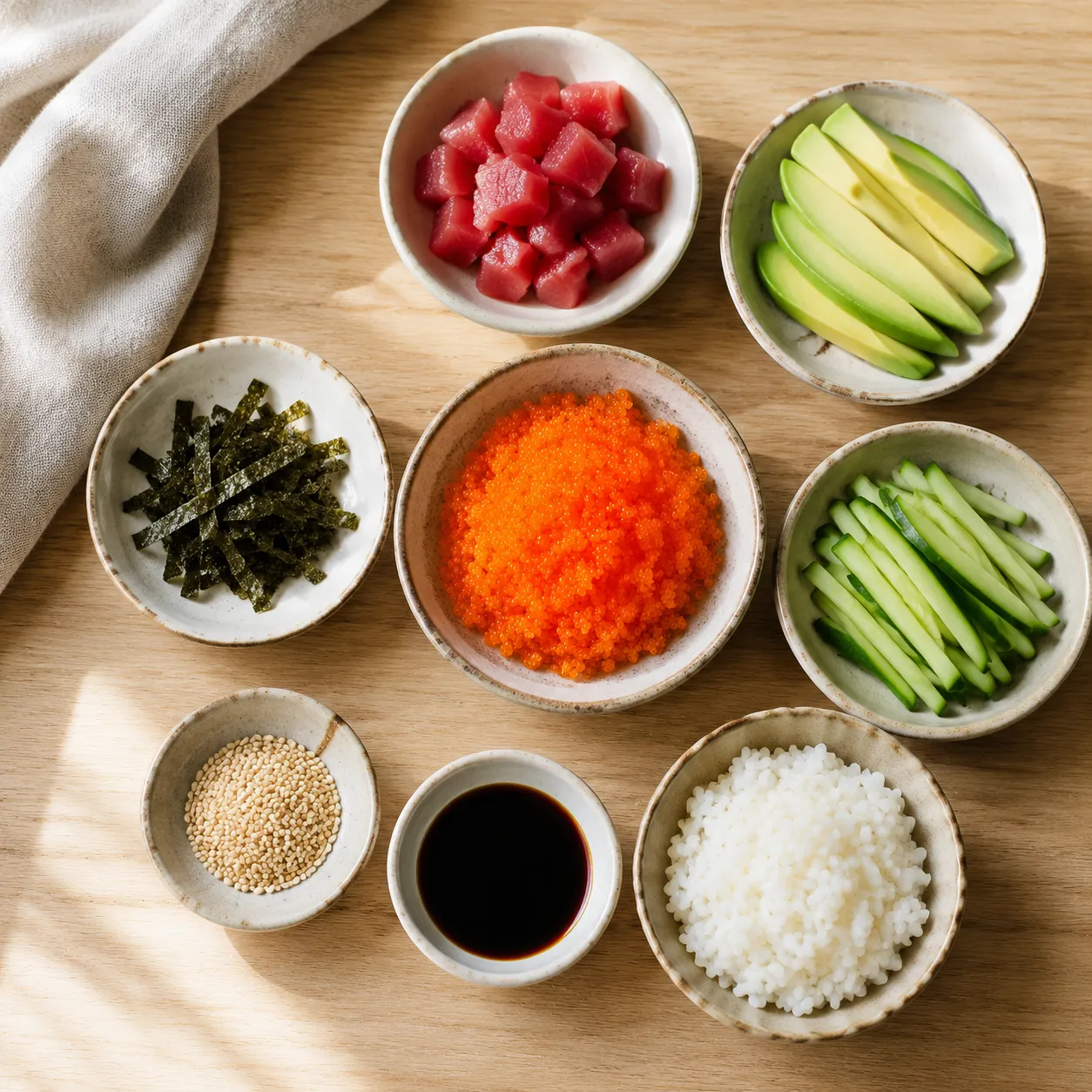
Start with short-grain sushi rice, rice vinegar, sugar, and salt for the base. Then add sushi-grade tuna or salmon, avocado, cucumber, tobiko, soy sauce, sesame seeds, nori, and green onion. The ingredient list is short, which is exactly why each element matters.
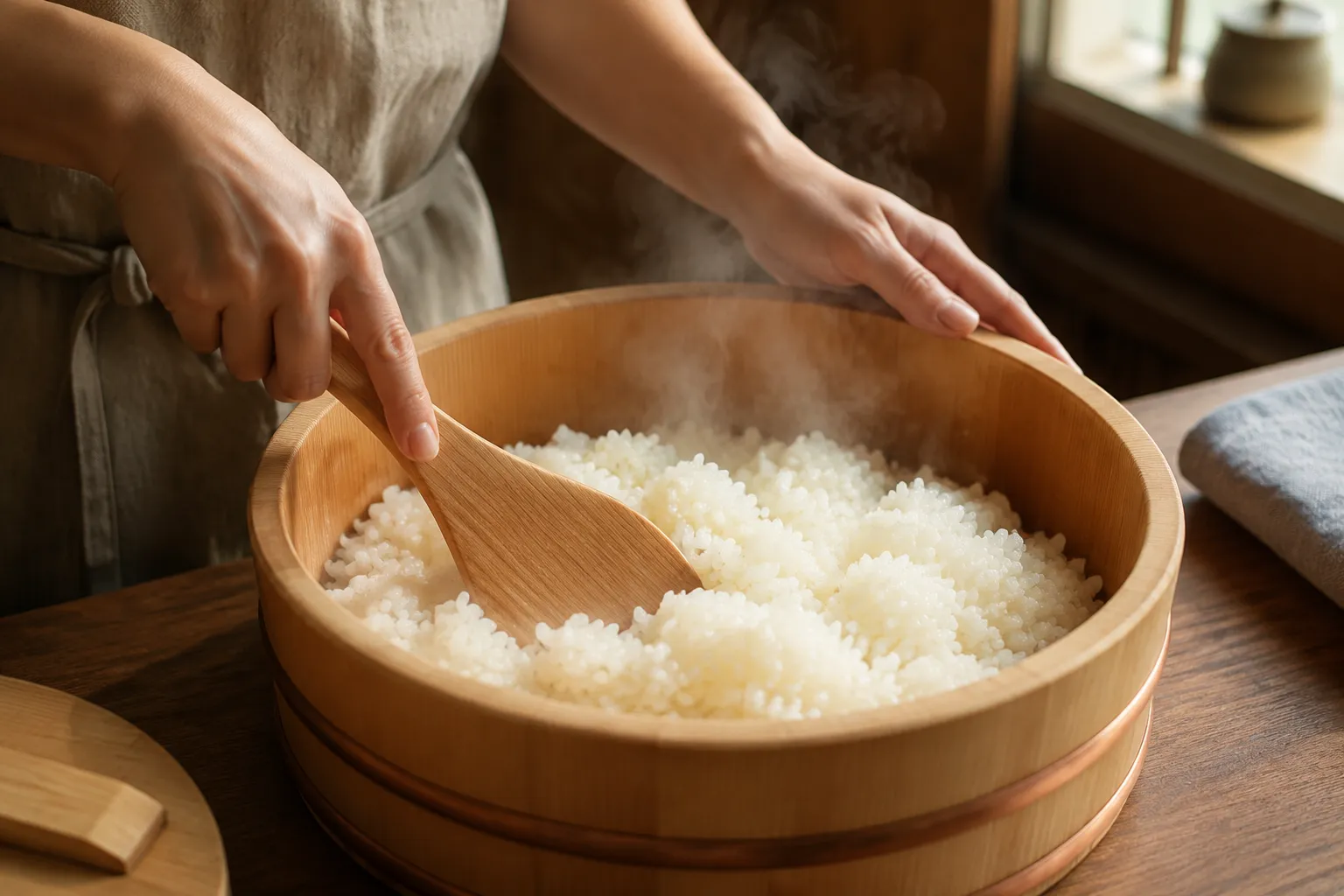
Cook the rice until tender, then season it while still warm so the vinegar mixture absorbs well. Divide the rice between bowls, arrange the fish and vegetables on top, and finish with tobiko, sesame seeds, and nori. A final drizzle of soy sauce brings everything together without masking the roe’s clean flavor.
Use freshly cooked rice that has cooled just enough to handle but is still slightly warm. Keep the toppings cold for the best contrast, and don’t bury the tobiko under too many ingredients; let it stay visible so the texture and color can shine. If you want extra richness, a small spoonful of avocado or a light swirl of wasabi mayo sauce adds just enough creaminess.
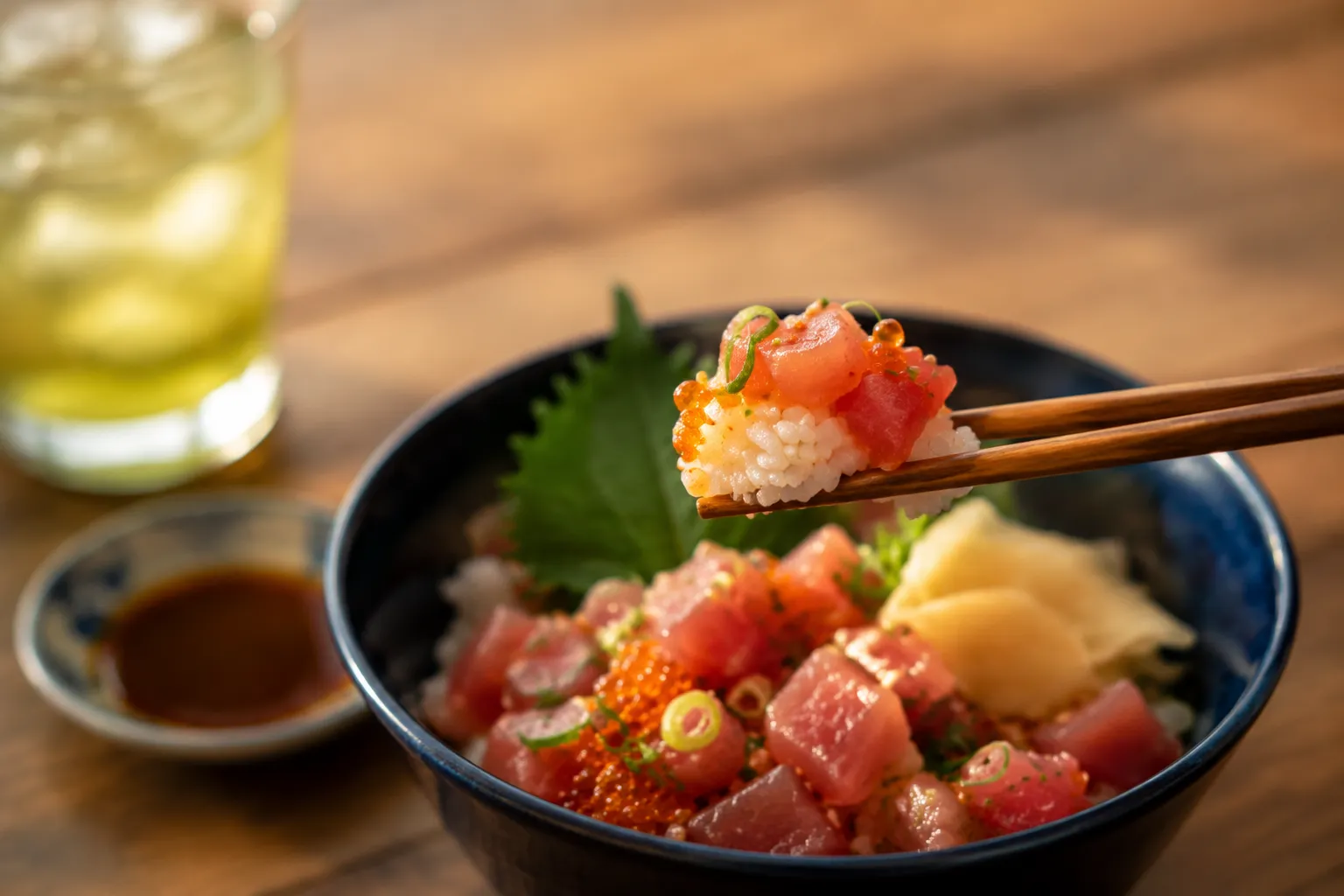
Once you’ve made this bowl, it becomes easy to see why tobiko has such a loyal following. It’s simple, versatile, and instantly elevates everyday ingredients into something that feels restaurant-level. If you’re building a sushi night at home, start here, then branch out into rolls, hand rolls, and your own favorite combinations.
You can easily make this bowl your own by changing the protein, sauce, or garnish. Tobiko plays nicely with both raw and cooked seafood, and it also works in vegetarian-style bowls when you want a little salty pop without a long ingredient list.
Unopened tobiko is best kept frozen or refrigerated according to the package instructions. Once opened, transfer it to an airtight container and keep it cold for 3 to 4 days for the best flavor and texture. If you won’t use it quickly, freezing is the safest way to preserve it.
Thaw frozen tobiko in the refrigerator rather than at room temperature. That helps maintain the delicate pearls and keeps the texture from turning watery.