Chili Powder for Taco Seasoning: The Ultimate Homemade Blend
Ingredients
Scale
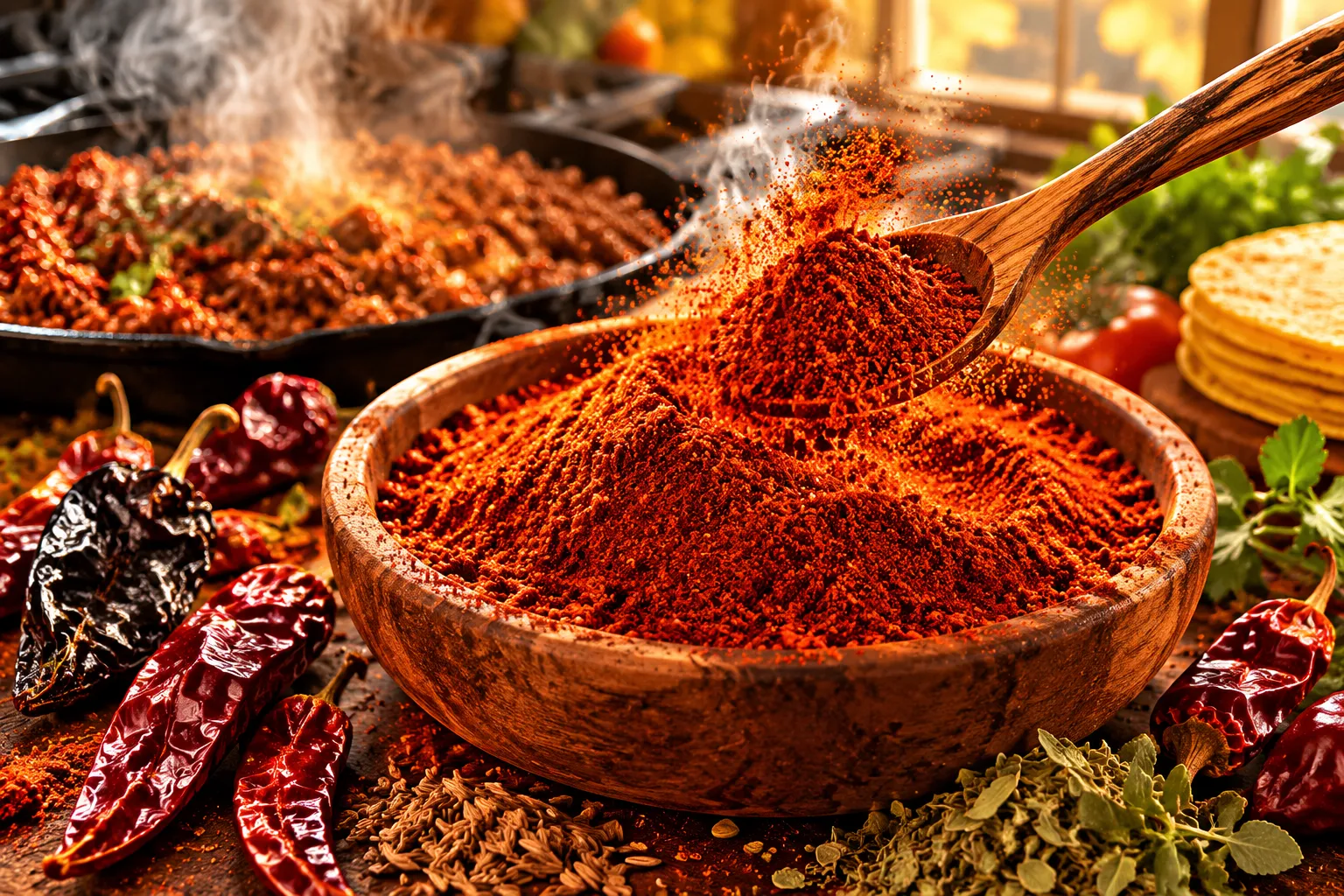
The secret to next-level tacos isn't the meat, it's the chili powder. Here's how to pick (or make) the perfect blend for taco seasoning at home.
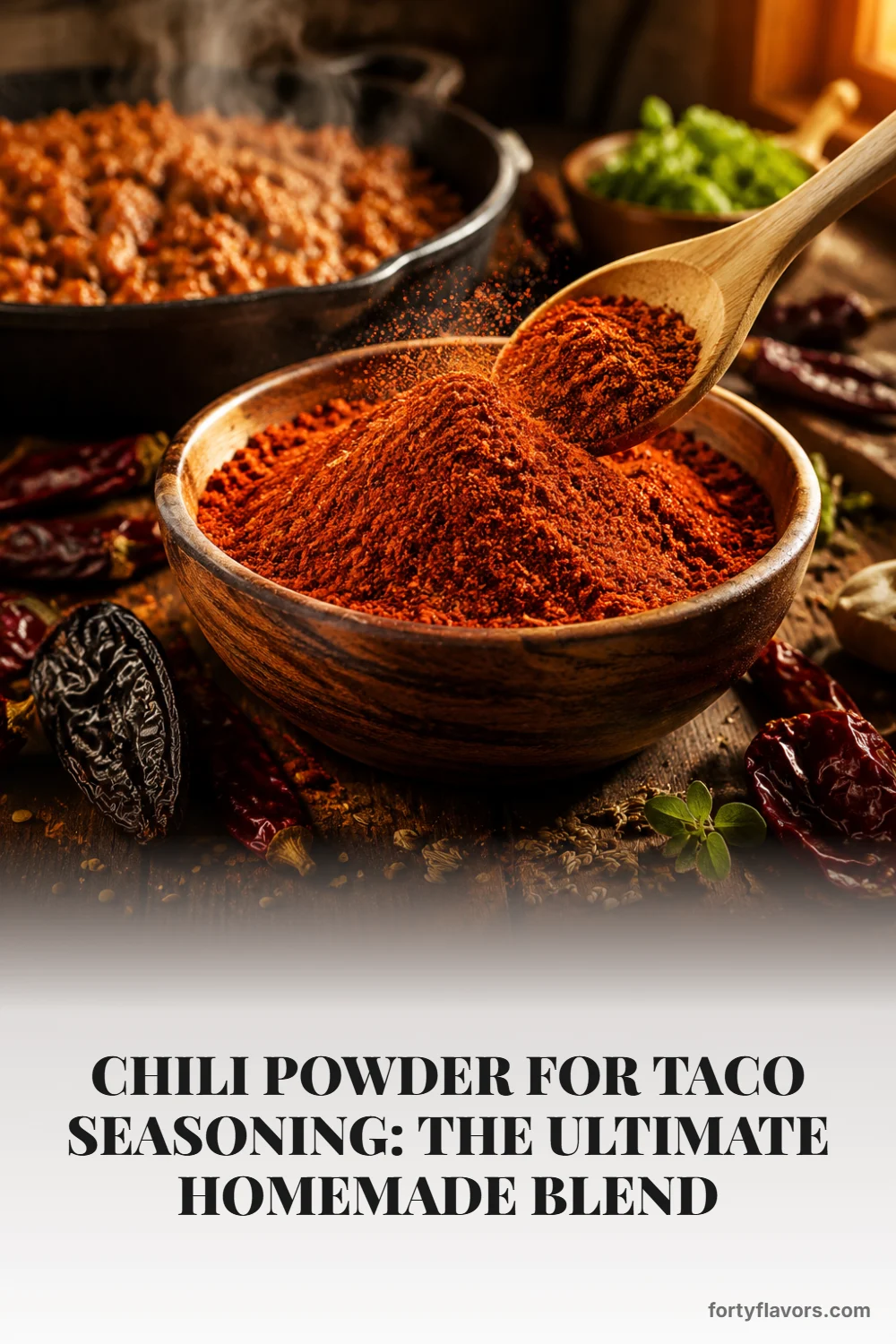
Chili powder for taco seasoning is the little pantry decision that can take your tacos from flat and salty to smoky, warm, and deeply craveable. If you have ever wondered why one batch of taco meat tastes restaurant-good and another tastes a little dusty, the difference is often the chili powder: how fresh it is, what chiles are in it, and whether the blend is balanced with earthy, aromatic spices.
This guide is all about building flavor from the base up. We’ll talk through what chili powder actually is, which varieties work best for tacos, and how to make a 5-minute homemade chili powder that becomes the backbone of a truly great taco seasoning blend. The result is flexible enough for beef, turkey, chicken, beans, roasted vegetables, or any of your favorite easy weeknight tacos.
Chili powder is not usually one single spice, at least not in the American grocery-store sense. It is typically a Mexican spice blend-inspired mix made from ground dried chiles plus supporting spices like ground cumin, garlic powder, oregano, paprika, and sometimes cayenne. That is why two jars labeled “chili powder” can taste completely different: one may be mild and earthy, while another leans smoky, sharp, or noticeably spicy.
For tacos, that matters in a big way. The right chili powder for taco seasoning brings body and warmth before you ever add salt, lime, salsa, or toppings. It coats the meat, blooms in the pan juices, and gives every bite that familiar red-orange color and savory depth we associate with great taco night.
Think of chili powder as the foundation layer, not the whole house. A classic American chili powder often starts with dried chiles such as ancho chile, New Mexico chile, or other mild red chiles, then adds aromatics and earthy spices to round everything out. Pure ground chile, on the other hand, is exactly what it sounds like: one dried chile ground into powder, with no added cumin, oregano, or garlic.
That difference is important when you are reading labels. If a recipe calls for “chili powder,” it usually means the blended kind unless it specifies pure ancho chile powder, chipotle powder, or another single-chile ingredient. If you use pure ground chile where a blend is expected, you may need to add your own ground cumin, garlic powder, and oregano to get that taco-shop flavor.
Store-bought chili powders are convenient, and some are genuinely delicious. The catch is that many contain salt, anti-caking agents, or an uneven amount of heat, so you may not know exactly how bold the final pan of taco meat will be. Pure ground chiles give you more control and a cleaner flavor, especially if you want an ancho-forward blend that is fruity, smoky-sweet, and not too hot.
My favorite approach is to use pure ancho chile powder as the base, then build a homemade chili powder around it. Ancho has a gentle raisin-like sweetness and a round, mellow heat that plays beautifully with smoked paprika and cumin. It tastes full and rich without overwhelming kids, spice-sensitive guests, or all the toppings you worked so hard to prep.
The best chili powder depends on the kind of taco night you want. For a mild, family-friendly skillet, look for blends based on ancho or New Mexico chiles, with paprika and cumin listed near the top. These give you color and savory warmth without turning dinner into a heat challenge.
If you love a smokier profile, choose a blend that includes smoked paprika or chipotle. Smoked paprika gives you campfire depth without much heat, while chipotle powder brings both smoke and a slow-building chile warmth. This is especially good with ground beef, shredded chicken, black beans, or grilled vegetables.
For heat lovers, cayenne, arbol, and chipotle-heavy blends will bring more fire. Add them gradually, because it is much easier to turn up the heat than to calm it down once the seasoning is in the pan. If you are cooking for a mixed crowd, make the base blend mild and serve hot sauce, pickled jalapeños, or chile crisp at the table.
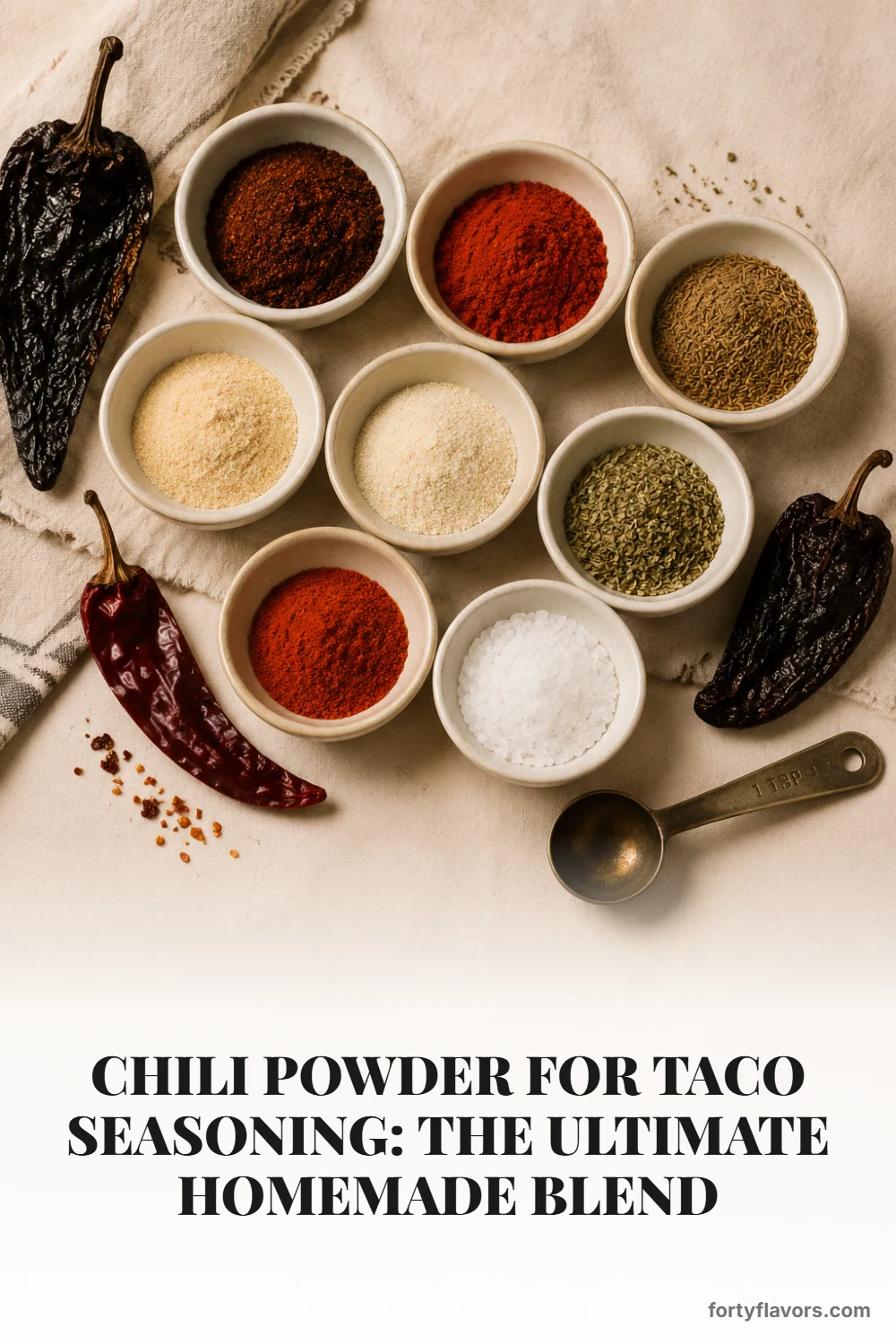
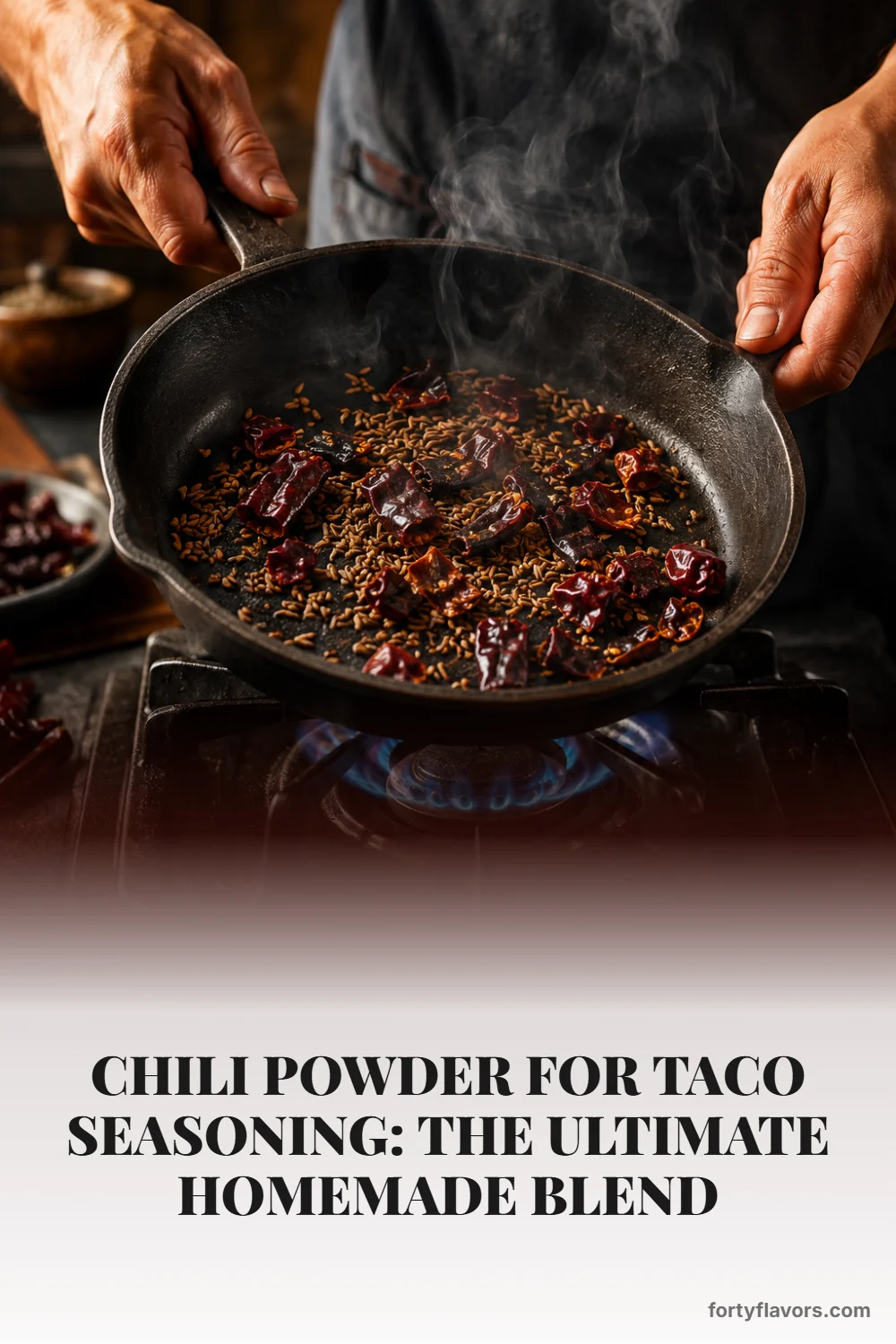
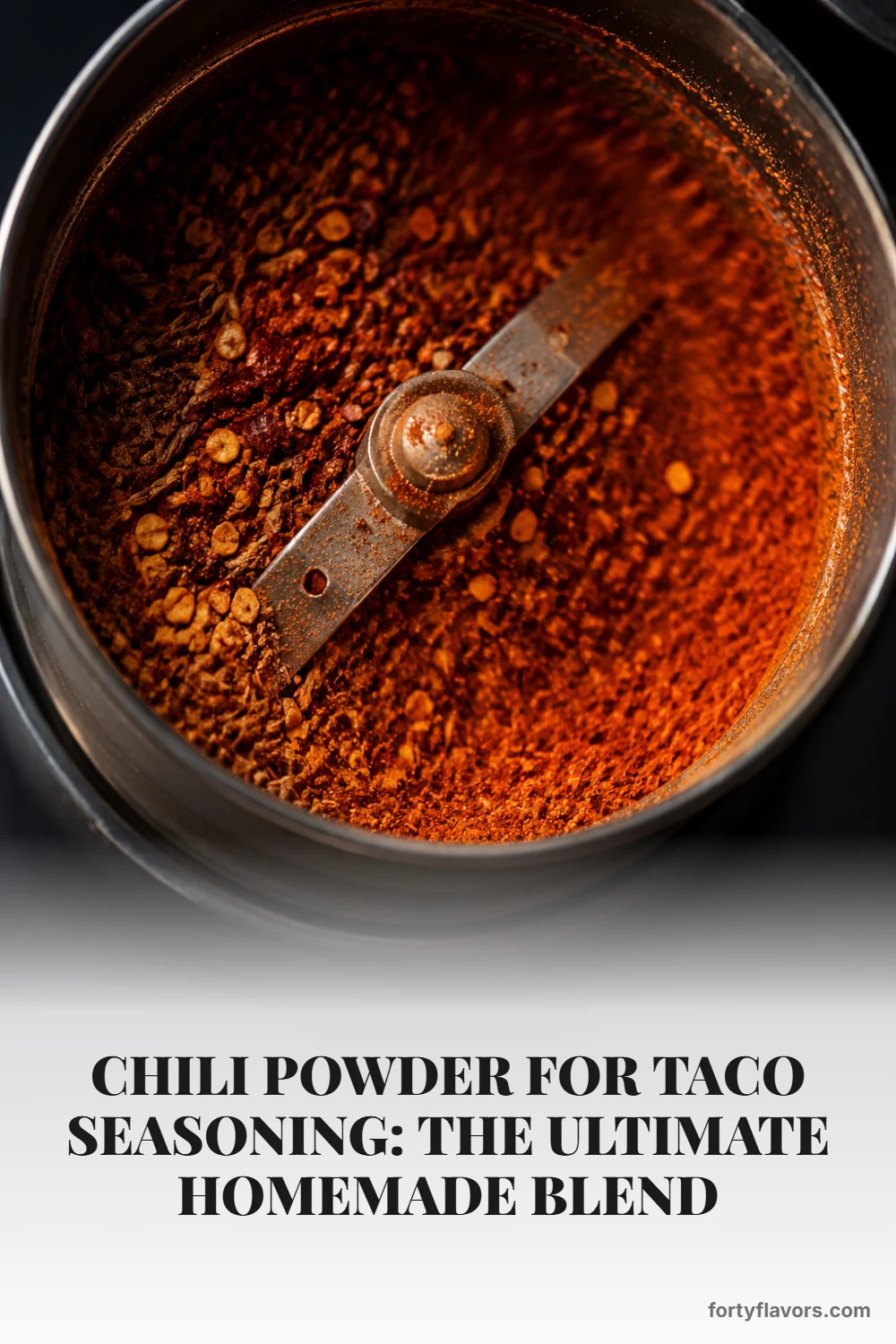
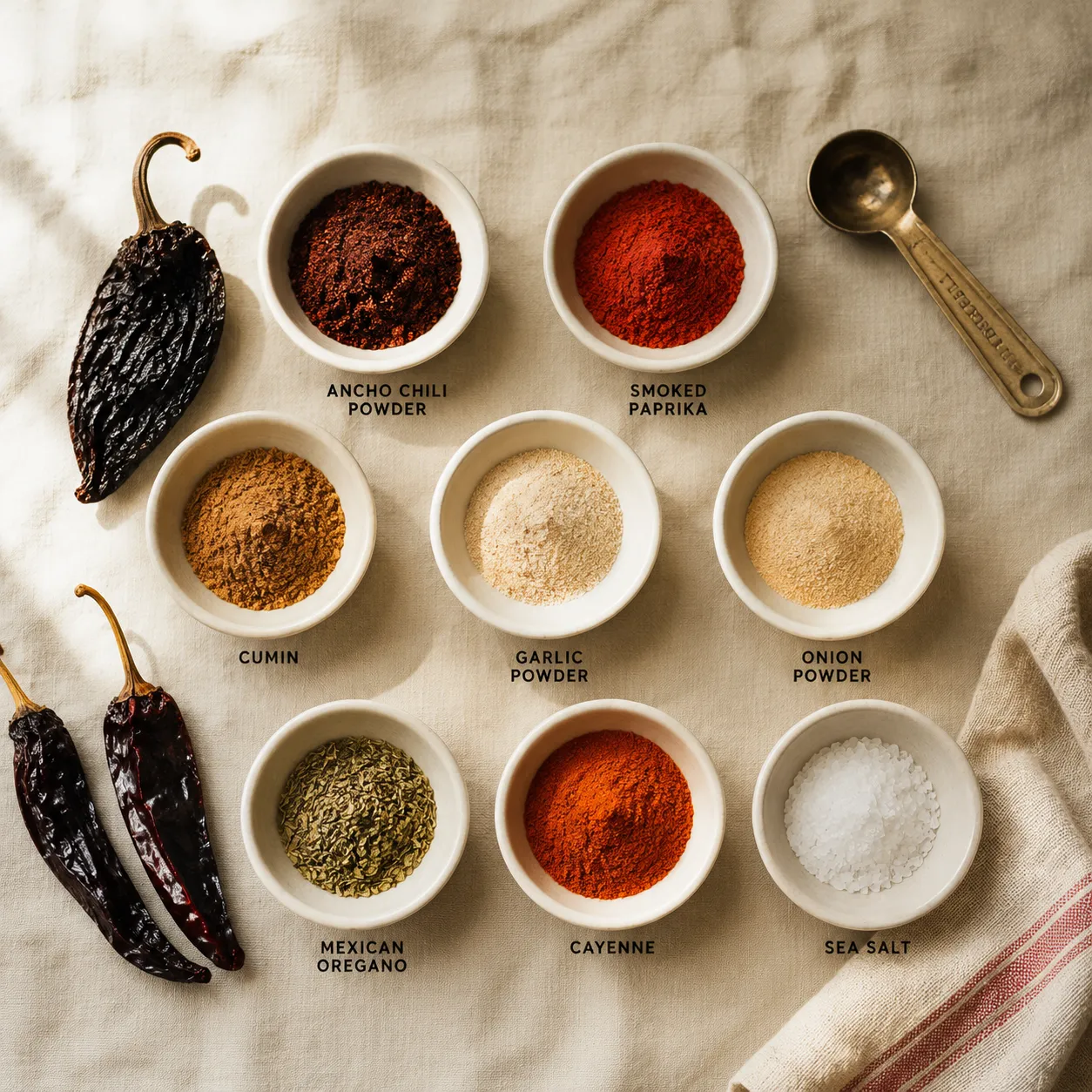
This homemade chili powder is designed specifically for taco night: ancho chile for deep red fruitiness, smoked paprika for gentle smoke, ground cumin for earthiness, garlic powder and onion powder for savory backbone, oregano for lift, and cayenne only if you want the heat. It takes about five minutes and uses spices you may already have tucked in the cabinet.
The flavor lands right in the sweet spot: smoky, rounded, lightly spicy, and bold enough to season a pound or two of meat without tasting muddy. It is also salt-free, which means you can season the finished tacos to taste instead of being locked into the salt level of a packet. If you already keep homemade taco seasoning on hand, this blend can become the chile-forward base that makes it taste fresher and more layered.
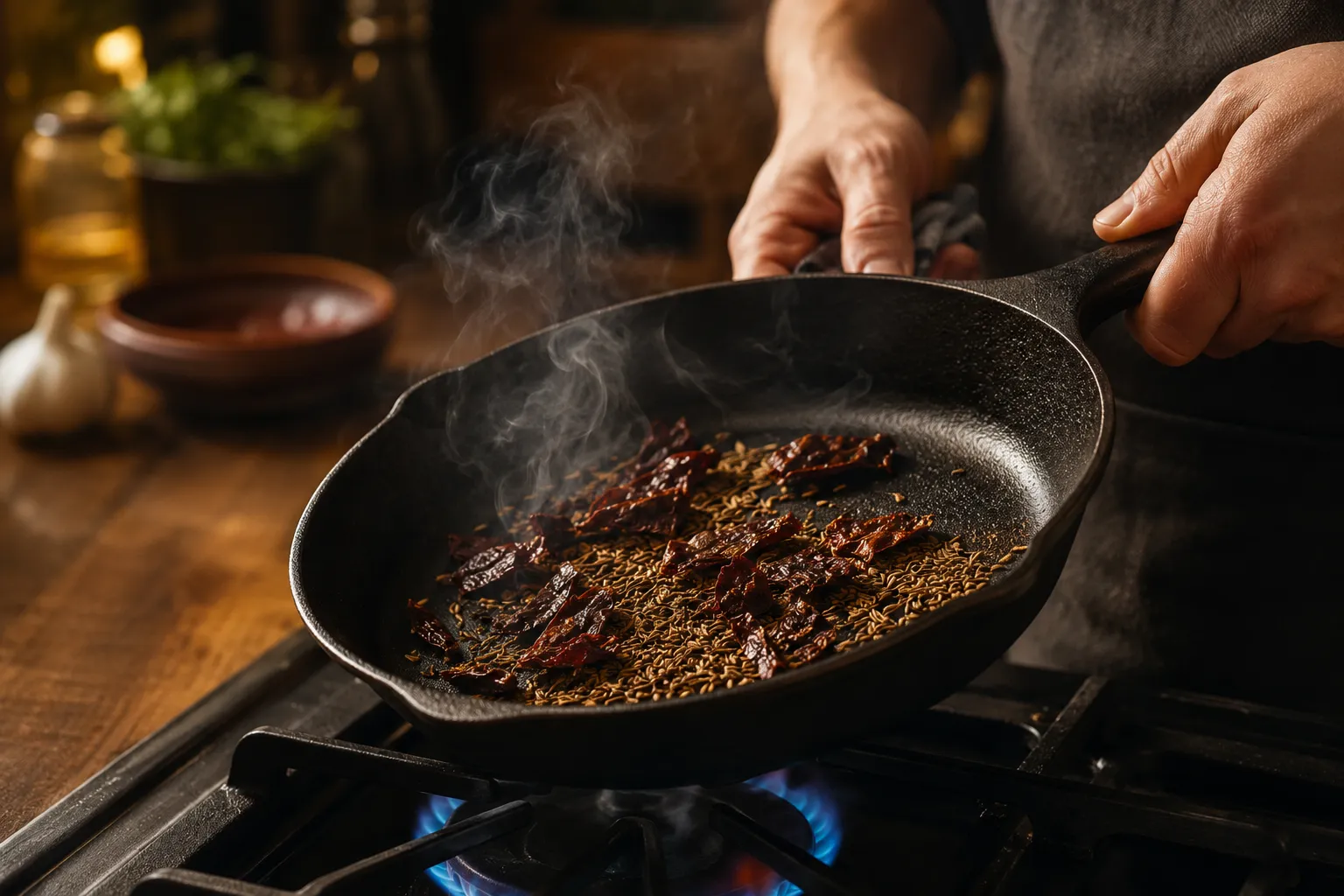
The base of this chili powder recipe is ancho chile powder. Ancho is the dried form of poblano pepper, and it brings a mild, almost cocoa-like depth that works beautifully with beef, turkey, chicken, and beans. Smoked paprika adds color and a soft, woodsy aroma, while ground cumin gives the mix the unmistakable earthy warmth we expect in tacos.
Garlic powder and onion powder make the blend savory and practical, especially for quick skillet dinners when you do not want to chop extra aromatics. Dried oregano adds a lightly herbal note; Mexican oregano is wonderful here if you have it, but regular dried oregano works just fine. Cayenne is optional, and I like to treat it as a dial rather than a fixed amount.
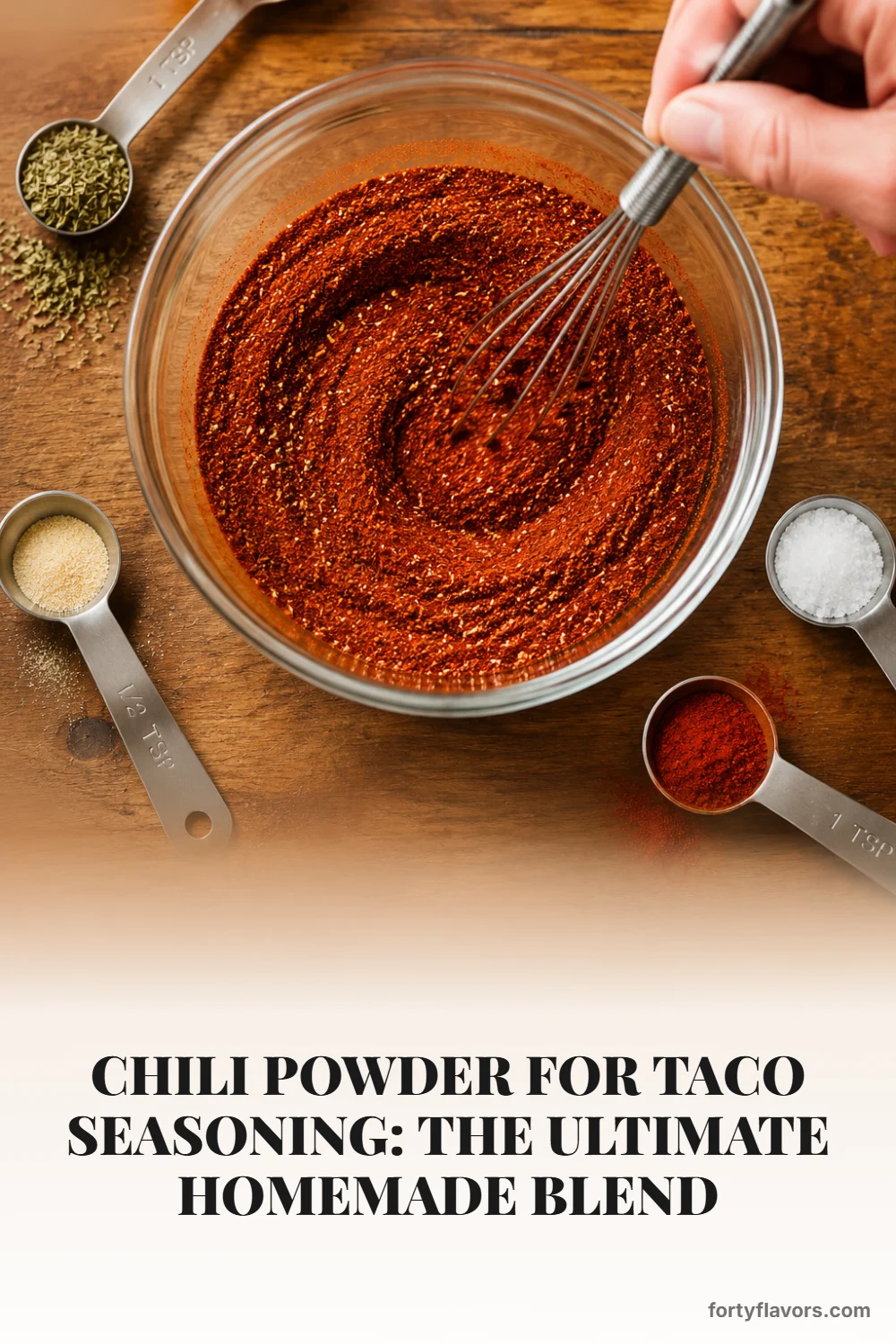
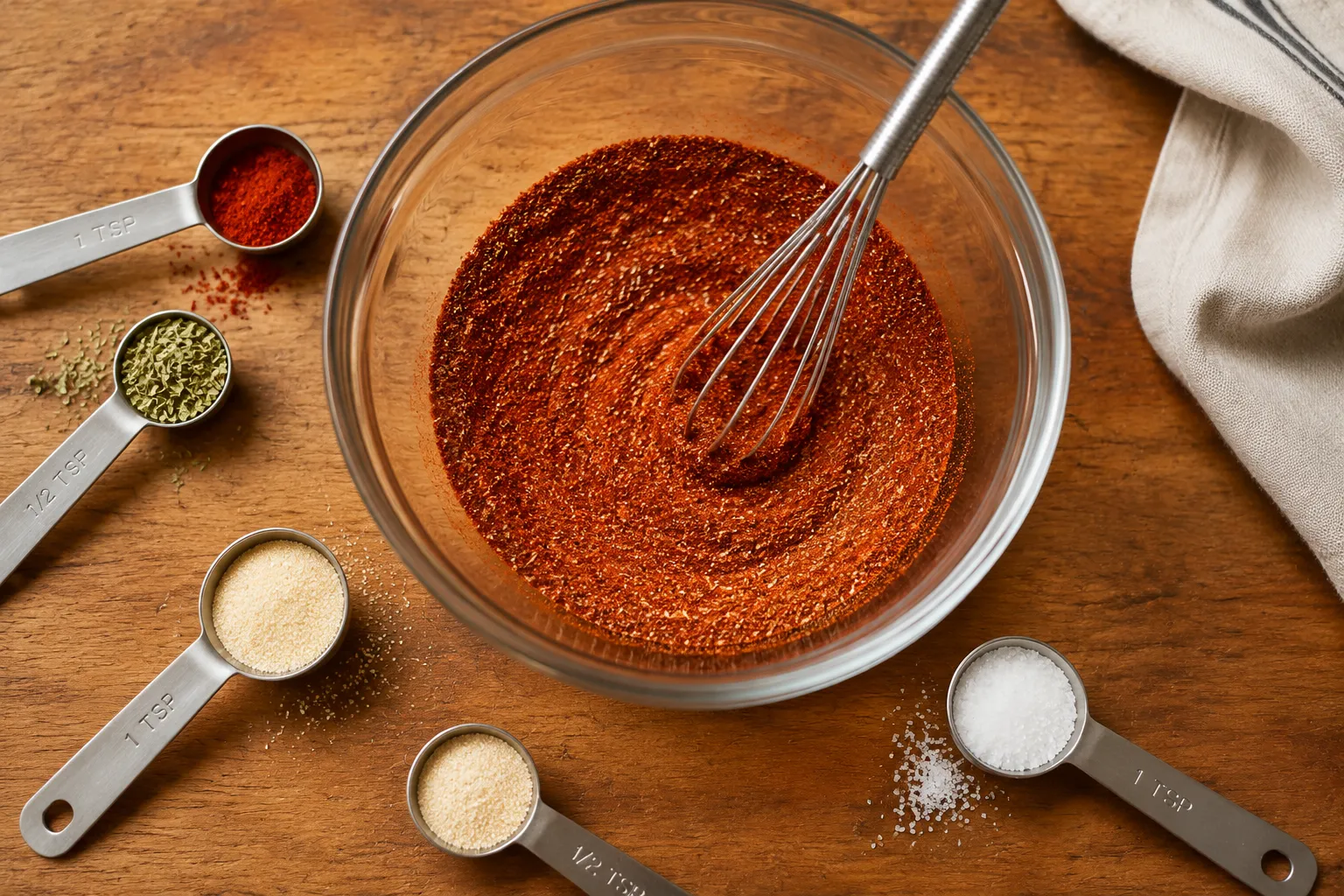
Making the blend is as simple as measuring everything into a bowl and whisking until the color looks even. The whisking step matters more than you might think, because spices can clump and heavier powders may settle. A quick stir with a fork works, but a small whisk gives you the most even distribution of oregano flecks, cumin, and chile.
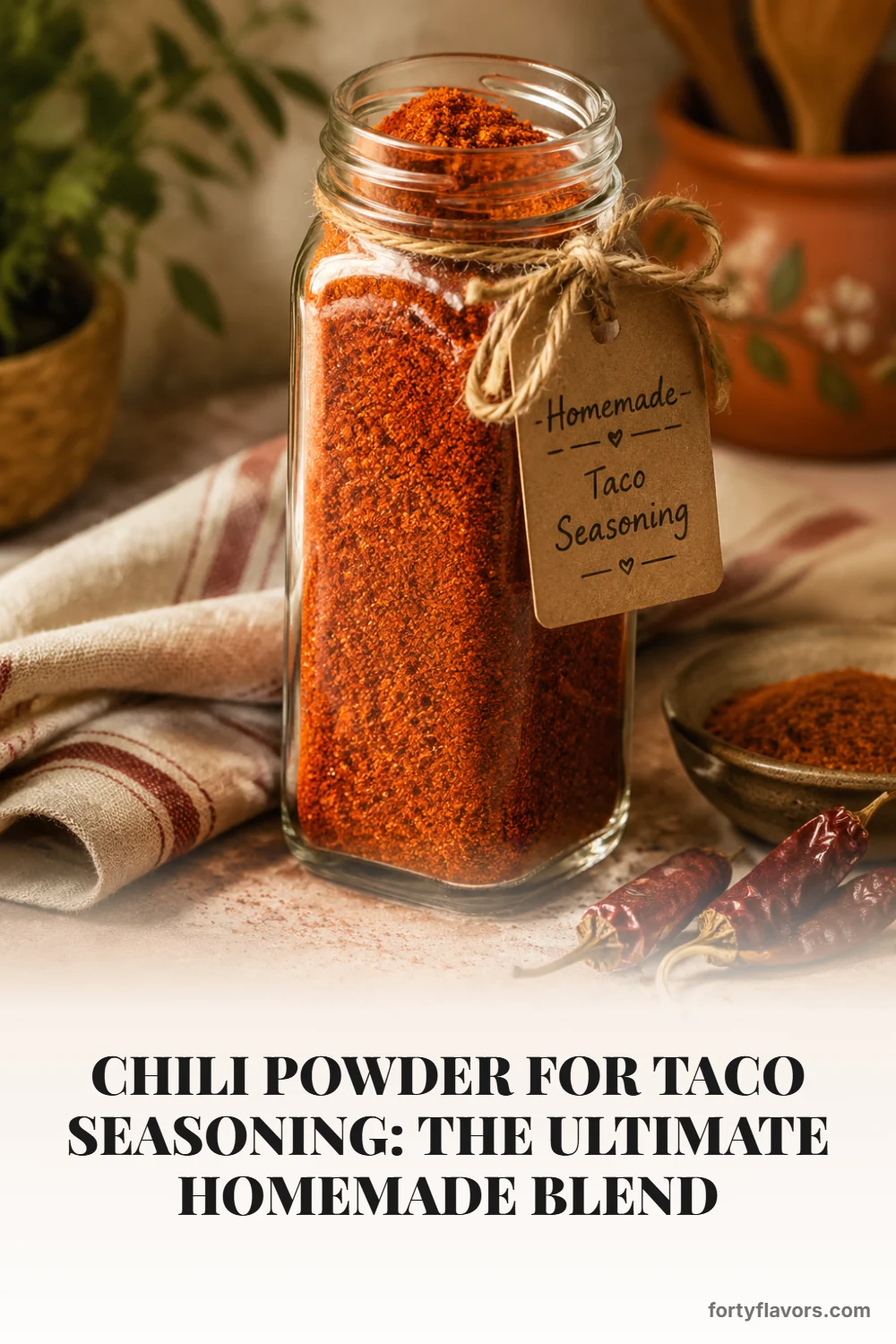
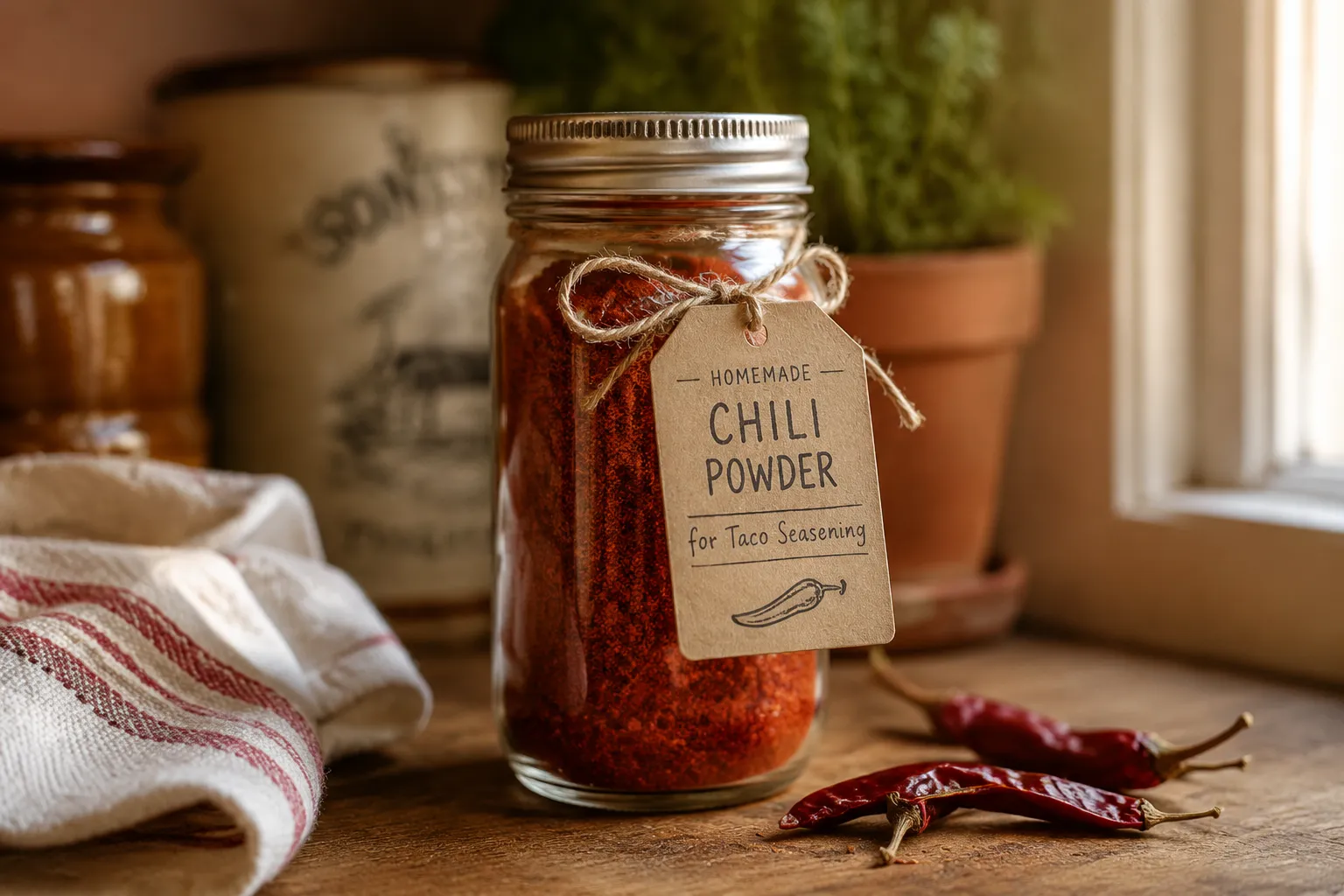
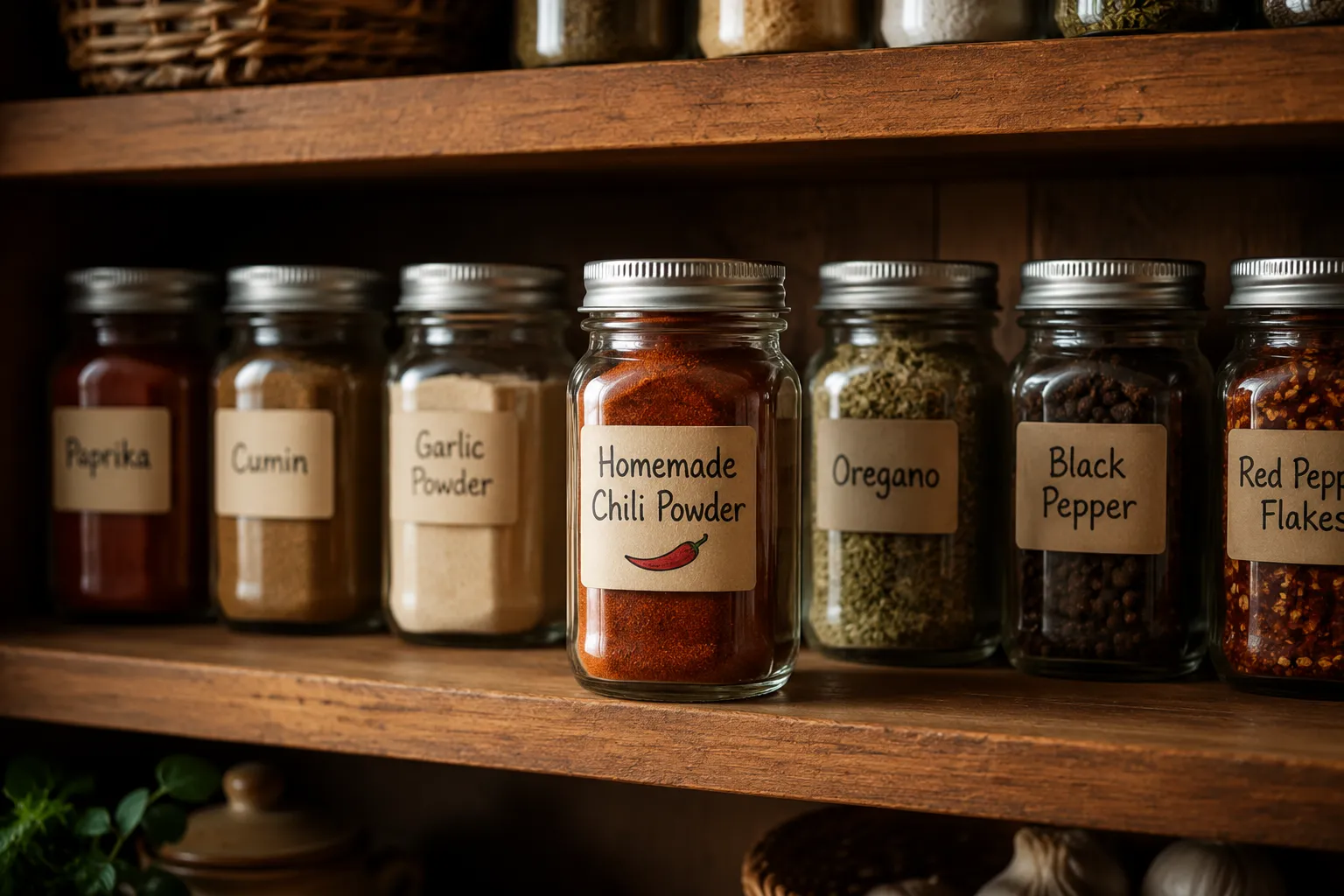
Once mixed, spoon the powder into a clean, dry jar and label it. You can use it right away, and honestly, that first fresh batch is a little magical. The aroma is warmer and brighter than most jars that have been sitting in the pantry since last football season.
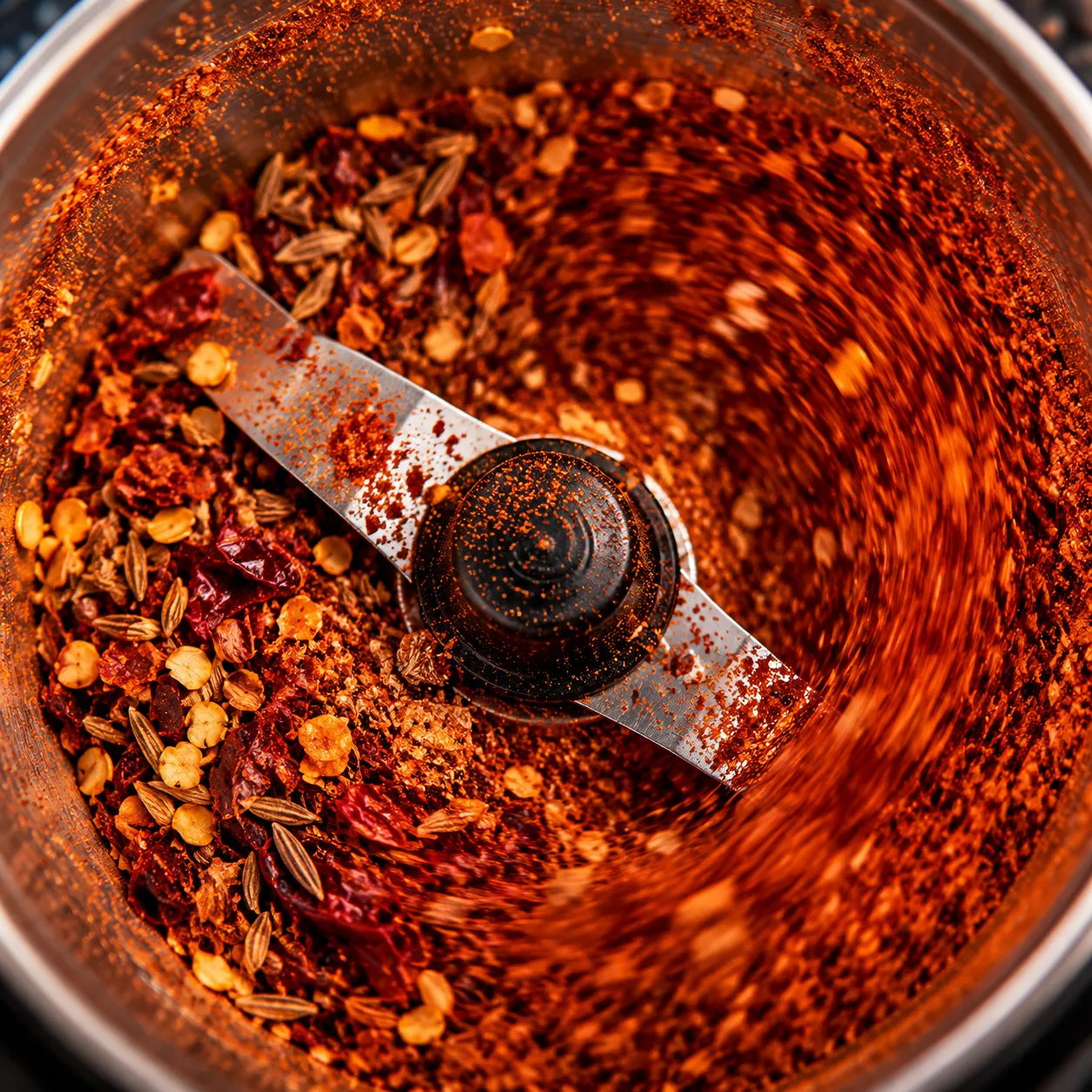
For a mild blend, skip the cayenne entirely and let the ancho chile and smoked paprika do the heavy lifting. For medium heat, add the full half teaspoon of cayenne in the recipe card. For a spicy blend, increase cayenne by another quarter teaspoon or add a small amount of chipotle powder for heat with smoke.
If you are unsure, mix the blend mild first. You can always add more heat to the pan when you cook, but you cannot remove it from the jar once everything is combined. A tiny taste on a damp fingertip will tell you a lot about where the blend is headed.
Once you have a good chili powder, transforming it into taco seasoning is beautifully simple. For every 2 tablespoons of this blend, add about 1 teaspoon kosher salt, 1/2 teaspoon extra ground cumin if you want more earthiness, and 1/2 teaspoon cornstarch if you like a saucier, packet-style finish. That gives you a fast, flexible taco seasoning blend without the mystery ingredients.
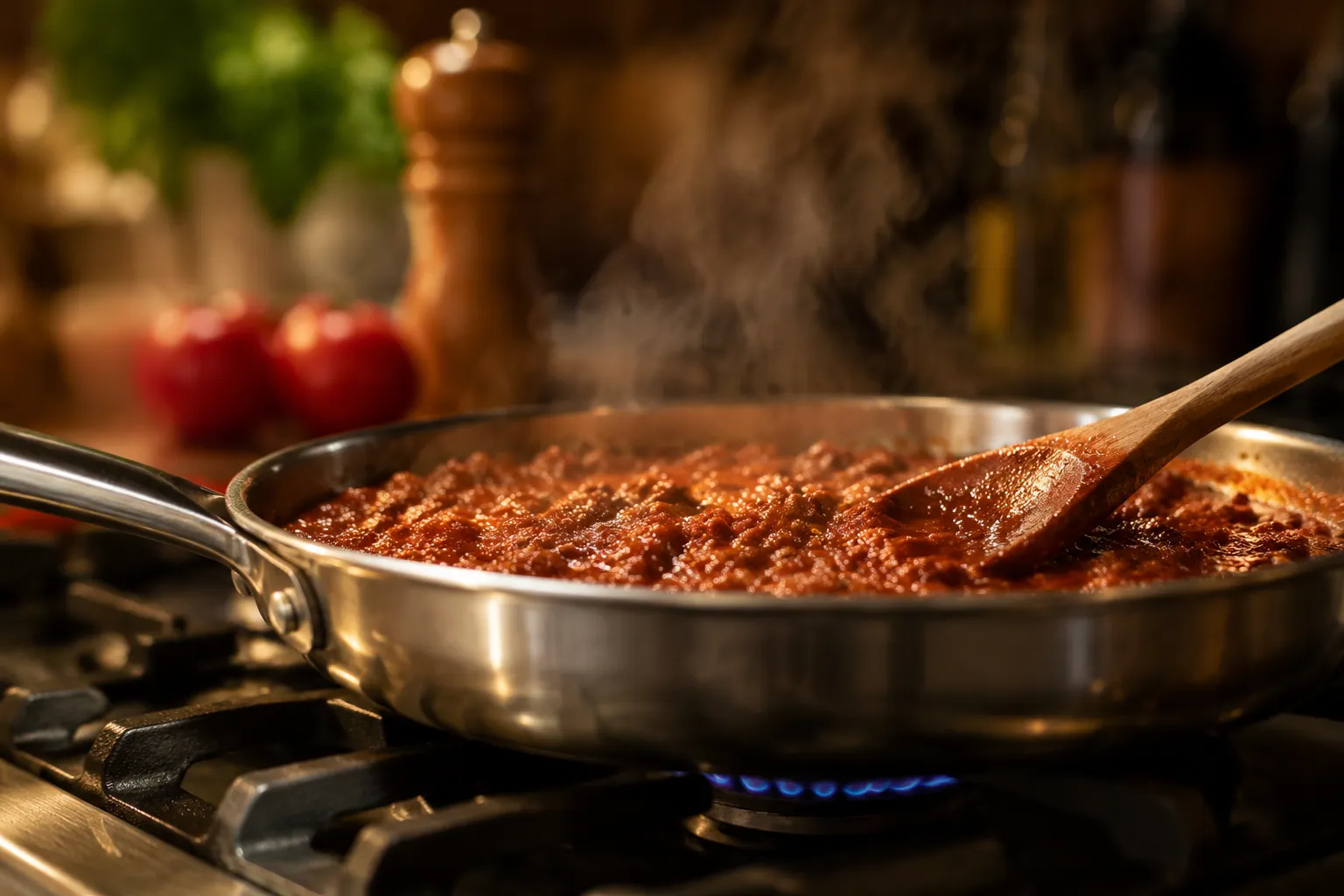
For one pound of ground beef, turkey, or chicken, use 2 to 3 tablespoons of seasoning and about 1/3 cup water. Brown the meat first, drain excess grease if needed, then stir in the spices and water so the seasoning can coat every crumble. Simmer for a few minutes until glossy and saucy, then taste and add more salt or lime juice as needed.
This is where chili powder for taco seasoning earns its keep. Because the base is salt-free, you can use the same jar for taco meat, bean filling, roasted sweet potatoes, or shredded chicken and season each dish exactly how you like it. It also makes a smart starting point if you need a ground cumin substitute in a pinch: lean on the smoky chile and paprika notes, then add a small amount of coriander or extra oregano to round things out.
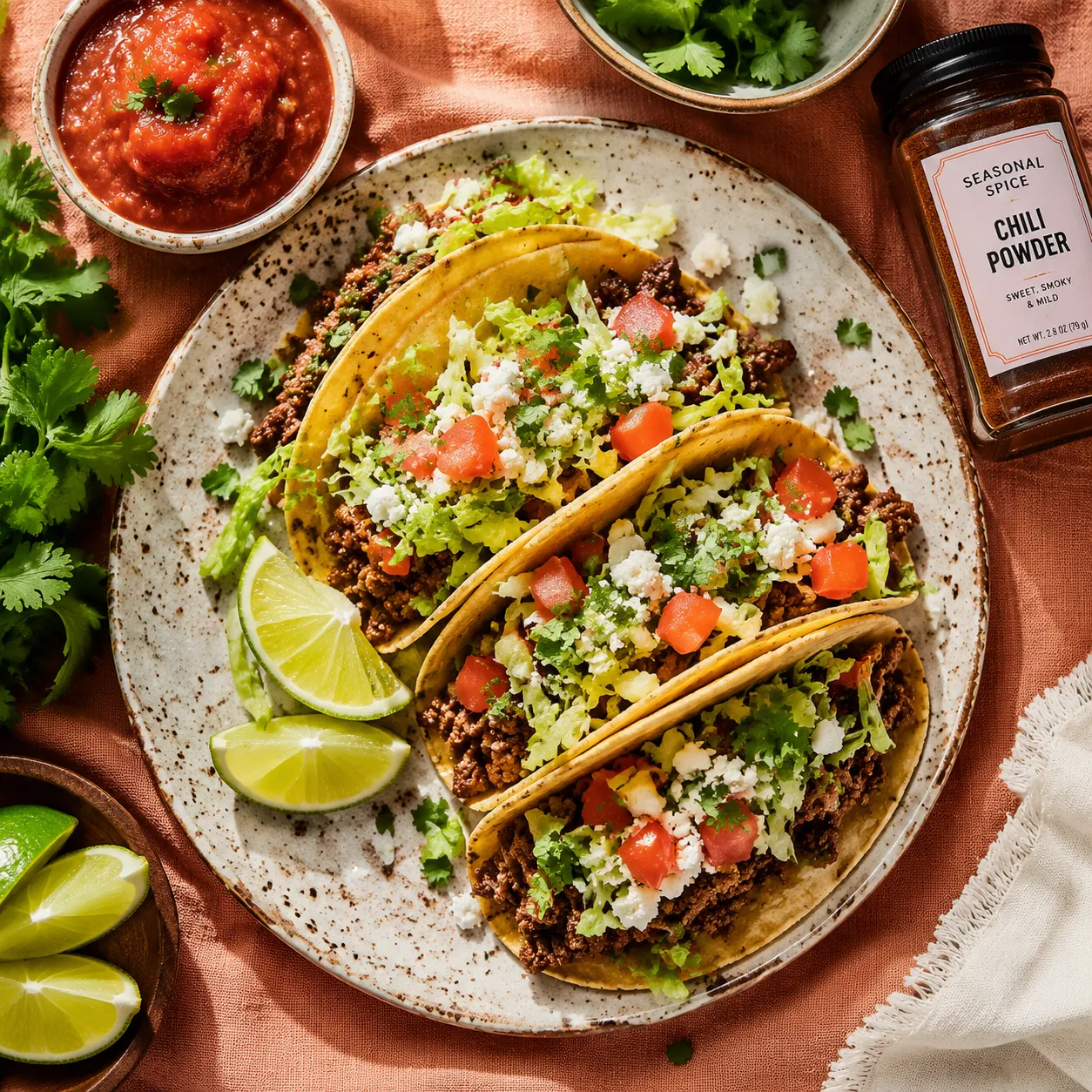
Once the skillet is ready, the rest of dinner can be as simple or as abundant as you want. Spoon the seasoned meat into warm flour or corn tortillas and top with shredded lettuce, chopped tomatoes, white onion, cilantro, cheese, sour cream, avocado, salsa, or a squeeze of lime. The blend is smoky and balanced enough to stand up to creamy toppings without disappearing.
I love serving these tacos with a Mexican rice recipe, a quick cabbage slaw, or a pot of beans for a complete dinner that still feels weeknight-friendly. The same filling is also excellent tucked into taco-stuffed peppers, folded into quesadillas, or spooned over nachos with melty cheese and pickled onions. If you are meal-prepping, make a double batch of meat and let future you enjoy the leftovers.
The flavor profile also plays nicely with chicken and vegetables. Use the blend as the backbone for smoky chicken fajitas, sprinkle it over roasted cauliflower, or stir it into sautéed peppers and onions for a vegetarian taco filling. A little lime at the end wakes everything up and keeps the spices tasting vibrant rather than heavy.
Tacos may be the reason you make the jar, but they do not have to be the only place you use it. Stir a spoonful into chili, tortilla soup, black bean soup, or a tomato-based stew whenever you want warmth and depth. It is especially nice in slow-simmered dishes because the ancho and paprika have time to melt into the broth.
You can also use this chili powder as a dry rub. Mix it with salt, a little brown sugar, and oil, then rub it onto chicken thighs, steak, shrimp, or tofu before grilling or broiling. The smoked paprika helps create that savory, almost charred flavor even when you are cooking indoors.
For small, snacky uses, sprinkle a pinch over roasted potatoes, buttered corn, popcorn, fried eggs, or avocado toast. It is a simple way to make everyday food taste a little more intentional. Once you have a fresh jar in the pantry, you may find yourself reaching for it anytime dinner needs a smoky, earthy nudge.
Before you add any spice blend to dinner, open the jar and smell it. Fresh homemade chili powder should smell warm, smoky, a little sweet, and distinctly chile-forward. If the aroma is faint, dusty, or cardboard-like, the flavor will be muted in your tacos too.
Color is another clue. A vibrant red-brown blend usually signals fresher chile and paprika, while a faded brick or tan color can mean the spices are past their prime. This does not mean they are unsafe, but you may need to use more to get the same impact, and the flavor still may not taste as lively.
For the best skillet of tacos, start with the freshest spices you can, season in layers, and taste before serving. The beauty of chili powder for taco seasoning is that it gives you control: more smoke, less salt, gentle heat, bold heat, beef tonight, beans tomorrow. Once you understand the blend, taco night becomes less about opening a packet and more about building the exact flavor your table loves.
Store homemade chili powder in a clean, completely dry, airtight glass jar or spice tin. Keep it in a cool, dark cabinet away from the stove, dishwasher, sunny windows, or any place with heat and moisture.
For peak flavor, use it within 6 months. It will generally remain usable for up to a year, but if it smells faint, tastes dusty, or has lost its deep red color, it is time to mix a fresh batch.
Hover any image and hit “Pin it” to save it to your Pinterest boards.