Cotija Cheese: What It Is, How to Use It & Best Recipes
Ingredients
Scale

Salty, crumbly, and unmistakably Mexican, cotija cheese turns simple tacos, corn, and salads into something craveable. Here's everything you need to know plus easy ways to use it.
cotija cheese is the salty, crumbly Mexican finishing cheese that makes tacos taste brighter, corn taste richer, and a simple bowl of beans feel dinner-party good. If you have ever ordered Mexican street corn and wondered what that snowy, savory crumble was on top, you have already met Cotija at its most delicious.
Think of it as the cheese you reach for when a dish needs a final hit of salt, tang, and texture. It does not melt into gooey strings like Monterey Jack or Oaxaca; instead, it stays pleasantly crumbly, which is exactly why it is so good scattered over hot food right before serving. In this guide, we’ll walk through what Cotija is, what it tastes like, smart swaps, easy cotija recipes, and a quick stovetop elote recipe you can make tonight.
Cotija is a cow’s milk Mexican cheese named for Cotija de la Paz, a town in the state of Michoacán, Mexico. Traditionally, it was made in mountainous ranching regions where cheesemakers salted and aged wheels so they would keep longer in warm climates. That extra salting is part of its identity: Cotija is assertive, savory, and meant to be used as a garnish rather than eaten in thick slices.
Traditional Cotija is made by curdling cow’s milk, pressing the curds, salting generously, and aging the cheese until it firms up. The result can range from fresh and moist to aged and hard, depending on how long it rests. You may also see aged styles labeled queso añejo, a broader term for aged Mexican cheese with a firmer, sharper profile. In U.S. grocery stores, most Cotija comes already crumbled or in small wedges near queso fresco, crema, and other Latin dairy staples.
Fresh, or joven, Cotija is softer, slightly moist, and easier to crumble into larger, tender pieces. It has a milky, salty flavor that feels close to feta, though usually less briny. Aged, or añejo, Cotija is drier, firmer, and more intense, with a granular texture that can be grated like Parmesan. If you are shopping for your first wedge, fresh Cotija is a friendly everyday choice, while aged Cotija is wonderful when you want a bold finish for soups, roasted vegetables, or enchiladas.
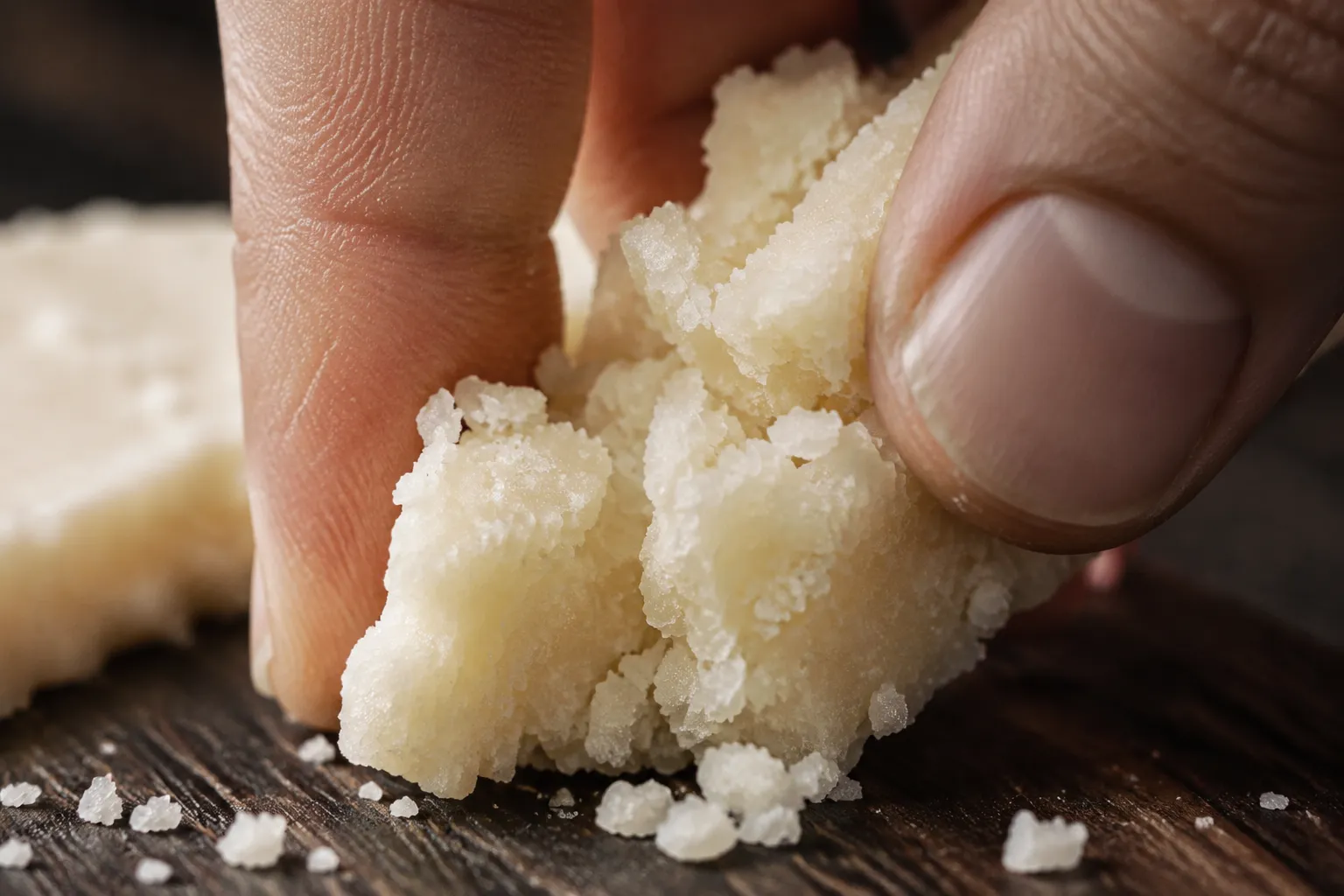
Cotija tastes salty first, then milky, tangy, and gently funky in the best way. The fresh version is mellow and creamy on the tongue, while the aged version has more bite and a slightly nutty aroma. Because it is such a salty crumbled cheese, a small handful can season an entire platter of tacos or a big bowl of esquites. That makes it both practical and powerful: you do not need much to make a dish pop.
The reason Cotija crumbles instead of melts comes down to its moisture, acidity, and aging. It softens when it hits warm corn or beans, but it does not turn into a stretchy blanket. Instead, each little crumble keeps its shape and gives you a salty burst in every bite. That texture is exactly why cooks love using it as a finishing cheese for saucy, smoky, spicy, and grilled foods.
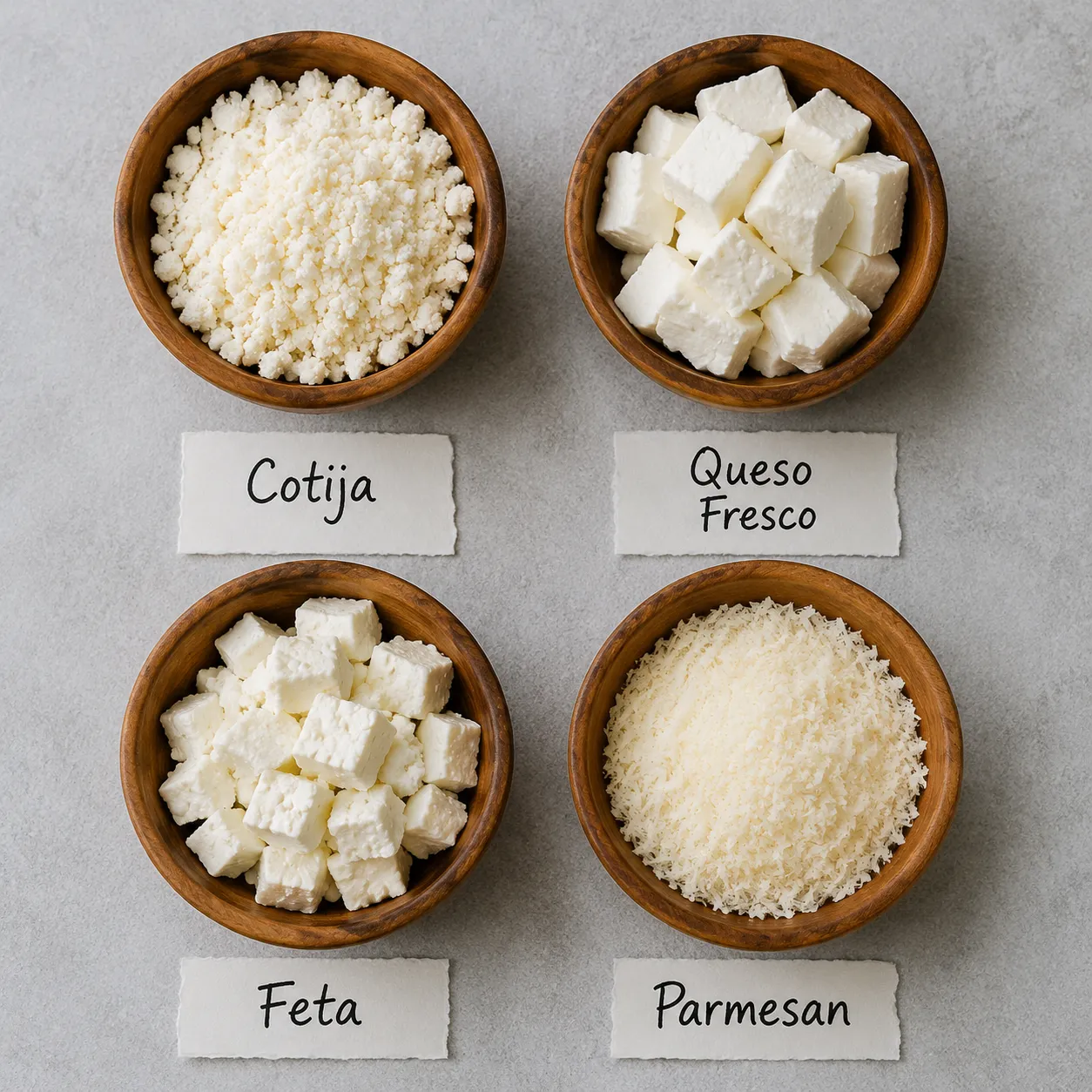
Compared with Parmesan, aged Cotija is similarly dry and savory, though it usually tastes saltier and less nutty. Compared with feta, fresh Cotija has a similar crumble but less brine and a more straightforward dairy flavor. If a recipe calls for a Parmesan substitute in a Mexican or Tex-Mex dish, aged Cotija often makes more sense than Italian cheese because it keeps the flavor profile rooted in Mexico.
If your store is out of Cotija, you still have good options. Queso fresco is the gentlest swap, especially for tacos, salads, and tostadas where you want a soft crumble without too much salt. It is milder and fresher tasting, so you may need an extra pinch of salt or a squeeze of lime to wake up the dish. If you are reading a label or recipe note that mentions a queso fresco substitute, remember that the two cheeses overlap in texture more than flavor.
Feta is the easiest mainstream replacement because it has tang, salt, and a crumbly texture. Use it sparingly, since feta can bring a briny Mediterranean note that is stronger than fresh Cotija. Parmesan or Romano works best when you are replacing aged Cotija and need sharpness, especially grated over soups, beans, or roasted corn. The goal is not to make the substitute invisible; it is to bring back the salty, savory lift the original cheese would have provided.
Cotija is happiest at the end of cooking. Sprinkle it over tacos, tostadas, enchiladas, chilaquiles, and nachos right before serving so the crumbles stay distinct. It is also excellent over saucy fillings like chicken tinga, carnitas, or spiced beans because the salt cuts through richness. If you make homemade taco seasoning, this cheese is a beautiful final layer because the chili, cumin, and garlic flavors love something creamy-salty on top.
It also belongs in salads, soups, and bean dishes. Toss a little into a black bean salad with corn, tomatoes, red onion, cilantro, and lime for a side dish that tastes sunny and complete. Scatter it over tortilla soup, pinto beans, pozole, or a simple bowl of rice and roasted vegetables. The tiny crumbles distribute seasoning in a way that feels more integrated than a big slice of cheese ever could.
For breakfast, try Cotija over fried eggs, huevos rancheros, migas, or breakfast tacos. For vegetables, it is especially good on roasted sweet potatoes, zucchini, cauliflower, and blistered peppers. A creamy base makes it even better, which is why Mexican crema is such a classic partner. The crema brings cool tang, while the cheese brings salt and texture.
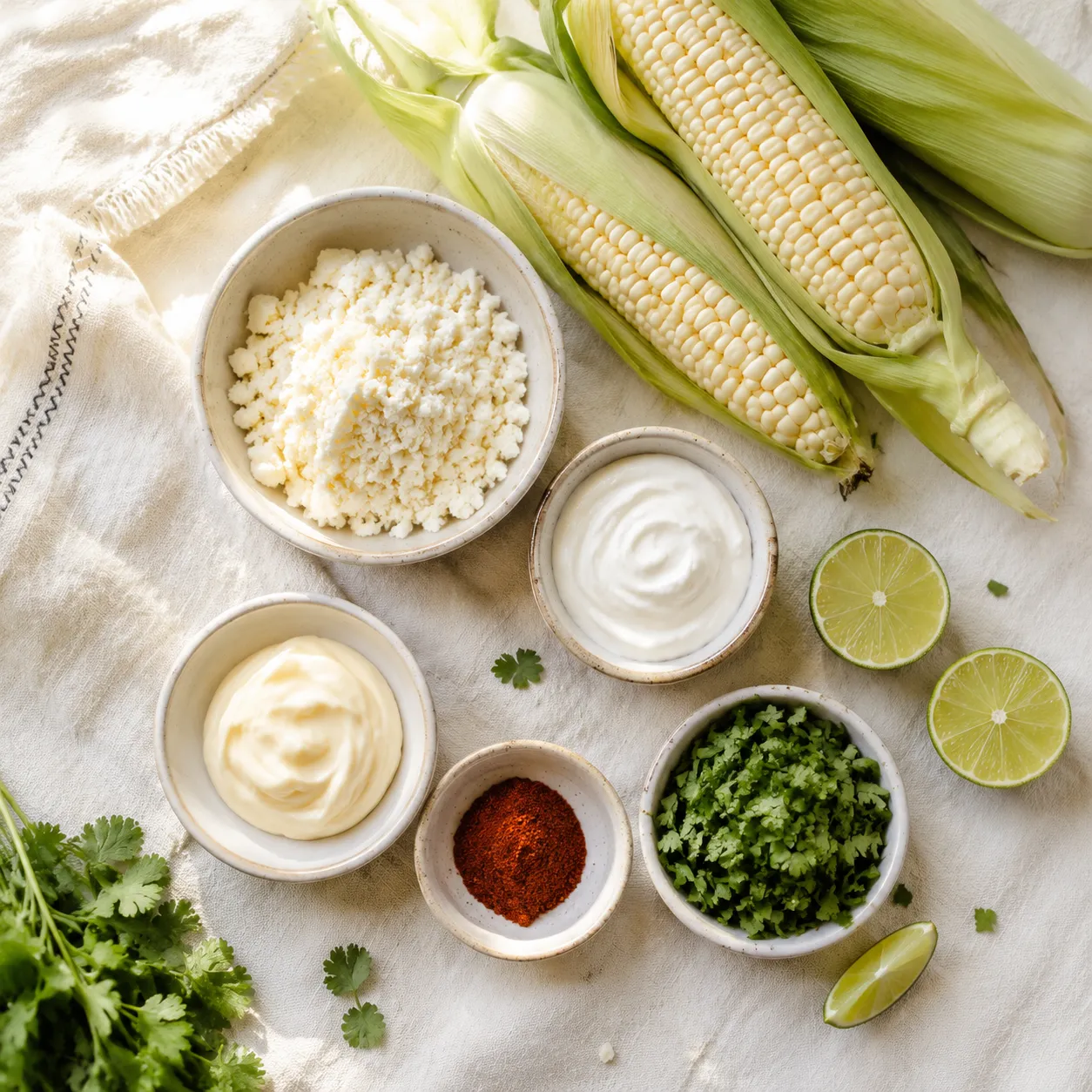
If you only make one recipe from this guide, make this quick stovetop elote. It gives you all the joy of an elote recipe—sweet corn, creamy sauce, chili, lime, cilantro, and that salty white crumble—without needing to fire up a grill. A hot cast iron skillet chars the corn just enough to bring out smoky-sweet flavor, and the mayo-crema coating helps every bit of cheese cling. It is the kind of snacky side dish that disappears before the rest of dinner hits the table.
The ingredient list is short: fresh corn, mayonnaise, Mexican crema or sour cream, chili powder, lime, cilantro, and crumbled Cotija. If your corn is very sweet, the salty cheese keeps it balanced; if your corn is a little less peak-season, the creamy coating and lime do a lot of heavy lifting. You can serve the ears whole, cut them in halves for a party, or slice the kernels off into cups for esquites-style street corn salad. However you plate it, put extra lime wedges on the table.

For the creamiest coating, stir mayonnaise and crema together until smooth before brushing it onto the hot corn. The heat loosens the sauce slightly, helping it seep into the charred kernels. From there, shower on the crumbles while the surface is still warm and tacky. Finish with chili powder, cilantro, and a squeeze of lime so each bite tastes creamy, salty, smoky, and bright.


Once you have a wedge in the fridge, you will start finding excuses to crumble it over everything. Start with classic elote: warm corn on the cob brushed with mayo and crema, then finished with chili, lime, cilantro, and cheese. For a spoonable version, make esquites by cutting the kernels from the cob and tossing them with the same creamy, tangy ingredients in a bowl or cup. Both are beloved street-food-style dishes because they hit every flavor note at once.
Next, make a big black bean and corn salad with chopped tomatoes, scallions, avocado, lime juice, olive oil, cilantro, and a generous crumble on top. It is sturdy enough for meal prep and bright enough for a cookout. For taco night, pile chicken tinga, roasted mushrooms, or spiced cauliflower into warm tortillas and finish with onion, cilantro, salsa, and cheese. The saltiness makes every filling taste more complete.
For a cozy appetizer, stir charred corn, cream cheese, crema, jalapeño, lime, and chili powder into a warm summer corn dip, then finish with extra crumbles just before serving. You can also sprinkle it over enchiladas after baking, spoon it onto tortilla soup, or use it to finish roasted vegetables with lime zest. These cotija recipes work because the cheese is not just decoration; it is seasoning, texture, and personality in one handful.

You can find Cotija in many U.S. supermarkets, usually in the refrigerated cheese section near Latin American dairy products. Latin markets often carry more options, including wedges, pre-crumbled tubs, fresh styles, and aged rounds. When possible, buy a wedge rather than pre-crumbled cheese; it usually tastes fresher and lets you control the crumble size. Pre-crumbled is convenient, though, and perfectly fine for weeknight tacos or quick corn.
Read the label for words like Cotija, aged, añejo, or grated, and check whether it is fresh and moist or firm and dry. Fresh Cotija should look white to pale ivory and feel slightly springy but crumbly. Aged Cotija may look drier and more granular, with a stronger aroma and a saltier finish. If the package says queso añejo, it may be similar enough for finishing dishes, though the exact flavor can vary by producer.
For the best flavor, avoid packages with excessive liquid, off smells, or crumbles that look chalky and dried out. A good piece should smell clean, milky, and savory, never sour or ammonia-like. If you are planning a party spread with elote, tacos, and black bean salad, buy a little more than you think you need. It is amazing how quickly a bowl of salty crumbles disappears once everyone starts sprinkling.
Cotija is one of those small ingredients that changes the whole mood of a meal. It brings the finishing salt, the dairy richness, and the crumbly texture that make Mexican and Tex-Mex dishes feel restaurant-level at home. Keep it on hand for corn, beans, tacos, eggs, soups, and roasted vegetables, and you will never wonder how to make dinner taste more exciting. Start with the stovetop elote, then let the rest of the wedge guide your next few meals.
Once you understand Cotija’s salty, crumbly personality, it is easy to riff. Use the same creamy-chili-lime flavor profile from the elote recipe on other vegetables, proteins, and party snacks.
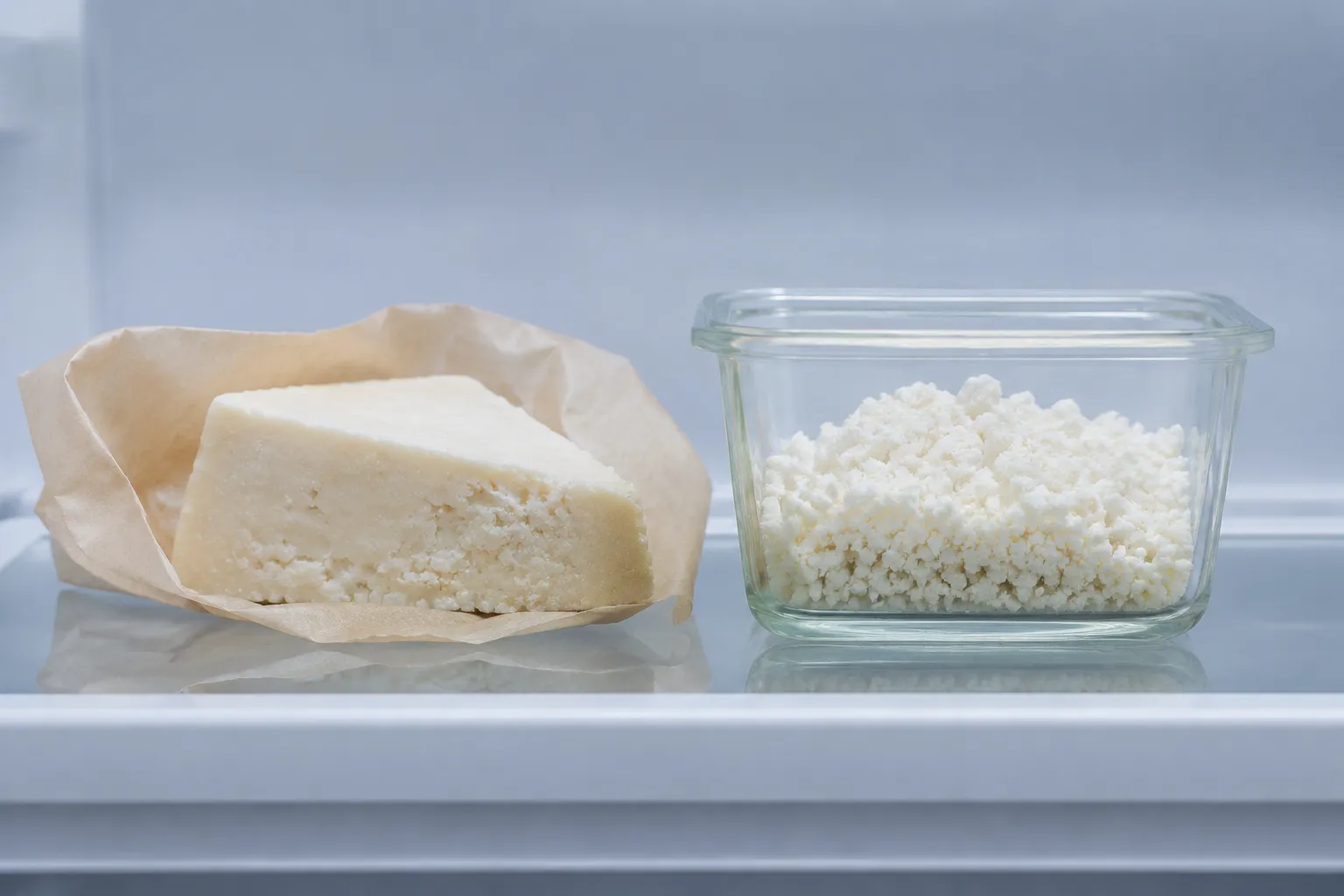
Store Cotija tightly wrapped in parchment or wax paper, then place it in an airtight container or resealable bag in the refrigerator. A wedge generally keeps better than pre-crumbled cheese because it has less surface area exposed to air. Use clean hands or utensils each time, and rewrap it well after crumbling.
Pre-crumbled Cotija is best used within the time listed on the package after opening, while a well-wrapped wedge can often keep for one to two weeks depending on freshness. Freezing is possible, but the texture becomes drier and more crumbly, so reserve frozen Cotija for cooked dishes or garnishes rather than recipes where texture is the star. Discard it if you notice mold beyond a tiny surface spot on a firm wedge, sour odor, sliminess, or an ammonia-like smell.