Easy Chicken Parm Recipe (Crispy & Saucy in 30 Minutes)
Ingredients
Scale
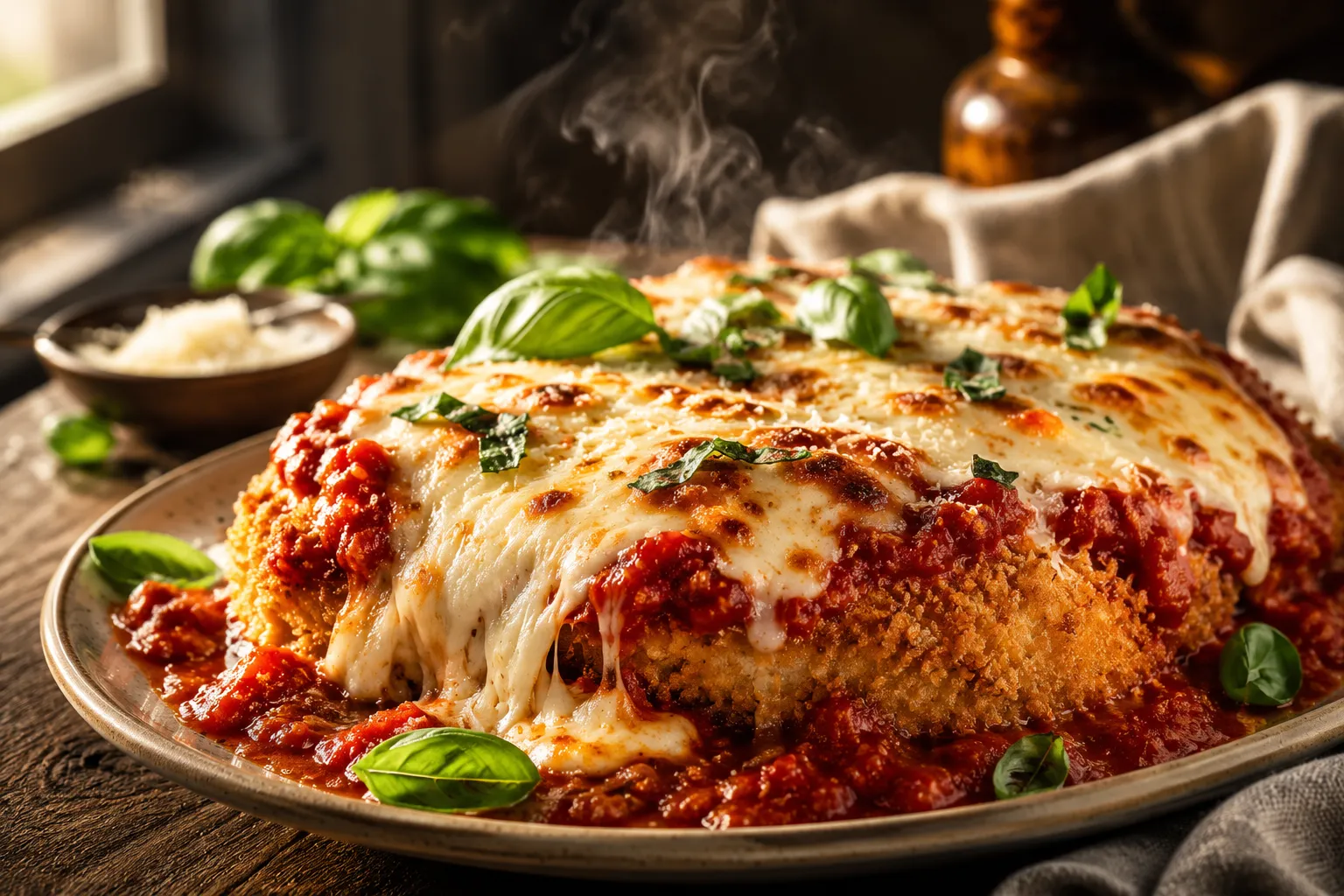
Crispy on the outside, juicy in the middle, and blanketed in marinara and gooey mozzarella, this chicken parm recipe is a weeknight-friendly Italian-American classic.
This chicken parm recipe is everything I want from a weeknight Italian-American dinner: crisp-edged breaded chicken, rich marinara sauce, stretchy mozzarella, and just enough fresh basil to make the whole plate feel bright.
The secret is not complicated, but it is specific. Instead of baking the chicken from raw or burying it under sauce, we pan-fry thin chicken cutlets until deeply golden, spoon sauce only over the center, then broil just long enough to melt the cheese. You get that restaurant-style contrast: shatter-crisp edges, juicy chicken, bubbling cheese, and a saucy center that begs for spaghetti.
This is the kind of easy chicken parmesan recipe that feels special without turning your kitchen into a project. The ingredients are familiar, the timeline is tight, and the payoff is huge: dinner on the table in about 30 minutes, with the kind of crispy chicken parmesan texture that makes everyone hover near the sheet pan for “just one more bite.”
Chicken parmesan is one of those dishes that lives in the happiest overlap of comfort food and weeknight practicality. It has the soul of a red-sauce restaurant dinner, but the technique is simple enough to pull off between homework, emails, and the last-minute realization that everyone is hungry right now. Thin cutlets cook fast, the panko crust browns beautifully, and the oven finish gives you bubbly cheese without overcooking the chicken.
What makes this version stand out is the crispy-not-soggy approach. A lot of recipes cover the entire cutlet in marinara sauce before baking, which tastes good but softens the breading almost immediately. Here, the sauce and fresh mozzarella go right in the center, leaving the outer rim of golden crumbs exposed so it stays crunchy. That small move is the difference between a decent dinner and the kind of chicken parm recipe you’ll want to make again next week.
You can serve it over pasta, tuck it into a toasted roll, or plate it with something green and call it balance. If you already have homemade marinara sauce in the freezer, this meal is even faster; if not, a good-quality jar works beautifully. Either way, the combination of Parmesan cheese, panko breadcrumbs, olive oil, and bright tomato sauce gives you big flavor without a long ingredient list.
The best chicken parm starts with thin, even chicken cutlets. You can buy cutlets at the store, or make your own by slicing two large boneless, skinless chicken breasts horizontally into four thinner pieces. A few taps with a meat mallet help even out the thickness, which means the chicken cooks quickly and stays juicy instead of drying out at the edges.
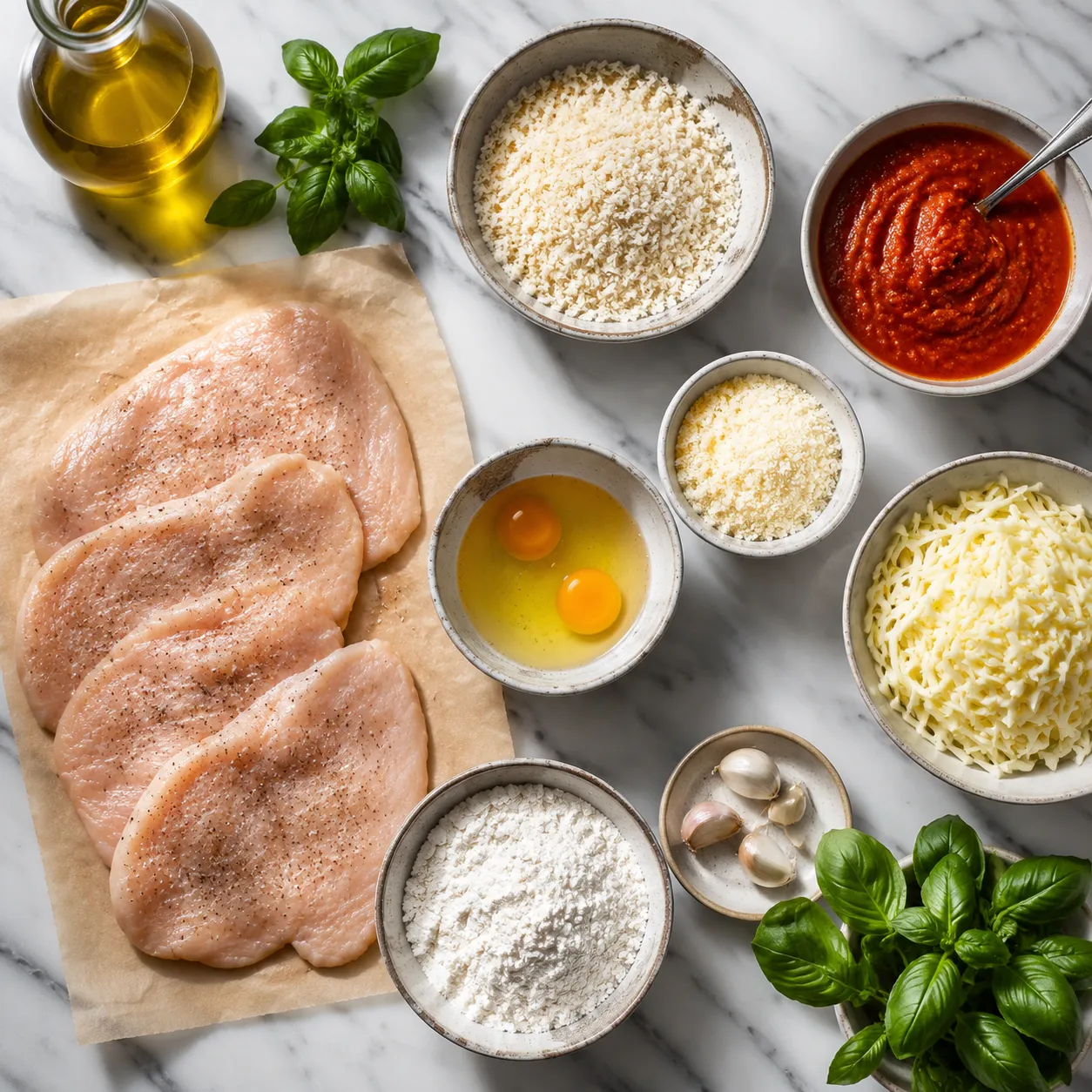
The breading is where the crunch happens. Panko breadcrumbs are lighter and flakier than traditional breadcrumbs, so they fry up with more texture and a really satisfying crisp. Mixing them with grated Parmesan cheese, Italian seasoning, garlic powder, and a little salt gives the crust savory depth before it even hits the skillet. Flour helps the egg cling, the egg helps the crumbs stick, and that three-part dredge is what creates a cutlet that feels sturdy enough for sauce and cheese.
For the topping, use a marinara sauce you genuinely like because its flavor comes through. Low-moisture shredded mozzarella melts evenly and keeps the dish from getting watery, while fresh mozzarella adds a softer, milkier pull if you want that extra-luxe finish. I like a combination: shredded mozzarella for coverage and a few small pieces of fresh mozzarella for those dramatic melted pockets. Fresh basil at the end is optional, but it adds color, fragrance, and the exact little lift this rich dish needs.
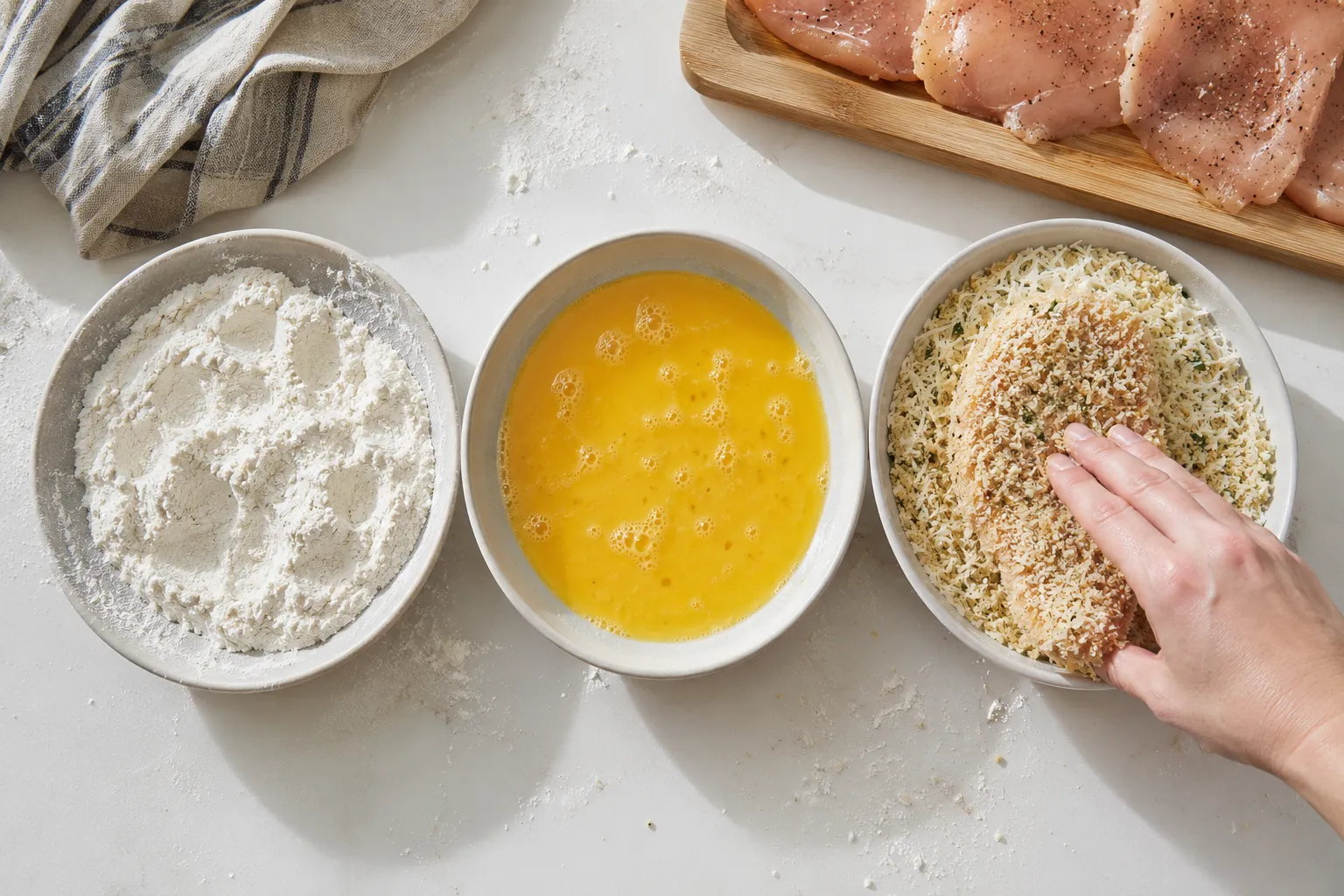
The timing for this chicken parm recipe is built around doing each small task in the right order. First, get your oven or broiler ready and set up a sheet pan near the stove so the fried cutlets have somewhere to land. Then arrange your dredging station in a straight line: flour, beaten eggs, and the panko-Parmesan mixture. It feels very cooking-show organized, but it really does keep the process moving.
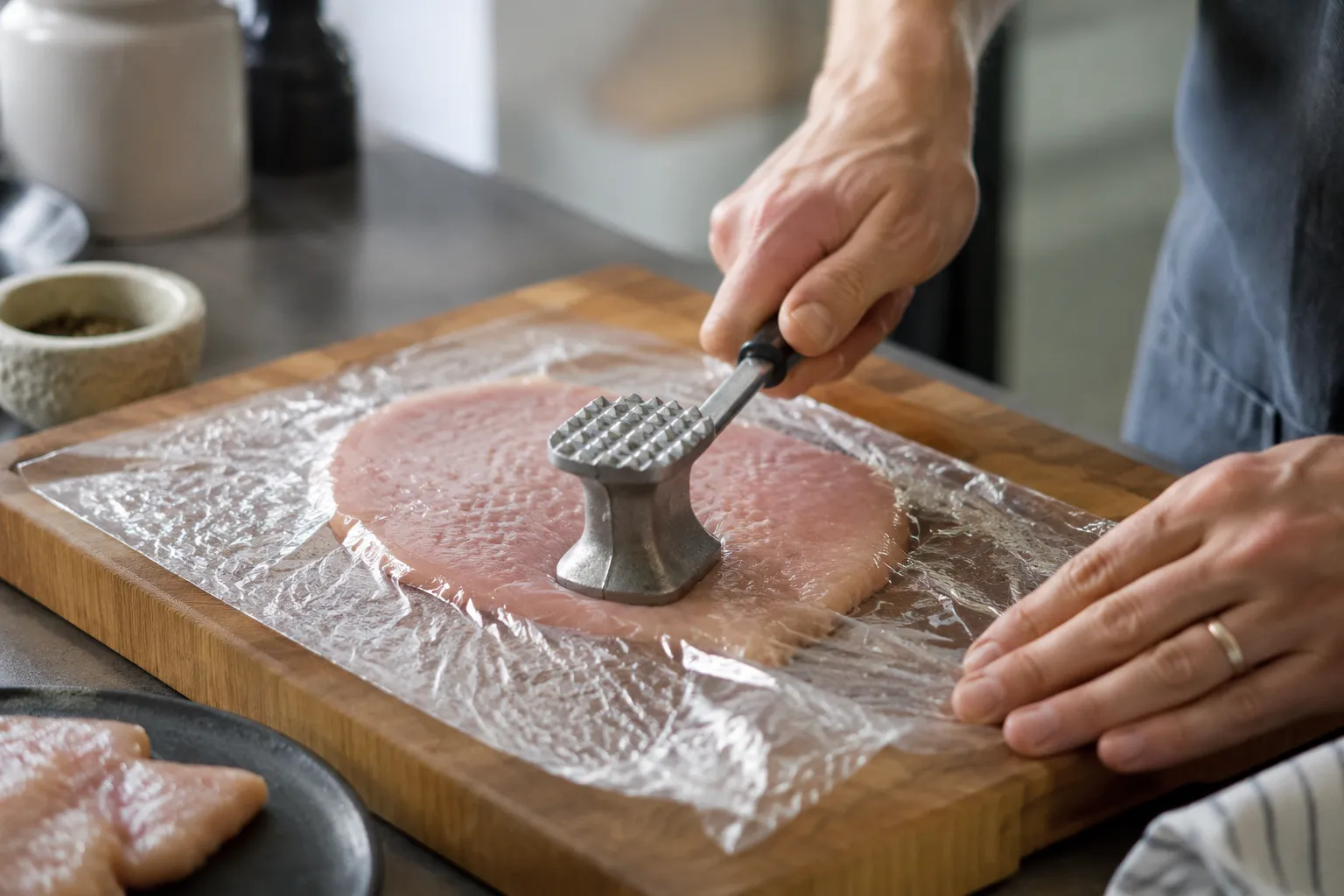
Season the chicken before dredging, not just the breadcrumbs. Chicken breasts are mild, so a little salt and pepper directly on the meat makes every bite taste complete. Once the cutlets are pounded evenly, dredge them gently but thoroughly: a light coating of flour, a dip in egg, then a firm press into the panko breadcrumbs so the crust adheres. If you have five extra minutes, letting the breaded cutlets rest on a rack before frying helps the coating set.
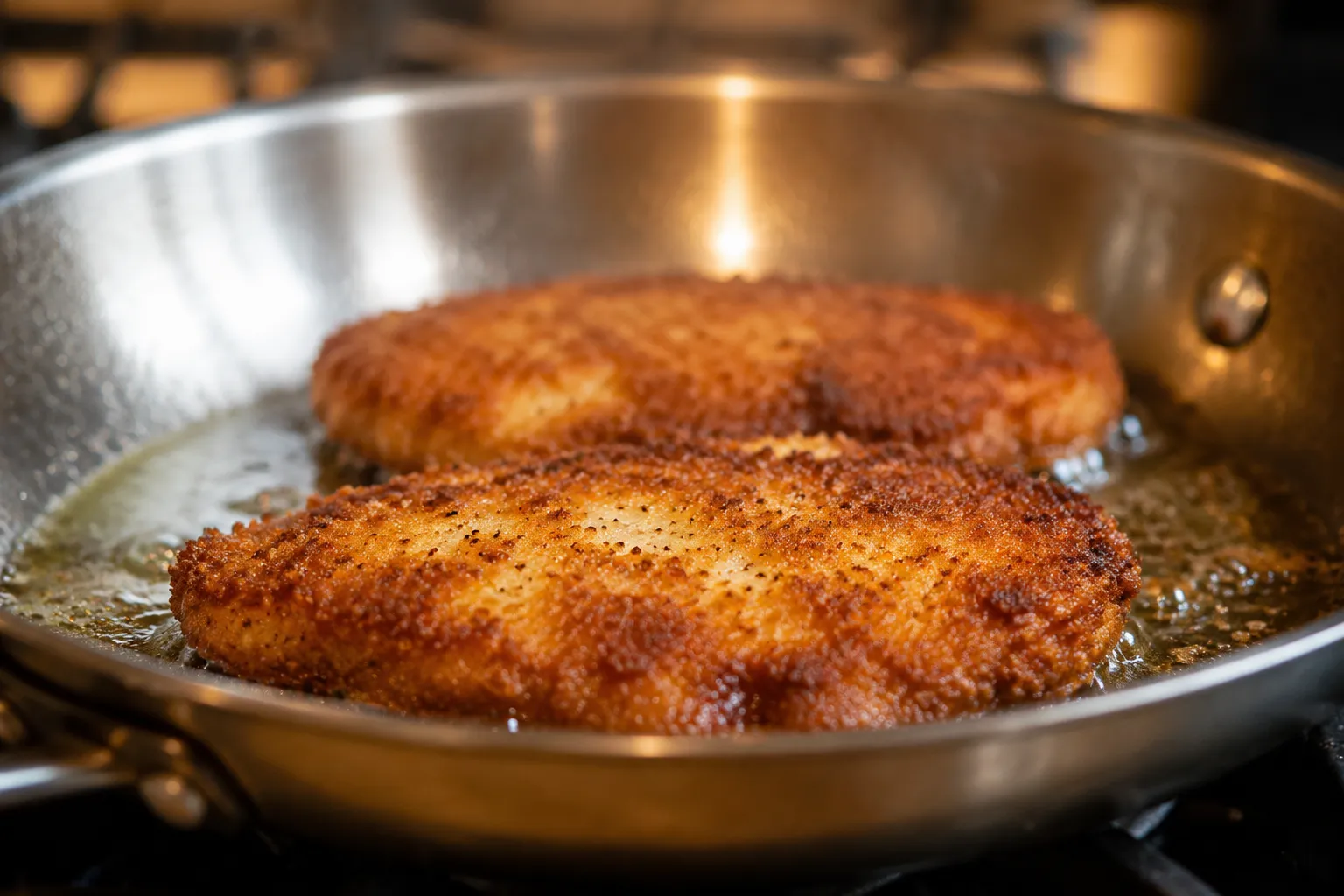
The skillet should be hot enough that the breading sizzles as soon as it touches the oil, but not so hot that the crumbs burn before the chicken cooks. Olive oil gives great flavor, though you can blend it with a neutral oil if you prefer a higher smoke point. Work in batches if needed; crowding the pan traps steam and makes crispiness harder to achieve. The cutlets are ready to flip when the underside is deeply golden and the edges look crunchy.
After frying, transfer the chicken to a rack or parchment-lined sheet pan, then add the sauce and cheese. The key is restraint: spoon marinara sauce over the center of each cutlet rather than spreading it edge to edge. A sprinkle of Parmesan cheese over the mozzarella adds salty, nutty flavor and helps the top brown under the broiler. In just a few minutes, the cheese turns glossy and bubbling while the exposed crust stays crisp.
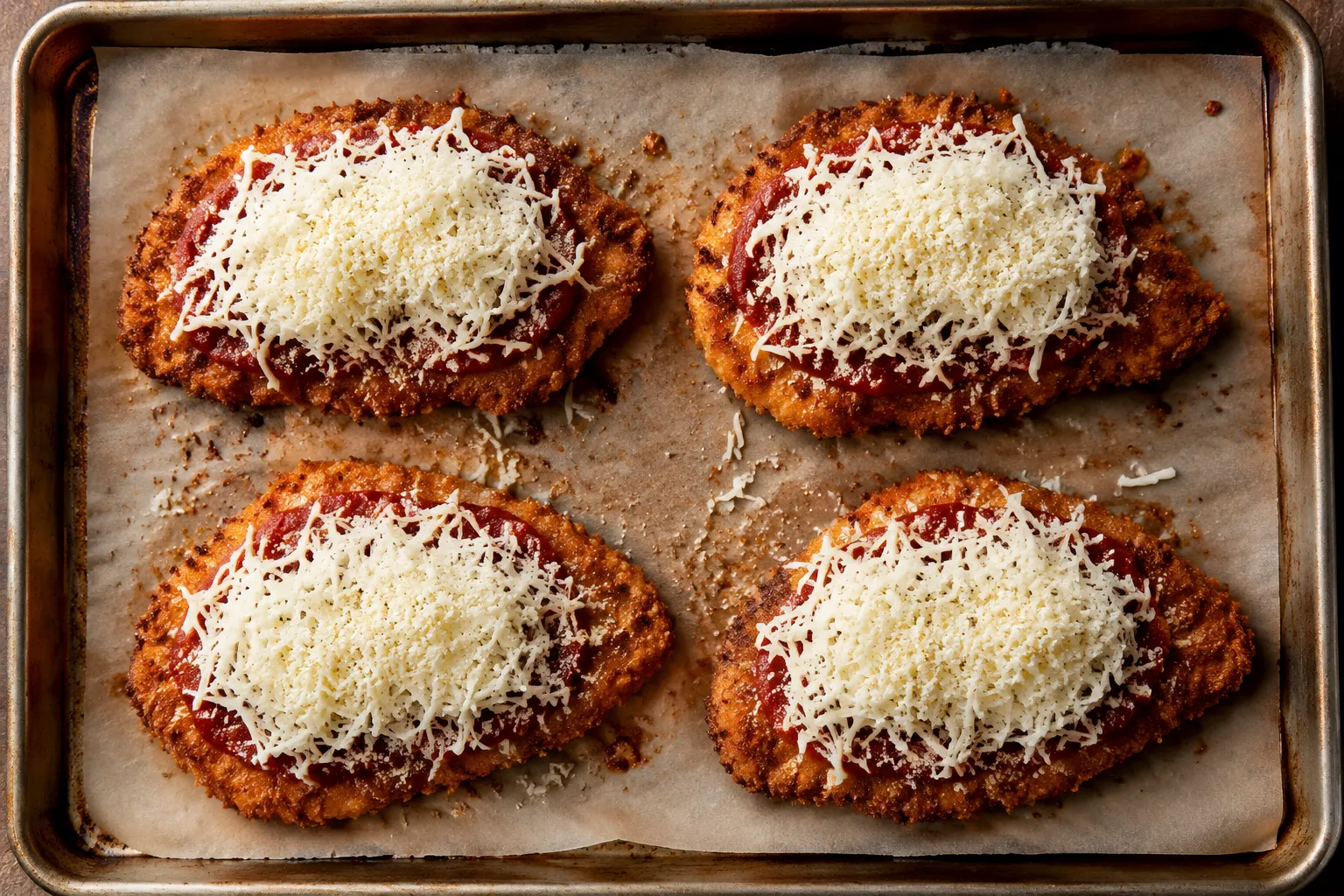
A perfectly cooked cutlet should be golden outside, juicy inside, and register 165°F at the thickest part. Because the chicken is thin, it finishes quickly in the skillet and only needs a short broil to melt the cheese. If you are unsure, use an instant-read thermometer rather than cutting into every piece and losing those juices to the pan. The crust should audibly crackle a little when you slide a spatula underneath.
Look for visual cues, too. The mozzarella should be melted and lightly browned in spots, the sauce should be hot and glossy, and the basil should be added after broiling so it stays fresh instead of wilting into the cheese. This is one of those dinners where texture matters as much as flavor, so serve it soon after it comes out of the oven. The longer it sits under sauce, the softer the breading becomes.
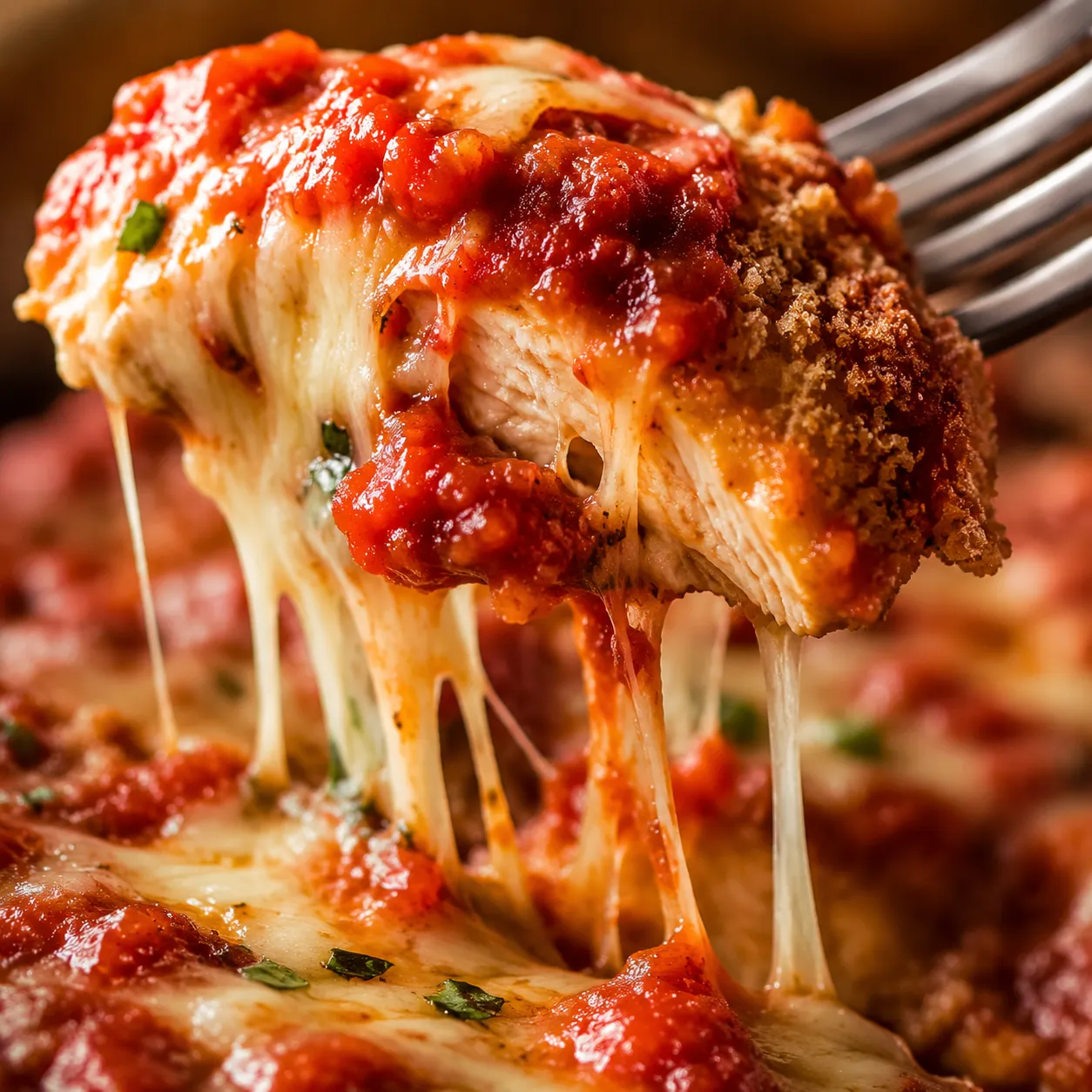
This chicken parm recipe is especially good when the cheese is still pulling into long, stretchy strands. If you are plating over pasta, twirl the noodles first, add a little extra warm sauce, then place the cutlet on top instead of underneath a heavy blanket of spaghetti. That keeps the crust from steaming on the plate and makes the whole dish feel restaurant-worthy.
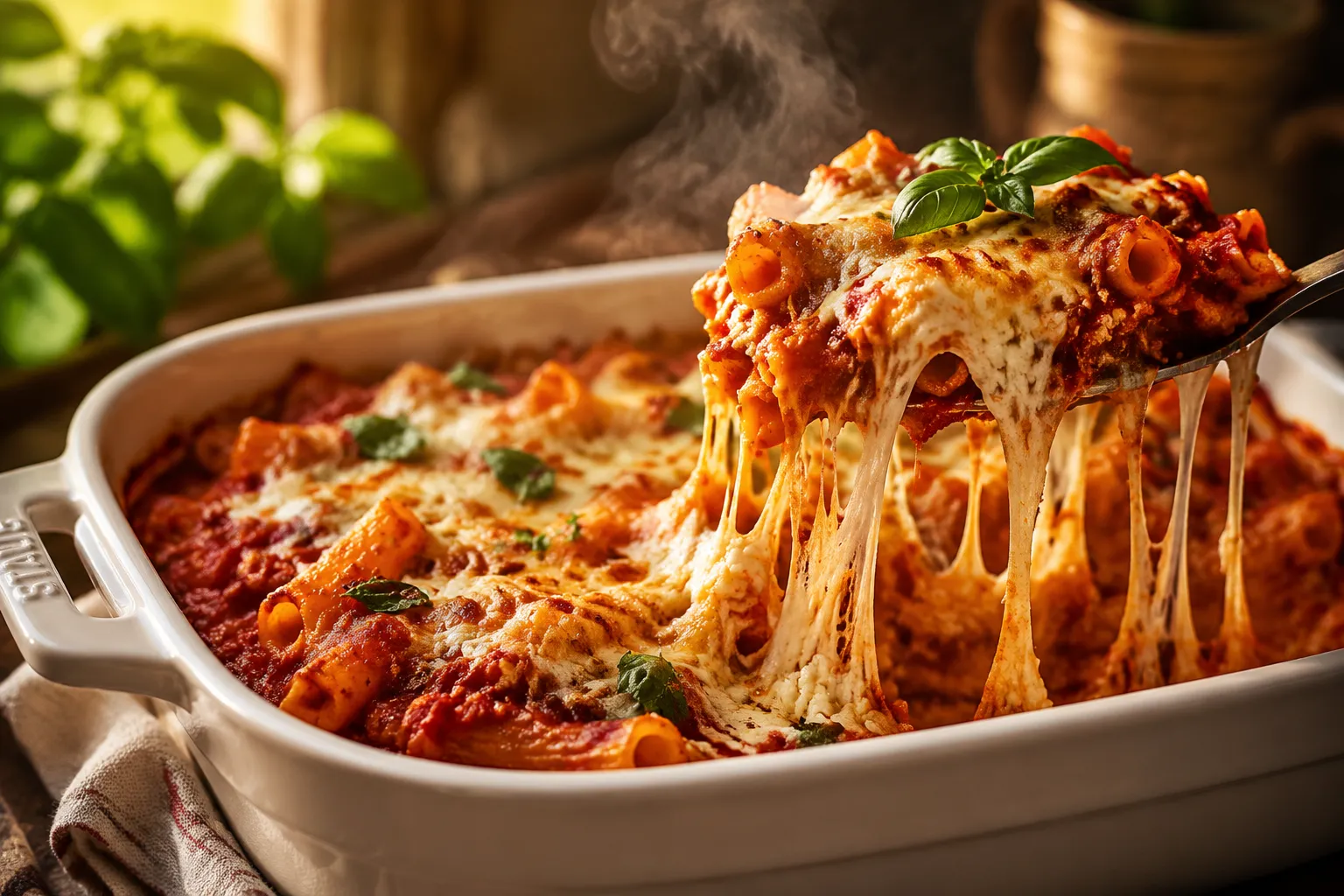
The classic move is spaghetti, and honestly, it is classic for a reason. A nest of spaghetti, linguine, or angel hair tossed with a little marinara gives the crispy cutlet somewhere saucy to land. If you want an extra-rich pasta side, garlic butter pasta is a cozy option that plays beautifully with the tomato and cheese. For a bigger Sunday-style spread, serve smaller portions of chicken parmesan alongside baked ziti and let everyone build their own plate.
A crisp salad is the easiest way to balance the richness. Caesar salad is always a good idea here because the creamy dressing, crunchy romaine, and salty Parmesan echo the flavors in the chicken without feeling repetitive. You could also do a lemony arugula salad, roasted broccoli, sautéed zucchini, or a simple cucumber-tomato salad with red wine vinaigrette. Anything bright, crunchy, or green will make the meal feel a little fresher.
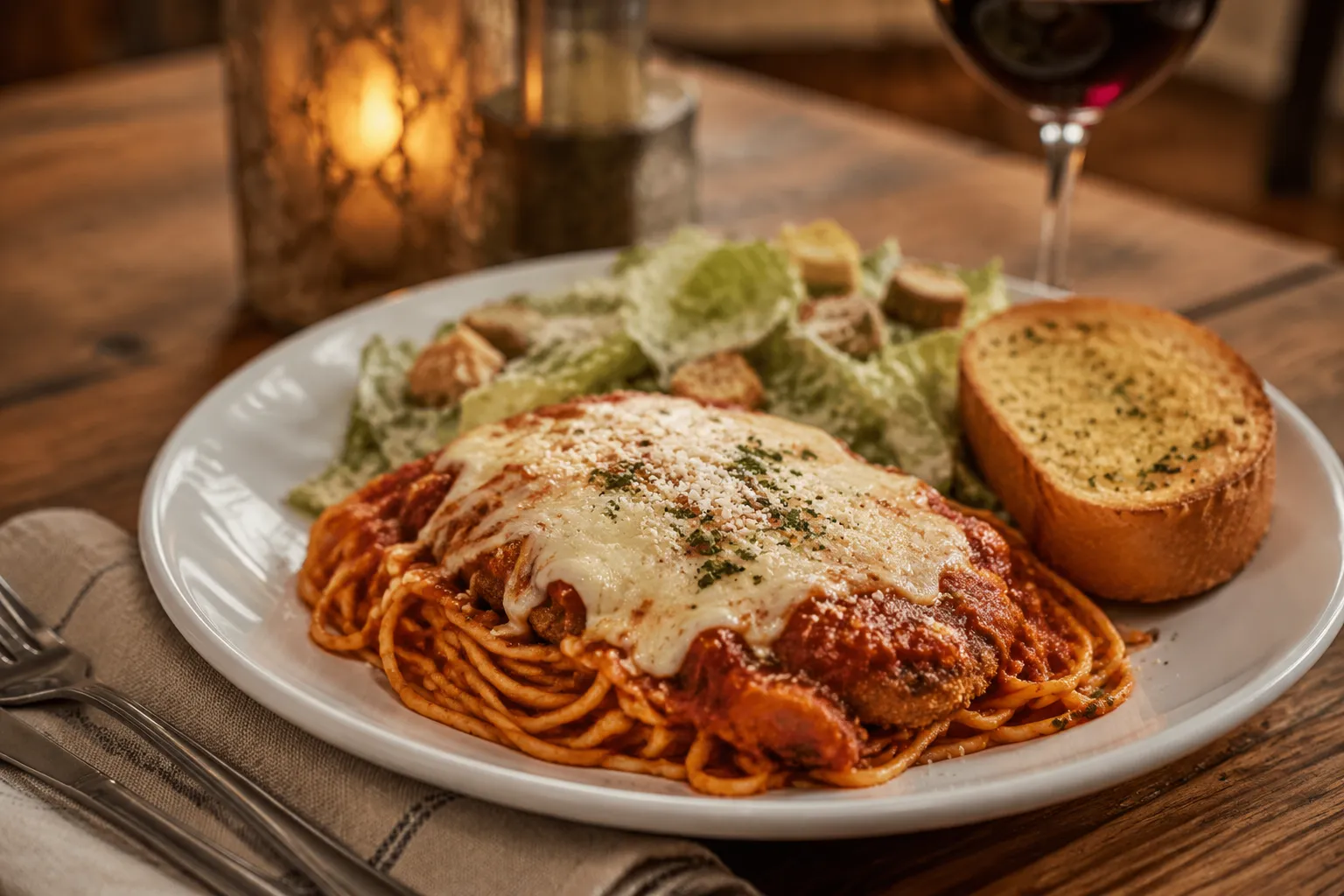
And then there is bread, which is not optional in my house when marinara is involved. A buttery garlic bread recipe is perfect for swiping through the sauce left on the plate, especially if you add a little parsley and grated Parmesan on top. If you are serving this for guests, put the cutlets on a platter with basil, lemon wedges, and extra sauce on the side. It looks abundant and relaxed, which is exactly the mood of a great Italian-American dinner.
Leftover chicken parmesan is a gift if you treat the breading kindly. The easiest next-day lunch is a sandwich: reheat the cutlet until crisp, slide it into a toasted roll, add a little extra sauce, and finish with basil or peppery arugula. You can also chop a leftover cutlet and scatter it over pasta for a hearty bowl that tastes like it came from your favorite neighborhood red-sauce spot. Just keep the sauce and cutlet separate when you can, because separation is the friend of crunch.
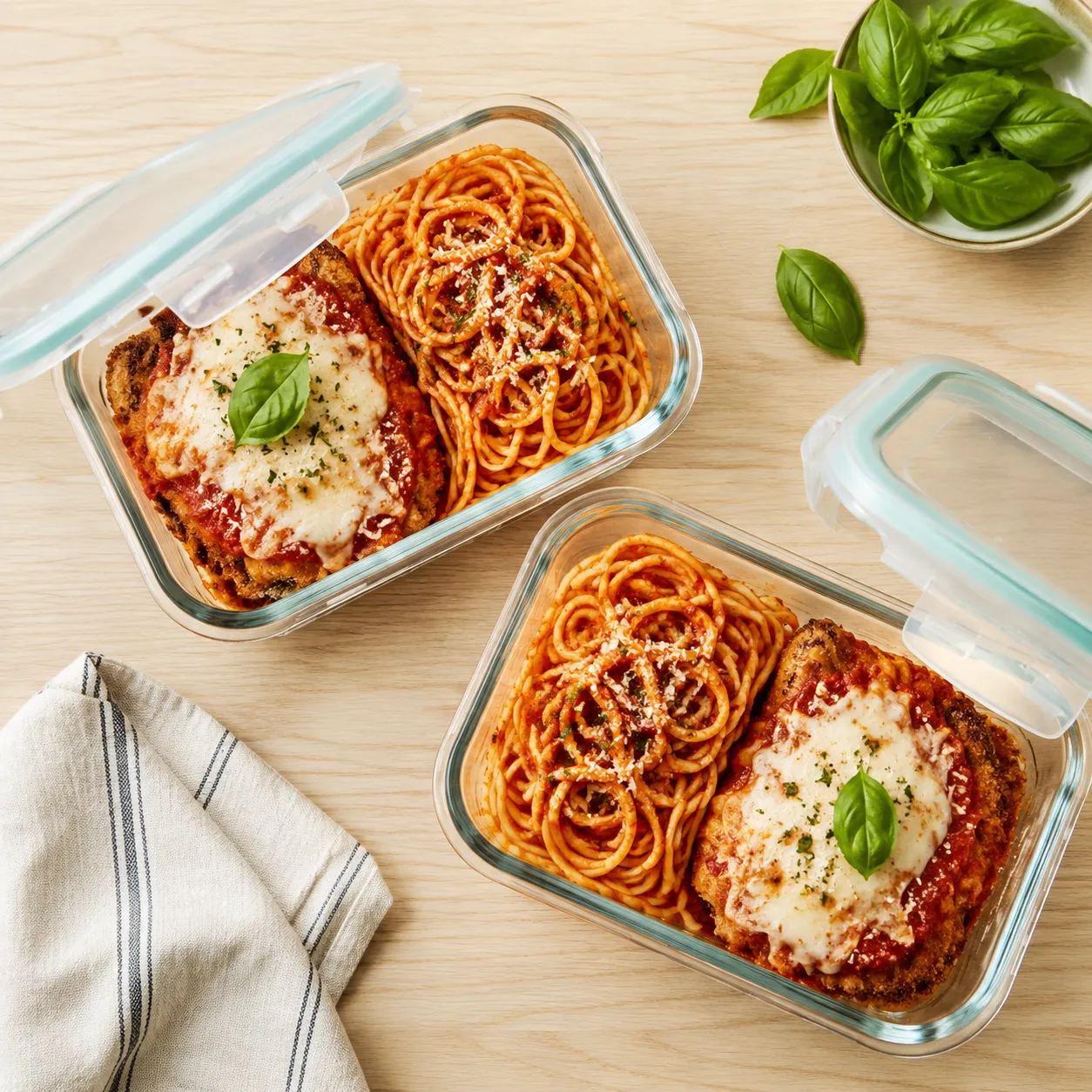
If you are packing leftovers for work or meal prep, use shallow containers and let the chicken cool before sealing. A little condensation can soften the panko crust, so even a few minutes of cooling time helps. Pack extra marinara sauce in a small container if you like things saucy, then add it after reheating. The flavor stays wonderfully comforting, and the cutlets are still satisfying even when they are not quite as crisp as minute-one fresh.
There is something deeply satisfying about making a restaurant favorite at home and realizing it is faster, fresher, and more customizable than takeout. This chicken parm recipe gives you the big, saucy, cheesy payoff without asking for a sink full of dishes or an afternoon of prep. Once you understand the rhythm—thin cutlets, sturdy breading, hot skillet, centered sauce, quick broil—you can make it almost from memory.
It is also the kind of meal that makes a regular Tuesday feel a little celebratory. Put the platter in the middle of the table, shower everything with basil, pass extra Parmesan cheese, and let the crispy edges be the first thing everyone reaches for. Save this chicken parm recipe for the nights when you want comfort food with real texture, big flavor, and a 30-minute finish that actually delivers.
This recipe is easy to adapt depending on your oven, dietary needs, and how light or classic you want the final dish to be. Keep the same basic flavors—seasoned chicken, tomato sauce, mozzarella, and Parmesan—then change the cooking method or coating to fit your kitchen.
Store leftover chicken parmesan in an airtight container in the refrigerator for up to 3 days. For best texture, keep extra sauce separate if possible and let the cutlets cool before sealing the container so steam does not soften the crust.
Reheat in a 375°F oven or toaster oven on a wire rack set over a sheet pan until hot and crisp around the edges. The microwave works in a pinch, but it will soften the breading; if using it, reheat briefly, then finish in a hot skillet or toaster oven to bring back some crunch.