Greek Food: 25 Best Traditional Greek Recipes to Try
Ingredients
Scale
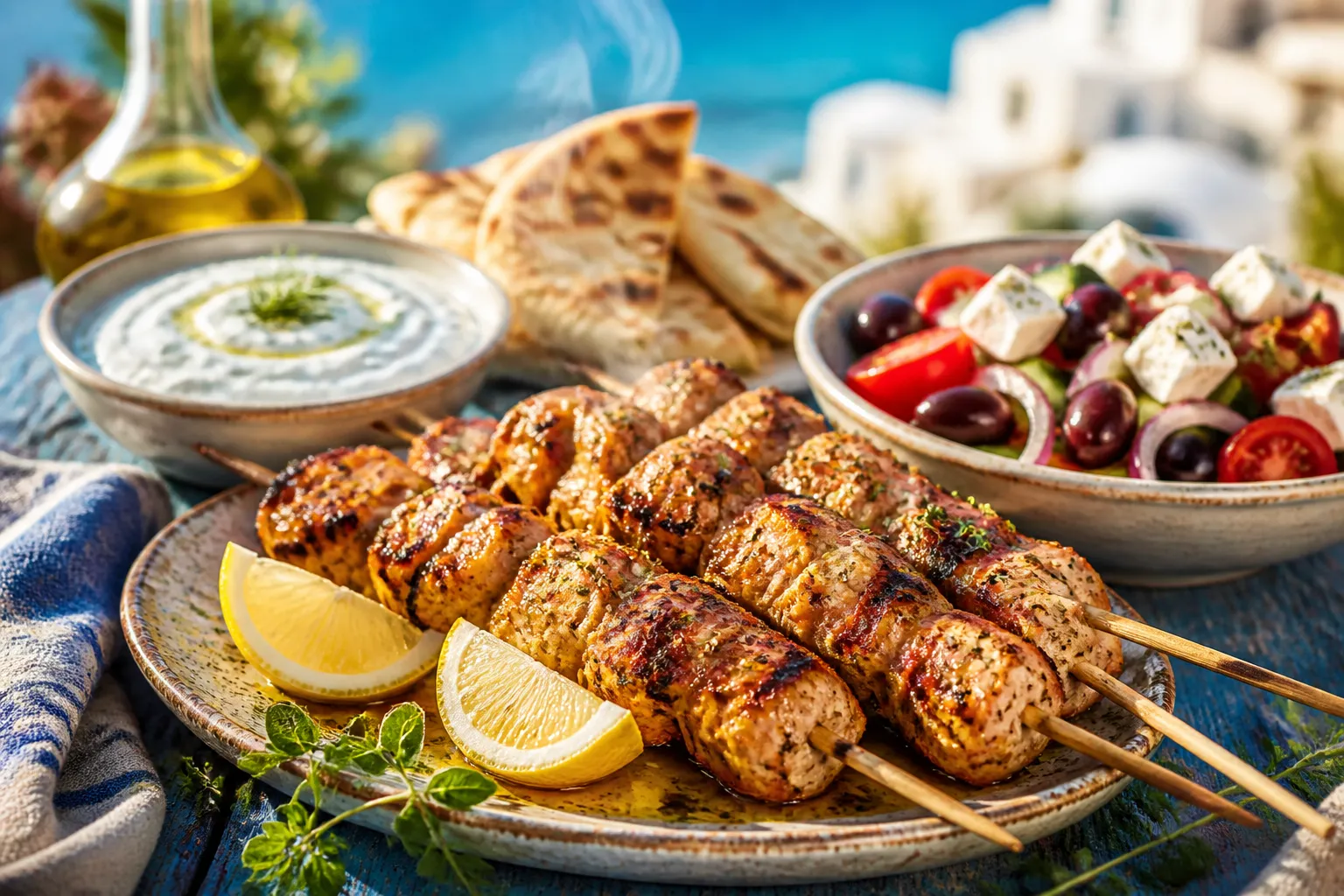
From sun-drenched salads to slow-simmered stews, this guide rounds up 25 iconic Greek food recipes that bring the taverna home to your kitchen.
Greek food is the kind of cooking that makes a regular Tuesday feel like a long, sun-warmed lunch by the sea. It is generous without being fussy: lemony grilled meats, bowls of cool yogurt sauce, flaky phyllo pies, big salads crowned with feta cheese, and olive oil used with the confidence of a cuisine that knows exactly what it is doing.
This guide gathers 25 traditional Greek recipes by course, so you can plan a full mezze night, a cozy Sunday supper, or a bright weeknight platter with souvlaki and salad. Think of it as your at-home taverna roadmap, with cultural context, pantry notes, and one anchor recipe card for a chicken souvlaki platter with tzatziki and Horiatiki salad.
At the heart of Greek cuisine is the Mediterranean rhythm of eating: vegetables first, olive oil often, seafood when the coast is close, and legumes cooked until humble ingredients taste deeply satisfying. Lemon, oregano, garlic, and herbs bring brightness, while yogurt and feta add cool creaminess and tang. Many Greek dishes feel both celebratory and everyday, which is exactly why they travel so beautifully into home kitchens. If you already love Mediterranean diet meals, the Greek table will feel instantly familiar but still wonderfully distinct.
A small pantry can take you a long way: extra-virgin olive oil, dried oregano, good red wine vinegar, lemons, garlic, Greek yogurt, honey, phyllo, rice, beans, olives, and feta cheese. With those staples, you can make homemade tzatziki, roast lemony potatoes, dress a village salad, or marinate skewers in minutes. Greek cooking rewards quality ingredients, not complicated techniques, so buy the olive oil you enjoy tasting straight from a spoon. Keep a jar of Kalamata olives and a block of brined feta on hand and dinner already has a head start.
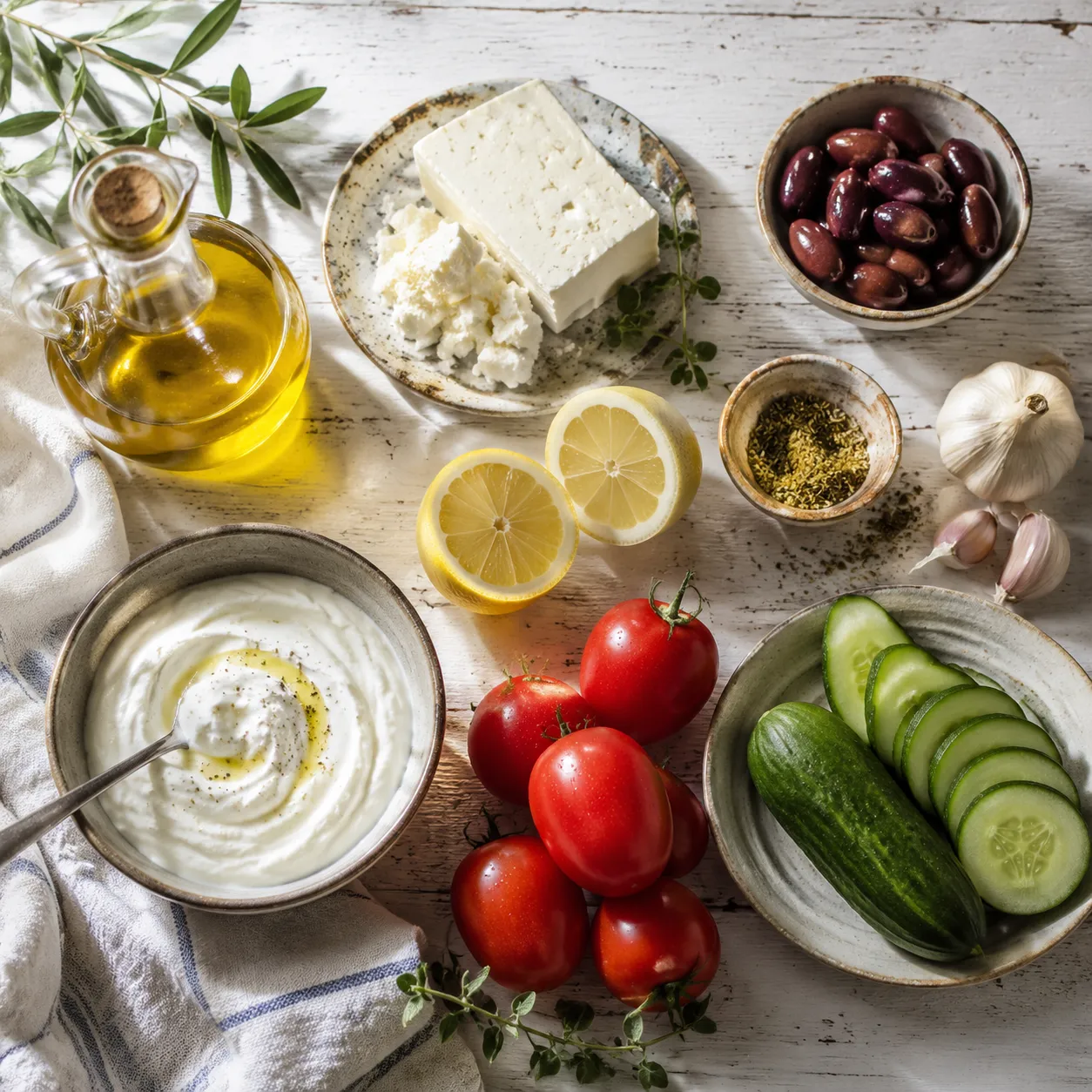
Greece is not one single flavor profile, but a patchwork of islands, mountains, farms, and ports. The islands lean toward fish, capers, herbs, and simple grilled dishes; northern regions bring in richer stews, pies, and warming spices; Crete is famous for greens, cheeses, barley rusks, and rugged olive oil. Ottoman, Venetian, Balkan, and Middle Eastern influences all left their mark, especially in phyllo pastries, spiced meats, and syrupy desserts. That layered history is why traditional Greek recipes can feel ancient, practical, and festive all at once.
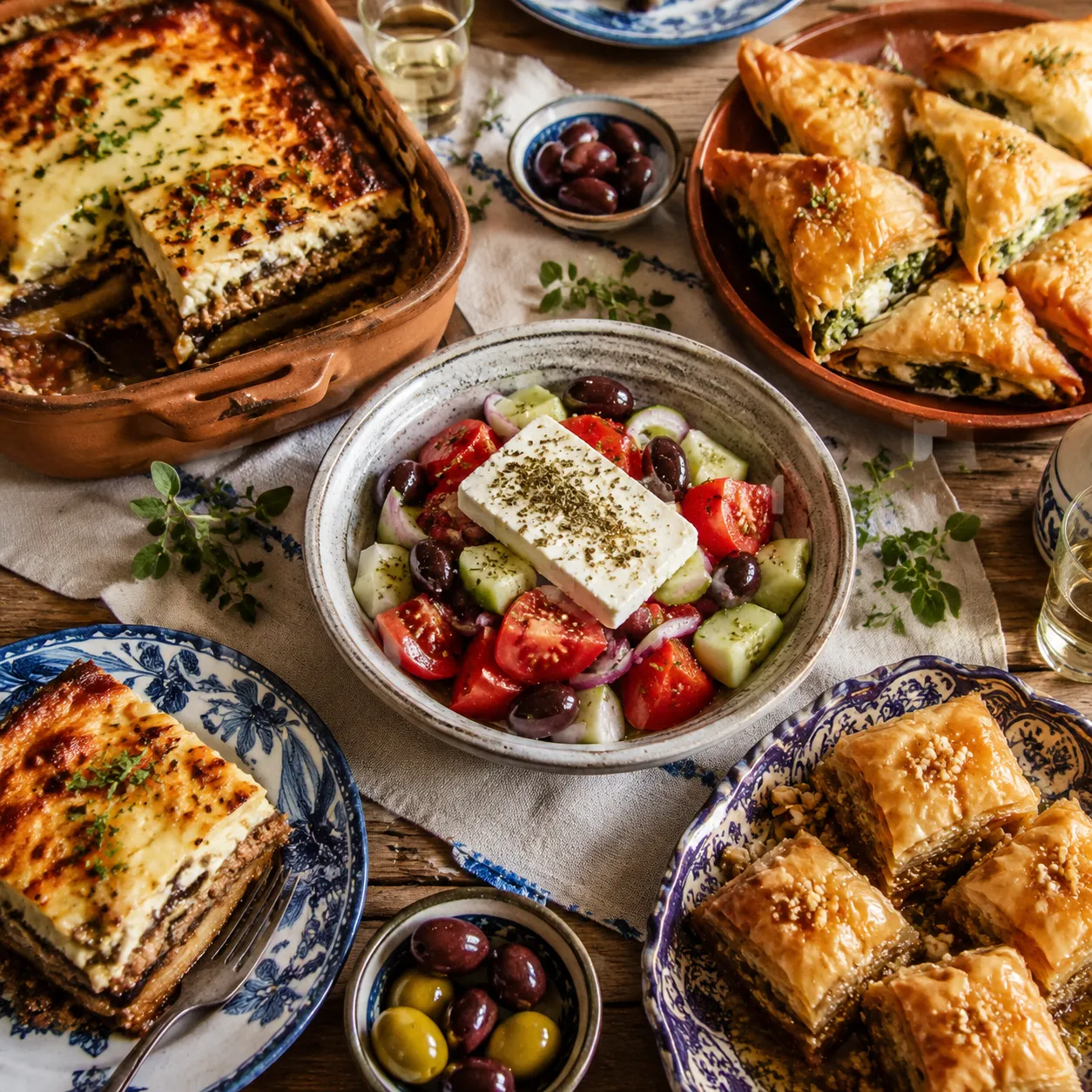
Moussaka is the grand, bubbling casserole many cooks think of first when they picture traditional Greek comfort food. Layers of fried or roasted eggplant, warmly spiced meat sauce, and a plush béchamel bake into a dish that slices like lasagna but tastes unmistakably Greek. For a weeknight-friendly version, look for an easy moussaka method that roasts the vegetables instead of pan-frying every slice. Serve it with a crisp salad and let it rest before cutting so the layers hold beautifully.
Pastitsio is another beloved baked main, made with tubular pasta, cinnamon-kissed meat sauce, and a creamy béchamel top. It is hearty, nostalgic, and perfect for feeding a crowd because the slices portion neatly and reheat well. The flavor is subtle rather than aggressively spiced, with just enough warmth to make the tomato and beef feel rounded. If you love baked ziti or lasagna, pastitsio is the Greek cousin you absolutely need to try.
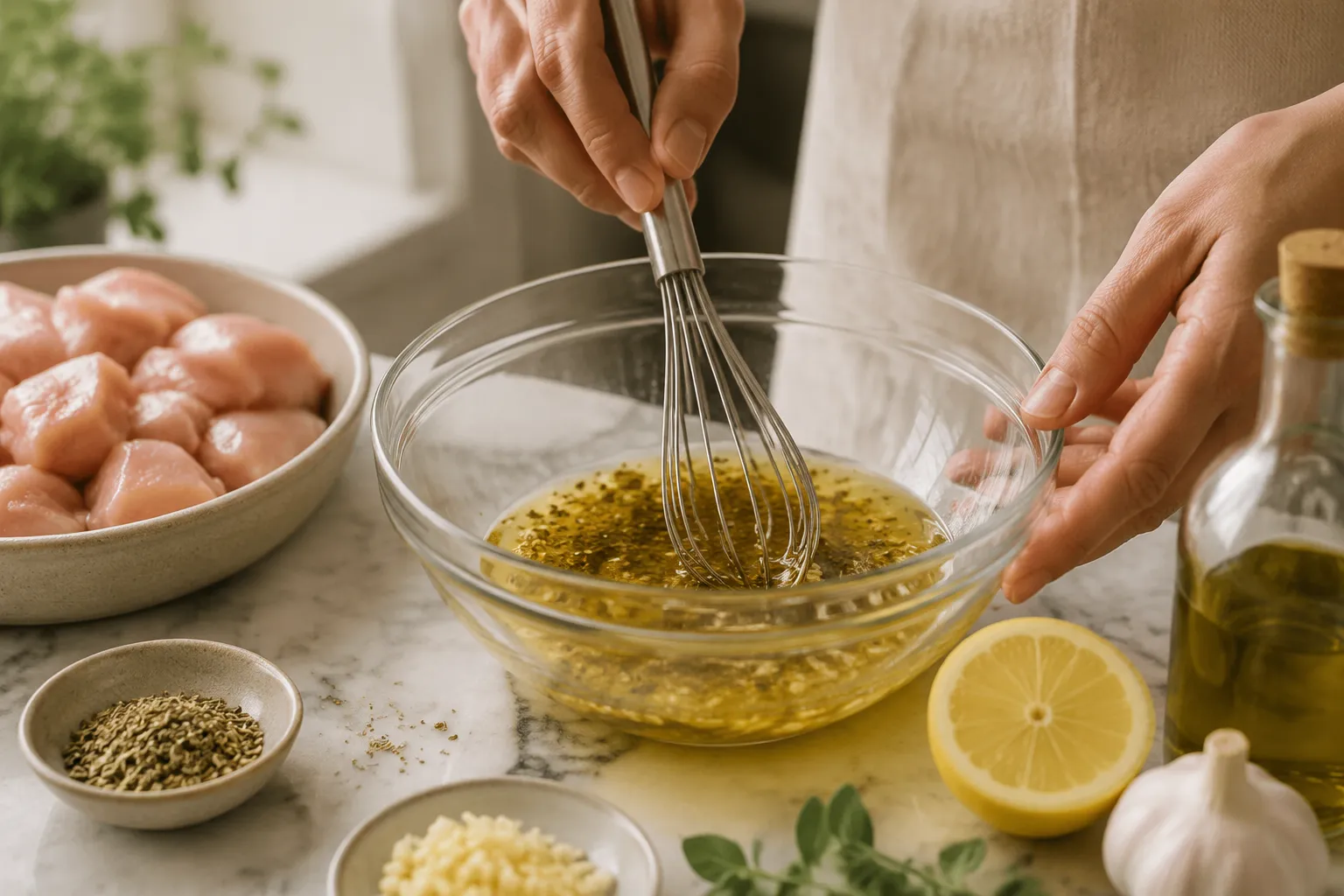
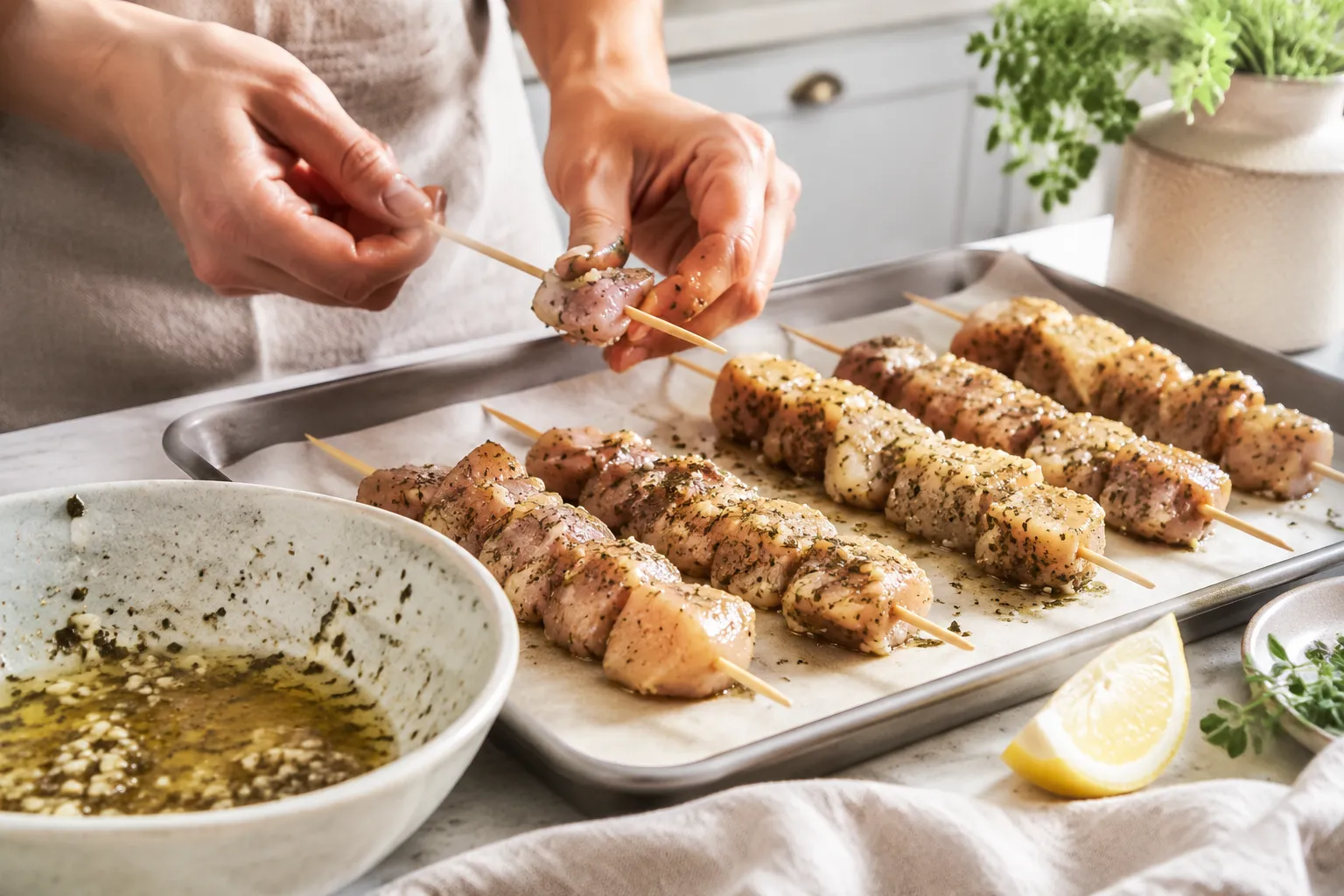
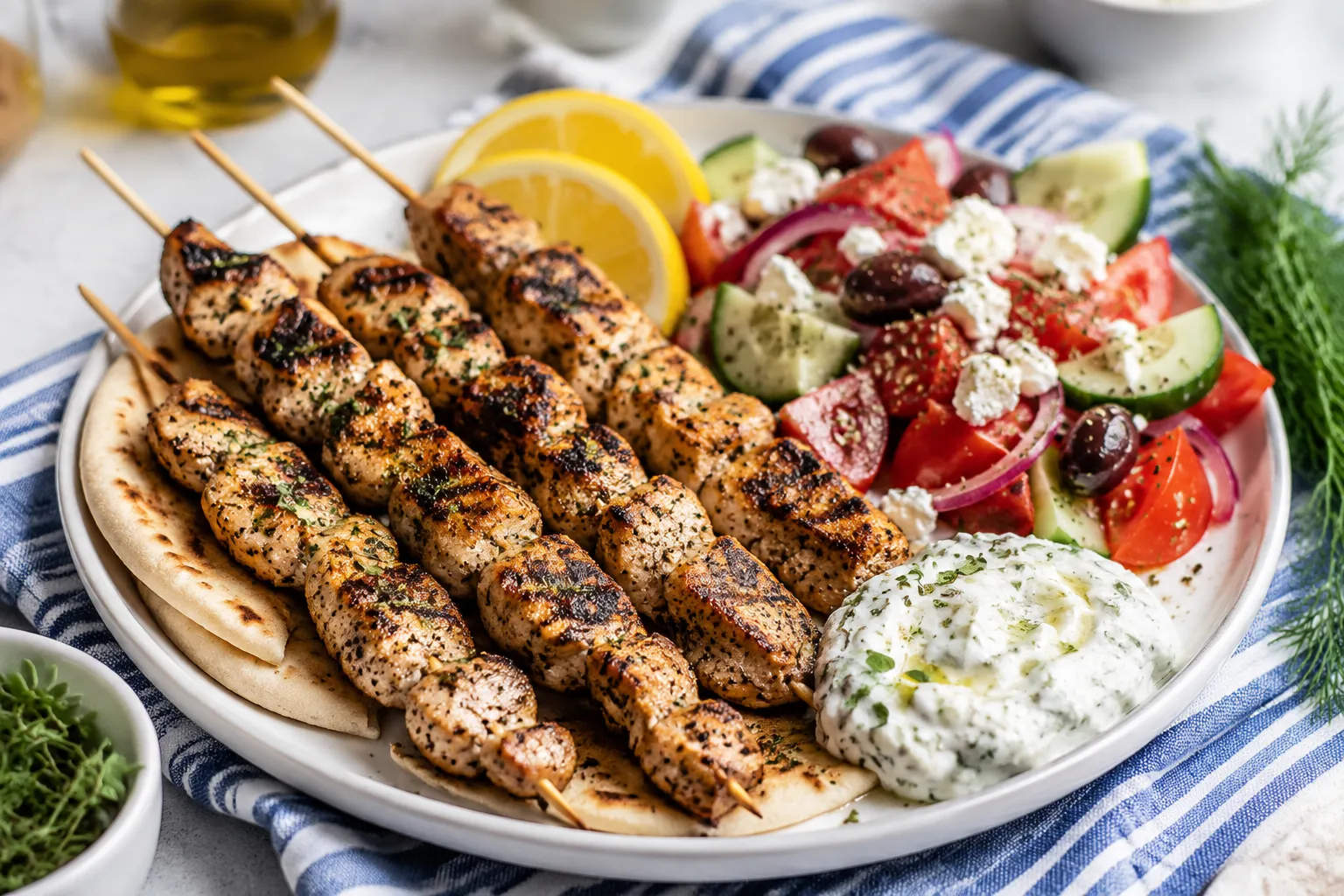
Souvlaki is simple in the best possible way: small pieces of meat marinated with lemon, garlic, oregano, and olive oil, then grilled until smoky at the edges. The anchor recipe below focuses on chicken souvlaki because it is approachable, quick-cooking, and easy to serve as a platter with pita, tzatziki, salad, and lemon wedges. Pork is also traditional, and lamb makes a richer special-occasion version. The key is to marinate long enough for flavor, then cook hot and fast for juicy results.
Kleftiko is a rustic lamb dish traditionally cooked low and slow until the meat is tender enough to pull apart with a fork. Lemon, garlic, oregano, potatoes, and sometimes cheese or vegetables are wrapped or covered so everything steams and roasts in its own juices. The result is intensely savory and aromatic, the kind of dish that fills the kitchen before it ever reaches the table. It is ideal for Sunday dinner, Easter, or any gathering where the oven can do most of the work.
Tzatziki is the cool, creamy sauce that belongs next to grilled meat, warm pita, fried zucchini, and honestly almost anything coming off the grill. It is made with thick Greek yogurt, grated cucumber, garlic, lemon or vinegar, olive oil, and dill or mint. The most important step is squeezing the cucumber dry so the dip stays lush rather than watery. Make it before the rest of dinner so the garlic mellows and the flavors have time to settle.
Spanakopita is a savory pie of spinach, herbs, scallions, eggs, and feta tucked between crackly layers of phyllo. A good spanakopita recipe balances greens and cheese so every bite is briny, herbal, and buttery without feeling heavy. You can bake it as a large slab for parties or fold it into triangles for a mezze platter. It is one of those Greek dishes that tastes equally good warm, room temperature, or eaten cold from the fridge the next day.
Dolmades are grape leaves wrapped around rice, herbs, lemon, and sometimes ground meat. The vegetarian version is especially bright, with dill, mint, parsley, and plenty of citrusy lift. Rolling them takes a little patience, but it is wonderfully meditative once you get into the rhythm. Serve them chilled or room temperature with lemon wedges and yogurt sauce for a classic mezze bite.
Saganaki is proof that a few good ingredients can steal the whole meal. A firm Greek cheese is lightly dredged, pan-seared until golden and crisp, then finished with lemon while still sizzling. It is salty, dramatic, and best eaten immediately with bread for scooping up every melted edge. If you are hosting, cook it right before everyone sits down and let it be the appetizer that brings people to the table.
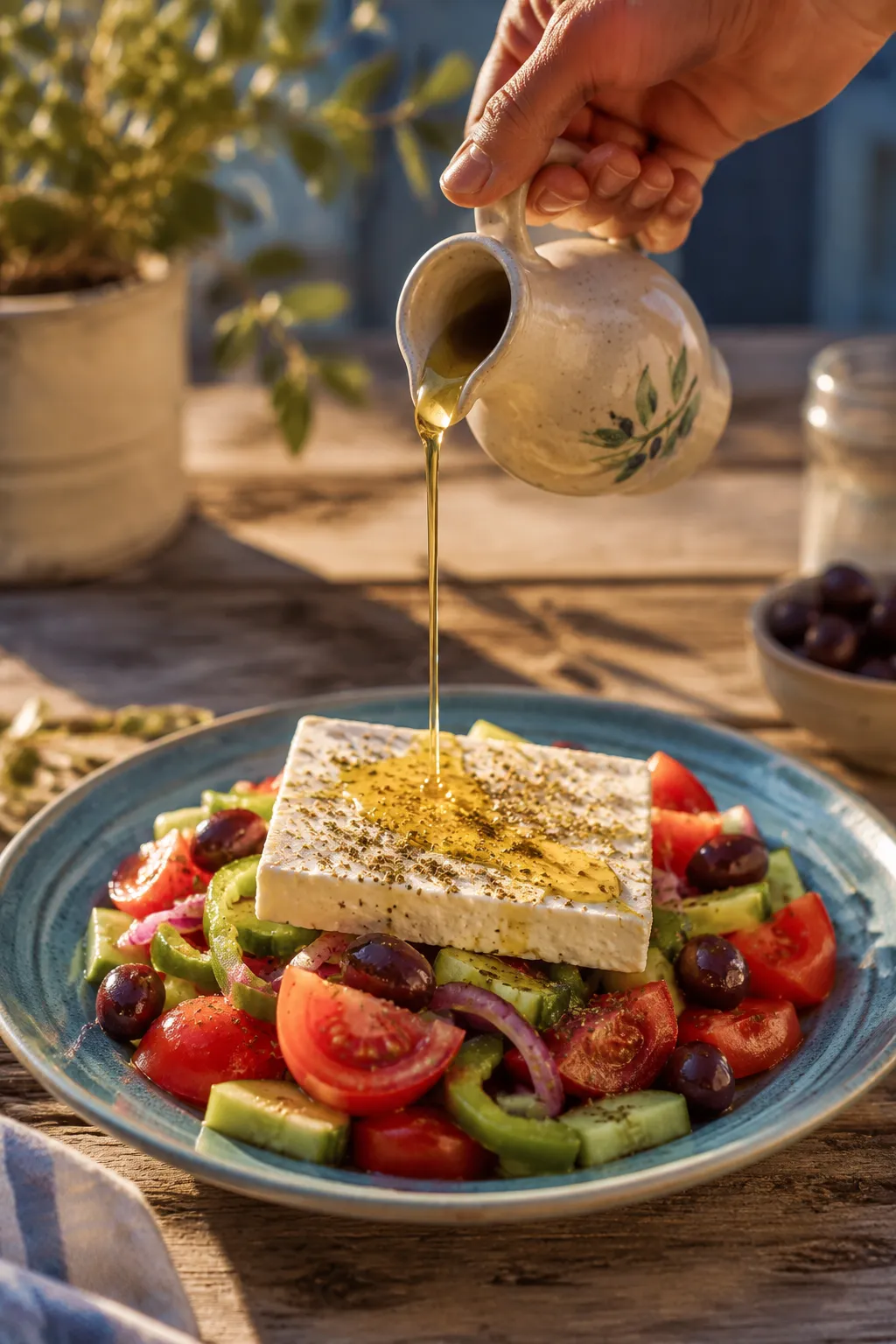
Horiatiki, often called Greek village salad, is a summer masterpiece of tomatoes, cucumber, green pepper, red onion, Kalamata olives, oregano, olive oil, and a slab of feta. There is no lettuce in the classic version, just juicy vegetables and their salty, tangy dressing mingling at the bottom of the bowl. If you already have a favorite Greek salad recipe, try serving it the traditional way with the feta on top rather than crumbled throughout. Use the ripest tomatoes you can find, because their juices are part of the dressing.
Greek roasted potatoes are not just potatoes with lemon squeezed on top; they cook in a broth of lemon juice, garlic, olive oil, oregano, and stock until creamy inside and bronzed at the edges. The pan juices reduce into a glossy, tart coating that makes the potatoes taste almost marinated. They are excellent next to lamb, chicken, fish, or vegetable mains. Make more than you think you need, because the browned corners disappear first.

Gigantes plaki turns large white beans into a saucy baked dish with tomato, carrots, celery, herbs, and plenty of olive oil. It is hearty enough to stand in as a vegetarian main, especially with bread and salad alongside. Like many bean-based Greek dishes, it tastes even better after resting, when the beans absorb the garlicky tomato sauce. It is pantry-friendly, deeply satisfying, and a beautiful example of how Greek cooking makes legumes feel special.
Avgolemono is silky chicken soup thickened with eggs and sharpened with fresh lemon juice. Rice or orzo gives it body, while the egg-lemon mixture creates a creamy texture without cream. The technique is all about tempering: whisk hot broth gradually into the eggs so they become smooth and glossy instead of scrambling. It is soothing, bright, and exactly what you want when comfort food needs a little sunshine.
Fasolada is often called Greece’s national soup, a humble bowl of white beans simmered with tomato, celery, carrots, onion, and olive oil. It is economical, nourishing, and deeply flavorful when cooked gently until the beans turn tender and the broth thickens. A drizzle of good oil at the end is not optional; it is part of the flavor and richness. Serve with olives, bread, and maybe a little feta for a simple meal that feels complete.
Stifado is a slow-simmered stew of beef and small onions, often scented with cinnamon, bay, allspice, and red wine. The onions soften into sweetness while the sauce turns glossy and aromatic. It is a colder-weather dish, rich and cozy but still balanced by vinegar or wine. Serve it with potatoes, rice, or crusty bread for catching every spoonful of sauce.
Baklava is the dessert everyone recognizes: layers of phyllo, chopped nuts, warm spices, and honeyed syrup. Greek versions often lean on walnuts and honey, though pistachios and almonds appear too. The secret is pouring cooled syrup over hot pastry or hot syrup over cooled pastry so the layers soak without collapsing. Cut it small, because the flavor is rich, fragrant, and wonderfully sticky.
Galaktoboureko wraps semolina custard in crisp phyllo and finishes it with citrusy syrup. It is creamy, flaky, and a little dramatic in the best bakery-window way. The custard should be smooth and sliceable, with the phyllo staying crisp on top even after the syrup is added. If you love custard desserts, this one deserves a place on your baking list.
Loukoumades are small fried dough balls soaked or drizzled with honey syrup, then finished with cinnamon, walnuts, or sesame. They are crisp outside, airy inside, and best eaten warm while the honey still glistens. You will find versions at festivals, pastry shops, and family gatherings. For a party, fry them shortly before serving and let guests add their own toppings.
Because Greek cooking is so ingredient-forward, your olive oil and feta cheese matter. Choose extra-virgin olive oil that tastes fruity, peppery, and fresh rather than flat or greasy, and use it generously in salads, dips, beans, and marinades. For feta, look for blocks packed in brine, ideally sheep’s milk or a sheep-and-goat blend, which gives better texture and flavor than pre-crumbled tubs. A thick slab over salad or a salty crumble tucked into pies can transform the whole dish.
You do not need dozens of spices to cook this way well. Start with dried oregano, bay leaves, cinnamon sticks, allspice, black pepper, and sweet paprika, then add fresh dill, mint, and parsley whenever possible. Lemon zest and juice often do the work that heavy sauces might do elsewhere, bringing lift to meats, soups, salads, and roasted vegetables. Keep garlic and onions stocked, too, because they are the quiet backbone of so many traditional Greek recipes.
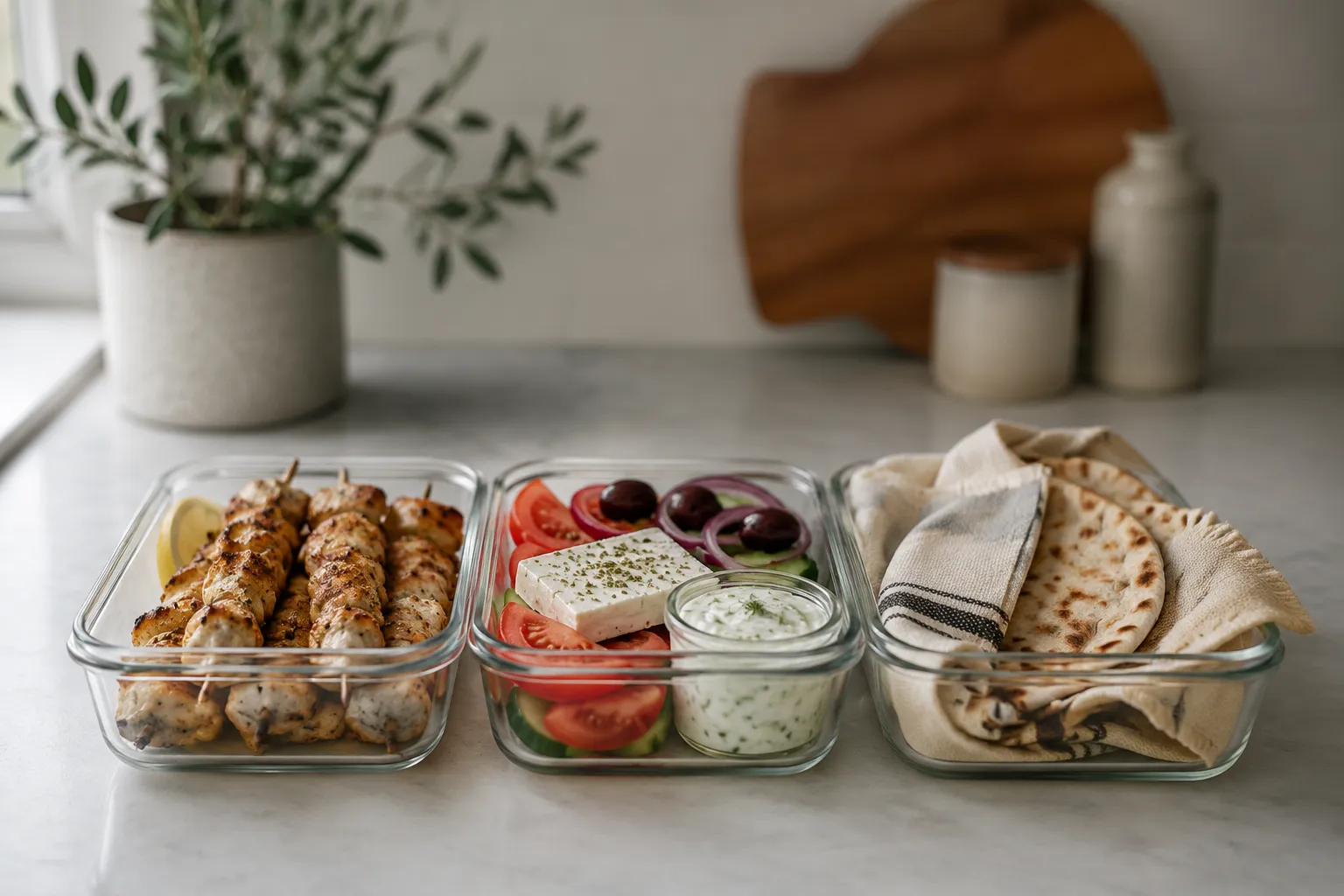
Many components are naturally make-ahead friendly: tzatziki improves after a short rest, beans and stews deepen overnight, and marinated meats can wait in the fridge until you are ready to grill. For a relaxed dinner, prepare the salad vegetables, sauce, and marinade earlier in the day, then cook the skewers right before serving. The recipe card below turns these flavors into a complete platter that is easy enough for weeknights but festive enough for friends. Add pita, olives, and a chilled white wine, and dinner is done.