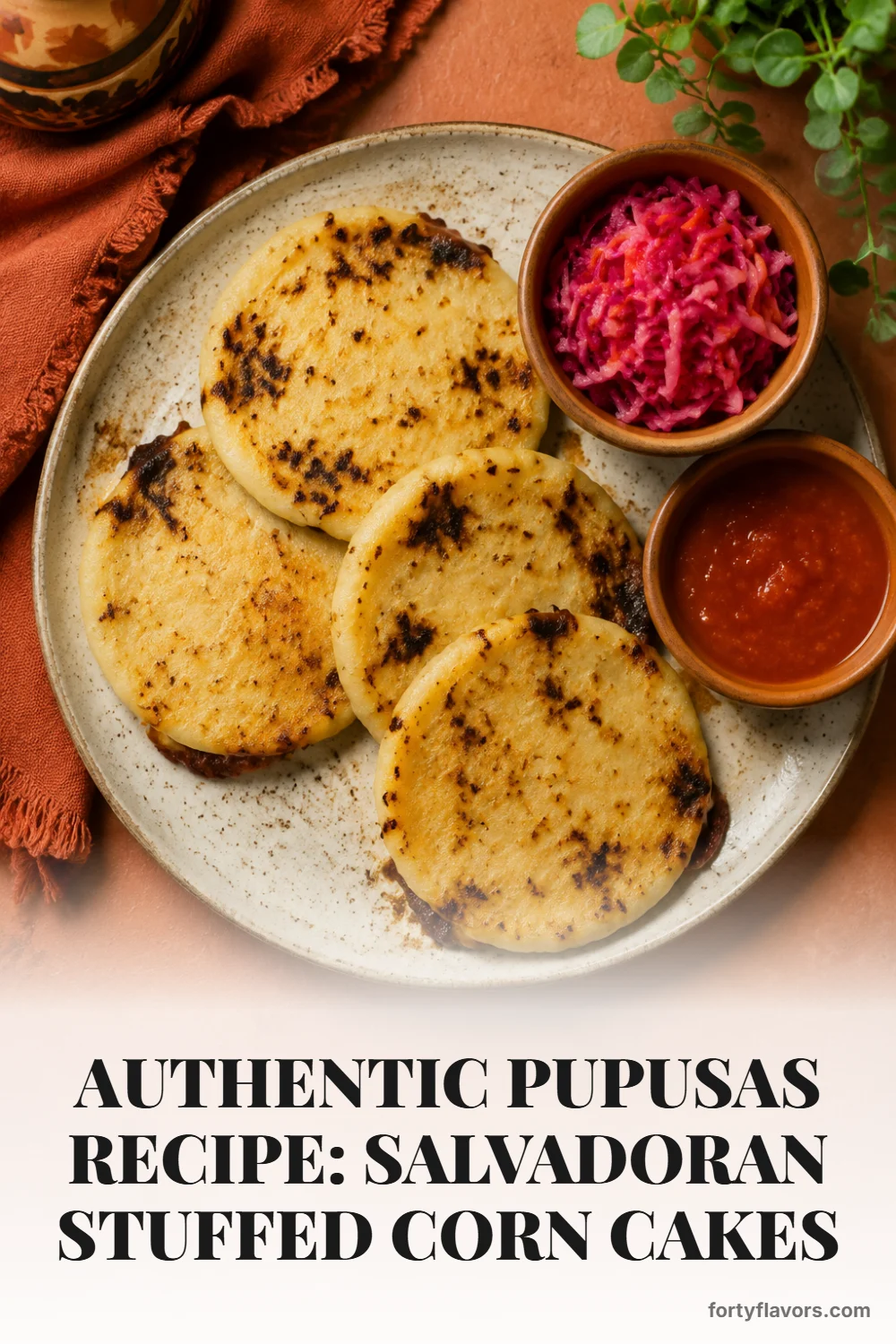
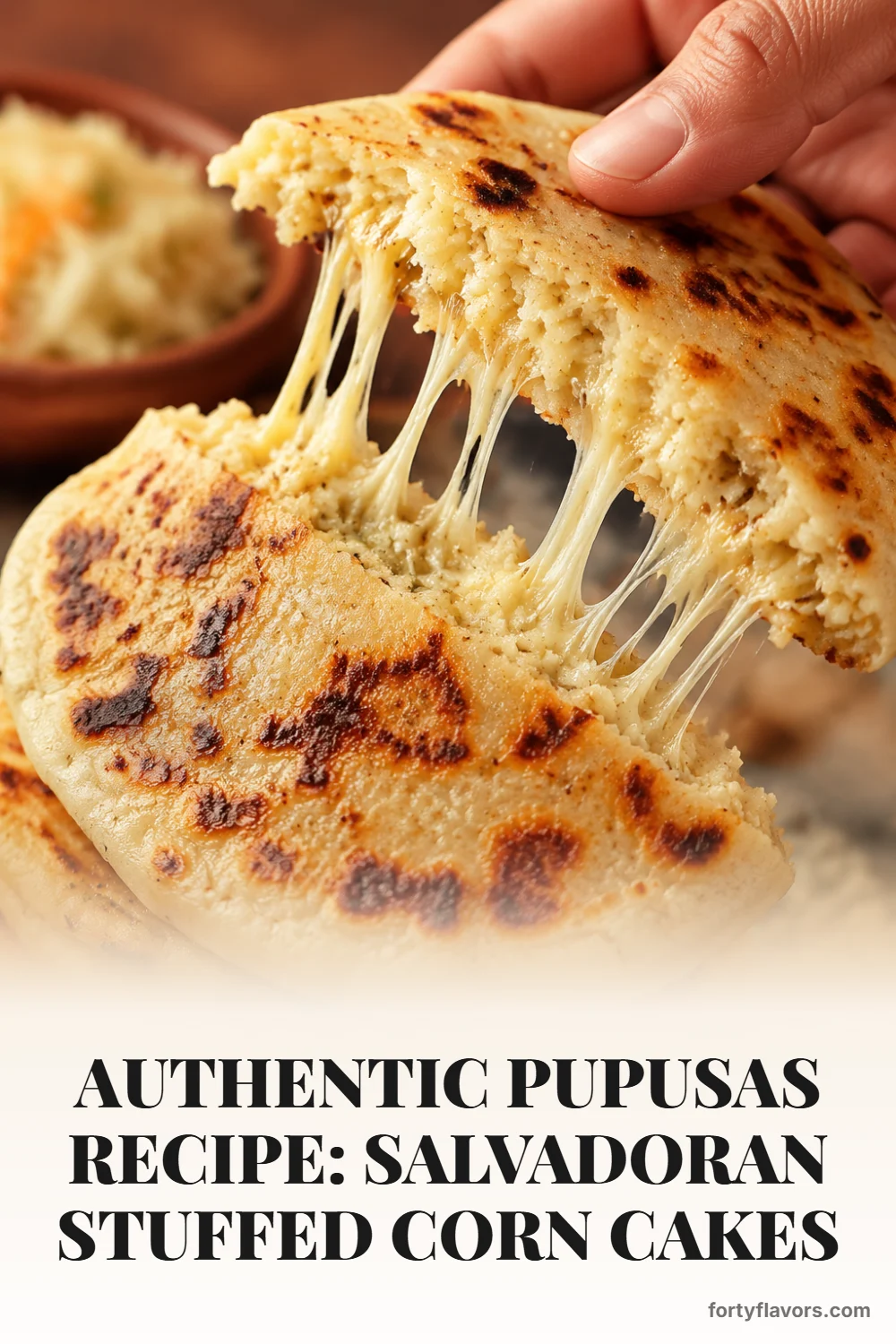
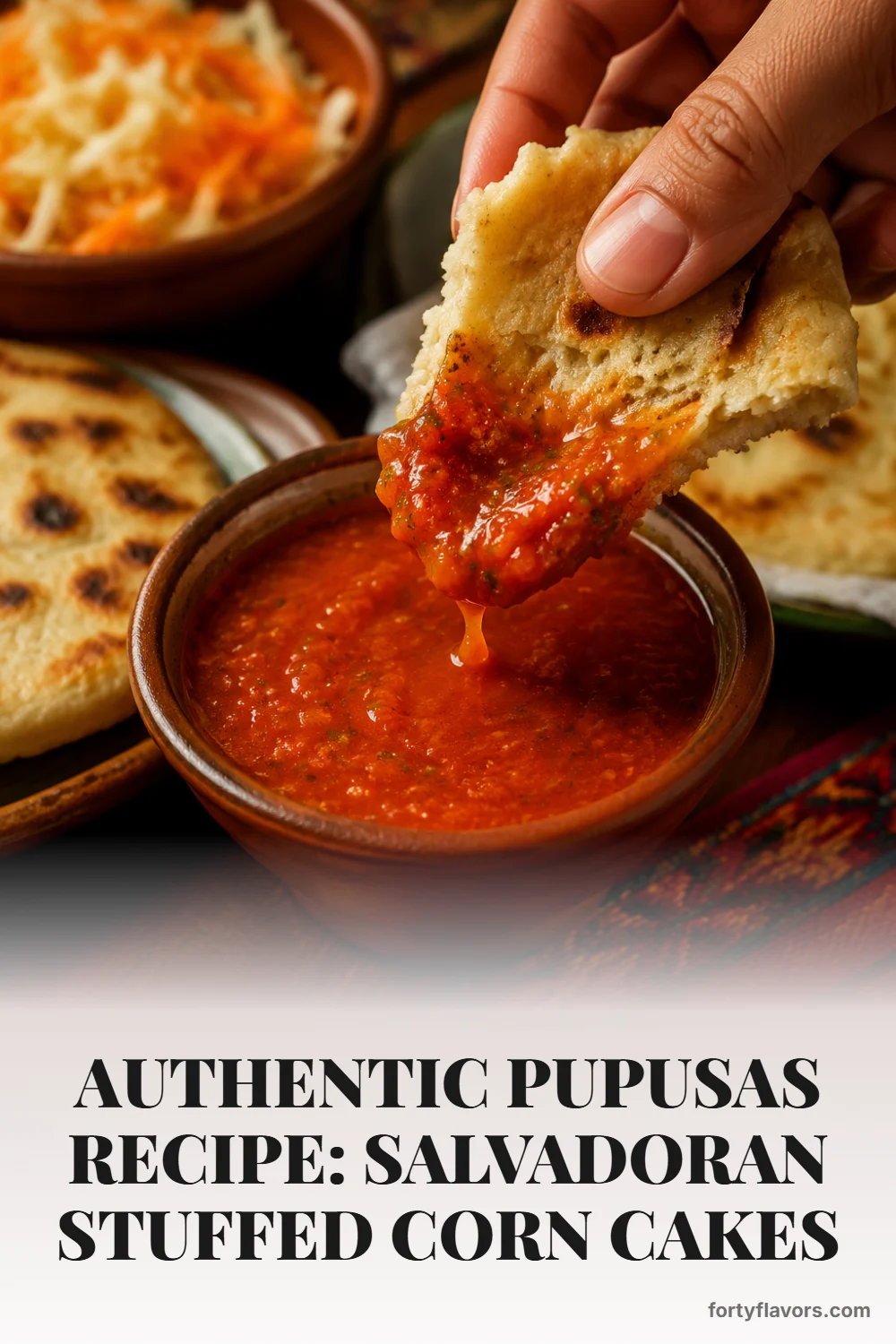
Authentic Pupusas Recipe: Salvadoran Stuffed Corn Cakes
Ingredients
Scale
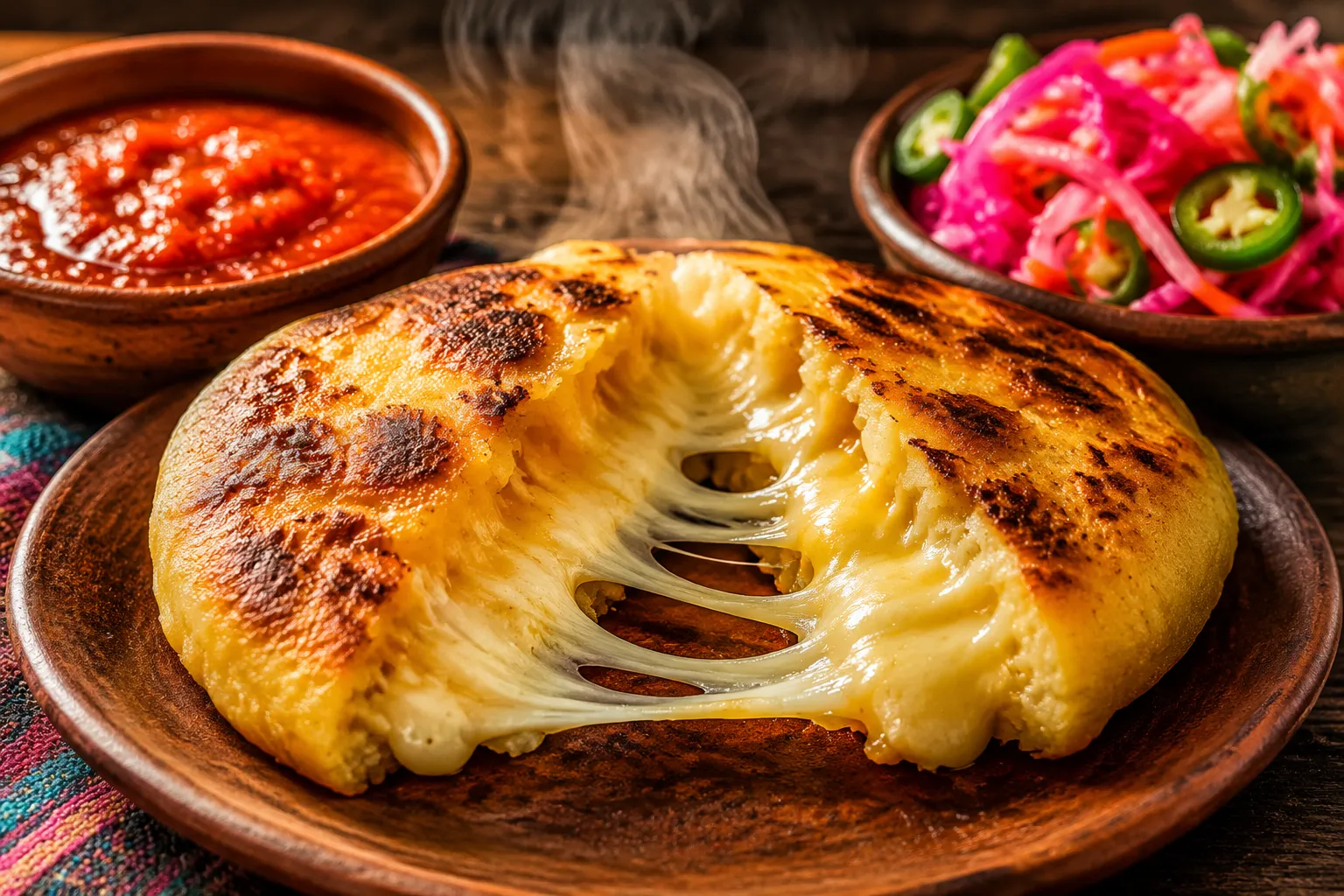
Soft, hand-patted pupusas stuffed with melty cheese and savory beans, griddled until golden and served with tangy curtido. Tastes just like El Salvador.
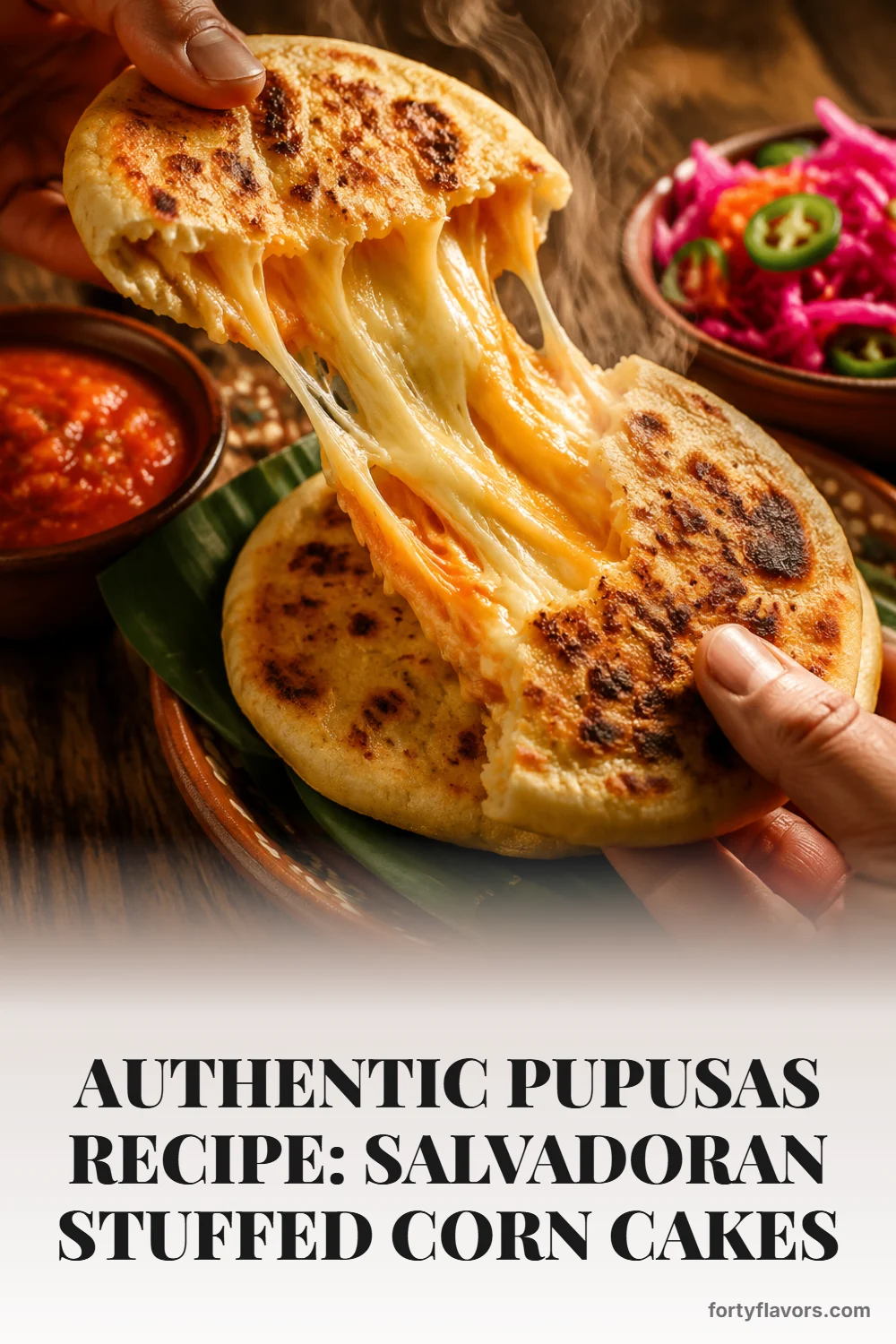
There's something almost magical about pulling a freshly griddled pupusa off a hot skillet, watching the molten cheese ooze from a tear in the soft corn shell, and reaching for a forkful of bright pink curtido to pile on top. This Salvadoran classic, often called the national dish of El Salvador, is the kind of food that turns first-time cooks into lifelong fans after a single bite. The best part? You don't need a tortilla press, fancy equipment, or a trip to a Latin grocery to pull it off at home.
I learned to make pupusas the way most home cooks do, standing next to someone who'd done it a thousand times, watching her palm a ball of masa dough into a perfect disc without ever cracking the seam. After plenty of trial and error in my own kitchen, I've boiled the technique down to a foolproof method that works on the very first try. The dough comes together in five minutes, the filling is shredded melty cheese plus a smear of refried beans, and the whole batch cooks up in under twenty minutes on a regular skillet.
This pupusas recipe is also wonderfully forgiving. If your first one looks lopsided, the next will be better, and by pupusa number four you'll be patting them out like a pro. Pair them with a quick curtido recipe and a smoky salsa roja, and you've got a complete Salvadoran spread that beats takeout every single time.
A pupusa is a thick, hand-patted corn cake stuffed with savory fillings before it's griddled to a golden crust. The dish traces back hundreds of years to the Pipil people, the Indigenous Nahua-speaking community of what is now El Salvador, who pressed corn masa around squash, beans, and chilies long before Spanish contact. Over the centuries the recipe evolved with the addition of cheese, lard, and chicharrón, and pupusas became deeply woven into Salvadoran daily life. Today there's even a national holiday, Día Nacional de las Pupusas, observed on the second Sunday of November, and roadside pupuserías are as common in El Salvador as taco stands are across Mexico. Salvadoran pupusas were officially recognized as part of the country's cultural heritage, and you'll find regional twists in nearly every village.
If you've cooked your way through Latin American recipes before, you might confuse pupusas with their corn-cake cousins. The key distinction: pupusas are sealed shut around the filling before cooking, so the cheese melts inside the dough as it griddles. Mexican gorditas are cooked first, then split open and stuffed like a pita. Venezuelan and Colombian arepas are also griddled then split, and they typically use precooked corn flour (harina P.A.N.) rather than masa harina, giving them a denser, more cake-like texture. Pupusas live in their own delicious lane: soft, pliable, and oozing with filling the moment you tear one open. The pleasure is in the contrast between the lightly crisp crust and the molten interior.
Traditional fillings run the gamut from simple to extravagant. The classics include queso (cheese alone), frijol con queso (beans and cheese), chicharrón (slow-cooked seasoned pork blended into a paste), and revueltas, which combines all three. Loroco, a tropical edible flower bud with a flavor somewhere between artichoke and asparagus, is a cherished ingredient you'll spot in Salvadoran markets. Modern pupuserías now offer ayote (squash), espinaca (spinach), camarón (shrimp), and even versions made with rice flour instead of corn. We're going with a foolproof mozzarella-and-bean combo that nails the spirit of the original while keeping the ingredient list completely accessible.
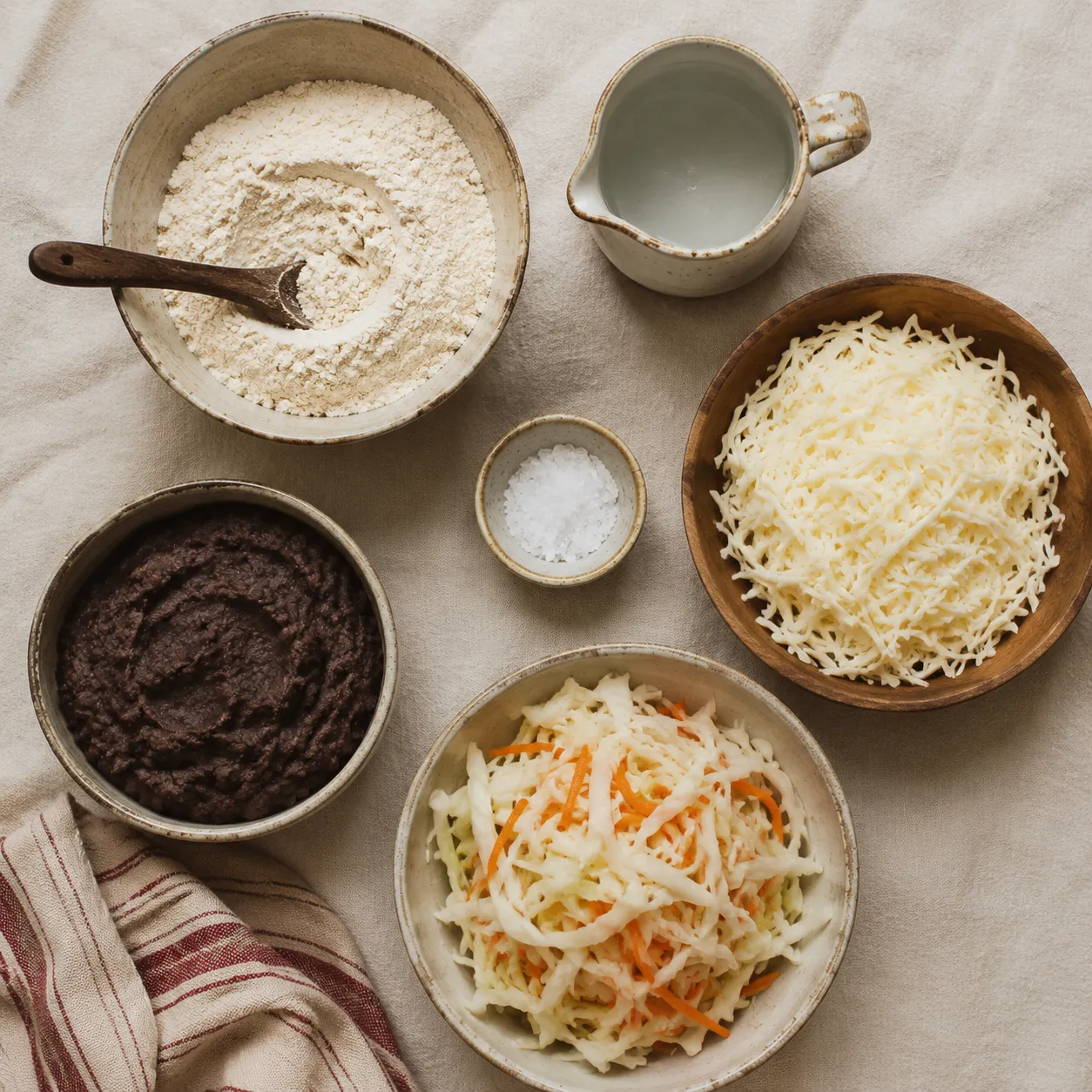
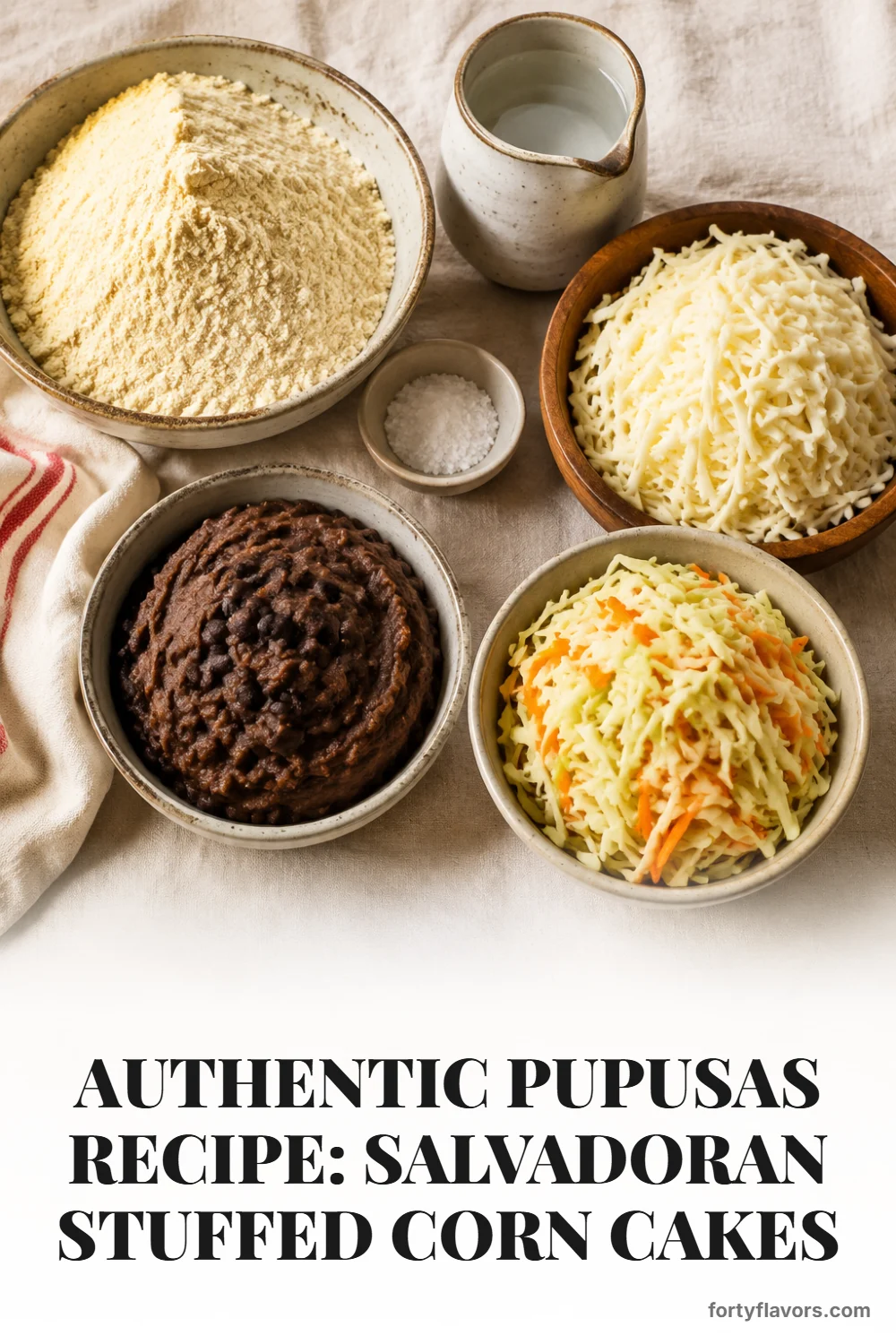
The dough is just three things: masa harina, warm water, and salt. Masa harina is corn flour that's been treated with lime (the mineral, not the citrus) through a process called nixtamalization, which gives it that unmistakable earthy-sweet corn flavor and the elasticity needed to wrap around fillings without tearing. Look for Maseca or Bob's Red Mill brands in the international aisle of any major grocery store. Avoid cornmeal, polenta, or regular cornflour because they won't bind the same way and your dough will crack the moment you try to shape it. Warm water (around 110°F, like baby-bottle temperature) hydrates the flour faster and yields a softer, more pliable masa.
For the filling we're going with the most beloved combo: refried beans plus a generous handful of melty cheese. Black or pinto beans both work, and canned refried beans straight from the can are completely fine, though if you have a homemade batch simmered with cumin and garlic, even better. The cheese is where you can have fun. Authentic pupuserías use queso quesadilla or quesillo, but low-moisture mozzarella is the easiest stand-in and melts beautifully. A blend of mozzarella with a bit of Monterey Jack adds depth, and a sprinkle of crumbled cotija on top after cooking gives that salty-tangy Salvadoran finish.
You absolutely cannot serve pupusas without their two essential sidekicks. Curtido is a lightly fermented cabbage slaw, think sauerkraut's cheerful cousin, brightened with shredded carrot, sliced onion, oregano, and a splash of vinegar. It cuts through the richness of the cheese with tangy crunch. Salsa roja is a smooth tomato salsa simmered with onion, garlic, and a touch of bouillon until it tastes deep and savory. Both can be whipped up while the masa rests for fifteen minutes, so the timing works out perfectly. If you're short on time, a quick-pickle curtido (no fermentation needed) and a jar of fire-roasted tomato salsa will get you most of the way there.
The whole process boils down to three moves: mix, stuff, griddle. Once you've made one batch, you'll never forget the rhythm.
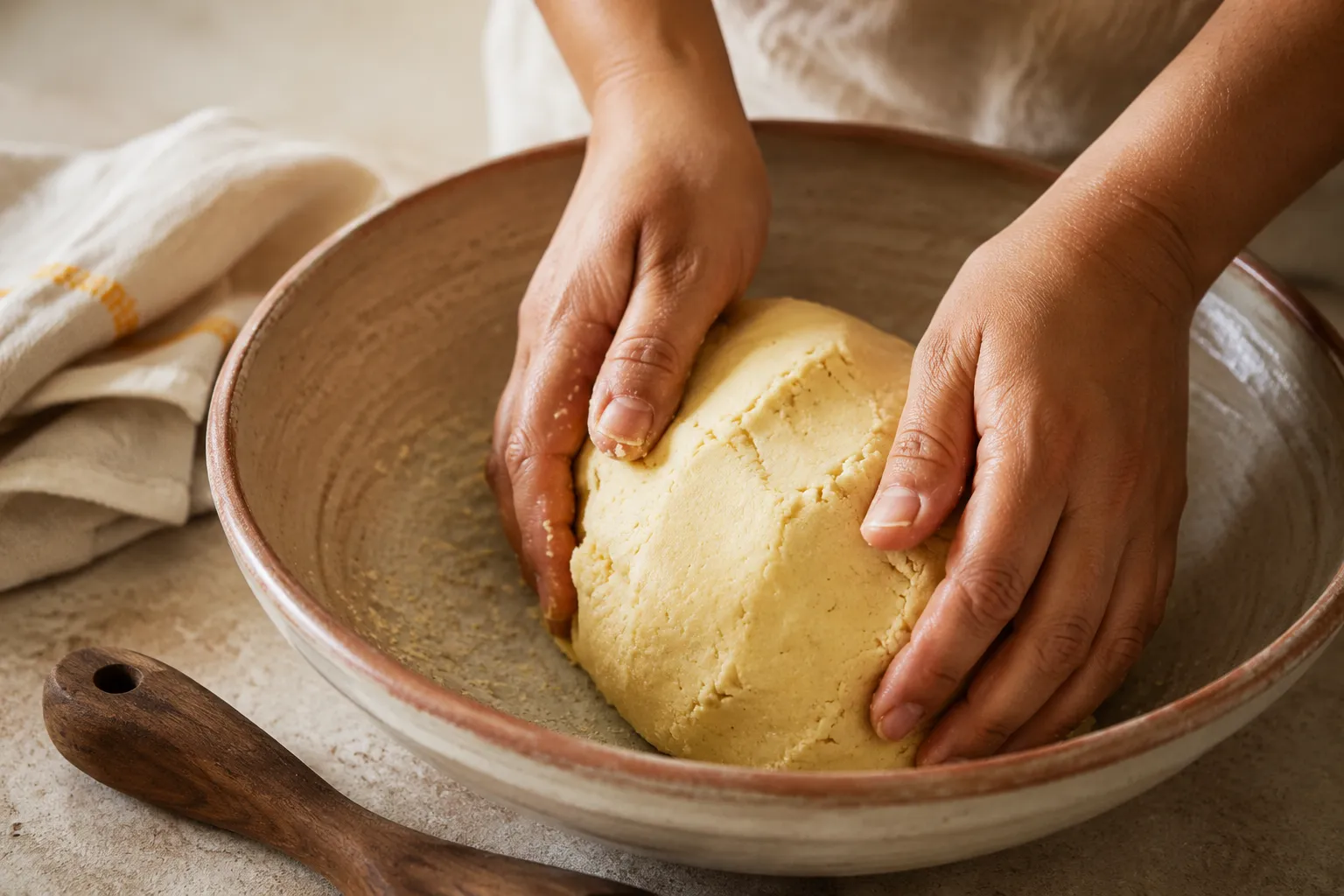
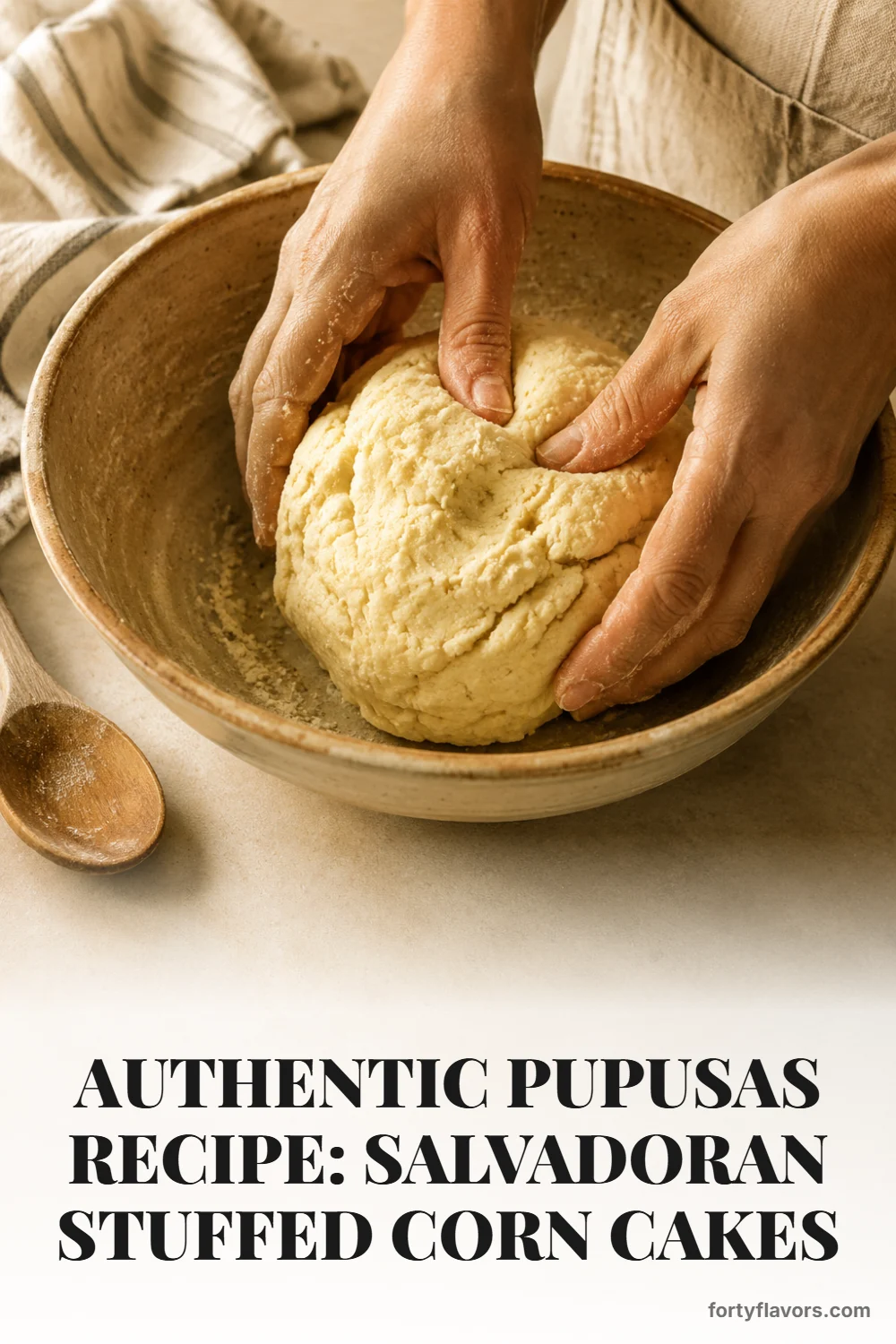
Whisk the masa harina and salt together in a wide bowl, then pour in the warm water and stir with a fork until shaggy. Switch to your hands and knead for about two minutes until the dough is smooth, soft, and just slightly tacky. The texture should remind you of Play-Doh. If it feels crumbly or cracks when you press it, add water one tablespoon at a time. If it sticks to your palms, dust in a bit more masa harina. Cover the bowl with a damp towel and let it rest for 10 to 15 minutes; this is non-negotiable, because the corn flour needs time to fully absorb the liquid and relax.
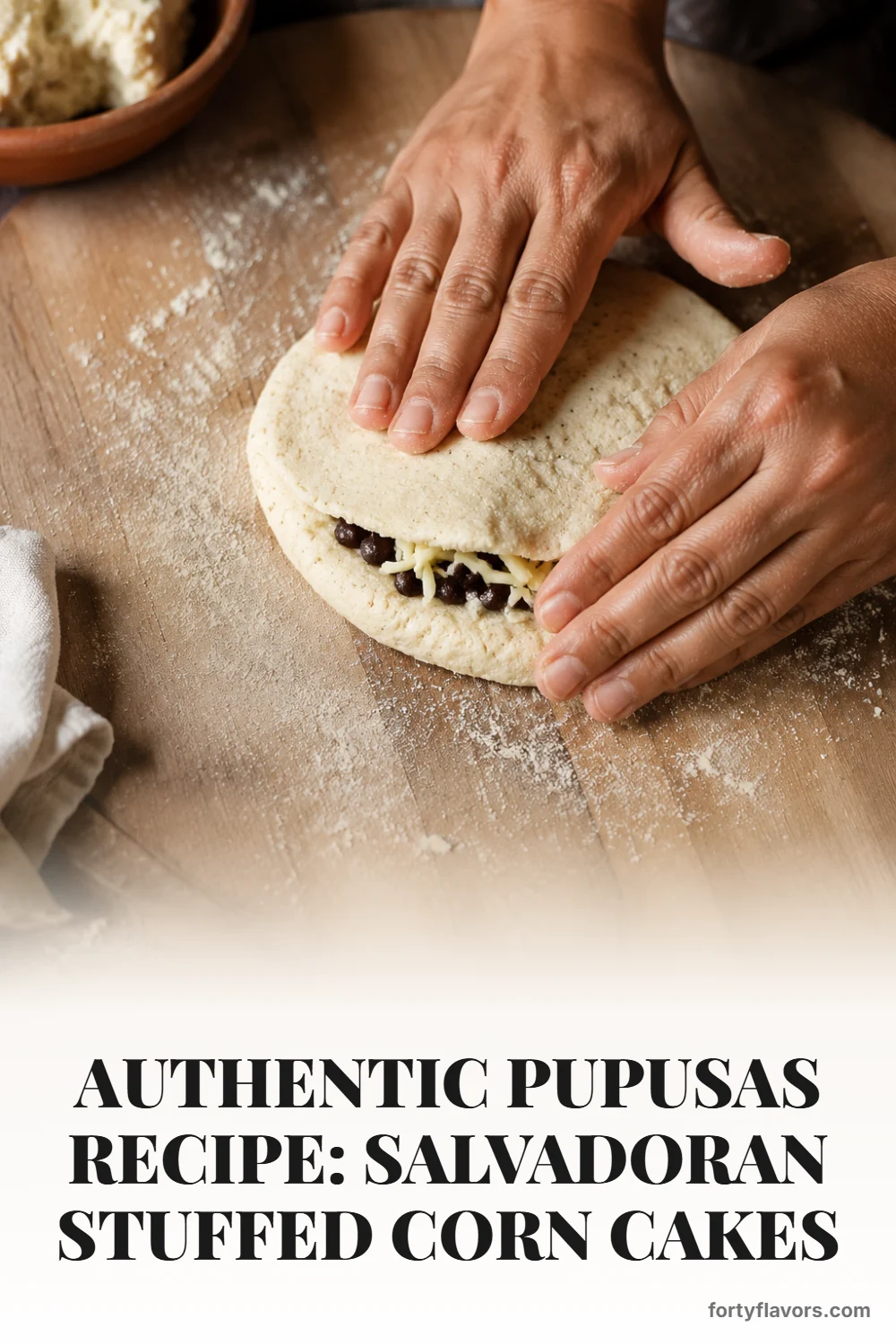
Divide the dough into eight equal balls, about the size of a golf ball. Working with one at a time, flatten the ball into a thick disc in your palm, then press your thumb into the center to create a deep well. Spoon in about a tablespoon of beans and a heaping tablespoon of cheese, then pinch the edges up and over the filling, sealing it inside like a dumpling. Roll the stuffed ball gently between your palms to smooth the seam.
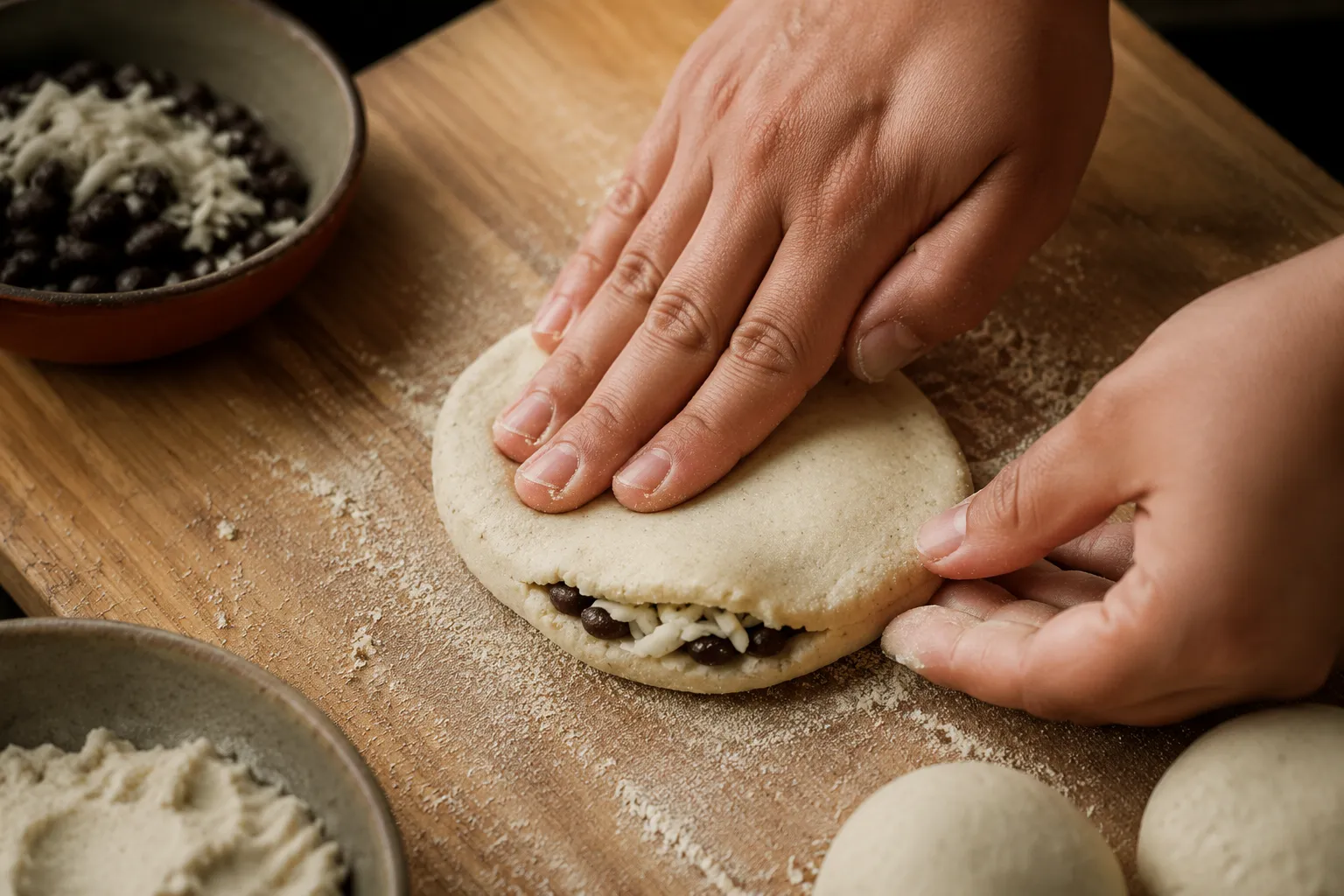
Now for the trick that makes everything easy: place the stuffed ball between two sheets of plastic wrap (or inside a gallon zip-top bag with the sides slit open) and gently pat it flat with your palm into a disc about a quarter-inch thick and four inches wide. Rotate as you go to keep it round. The plastic prevents sticking and lets you press evenly without cracks, no tortilla press required.
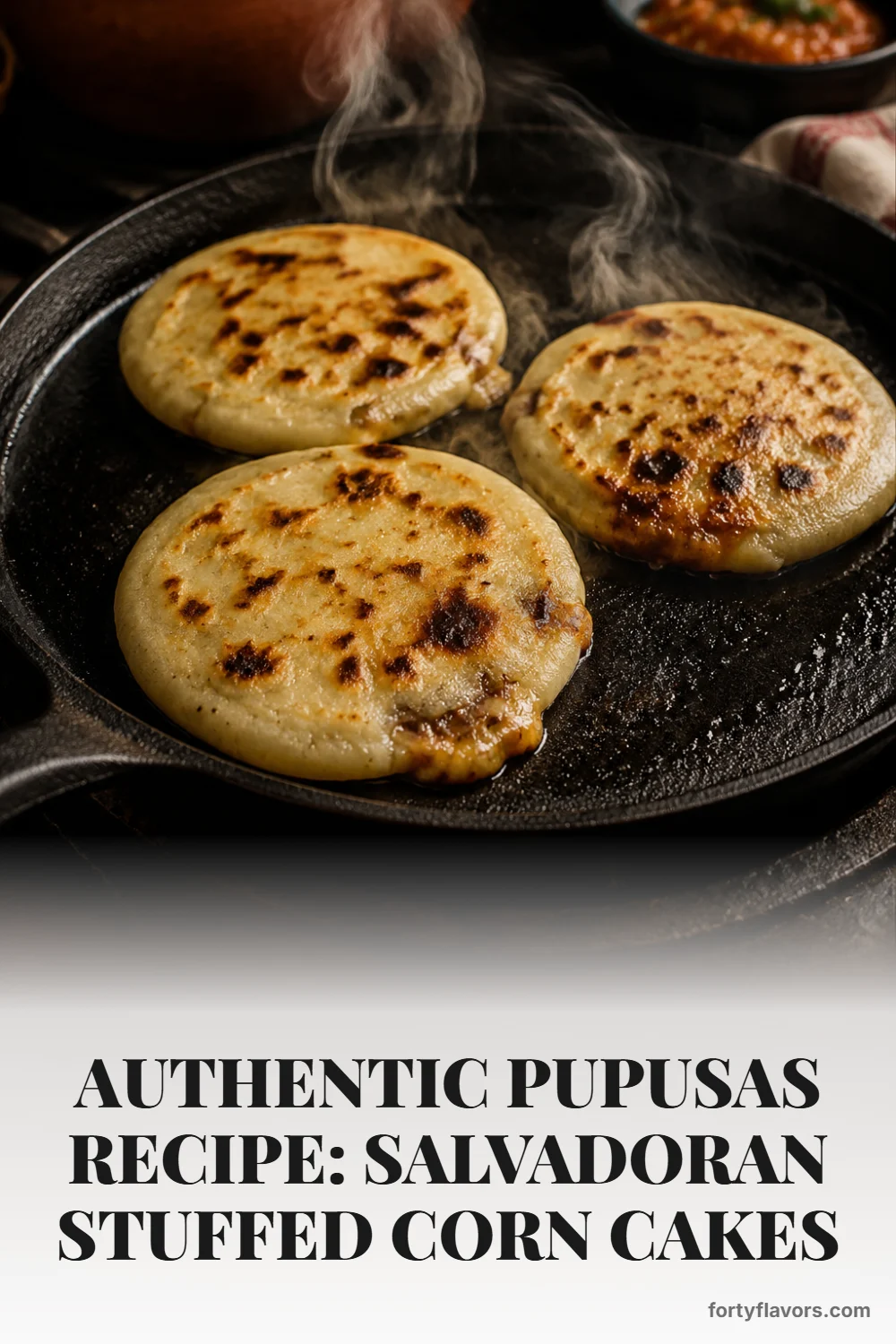
Heat a cast iron skillet or comal over medium heat for several minutes until a drop of water sizzles instantly on contact. Brush lightly with vegetable oil, then lay in two or three of the stuffed corn cakes at a time. Cook for 3 to 4 minutes per side, until golden-brown blistered spots appear and you can see cheese starting to ooze from any small seam. Resist the urge to press them with a spatula; let the masa develop its crust naturally.
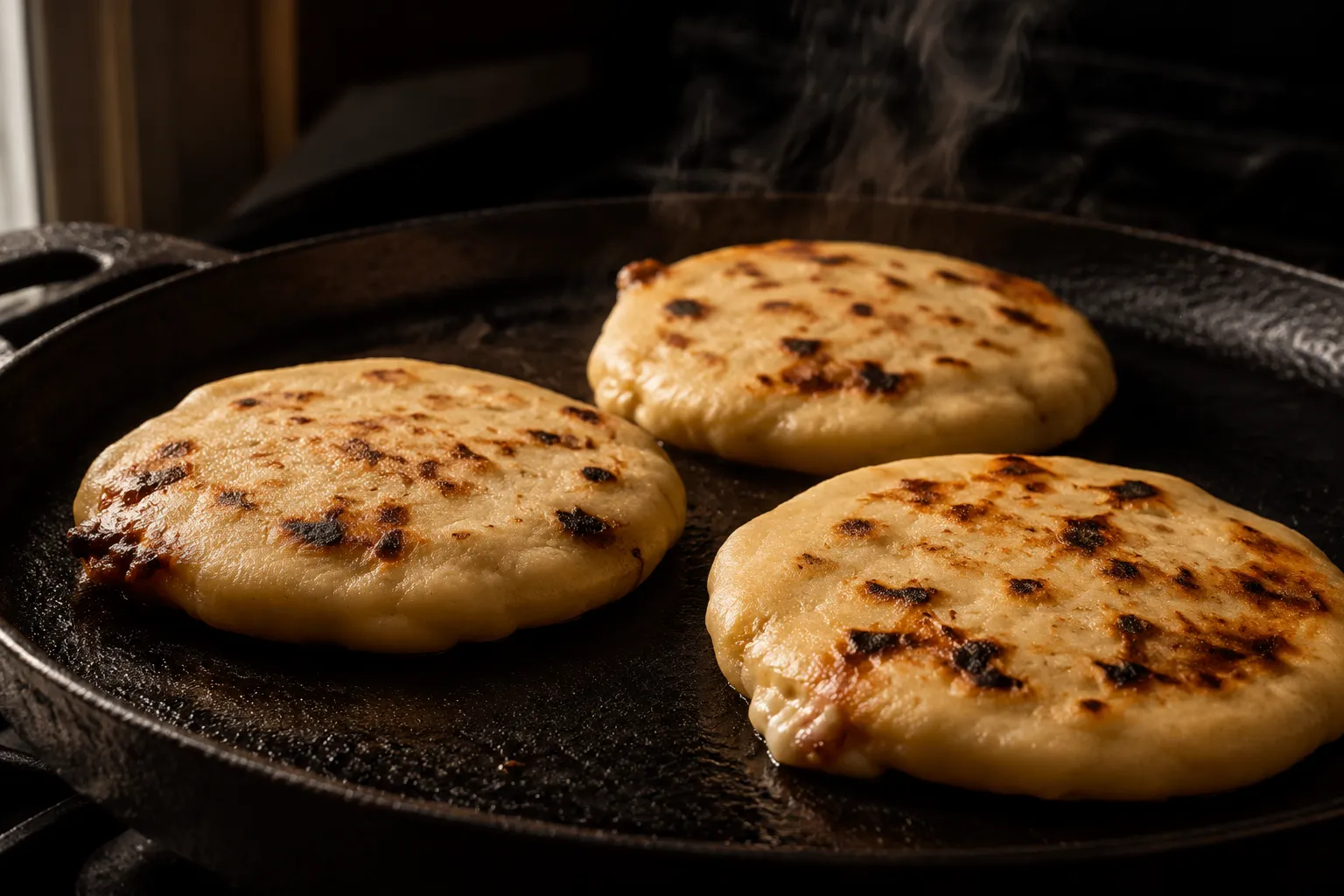
Transfer to a plate and immediately top with a tangle of curtido and a spoonful of salsa roja. The contrast of hot, crispy-edged corn cake with cold, tangy slaw and smoky tomato sauce is the entire point of this dish.
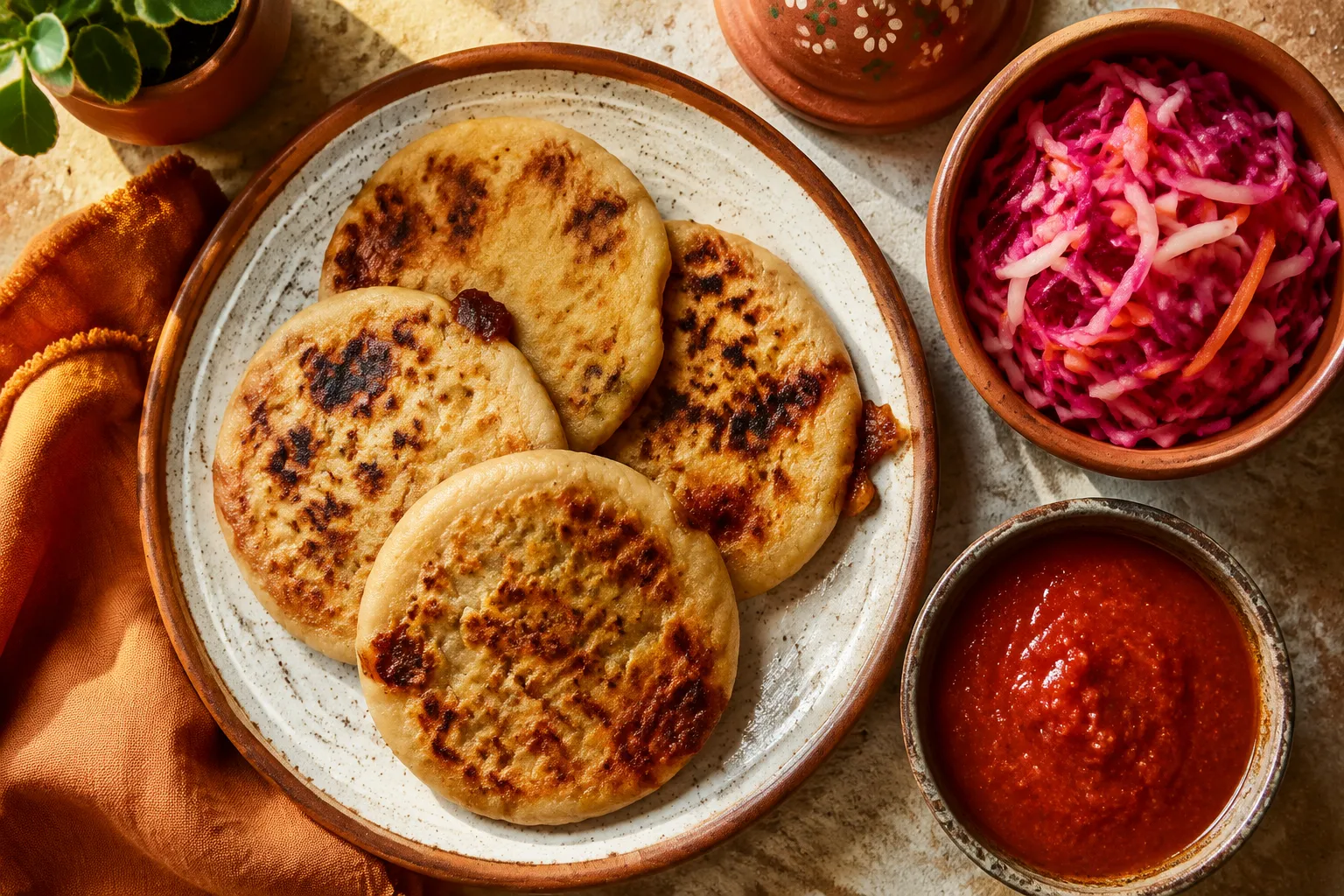
A great pupusa lives or dies by its texture: tender corn interior, lightly crisp exterior, generous gooey filling. Getting that contrast at home is mostly a matter of dough hydration and patience on the griddle. If your dough is too dry, the cakes split and the filling leaks; too wet and they stick to the pan. The 1½ cups water to 2 cups masa harina ratio in this recipe is the sweet spot for most brands of flour, but humidity and elevation can shift things slightly, so trust your hands more than the measuring cup.
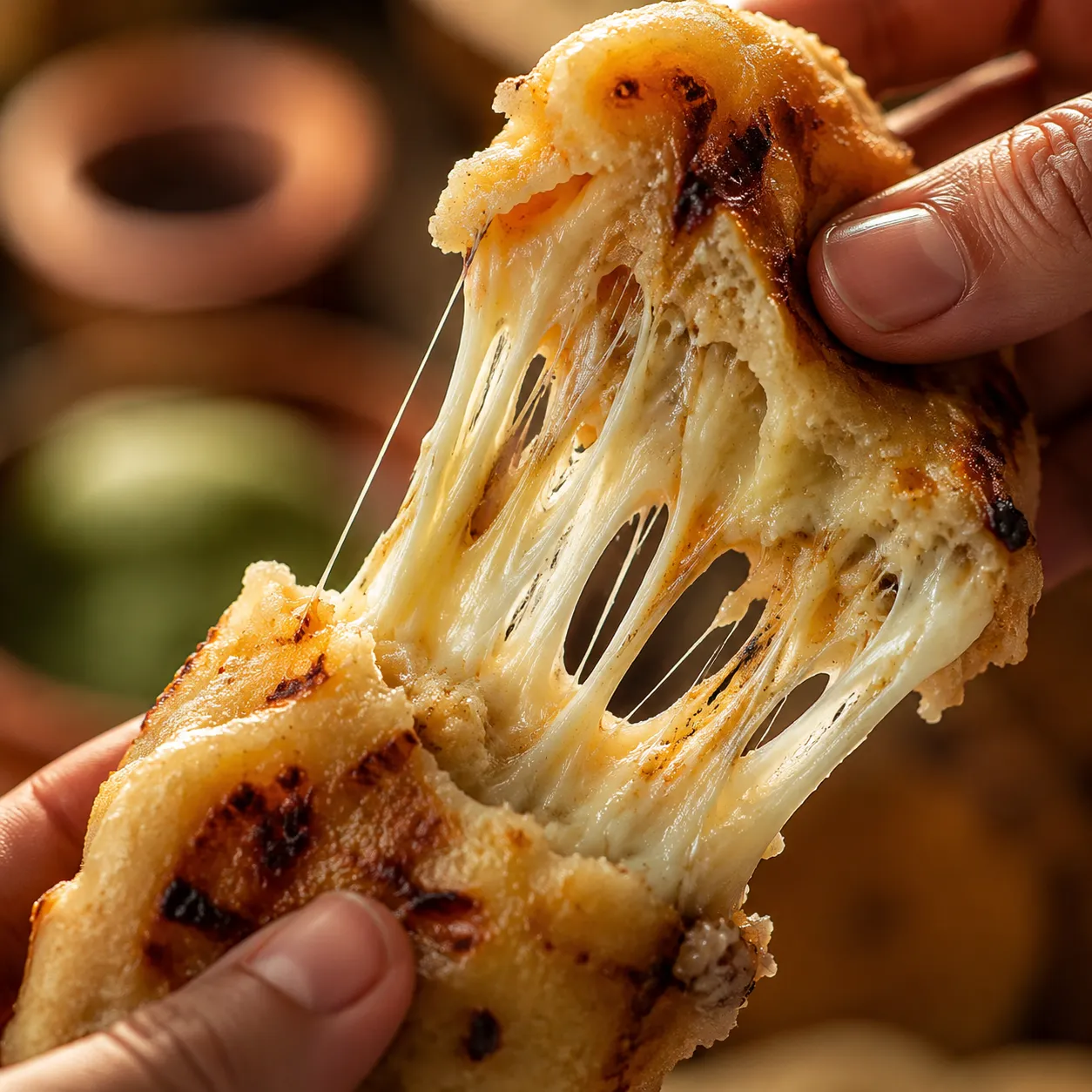
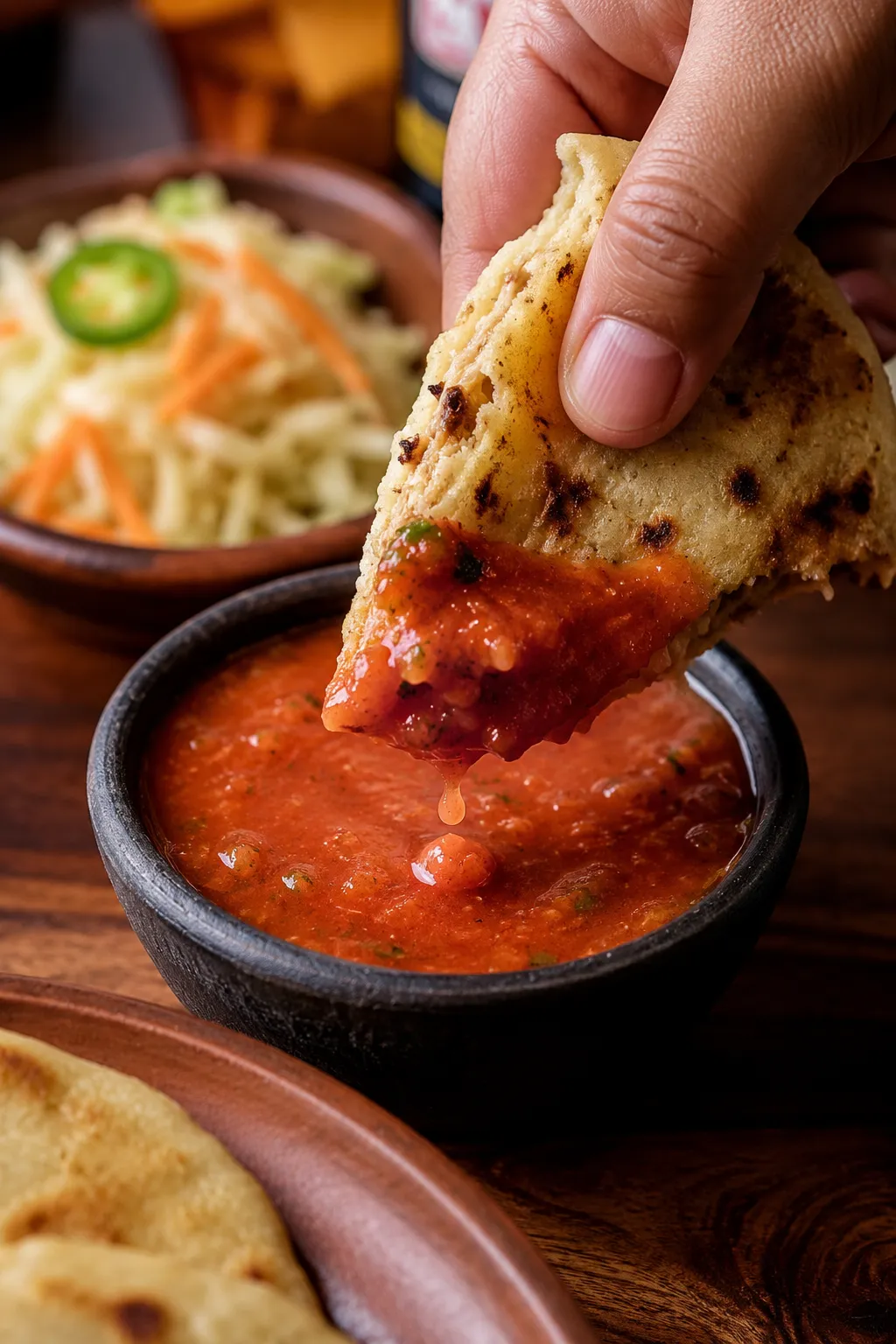
These stuffed corn cakes are traditionally a hand-held meal: tear, dip, eat, repeat. They're best when the curtido and salsa roja are within easy reach. For a complete Salvadoran spread, serve them with a side of fried sweet plantains, black beans simmered with epazote, and a tall glass of horchata or a cold lager. They also pair beautifully with a simple avocado-and-tomato salad if you want something fresh on the plate. If you're hosting, set up a build-your-own bar with a few different fillings and let guests assemble their own plates. It's interactive in the best way, and far more fun than passing around homemade tortillas at a typical taco night.
Pupusas also make brilliant make-ahead food. Cook a double batch on a Sunday afternoon, cool them on a wire rack, and stash a stack in the fridge or freezer for fast weeknight dinners. They reheat in minutes and taste nearly as good as the day you made them.
Once you've made your first batch from scratch, it's hard to go back to frozen. The technique is genuinely simple, a soft dough, a tucked-in filling, a hot pan, and the reward is a meal that tastes like somebody's abuela has been simmering it all afternoon. Make extras, freeze half, and you'll always have a fifteen-minute weeknight dinner ready whenever the craving hits.
The mozzarella-and-bean version is a great starting point, but the joy of pupusas is how easily they take on new fillings. Once you've nailed the dough technique, you can stuff them with practically anything savory.
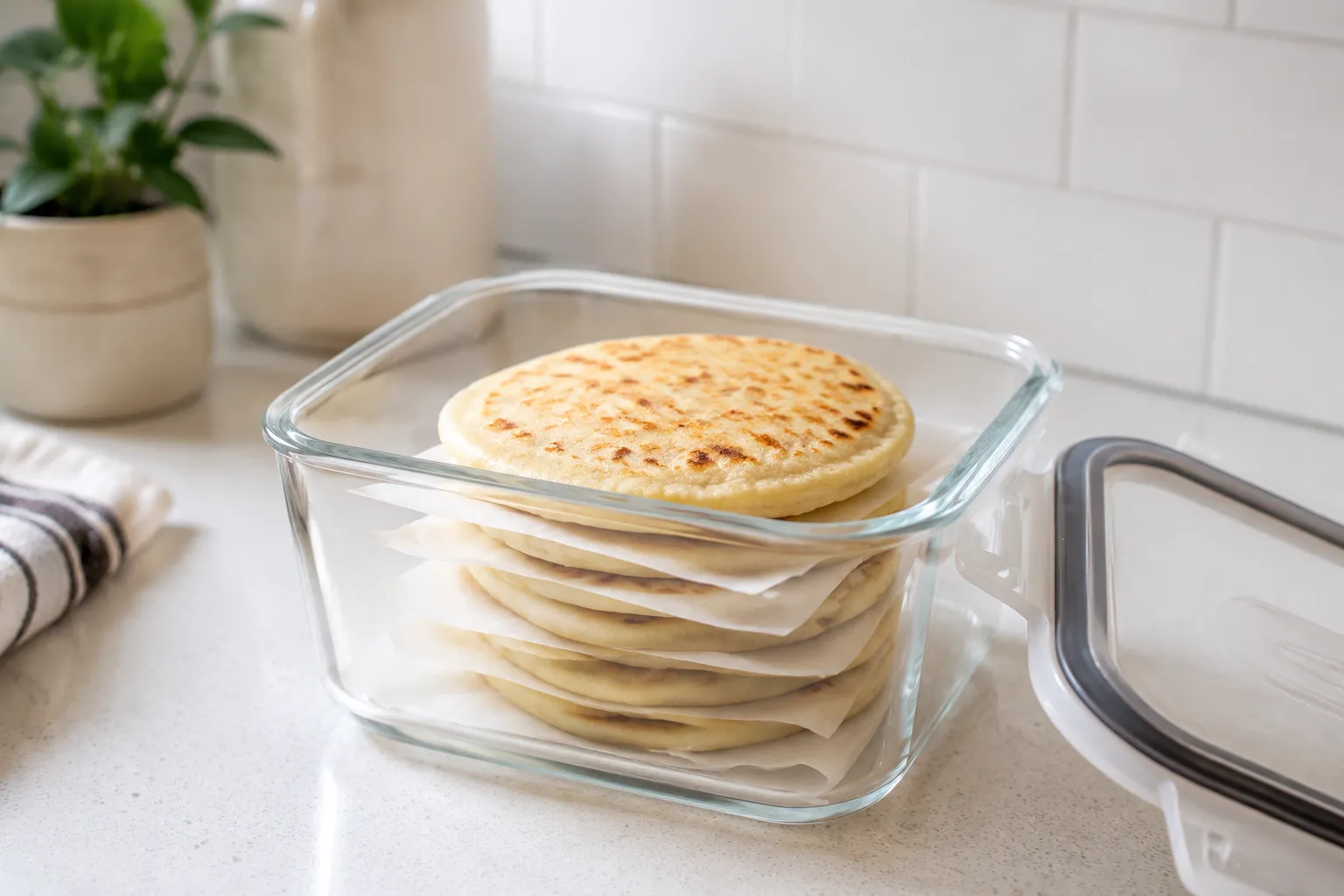
Cool the cooked pupusas completely on a wire rack so steam doesn't make them soggy. For the fridge, stack them with squares of parchment paper between each cake and seal in an airtight container for up to 3 days. For longer storage, freeze the parchment-separated stack inside a heavy-duty zip-top freezer bag for up to 3 months. There's no need to thaw before reheating, which makes them ideal for fast weeknight meals.
The best reheat method is a dry cast-iron or nonstick skillet over medium heat: about 2 to 3 minutes per side from the fridge, or 4 to 5 minutes per side from frozen, until heated through and the cheese inside is melty again. Avoid the microwave if you can help it; it makes the masa rubbery and the cheese tough. A quick toaster-oven blast at 375°F for 6 to 8 minutes also works beautifully and crisps the exterior back up.
Hover any image and hit “Pin it” to save it to your Pinterest boards.