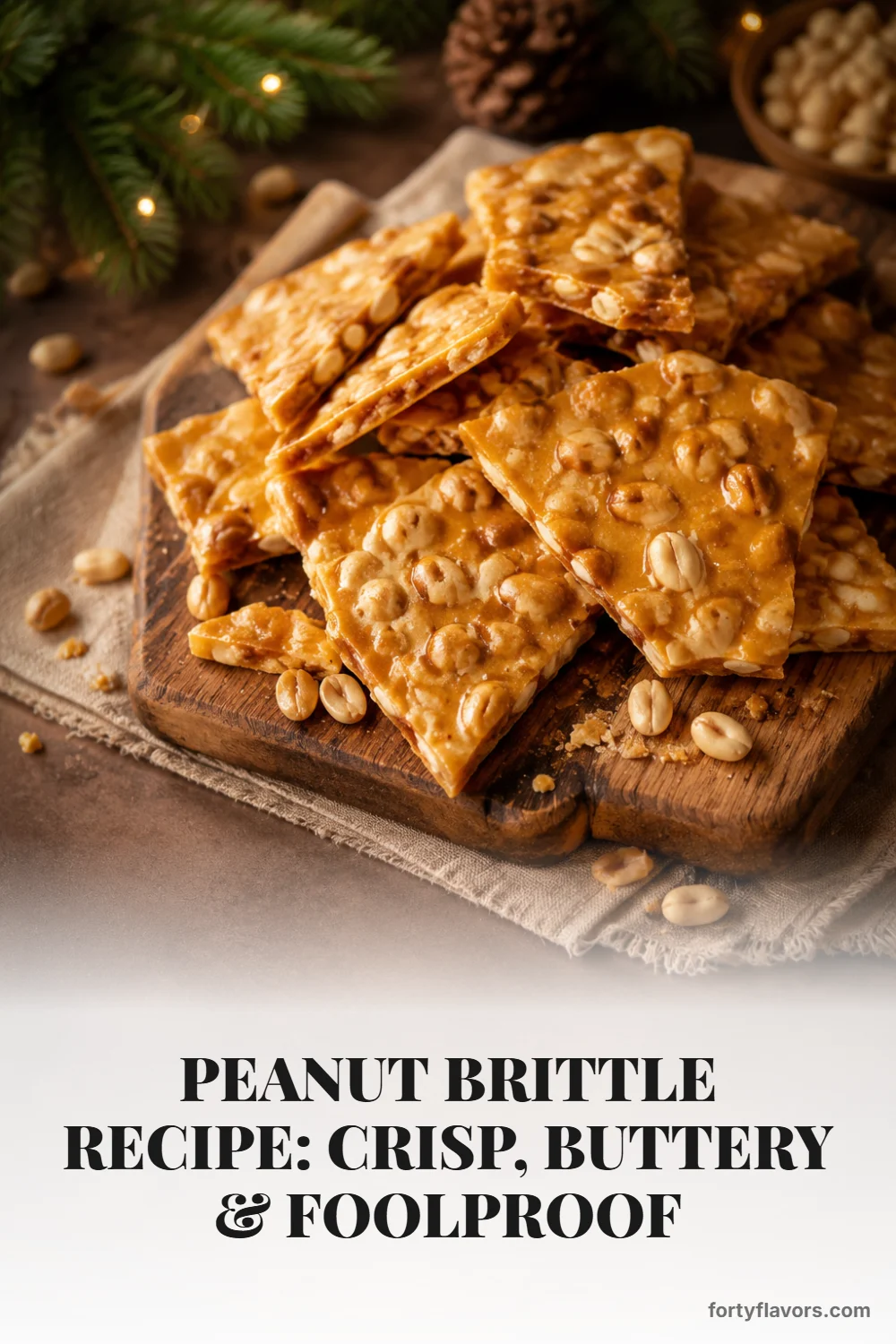
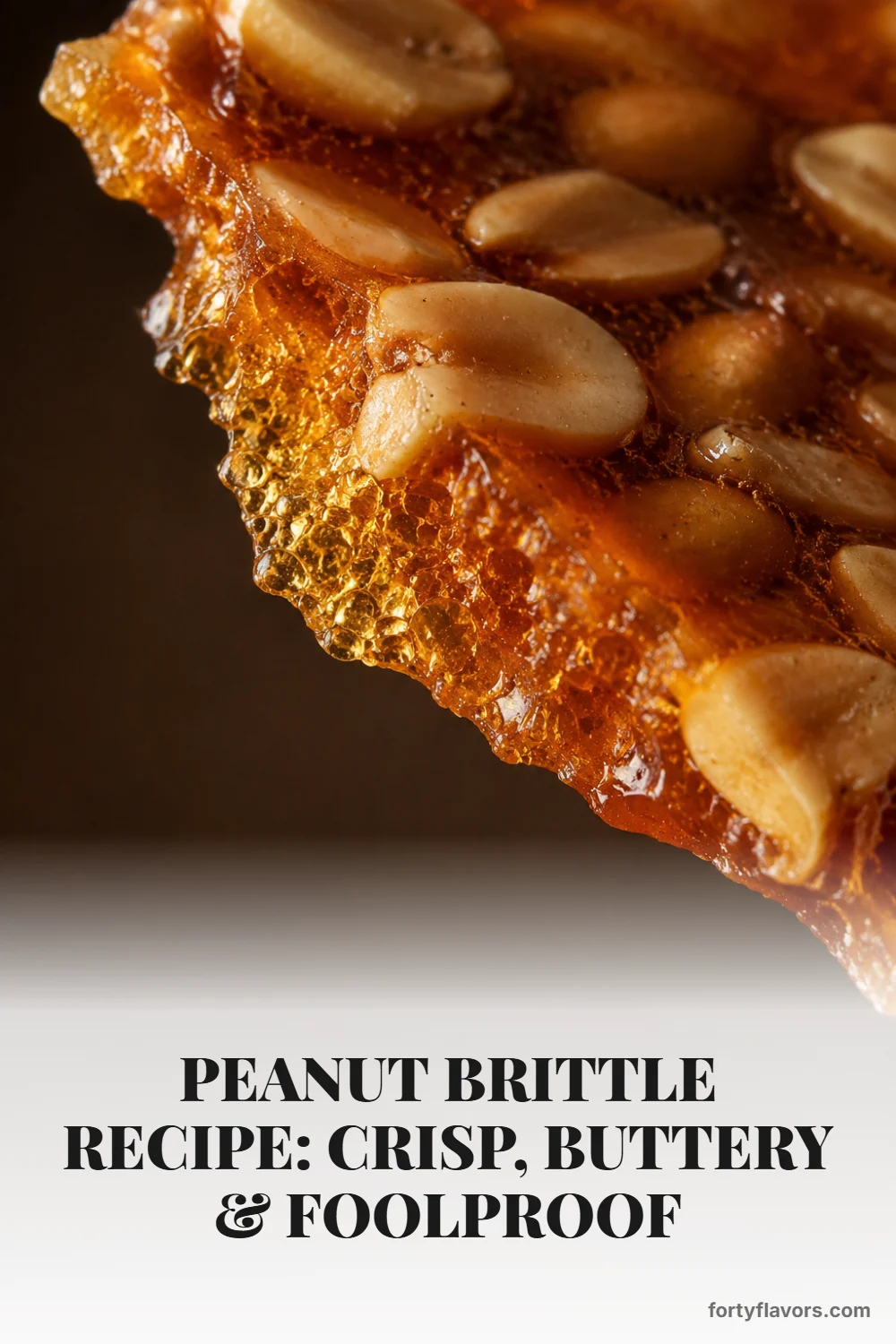
Peanut Brittle Recipe: Crisp, Buttery & Foolproof
Ingredients
Scale
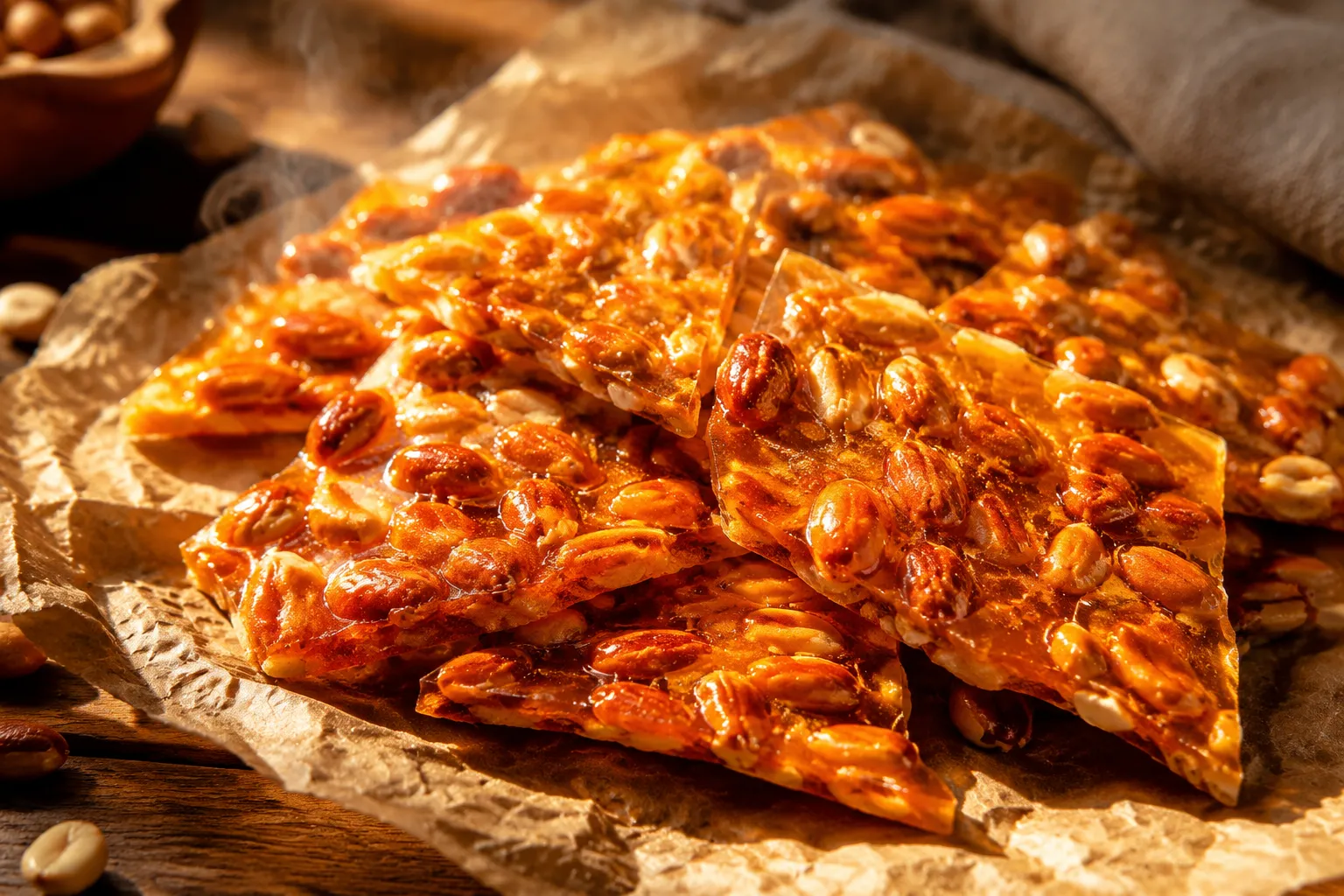
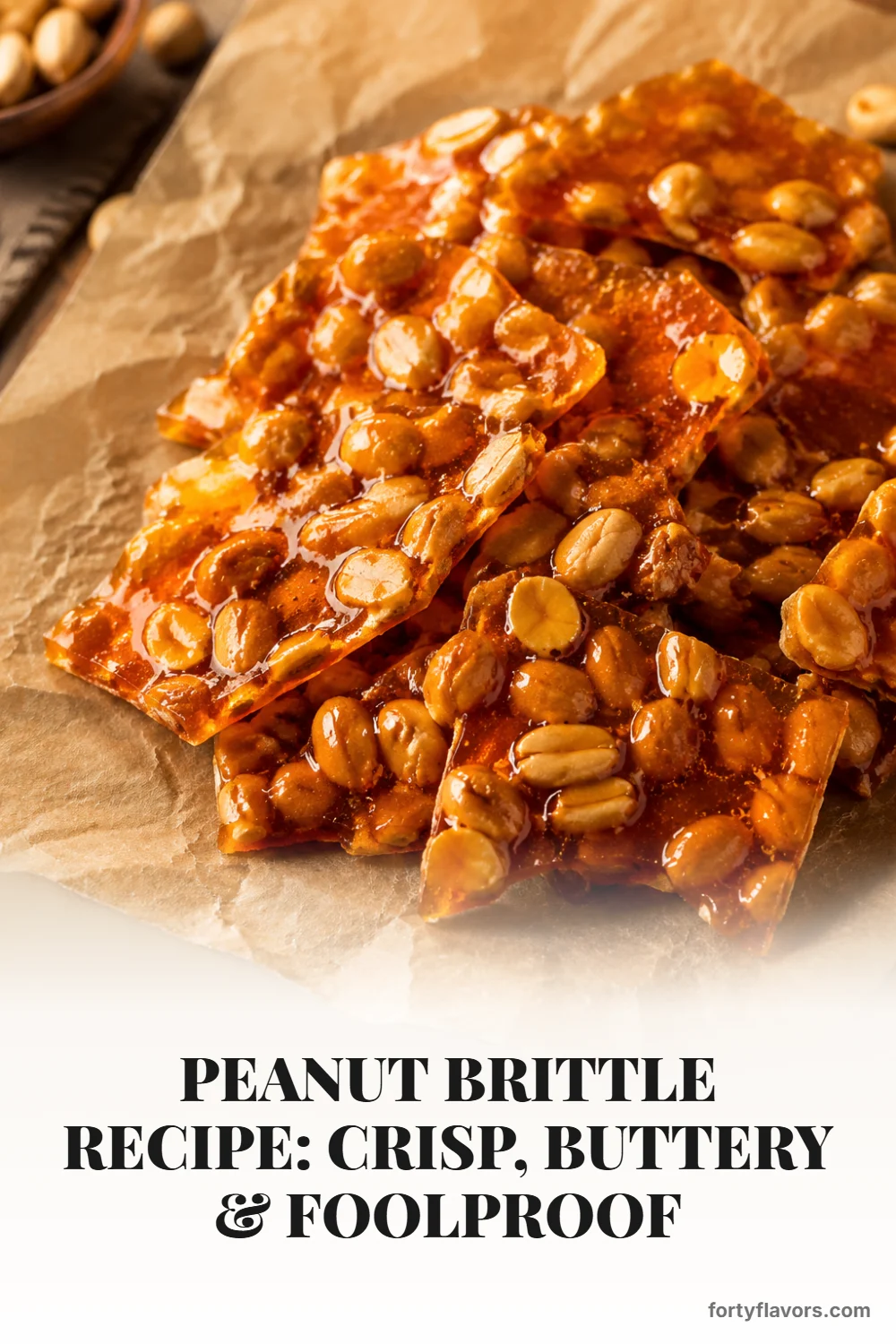
Glassy, buttery, and packed with toasty peanuts, this old-fashioned peanut brittle recipe comes together on the stovetop in about 30 minutes.
There is something almost magical about pulling a sheet of homemade peanut brittle off the counter, snapping it into jagged shards, and listening for that clean, glassy crack. This is the kind of candy your grandmother probably made around the holidays: golden, buttery, studded with toasty peanuts, and so satisfying to break that you will catch yourself reaching for one more piece while you are supposed to be packing it into gift jars.
The good news? Despite its old-school reputation, this peanut brittle recipe is genuinely foolproof once you understand a few small principles: cooking sugar to the right temperature, working quickly when the baking soda goes in, and pouring thin so the candy stays shatter-crisp instead of dense. With a heavy saucepan and a reliable thermometer, you can have a tray of glassy, buttery candy cooling on the counter in about 30 minutes flat.
If you have ever felt intimidated by hot sugar work, consider this your warm, hand-holding tutorial. We will walk through every stage, from a clear amber syrup to that dramatic foam moment when baking soda hits the pan, so you end up with light, snappy candy instead of a chewy slab. It is one of those homemade candy recipes that feels impressive but rewards even first-timers.
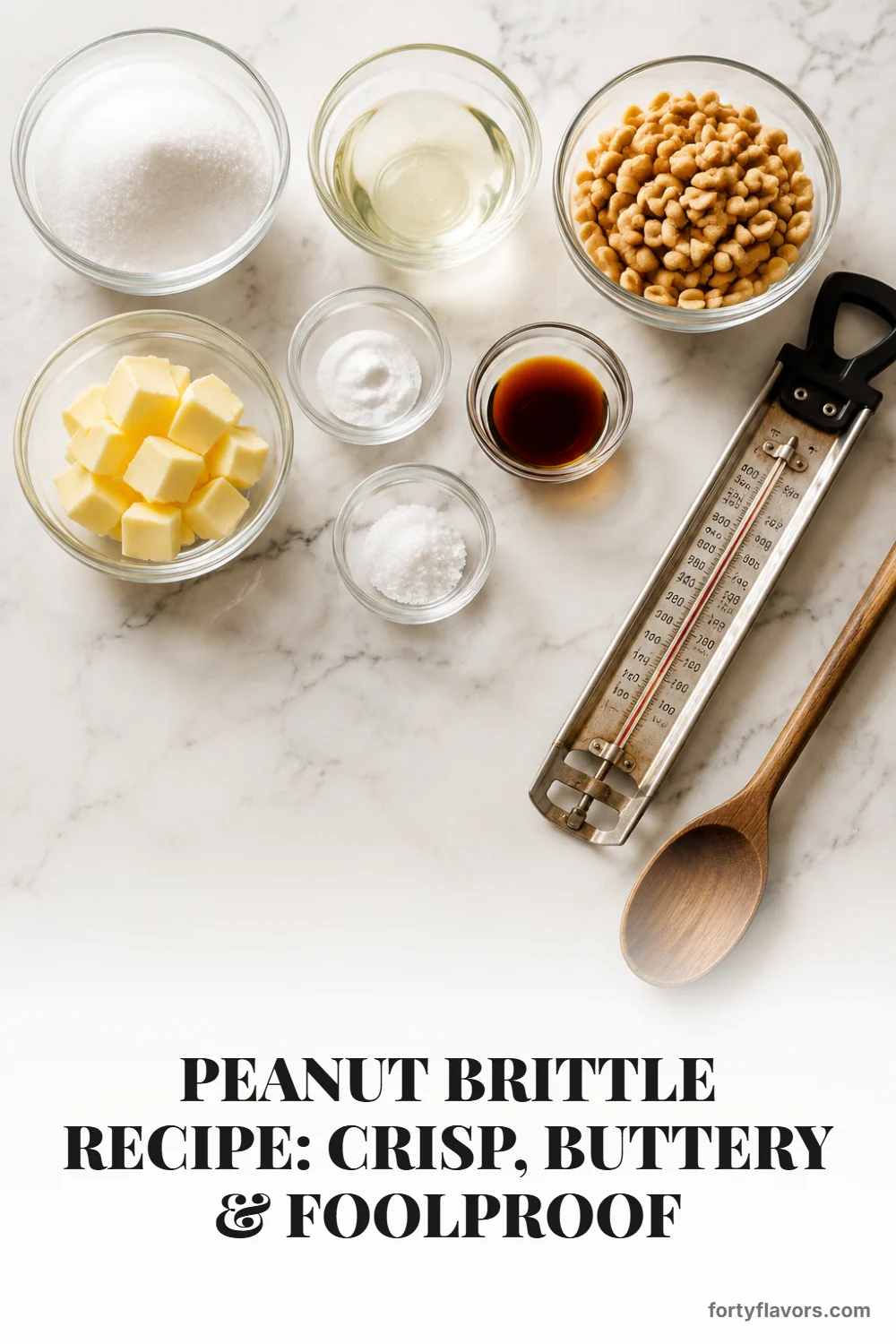
The beauty of an old-fashioned brittle is how few ingredients it asks for. You almost certainly have most of them in your pantry already, and the ones you do not, looking at you, light corn syrup, are easy to grab on a single grocery run. Let's break down what each one is doing in the pan, because understanding the role of every component is the difference between guessing and knowing.
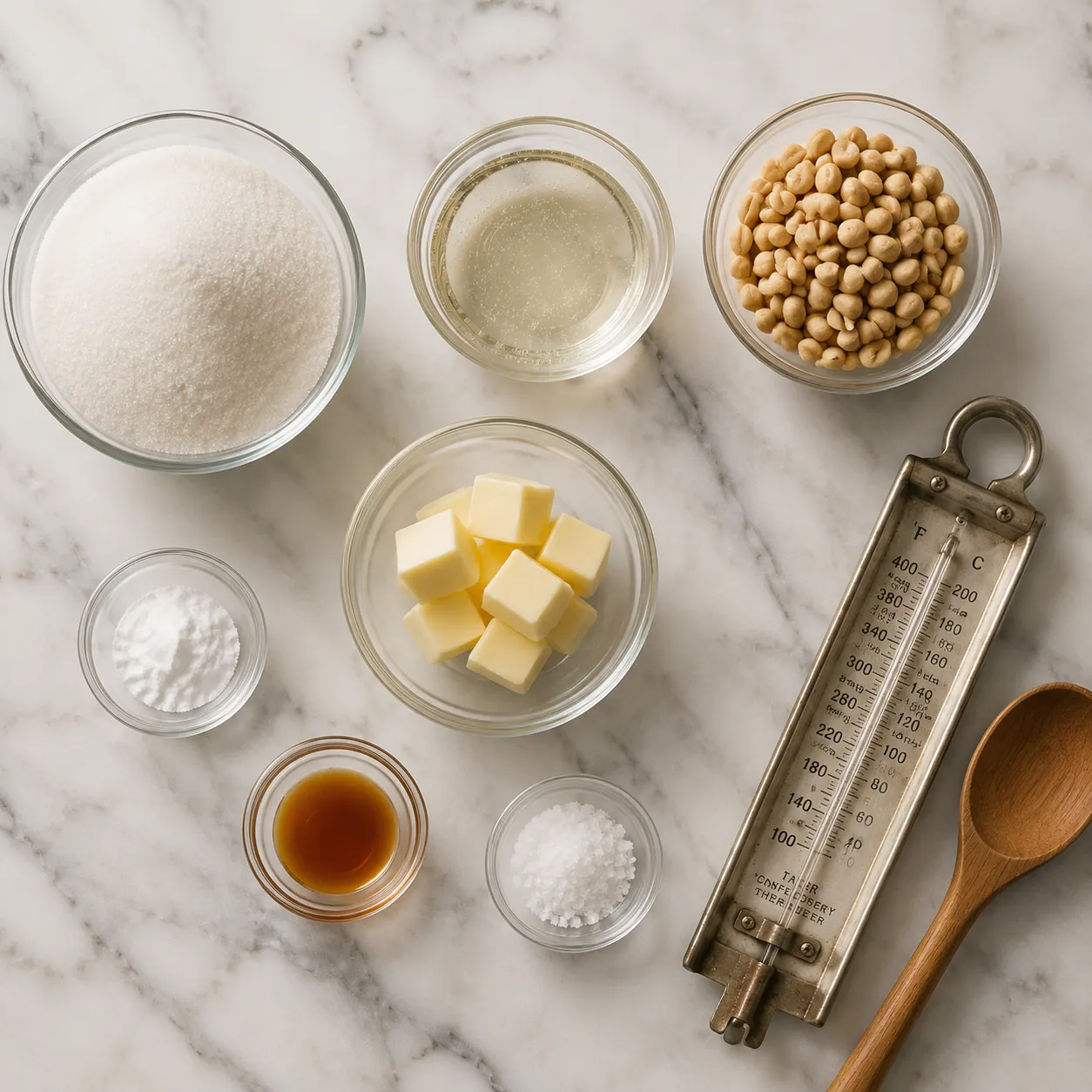
Granulated sugar and corn syrup form the backbone of the syrup. Sugar gives you sweetness and structure, while corn syrup adds moisture and, more importantly, prevents crystallization, that dreaded gritty, sandy texture that ruins so many homemade brittles. A splash of water helps the sugar dissolve evenly before things get hot. Once the syrup is screaming hot, two cups of roasted peanuts get folded in to toast a little further and lock into the candy. Butter brings richness and a subtle dairy depth, vanilla rounds out the flavor, and a pinch of fine sea salt keeps everything from tasting one-note sweet.
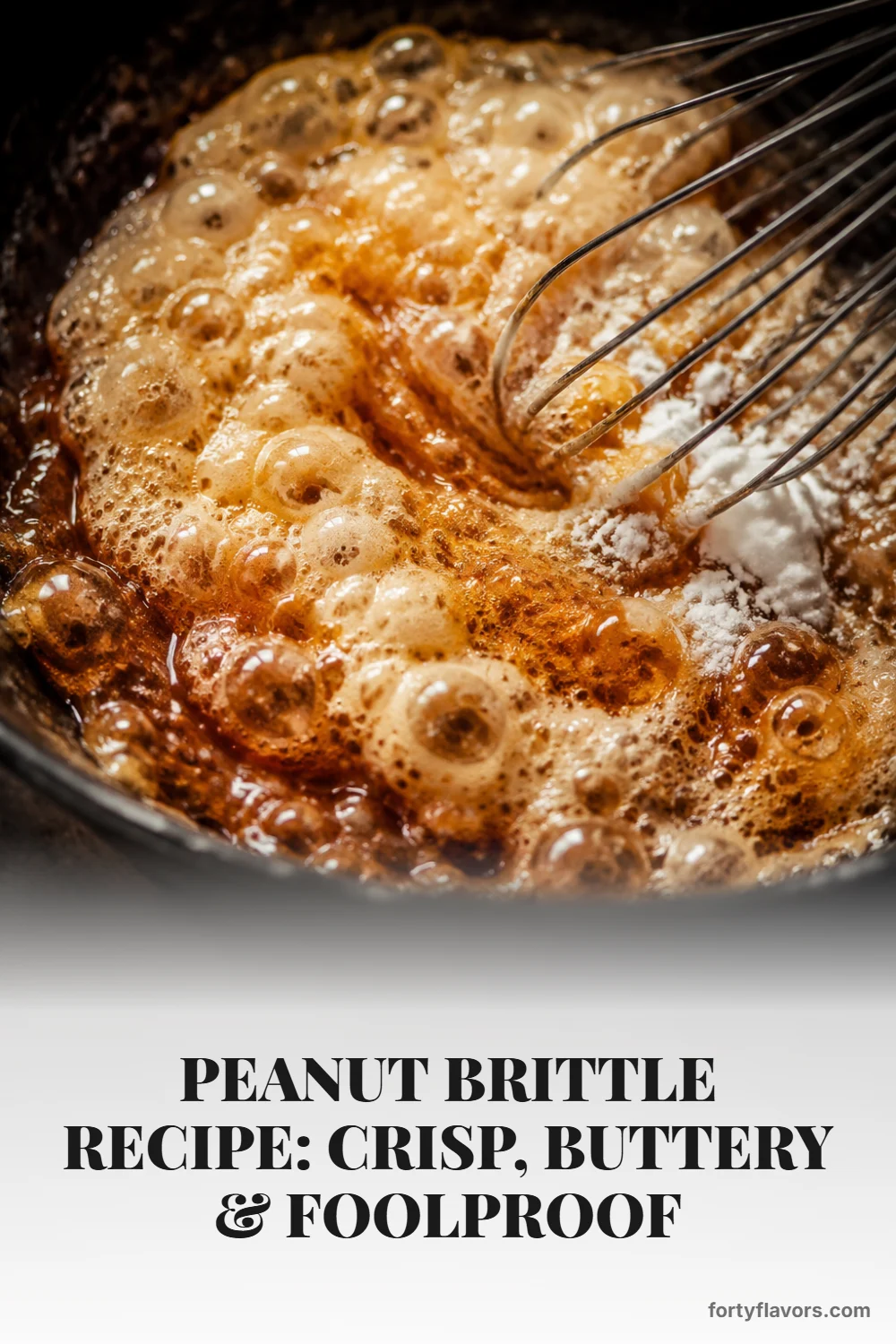
The hero ingredient, though, might be the humble teaspoon of baking soda you stir in at the very end. When it hits the molten syrup, it releases tiny carbon dioxide bubbles that get trapped as the candy cools, creating that signature airy, snap-when-you-bite-it texture. Without it, you would have a dense toffee. With it, you have real-deal old-fashioned brittle.
You do not need a fancy kitchen for this, but a few specific tools make a huge difference. A heavy-bottomed saucepan is non-negotiable; thin pans create hot spots that scorch sugar in seconds. A 3-quart stainless steel pan with thick walls and a wide base distributes heat evenly and gives the syrup room to bubble safely without climbing over the rim.
A reliable thermometer is the single best investment you can make for this recipe. Sugar work lives and dies by temperature, and eyeballing it is a recipe for either chewy under-set brittle or burnt, bitter shards. If you are new to working with hot sugar, our candy thermometer guide walks through how to clip, calibrate, and read one accurately. You will also want a rimmed half-sheet pan, generously buttered or lined with a silicone mat, plus a heatproof silicone spatula or wooden spoon for the final stir.
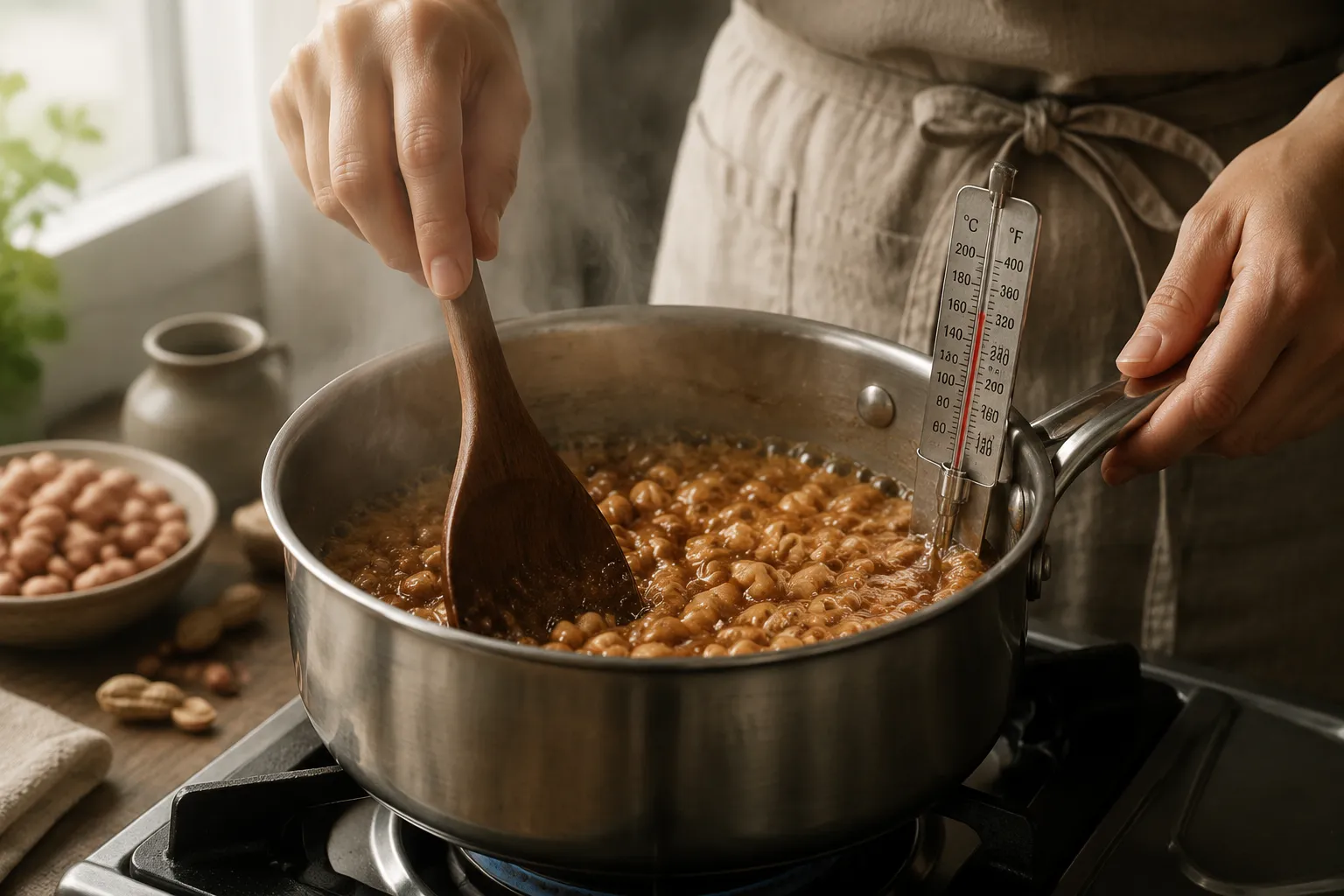
One last piece of gear worth mentioning: a pastry brush and a small bowl of water. If you see sugar crystals climbing the sides of the pan as the syrup cooks, dip the brush in water and sweep them back down into the syrup. Stray crystals are the most common reason a batch turns gritty, and this two-second move prevents most disasters before they start.
Here is the part where the magic happens. The full numbered method lives in the recipe card below, but it helps to read through the flow once before you start so you can stage your ingredients and not panic at the foamy stage. Once that baking soda hits, you have maybe 30 seconds of working time, so everything needs to be measured, ready, and within arm's reach.
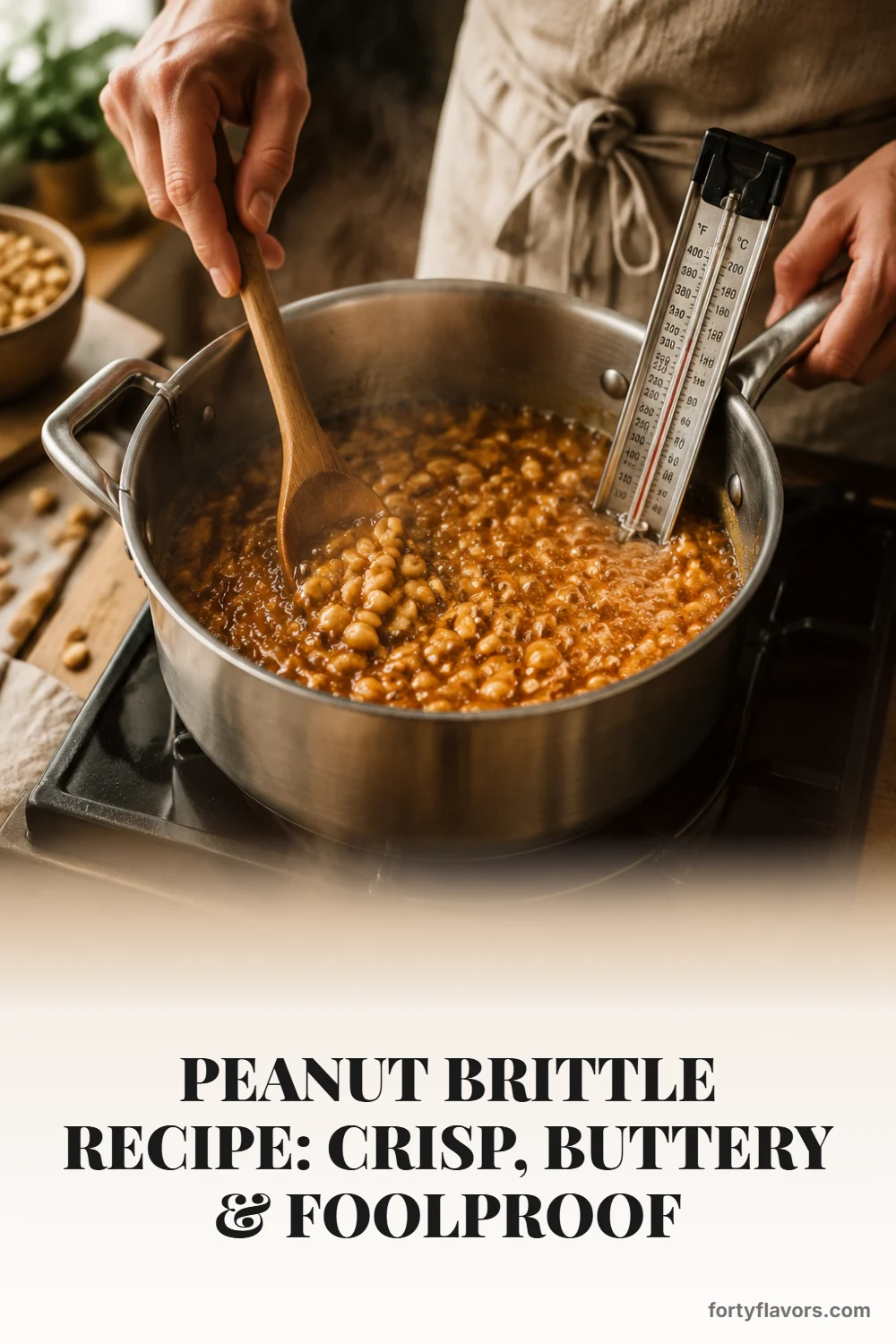
You will start by combining sugar, corn syrup, and water in your saucepan over medium heat, stirring just until the sugar dissolves. From there, stop stirring entirely and let the syrup do its thing. Undisturbed, it climbs steadily through the soft-ball, firm-ball, and soft-crack temperatures until it edges into the hard-crack zone around 300°F. That is the sweet spot where the candy will set glass-crisp once cooled.
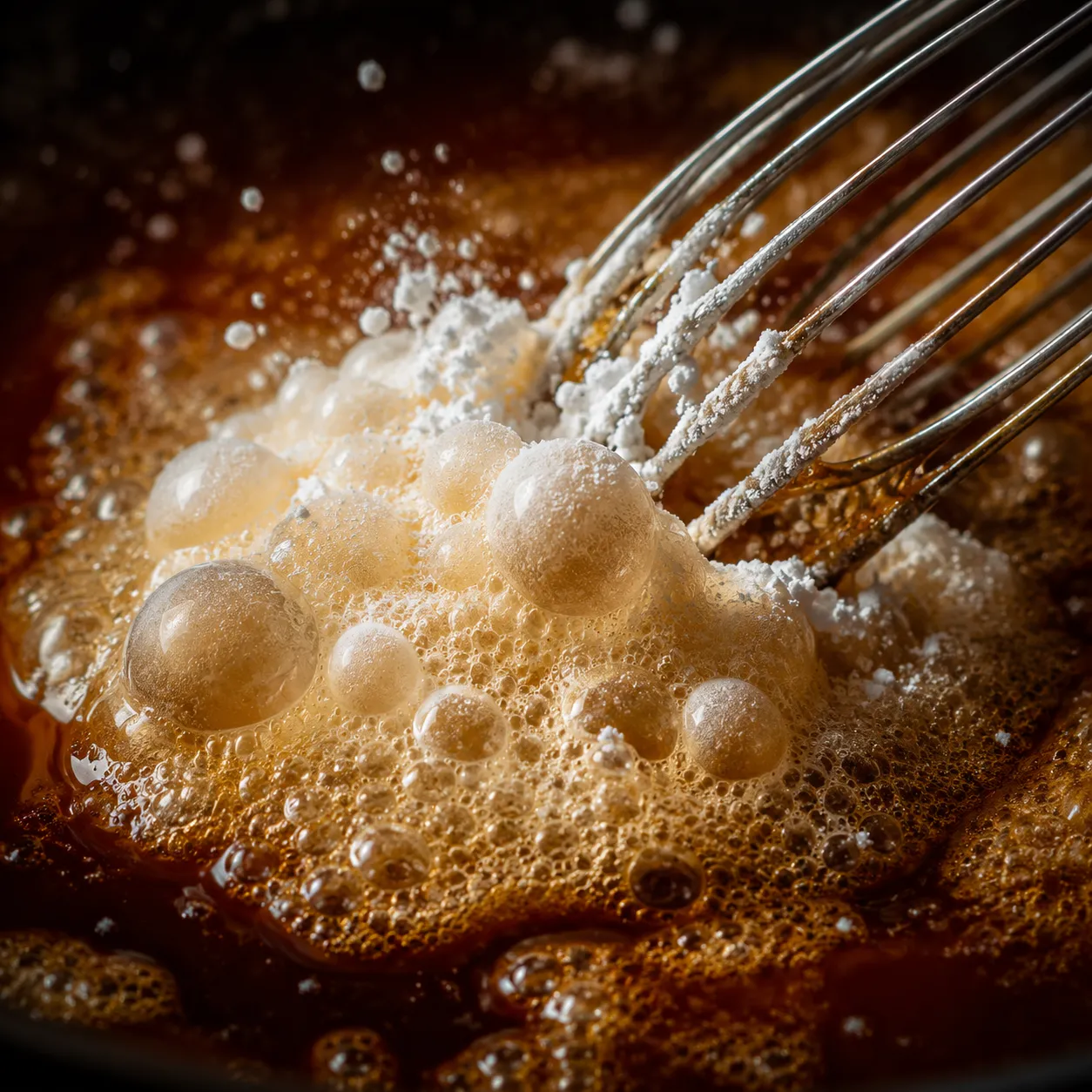
Stir in the roasted peanuts when the syrup hits about 280°F so they have a moment to warm through and toast a touch deeper before the final temperature. Keep stirring gently and watch the thermometer like a hawk. The moment it reads 300°F, kill the heat. From here it is a fast, choreographed finish: drop in the butter and vanilla, stir until just combined, then sprinkle the baking soda evenly across the surface and stir vigorously for about ten seconds.
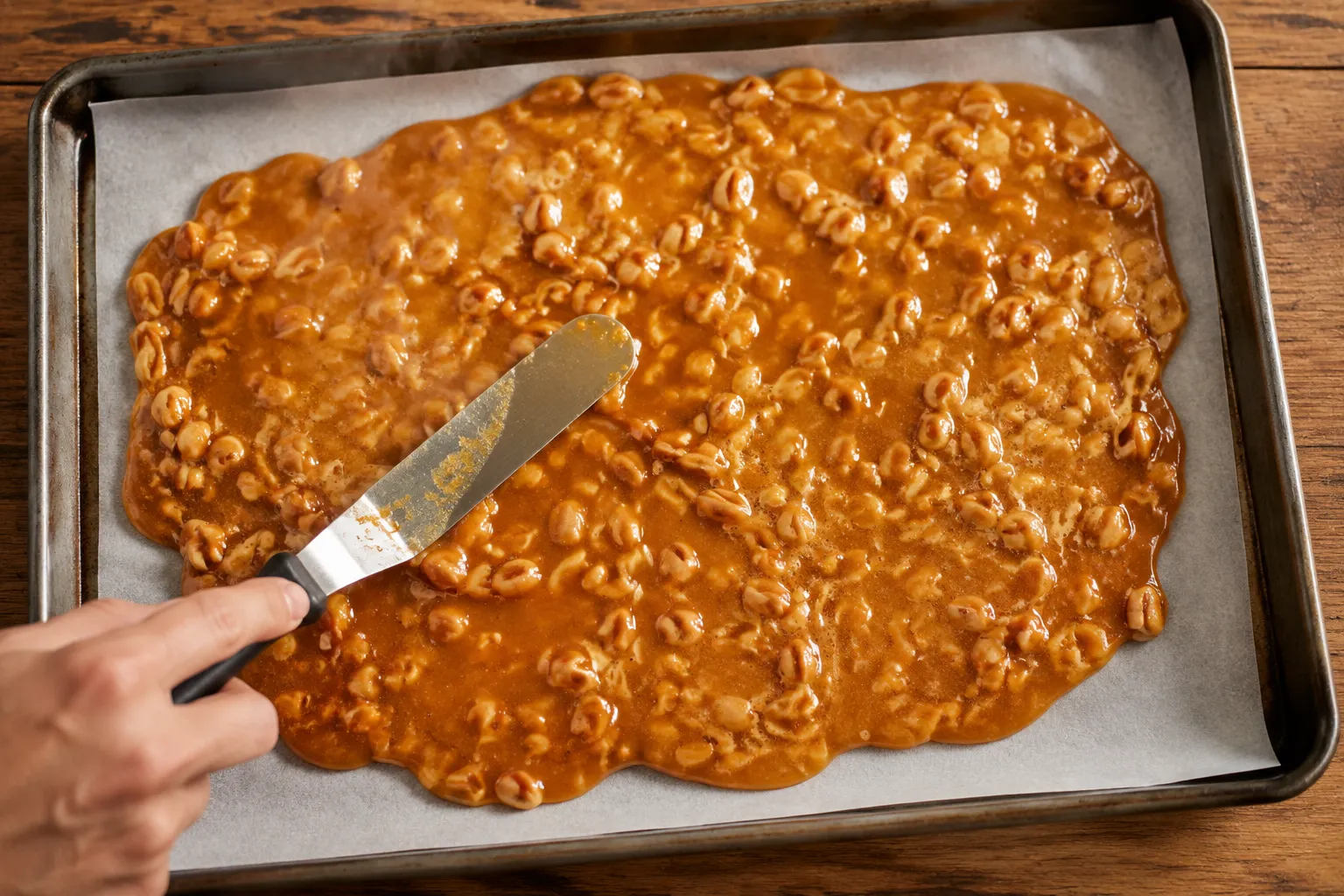
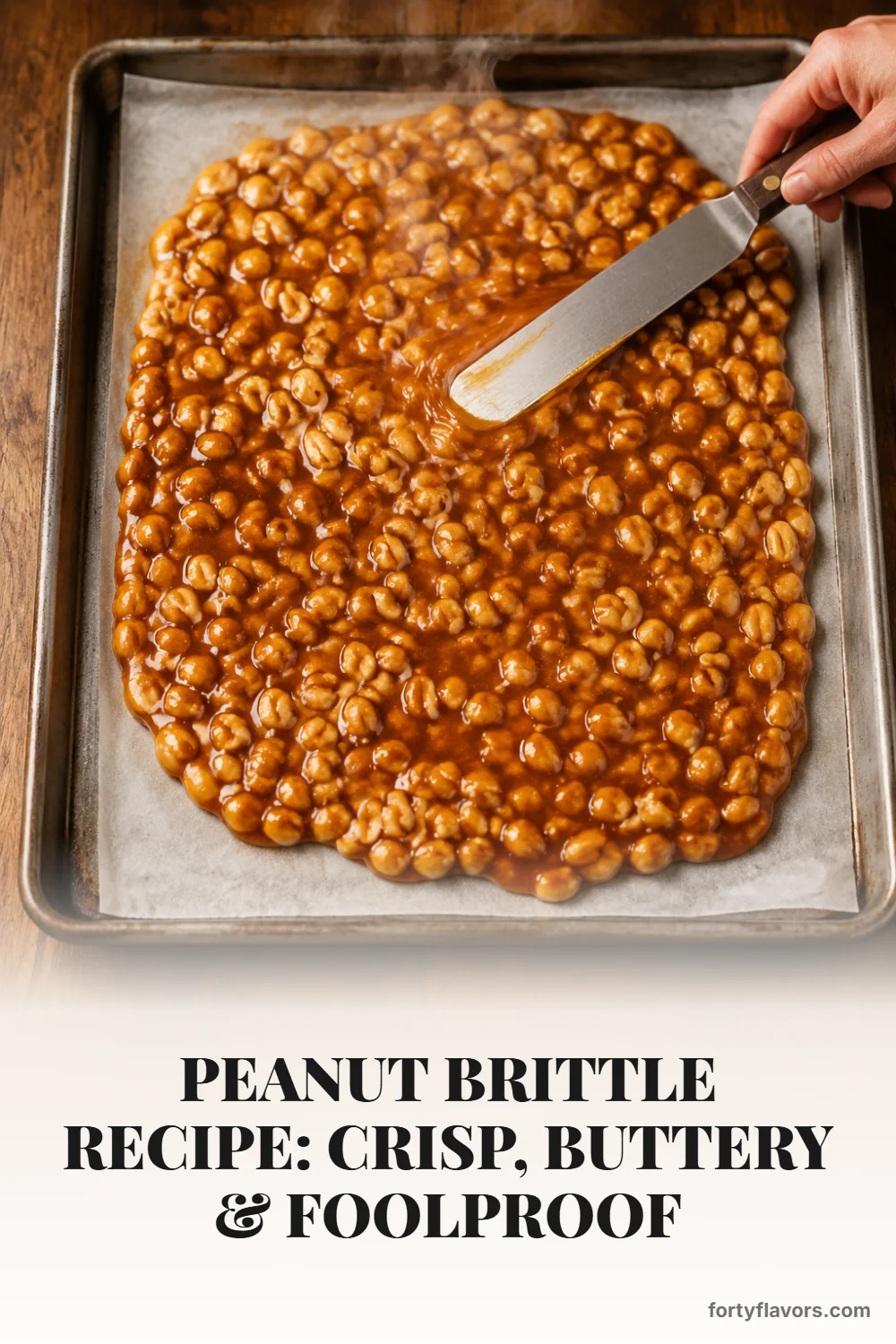
The mixture will foam dramatically, lighten in color, and nearly double in volume. This is exactly what you want. Immediately pour it onto your buttered sheet pan and use a spatula or the back of a wooden spoon to spread it as thin as you can. For an even thinner, more delicate slab, some old-timers grab two forks and gently stretch the candy outward as it sets. Either way, work quickly because the brittle stiffens within a minute or two.
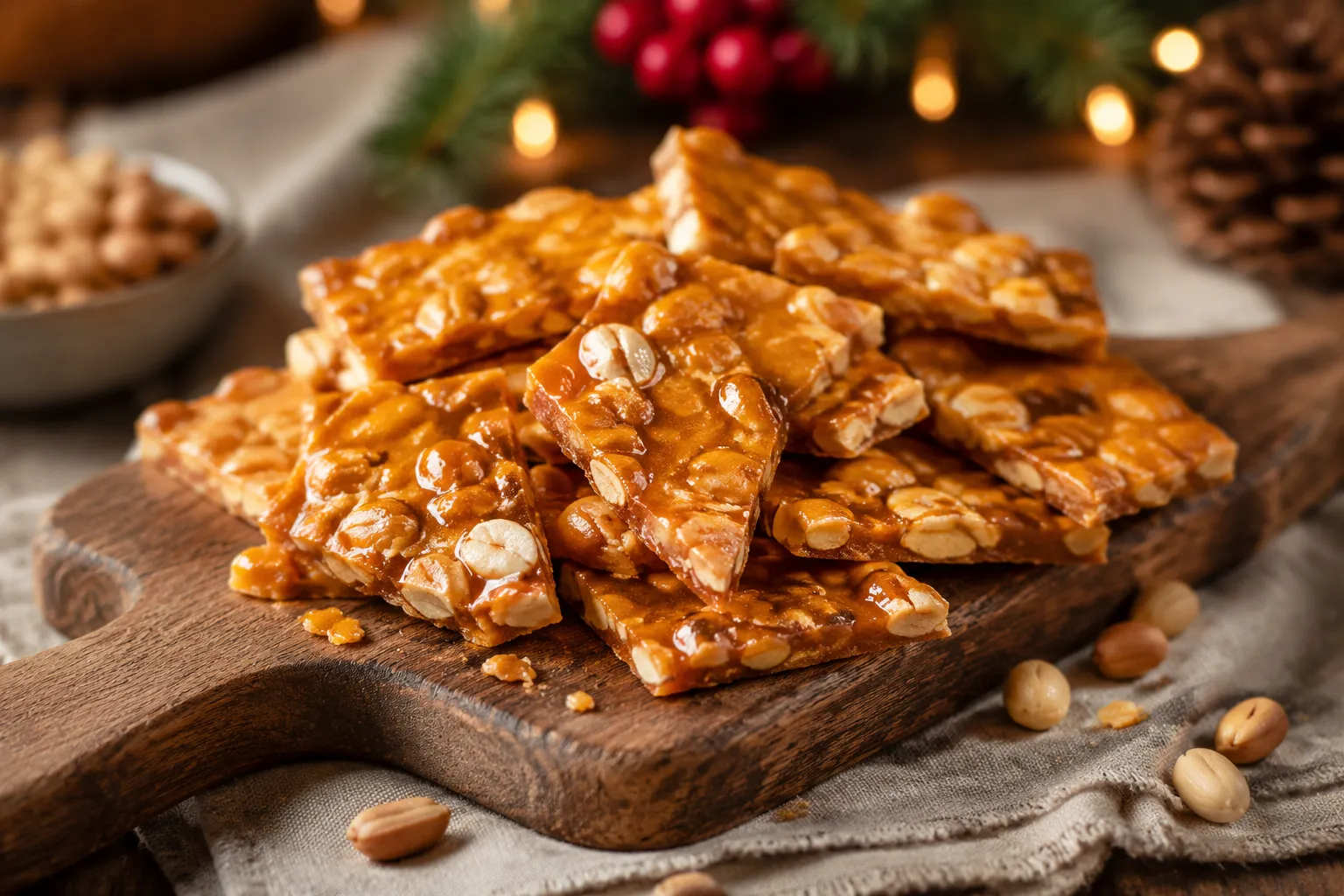
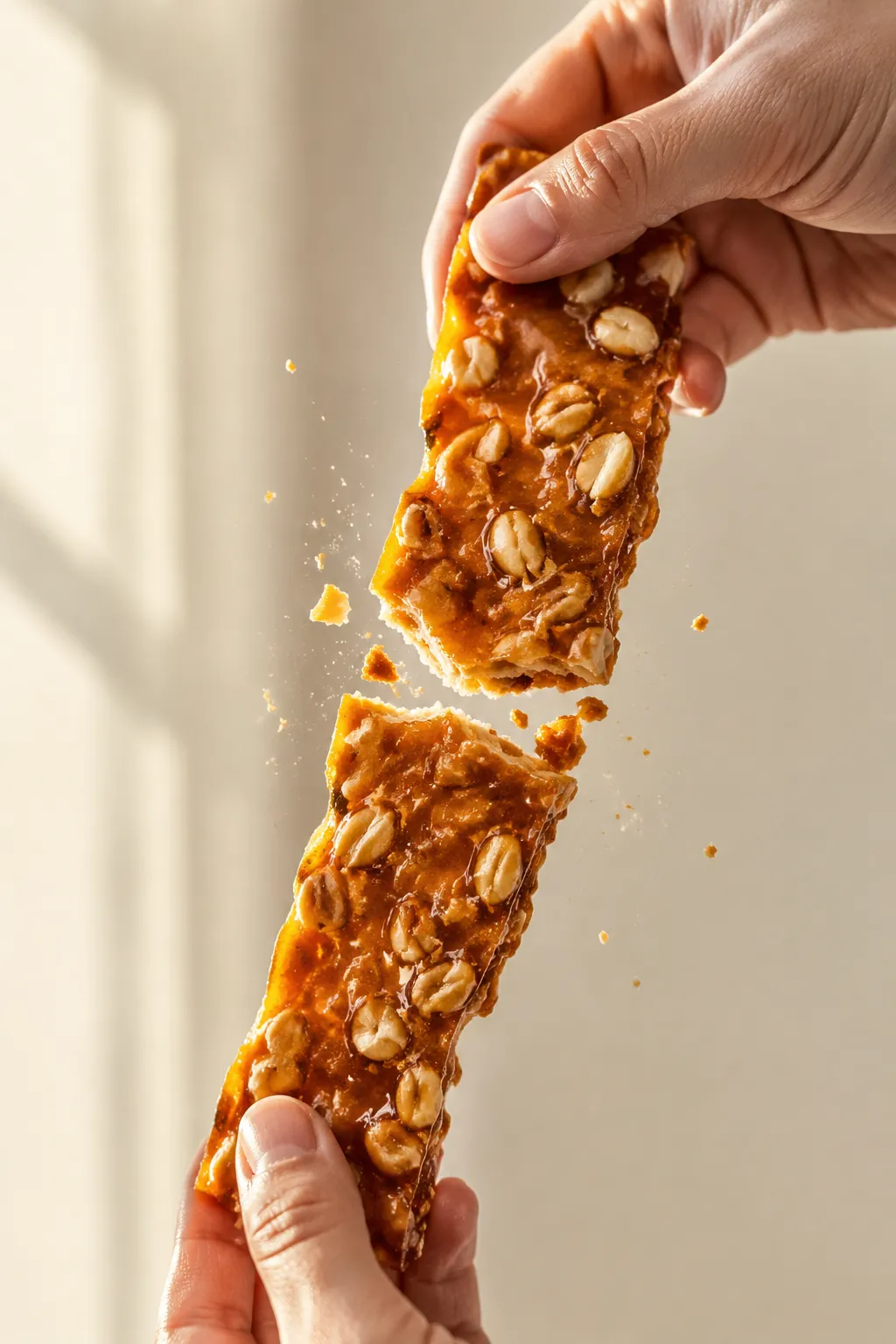
Let it cool fully at room temperature, about 30 to 45 minutes, until completely hard to the touch. Then lift the slab off the pan and snap it into rustic, irregular pieces with your hands or the back of a knife. This is the most fun part, honestly, and the sound alone is worth the effort.
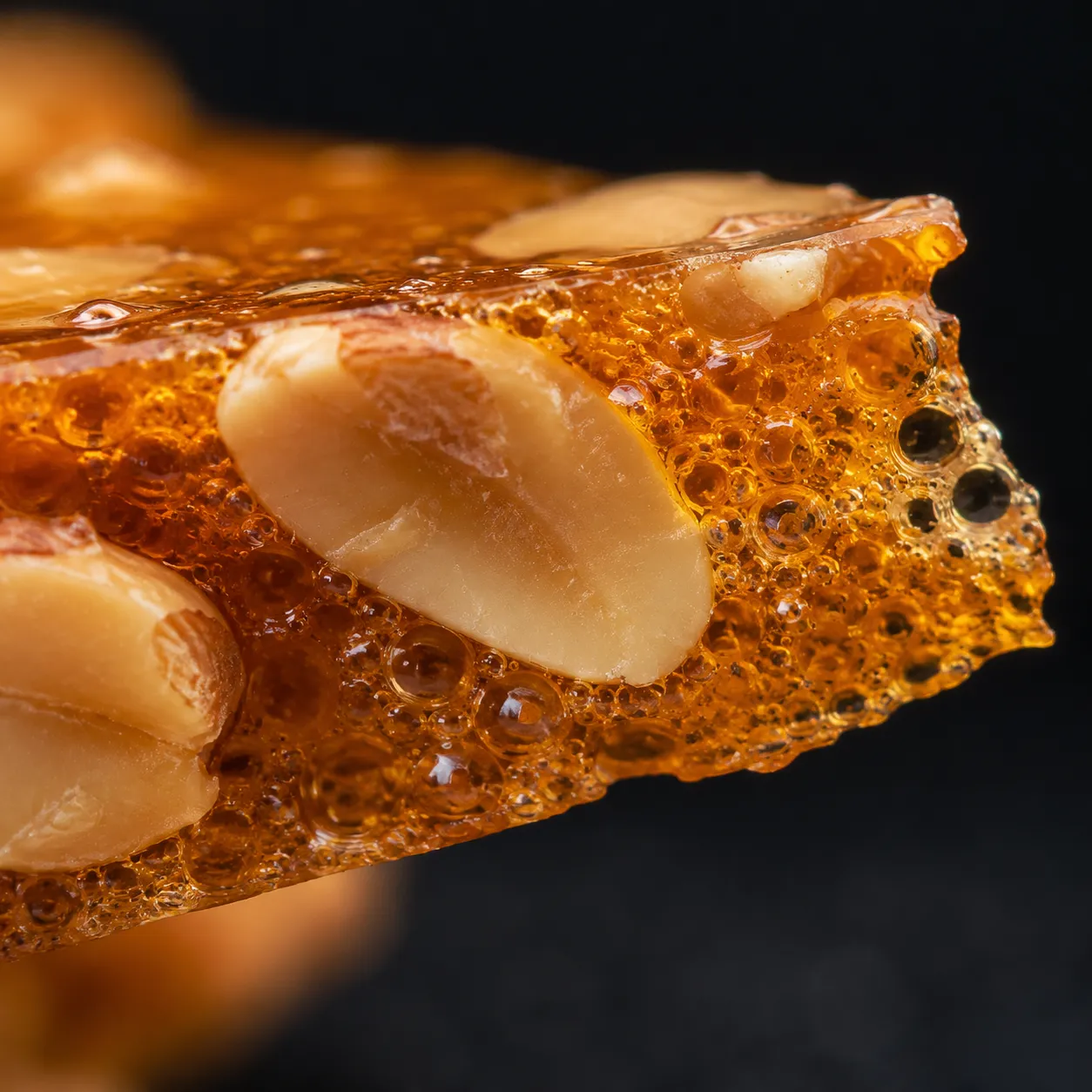
Peanut brittle is a wonderful candy on its own. Pile it onto a holiday cookie tray and watch it disappear faster than the sugar cookies. It also plays beautifully with other desserts. Crumble shards over vanilla bean ice cream, fold them into a no-churn ice cream base, or use chunks as a crunchy garnish on cheesecake, banana pudding, or chocolate mousse. A drizzle of warm salted caramel sauce over a bowl of brittle-topped ice cream is genuinely one of the best three-minute desserts you can serve.
For a holiday dessert spread, pair brittle with other crunchy sweets like chocolate-dipped pretzels and a few buttery shortbreads. The contrast of textures, glassy brittle, snappy chocolate, sandy shortbread, gives guests something to come back for. It is also a stunning addition to a charcuterie-style dessert board with dried fruit, dark chocolate, and a wedge of sharp cheddar. Trust me on the cheddar; the saltiness against the sweet caramel is genuinely transcendent.
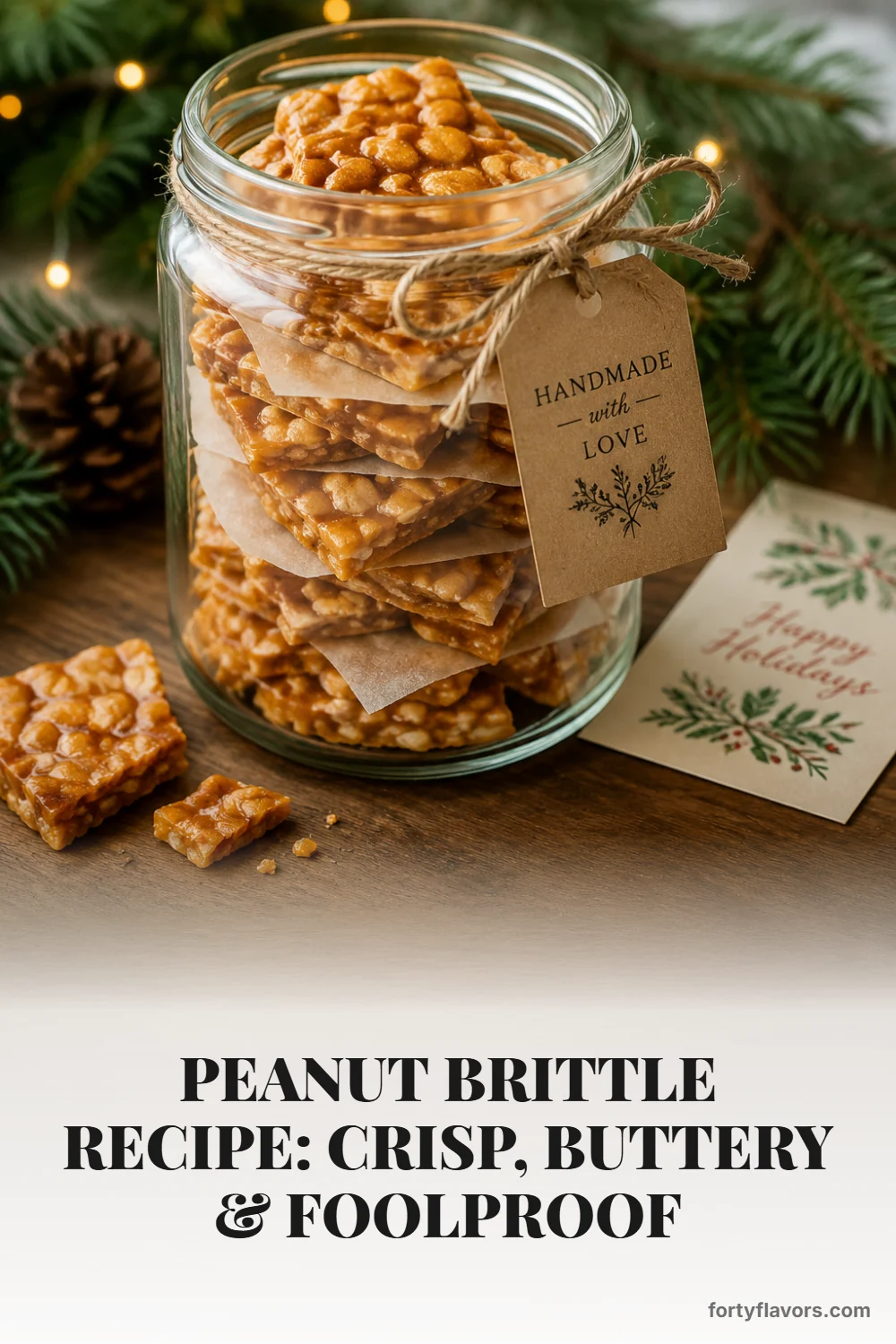
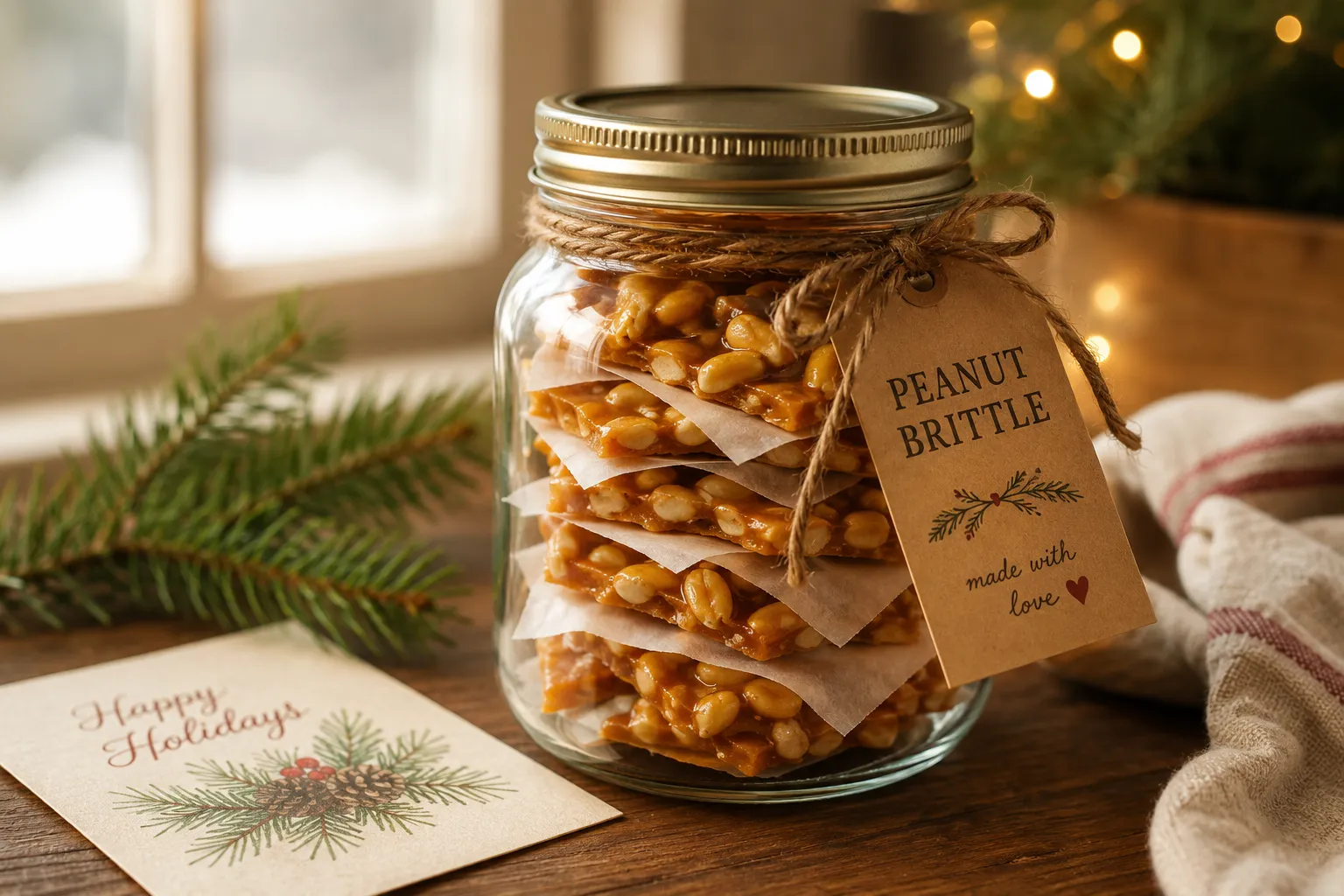
Few homemade treats travel as well as brittle. It keeps beautifully for weeks, does not need refrigeration, and looks gorgeous in clear cellophane bags or mason jars tied with twine. If you are hunting for edible gift ideas this season, a stack of brittle-filled jars with handwritten kraft tags is the kind of present that costs almost nothing to make but always feels generous and personal.
Make a double batch on a quiet Sunday and you will have hostess gifts, teacher gifts, and neighbor gifts handled for the entire month. Just keep each gift jar tightly sealed until it is delivered, because humidity is brittle's worst enemy. Tuck a small silica packet inside if you are mailing it across the country, and your recipient will be opening a jar of candy that is every bit as crisp as the moment you poured it.
Once you have nailed the base recipe, the brittle world opens up. The same syrup-and-soda technique works with almost any nut, seed, or warming spice, so think of this as a template rather than a strict formula. Here are a few favorites worth trying.
Store cooled brittle in an airtight container at room temperature, with a sheet of parchment or wax paper between the layers to keep the pieces from fusing. Properly sealed and kept somewhere cool and dry, it stays crisp for up to 2 months. The biggest enemy is humidity, so avoid the fridge (condensation makes it sticky) and resist the urge to store it near the stove or any steamy appliance. If your container has a rubber gasket or you live somewhere especially humid, tucking in a food-safe silica packet adds extra insurance.
Brittle freezes surprisingly well, too. Wrap broken pieces tightly in plastic wrap, then seal them inside a freezer bag with the air pressed out, and they will keep for up to 3 months. Thaw at room temperature with the bag still sealed so any condensation forms on the outside of the wrapping rather than on the candy itself. Once thawed, transfer to your usual airtight container and enjoy within a couple of weeks.
Hover any image and hit “Pin it” to save it to your Pinterest boards.