Au Gratin Potatoes: Creamy, Cheesy Classic Recipe
Ingredients
Scale
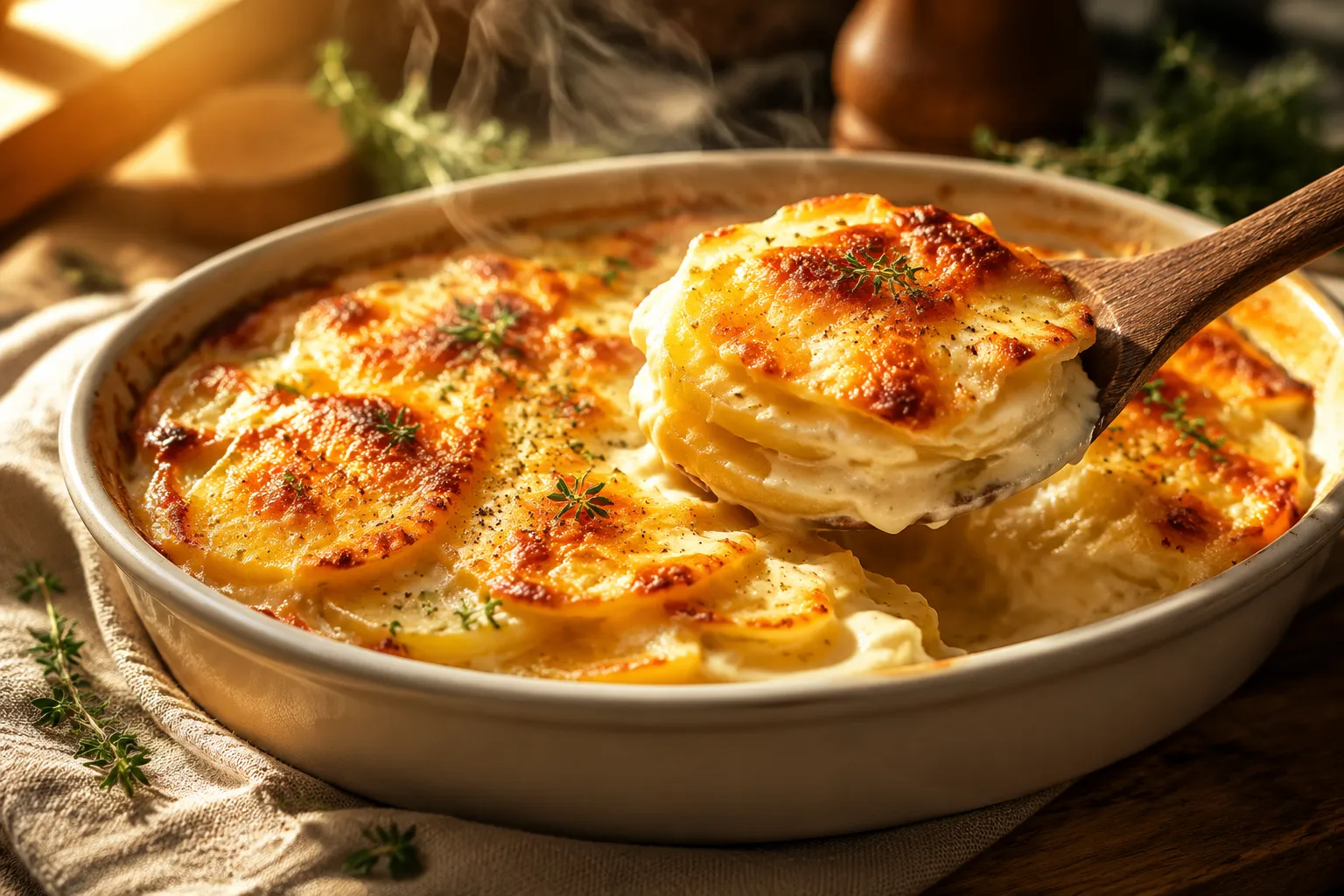
Tender russet slices layered in a silky cheddar-Gruyere cream sauce, baked until the top is deeply golden and bubbling. The au gratin potatoes recipe holiday tables remember.
There's a reason au gratin potatoes show up on holiday tables year after year — bubbling out of the oven with a deeply bronzed cheese crust, silky layers of cream-soaked potato underneath, and that intoxicating smell of butter, garlic, and Gruyere drifting through the kitchen. This is the kind of side dish that quietly steals the show, no matter how impressive the main course is.
I've made this recipe more times than I can count, and the version below is the one that's earned a permanent spot in my holiday rotation. It leans on a stabilized garlic-thyme bechamel rather than just pouring cream over potatoes, which is the secret to a sauce that stays glossy instead of breaking, and a double-cheese blend of sharp cheddar and nutty Gruyere that gives every bite both snap and depth.
Whether you're cooking for Easter, Thanksgiving, Christmas, or just a Sunday roast that deserves a little ceremony, this is the gratin to bookmark. It's foolproof if you follow a few small science-backed steps, and it reheats beautifully, which means you can build it the day before and walk into the meal with one less thing to think about.
"Au gratin" is a French term that simply means "with a browned crust," referring to any dish finished under heat until the top turns crisp and golden. Traditionally that crust is made from cheese, breadcrumbs, butter, or some combination of all three. The name describes a technique more than a specific recipe, which is why you'll see the au gratin treatment applied to cauliflower, macaroni, fish, and of course potatoes.
What sets a true potato gratin apart is that contrast: a craggy, almost crackly top against a tender, custard-soft interior. When you crack a spoon through that bronzed lid and steam rises off the creamy layers below, that's the textural payoff the technique is designed to deliver.
This is one of the most-asked kitchen questions, and the short answer is: cheese. Classic scalloped potatoes are baked in a seasoned cream sauce with no cheese in the layers — the top might brown, but the dish itself is dairy and starch only. Au gratin potatoes, by contrast, are built around cheese, both layered through and broiled on top to create that signature crust.
There's plenty of crossover in modern American kitchens, and you'll spot recipes labeled either way that include some cheese. But if you want to be technically correct, scalloped is creamy and lean, gratin is creamy and cheesy.
That deeply browned top isn't just for looks. Browning is the Maillard reaction at work, transforming proteins and sugars in the cheese into hundreds of new flavor compounds: savory, nutty, almost caramel-like notes you simply can't get from a pale, undercooked surface. It's why every great gratin insists you finish uncovered, sometimes with a quick blast under the broiler at the end. That contrast between crisp top and creamy interior is half the reason this dish feels special.
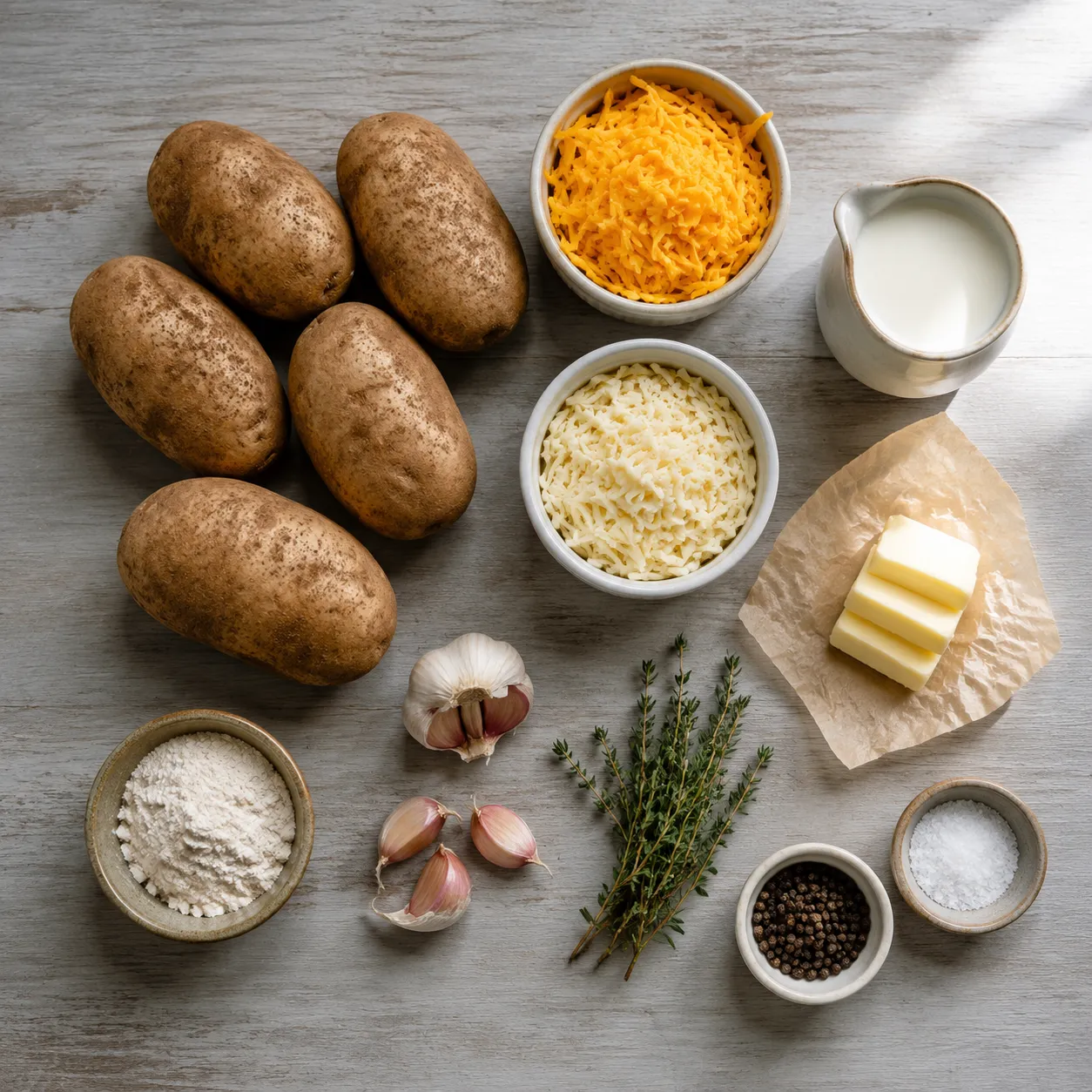
Like all great classic recipes, this one is short on ingredients and long on technique. Each component pulls real weight, so it's worth choosing carefully. Below I'll walk through the choices I make and why — the recipe card has exact quantities.
For maximum tenderness and that classic creamy interior, I reach for russet potatoes every time. Their high starch content lets them absorb the cream sauce and almost melt into one another as they bake, giving you that custard-like layering people associate with restaurant gratins. Yukon Golds are a strong second choice — they hold their shape a bit more and bring a buttery yellow color, which some cooks prefer for visual definition between layers.
What you want to avoid are waxy red potatoes or fingerlings; they stay too firm, refuse to absorb the sauce, and leave the dish feeling watery underneath. Whichever variety you pick, slice them no thicker than ⅛ inch — a mandoline makes this nearly effortless.
The single biggest upgrade over a standard recipe is using two cheeses. Sharp cheddar gives you that classic, tangy backbone that screams American comfort food, while Gruyere brings a nutty, slightly sweet depth that takes the dish into restaurant territory. Together they melt cleanly and brown beautifully.
A non-negotiable: shred your own cheese from a block. Pre-shredded cheese is coated in potato starch and cellulose to keep it from clumping in the bag, and those anti-caking agents will absolutely sabotage your sauce, turning it grainy and chalky. Five extra minutes with a box grater is worth it.
This is where a lot of recipes fall flat. I bloom minced garlic in butter, infuse the milk and cream with fresh thyme, and finish with cracked black pepper and a whisper of nutmeg. None of these are loud, but together they turn a one-note cream sauce into something layered. A homemade cheese sauce built on this kind of bechamel will be steadier on the stove and richer on the plate than a quick cream pour-over.
The full recipe card below walks you through exact times and temperatures, but here's the rhythm of the cook so you know what to expect. Total active time is around 20 minutes, with the oven doing the rest of the heavy lifting.
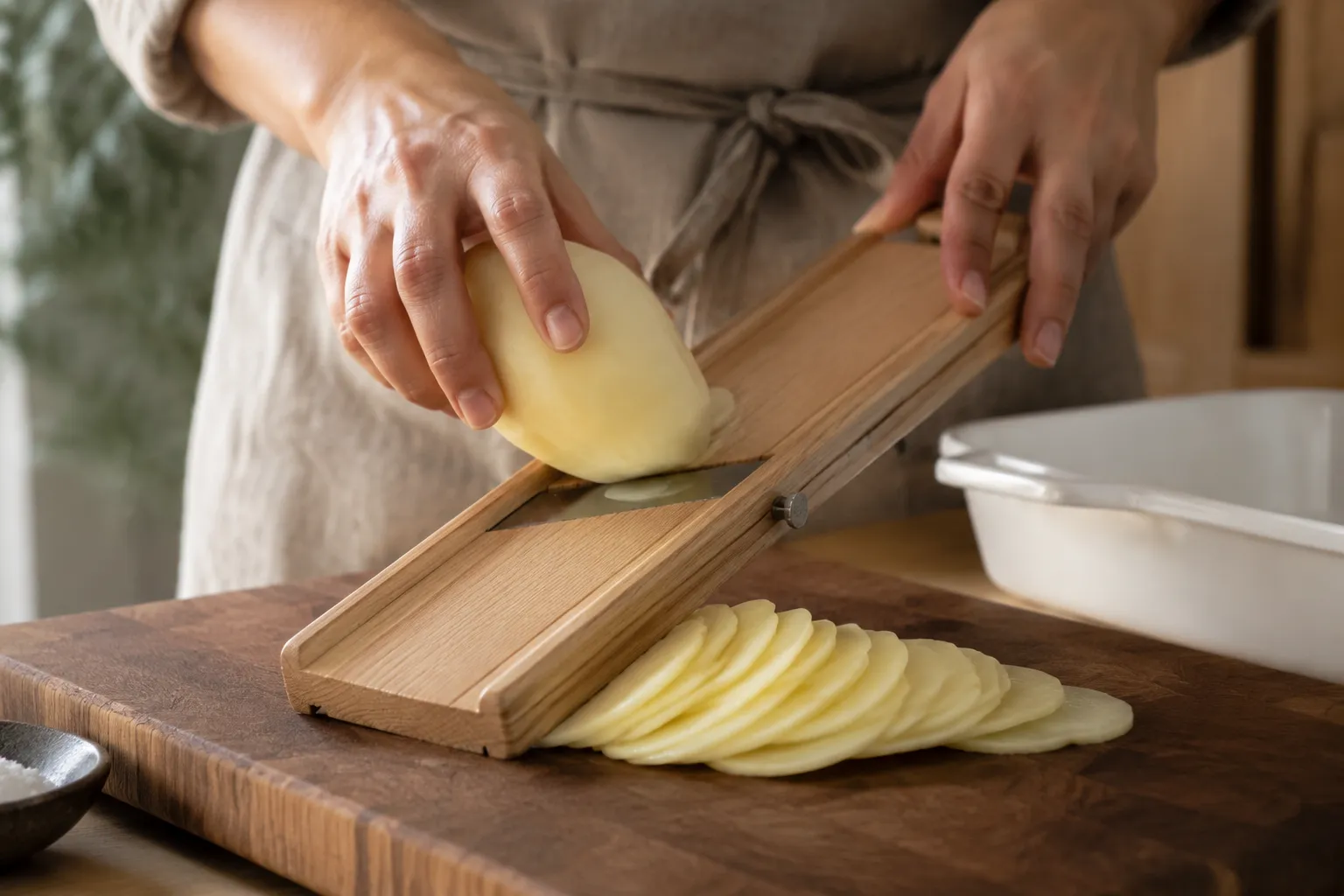
Even slices are the difference between gratin and gratin-shaped chaos. Aim for ⅛ inch, about the thickness of two stacked quarters. A mandoline is the easiest tool for the job, but a sharp chef's knife and a steady hand will do it too. As you slice, drop the rounds into a bowl of cold water if you're not building immediately; this keeps them from oxidizing while you make the sauce. Drain and pat them very dry before layering, since extra water dilutes your cream and pushes the bake time out.
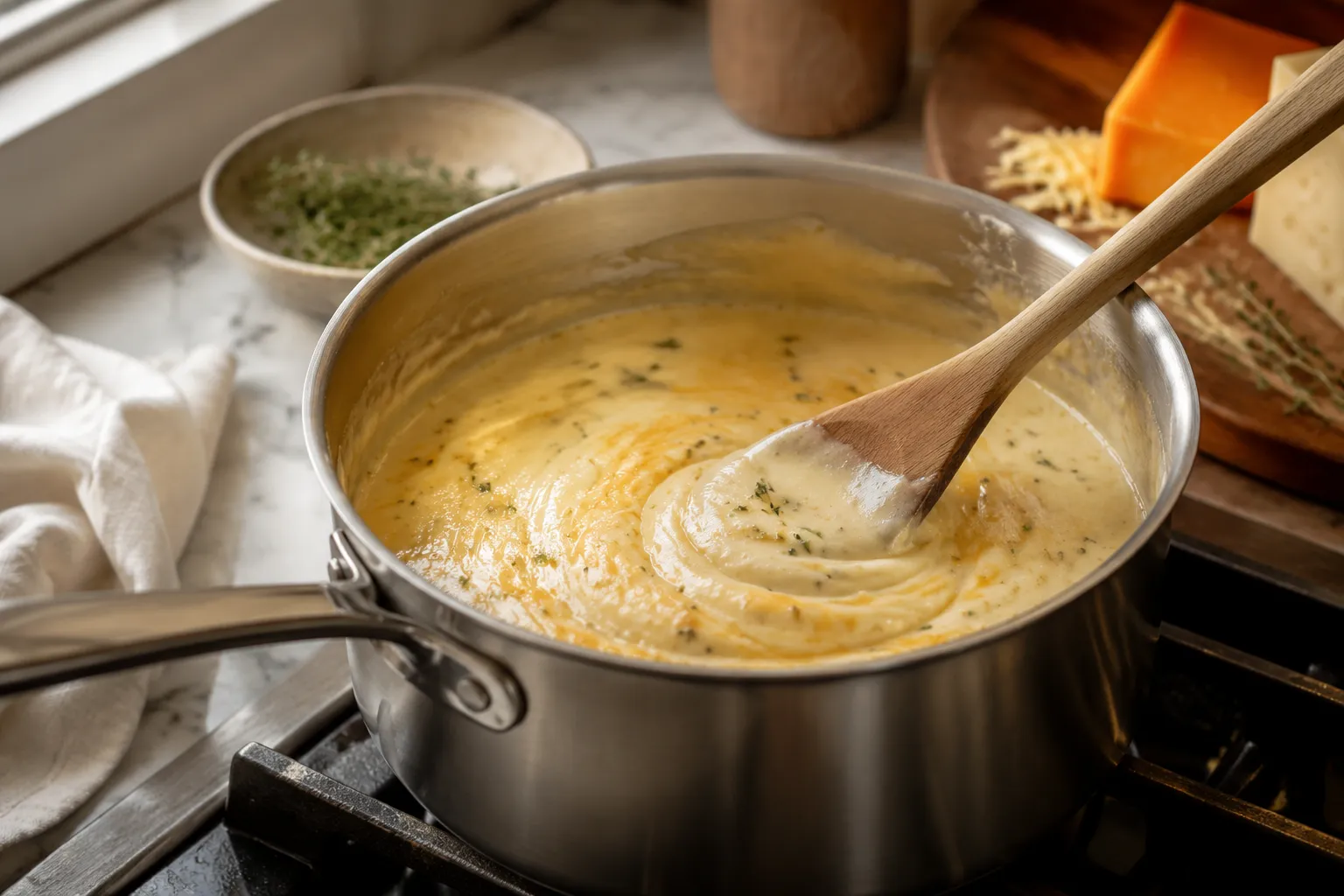
Melt butter in a saucepan, sweat the minced garlic for 30 seconds, then whisk in flour to make a quick roux. Slowly stream in the warmed milk and cream, whisking constantly, until the sauce thickens enough to coat the back of a spoon. Pull the pan off the heat — this part is critical — and stir in the cheese a handful at a time. Adding cheese off direct heat keeps the proteins from seizing and gives you that silky, glossy texture every great gratin depends on.
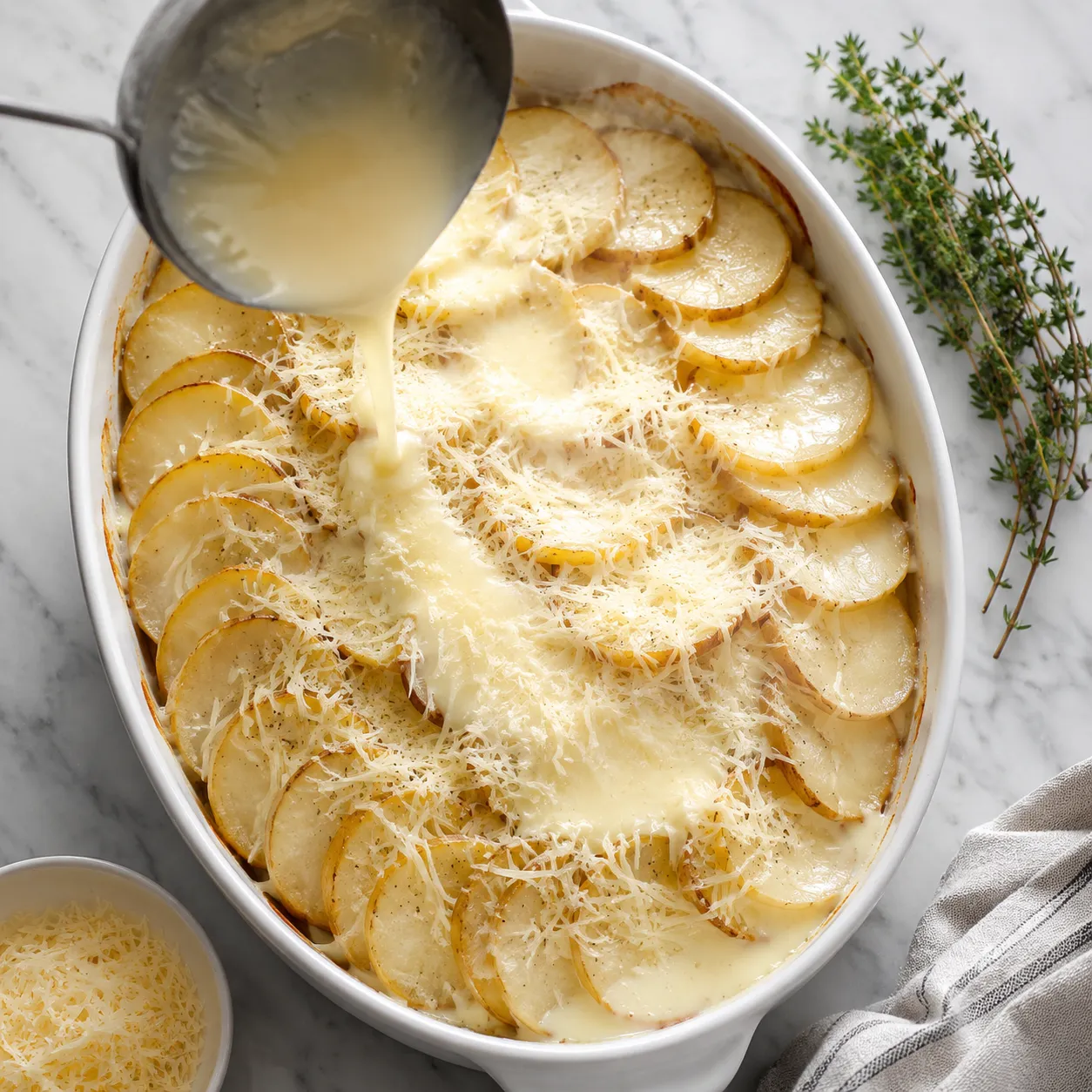
Butter your baking dish, shingle in a third of the potatoes in overlapping rows, ladle over a third of the sauce, and repeat twice more. Reserve the prettiest cheese for the very top. Cover the dish with foil and bake at 375°F for about 45 minutes, then uncover and bake another 25 to 30 minutes until the surface is deeply golden and the sauce bubbles aggressively at the edges.
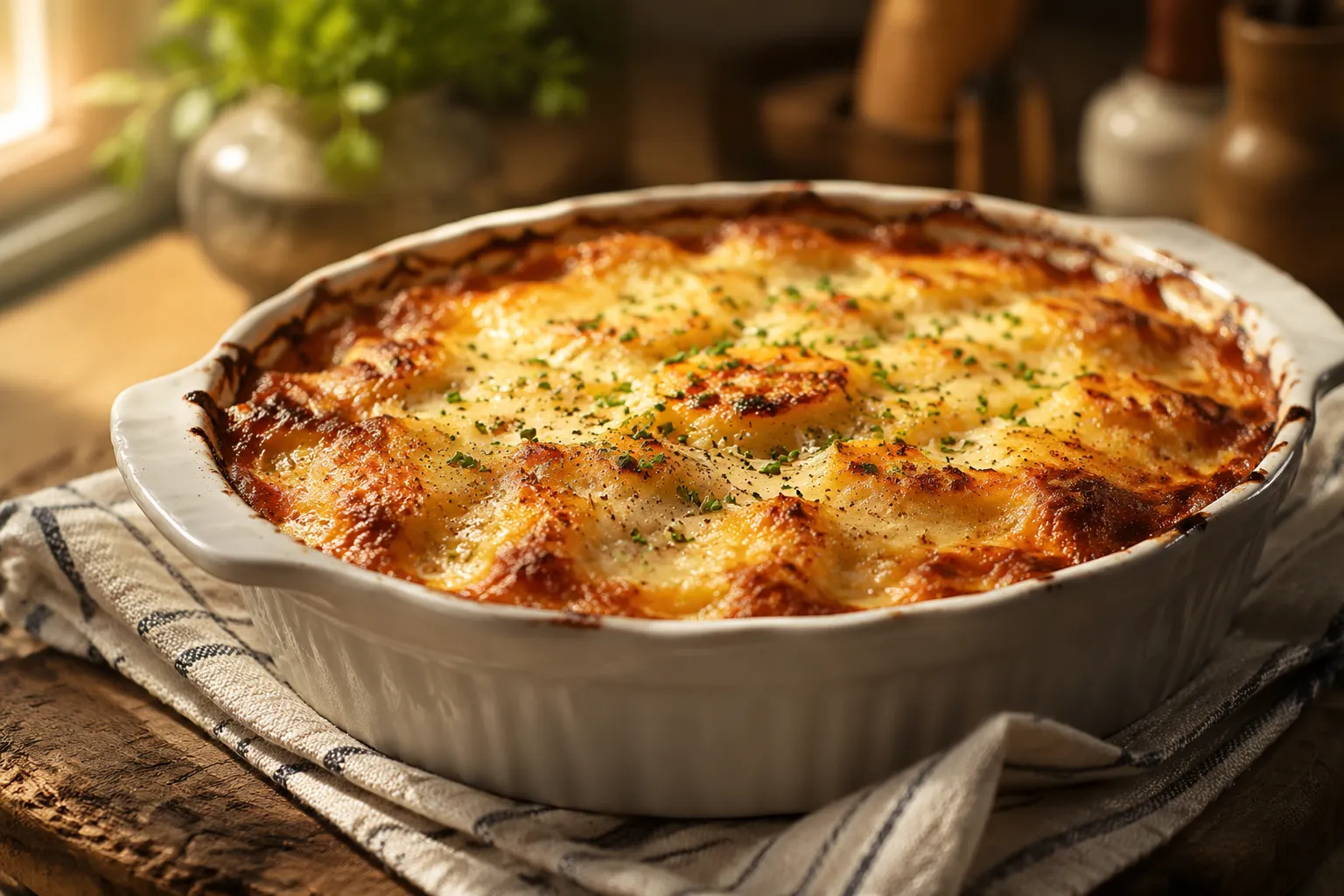
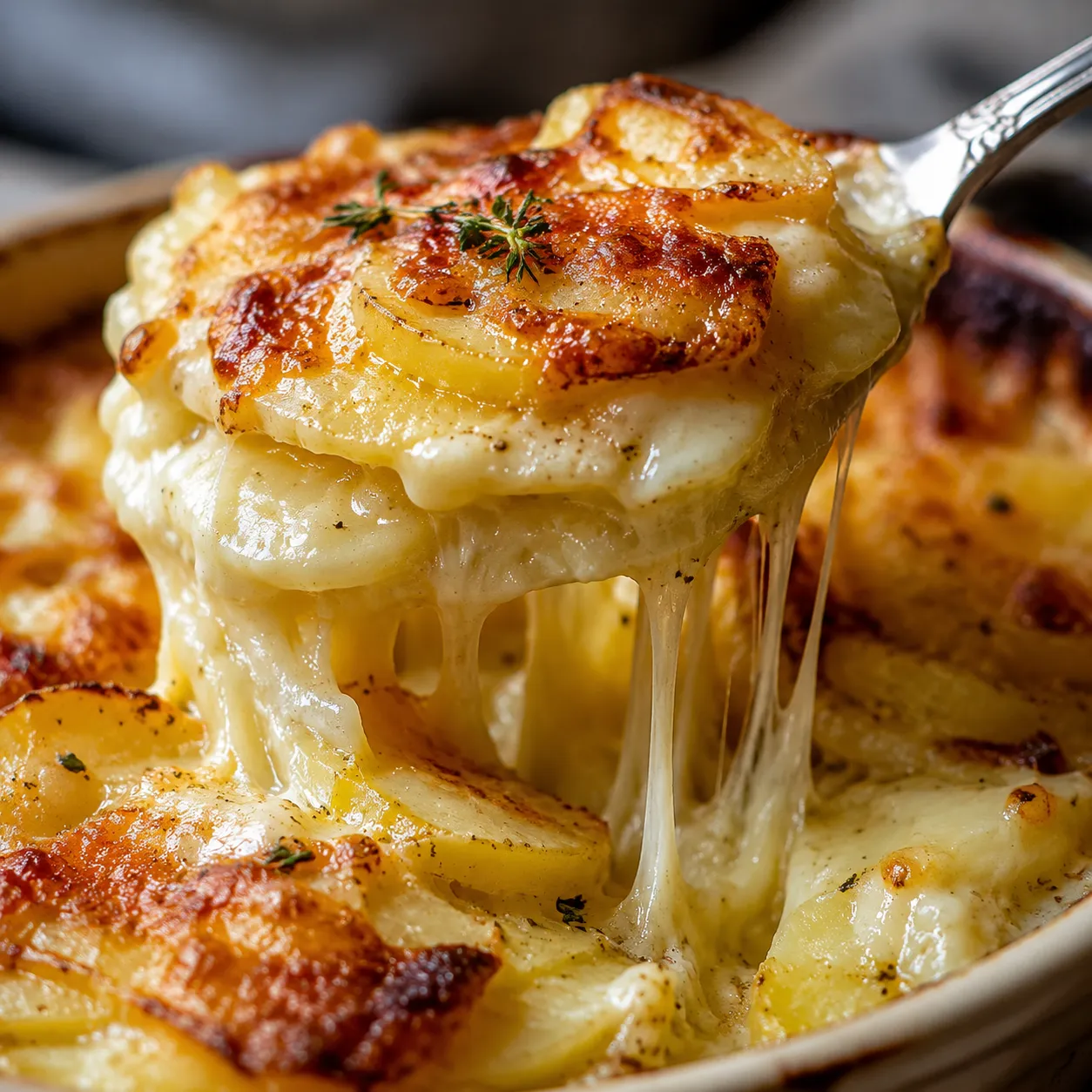
Let it rest for 10 to 15 minutes before serving. Straight out of the oven the sauce is too loose, and it sets into perfect spoonable layers as it cools just slightly.
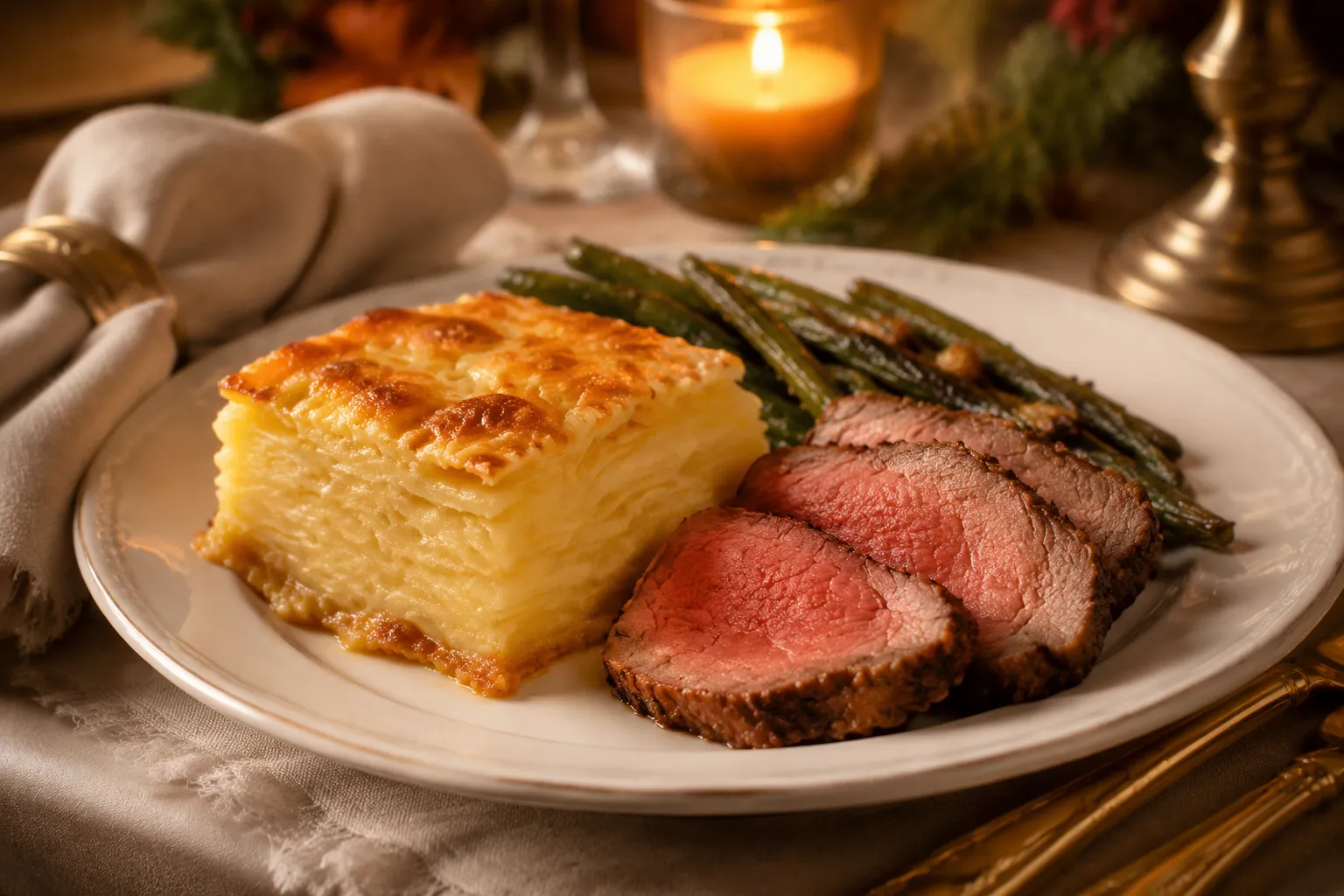
This is one of those rich, anchoring sides that plays beautifully with almost any classic protein. Because the dish itself is so creamy, I like to balance it with something either crisp-edged and roasted or bright and acidic on the same plate.
For a holiday spread, this gratin shines beside a glazed ham, herb-crusted prime rib, or a slow-roasted turkey. It's also the side I instinctively reach for any time I'm cooking a roast beef tenderloin — the elegant, buttery beef and the rich, cheesy potatoes feel like they were designed for each other. Round out the table with a simple green vegetable like roasted broccolini or haricots verts to keep things from feeling heavy.
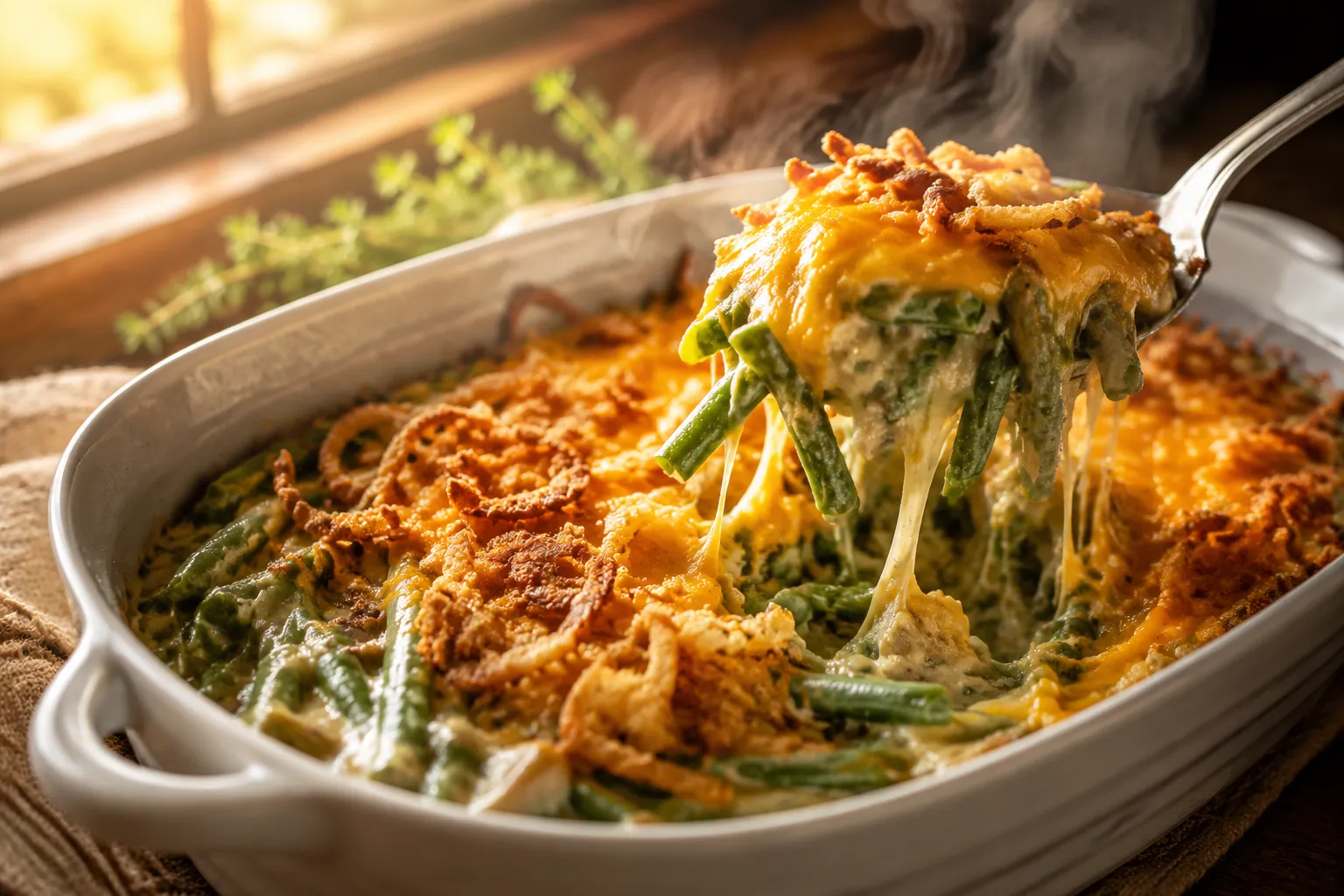
On a regular weeknight, this works beautifully alongside roast chicken, pork chops, or seared sausages. A sharp arugula salad with lemon vinaigrette is the perfect counterpoint, cutting through the richness with peppery greens. If you're building out a bigger Sunday spread, this slots right into a lineup of classic holiday side dishes — think honey-glazed carrots, dinner rolls, and a green bean casserole. Some folks ask whether to serve it alongside mashed potatoes too, and honestly, no judgment, but I'd swap the mash for a crisp slaw or roasted vegetables to keep textures varied. And if you've got fans of the more old-school, no-cheese version at the table, a small dish of scalloped potatoes makes a friendly companion piece.
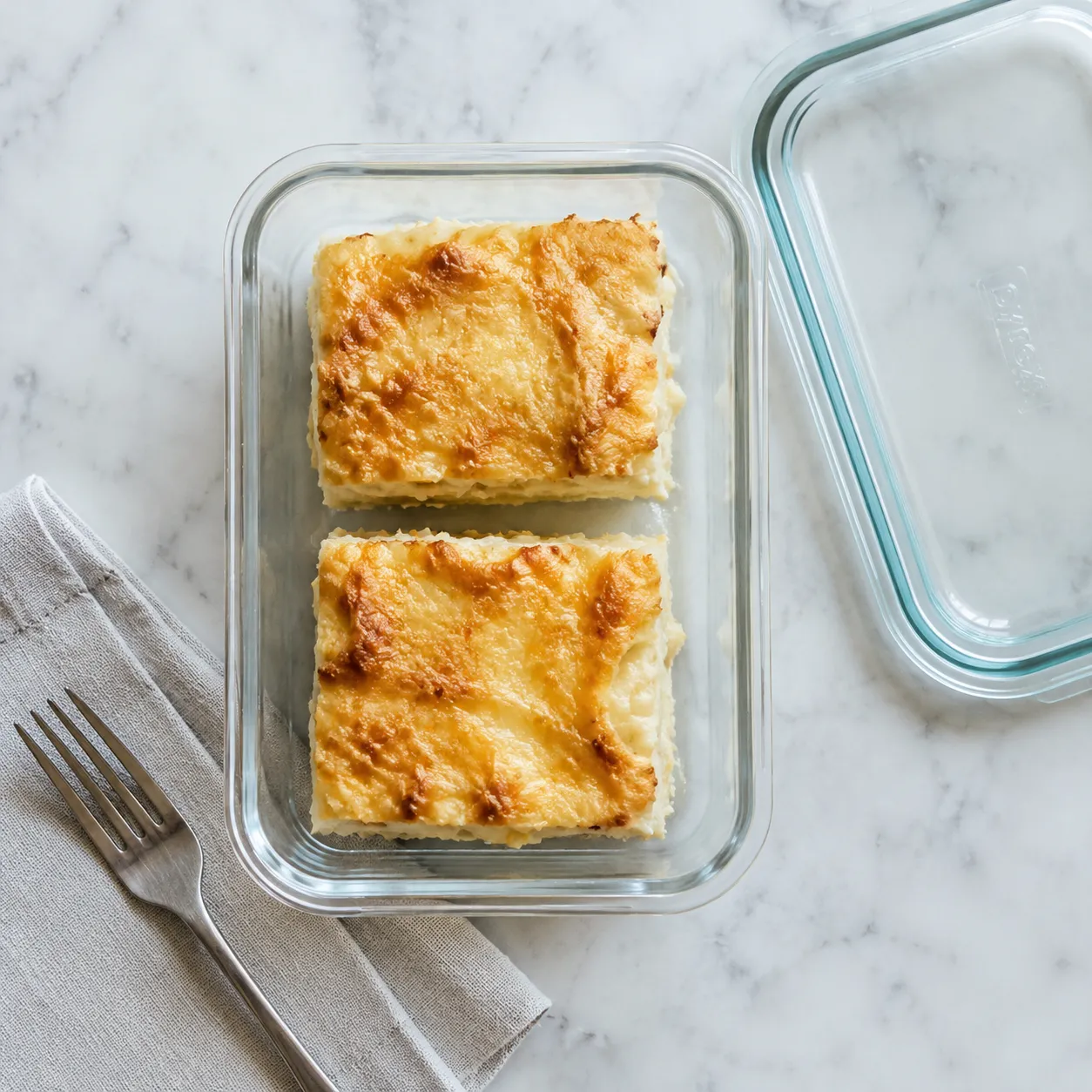
After all that, leftovers are arguably even better the next day. The layers settle, the flavors deepen, and a quick reheat brings everything right back to life.
The core technique here is endlessly adaptable, so once you've made it once, treat the recipe as a template. Swap in different cheeses, layer in cured meats, or stir vegetables into the cream — the bake time barely shifts.
Leftover gratin keeps beautifully in an airtight container in the refrigerator for up to 4 days. To reheat without drying out, place portions in a baking dish, splash 2 tablespoons of milk or cream over the top, cover with foil, and warm at 350°F for 15 to 20 minutes until heated through. The microwave works in a pinch, but the texture stays creamier with the oven method.
For longer storage, freeze fully baked and cooled portions in a freezer-safe container for up to 2 months. Thaw overnight in the refrigerator before reheating; the texture softens slightly compared to fresh, but the flavor holds up remarkably well. To bake ahead of a holiday, you can also assemble the unbaked dish, cover tightly, refrigerate up to 24 hours, then add 10 to 15 minutes to the covered bake time when starting cold from the fridge.