Broccoli Rabe Recipe: Italian Sautéed Rapini in 20 Minutes
Ingredients
Scale
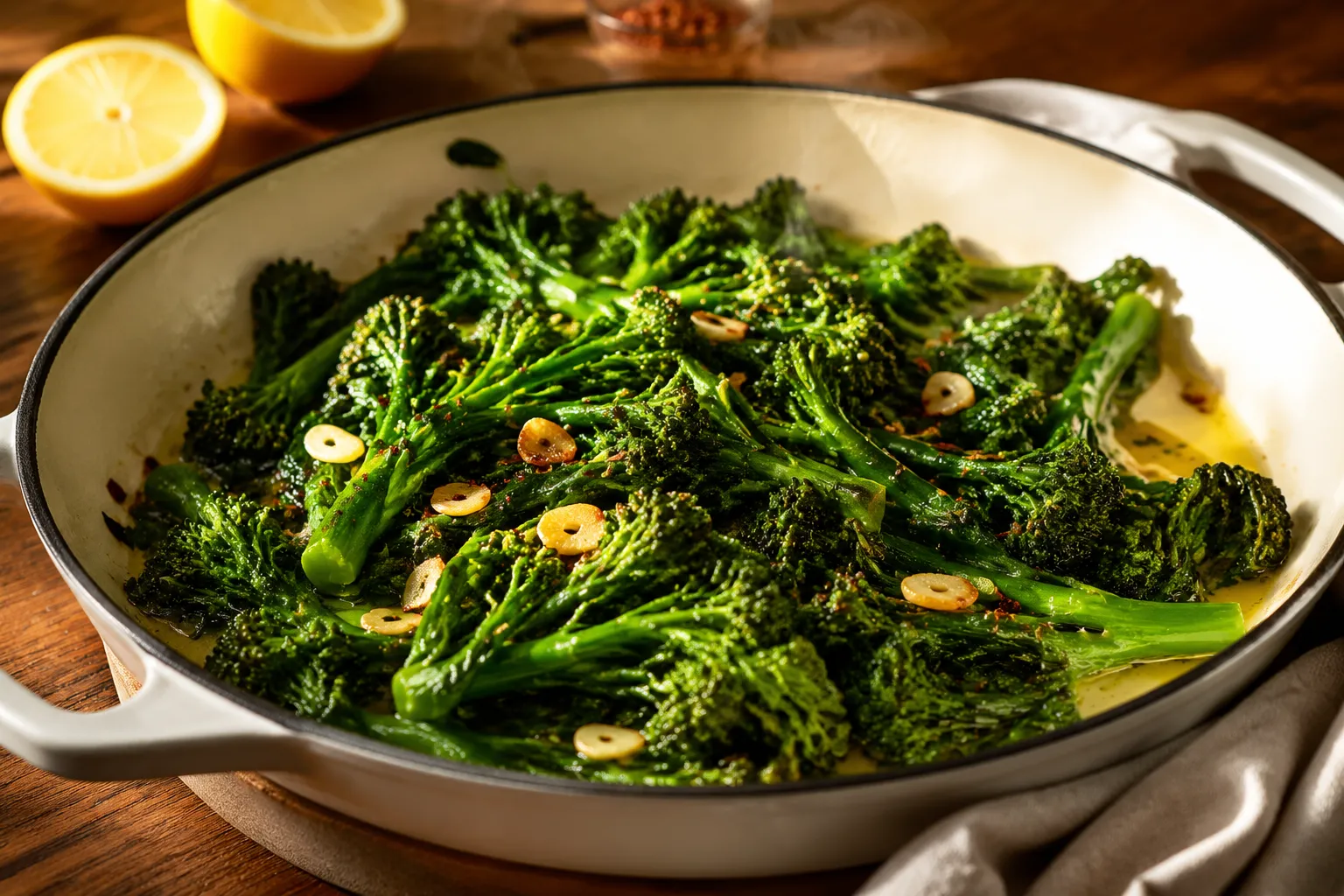
Bitter, garlicky, and irresistibly good — this Italian broccoli rabe (rapini) sautés up in 20 minutes with one trick that mellows the bite.
This sautéed broccoli rabe recipe is the one I reach for whenever a weeknight dinner needs to feel like it came out of a North End trattoria with about twenty minutes of actual effort. The whole technique hinges on one move borrowed from professional Italian kitchens: a quick salted blanch that mellows the bite without flattening the flavor, followed by a fast sizzle in garlicky chili oil that coats every leaf, stem, and tiny floret. By the time it hits the plate, you've got something bitter in the best Italian way, deeply savory, glossy with green olive oil, and impossible to stop picking at while you're supposed to be plating dinner.
If you've cooked rapini before and ended up with something punishingly bitter, sad and waterlogged, or pure army-green mush, this method fixes all three problems at once. We treat it like the proud Southern Italian vegetable it is — heavily salted boiling water, a fast plunge, then a hard sear with sliced garlic and red pepper flakes. No long simmer, no stewing under a lid, no apologizing for the bite. Just clean, snappy, restaurant-style greens with backbone.
This is the side I serve next to grilled sausage on a lazy Sunday, or pile into orecchiette with broccoli rabe for a fast pantry pasta on a Tuesday. It's the kind of dish that makes you feel like you've leveled up as a home cook, even though it's mostly about timing and a generous hand with salt. Grab a bunch from the produce aisle, pour something red, and let's cook.
Despite the name, this leafy Italian vegetable is more closely related to turnips than to actual broccoli. You'll recognize it by its long, slender stalks, jagged dark-green leaves, and small scattered clusters of broccoli-like buds throughout the bunch. It's a staple of Southern Italian cooking, especially in Puglia and Campania, where it shows up next to pork sausage, on pizza, and tossed with short pasta. The Italian name is rapini, and you'll see both labels — sometimes interchangeably — in US supermarkets and Italian delis.
Flavor-wise, it's assertive. Expect a clean, mustardy bitterness with nutty, almost peppery undertones — closer in spirit to dandelion or mature kale than to a sweet broccolini. That bitter edge is exactly what makes these Italian greens so good against rich pork sausage, creamy ricotta, lemony pasta, or a slick of garlicky olive oil. Mellow it slightly with the blanch step below, and you get all the character without the wince.
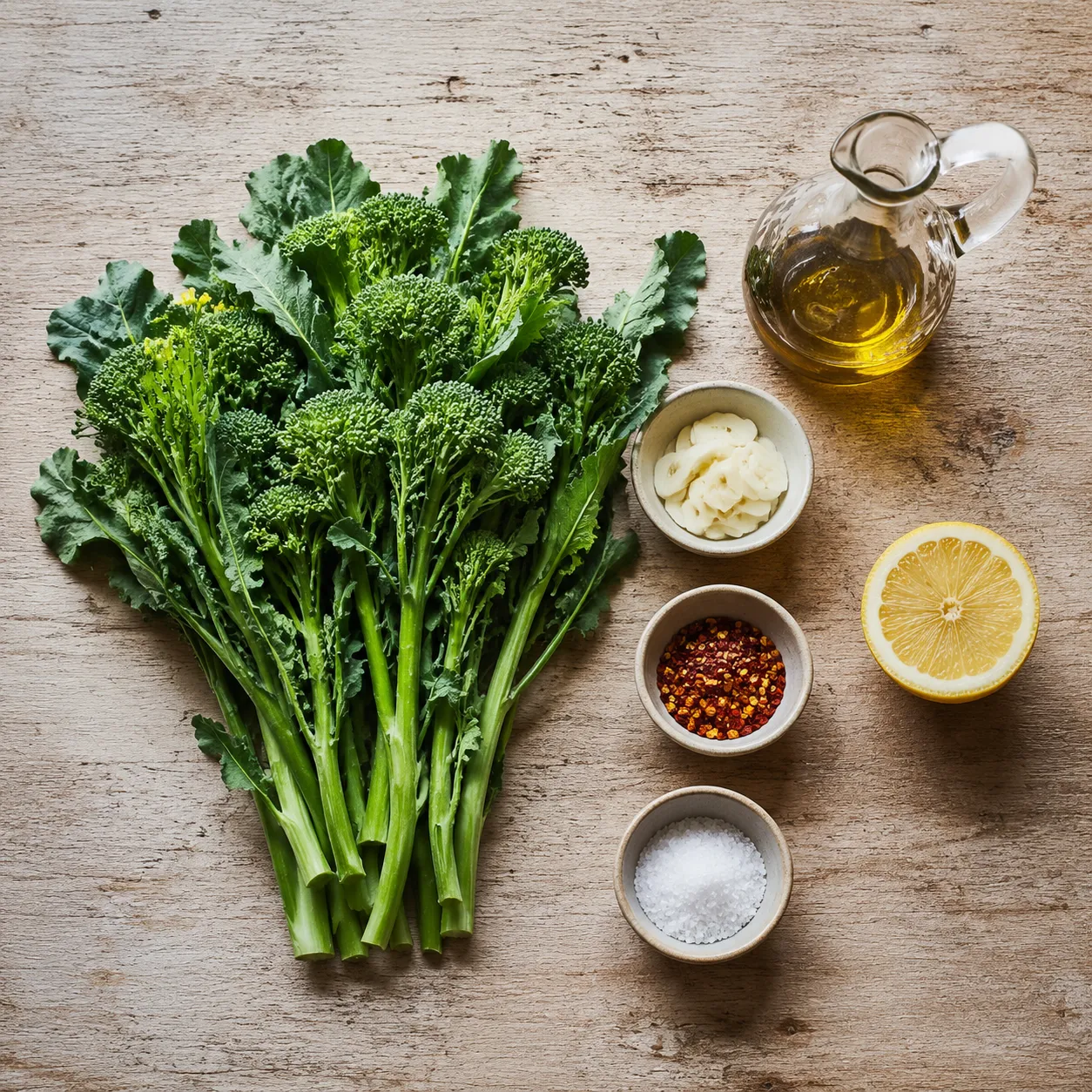
A quick word on what it isn't: rapini is not broccolini, and the two aren't really interchangeable. Broccolini is a sweet, mild hybrid of broccoli and Chinese kale, with longer florets and almost no bitterness. Rapini is sharper, leafier, and more rustic — a different ingredient with a different attitude. If a recipe specifically calls for one, swap with caution.
You'll find good bunches at most well-stocked grocery stores, Italian markets, and farmers markets, especially fall through early spring. Look for firm stalks, closed buds with no yellow flowers, and perky leaves. The fresher the bunch, the milder the bite, since the bitterness intensifies as it sits in the cooler. One pound is the sweet spot for a four-person side, and it cooks down dramatically — that big, leafy bouquet on the cutting board ends up as a tidy heap in the skillet.
This is a six-ingredient recipe with one optional finish, so each one needs to pull its weight. Start with a fresh, vibrant bunch of rapini — about one pound, with stalks no thicker than a pencil. Thicker stems can get woody, so trim them a little harder if your bunch is on the mature side, or split them lengthwise so they cook through evenly.
The flavor base is straightforward Southern Italian: good extra-virgin olive oil, four cloves of garlic sliced thin so they crisp evenly without burning, and a generous pinch of red pepper flakes for low, even warmth. This is one of those dishes where the quality of your garlic and olive oil really shows up on the plate, so reach for a fruity, peppery oil you'd be happy to dip bread into rather than a neutral cooking oil. Kosher salt seasons both the blanching water and the final pan, and the two jobs are equally important.
For finishing, I almost always squeeze half a lemon over the top right before serving — the acidity sharpens everything and balances the bitter notes beautifully. From there, you can riff endlessly: a chopped anchovy melted into the warm oil for umami depth, a shower of grated Pecorino Romano or aged Parmesan, a handful of toasted breadcrumbs, or a few flakes of Maldon salt for crunch at the end. Each one nudges the dish in a slightly different direction without changing the soul of it.
The whole thing is a two-pot, two-step technique: blanch, then sauté. Master the rhythm and you'll never look at a bunch of bitter greens the same way again. Have your skillet, pot, tongs, and colander ready before you start, because once the water's boiling it moves fast.
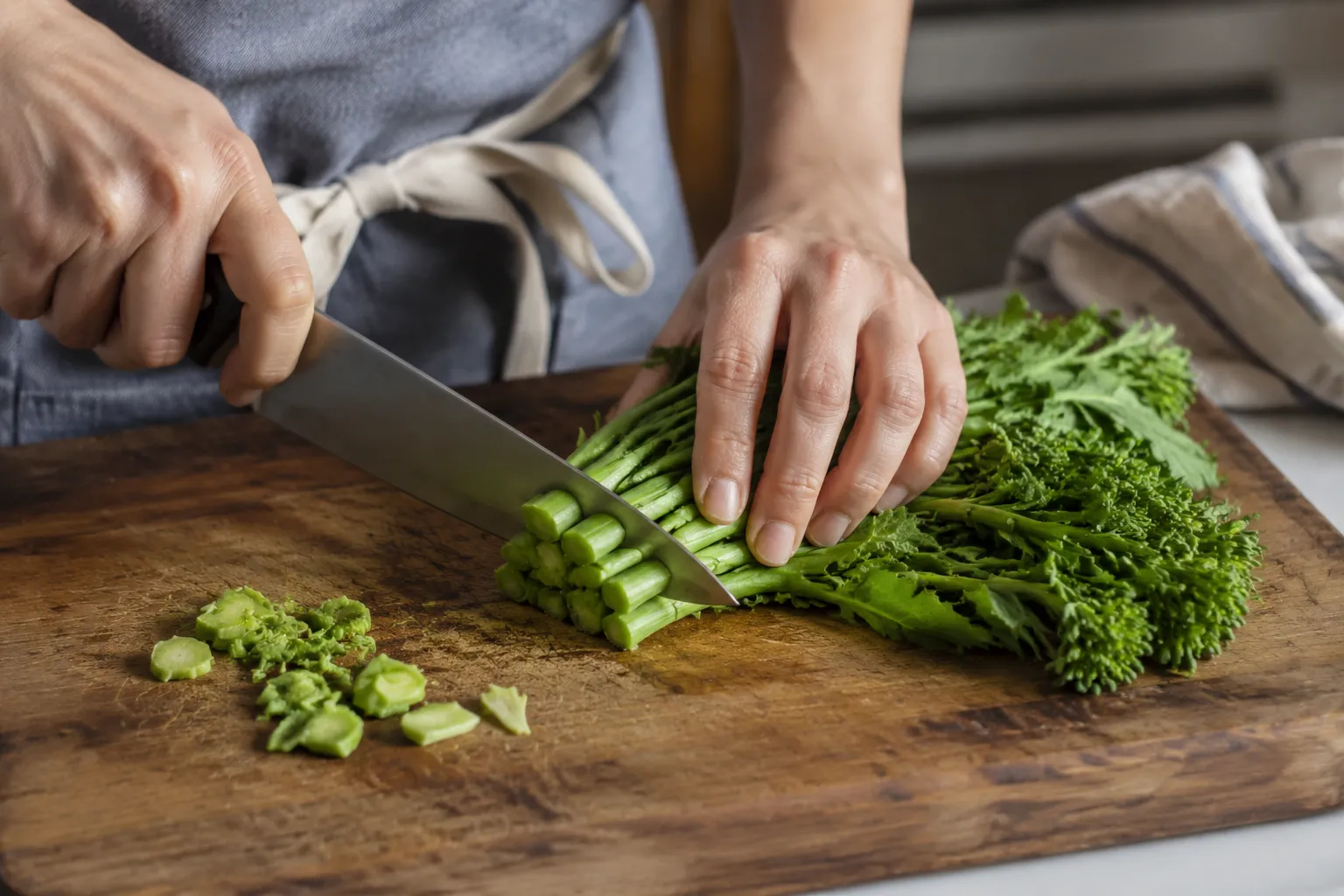
Start by trimming and washing. Slice off the bottom inch or two of stems where they look dry, woody, or split, and discard any wilted outer leaves. Cut the bunch into rough three- to four-inch lengths if you prefer manageable bites, or leave it long if you like the rustic look. Give everything a thorough rinse in cold water — rapini hides grit in the bud clusters and where the leaves meet the stem. Shake off the excess; no need to dry it, since we're about to plunge it into a pot anyway.
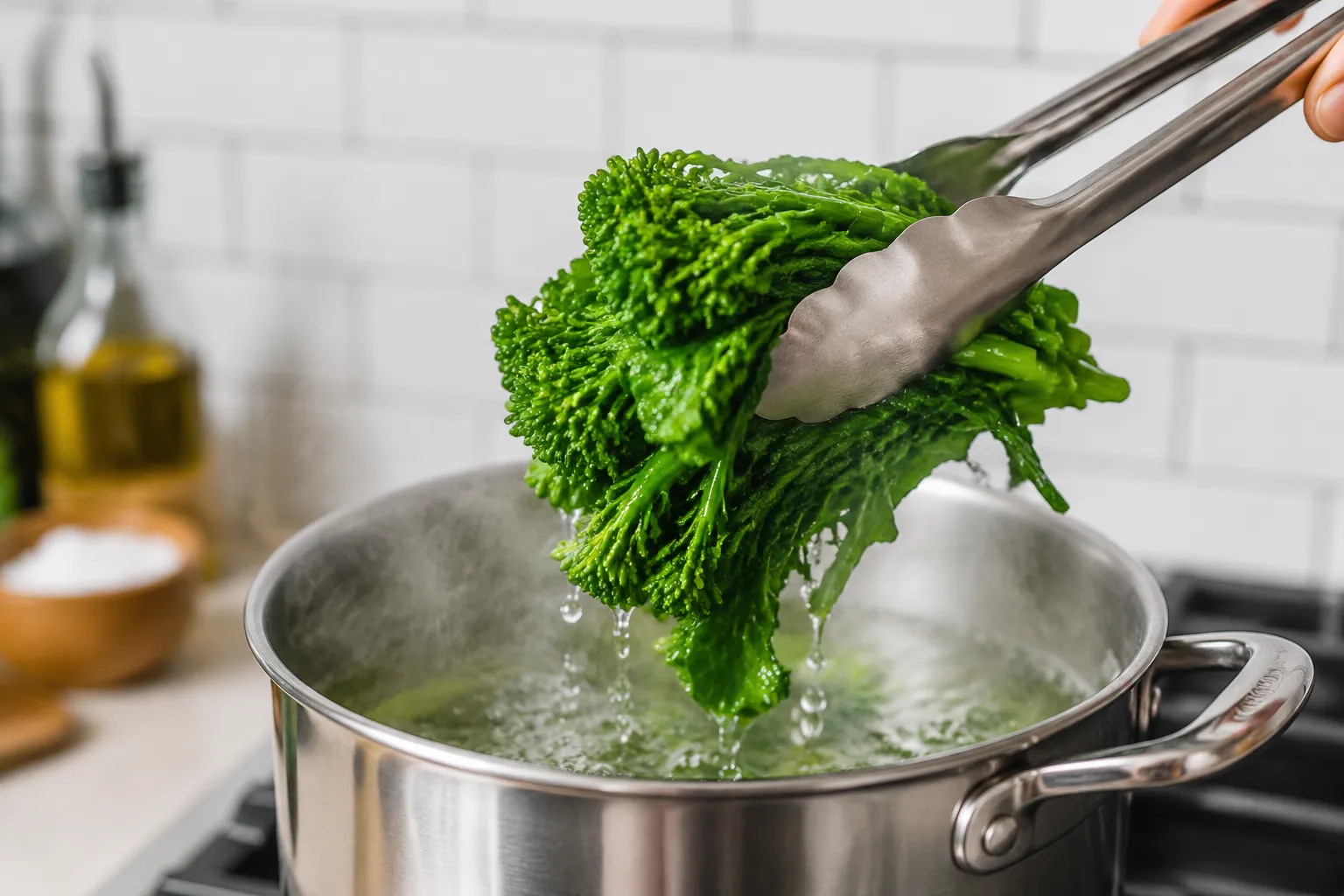
Now the most important move: blanching greens in well-salted water. Bring a large pot of water to a rolling boil and salt it aggressively — it should taste like the ocean, around two tablespoons of kosher salt per gallon. Drop the greens in all at once, push them under with tongs, and cook for just 60 to 90 seconds, until the stems flex easily and the leaves turn deep, electric green. Lift them straight into a colander, or for the brightest color and a make-ahead-friendly pause, into an ice bath for thirty seconds before draining hard. This single step is the biggest difference between mediocre rapini and the version you remember from a good Italian restaurant.
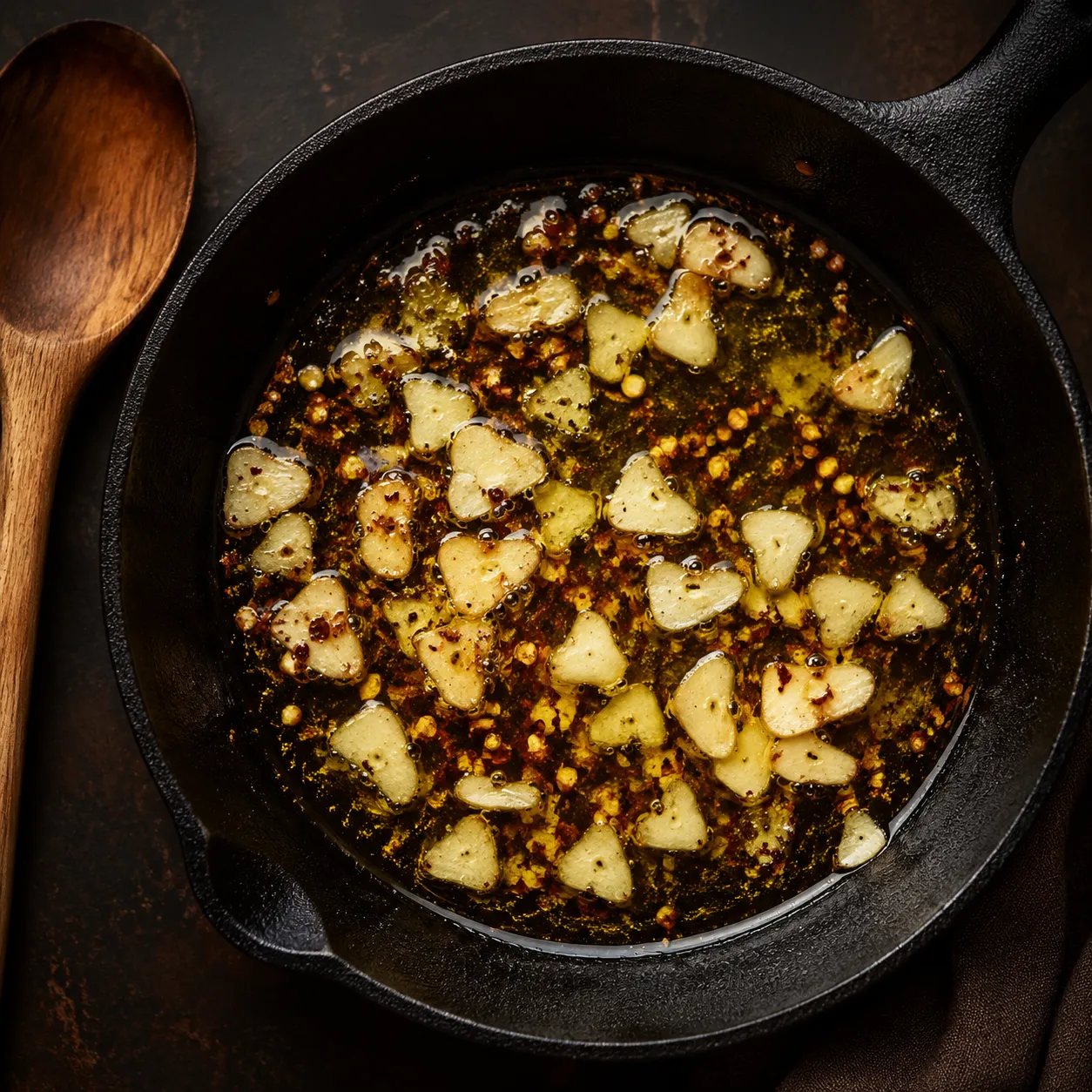
While the greens drain, set a wide skillet — twelve inches if you have one — over medium heat with the olive oil, sliced garlic, and red pepper flakes. Let them sizzle gently together for two to three minutes, until the garlic is just turning pale gold and the kitchen smells unmistakably Italian. Don't rush this part; burnt garlic will turn acrid and sour the whole dish, while properly toasted garlic perfumes the entire pan.
Add the drained greens to the skillet and toss with tongs to coat every leaf and stem in the chili-infused oil. Crank the heat to medium-high and cook for three to five minutes, tossing occasionally, until everything is glossy, hot through, and any lingering water has cooked off. You're looking for a little caramelization where the stems hit the pan and crisp edges on a few of the leaves — that's where the flavor lives.
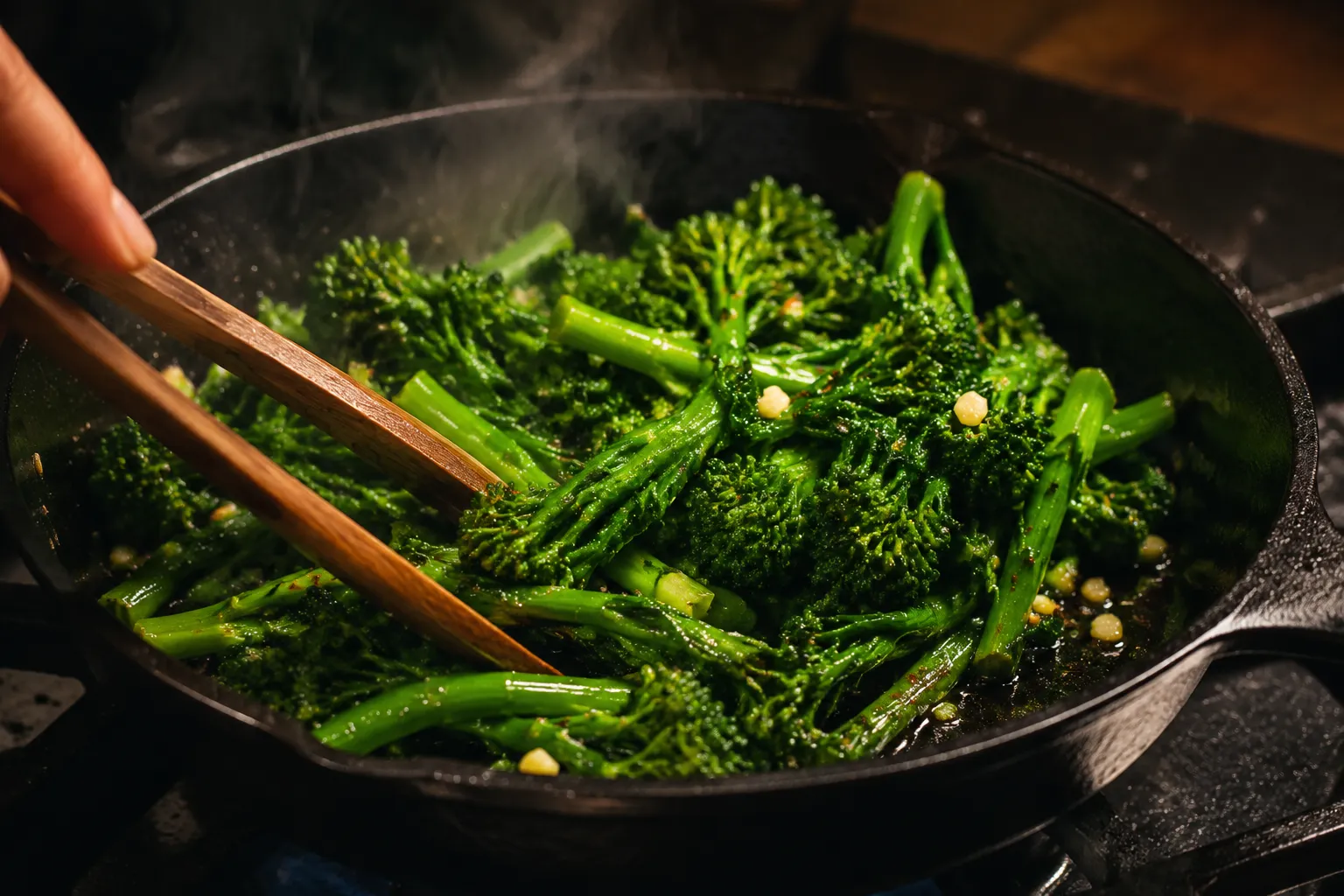
Season with a generous pinch of kosher salt, taste a stem, and adjust. If it still reads too bitter, an extra squeeze of lemon almost always rebalances it; if it tastes flat, you usually need more salt rather than more anything else. Pile it onto a warm platter, spoon the garlicky oil from the pan over the top, and serve right away while the leaves are still glossy.
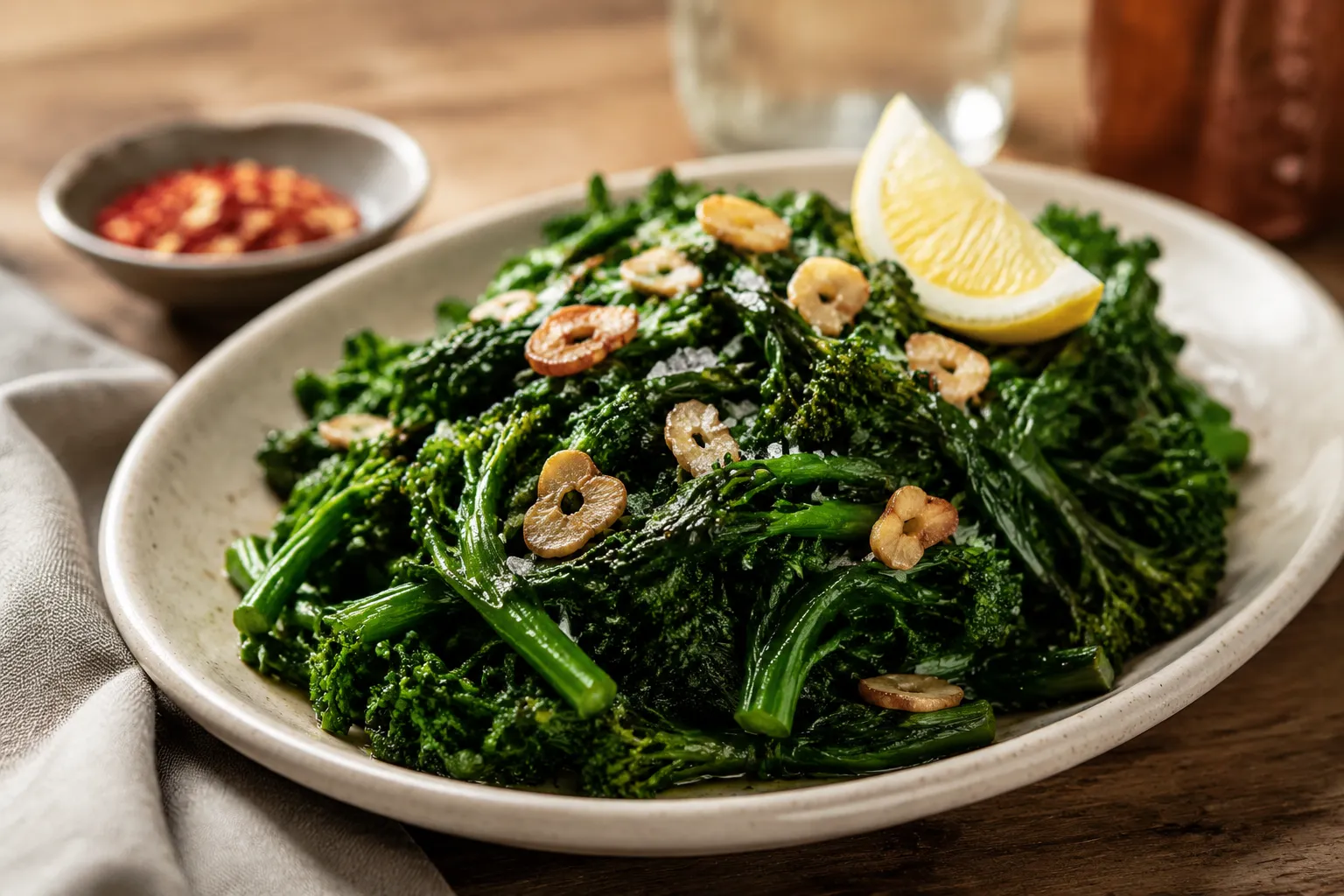
The classic Italian-American move is to pile it next to grilled Italian sausage, with a hunk of crusty bread for swiping up the chili oil and a glass of something red and unfussy. The sweet richness of the sausage is the perfect foil for the slight bitterness of the greens — it's the kind of pairing that feels invented and obvious at the same time. Add roasted potatoes and you have a complete Sunday plate.
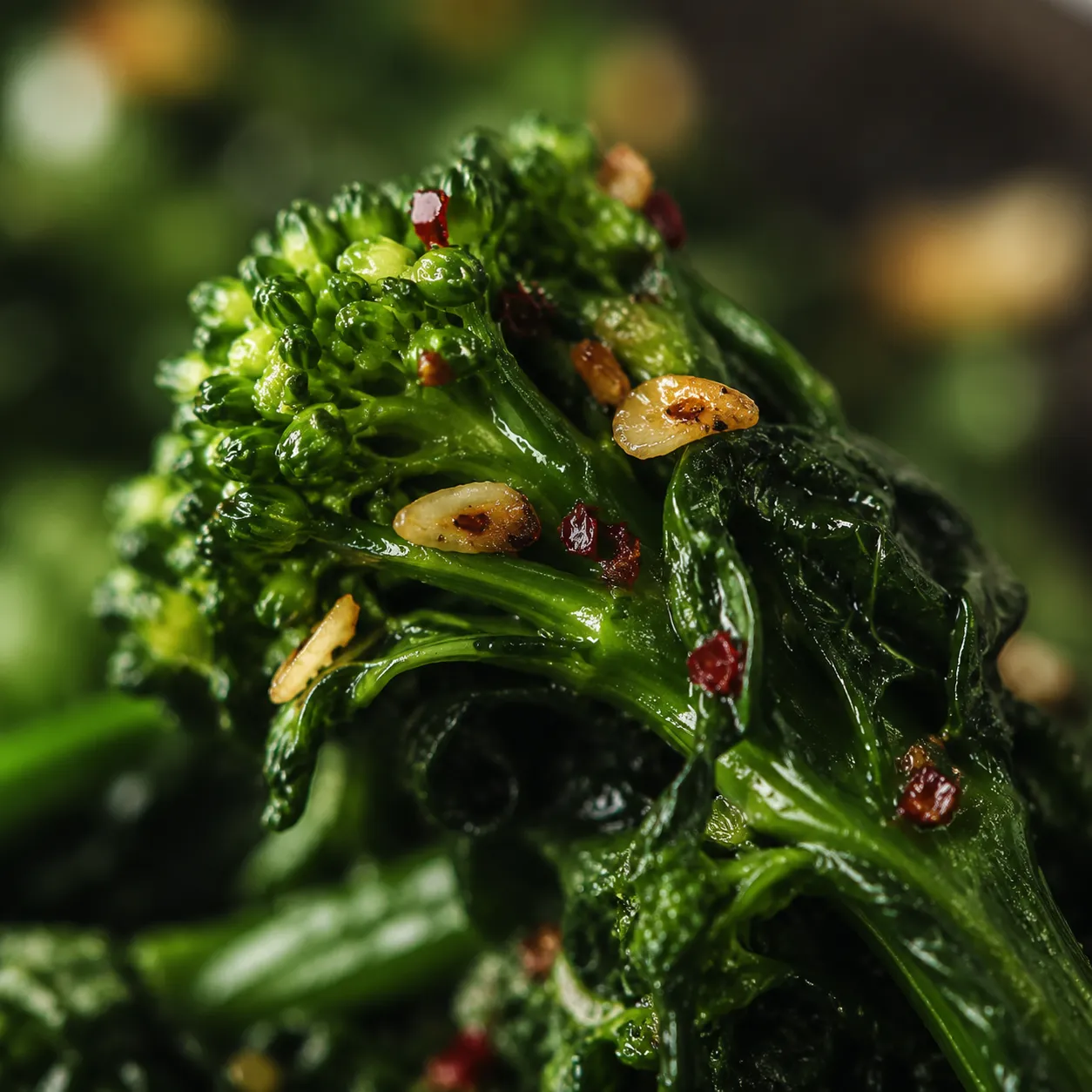
For a one-bowl dinner, toss the finished greens (chopped a bit smaller) with hot orecchiette, a splash of the starchy pasta water, and a heavy snowfall of grated Pecorino. This Pugliese classic is one of the great five-ingredient pastas, and it comes together in the time it takes the water to boil. A piece of grilled garlic toast smeared with fresh whole-milk ricotta and topped with a tangle of these greens is another favorite — half antipasto, half open-faced sandwich, all good.
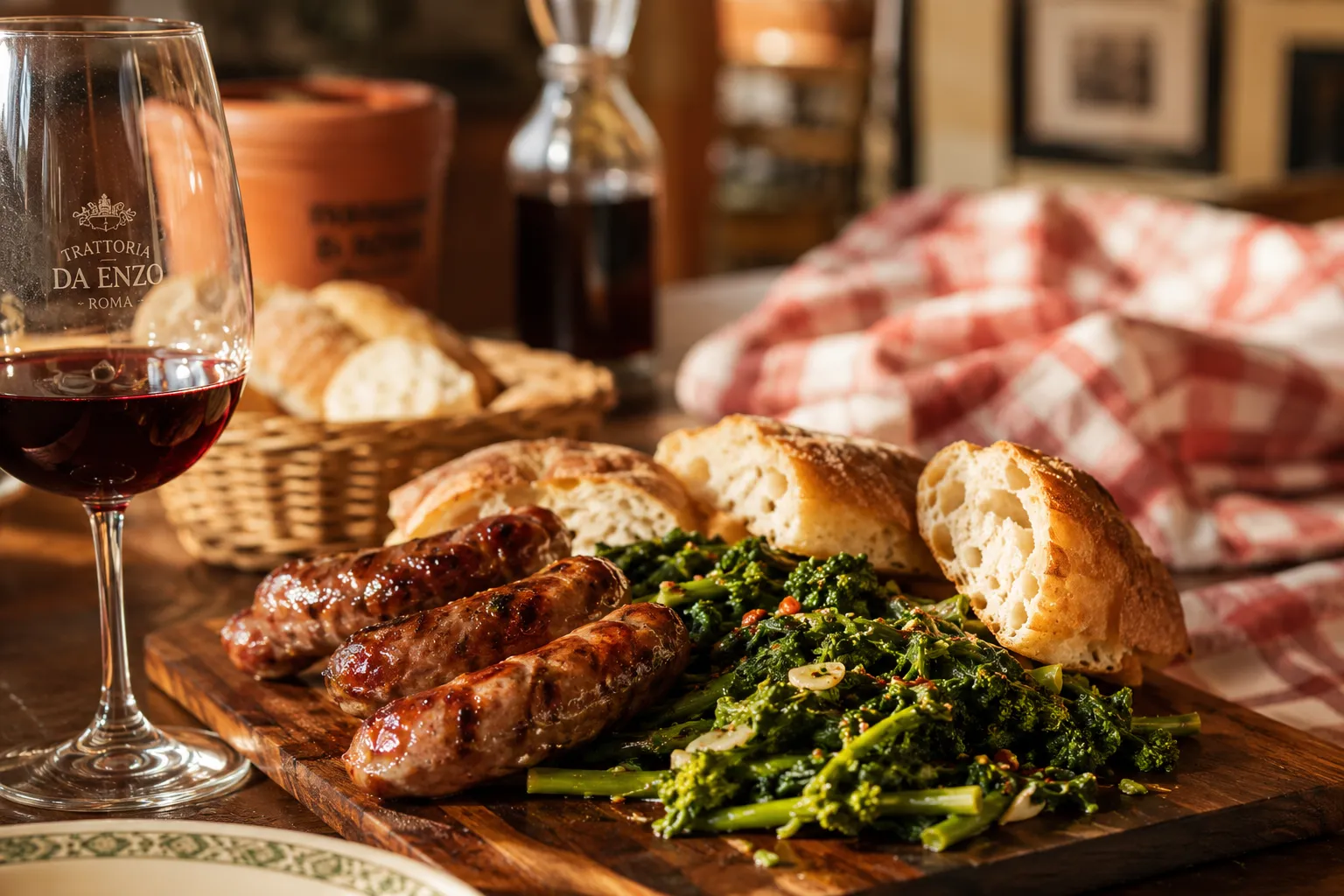
It's also a serious team player on a roast-dinner plate. Set it next to crisp-skinned roast chicken, slow-roasted pork shoulder, a sliced pork tenderloin, or a hunk of grilled flank steak, and you've got a meal that punches well above its weight. Even a simple weeknight pan of chicken thighs feels Sunday-special with a heap of these glossy bitter greens alongside. For a vegetarian centerpiece, layer a generous spoonful onto soft polenta with a fried egg and a dusting of cheese.
If rapini is new to your kitchen, this dish belongs in your regular rotation right next to sautéed spinach and roasted broccolini. Once you nail the blanch-and-sauté rhythm, you'll find yourself making it any night dinner needs to taste a little more like a real meal and a little less like a Tuesday.
This is a base recipe that takes well to riffs depending on what's in your fridge or what you're serving it with. Once you've got the blanch-and-sauté method down, treat the finished pan as a blank canvas for Italian-leaning add-ins.
Leftovers keep well in an airtight container in the fridge for up to 4 days. The flavor actually deepens overnight as the garlic and chili oil settle into the greens, so day-two leftovers are excellent stirred into pasta, piled onto a sandwich with mozzarella, or scrambled into eggs.
To reheat, warm a skillet over medium heat with a small splash of olive oil and sauté for two to three minutes, just until heated through. Avoid the microwave, which tends to turn the leaves rubbery and dull the bright color. For longer storage, blanched (but not yet sautéed) greens freeze beautifully: drain them very well, pat dry, freeze flat on a sheet pan, then bag them up. Use within three months and finish in a hot skillet straight from frozen — no need to thaw first.