Rasta Pasta Recipe: Creamy Jerk Chicken Pasta in 30 Min
Ingredients
Scale
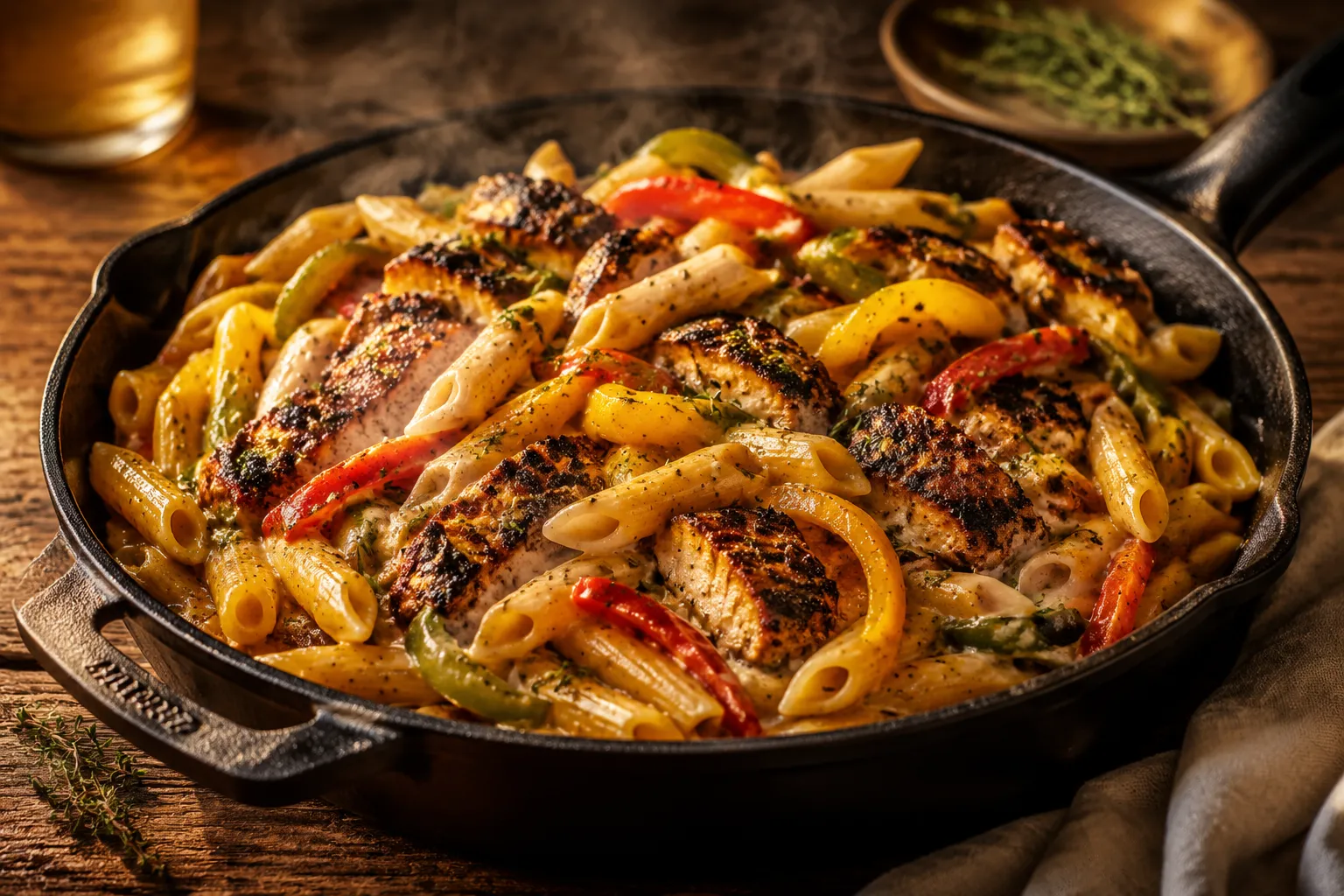
Smoky jerk chicken, rainbow bell peppers, and a silky Parmesan cream sauce tossed with penne. This rasta pasta recipe is bold, creamy, and ready in 30 minutes.
There is nothing quite like a steaming skillet of this rasta pasta recipe on a busy Tuesday night to pull you out of a dinner rut.
The magic happens when those deeply spiced, caramelized bites of chicken mingle with sweet, tender-crisp rainbow bell peppers. Everything is then folded into a velvety sauce that clings to every single noodle, ensuring that no bite is left unseasoned. It is the kind of meal that makes your kitchen smell like a five-star fusion restaurant, yet it comes together with surprising ease. The aroma of allspice, thyme, and garlic hitting the hot pan is enough to bring everyone running to the table before the plates are even set.
While there are plenty of shortcuts out there, taking the time to build flavors from scratch elevates this rasta pasta recipe from a good idea to an absolutely unforgettable dining experience. By searing the spiced chicken in the exact same pan used to build the sauce, you capture every ounce of flavor. Those browned, spicy bits left in the skillet become the foundational flavor profile for the decadent cream sauce that follows, infusing the dairy with layers of savory, smoky warmth.
The origins of this brilliant fusion dish trace back to Jamaica, where creative chefs began blending local island spices with traditional Italian pasta techniques. 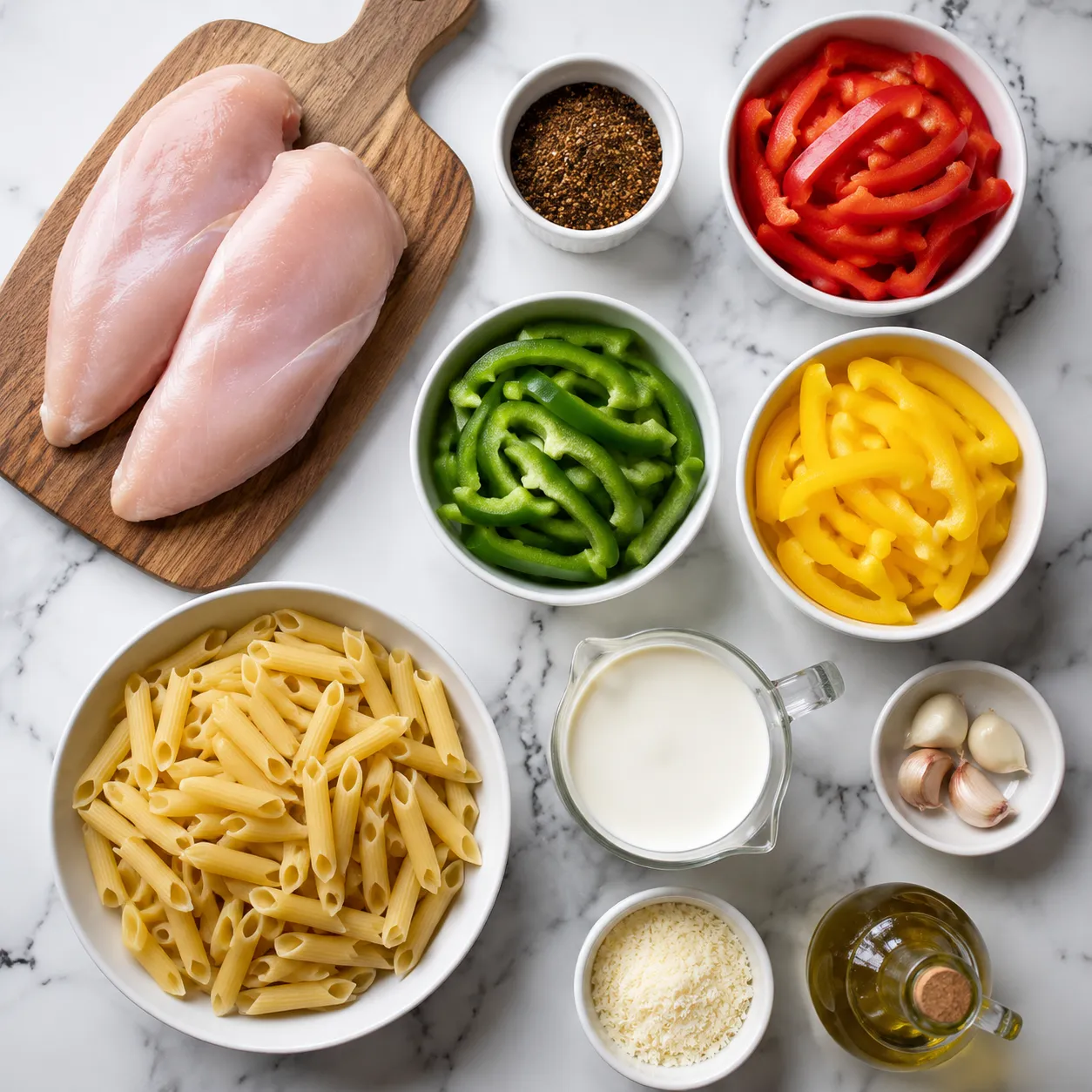
The name itself is a nod to Rastafarian culture, specifically reflected in the dish's signature color palette. Those vibrant colors aren't just for show. The classic combination of red, yellow, and green bell peppers pays homage to the colors of the Rastafarian movement and the Jamaican flag. Beyond their symbolic meaning, these peppers add a crucial sweetness that balances the aggressive heat of the spices. When sautéed until just tender, they provide a much-needed textural contrast to the soft noodles and rich sauce.
Today, you will find countless variations of this Caribbean pasta on restaurant menus and food blogs alike. Some versions lean heavily into the heat, while others focus on the creamy, comforting aspects of the dish. What remains consistent, however, is the joyful, celebratory nature of the meal. It is a dish designed to be shared, full of bright colors and bold flavors that demand your attention.
At the heart of this dish is the complex, intoxicating flavor of traditional Jamaican spices. 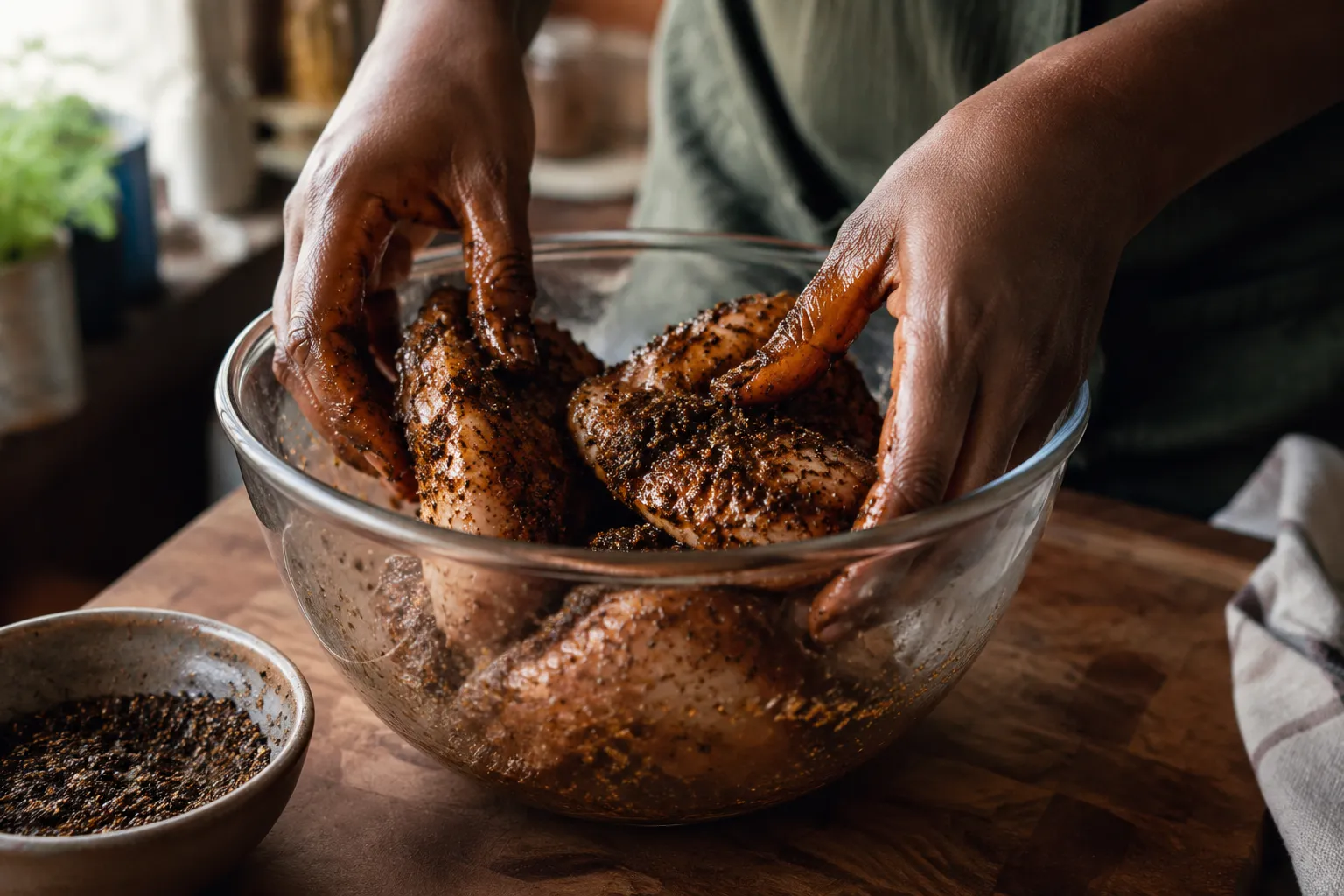
While a store-bought dry rub is perfectly fine for a quick weeknight dinner, utilizing a homemade jerk marinade will take your creamy jerk pasta to an entirely different level. A wet marinade made with fresh aromatics penetrates the meat more deeply, ensuring that the chicken remains incredibly juicy while it sears. The fresh scallions and thyme in a homemade blend also release essential oils into the pan, creating a much more fragrant and dynamic base for your sauce.
If you are sensitive to spice, do not let the reputation of Scotch bonnet peppers scare you away. When making this dish at home, you are in complete control of the heat. You can easily seek out mild blends or adjust the cayenne pepper in your own mix. The heavy cream in the sauce also does a phenomenal job of mellowing out the capsaicin, resulting in a gentle, warming glow rather than a harsh burn.
Building a restaurant-quality Caribbean chicken pasta starts with selecting high-quality ingredients at the grocery store. 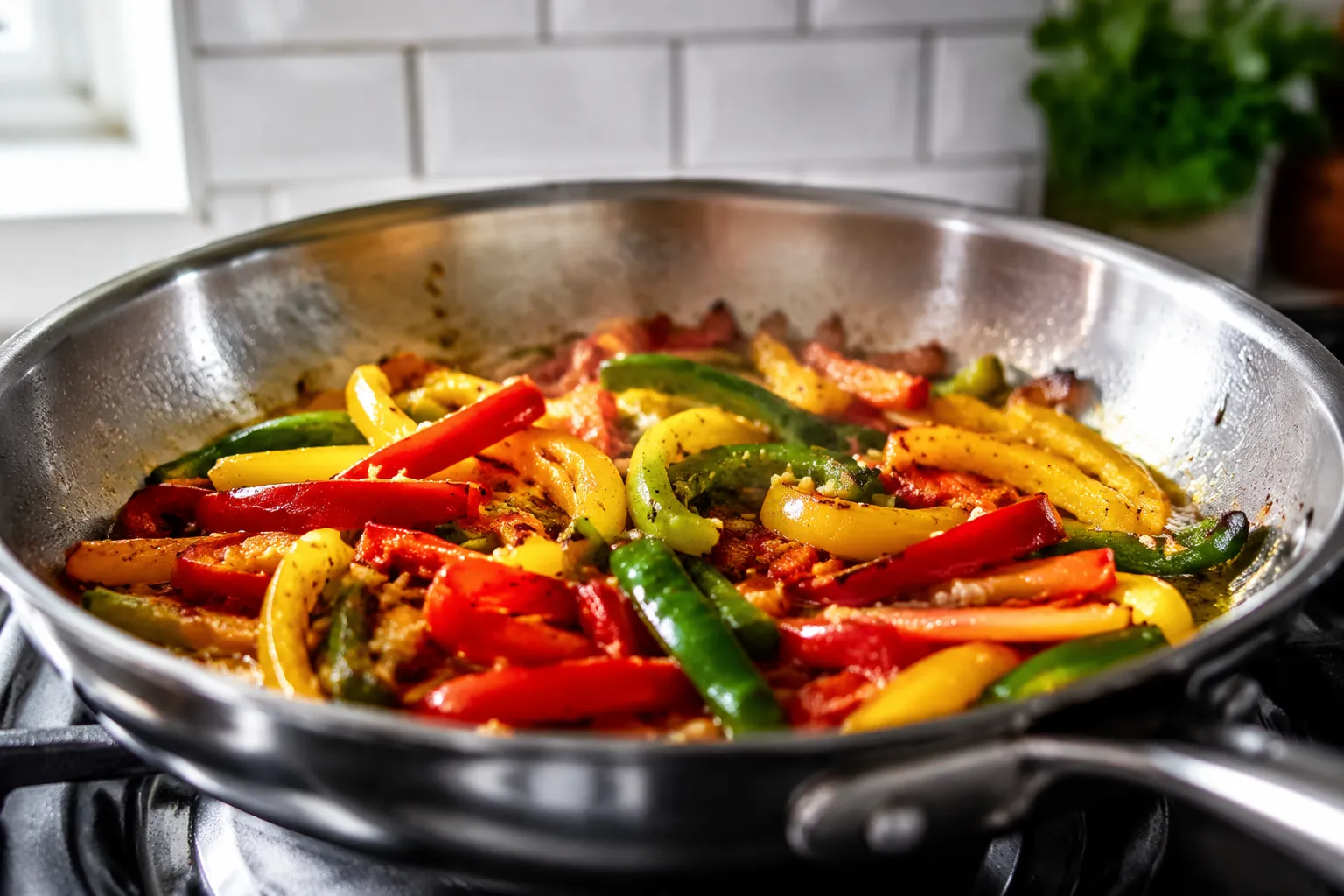
To create the luxurious base for your sauce, you will need heavy cream, freshly minced garlic, butter, and a good quality cheese. 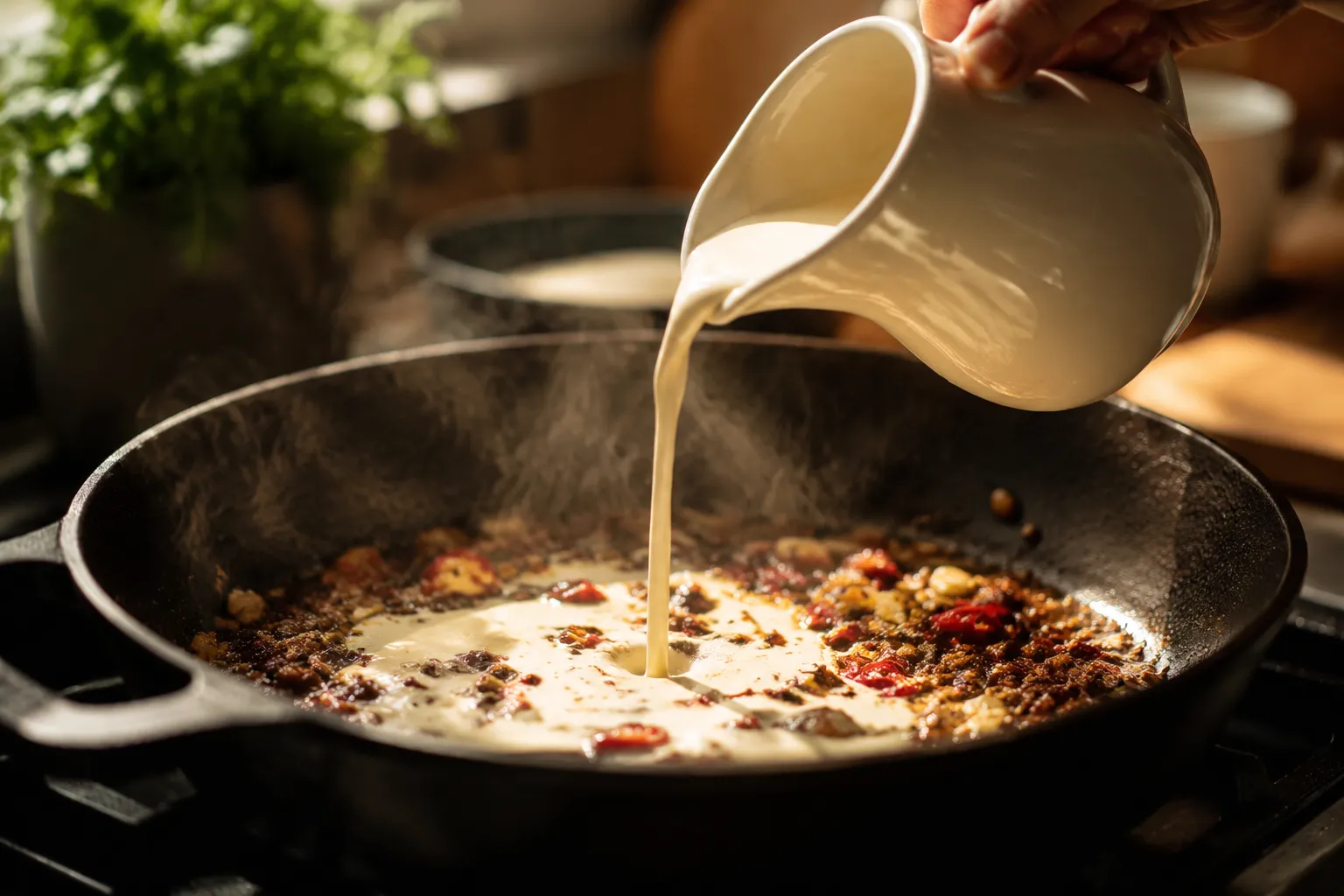
Furthermore, please skip the pre-shredded cheese in a tub. Grating your own block of Parmesan ensures a silky, clump-free melt. Pre-shredded cheeses are often coated in anti-caking agents like cellulose, which can cause your beautiful cream sauce to become grainy or separated. Taking the extra sixty seconds to grate fresh Parmigiano-Reggiano will yield a vastly superior, restaurant-worthy result.
When it comes to choosing the right noodle for your rasta pasta recipe, shape absolutely matters. You want a sturdy pasta that can hold up to the thick sauce and chunky mix-ins. 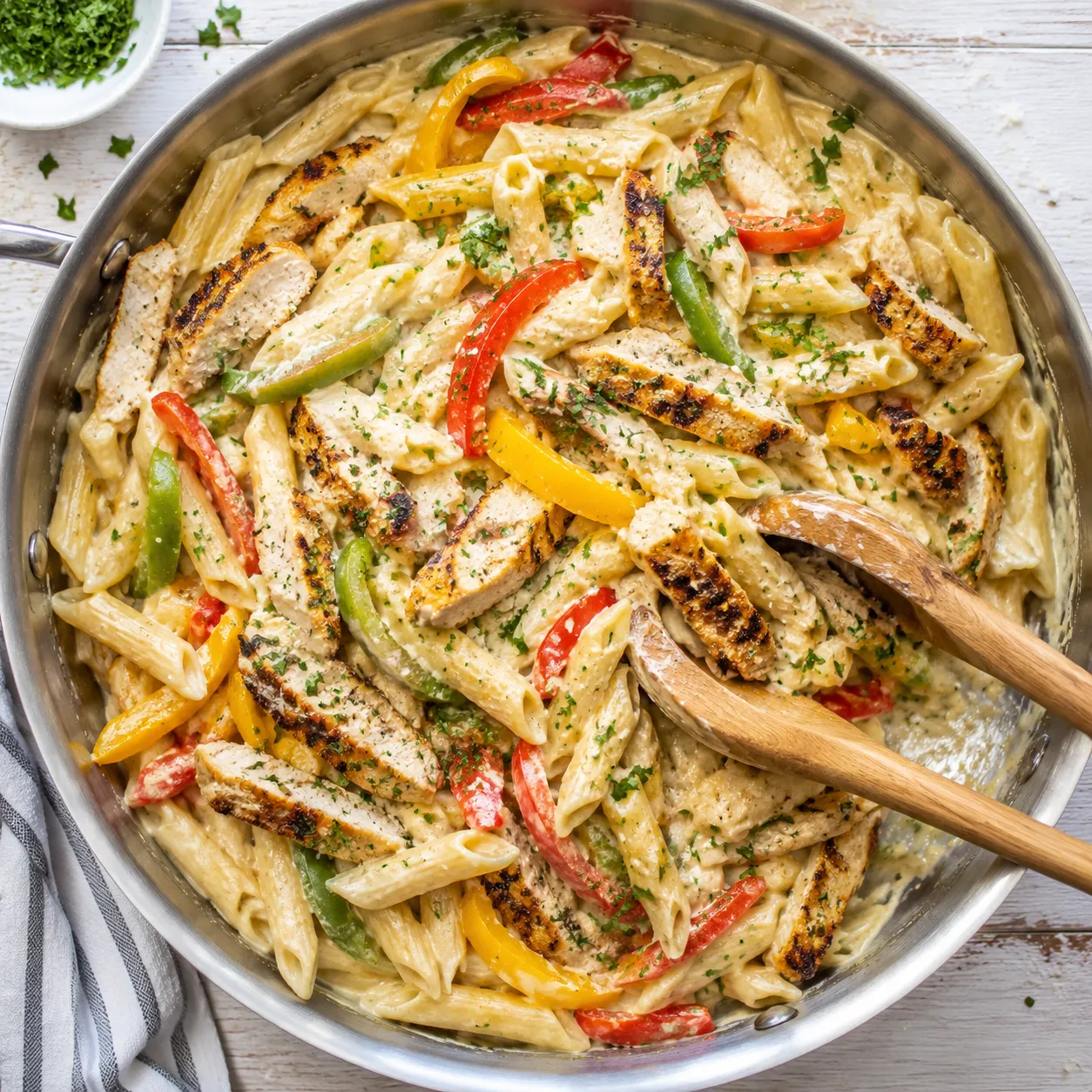
If you do not have penne on hand, do not worry. Rigatoni, fusilli, or even a wide pappardelle are excellent alternatives. You generally want to avoid very thin, delicate pastas like angel hair, as they can easily become overwhelmed by the heavy sauce and clump together. The goal is to choose a shape that provides enough structural integrity and surface area to carry the bold flavors of the dish.
The beauty of this dish lies in its layered cooking method. 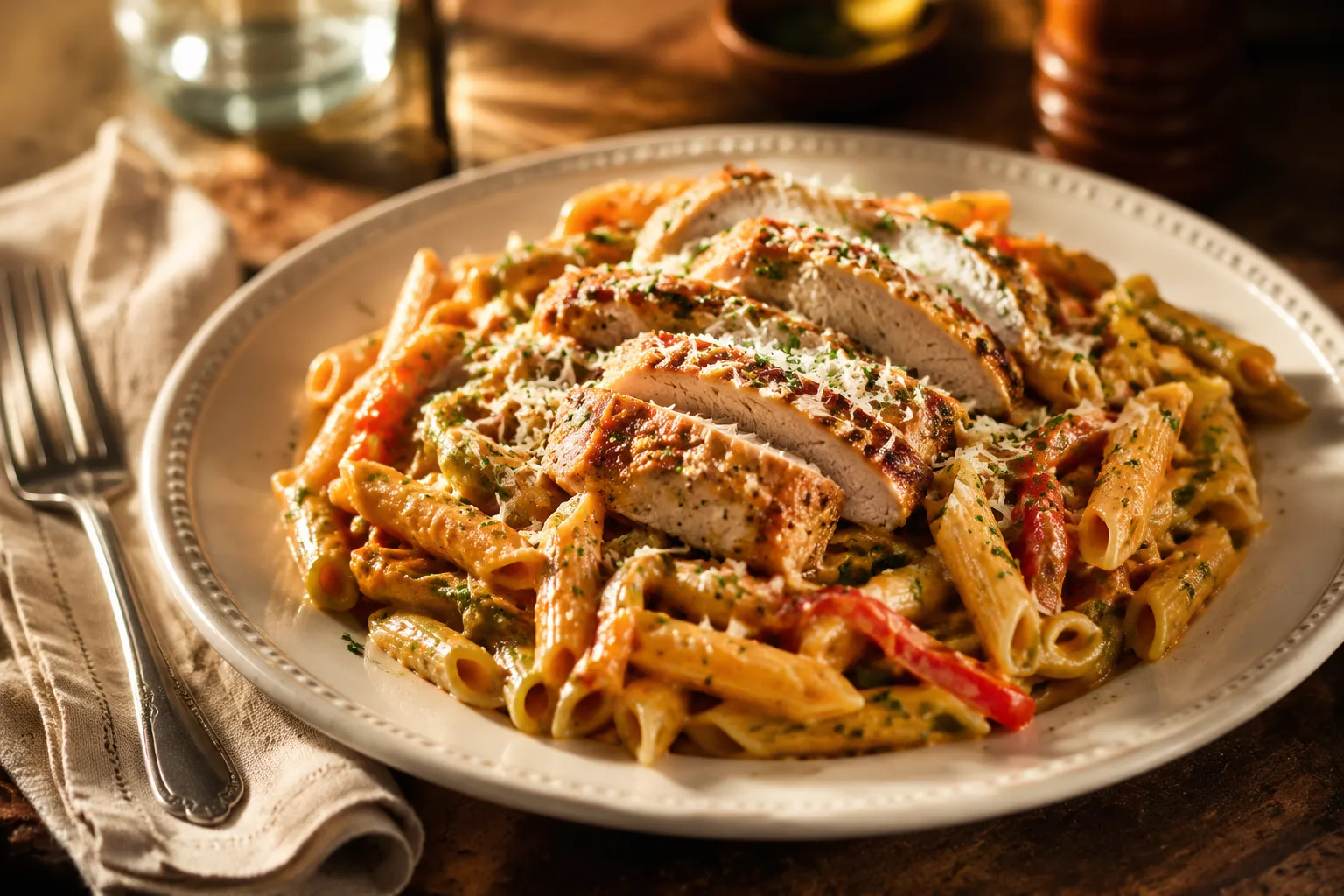
It is important to let the chicken sear undisturbed for a few minutes before flipping. Constantly moving the meat around the pan will prevent that beautiful crust from forming. Once the chicken is perfectly cooked, remove it from the skillet and let it rest on a cutting board. Resting allows the juices to redistribute, ensuring the meat stays tender when you slice it.
Those browned bits left behind in the pan, known as the fond, are pure flavor gold. When you add the bell peppers and garlic to the skillet, the moisture from the vegetables will help deglaze the pan. As you stir, you will lift up all those savory chicken drippings from the bottom of the skillet, seamlessly incorporating them into the foundation of your sauce.
Next comes the transformation into a decadent meal. Lowering the heat is critical at this stage; you never want to boil heavy cream vigorously. 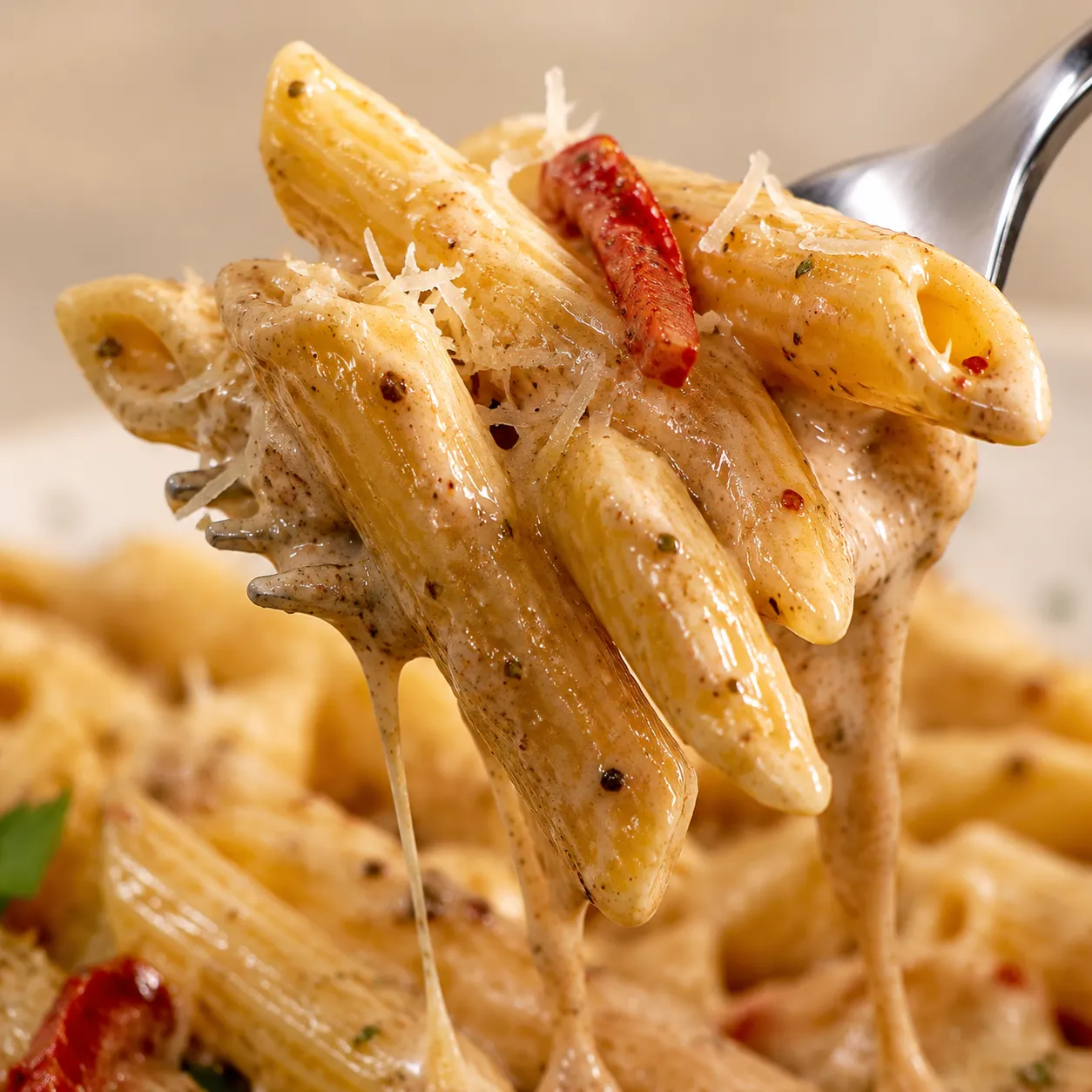
Gradually whisking in the grated cheese creates a flawless Parmesan cream sauce. The residual heat from the cream is more than enough to melt the cheese smoothly. If you add the cheese while the pan is too hot, the proteins can tighten up and squeeze out their fat, leaving you with a greasy, broken sauce. Patience and low heat are your best friends here.
Many recipes rely heavily on bottled sauces or single-skillet shortcuts that can result in gummy pasta or broken cream. We take a slightly more deliberate approach to ensure perfection. By cooking the pasta separately and reserving that starchy pasta water, you gain total control over the sauce's consistency. If the cream reduces too much and becomes too thick, a splash of that liquid gold brings it right back to a glossy, restaurant-quality finish.
The final step of this rasta pasta recipe is undoubtedly the most satisfying: tumbling the cooked pasta, sliced chicken, and colorful peppers back into the skillet. 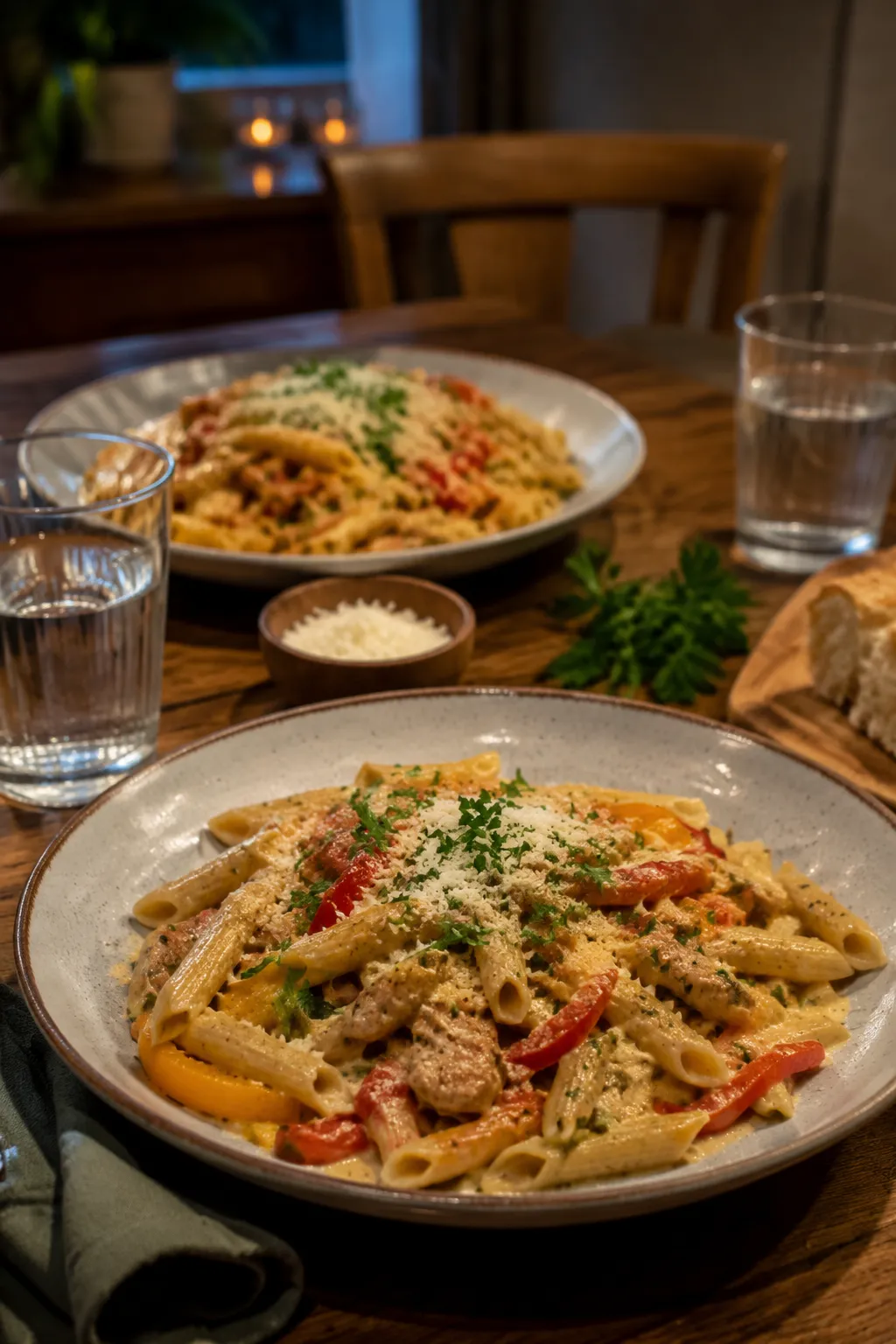
Take a moment to taste the dish before serving. Depending on the brand of Jamaican jerk seasoning you used, you may need a pinch of salt or a crack of fresh black pepper to balance the flavors. If the heat is too intense, a tiny squeeze of fresh lime juice can brighten the dish and cut through the spice beautifully.
Because this easy weeknight pasta is incredibly rich and hearty, it pairs best with simple, acidic, or crispy sides. A crisp green salad dressed with a sharp lemon vinaigrette is the perfect palate cleanser between creamy, spicy bites. The acidity cuts right through the heavy cream and refreshes your taste buds, ensuring that every bite of pasta tastes just as exciting as the first.
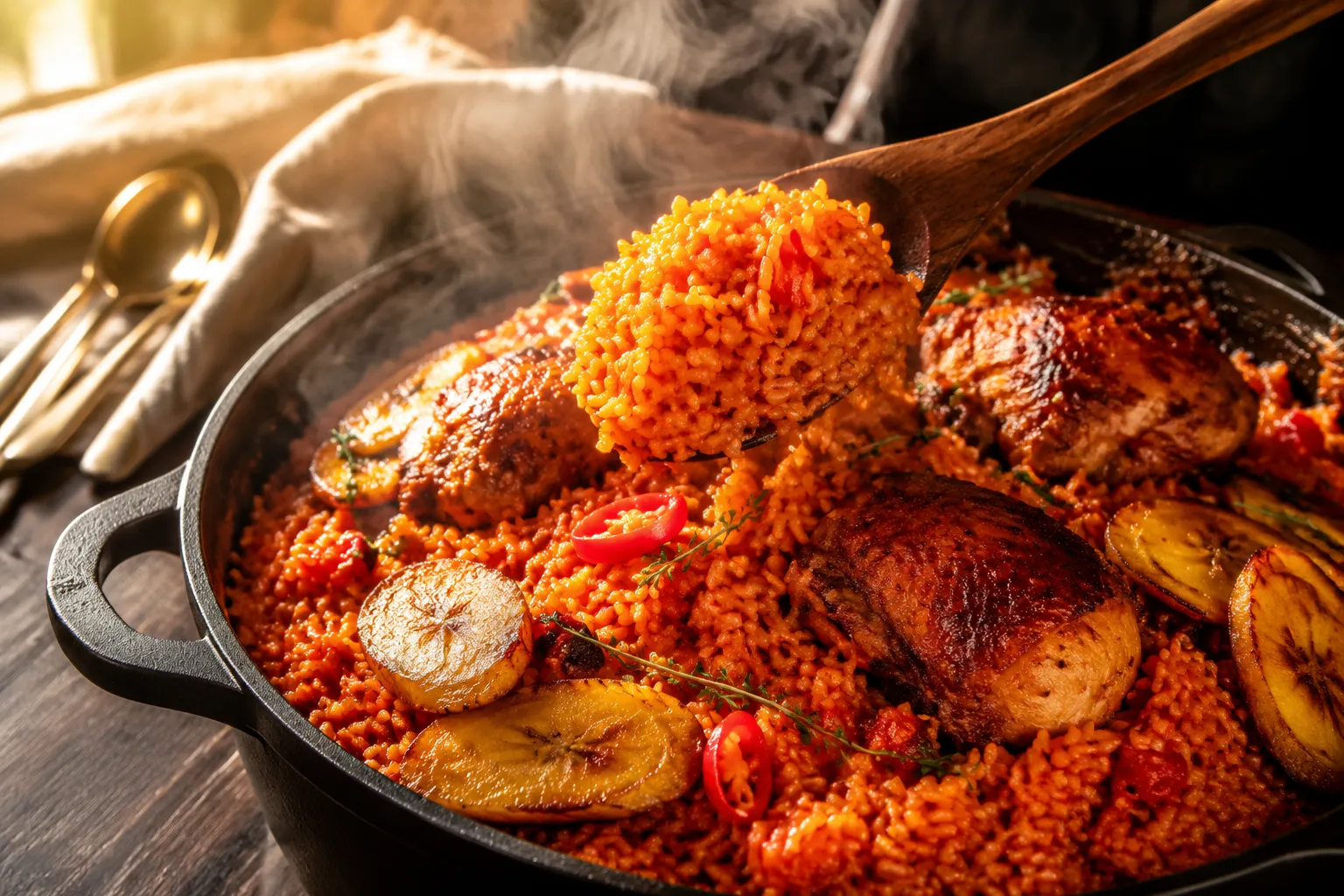
You also can't go wrong with a side of warm, crusty garlic bread. It is practically mandatory for swiping through any leftover sauce pooled at the bottom of your bowl. If you want to lean fully into the island theme, some sweet fried plantains make an incredible accompaniment, offering a caramelized sweetness that beautifully complements the savory heat of this rasta pasta recipe.
Whether you are cooking for a busy family or hosting a casual dinner party with friends, this rasta pasta recipe is guaranteed to impress. It bridges the gap between exotic, bold flavors and familiar, comforting textures, creating a meal that is truly the best of both worlds. Pour a crisp white wine or a cold ginger beer, and you have a phenomenal dinner ready to devour.
This recipe is incredibly versatile and serves as a fantastic canvas for your favorite proteins and dietary preferences. Whether you want to swap the meat or make the dish entirely plant-based, it adapts beautifully.
If you find yourself with leftovers, this dish stores quite well, though the pasta will continue to absorb the cream sauce as it sits. Transfer any remaining pasta to an airtight container and store it in the refrigerator for up to 3 to 4 days. Freezing is not recommended, as the heavy cream and cheese sauce will likely separate and become grainy when thawed.
The secret to reviving this dish lies in the reheating process. Do not microwave it on high power, or the sauce will break and become oily. Instead, place the leftovers in a skillet over medium-low heat. Add a splash of milk, heavy cream, or even a little chicken broth to the pan. Stir gently and continuously until the pasta is heated through and the sauce regains its smooth, creamy consistency.