Homemade Applesauce Recipe (Easy 4-Ingredient Classic)
Ingredients
Scale
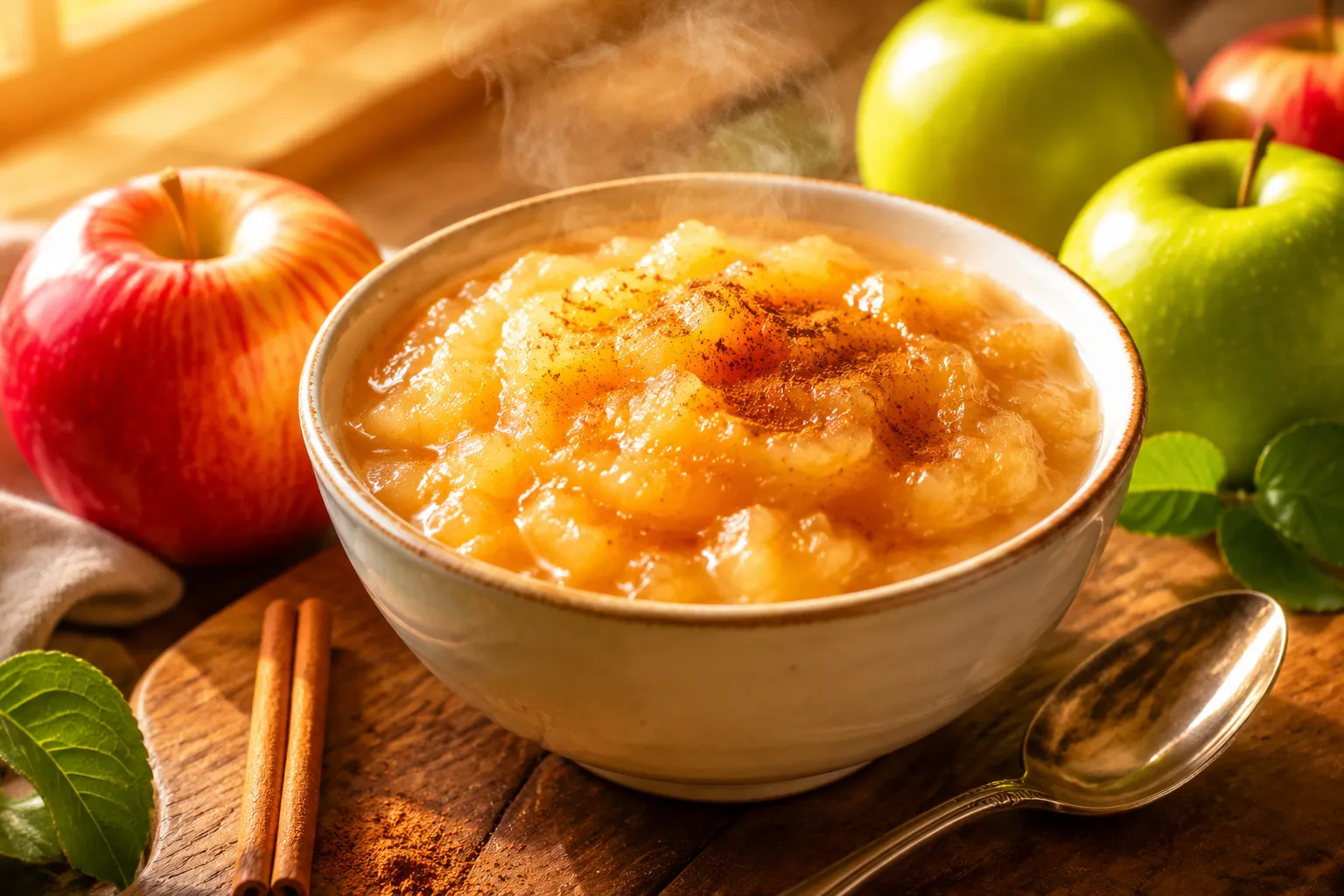
The only homemade applesauce recipe you'll ever need. Just 4 simple ingredients, one pot, and 30 minutes for naturally sweet, perfectly spiced apple goodness.
This homemade applesauce recipe is the kind of pantry staple that quietly earns its place at the front of the fridge. Made with just four core ingredients and one pot, it tastes the way fall smells — warm, glossy, and naturally sweet, with none of the heavy sugar load most jarred versions sneak in. Whether you grew up eating it spooned cold next to pork chops or stirred warm into oatmeal on a school morning, the homemade version is in an entirely different league.
I've been making this version for years, and the secret isn't fancy technique. It's choosing the right apples and trusting the simmer. A strategic mix of sweet and tart varieties means you can skip added sugar most of the time, and a single cinnamon stick (or a pinch of your favorite cinnamon spice blend) is all the seasoning you really need. Thirty minutes from start to finish, and you'll have a jar's worth of golden, fragrant homemade applesauce cooling on the stove.
This is also the recipe I lean on when I'm prepping for fall baking. It folds beautifully into applesauce cake, swirls into a tender loaf of applesauce bread, and even doubles as a base layer in a homemade pie filling when I'm feeling ambitious. Make a double batch. You will find a use for every spoonful.
The single biggest factor in a great pot of homemade applesauce is the fruit itself. Orchard pros know the best apples for applesauce aren't the prettiest ones in the bin. They're a thoughtful blend of sweet and tart varieties that break down into something more complex than any single apple could deliver alone. My go-to combination is roughly two-thirds Honeycrisp or Fuji for natural sweetness and floral aroma, and one-third Granny Smith for brightness and structure.
The Granny Smiths hold their shape just enough to give the sauce a little body, while the sweeter apples melt down into a silky base. Steer clear of Red Delicious and similar mealy varieties. They cook into a flavorless, cottony sauce that no amount of cinnamon can rescue. McIntosh and Cortland are also excellent on their own if you can find them, since they collapse beautifully and bring real apple character. The same blend logic applies if you ever decide to graduate to apple butter, where deep, layered apple flavor matters even more during the long, slow cook.
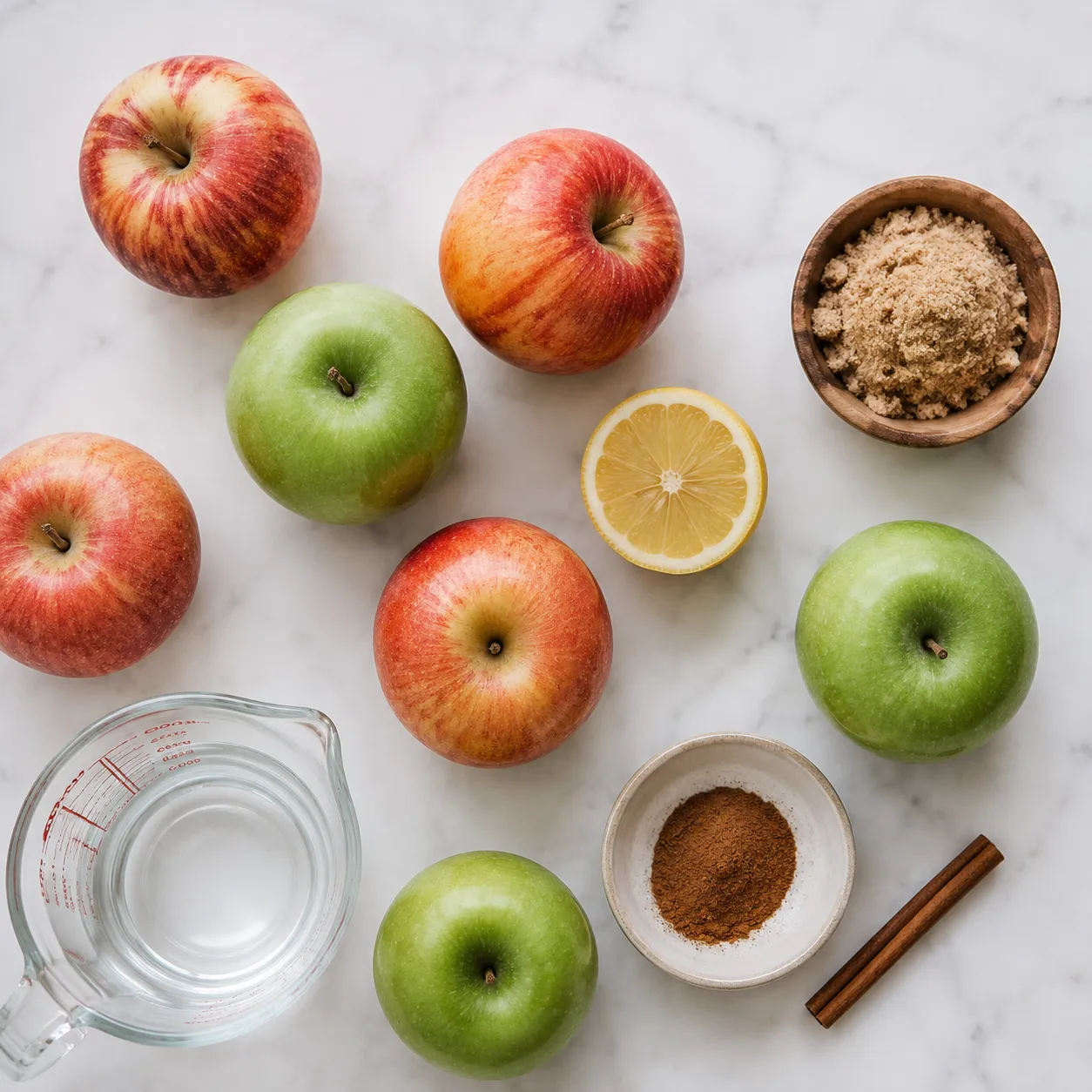
The beauty of this apple sauce recipe is how few groceries it requires. You'll need apples, water, fresh lemon juice, and ground cinnamon. That's it. Optional sweetener — brown sugar or maple syrup — only comes in if your apples need a nudge, which honestly happens less often than you'd expect when you blend sweet and tart varieties.
Lemon juice is the unsung hero here. It keeps the color bright, prevents the sauce from oxidizing into a dull beige, and balances the sweetness so the finished applesauce tastes like apples instead of dessert. The cinnamon is non-negotiable for me, but feel free to swap in a custom cinnamon spice blend with cardamom, nutmeg, or a whisper of clove if you like a more complex profile. A splash of vanilla extract stirred in at the end is my favorite quiet upgrade. A pinch of flaky salt right before serving wakes everything up too.
If you've never learned how to make applesauce from scratch, the process is almost embarrassingly simple. Peel, chop, simmer, mash. The whole thing happens in one pot in about half an hour, with maybe five minutes of actual hands-on work.
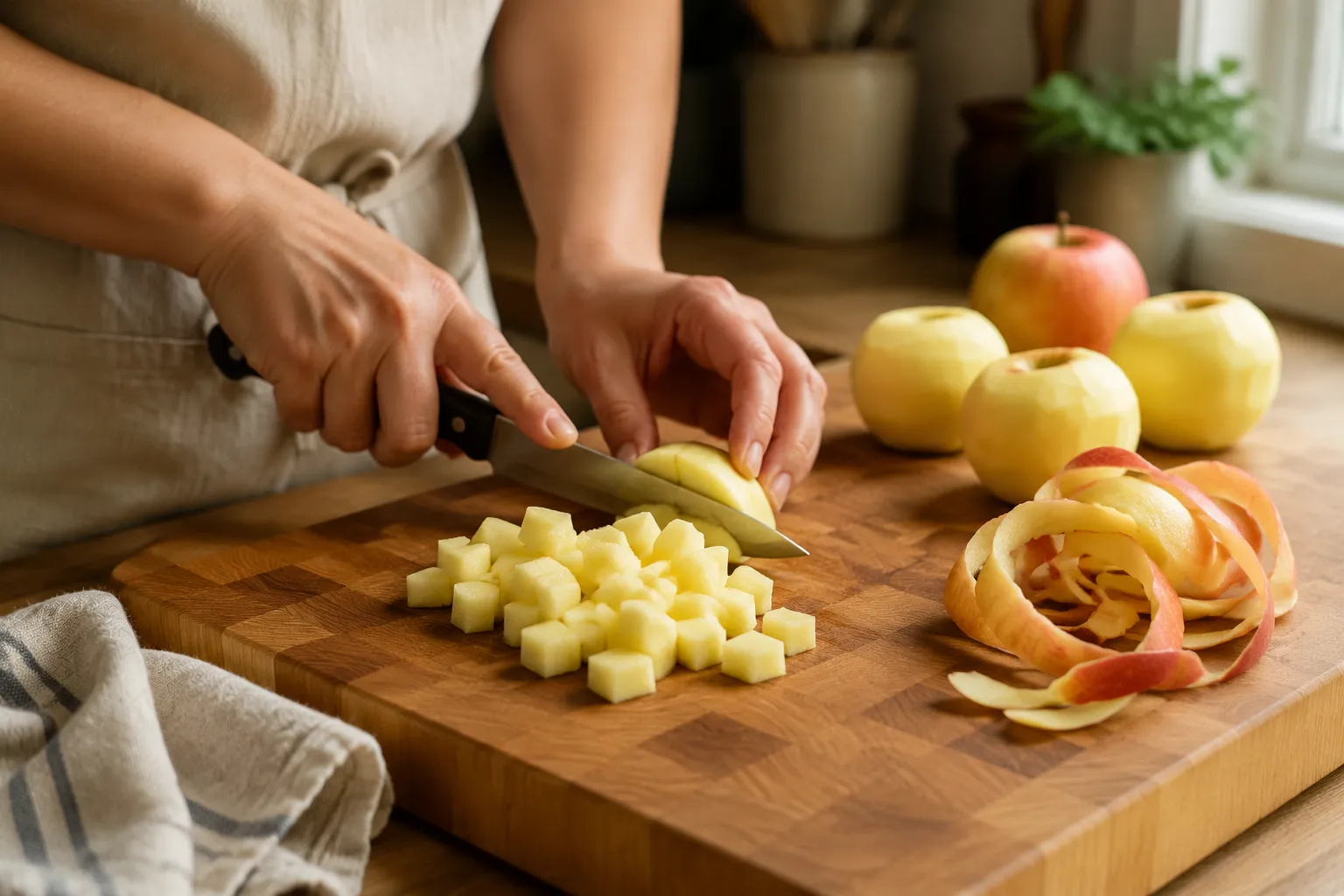
Start by peeling and coring your apples, then chop them into roughly one-inch chunks. Uniform pieces matter. If some are tiny dice and others are big wedges, they'll cook unevenly and you'll end up with raw bits hiding in the mash. A Y-peeler makes the peeling step go quickly, and a melon baller is a clever shortcut for coring if you don't own an apple corer.
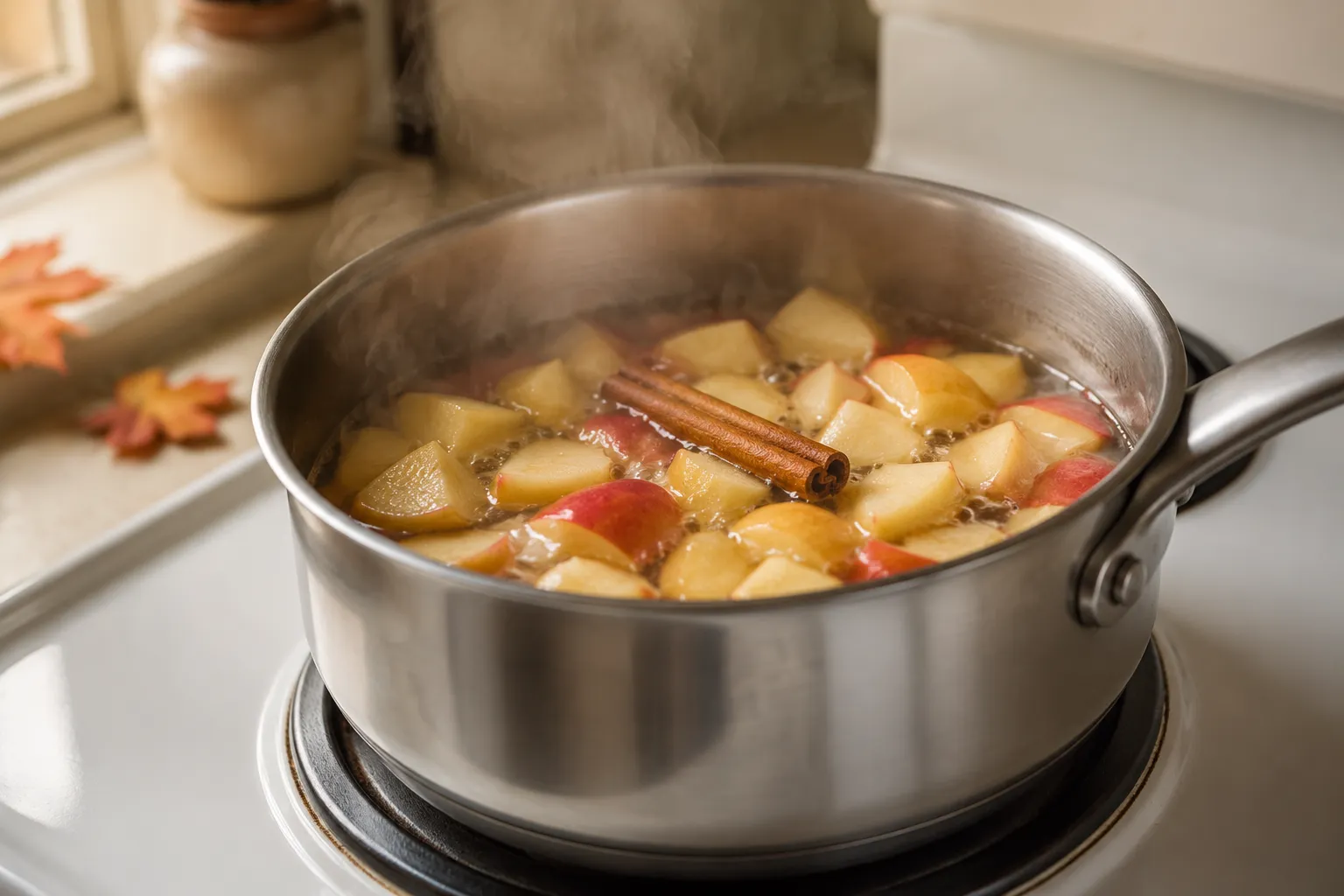
Tumble the chopped apples into a heavy-bottomed pot with the water, lemon juice, and cinnamon. Cover, set the heat to medium-low, and let everything simmer gently for fifteen to twenty minutes. You're not looking for a hard boil — just steady steam and the soft sound of fruit collapsing. Stir once or twice along the way to keep the bottom from catching, especially if your pot runs hot or you're working with very ripe apples that release their sugars fast.
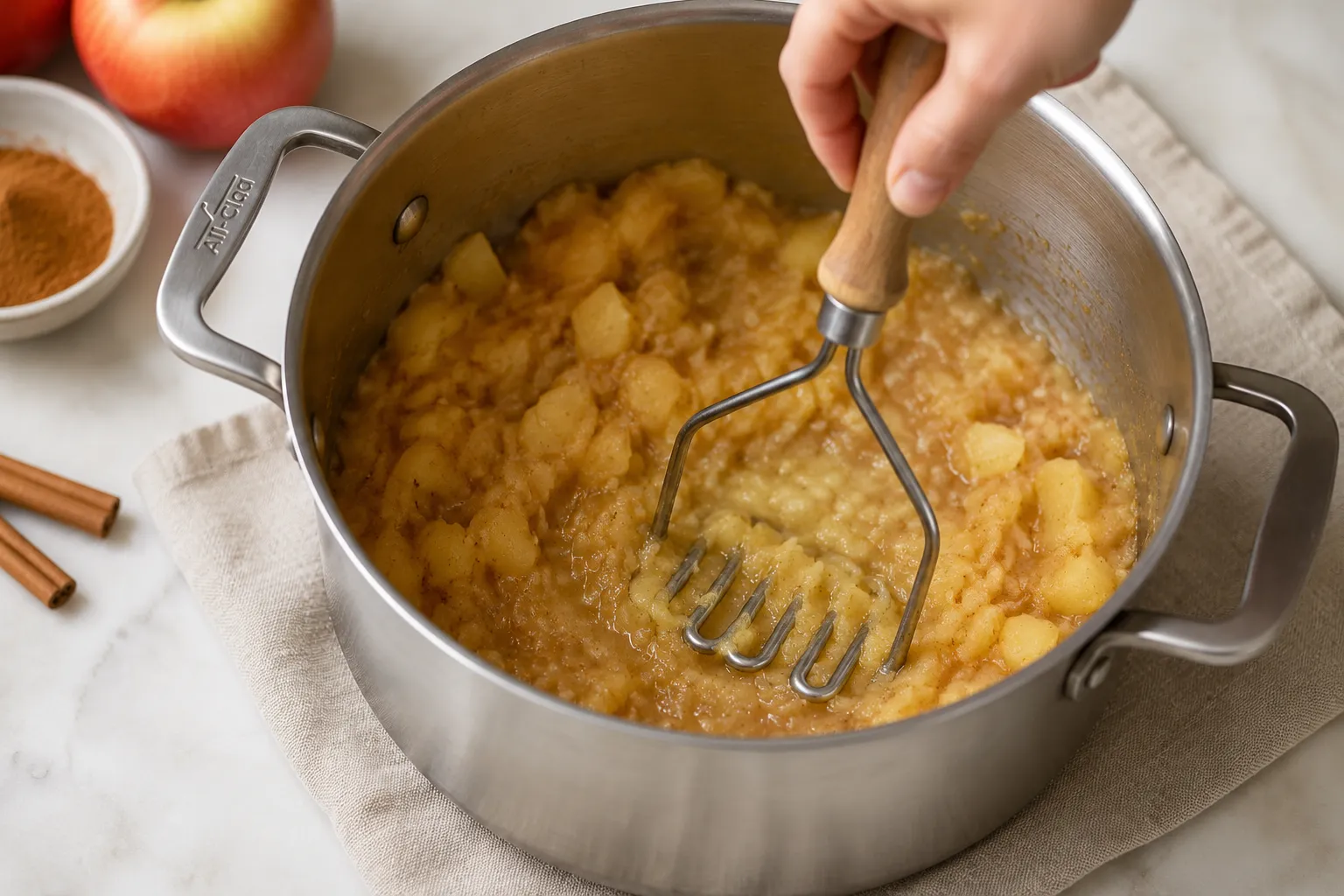
When the apples are completely tender and falling apart against the side of the pot, kill the heat. Now decide your texture. For chunky, old-school applesauce, mash directly in the pot with a potato masher until you hit your preferred consistency. For silky-smooth sauce, run it through a food mill or pulse it briefly in a blender or food processor. Taste before you sweeten. Most batches of this applesauce recipe need nothing at all. A few might want a tablespoon of brown sugar or maple syrup stirred in while the sauce is still warm.
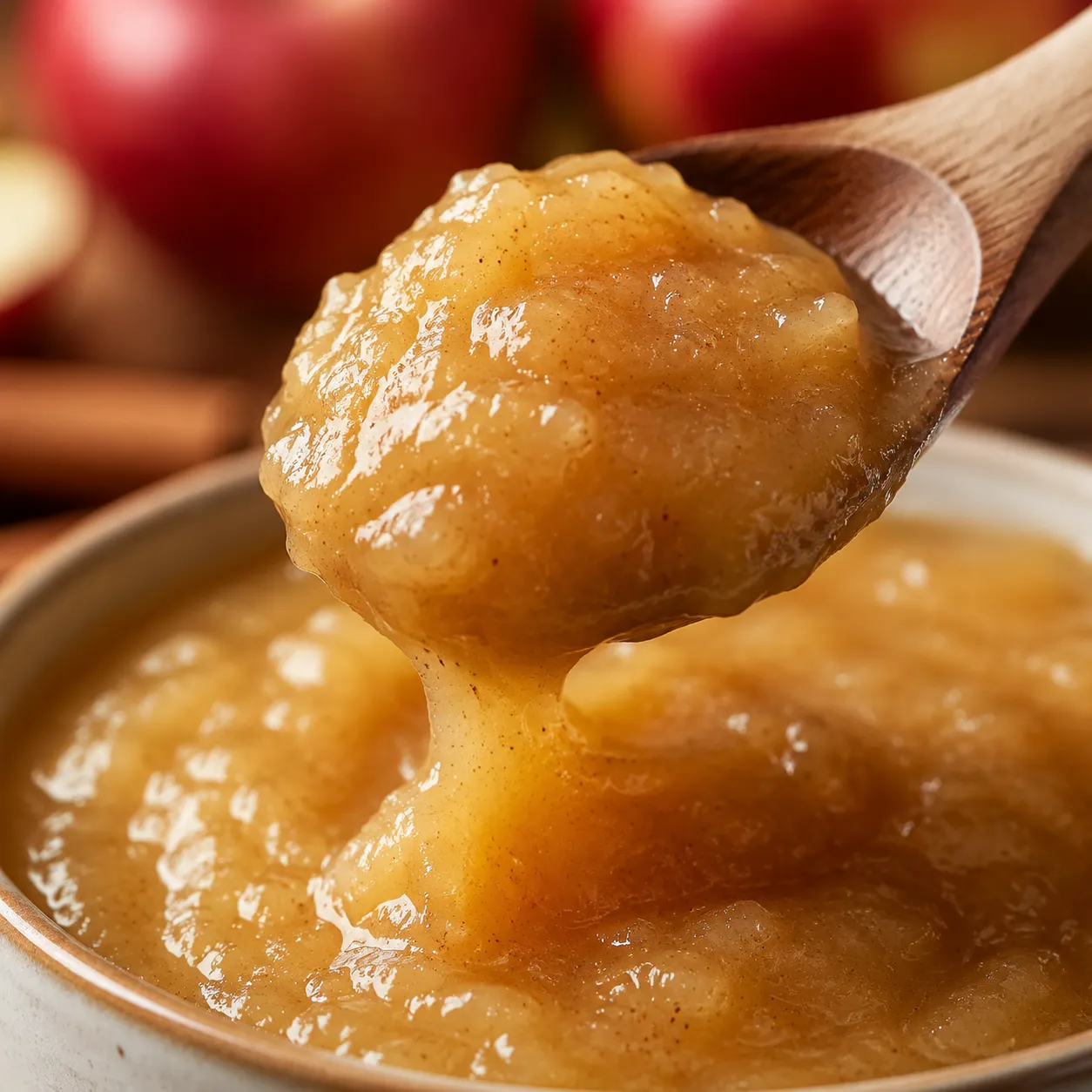
Good applesauce should look glossy, hold a soft mound on a spoon, and slowly slump rather than puddle out flat. If it looks watery, simmer it uncovered for another five minutes to reduce. If it looks pasty or thick enough to spackle a wall, stir in a tablespoon of water at a time until it loosens. Color is your other tell — a healthy golden-amber means you nailed the simmer, while pale gray usually means it cooked too long without enough acid. That lemon juice really does pull double duty, both for flavor and for keeping the sauce looking like sauce instead of mud.
If you're a chunky-applesauce loyalist, pull the pot off the heat a couple of minutes earlier than you think you should. The fruit keeps softening as it sits, and a slightly under-mashed pot will land at perfect chunky after ten minutes of resting. For smooth lovers, the opposite is true — let it cook a touch longer before you blend, and the final sauce will be cloud-soft.
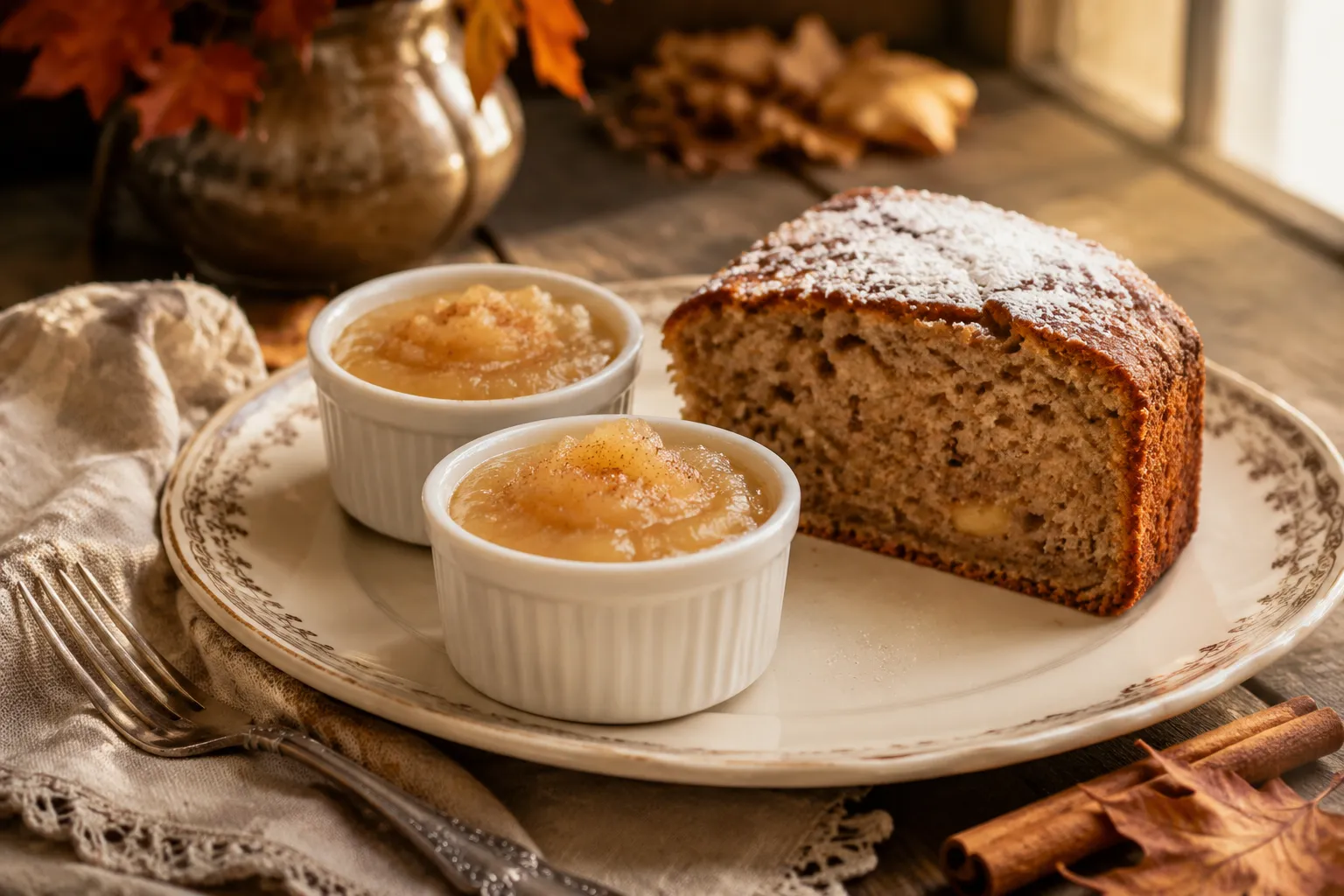
A really versatile applesauce recipe is a workhorse, not a one-trick side dish. The classic move is alongside roast pork or potato pancakes, where its bright sweetness cuts through richness like nothing else. But I use mine for everything from breakfast to dessert. Stir it into oatmeal, dollop it onto pancakes, spoon it warm over vanilla ice cream with a drizzle of caramel, or blend it into smoothies for natural sweetness without added sugar.
For baking, unsweetened applesauce is liquid gold. It makes the moistest applesauce cake you've ever had, and it's a 1:1 swap for oil in muffins and quick breads. A loaf of cinnamon-sugar applesauce bread on a Sunday afternoon is one of the simplest joys of fall baking. If you have leftovers heading toward the end of their fridge life, swirl them into a homemade pie filling for hand pies or galettes — it adds depth and keeps the filling from running all over the sheet pan.
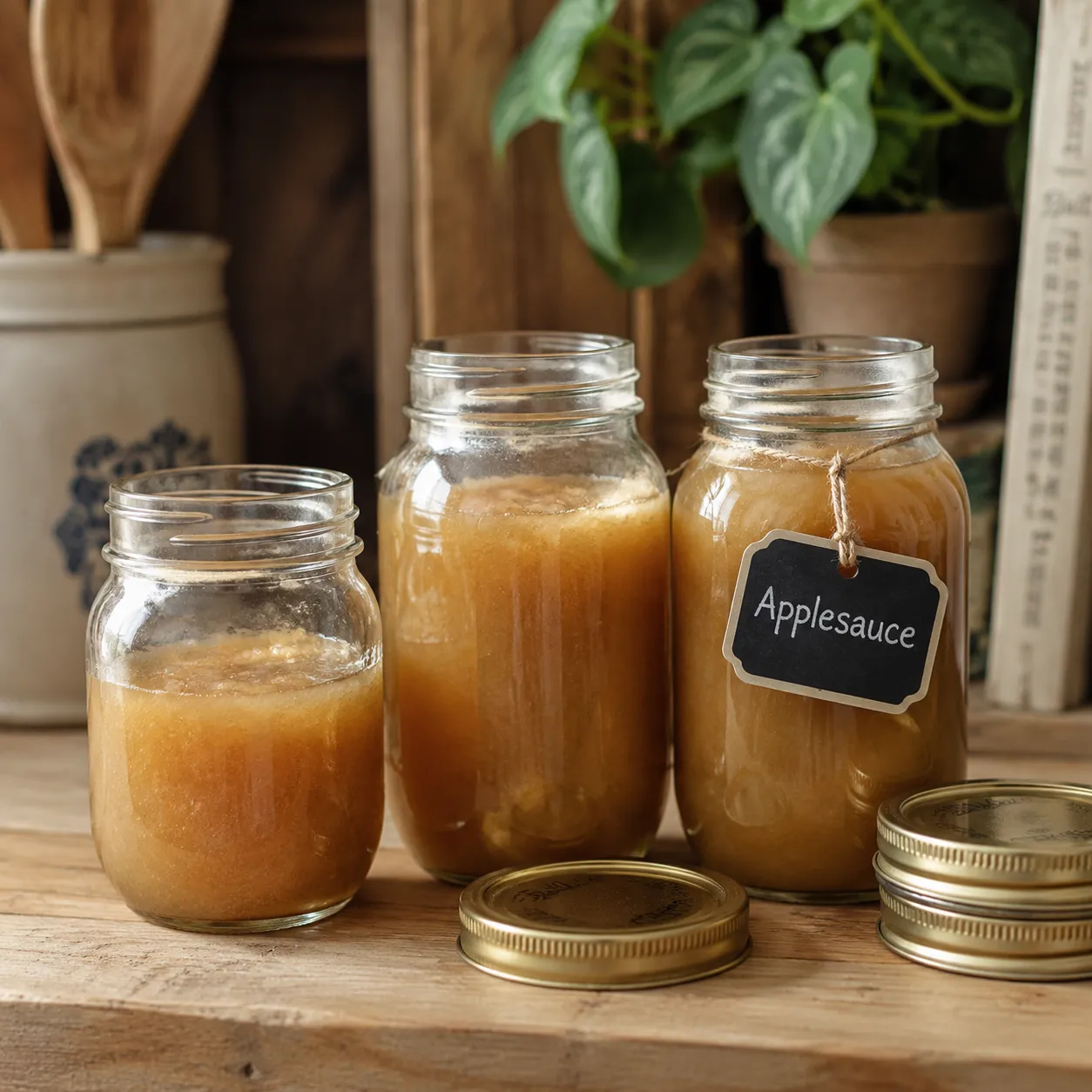
This recipe scales beautifully. I almost always double or triple it during peak apple season, when the best baking apples are piling up at every farm stand and the kitchen smells like cider for a week straight. Ladle the cooled sauce into wide-mouth pint jars and you've got the easiest hostess gift in the world — tie a kraft tag around the neck, jot the date and the apple varieties on it, and you're done. People who do not bake will absolutely bake when handed a jar of homemade applesauce and a recipe for muffins.
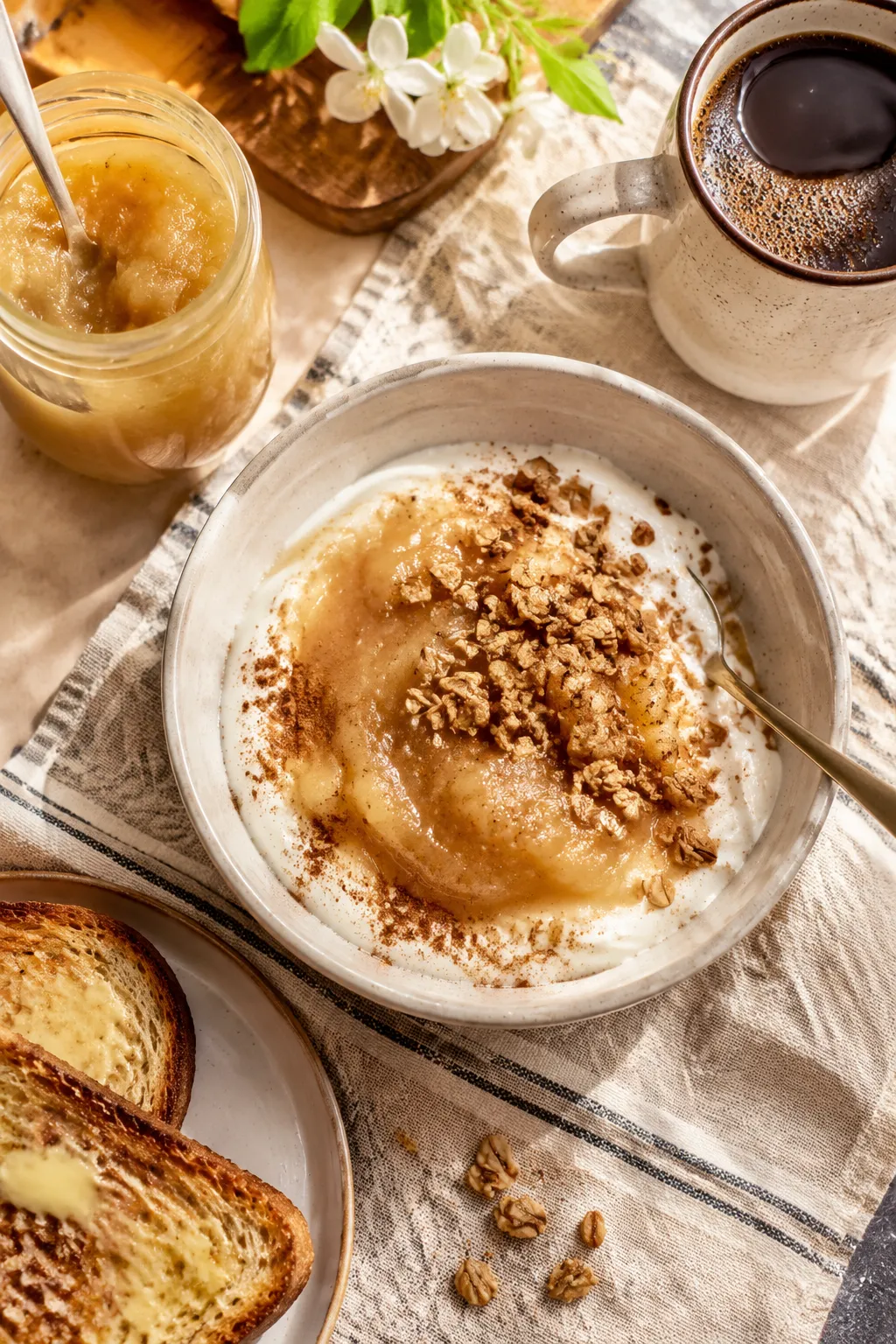
For everyday eating, my favorite use is the simplest one. A generous swirl over thick Greek yogurt with granola and an extra dusting of cinnamon. It's the kind of breakfast that feels indulgent but is essentially fruit, dairy, and oats. Once you have a jar of no sugar added applesauce in the fridge, you start finding reasons to use it on toast, in lunchboxes, next to a slab of sharp cheddar, stirred into pan sauces for pork. That, more than anything, is the case for making this applesauce recipe from scratch — it earns its keep all week long.
Once you've nailed the base recipe, applesauce is endlessly riffable. Swap the cooking method, layer in a complementary fruit, or push the spices into new territory — the technique stays the same, only the supporting cast changes.
Cooled applesauce keeps in an airtight container in the refrigerator for 7 to 10 days. Glass jars or BPA-free containers work best, since the acidity can pick up off-flavors from older plastic. Let the sauce cool fully before sealing, otherwise condensation pools on the lid and shortens the shelf life.
For longer storage, freeze applesauce in pint-sized freezer bags or jars (leave 1 inch of headspace if using glass). It will keep beautifully for up to 3 months. Thaw overnight in the fridge and give it a vigorous stir to re-emulsify any separated liquid. For pantry storage that lasts up to a year, water-bath canning is straightforward — process pint jars for 15 minutes at a full rolling boil, following safe USDA canning guidelines for altitude and acidity.