Harissa Sauce Recipe: Smoky North African Chili Paste
Ingredients
Scale
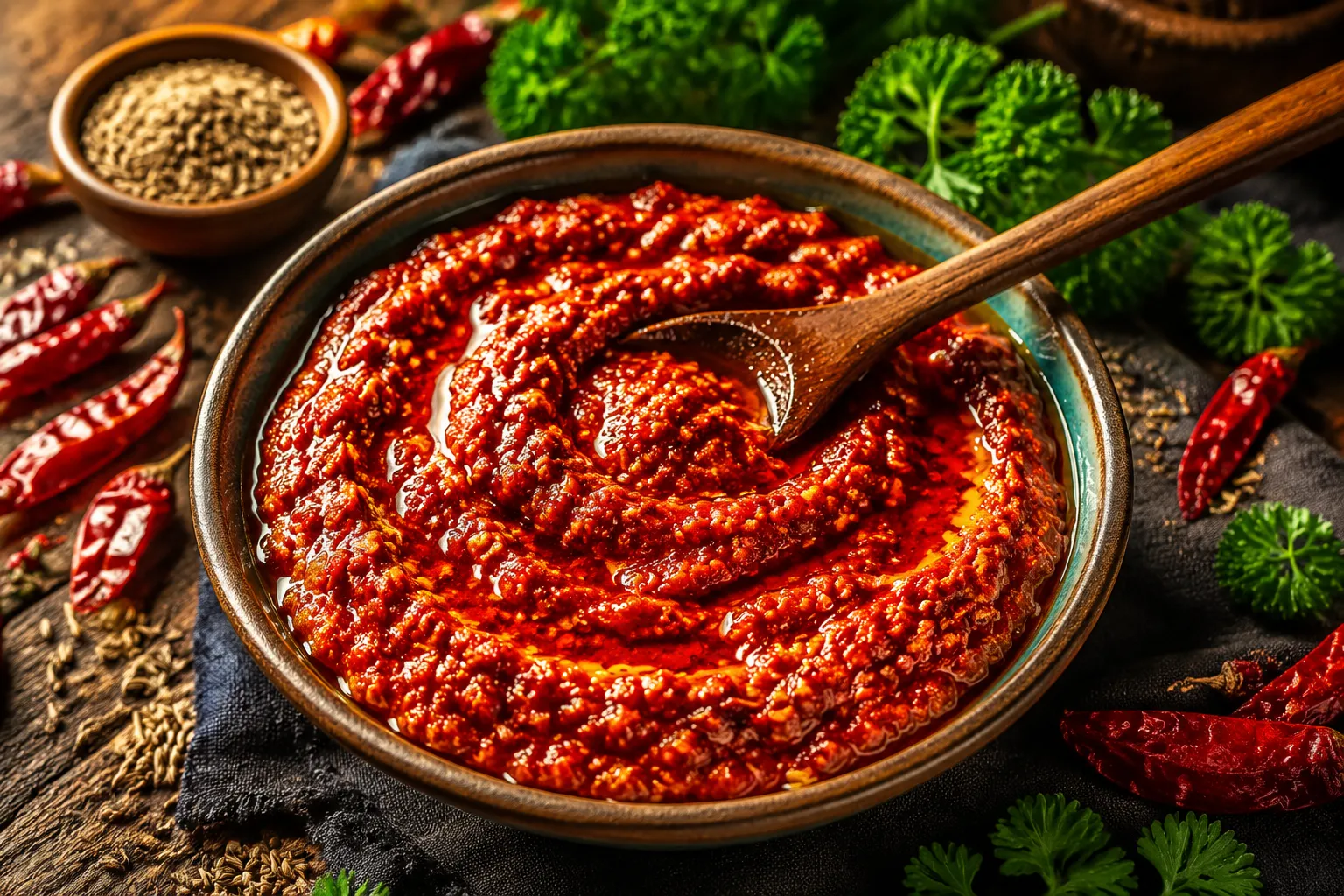
Smoky, garlicky, and deeply spiced, this homemade harissa sauce comes together in 20 minutes and tastes worlds better than the jarred stuff.
If you have never experienced the magic of homemade harissa sauce, you are in for an absolute treat. For years, I relied on those tiny, expensive jars from the international aisle of the grocery store, assuming that capturing such deep, smoky, and complex flavor at home would require hours of simmering or hard-to-find ingredients. I couldn't have been more wrong. Making your own vibrant, deeply spiced chili paste takes roughly twenty minutes, and the flavor payoff is astronomical. Once you taste the difference between a freshly toasted, brightly acidic homemade version and the dull, oxidized store-bought alternatives, you will never go back.
This authentic harissa recipe balances the earthy heat of dried chilies with the aromatic warmth of toasted spices, a hit of fresh garlic, and the bright acidity of lemon juice. It is the kind of transformative condiment that makes everything it touches taste like it came from a high-end restaurant kitchen. Whether you are swirling it into a bowl of creamy hummus, rubbing it over a whole chicken before roasting, or whisking it into a quick vinaigrette, this bold North African staple is guaranteed to become one of the most hardworking recipes in your culinary repertoire.
Before we dive into the cooking process, it helps to understand the rich history behind this beloved condiment. Born in the Maghreb region, it is the cornerstone of Tunisian cuisine and heavily featured throughout North African cooking. Every family, restaurant, and spice merchant has their own closely guarded ratio of chilies to spices, meaning there is no single "correct" way to make it. Some versions are fiery and aggressive, while others lean heavily on aromatic spices and sweet peppers for a milder, more nuanced profile.
Historically, the chilies used in this paste were introduced to the region during the Spanish occupation in the 16th century. Since then, the condiment has evolved into a daily staple. In Tunisia, it is served with nearly every meal—often brought to the table as a dip with olive oil and fresh bread before the main courses arrive. It is used to flavor stews, couscous dishes, and roasted meats. While it shares some culinary DNA with other regional flavor bases, it has a distinctly earthy, sun-baked quality that sets it apart. It pairs beautifully with a Moroccan spice blend like ras el hanout, creating a symphony of warm, complex flavors that can elevate even the simplest weeknight dinners.
You might see the terms used interchangeably, but there is a subtle distinction. A paste is typically thicker, more concentrated, and meant to be used as a base ingredient for cooking or marinating. A sauce is exactly the same flavor profile but thinned out—usually with extra-virgin olive oil, a splash of water, or additional lemon juice—so it can be easily drizzled over finished dishes. This recipe gives you the best of both worlds: it starts as a thick, rich paste in the food processor, and you can thin it to your exact desired consistency depending on how you plan to use it.
If you were to describe the taste to someone who has never had it, you might say it shares some visual similarities with a classic roasted red pepper sauce, but brings significantly more heat, smoke, and spice. The initial taste is bright and acidic from the lemon, followed immediately by the earthy, savory punch of fresh garlic and toasted spices like cumin and caraway. Finally, the heat from the chilies blooms at the back of your throat—a warming, resonant spice rather than a sharp, painful burn. The generous amount of olive oil rounds out the sharp edges, creating a velvety, luxurious mouthfeel.
The secret to an incredible homemade chili paste lies entirely in the quality of your ingredients. Because this is a raw-blended condiment (aside from toasting the chilies and spices), there is nowhere for subpar ingredients to hide. You want plump, pliable dried chilies, fresh spices that haven't been languishing in your pantry for years, and a good quality extra-virgin olive oil that you actually enjoy the taste of.
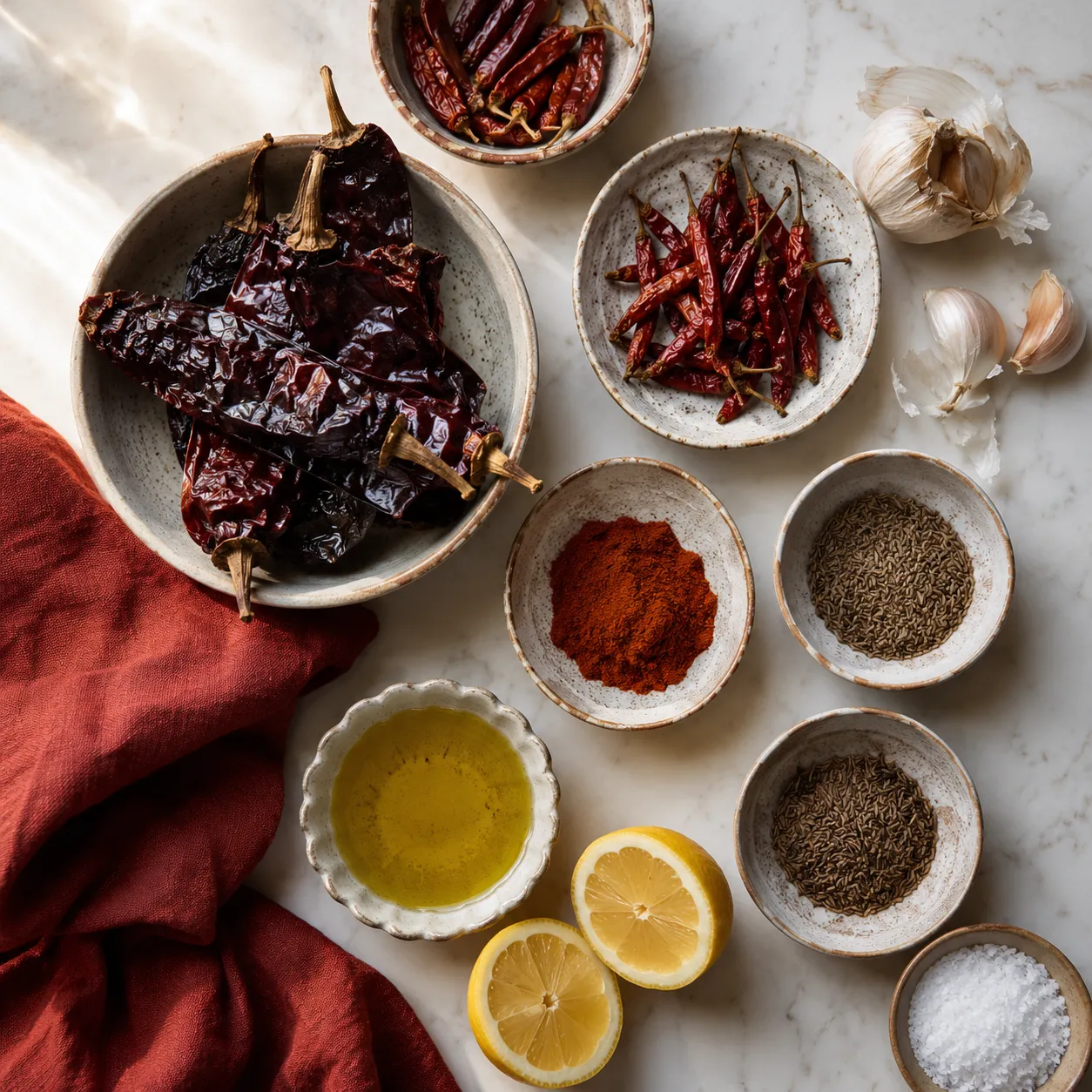
While traditional Tunisian recipes use regional Baklouti peppers, those can be difficult to source in the US. To replicate that authentic, sun-dried flavor, this harissa paste recipe uses an accessible three-chili blend. Dried guajillo chilies provide a sweet, almost berry-like fruitiness and a deep crimson color. Dried New Mexico chilies offer an earthy, mild base that grounds the sauce. Finally, chiles de árbol bring the necessary heat. By blending these three widely available dried chilies, you achieve a balanced, multi-dimensional heat that single-chili shortcuts simply cannot match.
The spices are what transform a simple chili purée into a recognizable North African masterpiece. Whole caraway seeds are absolutely essential—they provide a distinct, slightly sweet, anise-like undertone that is the hallmark of the traditional flavor profile. We combine the caraway with whole cumin and coriander seeds, which add warmth and a subtle citrus note. We also add a spoonful of smoked paprika to enhance the smoky notes of the toasted chilies, and several cloves of fresh garlic for a sharp, savory bite.
To bring the paste together, we rely on three crucial supporting players. Freshly squeezed lemon juice provides the necessary acidity to cut through the richness of the oil and the heavy earthiness of the chilies. Kosher salt enhances all the flavors and helps preserve the mixture. Finally, extra-virgin olive oil acts as the binder, emulsifying the ingredients into a smooth, glossy sauce while mellowing the heat. I also like to include one roasted red bell pepper (jarred is perfectly fine) to add volume, moisture, and a touch of natural sweetness without diluting the spice blend.
Creating a homemade chili paste from scratch might sound intimidating, but the process is incredibly straightforward. It is essentially a three-step method: toast and hydrate the chilies, bloom the spices, and blend everything together. The active hands-on time is minimal, and the intoxicating aroma that will fill your kitchen is worth the effort alone.
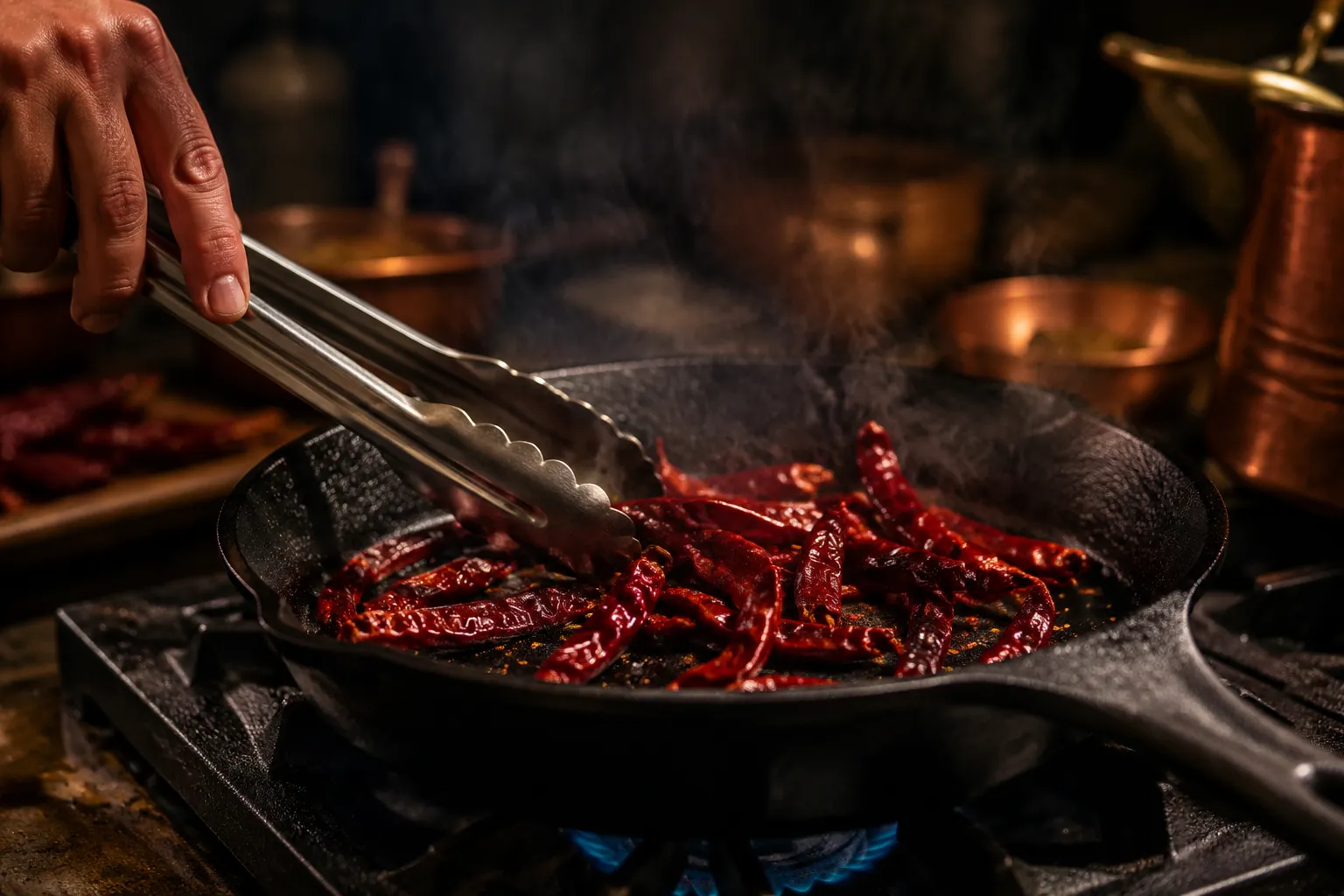
Start by removing the stems and shaking out the seeds from your dried chilies. You don't need to be obsessive about getting every single seed, but removing the majority will prevent the final sauce from being overly bitter or texturally gritty. Heat a dry cast-iron skillet over medium heat and toast the chilies for just a minute or two per side. You are looking for them to become fragrant and slightly pliable, perhaps with a few faint wisps of smoke. Immediately transfer them to a heatproof bowl and cover them with boiling water. Let them steep for about 15 minutes until they are soft, fleshy, and fully rehydrated.
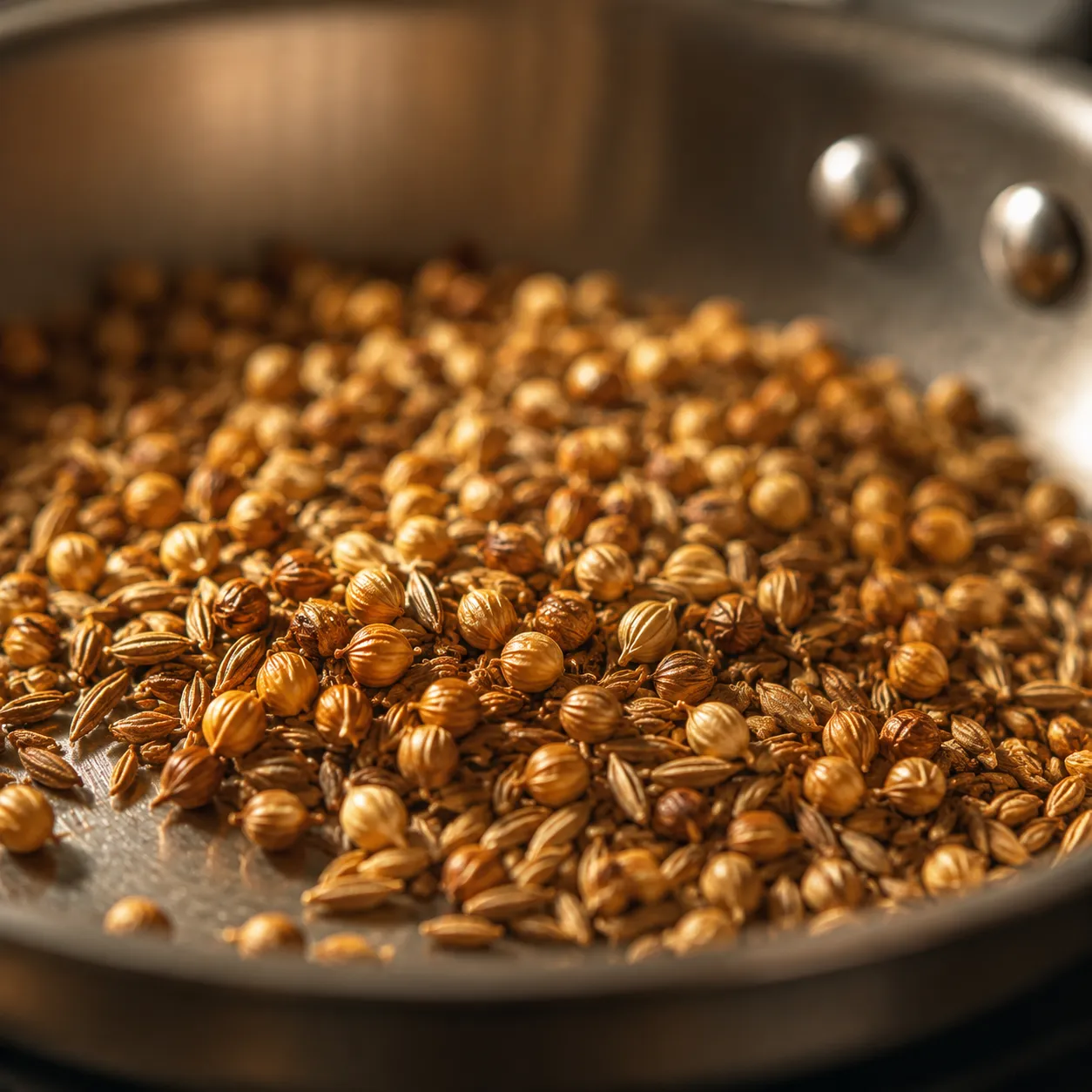
While the chilies are taking their hot bath, use the same skillet to toast your whole spices. Add the caraway, cumin, and coriander seeds to the dry pan over medium-low heat. Shake the pan frequently for about 60 to 90 seconds. You will know they are ready when they release a strong, nutty aroma and take on a slightly darker golden hue. Do not walk away during this step, as whole spices can go from perfectly toasted to burnt and bitter in a matter of seconds. Once toasted, transfer them to a mortar and pestle or a dedicated spice grinder and process them into a fine, fragrant powder.
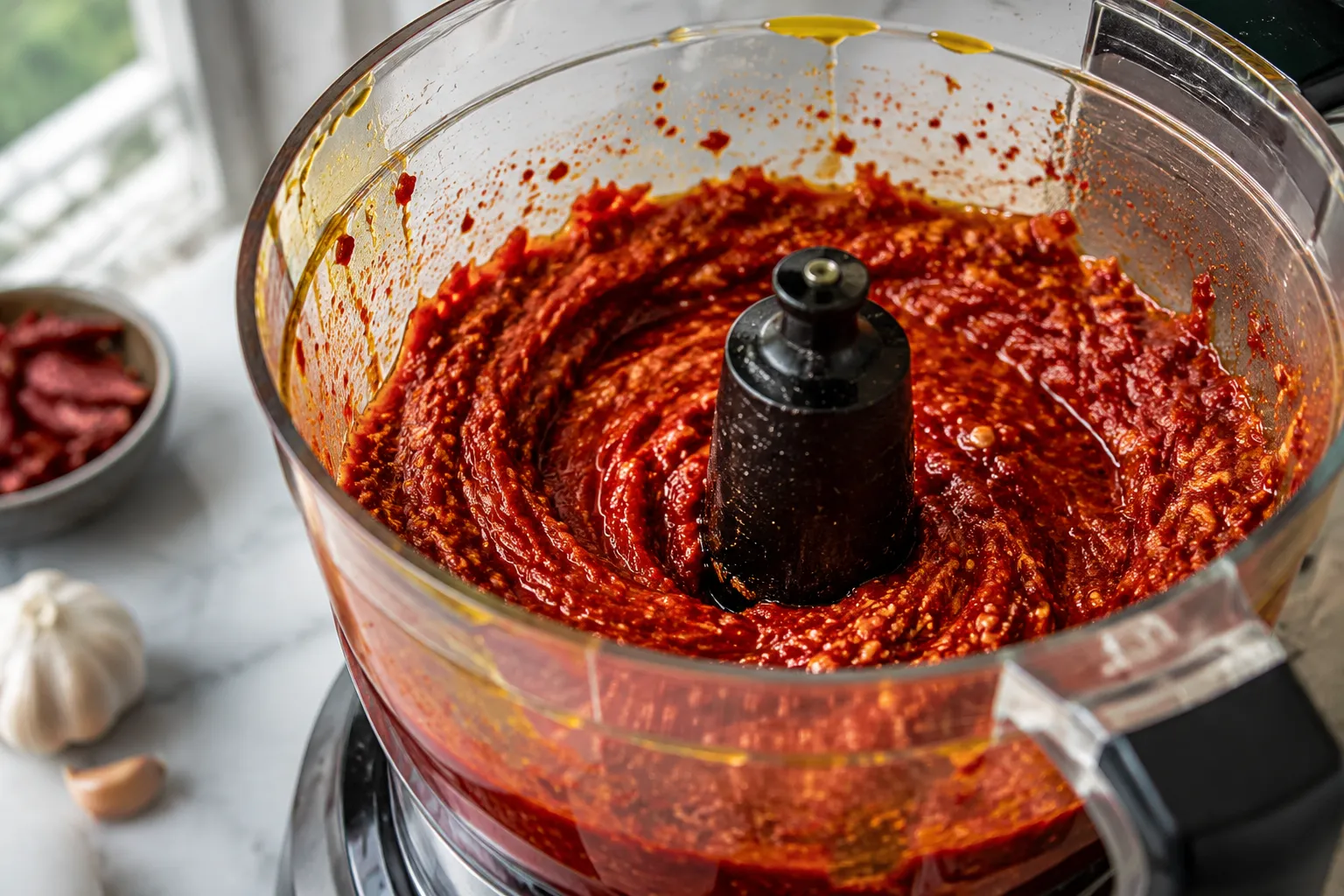
Now comes the fun part. Drain your softened chilies (you can reserve a splash of the soaking liquid if you like, though the roasted red pepper usually provides enough moisture) and add them to the bowl of a food processor. Toss in the garlic cloves, your freshly ground spice blend, the smoked paprika, the roasted red pepper, and the salt. Pulse the machine until the ingredients break down into a chunky, cohesive mixture. Then, with the motor running, slowly stream in the olive oil and lemon juice. Stop to scrape down the sides of the bowl a few times to ensure everything is evenly incorporated. Keep blending until it transforms into a smooth, vibrant, glossy red paste.
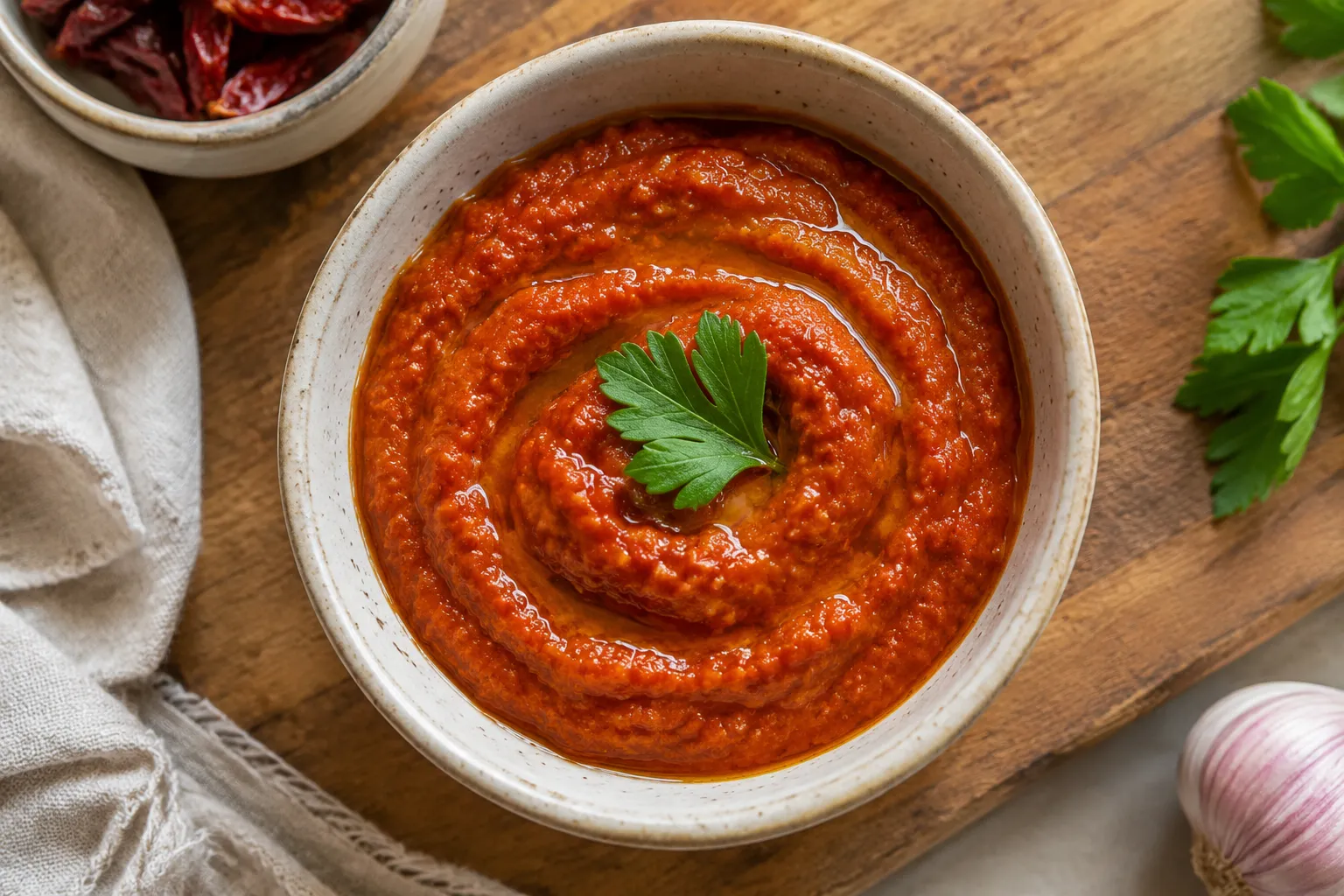
We've all been there: you are halfway through prepping a recipe that calls for this specific North African chili paste, and you realize your jar is completely empty. While nothing perfectly replicates the complex, toasted-spice flavor of the real thing, you can easily hack a harissa substitute using ingredients you likely already have in your fridge and pantry.
The fastest and most accurate flavor swap involves taking a neutral chili paste and doctoring it up. Mix two tablespoons of a basic chili purée with half a teaspoon of smoked paprika, a pinch of ground cumin, a pinch of ground caraway (if you have it), and a squeeze of fresh lemon juice. The smoked paprika mimics the flavor of the toasted dried chilies, while the cumin and caraway bring that essential earthy warmth.
If you don't have a neutral chili paste, sambal oelek is your next best bet. It has a similar chunky texture and a bright, vinegar-forward heat. You will still want to add a dash of cumin and coriander to bridge the flavor gap. In an absolute emergency, you can use gochujang or Sriracha, but be aware that both contain significantly more sugar and will yield a much sweeter, distinctly Asian flavor profile that may alter the final taste of your Mediterranean or Middle Eastern dishes.
Whether you are making the authentic recipe or a quick substitute, controlling the heat is crucial. If you know you prefer a mild sauce, drastically reduce the number of chiles de árbol (or omit them entirely) and rely solely on the guajillo and New Mexico chilies. If you want a fiery, eye-watering heat, leave the seeds inside the chiles de árbol before soaking them, or add a pinch of cayenne pepper to the food processor during the blending stage.
Once you have a jar of this liquid gold in your fridge, you will find yourself reaching for it constantly. It is the ultimate flavor-booster for incredibly simple meals. You can stir a generous spoonful into a pot of simmering tomato soup or a batch of shakshuka to instantly deepen the flavor profile. It makes a phenomenal marinade for chicken thighs or flank steak; just mix it with a little extra olive oil and let the meat soak up those warm spices before hitting the grill.
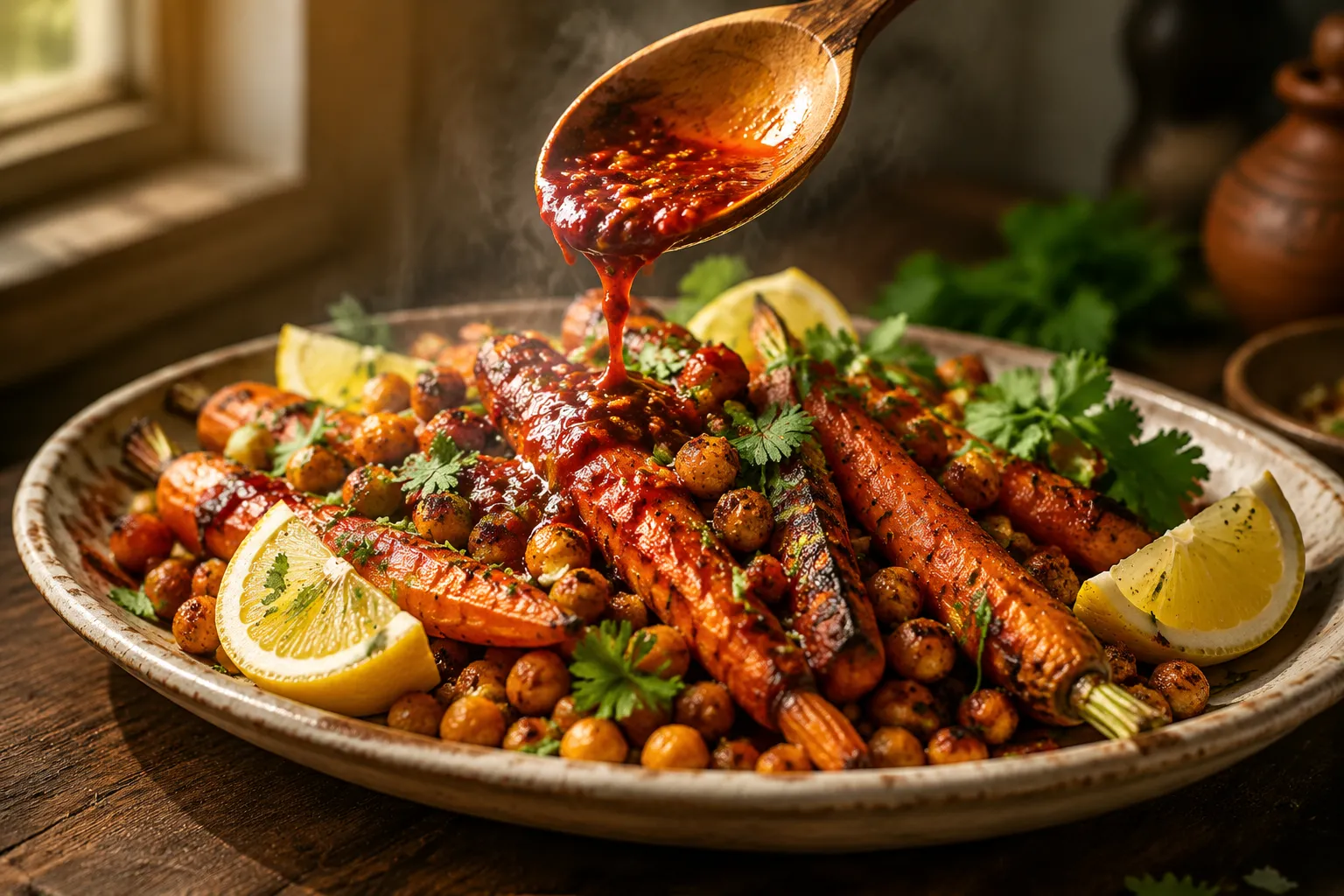
For a quick weeknight side dish, toss carrots, cauliflower florets, or chickpeas in a few tablespoons of the paste before roasting them in a hot oven. The sugars in the vegetables caramelize beautifully against the spicy, smoky coating. You can also fold it into mayonnaise for an unforgettable sandwich spread, or swirl it into Greek yogurt for an instant, crowd-pleasing dip for pita bread and crudités.
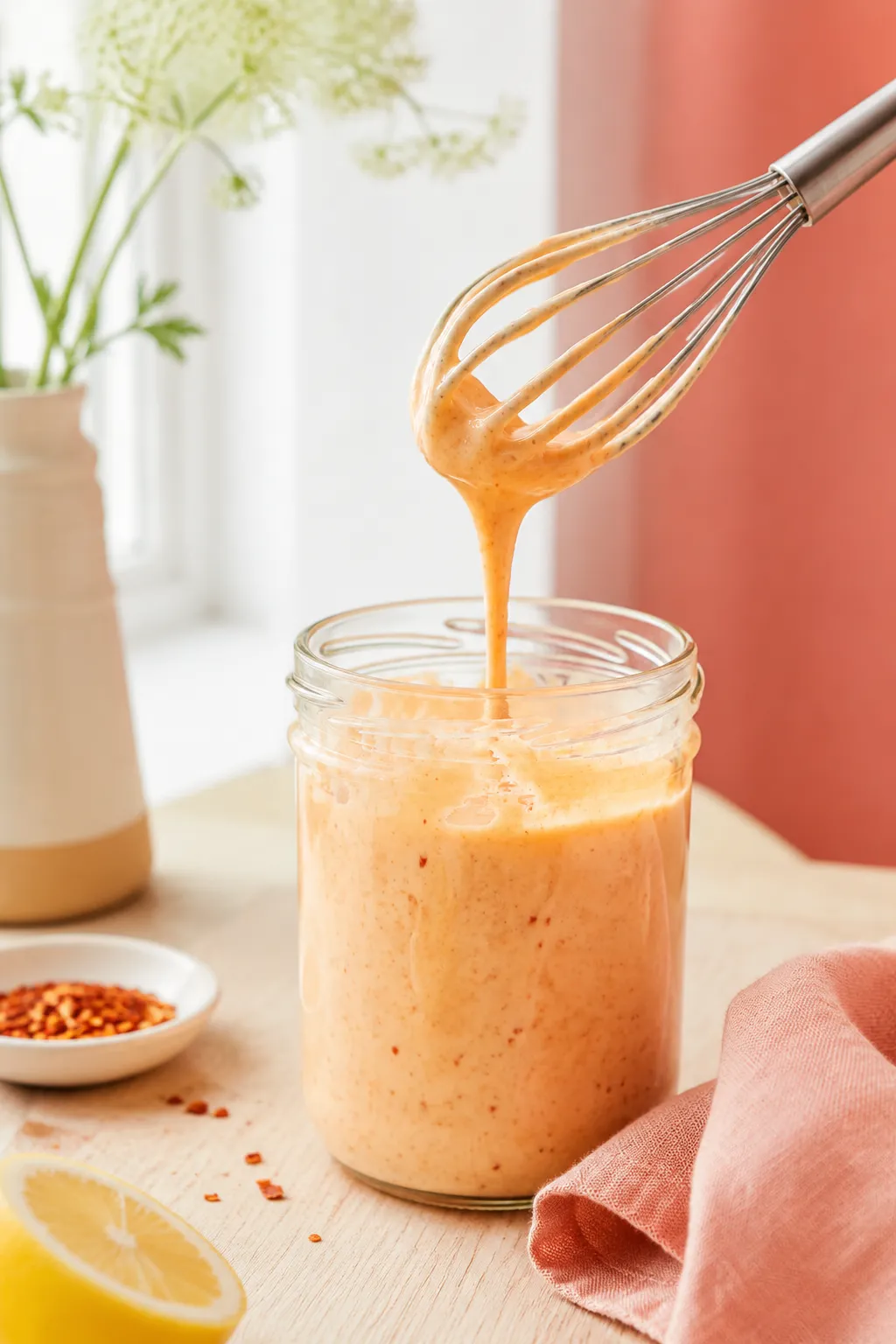
One of my absolute favorite applications is transforming it into a vibrant harissa dressing. By whisking a spoonful of the paste with extra lemon juice, a touch of honey, and olive oil, you create a punchy vinaigrette that brings grain bowls, kale salads, and roasted sweet potatoes to life. The sweet, spicy, and acidic balance of the dressing cuts through heavy ingredients perfectly, making it a meal-prep staple you will want to keep on hand at all times.
Whether you are using it as a fiery condiment for your morning eggs, a rich base for a braise, or a quick dressing for a salad, mastering this simple recipe will fundamentally change the way you cook. Take the twenty minutes to toast the chilies and bloom the spices—your future dinners will thank you.
Once you have your master batch of chili paste prepared, you can easily spin it off into different condiments to suit whatever you are cooking. The most popular variation is a quick, punchy dressing that takes less than a minute to whisk together and instantly upgrades salads and grain bowls.
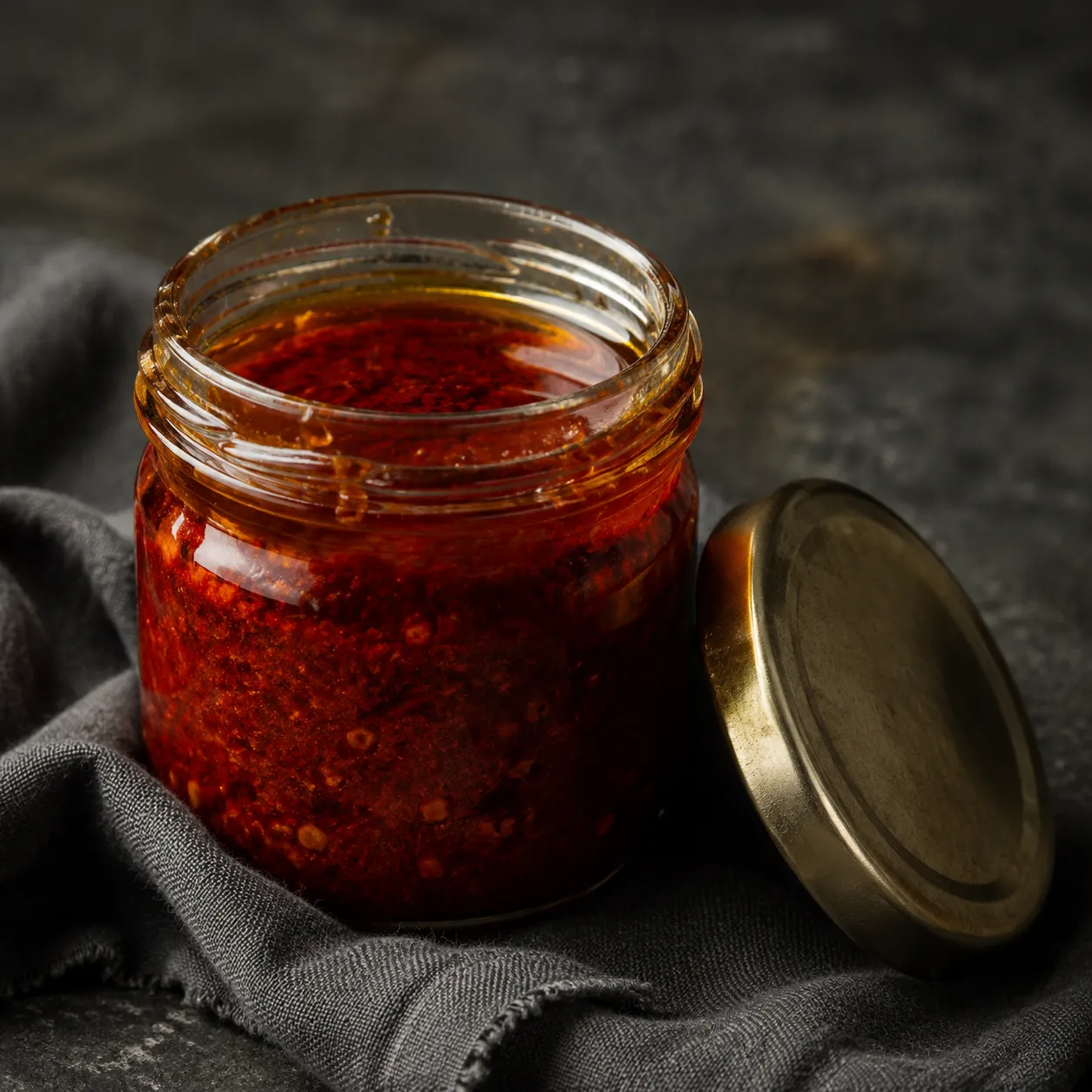
Proper storage is key to maintaining the vibrant color and fresh flavor of your homemade condiment. Transfer the finished paste to a clean, airtight glass jar. Before sealing the lid, pour a thin layer of extra-virgin olive oil over the top of the paste so it is completely submerged. This oil barrier prevents oxygen from reaching the sauce, stopping mold growth and oxidation. Stored this way in the refrigerator, it will stay fresh and deeply flavorful for up to 3 weeks. Just remember to top it off with a little more oil every time you scoop some out.
If you want to extend its shelf life even further, this recipe is incredibly freezer-friendly. Spoon the paste into a silicone ice cube tray and freeze until solid. Once frozen, pop the cubes out and transfer them to a freezer-safe zip-top bag. They will keep perfectly for up to 6 months. You can drop a frozen cube directly into simmering soups, stews, or braises, or let one thaw in a small bowl at room temperature for about 20 minutes when you need it for a dressing or marinade.