Perfect White Rice Recipe: Fluffy, Foolproof Every Time
Ingredients
Scale
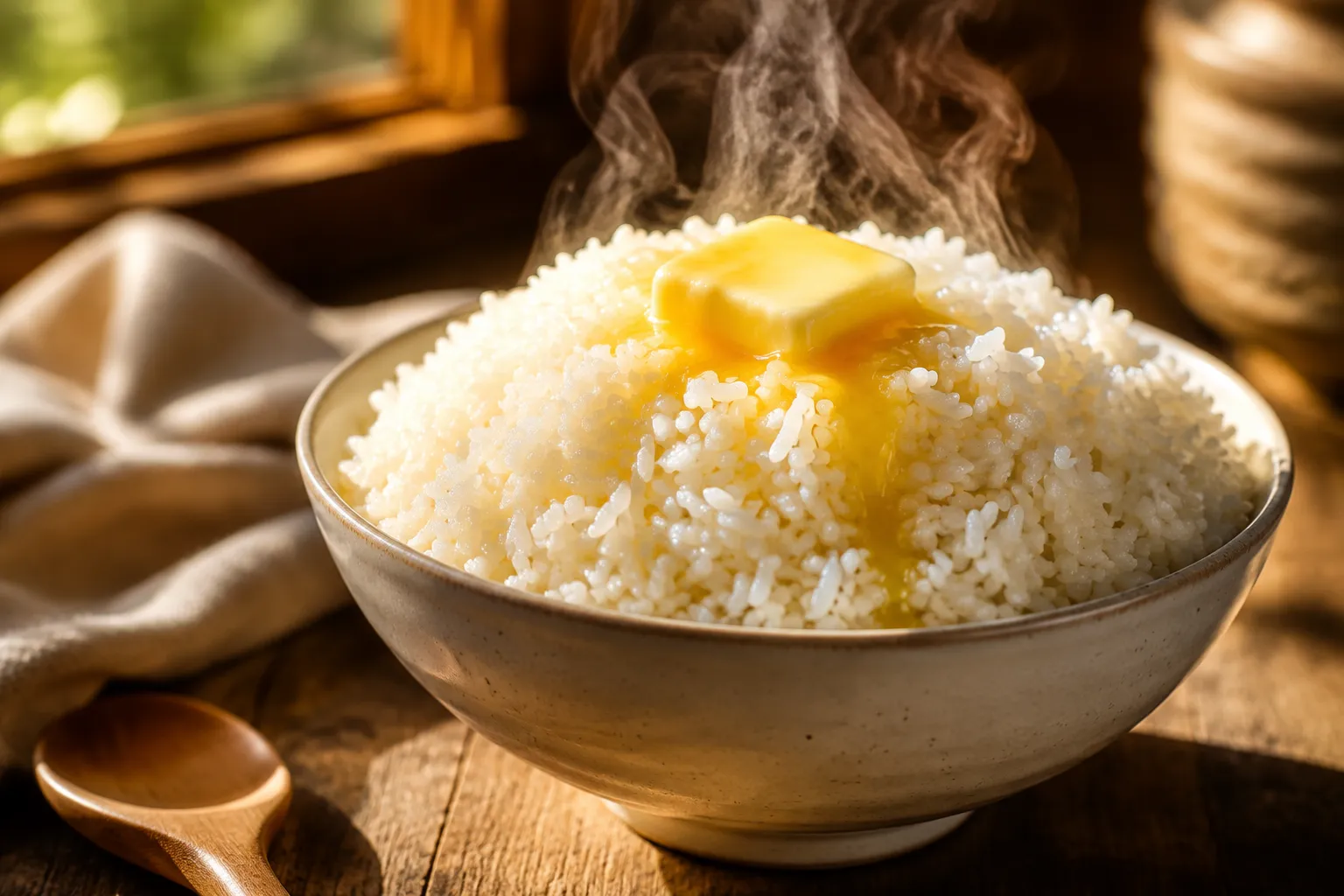
This foolproof white rice recipe gives you fluffy, separate grains every single time. Master the simple ratio, the rinse, and the rest, and you'll never overcook rice again.
This white rice recipe is the one you'll come back to forever — the ratio, the rinse, the rest, all dialed in for fluffy, separate grains every single time. No rice cooker, no fancy equipment, no guessing. Just a heavy-bottomed saucepan, a tight lid, and a method that works whether you've made rice a hundred times or you're standing in front of the stove right now wondering why yours always turns out gummy.
Most easy white rice recipes online skip the small steps that actually matter — the rinse that washes off surface starch, the exact rice to water ratio for long grain, and the off-heat rest that finishes cooking the grains gently. Skip any one of those and you end up with sticky, mushy, or crunchy rice. Get all three right and you get pillowy, snowy, restaurant-quality grains in under 25 minutes flat.
Whether you're learning how to cook white rice for the first time or you've been winging it for years, this white rice recipe walks through every checkpoint with the precision of a recipe tester and the warmth of a friend who just wants you to nail it. We'll cover the ingredients, the gear, the step-by-step method, plus a vibrant green rice recipe variation at the end for when plain rice needs a glow-up.
Plain rice is the kind of dish where the ingredient list is so short it's tempting to grab whatever's in the pantry and call it a day. Resist that. The quality and type of rice you start with sets the ceiling for how good the finished bowl can be — and the difference between dusty, ancient supermarket rice and a fresh bag of long-grain white rice is more noticeable than you'd think.
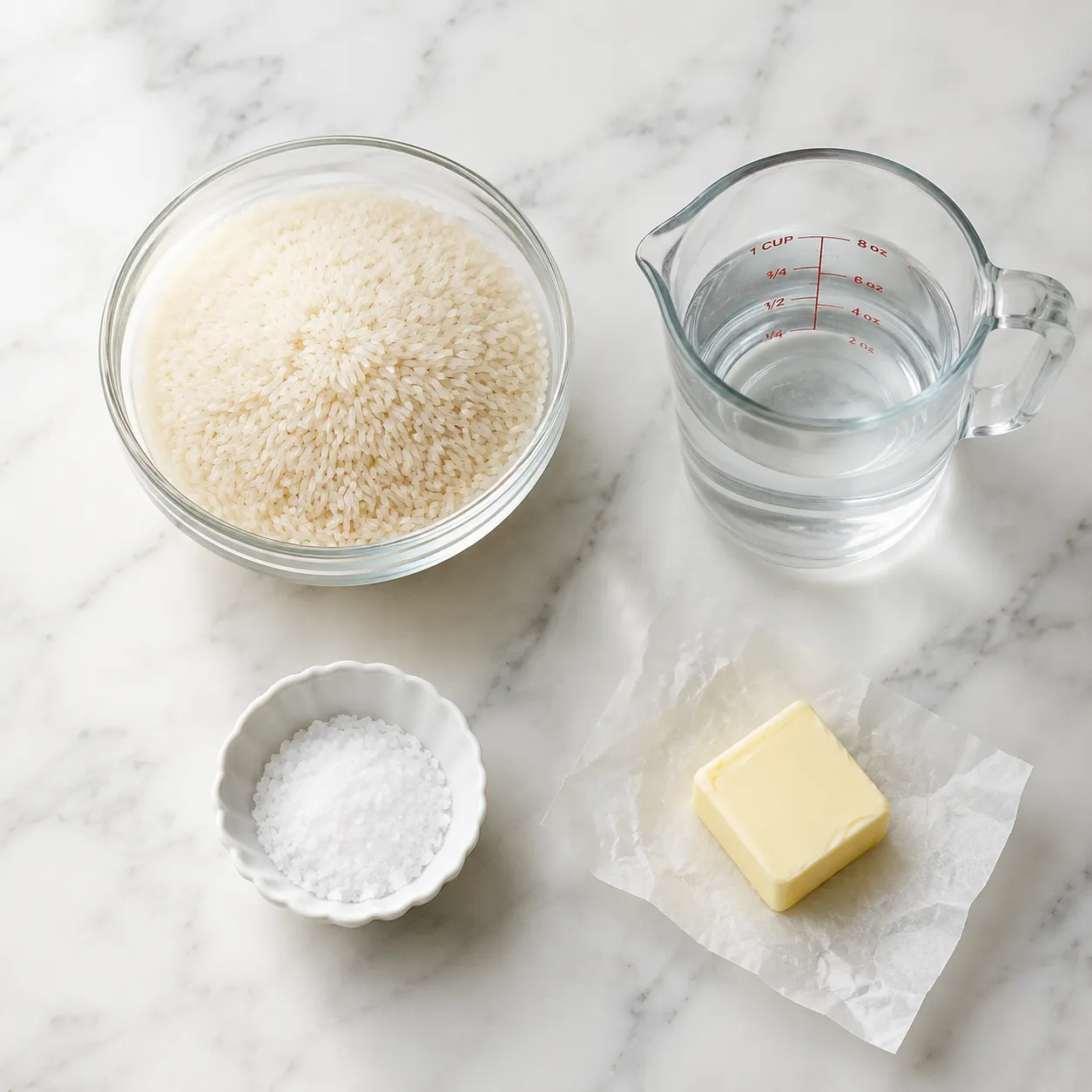
For this method I reach for long-grain white rice every time. It cooks up dry, separate, and fluffy, which is exactly what most American dinners want underneath a saucy curry, a stir-fry, or a roasted protein. Look for clean, uniform grains with no broken pieces or chalky-looking kernels. Basmati and jasmine both fall into the long-grain rice family and work beautifully here with a small ratio tweak (more on that below).
Filtered water is your friend if your tap runs heavy on chlorine — it makes a quiet but real difference in the finished flavor. Kosher salt seasons the grains from the inside out; skip it and the rice always tastes a little flat, no matter how perfectly you cook it. A tablespoon of unsalted butter stirred in at the end adds gloss and a faint richness that turns a simple side into something craveable, but olive oil or a neutral oil work equally well if you're keeping it dairy-free.
This rinse-simmer-rest framework is forgiving enough to handle most varieties of white rice — you just need to nudge the ratio. Long-grain takes 1 ¾ cups water per cup of rice. Jasmine and basmati prefer 1 ½ cups (they're slightly less thirsty). Medium-grain like Calrose lands at 1 ½ cups too, with a slightly stickier finish that's perfect for rice bowls. Short-grain sushi rice has its own dedicated method and isn't the right pick for this technique.
You don't need a rice cooker. You don't need an Instant Pot. You need three things, and you probably already own all of them.
The single biggest gear upgrade for stovetop rice is using a saucepan with a heavy bottom and a lid that actually seals. A thin pot creates hot spots that scorch the bottom layer of rice before the top is done, and a wobbly lid lets steam escape, throwing off your ratio. A 2- to 3-quart saucepan with a glass or heavy metal lid is the sweet spot for one to two cups of dry rice.
A fine-mesh strainer is non-negotiable for the rinse step. Colander holes are too big — half your rice ends up down the drain. A 6- or 8-inch fine-mesh strainer holds the grains, lets the cloudy starch water rush through, and doubles for draining pasta, washing berries, and sifting flour.
The rice to water ratio is the whole game, so use real measuring cups instead of eyeballing. A dry measuring cup for the rice and a liquid measuring cup for the water keeps things honest. If you want to graduate to weight, 1 cup of long-grain rice is roughly 185 grams.
Here's the bird's-eye view of the white rice preparation method. The fully numbered instructions live in the recipe card below — these paragraphs walk you through the why behind each step so you understand what's happening in the pot.
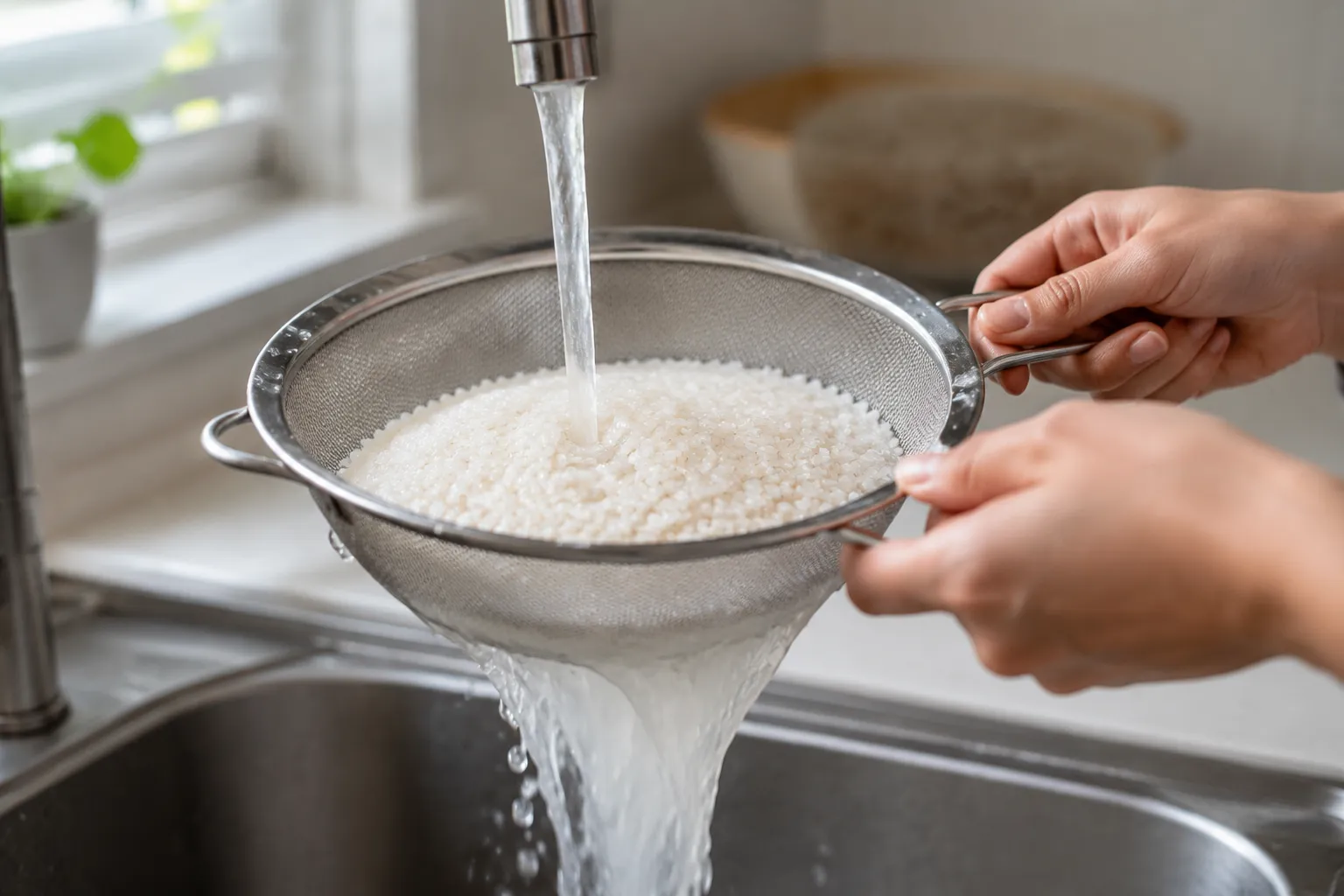
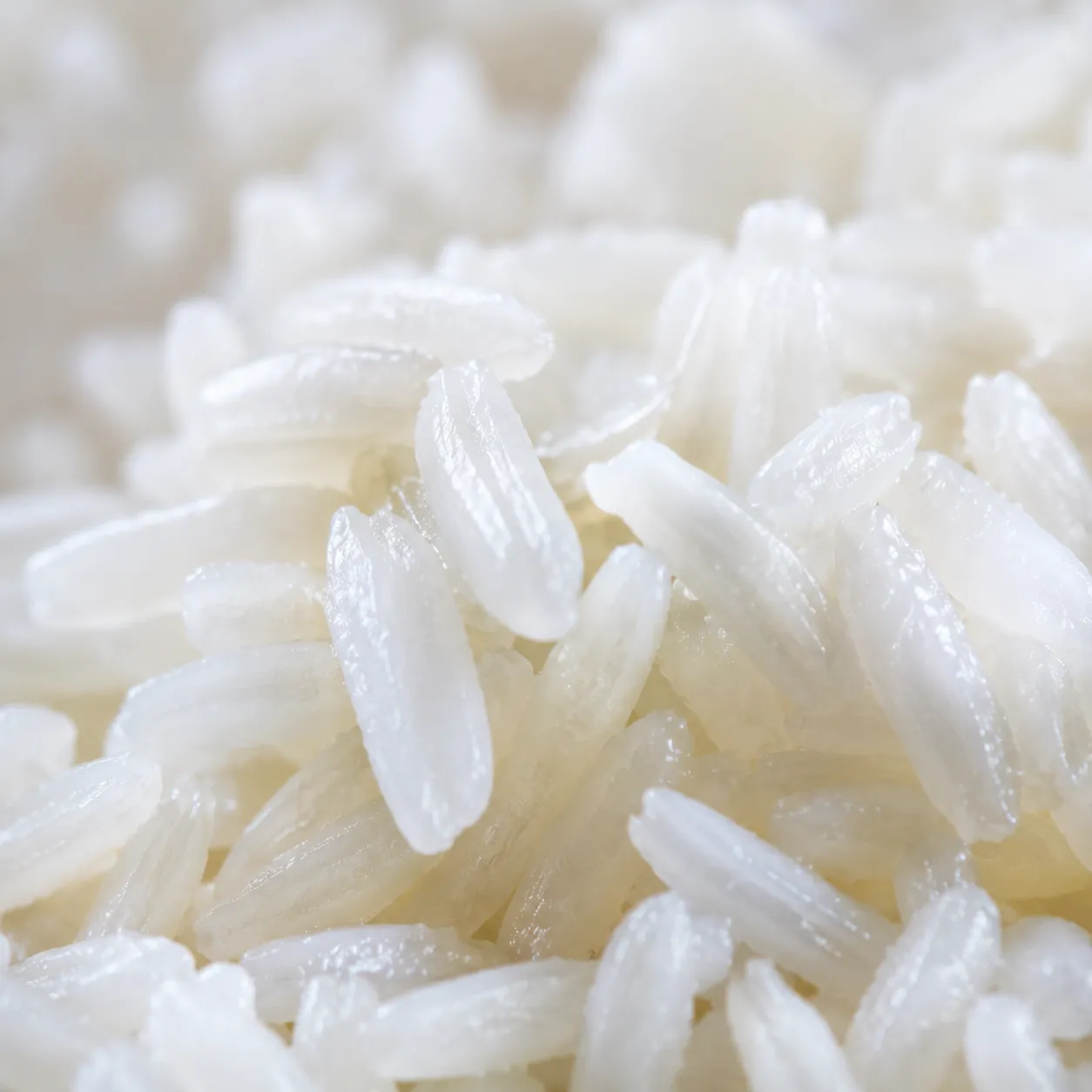
The process is built on four pillars: rinse, simmer, rest, fluff. Rinsing knocks the surface starch off the grains so they don't glue themselves together as they cook. You'll see cloudy white water rushing through the strainer the first few seconds — keep going under cool running water until that water runs almost clear. It usually takes 30 to 60 seconds of gentle agitation with your fingers.
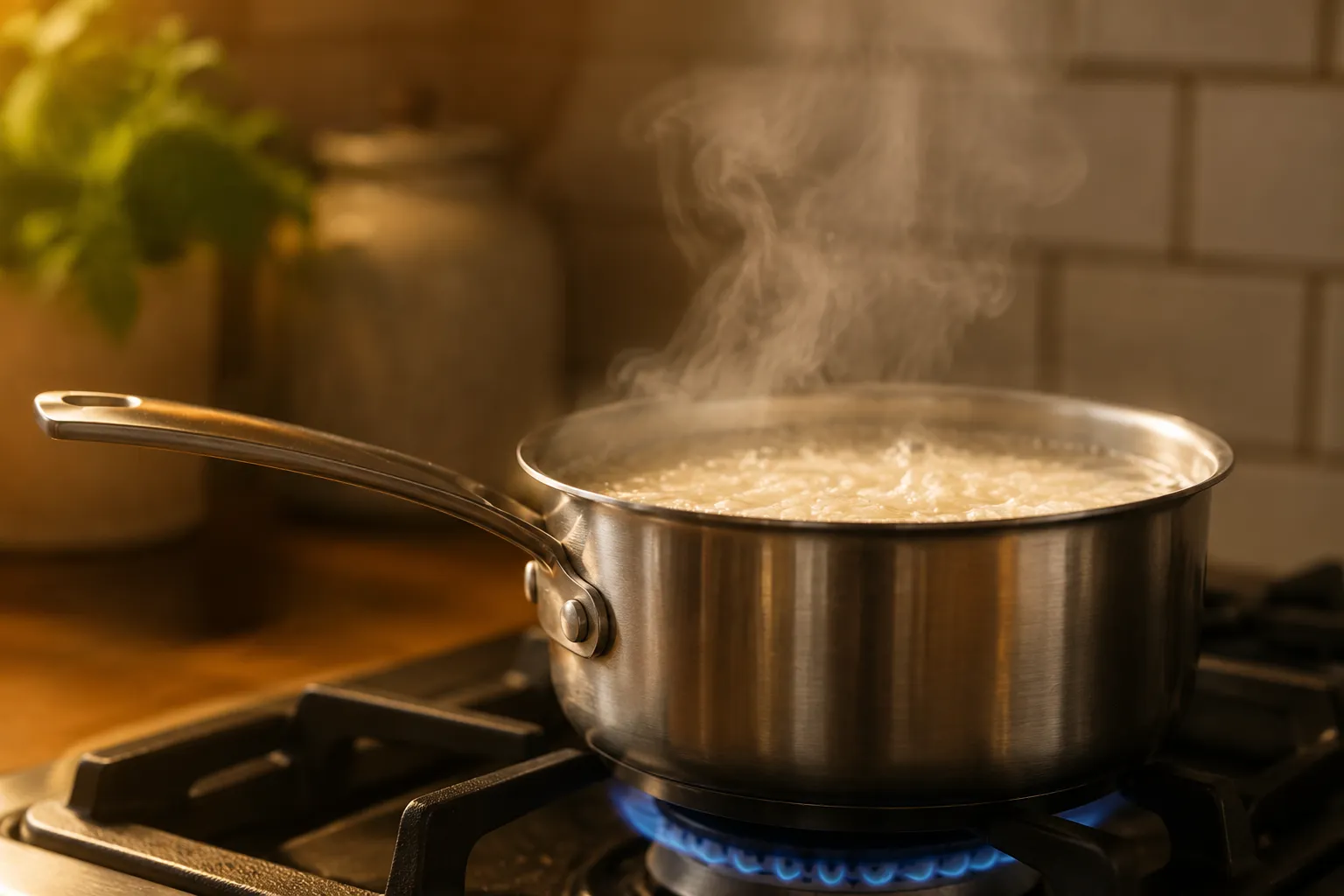
Once the rice is rinsed and drained, it goes into the saucepan with the measured water and salt, gets brought up to a hard boil, then immediately drops to the lowest possible simmer. Cover with the lid and don't touch it for 18 minutes. No peeking. Every time you lift the lid you release a burst of steam that the rice was relying on to finish cooking. Trust the timer.
When the timer goes off, slide the pan off the heat — still covered — and let it rest for a full 10 minutes. This off-heat rest is where the magic happens. The residual steam redistributes through the pot, the grains firm up, and any moisture clinging to the bottom layer evaporates. Skip the rest and you'll get rice that's wet on the bottom and dry on top.
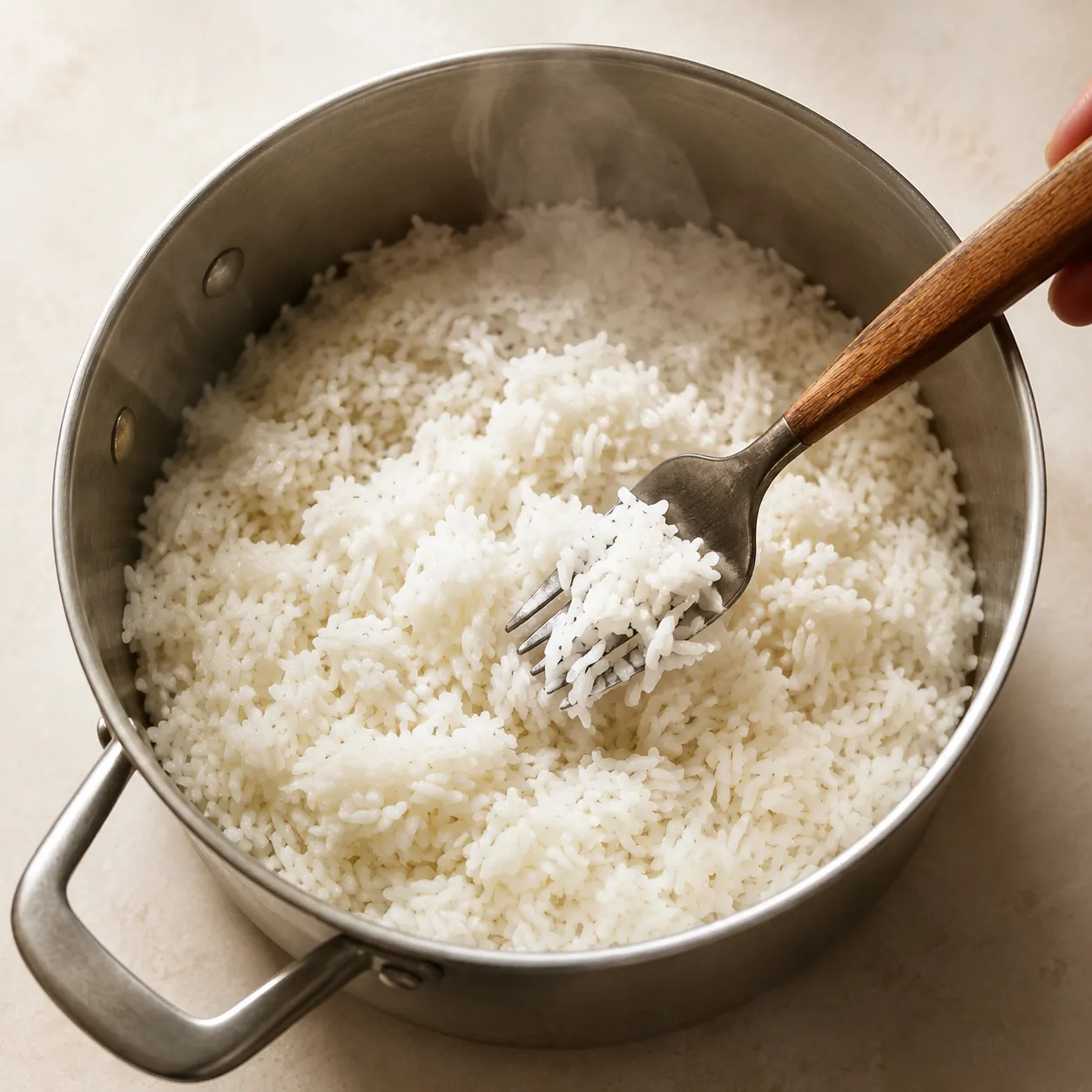
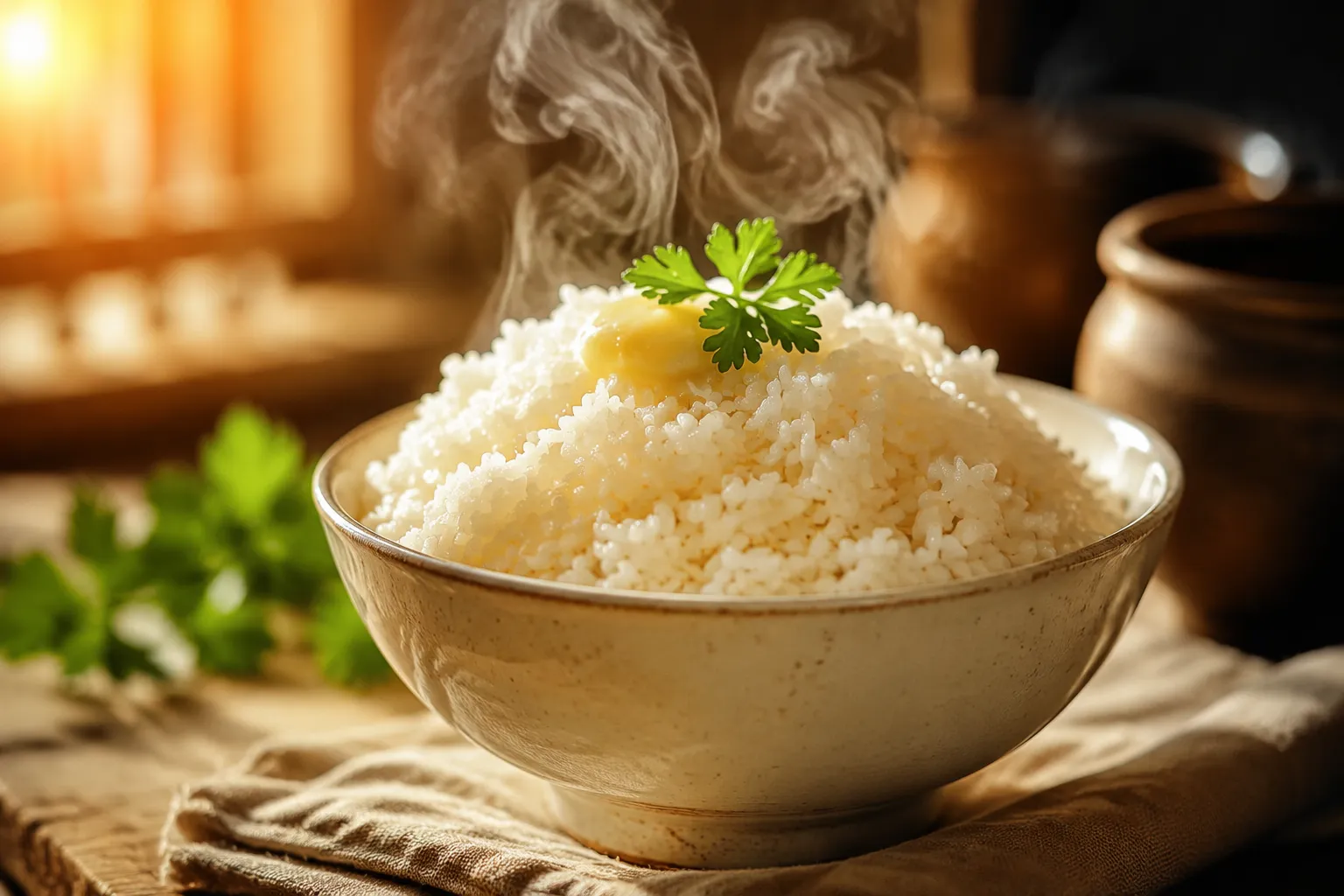
Finally, lift the lid, drop in the optional pat of butter, and use a fork to gently fluff the grains from the edges toward the center. A fork separates the kernels without crushing them the way a spoon does. The result is fluffy rice that piles up in distinct, glossy mounds on the plate.
Stovetop rice isn't a personality test. It's just water, heat, and time in the right proportions. The reason this white rice recipe is so reliable is that it controls all three variables instead of leaving any of them to chance. The ratio gives you exactly enough liquid to hydrate the grains without leaving a swampy puddle behind. The covered low simmer keeps the temperature steady so the outside doesn't blow apart before the center is tender. The rest period buys the grains time to finish absorbing every last drop of moisture without applied heat that could turn them sticky.
If you've ever cooked rice on the stove and ended up with three different textures in the same pot — gummy on the bottom, dry on top, raw in the middle — one of those three variables was off. The good news is this method is so forgiving once you internalize it that you can scale up to 3 cups of dry rice without changing the technique. Just keep the ratio locked in.
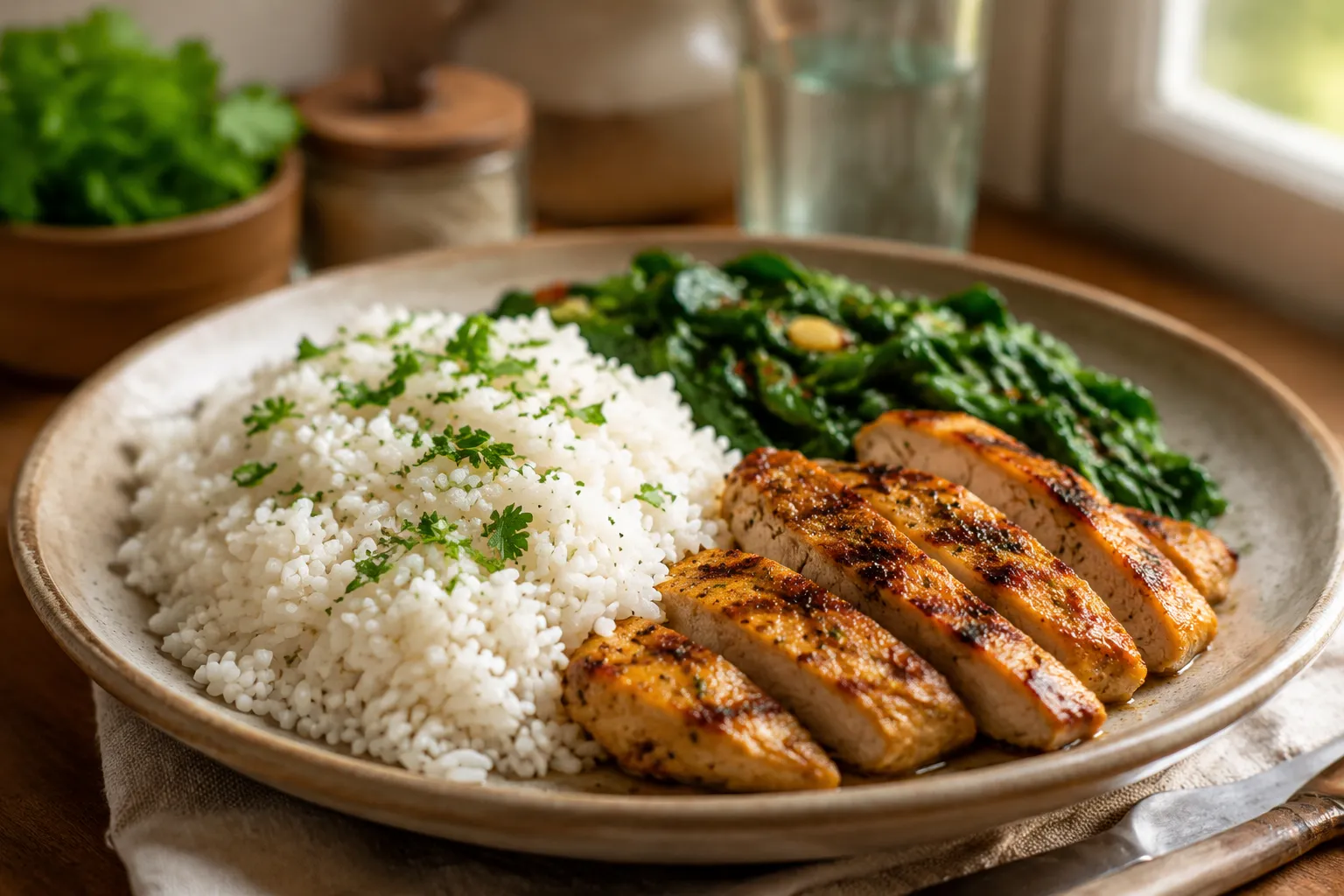
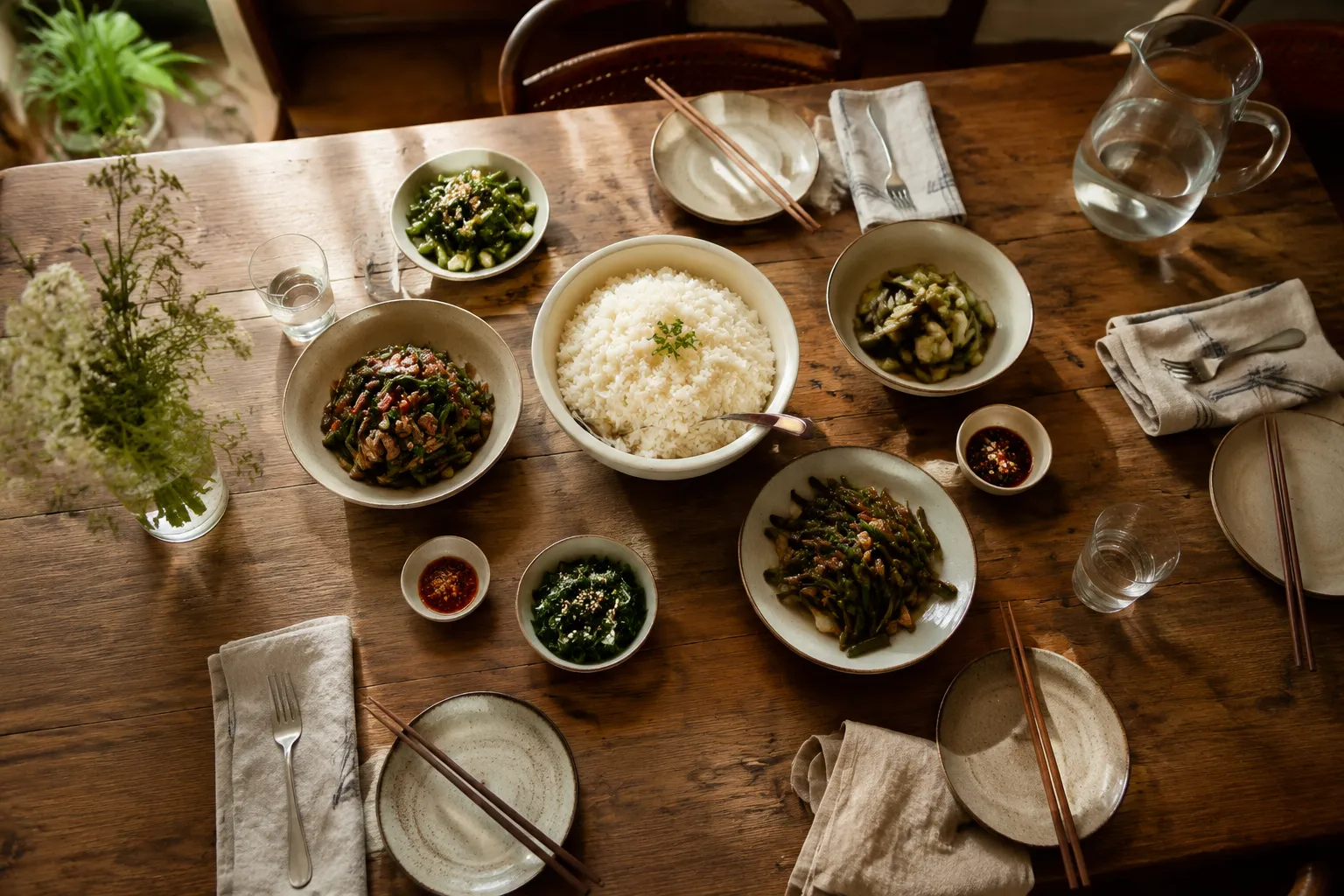
A bowl of perfectly cooked rice is one of the most generous building blocks in the kitchen — it works under almost any saucy thing you can imagine and stretches a meal for a crowd without complaint. I love it with weeknight teriyaki salmon, slow-cooker beef and broccoli, garlicky black beans, or just a fried egg and a swoosh of chili crisp when the fridge is bare.
For a Mediterranean-leaning dinner, fluff a handful of chopped parsley and a squeeze of lemon through the finished rice and serve it next to grilled chicken thighs. For a Mexican-inspired night, scoop the rice into bowls under shredded carnitas, pickled red onions, and crumbled cotija. And for a Chinese-takeout vibe at home, pair it with stir-fried vegetables and a glossy soy-ginger sauce. Once you've nailed the base, the rice itself becomes the easy part of dinner.
One of the underrated wins of mastering this white rice recipe is how well it slots into a Sunday meal-prep routine. Cook a double batch, cool it quickly on a sheet pan, and you've got the base for four lunches before the week even starts.
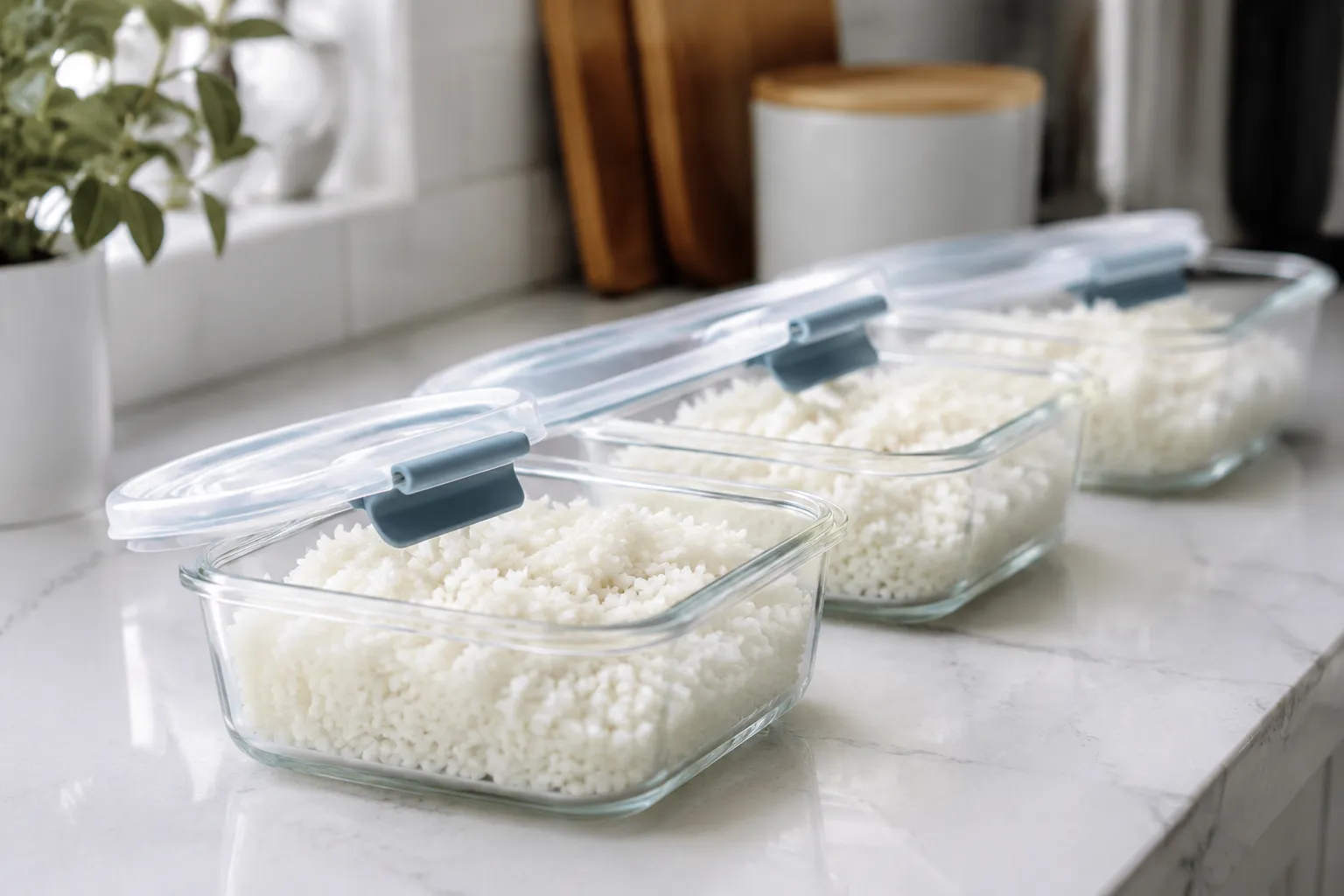
Cooled rice firms up in the fridge — that's the starch retrograding, not a sign anything went wrong. A splash of water and a quick covered reheat brings the texture right back. Detailed timelines for refrigerator and freezer storage are in the storage section just below.
White rice is the dish that proves a great white rice recipe isn't always a complicated one. Get the ratio right, give the grains a real rinse, and let them rest. That's the whole game. Once it clicks, you'll wonder why you ever fought with mushy pots in the first place — and you'll have a foolproof base for everything from quiet weeknight bowls to ambitious dinner-party spreads waiting in the wings.
Once you've nailed the base method, this stovetop framework becomes a launchpad for endless flavor riffs. Swap the cooking liquid, sauté in aromatics, or finish with bright herbs to match whatever's on the dinner plate.
Cooked white rice keeps beautifully in the fridge for up to 4 days when stored in an airtight container. Cool the rice quickly by spreading it on a sheet pan for about 10 minutes before sealing — leaving warm rice covered on the counter for hours is the main food-safety risk to avoid. The grains will firm up as they chill, which is just the starch retrograding and not a sign anything went wrong.
For longer storage, freeze cooled rice in flat zip-top bags or portion into glass containers for up to 1 month. To reheat, sprinkle 1 to 2 tablespoons of water per cup of rice over the top, cover, and microwave on high for 1 to 2 minutes (or warm in a covered skillet over low heat) until steaming and fluffy again. The splash of water rehydrates the grains and brings the texture back to almost-fresh.