How Long to Cook Rice: Exact Times for Every Type
Ingredients
Scale
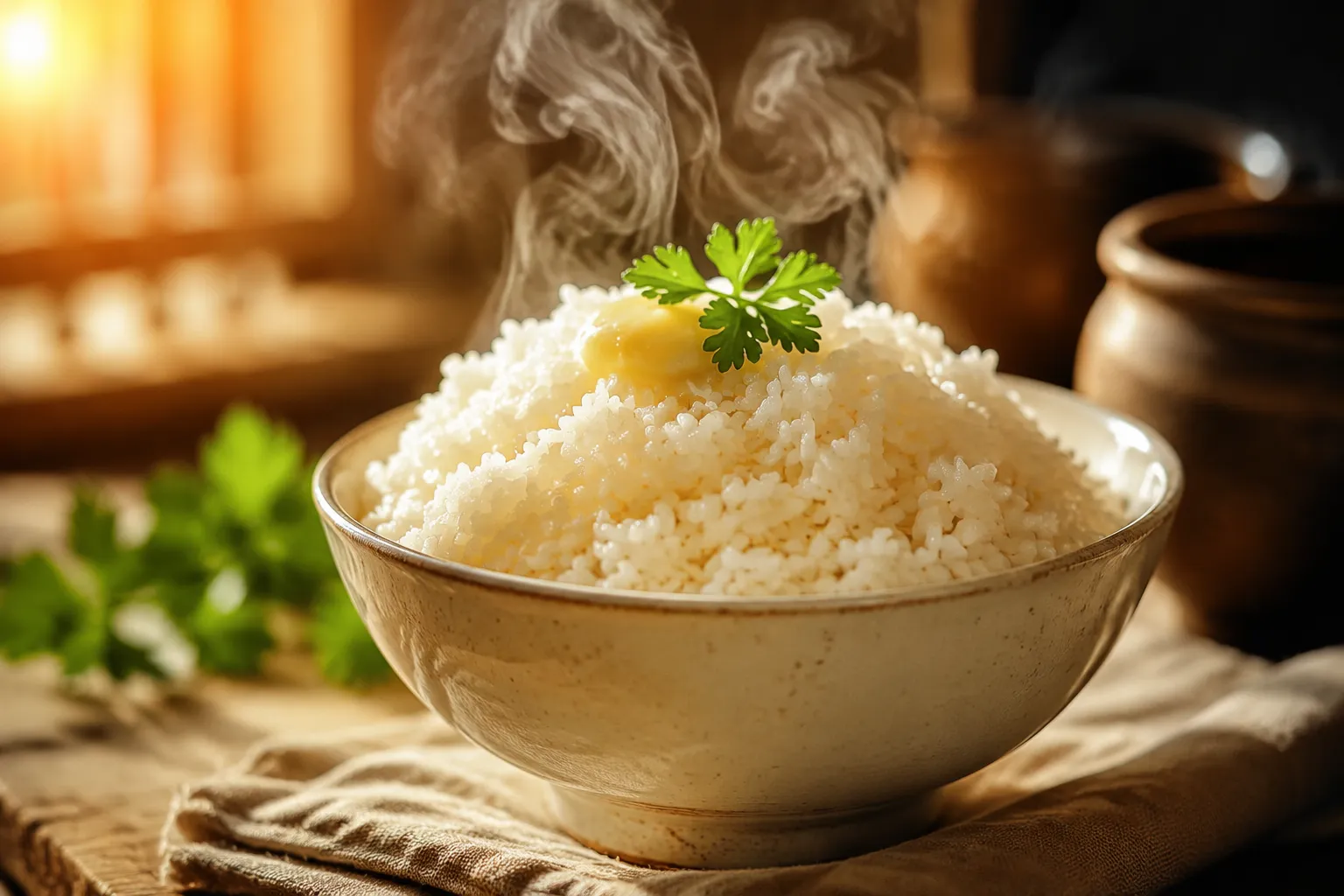
Wondering how long to cook rice on the stovetop? Here's a clear, variety-by-variety timing guide so every pot turns out fluffy, never gummy.
How long to cook rice depends on the variety, but once you know the right simmer time and water amount, a perfect pot becomes wonderfully predictable. Long-grain white rice needs about 18 minutes on the stove, fragrant jasmine and basmati are closer to 15 minutes, and whole-grain brown rice takes a much longer 40 to 45 minutes. The real secret is pairing the clock with a gentle covered simmer, then letting the rice rest before you ever reach for a fork.
Think of this as your one-stop timing chart for every everyday rice question: how long does rice take to cook, why one pot turns fluffy while another turns sticky, and what to do if the grains are still firm after the timer rings. If you have ever searched how to cook white rice or wondered whether the rice to water ratio changes for basmati, brown, or short-grain rice, you are in the right kitchen.
Below, you will find exact stovetop times, a simple method, and clear doneness cues so dinner does not hinge on guesswork. Whether you are making a quick weeknight bowl, a fluffy jasmine rice recipe, a pot of stovetop brown rice, or a cozy easy rice pilaf, the timing principles are the same: rinse if needed, simmer gently, keep the lid closed, rest, then fluff with a fork.
When people ask how long to cook rice, they are usually looking for the moment the pot should come off the heat, not the total time from dry grains to dinner. On the stovetop, the simmer time is the key number, but most rice also benefits from a 10-minute covered rest after cooking. That rest is not optional fluff; it lets trapped steam finish hydrating the grains and evens out any moisture left at the bottom of the pan. For a reliable everyday pot, bring rice and water to a boil, reduce to low, cover, cook for the time listed, then rest off heat with the lid still on.
Here is the quick chart: long-grain white rice, 18 minutes; jasmine rice, 15 minutes; basmati rice, 15 minutes; short-grain or sushi rice, 18 to 20 minutes; brown rice, 40 to 45 minutes; wild rice and many blends, 45 to 50 minutes. These times assume a small-to-medium saucepan with a tight-fitting lid and a low, steady flame or burner setting. If your stove runs hot or your lid leaks steam, you may need a splash more water or a slightly lower heat setting next time. For larger batches, the simmer time often stays similar, but it may take longer for the pot to come to a boil.
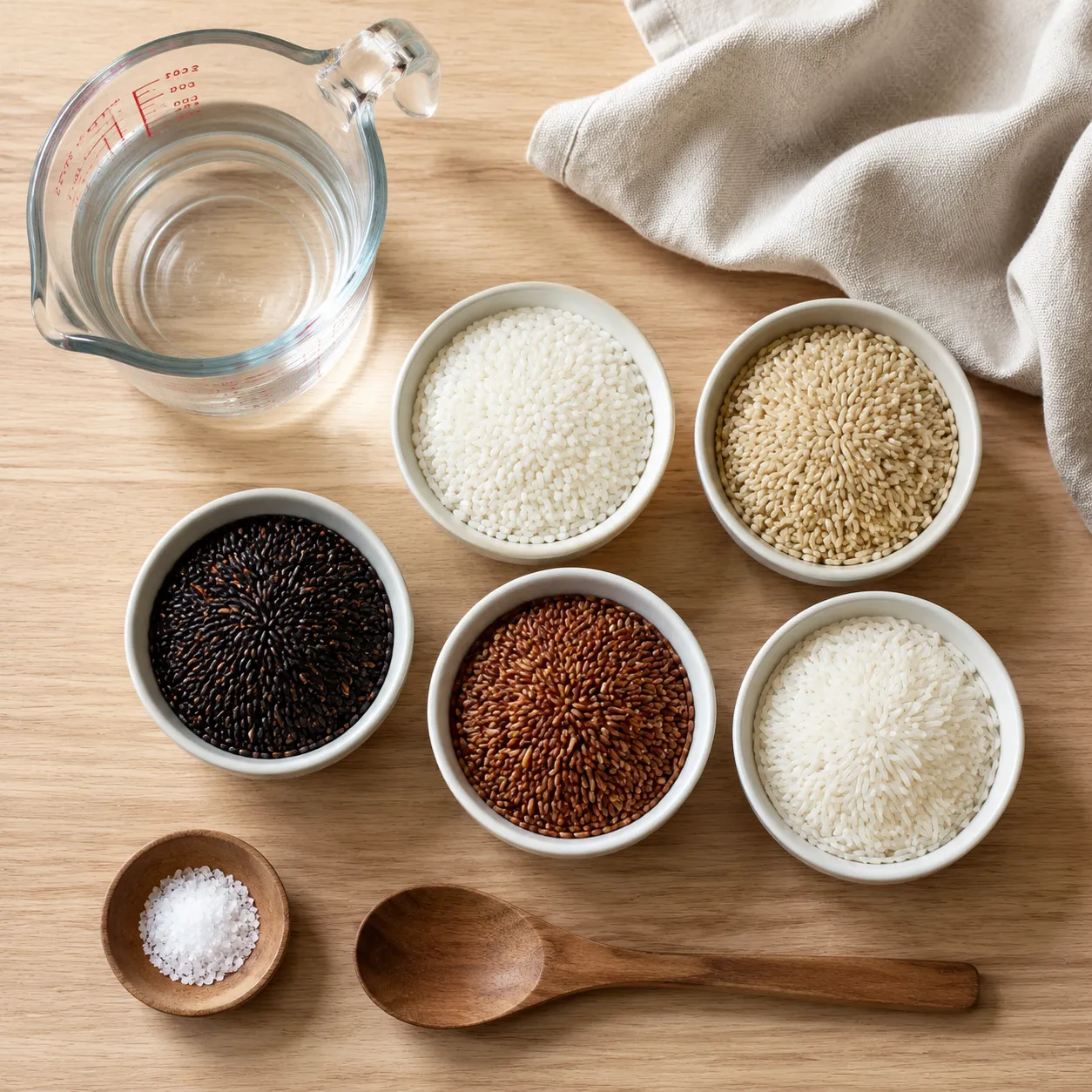
Timing varies because rice varieties have different shapes, starch levels, and degrees of processing. Long-grain white rice has had the bran removed, so water reaches the center of the grain quickly. Brown rice still has its bran layer, which is why brown rice cook time is so much longer and the texture remains a little nuttier and chewier. Short-grain rice tends to release more surface starch, giving it a tender, clingy texture that is perfect for sushi bowls and rice balls.
If you are wondering how long does it take to cook rice from start to finish, plan on about 33 minutes for classic long-grain white rice: 5 minutes to rinse and set up, 18 minutes to simmer, and 10 minutes to rest. The active work is tiny, but the order matters. Start by rinsing the rice in a fine-mesh strainer until the water runs mostly clear, which removes excess surface starch and helps the grains stay separate. Then combine rice, water, salt, and optional butter or oil in a saucepan before bringing it to a boil.
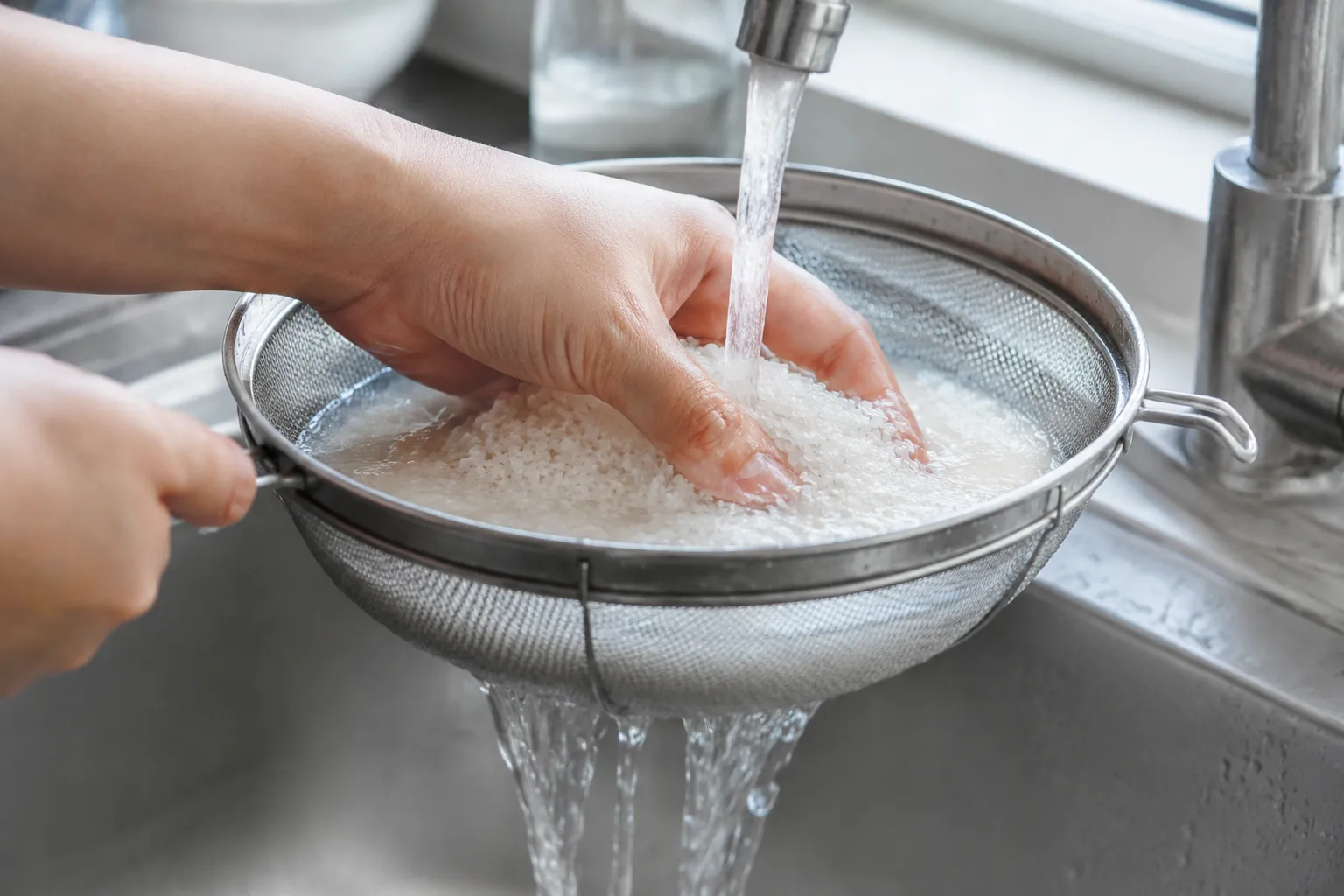
The basic stovetop method has four parts: rinse, boil, simmer, rest. Once the water boils, immediately lower the heat to the gentlest setting that still maintains steam inside the pot, cover it tightly, and start the timer. This is where many home cooks accidentally sabotage the batch by using too much heat or peeking under the lid. A quiet, steady covered simmer is what allows the grains to absorb liquid evenly without scorching on the bottom.
The rice to water ratio should match both the variety and the pan. For 1 cup long-grain white rice, use 1 3/4 cups water; for jasmine or basmati, use 1 1/2 cups water; for short-grain white rice, use about 1 1/4 to 1 1/2 cups water depending on the texture you like. Brown rice usually needs more water, often 2 to 2 1/4 cups per cup of rice, because the bran slows absorption. If you are making an easy rice pilaf with sautéed onion or toasted grains, keep the same timing range but account for any broth, butter, or aromatics added to the pot.
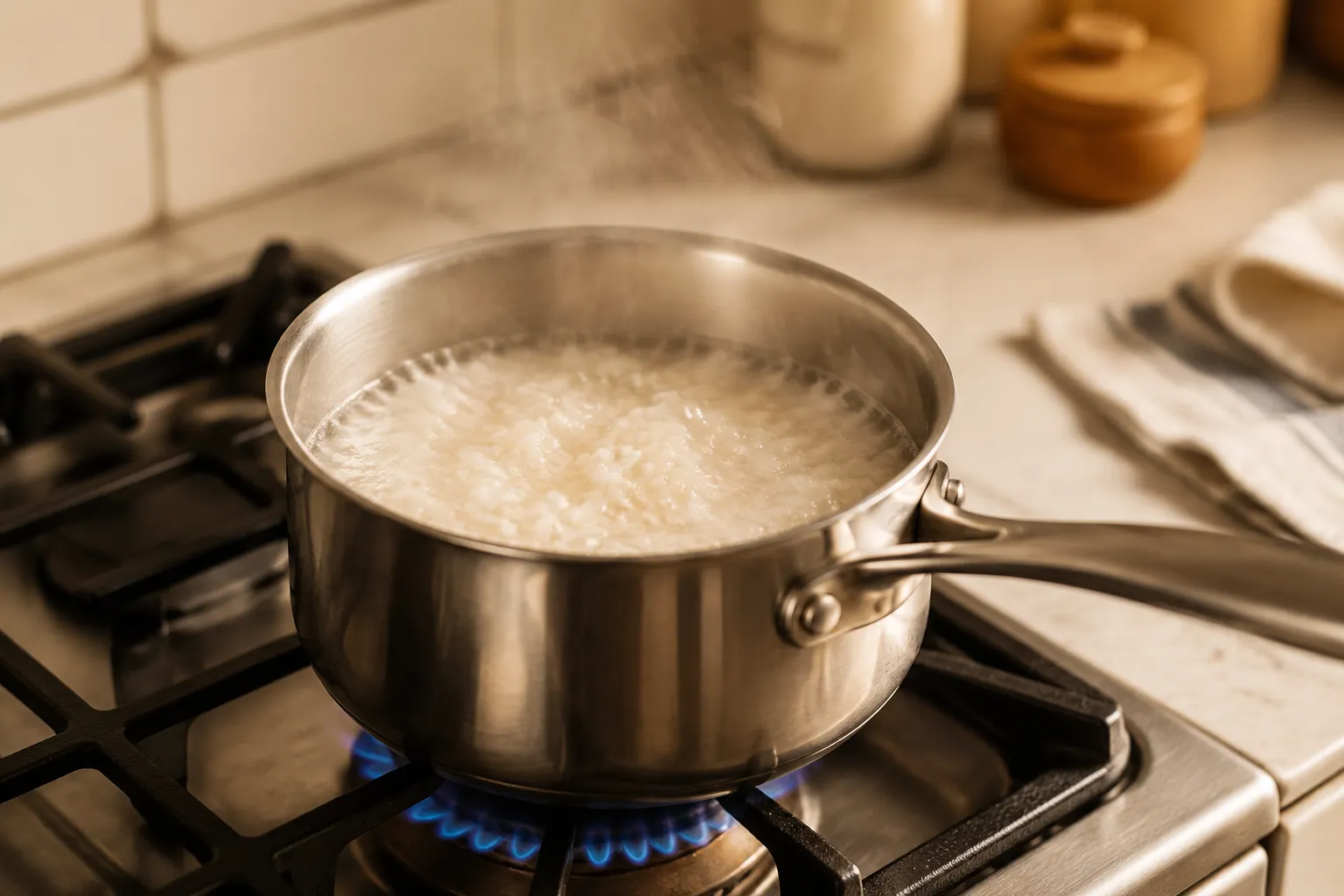
Do not lift the lid while the rice cooks. Every peek releases steam, drops the temperature, and can leave the top layer underdone while the bottom gets too soft. A glass lid can help if you like visual reassurance, but the most reliable tool is still the timer. If you remember just one answer for how long to cook rice on the stove, make it this: cook according to variety, then rest for 10 minutes before fluffing.
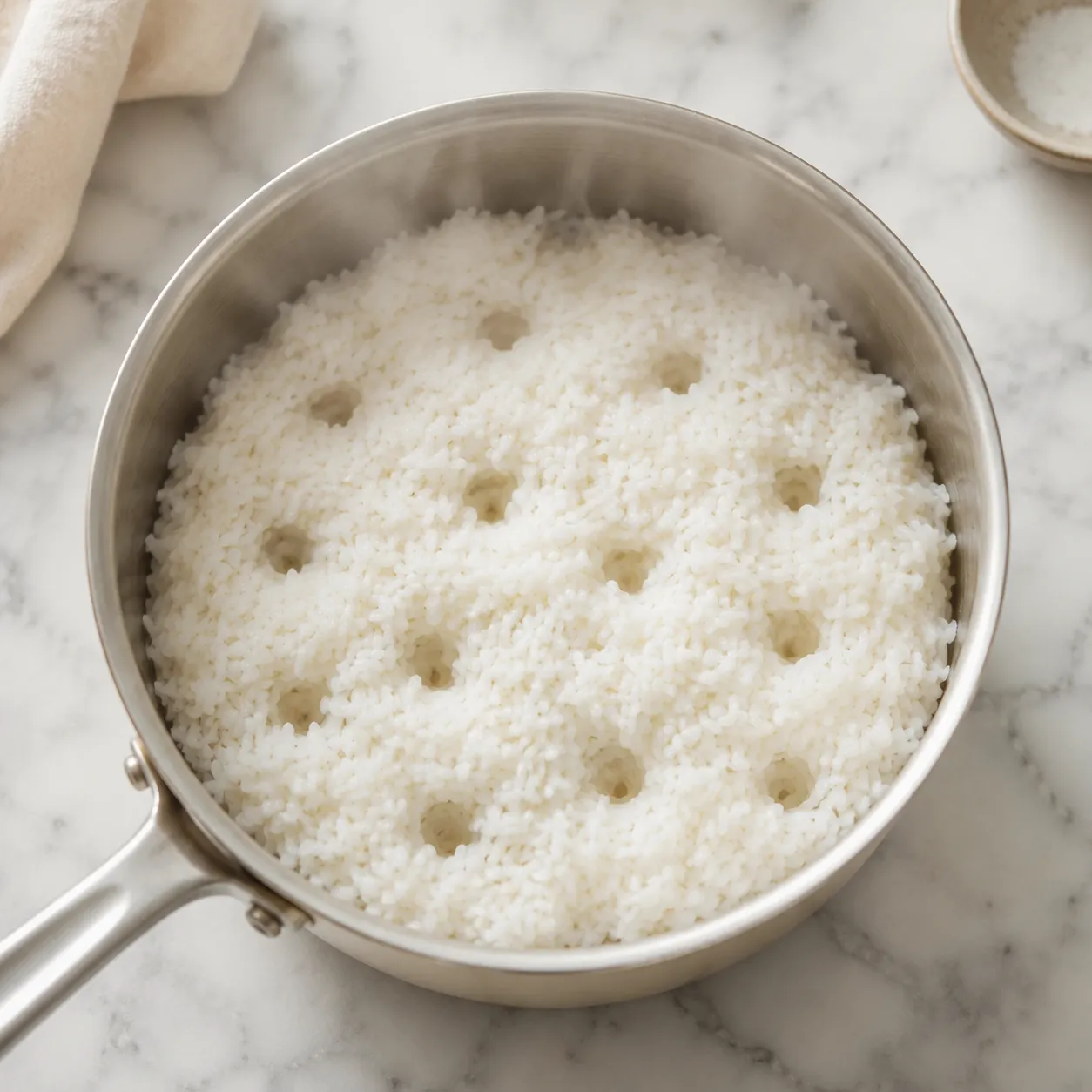
The phrase how long to simmer rice is more useful than total time because simmering is the stage that determines texture. For long-grain white rice, simmer for 18 minutes on low, then remove from heat and rest for 10 minutes. The grains should look plump, separate, and tender, with small steam holes dotting the surface. This is the standard white rice cook time for most American grocery-store long-grain rice and a great baseline for bowls, curries, and simple sides.
Jasmine rice and basmati rice cook a little faster, usually in about 15 minutes of covered simmering. Jasmine is naturally fragrant and slightly softer, so too much water or extra time can push it from plush to gummy. Basmati is longer and leaner, and rinsing is especially helpful for getting those elegant, separate grains. For both varieties, use a slightly lower water amount than long-grain white rice and give the pot the full 10-minute rest.
Short-grain rice and sushi rice need about 18 to 20 minutes, depending on the brand and how sticky you want the final texture. These grains are meant to cling a bit, so do not expect the same fluffy separation you get from basmati. Rinsing is important here, but not because you want to remove all stickiness; you are simply washing away loose starch that can make the surface pasty. After resting, fold gently rather than aggressively stirring.
For brown rice, simmer for 40 to 45 minutes, then rest for 10 minutes. The longer cooking time is not a flaw; it is the nature of a whole grain. If the pot looks dry before the grains are tender, add a few tablespoons of hot water, cover, and keep cooking on low. Wild rice and many packaged blends typically need 45 to 50 minutes, though blends vary widely, so use the package directions as a backup if they include parboiled grains or multiple rice types.
The stovetop gives you the most control, but the white rice cook time changes when you switch appliances. In a rice cooker, white rice often takes 25 to 35 minutes total because the machine includes heat-up time and usually builds in a short steaming period after the water is absorbed. Brown rice in a rice cooker commonly takes 50 to 60 minutes, especially if the cooker has a dedicated whole-grain setting. The beauty of a rice cooker is consistency, but the final texture still depends on rinsing and measuring carefully.
In an Instant Pot or electric pressure cooker, the actual pressure-cook time can look surprisingly short, but you must include the time it takes to come to pressure and release. White rice is often cooked for 3 to 5 minutes at high pressure with a natural release, while brown rice may need 20 to 22 minutes plus release time. Pressure cooking uses less evaporation, so the water ratio is usually lower than stovetop cooking. If you are adapting a favorite stovetop method, change only one variable at a time so you can dial in the texture.
Microwave rice can work well for small batches, but it is more sensitive to bowl size, wattage, and overflow. A common approach is to microwave rice and water uncovered until boiling, then cover loosely and continue cooking at reduced power until absorbed. For white rice, that often lands around 15 to 20 minutes total, plus a rest. Still, for the cleanest texture and the easiest troubleshooting, I return to a covered saucepan most often.
Perfectly cooked rice gives you a few visual clues before you ever taste it. The liquid should be absorbed, the surface should show tiny steam holes or dimples, and the grains should look swollen rather than chalky. If you gently tilt the pot, you should not see water pooling around the edges. A taste test from the top center of the pot should be tender all the way through, with no hard white core.
The 10-minute rest is the quiet step that makes a big difference. During simmering, moisture is not perfectly distributed; the bottom of the pot is wetter and hotter, while the top can be slightly firmer. Resting off heat, still covered, lets the steam settle evenly through the rice. This is especially important for long-grain white rice, jasmine, and basmati because it helps preserve their light, separate texture.
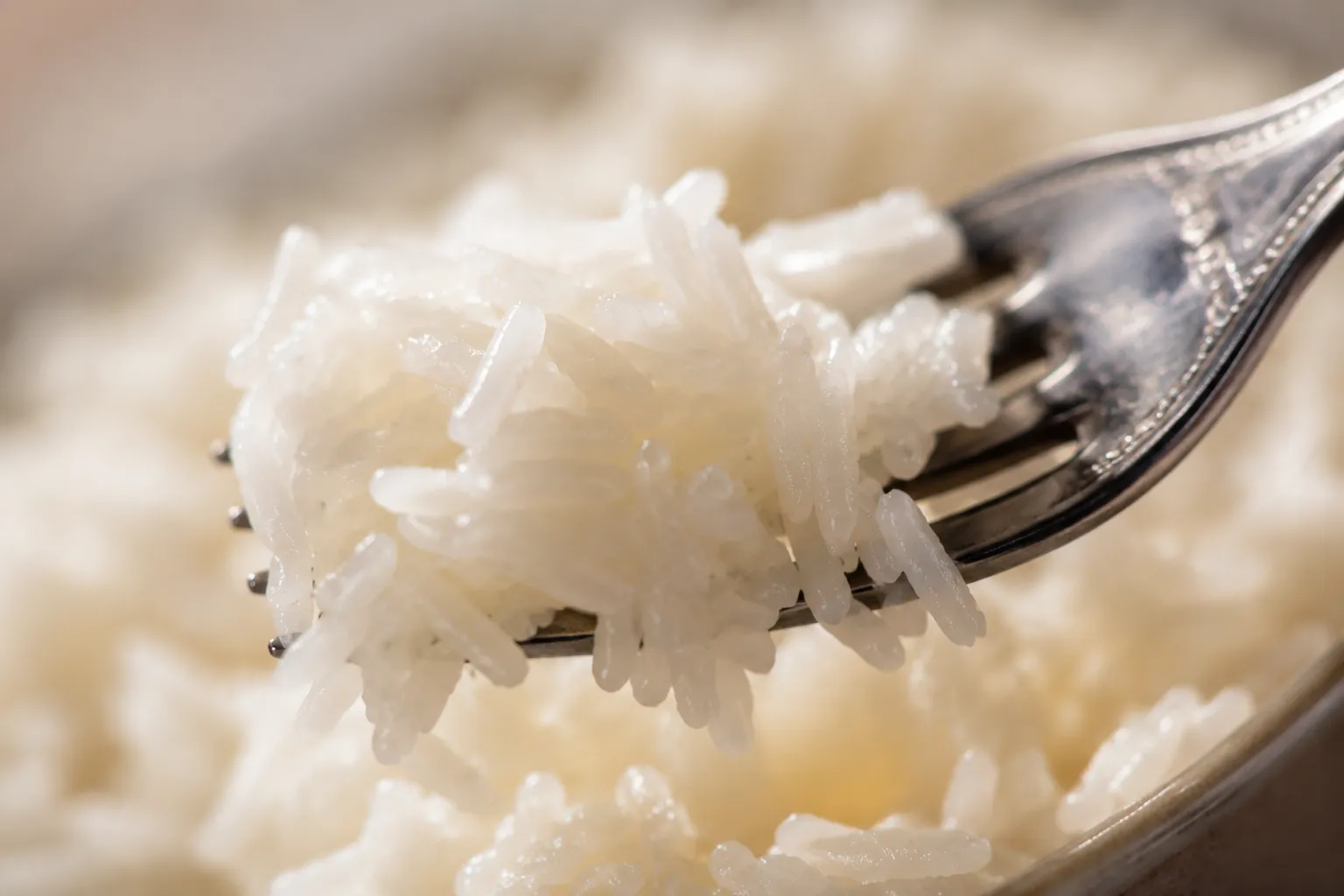
After resting, fluff with a fork instead of stirring with a spoon. A fork lifts and separates the grains without smashing them, while a spoon can compress the rice and make it feel heavier. Start around the edges, gently lifting the rice toward the center, then let it sit uncovered for a minute if it seems very steamy. This final moment is where a good pot becomes the kind of fluffy, tender side you want under saucy stir-fries, braises, and curries.
Even with a chart, rice can behave differently from one kitchen to another. If your rice is still hard after the recommended time, the heat may have been too high, the lid may not have sealed well, or the water may have evaporated before the grains finished absorbing it. Add 2 to 4 tablespoons of hot water, cover the pot again, and simmer on low for 5 more minutes. Then rest off heat before checking again.
If the rice is too wet, do not keep boiling aggressively, which can break the grains and make the texture gluey. Instead, drain off any obvious excess water if needed, return the rice to the warm pot, cover, and let it steam-dry off heat for 5 to 10 minutes. You can also spread very wet rice on a sheet pan for a few minutes to release steam. This will not make overwatered rice perfectly separate, but it can absolutely save dinner.
For a scorched bottom, resist scraping the dark layer into the rest of the pot. Scoop the unburnt rice from the top into a clean bowl, leaving the stuck layer behind. If there is only light browning, you may notice a toasty flavor rather than bitterness, but blackened rice can perfume the whole batch if you stir it in. Next time, use a heavier saucepan, lower heat, and make sure the burner is not larger than the base of the pan.
Once you know how long to cook rice, it becomes one of the easiest building blocks for dinner. Spoon it under saucy chicken, coconut curries, black beans, roasted vegetables, or quick skillet meals. Long-grain white rice is the all-purpose choice, jasmine shines with Thai-inspired dishes, and basmati is lovely with Indian and Middle Eastern flavors. Brown rice brings a nutty chew that stands up well to grain bowls and hearty salads.
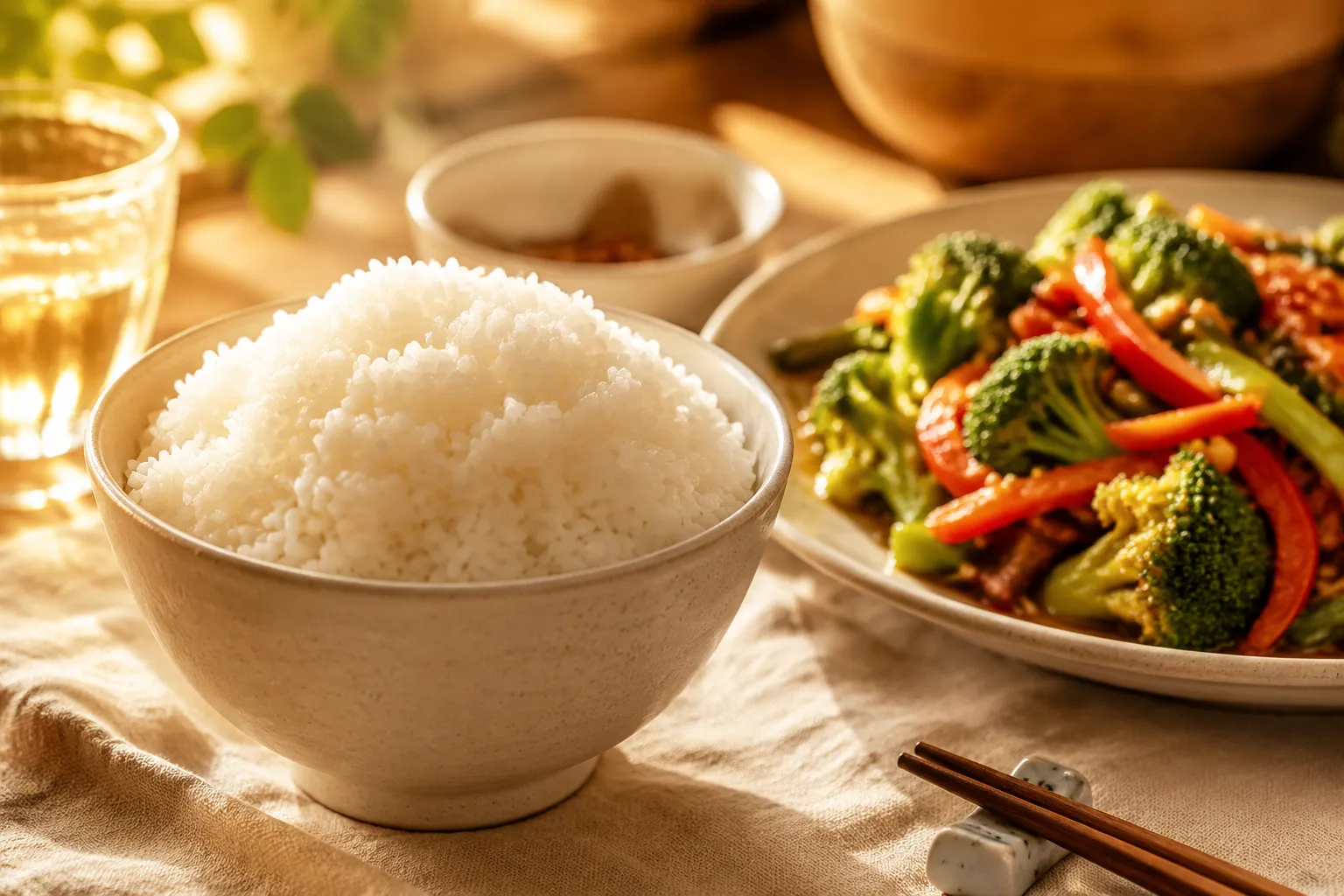
For a little more flavor, cook rice in broth instead of water or add a bay leaf, smashed garlic clove, strip of lemon zest, or knob of butter to the pot. Just keep the same timing and avoid adding acidic ingredients, like lemon juice or tomatoes, until after the grains are tender because acid can slow softening. If you are planning ahead, make a double batch and turn extras into fried rice, rice bowls, soups, or other leftover rice recipes during the week. Cooked rice is a small thing, but it makes fast meals feel complete.
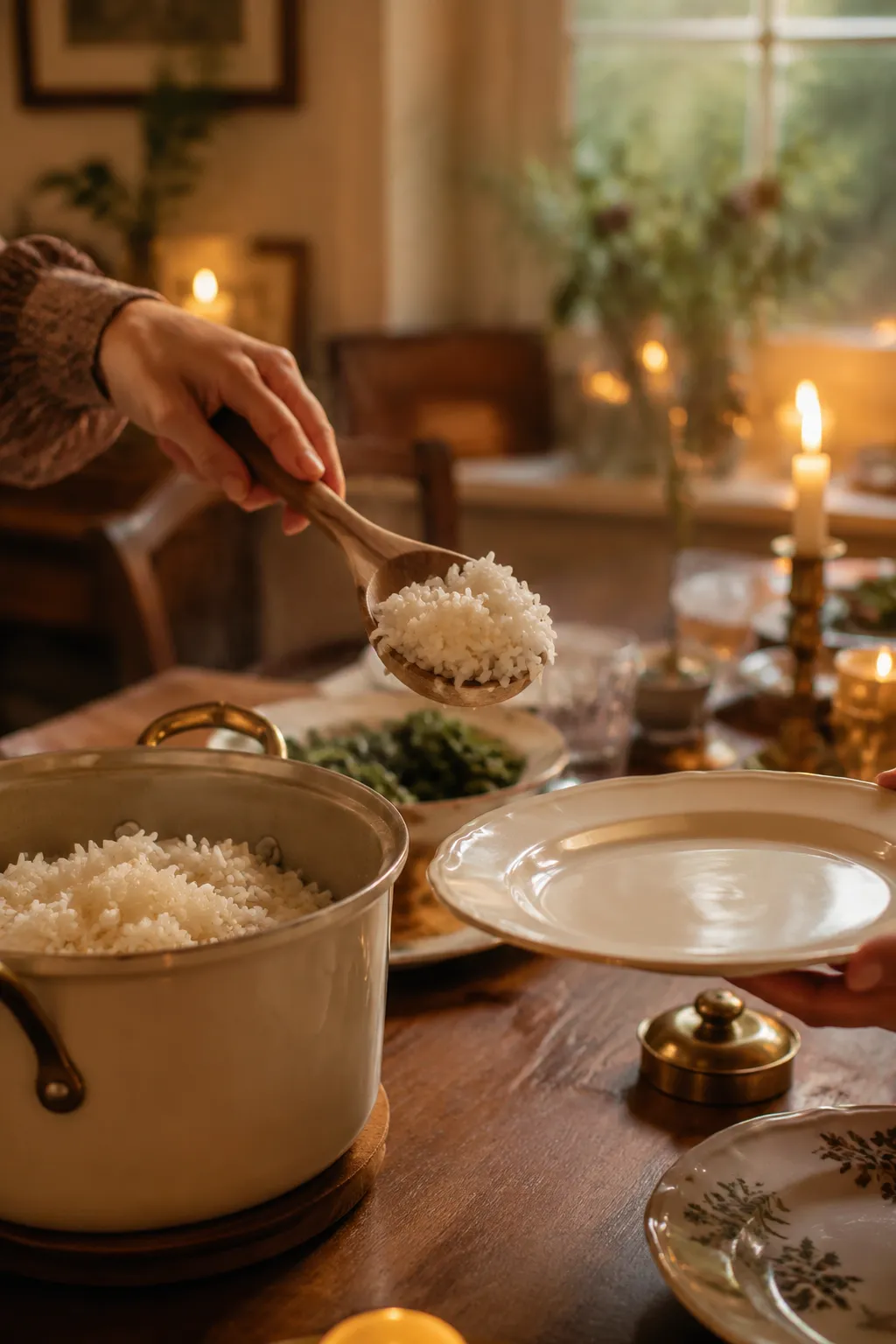
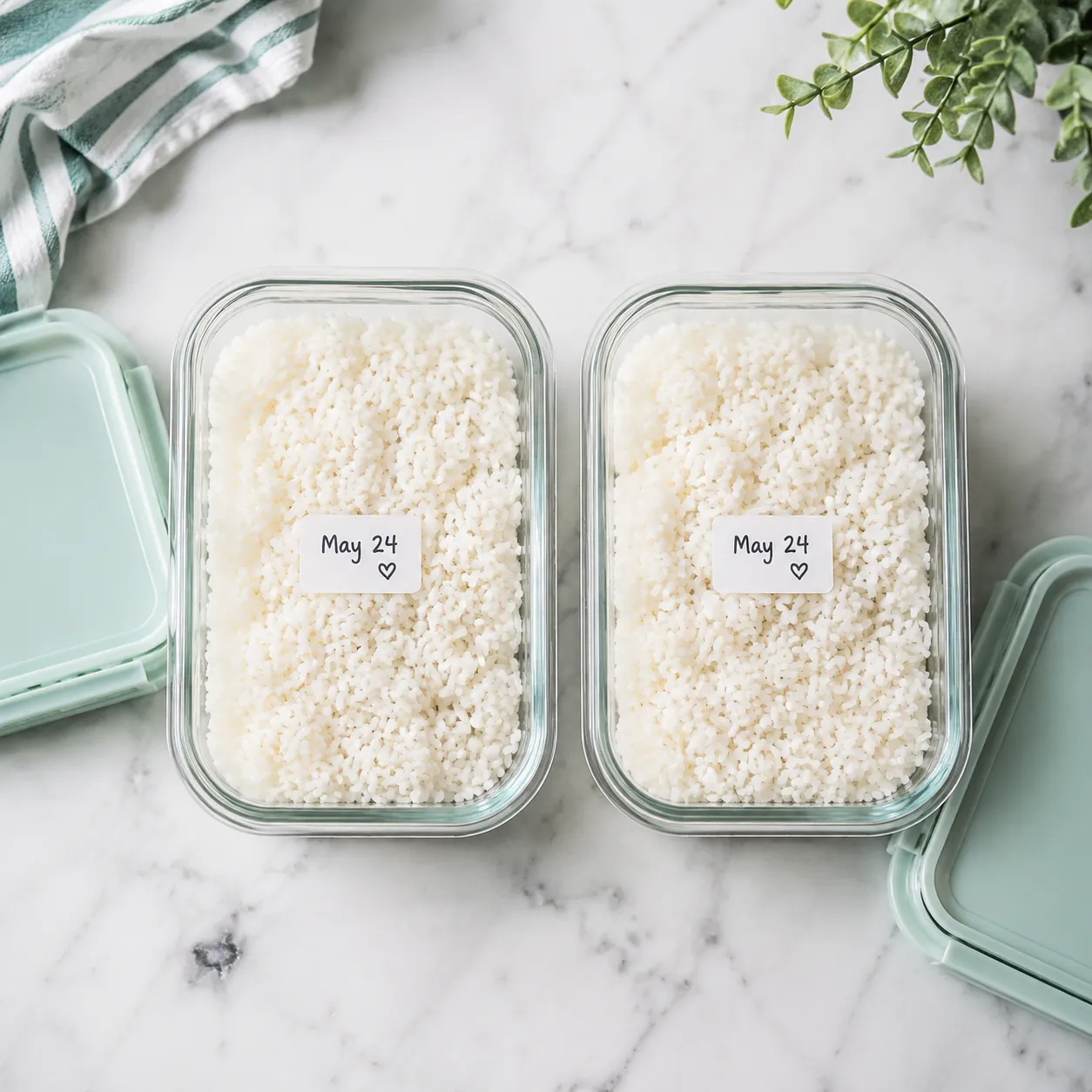
Rice should be cooled promptly if you are not eating it right away. Spread it in a shallow container so steam can escape quickly, then cover and chill once it is no longer piping hot. This matters because cooked rice can sit in the temperature danger zone if left in a deep, warm pot for too long. For the best texture later, refrigerate it in portions you can reheat quickly.
To reheat, add a small splash of water, cover, and warm until steaming hot. The extra moisture revives the grains so they taste soft rather than dry, whether you use the microwave or a covered skillet. If you are reheating frozen rice, you can often microwave it straight from the freezer with a teaspoon or two of water. Knowing how long to cook rice is only half the comfort; knowing how to bring it back to life makes tomorrow’s lunch just as good.
Use the same basic timing method as a starting point, then add flavor depending on what you are serving with the rice. Keep aromatics simple and avoid stirring once the lid goes on.
Cool cooked rice quickly and refrigerate it in shallow airtight containers within 2 hours. Store in the refrigerator for up to 4 days, or freeze in portioned freezer-safe containers or bags for up to 2 months.
Reheat rice until steaming hot throughout. Add a splash of water before microwaving or warming in a covered skillet to help restore moisture and keep the grains tender.