Sheet Pan Dinners: 25 Easy One-Pan Recipes for Busy Nights
Ingredients
Scale
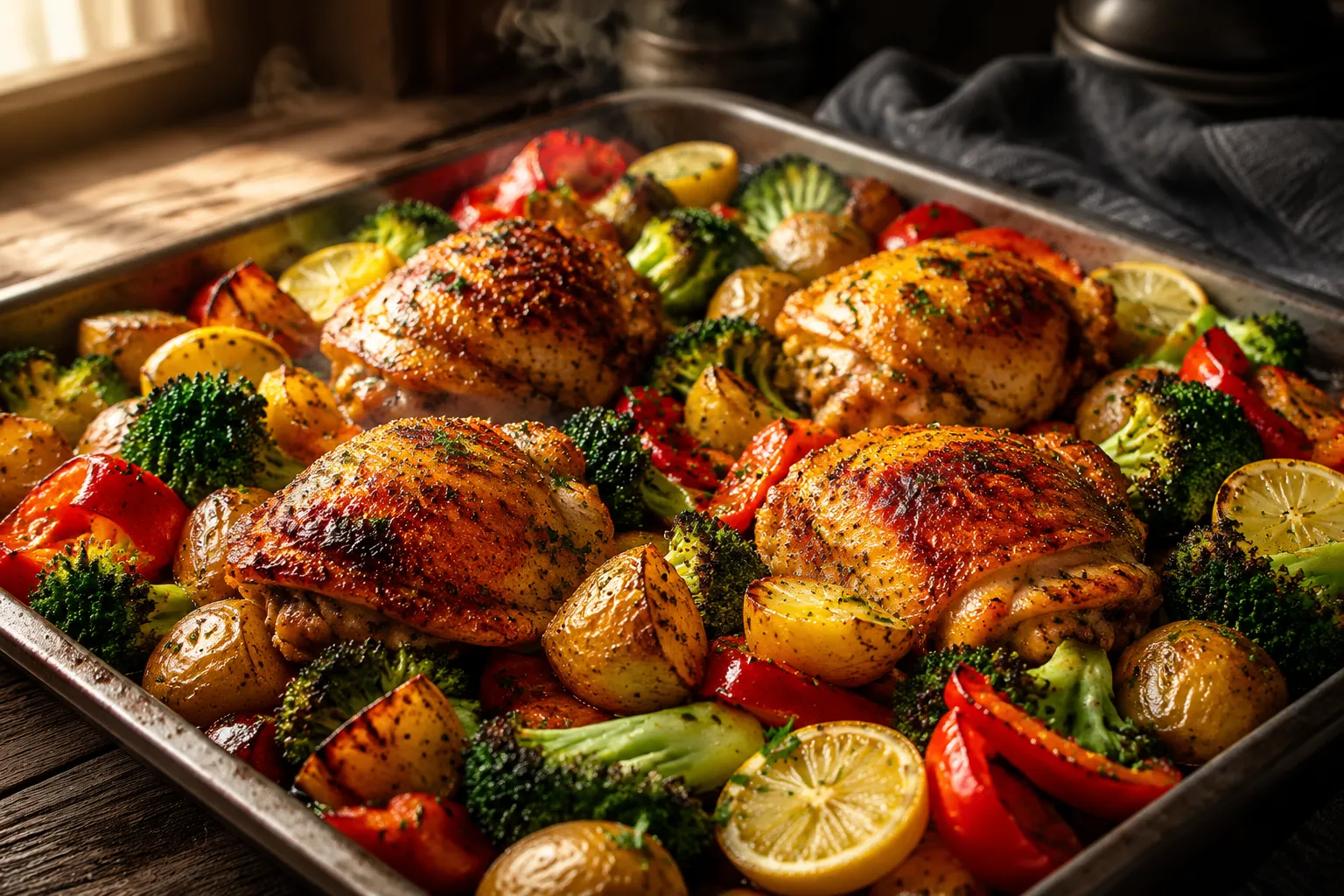
Sheet pan dinners are the busy cook's secret weapon: one tray, 30 minutes, and a complete meal with golden roasted veggies and juicy protein.
When the 5:00 PM panic sets in and the fridge is staring blankly back at you, sheet pan dinners are the ultimate saving grace for tired cooks. There is something undeniably magical about tossing a handful of humble ingredients onto a single metal tray, sliding it into a hot oven, and pulling out a complete, vibrant meal a short while later. No hovering over a hot stove, no mountain of pots and pans to scrub, and no complicated techniques required. It is the perfect formula for easy weeknight dinners that actually taste like you spent hours in the kitchen.
But as anyone who has ever eaten a tray of rubbery chicken and mushy broccoli knows, throwing things on a pan doesn't automatically guarantee success. There is an art to the traybake. You need the right temperatures, the right spacing, and the right timing to achieve that coveted combination of juicy protein and perfectly caramelized, oven-roasted goodness. In this comprehensive guide, we are breaking down the science of single-tray cooking, sharing our master formula, and giving you the inspiration to transform your evening routine.
There is a very good reason why one pan meals have taken the culinary world by storm. They bridge the gap between convenience and quality, proving that fast food at home doesn't have to mean sacrificing flavor or nutrition.
The most obvious benefit of this cooking method is the drastically reduced cleanup. When you build an entire meal on a single surface, you eliminate the need for a skillet to sear the meat, a pot to boil the potatoes, and a steamer for the greens. A single tray, perhaps lined with parchment, means you can transition from dinner table to relaxing on the couch in record time. For families juggling homework, sports practices, and evening chores, that saved time is absolutely invaluable.
Boiling and steaming can leave ingredients tasting washed out, but high-heat roasting transforms them. The dry heat of the oven triggers the Maillard reaction—a chemical process that browns proteins and caramelizes the natural sugars in vegetables. This means your broccoli gets those irresistible crispy, nutty edges, your potatoes turn deeply golden, and your chicken skin becomes shatteringly crisp. The pan also catches all the flavorful drippings from the protein, which then baste the vegetables as they cook, creating a cohesive, deeply savory flavor profile.
Once you understand the basic framework, the variations are truly limitless. You can swap out the protein based on what is on sale at the grocery store, clear out the produce drawer by tossing in whatever vegetables are lingering, and completely change the vibe of the dish with different spice blends. From Mediterranean-inspired lemon and oregano to smoky Southwestern chili powder and cumin, a single cooking method can yield a completely different dinner every night of the week.
If you are going to make sheet pan dinners a regular part of your rotation, you need the right equipment. The pan you choose can make or break your meal, dictating whether your food roasts beautifully or steams into a soggy mess.
The gold standard for home kitchens is the half sheet pan, which measures roughly 18 by 13 inches. This size provides ample surface area, ensuring your ingredients have enough room to breathe. Quarter-sheet pans (9 by 13 inches) are great for a single portion or a small side dish, but they are generally too small for a complete family meal. If you try to cram a whole dinner onto a quarter-sheet, the moisture released by the food will get trapped, causing everything to steam rather than roast.
Heavy-duty, bare aluminum pans are the absolute best choice for roasting. Aluminum is an excellent conductor of heat, which means it gets hot quickly and distributes that heat evenly across the entire surface, giving you that beautiful bottom-browning on your potatoes. Dark nonstick pans, on the other hand, can heat too aggressively, causing the bottoms of your food to burn before the insides are cooked. Furthermore, flimsy pans will warp and "pop" in a hot oven, sending your precious pan juices spilling over the edge.
Lining your pan makes cleanup a breeze, but you should choose your liner based on what you are cooking. Parchment paper is fantastic for preventing sticking and encourages even, gentle browning. It is ideal for delicate items or sticky marinades. Aluminum foil is better when you are working with the broiler or roasting at extremely high temperatures where parchment might scorch. However, if you want the absolute crispiest roasted vegetables, cooking directly on a well-oiled bare metal pan is the ultimate pro move.
To elevate your weeknight dinner from mediocre to restaurant-quality, you need to follow a few fundamental rules. These techniques ensure everything finishes cooking at the exact same time, with optimal texture.
The biggest challenge of one-pan cooking is that different ingredients cook at different rates. A dense potato wedge will take much longer to tenderize than a delicate piece of asparagus. To combat this, you must manipulate the size of your ingredients. Cut dense root vegetables into small, bite-sized pieces so they cook faster, and leave quick-cooking items like bell peppers or zucchini in larger chunks so they don't turn to mush.
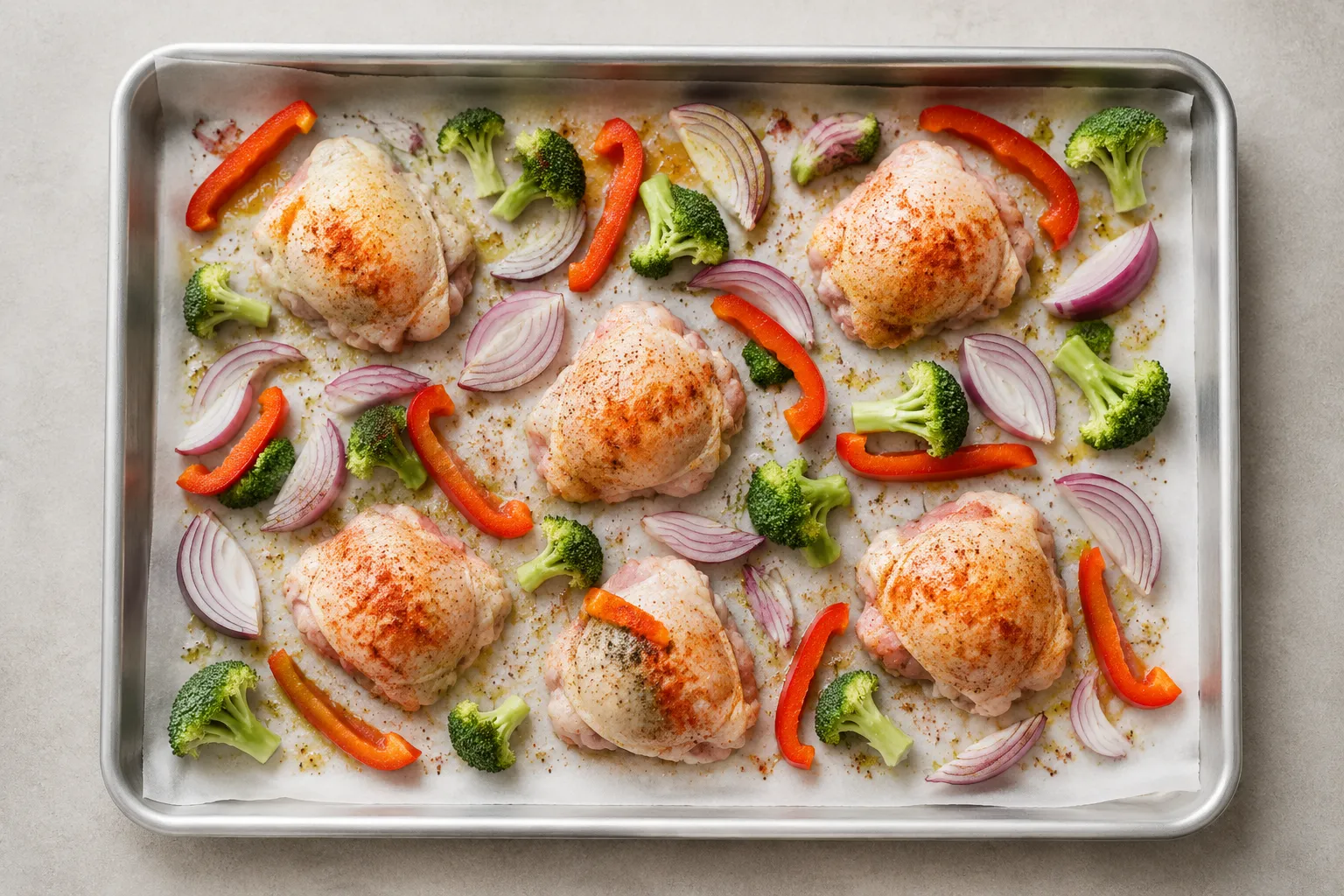
This is the golden rule of roasting: your ingredients need personal space. As vegetables and proteins heat up, they release water in the form of steam. If the pan is packed tightly, that steam has nowhere to go, and your food will boil in its own juices. You want a single, even layer with a little bit of metal visible between the pieces. If you are cooking a large batch, it is always better to divide the food between two pans rather than crowding it onto one.
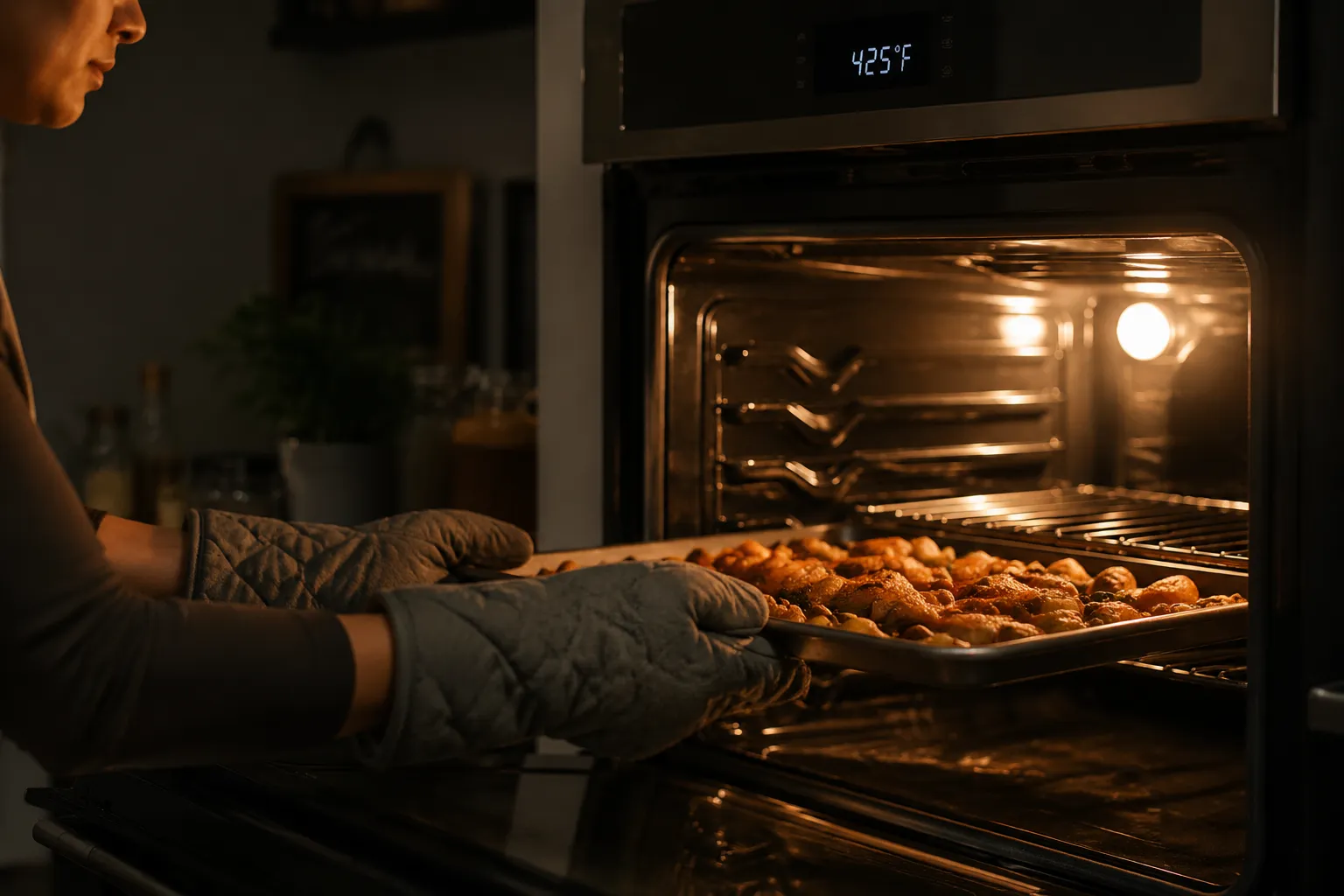
Low and slow has no place here. You need a hot oven—usually 400°F to 450°F—to jumpstart the browning process. The intense heat rapidly evaporates surface moisture, allowing the exterior of the food to crisp up while the interior remains tender and juicy. If your oven runs cold, consider investing in an oven thermometer to ensure you are actually hitting those high temperatures.
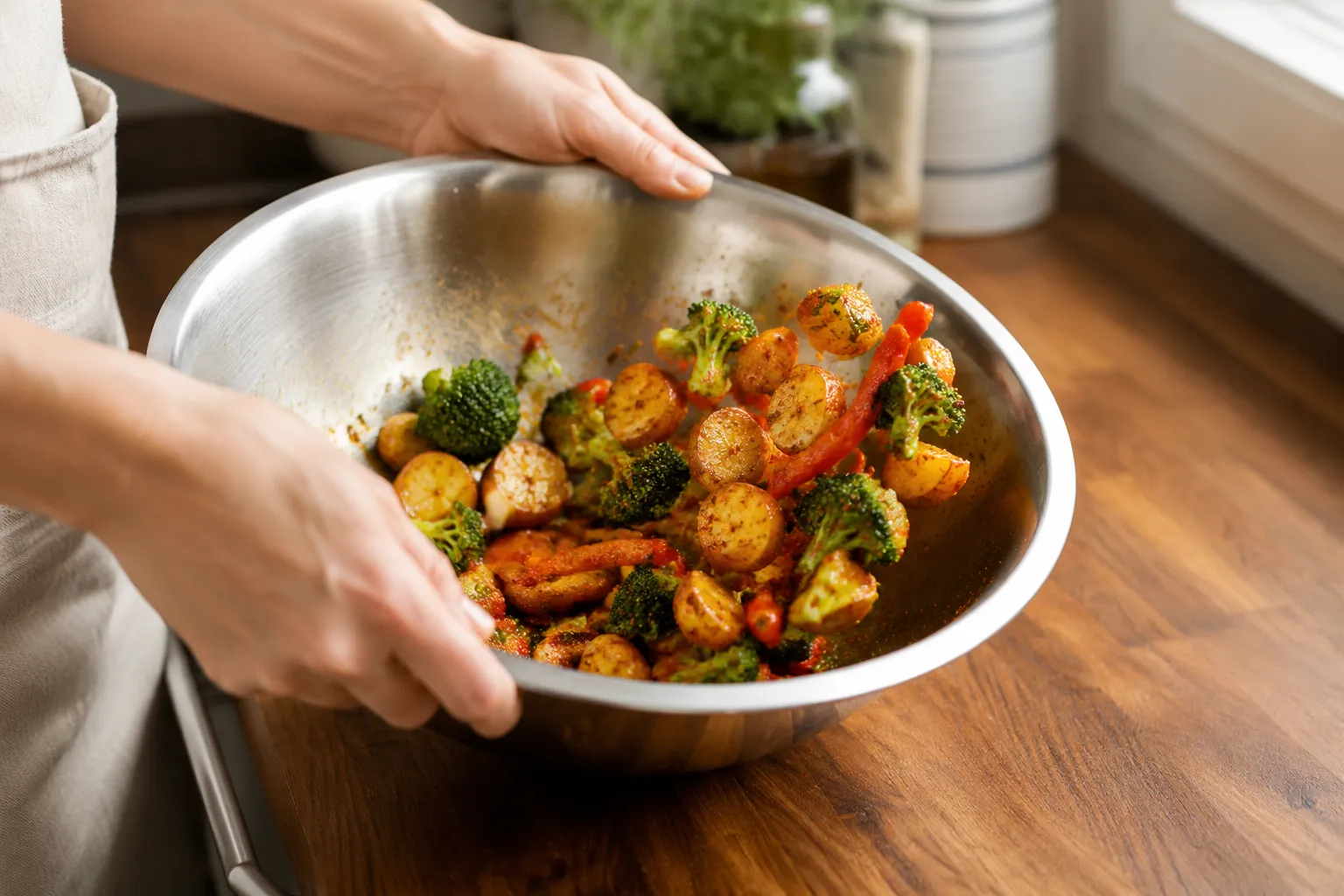
Fat is a conductor of heat. Coating your ingredients in a thin, even layer of olive oil helps transfer the heat from the oven directly to the food, promoting browning and preventing sticking. Don't just drizzle the oil over the top; use your hands or a large bowl to toss everything together until evenly coated. And don't be shy with the salt—proper seasoning is what separates bland food from brilliant food.
Sometimes, no matter how you cut them, ingredients just won't sync up. In these cases, embrace the staggered roast. Start your dense items (like potatoes, carrots, or bone-in chicken) first. Let them get a head start for 15 to 20 minutes, then pull the pan out and add your quick-cooking items (like shrimp, cherry tomatoes, or snap peas) for the final stretch. This ensures everything finishes perfectly simultaneously.
Once you master the technique, you can rotate through countless variations. We've categorized these easy dinner recipes to help you find exactly what you are craving, whether you need a hearty beef dish or a light seafood supper.
Chicken is the undisputed king of oven-baked dinners. Bone-in, skin-on chicken thighs are incredibly forgiving and yield crispy skin and juicy meat that bastes the veggies below. Try a Mediterranean spin with chicken, artichoke hearts, Kalamata olives, and cherry tomatoes. Or, for a family favorite, make sheet pan chicken fajitas by tossing sliced chicken breast with colorful bell peppers, onions, and fajita seasoning, serving straight from the pan with warm tortillas.
Smoked sausages, kielbasa, and bratwurst are fully cooked, meaning they only need enough time in the oven to heat through and get beautifully charred edges. Sliced spicy Italian sausage roasted with thick wedges of fennel, sweet bell peppers, and red onions makes for an incredible Italian feast. Alternatively, pair smoky kielbasa with cubed sweet potatoes, apples, and Brussels sprouts for an autumnal meal that hits all the right sweet and savory notes.
Seafood cooks in a flash, making it perfect for the quickest 30-minute meals. A side of salmon glazed with maple and mustard, roasted alongside slender spears of asparagus and cherry tomatoes, feels elegant enough for company but easy enough for a Tuesday. Shrimp is another excellent candidate—toss it with garlic, butter, and lemon, and roast it alongside quick-cooking zucchini and summer squash for a bright, vibrant dish.
Yes, you can cook steak on a sheet pan! The trick is using quick-cooking cuts like flank steak or sirloin tips and making sure your oven is screaming hot to get a good sear. Try slicing flank steak thinly and roasting it with broccoli florets in a savory soy-ginger glaze for a hands-off take on beef and broccoli. You can also make incredible sheet pan nachos using ground beef, beans, and mountains of cheese, baked until bubbly.
Plant-based eaters can easily get in on the action. Hearty proteins like chickpeas and tofu crisp up beautifully in the oven. Toss a drained can of chickpeas with cauliflower florets, curry powder, and olive oil for a spiced, crunchy delight. Halloumi cheese is another fantastic vegetarian option; it doesn't melt in the oven, but rather develops a golden crust, making it a perfect pairing for roasted root vegetables and a drizzle of honey.
While having 25 ideas is great, sometimes you just need one bulletproof, reliable formula. This master recipe is the mother of all sheet pan dinners, combining crispy-skinned chicken thighs, creamy Yukon gold potatoes, and charred broccoli.
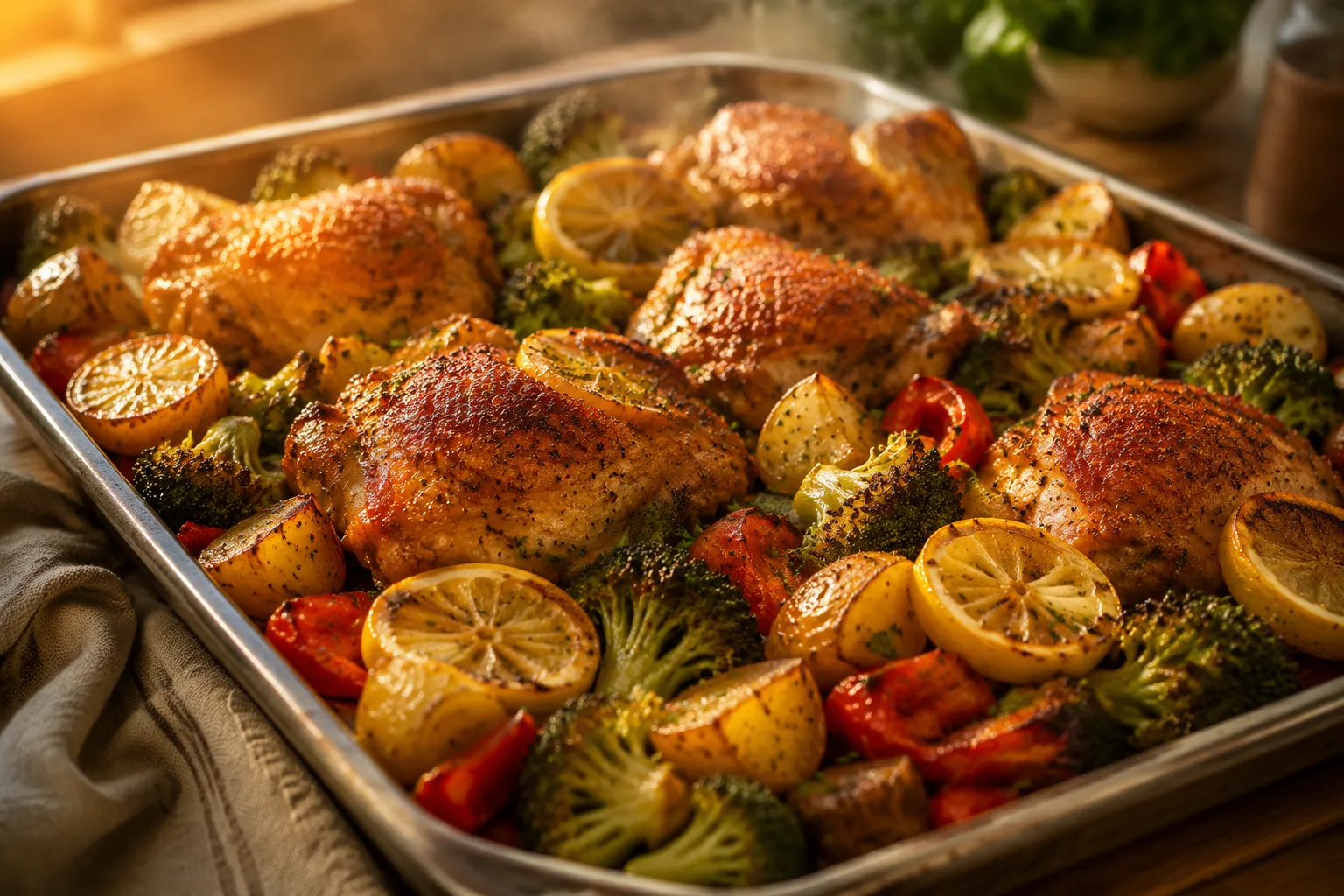
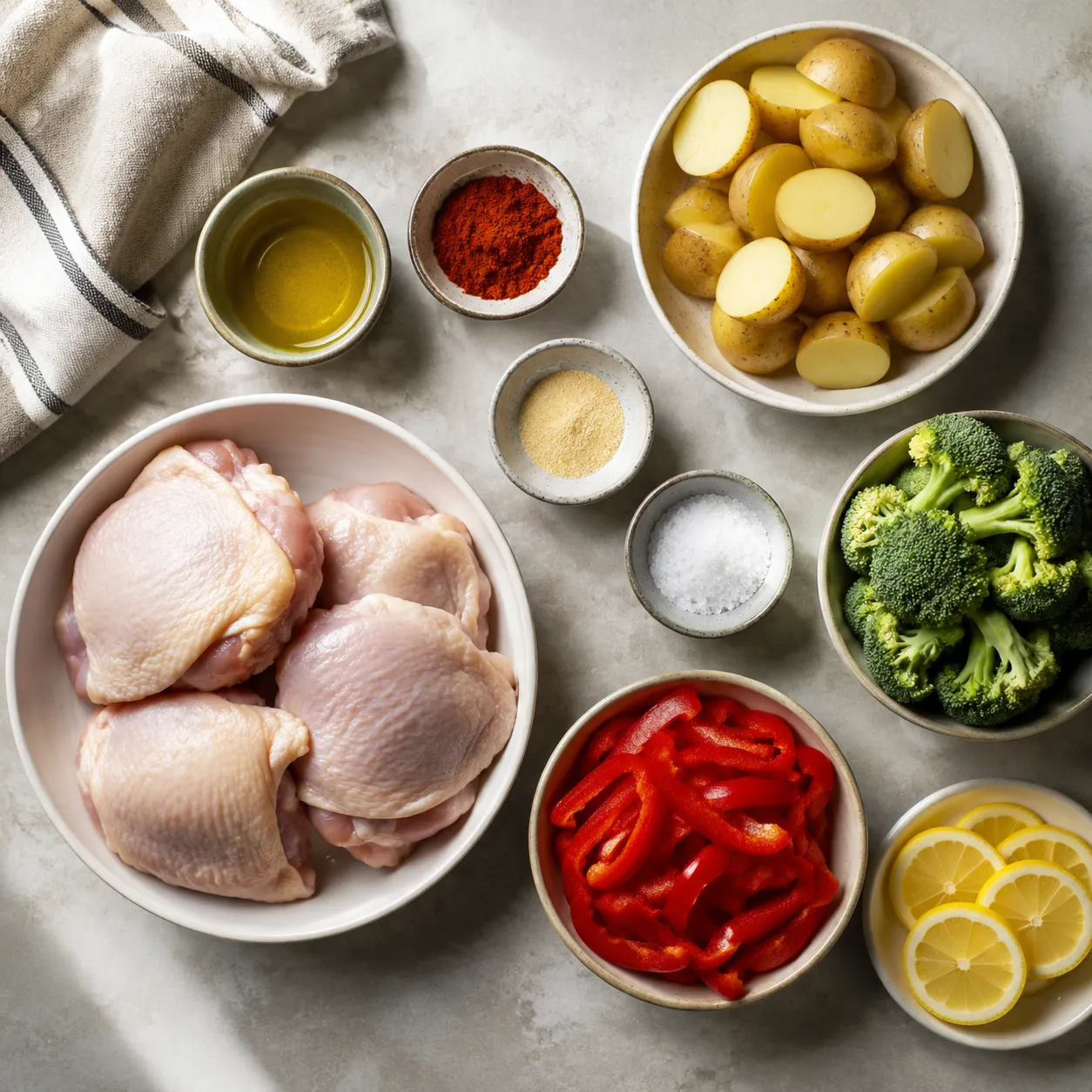
The beauty of this recipe lies in its accessible ingredients. You will need boneless, skinless chicken thighs (which stay much juicier than breasts in the high heat of the oven), baby Yukon gold potatoes, fresh broccoli, and a red bell pepper. The flavor profile is built on a simple but robust mix of olive oil, smoked paprika, garlic powder, and fresh lemon. The smoked paprika gives everything a beautiful, rich color and a subtle campfire flavor that mimics outdoor grilling.
To ensure perfection, we use a staggered roasting approach. The potatoes, which need the most time to become tender and crispy, go into the oven first. After they have a 10-minute head start, you pull the pan out and add the seasoned chicken thighs, broccoli, and bell peppers. This simple two-step process is the secret to avoiding burnt broccoli and raw potatoes, resulting in a flawlessly synchronized meal.
Even with the best intentions, things can occasionally go awry. If you've struggled with one-pan meals in the past, here is how to fix the most common issues.
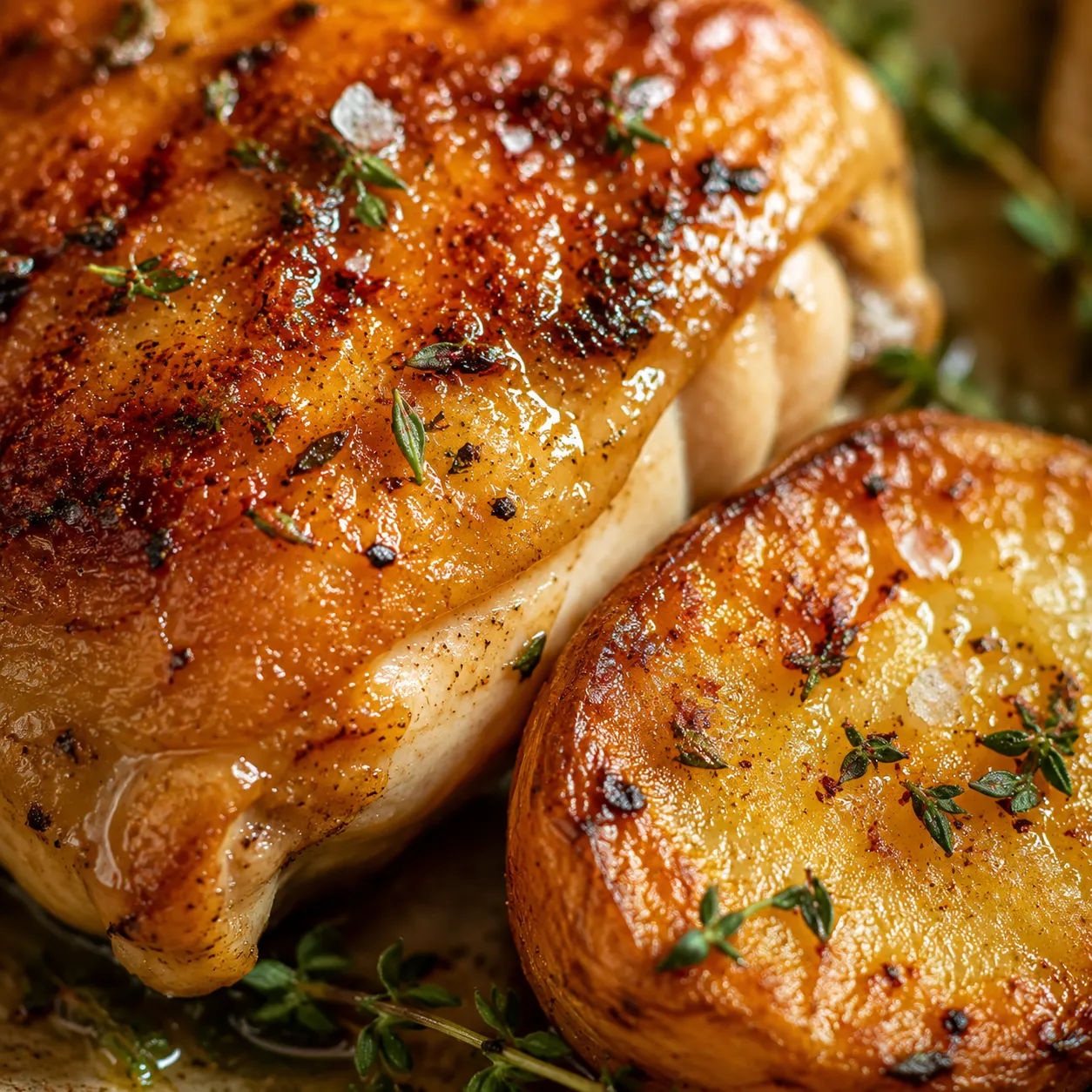
The most common complaint with sheet pan dinners is vegetables that turn out wet and limp instead of crisp and caramelized. This is almost always caused by overcrowding the pan or not preheating the oven fully. If your vegetables are piled on top of each other, they will steam. Make sure you use a large enough pan, and always pat your vegetables dry with a paper towel after washing them. Excess surface moisture is the enemy of caramelization.
If some pieces of chicken are dry and stringy while others are barely cooked through, your pieces are likely vastly different sizes. Try to purchase protein that is relatively uniform in thickness, or use a meat mallet to gently pound thicker pieces to an even depth. If you are using bone-in cuts, remember that they will take significantly longer to cook than boneless cuts, so adjust your vegetable pairings accordingly.
If your food is scorching on the outside but remains raw in the middle, your oven might be running too hot, or your ingredients might be cut too thick. Dense vegetables like carrots and potatoes need to be cut relatively small to cook all the way through before their exteriors burn. If you notice things browning too quickly, you can loosely tent the pan with foil for a few minutes to allow the centers to catch up without burning the outside.
One of the joys of this cooking style is the rustic, abundant presentation. You can absolutely bring the hot tray straight to the table, set it on a large trivet, and let everyone serve themselves. It feels communal, relaxed, and incredibly inviting.
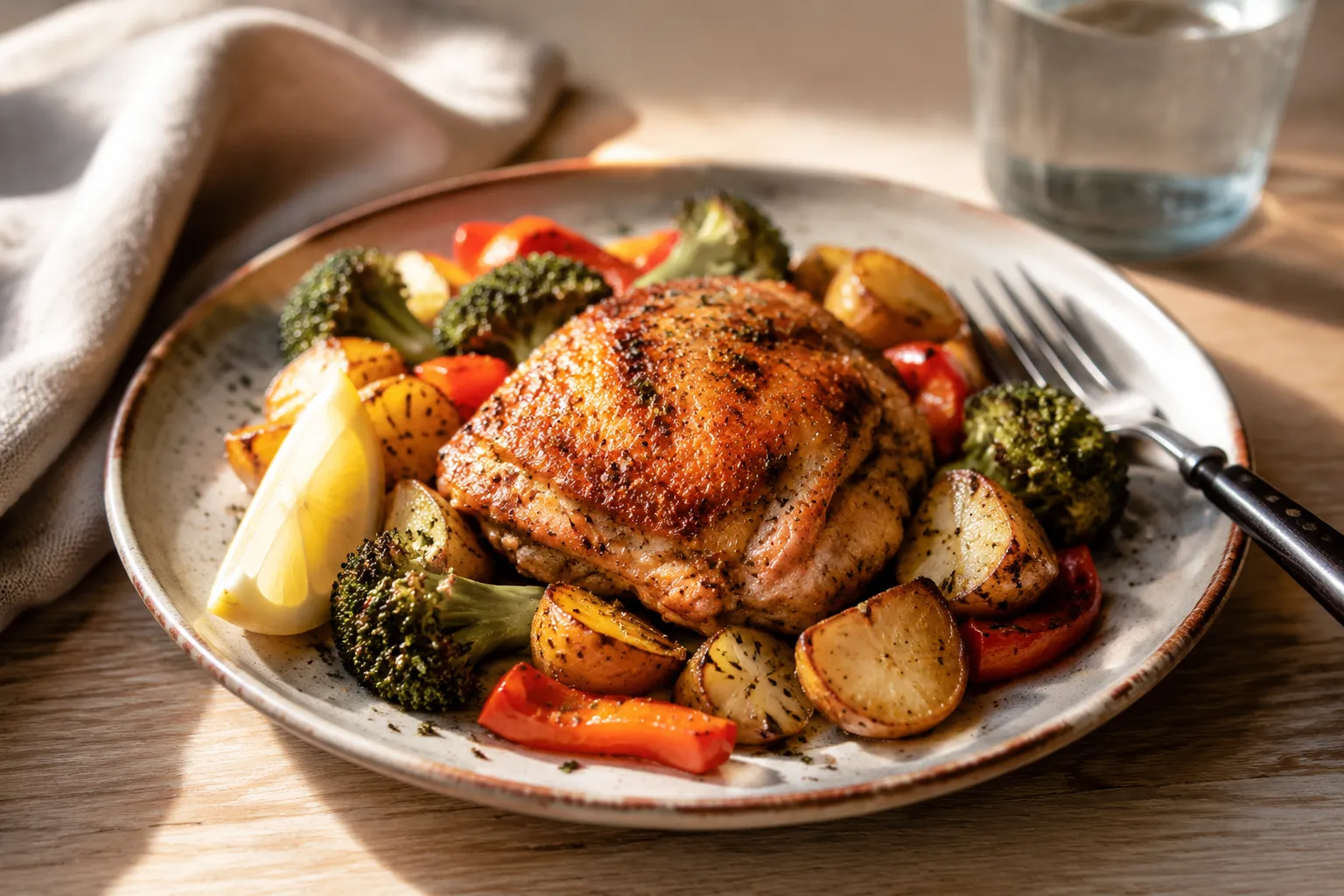
To elevate the final dish, always finish with an acidic or fresh element right as it comes out of the oven. A generous squeeze of fresh lemon juice, a splash of red wine vinegar, or a handful of chopped fresh herbs (like parsley, cilantro, or basil) cuts through the richness of the roasted oils and wakes up all the flavors. If you want to add a touch of creaminess, a dollop of Greek yogurt, a drizzle of tahini, or a sprinkle of feta cheese takes the plate to the next level.
Beyond being a fantastic dinner option, this method is one of the most efficient meal prep ideas out there. Because the oven does all the heavy lifting, you can easily roast a double batch of food on a Sunday afternoon to set yourself up for days of effortless lunches.
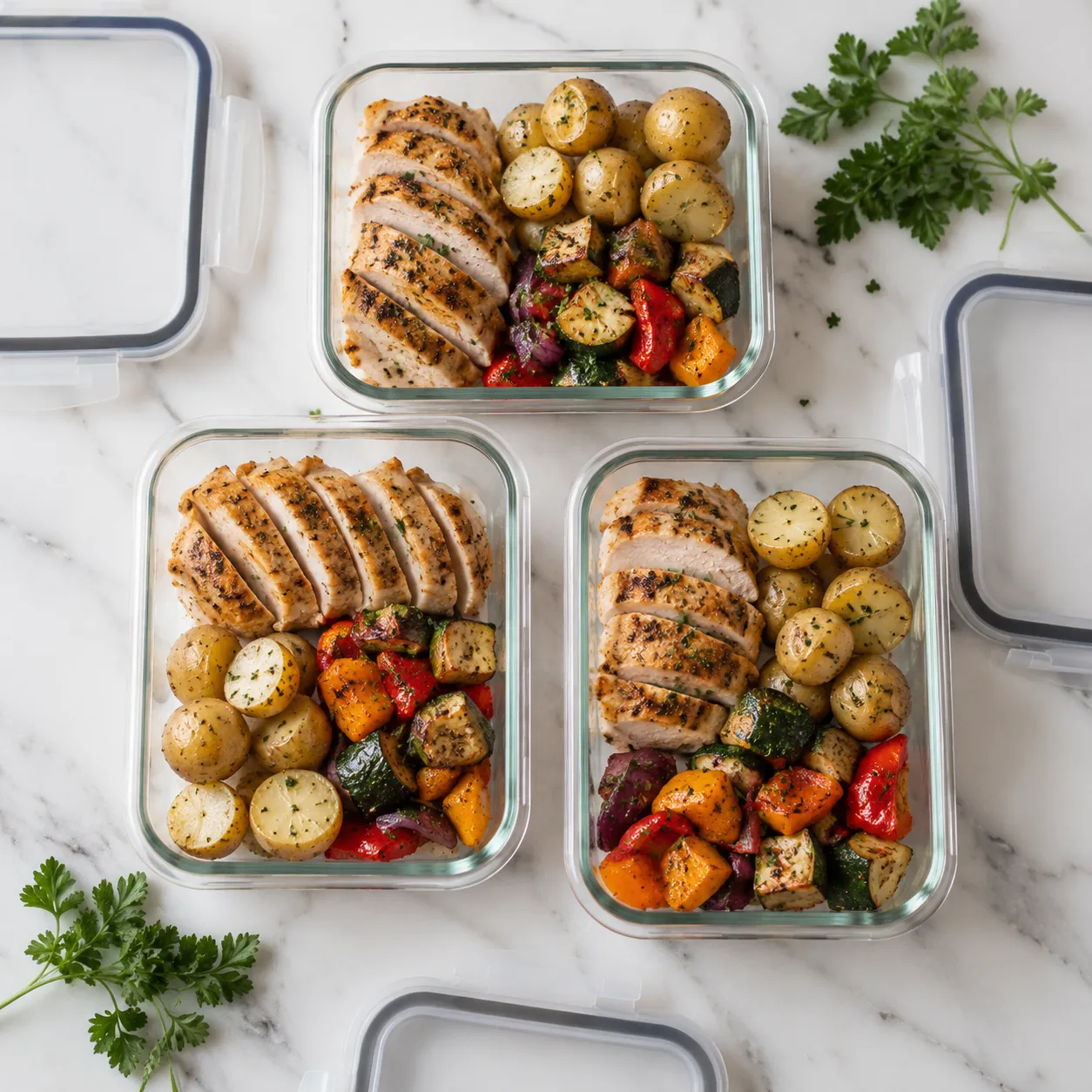
When prepping for the week, let the food cool completely on the pan before transferring it to your containers. If you pack it away while it is still warm, condensation will build up under the lid, turning your beautifully roasted veggies to mush. Divide the protein and vegetables into individual glass containers, and you have grab-and-go meals that are infinitely healthier and tastier than a sad desk salad or a frozen microwave dinner.
The beauty of this master formula is that it can be tweaked to fit whatever you have in the pantry. Keep the ratios the same, but play with the flavor profiles to travel the culinary world from your kitchen.
Leftovers from this master recipe store beautifully, making it an excellent candidate for weekly meal prep. Allow the chicken and vegetables to cool completely to room temperature before transferring them to airtight glass or plastic containers. They will stay fresh in the refrigerator for up to 4 days.
When it comes to reheating, the microwave works in a pinch, but it will make the skin soft and the potatoes soggy. For the best texture, reheat portions in an air fryer at 350°F for 3-5 minutes, or spread them back onto a baking sheet and warm in a 375°F oven until heated through and re-crisped. If the chicken seems a little dry, a fresh squeeze of lemon juice will revive it instantly.