Chocolate Frosting Recipe: Silky, Fluffy & Foolproof
Ingredients
Scale
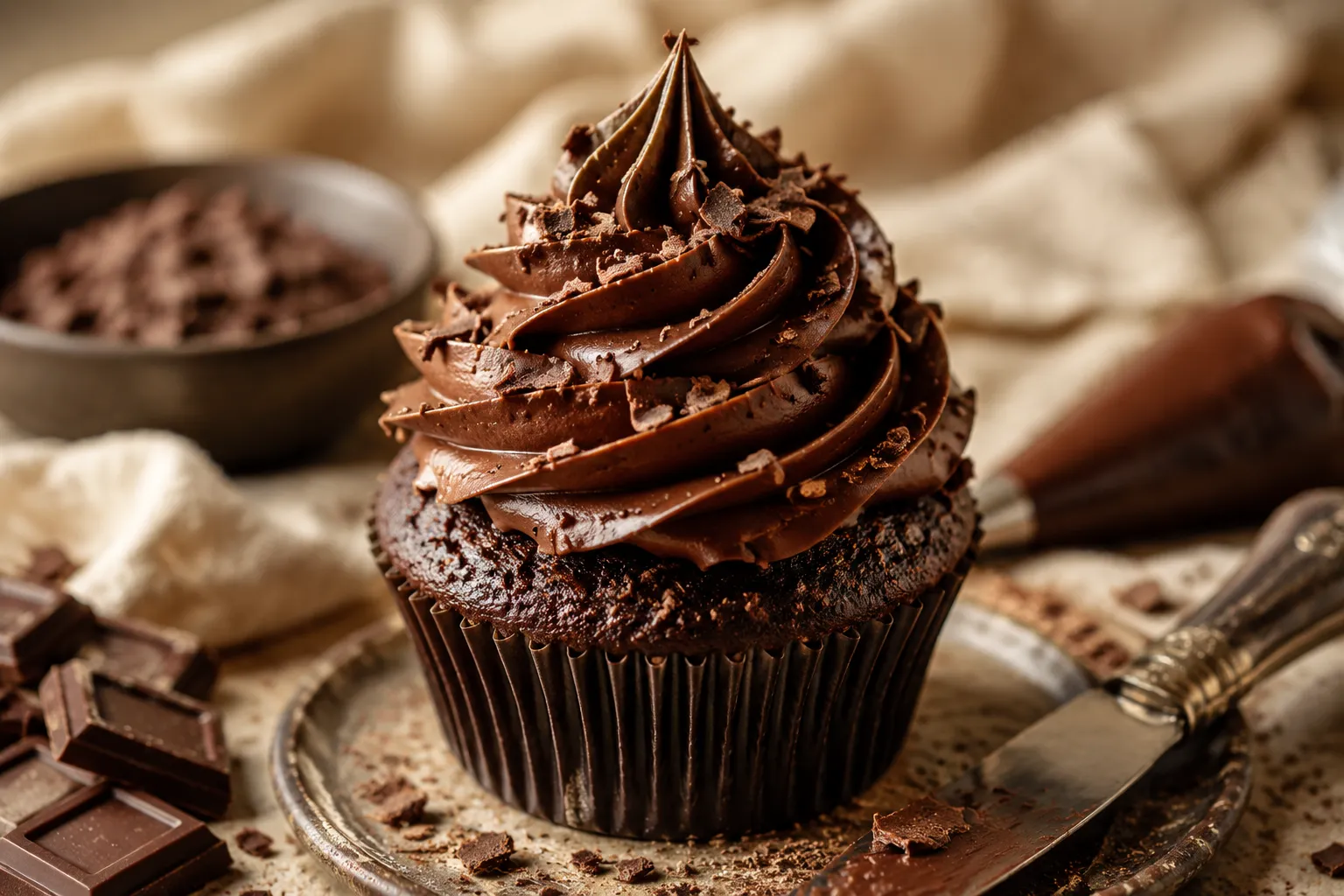
The only chocolate frosting recipe you'll ever need: silky, fluffy, deeply cocoa-rich, and whipped to spreadable perfection in just 10 minutes.
This chocolate frosting recipe is the one I come back to every single time I pull a cake out of the oven — the kind that whips up glossy and tall in the bowl, holds a swoop from an offset spatula, and tastes like the deepest, most cocoa-rich version of childhood birthdays. No canned frosting will ever come close, and the best part? It's a true 10-minute, one-bowl project.
I've tested this recipe with every kind of cocoa, every butter temperature, and every ratio of powdered sugar to milk you can imagine, and what I'm sharing today is the foolproof master version. Whip it for a full three minutes and you'll get a texture that's somewhere between mousse and classic chocolate buttercream — fluffy enough to pipe, sturdy enough to hold its shape on a hot day.
Whether you're slathering it onto an easy chocolate cake recipe for a Saturday night, piping rosettes onto vanilla cupcakes, or hunting for a base that you can riff into a cream cheese or dairy-free version, this is your blueprint.
The beauty of a great chocolate icing recipe is that the ingredient list is almost embarrassingly short — six pantry staples and not a single one is fussy. But the quality of each ingredient does a lot of heavy lifting, so let's talk about what to grab.
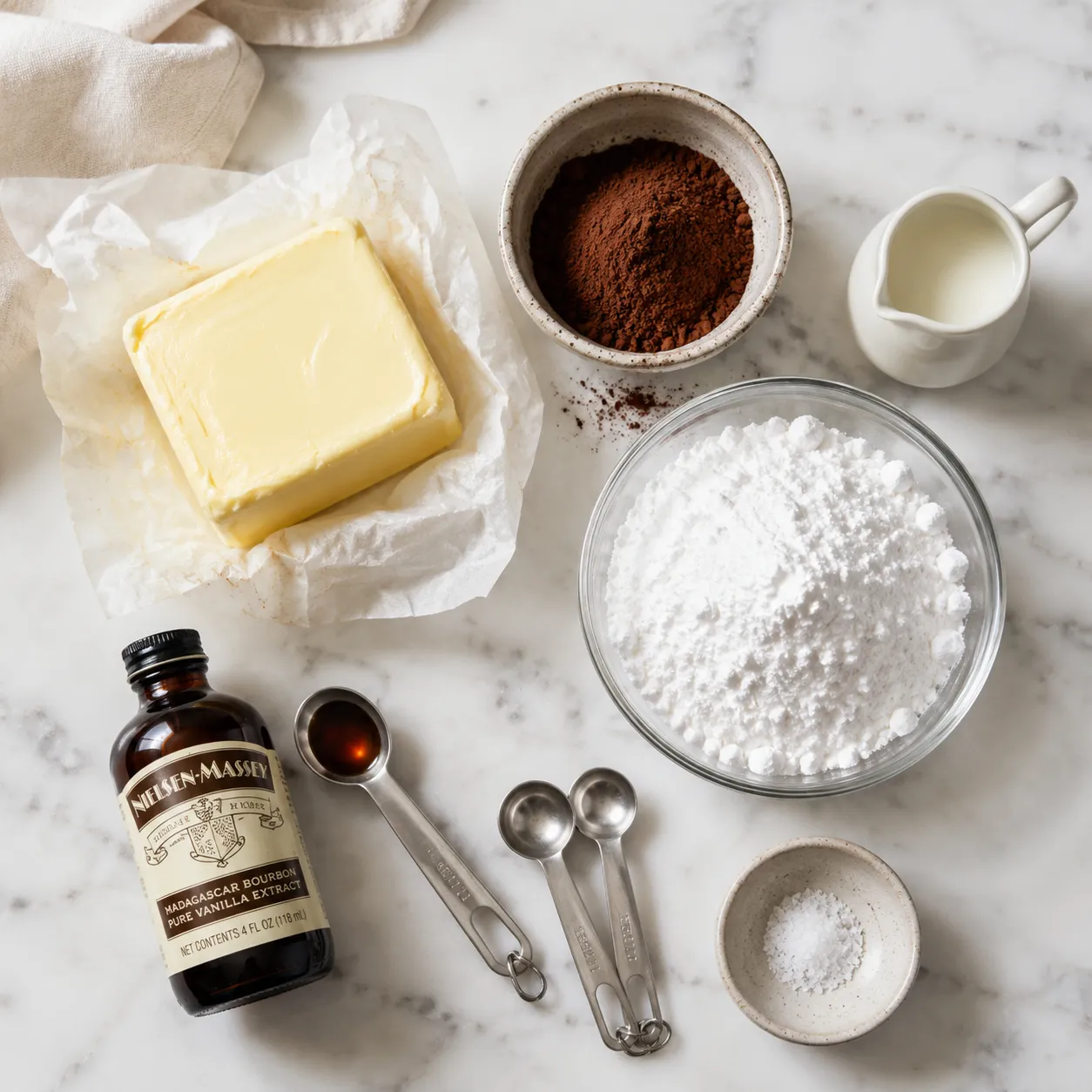
Unsalted butter is the backbone of the whole thing. Use real, full-fat butter (not margarine, not whipped tubs) and make sure it's truly softened — squishable when pressed but not melty or oily. I default to unsalted butter so I can control the salt myself with a careful pinch of fine sea salt, but if salted is all you have, just skip the added salt.
Cocoa powder is where the flavor lives. Natural cocoa gives a brighter, more old-fashioned chocolate flavor, while Dutch-process cocoa powder leans darker, smoother, and almost fudge-like. I lean Dutch for this recipe because it gives the frosting that bakery-window espresso-brown color and rounds out any bitter edges. Either works — just sift it.
Powdered sugar, whole milk (or heavy cream), and pure vanilla extract round things out. Cream makes it richer and slightly more stable; milk keeps it light. And don't skimp on vanilla — two full teaspoons is what bridges the cocoa and butter into something that tastes finished.
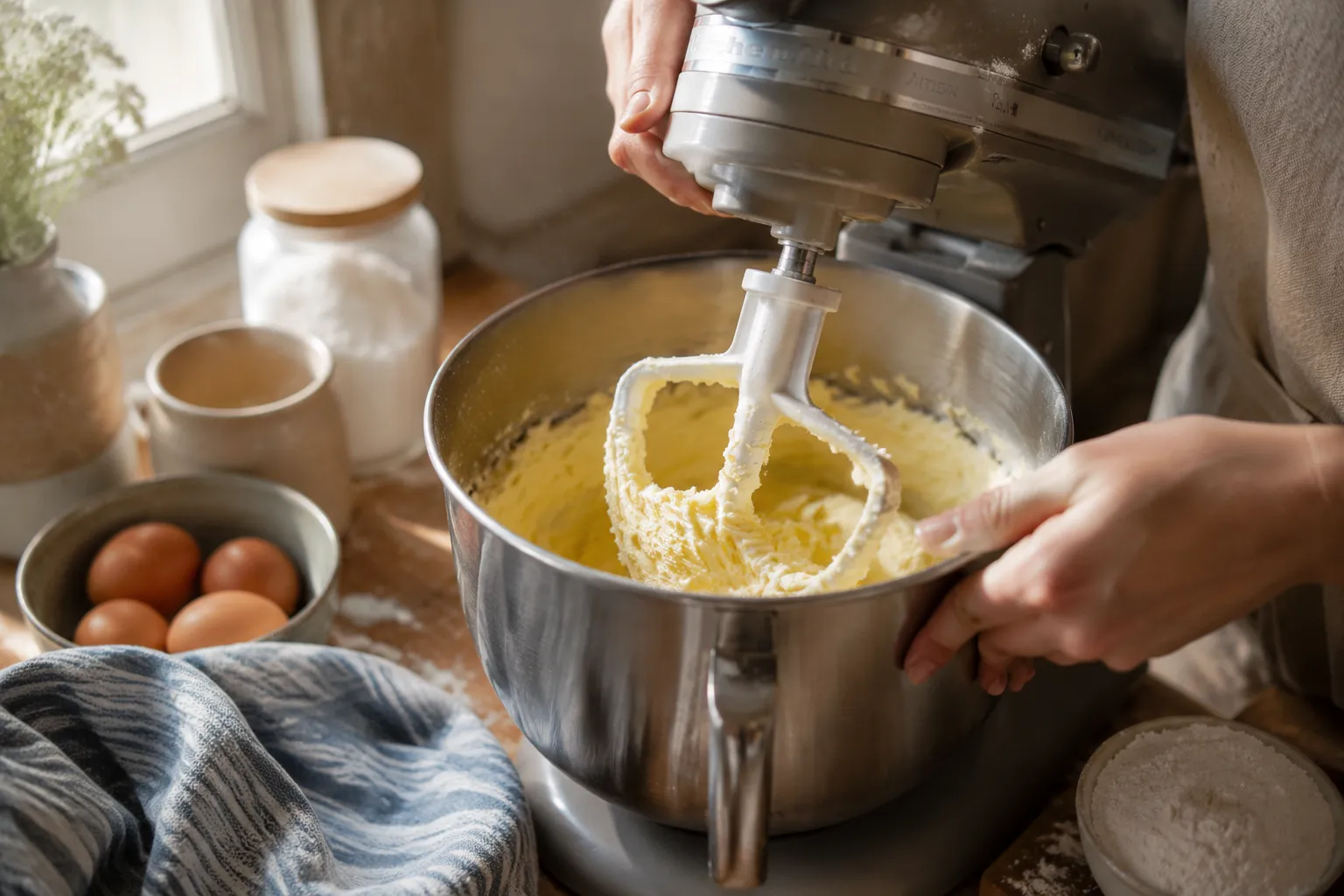
The full step-by-step is in the recipe card below, but here's the rhythm of it so you know what to expect. First, you cream the butter solo for a couple of minutes until it lightens in color and looks almost like whipped cream — this is the step most people rush, and it's the difference between dense frosting and that cloud-like texture.
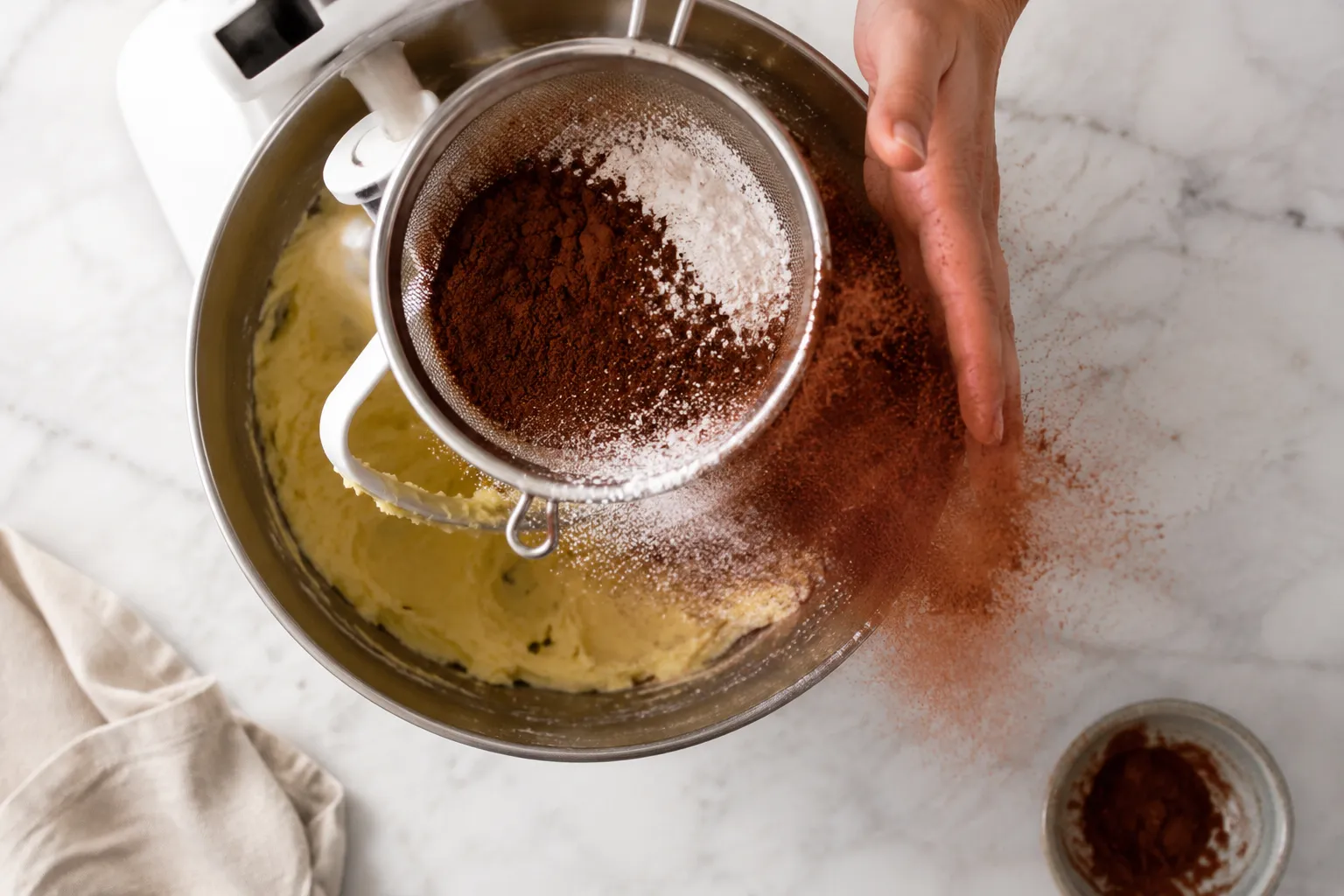
Next, sift the cocoa and powdered sugar directly into the bowl. Yes, sift. I know it feels precious, but cocoa is notorious for lumps that no amount of mixing will break up later. Add them in two or three additions on low speed so your kitchen doesn't disappear under a cloud of cocoa dust.
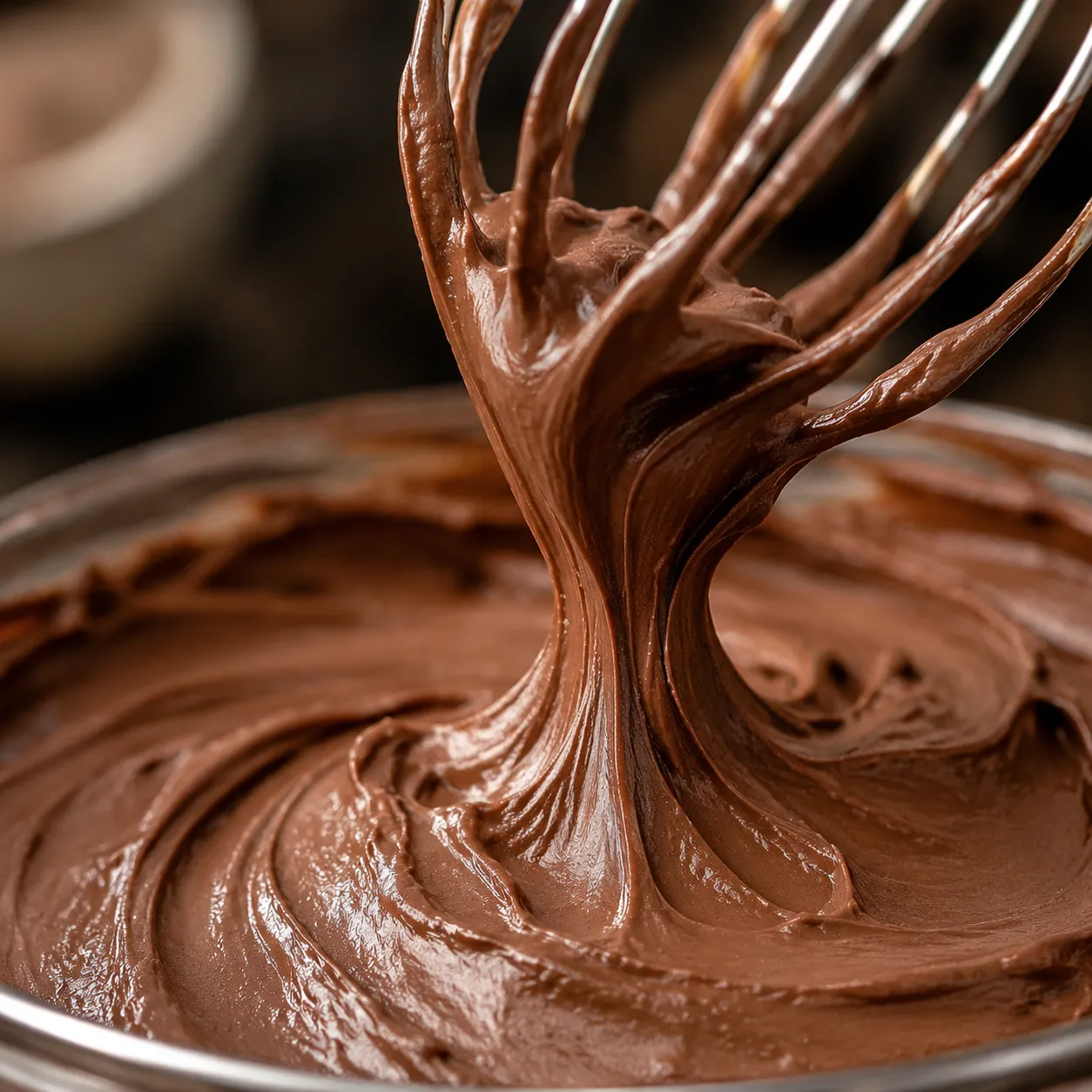
Once everything is combined, splash in the milk and vanilla, add your pinch of salt, and then — this is the magic — crank the mixer to medium-high and whip for a full three minutes. Set a timer. The frosting will go from thick and matte to glossy, pale-mahogany, and airy. That's when you know it's done.
A lot of homemade frostings fall into one of two traps: either they're so sweet they crystallize on your tongue, or they're so buttery you can't actually taste the chocolate. This recipe threads the needle by leaning on a generous three-quarter cup of cocoa powder against three and a half cups of sugar, which keeps the chocolate flavor front and center.
The other secret is the whipping time. Most recipes tell you to beat "until combined," but going a full three minutes incorporates air the same way it does in whipped cream, and that's what gives you that fluffy, almost mousse-like body. If you want a true chocolate chocolate frosting — the kind that tastes like you melted a whole bar into the bowl — stir in two ounces of melted, cooled bittersweet chocolate at the very end and whip for another 30 seconds.
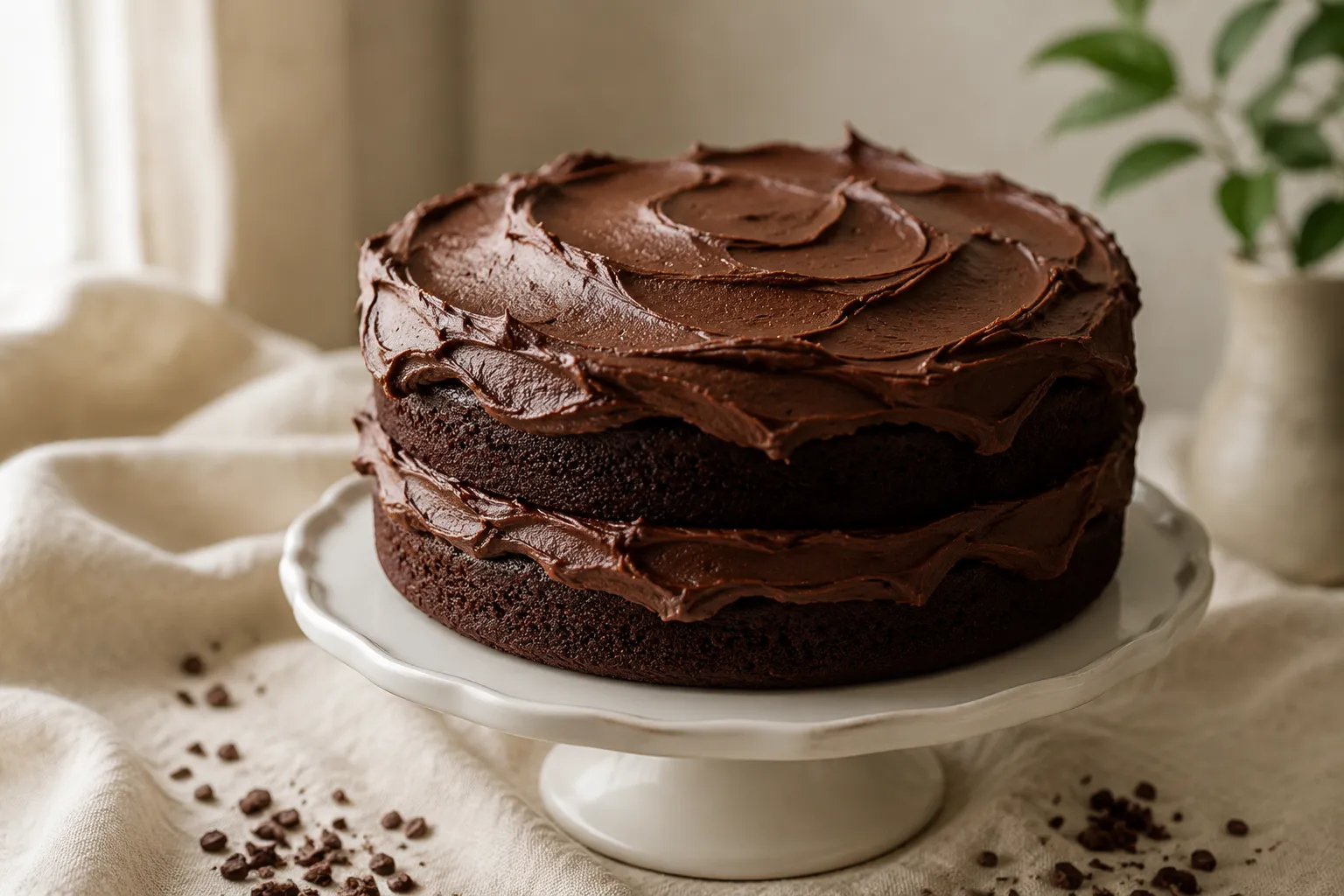
This is a workhorse cake frosting recipe, and three cups is enough to lavishly cover a 9-inch two-layer cake, a 9x13 sheet cake, or 24 cupcakes with a tall swirl. My favorite pairing is the classic — a tender, oil-based chocolate layer cake, slicked between the layers and swooped over the top with the back of a spoon.
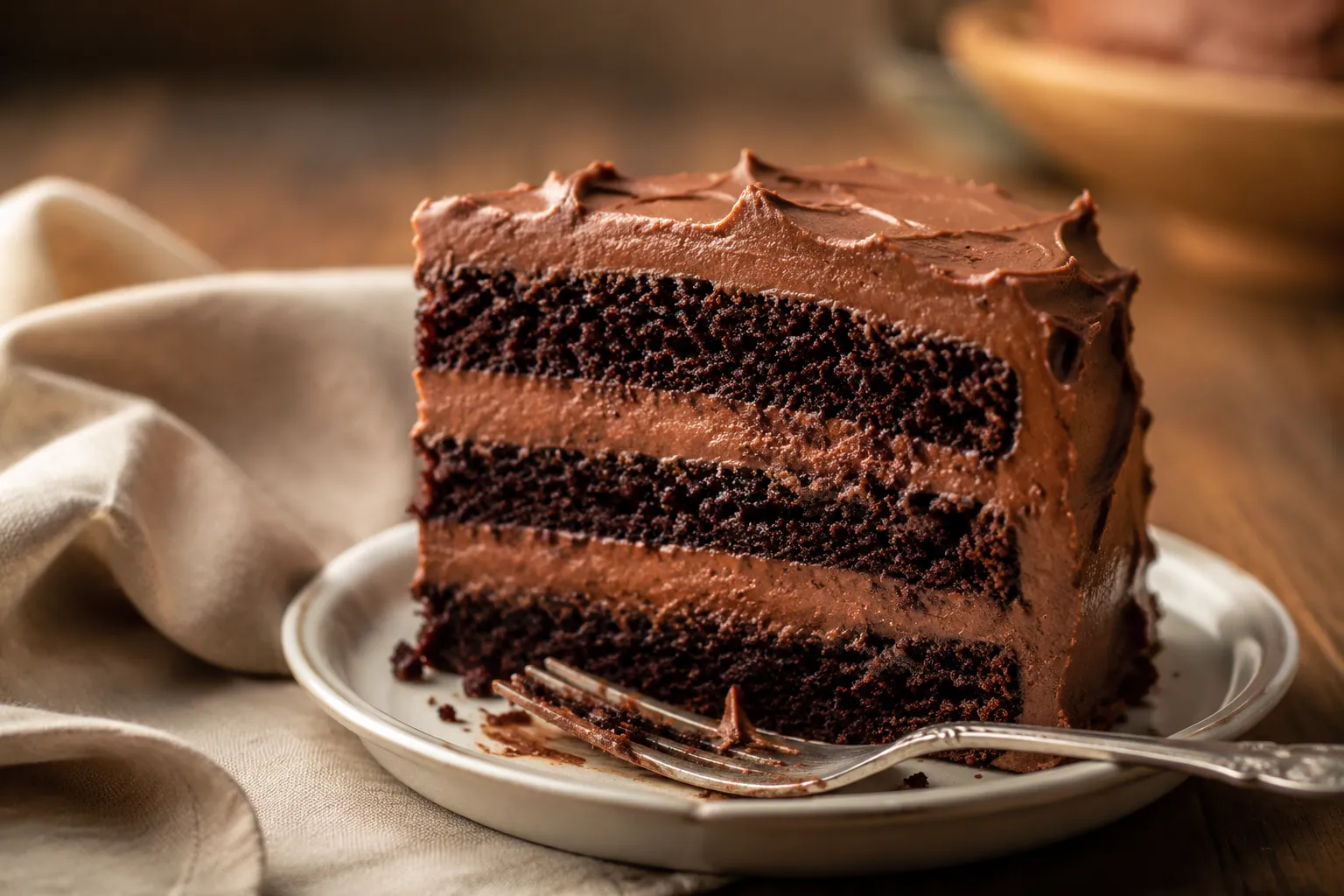
But don't stop there. It's stunning on yellow butter cake, on vanilla cupcakes (the contrast is a vibe), and it's the frosting I use when I want a chocolate buttercream finish on banana cake. It's also the perfect dunking partner for graham crackers, the filling for sandwich cookies, or — and I'm not above this — a spoon straight from the bowl. If vanilla is more your speed for some projects, my homemade vanilla frosting uses the exact same method, just without the cocoa.
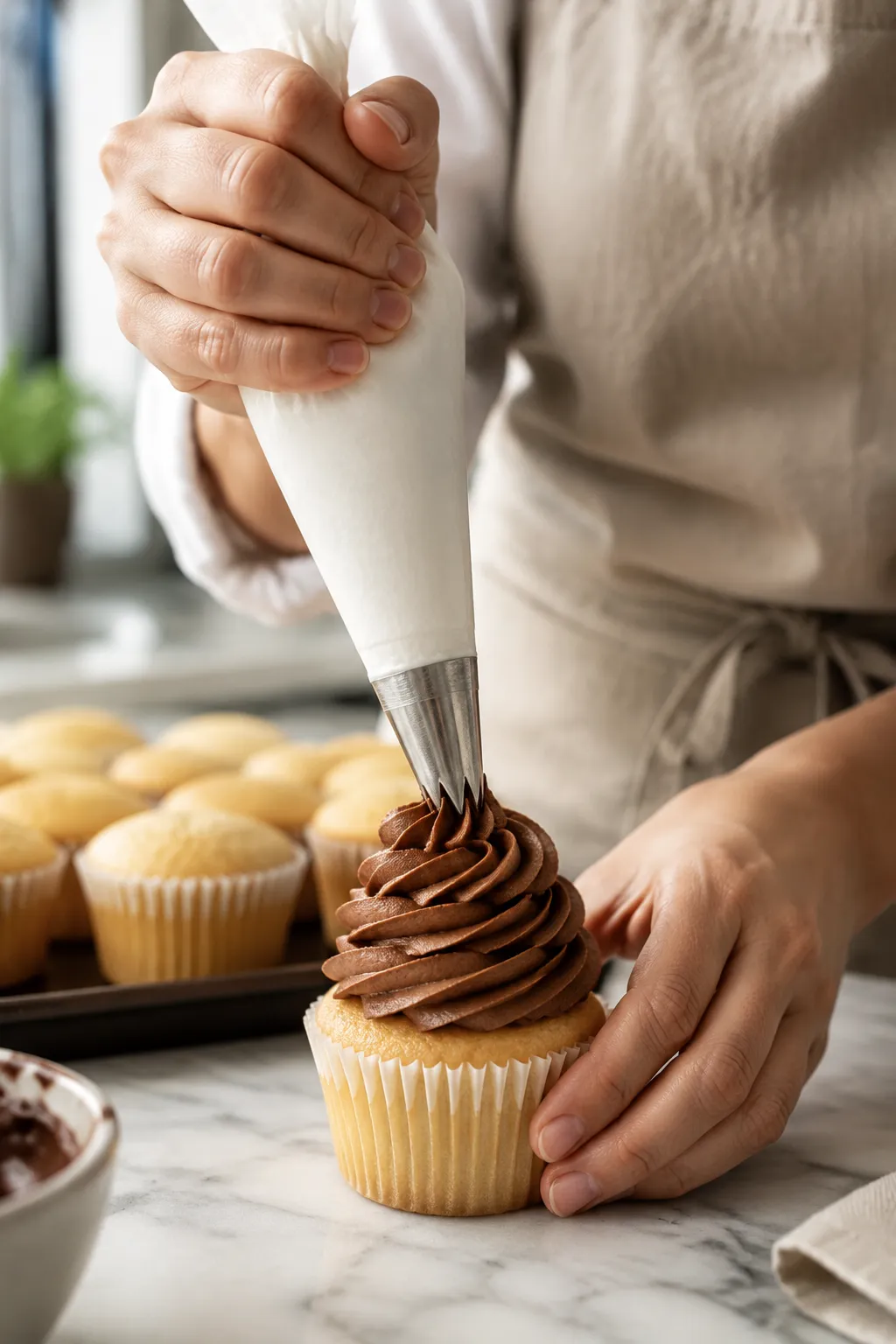
This recipe is dual-purpose by design. For spreading on a layer cake, use it straight out of the mixer — it's loose enough to swoop with an offset spatula but holds its ridges beautifully. For piping a cupcake frosting recipe with sharp, defined ridges, chill the bowl for 10 minutes before transferring to your piping bag. A large open-star tip (Wilton 1M or Ateco 824) gives you those tall bakery-style rosettes that look harder than they are.
One of my favorite things about this base is that it accepts almost any flavor pivot you throw at it. A few drops of peppermint extract turn it into a holiday frosting. A tablespoon of instant espresso powder dissolved into the milk deepens the chocolate into something almost grown-up. Swap a few tablespoons of the powdered sugar for malted milk powder and you've got a malt-shop frosting that begs to sit on yellow cake.
And if you're after something completely different — like the gooey, caramelly coconut-pecan topping that crowns the classic layer cake — peek at my full german chocolate frosting recipe, which uses an entirely different cooked-custard technique.
This master base is a launching pad — once you've made it once, you can spin it in a dozen directions. Here are my favorites:
Room temperature: Frosted cakes and cupcakes are fine at cool room temp (under 72°F) for up to 2 days, covered loosely with a cake dome. The butter and sugar act as natural preservatives.
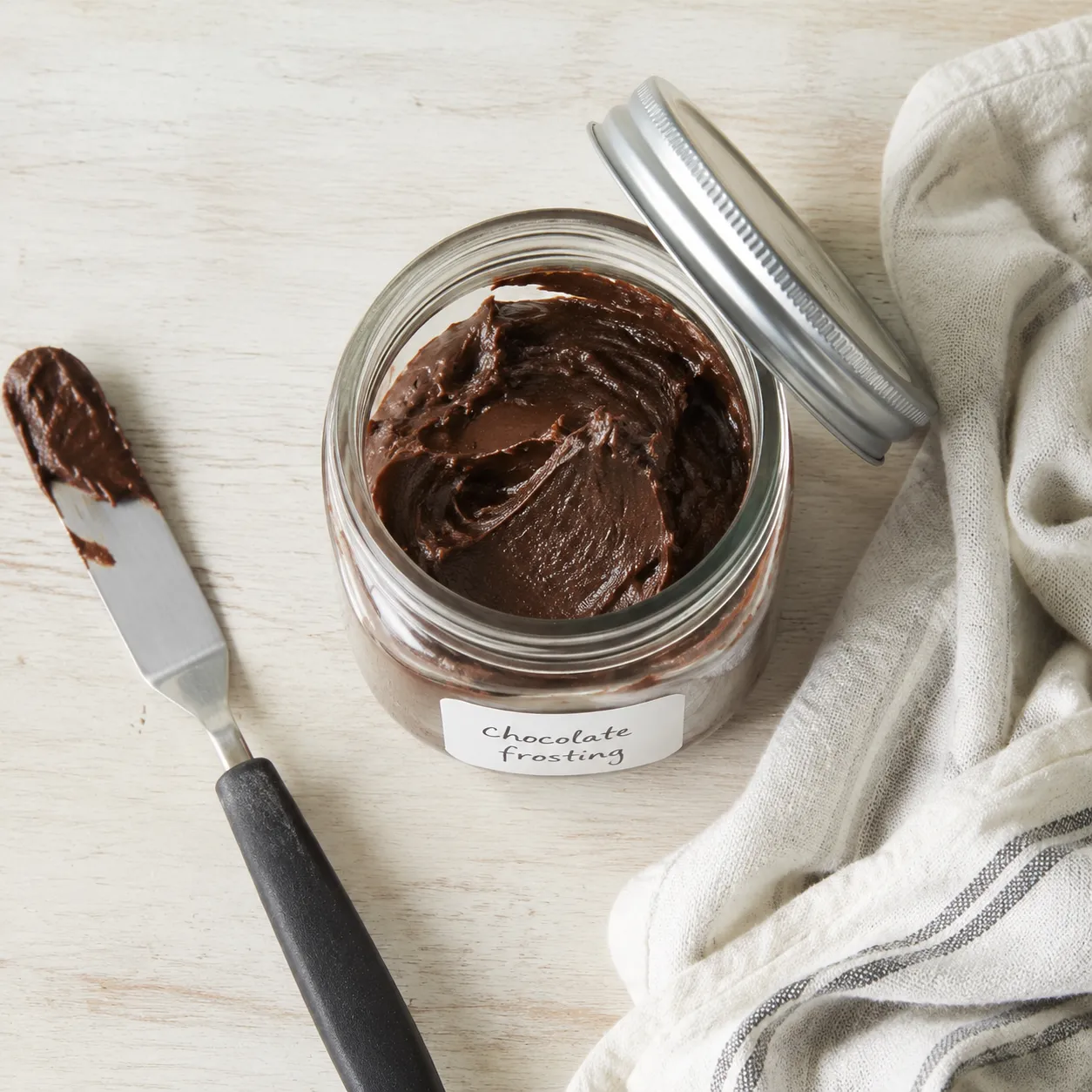
Refrigerator: Store leftover frosting in an airtight container for up to 1 week. Before using, let it sit at room temperature for 1 hour, then re-whip with the mixer for 60 seconds to bring back the fluffy texture. Freezer: Frosting freezes beautifully for up to 3 months. Thaw overnight in the fridge, come to room temp, and re-whip before spreading.