The Best Buttercream Recipe (Smooth, Fluffy & Foolproof)
Ingredients
Scale
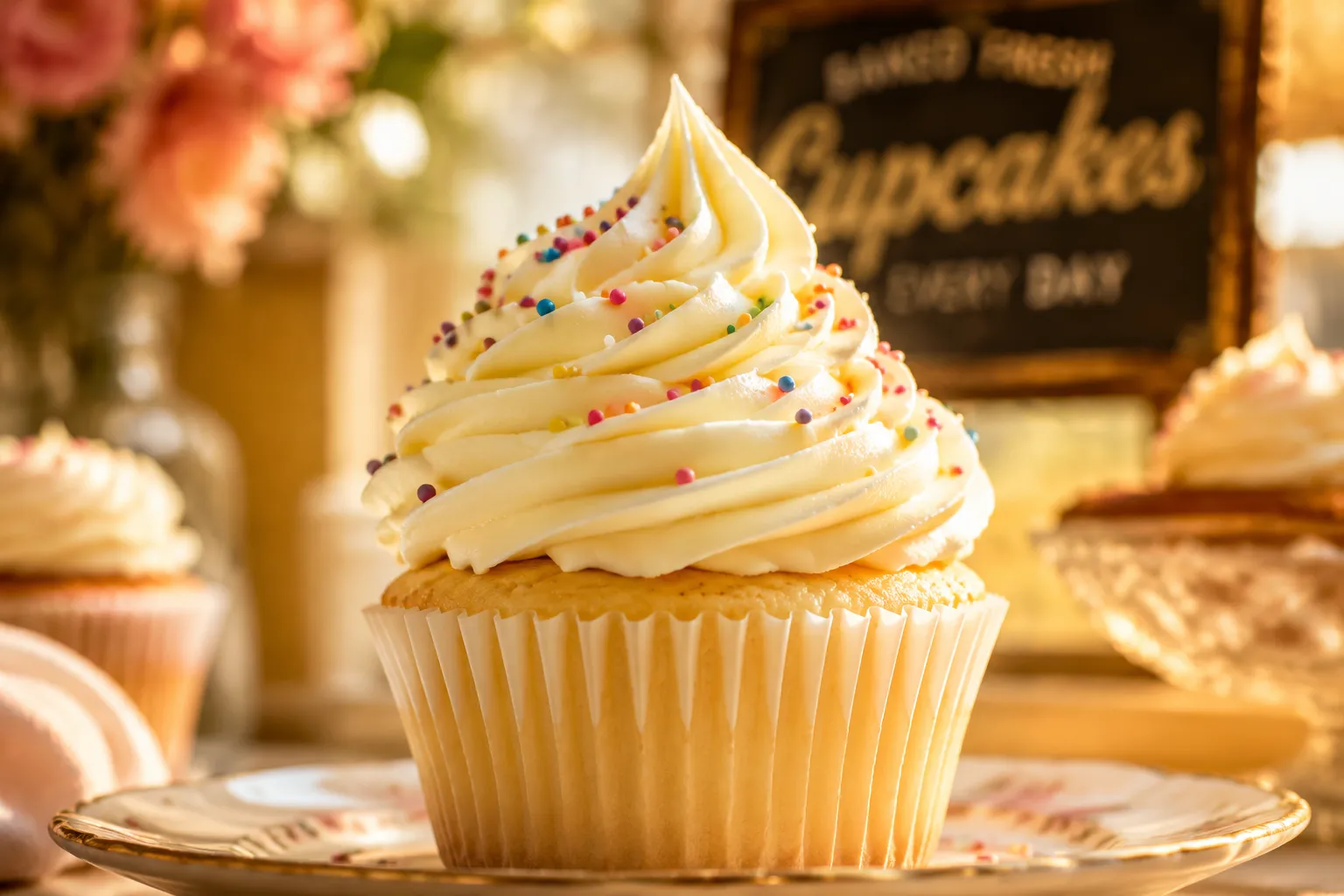
This easy buttercream recipe whips up silky, fluffy frosting in just 10 minutes — sweet but never gritty, and pipes like a dream on cakes and cupcakes.
This buttercream recipe is the one I keep tucked in the front of my baking binder, the one that comes out for birthdays, baby showers, Tuesday-night cupcakes, and every cake my kids try to negotiate me into making. It whips up silky and pale in about ten minutes, holds a piped rosette without slumping, and tastes like the vanilla frosting from a really good neighborhood bakery — sweet, but never tooth-aching.
If you've ever ended up with a grainy, soupy, or weirdly greasy bowl of frosting, take a breath. This is American buttercream done right, with a few small tweaks that make a huge difference: properly softened unsalted butter, sifted powdered sugar, and a long, patient whip at the end. I'll walk you through every step, plus the fixes I use when something goes sideways at the mixer.
Whether you're crowning a batch of vanilla cupcakes, layering a tall chocolate layer cake, or just looking for the kind of forgiving frosting that turns out beautifully every single time, this is the buttercream recipe to bookmark. It's also endlessly flavorable — chocolate, strawberry, lemon, salted caramel — so once you nail the base, you have a whole frosting library at your fingertips.
The magic here isn't a secret ingredient — it's technique. Most home bakers stop whipping the second the powdered sugar is incorporated, which leaves you with a dense, slightly gritty frosting. Pushing past that point and whipping for a full three to five minutes after everything is in the bowl is what transforms ordinary butter cream icing into something light, glossy, and unmistakably bakery-quality.
The other quiet hero is heavy cream. A tablespoon or two thins the frosting just enough to lighten the texture without making it runny, and the extra fat coats the sugar crystals so the whole thing tastes silkier on your tongue. Whole milk works in a pinch, but cream is what gives this fluffy frosting its signature melt-in-your-mouth quality.
Finally, restraint with the sugar. Four cups of powdered sugar to one cup of butter is the ratio I've landed on after a lot of trial and error — sweet enough to read as classic American buttercream, but balanced enough that you can actually eat a whole cupcake without wincing halfway through.
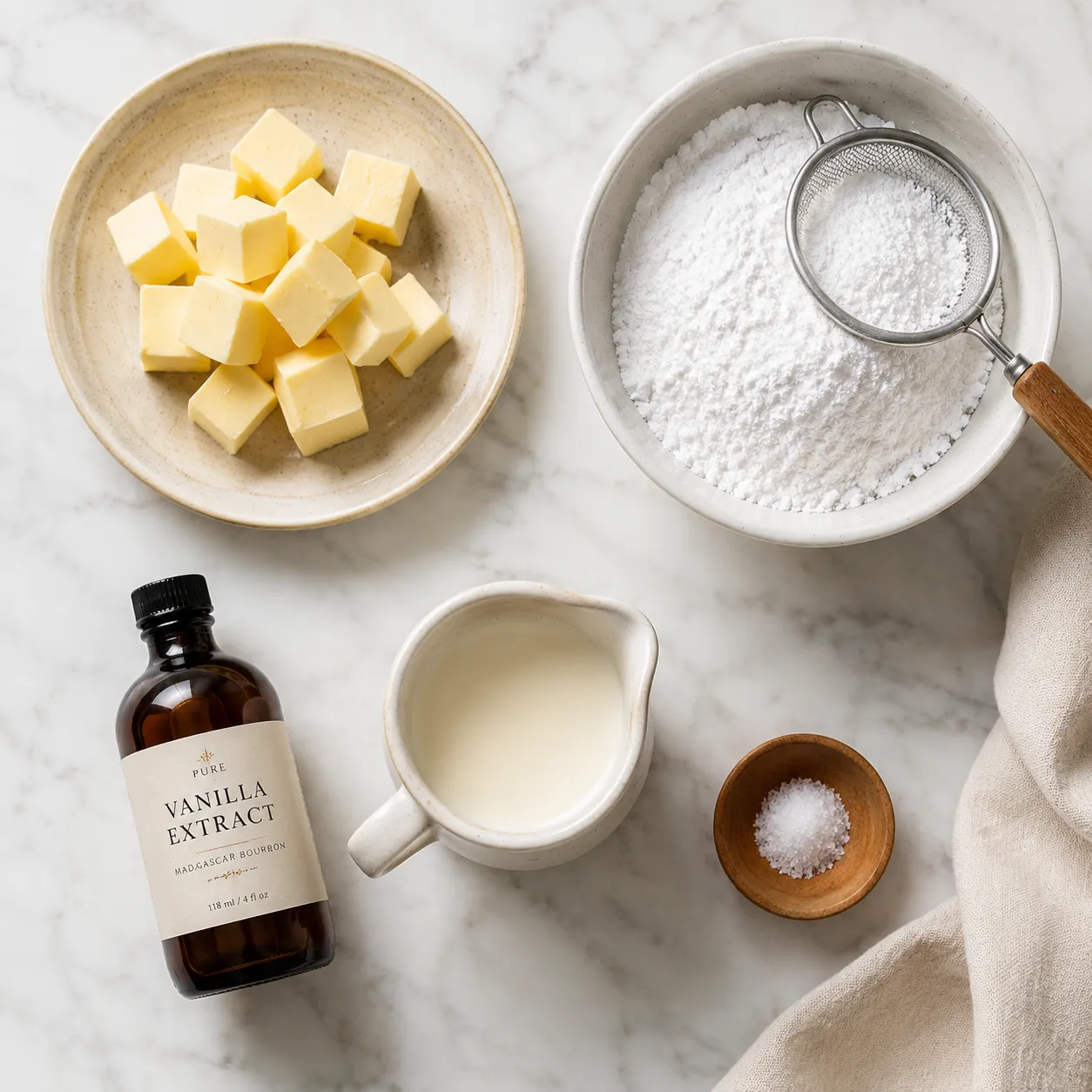
Five ingredients, all of which are probably already in your kitchen. Here's what each one brings to the bowl:
Don't let the short ingredient list fool you — the order and timing of each stage is what gives this buttercream recipe its texture. Here's how it comes together in your stand mixer (a hand mixer works too, you'll just want a little extra muscle and patience).
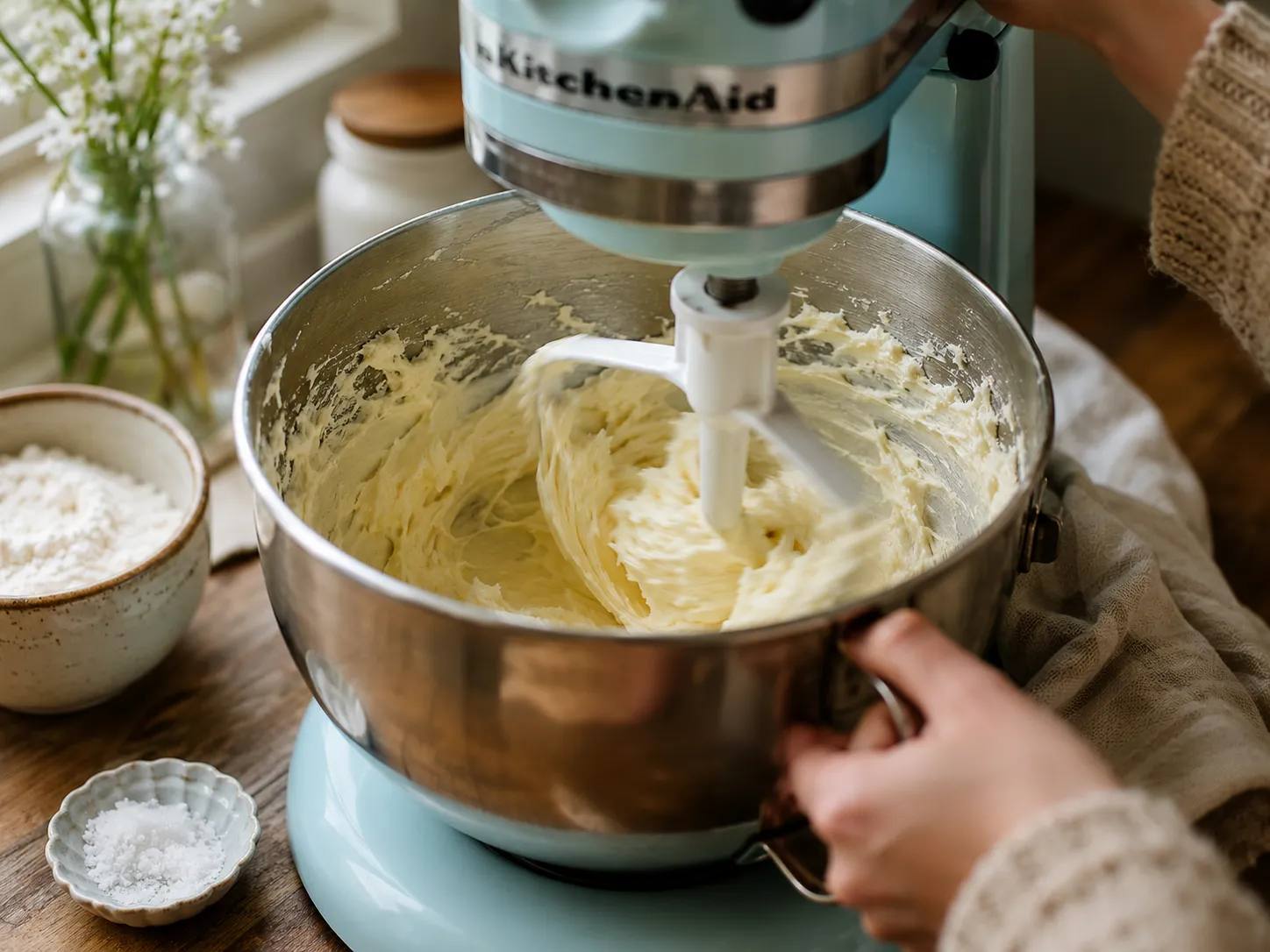
Start by whipping the butter alone. Add your softened butter to the bowl of a stand mixer fitted with the paddle attachment and beat on medium-high for a full three minutes. You're not just softening it — you're aerating it, beating in tiny pockets of air that will carry through the whole frosting. The butter should turn noticeably paler, almost ivory, and look whipped and fluffy, like soft-serve.
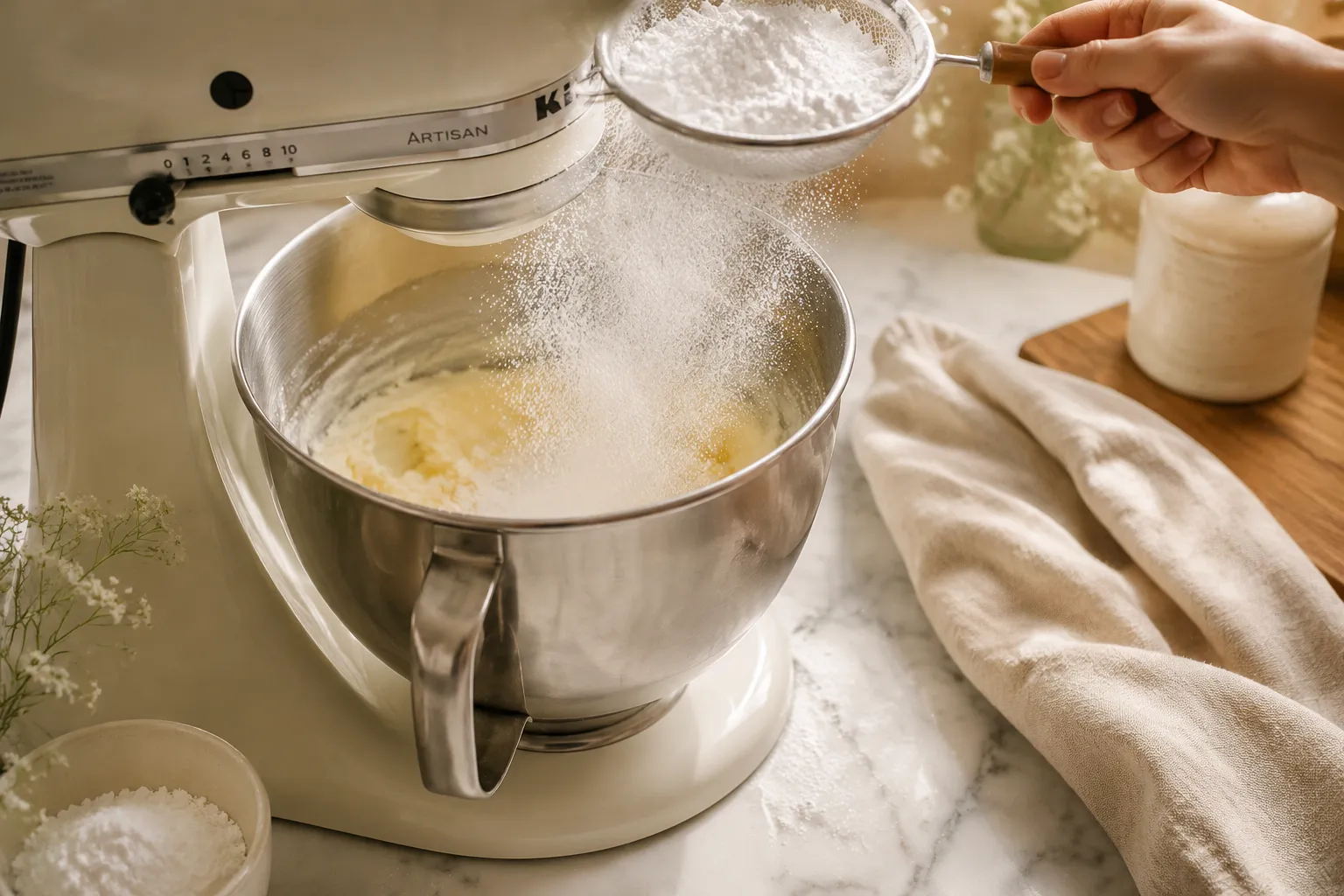
Add the powdered sugar gradually. With the mixer on low, add the sifted sugar about a cup at a time, letting each addition disappear before adding the next. Going slow keeps your kitchen out of a sugar storm and gives the butter time to absorb the sugar evenly. Stop and scrape the bowl down between additions — there's always a sneaky pocket of unmixed butter at the bottom.
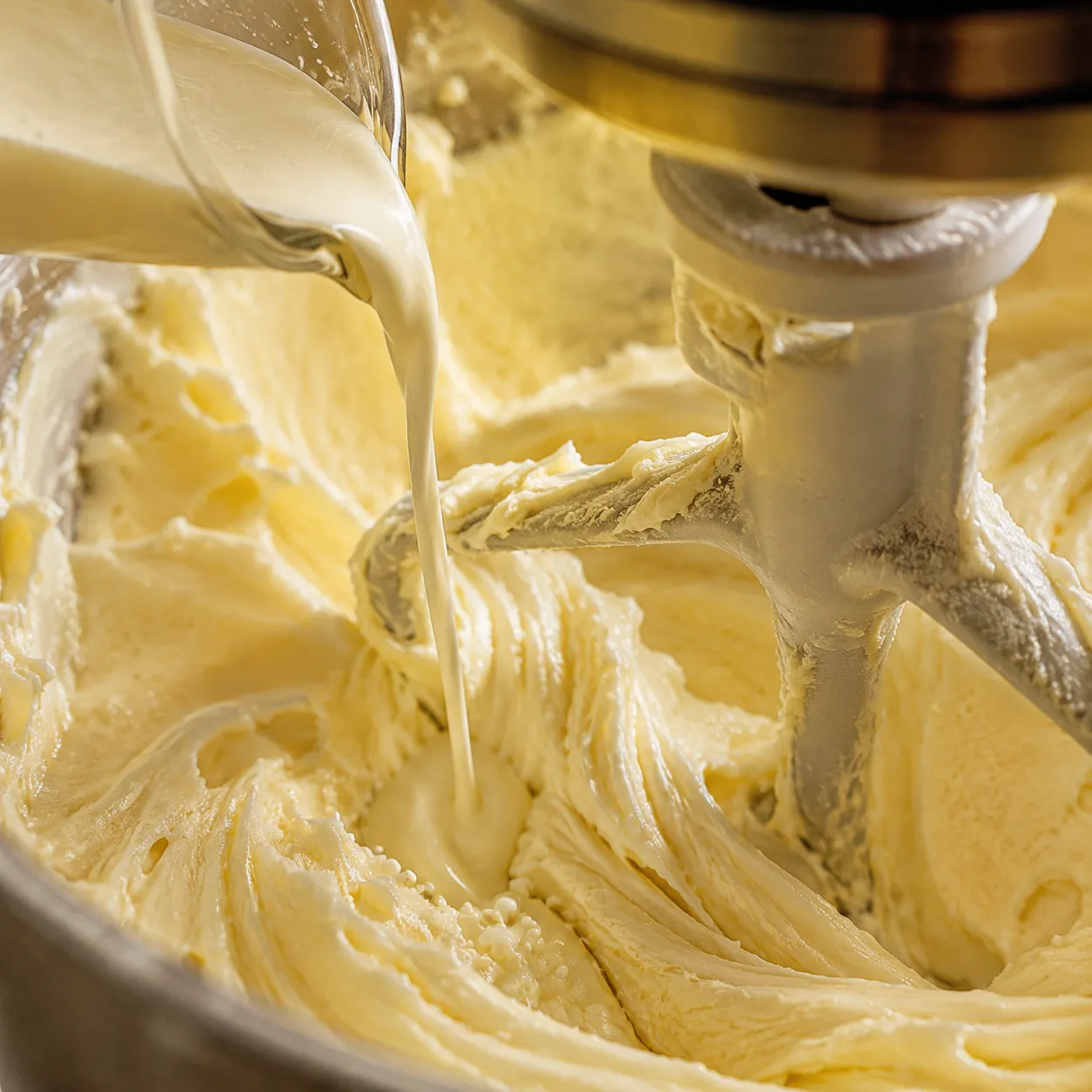
Stream in the cream, vanilla, and salt. With the mixer back on low, drizzle in two tablespoons of heavy cream along with the vanilla and salt. Once everything is combined, take a peek at the consistency: it should be thick but movable. Add the third tablespoon of cream if it feels stiff. Then turn the mixer up to medium-high and let it rip.
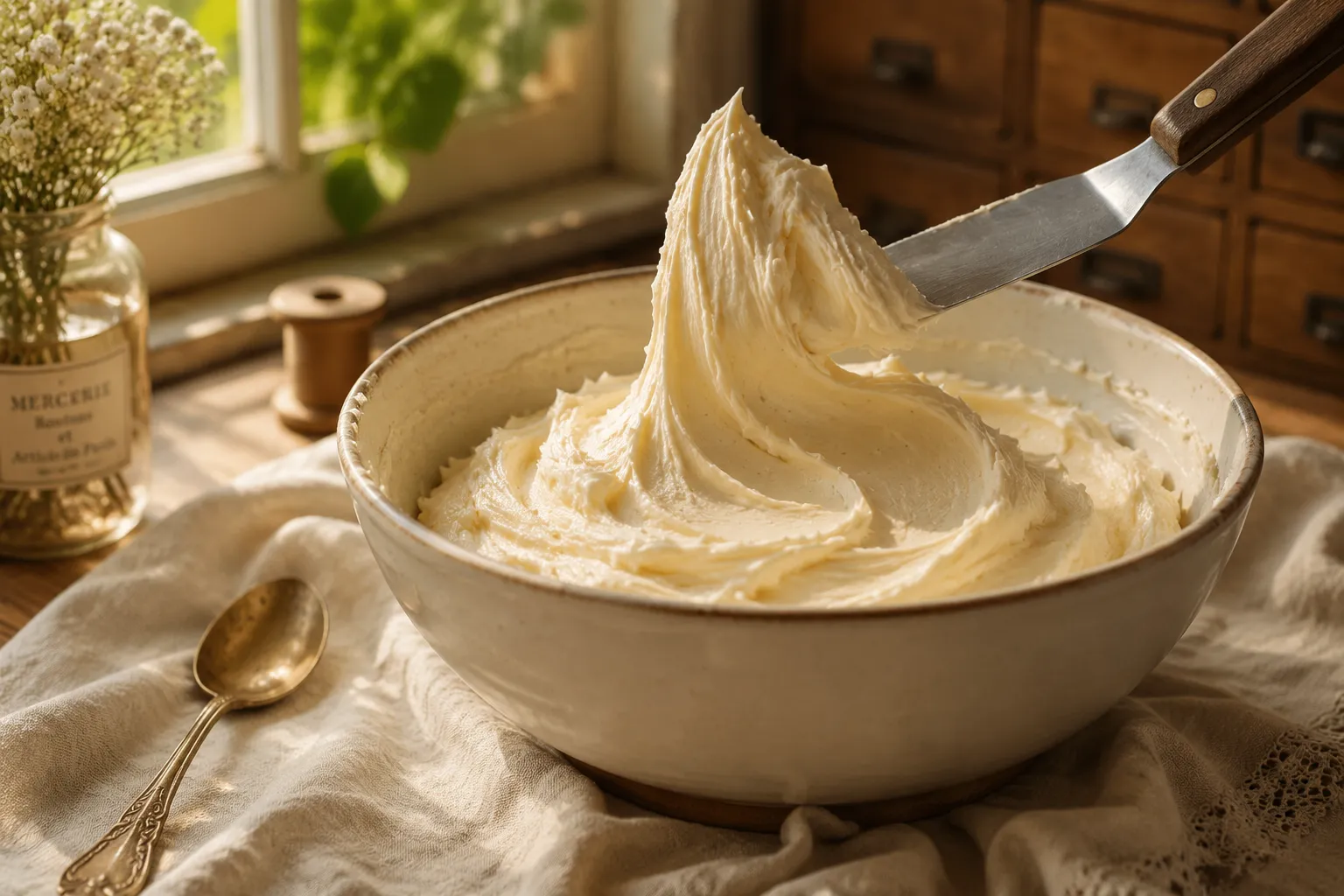
Whip on high for the fluffiest finish. This is the step most people skip — and the step that takes your frosting from fine to spectacular. Whip on medium-high for three to five full minutes, until the frosting is pale, glossy, and visibly aerated. Stop, scrape the bowl one last time, and whip for another 30 seconds to bring everything together.
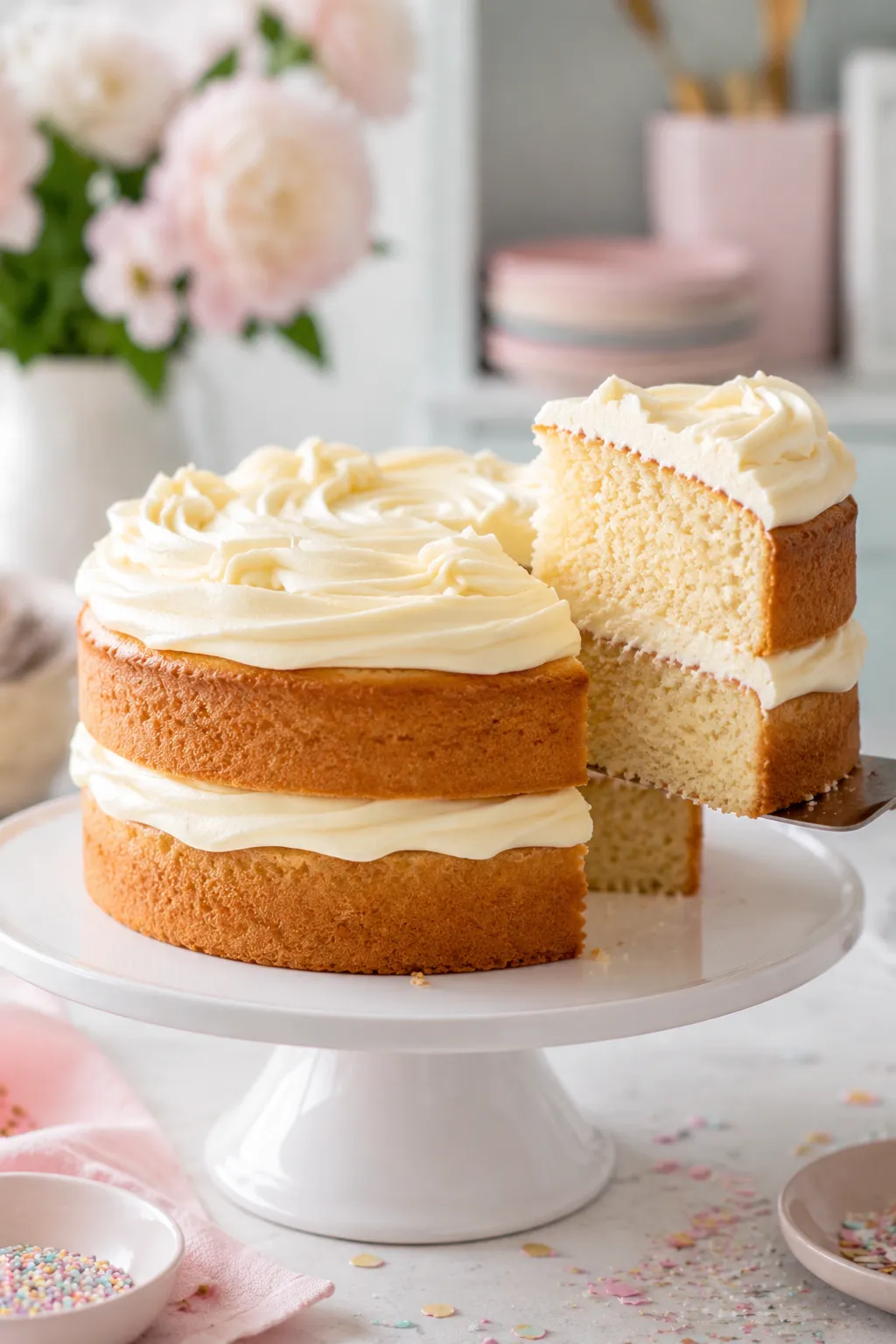
One batch of this frosting — about three generous cups — is the sweet spot for most everyday baking projects. It will frost a 9-inch two-layer cake with a thin, naked-style finish, or generously top 24 cupcakes with tall piped swirls. For a fully covered three-layer cake or detailed piping work, double the recipe so you have enough to work with confidently.
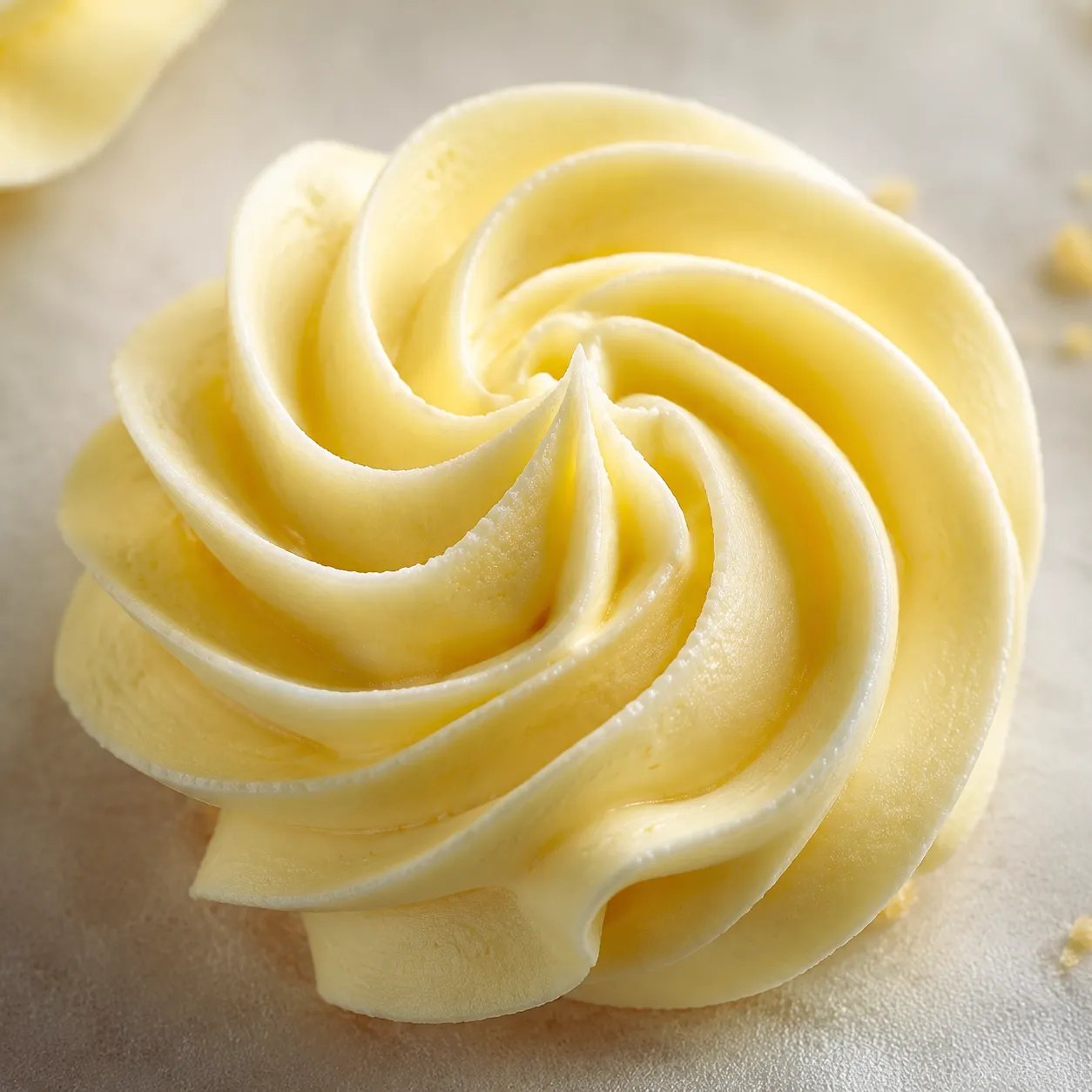
For piping, this frosting holds its shape beautifully right out of the bowl. A 1M open star tip is my desert-island choice — it gives you classic bakery rosettes and tall swirls in a single motion. If you're new to piping or just want a refresher on how to pipe frosting cleanly, practice on a piece of parchment first; you can scrape the test swirls right back into the bag.
To color buttercream without thinning it out, always reach for gel food coloring rather than liquid. Liquid colors throw off the careful butter-to-sugar-to-cream balance and can leave you with a sad, soupy bowl. Add gel a toothpick-tip at a time, beat to combine, then evaluate — colors deepen as the frosting rests, so you'll often hit your target shade with less than you'd expect.
This frosting was built for celebration baking. Spread it between layers of a chocolate layer cake for the classic combo no one ever turns down, swirl it onto a batch of vanilla cupcakes for a school party, or use it to crown a simple yellow easy birthday cake covered in rainbow sprinkles. It also pipes gorgeously onto sugar cookies and shortbread, where its slightly stiffer body holds detail beautifully without softening into the dough.
Looking for a tangier alternative for carrot cake or red velvet? Try a classic cream cheese frosting instead — it's the natural counterpart to this American buttercream and uses the same general technique with cream cheese subbed in for some of the butter. Once you have both in your back pocket, there's almost no cake or cupcake you can't dress up at a moment's notice.
Make this buttercream recipe once and I'd bet you'll never go back to canned frosting again. It's the kind of small upgrade that turns ordinary cupcakes into the ones people actually remember — and the kind of reliable backbone every home baker deserves.
This recipe is the foundation for almost every American-style frosting flavor you can think of. Once you've nailed the vanilla base, customizing is as simple as a swap or an addition. A few of my most-used variations:
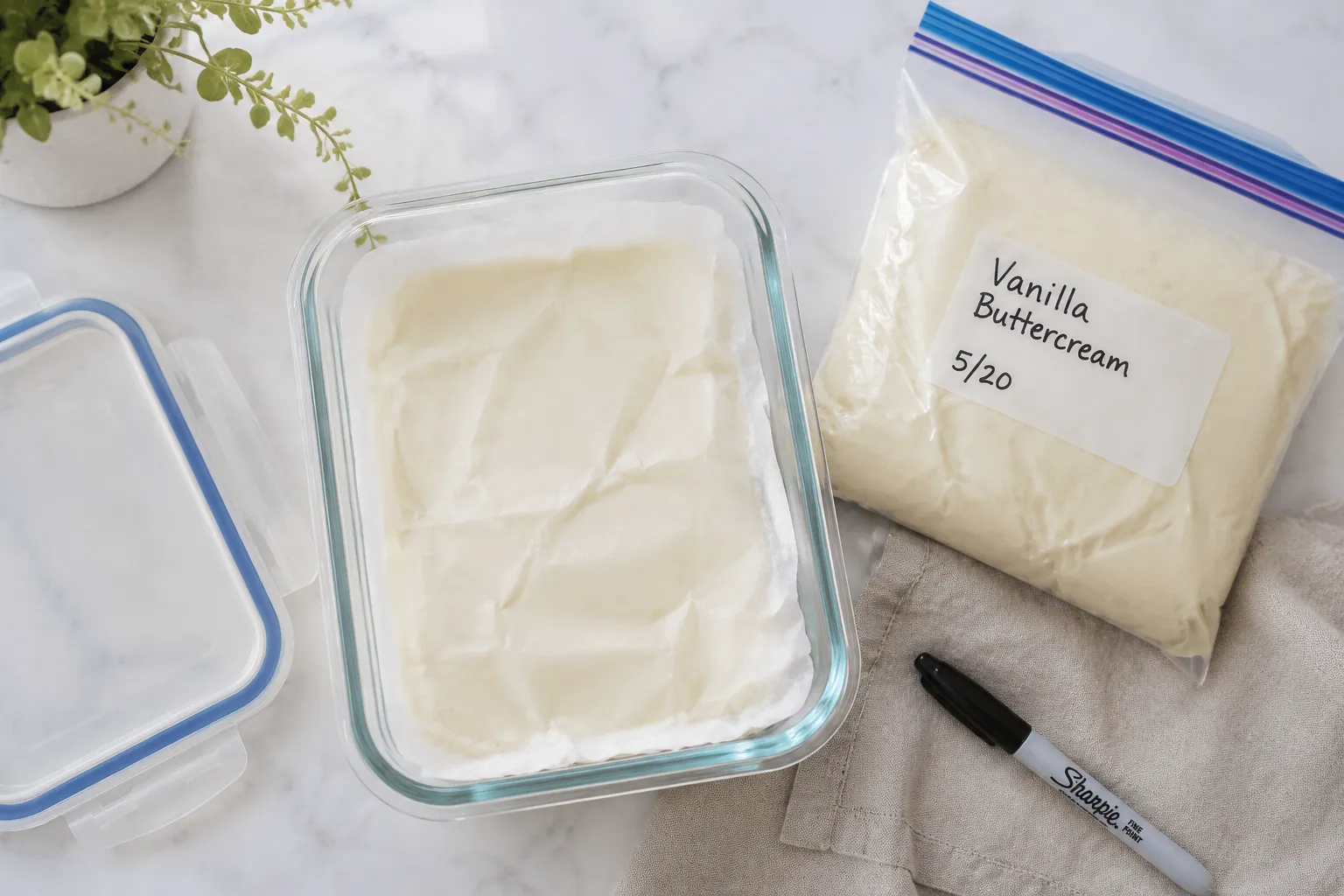
Buttercream is one of the most make-ahead-friendly frostings out there. At cool room temperature, it's good on the counter for up to 2 days in an airtight container — press a piece of plastic wrap or parchment directly onto the surface to prevent it from forming a skin. In the refrigerator, it keeps beautifully for up to a week. In the freezer, sealed in an airtight container or zip-top bag with as much air pressed out as possible, it holds its quality for up to 3 months.
To use refrigerated or frozen buttercream, let it come fully back to room temperature on the counter — this can take a few hours from the fridge, or overnight from the freezer, so plan ahead. Once it's soft, give it a 1-2 minute re-whip in the stand mixer. It will look broken or curdled at first; just keep going and it will come right back to its original silky, fluffy state. A teaspoon of cream during the re-whip can also help bring it back if it seems dry or stiff.