Creamy Southern Grits
Ingredients
Scale
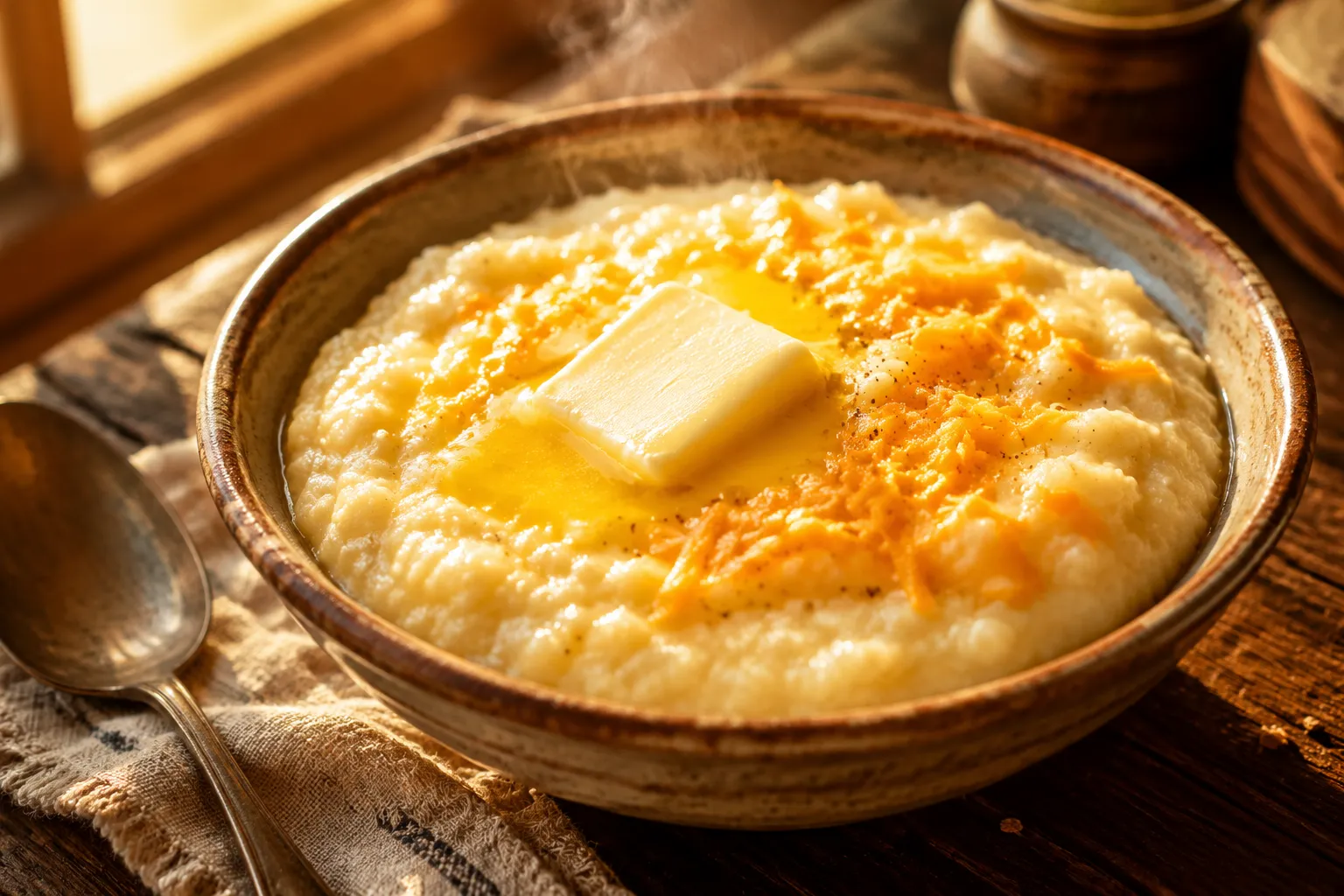
Grits are a creamy, comforting Southern staple made from ground corn. Here's what they are, the types you'll find, and how to cook them just right.
What are grits? At their simplest, they're a creamy porridge made from coarsely ground corn, slow-simmered in water or milk until the starches release and the texture turns silky and rich. They're a cornerstone of Southern cooking, the kind of dish that shows up at roadside diners, white-tablecloth restaurants, and grandmothers' kitchens with equal pride. If you've never had a proper bowl, the concept can feel a little mysterious, somewhere between oatmeal, polenta, and mashed potatoes, but really their own thing entirely.
Whether you're trying to decode a brunch menu or thinking about cooking a pot at home, this guide walks through everything you need: what grits are made of, the five main types you'll see on grocery shelves, how they compare to polenta, and a tested method for stovetop grits that turn out smooth every single time. By the end you'll know the difference between stone-ground and instant, why hominy is its own category, and how to serve a bowl that would make any Charleston cook nod in approval.
Grits have humble roots, but the ones cooked with care and good ingredients are genuinely transcendent, a quiet, buttery thing that proves simple food done well still beats almost anything fancy.
Grits are a porridge made from coarsely ground dried corn, cooked low and slow in water, milk, broth, or a combination until the kernels swell and turn thick and creamy. They can be served plain with a knob of butter, dressed up with sharp cheese, or used as a savory base for proteins like shrimp, sausage, or fried eggs. The flavor is mild, sweet-corny, and toasty, which is exactly why this humble pot is such a flexible canvas for both savory and sweet preparations. Texture matters as much as flavor here, and great grits walk the line between loose and structured.
Grits trace back to Indigenous peoples of the Southeast, including the Muskogee and Cherokee, who ground corn into meal and cooked it into porridge long before European settlers arrived. That tradition was adopted, adapted, and eventually became one of the most defining elements of Southern foodways, especially in the Lowcountry of South Carolina and Georgia. Today grits are so beloved that Georgia named them the official state prepared food, and you'll find them anchoring everything from beachside shacks to elegant Southern breakfast recipes shared on family blogs and chef cookbooks alike. Few dishes carry that much regional pride in such a small bowl.
The corn you eat off the cob in summer isn't the corn that becomes grits. Grits are made from dent corn, a starchy field corn named for the small dimple that forms on each kernel as it dries. Dent corn has a high starch content and very little sugar, which is what gives cooked grits their fluffy, creamy body rather than the snappy sweetness of corn on the cob. White and yellow dent varieties are both common, and each one produces a slightly different flavor, color, and aroma in the finished bowl. The variety chosen by the miller matters more than most home cooks realize.
Once dent corn is harvested and dried, the kernels are milled into a coarse meal, and how that milling is done changes everything. Stone-ground grits keep more of the corn's hull and germ intact, which means more flavor, more nutrition, and a longer cook time. Industrial roller mills strip away the bran and germ, producing the smoother, faster-cooking grits you see in most supermarket boxes. The milling process is really the difference between something that tastes like fresh ground corn and something that tastes more like bland filler. If you can find a local mill, even better, freshness here is genuinely noticeable.
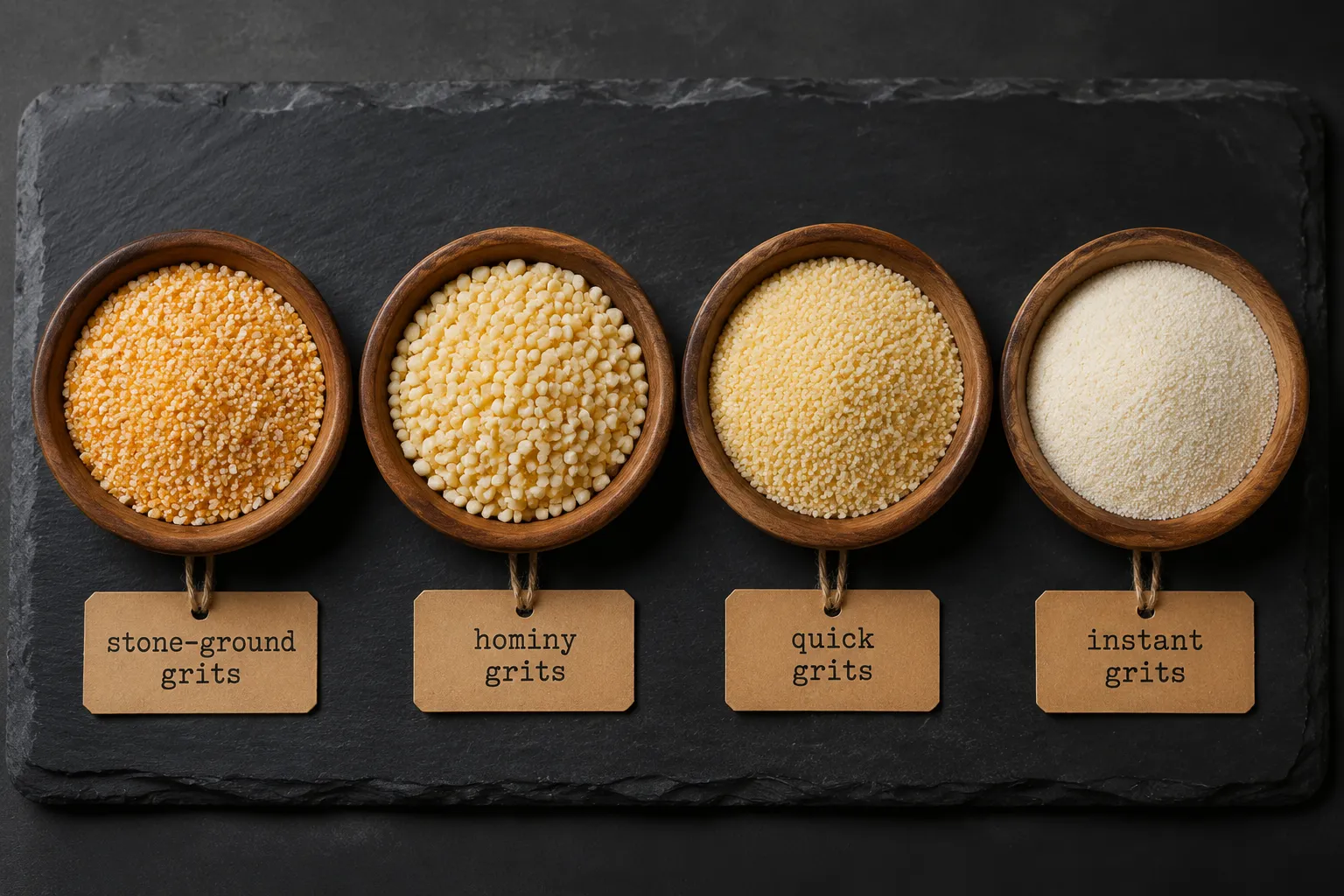
Walk down the right grocery aisle and you'll spot at least four or five different products all labeled "grits." They are not interchangeable. Each has a different texture, cook time, and use case, and choosing the wrong one is the most common reason home cooks end up with a mediocre bowl.
These are the gold standard. Stone-ground grits are made by grinding whole dried corn between two stones, leaving the bran and germ in for full flavor and a slightly nubby texture. They take 30 to 45 minutes to cook properly and reward your patience with a creamy, deeply corn-forward bowl. Look for brands like Anson Mills, Geechie Boy, and Bob's Red Mill in stores or online.
Hominy grits are made from corn kernels that have been soaked in an alkaline solution, usually lime or lye, in a process called nixtamalization. This loosens the hulls, softens the kernels, and unlocks the niacin in the corn, giving hominy grits a softer texture and a slightly more developed, almost masa-like flavor. If you've eaten white grits in a classic Southern diner, there's a good chance you were eating hominy without knowing it.
Quick grits are regular grits that have been ground finer and partially pre-cooked, which trims the cook time down to about 5 to 10 minutes. They're convenient and inoffensive, and they make a perfectly fine weekday breakfast, but they don't have the depth or chew of stone-ground.
Instant grits are fully precooked and dehydrated, often packaged in single-serve flavored packets where you just add hot water and stir. They're quick, but they trade most of the flavor and structure of real grits for shelf life and speed. Useful in a pinch, not what you want for a special breakfast.
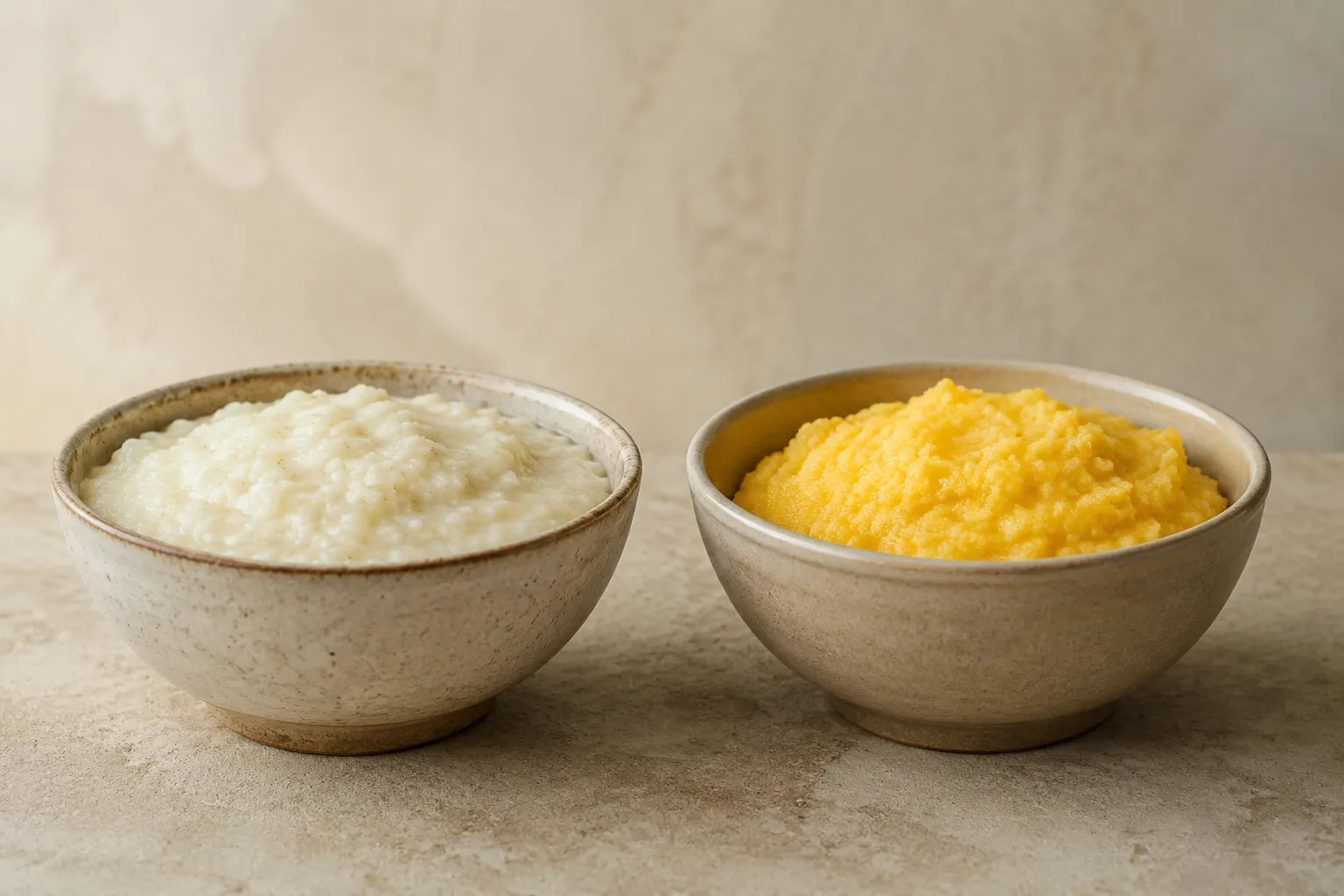
The color comes from the corn variety used. Yellow grits, made from yellow dent corn, taste a touch sweeter and look golden in the bowl. White grits, more traditional in coastal South Carolina, are mellower and often paired with seafood. Both are delicious, and the choice mostly comes down to regional preference and what you're plating alongside.
Good grits should be loose enough to spread when spooned but thick enough to hold a small dent when you draw a spoon through. Stone-ground varieties have a pleasant, slightly toothsome chew, almost like soft rice pudding with a little structure to it. Quick and instant versions are smoother and softer, sometimes verging on gluey when overcooked, which is why so many first-timers swear they don't like grits, they've only ever met the bad kind. The right texture is the difference between a craving and a chore.
The flavor is gently sweet and corny on its own, with a buttery, almost toasted-popcorn quality when made from fresh stone-ground meal. That mildness is exactly what makes them so versatile. Cooked savory with butter, salt, sharp cheddar, or smoky bacon, they take on bold flavors beautifully. Cooked sweet with brown sugar, cream, and fresh fruit, they read like a warmer cousin to oatmeal. There's no wrong answer here, only personal preference and what's already in your fridge.
This is one of the most common questions home cooks have when they first see grits in the wild, and the answer is genuinely subtle.
Both are made from ground corn, both are cooked into porridge, and both can absolutely be substituted for each other in a pinch. But there are real differences. The polenta vs grits debate usually comes down to corn variety and grind: polenta is traditionally made from Italian flint corn and tends to be more uniformly ground, while grits are made from Southern dent corn with a coarser, irregular texture. Polenta typically tastes a little more assertive and golden, while Southern grits are softer, creamier, and quietly corn-sweet.
Cornmeal is the broader category, any ground dried corn falls under it. Grits are simply a coarse cornmeal. Move down the grind and you get medium cornmeal (great for cornbread), then fine cornmeal, and finally corn flour, which is powdery and used for baking and dredging. Masa harina is a separate animal entirely, that's nixtamalized corn flour for tortillas. Same plant, very different results.
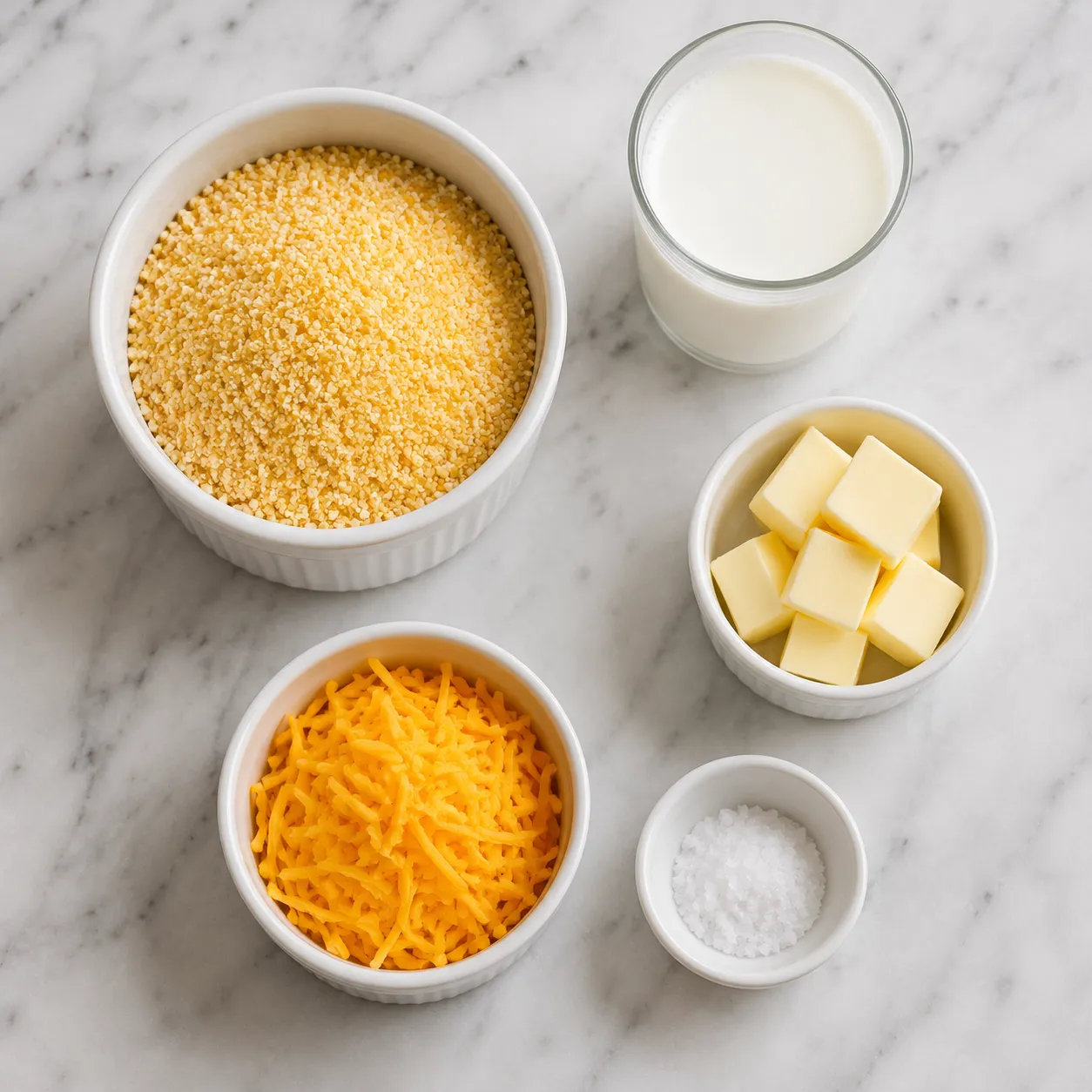
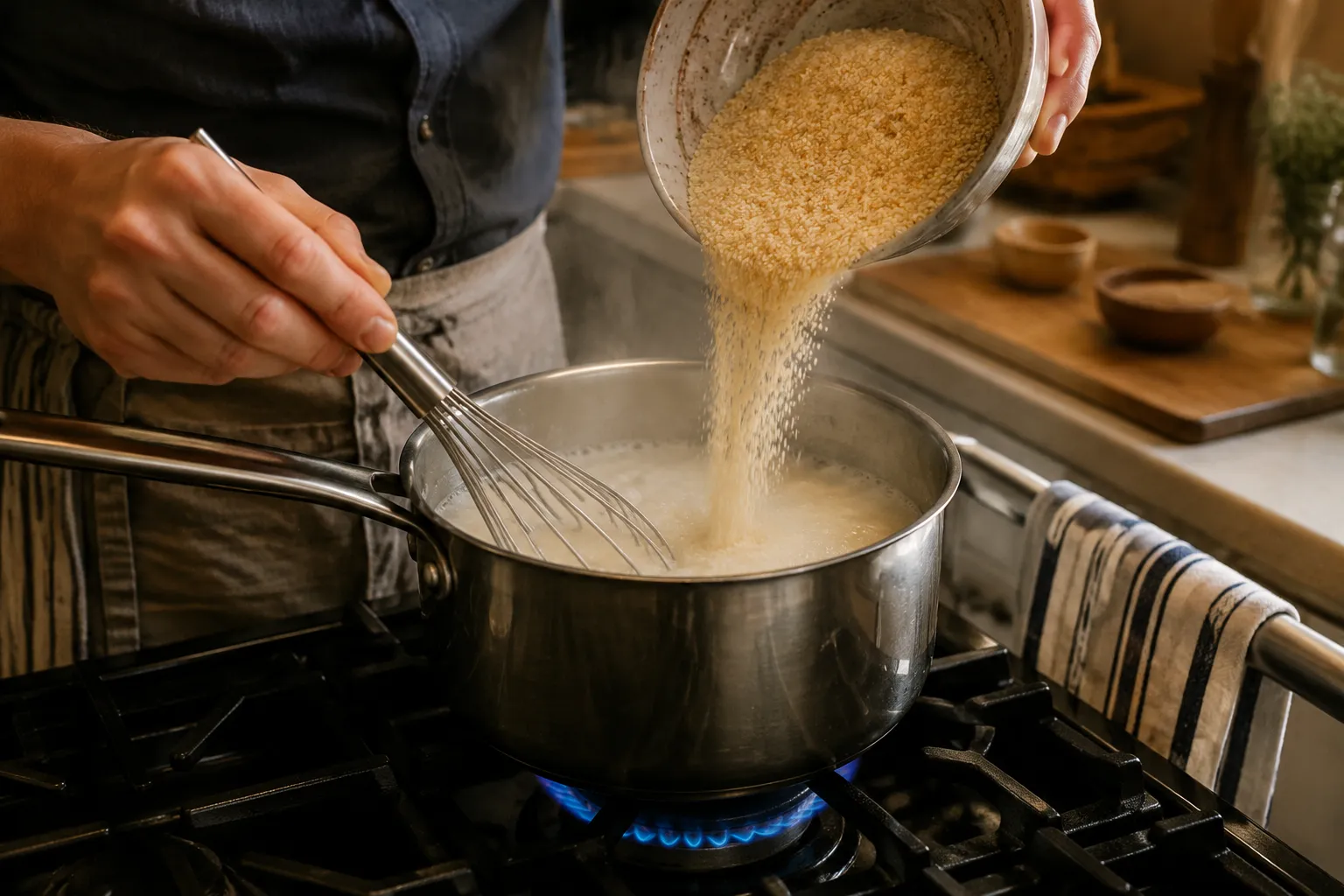
For a foolproof base, you need stone-ground grits, water, whole milk, unsalted butter, and kosher salt. Cheese is optional but recommended, sharp cheddar or aged white cheddar both work beautifully. The combination of water and milk is the secret to creamy grits: all milk can scorch and taste heavy, while all water tastes thin and washed out. A 4-to-1 ratio of liquid to grits gives you that loose, glossy, restaurant-style consistency.
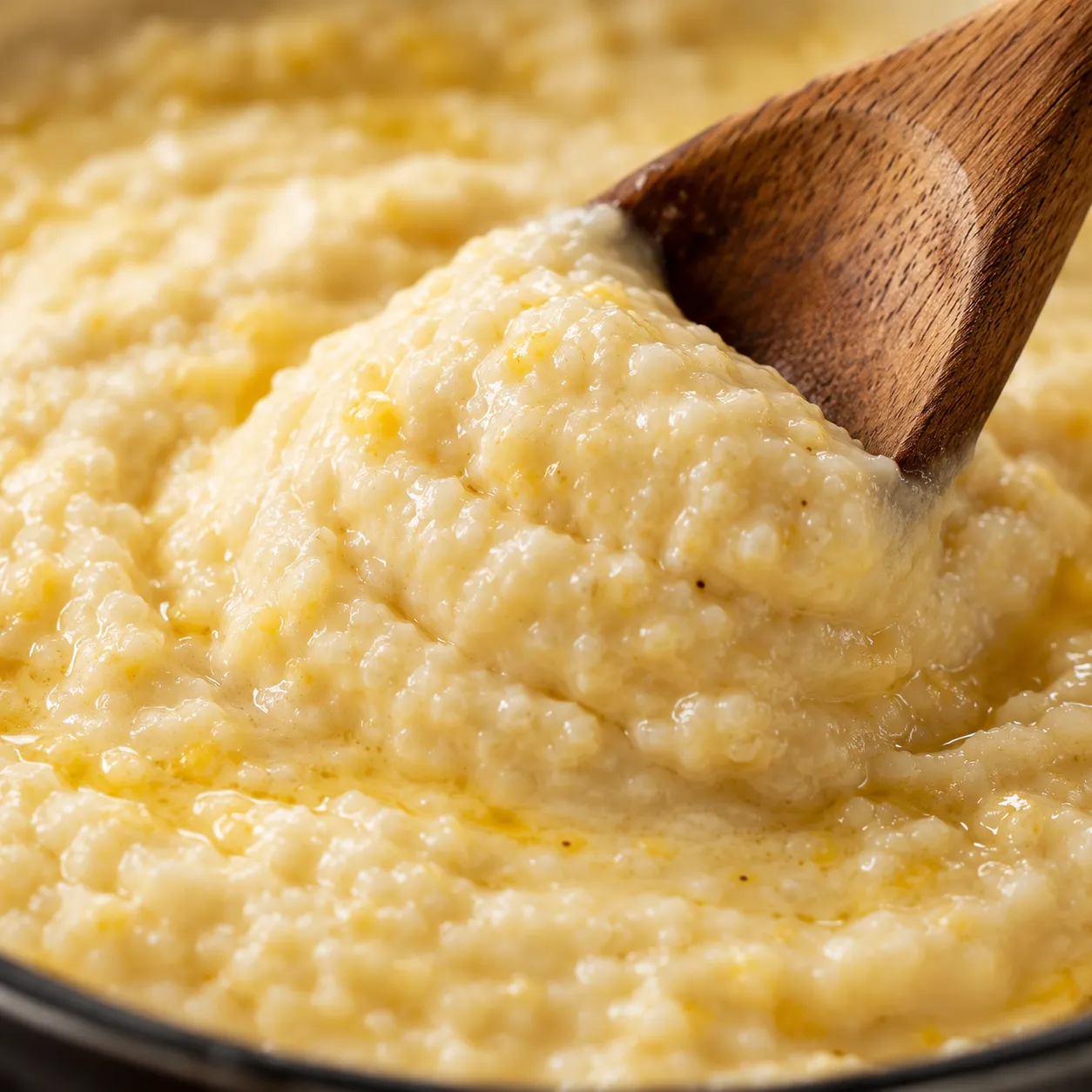
Bring the water and milk to a gentle simmer, not a rolling boil, or you'll scorch the milk. Whisk in the grits in a slow, steady stream while stirring with your other hand to prevent clumping. Drop the heat to low, cover loosely, and let the grits do their thing for 25 to 40 minutes, stirring every few minutes and adding splashes of warm water if they get too thick. Finish with butter, salt, and any cheese off the heat so the dairy stays glossy.
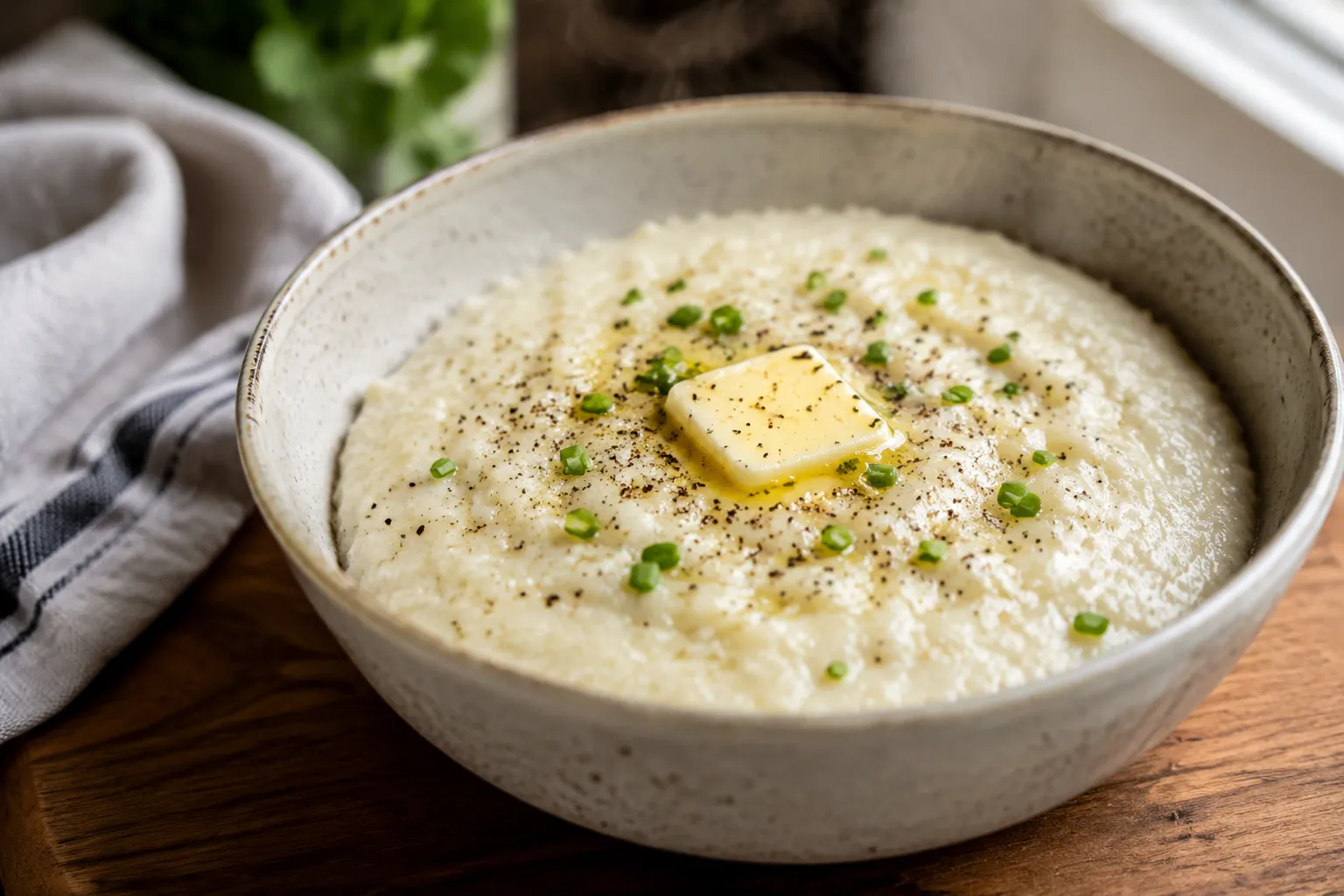
Soak the grits overnight if you can, it cuts cooking time and makes them noticeably creamier. Stir often, especially in the last 10 minutes when they thicken fast. And season at the end, not the beginning, so the salt sharpens rather than dulls the corn flavor. The full numbered steps and exact measurements live in the recipe card just below this section.
Once you've got a great pot of grits, the question becomes what to do with them. The good news: there's basically no wrong answer.
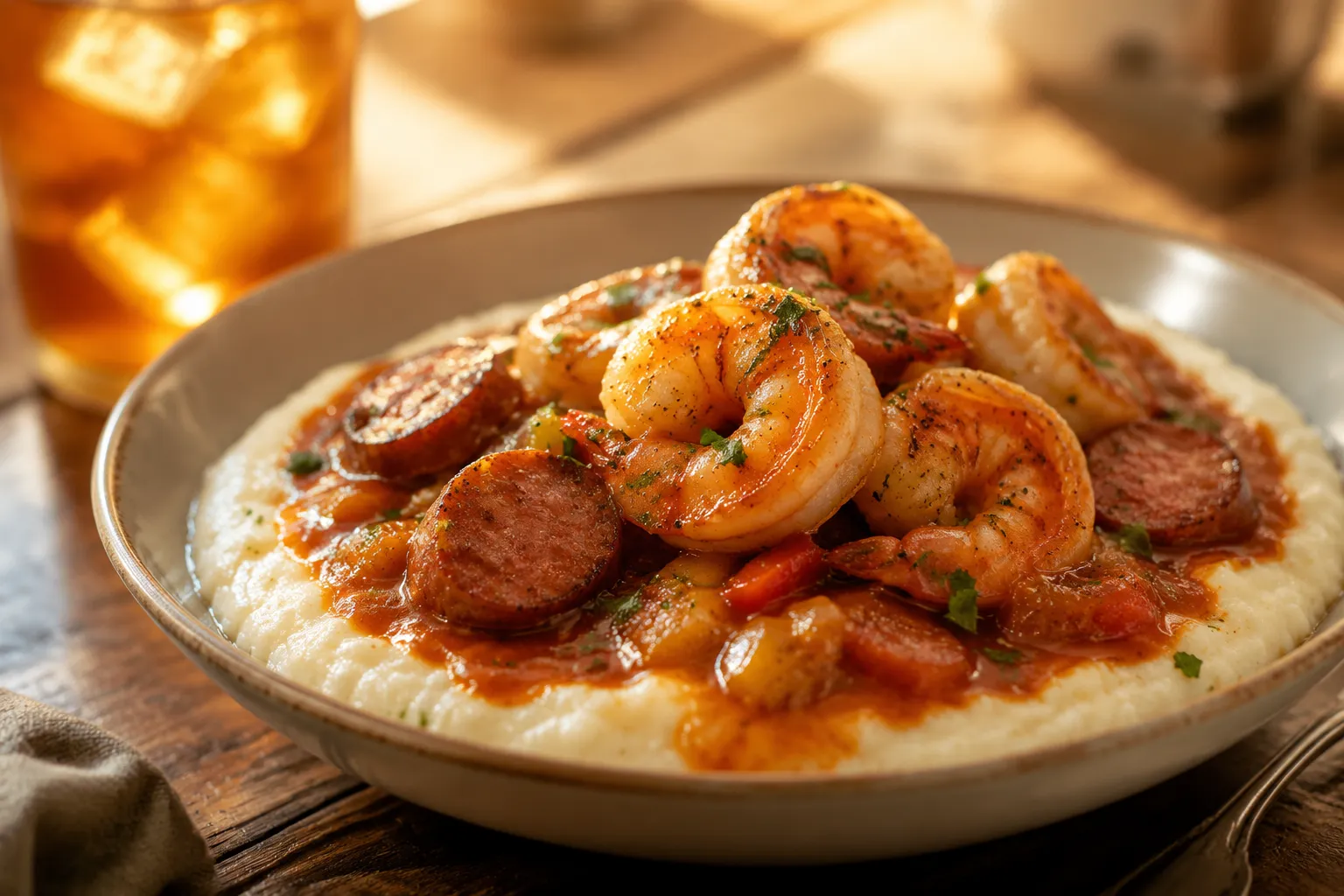
The most iconic preparation is shrimp and grits, plump shrimp seared with garlic, smoked paprika, and andouille sausage, then ladled over a deep pool of cheese grits with a glossy pan sauce. It started as a simple Lowcountry breakfast for shrimpers along the Carolina coast and has since become one of the most copied dishes in American restaurant cooking, for very good reason.
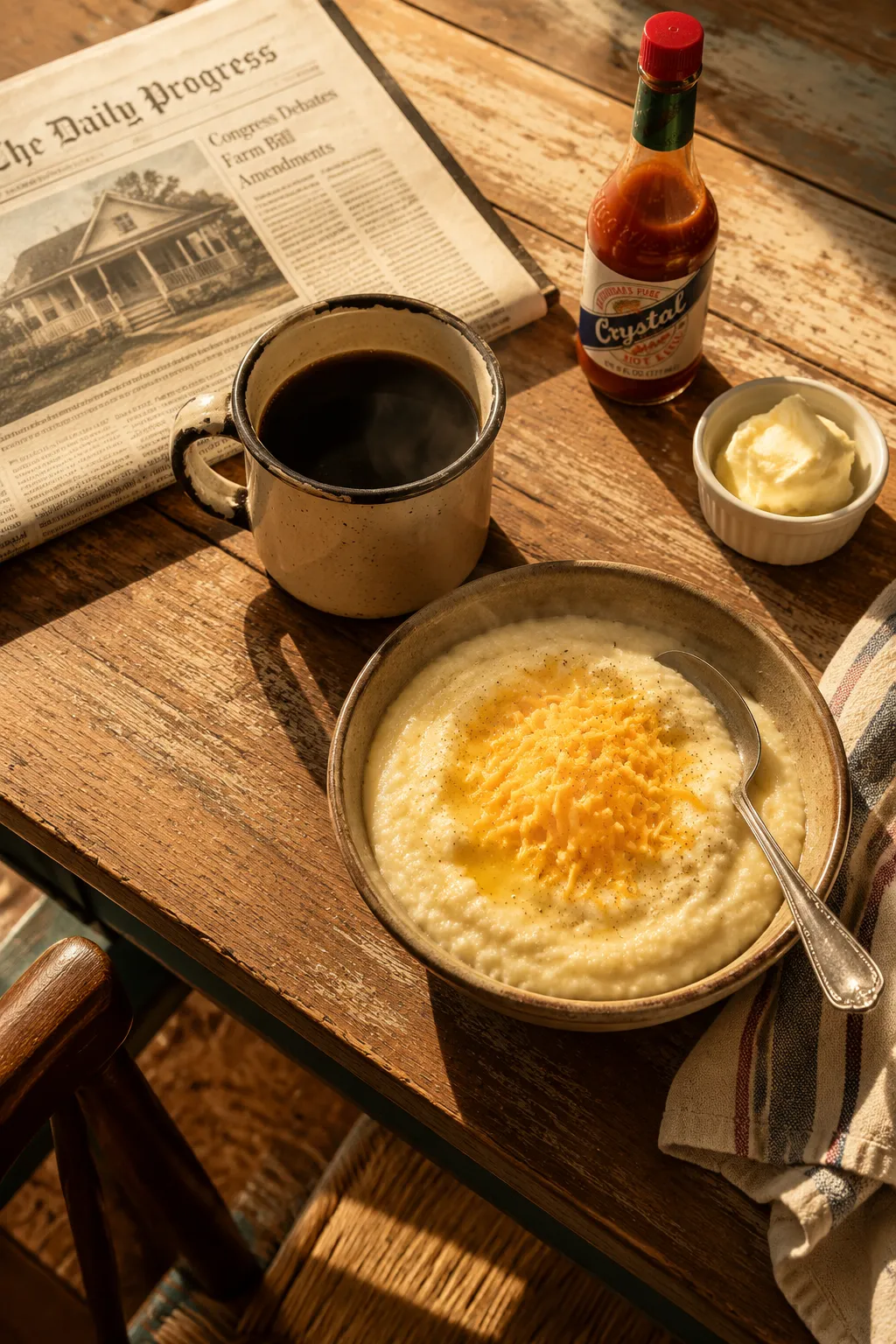
A bowl of creamy cheese grits with a fried egg on top, plus a few dashes of hot sauce, is one of the great Southern breakfasts. Sharp cheddar is traditional, but smoked gouda, pepper jack, or a generous handful of grated Parmesan all work. Serve alongside crispy bacon, country ham, or a simple side of stewed tomatoes for a full plate.
Less famous but quietly beloved, sweet grits get a swirl of brown sugar, a splash of cream, a generous pat of butter, and sometimes a handful of berries or sliced banana. It's basically the corn cousin of buttery oatmeal, and once you try it you'll wonder why it isn't on every breakfast menu in the country.
So, what are grits? At their core, they're patient, comforting food, a slow pot of corn, butter, and salt that connects modern cooks to centuries of Southern kitchens. Whether you reach for fresh stone-ground from a local mill or pick up a bag of hominy grits at the grocery store, the technique is forgiving, the flavor is irresistible, and the variations are endless. Make a pot this weekend, top it however you like, and see why this humble bowl has held its place at Southern tables for so long.
Once you've got the base method down, this recipe becomes a launchpad for dozens of riffs. Swap the dairy, layer in flavor builders, or finish with whatever's seasonal at the market. A few tested directions to try:
Cooked grits keep well in an airtight container in the refrigerator for up to 4 days. They will firm up significantly as they chill, which is normal, the starches simply set. To reheat, transfer to a saucepan with a generous splash of milk or water, warm over low heat, and whisk steadily until they relax back into a creamy texture. Microwave reheating works in a pinch but tends to dry the edges, so cover loosely and stir often.
Leftover firm grits are also a gift in their own right. Pour cooled grits into a parchment-lined loaf pan, chill until solid, then slice into squares and pan-fry in butter for crispy grit cakes, the same trick used for fried polenta. Cooked grits can also be frozen for up to 2 months in flat zip-top bags; thaw overnight in the fridge before reheating with extra liquid.