Jammy Eggs: Foolproof 6-Minute Recipe with Silky Yolks
Ingredients
Scale
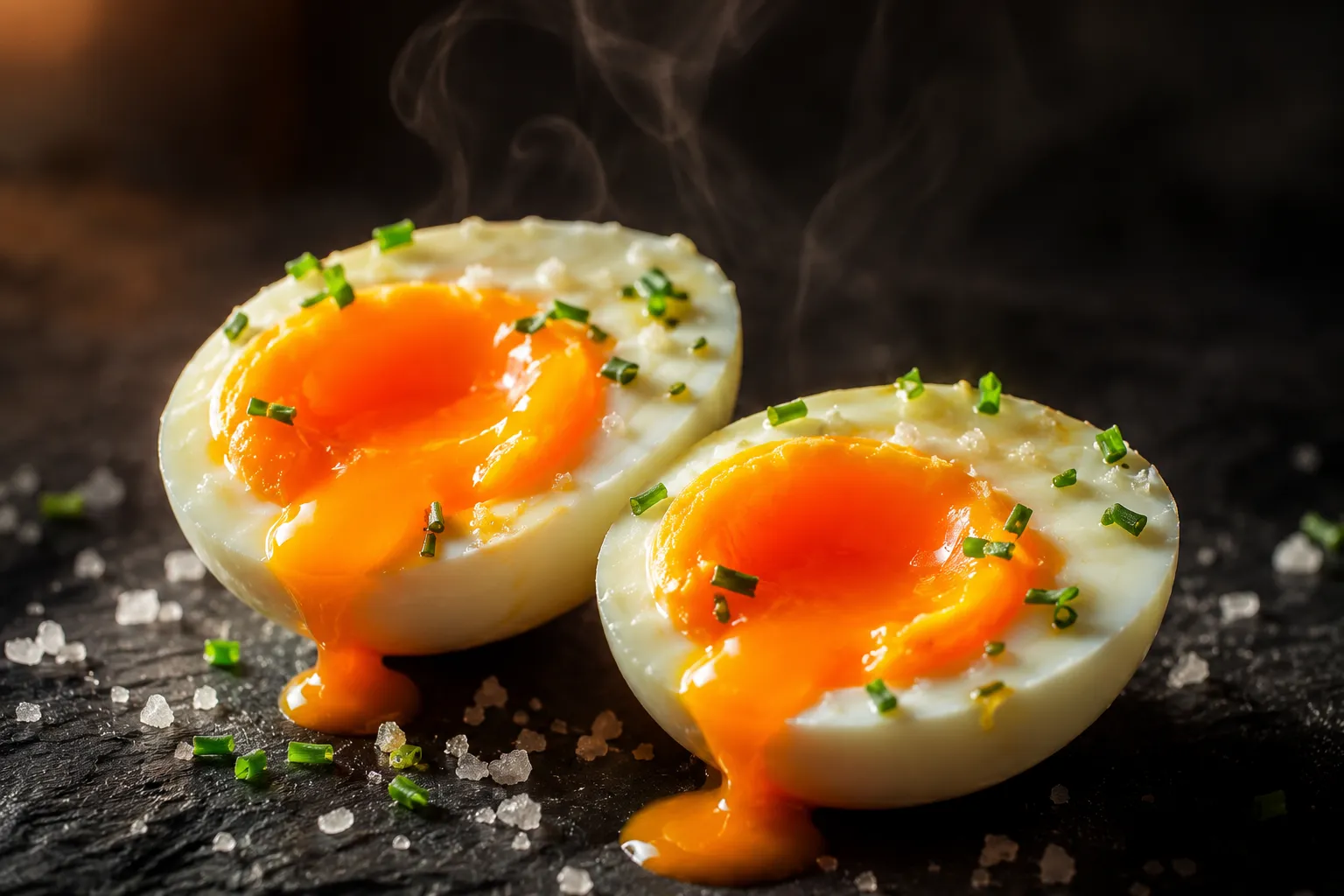
Jammy eggs are the ultimate upgrade for ramen, grain bowls, and toast. With one timer trick, you'll get custardy, jam-like yolks every single time.
Jammy eggs are the move when you want a soft-set, custardy yolk that holds its shape on a spoon but still spreads like jam across warm toast. They sit right in the sweet spot between runny soft boiled eggs and crumbly hard boiled eggs, with a yolk that's deep orange, glossy, and just barely set at the center. One bite and you understand why they top every great bowl of ramen, every grain bowl worth photographing, and the kind of breakfast eggs your friends ask you to make twice.
The trick with this jammy eggs recipe is that there is no trick — just a precise method anyone can repeat. We're starting eggs in a rolling boil (not a cold start), holding that boil for exactly six minutes, then shocking them in an ice bath to stop the carryover cooking before it pushes the yolk past the jam stage. That's it. No fussing, no guessing, no cutting one open to check.
I keep a half-dozen in the fridge most weeks. They go on top of avocado toast on Monday, get sliced into a quick lunch salad on Wednesday, and end up bobbing in shoyu broth by Friday. Once you nail the timing, they become the most useful thing in your fridge.
Jammy eggs are eggs cooked just long enough that the white is fully set and tender while the yolk reaches a thick, spreadable, jam-like texture — somewhere between molten and firm. The yolk should be vivid orange in the center, slightly translucent, and rich enough to coat the back of a spoon without dripping. When you halve a perfect one, the yolk holds the cut surface for a beat, then slowly relaxes outward.
The difference comes down to time. A classic soft boiled egg cooks for about four to five minutes and leaves you with a barely-set white and a fully runny yolk that's best eaten from a cup with toast soldiers. A hard boiled egg goes nine to eleven minutes and produces a fully firm, crumbly yolk that's perfect for egg salad and deviled eggs but lacks any of the silkiness we're chasing here. The custardy yolk you get at the six-minute mark is exactly that middle ground — set whites, jam-like center, sliceable but still saucy.
That custardy yolk isn't just a vibe. It's structurally useful. It hugs warm noodles, melts into broth, and acts like a built-in sauce when sliced over rice or grains. Hot soup will gently warm and loosen it without instantly cooking it through, and a sharp knife can cleanly bisect it without the yolk running off the plate. That balance between set and molten is exactly why this style took over ramen shops, salad bars, and breakfast menus everywhere.
You don't need much, which is part of the charm. The whole list is eggs, water, and ice — plus a few finishing touches if you want to dress them up at the table.
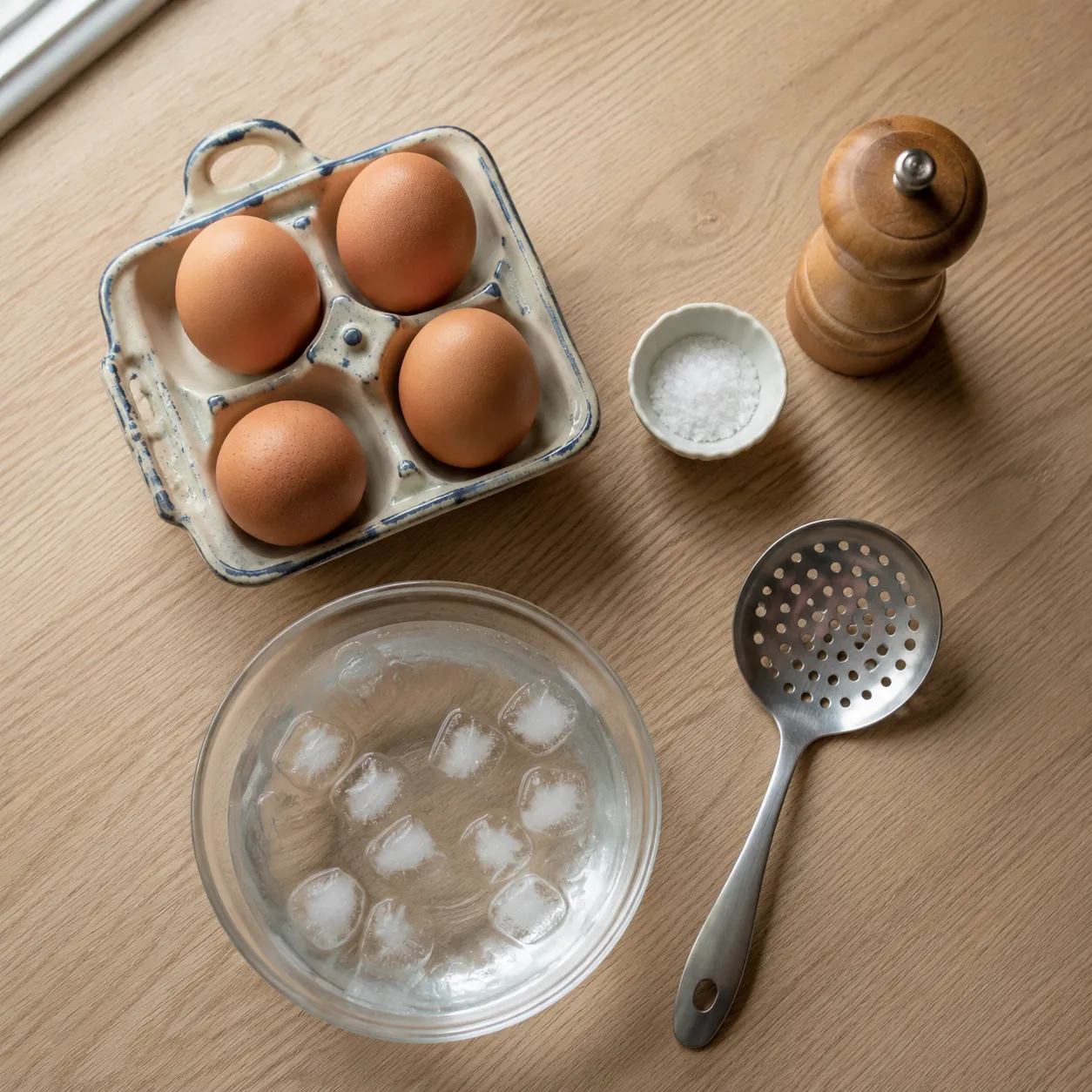
Use large eggs straight from the fridge, not room temperature. Cold eggs help the whites set quickly when they hit boiling water, which gives you a more dramatic yolk-to-white contrast and protects the yolk from overcooking around the edges. If you have a choice, reach for eggs that are at least a week past their pack date — very fresh eggs cling to their shells and turn into a peeling nightmare, no matter how careful you are. Brown or white doesn't matter for taste, but heavier, fresher-feeling shells tend to crack less when lowered.
A small saucepan, a slotted spoon, a timer, and a roomy bowl for the ice bath are all you need. The slotted spoon matters more than you'd think — it lets you lower each egg gently into the water without dropping it from height and cracking the shell. A digital timer (or your phone's built-in timer) is non-negotiable; the difference between six minutes and seven minutes is the difference between molten and firm. Skip the egg-piercer gadgets and the baking-soda-in-the-water tricks; with cold eggs, a real boil, and an ice bath, you don't need them.
Here's the method at a glance, with the pictures to match. The full numbered steps live in the recipe card below, but reading through them once before you start makes everything go smoother.
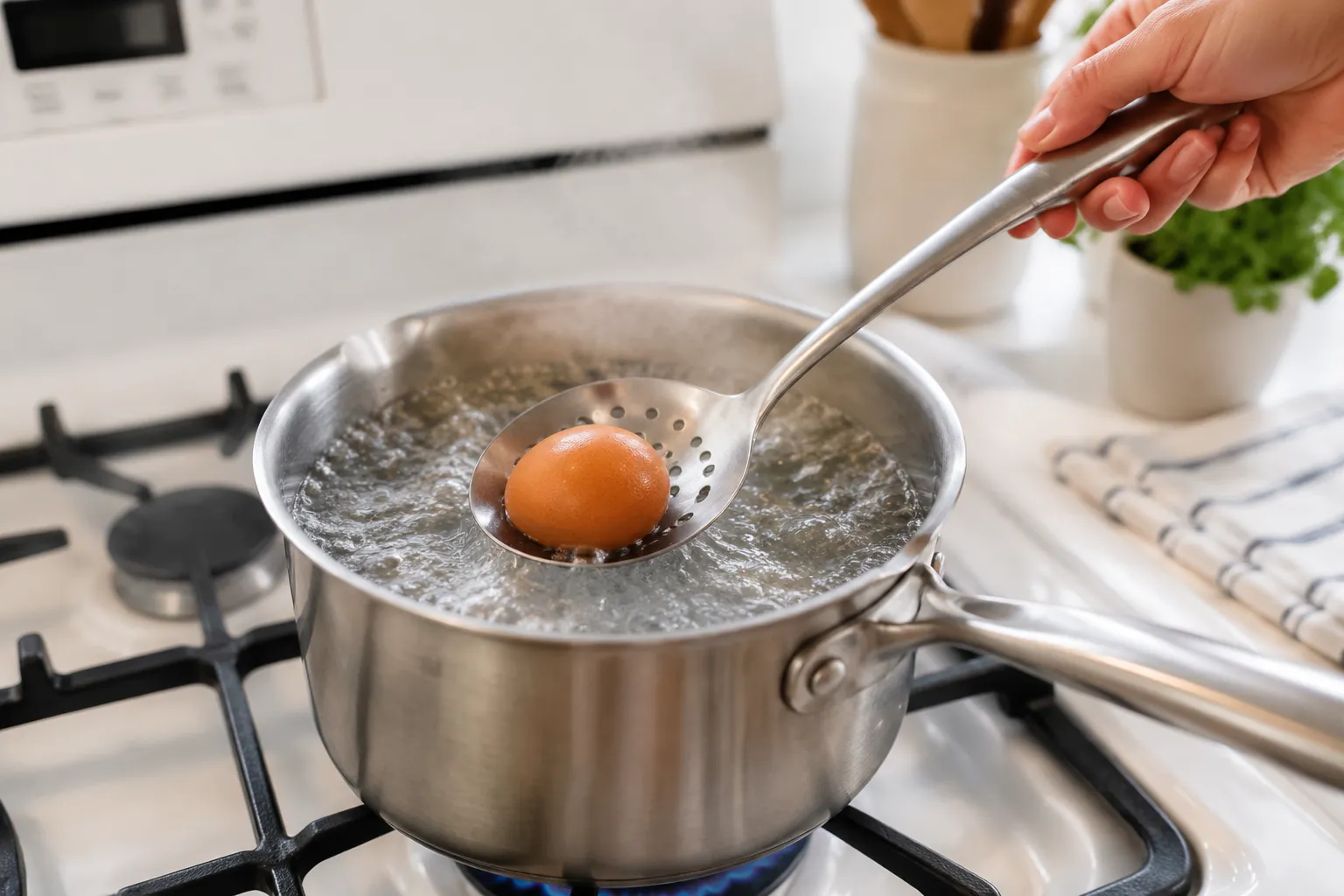
Bring a small saucepan of water to a hard, rolling boil — not a gentle simmer with a few lazy bubbles, but a vigorous, steady churn. Using a slotted spoon, lower each cold egg into the water one at a time. Going slow here keeps the shells from cracking and prevents the temperature from crashing all at once.
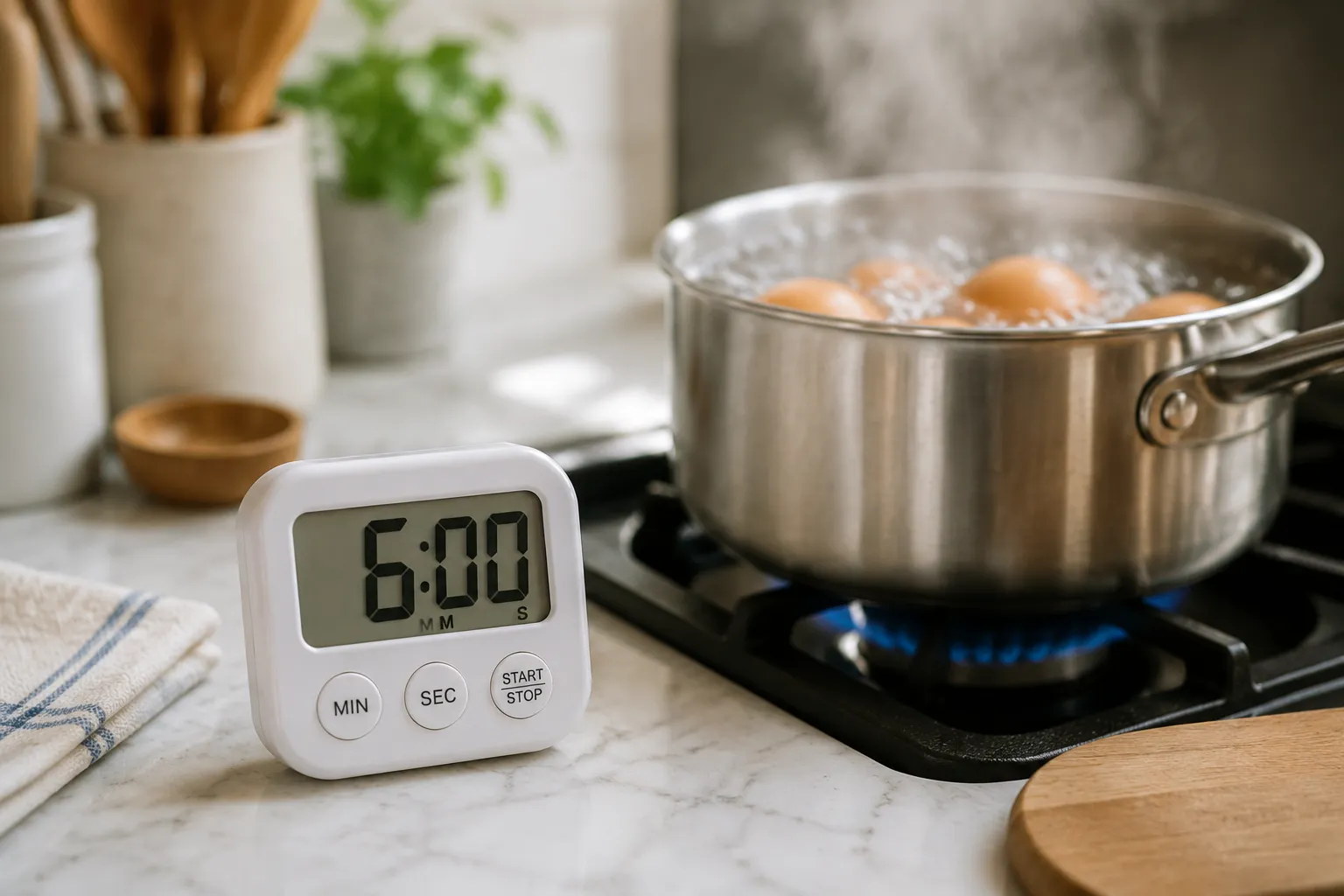
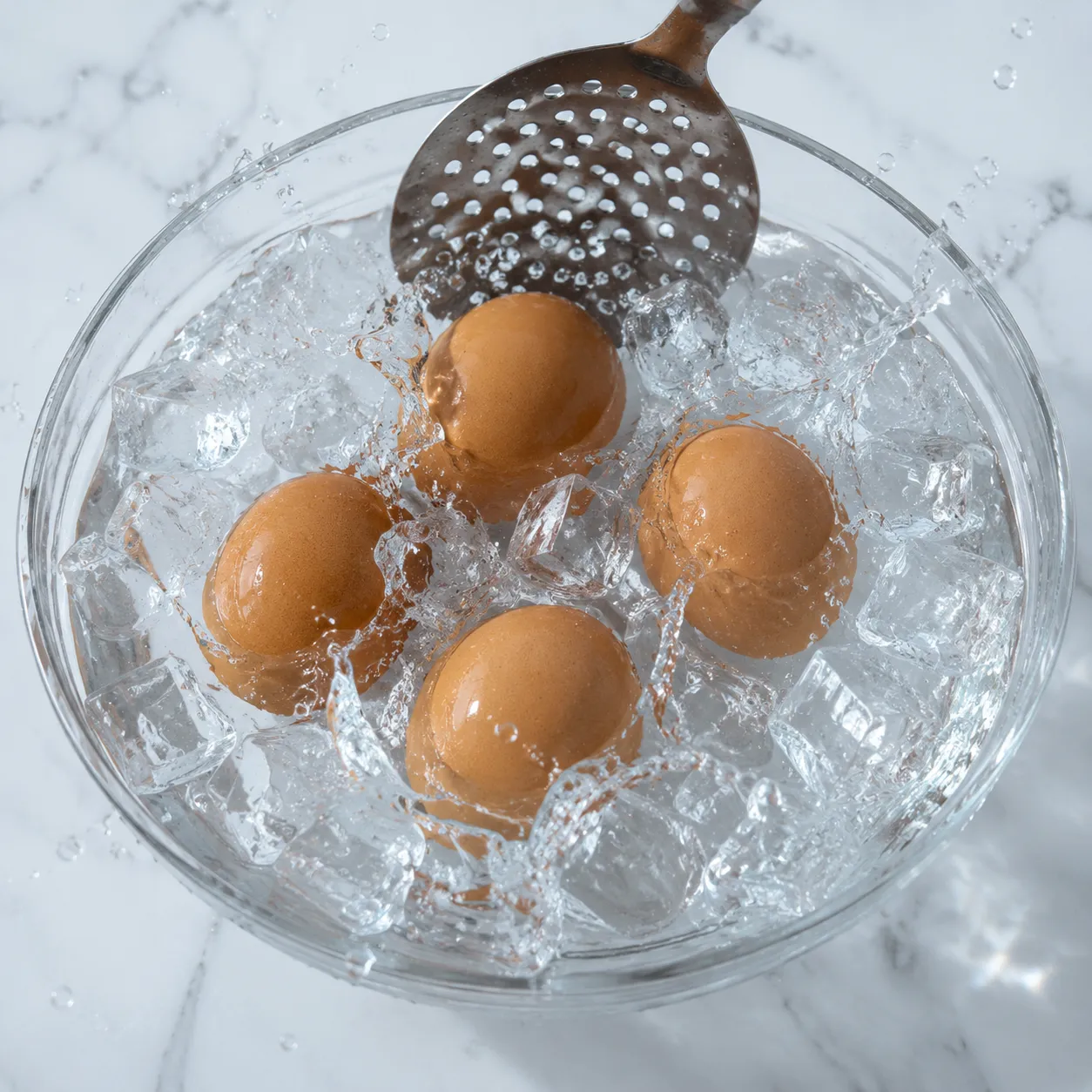
While the eggs cook, fill a bowl with plenty of ice and cold water. The colder, the better. As soon as the timer hits zero, transfer the eggs into the ice bath with the same slotted spoon. The ice bath stops the cooking instantly, prevents that grey-green ring around the yolk, and contracts the egg slightly inside the shell so it slips off cleanly. Let them chill for at least five minutes — longer if you can spare the time.
When you're ready to peel, tap each egg firmly on the counter to crack the shell all over, then start at the wide end where the air pocket is and work your way around. Peeling under a thin stream of cool running water is the single best trick I know — it slides between the shell and the membrane and floats away the small chips, which is exactly the answer most people are looking for when they search how to peel eggs without losing half the white.
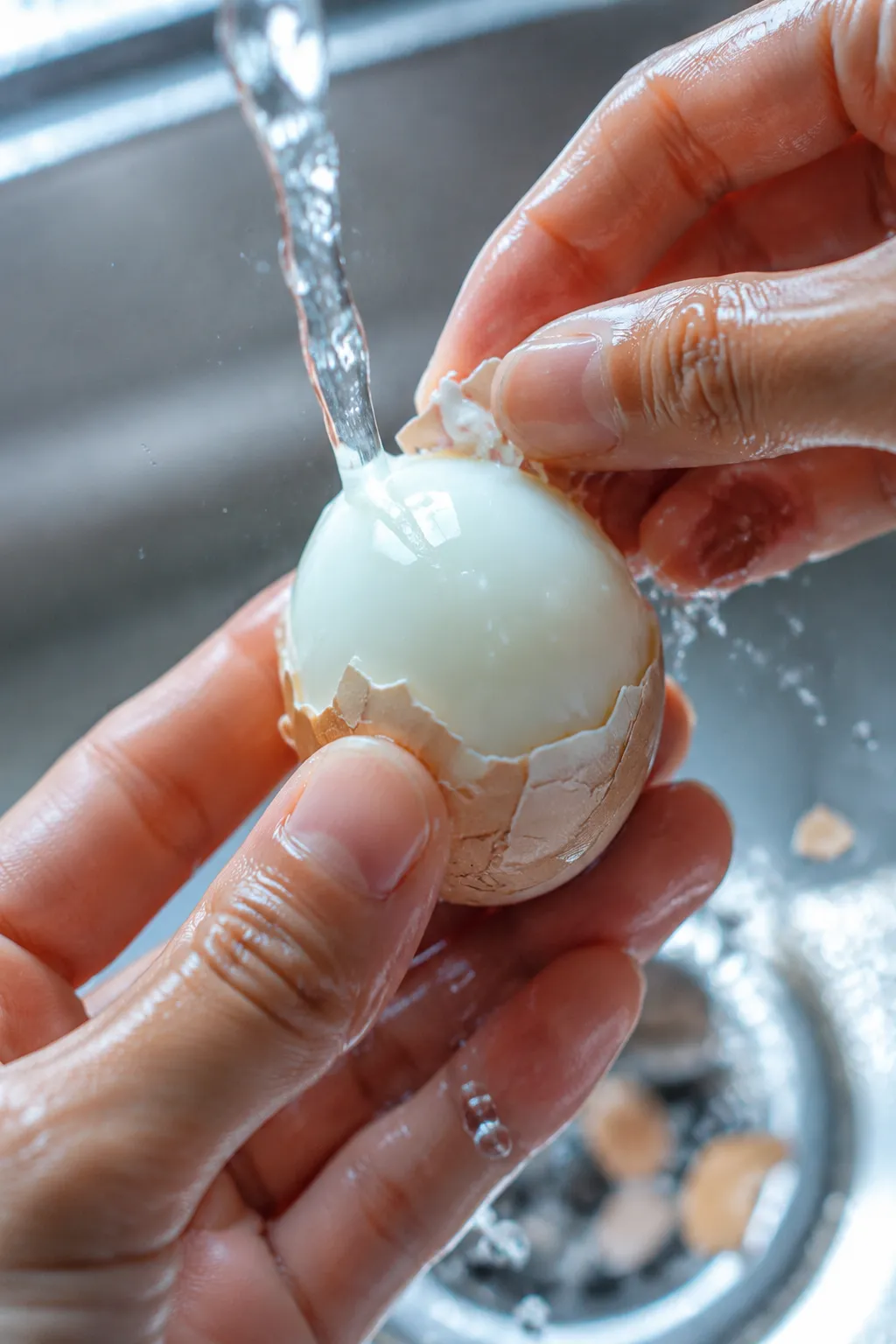
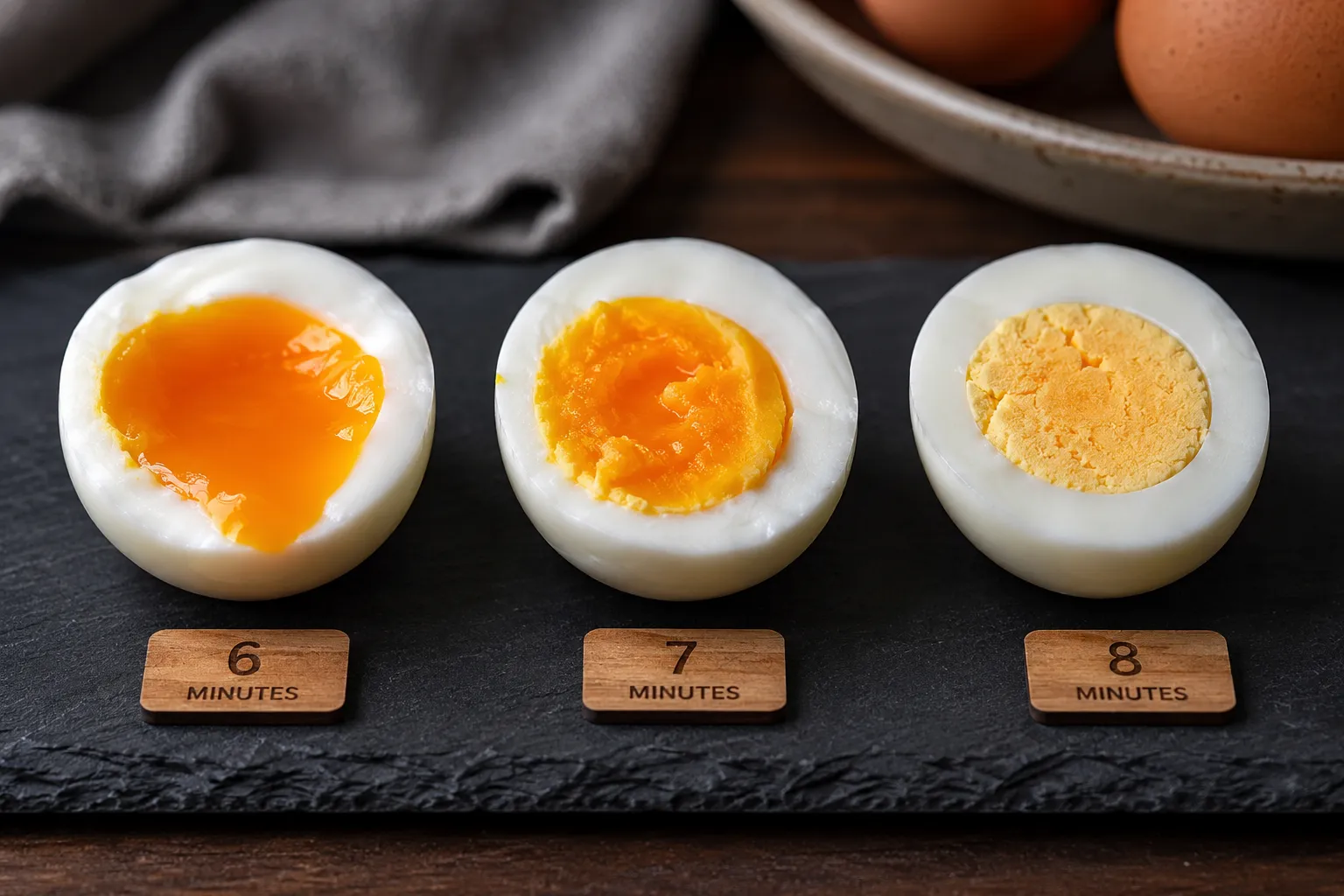
The same method works for a small spectrum of doneness. Once you've got the rolling-boil-plus-ice-bath rhythm down, you can dial the texture in by 30-second increments depending on what you're making.
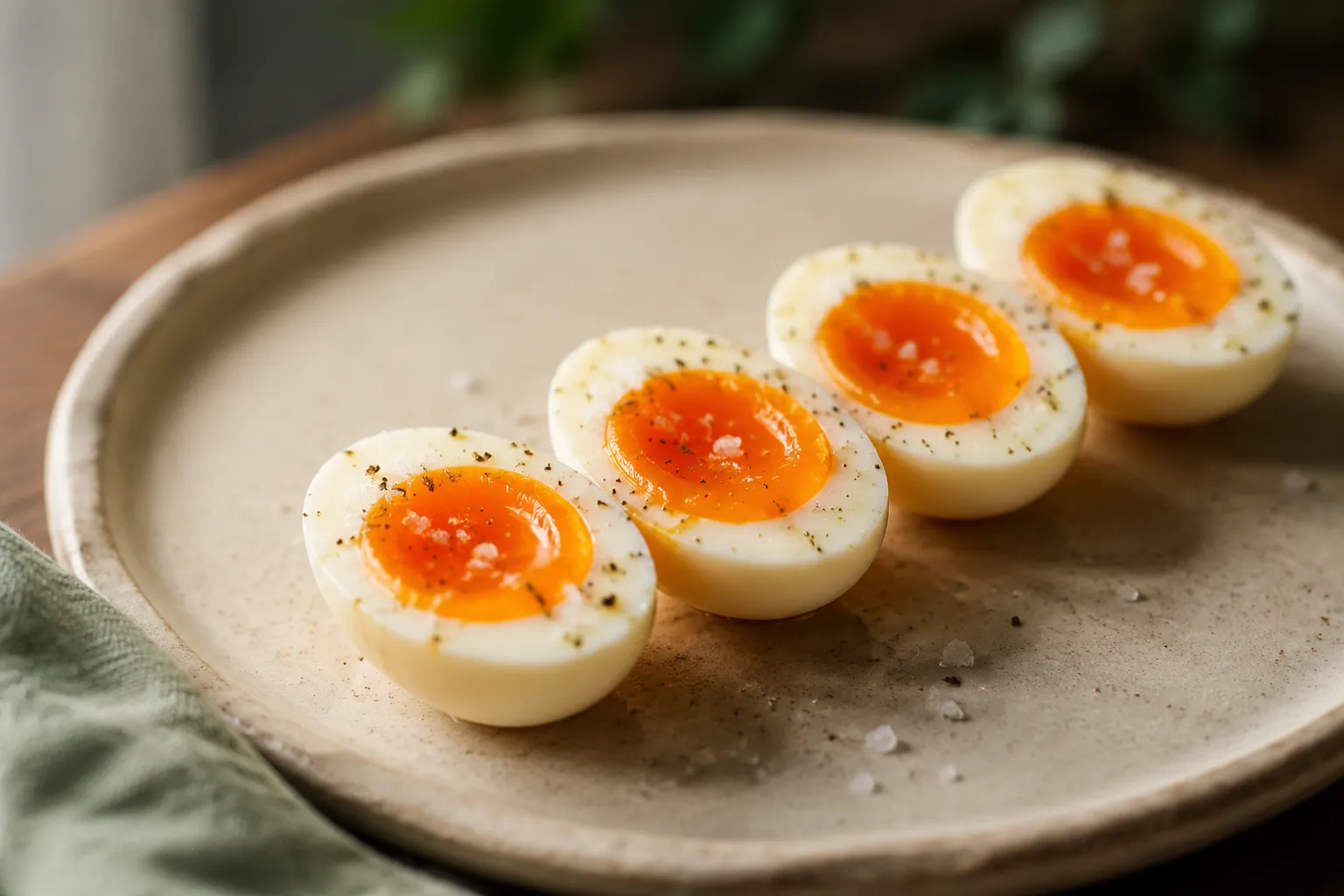
Six minutes is the gold standard. The white is fully set but still tender, and the yolk is glossy, deep orange, and slightly oozy at the very center. This is the texture you want for ramen eggs, grain bowls, and anything where the yolk doubles as a sauce.
Push the jammy egg time to six and a half or seven minutes if you want a yolk that holds a clean cut for plating, slices into rounds without smearing, or stands up to a marinade overnight. The center is still creamy, just less molten — think soft caramel rather than honey. This is also a good range if your stove runs a little weak or your eggs are extra-large.
At eight minutes you land in jammy hard boiled eggs territory. The yolk is fully set but still moist and tender, with none of the chalkiness of a fully hard-cooked egg. This is my go-to for egg salad — the yolks mash into a creamy, almost buttery base that doesn't need much beyond mayo, mustard, and chives.
The best part of keeping a stash of perfect jammy eggs in the fridge is how flexibly they slide into a week of meals. They're equally at home on a five-minute breakfast as they are on a slow Sunday dinner, and they upgrade just about anything you put them on.
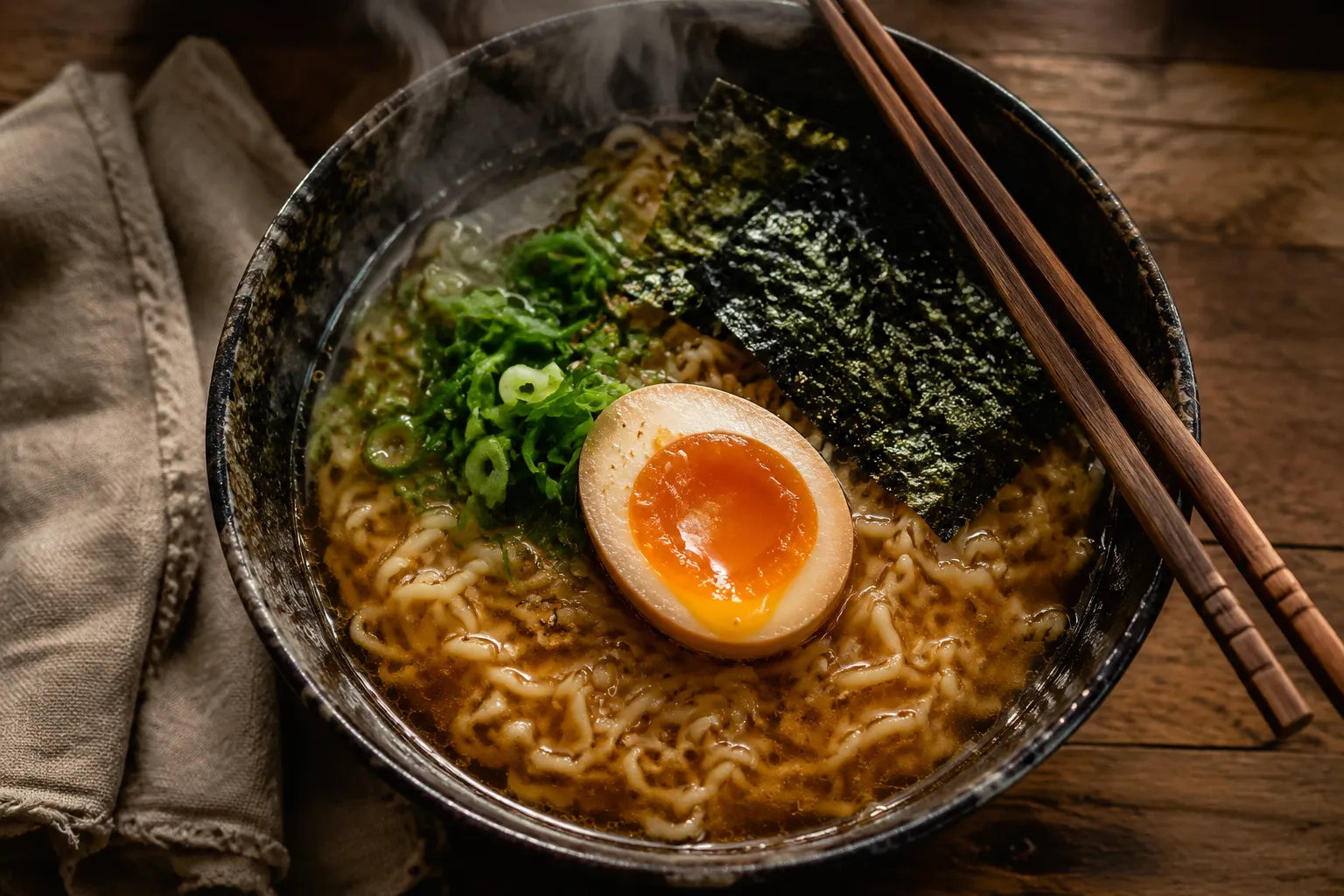
Halve one over a bowl of instant ramen with a swirl of chili crisp and a handful of scallions, and you've turned a packet dinner into something that genuinely tastes like a restaurant move. Slide a whole egg onto buttered sourdough with flaky salt for the best breakfast eggs you'll make all week. Slice them onto a salad of bitter greens, crispy chickpeas, and a lemony dressing. Tuck them into a Niçoise. Mash the eight-minute version into the creamiest egg salad of your life. They also make a knockout addition to a grain bowl with farro, roasted vegetables, and tahini — the kind of dinner you might round out with crusty bread and a simple soup.
If you've ever ordered a bowl of tonkotsu and stared longingly at the marinated egg on top, you can absolutely make those at home. Soak peeled jammy eggs in a mix of soy sauce, mirin, and water for anywhere from two hours to overnight, and you'll have proper ramen eggs with that signature amber-stained white and deeply seasoned, custardy yolk. Once you start, it's hard to stop.
The base method is bulletproof, which means you can play freely with seasoning, marinades, and finishing touches. Here are the variations I rotate through depending on what's on the table.
Store unpeeled eggs in a covered container in the coldest part of the fridge for up to 4 days. The intact shell protects the white from drying out and keeps any fridge odors from creeping into the yolk. Peel only what you'll eat within an hour or so for the freshest, most attractive whites. If you've already peeled the whole batch, store them submerged in cool water in a sealed container and change the water daily.
To take the chill off without overcooking, set peeled eggs in a bowl of hot tap water for 60-90 seconds — long enough to warm them through gently. Avoid the microwave; it cooks unevenly and yolks can burst. Marinated ramen-style eggs keep for up to 3 days in their soy soak, but pull them from the brine after 12 hours so the white doesn't turn rubbery.