Easy Sugar Cookie Recipe (Soft, Chewy & No Chill)
Ingredients
Scale
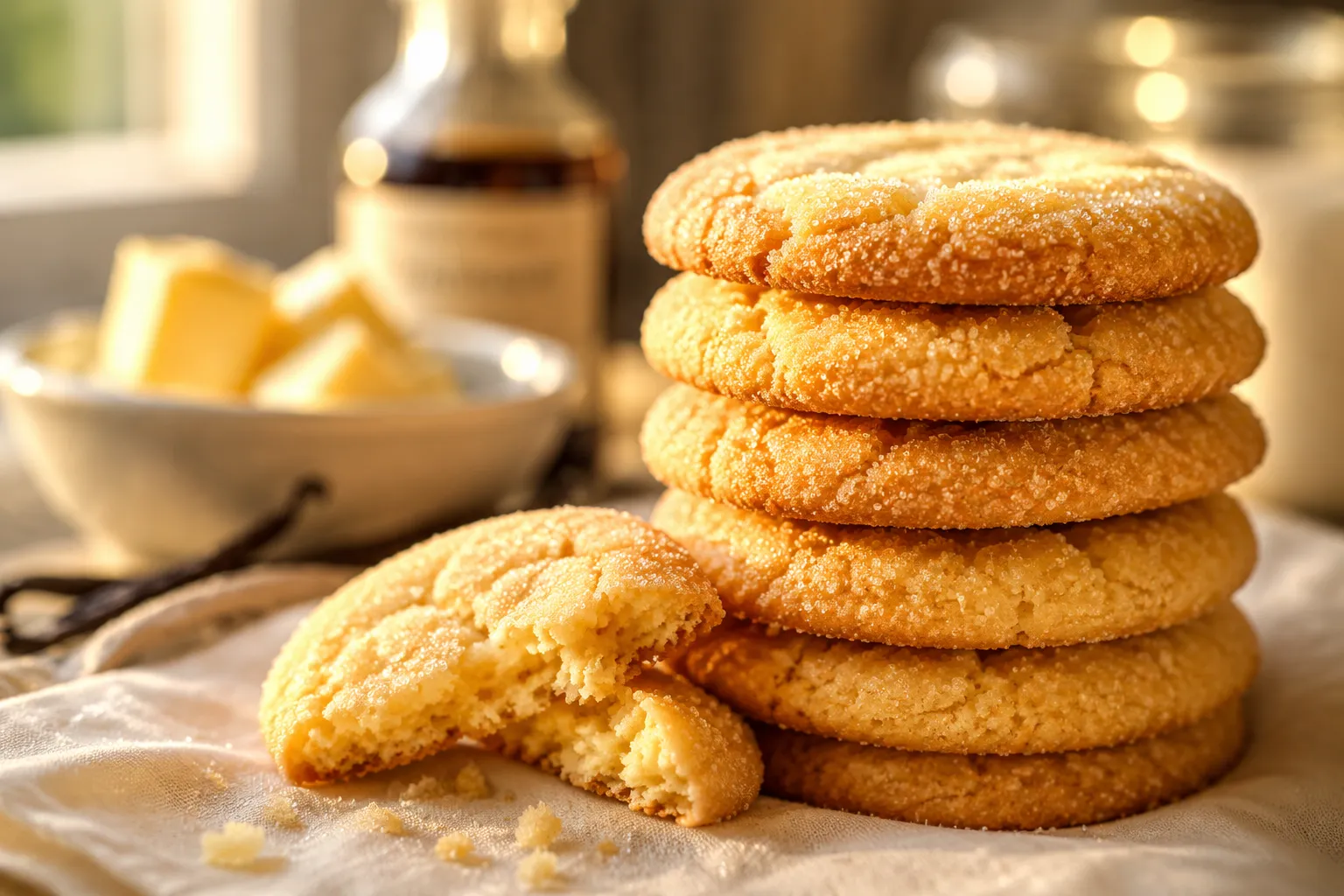
The easy sugar cookie recipe I make on repeat: one bowl, no chilling, perfectly soft centers, and crisp golden edges every single time.
This easy sugar cookie recipe is the one I make on repeat from October through New Year's, then again for every birthday, school party, and "I just want a cookie" Tuesday in between. The dough comes together in one bowl, doesn't need chilling, and bakes up with crisp golden edges and soft, buttery centers every single time. If you've ever wrestled with sticky dough or watched perfect cut-out shapes spread into unrecognizable blobs in the oven, this is the fix.
What makes this version different from the dozens of other recipes floating around is that it works as a base for everything. Roll the dough into balls and bake — done. Roll it out and stamp shapes — also done. Want a melt-in-your-mouth powdered sugar version or an egg-free batch? Same dough, small tweaks. I've consolidated all four of my favorite ways to make these into one definitive guide so you don't have to bookmark five different posts.
The ingredient list is short, the technique is forgiving, and the cookies taste like the very best version of the ones from your childhood lunchbox. Soft, sweet, and unmistakably buttery — exactly what soft sugar cookies should be.
The magic of any sugar cookie recipe easy enough for a Tuesday night comes down to ratios. Most no chill sugar cookies either overload the flour (giving you puck-like, dry results) or skimp on it (resulting in greasy spreaders that flatten in the oven). This dough hits a sweet spot at 2½ cups of flour to 1 cup of butter, with a generous boost of vanilla and just enough baking powder to lift the centers without making them cakey.
I also use granulated sugar for snap and a hint of caramelization at the edges. If you'd rather have something softer and more powdery, the powdered sugar variation below delivers exactly that. Either way, you're getting bakery-style results from pantry staples — no cream cheese, no cornstarch, no fancy extracts required.
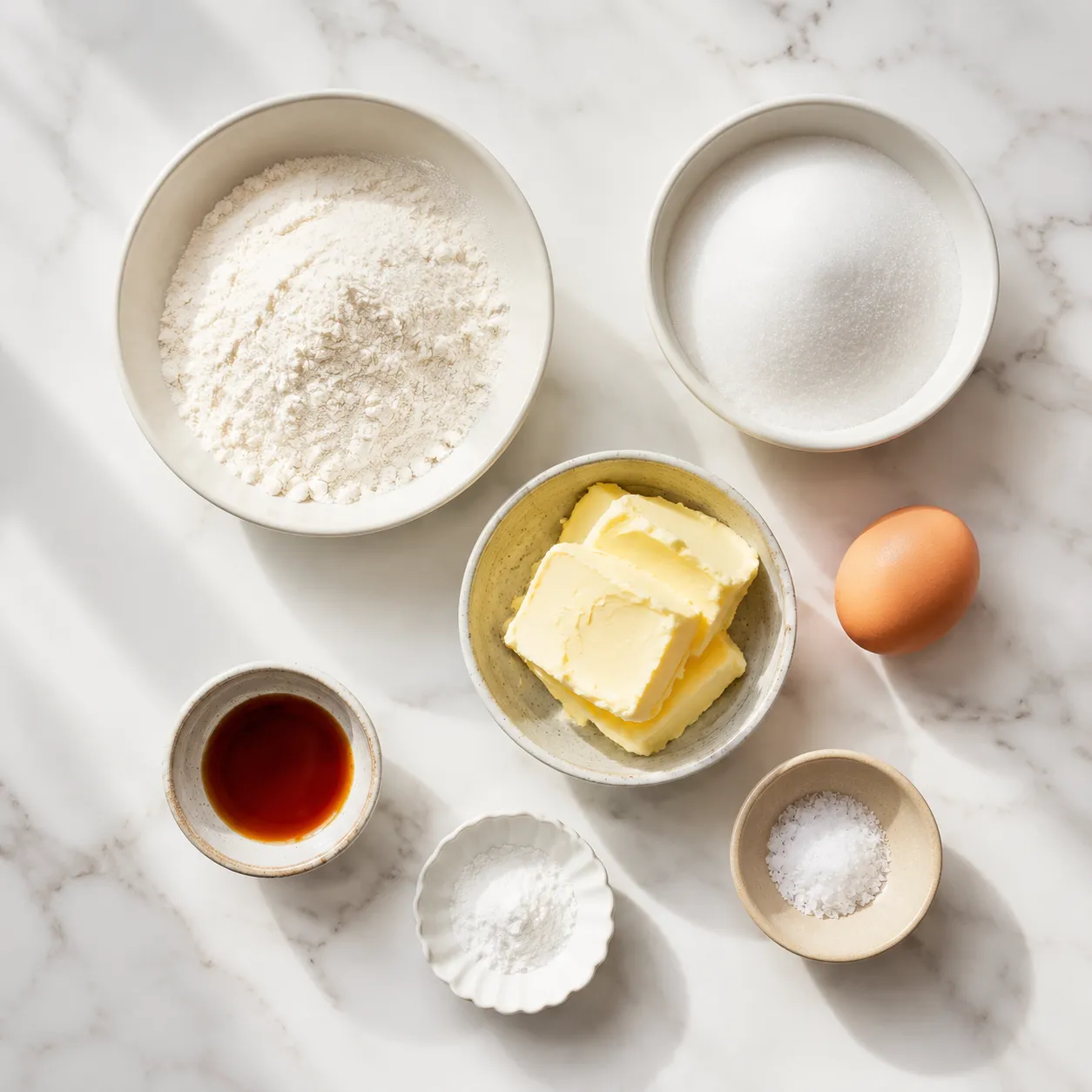
Here's what's going into the bowl, and why each piece matters. Everything is likely already in your kitchen.
If you swap granulated sugar for powdered sugar (1¼ cups powdered to replace 1 cup granulated), the texture shifts dramatically. Granulated gives you a slight crackle at the edges and a tender crumb. Powdered gives you a denser, sandier, melt-on-your-tongue cookie that feels almost shortbread-adjacent. Both are excellent — pick based on the mood.
Salted butter works in a pinch — just cut the added salt to a generous pinch. Almond extract can replace half the vanilla for a wedding-cookie vibe. Whole wheat pastry flour can sub for up to half the AP if you want a hint of nuttiness, but I wouldn't go further than that.
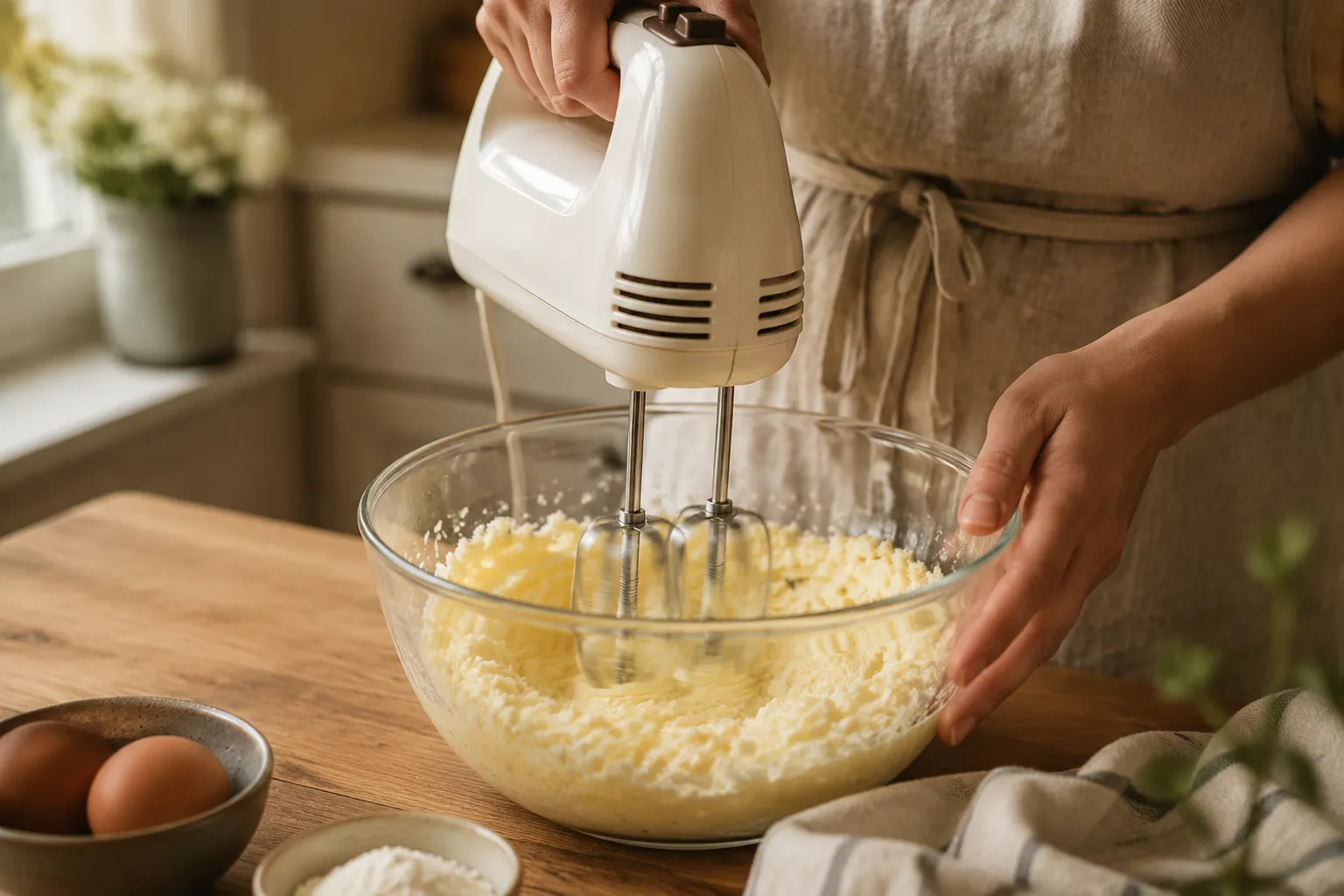
Heat your oven to 375°F and line two trays with parchment. If you're stocking up, the best baking sheets for cookies are heavy-gauge aluminum half sheets — they conduct heat evenly and won't warp when they hit the hot oven, which means flatter trays and more even browning.
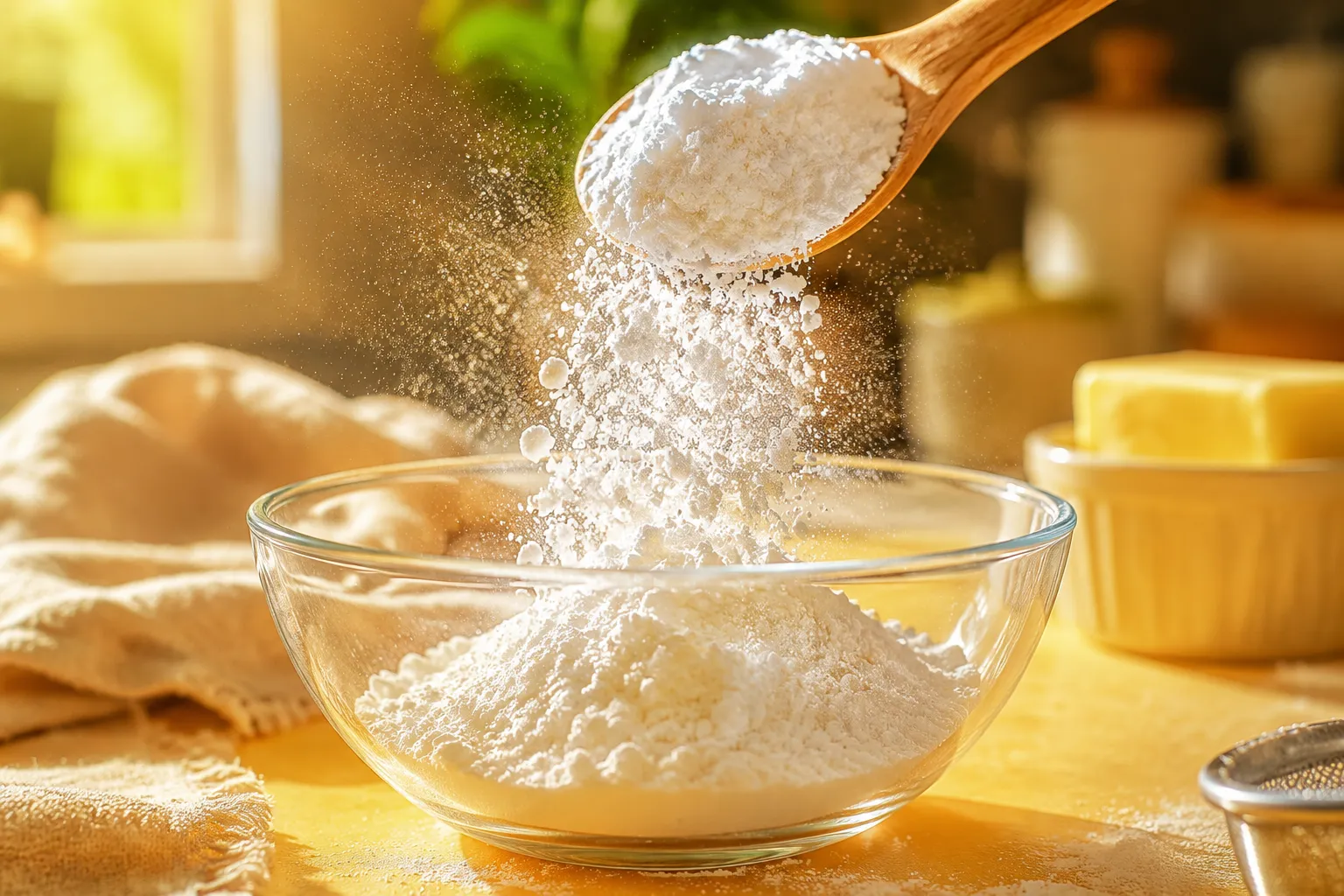
In a large bowl, beat the softened butter and granulated sugar together with a hand mixer for a full 2 to 3 minutes. You want the mixture pale, fluffy, and noticeably lighter in color than where you started. This is where you build structure, and where most "flat cookie" problems are actually born — don't rush it.
Once the butter and sugar are properly creamed, add the egg and vanilla and beat for another 30 seconds until smooth and slightly glossy. Scrape down the sides of the bowl with a spatula to catch any unmixed butter clinging to the edges.
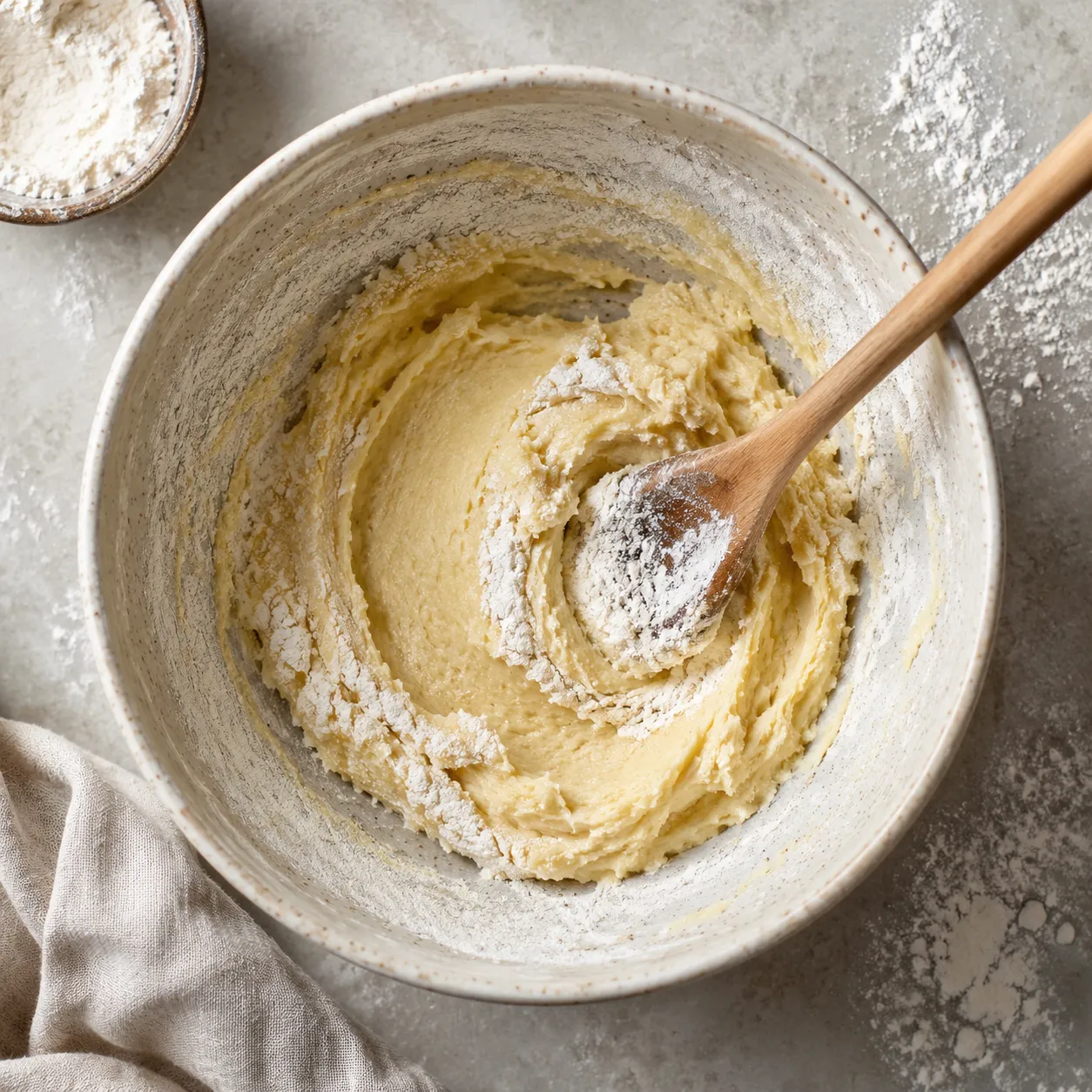
Whisk the flour, baking powder, and salt together in a separate small bowl, then add it to the butter mixture all at once. Mix on low speed (or fold by hand with a sturdy spatula) just until no streaks of flour remain. The dough should be soft but not sticky — pinch a piece between your fingers and it should hold its shape without smearing.
Resist the urge to keep mixing past this point. Overworking activates gluten, and the difference between a tender cookie and a tough one is about 15 extra seconds with the mixer.
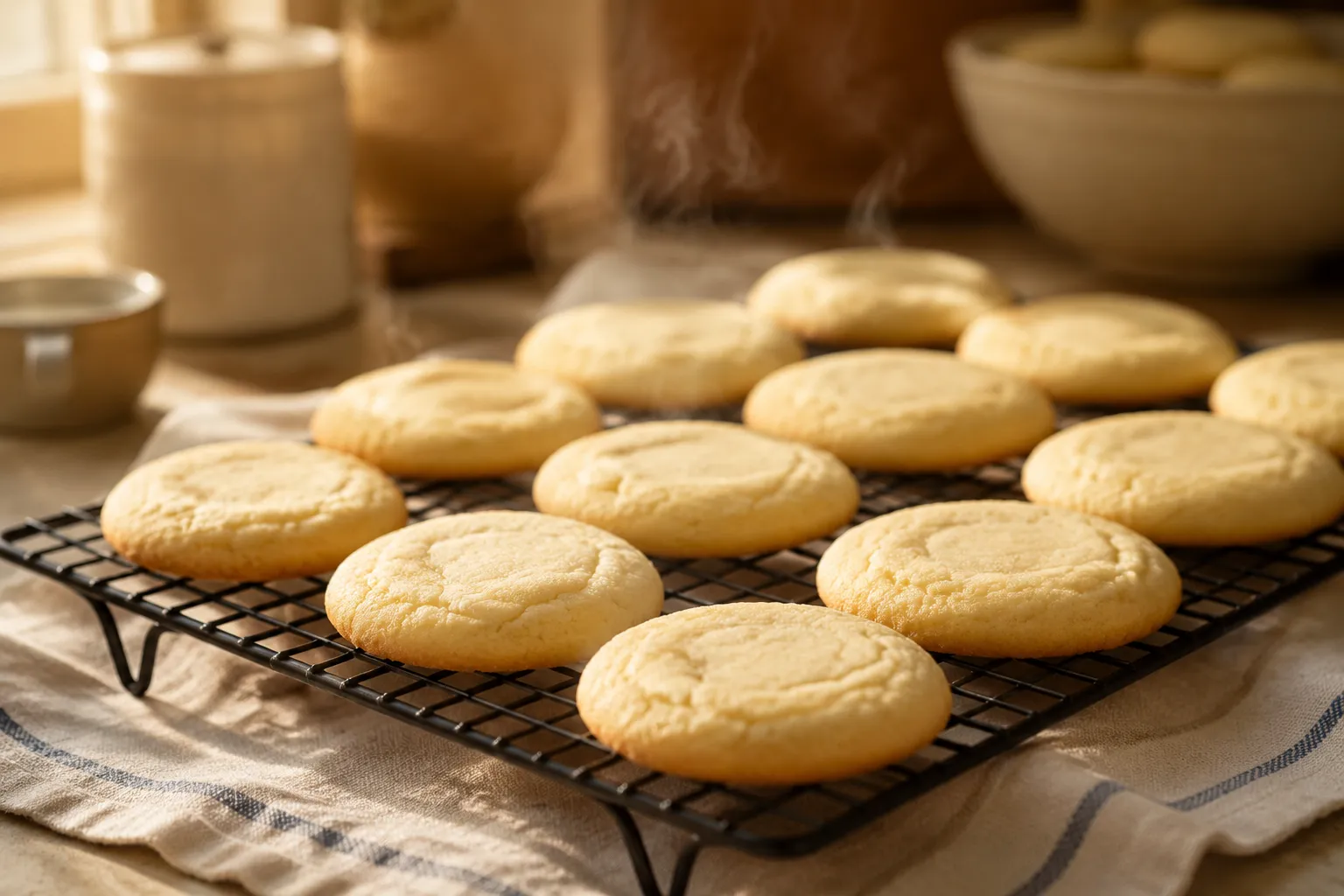
Use a 1½-tablespoon cookie scoop (or eyeball it with two spoons) to portion the dough into balls. Roll each one between your palms until smooth, then roll in a shallow bowl of granulated sugar for sparkle and a little crackle. Space them 2 inches apart on the prepared sheet — they will spread.
Bake one tray at a time on the middle rack for 9 to 11 minutes, until the edges are barely golden and the centers still look slightly underdone. They'll firm up as they cool, and pulling them early is what gives you that signature soft, chewy middle. Let them rest on the sheet for 5 minutes before transferring to a rack.
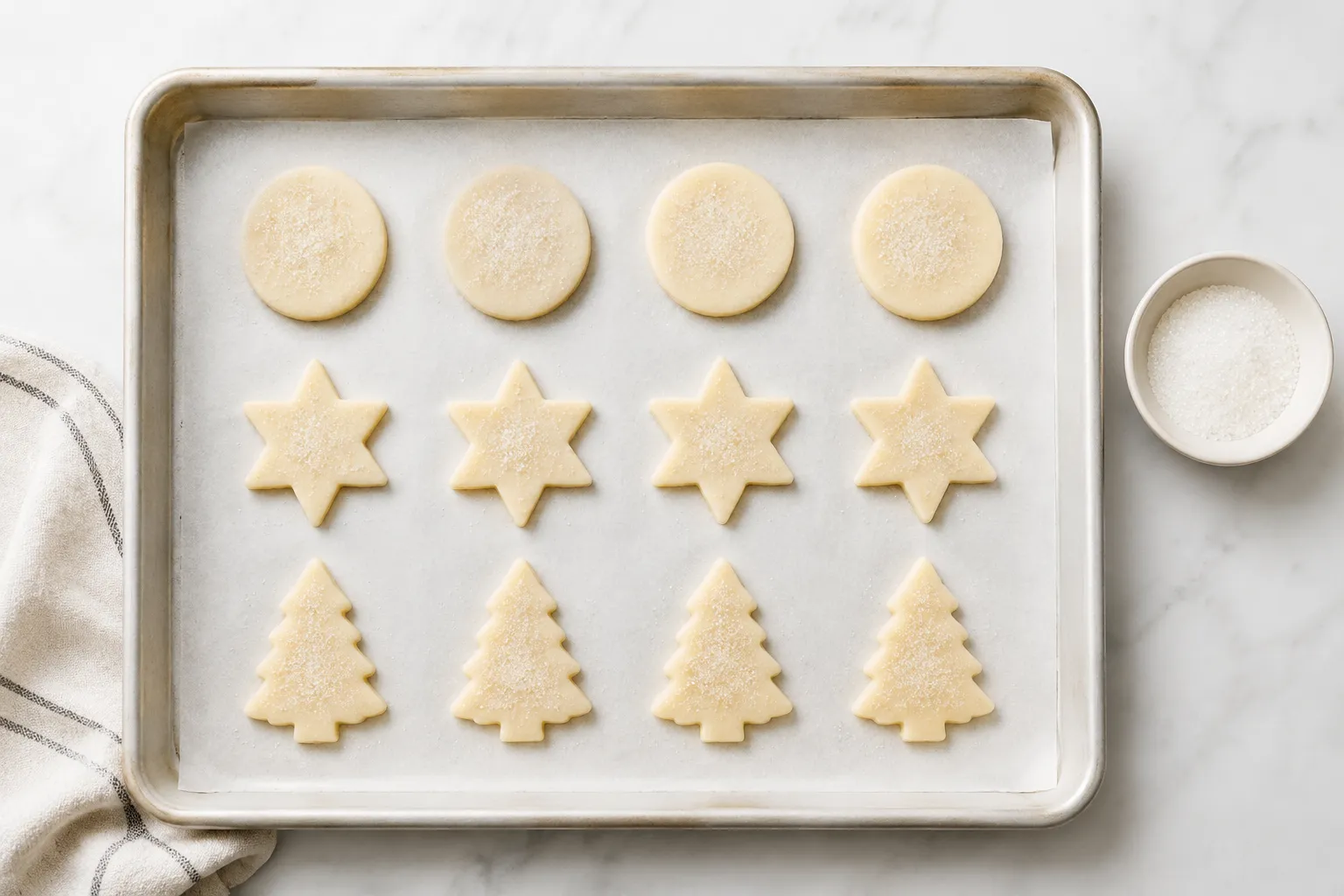
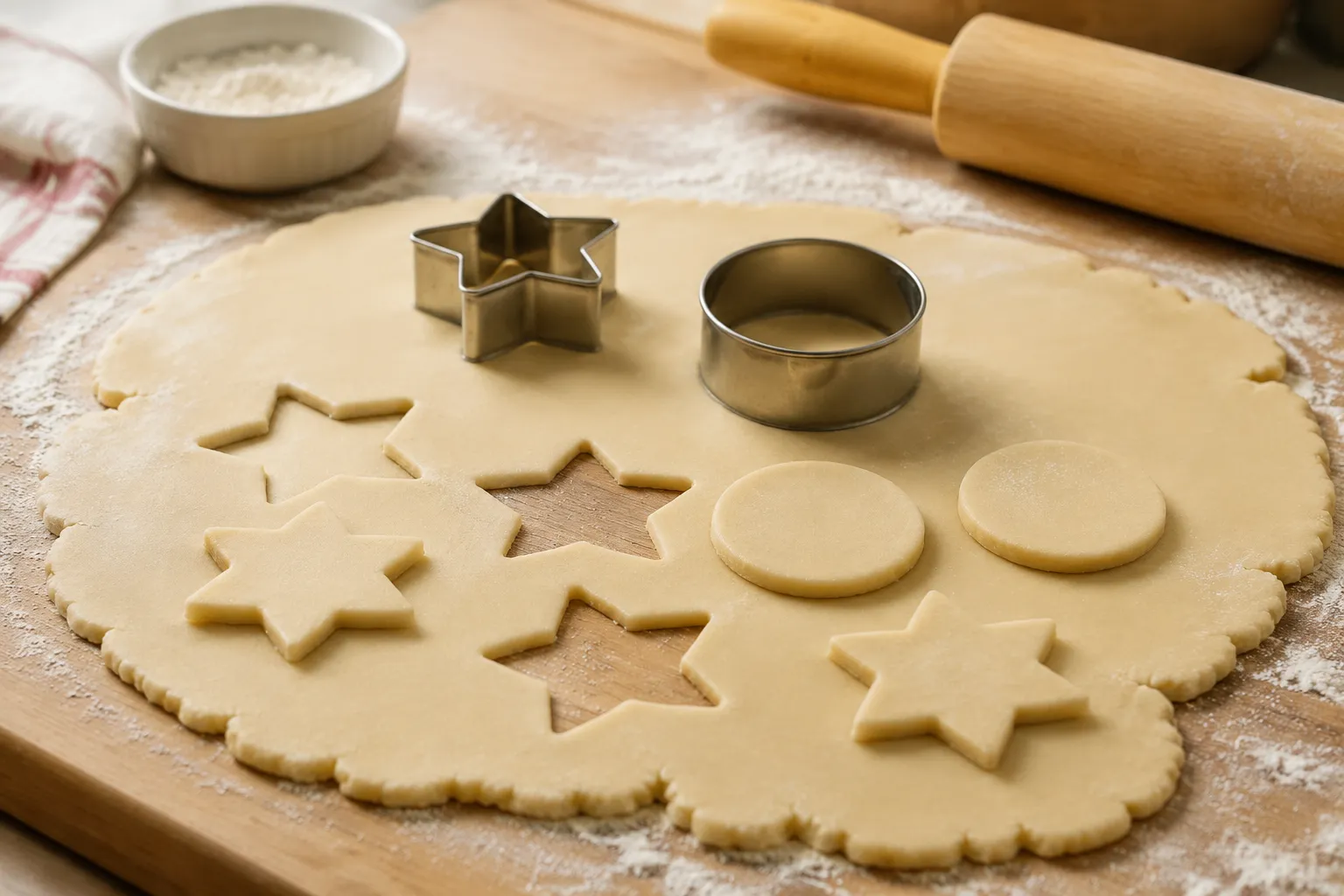
For sharp-edged shapes that hold their lines through baking, you'll make two small adjustments to turn this into a proper cut out sugar cookies dough. First, add an extra ¼ cup of flour to the base recipe to firm things up. Second — and this is the only time chilling sneaks in — wrap the disk and rest it in the fridge for 30 minutes so the butter re-solidifies. That brief chill is what turns this into a reliable sugar cookie cutout recipe.
Roll the chilled dough between two sheets of parchment to a uniform ¼-inch thickness. Rolling between parchment skips the flour-dust mess and keeps the dough from drying out. Stamp shapes close together to minimize re-rolling, then transfer cutouts to a parchment-lined sheet with a thin offset spatula.
Bake cut-outs at 350°F (slightly lower than the drop version) for 9 to 11 minutes. The lower temperature lets the cookies set before they have a chance to spread, which is the whole game with cut shapes. If your kitchen is warm and the dough softens between batches, slide the cut tray into the freezer for 5 minutes before baking — that brief firm-up locks in clean edges.
Once fully cool, decorate to your heart's content. A swoop of vanilla buttercream frosting is my everyday go-to — it's silky, holds soft swirls, and tastes like birthday cake. For cleaner lines, holiday gifting, or anything you need to stack, royal icing for cookies sets up firm and glossy and takes color beautifully. Sprinkles, of course, are mandatory.
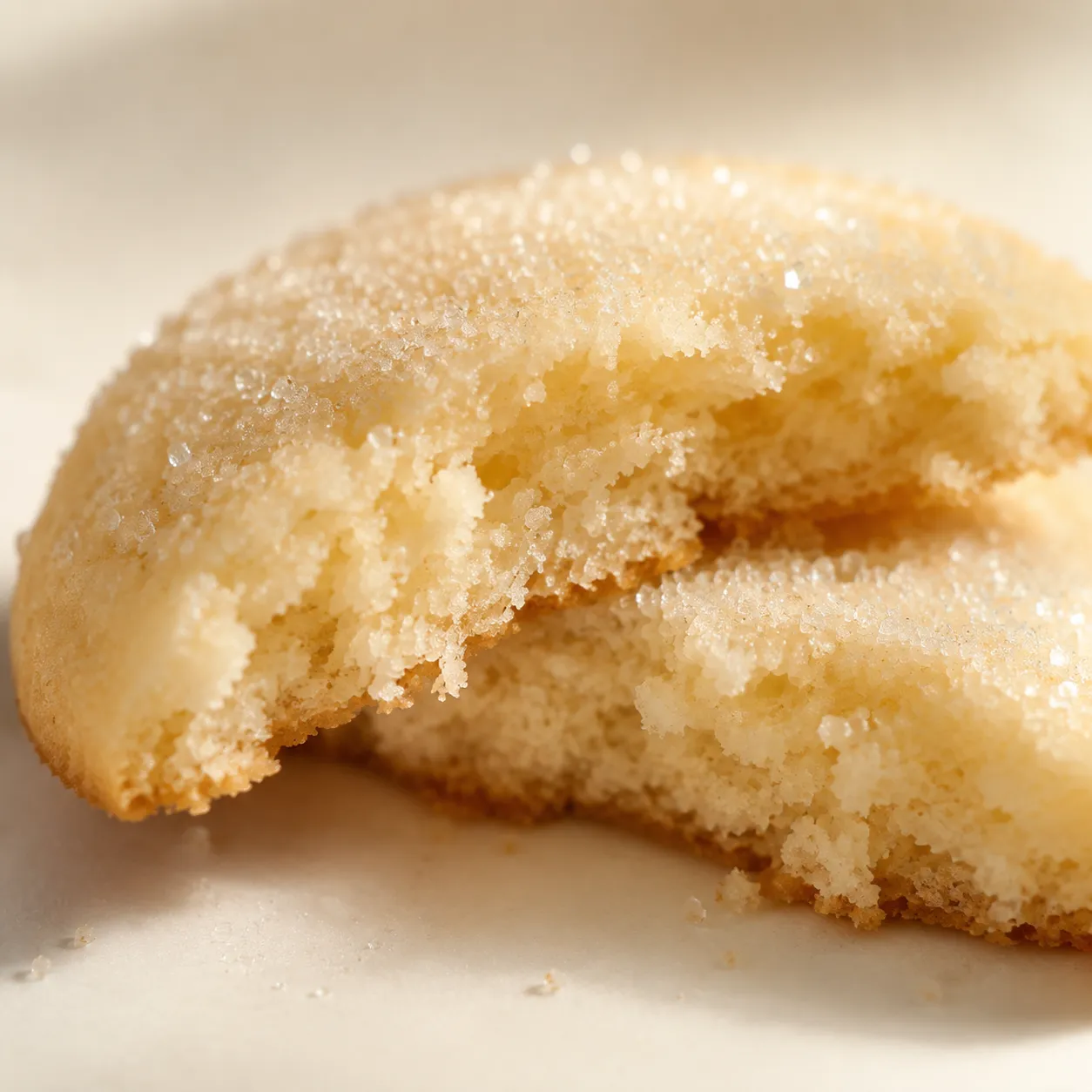
If you've ever had those bakery powdered sugar cookies — the kind with the impossibly soft crumb that practically dissolves on your tongue — this variation is how you make them at home. Powdered sugar contains a small amount of cornstarch, which tenderizes the crumb and gives the cookies that signature pillowy interior.
To convert this into a sugar cookie recipe with powdered sugar, swap the 1 cup of granulated sugar for 1¼ cups of powdered sugar (sifted, please, to avoid lumps). The dough will feel softer and slightly stickier than the original — that's correct. Bake at 350°F for 10 to 12 minutes; you want the tops to look set and matte but not browned at all. These powdered sugar cookie recipe results stay impossibly tender for days and are wonderful with a light glaze or just a dusting of more powdered sugar on top.
For anyone baking around an egg allergy or just realizing mid-recipe that the carton is empty, this dough adapts beautifully. To make egg free sugar cookies, swap the single egg for 3 tablespoons of whole milk plus an extra ¼ teaspoon of baking powder, or use a flax egg (1 tablespoon ground flaxseed whisked with 3 tablespoons warm water, rested 5 minutes).
The milk version produces cookies that are a touch more delicate and slightly cakier in the middle — still buttery, still tender, just with a softer bite. The flax version keeps the structure closer to the original and adds the faintest nutty undertone that I genuinely love. Both bake in the same time and temperature as the standard recipe, and either is a solid egg free sugar cookie recipe to keep in your back pocket. The same approach works as an easy sugar biscuit recipe for British readers who use that terminology.
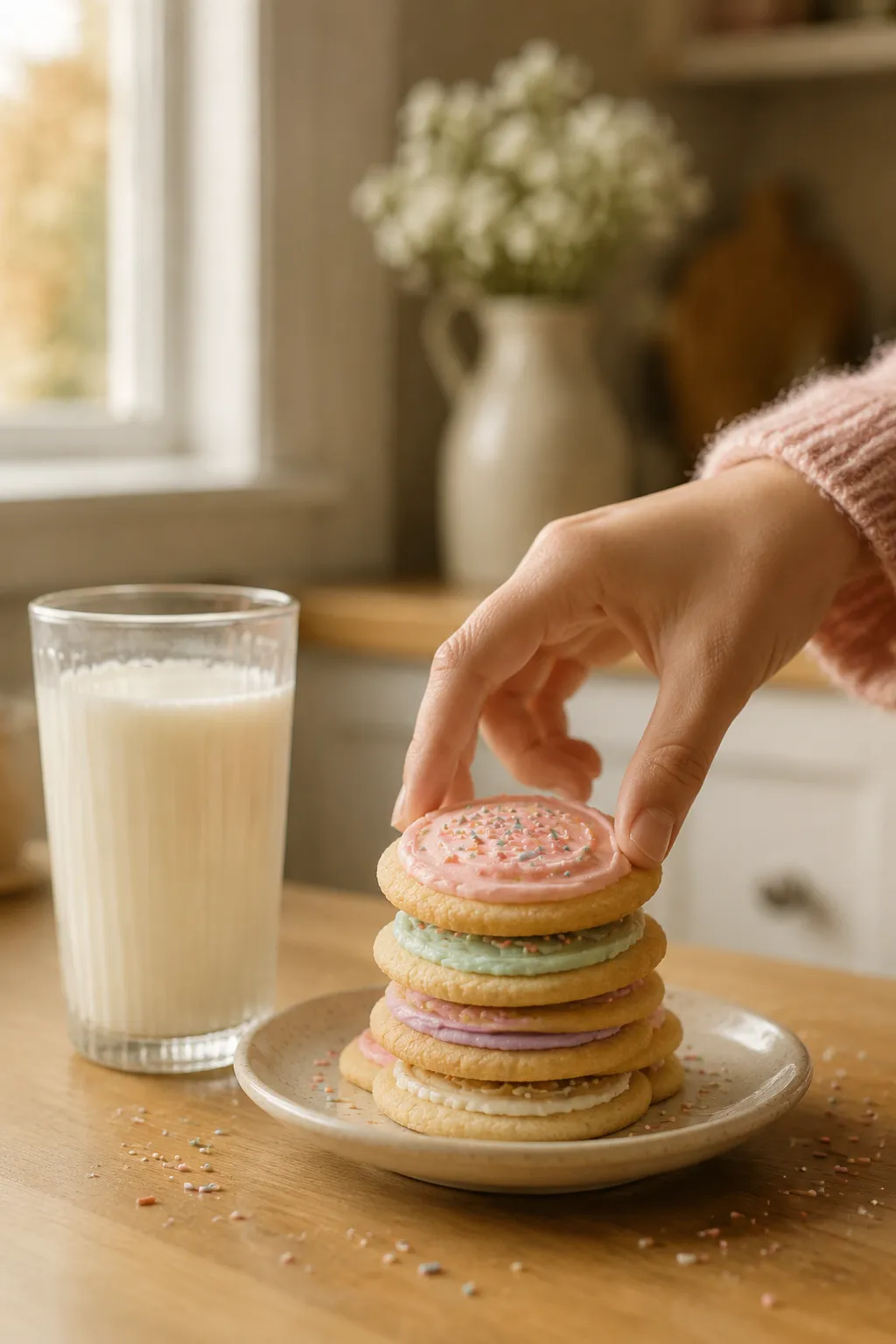
Honestly? An ice-cold glass of milk and a quiet kitchen is the correct answer. But these cookies are also the backbone of a perfect cookie tray alongside thumbprints and snickerdoodles, they make excellent ice cream sandwiches with vanilla bean ice cream pressed between two unfrosted ones, and crumbled into a parfait with whipped cream and berries they basically become dessert nachos. This easy sugar cookie recipe is the kind of foundational bake worth committing to memory.
One of the things I love most about this base dough is how willing it is to take a detour. The crumb stays tender and buttery no matter which direction you push it, so feel free to mix and match flavors and finishes for any season or occasion.
Store baked cookies in an airtight container at room temperature for up to 5 days. Tucking a slice of sandwich bread into the container keeps them soft for the entire stretch — the cookies steal moisture from the bread instead of drying out. Avoid the fridge, which firms them up and dulls the buttery flavor.
Both baked cookies and unbaked dough freeze beautifully for up to 3 months. For dough, scoop and roll into balls, freeze on a sheet pan until solid, then transfer to a zip-top bag. Bake straight from frozen — just add 1 to 2 extra minutes to the bake time. For frosted cookies, freeze in a single layer first, then stack with parchment between layers and thaw uncovered at room temperature so the icing doesn't sweat.