Bread Machine Recipes: 15 Foolproof Loaves to Try Tonight
Ingredients
Scale
From classic white sandwich loaves to honey wheat, brioche, and cinnamon raisin, these bread machine recipes deliver bakery-quality bread with almost zero effort.
Bread machine recipes turned me into a daily baker without ever turning me into someone who has time to knead. You measure six pantry staples, press a button, and three hours later your kitchen smells like a small French boulangerie. There's no proofing timer to babysit, no flour-dusted countertop to scrub, and no nerve-wracking moment where the dough decides to outwit you while you're answering a text.
This guide is built for the home baker who wants reliable results from any brand of machine — Zojirushi, Cuisinart, Hamilton Beach, Oster, Breville, or that hand-me-down from your aunt that still hums along just fine. Below you'll find a foolproof classic white loaf, fifteen of my favorite recipes spanning sandwich loaves, whole grains, sweet breads, savory loaves, and dough-cycle uses, plus a troubleshooting section for the moments when your loaf comes out shorter or denser than the picture. Whether you're hunting for bread recipes for bread making machines because yours arrived yesterday, or you've been baking on the same one for a decade, the fundamentals are the same. If you're brand new and Googling how to use a bread machine, start with the basics in the next section before you scroll to the fun stuff.
I've tested these against more failed loaves than I'd like to admit, and the patterns are always the same: order of ingredients, measurement, and yeast freshness. Get those three right and almost any recipe works on the first try.
A bread machine is essentially a small heated box with a paddle and a thermostat, and even the budget models do the job well. The differences come down to capacity, cycle options, and how confidently a machine handles stiffer doughs. Most home bakers do best with a 1.5 lb or 2 lb pan, since that range matches almost every published bread machine recipe online.
If you're shopping new, look for a model with a basic cycle, a whole wheat cycle, a dough cycle, and a rapid or 1-hour option. A viewing window helps when you're learning what properly developed dough looks like. Horizontal pans (Zojirushi-style) make taller, more sandwich-shaped loaves; vertical pans are more compact but produce that classic tall column of bread. Either works for everything in this post.
Bread flour is the single biggest upgrade over all-purpose. The extra protein develops more gluten, traps more gas, and gives you a taller, chewier crumb. Stick with active dry yeast or instant yeast (sometimes labeled bread machine yeast) and replace whatever you have if it's older than six months — tired yeast is the number one reason a loaf sinks. Round out the staples with kosher salt, granulated sugar, butter or neutral oil, and either water or whole milk depending on the recipe.
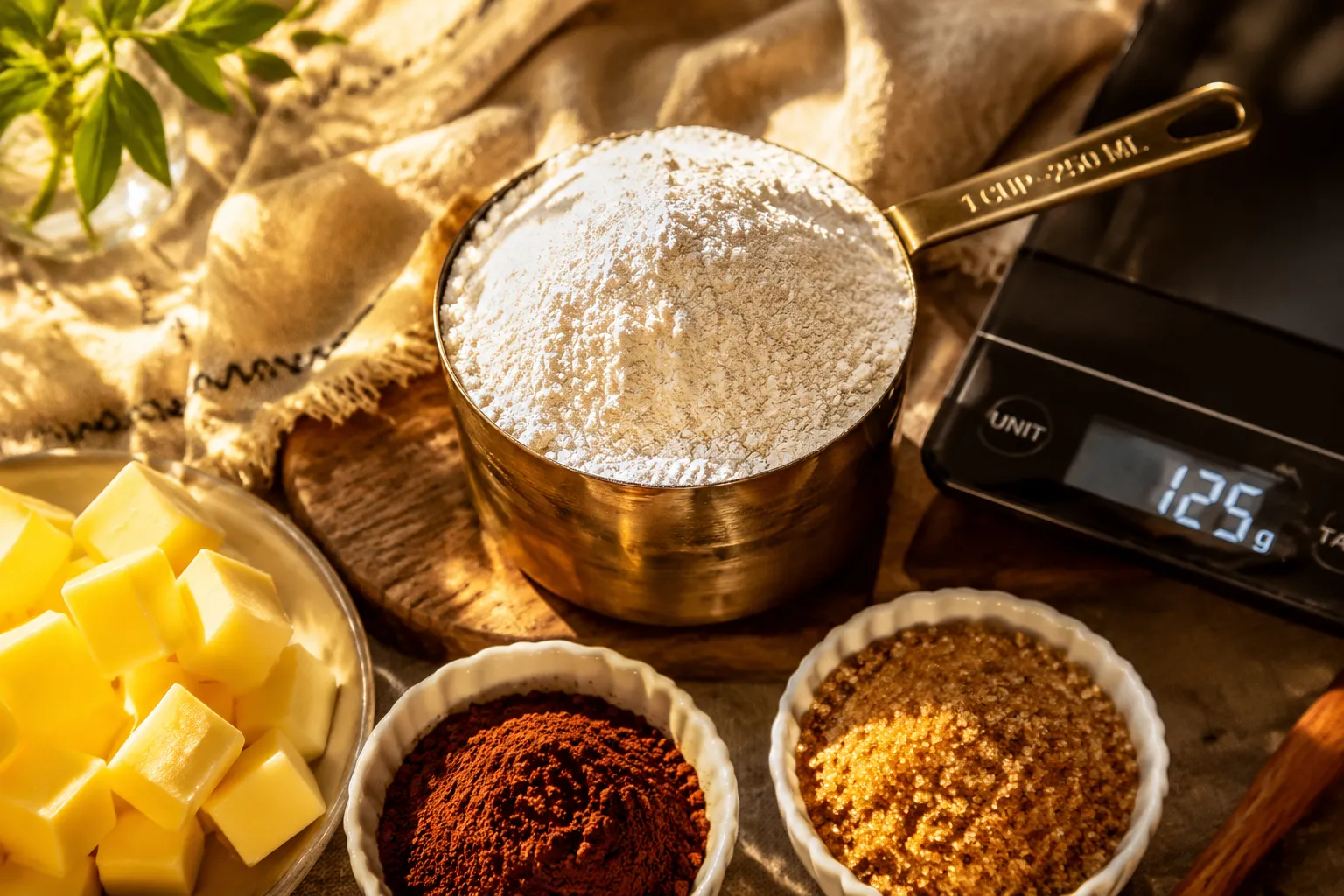
Spoon flour into the measuring cup and level with a knife — never scoop directly from the bag, which packs in 15 to 20 percent extra flour and gives you a brick. Better yet, weigh: 1 cup of bread flour is 120 grams. Use lukewarm water around 110°F (warm to the touch, not hot) so it activates the yeast without killing it. And measure salt and sugar with the same attention as the flour; a stray teaspoon swings the rise more than you'd expect.
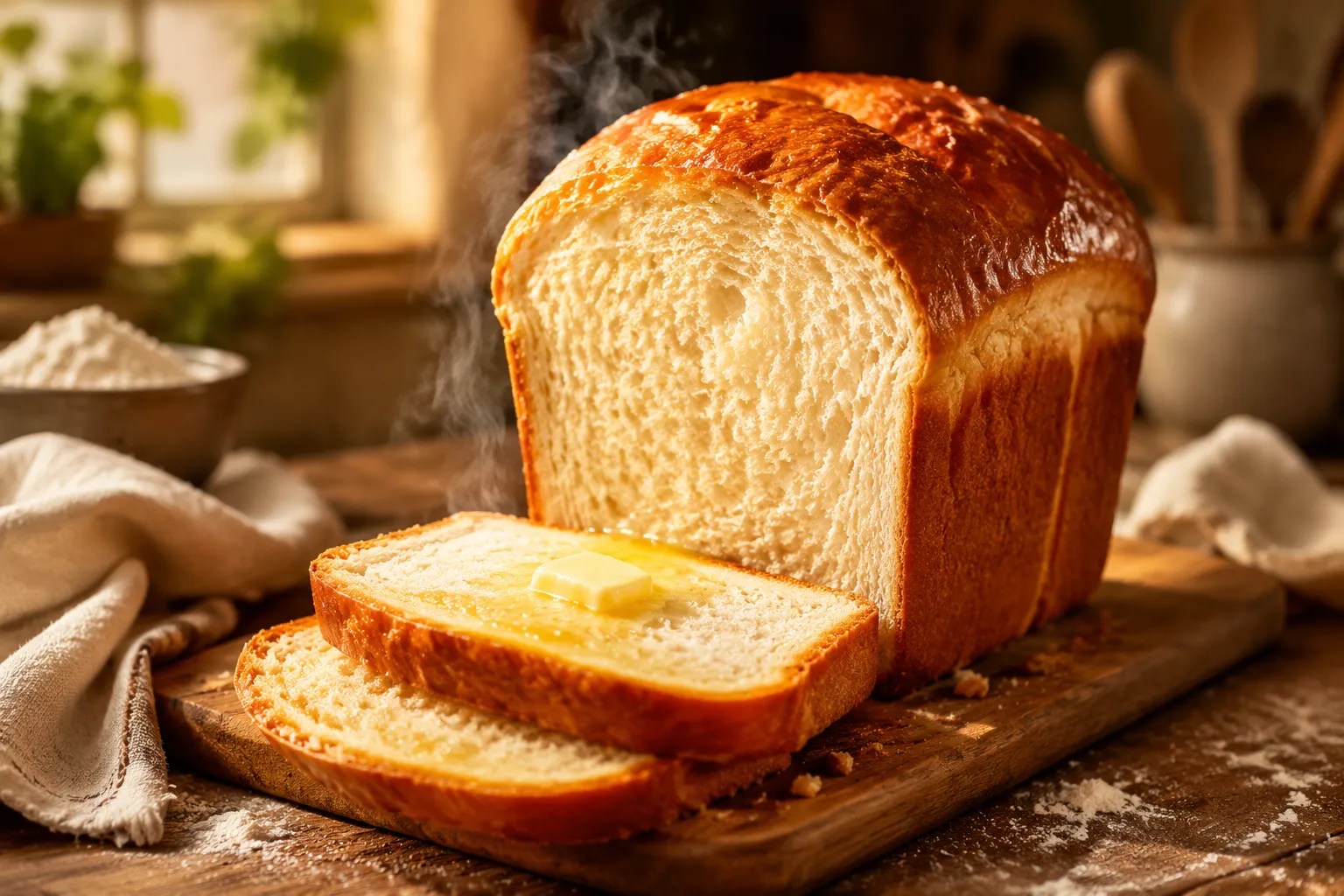
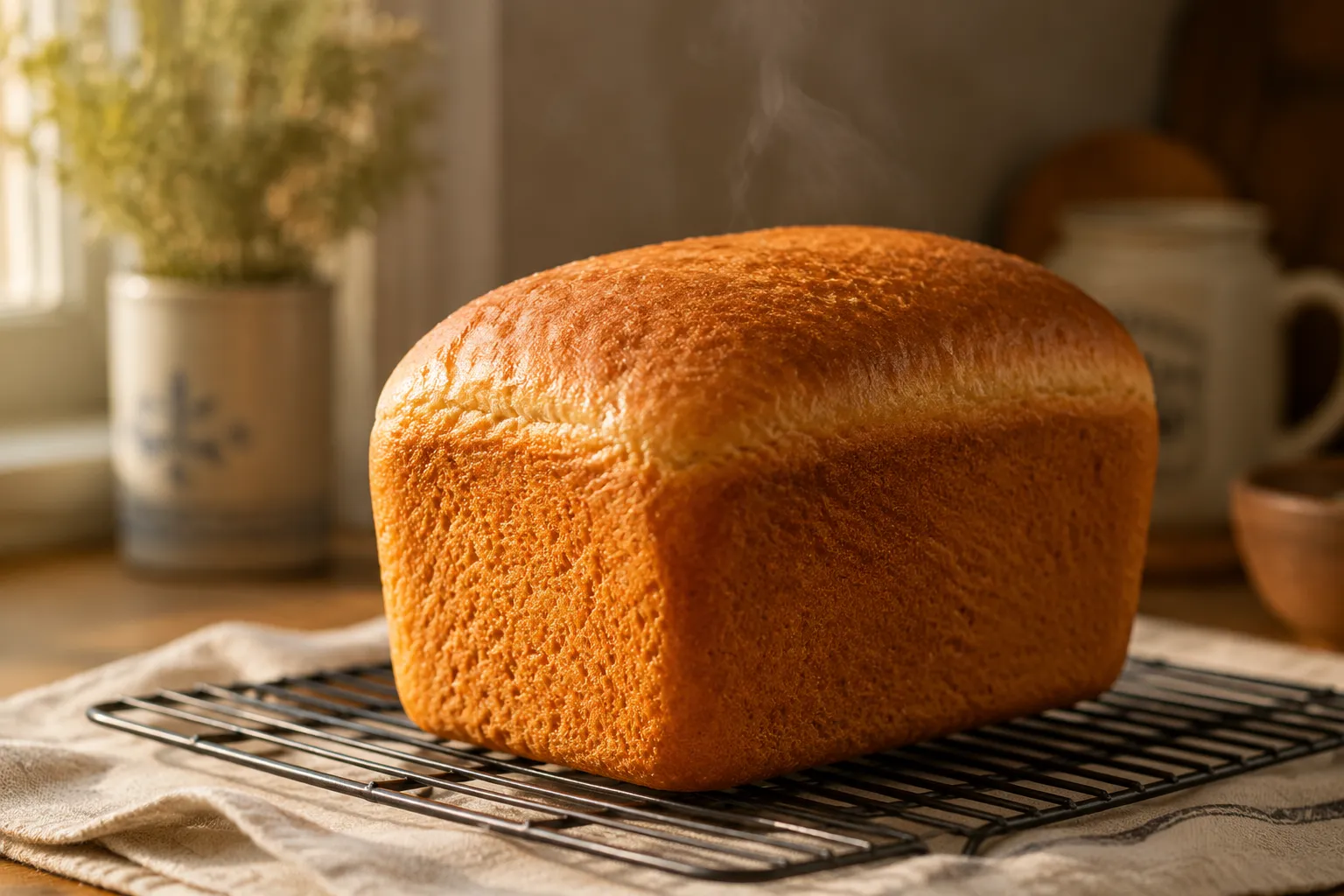
This is the loaf I make on autopilot — soft, slightly sweet, perfect for grilled cheese and morning toast. It's a true homemade sandwich bread that slices cleanly and stays tender for three or four days on the counter. The recipe below makes a 1.5 lb loaf, the most popular size in this roundup of bread machine recipes, and the full ingredient list and step-by-step instructions appear in the recipe card at the bottom of the post.
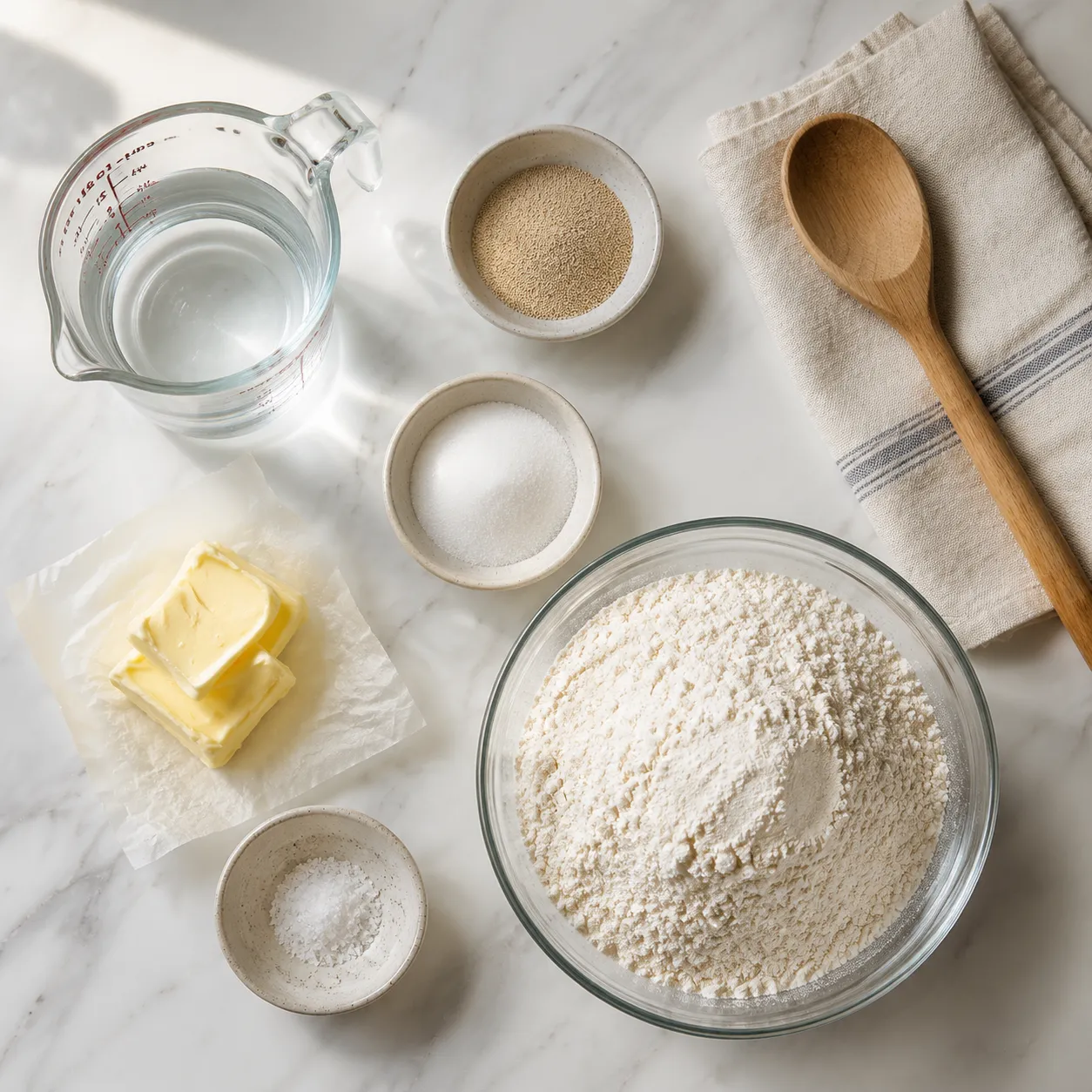
You'll need 1 1/8 cups warm water, 2 tablespoons softened butter, 2 tablespoons sugar, 1 1/2 teaspoons salt, 3 cups bread flour, and 2 1/4 teaspoons active dry yeast (one standard packet). That ratio — roughly 60 percent hydration, 2 percent salt, 1 percent sugar by flour weight — is the sweet spot for a soft, lightly sweet sandwich crumb. You can swap in honey for the sugar, or use whole milk instead of water for a richer loaf, but resist the urge to add more yeast than the recipe calls for.
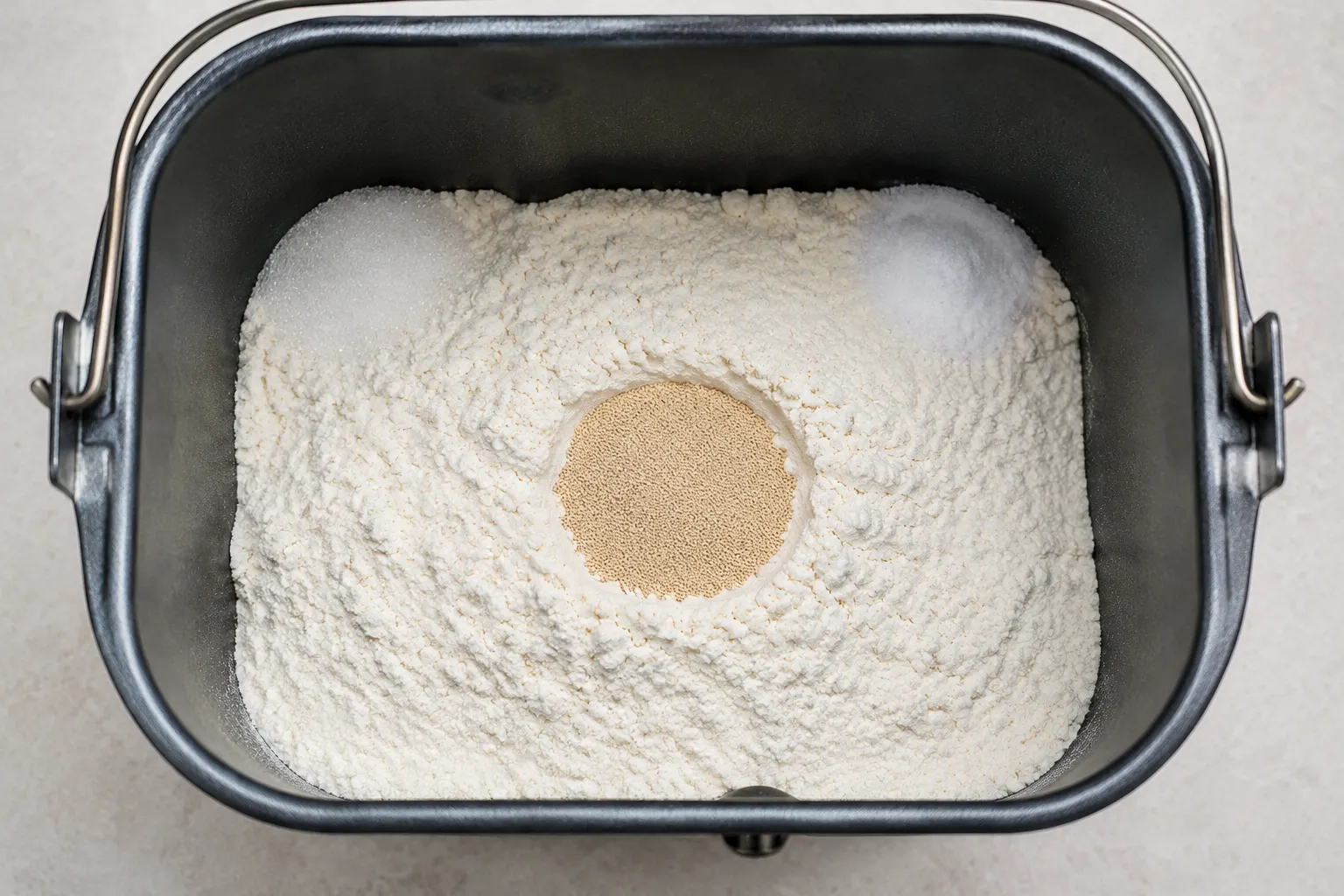
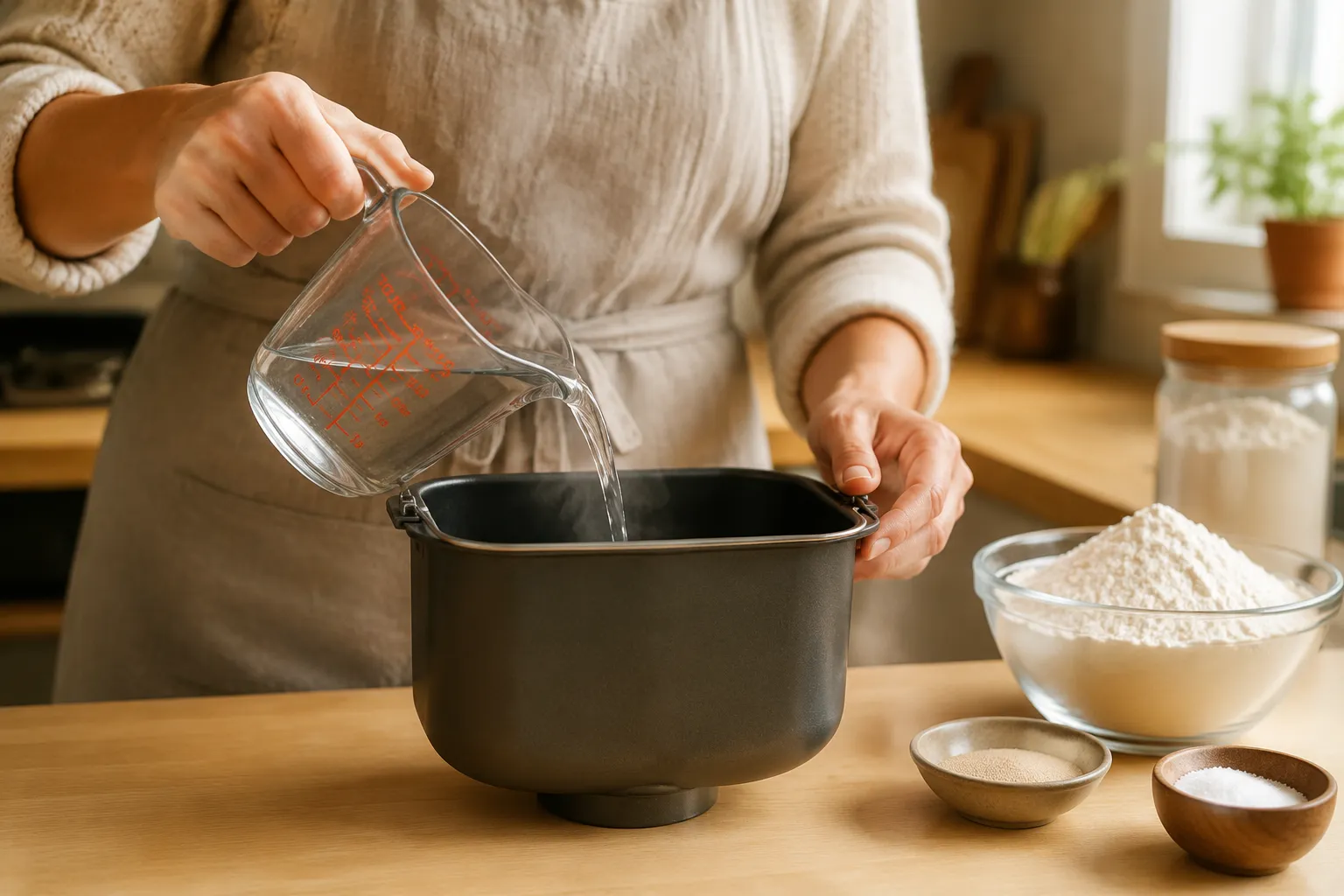
Add ingredients in the order your manufacturer recommends — usually wet first, then dry, with yeast last on top of the flour so it never touches the water before mixing begins. Select the basic or white bread cycle, choose medium crust, and set the loaf size to 1.5 lb. Press start and resist the urge to peek for the first hour while the dough is mixing and rising.
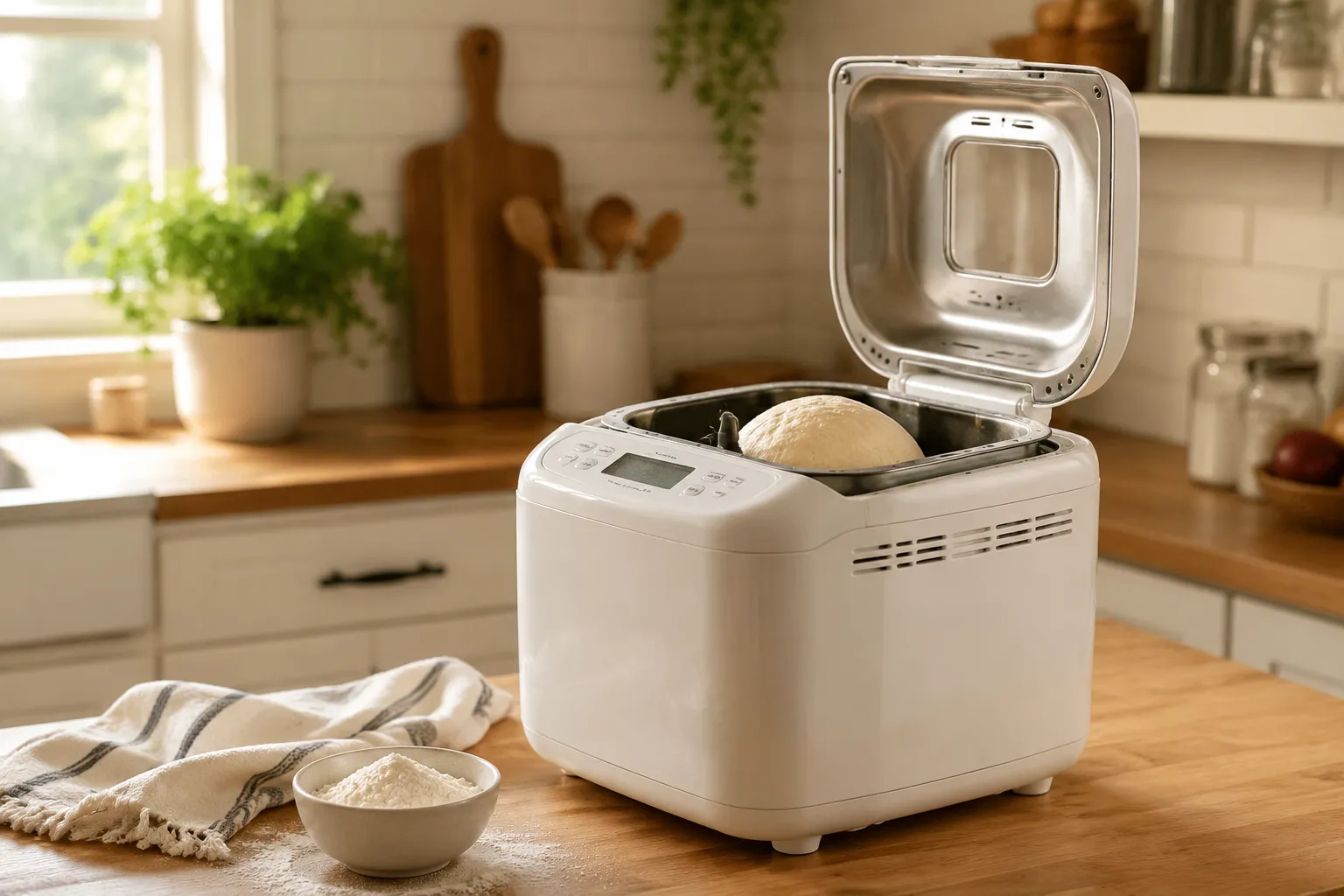
A finished classic loaf should rise to about half an inch below the top edge of the pan, with a domed crown and a deep golden crust. The crumb should be even, soft, and pull apart slightly when you tear it. If your slice feels dense or gummy near the bottom, the loaf likely needed more bake time or a longer cool — always rest a finished loaf on a wire rack for at least 30 minutes before slicing.
Once you nail a basic white loaf, the same pan can do shockingly more. These fifteen bread maker recipes are the rotation I keep coming back to, organized by what you're in the mood for that night.
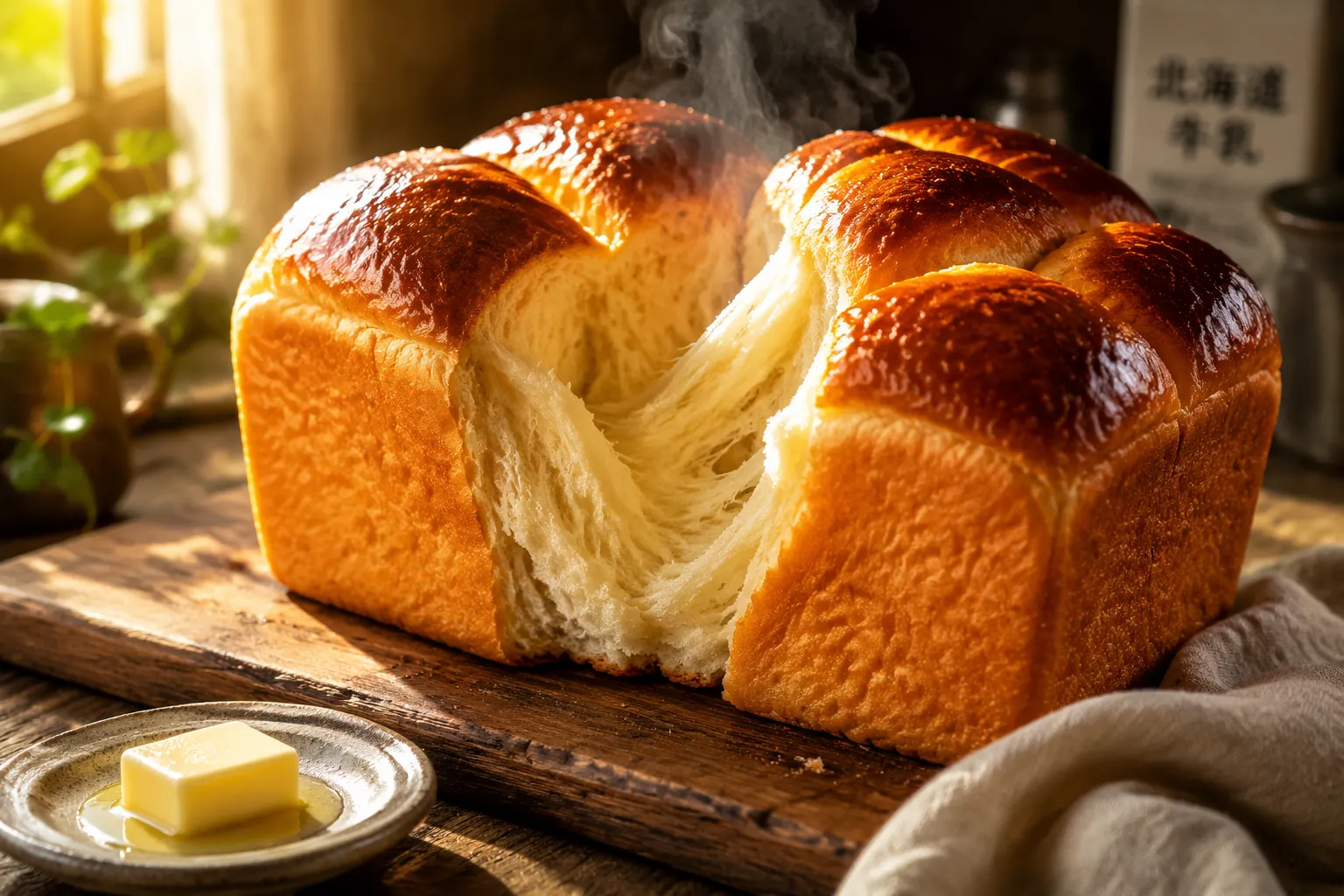
Start here if your goal is school lunches and after-school toast. A buttery white sandwich loaf, a tangy sourdough-style loaf made with a tablespoon of plain yogurt for that signature flavor, and a Japanese milk bread (shokupan) built on a tangzhong are the three I rotate through most weeks. Each one stays soft for days, slices like a dream, and freezes beautifully.
For something with more chew, a honey whole wheat bread made with half whole wheat flour and half bread flour is the gateway loaf. Add a tablespoon of vital wheat gluten if you're going 100 percent whole grain, since heavier flour needs help climbing. Multigrain loaves built on a hot oat or seed soaker turn into excellent morning toast under butter and jam.
A bread machine cinnamon raisin loaf is the recipe I get the most requests for — toss in raisins at the fruit-and-nut beep so they don't get pulverized, and swirl ground cinnamon through the dough on a manual setting if your machine has one. Brioche-style enriched loaves use eggs, butter, and milk for a decadent crumb that toasts into something close to French toast on its own. A banana quick bread works in machines with a cake or quick-bread cycle, no yeast required.
Savory bread baking machine recipes are an underrated weeknight cheat. Roasted garlic and herb is excellent next to pasta night; sharp cheddar with pickled jalapeños makes the best chili-night bread you've ever had; and a rosemary olive oil loaf, brushed with flaky salt before serving, holds its own next to any bakery focaccia. Add cheeses and herbs at the mix-in beep so they distribute evenly.
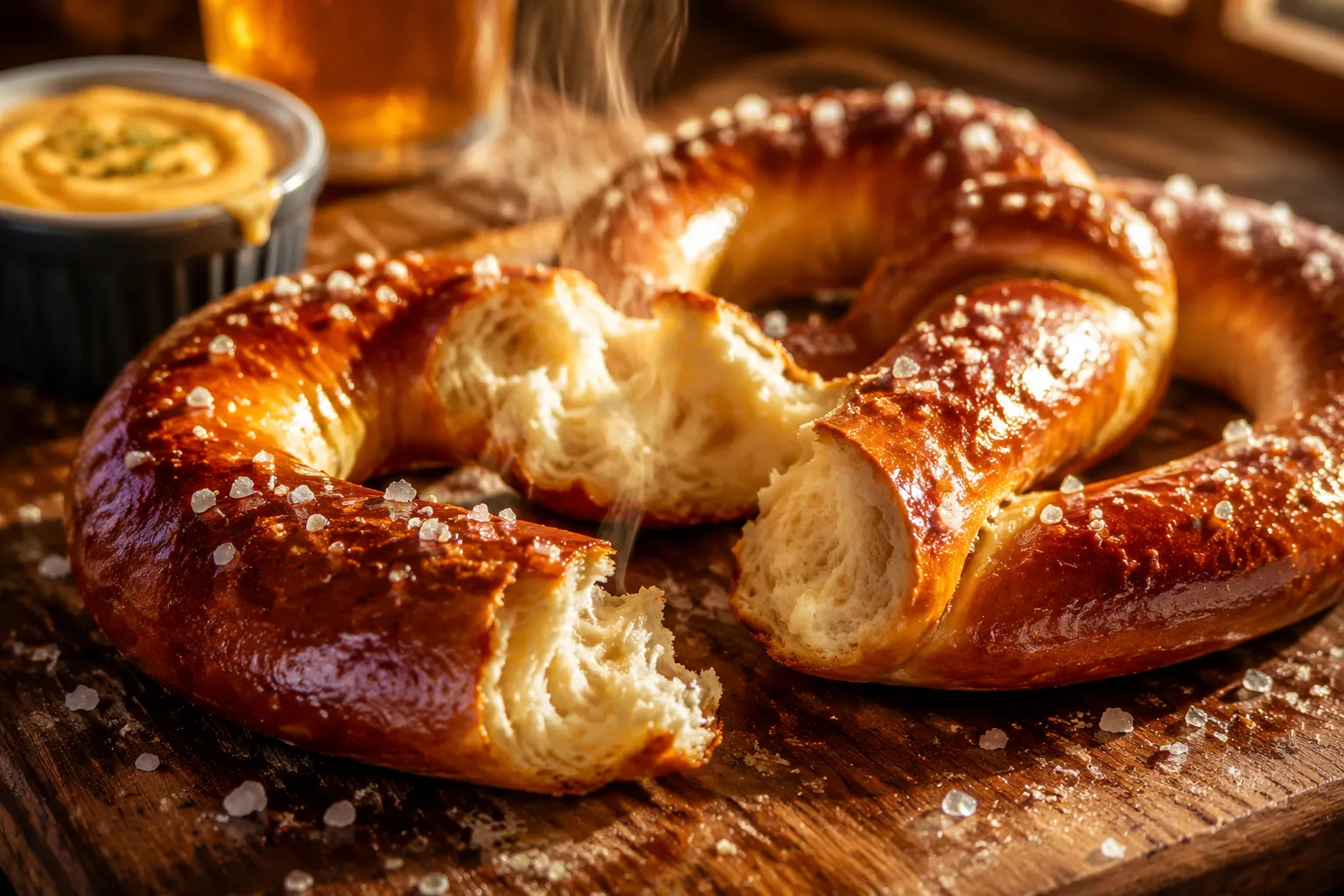
The dough cycle is where your machine pays for itself a second time. Pillowy no-knead dinner rolls, a stretchy 24-hour-style pizza dough, soft pretzels, and overnight cinnamon rolls all start in the bread maker and finish in your oven. You get the hands-off mixing and first rise without standing over a stand mixer, then shape and bake on your own timeline.
Even reliable bread machine recipes occasionally produce a dud. Nine times out of ten, the problem traces back to one of three things: yeast, hydration, or measurement. Here's how to diagnose what went wrong without giving up on the loaf.
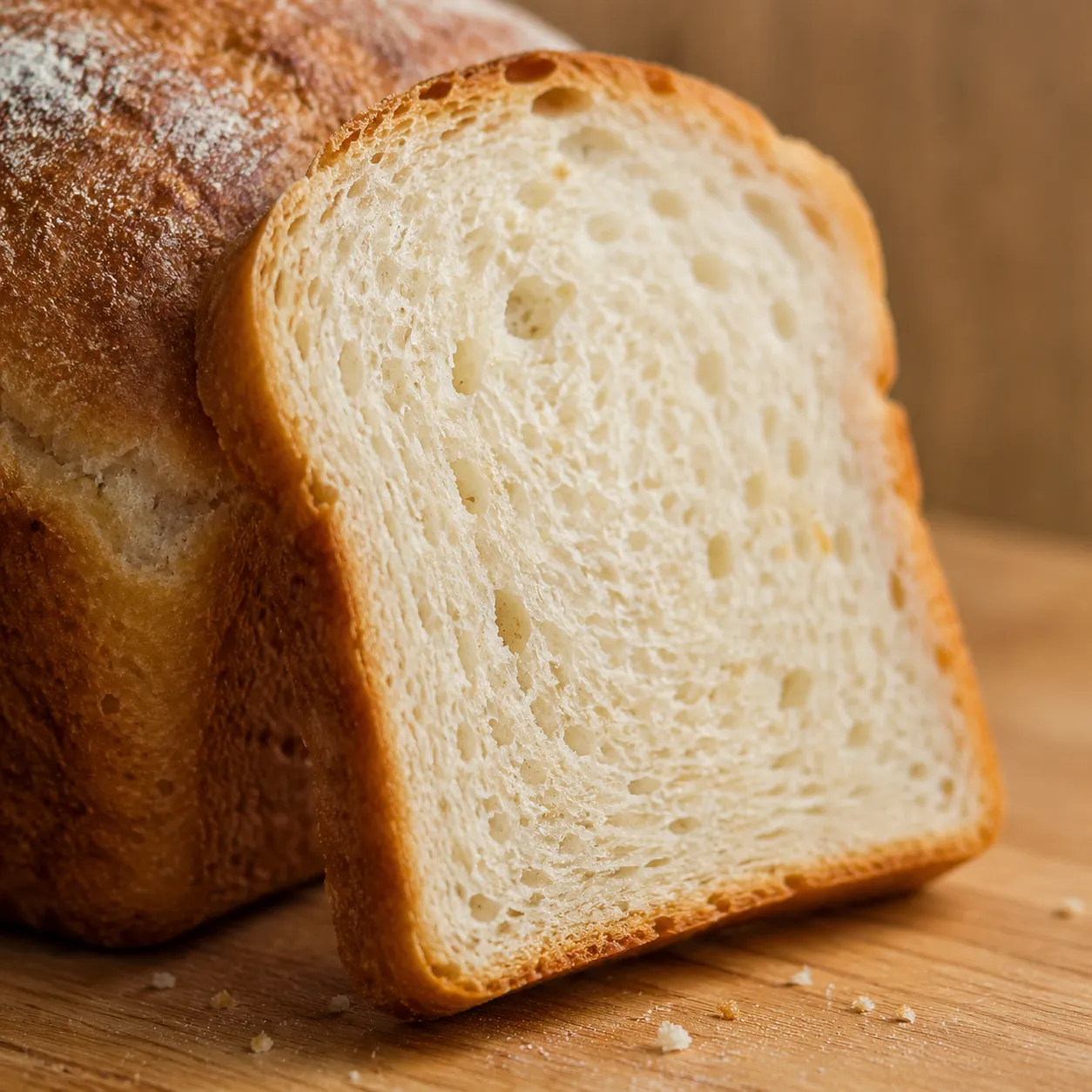
A collapsed top almost always means the dough over-rose and ran out of structure before baking began. Reduce yeast by 1/4 teaspoon, check that your kitchen isn't unusually warm (above 80°F speeds the rise too much), and make sure you didn't accidentally double the sugar — both extra yeast and extra sugar cause dramatic over-rise. If you live at altitude, cut yeast a little more and use slightly less liquid, since lower air pressure inflates dough faster.
A heavy, doughy loaf usually points to dead yeast, too much flour, or too little liquid. Test your yeast by sprinkling a teaspoon over warm water with a pinch of sugar — it should foam within 10 minutes. If it doesn't, replace it. Always weigh or spoon-and-level your flour, and remember that whole wheat and rye need slightly more water than white flour to fully hydrate.
If your crust scorches, switch to the light crust setting, reduce sugar by 1 teaspoon, or pull the loaf out 5 to 10 minutes before the cycle ends. Pale crusts usually mean too little sugar, milk, or fat — these brown the crust through caramelization and the Maillard reaction. A teaspoon of nonfat milk powder added to a water-based dough is the simplest way to deepen color without changing flavor.
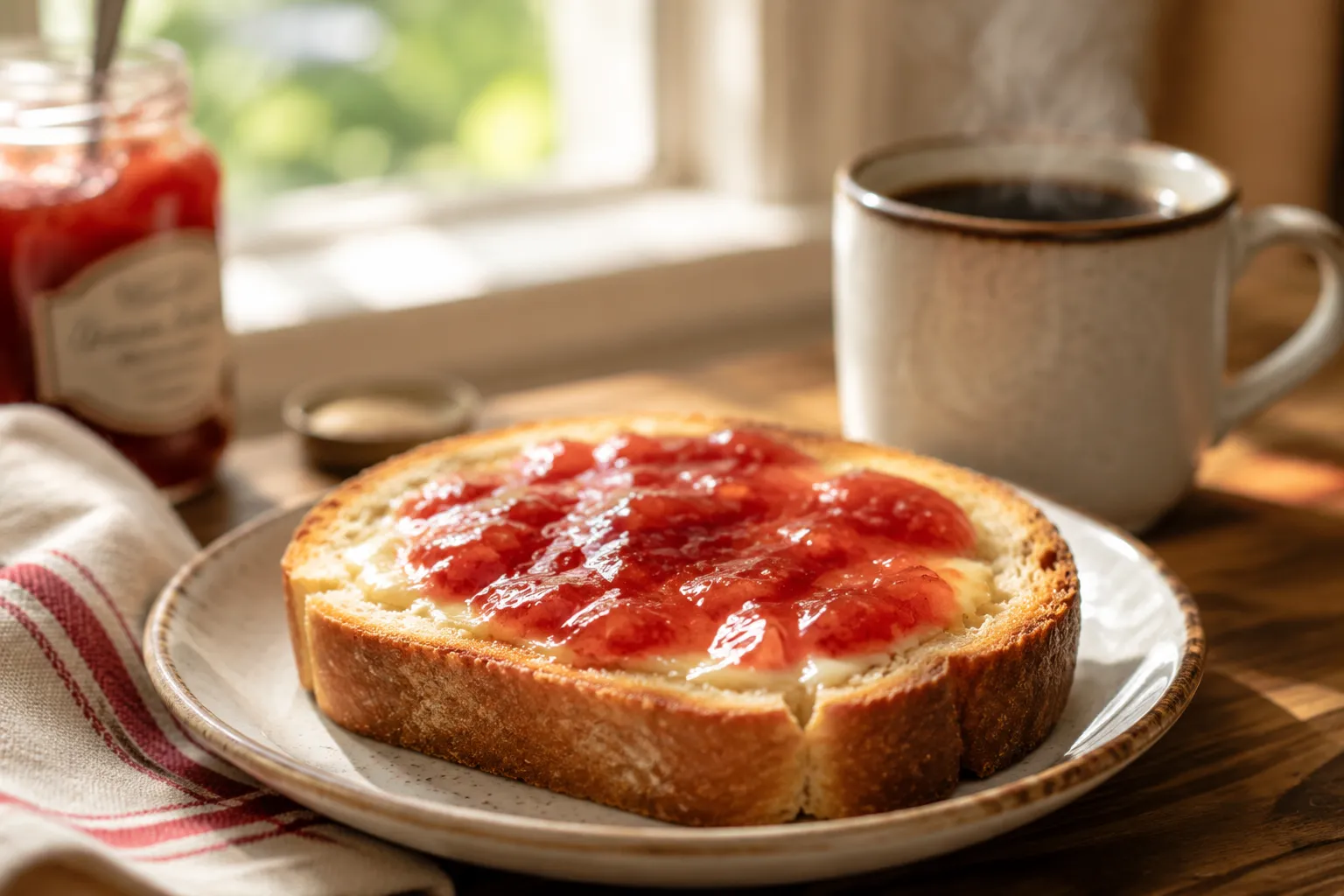
A homemade loaf is at its best the day it's baked, but a few simple habits keep it tasting fresh much longer. Slide a slice into the toaster for breakfast with butter and jam, build big stacked sandwiches at lunch, or tear off chunks to dunk into a bowl of soup.
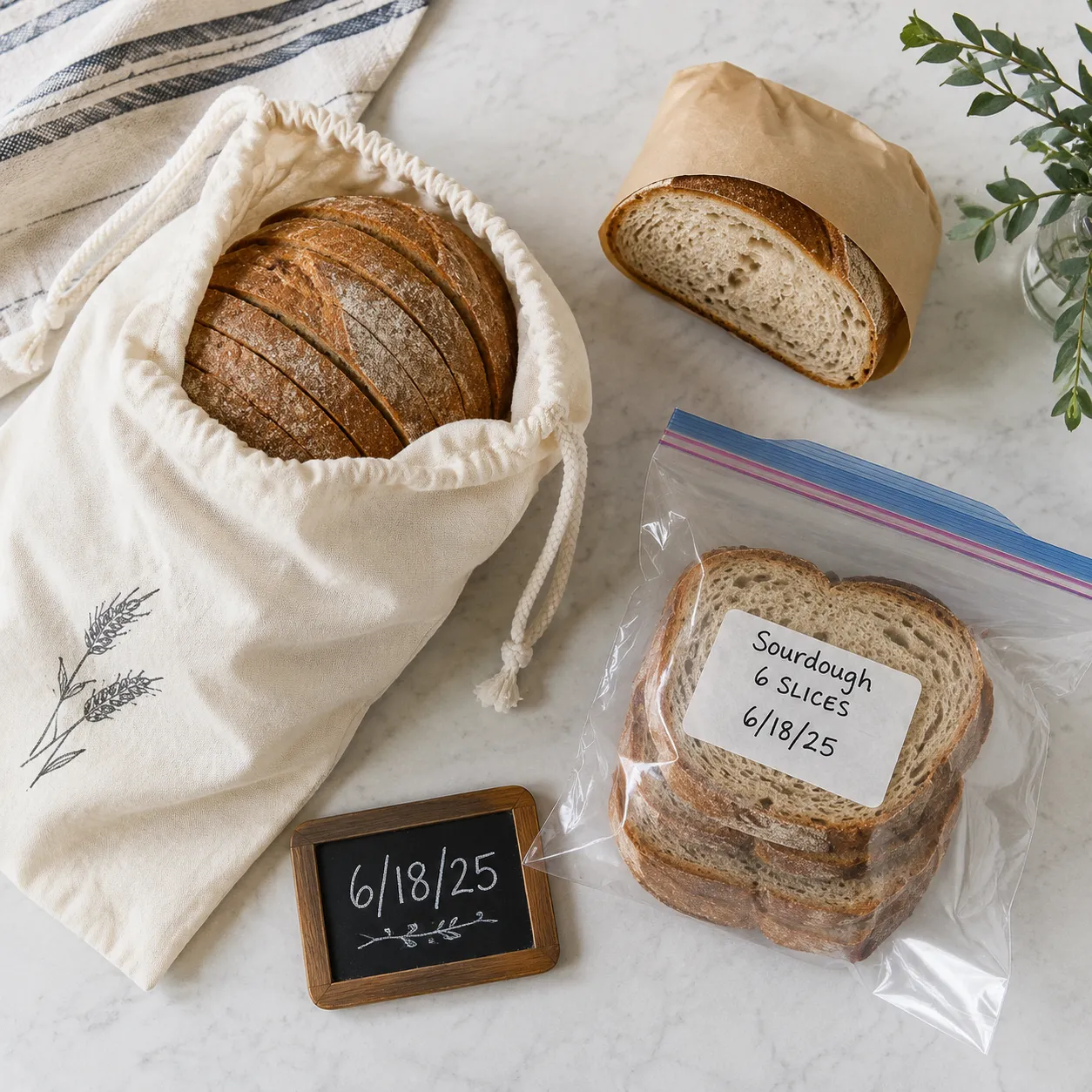
If you're baking ahead for the week, slice the cooled loaf and freeze in two-bag portions so you can pull out only what you need. A short visit to the toaster brings frozen slices right back to fresh-baked texture, and a foil-wrapped half loaf reheats beautifully at 325°F for 8 to 10 minutes.
Once you have a few favorite bread machine recipes in rotation, the machine becomes the most-used appliance on your counter. Start with the classic white loaf below, then branch out — your kitchen, and anyone walking through it at 3 p.m., will thank you.
The classic white recipe is your launching pad — almost any flavor variation works as long as the wet-to-dry ratio stays close to the original. Try these tested swaps:
A cooled bread machine loaf keeps beautifully for 3 to 4 days at room temperature in a cotton bread bag or beeswax wrap — avoid plastic, which traps moisture and softens the crust. Skip the refrigerator entirely; cold staling actually accelerates in the fridge and turns soft bread chalky overnight.
For longer storage, slice the fully cooled loaf and freeze in zip-top bags with a small piece of parchment between every few slices so you can pull out only what you need. Frozen slices toast straight from the freezer in about 90 seconds, and a foil-wrapped half loaf reheats at 325°F for 8 to 10 minutes for that just-baked texture.