Whole Grain Bread Recipe: Easy Homemade Hearty Loaf
Ingredients
Scale

A wholesome homemade whole grain bread with a tender crumb, crisp seeded crust, and deep nutty flavor — no fancy equipment, no fuss.
Whole grain bread is one of those humble kitchen projects that makes your whole house smell like a bakery and your week feel a little more organized. This loaf has a crisp seeded crust, a tender sandwich-ready crumb, and the kind of nutty, earthy flavor that turns even plain butter into something special.
If you’ve ever wanted a reliable whole grain bread recipe that doesn’t require a bread machine or any fancy shaping skills, this is the one to bookmark. It comes together in one bowl, leans on pantry staples, and makes a hearty loaf that’s just as good for breakfast as it is for lunch.
What I love most about this homemade whole grain bread is how forgiving it feels. The dough is sturdy, the method is straightforward, and the result is a loaf that slices beautifully once cooled. It’s the kind of bake that works for toast, sandwiches, and that mid-afternoon snack when you want something substantial but still simple.
At its core, whole grain bread is bread made with flour that keeps the entire grain kernel intact: the bran, germ, and endosperm. That means you get more texture, more flavor, and more nutrition than you would from refined flour alone. In this loaf, whole wheat flour does the heavy lifting, while oats and seeds add even more body and a pleasant, hearty bite.
People often use whole wheat bread and whole grain bread interchangeably, but there is a small difference. Whole wheat bread is made specifically with wheat flour that includes the whole kernel, while whole grain bread can include wheat plus other intact grains like oats, barley, rye, or spelt. That’s why a loaf labeled whole grain can be a little more varied in flavor and texture than a standard wheat loaf.
Labels can get confusing, too. A loaf marketed as wholegrain bread or “multigrain” isn’t always the same thing as true whole grain bread, because multigrain only means more than one grain is present. It doesn’t guarantee those grains are whole, which is why it helps to read the ingredient list and look for phrases like 100% whole grain or 100% whole wheat when that matters to you. 
This loaf uses a short, practical ingredient list that still delivers big flavor. Whole wheat flour gives the bread its structure and nutty depth, rolled oats soften the crumb just enough, and a mix of sunflower, flax, and sesame seeds adds crunch and visual appeal. Honey or maple syrup balances the earthy flavor of the grains without making the loaf taste sweet.
You’ll also need active dry yeast, warm water, olive oil, and fine sea salt. The yeast gives the dough lift, the olive oil keeps the crumb supple, and the salt sharpens every flavor in the loaf. This is the kind of whole grain bread recipe that rewards using decent pantry ingredients, because the flavor of the grains really shines through.
For the flour, choose a fresh whole wheat flour that smells clean and lightly nutty, not stale or bitter. If you want a slightly softer crumb, you can use a spoonful or two more water, since whole grain flour absorbs more liquid than white flour. 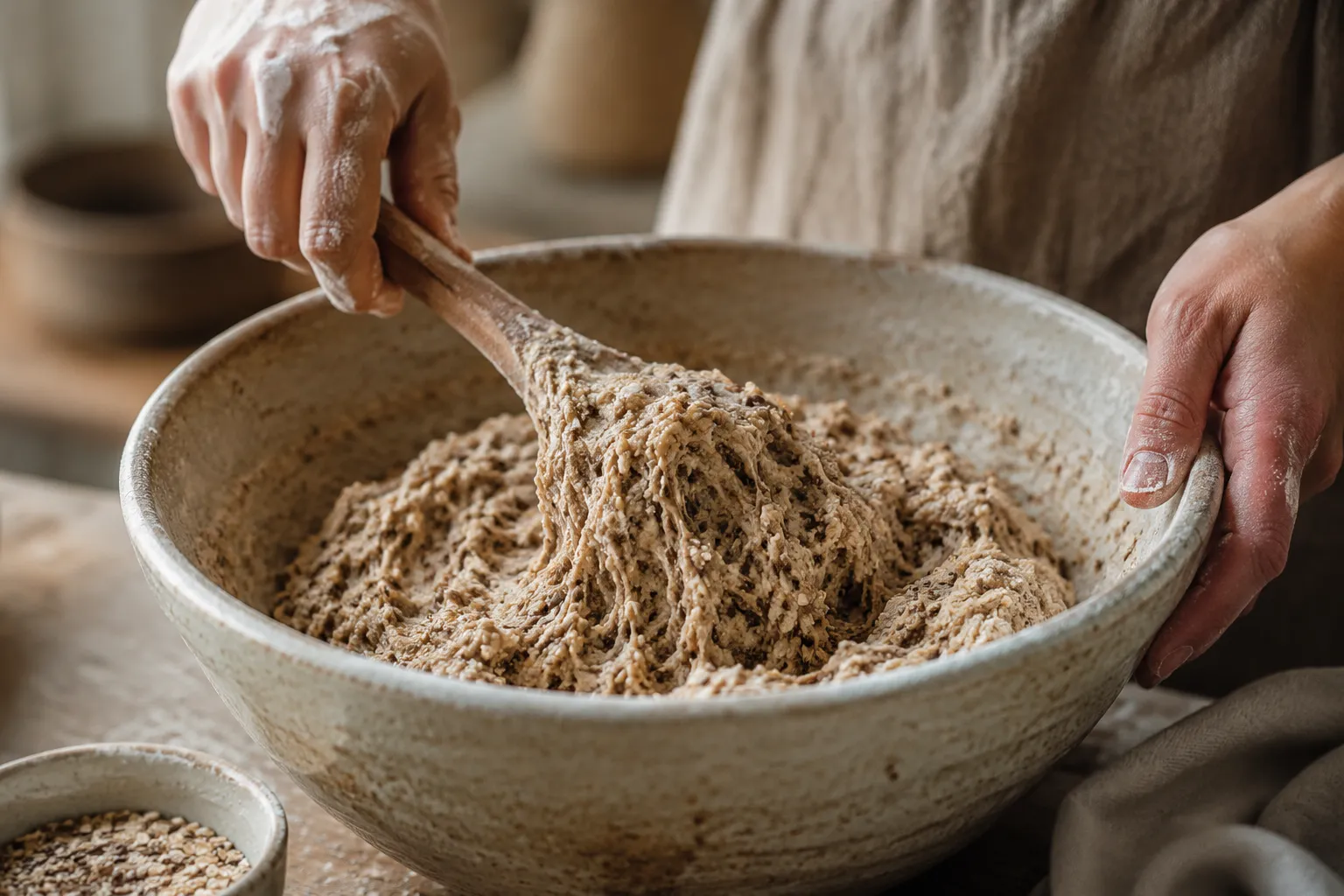
Start by blooming the yeast in warm water with the honey or maple syrup. Once the mixture looks foamy, stir in the flour, oats, seeds, olive oil, and salt until you have a sticky, rough dough. This is where the magic begins: the grains hydrate, the yeast wakes up, and the dough starts to smell pleasantly wheaty and warm.
Let the dough rest briefly so the flour can absorb the liquid, then knead until it becomes smoother and more elastic. You can do this by hand, which makes the method feel approachable and a little old-fashioned in the best way. The goal is not a perfect bakery boule; it’s a sturdy loaf with enough structure to rise well and slice cleanly. 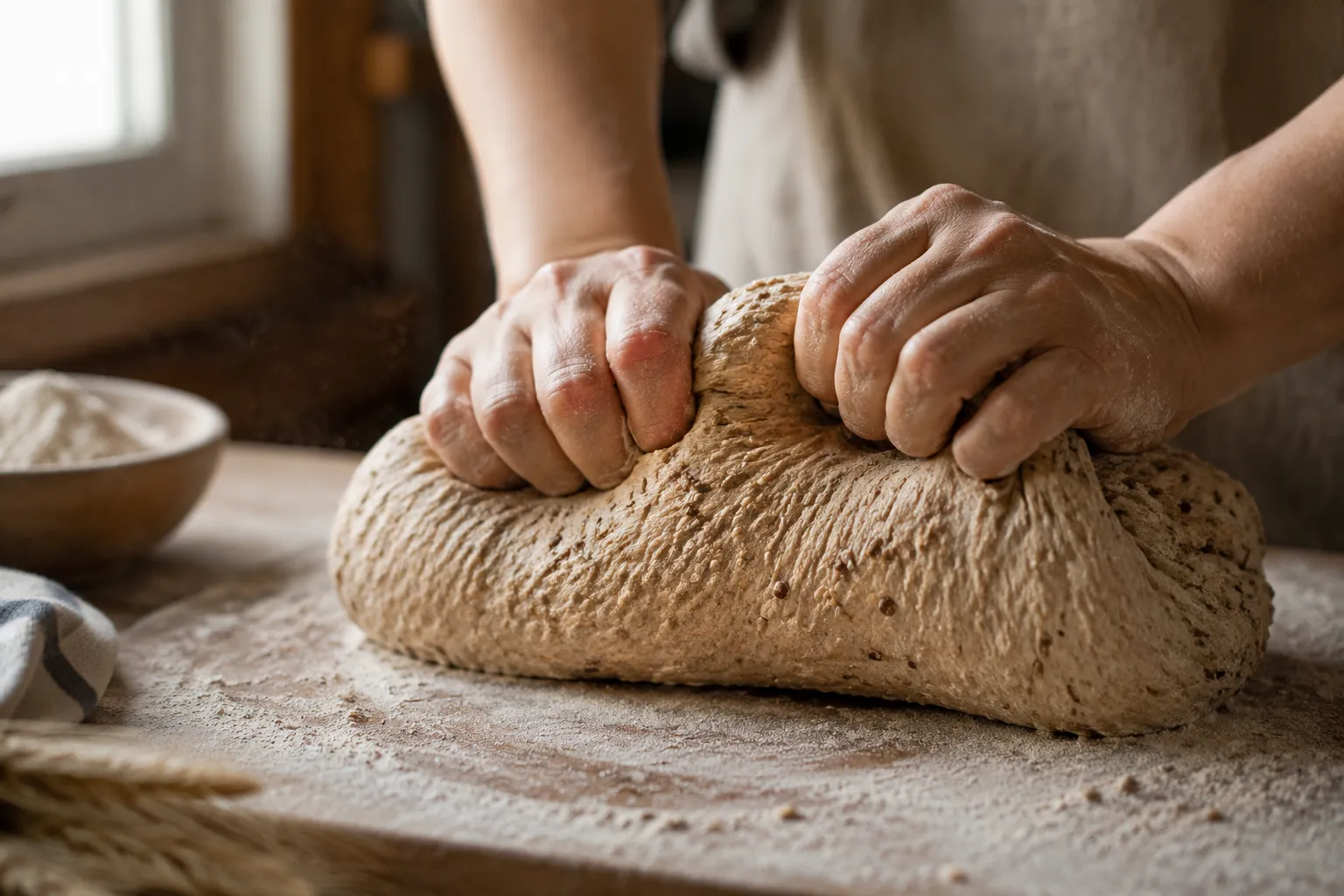
After kneading, let the dough rise until doubled, then shape it into a loaf and tuck it into a greased pan. Sprinkle the top with extra seeds for a crunchy finish, then let it rise again until it domes just above the rim. This is the moment to be patient, because under-proofed dough is the fastest way to end up with a dense loaf.
Before baking, score the top lightly so the steam has a place to escape. Bake until the crust is deep golden brown and the loaf sounds hollow when tapped, then cool it on a rack so the crumb can finish setting. The smell alone will make it hard to wait, but letting it cool is what gives you neat slices instead of a gummy interior. 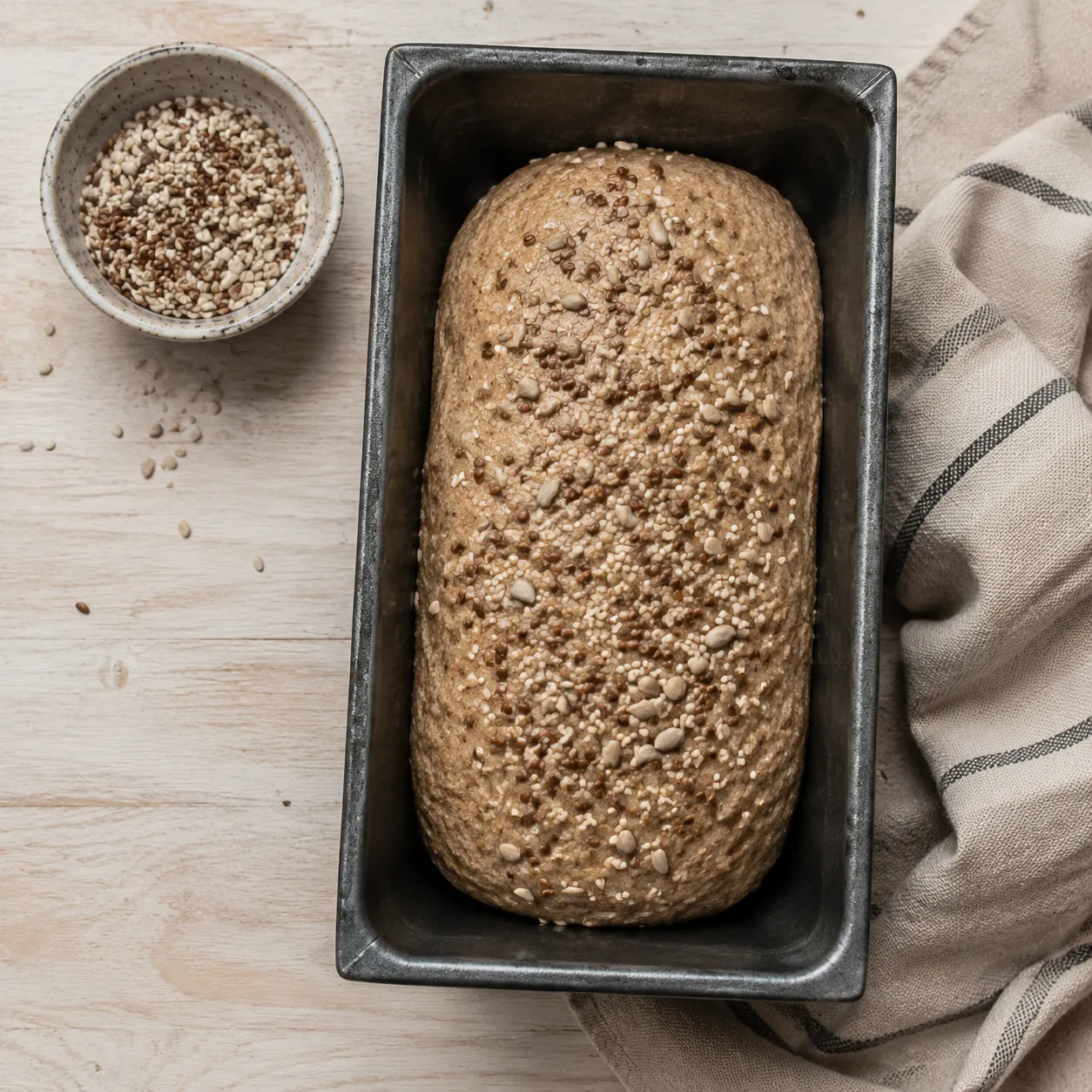
Once cooled, slice and enjoy it plain, toasted, or piled with your favorite sandwich fillings. The finished loaf has that satisfying balance of rustic and soft that makes whole grain bread so versatile for everyday meals. 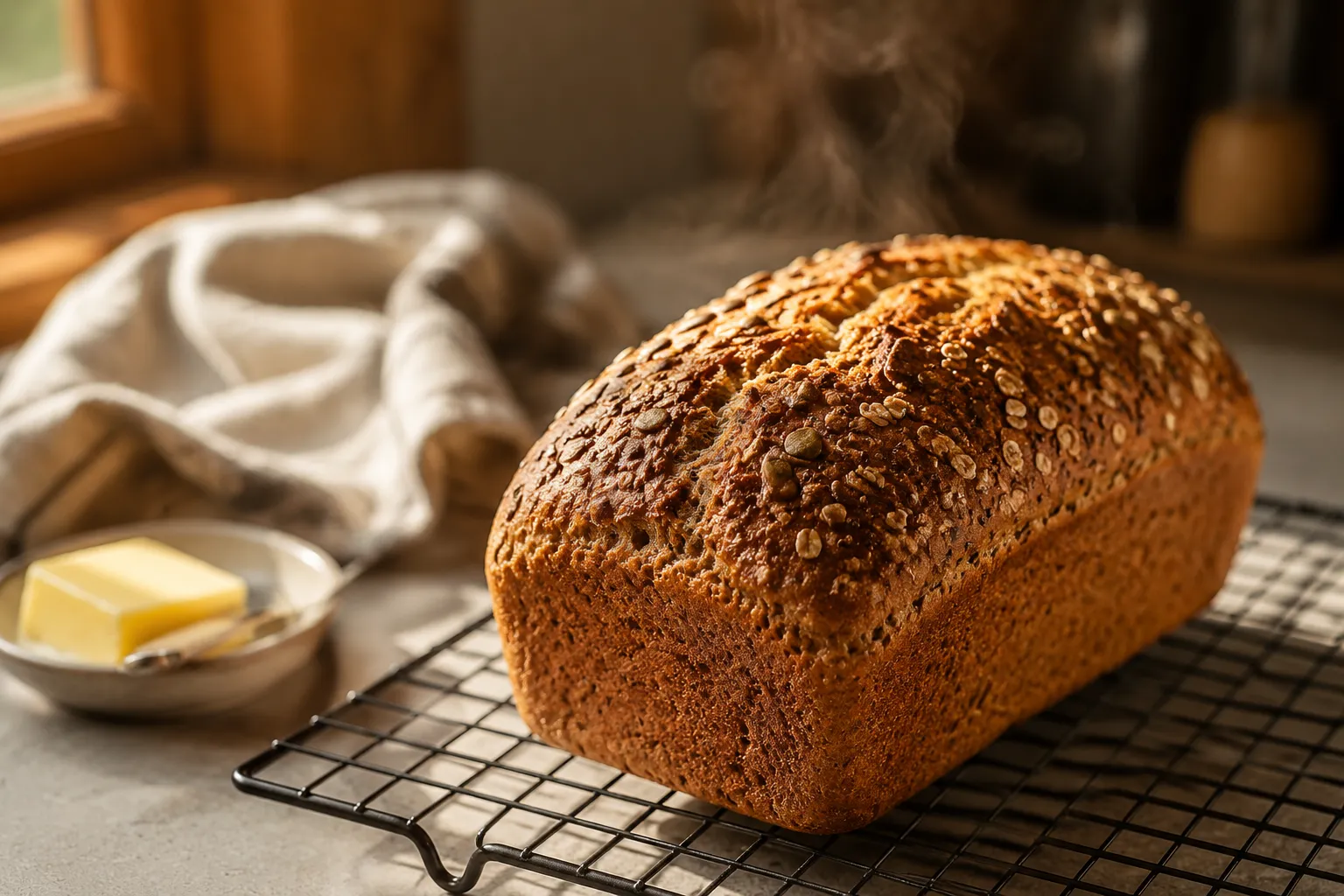
One of the reasons people keep coming back to whole grain bread is that it offers more than just comfort-food appeal. Because the flour includes the bran and germ, each slice typically brings more fiber, B vitamins, minerals, and natural plant compounds than bread made with refined flour. That fiber helps make the loaf more filling, which is a big part of why it works so well for breakfast and lunch.
These whole grain bread nutrition facts can vary by loaf and slice size, but the general benefit is pretty consistent: more of the grain stays intact. Compared with many store-bought loaves, this version also avoids the longer ingredient list you sometimes see in packaged bread. It’s a good example of how homemade whole grain bread can be both practical and nourishing without feeling like a compromise.
If you’re trying to make more balanced meals, a slice of this bread can help anchor everything from eggs to soup to avocado toast. The combination of seeds, oats, and whole wheat flour makes each piece feel hearty enough to stand on its own, especially when toasted. That’s why this loaf earns its place in the rotation alongside other everyday favorites like whole wheat bread and sandwich breads you can count on. 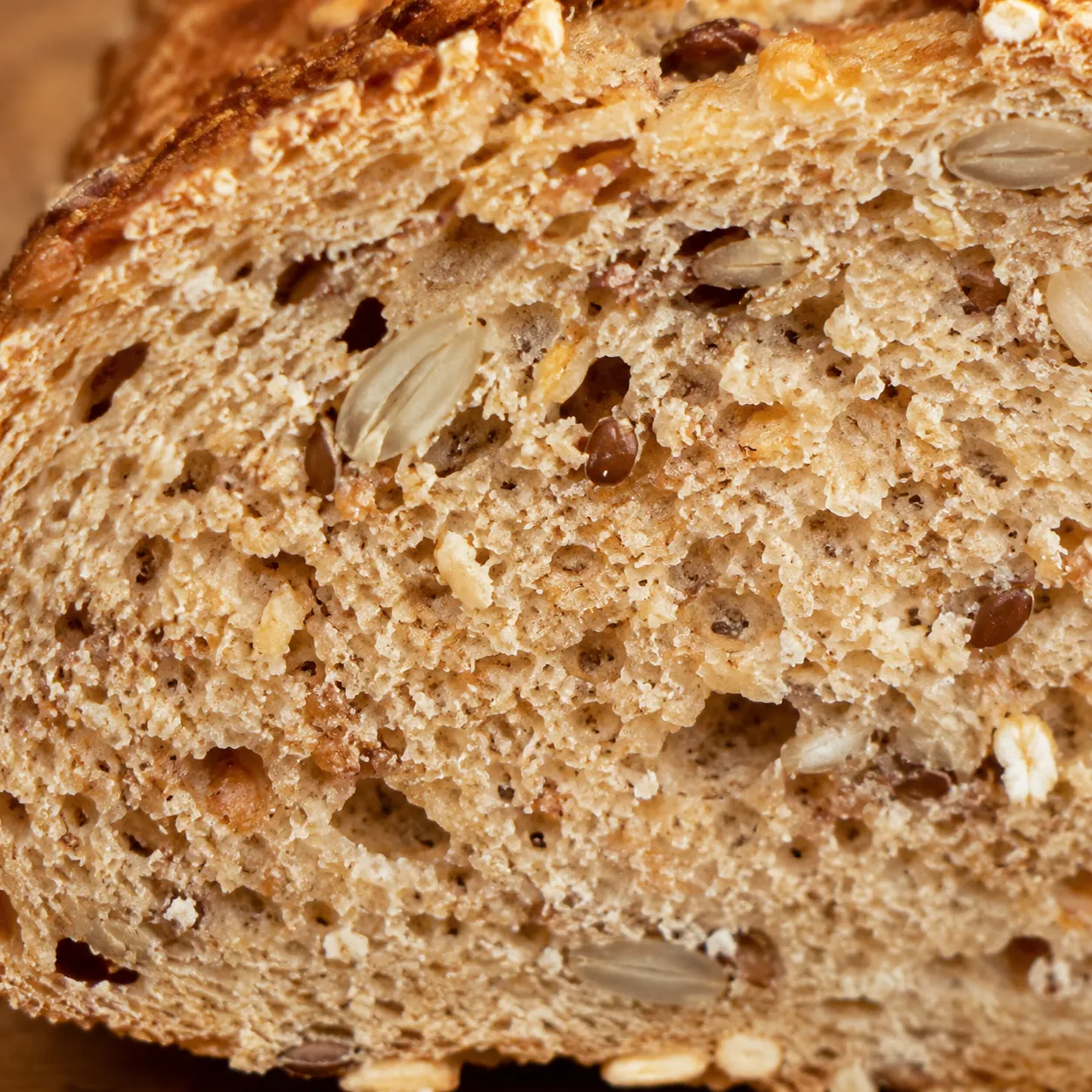
Compared with many packaged options, this loaf also gives you more control over sweetness, salt, and texture. If you like reading labels, it’s a satisfying alternative to store-bought organic whole grain bread because you know exactly what’s in the pan. And if you’re wondering how to use those nutrition benefits in real life, the answer is simple: toast it well, add something protein-rich, and enjoy it often.
This loaf shines in all the everyday ways a sturdy bread should. Toast it and top it with butter and jam, use it for grilled cheese, or build a breakfast sandwich with eggs and greens. Because the crumb is tender but not fragile, it handles spreads and fillings without falling apart, which makes it ideal for meal prep.
For something simple, try it as whole grain toast with honey, tahini, nut butter, or avocado and flaky salt. It also pairs beautifully with soups, stews, and simple lunches when you want something more substantial than a cracker or roll. If you’ve been looking for a dependable slice that works from morning to night, this is a loaf worth keeping on the counter.
The flavor is hearty enough to stand up to savory toppings, but mild enough to go sweet at breakfast too. That versatility is part of why this wholegrain bread style loaf feels so useful in real kitchens. It doesn’t demand a special occasion; it just makes ordinary meals a little better. 
Whether you serve it warm from the oven or toast it from frozen during a busy week, this is a loaf you’ll find yourself reaching for again and again. And once you get comfortable with it, you may never go back to plain sandwich bread. For more everyday baking inspiration, this pairs naturally with homemade soup nights, breakfast prep, and all the little moments that make bread feel like a kitchen staple.
This loaf is flexible enough to adapt to your pantry and your preferences. Keep the method the same and swap in different grains, seeds, or sweeteners to make it your own. The base formula is intentionally sturdy so you can riff without losing the reliable texture that makes this recipe work.
Let the loaf cool completely before wrapping it, otherwise trapped steam can soften the crust and make the bread soggy. Store it tightly wrapped or in a bread box at room temperature for up to 3 days. If your kitchen runs warm, slice only what you need and keep the rest wrapped well between uses.
For longer storage, slice the bread and freeze it in a zip-top bag with parchment between slices so you can grab just what you need. Frozen slices toast beautifully straight from the freezer, which makes this loaf especially handy for quick breakfasts and weeknight sandwiches. It’s an easy way to keep homemade whole grain bread on hand without worrying about waste.