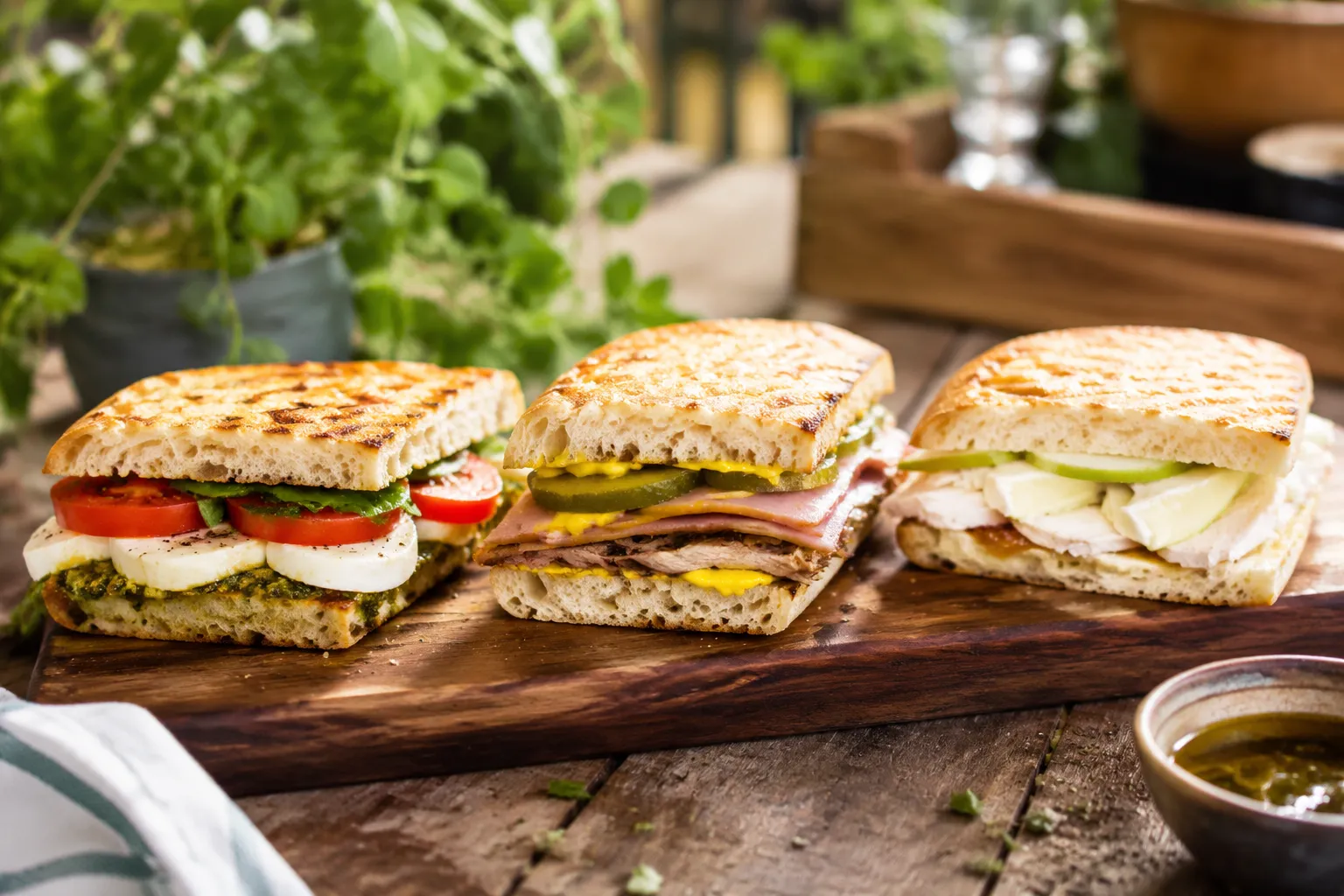
Your panini press isn't just for sandwiches—it's a weeknight dinner secret weapon. Here's everything to know, plus 12 melty recipes worth firing it up for.
Why You'll Love This Recipe
Fast, café-style results: You get crisp bread, warm fillings, and melted cheese in about 16 minutes.
Great for leftovers: Cooked chicken, deli meats, roasted vegetables, and extra cheese become a brand-new meal.
Flexible for every eater: Make it meaty, vegetarian, spicy, sweet-savory, or kid-friendly without changing the method.
Less hands-on than skillet sandwiches: The top and bottom plates brown both sides at once, so there is no flipping drama.
Works beyond lunch: Use the same approach for breakfast paninis, quick dinners, quesadillas, and dessert sandwiches.
A panini press is one of those small kitchen appliances that earns its cabinet space the minute you hear bread crackle under the lid. It turns everyday ingredients into a hot, crisp, melty lunch in minutes, whether you are building a pesto chicken sandwich, a classic Italian-style stack, or a just-for-fun dessert panini with chocolate and strawberries.
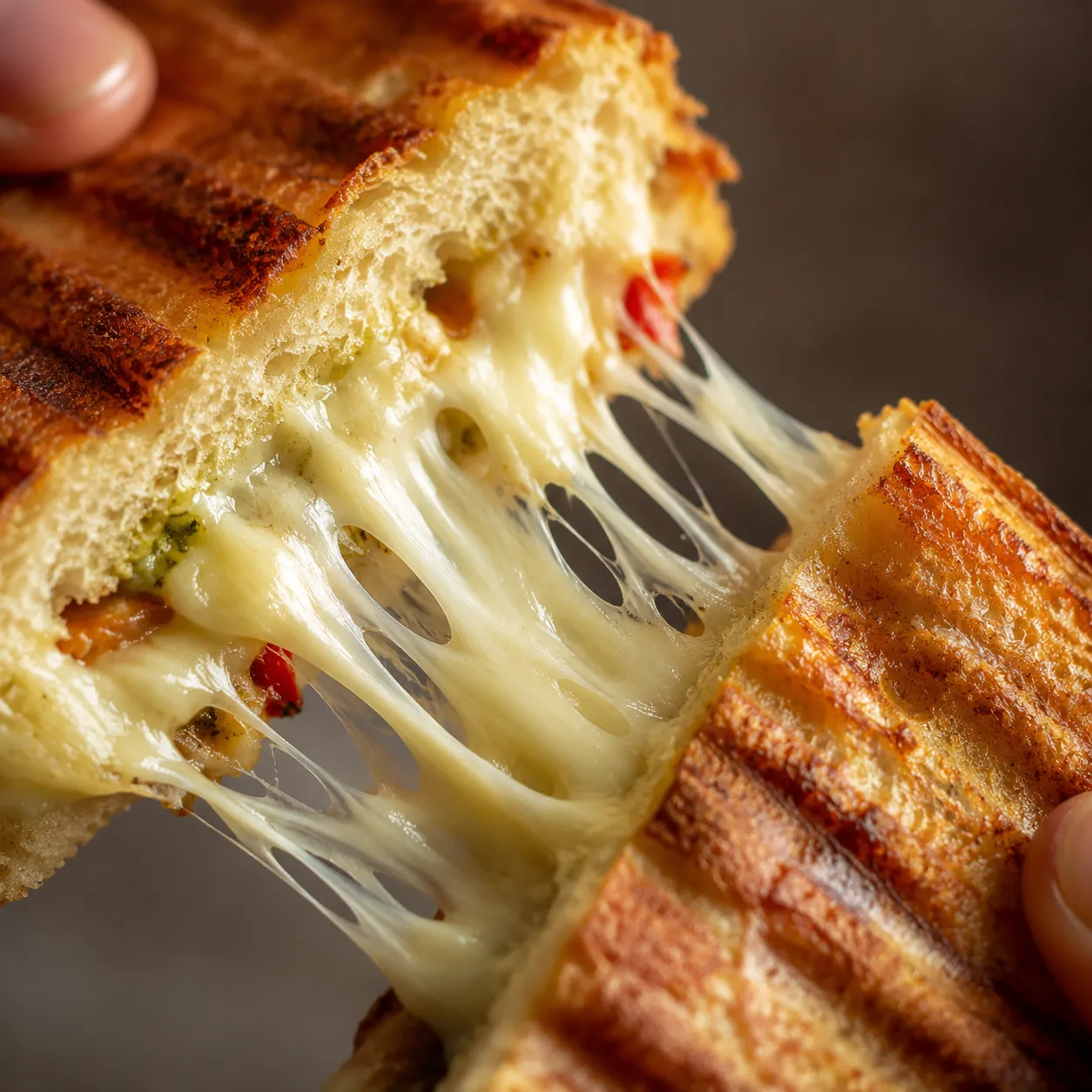
The beauty is in the contrast: crunchy ridged bread, warm fillings, and melty cheese that pulls just enough when you slice through the center. Think of this as your all-in-one guide to better grilled sandwich nights, from choosing the right bread to cooking beyond sandwiches when dinner needs to happen fast.
What Is a Panini Press and How Does It Work?
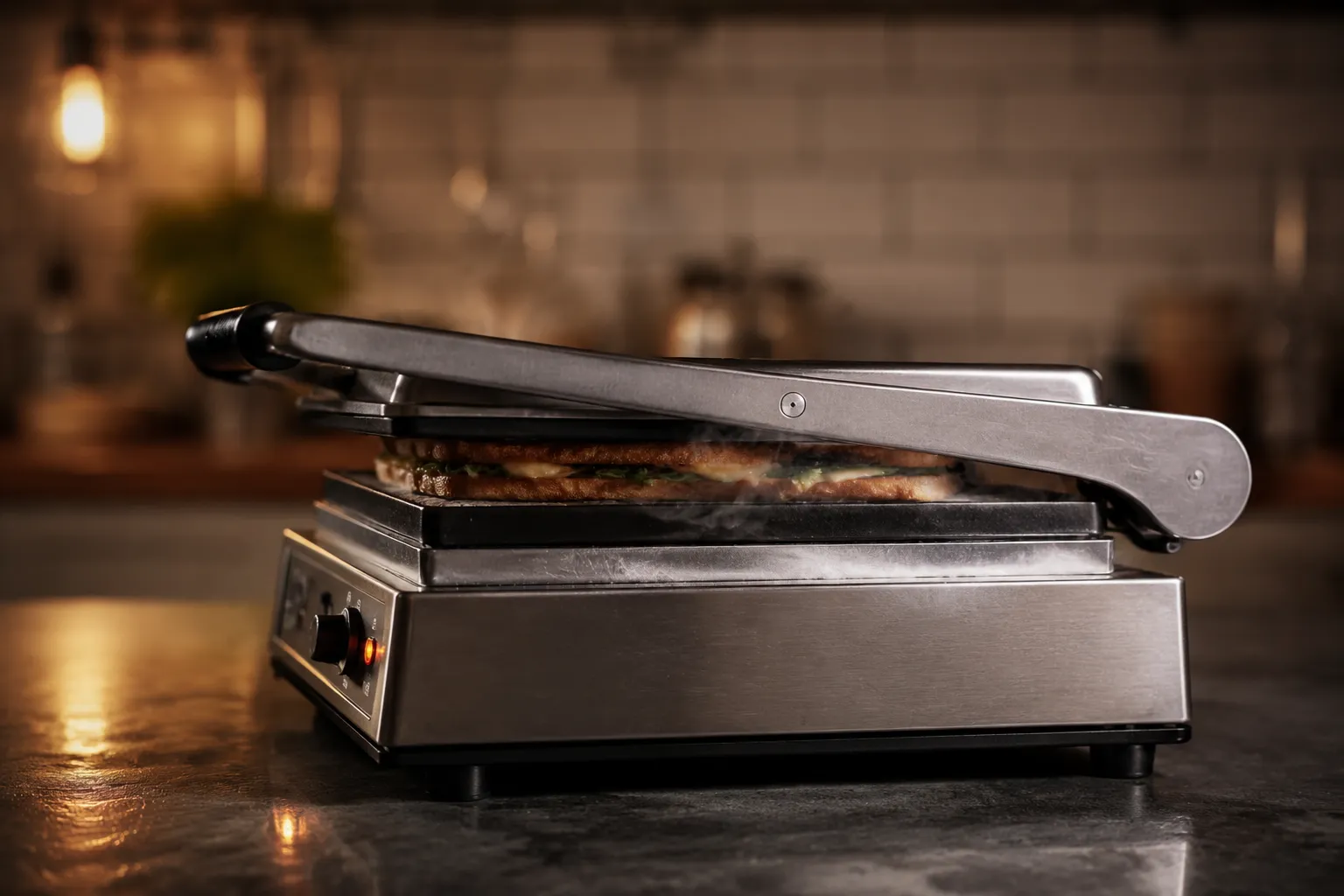
A panini press is a countertop grill with heated top and bottom plates that cook, compress, and toast a sandwich at the same time. Unlike a skillet, which only browns one side before flipping, the hinged lid applies gentle pressure from above, helping the bread crisp evenly while the fillings warm through. Many models have ridged plates for those signature grill marks, while others are flat or reversible for more versatile cooking. If you love grilled cheese but want more crunch and less babysitting, this is the tool that gets you there quickly.
Panini Grill vs. Grill Pan vs. Skillet
A grill pan gives you attractive marks and high heat, but it still requires flipping and pressing with a spatula. A skillet is wonderfully simple and can make a fantastic sandwich, especially with a weighted pan on top, but it does not heat both sides at once. A dedicated press is faster and more consistent because it sandwiches the food between two hot surfaces. That makes it especially helpful for weekday meals, packed lunches made fresh at home, and quick dinners when everyone wants something different.
What Else Can You Cook on It?
Once you start thinking of it as a compact double-sided grill, the possibilities open up fast. Quesadillas, wraps, sliced zucchini, halloumi, bacon, hash browns, and even French toast can all cook beautifully between hot plates. The key is choosing foods that benefit from direct contact and moderate pressure. Keep wetter ingredients contained, use a drip tray if your model has one, and avoid anything so delicate that it will flatten into a mess.
How to Use a Sandwich Press Like a Pro
The first rule is simple: preheat before food goes on. Hot plates give you better browning, cleaner grill marks, and less sticking, while a cold start can dry out the bread before the outside ever gets crisp. Most sandwiches cook best over medium to medium-high heat, though thicker bread and sugary fillings may need a slightly lower setting. If your machine has no temperature dial, give it a full warm-up until the ready light clicks on, then let the plates recover for a minute between batches.
Buttering vs. Brushing with Oil
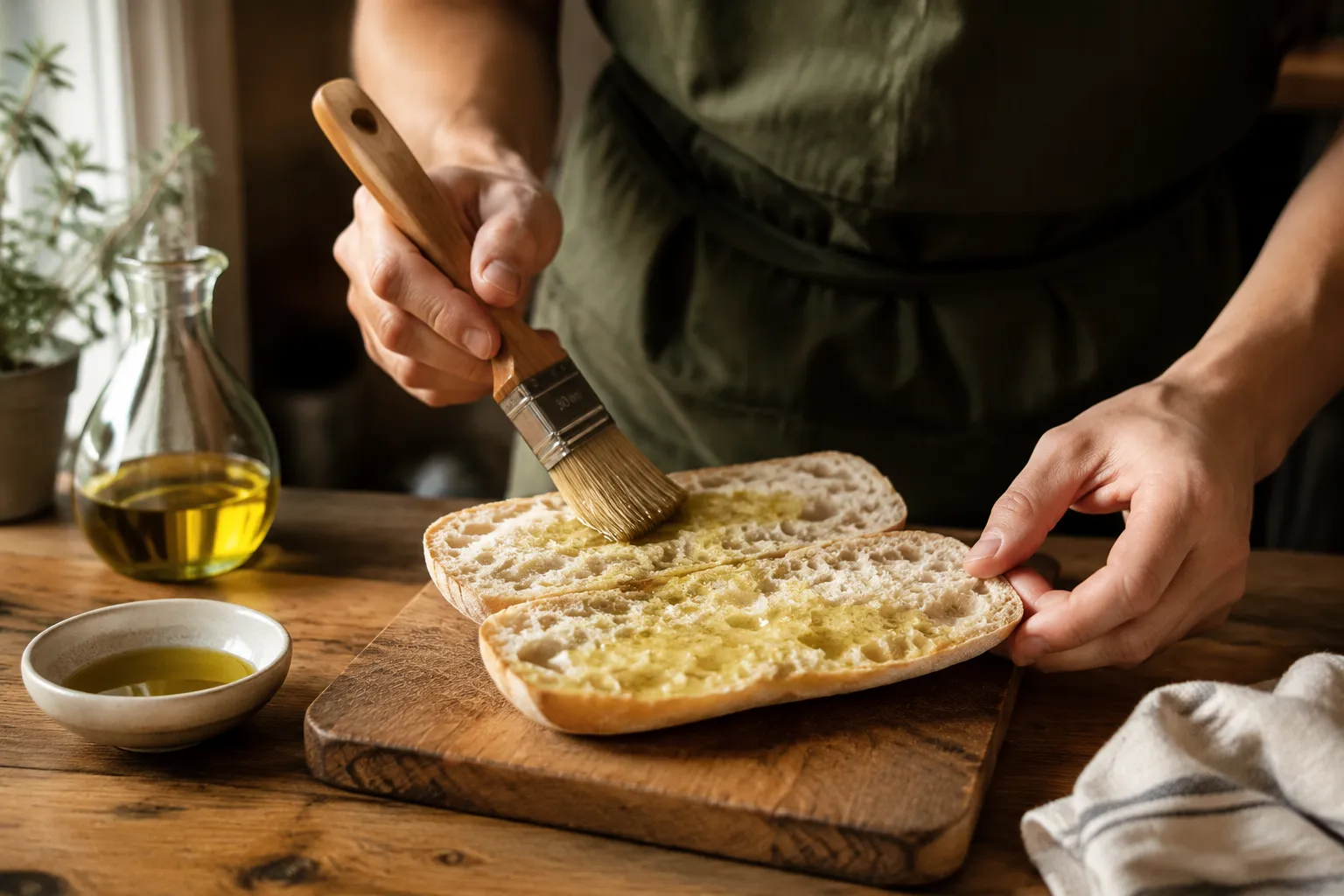
Butter gives a rich, diner-style flavor and deep golden color, but it can brown quickly on very hot plates. Olive oil is lighter, easier to brush evenly, and especially lovely with pesto, mozzarella, roasted peppers, and Italian sandwiches. Mayonnaise also works as a thin exterior coating if you like an ultra-even crust, though a little goes a long way. Whatever you choose, coat the outside of the bread rather than the appliance plates so the crust browns evenly without excess grease pooling around the edges.
Timing for Crisp, Golden Results
Most panini recipes need about 3 to 5 minutes once the machine is hot. Thin sandwiches with already-cooked fillings may be ready closer to the 3-minute mark, while thicker builds with fresh mozzarella or hearty meats can take 5 to 6 minutes. Resist the urge to push down hard on the lid; the appliance is designed to apply pressure on its own, and too much force can squeeze out the cheese and sauces. You are looking for toasted bread, set grill marks, and cheese that has melted into the seams.
Best Bread, Cheese, and Fillings for Hot Pressed Sandwiches
Great paninis start with bread that can handle heat, pressure, and a juicy filling or two. Ciabatta is a favorite because it has an open crumb, sturdy crust, and enough structure to stay crisp instead of collapsing. Sourdough brings tang and chew, focaccia adds olive-oil richness, and a rustic Italian loaf is perfect for bigger family-style sandwiches. Softer sandwich bread can work for simple melts, but for saucy fillings, go with ciabatta bread or another sturdy bakery loaf.
Top Breads: Ciabatta, Sourdough, and Focaccia
Ciabatta rolls are ideal for individual sandwiches because they split neatly and press into a crisp shell with tender pockets inside. Sourdough slices are excellent when you want a little tang against turkey, brie, apple, or sharp cheddar. Focaccia is richer and more substantial, so pair it with bright ingredients like tomato, basil, arugula, or pickled peppers. If the bread is very thick, scoop out a little of the interior so the fillings sit snugly and the sandwich cooks evenly.
Melty Cheese Picks
Fresh mozzarella is creamy and classic, especially with pesto, tomatoes, roasted peppers, or chicken. Provolone melts beautifully and adds a savory edge to steak, salami, ham, or Cuban-inspired combinations. Fontina, Havarti, Monterey Jack, Swiss, and young cheddar are all reliable choices when you want a smooth melt without too much oil. For the best texture, slice cheese thinly and place some near both bread surfaces so it acts like delicious glue.
Building a Balanced Sandwich
A good pressed sandwich needs contrast: something creamy, something savory, something bright, and bread that can carry it all. Spread sauces thinly so they season the sandwich without turning the interior soggy. Pat roasted peppers, tomatoes, pickles, and greens dry before layering, then keep leafy ingredients away from the hottest surface if you want them to stay fresh rather than wilted. For protein, cooked chicken, turkey, steak, ham, salami, tuna, and roasted vegetables all work well, but keep the layers even so every bite presses at the same rate.
12 Melty Panini Ideas to Make This Week
When you want inspiration beyond the same turkey-and-cheese routine, these combinations cover classic, vegetarian, breakfast, dinner, and dessert moods. Use them as blueprints rather than strict formulas: swap the bread, change the cheese, and add a favorite sauce depending on what is in your fridge. They are also excellent easy lunch ideas because most use cooked proteins, jarred condiments, or quick-slice produce. Once you understand the basic structure, you can turn leftovers into something that tastes intentionally restaurant-worthy.
Classic Italian Panini
Layer salami, ham, provolone, roasted red peppers, and a swipe of olive tapenade on a sturdy roll. This is the sandwich to make when you are craving bold deli flavor and crisp, toasty edges. Add arugula after cooking if you want peppery freshness without too much wilt. A thin brush of olive oil on the exterior makes the bread taste like it came from a neighborhood café.
Caprese with Pesto
Fresh mozzarella, tomato slices, basil pesto, and a drizzle of balsamic glaze make a bright, simple vegetarian option. The important move is to pat the tomatoes dry so the bread stays crisp. Use ciabatta or focaccia, and do not overfill with cheese since fresh mozzarella releases moisture as it melts. A little flaky salt at the end wakes up every creamy, herby bite.
Pesto Chicken and Mozzarella
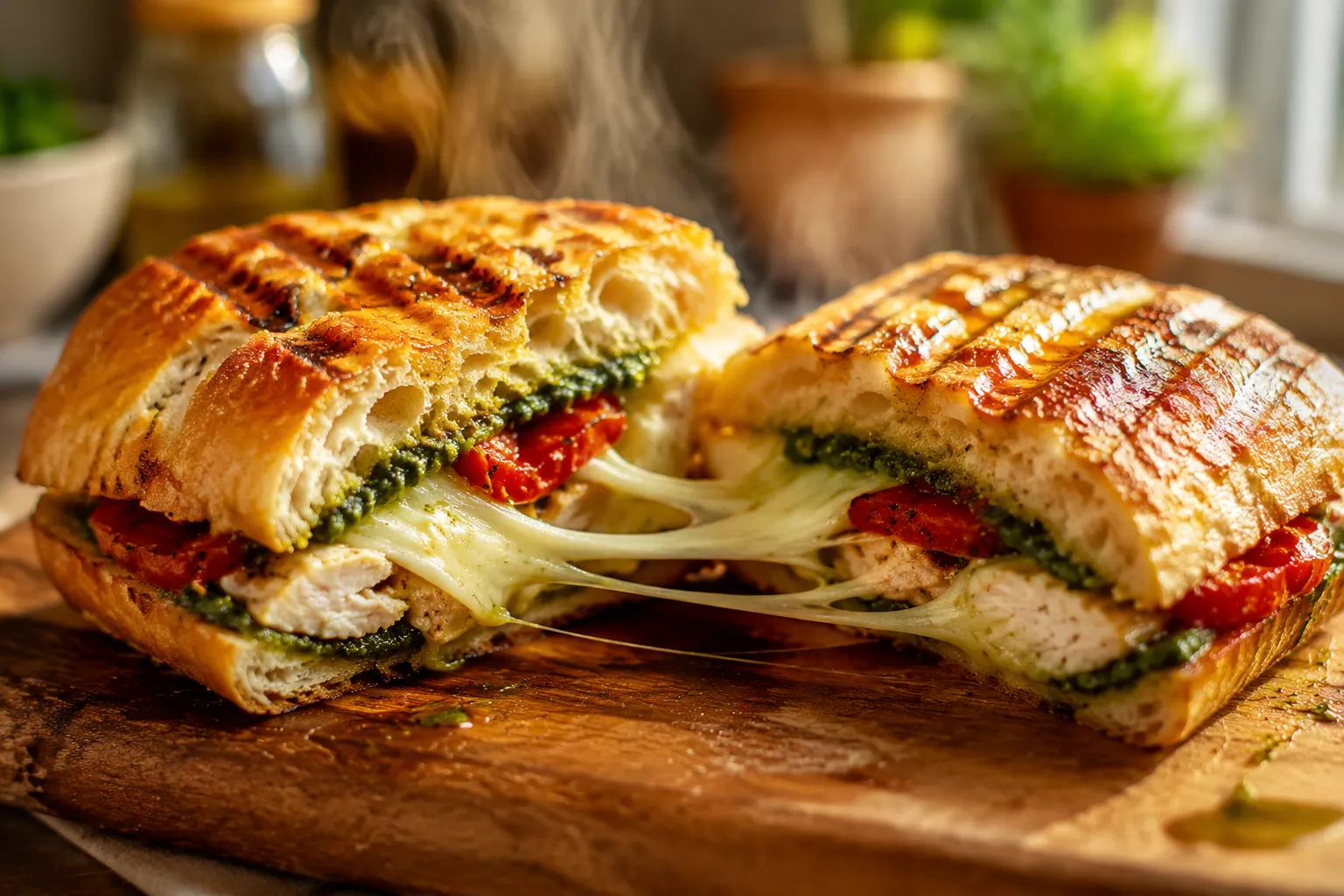
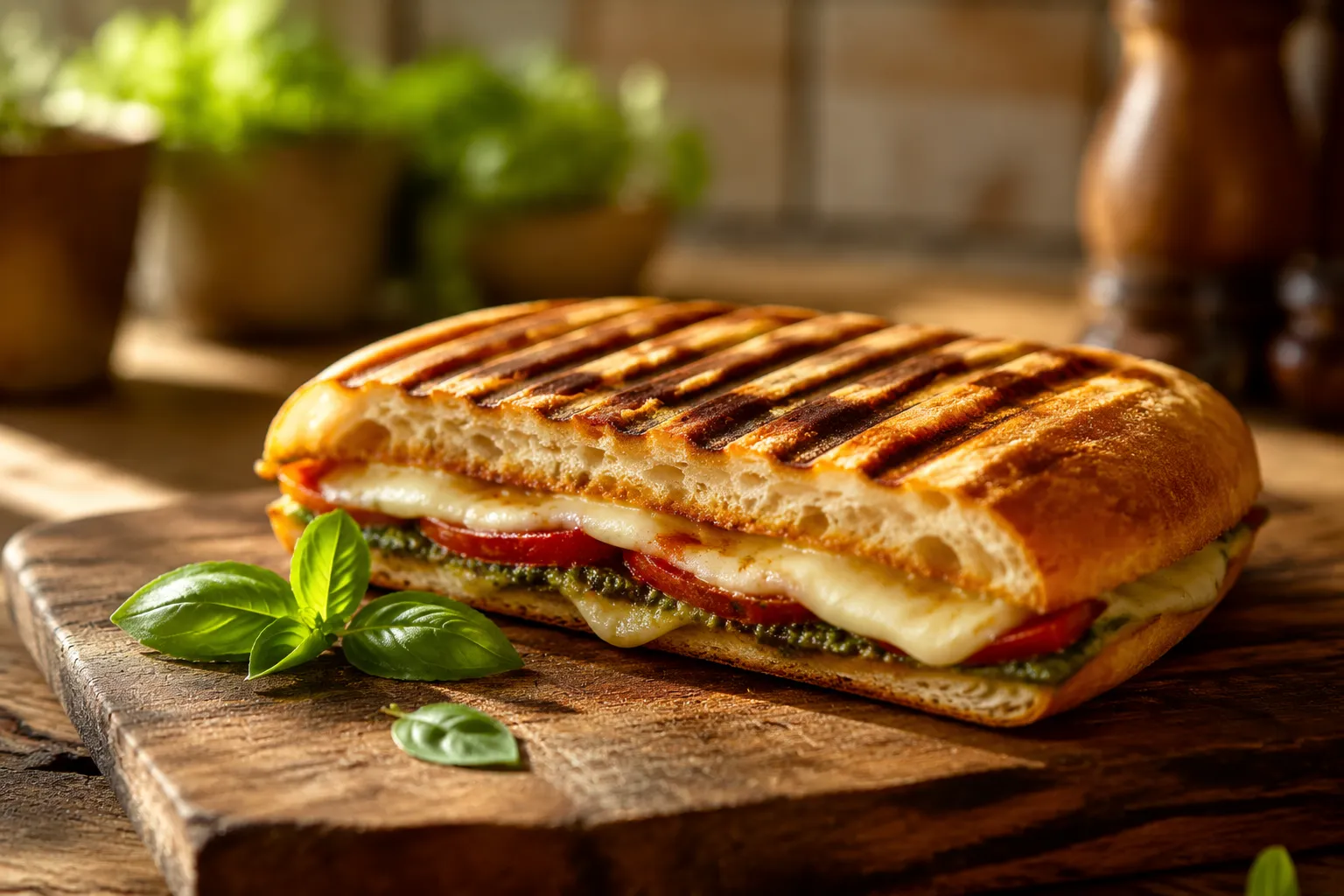
This is the house favorite and the recipe card version below: cooked chicken, mozzarella, roasted red peppers, baby arugula, and pesto on ciabatta. It checks every box with savory protein, creamy cheese, a little sweetness from peppers, and a crisp green finish. The flavors are familiar but still special enough to feel like takeout. It is also a smart way to use rotisserie chicken or leftover grilled chicken.
Cuban Panini
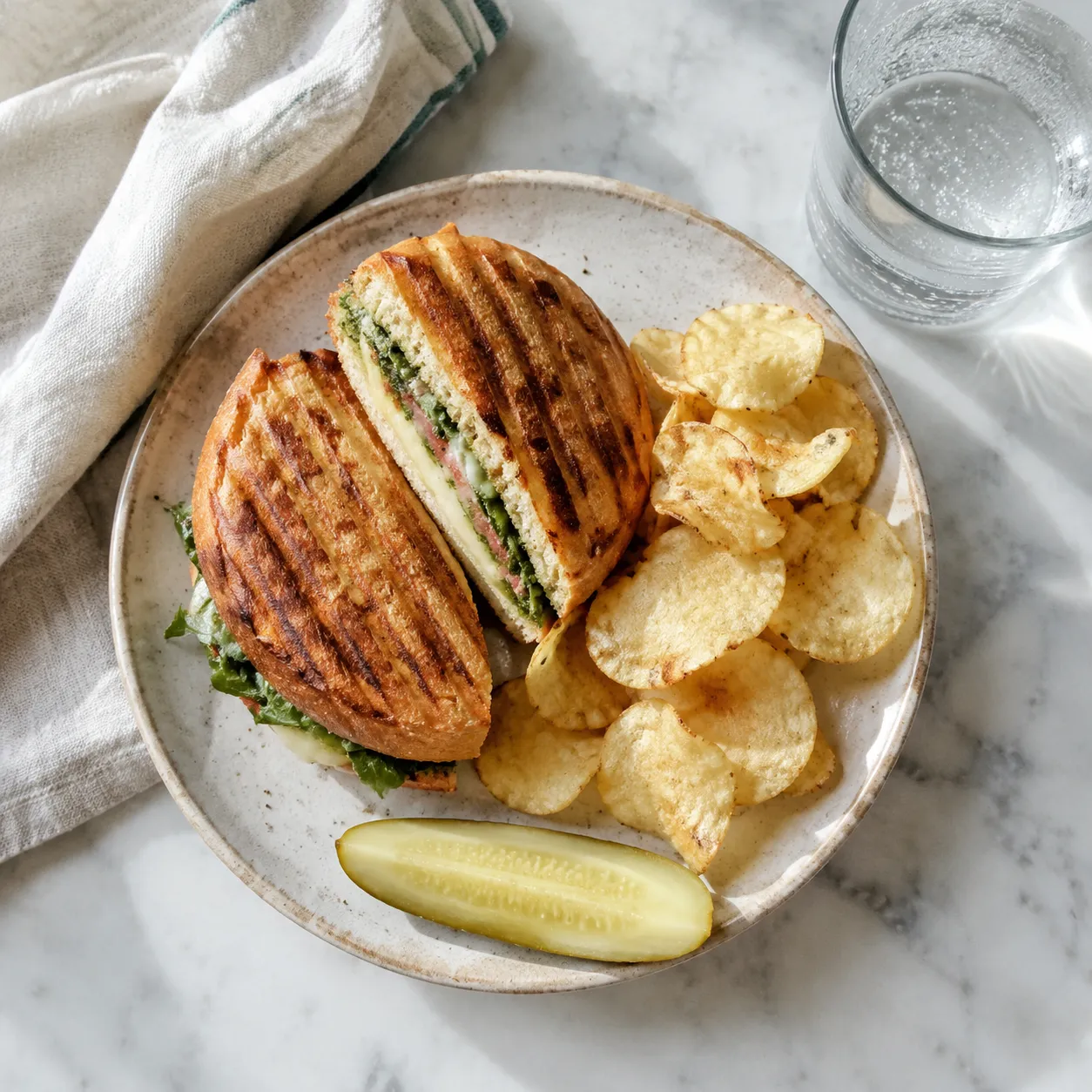
Use roast pork or pulled pork, ham, Swiss cheese, pickles, and yellow mustard on a soft but sturdy roll. Press until the cheese melts and the pickles warm just enough to perfume the whole sandwich. It is not a traditional Cuban if you change the bread and method, but it captures the salty, tangy, melty spirit beautifully. Serve with kettle chips and call dinner done.
Turkey, Brie, and Apple
Thinly sliced turkey, brie, crisp apple, and a whisper of Dijon or fig jam make a sweet-savory sandwich that feels autumnal in the best way. Choose sourdough for tang or a seeded bread for extra texture. Brie melts quickly, so watch the edges and remove the sandwich when it begins to ooze. Add baby spinach before pressing or arugula after cooking for color and freshness.
Veggie and Hummus
Spread hummus on one side of the bread, then layer grilled zucchini, roasted peppers, spinach, red onion, and a little feta or mozzarella. Because hummus is soft, keep the layer thin and use drier vegetables for the best structure. This one is hearty without being heavy and works especially well on whole-grain sourdough. A squeeze of lemon after cooking makes the vegetables pop.
Breakfast Egg Panini
Scrambled eggs, cheddar, cooked bacon or sausage, and a little hot sauce turn breakfast into a handheld sandwich. English muffin bread, sourdough, or ciabatta all work, depending on how filling you want it to be. Cook the eggs slightly soft before pressing so they do not dry out. This is a great weekend brunch move, but it is fast enough for a weekday if your eggs and bacon are prepped.
Steak and Provolone
Thin slices of cooked steak, provolone, sautéed onions, and a little horseradish mayo make a satisfying dinner sandwich. Keep the steak thin so it warms without overcooking. If you have leftover grilled steak, this is one of the best ways to bring it back to life. A crusty roll helps contain the juices while the cheese melts into the onions.
BBQ Pulled Pork
Pulled pork, barbecue sauce, pickled onions, and Monterey Jack create a smoky-sweet panini with a little tang. Drain any excess sauce before building so the bread browns instead of steaming. Add coleslaw after pressing if you want crunch, or press it inside if you like a softer, messier sandwich. This one is big, bold, and weeknight-friendly if the pork is already cooked.
Nutella and Strawberry Dessert Panini
For dessert, spread Nutella on brioche or challah, add sliced strawberries, and press briefly until warm and lightly crisp. Keep the temperature moderate because sugar browns quickly. A dusting of powdered sugar makes it feel like a café treat. It is indulgent, fast, and exactly the kind of low-effort dessert people remember.
Beyond Sandwiches: Other Foods to Press
A hot sandwich maker is surprisingly helpful when you do not want to turn on the oven or dirty multiple pans. Quesadillas cook quickly because both tortillas brown at once, and wraps become neater, crispier, and easier to eat. Halloumi takes on golden edges without falling through grill grates, while vegetables like zucchini, eggplant, mushrooms, and asparagus cook in a fraction of the time they would in a skillet. For small batches of bacon or hash browns, the enclosed heat makes everything crisp with minimal flipping.
The trick is matching the food to the plates. Thin, even pieces cook best, and a light coating of oil helps vegetables brown rather than stick. If you are cooking something that releases fat, such as bacon, keep an eye on the drip tray and wipe the edges after the appliance cools. For foods with cheese, use parchment if your model allows it, especially when making quesadillas for kids or late-night snacks.
Cleaning and Caring for Your Countertop Grill
Cleaning is easiest while the plates are still warm but unplugged. Let the appliance cool slightly, then wipe away crumbs and melted cheese with a damp cloth or paper towel. If your model has removable plates, wash them according to the manufacturer’s directions, usually with warm soapy water and a soft sponge. Avoid metal tools, abrasive pads, and harsh cleaners, which can damage nonstick coatings and make future sandwiches more likely to stick.
For stuck-on cheese, place a damp paper towel on the warm plates for a few minutes to soften the residue, then wipe gently. A wooden or silicone spatula can help lift stubborn bits without scratching. Make sure the appliance is completely dry before closing and storing it, especially if it lives in a cabinet. A quick wipe after each use is the small habit that keeps it ready for the next round of panini recipes.
Recipe: Ultimate Pesto Chicken Panini
This is the sandwich I make when I want something that tastes like lunch out but takes less time than ordering. It starts with crusty ciabatta, sliced cooked chicken, fresh mozzarella, roasted red peppers, a generous swipe of basil pesto, and a handful of arugula for peppery lift. The outside gets brushed with olive oil so it turns golden and crisp, while the inside becomes warm, savory, and just saucy enough. It is simple, but the layers hit all the right notes.
Ingredients
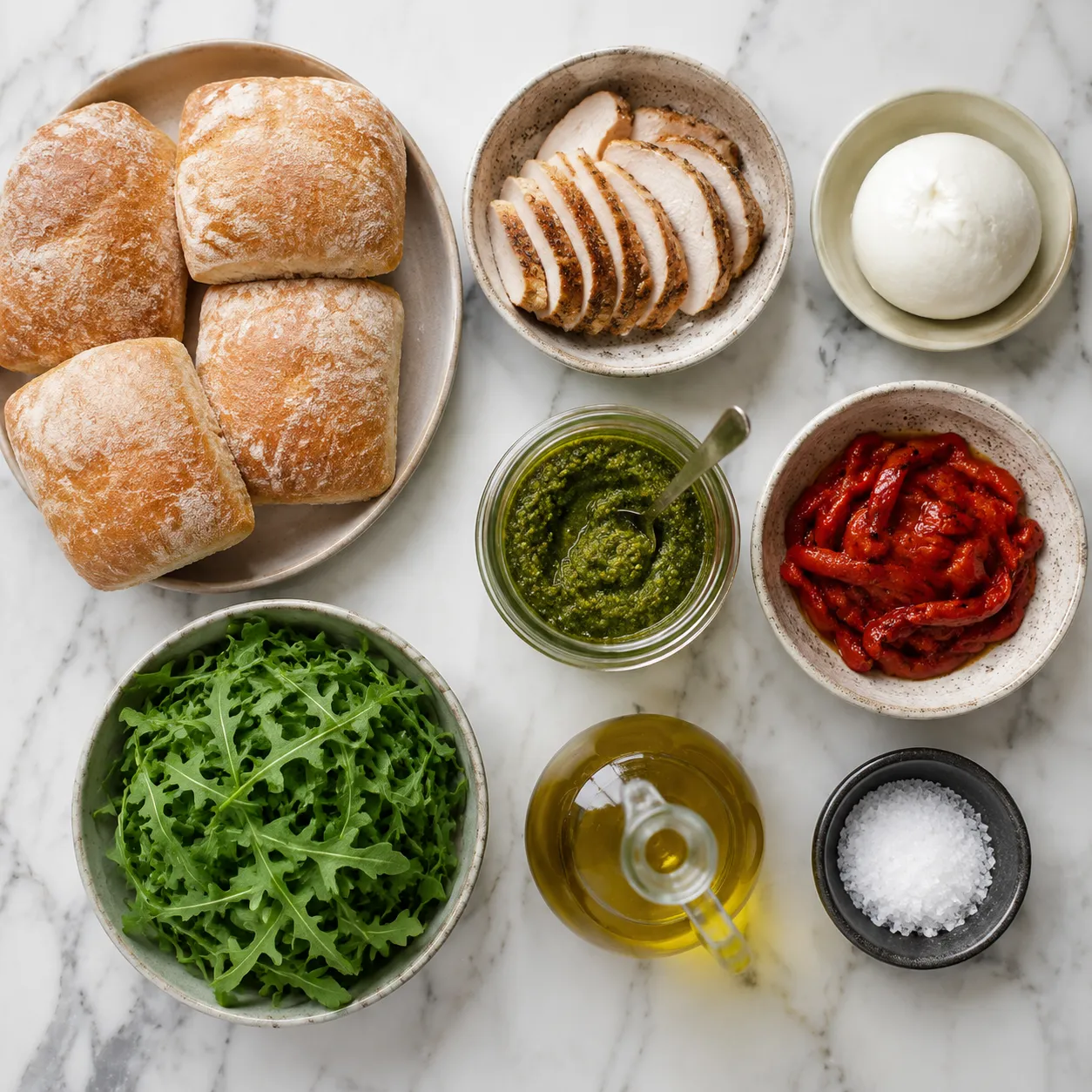
For two sandwiches, you will need ciabatta rolls, cooked chicken breast, fresh mozzarella, pesto, roasted red peppers, baby arugula, olive oil, salt, and pepper. If your mozzarella is packed in water, pat it very dry before slicing so the bread stays crisp. The chicken can be rotisserie, grilled, poached, or leftover from meal prep, as long as it is cooked and sliced thinly. Use a bright basil pesto you love because it seasons the whole sandwich.
Step-by-Step Overview
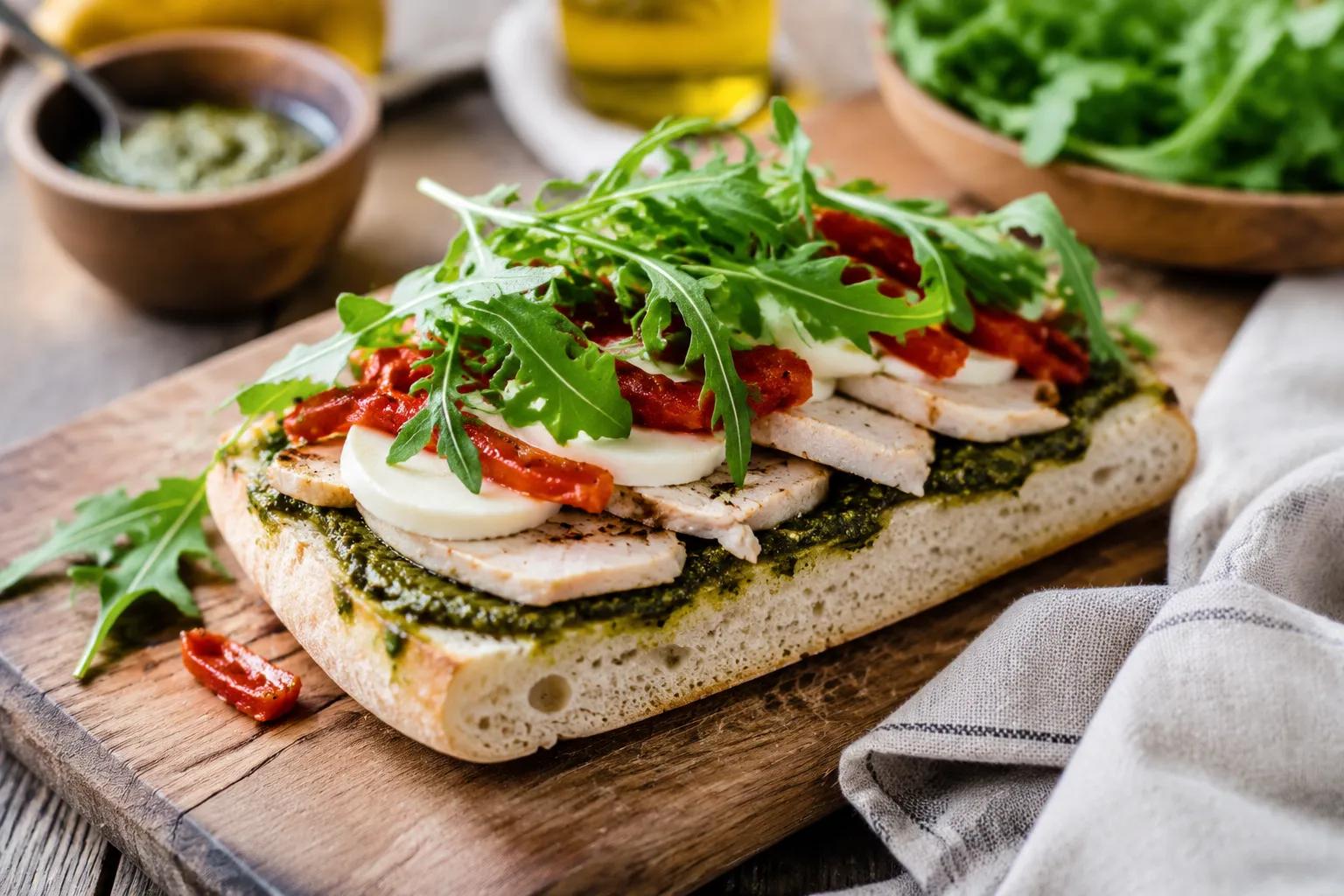
Start by warming the appliance fully and organizing your ingredients so the sandwiches can go straight from assembly to heat. Brush the outsides of the bread with olive oil, spread pesto inside, and layer chicken, mozzarella, peppers, and arugula evenly. Close the sandwiches and cook until the bread is deeply golden and the cheese has melted into the filling. Let them rest for a minute before slicing so the cheese settles instead of running out onto the board.
💡 Expert Tips
Always preheat first: Hot plates create better browning and help prevent soggy bread.
Dry wet ingredients: Pat tomatoes, roasted peppers, pickles, and fresh mozzarella with paper towels before layering.
Do not overstuff: A compact, evenly layered sandwich presses better and keeps the cheese inside.
Use thin cheese slices: Thin layers melt faster and act like glue between the bread and fillings.
Rest before slicing: One minute on the board helps the filling settle and gives you a cleaner cut.
🔄 Variations & Substitutions
Use the pesto chicken panini as a base recipe and swap ingredients depending on what you have. Keep the same structure—sturdy bread, flavorful spread, protein or vegetables, melty cheese, and a little freshness—and you can make dozens of versions.
Turkey pesto: Replace chicken with sliced turkey and add provolone.
Caprese: Skip the chicken and use tomato, mozzarella, pesto, and basil.
Spicy Italian: Use salami, ham, provolone, roasted peppers, and Calabrian chile spread.
Vegetarian: Layer hummus, grilled zucchini, roasted red peppers, arugula, and feta.
Sweet-savory: Try turkey, brie, apple, and a thin swipe of fig jam.
🧊 Storage & Leftovers
Paninis are best right after pressing, when the crust is crisp and the cheese is warm. If you have leftovers, let the sandwich cool completely, wrap it in foil or parchment, and refrigerate for up to 2 days.
To reheat, use the press again, a toaster oven, or a 350°F oven until warmed through and crisp. Avoid microwaving if possible; it warms the filling but softens the bread and takes away the signature crunch.
Frequently Asked Questions
Do you butter the bread or the panini press?
Butter or brush oil on the outside of the bread, not directly on the press plates. Coating the bread gives you more even browning, better flavor, and a crisp surface without leaving excess fat to smoke or pool in the appliance. Butter adds richness and a classic golden crust, while olive oil is lighter and especially good with Italian-style fillings. Use a thin, even layer so the bread toasts instead of becoming greasy.
How long do you cook a panini in a press?
Most paninis take 3 to 5 minutes on a fully preheated press. Thin sandwiches with cooked meats and sliced cheese may be ready in about 3 minutes, while thicker sandwiches with fresh mozzarella or hearty bread can take closer to 5 or 6 minutes. Look for crisp, golden bread, defined grill marks, and cheese that has fully melted. If the outside browns too quickly before the center is warm, lower the heat slightly for the next sandwich.
Can I make a panini without a panini press?
Yes. Use a skillet over medium heat and place the sandwich in the pan with a second heavy skillet, grill press, or foil-wrapped brick on top. Cook until the bottom is golden, then flip the sandwich and press again until the cheese melts and the second side is crisp. It takes a little more attention than a dedicated appliance, but the result can still be deliciously crunchy and warm.
What's the best bread for a panini?
The best breads are sturdy enough to hold fillings without getting soggy or falling apart. Ciabatta, sourdough, focaccia, and rustic Italian loaves are all excellent because they have structure, chew, and crust. Softer sandwich bread can work for simple grilled cheese-style paninis, but it is not ideal for juicy tomatoes, pesto, roasted peppers, or heavier meats. If your bread is very thick, scoop out a little of the interior for easier pressing.
Can you cook things other than sandwiches on a panini press?
Absolutely. A press works like a compact double-sided grill, so it is great for quesadillas, wraps, bacon, hash browns, halloumi, zucchini, mushrooms, shrimp, and even French toast. Choose foods that benefit from direct heat and light pressure, and cut ingredients into even pieces so they cook at the same rate. For anything cheesy or sticky, check your appliance manual to see whether parchment is safe to use.