Ham Steak Recipe with Brown Sugar Glaze (15 Minutes)
Ingredients
Scale
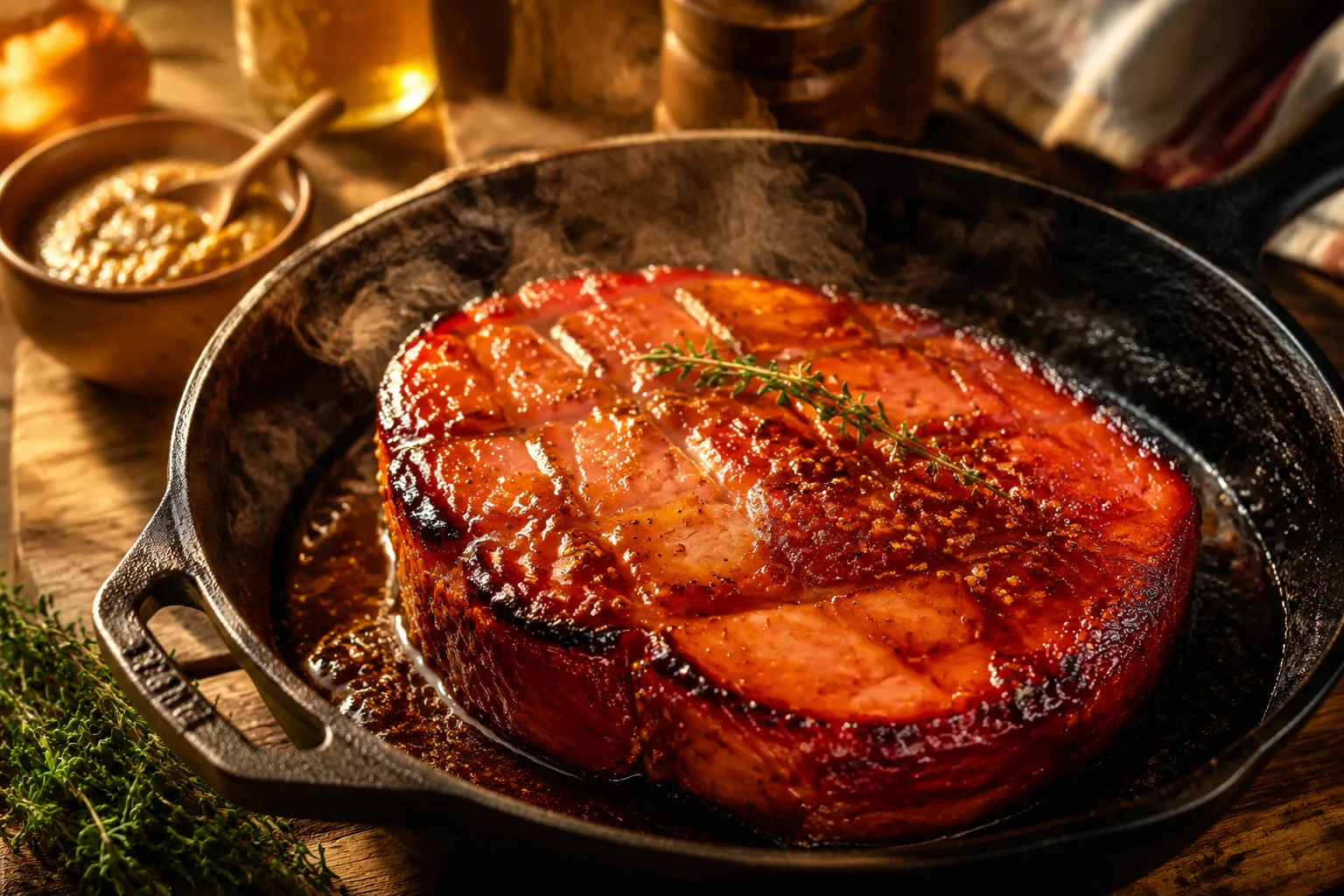
A 15-minute ham steak with a sticky brown sugar-Dijon glaze, seared in one skillet for caramelized edges and juicy, tender bites every time.
This ham steak recipe is the kind of fast, satisfying meal that earns a permanent spot in your weeknight rotation. With a glossy brown sugar-Dijon glaze, deeply caramelized edges, and juicy salty-sweet bites, the whole thing comes together in one skillet in about 15 minutes flat. No oven, no fuss, no waiting around for a giant roast to finish.
Most folks think of cured pork as a holiday project — something massive, slow-roasted, and reserved for Easter or Christmas Eve. But a single thick-cut steak gives you all of that smoky-sweet flavor in a fraction of the time, for a fraction of the cost. It's a smart shortcut when you want the comfort of a honey baked ham without committing to leftovers for the next ten days.
Whether you're plating it with eggs and biscuits for a hearty Sunday breakfast or serving it over creamy mashed potatoes for dinner, this recipe pulls double duty without breaking a sweat. The technique is simple: pat dry, sear hard, glaze fast. That's all there is to it, and once you've made it once, the order of operations sticks.
Picture a thick, cross-cut slice from a fully cured ham — usually about a half-inch thick and weighing one to one and a half pounds. Because the meat has already been cured (and almost always pre-cooked) before it hits the package, your job in the kitchen is just to heat it through, build flavor on the surface, and finish it with a glossy glaze. That's why this stovetop method comes together so much faster than a whole roast and why it's earned a regular spot in my weeknight repertoire. Think of it as the pork chop's bigger, sweeter cousin — same skillet workflow, different flavor profile entirely.
You'll see both options at the meat counter. A bone-in ham steak has a small round bone in the center and tends to be more flavorful, with a slightly firmer, hammier bite that holds up beautifully to high heat. Boneless versions are easier to slice and serve, especially if you're feeding kids or piling slices onto sandwiches the next morning. Both work in this recipe — pick whichever fits your night, your skillet size, and your knife skills.
Look in the refrigerated meat case near the bacon, breakfast sausage, and pre-sliced deli meats. Common brands you'll spot include Smithfield, Cook's, Hormel, and Kentucky Legend, and most stores carry both vacuum-sealed individual portions and family-sized two-packs. Check the label for "fully cooked" or "ready to eat" — that's the version this recipe is built around. The "fresh ham" cuts (uncured) are a totally different animal and need much longer cook times to reach a safe internal temperature.
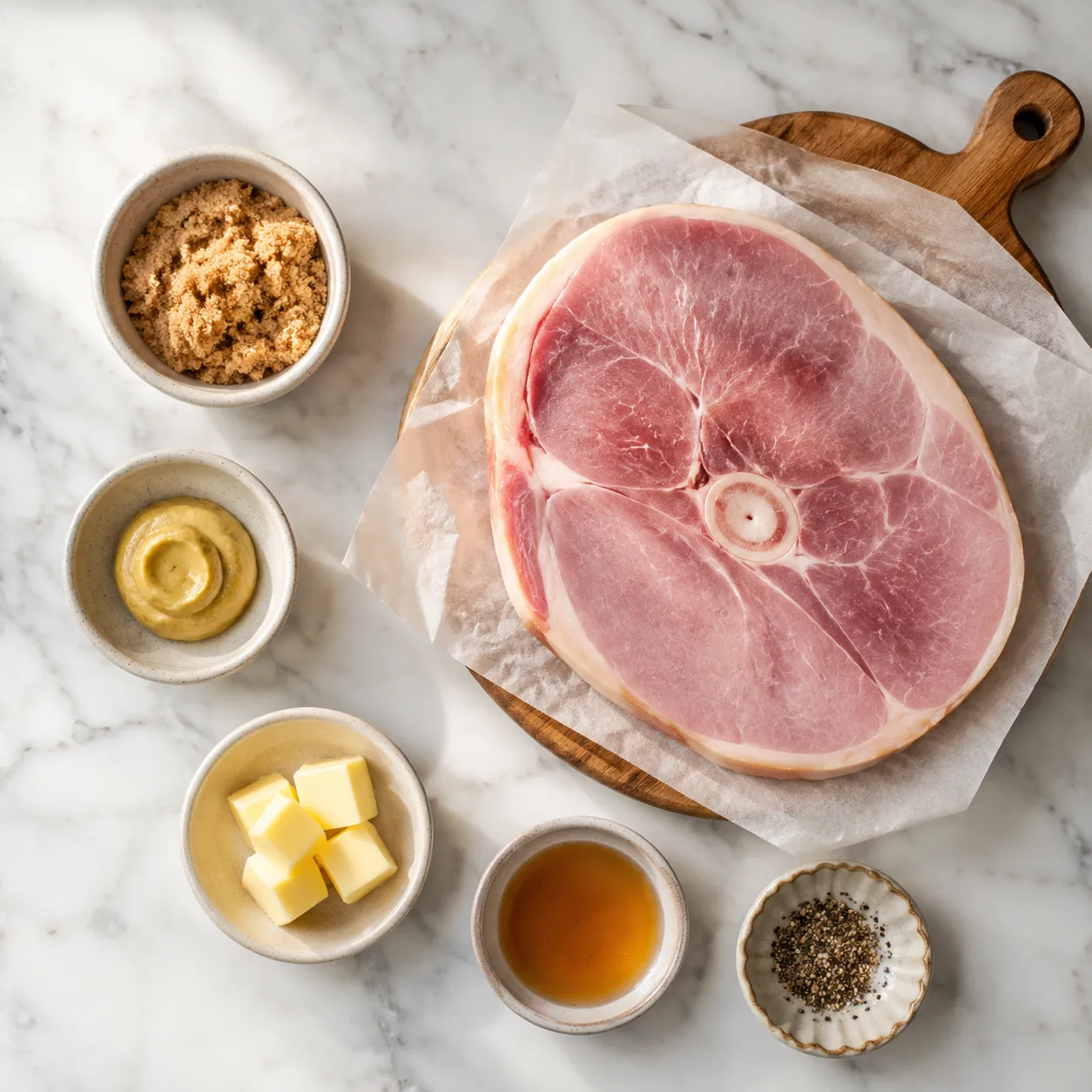
The beauty of pan-fried ham is how few ingredients it takes to make it shine. A handful of pantry staples — butter, sugar, mustard, vinegar — turn a basic slab of cured pork into something genuinely crave-worthy. Here's what each one brings to the skillet and where you might bend the rules.
Look for a 1 to 1.5 pound piece about 1/2 inch thick. Thicker cuts (closer to 3/4 inch) work too — just add a minute or two per side during the sear. Avoid the super-thin, deli-style "ham slices" sold for sandwiches; they'll dry out before they have a chance to brown properly. A center-cut from the leg gives you the most consistent thickness and the prettiest plating.
Light brown sugar, Dijon mustard, apple cider vinegar, and a pinch of cracked black pepper form the backbone of a balanced brown sugar glaze. The Dijon mustard adds gentle heat and helps emulsify the sauce so it clings beautifully to the meat, while the cider vinegar cuts through the richness and keeps the glaze from veering candy-sweet. Unsalted butter ties everything together with a silky, glossy finish that catches the light.
Out of brown sugar? Maple syrup or honey work in equal measure (reduce the vinegar slightly to compensate for the extra liquid). Whole-grain mustard adds rustic texture in place of smooth Dijon, and a splash of bourbon or fresh orange juice can replace the vinegar for a different angle entirely. Dark brown sugar gives a deeper molasses note if that's your preference, and a pinch of smoked paprika takes the whole thing in a barbecue direction.
The full method lives in the recipe card below, but here's a walk-through of what each step looks like and why it matters. Read this section once before you start — getting the timing right is the difference between juicy and tough, and the actual stovetop window is short.
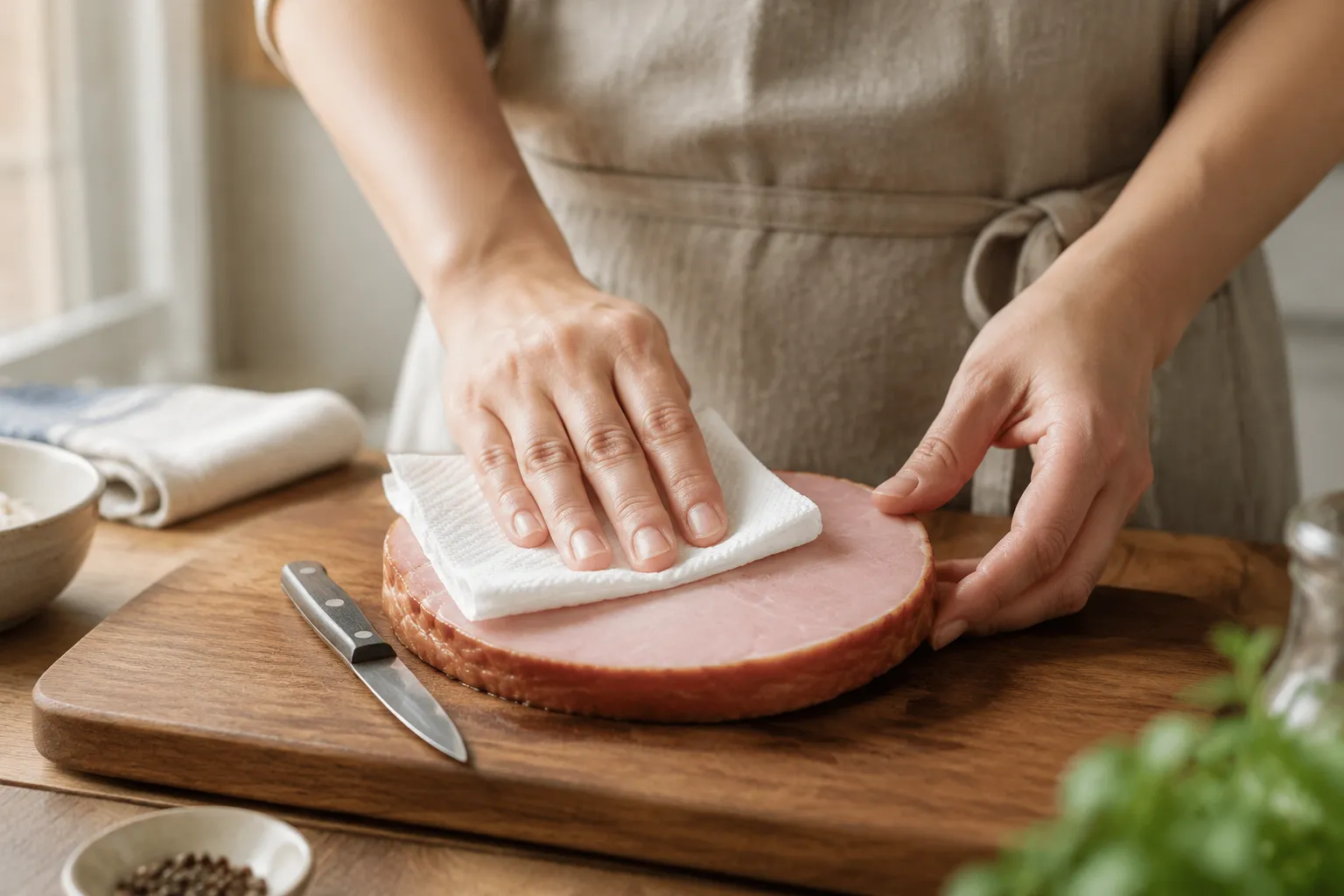
Pull the meat from its packaging and blot both sides thoroughly with paper towels. Surface moisture is the enemy of a good sear — it steams instead of browning, leaving you with a dull gray surface instead of a deep golden crust. Using a sharp paring knife, make a few shallow vertical cuts through the thin layer of fat around the perimeter. This prevents the steak from curling up like a potato chip the moment it hits the hot pan.
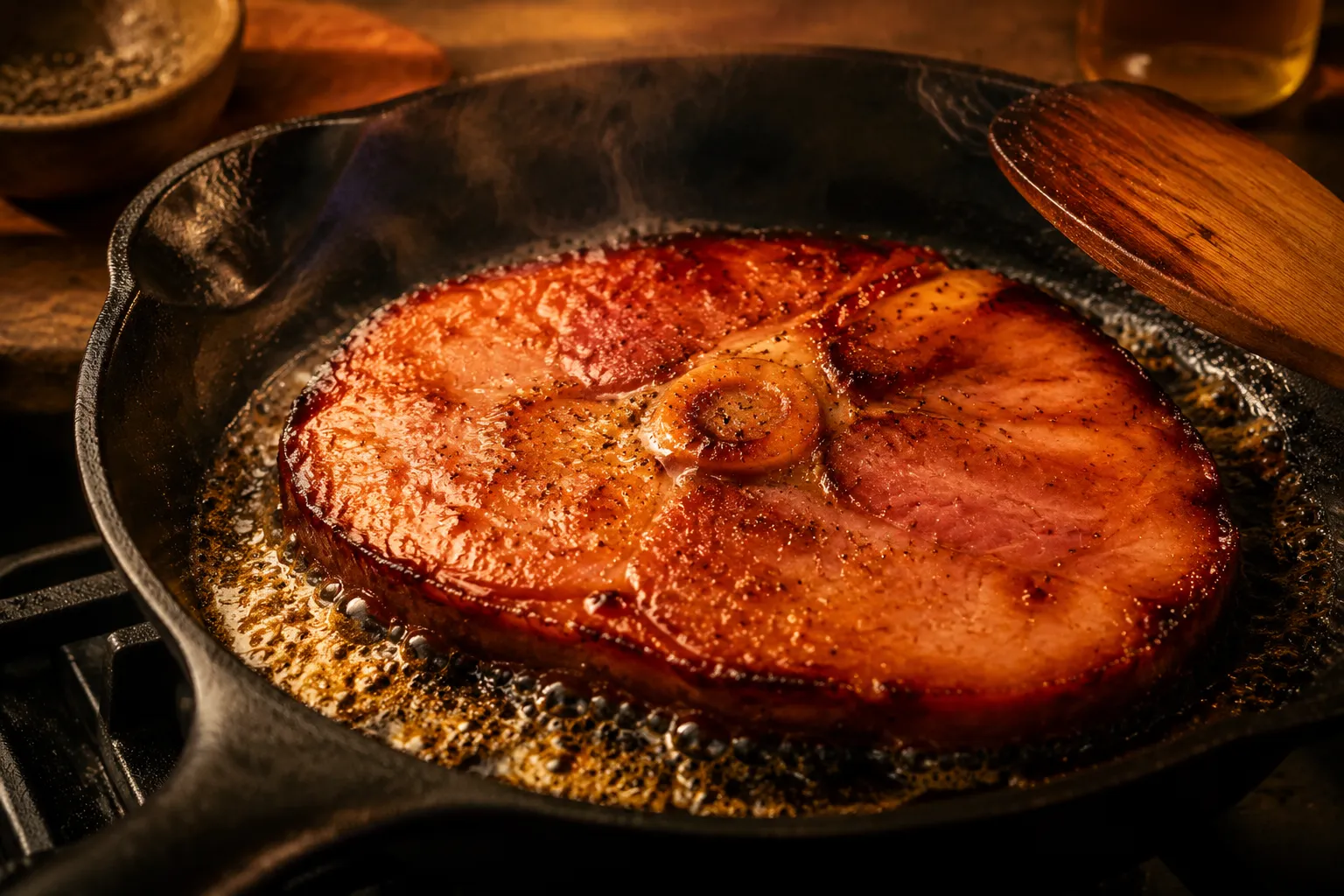
Heat a 12-inch cast-iron or heavy stainless skillet over medium-high until it's just shy of smoking, then drop in the butter. Once it foams and starts to smell nutty, lay the meat in carefully — it should sizzle aggressively the second it makes contact. Let it sear undisturbed for 3 to 4 minutes per side, until both faces are deeply golden with crisp, caramelized edges. Resist the urge to peek or shuffle it around; that crust is where most of the flavor lives.
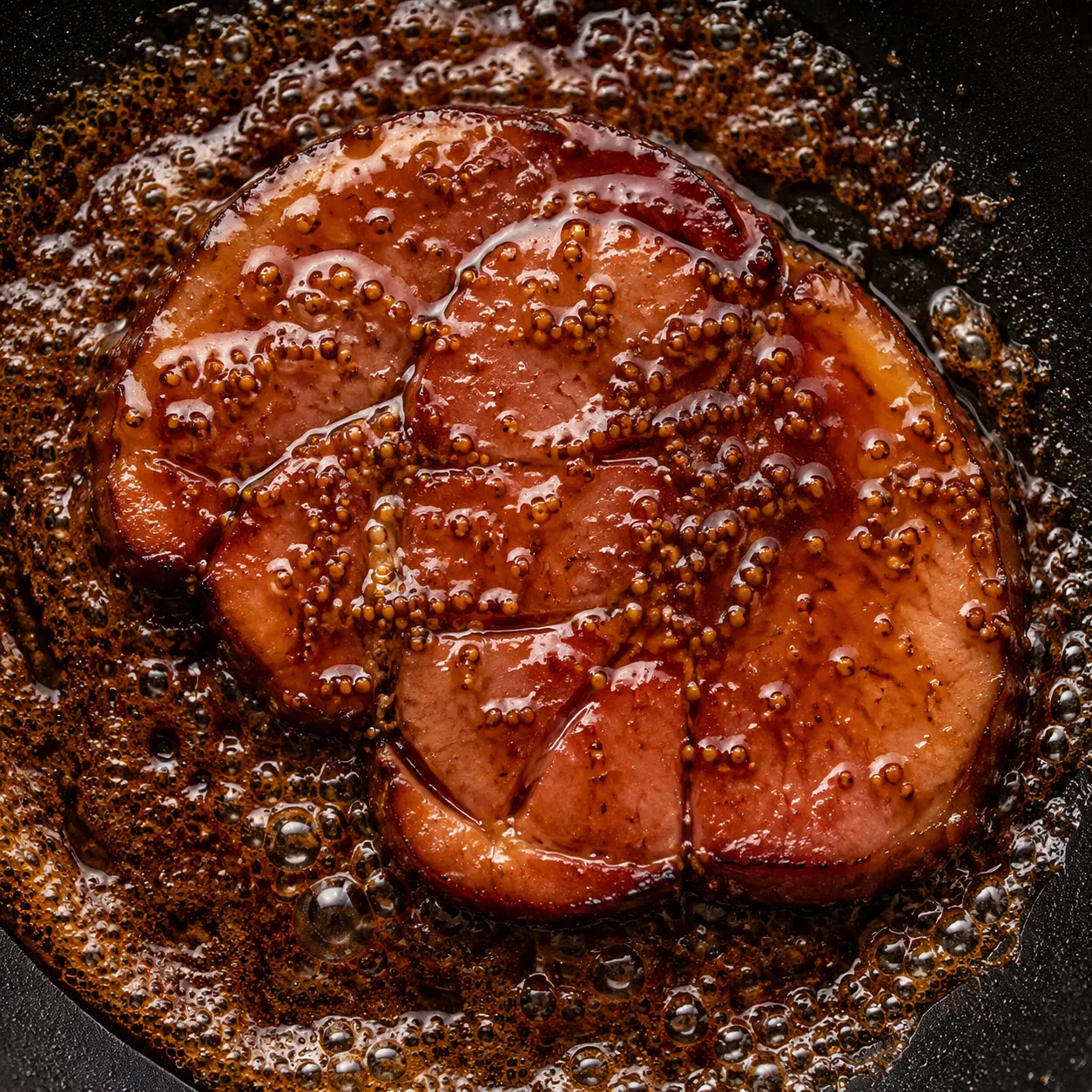
Once seared, push the meat to one side of the pan (or remove it briefly to a plate) and reduce the heat to medium. Sprinkle the brown sugar directly into the buttery pan drippings, then whisk in the Dijon mustard, apple cider vinegar, and black pepper. The glaze will bubble vigorously and thicken in 60 to 90 seconds — you want it glossy and syrupy, just thick enough to coat the back of a spoon when you lift it.
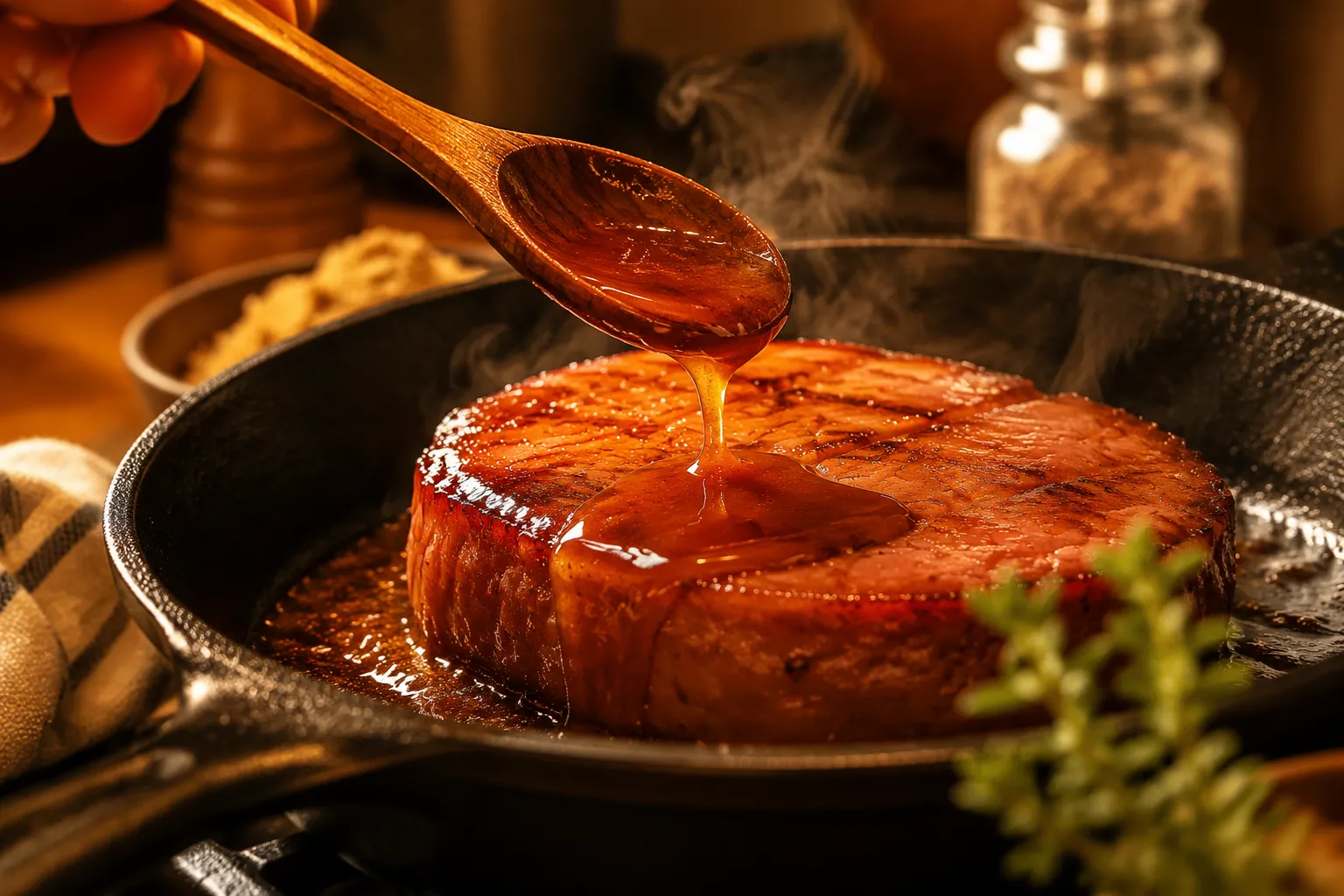
Slide the steak back into the skillet and tilt the pan slightly so the glaze pools to one side. Use a spoon to baste the top of the meat repeatedly for about a minute, letting the glaze cling and caramelize into a lacquered finish. Transfer to a cutting board, let it rest for 3 minutes (this redistributes the juices so they don't run out at first slice), then cut against the grain into thick strips and pour any remaining pan glaze over the top.
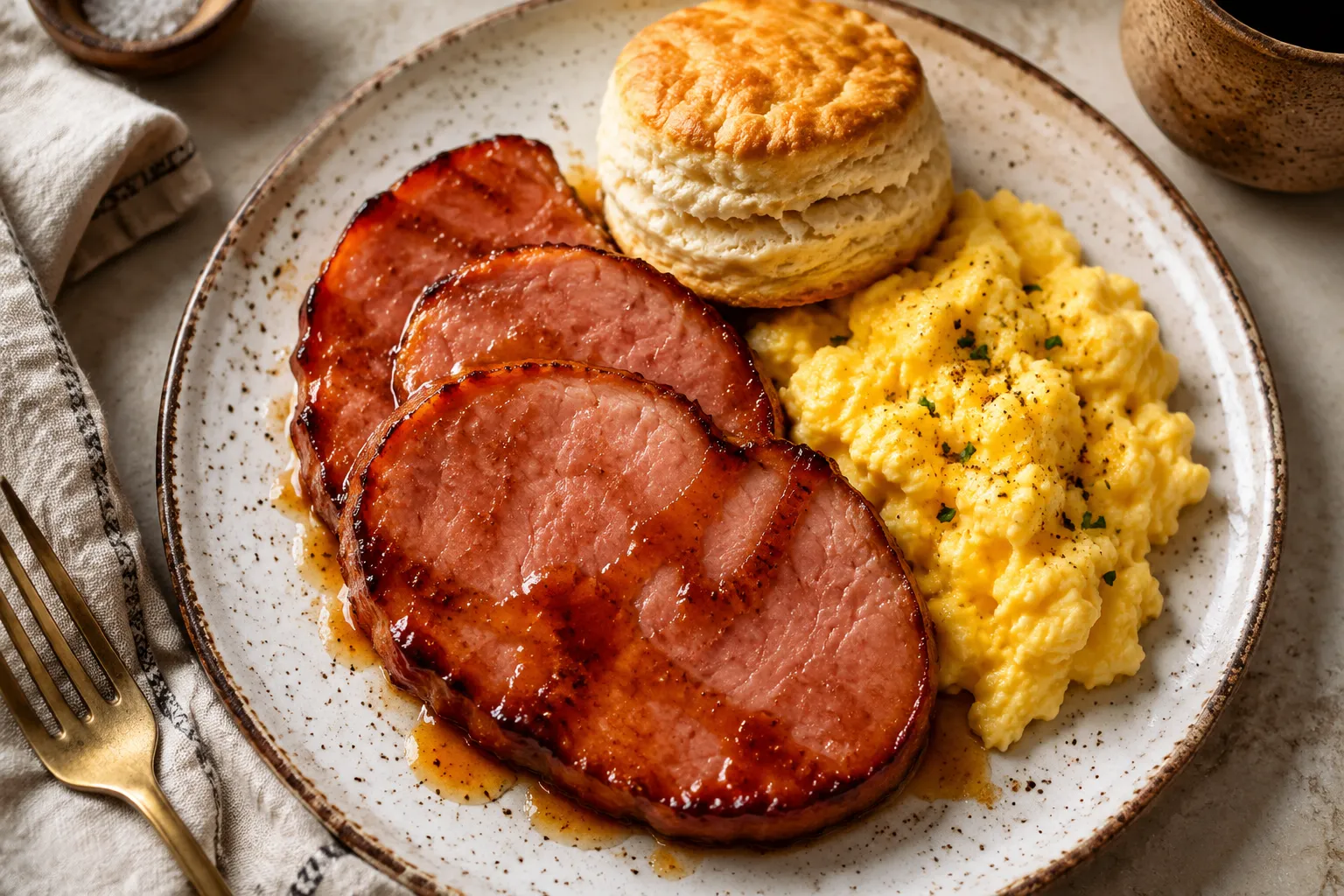
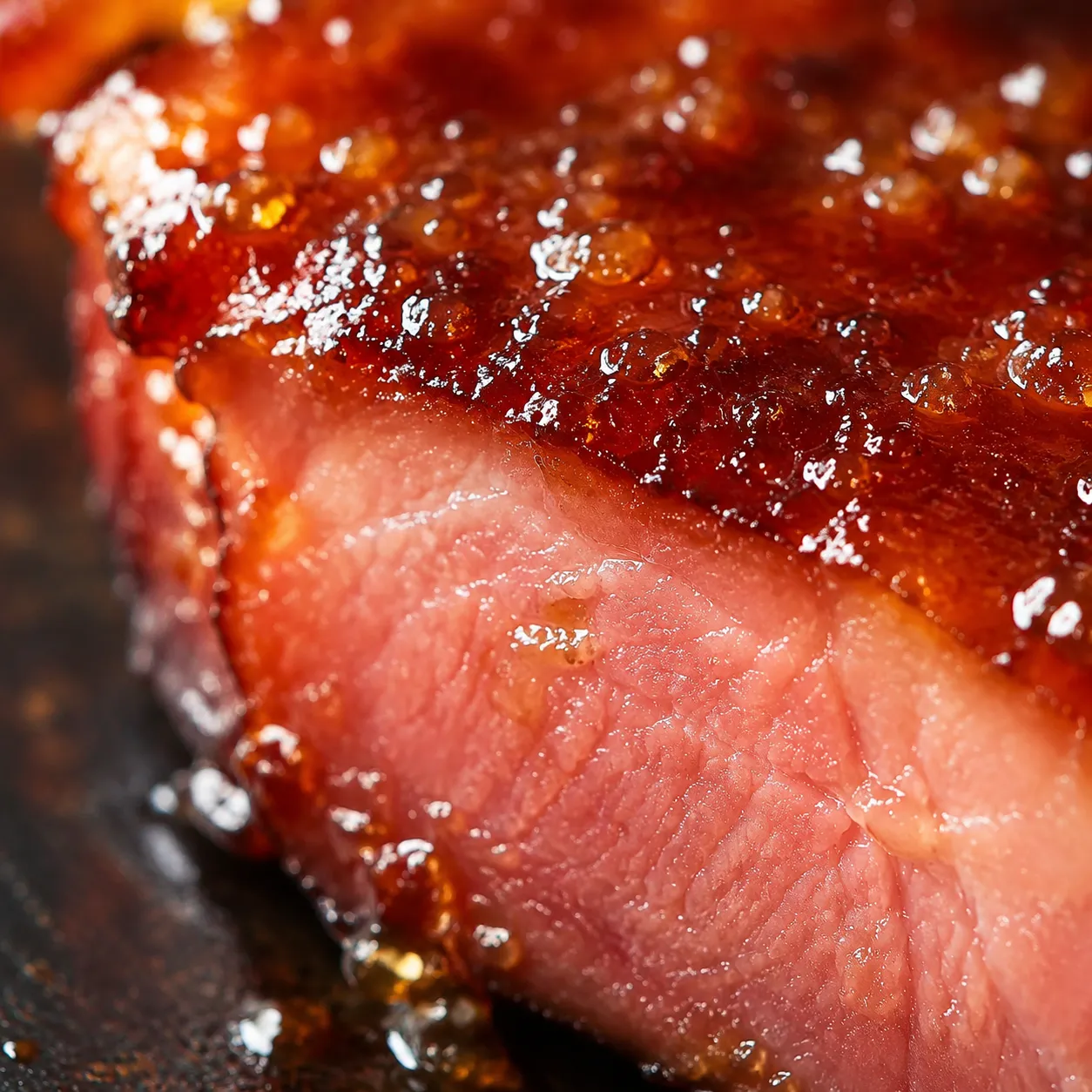
One of the things I love most about this recipe is how chameleon-like it is. Sweet, salty, smoky pork plays nicely with almost anything you'd put on a plate, which is why this skillet ham steak shows up in skillet breakfast recipes and weeknight dinner spreads alike. Here's how I think about pairings depending on the time of day and the energy you've got left.
For a Southern-style brunch, serve thick slices alongside soft scrambled eggs, buttery stone-ground grits, and warm buttermilk biscuits straight from the oven. The sweet-tangy glaze doubles as a built-in syrup substitute when it pools onto the biscuit, which is honestly the best part. A simple fruit salad or a few slices of cantaloupe round out the plate without competing for attention.
For dinner, lean into classic comfort food. Creamy scalloped potatoes are the gold-standard pairing — the cheesy, starchy richness balances the salty pork perfectly, and any drips of glaze that wander onto them are bonus territory. Garlicky green beans, baked mac and cheese, or roasted Brussels sprouts all hold their own next to the glazed slices. This is one of those easy weeknight dinners that feels special enough to put in front of company without breaking a sweat.
If you want something brighter to balance the sweetness, a sharp vinegar-based slaw or a crisp apple-fennel salad cuts through the glaze beautifully. Even a basic arugula and Parmesan salad with a lemon vinaigrette adds the acidity the dish craves on a hot summer night. A buttered ear of corn or a quick cucumber-dill salad rounds out a low-effort summer plate when the AC is doing all the work.
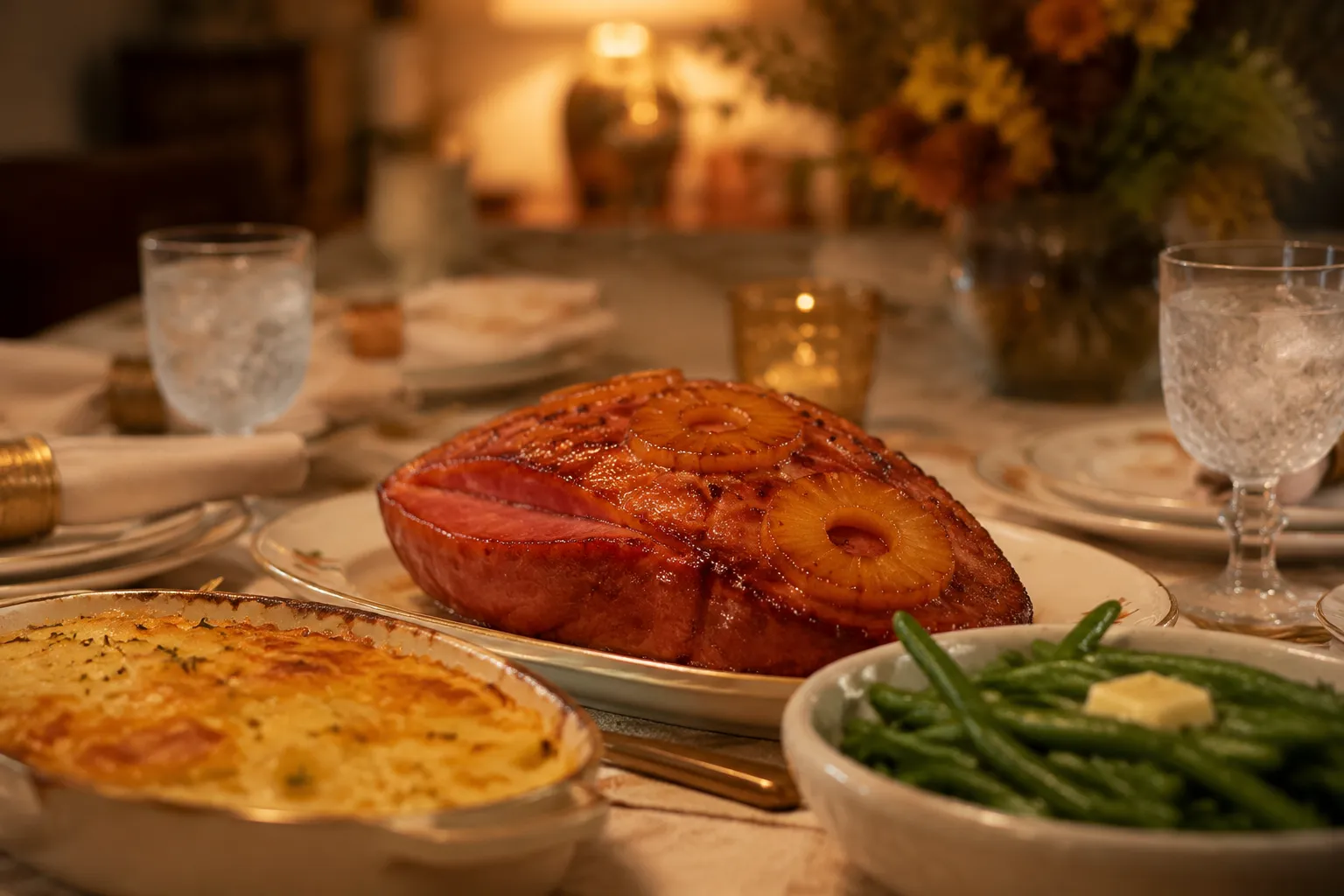
A good ham steak recipe is really just a starting point. Once you've got the searing technique down, the glaze becomes your playground — swap maple syrup for the brown sugar, add a glug of bourbon, stir in a spoonful of pineapple preserves, or finish with a hit of fresh thyme. And if you cook a larger steak and end up with extras, dive into the leftover ham recipes territory: cube the slices for omelets, dice them into fried rice, layer them onto a melty grilled cheese with sharp cheddar and apple butter, or fold them into a quick carbonara.
Once you've made this once, I promise it'll find its way into your back pocket — the sort of low-stress, big-flavor meal you turn to when the day got away from you and dinner still has to land on the table before everyone gets cranky.
The base recipe is endlessly riffable — once you've nailed the sear-then-glaze rhythm, the flavor profile is yours to bend in whatever direction the night calls for. Here are the swaps I make most often when I want to mix things up.
Cool any leftovers completely, then store sliced or whole pieces in an airtight container in the refrigerator for up to 4 days. Pour any extra pan glaze over the top before sealing — it acts as a moisture barrier and keeps the edges from drying out. For longer storage, wrap tightly in plastic followed by foil and freeze for up to 2 months; thaw overnight in the fridge before reheating.
To reheat without turning the meat tough, warm slices in a covered skillet over medium-low with a splash of water or chicken broth for 2 to 3 minutes per side, just until heated through. The microwave works in a pinch (30 seconds at 70% power, covered with a damp paper towel) but tends to dry the edges. Avoid reheating at high heat — remember, the meat was already cooked twice before it landed on your plate.