Shoofly Pie: Authentic Pennsylvania Dutch Recipe
Ingredients
Scale
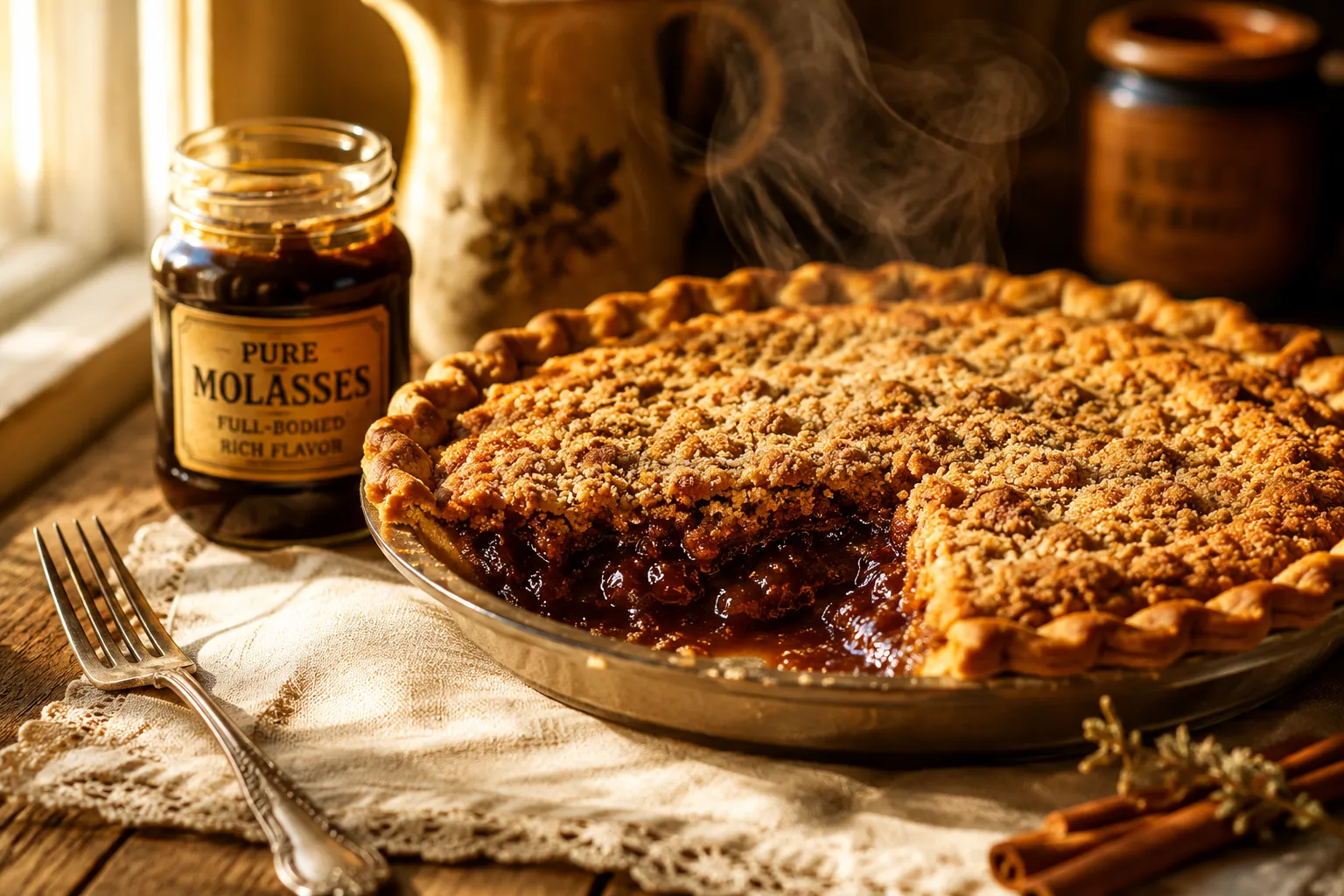
Sticky molasses bottom, buttery brown sugar crumb on top, flaky crust underneath. This is the wet-bottom shoofly pie your Pennsylvania Dutch grandma used to make.
Shoofly pie is the kind of old-fashioned dessert that feels like it came straight from a farmhouse windowsill: dark molasses, buttery crumbs, and a flaky crust holding it all together. This is the classic wet-bottom version, with a glossy, gooey base underneath a tender, cinnamon-kissed crumb top.
If you grew up around Lancaster County, Amish markets, or church supper tables, you know exactly why this humble pie has such staying power. It is rich without being fussy, sweet without needing frosting, and deeply nostalgic in the way only true Pennsylvania Dutch desserts can be.
This version keeps the ingredients simple and the method practical, but it does not cut corners on flavor. You will use unsulphured molasses, boiling water, a little baking soda for lift, and a sandy brown sugar crumb topping that bakes into craggy golden peaks.
At its heart, this dessert is a molasses pie baked in a pastry shell with a sweet crumb mixture scattered over the top. The filling is made from molasses, hot water, baking soda, and egg, which creates a dark, syrupy layer that sets just enough to slice. The crumb portion, made with flour, brown sugar, butter, cinnamon, and salt, partially sinks into the filling as it bakes, giving the pie its signature two-texture bite.
The flavor lands somewhere between gingerbread, caramel, and a coffee cake crumb, but with a deeper, old-world sweetness. It is not a custard pie, and it is not quite cake either. The magic is in the contrast: sticky bottom, tender middle, buttery crumble on top, and a crisp edge of pastry around every slice.
This beloved shoo fly pie comes from the Pennsylvania Dutch community, whose baking traditions are practical, generous, and deeply tied to pantry staples. Molasses was inexpensive, shelf-stable, and easy to keep on hand, making it a natural sweetener for everyday baking. In many Amish baking traditions, desserts did not need to be elaborate to feel special; a sturdy pie with coffee could be breakfast, an afternoon treat, or the final bite after Sunday dinner.
Recipes varied from family to family, which is part of the charm. Some bakers used more crumbs, some used darker molasses, and some preferred a drier, cake-like filling. This recipe leans into the Lancaster County style many home bakers are searching for: a true wet-bottom shoofly pie with a defined molasses layer.
The name is as playful as the dessert is old-fashioned. The most repeated story is that the sweet molasses filling attracted flies while pies cooled on kitchen tables or windowsills, so bakers had to shoo them away. Whether the story is perfectly factual or partly folklore, it fits the pie beautifully: rustic, sticky, and impossible to ignore.
You may see the name written as one word or three words, and both versions show up in community cookbooks and roadside bakery signs. Around Pennsylvania Dutch country, shoo fly pie is more than a recipe; it is a little piece of edible regional history.
The biggest question with this dessert is whether you want wet-bottom or dry-bottom. A wet-bottom pie keeps a gooey molasses layer beneath the crumb, almost like a soft gingerbread pudding tucked inside a crust. A dry-bottom pie has the crumbs and syrup more thoroughly combined, so the filling bakes into a more uniform, cake-like texture.
This recipe is written for the wet-bottom style because it delivers the most dramatic contrast and the most memorable slice. The key is layering: molasses mixture first, crumbs on top, then a steady bake until the surface is set but the base stays glossy and soft.
The beauty of a good shoofly pie recipe is that it relies on pantry ingredients you probably already have, especially if you bake often. Nothing here is fancy, but every ingredient has a job to do. The molasses brings the bold flavor, the baking soda softens and aerates it, the egg gives the filling enough structure, and the crumb topping brings buttery sweetness.
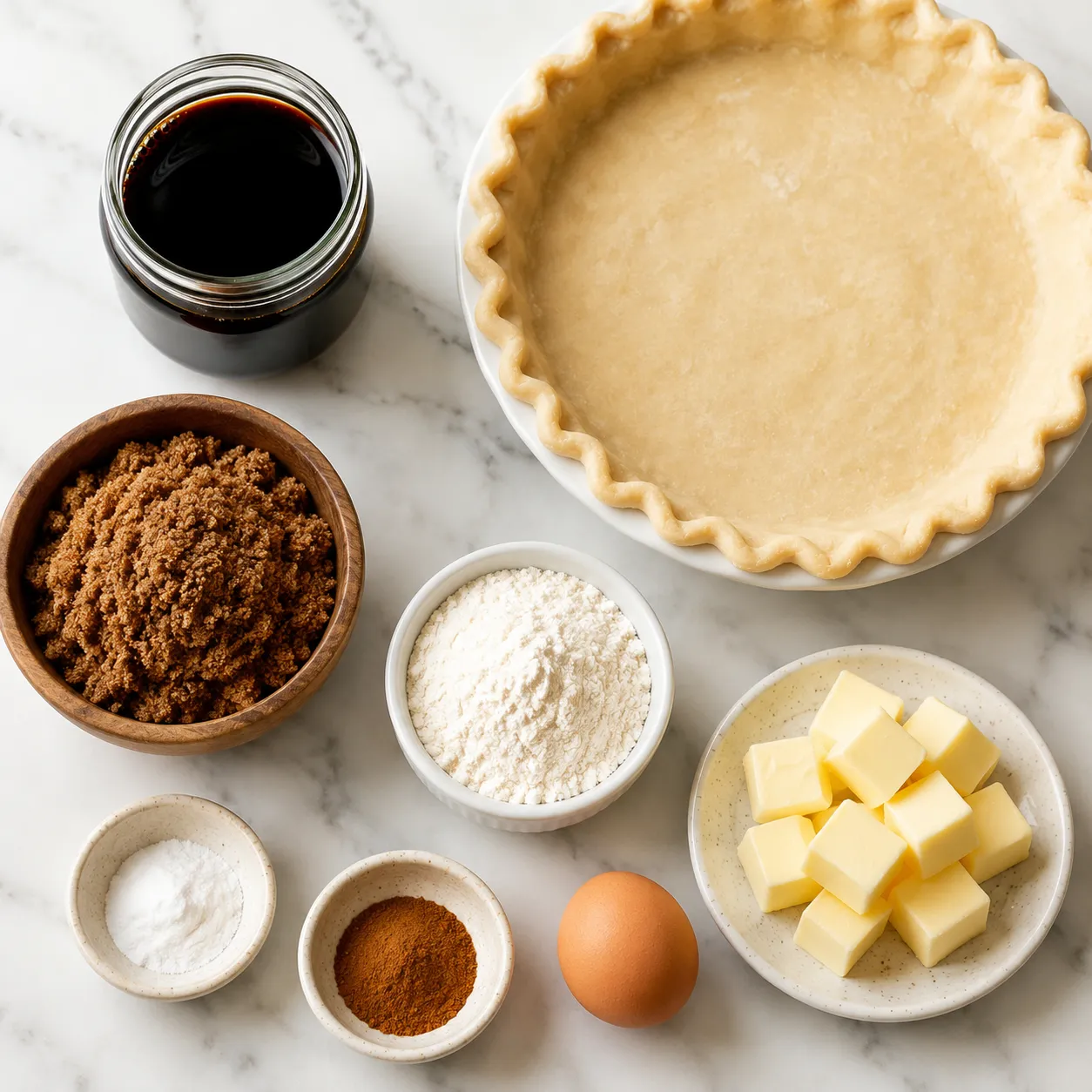
Use unsulphured baking molasses for the best flavor. Brands like Grandma's or Brer Rabbit Mild are dependable choices because they bring dark caramel notes without turning bitter. Avoid blackstrap molasses here; it is too intense and can overpower the pie, leaving a harsh mineral finish instead of that mellow, gingerbread-like warmth.
Boiling water is traditional and important because it helps loosen the molasses so it blends smoothly. Baking soda will foam when it hits the hot molasses mixture, which is exactly what you want. That bubbling reaction helps lighten the dense syrup and gives the filling a softer texture once baked.
The crumb topping is made with all-purpose flour, packed light brown sugar, cold unsalted butter, cinnamon, and a pinch of salt. Work the butter in until the mixture looks like damp sand with a few pea-sized bits. Those little butter pockets melt in the oven and create the craggy, tender top that makes this pie so inviting.
Light brown sugar keeps the flavor warm and balanced, while cinnamon adds just enough spice to echo gingerbread without taking over. If you love classic molasses recipes, this crumb layer will feel familiar: sweet, buttery, and aromatic in that cozy bake-sale kind of way.
An unbaked 9-inch pie shell is all you need, and it can be homemade or store-bought. If you have the time, homemade pie crust gives the dessert an extra-flaky base and a little saltiness that balances the sweet filling. A good refrigerated crust works too, especially when you crimp the edge nicely and chill it before filling.
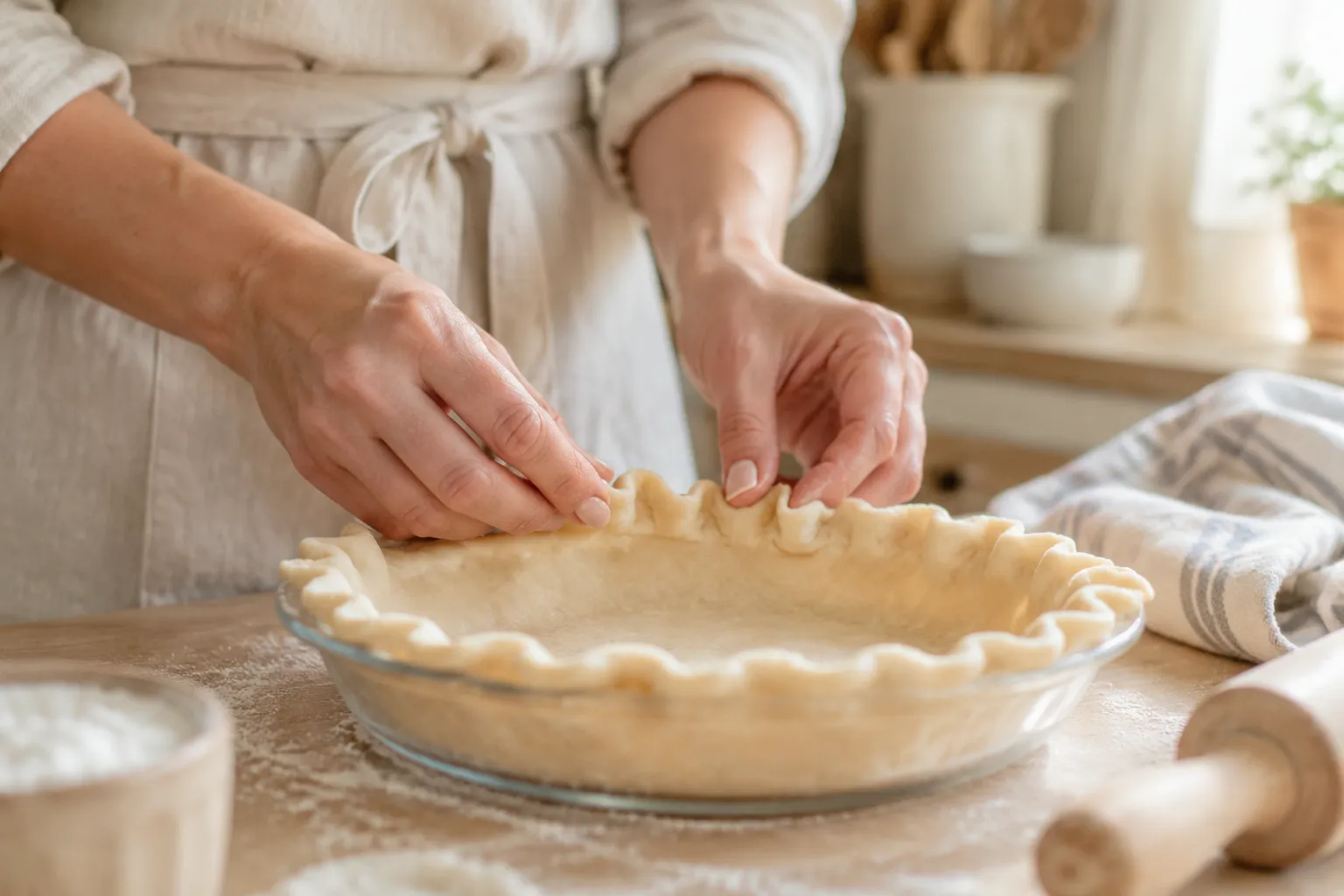
This is a simple pie, but the order of mixing matters. You are building two parts separately: the hot molasses filling and the buttery crumb topping. Once those are ready, they go into the crust in layers and bake into the signature wet-bottom texture.
Fit your pastry into a 9-inch pie plate, crimp the edges, and chill it while the oven heats. A cold crust holds its shape better, especially with a liquid filling. Some bakers briefly blind-bake the shell to protect the bottom from sogginess, but for this traditional style, a well-chilled unbaked crust works beautifully when the oven is fully preheated.
If your crust tends to slump, line it with parchment and pie weights for a short partial bake before filling. You do not want it fully browned; just set enough that the pastry has a head start. Let it cool slightly before adding the molasses mixture so the butter in the crust does not melt too quickly.
In a bowl, combine the molasses, boiling water, and baking soda. Expect the mixture to foam up slightly as the soda reacts with the hot liquid. Whisk in the beaten egg once the mixture has calmed a bit so the egg blends smoothly rather than scrambling.
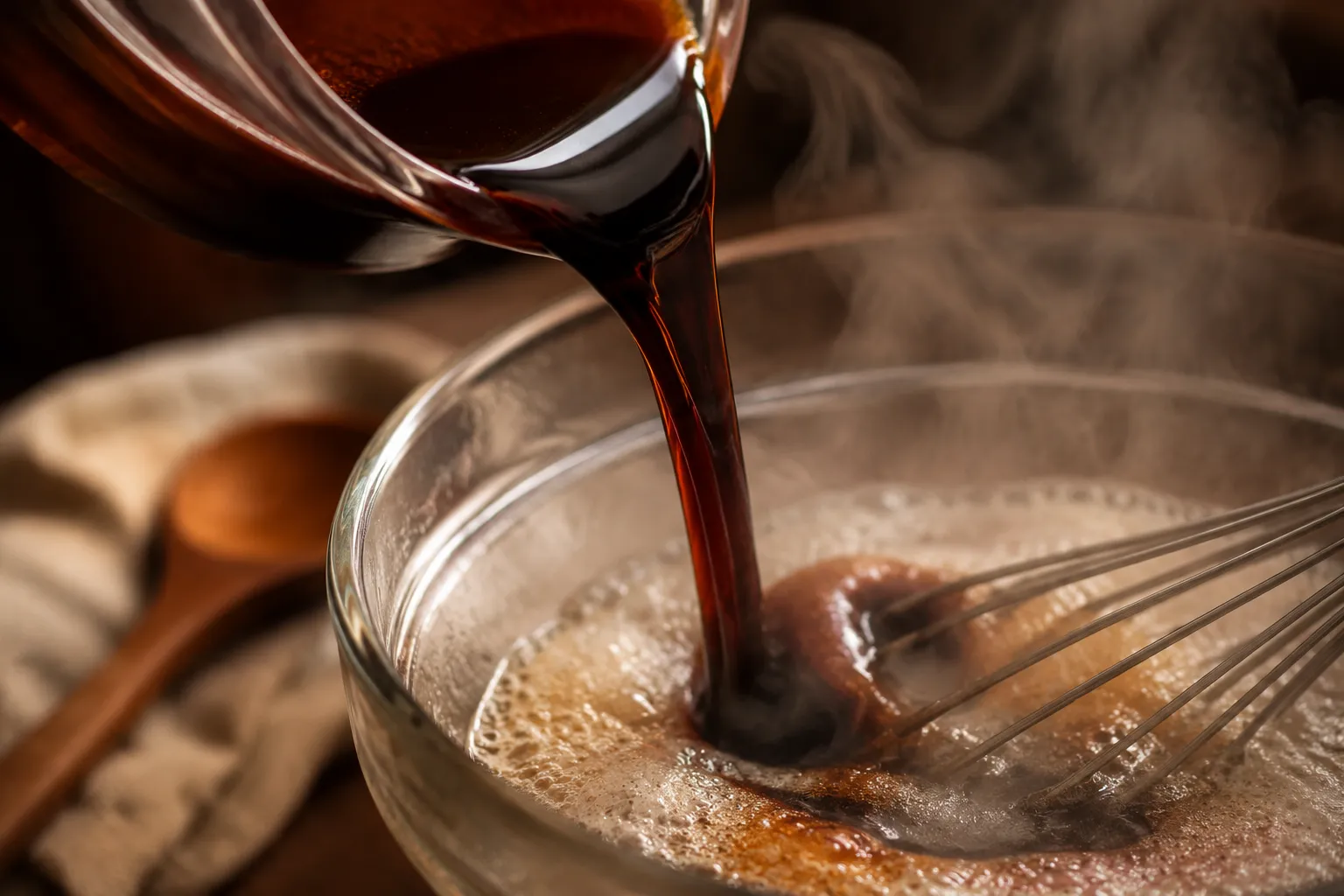
The filling will look thin at this stage, and that is normal. It thickens as it bakes and as some of the crumb mixture absorbs into the top. This loose texture is what allows the bottom layer to remain soft and glossy instead of baking into a uniform cake.
Stir together the flour, light brown sugar, cinnamon, and salt, then cut in the cold butter. You can use your fingertips, a pastry cutter, or even a fork, but stop before the mixture turns into a paste. You want sandy crumbs with some uneven pieces, not a smooth dough.
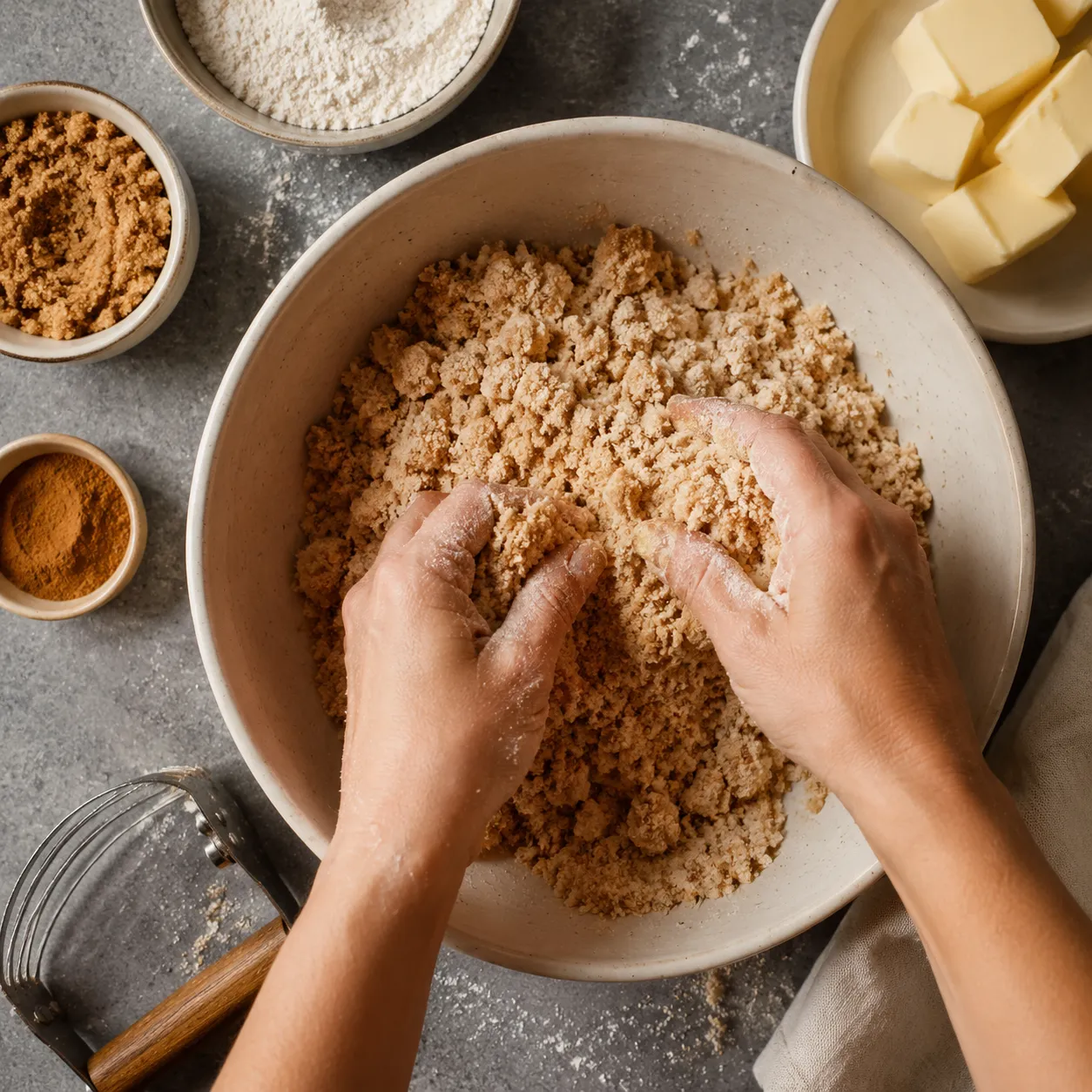
This is the same cozy technique used in many old-fashioned pie recipes, where a few basic ingredients create a topping that feels far more special than the sum of its parts. The crumb should hold together when pinched but scatter easily over the filling.
Pour the molasses filling into the prepared crust first. Then sprinkle the crumb mixture evenly over the top, letting it fall gently rather than packing it down. The crumbs need room to absorb, rise, and form a tender, uneven cap.
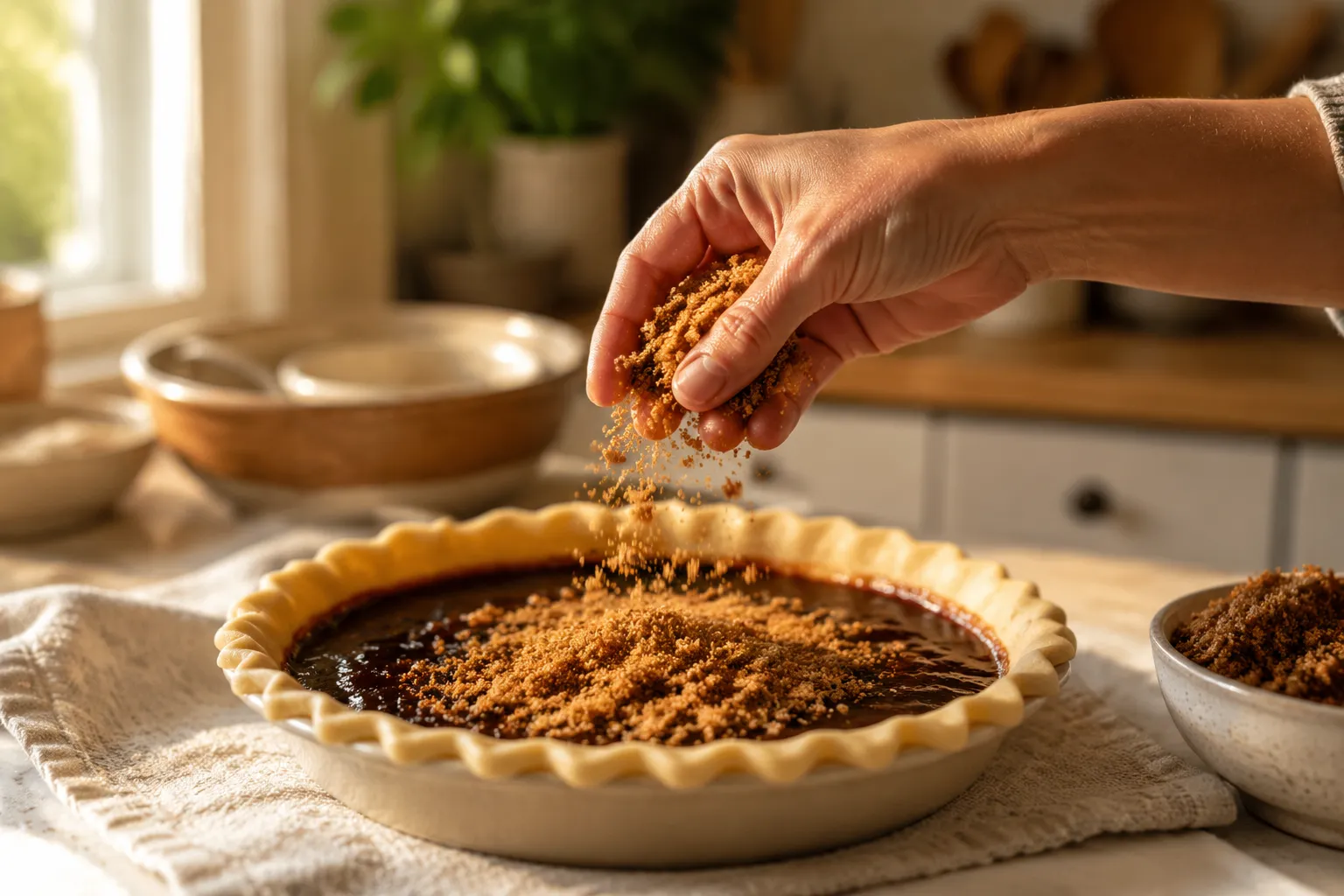
Bake until the top is golden brown, the center is set with a slight wobble, and the edges are bubbling gently. The pie may puff in the oven and settle as it cools, which is part of its charm. Let it cool completely before slicing so the bottom layer can thicken into that classic gooey texture.
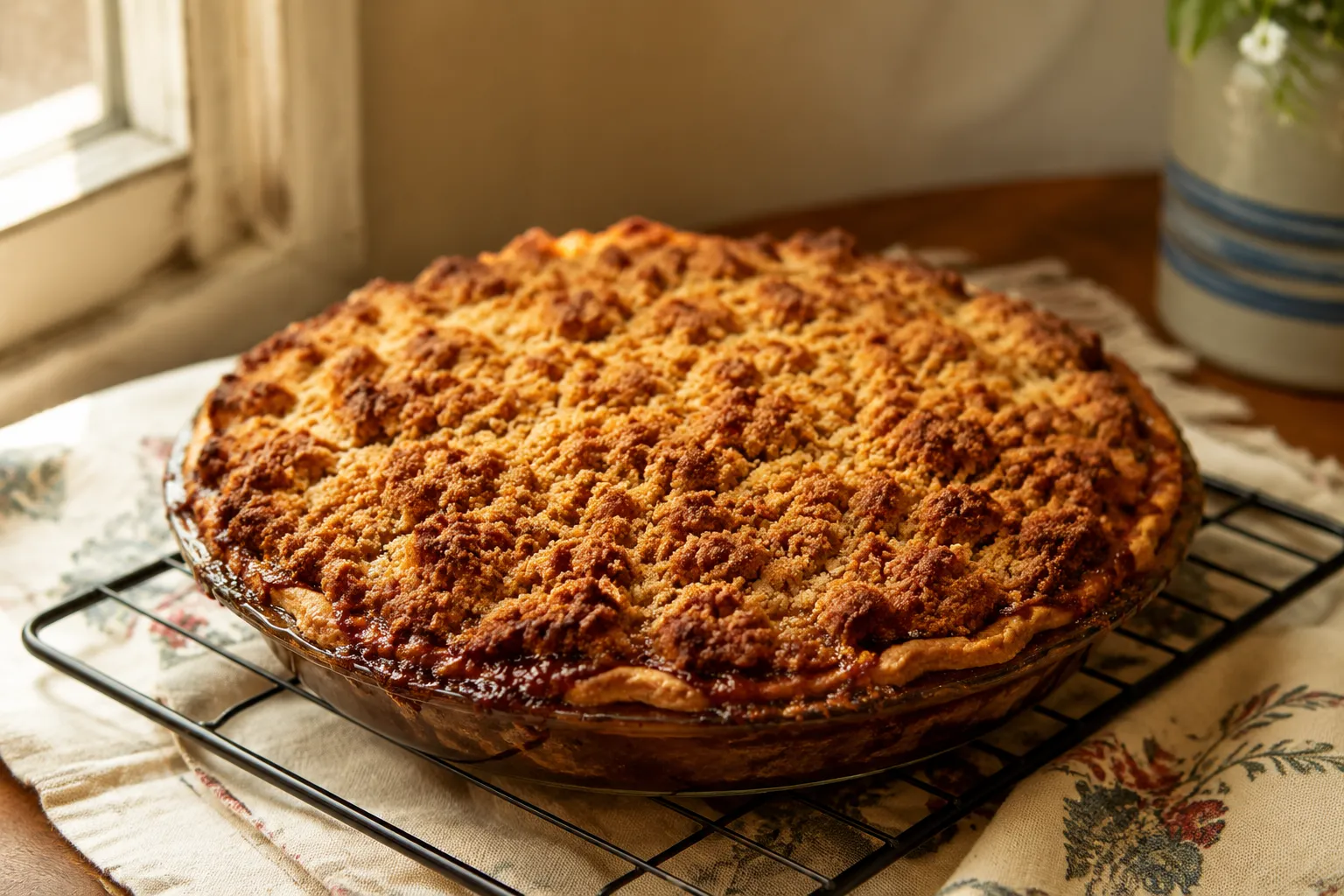
The best versions of this dessert taste humble and layered at the same time. You get the strong, old-fashioned sweetness of molasses, the softness of a simple cake-like crumb, and the delicate flake of pastry. It is the kind of dessert that makes sense with a cup of black coffee, not because it is overly sweet, but because the coffee sharpens all those caramel and spice notes.
This approach also respects the balance that makes Pennsylvania Dutch baking so beloved. There is no corn syrup, no chocolate drizzle, no extra frosting, and no need to dress it up. The flavor comes from technique and proportion: hot liquid, cold butter, enough baking soda, and the right molasses.
A slice of shoofly pie is wonderful slightly warm or fully cooled, though the cleanest slices come after it has rested for several hours. Serve it with strong coffee in the morning, hot tea in the afternoon, or a small pour of cold cream for dessert. The flavor is rich, so modest slices are usually just right.
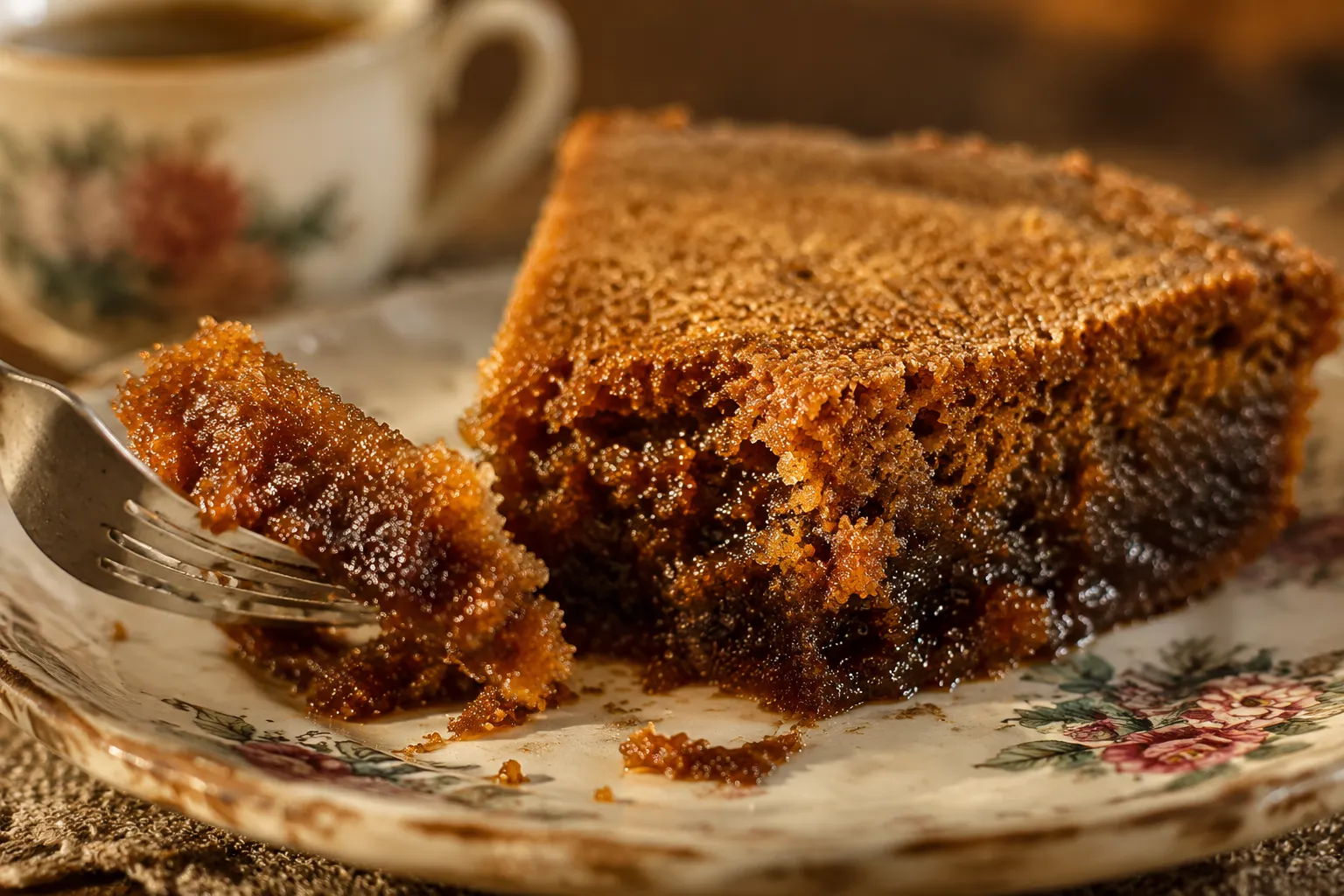
For a cozy dessert plate, add barely sweetened whipped cream or a scoop of vanilla ice cream. If you are planning a heritage-inspired menu, pair it with other Pennsylvania Dutch desserts or classic Sunday supper dishes. The molasses flavor also plays beautifully alongside apples, pears, toasted nuts, and warm spices.
This pie is especially nice for Thanksgiving, Christmas, potlucks, and chilly weekend baking. It travels well once cooled, looks rustic even when imperfect, and always sparks conversation. There is something wonderfully grounding about bringing a regional heirloom dessert to the table.
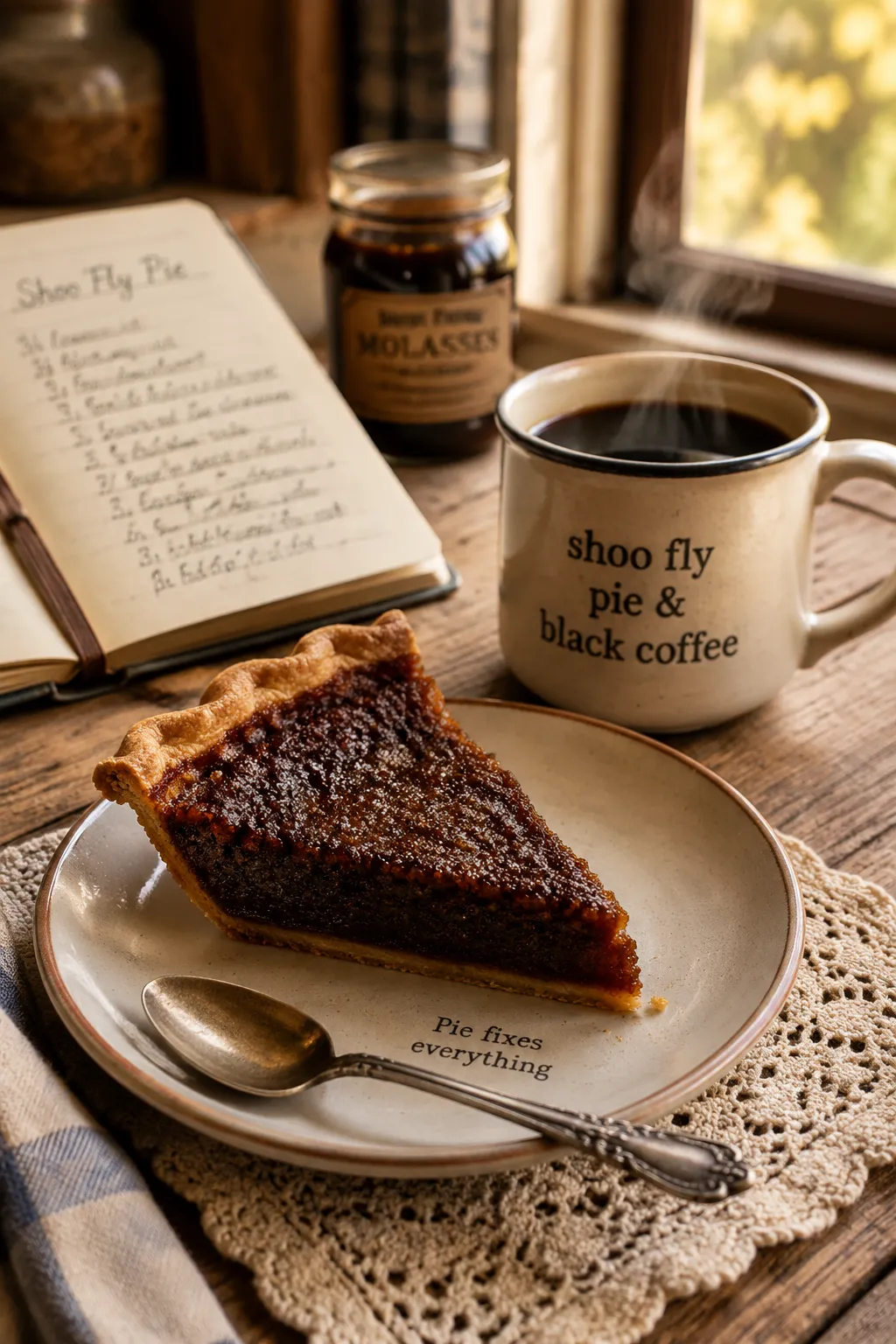
Whether you know it from Amish markets or are discovering it for the first time, this pie is a reminder that simple ingredients can still feel deeply special. Keep the molasses mellow, let the crumbs stay buttery, and give the baked pie time to rest. That is how you get the sticky, tender, golden-topped slice people remember.
Cover cooled pie loosely and store it at room temperature for 3 to 4 days. Because the filling is high in sugar and molasses, it keeps well on the counter as long as your kitchen is not overly warm.
If your kitchen runs hot, refrigerate the pie covered for up to 5 days, then bring slices to room temperature before serving for the best texture. To freeze, wrap the fully cooled pie or individual slices tightly in plastic wrap and foil, then freeze for up to 2 months; thaw overnight in the refrigerator and let stand at room temperature before serving.